Tag: Sales

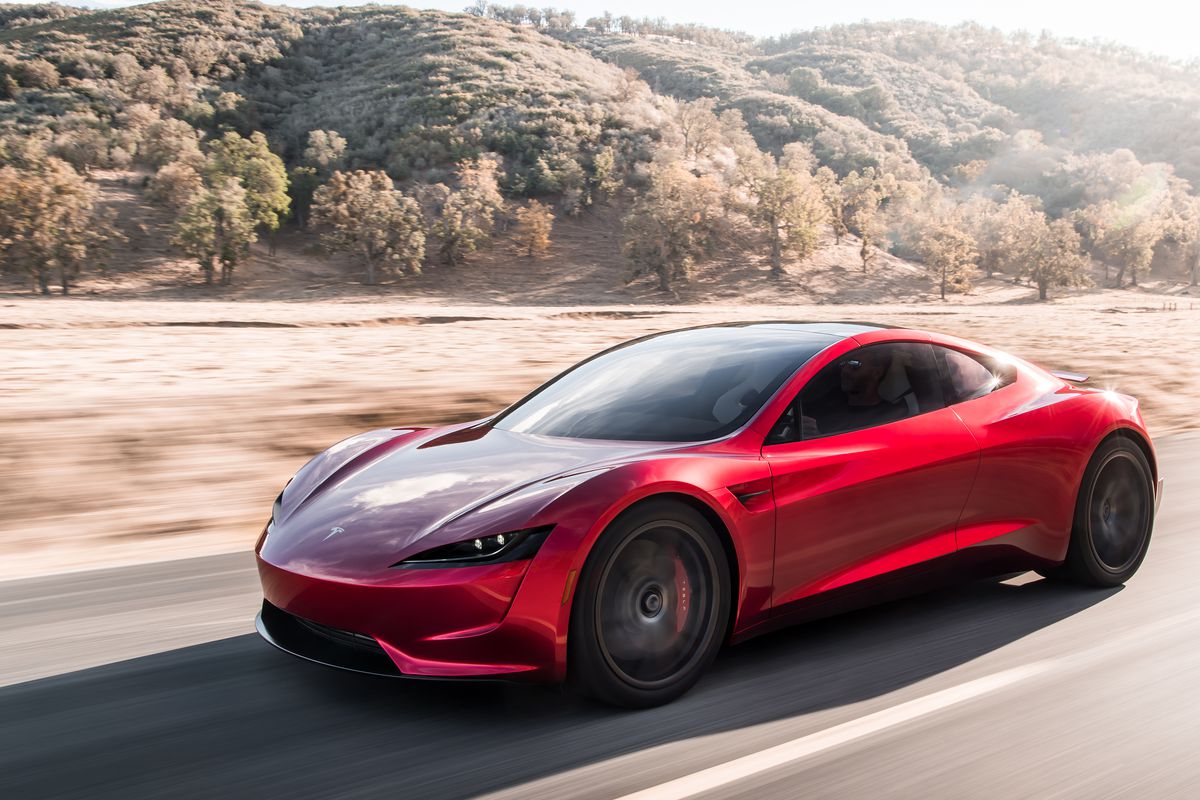
  • Tesla Cuts Price Of Model 3

    Tesla Cuts Price Of Model 3

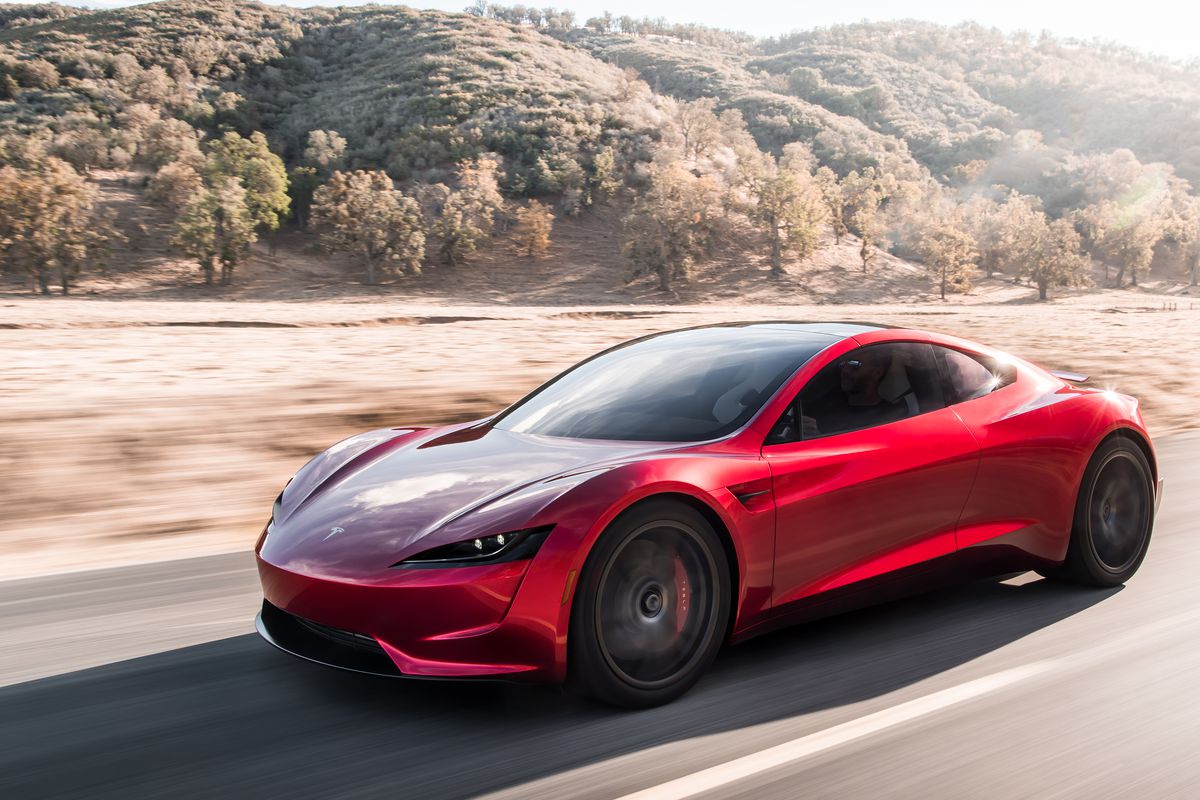
    U.S. electric vehicle maker Tesla has lowered the price of its mass-market Model 3 and raised the prices of its premium Model X and S cars.

    The starting price of the Model 3 is now $30,315, from $32,225, Tesla’s website showed on Tuesday. The top-of-the-range Model X now begins at $75,315, rather than $71,325, while the Model S rises to $70,115 from $65,125.

    The prices include potential incentives and petrol savings of $9,875, Tesla said on its website.

    Earlier this month, Tesla said deliveries of all three of its models in the second quarter of this year rose 51% from the previous quarter to a record 95,200 vehicles. The Model 3 accounted for about 80% of the total, underscoring the vehicle’s role as the linchpin of Tesla’s growth strategy.

    The automaker said it expected production and deliveries to continue growing in Q3.

    On Tuesday, Tesla also changed its prices in China, the world’s largest market for electric vehicles.

    Its website showed the Model 3 starting price is now 355,900 yuan ($51,780), down from 421,000 yuan. It lifted the Model X to 790,900 yuan and Model S to 776,900.

    Tesla is building a factory in Shanghai. In May it said it will set a starting price of 328,000 yuan for Model 3 vehicles built at the new factory.

  • E-commerce, international sales help boost Uniqlo parent’s Q3 results

    E-commerce, international sales help boost Uniqlo parent’s Q3 results

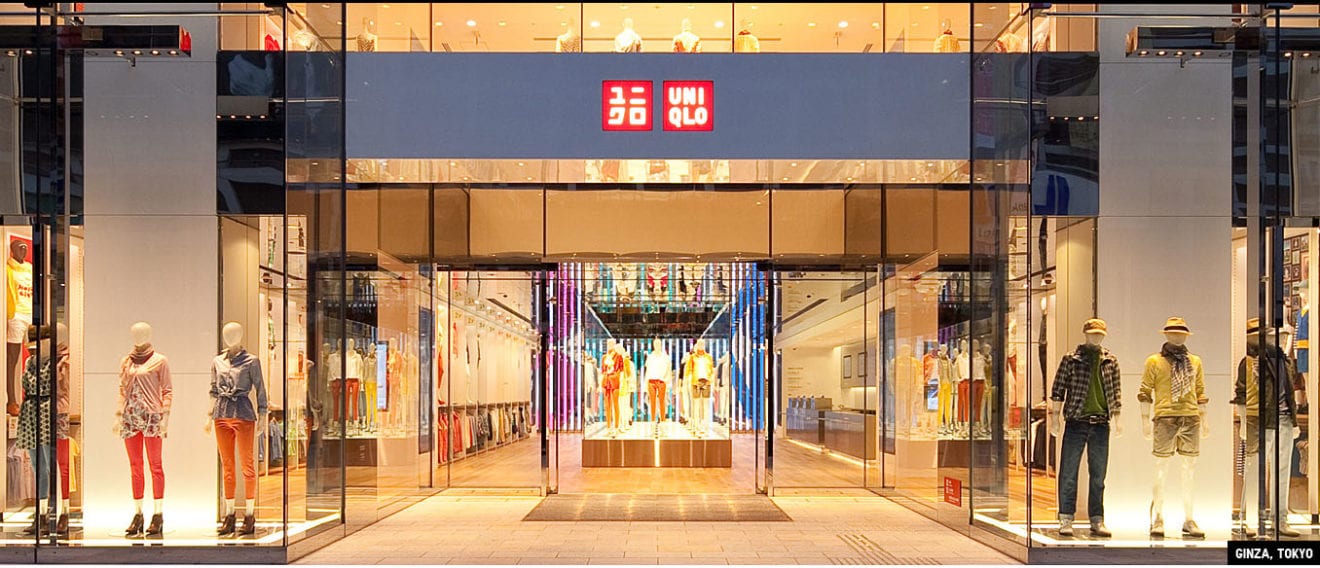
    Uniqlo owner Fast Retailing’s healthy online sales and strong performance in overseas markets, particularly in China, have helped boost its third quarter results.

    The Japanese retailer said its online sales saw a 16.1 per cent year-on-year increase in the three months to May 31 to ¥19.0 billion ($176.1 million), increasing their proportion of total sales from 7.8 per cent to 9.1 per cent.

    For the three months from March to May 2019, Uniqlo’s international segment reported strong results, with revenue expanding 15.3 per cent year-on-year and operating profit expanding 14.9 per cent year-on-year over that period.

    Uniqlo continued to achieve significant year-on-year growth in both revenue and profit in Mainland China, and achieved double-digit growth in both revenue and profit in Southeast Asia and Oceania on the back of strong sales of its summer range.

    But Fast Retailing’s less-than-stellar domestic sales have overshadowed the company’s strong performance in its e-commerce and international segments, indicating that Japan’s market still has a huge influence on the retailer’s results.

    The company’s domestic sales saw a 0.5 per cent decline brought about by shifting a sales event to June.

    On the profit front, the retailer’s operating profit declined by 7.5 per cent year-on-year on the back of a higher selling, general and administrative expense ratio, and a lower gross profit margin, which was dampened by its decision to bring forward discounting of leftover Spring Summer inventory.

    China continues to be one of the main engines driving overseas expansion, with sales in the country rising in the double digits.

    The retailer said Uniqlo so far hasn’t been hurt by the trade war between the US and China, and sales there were strong even in the face of a weaker yuan.

    Uniqlo Europe reported a decline in profit caused by unseasonal weather patterns and political uncertainty. However, within that region, Russia continued to perform strongly and report expanding revenue and profit.

    In terms of new-store activity, Uniqlo opened its first store in the Netherlands in Amsterdam in September 2018, as well as its biggest Southeast Asian global flagship store in Manila, Philippines in October 2018, and its first store in Denmark in Copenhagen in April 2019.

    Fast Retailing said it is planning to focus its efforts on expanding its global e-commerce operation and its Uniqlo international and GU casual fashion brands to meet its medium-term vision to become the world’s number one apparel retailer.

  • Volkswagen Says 50% Of Sales In China Will Be NEVs By 2035

    Volkswagen Says 50% Of Sales In China Will Be NEVs By 2035

    By 2035 half of Volkswagen’s sales in China will be new energy vehicles (NEVs), CEO Herbert Diess told a conference in Boao, China, on Tuesday, according to a company statement.

    Volkswagen intends to offer 14 electrified models in China this year. By 2028, more than half of the Group’s planned 22 million electric cars will be produced in China, the statement added.

    Volkswagen previously said it aimed to sell 400,000 NEVs in China next year and to sell around 1.5 million new energy vehicles in China in 2025.

    Volkswagen has joint ventures in China with FAW Group, SAIC Motor and JAC.

  • Tesla Model 3 Is Norway’s Top Selling EV Last Month

    Tesla Model 3 Is Norway’s Top Selling EV Last Month

    Almost half of new cars sold in Norway in the first six months of 2019 were powered by fully electric engines, up from just over a quarter in the same period last year, ensuring the Nordic nation retains its top global ranking in electric vehicle sales. Tesla’s Model 3 was Norway’s top-selling vehicle, the Norwegian Road Federation said when announcing the latest sales data on Monday.

    In total, 48.4% of all new cars sold from January to June were electric, surpassing the 31.2% seen for the full year 2018, and making oil-producing Norway the global leader in per-capita electric car sales by a wide margin.

    Seeking to end the sale of diesel and petrol engines by the middle of the next decade, Norway exempts battery-driven cars from the heavy taxes imposed on vehicles powered by fossil fuel. It also offers benefits such as discounts on road tolls. The policy has boosted brands such as Tesla, Nissan, Hyundai and BMW, which all offer fully electric vehicles, rather than hybrids that use electric motors to drive the car but also have a combustion engine

    Brands without fully electric offerings, such as Ford and Daimler’s Mercedes-Benz, have seen sales drop, although Ford and Mercedes are among several automakers that have promised to offer electric cars in Norway from 2020. California-based Tesla sold 3,760 vehicles in Norway in June, for a 24.5% share of all cars during the month, and was also the top-selling brand for the first six months.

    Most of its sales were of the mid-sized Model 3, while the bigger Model S and Model X have seen lower year-on-year volumes.

    The International Energy Agency, which includes the more widely-sold plug-in hybrids when counting electric cars, measured Norway’s share at 39% of sales in 2017, far ahead of second-placed Iceland on 12% and Sweden on 6%

  • E-commerce sales up in New Zealand with 16 per cent last year

    E-commerce sales up in New Zealand with 16 per cent last year

    New Zealand consumers spent $4.2 billion online last year, a 16 percent increase in 2017, according to the latest e-commerce report from NZ Post.

    This compares to just 2 percent annual growth in bricks-and-mortar shopping, the postie said in a statement released last week.

    The rise in spending was driven by Kiwis shopping online more often, with consumers hitting the ‘buy’ button 22 times each.

    Last year also saw the emergence of ‘super shoppers’ – with nearly 10 percent of the 1.8 million Kiwis who shopped online last year spending over $9000.

    The report found that spending with New Zealand online stores grew nearly twice as fast as spending with international online stores, though roughly a third of the dollars consumers spent online in 2018 overall went overseas.

    Around 12 percent of online shoppers used to buy now pay later methods, such as Afterpay, last year – with younger users and women being the majority of users.

    The most prominent online shoppers in New Zealand are women aged between 30 and 45 who live in rural areas, NZ Post found.

    “NZ Post is delivering well over half of all parcels bought online in New Zealand and we’re proud to be integral to that moment of joy when your online shopping parcel arrives,” Bryan Dobson, NZ Post’s chief marketing officer, said.

  • Renault India To Double Sales In India By 2021

    Renault India To Double Sales In India By 2021

    Renault India found success with the Duster and even the Kwid in India and now it’s readying to bring in its compact MPV – the Triber – into India. The Triber too, like the Kwid is based on the CMF-A platform and comes with a heavy dose of local content, so prices will be competitive for sure. But Renault India has grand plans for the Triber and it’s made its intention to export the compact MPV to other markets too and with it help the company improve its sales in India too. In fact, the company is looking to double its sales in the country by 2021 and the Triber will play a big role in making this happen. Thierry Bolloré, CEO, Groupe Renault said, “It’s (The Triber) a significant contributor to the progress we want to make in order to double the sales of Renault in India for sure.”

    The Triber is actually a seven-seater tucked under the four-meter mark. At that size, the new Renault Triber is a direct rival to the Datsun GO+ and also the upcoming compact seven-seater from Maruti Suzuki. It gets a completely different design language from its rivals that help make for a roomier cabin. In fact, Renault is comparing the Triber to a number of B-segment hatchbacks, with the French model offering the additional third-row seating that is more practical. Renault also says the new offering will be 20 percent more affordable in terms of ownership than a conventional B-segment hatch.

    But it’s not just the sales in India that will help Renault achieve this target. The company is banking on exports as well, something it has been doing with the Kwid too. Bolloré said, “Export is key because this is a car made in India, for India and having the genes for a great exporter to other markets.”

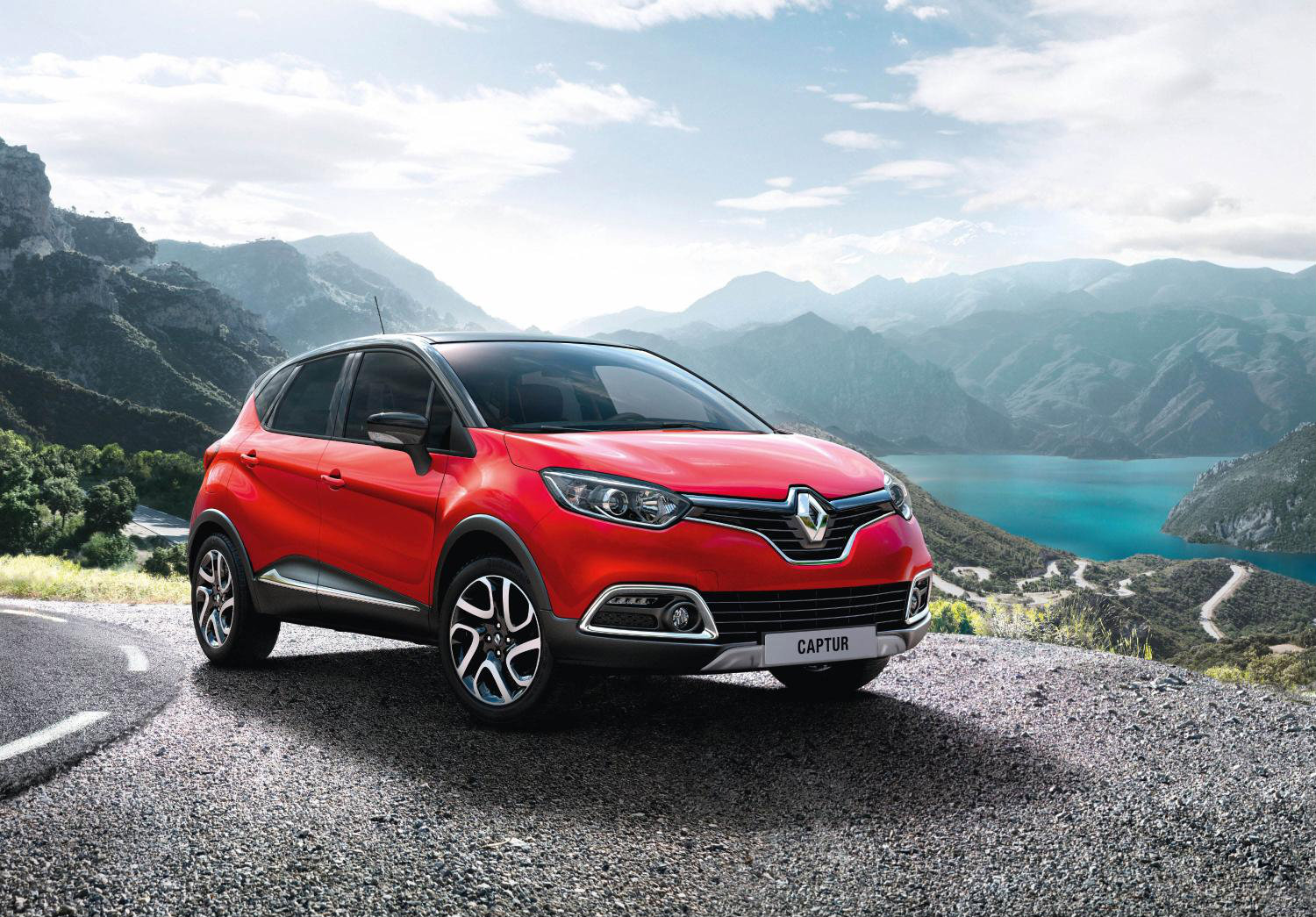
    Not everything has worked for Renault in India though. Cars like the Lodgy and the Capture have failed to pick up in terms of sales and establish themselves as strong contenders in their respective categories and Renault isn’t shying away from that reality. Bolloré explains, “The mistakes we have done sometimes, well, we have learned from that. We are quite humble you know, and we know it’s necessary, step-by-step, to understand, and to be better and better for sure, Triber is one key contributor.”

    There will be some other contributors, coming fast after the Triber which will help Renault achieve its set target for 2021.

  • Huawei reportedly cuts shipments of its phones

    Huawei reportedly cuts shipments of its phones

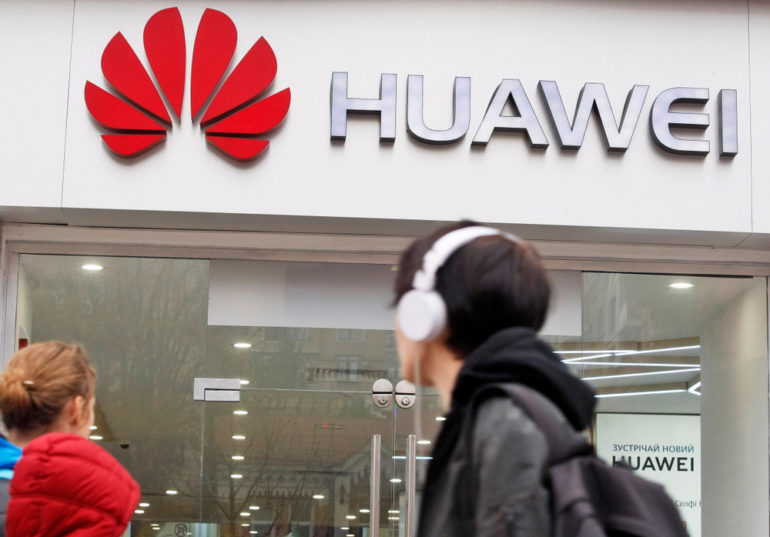
    After being banned from accessing its U.S. supply chain, Huawei decided in May to stop taking orders for its low and mid-range handsets that aren’t powered by the company’s Kirin chipsets. Huawei has reportedly stockpiled a year’s worth of chips and components in anticipation of such a ban, it is now cutting shipments of its higher-end handsets. The report states that earlier this month, the company started cutting orders for the Huawei P30 line, which includes the P30 Pro. The latter is the manufacturer’s most premium handset at the moment. While U.S. carriers can’t stock Huawei’s phones,  earlier this year retailer B&H offered U.S. consumers the Latin American version of the P30, P30 Pro and P30 Lite adding a one-year U.S. warranty. However, since the U.S. ban, B&H has stopped selling these models.

    Today’s report notes that Huawei has also started cutting orders for the upcoming Mate 30 series. Not expected out until October, the line includes the Huawei Mate 30 Pro; this model would normally be considered Huawei’s most technologically advanced phone of the year. With the ban, it isn’t clear what new features will be included in the device. Currently, expectations call for the Mate 30 Pro to sport a 6.7-inch AMOLED display with a QHD+ resolution. The device could be equipped with a pair of chips from Huawei’s HiSilicon unit, namely the Kirin 985 SoC and the Balong 5000 5G modem chip.

    Barring a sudden removal from the U.S. Entity List, Huawei’s new phones will most likely ship with its own HongmengOS (aka ArkOS) pre-installed. Huawei has its own app distribution platform called App Gallery, but it remains to be seen how much developer support ArkOS will get.

    Internally, Huawei expects its international phone shipments to drop by 40% to 60% this year. Of the 206 million units it delivered in 2018, about half were shipped out of China; that means that the company believes it will see total shipments drop by as many as 60 million handsets this year. Just last quarter, the manufacturer shipped 59 million smartphones worldwide, up over 50% year-over-year. At that pace, Huawei was on track to deliver just under 240 million units for 2019. Now the company is looking at a figure in the neighborhood of 140 million to 160 million smartphones. While Huawei planned on becoming the top smartphone manufacturer in the world next year, that goal will have to be scrapped for now.

    Once Huawei uses up the inventory of Kirin chips it does have, things are going to get tough for the company. With chip design firm ARM Holdings cutting ties with Huawei (the company is headquartered in the U.K. but uses some American technology), the company might have to turn to an open source replacement. And the software from U.S. companies that the manufacturer uses to design its chips will also have to be replaced. While Huawei apparently did have the foresight to develop its own operating system and stockpile chips and key parts, it appears that the company might not have alternate plans for everything it needs to be self-sufficient.

    For those coming in late, Huawei ended up in this predicament because of U.S. lawmakers’ fears that the company’s products will spy on American corporations and consumers. Under Chinese law, the communist government can demand that Huawei gather intelligence on its behalf. Huawei has repeatedly denied that its phones and networking equipment contain any sort of backdoors; its chairman, Liang Hua, said back in February that if the Chinese government asks him to spy, he will defy them. The executive added last month that he would sign a no-spy document with any country. Ironically, that took place on the same day that the U.S. first announced Huawei’s placement on the Entity List.

    While U.S. President Donald Trump admitted in May that Huawei was placed on the list for security reasons, he added that “it’s possible that Huawei even would be included in some kind of a trade deal. If we made a deal, I could imagine Huawei being possibly included in some form, some part of a trade deal. It would look very good for us.” At this point, Huawei brass is probably hoping that the U.S. uses the company as a bargaining chip to obtain better terms from China in a new trade agreement. After all, the president was able to save ZTE from its U.S. export ban and it too is considered a national security threat.

  • Salesforce Brings the Customer Data Platform to the World’s #1 CRM

    Salesforce Brings the Customer Data Platform to the World’s #1 CRM

    Salesforce, the global leader in CRM, today unveiled its Customer Data Platform (CDP) with the next generation of Customer 360. New platform services will enable companies to unify disparate customer data throughout their entire organization and then personalize every engagement based on a single view of the customer. Customer 360 will go beyond traditional CDP capabilities and extend the power of CRM with consumer-scale data management and activation.

    “Customers today will not settle for fragmented experiences, and companies recognize that creating a single view of the customer is imperative to earning their loyalty,” said Bret Taylor, President and Chief Product Officer, Salesforce. “With Customer 360, we continue to extend our platform in new ways, empowering brands to unify data and personalize customer engagement at scale.”

    Customers Expect a Level of Personalization They’re Not Getting

    Most of the interactions that customers have with brands today are disconnected and therefore underwhelming. The latest Salesforce Connected Customer report finds that 78 percent of customers expect consistent interactions with a company regardless of the department they’re dealing with, yet only 50 percent of companies tailor their engagement based on a customer’s past interactions.

    The challenge for companies is that they are swimming in a deluge of customer data. Many are trying to unify data from legacy systems, disconnected channels, multi-channel attribution and elsewhere. They also need to adhere to regulations like GDPR and adapt to new channels like voice and chatbots. In this reality, delivering personalized and integrated engagement is difficult, and customers often pay the price. A retailer is unlikely to know that the customer who just contacted customer service for a broken product is the same one that also just received a promotional email for that same product.

    The Next Generation of Customer 360 Delivers Integrated Customer Engagement

    At Dreamforce 2018, Salesforce introduced Customer 360, which allows companies to connect Salesforce apps and create a unified customer ID to build a single view of the customer. Additionally, by extending the power of Customer 360 with MuleSoft, companies can connect any app, data source or device across any cloud and on-premise. Today, Salesforce is expanding Customer 360 with new advancements that will make it easier to bridge fragmented customer data across the entire organization and enable companies to deliver integrated customer engagement at scale.

    The next generation of Customer 360 will enable:

    • Data Unification and Consent Management: Brands will be able to unify all of their customer data to create rich customer profiles. This includes known and unknown data such as cookies, customer first-party IDs and more. With Salesforce’s consent management framework, companies also have the ability to easily gain customer consent wherever they engage–from email marketing to digital advertising.
    • Advanced Audience Segmentation: Segmentation capabilities will allow companies to identify specific groups of people to engage with in real-time based on demographics, engagement history and all other customer data available. For example, a company will be able to build an audience of female shoppers interested in running shoes based on information gathered from a combination of web browsing activities across several retail sites, marketing email interactions, previous purchases and more.
    • Personalized Engagement Everywhere: Once a brand knows what audience segment they’d like to reach, it can then activate the customer data across marketing, commerce, service and beyond. This means companies won’t skip a beat, reaching customers and prospects across channels like ads, email, social, mobile and web that are all integrated to deliver a continuous experience with the brand.
    • Optimization Based on Einstein Insights: With artificial intelligence, companies will be able to analyze and understand how and when to engage with customers to drive customer loyalty and improve business performance. Customer profiles are continuously updated based on their behaviors – as customers click on an ad, browse an ecommerce catalog, buy a product and open an email. This allows brands to leverage AI to drive the most relevant mix of product and channel recommendations to optimize channel engagement and customer satisfaction.

    “Enterprises are having a difficult time capturing all of their customer data in one place. With so much data coming in from dozens of sources, it’s hard for companies to keep track of it all, let alone use it to their advantage to deliver the connected experiences that customers want,” said Sheryl Kingstone, Research Vice President & General Manager at 451 Research. “A lot of solutions out there claim to solve these common challenges, but miss the mark. What Salesforce is announcing today is a strategic step forward in helping companies truly understand their customers through a single lens and engage with them one-on-one across marketing, commerce, service and beyond.”

    “Pacers Sports & Entertainment hosts hundreds of games, concerts and events each year for millions of fans in Indiana. Since teaming up with Salesforce, we’ve been able to improve fan engagement and build loyal relationships” said Todd Taylor, CMO, Pacers Sports & Entertainment. “We can now reach fans with the content most important to them, deliver personalized customer service and analyze how best to engage to keep them happy and involved alongside the entertainment experiences that we deliver. Customer 360 is a breakthrough innovation that we’re excited to adopt as we continue to grow the relationships we have worked hard to create with our fans.”

  • Singapore retail sales in April fell

    Singapore retail sales in April fell

    Singapore retail sales in April decreased by 2 percent year on year (motor vehicles excluded), with the apparel sector the only category to post growth.

    On a seasonally adjusted basis, sales decreased by 0.1 percent on March’s figures.

    The worst-affected categories were computers and telecommunications equipment, down 6.7 percent, and furniture and household equipment, down 6.5 percent. Statistics Singapore said this was due in part to lower sales of mobile phones and furniture. Sales by food retailers, of optical goods and books and in department stores decreased by between 3.1 percent and 3.5 percent year on year.

    However, sales of the apparel and footwear grew by 3.4 percent, due in part to a higher demand for bags and footwear.

    Singapore retail sales in April were estimated at S$3.5 billion, with online sales accounting for  about 5.4 percent of that figure

    Sales of food and beverage services grew by 3.1 percent year on year in April, reaching $826 million. Fast-food outlets, food caterers and other eating places (such as cafes) registered growth of between 3.6 percent and 8.2 percent. Sales of restaurants increased by a marginal 0.1 percent.

  • Car Sales Down By 20.55 Per Cent In May

    Car Sales Down By 20.55 Per Cent In May

    De-stocking is a common phenomenon in the auto market when the demand is not adequate. Also, the industry is on the verge of a big upgrade and automakers have also started to keep a check on inventories at the onset of Bharat Stage 6 (BS6) and BNVSAP (crash test norms) which will require them to introduce updated models which will adhere to all the upcoming regulations. Mahindra has already announced to shut down their production plant for up to 13 days and other carmakers as well are keeping a check on production.

    In May 2019, the passenger vehicle (PV) segment witnessed a decline of 20.55 per cent selling 239,347 units as against 301,238 units which were sold in the same month last year. However, retail sales which is the real reflector of market demand is down by just 1.46 per cent in the same month selling 270,048 units as compared to 274,037 units which were sold last year. The difference between the wholesale and retail figures itself speaks about the stock correction measures taken by the industry. Moreover, the production figures are down by 12.23 per cent as well which also substantiates the fact that carmakers are avoiding accumulation. The industry manufactured 315,168 units in May 2019 as against 359,078 units which were manufactured in the same month last year.

    Other than de-stocking, sales were also down due to general elections and low credit availability. Speaking on the industry outlook, SIAM has requested the government to reduce the GST on cars to 18 per cent which will help the industry to absorb the cost of BS6 transition. “Cars are set to become expensive post BS6. Hence, we have asked the government to bring down the GST rates which will help to keep a check on the prices to a certain extent,” said Vishnu Mathur, Director General, SIAM.

    SIAM is also requesting the government to reduce the corporate tax as government has withdrawn incentives on R&D. Lower corporate tax will also help the industry to use the saved money on development of new technologies. That said, the only thing that can work in favour of the industry at this point is the new launches which are expected to bring in some excitement among car buyers.

  • Jeep Compass Trailhawk Bookings Start In India

    Jeep Compass Trailhawk Bookings Start In India

    FCA India today announced that it has opened bookings for the Jeep Compass Trailhawk. Customers can now book the Trailhawk at a fully refundable ₹ 50,000 at any of the 82 FCA all-brand showrooms across 70 Indian towns and cities. The Trailhawk is the first Made-in-India Jeep to have earned the coveted Trail Rated badge, a global benchmark that is given to Jeep 4×4 SUVs which are developed to have much superior off-roading capabilities compared to regular 4×4 Jeep models

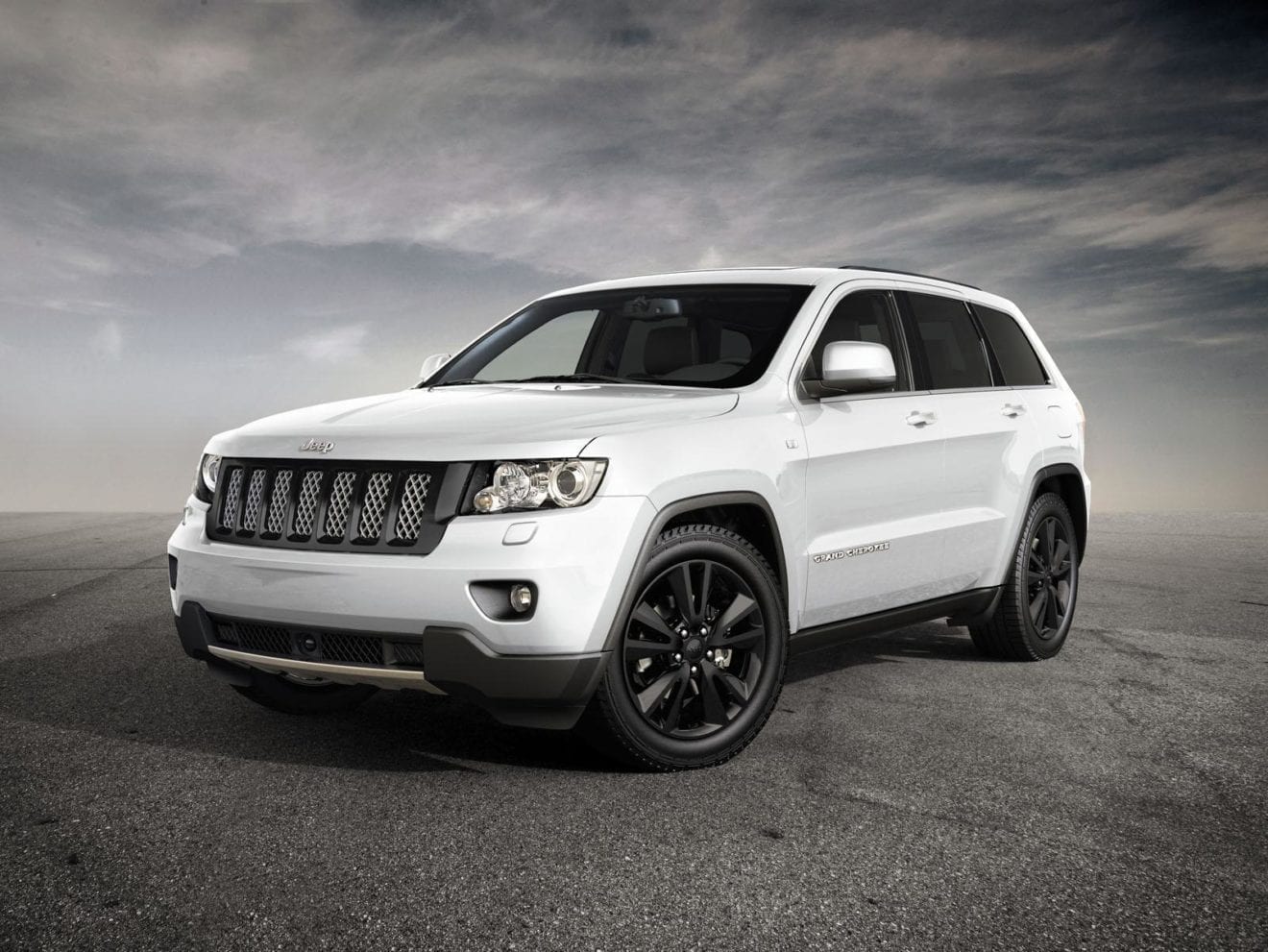
    The Trailhawk gets an anti-glare decal on the hood which ensures the sun does not hamper the driver’s visibility; the front bumpers are redesigned and are now devoid of the aerodynamic overhang. The air dam has been provided at the bottom of the front bumper for enhanced air intake. The Trailhawk also comes with the comfortable frequency damped suspension, albeit has ground clearance much higher than the regular Compass to aid extreme on- and off-road conditions. The Compass Trailhawk monograms on the front and rear are now matte, neutral grey and the 7-slots in the grille also gets matte, neutral grey frames. The Trailhawk is given a tow hook at the rear which makes it capable of pulling out a stuck vehicle

    Announcing bookings open, Kevin Flynn – President and Managing Director, FCA India said, “The Trailhawk is a product which is developed for customers looking for a hugely capable and exclusive SUV in the compact category. It is the first compact SUV to be offered the BS VI turbodiesel engine, nearly a year before the new emission norms come into effect and, it is the only compact SUV which comes with a 9-speed automatic transmission.”

    Under the hood, the Trailhawk gets a 2-litre turbodiesel engine is re-engineered with additional technology to make it fully compliant with the BS 6 norms which come into play on April 1, 2020. As the engine will be available in all Trailhawks nearly one year before the norms become effective, it uses urea technology that will ensure peace of mind for customers. This means that the BS VI engine is capable of running on BS IV diesel until BS VI diesel is widely available in the country.

  • A New Maruti Suzuki Dzire Is Sold In India Every 2 Minutes

    A New Maruti Suzuki Dzire Is Sold In India Every 2 Minutes

    Maruti Suzuki has been selling the Dzire compact sedan in India for over 10 years now and till now has reached around 19 lakh customers. The Dzire, now, is a subcompact sedan but Maruti Suzuki has had a compact sedan iteration before and the number of customers it has reached to is a combination of sales of both these cars. In 2018-19, Maruti Suzuki sold over 2.5 lakh units of the Dzire subcompact sedan averaging a monthly sales of 21,000 units. There’s no doubt it leads the pack in the segment and boasts of a market share of 55 per cent, while the Amaze is a distant second.

    Shashank Srivastava, Executive Director (Marketing & Sales), Maruti Suzuki India Limited said: “The brand Dzire has been a major contributor to Maruti Suzuki’s journey and we express our gratitude to customers. With the launch of Dzire, we created a new ‘compact sedan’ segment. This segment is continuously evolving and growing. Over the years, Maruti Suzuki Dzire has led this growth and it continues to be relevant and attractive to customers. A testimony to its strong customer connect is that the sales of third generation Dzire went up by nearly 20%.”

    The automatic variant of the Dzire too has received significant success with close to 13 per cent buyers opting for the AMT version. The Maruti Dzire is offered in a 1.2-litre petrol and a 1.3-litre diesel engine along with automated manual transmission or AMT offered on both models. The petrol engine makes 82 bhp and 113 Nm of peak torque while the diesel engine makes 74 bhp and 190 Nm of peak torque. The petrol model has a claimed mileage of 22 kmpl while the diesel Dzire has a claimed mileage of 28 kmpl.

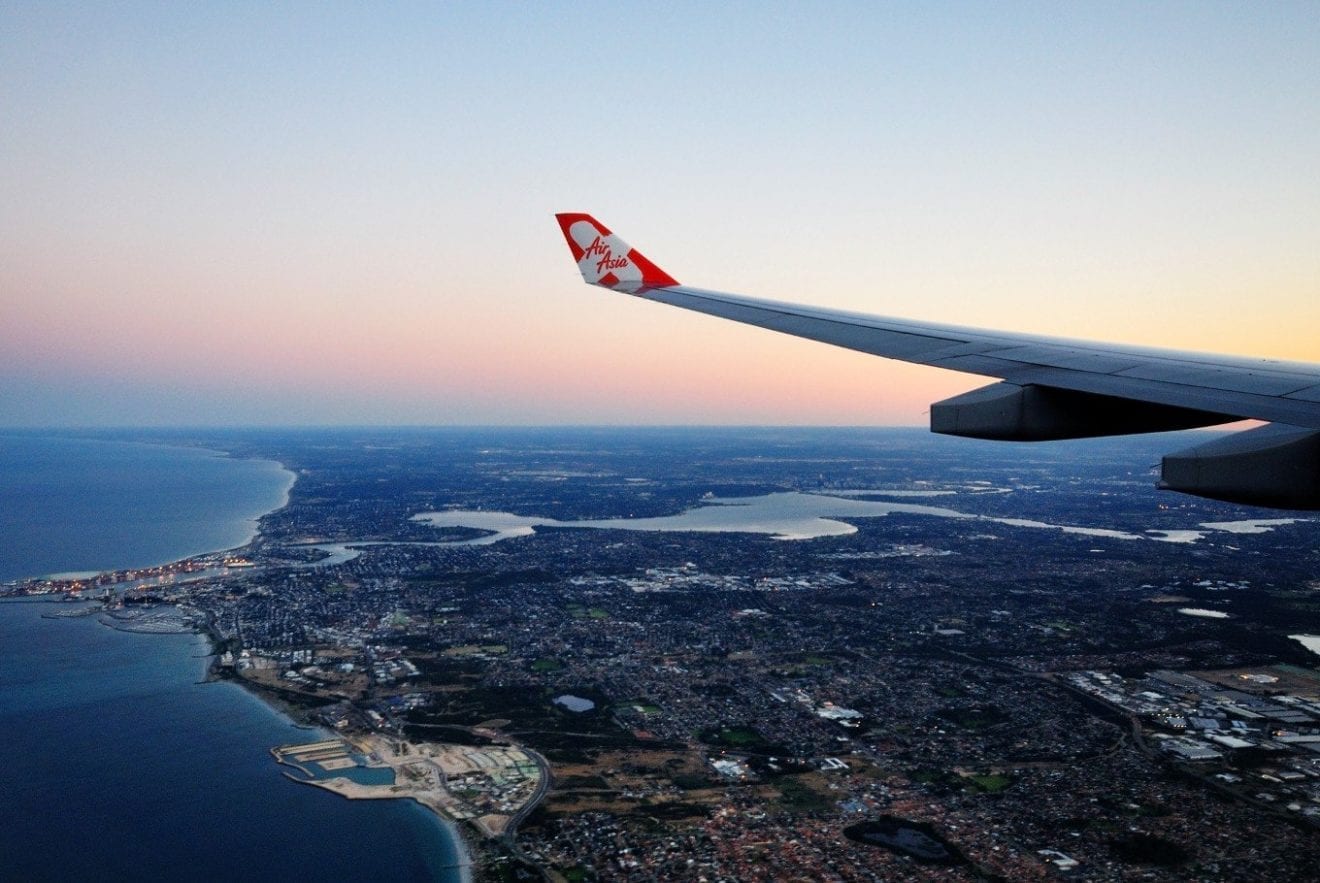
  • AirAsia transitioning to asset-light business model

    AirAsia transitioning to asset-light business model

    AirAsia is moving from the traditional model of owning aircraft to become an asset-light airline. The company plans to fully shift to the new model by completely withdrawing from aircraft ownership, a move that would bring the obvious benefit of lowering its financial liabilities.

    During AirAsia’s conference call with analysts last Wednesday, its management said it is targeting to sell another 19 aircraft this year.

    AirAsia is also focusing on its “digitalization” agenda, management added.

    The analyst said AirAsia would be looking to secure a deal similar to what it achieved last year when it went into sale and leaseback agreements that helped it raise a lot of funds.

    AirAsia’s management expects to raise around RM1.5bil from the sale and leaseback of its remaining 19 aircraft.

    Last year, the airline group sold 79 aircraft and 14 aircraft engines to US private investment firm Castlelake LP in a deal worth RM4.38bil.

    Following the success of the sale, AirAsia had last week announced a bumper dividend of 90 sen a share, which is worth more than RM3bil in total payout.

    For shareholders of AirAsia, this strategy has worked out well. AirAsia began its aggressive sale and leaseback programme and dishing out dividends around 2017.

    Here’s an interesting fact: AirAsia shareholders who bought the company shares on Jan 2, 2017 would have paid RM1.78 per unit. Since then, that’s exactly how much the airline has paid back in dividends, giving back those investors their entire cost of buying those shares.

    “AirAsia is a different company now. It is transitioning into an asset-light model, focusing its services through its platform and on-the-plane experience as well as its mobile wallet,” an analyst said.

    Going forward, though, not all analysts have a positive view on the airline’s earnings growth prospects.

    Going by Bloomberg data, analysts have a varied target price on AirAsia’s shares, ranging from RM1.56 to RM5.20.

    For the first quarter ended March 31, AirAsia posted a 92% drop in net profit to RM96.09mil compared with RM1.14bil recorded last year, when it recorded extraordinary gains. Its shares closed at RM2.88 last Friday.

    CIMB Research analyst Raymond Yap expects AirAsia’s future earnings to be under pressure, stemming from rising operating costs and higher depreciation as well as interest expenses due to the Malaysian Financial Reporting Standards 16.

    He added that other risks included higher fuel prices and a weaker ringgit against the US dollar.

    “The poor results will likely shock the market and cause analysts to slash their earnings forecasts, although the share price may be supported in the next two months by the 90 sen special dividend per share,” he said in a report.

    Yap has recommended investors to sell their positions in AirAsia prior to the dividend ex-date on June 30.

    “We recommend investors to take advantage of any share price upside post-announcement of the 90 sen special dividend to sell into strength, and to sell their AirAsia holdings prior to the dividend ex-date on June 30, 2019, to avoid the rush out of the door,” he said.

    Although AirAsia’s management has highlighted that it is targeting to continue with special dividend payments to shareholders for every two years, Yap believed the group is unlikely to declare additional special dividends in the near future beyond the 90 sen per share it had announced.

    “Continued losses at AirAsia India and Indonesia AirAsia may require the group to provide further equity injection or continuous working capital support,” he said.

    A different view is held by Nomura Research analyst Ahmad Maghfur Usman, who has the highest target price of RM5.20 for AirAsia shares. He expects AirAsia’s core earnings in financial year 2019 (FY19) to double to RM1.37bil compared with RM656mil last year.

    “We remain optimistic on the earnings outlook on the back of lower fuel costs, coupled with the turnaround from its Asean affiliates, while we expect losses from India to narrow on improved scalability as passenger volumes increase,” he said in a research note.

    For this year, AirAsia is targeting to add 18 aircraft including additional 11 for AirAsia India.

    In terms of its digital business, AirAsia is targeting to roll out remittance and lending products and expand its BigPay offerings to other Asean countries this year.
  • Online FMCG sales to soar in four years

    Online FMCG sales to soar in four years

    Online FMCG sales are forecast to grow 163 per cent by 2023 across major markets, according to a new report from research organisation IGD, in association with The Consumer Goods Forum.

    The report explores three digital retail models of the future and predictions for an increasingly digital food and consumer goods industry. It finds that Asia and North America will lead the way on the rate of growth, with Europe set to develop this channel at a comparatively slower pace. Major grocery e-commerce markets will continue to expand rapidly, growing at almost four times the rate of any other channel.

    Online FMCG sales in Asia-Pacific are set to triple over the five year period, with IGD forecasting that in 2023, e-commerce’s share of grocery in Asia (7.5 per cent) will be twice that of North America (3.4 per cent), and close to three times larger than Europe’s (2.5 per cent).

    Asia-Pacific’s online grocery market will grow by 196 per cent by 2023, adding US$198 billion to the industry.

    “We are living in exceptional times,” said IGD CEO Susan Barratt, “with an extraordinary burst of retail innovation, driven largely by digital developments. With this research we explore the global proliferation of retail innovation from three different directions: established players, online specialists and the new ecosystems. We believe that plenty of the new emerging models are set to grow and prosper, which means established retailers will need to work hard and swiftly, either to limit their impact or to emulate them.”

    “While of course growth remains challenging for all of the established players in the industry, many are nevertheless finding that the ongoing disruption presents exciting opportunities,” said The Consumer Goods Forum MD Peter Freedman.

    “This report presents several ideas for consumer goods and retail companies looking to secure their long-term future, and we’ll be discussing some of these themes at the Global Summit in Vancouver: how scale and agility can impact your business model, how digital technologies will permeate decisions and how new forms of collaboration will help drive the sustainable evolution of our industry.”

  • Online retail sales slows down last Month

    Online retail sales slows down last Month

    Online retail sales fell 3.8 per cent month on month in April, after a less than stellar March, according to the National Australia Bank’s monthly Online Retail Sales Index.

    The result is consistent with a general slowdown in retail observed by NAB, while the result itself is up 1.7 per cent on a year on year basis.

    “This month, both online retail and broader cashless retail series indicated very weak retail conditions,” NAB chief economist Alan Oster said.

    “While year-on-year growth in online sales has also slowed considerably in recent months, these comparisons are made to a period of elevated sales in 2018, with major new merchants to Australia, and also pre-GST exemption effects.”

    While all categories suffered a contraction in sales during April, games and toys suffered least with only a 0.2 per cent reduction in sales, while takeaway food fell 8.6 per cent – the steepest drop.

    International retailers outperformed domestic retailers on a monthly basis, with international retail enjoying a 0.7 per cent increase in sales, compared to the 4.4 per cent fall in domestic trading.

    However, NAB identifies a considerable weakness in international online sales on a year-on-year basis, most likely owing to the change in how GST is calculated and charged.

    “Tasmania, with about 2 per cent of online sales, was weakest in April after leading growth in March,” Oster said.

    “New South Wales, Victoria and Queensland represent over three quarters of the online market in Australia by sales value. Of these larger sales states, Queensland was strongest over the year.”