Tag: Sales

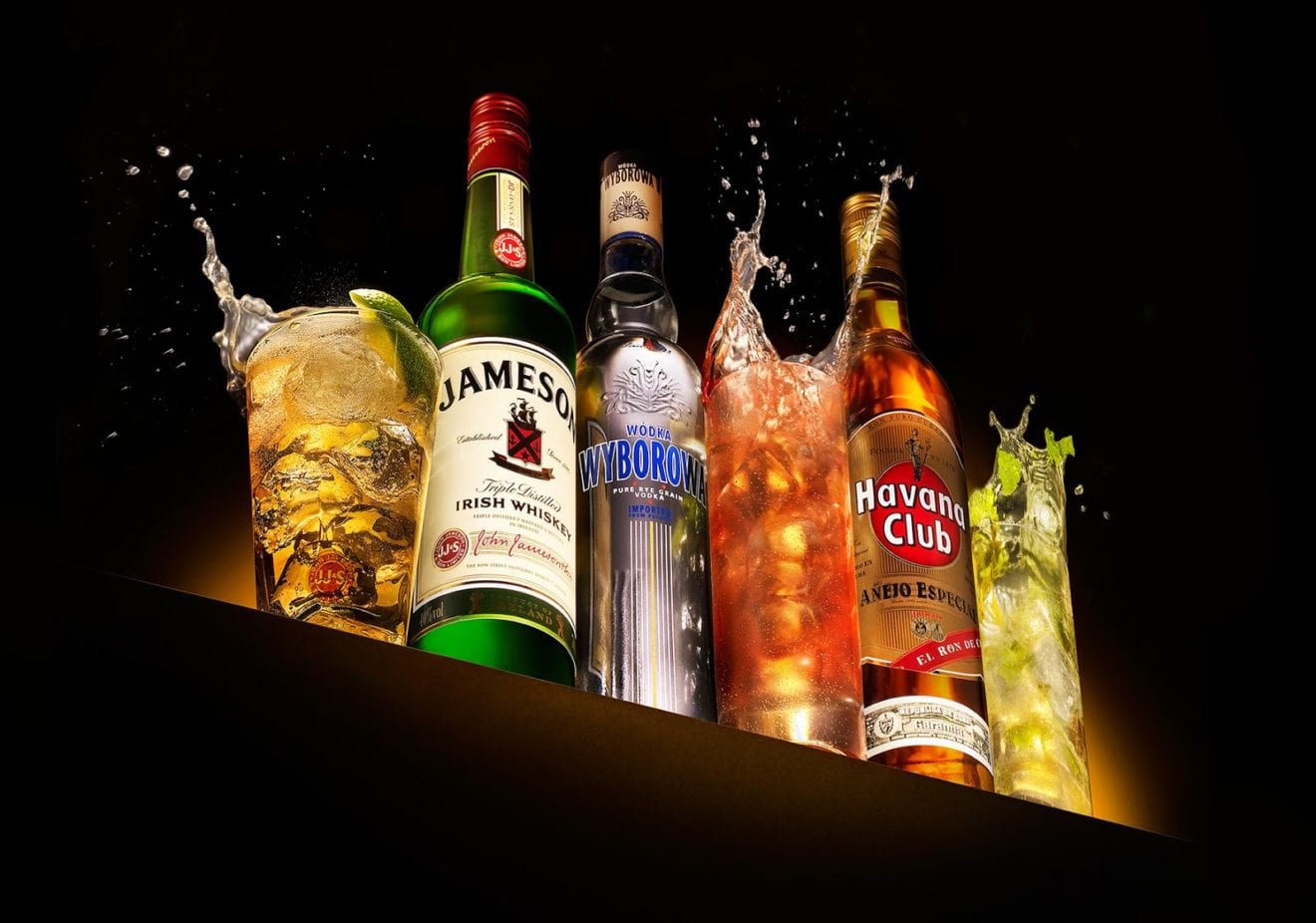
  • Online liquor sales boom in Vietnam

    Online liquor sales boom in Vietnam

    Vietnam has removed a proposed decree to prohibit online liquor sales, accepting that it goes against international trends. The bill, proposed by the Ministry of Health last year, would have prohibited online sales of beverages with an alcohol content of more than 15 percent. But legislators got into a heated debate over this regulation, with critics saying that it would go against international trends and challenge e-commerce development.

    The National Assembly (NA) Committee for Social Affairs on Thursday said it has removed the decree after listening to legislators’ views.

    Some new changes have been made in the latest version of the bill. The advertisement for beverages with less than 15 percent of the alcohol content will now be allowed on TV and radio.

    However, these advertisements must not be carried between 7-8 p.m. every day.

    The bill is set to be discussed and voted on at the end of the ongoing National Assembly session.

    Alcohol, especially beer, is widely consumed in Vietnam. Data collected by the Ministry of Health shows Vietnamese citizens consumed 305 million liters of liquor and 4.1 billion liters of beer in 2017, making it the biggest alcohol consumer in Southeast Asia and third biggest in Asia after Japan and China.

  • Retail Sales growth holds steady in April

    Retail Sales growth holds steady in April

    Economy-wide spending remained stable in April, apparently unaffected by the election period, according to the Commonwealth Bank’s latest Business Sales Indicator (BSI).

    Spending rose 0.5 per cent in trend terms in April, after gains of 0.6 per cent in both February and March, and a 0.5 per cent increase in January.

    Annual trend sales growth remained steady at 5.3 per cent for the 4th straight month, just below the 5.5 per cent long-term average growth rate.

    The seasonally-adjusted measure of the BSI, which measures debit and credit card transactions at Commonwealth Bank merchant facilities, rose 0.3 per cent in April, the 10th gain in the past year.

    The continued momentum in April was driven by strong growth in the amusement and entertainment and utilities sectors, which were both up 1.0 per cent, and hotels and motels, which was up 0.9 per cent, likely due to the Easter and Anzac Day holiday period.

    Retail stores also recorded spending gains in the month, though sales in clothing stores were down 0.3 per cent, making it the sector with the biggest drop, followed business services and repair services, which were down by 0.2 per cent.

    Sales were stronger across all states and territories in April except Northern Territory, where spending was down 0.4 per cent. Queensland saw the strongest growth, up 0.9 per cent), followed by Victoria and Tasmania, both up 0.8 per cent, South Australia, up 0.5 per cent, and Western Australia, NSW and ACT, both up 0.3 per cent.

    In annual terms, all states and territories had sales above a year ago except Northern Territory, where sales were down 5.4 per cent. Tasmania had the strongest annual growth, up 7.1 per cent, followed by Western Australia, up 7 per cent. South Australia had the slowest growth, up 3.1 per cent.

  • Ducati First Quarter 2019 Sales Up Worldwide

    Ducati First Quarter 2019 Sales Up Worldwide

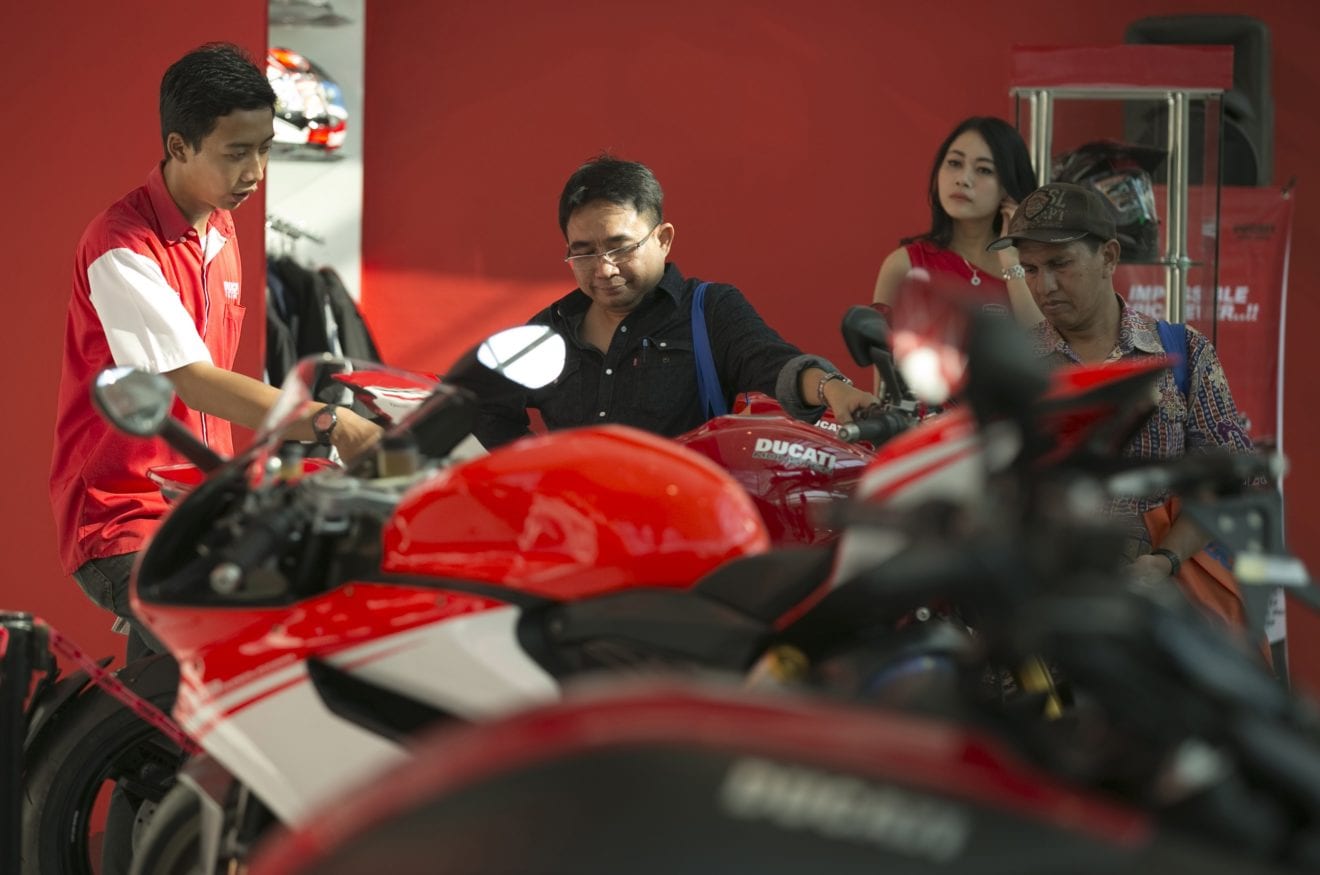
    Ducati has reported a five percent increase in sales worldwide in the first quarter of 2019. In all, Ducati delivered 12,541 motorcycles in the period from January to March 2019, compared to 11,949 motorcycles moved in the first quarter of 2018. And that’s not all; most segments from the Italian manufacturer showed growth in the first quarter, but the Hypermotard and Multistrada range showed the most growth, with sales increasing 18.6 percent. With 4,113 units sold in the first quarter, the Hypermotard and Multistrada are the company’s bestselling models.

    The Ducati Scrambler range continues to be a major revenue generator for the firm and already accounts for more than a quarter of Ducati’s overall sales. And in Q1 of 2019, sales of the Scrambler range shot up just short of 15 percent. Sales in the naked line-up, which includes the Monster and Diavel family, dipped slightly from 2018, by 1.13 percent. The Ducati Diavel 1260 has been introduced in 2019, but that hasn’t seemed to have enthused sales in the segment so far.

    Ducati’s superbike sales have dipped slightly, despite the introduction of the Panigale V4 line-up, and recorded a slip of 13.5 percent compared to the first quarter of 2018. In all, Ducati sold almost 600 more units in the first quarter of this year. With a naked V4 in the making, it remains to be seen how the upcoming new model will be received by the market. Based on the sales trend in the first quarter, it appears the neo-retro models in the Scrambler line-up will continue to be an important segment for Ducati, and could well display more volumes as the year progresses.

  • BMW X5 2019 Launched In India

    BMW X5 2019 Launched In India

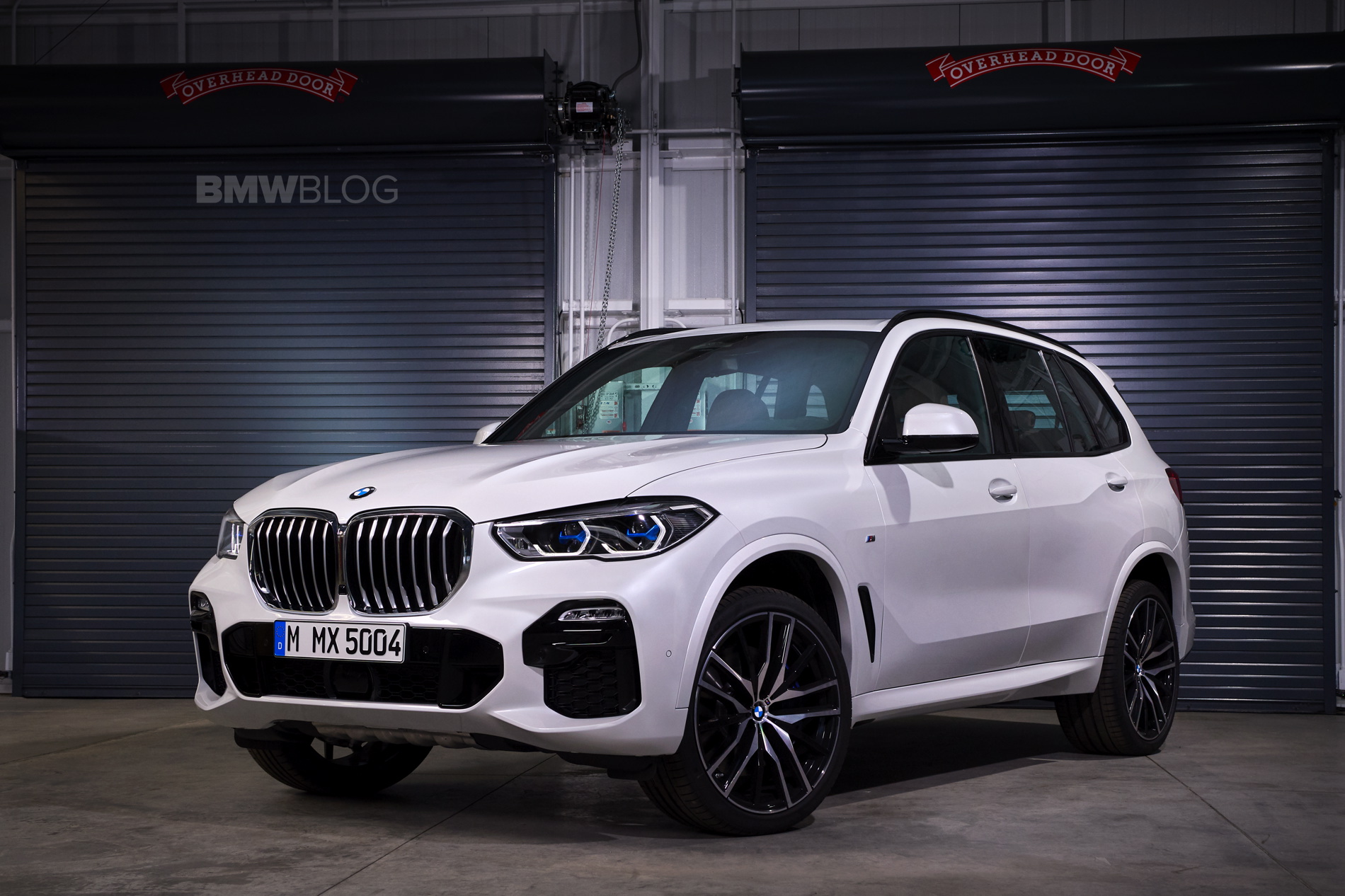
    BMW has launched the new generation of the X5 in India and prices for the SUV start at ₹ 72.90 lakh (ex-showroom India). The company has stated that it will launch 12 new models in the country in 2019 and the new-gen X5 is one among them. The all-new BMW X5 is available in two diesel models – BMW X5 xDrive30d Sport and BMW X5 xDrive30d xLine. The petrol variant BMW X5 xDrive 40i M Sport has also been launched at ₹ 82.40 lakh, however, it will go on sale later in 2019. The price for the new X5 tops out at ₹ 82.40 Lakh.

    Internally codenamed G05, the fourth generation BMW X5 is now based on the CLAR platform that also underpins the 5 Series, 7 Series and the X3 in the automaker’s line-up. The SUV is now larger and more feature-loaded than its predecessor while maintaining the sporty character of the older models. The BMW X5 has been a popular seller for BMW in India but the new gen model has become longer, taller and wider compared to its predecessor.

    It’s the largest X5 ever and this fourth-generation model is 35 mm longer, 32 mm wider and 11 mm taller than its predecessor. The space between the wheels too has increased and it now gains 42 mm on that front and it now stands at 2975 mm. Despite the new model getting bigger, the boot space remains the same at 645 litres that expands to 1,640 liters when the rear seat is folded.

    What’s also different is the way the X5 looks now. The fourth generation BMW X5 gets substantial upgrades on the design and feature front. The signature Kidney grille has grown larger and more imposing on the SUV, while the headlamps are all-LED with X-shaped inserts and get the new adaptive LED DRLs. The front bumper has been reworked and gets larger vents and LED fog lights. The new X5 looks more agile than ever but retains the same silhouette as the older model. The wide LED taillights with the 3D signature add to the distinctive look of the SUV, while the model now gets 21-inch wheels as an option.

    The cabin though is all familiar, in-line with other BMW models and gets the digital instrument console called the BMW Live Cockpit Professional display; along with a floating infotainment screen, updated iDrive along with Apple CarPlay and Android Auto compatibility. Like the other BMW models, you also get gesture and voice commands, as well as a customizable display. The cabin is covered in leather upholstery, while the feature list includes four-zone climate control, wireless charging, screens for rear seat passengers, a panoramic sunroof, welcome carpet light, ambient lighting, and a revised gear-selector lever.

    2019 BMW X5 Key Features

    • Live Cockpit Professional Display
    • Digital Instrument Console
    • Floating Infotainment Screen
    • Updated iDrive System
    • Gesture Control
    • Voice Command
    • Four Zone Climate Control
    • Wireless Charging
    • Rear Passenger Screen
    • Panoramic Sunroof
    • Ambiente Lighting
    The BMW X5 is powered by a 3.0-liter turbo diesel motor.

    Power will come from the 3.0-liter turbo diesel motor tuned for 261 bhp and 620 Nm of peak torque and the BMW X5 can clock triple-digit speeds in 6.5 seconds. The petrol will also be offered soon but for now, there’s just the diesel on offer. The new BMW X5 faces competition from the likes of the Mercedes-Benz GLE,n Volvo XC90, Range Rover Velar, Porsche Cayenne and the Audi Q7.

  • Uniqlo shoppers Details Leaked Online

    Uniqlo shoppers Details Leaked Online

    Uniqlo parent Fast Retailing announced hackers may have gained access to personal information of 461,091 accounts registered on the company’s Japanese shopping websites.

    The retailer said in a statement Monday the hackers may have accessed customers’ personal information, purchase history and partial credit card numbers of some of the users of its Uniqlo Japan and GU Japan online stores from April 23 to May 10 by means of list type account hacking.

    List type account hacking is when user IDs and passwords are potentially leaked from other services or sites.

    The company said it is still investigating the breach and added the number of incidents and circumstances may change during the course of the investigation.

    In the meantime, the Japanese retailer advised its online store’s customers, the number of which the company has not disclosed, to use unique passwords and to avoid using passwords used from other websites to lower the chances of hackers accessing their accounts.

    “Fast Retailing sincerely apologizes for the trouble and concern this has caused to its customers and all others involved,” the company said.

    “Going forward, the company will further strengthen its security measures and take steps to ensure safety, in order to prevent similar incidents in the future.”

    The retailer said information that was potentially accessed includes:

    • Customer name (last name and first name)
    • The customer address (postal code, address, and apartment number)
    • Customer phone number, mobile phone number, email address, gender, date of birth, purchase history, and clothing measurements
    • Receiver name (last name and first name), address, and phone number
    • Customer partial credit card information (cardholder name, expiration date, and a portion of credit card number). The credit card numbers potentially accessed are hidden, other than the first four and last four digits. In addition, the CVV number (credit card security code) is not displayed or stored.

    In its announcement, Fast Retailing said it has identified the origin of the communication from which the unauthorized logins were attempted and has blocked access. The company added it is strengthening monitoring of other access points.

    The Japanese retailer said it has already disabled the passwords for the 461,091 user IDs that were compromised and is sending individual e-mails to each person affected, requesting that they reset their password.

    Fast Retailing has also filed a report of damages regarding the unauthorized logins with the Tokyo Metropolitan Police.

    Online sales made up 9.9 percent of Uniqlo sales in Japan and 20 percent in China in the company’s first-half report. The company said overall online sales rose 30.3 percent in that report.

  • Yamaha Crosses 10 Million Production Landmark In India

    Yamaha Crosses 10 Million Production Landmark In India

    Japanese two-wheeler giant, Yamaha Motor has announced a production milestone of 10 million units in India. The company achieved the landmark production figure in 34 years of its presence in the country, having begun operations in 1985. The production number is a result of Yamaha’s three manufacturing facilities located in Surajpur, Faridabad, and Chennai that have contributed to the achievement. The 10 millionth vehicle to roll-out at the ceremony was the Yamaha FZS-FI V3.0 at the Chennai plant. The production volumes have not only catered to the domestic demand but for exports as well.

    Speaking on the significant milestone, Motofumi Shitara, Chairman, Yamaha Motor India Group of Companies said, “The journey for Yamaha has been quite exciting all these years. We have received a phenomenal response from our customers from across the country. This landmark achievement is a testimony of our growing popularity and demand for our products which are exciting, stylish and sporty. This would not have been possible without the support of our employees, dealer partners, suppliers, and vendors. They have played a key role and have extended their support throughout in line with the company’s business direction to achieve this important milestone. Going forward, we will continue to excite our customers and empower their lives through world-class products and services.”

    Yamaha’s popularity has soared in recent years with more mass-market offerings, which helped catapult the production numbers. The occasion also marked another accomplishment of five million units being produced in just seven years between 2012 and 2019. Scooter sales helped the manufacturer during this period, contributing 44 percent to the overall production with the Fascino being a popular seller. Out of the 10 million vehicles produced, about 80 percent units were rolled out from the Surajpur and Faridabad facilities while 20 percent of units were contributed by the new Chennai plant. Motorcycles remained larger contributors to Yamaha Motor India’s overall production. The company manufactured over 77.88 lakh motorcycles overall, while 22.12 lakh scooters were produced.

    Yamaha achieved its first such milestone in 1999, 14 years after commencing operations in India when the Surajpur plant hit the one million production run. In 2012, the company’s production increased to five million. The firm also introduced its first scooter – Yamaha Ray – the same year, which further helped build volumes. Yamaha had achieved a production run of one million for its scooters by 2016 with the offerings being manufactured at the then newly built Chennai plant that was begun operations in 2015.

    The Chennai factory has played a key role in Yamaha’s production strategy for India, according to the company. The plant has increased its capacity from 4.5 lakh units in 2015 to the current nine lakh units. In the last 5 years, the Chennai factory along with Surajpur & Faridabad factory have together met their production targets from 7.40 lakh units in 2014 to 10.2 lakh units in 2018.

    While Yamaha did shift its focus towards commuter motorcycles in the past years, the two-wheeler maker is now focussing back on sporty bikes and has introduced a slew of offerings in the past year including the YZF-R15 V3.0, FZ V3.0 and more recently the Yamaha MT-15. The bike maker is expected to also bring the updated YZF-R3 in India later this year or by early 2020 and possibly its naked sibling – Yamaha MT-03 – sometime in the future. There have also been rumors of the company entering the 125 cc scooter segment, but there has been confirmation on the same from the company.

  • HTC experienced massive losses during the First Months

    HTC experienced massive losses during the First Months

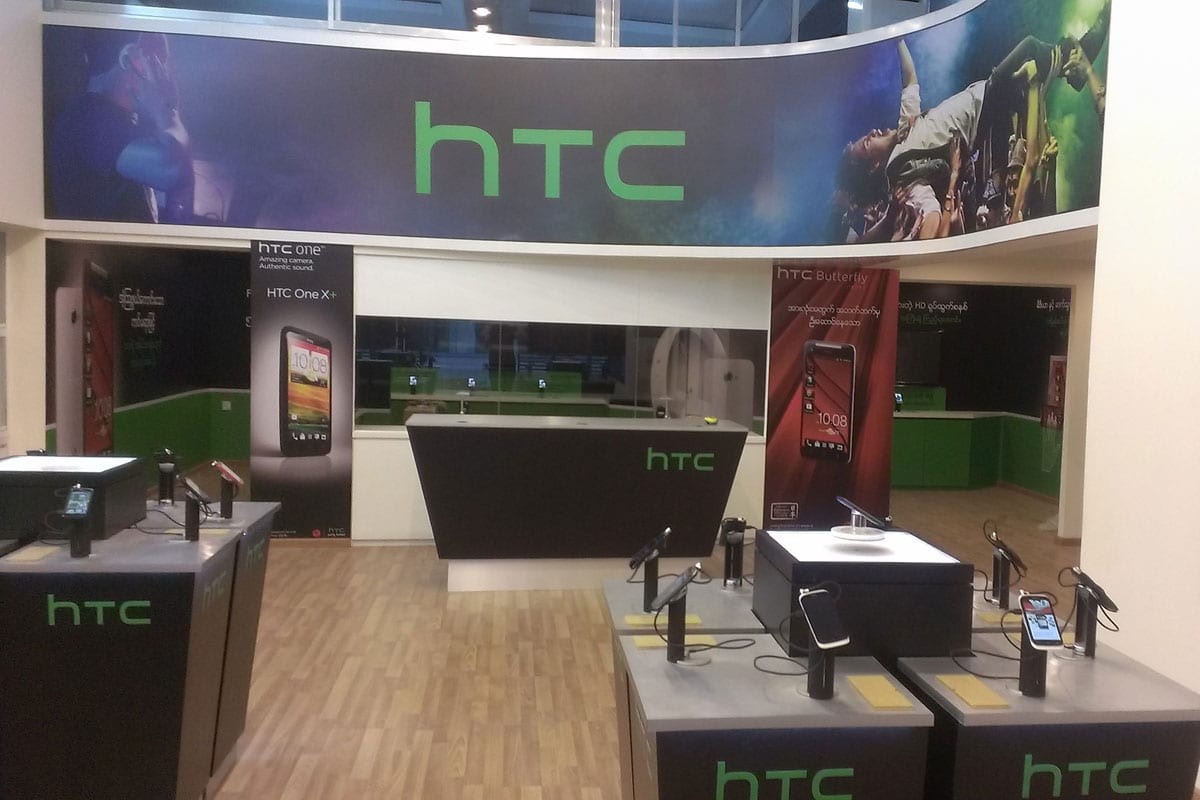
    HTC’s revenue numbers continued to drop massively between January and March 2019, and to no surprise today the company has confirmed that it experienced massive financial losses throughout the period.

    Despite seeing an improved gross margin of 14.7% during the quarter – a year earlier HTC’s gross margin was -3.1% – the Taiwan-based company still experienced a worse-than-expected loss of NT$ 2.73 billion ($87.68 million). The primary cause of this huge loss was HTC’s operating expenses, which essentially skyrocketed throughout the first three months of the year. In fact, within the space of 12 months, the company’s operating margin has gone from an awful -58.9% to an absolutely horrendous -92.9%, which means, at the moment, HTC is spending almost double what it earns.

    Overall, the company generated NT$ 2.94 billion ($94.45 million) in revenue throughout the quarter. The strong performance of HTC’s VR headsets appears to have been the primary source of income, although the company’s smartphone sales did also play an important role.

    Looking towards the second quarter of the year, HTC’s newly-announced Exodus 1s blockchain smartphone and the HTC 5G Hub are expected to positively affect the company’s finances. Both the Vive Pro Eye and Vive Focus Plus headsets are set to boost HTC’s sales too, all of which will lead up to the company’s 5G flagship during the second half of the year, as well as a couple of mid-range smartphones.

  • Boomtime ahead for chatbots in E-commerce

    Boomtime ahead for chatbots in E-commerce

    New data from Juniper Research predicts consumer interaction with chatbots in retail will reach 22 billion by 2023.

    The figure represents a sharp increase over an estimated 2.6 billion interactions this year.

    According to the new research report “AI in Retail: Segment Analysis, Vendor Positioning & Market Forecasts 2019-2023”, chatbots in retail will enable effectively automated customer interactions for both online and offline vendors.

    A crucial enabler of this development will be improvements in NLP (Natural Language Processing), which will dramatically reduce the failure rate of chatbot interactions, by making them more natural and valuable for customers.

    Juniper anticipates that retailers who do not adopt chatbots will face strong challenges from more technologically-adept disruptors, who will use chatbots as an extension to the crucial omnichannel retail experience.

    The research also found that chatbots used for customer service have a strong potential to reduce costs; with deployments realizing annual savings for retailers of US$439 million globally by 2023, up from just $7 million this year.

    These potential savings will act as a key “pull” factor, given the margin pressure that many retailers are presently feeling.

    “By embracing automated customer service with chatbots, retailers can act in a more flexible and efficient way,” explained research author Nick Maynard. “The wider retail market means that chatbots are no longer a luxury, they are essential.”

    Meanwhile, sales resulting from interaction with chatbots in retail will reach $112 billion by 2023, up from $7.3 billion this year; representing an annual growth rate of 98 percent.

    The research found these sales will largely be a result of migration from other channels, rather than a new revenue stream. Accordingly, the research emphasized that while retailers must adopt chatbots for ease of use (and to reduce consumer churn), their return on investment will come from efficiencies, rather than new income.

  • Tata Motors’ Passenger Car Sales Felt Last Month

    Tata Motors’ Passenger Car Sales Felt Last Month

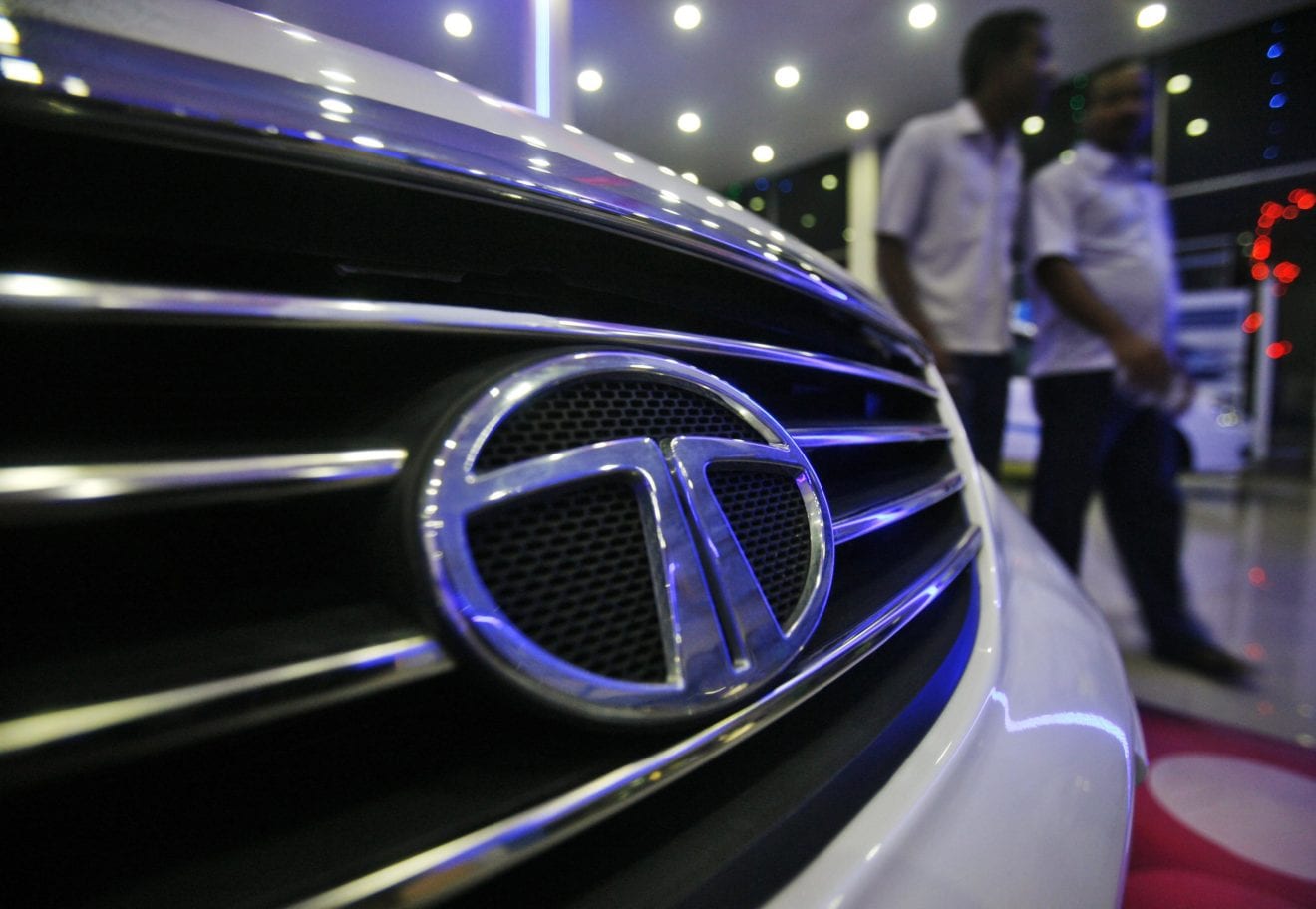
    The Tata Motors Group global wholesales in April 2019, including Jaguar Land Rover, were at 79,923 units. This number is lower by nearly 22 percent when compared to April 2018. The sales of the company’s commercial vehicles too were lower in April 2019 compared to the same period last year. The company sold 31,726 units of its commercial vehicles lower by 20 percent.

    The passenger vehicle side of the story was no different as the company’s global wholesales of all passenger vehicles in April 2019 were at 48197 units a drop of 23 percent lower compared to April 2018.

    Global wholesales for Jaguar Land Rover were 35,451 vehicles. Jaguar wholesales for the month were 13,301 vehicles, while Land Rover wholesales for the month were 22,150 vehicles.

  • Jaguar Land Rover Sales Decline Last Month

    Jaguar Land Rover Sales Decline Last Month

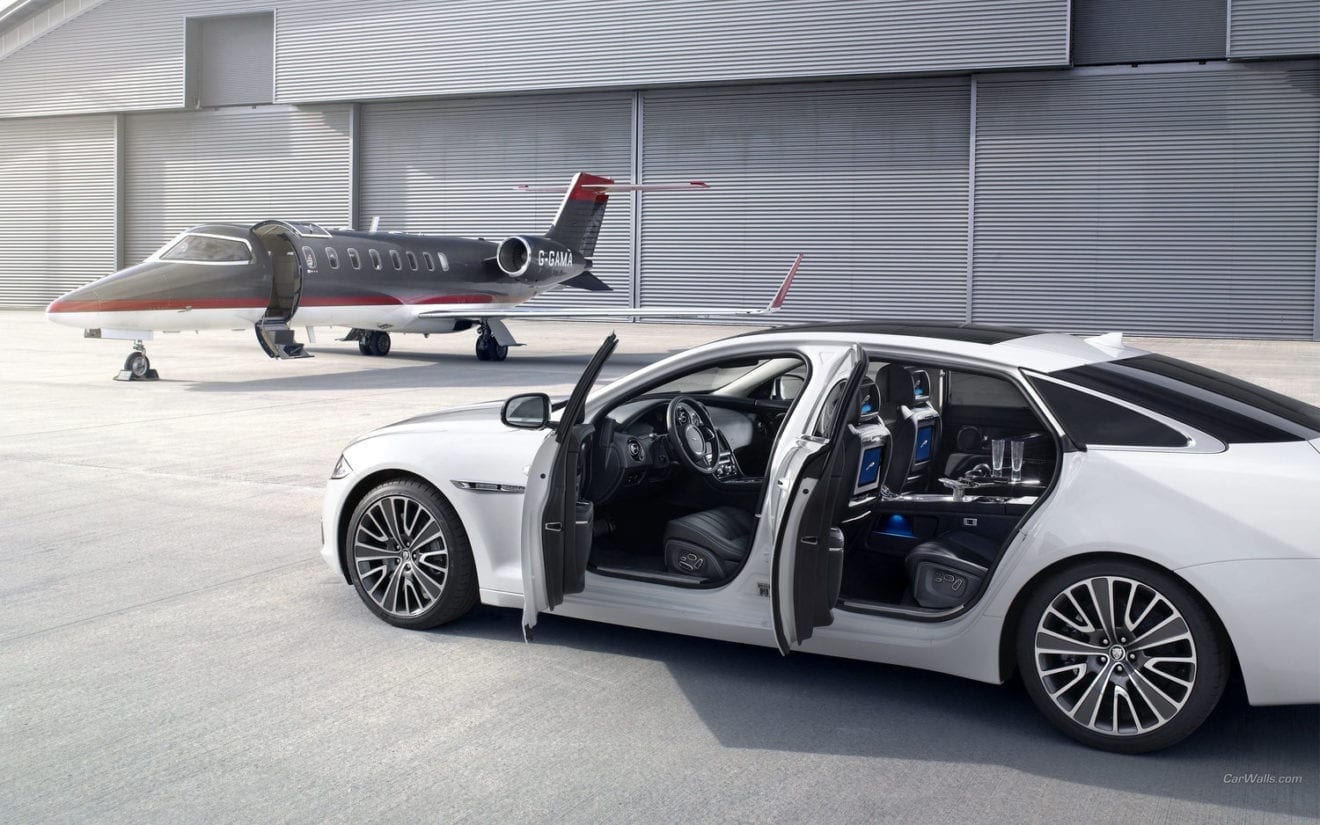
    UK-based auto giant Jaguar Land Rover (JLR) has posted a decline of 13.3 percent in sales for April 2019. The Tata Motors-owned automaker sold 39,185 units last month, a sharp decline in year-on-year volumes when compared to April 2018. The carmaker attributed to the weak demand for its vehicles largely due to the subdued market conditions in China. JLR, did, however, stated that sales of the new Jaguar I-Pace electric SUV and the new generation Range Rover Evoque continued to be encouraging during this period. Markets like the US and the UK also showed impressive growth last month.

    Felix Brautigam, Jaguar Land Rover Chief Commercial Officer, said, “Although this was a tough month for us due to continuing pressures in China, we are delighted to see good growth in the UK and the US. Once again we strongly outperformed the UK market and the US marked its best-ever April sales. This reflects the strength of our brands and continued demand for our unique and evolving product line-up. This month was a historic milestone for Jaguar, with the all-electric Jaguar I-PACE winning an extraordinary hat trick of awards – the 2019 World Car of the Year, World Car Design of the Year and World Green Car – which no car has ever done before.”

    He further added, “This is in addition to scooping the European Car of the Year and the China Green Car of the Year 2019 trophies, to name just a few of the accolades for the I-Pace. We continue to be encouraged by the market response to this incredible vehicle.”

    Retail sales increased in the UK by 12.1 percent, while in North America were raised by 9.6 percent. However, sales in China saw a dramatic drop of 45.7 percent. Sales in overseas markets also slowed down by 22.3 percent with retails in Europe down by 5.5 percent.  Jaguar retail sales in April 2019 stood at  11,462 units, a drop of 13.7 percent year-on-year, while Land Rover sold 27,723 units last month, a drop of 13.1 percent over the same period last year.

    Between January and April 2019, Jaguar Land Rover’s total retail sales stood at 198,101 units, down by 9.1 percent compared to the same period last year.

  • South Korean retail sales surged during Holidays

    South Korean retail sales surged during Holidays

    The unprecedented extension of the Japanese Golden Week holiday to 10 days has seen a surge in tourists visiting South Korea.

    The holiday was extended to mark the enthronement of Crown Prince Naruhito from the usual April 29 to May 5 period.

    Duty free businesses saw big jumps in sales during the period compared to the previous year. Lotte Duty Free in Sogong-dong saw a 45 per cent sales increase, while Shinsegae Duty Free in Myeongdong saw an 80 per cent year-on-year increase.

    Hotels in the main commercial districts of Seoul also saw double-digit occupancy boosts during the period above Golden Week figures for last year.

    Tourism from China was also up 25 per cent during the period, although this rise was lower than in the first four months of this year.

  • Indonesian Retail Sales Down Last Month

    Indonesian Retail Sales Down Last Month

    Indonesian retail sales grew by 10.1 percent in March following a 9.1 percent increase in February, according to central bank survey data.

    The strong March performance was underpinned by sales of apparel along with automotive parts and accessories.

    However, the bank’s survey predicted that Indonesian retail sales growth will rise by a more modest 5.7 percent in April, the same figure it projects for the full year.

  • Retail sales rise at slower Pace Last Month

    Retail sales rise at slower Pace Last Month

    Retail spending rose 0.3 percent in March in seasonally adjusted terms, according to the latest trade figures from the Australian Bureau of Statistics (ABS), beating market expectations of 0.2 percent growth.

    This is a slowdown from February’s upwardly-revised increase in retail sales of 0.9 percent month on month, but March spending was still up 3.5 percent compared to the same time last year, representing the fastest year-on-year increase since October 2018.

    Monthly sales growth was driven by spending at cafes, restaurants and takeaway food services (up 1.4 percent in seasonally adjusted terms) and clothing, footwear and accessories stores (up 1.2 percent in seasonally adjusted terms).

    Spending on food retailing, including supermarkets, was up 0.4 percent and spending on households goods was up 0.2 percent in seasonally adjusted terms, while spending on department stores was down 1.5 percent and spending on other retailing, including pharmacies and newsagents, was down 0.4 percent in seasonally adjusted terms.

    By state and territory, spending was up across the board in March, excluding Western Australia, where retail sales fell 0.7 percent in seasonally adjusted terms. Victoria and the Northern Territory each saw a 0.7 percent increase, Queensland saw 0.6 percent increase, followed by Tasmania, up 0.4 percent, New South Wales, up 0.2 percent, and South Australia, up 0.1 percent, in seasonally adjusted terms.

    Online retail sales were also up in the month, with NAB’s Online Retail Sales Index showing a 1.7 percent increase from February after the index recorded the sharpest ever drop in monthly online sales.

    NAB measures e-commerce sales as representing around 9 percent of total retail turnover in Australia, while the ABS pegs it at around 5.7 percent.

    Quarterly spending shrinks for the first time since 2012

    On a quarterly basis, however, retail turnover in the three months to March fell 0.1 percent in seasonally adjusted volume terms, following a flat December quarter. This represents the first quarter of negative growth since the September quarter of 2012.

    The fall was led by household goods retailing, according to the ABS, which fell 0.6 percent, and department stores, which fell 1.2 percent. The other categories all rose in seasonally adjusted volume terms for the quarter.

    According to Westpac analyst Matthew Hassan, the figures show that retail sales growth in the month was driven by price increases rather than volume.

    “The undershoot vs expectations was due to a stronger than expected rise in retail prices which rose, up +0.8%qtr vs +0.7%qtr in Q4,” he said.

    “The sub-category detail shows a particularly big rise in food prices (+1.4%qtr vs 1.2% in Q4). Non-food retail prices posted a 0.2%qtr gain.”

    According to Hassan, broader economic headwinds are still hampering consumer spending.

    “Overall the March retail report points to downside risks to the wider consumer spending estimates in the March quarter GDP, the headwinds that emerged in the second half of last year clearly carrying into 2019,” he said.

  • Toyota Sees Smaller-Than-Expected Profit Rise This Year

    Toyota Sees Smaller-Than-Expected Profit Rise This Year

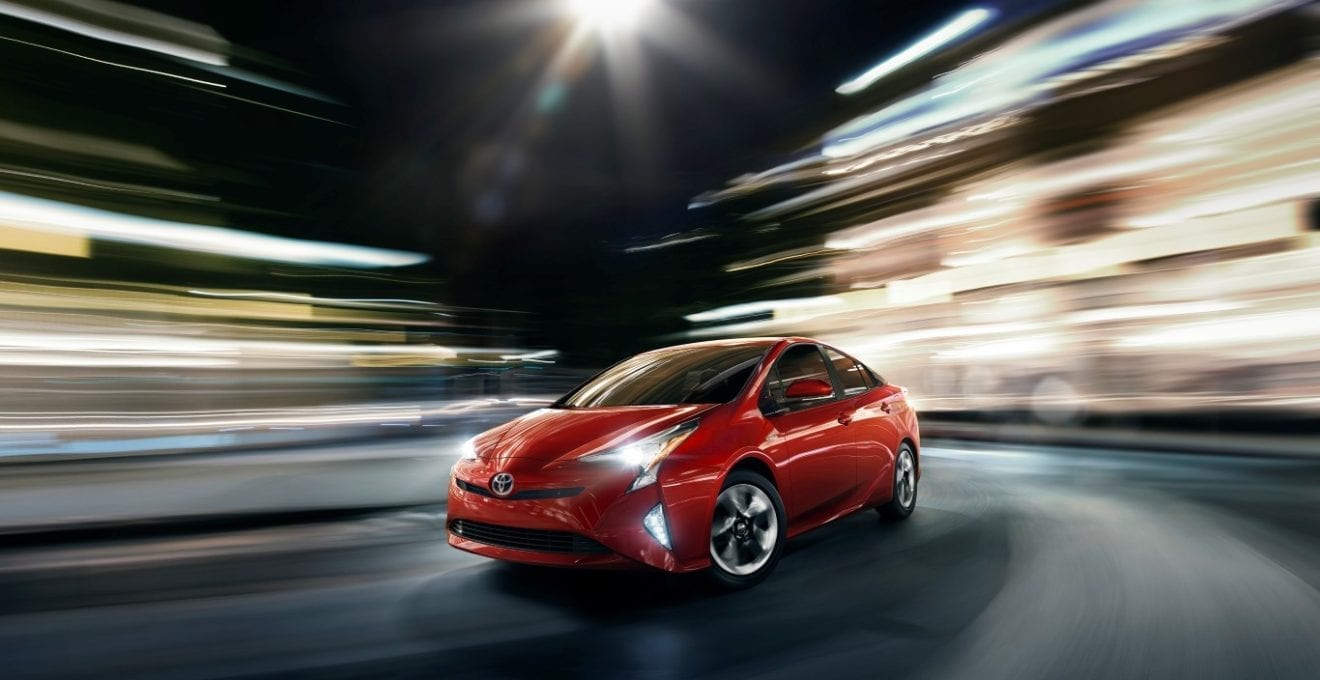
    Toyota Motor forecast on Wednesday a 3.3 percent rise in operating profit for the current year due to cost reduction measures and changes to its depreciation methods.

    Japan’s largest automaker expects profit to rise to 2.55 trillion yen ($23.20 billion) in the year to March 2020, slightly lower than the 2.61 trillion yen average of 23 analyst estimates compiled by Refinitiv.

    Operating profit was 2.47 trillion yen for the year ended March, below the average 2.51 trillion yen estimate of analysts.

    The automaker also forecasts global group retail sales of 10.74 million vehicles for the current year, compared with 10.6 million in the previous year.

    Toyota’s profit forecast is based on the assumption that the yen will trade around 110 to the U.S. dollar in the current financial year, compared with 111 yen in the year just ended.

  • E-commerce to reach tipping point by 2030

    E-commerce to reach tipping point by 2030

    Almost half (49 percent) of Australian businesses expect online operations to reach parity with bricks-and-mortar retail sales by 2030, according to new research by Australia Post. Rebecca Burrows, Australia Post general manager of segment development and marketing, noted that consumer habits have changed significantly over the past few years.

    “People want an in-store experience, but in the comfort of their own living room – they want to see, touch and try,” she said.

    “Leading retailers are also embracing mobile commerce and voice-activated shopping. It is those in tune with customers and willing to embrace the latest online technology trends that will have the winning strategy.”

    Burrow noted that technology trends, such as augmented reality, artificial intelligence-driven personalization, and biometric payments, are beginning to bridge the gap between online and offline retail, and are shaping the way customers shop.

    Changing consumer trends are not simply relegated to the use of technology, however, with the rise of subscription service also having made a significant impact on the way a retailer offers its service to customers.

    According to a recent survey by Harris Poll, on behalf of subscription management platform provider Zuora, Australians now average 2. 5 subscription services – with Zuora vice-president Iman Ghosdosi calling it the “end of ownership.”

    Fashion-tech company GlamCorner tapped into this phenomenon last year, with the launch of a monthly subscription box that gives customers access to three pieces of designer clothing each month for formal occasions, workwear or everyday wear.

    “The service is growing at an exponential rate,” GlamCorner co-founder and CEO Dean Jones said, “contributing significantly to the 30 tonnes of clothing we process each month.”

    “As a result, our customers are telling us their wardrobes are shrinking, while they still have a fresh new look every day.”

    Australia Post surveyed almost 1000 small to medium sized Australian business across retail, manufacturing, logistics, financial services, education, health, and utilities.