Tag: Sales

  • VinFast Preparing for Russian Sales

    VinFast Preparing for Russian Sales

    VinFast’s sedan and SUV Lux images were found in the database of the Russian Federal Service for Intellectual Property (Rospatent).

    “Clearly, the Vietnamese automobile brand with BMW’s platform is approaching really close to the Russian market,” the news site said, suggesting that VinFast’s plans to sell its products in Russia might have been some time in the making.

    According to a VinFast source, the company is in the process of completing necessary procedures to start selling cars in Russia. The source did not reveal a time frame for when it would happen.

    Right from the beginning, VinFast had aimed at making cars that meet European standards, so they could be exported, apart from being sold in the domestic market. Russia was one of the first foreign markets targeted.

    The sedan and SUV Lux are both equipped with turbocharged 2-liter 4-cylinder engines. The sedan has a 174 horsepower engine and a maximum torque of 300 Nm, while the SUV has a 228 horsepower engine with a maximum torque of 350 Nm.

    Currently, the Lux model is scheduled to reach Vietnamese customers in the third quarter of this year, following the Fadil car, which would be introduced to the domestic market in the second quarter.

    VinFast is shipping 155 of its cars to 14 countries across Asia, Europe, Africa and Australia to test them for safety and endurance against standards in those countries.

    VdinFast, the car manufacturing unit of Vietnam’s largest private conglomerate Vingroup, showed off its first two car models, a sedan and an SUV, at the Paris Motor Show in France last October just a year after the company’s incorporation, grabbing the attention of the local and international media.

  • BMW Group India Shows Strong Growth Sales

    BMW Group India Shows Strong Growth Sales

    BMW Group India has registered the highest-ever Q1 sales. All three brands – BMW, MINI and BMW Motorrad – helped in achieving this strong growth in sales. In Q1 2019, BMW Group India delivered 2982 cars (BMW + MINI) registering a growth of 19 per cent as compared to Q1 2018. BMW India sold 2822 cars, clocking a notable growth of 19 per cent. MINI India led the niche small-premium car segment with sales of 160 cars and a growth of 18 per cent. BMW Motorrad India posted a remarkable growth with sales of 597 units.

    The BMW 5 Series and the BMW 6 Series Gran Turismo have contributed strongly to the growth story. BMW also saw significant contribution coming from the locally-produced X range with introduction of the all-new BMW X4 Sports Activity Coupe that created a novel segment in the luxury car market and generated new demand. The locally-produced Mini Countryman together commanded a share of over 80 per cent in Mini sales. The sub-500 cc offerings of BMW Motorrad – BMW G 310 R and BMW G 310 GS got the lions share with over 80 per cent sales. The recently launched BMW R 1250 GS and BMW R 1250 GS Adventure have also created high demand among motorcycling enthusiasts.

    Dr. Hans-Christian Baertels, President (Act.), BMW Group India, said, “BMW Group India will continue its unwavering focus on maximizing performance, bringing best-in-class products to the Indian market and exceeding expectations on each and every service that is offered. We are confident that the growth strategy for BMW, MINI and BMW Motorrad will yield even higher results in the coming months and we will continue to grow the luxury vehicle market in India.”

  • South Korean online retail sales show steep climb

    South Korean online retail sales show steep climb

    South Korean online sales posted double-digit growth in February, underpinned by soaring demand for air purifiers.

    The spike in demand was caused by an instance of fine-dust pollution that hit Korea during the month.

    The findings were published in a Ministry of Trade, Industry and Energy report last Thursday that registered a 12 per cent advance in online retail sales compared with the same period last year.

    Home appliances sales, encompassing air purifiers, grew 62.2 per cent over the course of the month.

    The February figures contrasted with a 0.4 per cent dip in revenue by both online and offline major retailers and a 7.1 per cent decline in offline sales. Discount outlet sales also dropped by 13.7 per cent.

  • Drop in Hong Kong retail sales

    Drop in Hong Kong retail sales

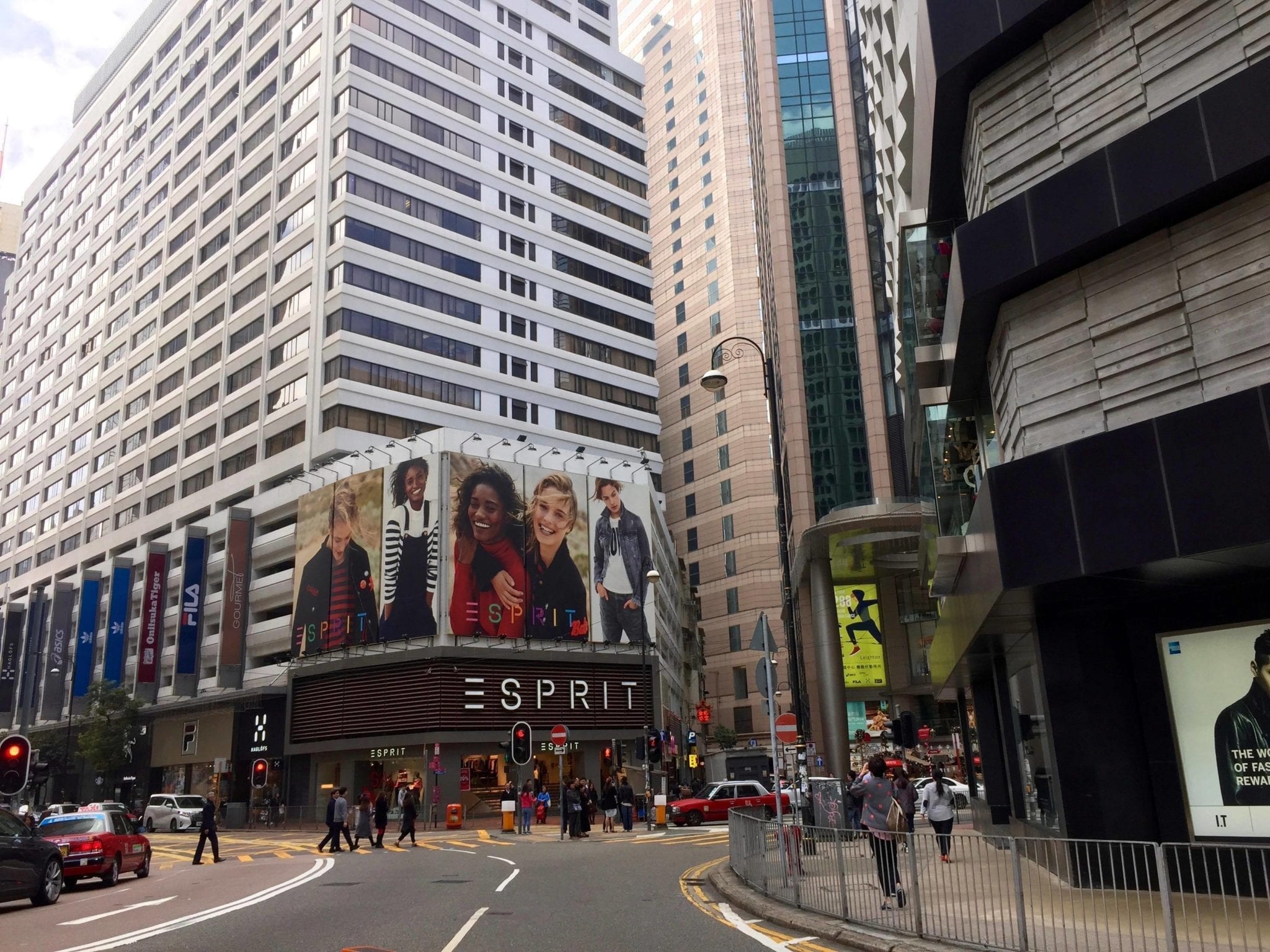
    Hong Kong retail sales fell 1.6 per cent in the first two months of this year.

    February’s sales were always expected to be down on last year due to the timing of Lunar New Year. They fell 10.1 per cent, while the revised figure for January was an increase of 7 per cent.

    As always, the Census and Statistics Department (C&SD) warned not to read too much into either month’s performance alone, asserting the combined January-February figures for each year provide a more accurate assessment of the state of retail sales growth.

    A government spokesman said the weak performance of retail sales in recent months reflected that consumer sentiment remained cautious amid “various external uncertainties”.

    “The near-term outlook for retail sales should continue to be affected by moderating global economic growth and various external uncertainties, but the full-employment situation and the sustained growth in inbound tourism should provide some support.”

    After netting out the effect of price changes over the same period, Hong Kong retail sales for the first two months of the year decreased by 1.8 per cent year on year.

    Combining the two months, sales of jewellery, watches and clocks decreased by 2.8 per cent. Other categories to fall included apparel down 3.7 per cent; food, alcoholic drinks and tobacco down 1 per cent; electrical goods and other consumer durable goods down 18.3 per cent; Chinese drugs and herbs down 1.7 per cent; and optical shops, down 2 per cent.

    However sales of medicines and cosmetics increased by 2.3 per cent; department store sales rose 4.2 per cent; supermarket sales by 1.5 per cent; footwear and accessories by 1.3 per cent; furniture and fixtures by 3.4 per cent; and books, newspapers, stationery and gifts by 1.7 per cent.

    The C&SD estimated the value of retail sales decreased by 0.6 per cent during the three months to February compared with the preceding three months, while the volume declined by 1.2 per cent.

  • Mahindra Sales Grow By 11% Last Year

    Mahindra Sales Grow By 11% Last Year

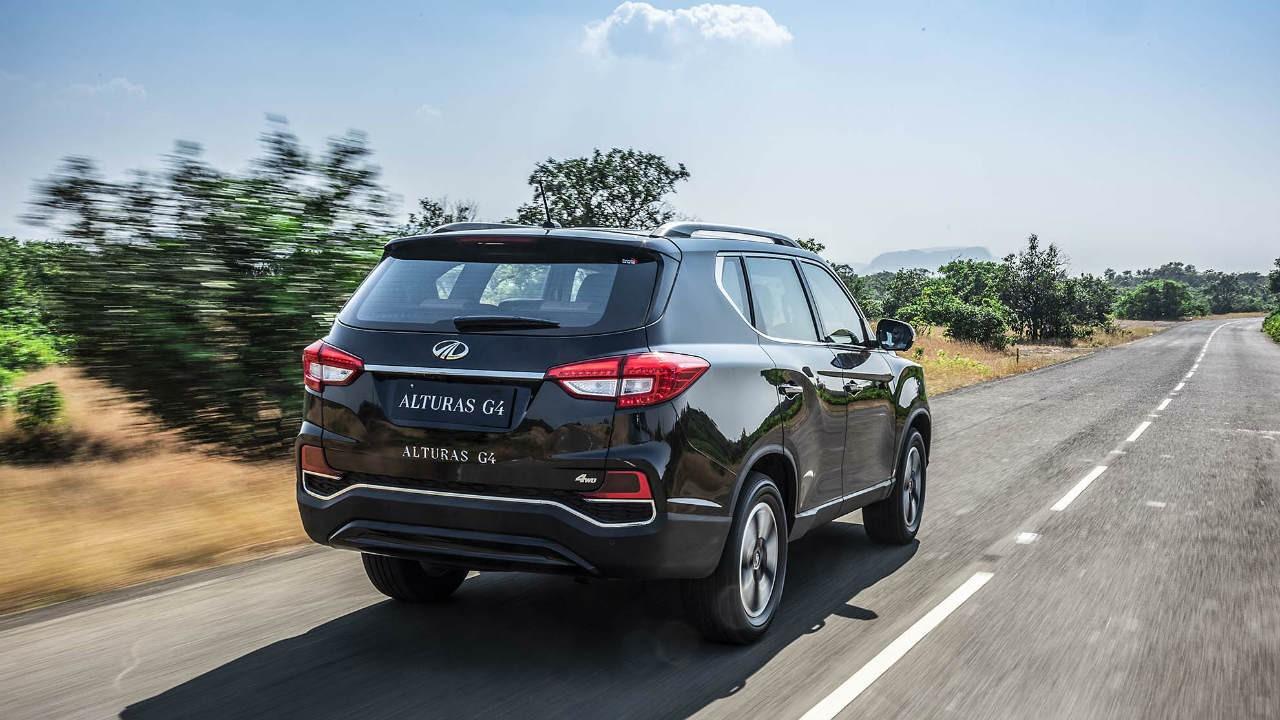
    Indian auto giant Mahindra & Mahindra (M&M) registered a growth of 11 per cent in auto sales for the financial year 2018-19. The automaker sold 608,596 units in the previous fiscal, as opposed to 549,153 units sold in FY2017-18. The company’s steady growth was visible in the March 2019 sales results as well with Mahindra selling 62,952 units, as against 62,076 units in March 2018. The automaker saw a hike of one per cent in its sales for the previous month.

    Commenting on the performance, Rajan Wadhera, President, Automotive Sector, Mahindra said, “We have closed FY-19 with robust double digit growth of 11 per cent at an overall level, despite strong headwinds faced by the Indian automotive industry this year. This growth has been supported by our three new product launches, which have been well received in the market. The commercial vehicles segment and exports have also posted strong growth rates of 15 per cent and 37 per cent respectively.”

    Mahindra’s domestic sales stood at 59,012 units for March 2019, growing by one per cent over 58,652 units sold in March last year. The Passenger Vehicle segment that includes UVs, cars and vans contributed 27,646 units to last month’s sales, registering a growth of four per cent over 26,555 units sold in March 2018. The commercial vehicle segment meanwhile saw sales decline by four per cent with 24,423 units sold in March this year, as against 25,495 units sold in March last year.

    The Medium and Heavy Commercial Vehicles segment saw Mahindra sell sold 917 units, which also saw sluggish volumes with a decline of 33 per cent in year-on-year sales. Nevertheless, exports dor March 2019 stood at 3940 vehicles, growing by 15 per cent, while three wheeler sales for the previous month grew by five per cent at 6943 units.

  • Toyota And Mahindra Register Growth, Maruti Suzuki Car Sales Drop

    Toyota And Mahindra Register Growth, Maruti Suzuki Car Sales Drop

    Carmakers in India have officially started to come out with their sales numbers for the month of March 2019. The Financial Year 2018-19 has been quite an eventful year for the Indian auto industry with the year ending in a positive note. As for the sales performances in March 2019, the results were quite mixed. In fact, the country’s largest carmaker, Maruti Suzuki India, continued to see a decline in sales in March 2019, while other manufacturers like Toyota Kirloskar Motors and Mahindra and Mahindra registered marginal growth.

    Toyota India

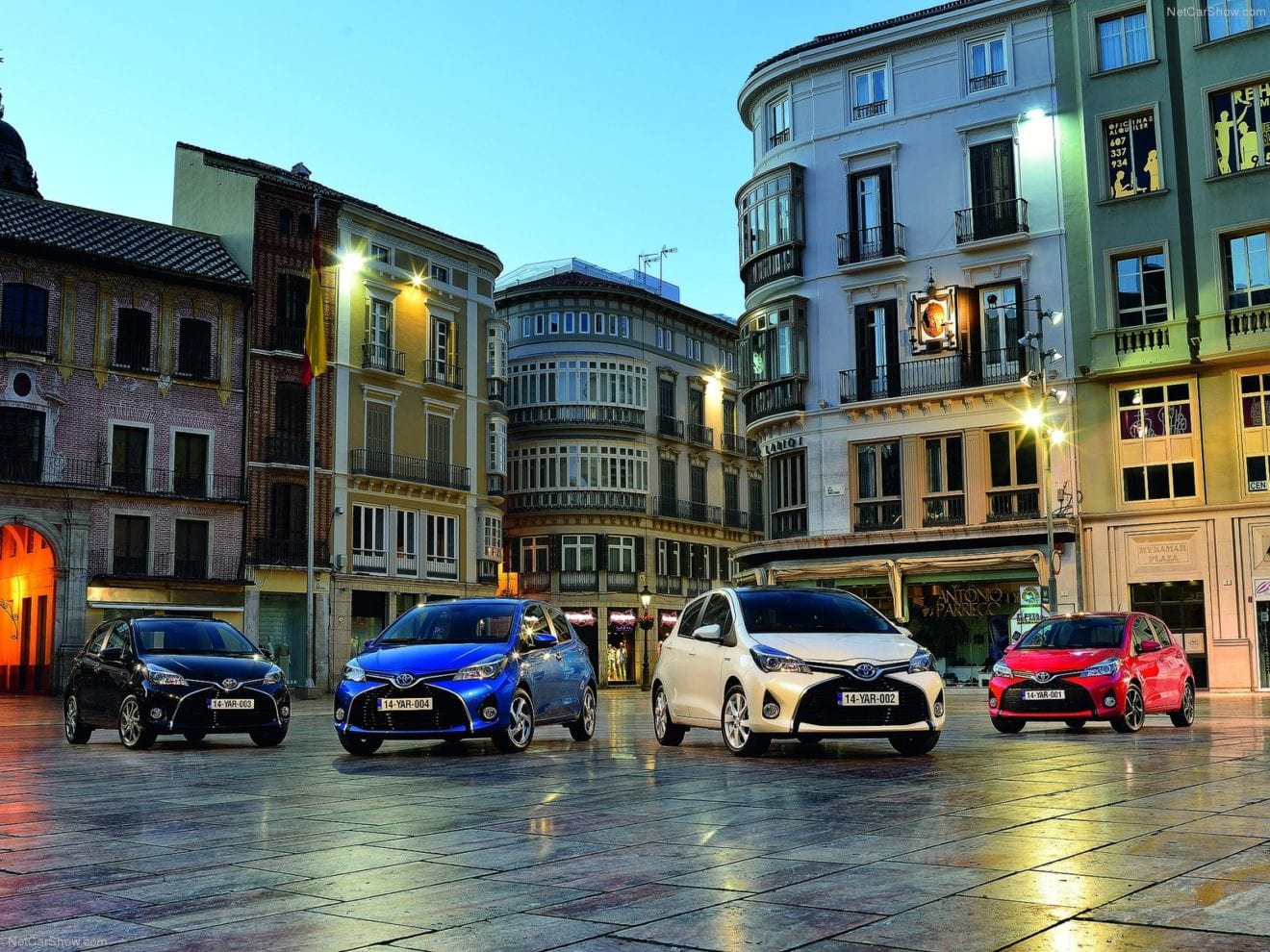
    In March 2019, Toyota Kirloskar Motor sold 13,662 units in India, registering a growth of 0.9 per cent, compared to the 13,537 units during the same month last year. As for the company’s domestic sales, Toyota’s wholesales numbers went up to 12,818 units last month, compared to the 12539 vehicles sold in March 2018, registering a growth of 2 per cent. Exports, on the other hand, saw a decline of 15.4 per cent during the month of March 2019 with 844 units, against the 998 vehicles that were exported during the same month last year. However, as for the company total sales during FY 2018-19, Toyota Kirloskar Motor recorded a sales growth of 7 per cent in the domestic market with 150,525 units, compared to the 140,645 units being sold during FY 2017-18.

    Commenting on the sales performance, N. Raja, Deputy Managing Director, Toyota Kirloskar Motor said, “We are happy to have clocked a growth of 7 per cent in domestic sales in FY 18-19 as compared to FY 17-18. Innova Crysta and Fortuner have been maintaining the growth trajectory and continue to be leaders in the segment.” He also added that “All New Camry Hybrid Electric Vehicle or self-charging electric vehicle has already crossed 500 bookings since its launch in Jan 2019. Additionally, Etios Liva has also contributed to the positive sales momentum in FY 18-19 with a growth of 13% as compared to FY 17-18.”

    Maruti Suzuki India

    Maruti Suzuki India has registered a decline of 1.6 per cent in the last month of the Financial Year 2019. Last month the company sold 158,076 vehicles, including domestic sales and export, compared to the 160,598 units that were sold in March 2018. The company’s total sales in India alone reached 147,613 units in March 2019, registering a marginal de-growth of 0.7 per cent, against the 148,582 vehicles sold during the same month last year. Exports, on the other hand, took a massive hit with a decline of almost 13 per cent with 10,463 units, compared to the 12,016 units exported in March 2018.

    Maruti Suzuki has registered the highest ever total sales in FY 2018-19 at 1,862,449 units, a growth of 4.7 per cent, compared to the 1,779,574 units sold in 2017-18. The company’s domestic sales for FY 2018-19 reached 1,753,700 units, also the highest ever, compared to the 1,653,500 units sold in 2017-18. In fact, this is the 7th straight year of growth in domestic sales for Maruti Suzuki India.

    Mahindra and Mahindra

    Mahindra and Mahindra has registered a marginal growth of 1 per cent in total sales for the month of March 2019 with 62952 units. In comparison, the company sold 62076 units in March 2018. Mahindra’s domestic sales touched 59,012 vehicles during March 2019, as against 58,652 vehicles in March 2018, registering a similar growth of 1 per cent. The Passenger Vehicles segment (which includes UVs, Cars and Vans) sold 27,646 vehicles in March 2019, registering a growth of 4 per cent. The company’s exports, on the other hand, saw substantial growth of 15 per cent with 3940 units, against the 3424 exported in March 2018.

    On the other hand, the company’s sales performance for the financial year that ended on March 31, 2019, stood at 6,08,596 vehicles, compared to 5,49,153 vehicles during FY-18, registering a growth of 11 per cent.

    Commenting on the performance, Rajan Wadhera, President, Automotive Sector, Mahindra and Mahindra said, “We have closed FY-19 with robust double-digit growth of 11 per cent at an overall level, despite strong headwinds faced by the Indian automotive industry this year. This growth has been supported by our three new product launches, which have been well received in the market. The commercial vehicles segment and exports have also posted strong growth rates of 15% and 37% respectively.”


  • H&M sales beat Predicted expectations

    H&M sales beat Predicted expectations

    First-quarter H&M sales have exceeded expectations, with the company improving both profit and margin, proof that the fast-fashion company’s turnaround strategy is working.

    H&M sales rose by 42 per cent in India and 16 per cent in China, in local currencies. The company said  both online and offline performance improved in many markets.

    The global retailer’s pre-tax profit was 1.04 billion Swedish crowns (US$112.25 billion) for the quarter to February 28, less than the 1.26 billion Swedish crowns it posted in the previous corresponding period. But this was well ahead of the 708 million that analysts had been expecting.

    Gross margin was 50.0 per cent, up from 49.9 per cent in the previous corresponding period, while analysts had been anticipating a fall to 49.4 per cent.

    H&M said this was the result of ongoing improvements in buying and logistics, which led to a 1.5 percentage point reduction in the markdowns in relation to sales, compared to the corresponding quarter the previous year.

    “Our ongoing transformation work has contributed to stronger collections with increased full-price sales, lower markdowns and increased market shares,” Karl-Johan Persson, H&M’s CEO, said in a statement accompanying the results.

    H&M has also been working to improve its online offering by launching e-commerce sites in new markets, integrating digital and physical stores and providing faster delivery options. The retailer also said it will shortly launch an upgraded loyalty program, which has 35 million members.

    Today, H&M is available online in 47 markets, and Mexico and Egypt will be added in 2019. It will launch on Myntra and Jabong, India’s largest e-commerce marketplaces, later this year.

    H&M said it plans to add 175  net new stores to its network this year. Most of these stores will open in growing markets, while the number of stores in Europe is expected to reduce by 50.

    “The rapid transformation of fashion retail continues and we can see that our own transformation work is taking us in the right direction, even if many challenges remain and there is still hard work to do,” Persson said.

    “The progress we have made in our strategic focus areas confirms that we are on the right track. Therefore we continue moving forward at full speed and we are optimistic about the future for the H&M group.”

    H&M’s strategic focus areas include:

    • Creating the best customer offering.
    • Fast, efficient flexible product flow in the supply chain, including initiatives within advanced data analytics and AI.
    • Continued investment in the tech foundation, including scalable and robust platforms to enable faster development of new apps and technologies.
    • Digital expansion into new markets.
  • Xiaomi’s Black Shark 2 gaming smartphone goes on sale

    Xiaomi’s Black Shark 2 gaming smartphone goes on sale

    Great news for mobile gaming fans looking to buy one of the most powerful gaming smartphones available on the market, as Xiaomi has just announced their new product, Black Shark 2 is now up for grabs in Europe.

    Initially introduced in China on March 18, Xiaomi Black Shark 2 can be purchased from Europe beginning March 28, at 6.00 PM CET. You’ll be able to buy the phone from every European country where Xiaomi officially sells its phone, and here is how much you’ll have to pay.

    The Black Shark 2 with 8GB RAM and 128GB internal memory will be available for purchase for €549, while the 12GB RAM and 256GB storage will cost €649. For customers in the UK, the smartphone will be available for £479 and £559, respectively.

    If you take away its gaming-related features, the Black Shark 2 remains a very powerful flagship smartphone, so even if you’re not a gamer, it can be a great alternative to Samsung, LG and Huawei’s flagships.

    Speaking of gaming features, Xiaomi explains that the Black Shark 2 embeds the only direct touch liquid cooling system in the work. Also, the phone’s display benefits from the world’s lowest latency touch.

    As far as US availability goes, we doubt this will come in the United States at all since Xiaomi hasn’t yet officially entered the market, although it repeatedly said it will eventually happen.

  • Athleisure trend boosts Yue Yuen sales in 2018

    Athleisure trend boosts Yue Yuen sales in 2018

    Yue Yuen Industrial, the world’s largest manufacturer of athletic, athleisure, casual and outdoor footwear, boosted revenue by 6.3 per cent last year.

    Yue Yuen makes shoes for a raft of brands, including Geox, Levi’s, Rockport, Carters and Pony. Its subsidiary Pou Sheng operates a network of some 5500 directly operated stores and 3000+ sub-distributor stores, predominantly on the mainland.

    For the year to December, the Group recorded revenue of US$9.695 billion, with gross profit up by 4 per cent to $2.446 billion. However, profit attributable to shareholders fell 40.9 per cent to $307.1 million, mainly due to operating deleverage within the manufacturing business, a reduction of the non-recurring gain for the year, and higher finance costs.

    Yue Yuen said revenue attributed to footwear manufacturing (including athletic shoes, casual/outdoor shoes and sports sandals) declined by 1.5 per cent to $5.39 billion, whereas the volume of shoes produced increased by 0.4 per cent to 326 million pairs. The average selling price decreased by 2 per cent to $16.53 per pair, compared with the previous year.

    The group’s athletic footwear category outperformed all other categories as a result of the global athleisure trend, accounting for 79.2 per cent of footwear manufacturing revenue last year. Casual and outdoor shoes accounted for 19.1 per cent of footwear manufacturing revenue.

    The group’s distribution sales are derived primarily from Pou Sheng, involving in retail operations for international sporting goods brands in the Greater China region. Last year, the revenue attributable to Pou Sheng grew by 23.3 per cent to $3.422 billion.

  • Singapore retail sales up with 5.3 per cent

    Singapore retail sales up with 5.3 per cent

    Singapore retail sales rose by 5.3 per cent in January, underpinned by consumers stocking up ahead of the Lunar New Year holiday.

    When motor vehicles are included in the data, the official topline figure was a 7.6 per cent increase.

    Lunar New Year fell two weeks earlier this year compared with last year, which means some volume of pre-holiday stocking up was completed in January rather than the first half of February.

    According to Statistics Singapore, the total retail sales value in January was about S$4.2 billion. Online retail sales accounted for a solid 4.8 per cent of sales.

    Most retail industries recorded higher sales in January this year compared to last. Sales of apparel & footwear, medical goods & toiletries and by department stores, supermarkets & hypermarkets and food retailers registered growth rates of between 8 per cent and 10.5 per cent, as a result of higher demand during the Lunar New Year lead up.

    In contrast, sales of computer & telecommunications equipment declined 11.5 per cent, due in part to lower demand for mobile phones during this period.

    Sales of food & beverage services increased 5.9 per cent in January, reaching $862 million, compared to $814 million in January last year.

  • Mixed results for Giordano International

    Mixed results for Giordano International

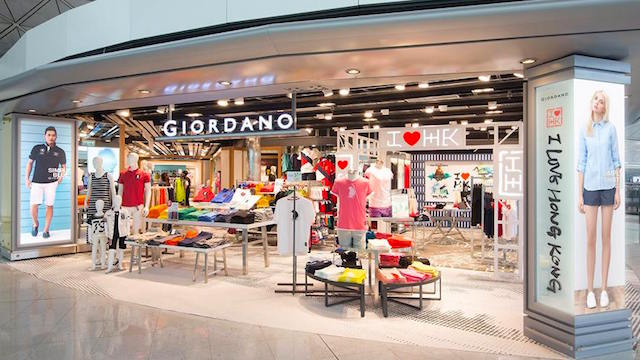
    Hong Kong casual-apparel brand Giordano International has reported a small increase in sales for last year – and a dip in profit. Group-wide sales reached HK$5.509 billion last year, up 1.8 per cent, with same-store sales down a marginal 0.1 per cent. Profit attributable to shareholders fell 4 per cent to $480 million.

    In a stock exchange filing, Giordano International said sales from physical stores achieved a 1.7 per cent growth rate, while online sales – through its own sites and third-party platforms, grew by 1.3 per cent. Wholesale sales to its franchisees grew by 2.6 per cent.

    By category, its best-performing sectors were childrenswear and womenswear, where sales for both rose by 6.9 per cent.

    By geographical market, Giordano International delivered a mixture of results:

    Mainland China: Business was affected by the Sino-US trade dispute and stock-market volatility, which negatively impacted on domestic retail sales. Comp-store sales slipped by 0.9 per cent.

    Hong Kong and Macau: “Well-executed marketing programs, smart promotional activities and stringent cost control all helped achieve double-digit growth amidst complex macroeconomic conditions,” the company reported. “This market experienced a difficult retail landscape caused by an economic slowdown since the third quarter of the year. Severe typhoons and an abnormally warm winter also adversely affected its sales.”

    Taiwan: Sales here rebounded to allow an operating profit increase of 34.9 per cent in the first half of last year, however the full-year change was a mere 2 per cent, due to the uncertainty created by the Sino-US trade dispute.

    Vietnam: Giordano bought out its third-party retail operation in Vietnam and after improved sales and cost controls turned the business around. The market has grown to account for 5.6 per cent of Giordano international’s regional sales and operating profit rose.

    Thailand: Operating profit from Thailand grew by 11.1 per cent, thanks to stable sales growth and an improvement in gross-profit margin.

    Indonesia: In Southeast Asia, Indonesia stood out with a comp-store sales growth of 7 per cent for both Giordano and non-Giordano brands, and operating profit increased by 16 per cent.

    Singapore: Operating profit decreased by 6 per cent as the business was adversely affected by an overall stagnant economy and lower tourist traffic.

    Middle East: With consumers adapting to the newly introduced Value-Added Tax and changes in economic policies, comp-store sales fell by 7.3 per cent in the first quarter of last year. However, in the early weeks of this year, the company saw growth in comp-store sales of 4 per cent, prompting management to conclude that consumers have now adjusted to the tax changes and the retail industry there has stabilised.

    South Korea:  Net profit here increased by 6.7 per cent, attributable to better cost control, closure of non-performing stores and enhanced gross margin. Wholesale sales to South Korea increased by 10.5 per cent.

  • How to get the right online pricing strategy in 2019

    How to get the right online pricing strategy in 2019

    More than 70 per cent of e-commerce retailers are leaving money on the table – and it all comes down to a single digit in their online pricing strategy.

    ‘Left-digit bias’, or the economic behavior where consumers use the leftmost-digit of a price tag in guiding their decision making, is an age-old observation in the brick-and-mortar world. (For example, $5 is perceived as significantly more expensive than $4.99, while $4.99 is perceived as just one cent more than $4.98.)

    While this concept isn’t new – research was conducted as early as 1936 – with consumer spending increasingly moving online, the more pressing question now is whether the same principle can be applied to online businesses.

    It turns out the answer is “yes.” In looking at more than six years of anonymised data from 100,000+ online businesses operating on Stripe, we discovered that the left-digit bias holds the same sway over consumers online, as it does offline. And this is especially acute across subscription businesses models, such as media streaming services and even software-as-a-service.

    Today, more than 70 per cent of online businesses worldwide are not taking advantage of this pricing model, potentially costing their businesses millions of dollars. Meanwhile, online merchants that have made the switch to an optimal pricing model stand to gain a potential revenue uptick of several percentage points or more.

    Here are some key takeaways for online businesses looking to tune up their pricing strategies in 2019 and take advantage of left-digit bias:

    0 is the most popular pricing strategy:

    Despite the popularity of prices ending in 9 offline, the most popular pricing strategy for online merchants is actually 0. The only exception here were items priced in euros.

    Pricing ending in 9 are only second-most popular, with 27 per cent of subscription prices ending in 9.

    Prices ending in 5 are also popular, perhaps because the number is an optically pleasing midpoint.

    While these are the patterns for pricing among merchants, it does not mean that they are optimal for consumers, as we’ll see below.

    It’s time to bring back 9:

    Cross referencing merchant pricing with merchants that received the most website traffic and those that are VC-funded revealed that more sophisticated businesses are more likely to set prices ending in 9 compared to other online businesses.

    While correlation doesn’t equal causation, it is reasonable to assume that these more ‘popular’ businesses are likely larger, more well-funded, or have made it a priority for them to analyse a different online pricing strategy.

    This could be an opportunity for smaller firms that do not have the same resources to analyse pricing strategies to take advantage of the left-digit bias identified by their larger or better funded counterparts.

    .

    Left-digit bias applies to luxury items too:

    There is a widely-held opinion that only sale items should end in 9. However, this misconception may actually be causing merchants to miss out on significant gains.

    According to the study, left-digit pricing was found to be influential with both luxury ($700, $800, $900 and greater in cost) and non-luxury items. In fact, new customers cluster at these higher-priced cutoff points, buying products whose prices end in 9.

    Implementing your pricing strategy:

    For online businesses looking to test the 9-digit pricing in the new year, there are a few considerations to keep in mind:

    • Larger online merchants with the benefit of higher volumes should consider testing 9-digit pricing on a portion of their offerings. The evidence shows that pricing items and subscriptions in such a way stimulates consumer buying behaviour for items as inexpensive as $0.99, all the way up to the hundreds of dollars.
    • Smaller, high-growth merchants should simply consider 9-digit pricing as a smart default. At lower volumes, running pricing experiments can take a much longer time and are prone to data ‘noise’. Instead, these businesses ought to consider 9-digit pricing as standard practice, helping to potentially level the playing field against larger competitors.

    Pricing is key in today’s competitive market, especially for lean online businesses. It can set a business apart from competitors and close a transaction with a fickle consumer. This is especially crucial in an industry where revenue gains of even a few percentage points can go a long way to ensuring long-term growth and success.

  • Coles starts selling food on eBay

    Coles starts selling food on eBay

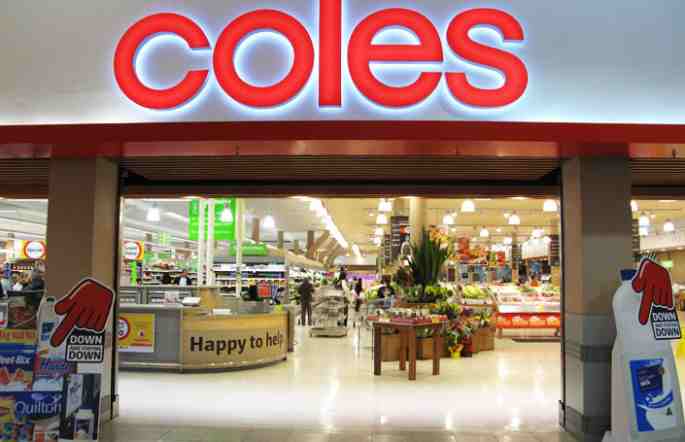
    Coles on Wednesday started selling a range of ‘everyday essentials’ on eBay, in a bid to reach some of the marketplace’s 11 million unique monthly visitors. The offering includes perishable and non-perishable items in Coles’ everyday essentials range across several categories, including select pre-packaged fresh food, pantry, personal care and household items. The items at launch are available to eBay shoppers in metro Sydney, Melbourne and Brisbane. Shoppers will initially have just one delivery option, though more will be added throughout the year, according to a statement from eBay and Coles. 

    Alister Jordan, chief executive of Coles Online, described the partnership as being all about convenience.

    “By partnering with eBay, we are providing our customers another convenient way to access our products and have them delivered straight to their door,” he said in a statement.

    The idea is that consumers who are already buying fashion, homewares and electronics on eBay can also complete their food shopping on the online marketplace, rather than having to make a second – virtual – trip to Coles’ e-commerce site.

    “It really comes down to convenience and being able to choose from a great range of groceries as well as those bigger ticket items you can’t get from a supermarket,” Julie Nestor, eBay’s CMO told.

    “Think about planning for a dinner party and being able to purchase everything from the table setting to the meal ingredients on the one site – it’s a more convenient, seamless way to shop online.”

    There is also the fact that more and more brands stocked on supermarket shelves are increasing their direct-to-consumer sales through their own websites or marketplaces like Amazon, which expanded into the pantry category last October, though it doesn’t yet offer fresh food in Australia. For eBay, the partnership seems to be about growing its eBay Plus membership program, which it launched in May 2018 in what many saw as a response to Amazon Prime. The program, which costs $49 a year, includes unlimited delivery and returns on new items bought on eBay, discounts on the Stan streaming service and opportunities to earn points through Coles’ flybuys loyalty program.

    Nestor confirmed that launching Coles’ food offering on eBay has been in the works for some time.

    “After we successfully launched our partnership with flybuys last year, this is a natural extension of our relationship with Coles,” she said.

    Nestor declined to say how many members are currently signed up to the eBay Plus program, but she described the uptake so far as “really positive” and said the company expects it to continue to grow with the launch of Coles on eBay. EBay Plus members get free delivery on orders that are $49 and over, and they earn double the number of flybuys points on all orders.

  • January surge for Hong Kong retail sales

    January surge for Hong Kong retail sales

    Hong Kong retail sales surged 7.1 per cent in January – but the Census and Statistics Department (C&SD) warns they could be affected by the timing of Lunar New Year.

    “Retail sales tend to show greater volatility in the first two months of a year due to the timing of the Lunar New Year,” said a C&SD spokesman. “Local consumer spending normally attains a seasonal high before the festival. As the Lunar New Year fell on February 5 this year but on February 16 last year, the year-on-year comparison of the figures for January … might have been affected by this factor.”

    After netting out the effect of price changes year on year, the volume of retail sales increased by 6.9 per cent.

    However, for the three months to January, Hong Kong retail sales declined by 2 per cent compared with the preceding quarter, and by 2.1 per cent compared with the same period a year earlier.

    Revised estimates for December showed a growth of 0.1 per cent in both value and volume.

    Sales of watches and jewellery rose by 4.7 per cent, while medicine and cosmetic sales rose 12.9 per cent and apparel by 2.4 per cent. Sales of goods in department stores surged 15.1 per cent, of food, liquor and tobacco by 13 per cent and of supermarket goods by 8.6 per cent.

    Categories to show a decline in sales were electrical goods and other consumer durable items, but 11 per cent.

    The C&SD spokesman said besides the LUnar New Year affect, retail sales were in part boosted by a surge in visitor arrivals in that month.

    “Yet, given the distortion by the difference in timing of the Lunar New Year, it would therefore be more meaningful to examine the retail sales figures for January and February combined, when available, to ascertain the underlying trend.”

    The spokesman said the outlook for retail sales in the near term is still uncertain.

    “While the full-employment situation in the local labour market and the sustained expansion in inbound tourism should provide support, consumption sentiment will still be affected by the unsteady external environment.”

  • Victoria’s Secret parent to close stores as sales stagnate

    Victoria’s Secret parent to close stores as sales stagnate

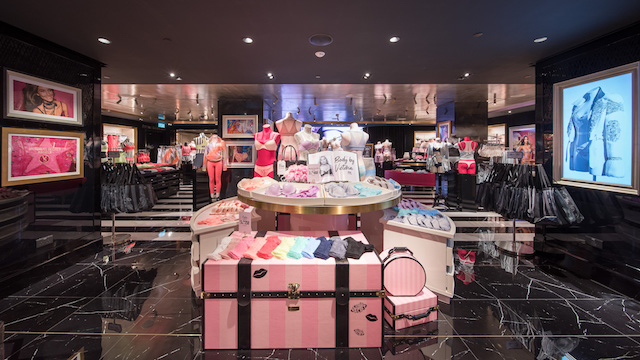
    L Brands, the parent of Victoria’s Secret, saw its share price fall 8 per cent after releasing disappointing results and halving its dividend payout. The US-headquartered company is struggling to arrest declining revenue in its flagship lingerie network, where same-store sales fell 8 per cent in January, contributing to a 1 per cent drop in overall sales. Online sales, however, rose by 8 per cent.

    Overnight, subsequent to releasing its results, the company said it would close 53 stores in North America. Earlier this year it said it would reintroduce swimwear to its range after an absence of several years to increase foot traffic in stores.

    Net sales for the year to February 2 were US$13.237 billion compared to $12.632 billion for the 53 weeks ended February 3 last year. Adjusted to take account of the extra week, sales rose 3 per cent in the latest year.

    But after excluding significant one-off items, the company’s adjusted net income this year was $786.7 million compared to $919.5 million for the 53-week period last year.

    As a result of that decline, L Brands cut its quarterly dividend from 61 cents per share paid last year to just 30 cents.

    Analyst Randal Konik of Jefferies said L Brands’ banners “are not wanted anymore”.

    “Keep in mind that comps remain negative despite very high promos, which means true brand demand is even worse than reported as some consumers buy things when they are given away for free or marked down by more than 50-75 per cent,” he said.