Tag: Sales

  • Prada sales rise as markdowns capped

    Prada sales rise as markdowns capped

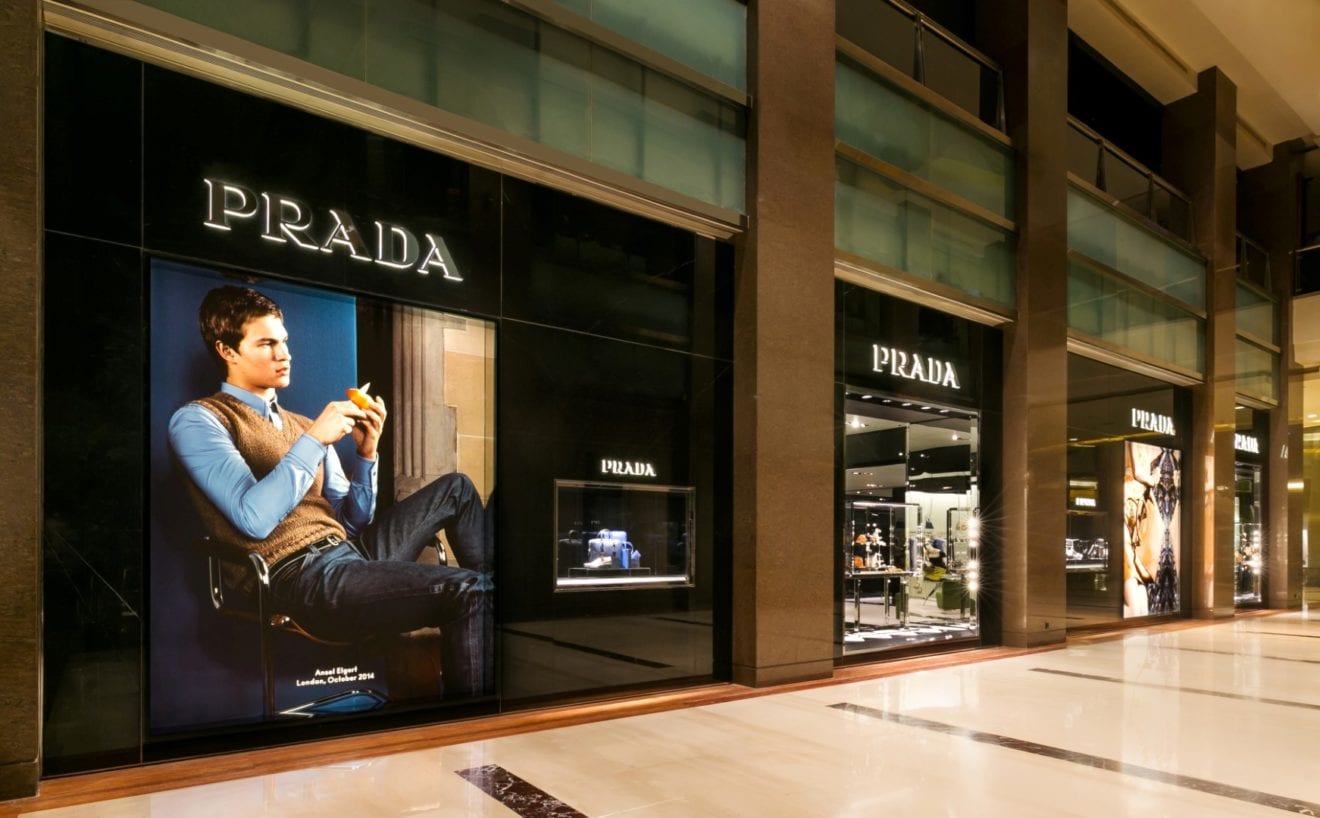
    Prada sales rose 2 percent in the first half of the year, as improving full-price sales and solid growth in its wholesale channel offset the impact of a move to cut back on markdowns.

    The Hong Kong-listed Italian luxury fashion group said this year it would stop offering end-of-season promotions in its stores and be more selective with wholesalers to support full-price sales to lift margins and protect its brands.

    Prada sales had risen last year for the first time in four years, helped by a new strategy aimed at rejuvenating the brand, which focused on renovating shops, new products, and digital sales.

    In the first half of 2019, revenue totaled US$1.73 billion, which was flat when stripping out the impact of currency swings.

    The retail network declined 3 percent affected by the phase-out of markdown sales, while the wholesale channel rose 14 percent driven by online sales, with the rationalization not having any impact yeton that part of the business.

    Prada warned however it will affect results in the short-term.

    Operating profit, or earnings before interest and taxes (EBIT), decreased 13 percent to US$166 million, equivalent to 9.6 percent of sales. The group’s operating profit margin has been declining every year since 2012 when it stood at 27 percent.

  • Apple iPhone revenue drops significant

    Apple iPhone revenue drops significant

    Apple this afternoon reported its fiscal third-quarter earnings covering the three month period from April through June. The company said that iPhone revenue hit $25.99 billion during the quarter, down from the $29.47 billion it recorded one year ago. That is a 12% decline on an annual basis and was lower than Wall Street expectations. For the nine months ended in June, Apple rang up $109 billion in handset revenue versus the $128.1 billion it took in over the same period in 2018.  It was the first time since 2012 that Apple’s iPhone sales failed to make up 50% or more of the firm’s revenues for a quarter. During the fiscal third quarter, sales of the iPhone contributed 48.3% to Apple’s total revenue of $53.8 billion.

    Sales of the Apple iPad continue to do better than the tablet market as a whole. During the company’s fiscal third quarter, revenue attributed to the device rose from $4.63 billion to $5.02 billion. Last quarter, the iPad recorded its strongest revenue growth in six years. The turnaround started with the release of two new iPad Pro models last year and a new iPad Air and new iPad mini this past March.

    Apple is expecting its Services unit to help make up for the sluggish performance of the iPhone. The tech giant is banking on a large number of active iPhone users to take this unit to $50 billion in revenue next year. For the latest quarter, the division grossed a record $11.5 billion compared to the $10.2 billion it generated last year. This unit, Apple’s second-largest and it’s most profitable, includes recurring subscription services such as Apple Music, Apple News+ and the upcoming Apple Arcade. It also includes AppleCare, ApplePay, the App Store, iCloud and more.

    Led by the AirPods wireless earbuds and the Apple Watch, the Wearables, Home and Accessories segment was extremely strong with sales of $5.53 billion during the three month period. During the same quarter last year, this unit took in $3.73 billion.

    Sales backed off in China as expected due to the strength of the dollar and the current trade war between the U.S. and China. And we can’t forget that some Chinese consumers are individually boycotting Apple to protest the placement of Huawei on the U.S. Commerce Department’s Entity List. The manufacturer’s inclusion on the list prevents Huawei from accessing its U.S. supply chain. For the quarter, Apple had sales of $9.16 billion in the country, down from last year’s $9.55 billion. Revenue also declined slightly in Europe to $11.93 billion while rising in the Americas ($25.06 billion), Japan ($4.08 billion) and the rest of the Asian Pacific Market ($3.59 billion).

    “This was our biggest June quarter ever — driven by all-time record revenue from Services, accelerating growth from Wearables, strong performance from iPad and Mac and significant improvement in iPhone trends. These results are promising across all our geographic segments, and we’re confident about what’s ahead. The balance of calendar 2019 will be an exciting period, with major launches on all of our platforms, new services, and several new products.”-Tim Cook, CEO, Apple

    “Our year-over-year business performance improved compared to the March quarter and drove strong operating cash flow of $11.6 billion. We returned over $21 billion to shareholders during the quarter, including $17 billion through open market repurchases of almost 88 million Apple shares, and $3.6 billion in dividends and equivalents.-Luca Maestri, CFO, Apple

    After the results were released, investors rushed to buy the stock. In after-hours NASDAQ trading, Apple is up $9.16 or 4.4% to $217.94. Once again, the company is closing in on a valuation of $1 trillion. Almost exactly one year ago, Apple became the first publicly traded U.S. company to reach such a lofty valuation.

    For its fiscal third quarter, Apple reported a net profit of $10.04 billion, down from $11.52 billion last year. Earnings per share on a diluted basis (all convertible shares accounted for) declined from 2018’s $2.34 to $2.18.

  • Renault Cuts Revenue Goal After Weaker First Half

    Renault Cuts Revenue Goal After Weaker First Half

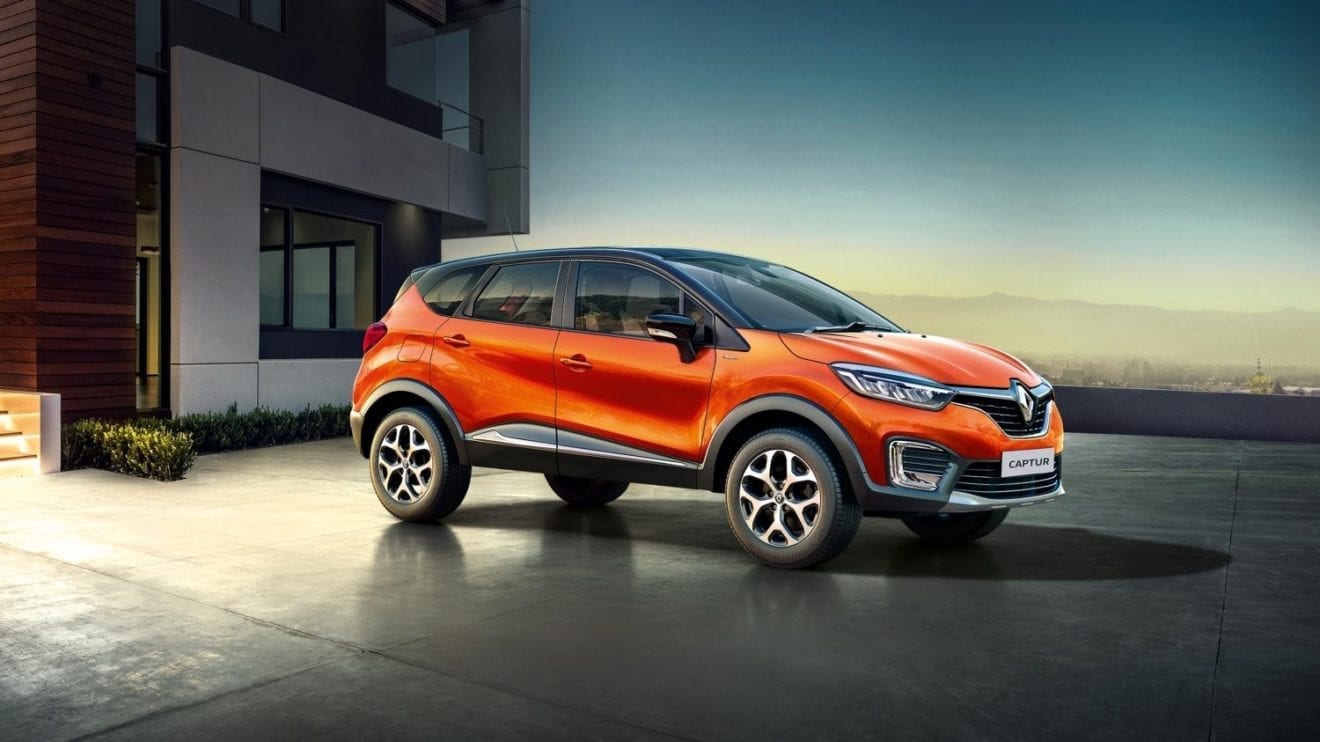
    Renault warned that revenue may decline this year, scrapping a previous goal, after first-half profit was hit by weakening car demand and an earnings collapse at alliance partner Nissan in the wake of the Carlos Ghosn scandal.

    Net income slumped by more than half to 970 million euros ($1.08 billion) in January-June as revenue fell 6.4% to 28.05 billion, the French carmaker said on Friday. Operating profit also dropped by 13.6% to 1.654 billion euros.

    “Given the degradation in demand, the group now expects 2019 revenues to be close to last year’s,” Renault predicted – abandoning an earlier pledge to increase revenue before currency effects.

    A broad-based downturn has rattled the sector, prompting profit warnings and compounding challenges for Renault and Nissan as they struggle to turn the page on the Ghosn era. Their former alliance boss is now awaiting trial in Japan on financial misconduct he denies.

    Renault’s bottom line was hit by an 826 million-euro drop in earnings from its 43.4%-owned alliance partner. Nissan is cutting 12,500 jobs globally after an earnings collapse that it is keen to blame on Ghosn’s leadership.

    But Renault’s own performance – reflected an operating margin that declined to 5.9% from 6.4% – contrasts less favourably with domestic rival PSA Group. The Peugeot maker defied the downturn with a record 8.7% profit margin unveiled on Wednesday.

    Renault blamed falling sales in France, as well as Turkey and Argentina, for a 7.7% revenue drop at its core automotive business – whose profit margin slid to 4% from 4.5%.

    Operating free cash flow also suffered, coming in at a negative 716 million euros as investment jumped by 742 million euros to 2.91 billion euros. The company nonetheless reiterated pledges to deliver positive full-year cash flow and a margin close to 6 percent.

  • LVMH sales up 15 per cent despite global tensions

    LVMH sales up 15 per cent despite global tensions

    Luxury brand owner LVMH has reported a solid 15 percent increase in sales in the first half of this year, shrugging off gloomy consumer sentiment in many markets.

    The parent of Louis Vuitton, Christian Dior, Bulgari, Sephora, DFS, Moet and a raft of other brands recorded sales of €25.1 billion. Organic growth was 12 percent ahead of the same period a year earlier.

    Second quarter growth was also up by 15 per cent of the beginning of the year, with the US, Asia and Europe all showing good growth and an obvious rebound in France in the second quarter.

    While the company noted a slowdown in demand in Hong Kong and Macau over the past few months, its DFS department-store subsidiary recorded “good” performance during the first half of the year.

    Profit from recurring operations was €5.295 billion for the first half, up by 14 percent, with an operating margin reaching 21.1 per cent – about the same as last year.

    “These results once again illustrate the effectiveness of our strategy and the exceptional desirability of our Maisons, whose products transcend time,” said chairman and CEO Bernard Arnault.

    “Their constant demand for quality and their consistently refreshed creativity are key to LVMH’s success, always guided by a long-term vision, combining exemplarity and responsibility in all the company’s actions. Despite buoyant demand, we will continue to manage costs and remain vigilant into the second half of the year. We are therefore entering the second half of the year with confidence and count on the talent of our teams and their shared entrepreneurial passion to further increase, once again in 2019, our leadership in the world of high-quality products.”

    The company’s fashion and leather goods business group recorded organic sales growth of 18 percent and profit from recurring operations was up 17 percent. The Louis Vuitton brand business achieved growth in all businesses and regions. Christian Dior had “a remarkable performance during the first half,” the company said, with its new 30 Montaigne line a standout.

    The selective retailing business group achieved organic revenue growth of 8 percent, with profit from recurring operations up 17 percent. Within that group, Sephora recorded strong revenue growth and gained market share in all of its locations, LVMH reported.

  • Mercedes-Benz India To Hike Car Prices By 3% From August

    Mercedes-Benz India To Hike Car Prices By 3% From August

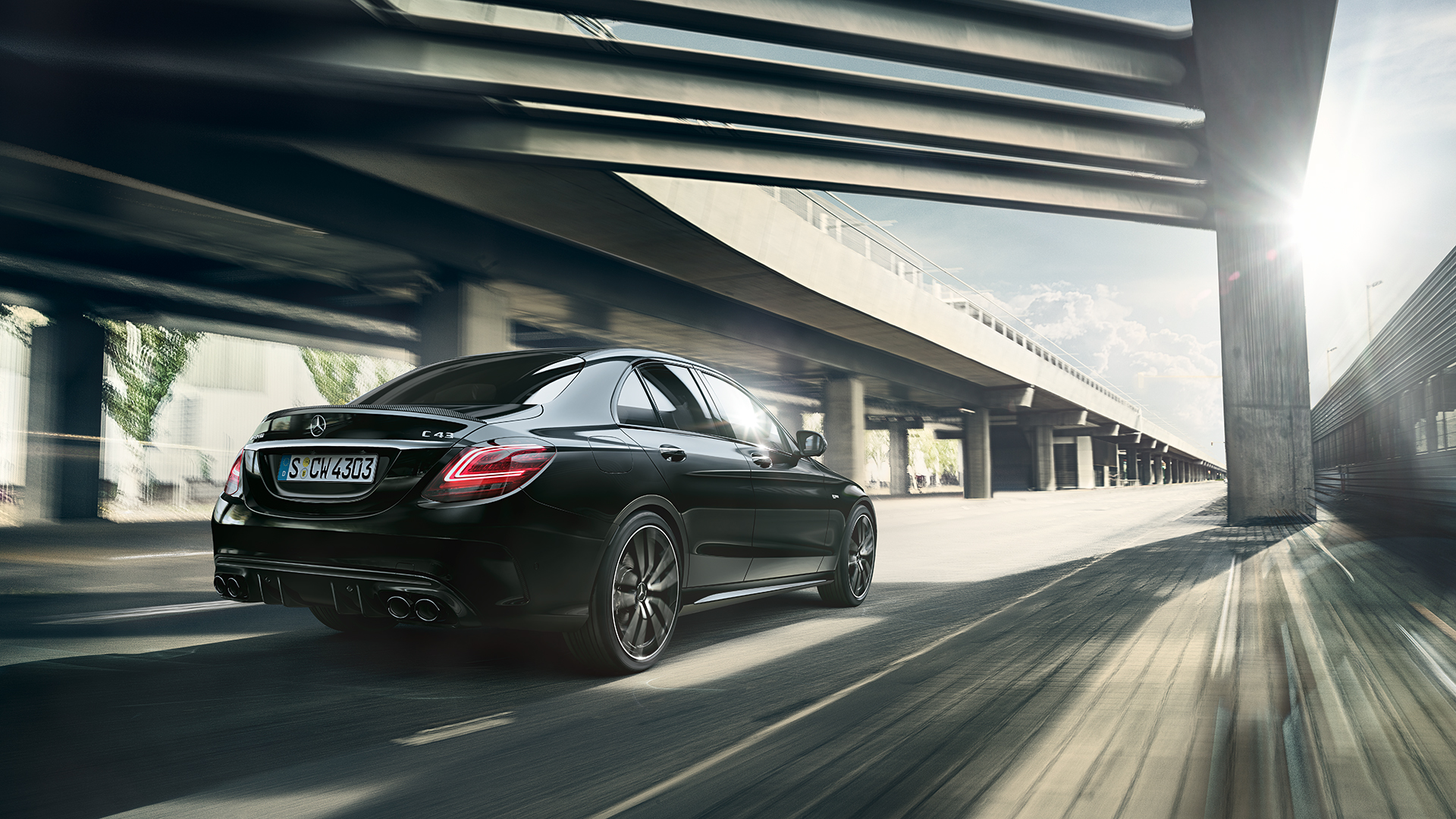
    Mercedes-Benz India has announced an increase in prices for select model range in India. With effect from August 2019, select Mercedes-Benz cars will see an upward revision in prices, up to 3 percent across the model range. While the company hasn’t shared the list of models that will see the price hike next month, the carmaker does mention that the current increase in customs duty on automotive parts and additional cess and excise duty on fuel has led to the price hike.

    Martin Schwenk, Managing Director & CEO, Mercedes-Benz India said, “As the leading luxury automobile maker in India, we have been relentlessly working on offering the best of products and industry benchmark customer service and ownership experience. However, a hike in customs duty on automotive parts, compounded by an increase in excise duty, and cess on fuel have had a significant impact on our bottom line. We were left with fewer options, but to make some necessary price adjustments to our product range at the moment to offset the impact of the rising input costs.”

    Last time the carmaker announced a price hike in India was back in September 2018, along with several other carmakers, after the value of the Indian Rupee reaches almost 73 compared to the US dollar.

    Recently, Mercedes-Benz India also reported a sales decline of 18.60 percent in the Indian market in the first half of the calendar year 2019. The company has sold 6561 units in the January-June period this year against 8061 units which were sold in the same period a year ago.

  • China key driver for Hermes sales growth

    China key driver for Hermes sales growth

    Chinese consumers have been credited with driving a 14.7 per cent rise in Hermes’ sales in the June quarter.

    While the Sino-US trade war may have been impacting on many brands, subduing consumer confidence and generating uncertainty, the French luxury leather retailer seems immune to the tempest.

    Sales reached €1.67 billion, exceeding analysts forecasts, with first-half sales totalling €3.28 billion.

    “Hermes sales were very dynamic in the first half of 2019, in all regions and in all business lines,” said CEO Axel Dumas.

    The fastest-growing region, however, was Asia (excluding Japan) where sales soared 18.6 per cent in the second quarter, excluding currency effects. Hermes referred to “positive momentum in continental China and double-digit growth in all other countries in the area” in a statement.

    Eric du Halgouet, Hermes’ finance director, said sales in Hong Kong rose by a double-digit rate during the first half year, despite the impact of June’s pro-democracy demonstrations when two of the company’s stores had to close briefly.

    Sales in Japan rose by nearly 10 per cent.

    Sales of the company’s core business lines, including handbags, rose by 12.2 per cent, while ready-to-wear fashion and accessories achieved 16.9 per cent growth.

    Jewellery and homewares posted the highest growth, at 21 per cent.

    In the statement, Hermes said that despite growing economic, geopolitical and monetary uncertainties around the world, the group confirms an ambitious goal for revenue growth in the medium term, at constant exchange rates.

  • Aston Martin’s Biggest Investor Offers To Buy Another 3% Stake

    Aston Martin’s Biggest Investor Offers To Buy Another 3% Stake

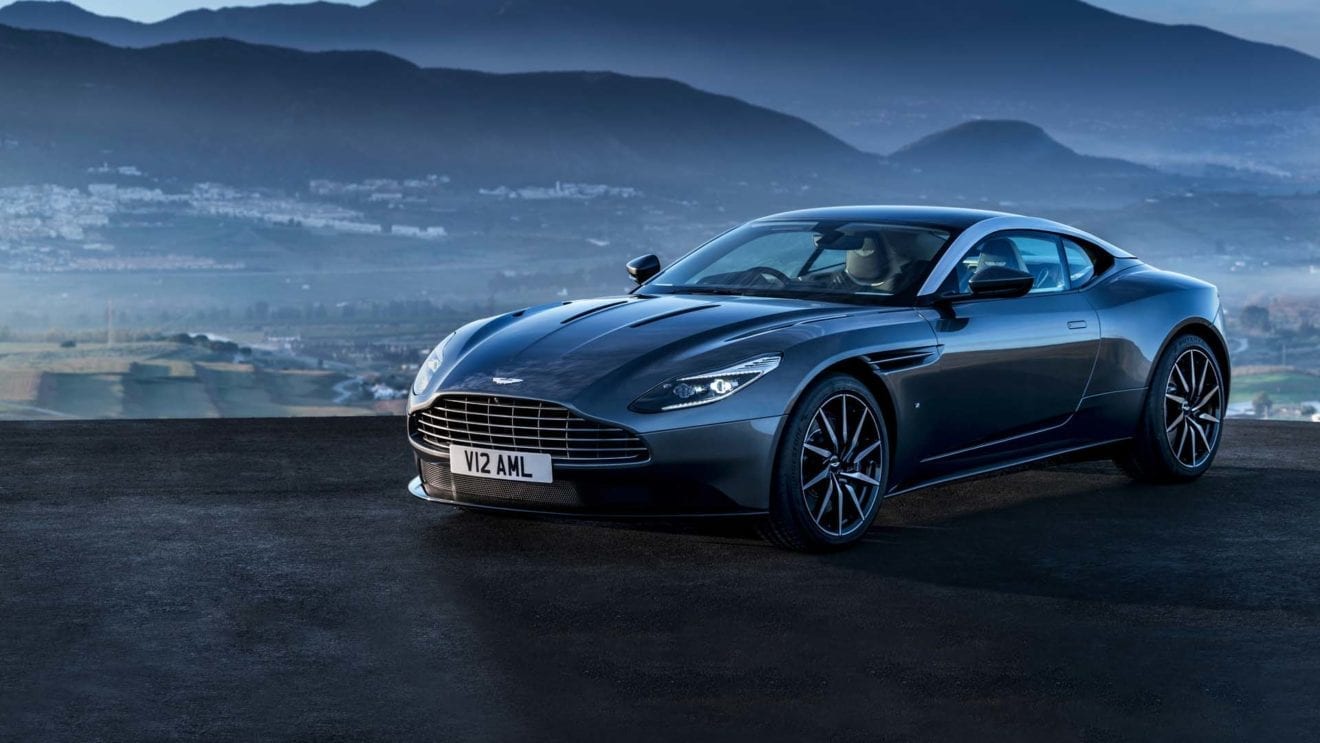
    The biggest investor in Aston Martin offered on Friday to buy another 3 per cent stake in the luxury carmaker, whose shares have slumped since listing last year. Strategic European Investment Group, part of the Italian private equity group Invest industrial, already owns 31 per cent of Aston Martin. It only wants to buy a maximum 3 per cent more, but has to make an offer to all shareholders due to its already large holding. It confirmed it is offering to pay 10 pounds ($12.53) per share.

    Aston Martin has struggled since it listed in October last year. Its shares, down 21 per cent so far this year, closed Thursday at 963 pence, valuing the business at 2.18 billion pounds.

    The company’s recent results have been hit by a need to invest more in its manufacturing plants and expand its vehicle offering, leading to higher costs.

  • Asos shares tumble as growth slows

    Asos shares tumble as growth slows

    Online fashion-retailer Asos reported sales growth beneath expectations for the four months to June, spooking investors and causing its share price to tumble 13 per cent overnight.

    That was despite a 14 per cent increase in sales in what CEO Nick Beighton described as a more competitive market.

    The slowdown has been attributed to operational changes, essential for the retailer to continue expanding internationally.

    “Asos is capable of a lot more,” said Beighton. “We have identified a number of things we can do better and are taking action accordingly. We are confident of an improved performance in the second half and are not changing our guidance for the year.

    “We are nearing the end of a major [capital expenditure] program. Whilst this has inevitably involved significant disruption and transition costs, the global capability it now provides us gives us increased confidence in our ability to continue to capture market share whilst restoring profitability and accelerating free cash flow generation,” he said.

    Sofie Willmott, lead analyst at GlobalData, said Asos has been able to deliver consistent double-digit top-line growth in recent years due to increased warehouse capacity and improved logistics processes, and the changes being made to US and EU distribution centres are vital to facilitate long-term growth in these key markets.

    “Asos will need to focus on winning back disappointed shoppers by bolstering its marketing efforts. Though this may need to include discounts, by recovering customers quickly they will not be lost forever.”

    She said Asos continues to innovate and introduce new tools to drive conversion and adapt to its demanding young shopper base, such as its recently added responsible filter.

    “However despite strong UK growth, with 62.6 per cent of retail sales coming from international markets, a robust UK performance is not enough to protect top line results.”

    “The future remains bright for Asos. The retailer’s agility and willingness to change to remain relevant to its customer base will help it to continue gaining market share both at home and abroad.”

    Beighton said the global online fashion market is worth more than £220 billion and growing fast.

    “We now have the tech platform, the infrastructure, a constant conversation with our growing customer base who love our own great product and the constantly evolving edit of brands we present to them. We believe that ultimately there will only be a handful of companies with truly global scale in this market.

    “We are determined that Asos will be one of them.”

  • China boosts Uniqlo parent

    China boosts Uniqlo parent

    Uniqlo owner Fast Retailing’s healthy online sales and strong performance in overseas markets, particularly in China, have helped boost its third quarter results.

    The Japanese retailer said its online sales saw a 16.1 per cent year-on-year increase in the three months to May 31 to ¥19.0 billion (US$176.1 million), increasing their proportion of total sales from 7.8 per cent to 9.1 per cent.

    For the three months from March to May 2019, Uniqlo’s international segment reported strong results, with revenue expanding 15.3 per cent year-on-year and operating profit expanding 14.9 per cent year-on-year over that period.

    Uniqlo continued to achieve significant year-on-year growth in both revenue and profit in Mainland China, and achieved double-digit growth in both revenue and profit in Southeast Asia and Oceania on the back of strong sales of its summer range.

    But Fast Retailing’s less-than-stellar domestic sales have overshadowed the company’s strong performance in its e-commerce and international segments, indicating that Japan’s market still has a huge influence on the retailer’s results.

    The company’s domestic sales saw a 0.5 per cent decline brought about by shifting a sales event to June.

    On the profit front, the retailer’s operating profit declined by 7.5 per cent year-on-year on the back of a higher selling, general and administrative expense ratio, and a lower gross profit margin, which was dampened by its decision to bring forward discounting of leftover Spring Summer inventory.

    China continues to be one of the main engines driving overseas expansion, with sales in the country rising in the double digits.

    The retailer said Uniqlo so far hasn’t been hurt by the trade war between the US and China, and sales there were strong even in the face of a weaker yuan.

    Uniqlo Europe reported a decline in profit caused by unseasonal weather patterns and political uncertainty. However, within that region, Russia continued to perform strongly and report expanding revenue and profit.

    In terms of new-store activity, Uniqlo opened its first store in the Netherlands in Amsterdam in September 2018, as well as its biggest Southeast Asian global flagship store in Manila, Philippines in October 2018, and its first store in Denmark in Copenhagen in April 2019.

    Fast Retailing said it is planning to focus its efforts on expanding its global e-commerce operation and its Uniqlo international and GU casual fashion brands to meet its medium-term vision to become the world’s number one apparel retailer.

  • Ajisen China sales on the up

    Ajisen China sales on the up

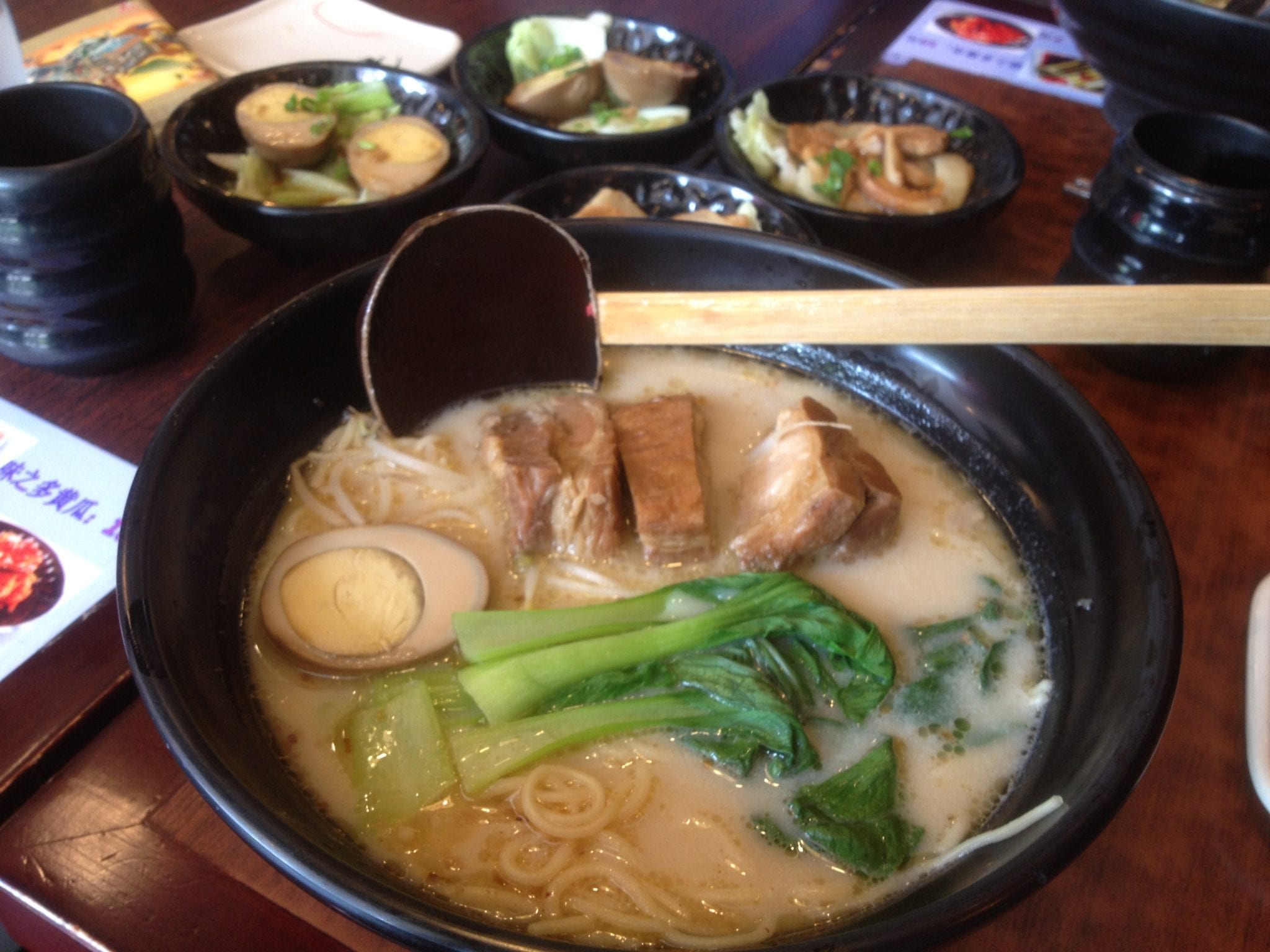
    Ajisen China has reported a 4.8 per cent improvement in same-store sales for the June quarter.

    The Hong Kong-listed fast-casual restaurant operator combined sales in its local operations with those in the mainland and did not comment on the respective markets this reporting period.

    Overall sales for the restaurant business rose by 6.4 per cent, reflecting network expansion.

    The sales growth is a marked turnaround from the same period a year ago, when it reported a 10.8 per cent sales decline in Hong Kong and 1.8 per cent drop on the mainland, citing stiff competition in the restaurant and catering sector, especially in Mainland China.

    Ajisen China operates Ajisen Ramen restaurants under licence to the Japanese brand owner.

  • Giordano International sales plunge again

    Giordano International sales plunge again

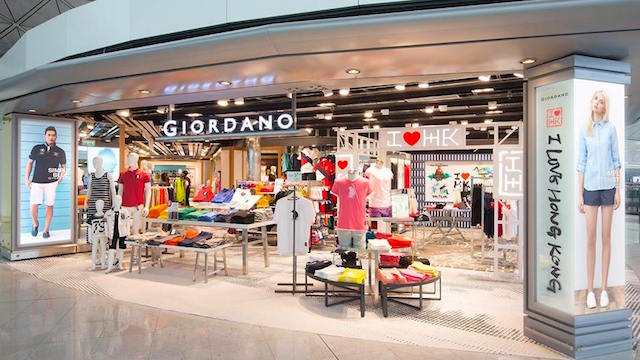
    Giordano International is set to report a second successive quarter of heavy sales decline.

    The casualwear retailer warned shareholders yesterday that underlying sales may fall by about 28 per cent, driving a 38-per-cent decrease in profit attributable to shareholders for the six months ended June 30.

    Chairman and CEO Peter Lau said the board believes the decrease was largely confined to the Greater China Region, and “primarily attributable to the weak retail environment and poor market sentiment in those regions stemming from the Sino-US trade war”.

    A factor in the profit figure was the adoption of new Hong Kong financial-reporting standards applicable to leases, which took effect on January 1 this year.

    The company will announce its interim results next month.

    In April, Giordano announced that sales in Greater China plunged by 17.7 per cent during the first quarter, dragging group-wide sales down by 10.8 per cent, or 8.5 per cent on a constant-currency basis.

    In a stock-exchange filing on the eve of the holiday weekend the casual apparel retailer blamed the downturn on “uncertainty stemming from the Sino-US trade dispute and abnormally warm weather”.

    Giordano sales in Indonesia, Thailand and Vietnam remained stable during the first quarter, and in the fledgling Middle East market rose by 10 per cent to HK$80 million, slightly compensating for the heavy impact of China.

    By market, Mainland China sales fell from $378 million to $295 million, in Hong Kong and Macau from $248 million to $225 million and in Taiwan from $201 million to $161 million. In the rest of Asia-Pacific, they declined from $422 million to $398 million.

  • China Liberates Its Automotive Strategy To Support Hybrid Vehicles Sales

    China Liberates Its Automotive Strategy To Support Hybrid Vehicles Sales

    China is one of the biggest EV markets in the world and many global automakers have developed electric vehicles particularly for the Chinese market. However, some carmakers like Toyota and Honda have also invested heavily in the hybrid technology and have been expecting support from the Chinese Government to promote the sales of hybrid vehicles. Finally, it looks like that the Chinese Government will consider their demand and has started focussing on hybrid vehicles as well in its new strategy for the auto sector.

    Earlier this year, the Chinese government had introduced manufacturing and sales quota to promote new-energy vehicles which include electric cars, hydrogen fuel cell vehicles and plug-in hybrids. According to the quota rule, new-energy vehicle must account for 10 per cent of automakers fleet in 2019. The Ministry of Industry and Information Technology wants to amend the regulations and allow automakers to include more fuel-efficient hybrid vehicles in their line-up. Hybrid vehicles will be still categorised under the fossil fuel powered segment but will be classified as low-fuel consumption vehicles. The new rule is likely to help automakers in China to meet the environmental quota norms along with allowing them to add more hybrid vehicles in their product line-up.

    The current rule requires automakers to manufacture 20,000 high performance EVs for every one million hybrid vehicles. If EVs do not meet the performance standards, then they require to manufacture more than 20,000 units as hybrids are grouped along with petrol and diesel vehicles, under the same category. That said, the new proposed rule will allow automakers to manufacture only 6000 EVs for a million hybrid vehicles, while the number of EVs for one million petrol or diesel vehicles will be increased to 29,000 units. China is also world’s largest car market and hybrid vehicles being more fuel efficient and low on emission will help carmakers to achieve emission targets in such a high-volume market along with improving sales.

  • Mercedes-Benz India Records 18.60 Per Cent Sales Decline In H1 2019

    Mercedes-Benz India Records 18.60 Per Cent Sales Decline In H1 2019

    The Indian auto market is under turmoil and luxury carmakers which account just 1 per cent of the market share are the first ones to bear the brunt of macro-economic headwinds. Mercedes-Benz which is the largest-selling luxury car brand in India has witnessed a sales decline of 18.60 per cent in the Indian market in the first half of calendar year 2019. The company has sold 6561 units in the January-June period this year against 8061 units which were sold in the same period a year ago. According to the German carmaker, high interest rates, inflationary hikes, liquidity crunch and rising import costs took a toll on sales. That said, the company still claims leadership position in the Indian market.

    Commenting on sales performance, Martin Schwenk, Managing Director & CEO, Mercedes-Benz India said, “We are glad to maintain the leadership position in the luxury car market by sustaining our sales performance despite facing continuous macro-economic headwinds and a temporary limited availability of volume models. We expect sales to recover gradually from the third quarter, however, conditions would continue to remain challenging. We are excited to retain our customers’ loyalty and sustain the market leadership by continuing our customer centric initiatives. As a fundamentally strong brand, Mercedes-Benz continue to remain bullish on the mid to long term prospect of the dynamic Indian market.”

    The Mercedes-Benz E-Class LWB continues to the bestseller for the company followed by the C-Class and GLC SUV. In the same period, sales of AMG models have gone up by 47 per cent. Ahead of the recent budget session, Mercedes-Benz along with SIAM and several other carmakers had requested the budget committee to reduce the GST rates on cars measuring above four-metres to 18 per cent. Companies were expecting to absorb the price hike with tax reduction which could have helped them to control the prices and in-turn would have improved sales.

  • BMW Group’s Global Sales Grow Marginally By 0.7% In June

    BMW Group’s Global Sales Grow Marginally By 0.7% In June

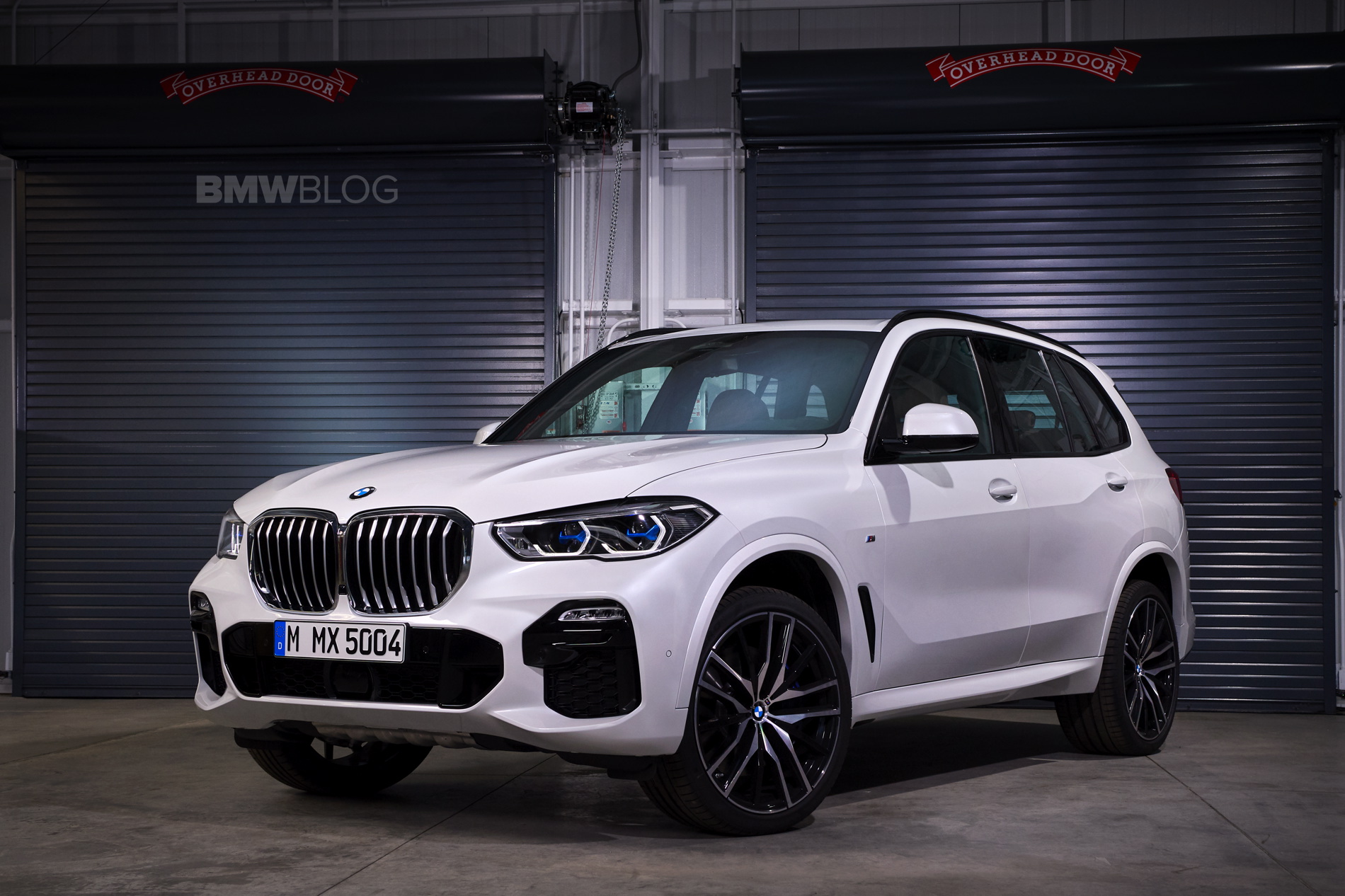
    Though sales of cars have taken a hit globally, the BMW Group sales continued their positive trend in June. The Group saw a marginal rise of 0.7 per cent in sales compared to the same month last year, with a total of 2,40,674 BMW, MINI and Rolls-Royce vehicles sold worldwide. This brings the company’s total sales for the year to date to 1,252,837 which is up by 0.8 per cent. This is the first time the company has sold more than 1.25 million vehicles in the first half of the year.

    Overall sales of the BMW brand grew by 1.4 per cent in June, with a total of 2,03,523 delivered to customers worldwide in the month. That result brings the brand’s sales total for the first half of the year to 10,75,959 a growth of 1.6 per cent. Both these figures are a new record high for the brand. The new or revised BMW X vehicles continue to be the brand’s biggest growth drivers, with global sales of the BMW X2 up 19.1 per cent in June, while sales of the BMW X3 rose by 66.6 per cent and deliveries of the BMW X4 increased by 70.8 per cent. Less than three months after market launch, a total of 13,555 BMW X7 vehicles have been sold globally and now India too will get the car very soon. In the first half of the year, a total of 4,67,134 BMW X vehicles were delivered to customers worldwide, accounting for 43.4 per cent of the brand’s overall sales; that figure was just 35.8 per cent in the same period last year.

    As far as electric cars are concerned, BMW i sales increased by 22 per cent in the first half of the year, with demand for the BMW i3 increasing by 21.2 per cent in the same period. Sales of the BMW 5 Series plug-in hybrid models increased by 43.4 per cent in the first half-year, while deliveries of the plug-in hybrid MINI Cooper SE Countryman ALL4 rose by 55.8 per cent

    MINI brand sales in the first half of the year decreased slightly. Deliveries in the year to date were down by 3.9 per cent while sales in June decreased by 3.5 per cent.

    Rolls-Royce too delivered a total of 2,534 cars across the globe which showed a growth of 42.3 per cent. Growth was seen in every region worldwide, with sustained demand for all model families. Exceptional customer demand for Cullinan continues, resulting in a strong order book, already stretching into the first quarter of 2020. The marque remains on track for a strong year in 2019.

    BMW Motorrad sales continue to grow strongly, with year-to-date deliveries up 7.1 per cent. In June, a total of 18,230 premium BMW Motorrad motorcycles and maxi scooters were delivered to customers around the world which is a growth of 7.4 per cent.

    As far as regions go, the brand continued to buck the trend in USA, achieving growth of 7.5 per cent in the month, while strong growth of 21.8 per cent was achieved in China. Despite a decline in the premium market in Germany in June, deliveries of BMW vehicles were up 0.5 per cent in the month. The Asian market too showed a strong growth of 6.9 per cent (year-to-date) thanks to all the new launches by the group in various countries.

  • Amazon expands anti-counterfeit program

    Amazon expands anti-counterfeit program

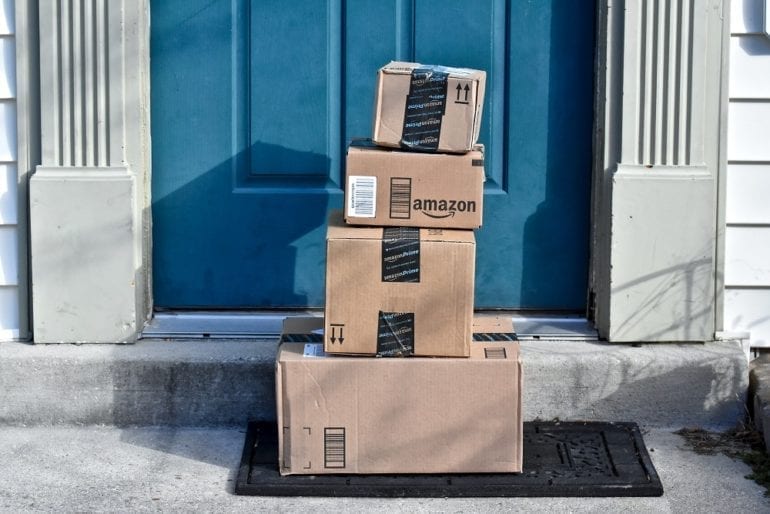
    Amazon is expanding its successful anti-counterfeiting program to more countries.

    Transparency is now available to sellers and customers in France, Germany, Italy, Spain, the UK, India and Canada, the e-commerce giant announced on Wednesday. Previously it only operated within the US.

    Online marketplaces are rife with counterfeit products sold cheaper than the genuine product, though often at a much lower quality.

    Fellow online marketplace Alibaba revealed its ‘Anti-Counterfeiting Alliance’, launched in early 2017, has resulted in the arrests of 1277 suspects, the shutdown of 524 manufacturing and distribution locations, and product seizures totalling US$536.2 million.

    EBay, as well, launched a program known as ‘eBay Authenticate’ which allows sellers to have items examined by a third-party to ensure the consumers can be confident they’re getting the real thing.

    Amazon’s Transparency program enables marketplace sellers to apply unique codes to their products when they are manufactured. These codes are scanned before orders are shipped to ensure the products are authentic. Online shoppers can also check the unique codes to verify the products they buy.

    “Counterfeiting is an industry-wide concern – both online and offline,” said Amazon customer trust and partner support vice president Dharmesh Mehta.

    “We created Transparency to provide brands with a simple, scalable solution that empowers brands an dAmazon to authenticate products within the supply chain, stopping counterfeit before it reaches a customer.”

    According to Amazon, more than 4000 brands are enrolled in the initiative in the US, and have generated more than 300 million unique codes, stopping over 250,000 counterfeits from reaching customers.

    The program also allows customers to scan products using a Transparency app, and see unit-level information about a product – though currently the app is only available in the US.

    Inside Retail has reached out to Amazon to see if this initiative will be expanded to Australia.