Tag: Sales

  • China Car Sales Post First Weekly Rise Since Virus Outbreak

    China Car Sales Post First Weekly Rise Since Virus Outbreak

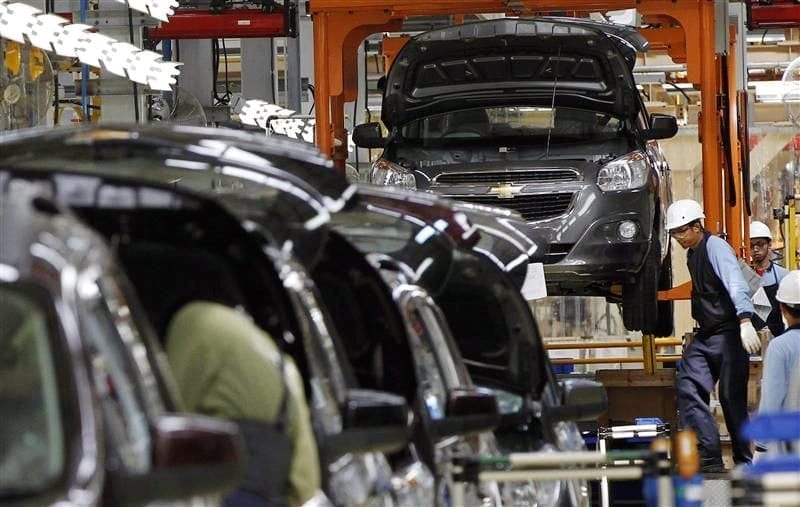
    China’s retail sales of passenger cars in the week of April 7-12 rose 14% from a year earlier, marking the first weekly rise reported since the coronavirus outbreak, data from the China Passenger Car Association (CPCA) showed.

    Coronavirus to push China’s Q1 GDP into the first decline on record.

    The coronavirus crisis likely knocked China’s economy into its first decline since at least 1992 in the first quarter, raising the pressure on authorities to do more to restore growth as mounting job losses threaten social stability.

    Sales for the first 12 days of the month were down 12% the CPCA data showed

  • Singapore retail sales down with 10 percent in February

    Singapore retail sales down with 10 percent in February

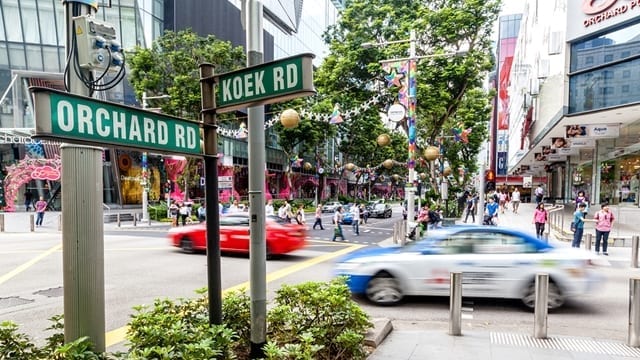
    Singapore retail sales in February fell by 10.2 percent, excluding motor vehicles.  Including motor vehicles, sales were down by 8.6 percent year on year. In releasing the data, Statistics Singapore attributed the decline to falling sales of discretionary items due to fewer inbound tourists and lower domestic consumption in the wake of the coronavirus pandemic.

    The month-on-month decline in Singapore retail sales in February was 11.2 percent, excluding motor vehicles.

    The two worst-affected categories in February were apparel and footwear, down 41 percent year on year, and food and alcohol, down by 40.5 percent.

    Sales in department stores dropped by 36.3 percent, while sales of watches and jewelry fell by 23.8 percent.

    On the plus side, sales by supermarkets and hypermarkets surged by 15.3 percent and of furniture and household equipment by 5.9 percent.

    Statistics Singapore estimated total Singapore retail sales in February at $3.1 billion. Of that figure, online retail sales accounted for 7.4 percent, with the computer & telecommunications equipment the largest contributor, accounting for 30.4 percent.

    Meanwhile, year-on-year sales of food & beverage services fell by 16.6 percent in February, on the back of declining consumption related to the coronavirus pandemic. On a seasonally adjusted basis, sales of food & beverage services decreased by 18.3 percent month on month.

    Statistics Singapore estimated sales of food & beverage services in February totaling $732 million, of which online sales accounted for 12.5 percent.

    The turnover of food caterers and restaurants decreased by 31.5 percent and 29.1 percent respectively, while sales by cafes, food courts and other eating places decreased by 2.3 percent. Sales by fast-food outlets rose 5.8 percent during the month.

  • Hong Kong retail sales plunge 44 per cent in February

    Hong Kong retail sales plunge 44 per cent in February

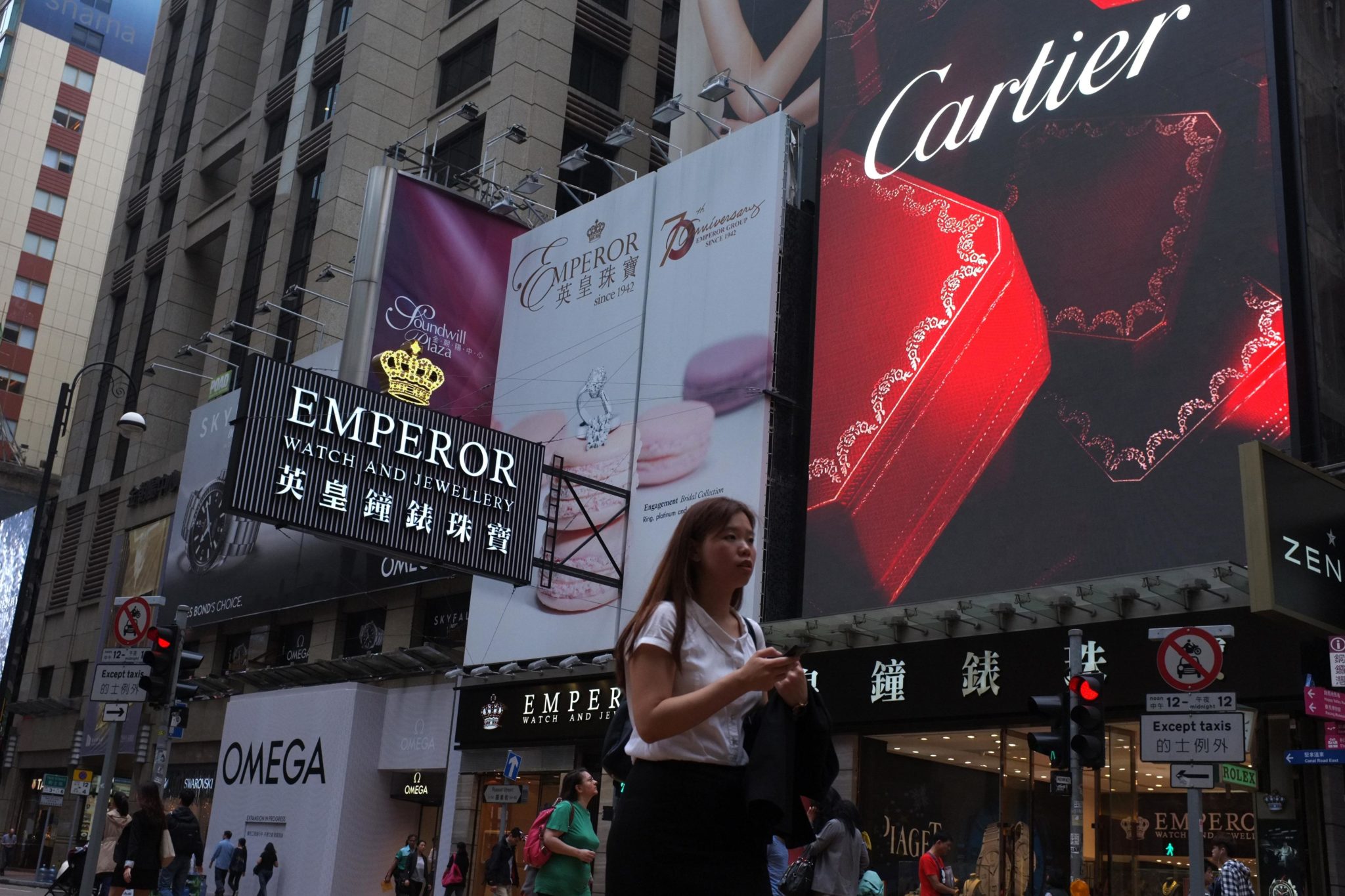
    February saw a catastrophic collapse in Hong Kong retail sales, which slumped a massive 44 percent year on year, the greatest fall since records were first taken. The unprecedented collapse followed a 21.5-per-cent decline in January and a 19.4-per-cent fall in December. For the first two months of this year, Hong Kong retail sales felt by 31.8 percent.

    The collapse in sales followed the effective lockdown of Mainland China for the last week of January and all of February and came as Hong Kong tightened travel into the territory worldwide following the outbreak of the coronavirus pandemic.

    A government spokesman confirmed the fall mainly reflected the heavy blow to tourism- and consumption-related activities dealt by the pandemic, although a distortion from the timing of Lunar New Year also contributed.

    “The business environment of retail trade will remain extremely austere in the near term, as the Covid-19 pandemic has brought inbound tourism to a standstill and severely dented local consumption demand,” the spokesman said.

    Figures released today by the Census and Statistics Department (C&SD) provisionally estimated the value of Hong Kong retail sales in February, at $22.7 billion (US$2.9 billion).

    After netting out the effect of inflation, total retail sales fell by 46.7 percent, following a 23.1-per-cent fall in January. For the first two months of the year, the inflation-adjusted decline was 33.9 percent.

    While sales of jewelry and luxury goods fell by 58.6 percent in January and February combined, it was a surprising 9.3-per-cent slump in the sale of food, alcohol and tobacco which caused the most significant impact on the overall figures, according to the C&SD.

    Sales of miscellaneous consumer goods fell by 21.9 percent; of electrical goods and other consumer durables by 25.1 percent; and of medicines and cosmetics by 42.7 percent.

    Department-store sales slumped 41.4 percent, apparel sales by 49.9 percent; footwear and accessories by 43.1 percent; furniture and fixtures by 19.6 percent; Chinese drugs and herbs by 23.7 percent; books, newspapers, stationery and gifts by 35 percent; and optical shop turnover slumped 28.6 percent.

    The only two categories showing growth were supermarkets, which boosted sales by 11.1 percent, during the first two months of the year, and fuels, up by 6.5 percent.

  • Panic buying underpins Japanese retail sales growth

    Panic buying underpins Japanese retail sales growth

    Japanese retail sales have recorded a distinct uptick as consumers enter a panic-buying mode in response to the coronavirus outbreak, according to Nikkei Asian Review. According to the Ministry of Economy, Trade and Industry, Japanese retail sales rose 1.7 percent year on year in February.

    Pharmacy sales showed the highest rate of growth, surging 18.9 percent due to higher sales of protective masks and toilet paper, among other hygiene-related purchases.

    Supermarket sales increased 6 percent following increased purchases of consumer goods.

    By contrast, sales figures for department stores slipped 11.8 percent resulting directly from a drop in tourism.

    The slowing down of local business has concurrently seen a drop in employment figures, with fewer businesses seeking to fill positions.

  • South Korean department stores look to VIPs as sales slide

    South Korean department stores look to VIPs as sales slide

    South Korean department stores have launched an all-out effort to secure VIP customers who spend more than ordinary customers.

    Department stores have suffered fallout from the surge in popularity of online shopping malls for years, but sales have come under further pressure with the coronavirus outbreak.

    Sales at Lotte Department Store from March 1 to 22 decreased by 37.8 percent compared to the same period last year.

    At the height of the pandemic, and under the burden of its economic consequences, the top priority for South Korean department stores is to secure VIP customers.

    While VIP customers at the Galleria Department Store account for only 10 percent of all customers, their consumption amounts to 60 percent of sales.

    According to Shinsegae Department Store, the number of VIP visits last month was 2.5 times that of regular customers.

    Even when the number of visits by regular customers dropped by half after the Covid-19 outbreak, the number of VIP customers dropped by only about 20 percent.

    Managing loyal VIP customers and securing more big players in the future is a matter directly related to a store’s survival.

    This is why Lotte Department Store made changes to its VIP system. Under the old scheme, customers had to spend 20 million won (US$16,400) per year to qualify for the lowest level VIP program, as part of what was a four-level system.

    However, Lotte recently added another lower-level program to expand the scope of its VIP offerings.

    Meanwhile, Galleria Department Store, unveiled the largest VIP lounge in South Korea on the 12th floor of its newly opened Gwanggyo branch in Suwon, south of Seoul.

    VIP lounges in South Korean department stores have typically been places for customers who spend tens of millions of won a year. However, at the Gwanggyo branch, customers who spend 5 million won per year can enjoy the VIP lounge.

    “The fact that VIP thresholds have been lowered is indicative of a sales strategy to secure loyal customers by providing better services to more customers,” said a source in the department store industry.

  • Nike E-commerce sales soar during coronavirus crisis

    Nike E-commerce sales soar during coronavirus crisis

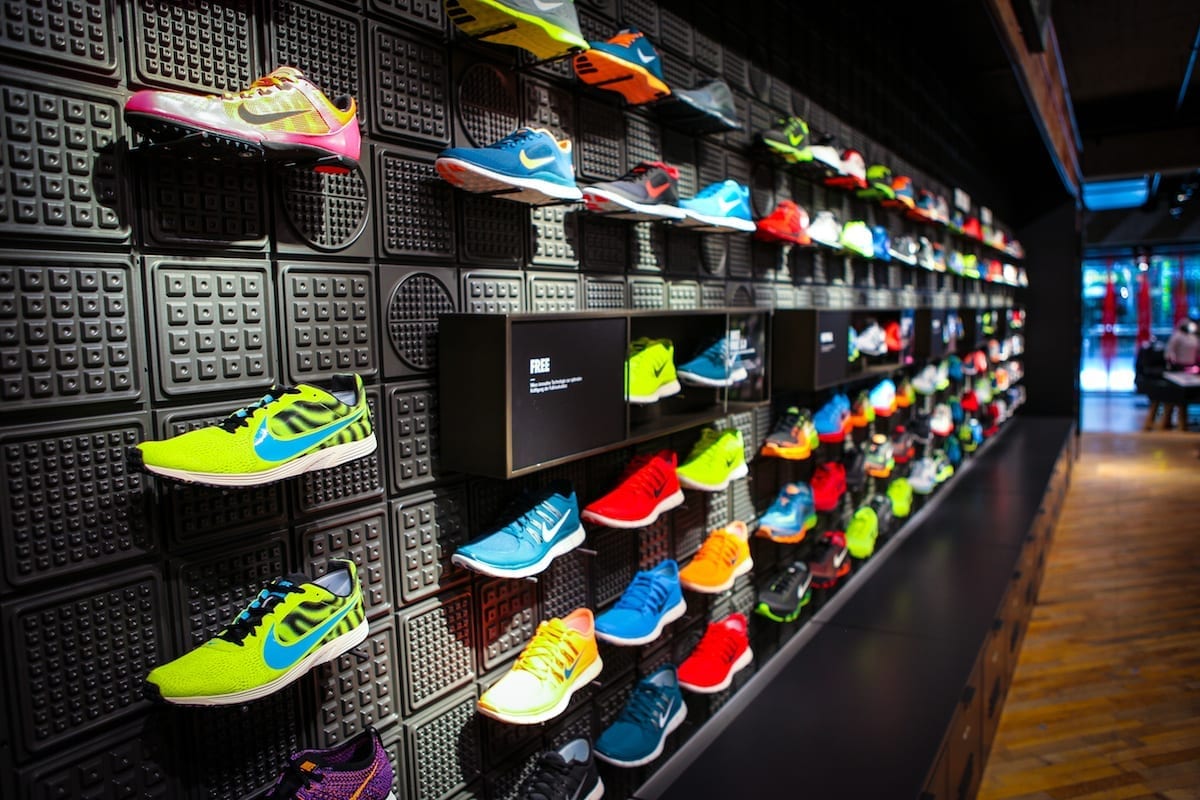
    Nike online sales soared 36 percent in the February quarter, compensating in part for a slump in sales across Mainland China which was in lockdown for much of January and February due to the coronavirus outbreak.

    The strength of online sales gave the retail giant a buffer from stalling brick-and-mortar sales, but it is not just in China that the effect is obvious.

    In an earnings call, Nike EVP and CFO Andy Campion said online sales in every global market grew in excess of 30 percent for both its core brand and sister brand Converse in the three months to February 28. That fuelled growth in both quarterly sales and earnings greater than the company expected.

    “From a digital capability perspective, the investments we’ve made to-date are now proving to be the foundation for our resilience amid challenges and they will be strengths as we emerge,” said Campion.

    “We are still in the early innings of Nike’s digital transformation, but the capabilities we’ve already been building for the future are proving to be the strongest pillars within our business today.

    “These are times in which strong brands get stronger and we’re confident that Nike will come back stronger than ever.”

    Campion told analysts that following its China experience, the company is now seeing similar trends play out in other markets where government lockdowns are resulting in shopping malls and stores being closed to help stem the spread of the virus. Now, consumers are shopping online instead.

    Nike is responding to the digital uptake by using tools that dynamically model demand, planning, allocation and pricing and using its app and membership program to reach out to consumers and encourage them to be active at home, while in lockdown. Those mediums are also offering products and services specifically targeted to various groups of consumers or individuals.

  • Esprit warns of big loss as Europe shuts down

    Esprit warns of big loss as Europe shuts down

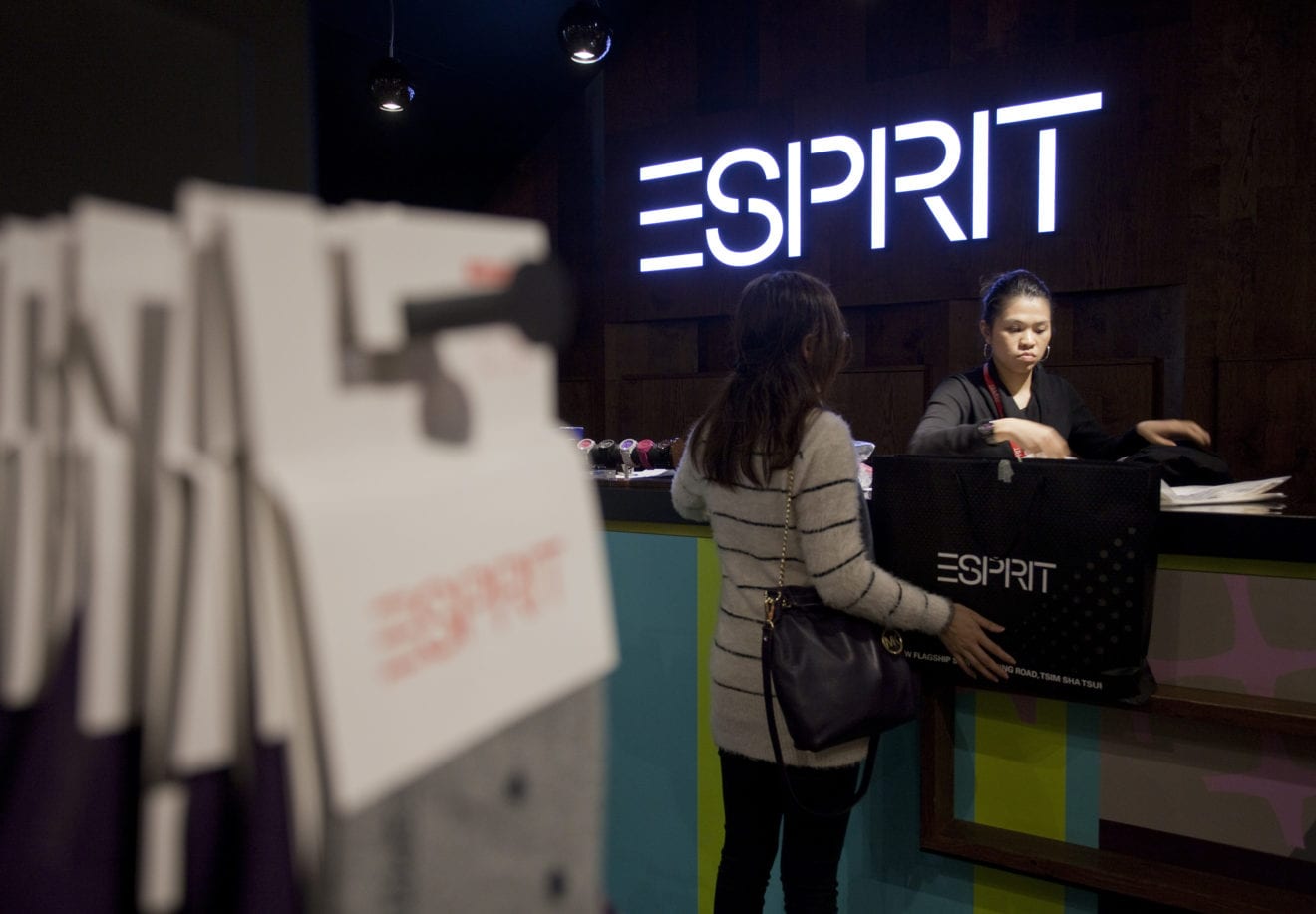
    Fast-fashion retailer Esprit says foot traffic into its stores worldwide have evaporated in the wake of the coronavirus pandemic and warned shareholders to expect a “considerable loss”.

    Public health initiatives enacted in many countries across the world aimed at slowing the spread of the pandemic have resulted in the closure of “a significant number of stores,” said Esprit company secretary Ophelia Lo.

    Public life has been locked down in France, Italy, Spain, Poland and Austria with other European countries most likely to follow, she said. All of those are important markets for Esprit which as part of a major restructuring plan is refocusing its business on Europe.

    “Obviously apparel retail sentiment is at its lowest level possible and store traffic in the group’s retail stores and its partners’ points of sale has subsided entirely,” said Lo.

    “In addition, the logistics of the supply chains of merchandise shipments are significantly affected.”

    Esprit expects the pandemic will “significantly adversely impact the sales of the group” in the second half of the current financial year, ending June 30.

    “As a result, management expects the group to incur a considerable loss in the second half,” said Lo.

    Right now, Esprit management cannot quantify the actual impact of the pandemic on the group’s business performance, given the inability to predict the speed and extent to which the pandemic will spread in markets in which the group and its suppliers operate in, and with no reliable estimation on when the pandemic may be over.

    “The company will continue to diligently assess the impact of the pandemic on the group’s business performance and will make appropriate announcements on updates as and when necessary,” she said.

    Meanwhile, the company will take “all practicable measures to cope with the challenges ahead,” including using working capital management and cost-control measures, and exploring financial support provided by local governments.

  • Indian retailers boycott Samsung products

    Indian retailers boycott Samsung products

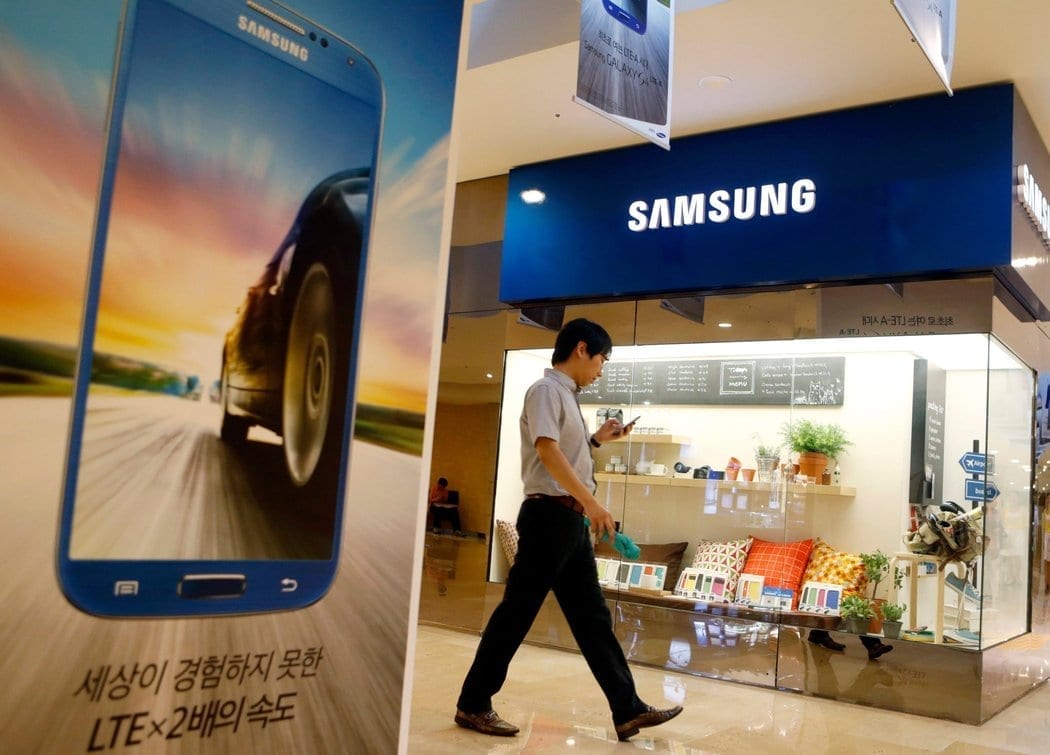
    Indian retailers are staging a three-day nationwide boycott on selling Samsung mobile devices in response to the firm’s exclusive discounting deals with e-commerce operators.

    The All India Mobile Retailers Association (AIMRA) has arranged the Samsung boycott at brick-and-mortar outlets following several rounds of unanswered communications with Samsung country heads extending back over the past five years.

    “We will be showing our protest through digital posts, covering Samsung branding with a black cloth in our stores, and not doing business with Samsung distributors for three days,” said AIMRA president Arvinder Khurana, adding that Samsung representatives had neither met with leaders of their organization nor responded to emails.

    The association has been working to end deep discounting and cashback offers for e-commerce mobile retailers and has drawn guarantees of fair pricing across channels from Vivo, Oppo and Realme.

    Samsung is “adamant and underestimating the power of offline,” said Khurrana. “They are the only brand with M Series exclusive tie-up and now to grab our customers they have also tied up for a cashback offer through Amazon Pay … Such activities have caused great damage to us but the brand does not seem to be interested in working with offline traders.”

    Industry commentators have noted that the move will heavily impact Samsung’s revenues and shake consumer confidence in the brand.

  • Hong Kong retail sales down in January

    Hong Kong retail sales down in January

    Hong Kong retail sales slumped 21.4 percent in January, further than the 19.4 percent of December – but the worst is yet to come.

    The Census and Statistics Department (C&SD) provisionally estimated Hong Kong retail sales at HK$37.8 billion (US$4.86 billion) but cautioned that the timing of Lunar New Year – on January 25 this year and February 5 last year – may have lessened the statistical impact of January’s data.

    “Retail sales continued to record a sharp fall in January, notwithstanding the possible boost from the Lunar New Year, which fell in late January this year but early February last year,” said a government spokesperson.

    This hints at a bleak outlook for February’s Hong Kong retail sales, given the advent of the coronavirus which saw inbound tourist numbers drop by 98 percent in what should have been one of the best trading months of this year.

    The coronavirus hit just as the peak Lunar New Year holiday season kicked off, a time when thousands of mainlanders traditionally head across the border to holiday and shop. Sales during the month were already affected by the anti-extradition protests which had been running since June last year.

    Sales of jewelry, watches, and clocks slumped by 41.6 percent in January, with medicines and cosmetics down 32.3 percent and apparel by 28.9 percent. Department-store sales were down 27 percent, books, newspapers, stationery, and gifts by 25.9 percent and optical goods by 23.9 percent, furniture, and fittings by 22 percent, footwear, and accessories by 21.6 percent and electrical goods by 20.4 percent.

    Sales of Chinese drugs and herbs fell by 16.2 percent and of food, alcohol and tobacco products by 6.8 percent.

    The only categories to buck the downturn were sales in supermarkets, up 10.2 percent, and of fuel, up 12.3 percent.

  • Auto sales plummets in January

    Auto sales plummets in January

    January automobile sales fell by 52 percent over the previous month and 53 percent year-on-year, according to the Vietnam Automobile Manufacturers Association (VAMA).

    A total of 15,787 vehicles were sold last month, including 12,807 passenger cars, 2,757 commercial vehicles and 223 special multi-purpose vehicles.

    The sales figures were compiled by VAMA, an association of all auto manufacturers in Vietnam except Hyundai TC. The 5,944 units sold by Huyndai TC last month would take the total to 21,731.

    VAMA attributed the decline in sales to the Lunar New Year (Tet) holiday, when the country took a week off (January 23-29). The holiday is usually a quiet period for the car market, it noted, adding that people tend to buy cars at the end of the year, about a month before the Tet holiday, and sales in the days leading up to the break would usually fall.

    Of the vehicles sold, domestically assembled cars still accounted for nearly two-thirds of sales, reaching 9,599 units, down 51 percent over the previous month. Imported completely-built-up (CBU) cars made up the remaining 6,188 units, down 54 percent over December last year.

    Domestic carmaker Truong Hai Auto (Thaco) retained the top spot in January, accounting for over 33 percent of sales by all VAMA members. Trucks and sedans made up most of its sales.

    Toyota Motor Corp. retained its second spot at 25.8 percent, followed by Honda and Mitsubishi, with 12.6 percent and 11 percent, respectively.

    Vietnam saw car sales of 322,322 in 2019, up 11.7 percent year-on-year, according to VAMA.

  • Singapore retail sales flat in December

    Singapore retail sales flat in December

    Singapore retail sales were flat in December, after motor vehicles were removed from the data, rising by a mere 0.1 percent.

    Including motor vehicles, a decrease of 3.4 percent was recorded, but this relates more to the scarcity of Certificates of Entitlement by which Singapore’s government restricts the number of vehicles on the roads. New vehicle sales were down by 24 percent year on year.

    Compared with November, and again excluding vehicles, retail sales slipped by 1.4 percent.

    Singapore retail sales totaled SG$4.2 billion (US$3.2 billion) for the month. Significantly, online shopping accounted for 6.8 percent of that figure, one of the highest rates yet.

    Aside from cars, the worst-performing retail categories were furniture & household equipment down 8.2 percent, and computer & telecommunications equipment, down 6.3 percent. Sales at department stores fell 5.6 percent, and optical goods & books recorded a 1.2 percent decline.

    Categories to post growth included watches & jewelry (up 8.9 percent). Retailers of petrol service stations, medical goods & toiletries, and mini-marts & convenience stores achieved growth rates between 3.1 percent and 5.4 percent.

    Compared to the same period last year, Sales of food & beverage services in December increased by 2.7 percent to an estimated SG$964 million, compared to $938 million in December 2018.

    Turnover of fast-food outlets, cafes, food courts & other eating places, and restaurants

    Increased by between 2 percent and 7.7 percent year on year.

  • Vietnam retail sales down

    Vietnam retail sales down

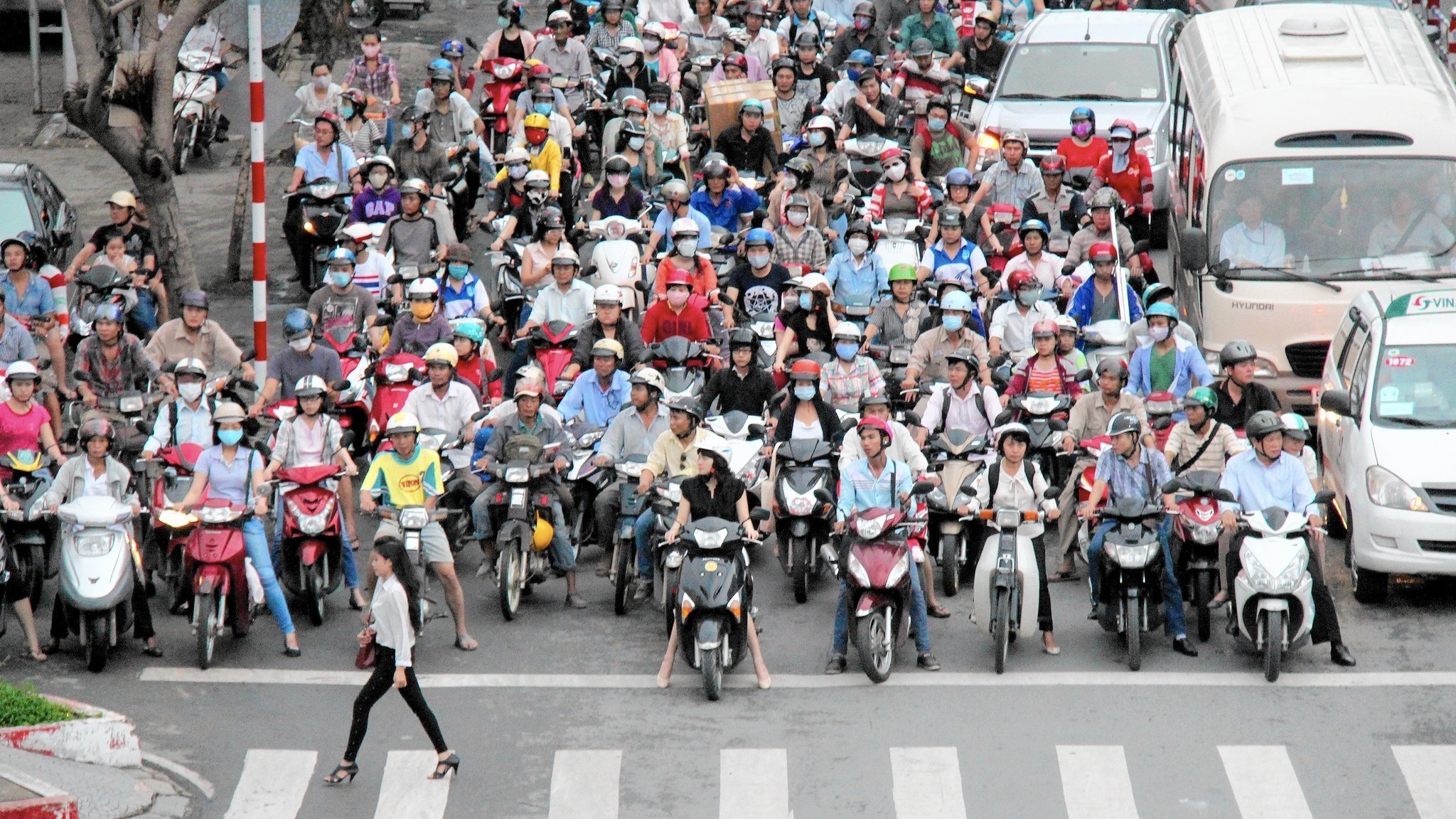
    Retail sales in Vietnam’s commercial capital Ho Chi Minh City surged 11.2 percent last month to an estimated US$4.8 billion.

    But celebrations may be short-lived with the coronavirus impacting spending patterns in February and the early timing of Lunar New Year boosting January’s figures.

    According to official government data, Ho Chi Minh City retail sales in key sectors including food & beverage, household appliances and apparel reached US$3.25 billion for the month, all spurred by increased demand during Lunar New Year (it is customary for Vietnamese to wear new clothes to mark the onset of a new year).

    And while shopping malls and convenience stores have suffered declining footfall due to the coronavirus crisis in February, supermarket sales have surged dramatically since reopening after the holiday, which officially ended on January 29.

    According to a spokesperson from the South Korean-owned Emart, the supermarket chain has since experienced double-digit daily sales growth, peaking at 40 percent one day. Most commonly purchased products are fresh food, dry food (such as instant noodles, sugar, rice), hand sanitizer and antiseptic water.

    “Sales of fast-moving consumer goods increased by more than 50 percent,” said the spokesperson. “While dry food increased 1.5 times, toilet paper sales nearly doubled.”

    Although the number of other retail sectors experienced declining sales, the average retail sales growth seemed to hold up, the spokesperson said.

    Supermarket and hypermarket operator Saigon Co.op also reported significant growth since the coronavirus outbreak. Fastest-moving items were essential consumer goods, especially sanitizing and consumer health products.

    Meanwhile, the coronavirus crisis has left major shopping malls and department stores such as Vincom and Takashimaya into what local media have described as “deserted” venues as people avoid going to public areas.

    For convenience stores, the circumstances are little better. Korean c-store chain GS25 has reported sales have dropped by 40 percent.

    Retail industry experts in Vietnam predict that consumption will shift from electronics products to health items and that supermarkets and e-commerce will replace traditional markets due to lower perceived risk of virus transmission.

    As of February 13, there have been only 15 confirmed cases of coronavirus infection recorded in Vietnam, of which six are listed as having fully recovered.

  • VF Corporation sales lower in China

    VF Corporation sales lower in China

    Apparel manufacturing and retailing giant VF Corporation has reported a 30-per-cent increase in sales in China in its third quarter, to December 28.

    The huge increase helped fuel a global 6-per-cent rise in revenues to US$3.4 billion, excluding its troubled workwear business for which it has announced a strategic review, with its potential sale in the offing.

    The company’s activewear segment improved by 8 percent, with the Vans brand up by 12 percent; and the outdoor segment by 3 percent including 8-per-cent growth by The North Face.

    Group direct-to-consumer revenue rose by 7 per cent and digital revenue by 16 percent.

    Operating income from continuing operations increased 11 percent and adjusted operating income from continuing operations by 14 percent when the workwear business was excluded. “Our third-quarter performance was strong and our year-to-date results are at the high end of our long-term growth objectives,” said VF Corporation chairman Steve Rendle.

    “Despite a mixed holiday season in the US, we’re on track to deliver solid performance and are well-positioned for continued growth and value creation in the fiscal year 2021.”

  • Tips for Boosting Your Business Sales

    One of the keys to operating a successful business is to ensure that your sales strategy is effective. Consumer behavior and expectations change regularly, so it is important to stay up to date with trends and new sales strategies that you can apply to boost your business. With the rapid rate that technology is developing, staying up to date with software and tech that can help your business is also a must. Whether you are selling products or your services, these principles can be applied to drive more business.

    Understand your target audience

    Knowing your potential customers is vital, so be sure to do lots of research about the customers you expect will want to use your company. Once you have a clear idea of who your target audience is, you can tailor your marketing messages to them, and even your language and tone should be developed with your target audience in mind. For example, if your typical customers are high-earning professionals, your brand tone should be professional. If you are selling products that appeal to teenagers, then your tone would be completely different.

    Have a strong digital marketing strategy

    Your digital marketing is crucial in generating leads, so make sure that your strategy is strong from the outset. From having a website that looks professional and has a powerful Call-to-Action, to using a CRM to manage your customer base and send out tailored marketing campaigns; investing in your digital marketing is so important. If you do not have the time to do your own marketing, you can always go to an agency, or find a freelancer to do the work for you.

    Provide incentives for customers

    Offering discounts or other incentives is a highly effective way to attract new customers or drive repeat custom. Lots of businesses provide incentives to drive more sales, for example, a restaurant might offer a discount on a certain night, other examples include supermarkets offering loyalty points. In a slightly different vein, the variety of your services and the products you offer, could equally be considered an eincentive for both new and existing customers. One such sector that does this successfully is the online casino industry. The wide selection of game types and genres of titles they offer, acts as a huge point of attraction for customers that are already swamped with content in such a hectic world of entertainment. We suggest doing some research about the best incentives to appeal to your target audience.

    Build relationships with your existing customers

    It costs your business a lot more to sell to a new customer than it does to sell to existing ones, so treat your existing customers well. Research shows that gaining a new customer can cost five times more than keeping an existing one. As well as providing exclusive offers to existing clients, communication is important; whether that is responding to questions on social media, thanking them for providing a review or sending an email with useful information.

    Do plenty of market research

    Understanding the market that you operate in is essential to success and putting in the work in terms of doing your market research will help to drive more sales. From calculating the best pricing structure, to understanding which social media platforms customers are most likely engage with, it is important that you take your market research seriously to generate more sales.

    Following these tips should help you to focus on the key areas that will boost sales for your business.

    “Royalty-Free-Stock-Image-grow-sales” (CC BY 2.0) by Alan O’Rourke

  • Chinese fruit-vending machines driven by AI

    Chinese fruit-vending machines driven by AI

    AI-run fruit-vending machines are offering Chinese consumers a new way of buying fruit and vegetables.

    The machines, developed two years ago by Beijing Kuo’an Science and Technology, are providing an alternative channel for residents of China’s tier-one and tier-two cities, who traditionally rely on relatively distant large-scale supermarkets and community stores for fruit purchases.

    “Every unit of AI fruit vending machines has 24 smaller sections with different types of fruit or vegetables,” said Beijing Kuo’an Science and Technology chairman Guan Luanjun. “Every section has a built-in set of scales. When customers select their fruit, they can use WeChat or AliPay to scan the QR-code on the Chinese fruit-vending machines to open the relevant section. The section automatically slides out to present the customer with its content. The customer can select and take their fruit or vegetables, and then the section automatically calculates the weight that was removed. The customer can then pay for their fruit or vegetables with WeChat or Alipay.”

    The vending machines feature cameras on both sides, allowing them to monitor customers who operate them, minimising abuse of the service. In addition, WeChat and Alipay provide payment methods that both vendor and customer trust.

    “The main advantage of Convenient E-Fresh machines over traditional, large-scale supermarkets and community stores is the low cost,” said Guan, who adds that the model allows vendors to source fruit at low cost from wholesale markets. “In addition, our automated vending machines only occupy a small area, which means that we save on rent and labour cost in comparison with large-scale supermarkets and community stores that occupy large terrains and employ large numbers of people.”

    The firm currently operates 50 AI Chinese fruit-vending machines in Suzhou, and intends to expand operations across the entire Yangzi River Delta area within two years.

    “We hope to improve consumer knowledge and consumer recognition of the Convenient E-Fresh brand,” adds Guan. “And we plan to scale our operations within two years with AI vending machine units in 500–1000 districts. Furthermore, we are in negotiations with a number of domestic and overseas suppliers to make sure consumers have a broad choice of beautiful and delicious fruits for low prices. We sincerely hope that our efforts help to improve the entire supply chain.”