Tag: Sales

  • E-commerce share to rise to 12pc from 2pc in 10 years: Walmart India CEO

    E-commerce share to rise to 12pc from 2pc in 10 years: Walmart India CEO

    Share of e-commerce is set to rise, despite the growth in brick and mortar or physical retail from 2 percent to 12 percent over the next 10 years, aided by pick up in Omnichannel format, said Krish Iyer, President & CEO, Walmart India and Chairman of India Food Forum, at India Food Forum 2019 on Tuesday. Gap between physical and digital needs to be bridged as the consumer is going digital in terms of experience as also his touchpoints, he said delivering the inaugural address at the two-day India Food Forum 2019.

    Sharing his insight at Walmart, Iyer said that by enriching customer experience, the consumer started buying Rs 180 over Omnichannel instead of buying Rs 100 from the store itself and later the ratio in the store was Rs 70 while digital was Rs 110. Calling for technology adoption as key to retail growth, Iyer enumerated four key challenges led by food security, safety & nutrition, food wastage and sustainability.

    “Feeding a rising world population of 10 billion from 7 billion amid rising death of infant children due to malnutrition, changing climatic conditions are key challenges. In India, phenomenal efforts are made on the regulatory front for safety and nutrition that will follow with awareness, compliance and enforcement of law. Significant investment amounting to Rs 92,000 crore in food processing in catchment areas is needed to overcome the wastage of 30 percent of all food and 40 percent of fruits and vegetables,” he said.

    Earlier, speaking at the forum, Ajay Macaden, Executive Director, Nielsen said, “Consumers have evolved now for omni-channel even for specific categories like milk and bakery. Increased internet and smartphone penetration has led to multiple shopping channels and change in consumer behaviour.”

    In markets around the world categories such as travel, entertainment (books, music, events) and durable goods (fashion, IT/mobile, electronics) are the front runners for consumers to enter the online retail sphere. Consumers are, however, also looking for e-commerce options for an increasing range of categories, as their more immediate needs for convenience and ease expands, Macaden said.

    Consumers in APAC (Asia Pacific) have even evolved to fresh grocery and packaged goods with China, India, Japan and Korea leading the market. In fact, packaged grocery food and fresh groceries are showing the highest percentage growth of all categories in 2018 in this region, he said.

    Other key speakers at the forum included Damodar Mall, CEO, Reliance Retail (Supermarketwala), Sadashiv Nayak, CEO Food business, Future Group, Mohit Kampani, CEO, Aditya Birla Retail, C. Gopalkrishnan, Founder, N. Supermarkets, Ramesh Menon, Former CEO, Hypercity, Mohit Anand, MD, Kellogg, India and South to name a few.

  • Indonesia’s E-commerce Market Larger Than Estimated; Consumer Habits Changing

    Indonesia’s E-commerce Market Larger Than Estimated; Consumer Habits Changing

    E-commerce accounted for 8 percent of total retail sales in Indonesia last year, on course to reach 18 percent by 2023, fueled by changing behavior among tech-savvy customers who are willing to spend more for convenience, according to a recent study by American multinational investment bank Morgan Stanley.

    The study estimates the size of Indonesia’s e-commerce market at $13 billion in 2018, having grown by 50 percent annually over the past two years. It suggests that the e-commerce market in Southeast Asia’s biggest economy may follow a similar growth trajectory to that of China and expand by at least 32 percent annually over the next five years to $52 billion in 2023.

    “This is notably above our previous estimate of $7.3 billion, or 4.4 percent of sales, partially due to better data availability but also due to the rapid growth in the user base… Indonesia is now only five years behind China in terms of penetration,” Morgan Stanley wrote.

    A separate study by global tech giant Google and Singapore’s Temasek, published last December, put the size of Indonesia’s e-commerce market at $12.2 billion in 2018 and $53 billion in 2025.

    The Morgan Stanley study, based on interviews with 1,582 respondents in eight Indonesian cities, suggests that the growth trend is still in an early stage, with many indicating that they only started shopping online in the past year.

    “Interestingly, 65 percent of the respondents in our survey had only started shopping online within the past year, and the majority believed e-commerce would become their main method of shopping over time,” the investment bank wrote in the report published on Tuesday.

    “There are 195 million smartphone users in Indonesia and only about 30 million online shoppers. The growth potential of the user base is still clearly huge,” it wrote.

    Apart from smartphone penetration, low data costs and the growing number of people with bank accounts serve as crucial enablers for continuing e-commerce growth, Morgan Stanley said. Data costs about 50 US cents per gigabyte in Indonesia, compared with $2.1 per gigabyte in China. About 49 percent of the adult population in Indonesia now has a bank account, compared with 20 percent in 2011.

    Apparel 

    Clothing and footwear fuel the sales growth, with 93 percent of respondents indicating that they bought items in this category online in the past 12 months. Half of them buy apparel at least once a month, Morgan Stanley said. In comparison, only 16 percent and 25 percent, reported that they purchased consumer electronics and mobile devices, respectively, which is the most common category in early state e-commerce.

    The study also noted changing customer behavior, which would likely affect their interaction with traditional brick-and-mortar stores. Three in every four customers said they would check for promotions or prices online before buying anything offline, Morgan Stanley reported.

    Seven in every 10 said they would continue shopping online, even if it meant they would have to pay for delivery. Morgan Stanley said this reflects consumers’ “willingness to pay for convenience.”

    “Fast shipping was the primary reason for preferring one website over another,” the bank said.

    Retailers 

    The trend presents challenges to traditional retailers to remain profitable and provides a powerful platform for small brands to challenge established manufacturers.

    “Our analysis reaffirms our medium-term concern for apparel-focused retailers like [Matahari Department Store]. The average transaction size for apparel online, per our survey, is similar to Matahari’s basket size,” Morgan Stanley said.

    “For beauty and personal care companies like Unilever, the combination of e-commerce and digital media is making it easier or cheaper for smaller companies to build brands and offer nationwide distribution,” it wrote.

    Everybody’s Game

    Investment in Indonesian internet companies has steadily risen over the past two years, which saw them attract at least $7.4 billion in capital in 730 deals.

    With all this potential growth, Morgan Stanley has yet to see clear winners in the country’s e-commerce market.

    Four players control most of the formal e-commerce sales: Lazada, Shopee, Tokopedia and Bukalapak, with the top three each controlling between 20 percent and 30 percent of the market. Bukalapak was in the low teens, according to the Morgan Stanley’s estimation.

    Lazada, a pioneer of e-commerce in Southeast Asia, is still the most preferred platform, according to the bank’s survey

    “Lazada had high usage rates across categories and genders. The cash-on-delivery option was one of the key drivers of the preference,” it said.

    Shopee was second overall in terms of usage and preference, being more popular in smaller cities and among people buying baby products, toys, and beauty and personal care products.

    “Tokopedia’s preference and usage were lower beyond Jakarta in our survey. Its usage rate was only 38 percent in second-tier cities like Surabaya, Medan and Bandung, compared to 62 percent in Jakarta,” Morgan Stanley said.

    A surprising find in the survey is that Tokopedia and Bukalapak both enjoy more than 80 percent customer recognition, but less than 50 percent had made purchases on their platforms within the past 12 months.

    “For Southeast Asia, we remain convinced that its e-commerce platform is being undervalued. Our survey not only confirms the popularity of Shopee but also that its users are willing to pay for delivery, which solidifies its path to profitability,” Morgan Stanley said.


  • IKEA’s first India store sold more despite lower than anticipated footfall

    IKEA’s first India store sold more despite lower than anticipated footfall

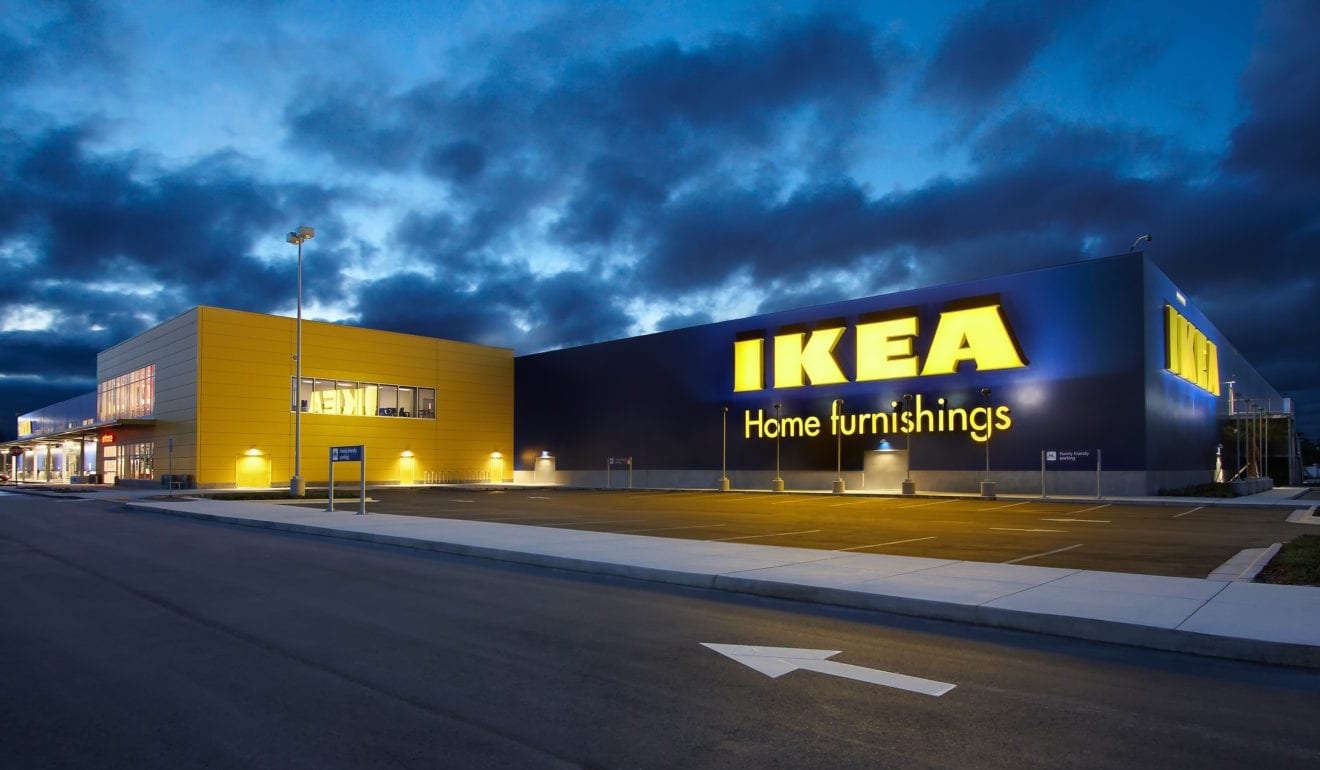
    Swedish home furnishing multinational IKEA’s first India store here witnessed less than expected footfall during last six months but the spending by the buyers was more than what it anticipated, said a top company official on Thursday. IKEA’S Hyderabad store, which opened in August last year, said it was originally looking for 7 million footfall a year but it is now 5 million a year.

    “The ambition was to have more footfall. We imagined higher visitation but the same time we see many positive categories. People are buying more items and they are spending more money. We are selling more pieces. This is good for IKEA because we are volume driven company. They are spending and buying more than we anticipated,” said John Achilles, Hyderabad Store Manager, IKEA India.

    He told reporters that products with a volume of 80,000 square metres were sold but declined to share the numbers in terms of value.

    Terming the people’s response as amazing, Achilles said it was a great learning experience. “We learnt so much about market, so much about customers and about their buying habit.”

    According to Achilles, customers in India were price sensitive. “Low priced items are those selling in much higher volumes. People want great value for money for products both accessories and furniture.”

    Kallas spoon set, priced at Rs 15, the lowest at the store, has been the number one selling item during last six months. “We sold half a million of those in six months. There is no other store in the world that sold this kind of volumes,” he said.

    He said IKEA’s range of products were lowest in many categories in the market. While 95 per cent of the products sold in India were the same available at IKEA stores around the world, about five per cent were specifically meant for India. These products included spoons, “tawa” and other accessories.

    Achilles was talking to reporters on the sidelines of the launch of made in India textile collection, Anglatarar, by by IKEA.

    IKEA opened first store five years after the world’s largest single brand retailer received government approval in 2013 to invest Rs 10,500 crore to open 25 stores in India by 2025. The company last year revised the number of stores to 40 across all formats.

    Achilles said they would open the next store at Mumbai during 2019 while Bengaluru store would come up in next 24 months and this would be followed by New Delhi.

    On sourcing from India by IKEA, he said this had gone up to 19 per cent while it was less than 10 per cent before the launch of first store.

    The sourcing has to go up to 30 per cent in five years as prescribed by the government of India, the official said, adding that they were looking to go beyond 30 with ambition to reach 50 per cent.

    Mia Olsson, Country Communication and Interior Manager, IKEA India, said: “This collection mark the celebration of design aesthetics from both countries.” She termed it as a tribute to India.

    IKEA’s Hyderabad Stores Food Woes Resolved

    After a gap of nearly five months, vegetarian biryani returned to the menu of Swedish home furnishing retailer IKEA here on Thursday.

    In September last year, IKEA’s had stopped selling vegetarian biryani at its store here found a foreign object in a dish.

    “Today is the first day we have started reselling vegetarian biryani,” said John Achillea, Hyderabad Store Manager, IKEA India.

    He said that they were making this dish in house and it is available for Rs 99 like in the past.

    IKEA’s first India, which is completing six months in February, was earlier sourcing prepared veg biryani from Haldiram of Nagpur.

    The Greater Hyderabad Municipal Corporation (GHMC) had fined the IKEA store Rs 11,500 after a customer lodged a complaint that he found a caterpillar in veg biryani served to him at the IKEA restarurant.

    The furnishing giant subsequently removed the veg biryani from its menu and stated that it takes food safety and quality very seriously.

    IKEA opened its first India store here on August 9. It has a 1,000-seater restaurant.

  • Petrovietnam reports 26 percent hike in revenues last year

    Petrovietnam reports 26 percent hike in revenues last year

    Vietnam National Oil and Gas Group has announced its 2018 results, which show it exceeded its revenue and state budget contribution targets. The state-run giant (Petrovietnam or PVN) reported revenues of VND626.8 trillion ($26.92 billion), 18 percent higher than the target and a year-on-year rise of 26 percent. As of December 10 it had achieved its domestic crude oil production target of 11.31 million tons. Total oil and gas output reached 23.98 million tons (gas converted into oil equivalent).

    The group contributed VND121.3 trillion ($5.22 billion) to the state coffers, exceeding the target by 64.3 percent and 24.3 percent more than the previous year.

    “These achievements came at a time when global oil price movements were difficult to predict, production in mature fields were in rapid decline while new fields brought on stream were small and marginal and there was pressure to minimize costs per barrel,” CEO Nguyen Vu Truong Son said in the company’s 2018 business performance report.

    These are large enterprises with the state equity estimated at VND89 trillion ($3.83 billion), according to auditors’ conclusion.Last year the group wrapped up equitization of three of its subsidiaries: PetroVietnam Power Corporation (PV Power), Vietnam Oil Corporation (PVOIL) and Binh Son Refinery and Petrochemical Joint Stock Company (BSR).

    The proceeds from their IPOs reached VND16.5 trillion ($710 million). Petrovietnam managed to raise VND18.6 trillion ($801 million) from the three firms’ equitization and state divestments.

    With a capacity to process 200,000 barrels of crude a day, it, along with Dung Quat, can meet more than 80 percent of the country’s petroleum demand, reducing dependence on imports.In late last year, the $9 billion Nghi Son Refinery and Petrochemical Complex, one of the key national oil and gas projects, began commercial operation.

    Situated in the Nghi Son Economic Zone, 200 km south of Hanoi in the central province of Thanh Hoa, Nghi Son is invested by Idemitsu Kosan Co, Kuwait Petroleum, Petrovietnam and Mitsui Chemicals Inc.

  • US retail sales expected to grow at slower rate in 2019

    US retail sales expected to grow at slower rate in 2019

    US retail sales are expected to climb between 3.8 per cent and 4.4 per cent to more than US$3.6 trillion ($4.97 trillion) in 2019, according to data from the National Retail Federation (NRF). The predicted rise in retail sales, which is excluding automobile dealers, gasoline stations and restaurants, however, would be less than the 4.6 per cent growth in 2018, citing threats from an ongoing trade war, the volatile stock market and the effects of the government shutdown.

    NRF said in August of last year it expected 2018 retail sales to be up at least 4.5 per cent.

    The retail industry group says the 2018 figure is its preliminary estimate for retail sales last year, pending the release of December data from the Commerce Department that was stalled from being announced during the government shutdown.

    Matthew Shay, NRF president and CEO, said the biggest priority is to ensure that the economy continues to grow and to avoid self-inflicted wounds.

    “It’s time for artificial problems like trade wars and shutdowns to end, and to focus on prosperity not politics,” Shay said.

    Shay said despite fears in the industry that a trade war in China or an economic slowdown might impact consumer spending, they believe the underlying state of the economy is sound.

    “More people are working, they’re making more money, their taxes are lower and their confidence remains high,” he said.

    Preliminary estimates, according to the NRF, show that retail sales during 2018 grew 4.6 per cent over 2017 to US$3.68 trillion ($5.08 trillion), exceeding NRF’s forecast of at least 4.5 per cent growth.

    The figures include online and other non-store sales, which were up 10.4 per cent to US$682.8 billion ($942.6 billion). That met NRF’s forecast of 10-12 per cent online growth, and online is expected to grow in the same 10-12 per cent range again this year. The numbers exclude automobile dealers, gasoline stations and restaurants.

    Growth of between 3.8 per cent and 4.4 percent would result in total 2019 retail sales of between US$3.82 trillion and $US3.84 trillion ($5.27 trillion to $5.3 trillion). Based on growth of 10-12 per cent, online sales would total between US$751.1 billion and US$764.8 billion ($1.03 trillion and $1.05 trillion), which are included in the total.

    The 2018 results are based on Commerce Department data up through November but include NRF estimates for December because the agency was closed during the recent government shutdown and has not yet released December figures.

    The NRF said the results are subject to revision once December numbers become available, and government numbers are revised again each spring regardless of the shutdown.

    “We are not seeing any deterioration in the financial health of the consumer,” said Jack Kleinhenz, NRF chief economist.

    “Consumers are in better shape than any time in the last few years,” Kleinhenz said. “Most important for the year ahead will be the ongoing strength in the job market, which will support the consumer income and spending that are both key drivers of the economy.”

    Kleinhenz said the bottom line is the economy is in a good place despite the ups and downs of the stock market and other uncertainties.

    “Growth remains solid,” he said.

    NRF said it expects the overall economy to gain an average of 170,000 jobs per month, down from 220,000 in 2018, and that unemployment – currently at 4 per cent – will drop to 3.5 per cent by the end of the year. Gross domestic product is likely to grow about 2.5 per cent over 2018.

    Kleinhenz said inflation and interest rates are expected to remain low this year and that retail sales have been helped by recent reductions in gasoline prices.

  • Jubilant FoodWorks Q3 net profit up 46 pc to Rs 96.5 cr

    Jubilant FoodWorks Q3 net profit up 46 pc to Rs 96.5 cr

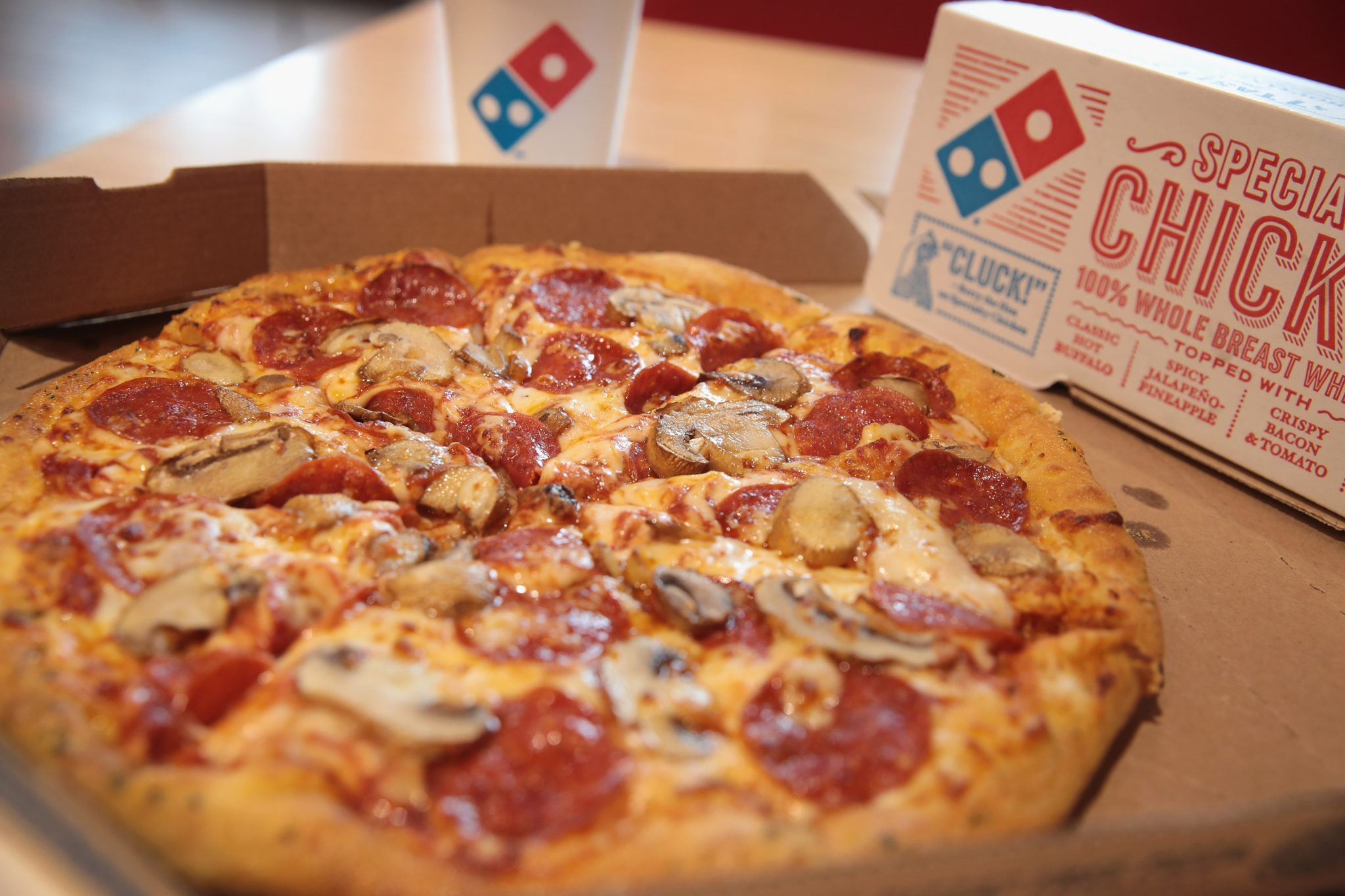
    Jubilant FoodWorks Limited (JFL) has reported its financial results for the quarter and nine-months ended December 31, 2018. Operating revenue for Q3 FY19 stood at Rs 9,291 million, representing an increase of 16.8 percent over Q3 FY18, and a sequential growth of 5.4 percent over the preceding quarter. The growth was driven by a strong 14.6 percent same store growth (SSG) in Domino’s Pizza.

    EBITDA for Q3FY19 was Rs 1,706 million, or 18.4 percent of revenue, a growth of 24.6 percent over Q3FY18 and a margin expansion of 120 bps. This is the highest EBITDA margin in seven years.

    Profit after Tax in Q3 FY19 stood at Rs 965 million, or 10.4 percent of revenue, a growth of 46.2 percent over Q3 FY18 and a margin expansion of 210 bps.

    During the quarter, the company added new products to its portfolio. Domino’s launched ‘Multigrain Crust’ with an objective of offering a wider range to the customers. In addition to this, the company also introduced four new side dishes viz. Potato Cheese Shots, Crunchy Strips, Crinkle Fries and Brownie Fantasy.

    The store opening momentum accelerated during the quarter, with 35 new Domino’s stores being opened during the quarter.

    Dunkin’ Donuts delivered break-even in Q3 FY19 on the back of strong growth in the core portfolio of Donuts and Beverages, as also disciplined cost management.

    Commenting on the performance for Q3 FY19, Shyam S. Bhartia, Chairman and Hari S. Bhartia, Co-Chairman, Jubilant FoodWorks Limited said, “I am delighted to share that we have once again delivered healthy earnings growth during the quarter which stood in-line with our expectations. Performance was driven by consistent progress made across each of the growth pillars.”

    Commenting on the performance for Q3 FY19, Pratik Pota, CEO and Whole time Director, Jubilant FoodWorks Limited said, “We have demonstrated strong all-round performance in Q3 FY19, led by robust same-store sales growth (SSSG) of 14.6 percent reported in Domino’s Pizza. This was accompanied by a tight control on operating costs that led to EBITDA margins improving to a seven year high of 18.4 percent. In addition, Dunkin’ Donuts also broke even during the quarter, ahead of the targeted Q4 timeline. We are happy with our performance and confident of the prospects ahead, as evident in the 35 new stores opened in Q3, the highest in eleven quarters.”

  • SUVs, Crossovers dominate high-end segment in Vietnam

    SUVs, Crossovers dominate high-end segment in Vietnam

    Among consumers willing to spend at least VND1 billion ($43,135), the preference is for SUVs and Crossovers over sedans. In recent years, high ground clearance vehicles have gradually become the number one choice for the majority of Vietnamese consumers, having grown steadily in number sales and variety over the years. In contrast, the D-class sedan segment has seen low demand and limited variety.

    Sales of SUV and Crossovers (CUV) vehicles around the price of VND1 billion ($43,135) have risen steadily over the years. While 2014 saw only around 13,000 units sold, sales had more than doubled by 2018 at 24,264 units. 2018 only saw a slight increase over 2017, but this was because a decree on import conditions prevented many firms from importing these vehicles for most of the year.

    According to the Vietnam Automobile Manufacturers’ Association (VAMA), consumers have a choice of 10 SUV/CUVs in the VND1 billion price range. Car dealers have noted that almost all brands in Vietnam have at least one product in the SUV/CUV segment.

    Average sales per model was around 3,100 vehicles a year.

    Th SUV/CUV segment is predicted to boom in 2019, as firms get used to the new regulation and find stability in importing new vehicles.

    Meanwhile, from 2014 up to now, the D-size sedan segment has featured the same models, namely, Toyota Camry, Mazda6, Honda Accord, Nissan Teana and the Kia Optima, which was introduced last year.

    In the last 5 years, sales of D-size sedans reached a peak in 2016 at 8,148 units. The introduction of the Kia Optima in 2018 raised the number of models in the segment to 6, but annual sales fell to only 7,612 units.

    In 2018, Toyota Camry dominated the D-segment at over half of the 4,503 units sold, while the remaining models saw little growth. Total sales have nevertheless been fairly stable, hovering around 6,000 or 7,000 over the years.

    Vietnam’s total car sales increased 5.8 percent to 288,683 units in 2018 from a year ago, according to the Vietnam Automobile Manufacturers’ Association (VAMA).

  • Klang Valley malls performed slower last year due to competition

    Klang Valley malls performed slower last year due to competition

    Stronger performances from Gurney Plaza and East Coast Mall compensated for a lower contribution from CapitaLand Malaysia Mall Trust’s Klang Valley shopping malls last year. CapitaLand Malaysia Mall REIT Management (CMRM), which manages CapitaLand Malaysia Mall Trust (CMMT), released its results this week, revealing net property income of RM215 million (US$52.57 million) for the year. Its distributable income was RM161.3 million.

    “Gurney Plaza and East Coast Mall, which collectively accounted for about 68 per cent of CMMT’s net property income, continued their growth momentum last year,” said Low Peck Chen, CEO of CMRM. “This helped to moderate the lower contribution from our Klang Valley malls, which continued to be affected by increasing competition in the vicinity, as well as downtime for asset enhancement works and lower rents at Sungei Wang and The Mines.”

    During the final quarter of last year,  the company completed the asset enhancement works at Gurney Plaza’s Level 4 and improved the tenant mix at East Coast Mall’s ground floor. Tenants, several of them new to Penang and Kuantan, have progressively commenced operations at the newly renovated spaces.

    “We expect the completed asset enhancement initiatives at both malls to contribute positively to our performance going forward,” said Chen.

    In Kuala Lumpur, Sungei Wang’s reconfiguration of its annex is on track and new-to-market and novel experiential concepts will feature in the Jumpa lifestyle zone when it opens in the second half of this year.

    “We continue to refresh our tenant mix to meet the diverse needs of our shoppers, who can now find popular stores like Huawei, Sport Planet and Mr DIY at 3 Damansara, as well as home improvement store SSF and children activity centre Olympic Kids Club at The Mines,” said Chen. “At Sungei Wang, the newly renovated main anchor Giant will soon unveil a fresh concept to draw more shoppers.”

    David Wong, chairman of CMRM, said that against a backdrop of “increasing uncertainties in the global economy and concerns around the rising cost of living,” the company expects consumer and business sentiments to remain cautious this year.

    “Despite the challenging operating environment, we will continue to strengthen CMMT’s performance by proactively managing lease renewals and exploring opportunities in asset enhancement initiatives and acquisitions that will create value for our Unitholders.”

    CMMT is a shopping mall-focused Reit with five shopping malls: Gurney Plaza in Penang, a majority interest in Sungei Wang in Kuala Lumpur, 3 Damansara and Tropicana City Office Tower in Petaling Jaya, The Mines in Seri Kembangan and East Coast Mall in Kuantan, Pahang. The portfolio has a total net lettable area of more than 2.9 million sqft and was valued at RM4.1 billion at the end of last year.

  • Vietnam per capita income matches Malaysia’s 20 years ago

    Vietnam per capita income matches Malaysia’s 20 years ago

    Vietnam’s recent economic achievements notwithstanding, much effort is needed for it to close the gap with other countries, a minister has said. Minister of Planning and Investment Nguyen Chi Dung said at a conference Wednesday that while Vietnam’s GDP per capita had surged by 27.4 times in the last 30 years to almost $2,590 last year, Malaysia had achieved this figure 20 years ago.

    Thailand had done so 15 years ago and Indonesia 10 years ago.

    The main limitations of its economy were low labor productivity, economic efficiency and competitiveness, and the country also faced the risk of being stuck in the middle-income trap.

    According to the 2018 Vietnam Annual Economic Report, average productivity per worker was VND60.73 million ($2,600) in 2017, lower than that of China, Japan, the Philippines, Thailand, and Cambodia.

    Currently the country also faced challenges like the U.S.-China trade war, the minister said.

    For these reasons, institutional reforms were necessary to achieve a more sustainable economy, he noted.

    Macroeconomic stability and high economic growth with innovation in science and technology were imperative.

    The private sector had to remain one of the pillars of the economy in future, Dung said. “If Vietnam doesn’t catch the 4.0 train, the gap between it with other countries will become wider. Vietnam needs to narrow that gap.”

    Vietnam’s GDP has grown at 6.8 percent a year on average for the last 20 years, and the economy has grown 39 fold in the period to $245 billion last year.

    Growth last year was 7.08 percent, the highest in a decade.

  • SsangYong Motor narrows loss in last quarter of 2018

    SsangYong Motor narrows loss in last quarter of 2018

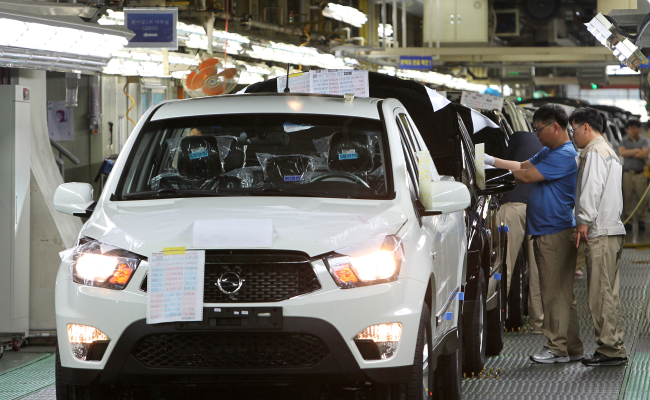
    SsangYong Motor, the Korean unit of Indian carmaker Mahindra & Mahindra, said Thursday its net losses narrowed for the October-December period from a year earlier on a strengthened lineup. Net losses reached 3.99 billion won ($3.59 million) in the fourth quarter from 30.25 billion won a year ago, the company said in a statement. Robust sales of the Rexton Sports sport-utility vehicle (SUV) and the Tivoli SUV helped improve the bottom line, it said.

    Operating losses stood at 3.48 billion won in the final quarter from 2.57 billion won a year ago. Sales rose 17 percent to 1.053 trillion won from 902.16 billion won during the same period.

    For 2018, net losses slightly improved to 61.84 billion won from 65.82 billion won the previous year. Operating losses remained almost unchanged at 64.18 billion won compared with 65.28 billion won.

  • China’s SMCP tops 1 billion euros revenue for first time

    China’s SMCP tops 1 billion euros revenue for first time

    Chinese-owned SMCP Group said that total company sales exceeded 1 billion euros in 2018, marking a revenue-first for the French fashion group. “With double-digit sales growth in 2018, SMCP posted a remarkable performance and continued to deliver on its strategic roadmap,” said Daniel Lalonde, SMCP’s Chief Executive Officer. For the year ending December 31, SMCP recorded sales increasing 13%, in line with its previously upgraded full-year 2018 guidance.

    Lalonde said the achievement signalled rapid sales increase was fuelled by online and digital, with the company working hard to fight market headwinds, which have taken out other European retailers in 2018.

    “Our performance throughout the year, and more particularly over the last quarter, demonstrates that SMCP is built on strong foundations and further illustrates the resilience of our business model in the midst of unprecedented market headwinds,” said Lalonde, in a press release.

    “I would also like to place a special emphasis on our significant progress in digital: it has been growing consistently and strongly over the past years and now represents nearly 15% of our total sales,” he added.

    The sales growth included a solid like-for-like sales growth of 3.7% for the twelve-month period “despite challenging market conditions in the fourth quarter,” which saw sales climb less, up 8%.

    Full-year reported sales were up 11.5%, including a negative currency impact of -1.6% reflecting the appreciation of the euro.
    Over the last twelve months, SMCP net openings reached 134 points of sale, including 102 directly operated stores, surpassing its annual target. By region, 59 stores were opened in APAC alone, the zone receiving the most new outlets compared to the Americas and Europe.

    In APAC, the group posted a strong double-digit sales growth of 18.2% at constant currency, driven by mainland China which generated over 20% of sales growth.

    The operator of French fashion brands Sandro, Maje and Claudie Pierlot said Sandro sales grew 6% in 2018, while Claudie Pierlot recorded a 7% increase. Maje was the biggest grower, up 10% for the year.

    For 2018, SMCP confirmed its adjusted EBITDA margin guidance at around 17%.

    Evelyne Chetrite and Judith Milgrom founded Sandro and Maje in Paris, in 1984 and 1998 respectively, and continue to provide creative direction for the brands. Claudie Pierlot was founded in 1984 by Claudie Pierlot and acquired by SMCP in 2009.

    SMCP was acquired China’s Shandong Ruyi in 2016.

  • Behind Amazon’s 63 per cent income rise

    Behind Amazon’s 63 per cent income rise

    The latest Amazon results are positive – but there is now a clear divergence in performance between the top and bottom lines. On the profit front, Amazon’s results are impressive. Net income increased by 63.1 per cent and operating income by 78 per cent. Much of this is coming from the AWS segment, where income from operations rose by 61 per cent. However, some credit should also go to the North American operation where volume increases helped ease up operating profits by 33 per cent. These uplifts come in spite of the fact that Amazon is still investing huge amounts in the business. Therefore they go a long way to justify the myriad of projects that Amazon has undertaken and continues to undertake.

    While the profit lines look rosy, the sales line presents a mixed bag. The slowdown in product growth is now tangible and although an 8.2 per cent uplift is strong compared to many retailers, by Amazon’s standards it is a weak performance. On a divisional basis, North America held up better than international markets, largely thanks to the confidence of the American consumer. Even so, sales growth in North America has also dipped.

    There are several dynamics at play here. First, is the maturity of Amazon’s operation: Amazon is now a massive retailer and it is simply unrealistic to expect it to keep on growing at its historic pace. However, more concerningly, this maturity is also coinciding with a period of rising competition. Retailers like Target and Walmart have invested heavily in their online operations and pulled out all the stops this holiday season. Our data show that they made solid customer gains, and some of that dented Amazon’s growth. In our view, the gap between Amazon and the rest is now narrowing.

    Another area of concern is Whole Foods. Amazon’s results show that sales at physical stores dropped by 2.7 per cent over last year, largely thanks to the grocery division. The investment in lower prices partly explains this, but it does not account for the bulk of the decline. In our opinion, much of this is because Whole Foods’ proposition is simply not up to scratch. Basics and commodity products still cost way more than at rivals like Target, and this is one of the reasons perceptions that Whole Foods is needlessly expensive have persisted. Such expense is not justified by store experience nor by customer service, both of which remain lackluster.

    Arguably, a holiday period that coincided with strong consumer finances should have been fertile ground for Whole Foods to thrive. However, very little effort was made to entice or enthrall customers. Aside from fresh counters, the festive product line up was incredibly poor with a noticeable lack of treats and interesting items. As a result, many consumers simply went elsewhere.

    We are cognisant that many of the Whole Foods issues are not of Amazon’s making. However, the poor performance underlines how much work remains to be done in transforming the chain’s fortunes.

    Despite these niggles, we remain positive about Amazon. The Prime platform still has enormous potential, there is plenty of upside in devices, and there are many opportunities to improve own-brands (some of which have underperformed). Taken together, along with AWS, this means Amazon has scope for future growth.

    However, it is also clear that Amazon will now need to work doubly hard to achieve any future sales gains.

  • Vingroup reports $25 mln revenue from vehicle, smartphone sales

    Vingroup reports $25 mln revenue from vehicle, smartphone sales

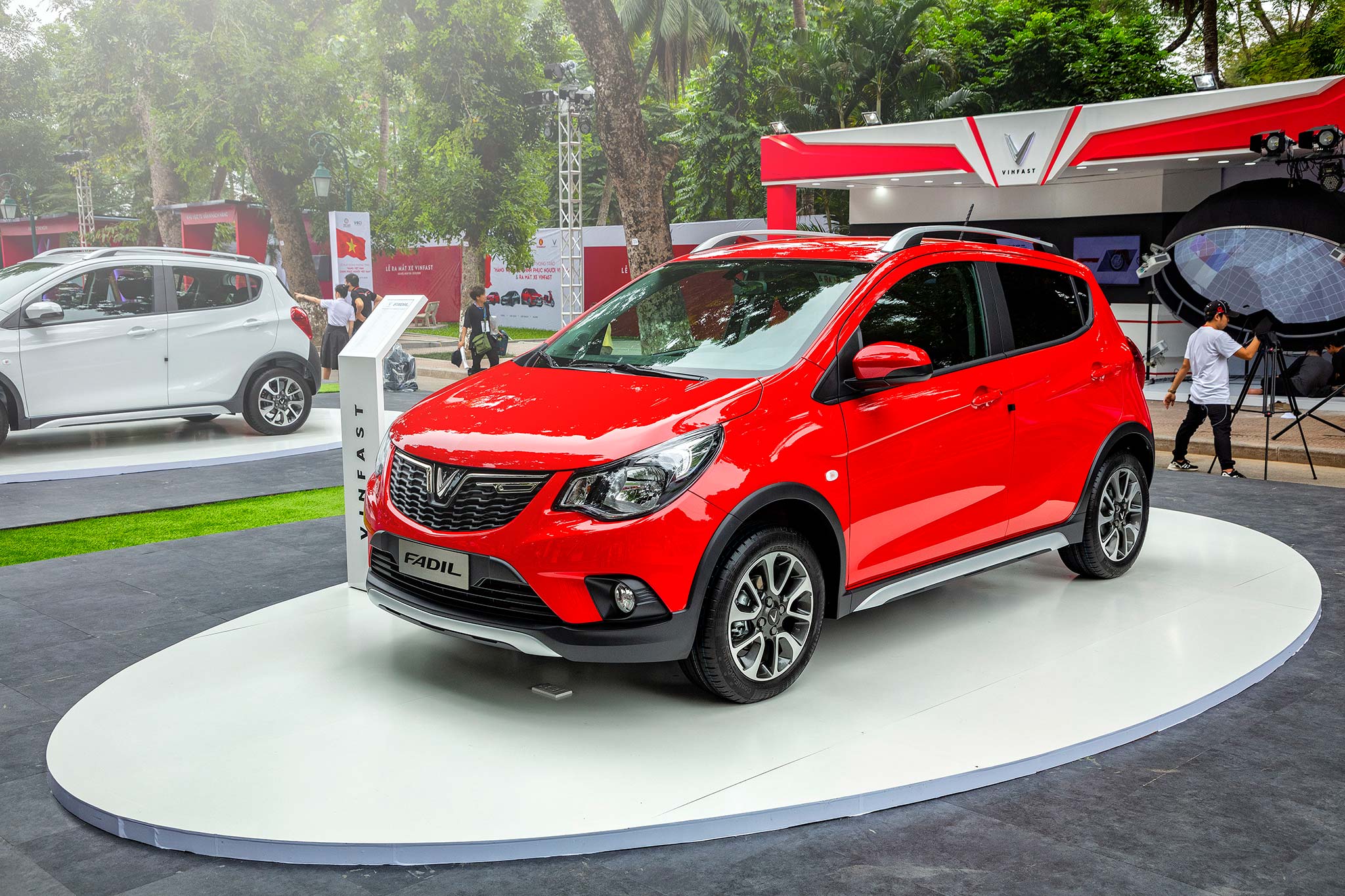
    Vietnam’s largest listed private company Vingroup has reported revenues of VND600 billion ($25.77 million) from car, electric motorbike and phone sales last year. VinFast, a Vingroup subsidiary, became the country’s first indigenous car manufacturer last October and showed off its first two car models at the Paris Motor Show in France. It has begun to accept bookings and deposits for the cars, and will start selling them next August.

    Last November it launched its first two electric scooters, but has not disclosed sales figures.

    VinSmart, the Vingroup unit that produces smart electronic devices, launched four new phones in December in a market of 95 million people currently dominated by Samsung and Apple.

    Its factory in the northern city of Hai Phong is capable of making five million phones a year in the first phase.

    The company also hopes to expand to markets outside Vietnam, and will make smart TVs and other smart products soon.

    Vingroup is a conglomerate with the country’s largest real estate operations and interests in retail, healthcare and resorts.

    The conglomerate reported profit before tax of over VND13.8 trillion ($592.6 million) last year, up 52 percent from 2017, on net revenues of VND122.57 trillion ($5.24 billion).

  • McDonald’s challenging US market mitigated by international sales

    McDonald’s challenging US market mitigated by international sales

    Strong international sales ensured respectable McDonald’s results in the latest quarter as the fast-food giant encountered challenges in its core US market. Global sales slipped 3 per cent in the three months to December, to US$5.16 billion, although this was largely due to currency translations, without which sales would have been flat. While the company did not break out Asian performance, it said international same-store revenue rose 5.2 per cent.

    Same-store sales in the US rose 2.3 per cent, primarily due to increased prices, given foot traffic in stores fell by 2.2 per cent. Global visitor numbers crept up by a mere 0.2 per cent.

    Breakfast remains its most challenging category, with the chain struggling to attract diners in the mornings. While that mealtime accounts for about a quarter of its total sales, the breakfast market is experiencing fierce competition among rival chains.

    “We’re doing well with average check growth but we really want the customer to come back and more often,” CEO Steve Easterbrook said in an investor presentation about the McDonald’s results.

    He said McDonald’s is trying to recover breakfast customers by trialling different price promotions, launching localised advertising campaigns and improving the drive-through service.

    More stores, more kiosks

    Globally, McDonald’s plans to open a net 750 new stores this year. It will also speed up the rollout of its digital touchscreen ordering systems. Easterbrook says stores with self-ordering kiosks were achieving higher sales than those without.

    Commenting on the McDonald’s results, Neil Saunders, MD of GlobalData Retail, said the kiosks and order-by-app services need to be rolled out faster.

    “This isn’t just a case of installing and implementing the technology, it is about getting customers to actually use it. Consumers need to be given more incentives to use the new ways of ordering, especially mobile, as many still shun the technology,” said Saunders.

    “Longer term, more automation in the kitchen is also critical – something that will be particularly beneficial now McDonald’s menu options are more varied and complex.”

    Saunders described the latest McDonald’s results as “reasonable”. But he said a 6.7 per cent decline in operating income suggests that McDonald’s is having to work harder for much slimmer rewards.

    “In our view, this does not sit well with the increasing complexity and higher levels of capital expenditure the company is introducing into the business.”

    Saunders believes McDonald’s is on the right track. “However, this year will be a more challenging year than last and it will be a balancing act between keeping both customers and franchisees happy.”

  • LVMH’s 2018 sales revenue hits record high

    LVMH’s 2018 sales revenue hits record high

    Following a record-breaking year of sales in 2017, LVMH recently announced that it has surpassed its earnings record in 2018. The French multinational luxury goods conglomerate revealed that it made an incredible €46.8 billion EUR (approximately $53.4 billion USD) last year. Additionally, the impressive feat comes with a record net profit growth of 18 percent.

    LVMH is noting that it was the profitability of Louis Vuitton and Dior that lead to its strong 2018 earnings. The fashion and leather offerings from the two labels has been credited with driving the double-digit increase in both revenue and profit.

    Moving into 2019, it is expected that Virgil Abloh and Kim Jones will be amplifying the popularity of the two houses.

    LVMH also noted a state of reorganization of the Marc Jacobs label, and looked back on the global response to Hedi Slimane‘s inaugural collections for CELINE.

    Aside from a mixed critical reception, LVMH is ambitiously looking towards Slimane’s place at CELINE.

    The results were roughly in line with analysts’ forecasts.

    Bernard Arnault, chairman and chief executive, said LVMH expected its brands and companies, which include Louis Vuitton, Christian Dior and Moët & Chandon champagne, to deliver continued progress in 2019 in spite of “an environment that remains uncertain at the start of the year”.

    Sales growth was steady in all regions in the fourth quarter except the US — similar to the performance earlier in the year, according to Jean-Jacques Guiony, finance director.

    Organic growth in Asia, excluding Japan, was 15 per cent compared with last year. Sales in Europe were up 7 per cent on the same measure, while in the US they climbed 8 per cent.

    “We see no particular sign of a slowdown in the China market,” he said, although purchases by Chinese customers had shifted slightly to the mainland from Hong Kong and other east Asian markets, perhaps because of a weaker renminbi. “The market sees the glass as half empty. We see it as half full.”

    Luxury goods companies and other exporters dependent on sales to China are bracing for the impact of the country’s economic slowdown and for possible fallout from any worsening of the US-China trade conflict.

    In recent days, companies including US chipmaker Nvidia and Caterpillar, which sells earthmoving equipment, have blamed China’s slowing growth for disappointing profit predictions.

    Mr Guiony said luxury goods consumers tended to be affected more by sudden shocks than by gradual changes in economic conditions. “If there was to be real trade war between the US and China — and we’re not there yet — that would have an effect,” he said.

    The company also performed well in Europe, Mr Guiony said. Although LVMH had to close early on several Saturdays because of the gilets jaunes protests in France, many customers had switched to Sunday shopping and there was no obvious impact on LVMH’s numbers in the latest quarter.

    LVMH said it was stockpiling champagne and cognac in the UK in case of severe disruption from a “no-deal” Brexit.

    “We’ve added four months of stock in the UK,” said Philippe Schaus, head of Moët Hennessy, the wines and spirits part of the group.

    Profit from recurring operations in fashion and leather goods, the core of LVMH’s business, rose 21 per cent last year, accounting for €5.94bn of the total. The highest growth in profit from recurring operations came from watches and jewellery, at 37 per cent, and the slowest from wines and spirits, at 5 per cent.

    The company said it planned to lift the total dividend by 20 per cent for the year to €6.