Tag: Sales

  • Alibaba Group sales jumps high

    Alibaba Group sales jumps high

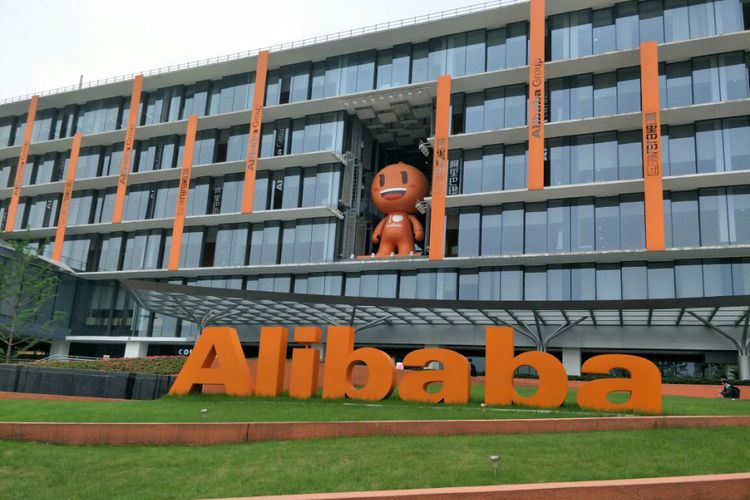
    Alibaba Group sales soared 41 per cent in the December quarter as its customer based neared 700 million. The Chinese company’s turnover for the three months reached US$17.057 billion and its net income attributable to shareholders $4.807 billion. “Our resilient operating and financial performance is a direct reflection of our persistent focus on better serving our growing base of nearly 700 million consumers across retail, digital entertainment and local consumer services,” said CEO Daniel Zhang. “Our growth is also driven by the power of Alibaba’s cloud and data technology that helps expedite the digital transformation of millions of enterprises.”

    Alibaba group sales from core commerce increased 40 per cent to $14.958 billion, while the cloud-computing division posted 84 per cent growth, turning over $962 million. The digital media and entertainment division achieved 20 per cent growth to reach $944 million.

    In a statement, Alibaba said its Taobao platform achieved “robust user growth and enhanced engagement”. Last December, its China retail marketplaces had 699 million mobile monthly average users, representing a quarterly net increase of 33 million. The annual active consumers on its China retail marketplaces was 636 million for the 12 months ended December 31, compared to 601 million for the 12 months ended September 30 last year, “reflecting successful user acquisition programs, such as referrals through the Alipay app”.

    More than 70 per cent of the increase in annual active consumers was from third-and-lower tier cities.

    Tmall thrives

    Alibaba said GMV on its Tmall business grew 29 per cent year on year in the December quarter, outpacing the industry.

    “This robust growth was driven by strength in the fast-moving consumer goods (FMCG), apparel and home furnishing categories,” the company said.

    During the quarter, Tmall signed up new brands to the platform including Valentino, Ermenegildo Zegna, Stuart Weitzman and Sergio Rossi which opened flagship stores and joined the Tmall Luxury Pavilion.

    Meanwhile, Alibaba’s proprietary grocery retail chain Freshippo (formerly Hema) continued to expand its footprint, “optimise its stores and introduce new initiatives that improve customer experience”. As of December 31, there were 109 self-operated Freshippo stores in China, primarily located in tier 1 and tier 2 cities, which continued to achieve “robust same-store sales growth” through the quarter.

    ‘Robust’ Lazada growth

    Alibaba’s Southeast Asian e-commerce platform Lazada achieved what the company described as “robust growth” in GMV. The company upgraded Lazada’s technology, which resulted in boosting the number of active users and achieved greater user engagement on Lazada’s mobile app.

    “We continue to invest resources to integrate Lazada’s business and technology operations into Alibaba with the aim of building a strong foundation for us to extend our offerings in Southeast Asia.”
  • Shinesegae targets US$90 million with a new brand

    Shinesegae targets US$90 million with a new brand

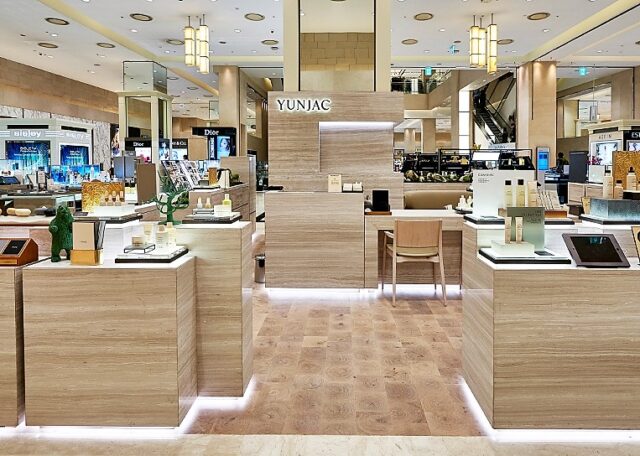
    Major South Korean travel retailer Shinsegae Group is set to launch an in-house developed cosmetics line, Yunjac, into the duty free channel at its Myeong-dong store in the capital city, Seoul. An ambitious sales target has been set for the brand. The opening on 2 February of an independent Yunjac cosmetics area adds to existing domestic market locations in Jung-gu and Gangnam in Seoul, and Centrum City in Busan. The brand was launched in October 2018.

    Fashion, beauty and lifestyle specialist, Shinsegae International, which developed the 42-strong product line, has told The Moodie Davitt Report that it aims to make US$90 million in sales by 2020. Four travel retail exclusive sets are part of the product range.

    The duty free exposure will promote Yunjac to a wider audience, with a particular focus on Chinese travellers. A Shinsegae Duty Free spokesman said: “The Myeong-dong store is a trendy shopping place where you can easily experience the world’s most popular brands. We will try our best to be the centre of world beauty. The line is targeting the global market including China.”

    Yunjac, which means ‘nature’s masterpiece’, is chiefly built around skincare with some makeup and other smaller segments, also part of the portfolio. It is the result of several years research and preparation by Shinsegae International. The product development was a joint effort with global cosmetics maker Intercos and world-renowned botanical research institute Vitalab.

    The manufacturing process involves extracting active ingredients from the best Korean herbs and combining them with state-of-the-art science. The end result is what Shinsegae describes as “the whole plant effect” which is claimed to restores the skin’s natural strength.

    Yunjac’s 42 products are priced at around US$30 for cleansing products, US$100 for skincare and US$50 for mother and infant items, according to Shinsegae Duty Free.

  • Grofers crosses Rs 300 cr sales in single month

    Grofers crosses Rs 300 cr sales in single month

    Grofers, the low price online supermarket, announced the record revenue of Rs 310 crore in January 2019. With this, Grofers became the first online grocer to cross Rs 300 crore in monthly sales and also became the largest e-grocery company in the fast growing space. Aligned with its aim to drive the next wave of growth for e-commerce sector, the company has brought 2.5 lac new customers to its platform in January. The brand is eyeing a revenue target of Rs 2,500 crore for FY 2019.

    On the back of the industry’s biggest grocery sale – Grand Orange Bag Days, Grofers recorded an average of 14 lakh visits per day on the app. During this period, a total of 1.81 crore items worth Rs 207.5 crore were sold. With an average ticket size of Rs 2,640 and 20 items per cart, Grofers recorded highest customer engagement in Delhi NCR followed by Mumbai and Bengaluru.

    Speaking on the success Albinder Dhindsa, Co-Founder and CEO, Grofers said, “We are excited to emerge as India’s favourite e-grocer. We have received a tremendous response in the Grofers Orange Bag Days sale and we will sustain the momentum going forward. We are geared to bringing better priced grocery products to 100 million customers and this is just the start.”

    Customers received jaw dropping offers during Grofers Grand Orange Bag Days sale. Grocery and staples were the highest selling items followed by household items (detergents and dishwash bars) and personal care products. During this time period, Grofers recorded a 80 percent increase sales of Grofers branded products as well.

  • Sandro parent unphased by trade spat

    Sandro parent unphased by trade spat

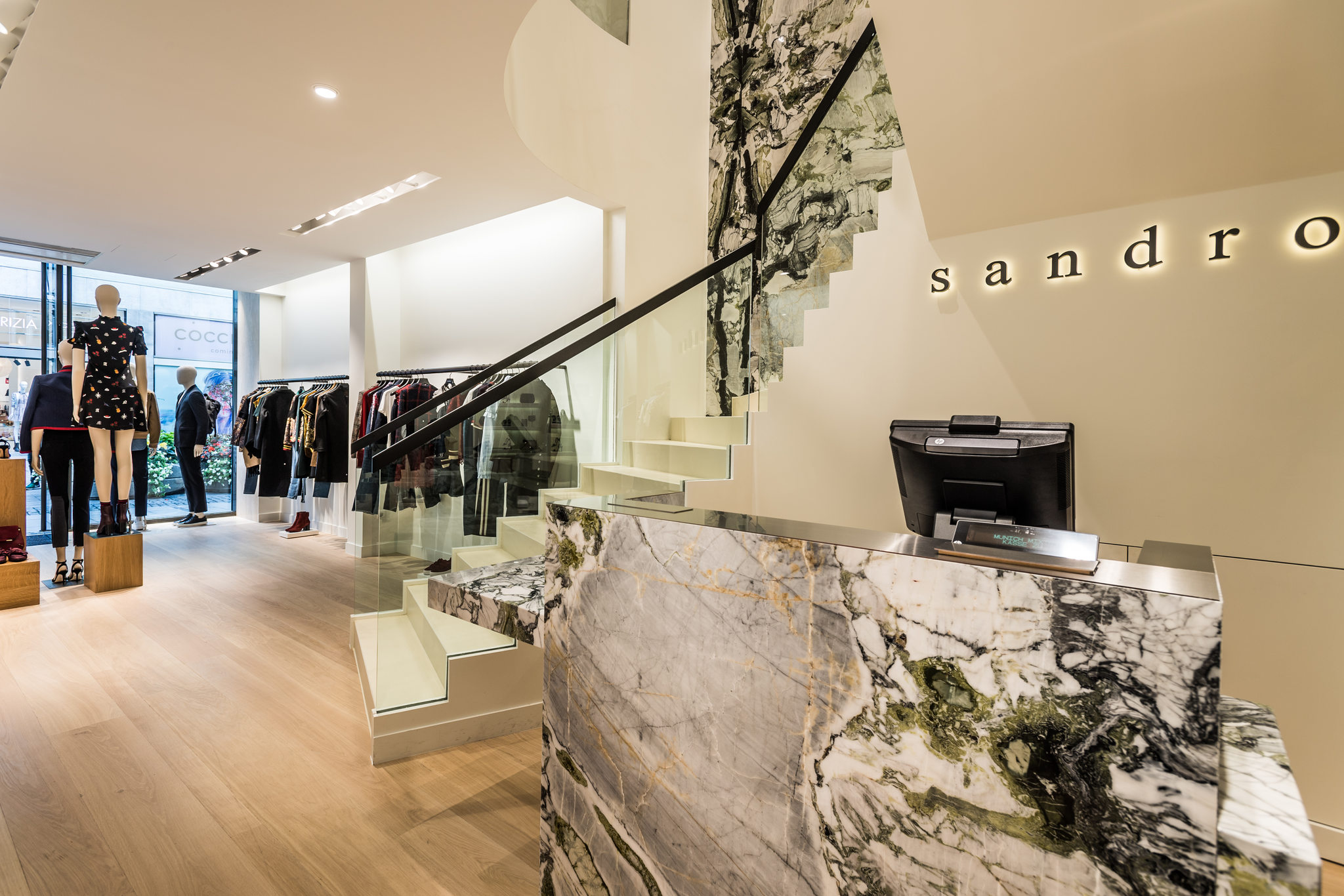
    The parent of affordable-luxury fashion labels Sandro, Claudie Pierlot and Maje appears unphased by the Sino-US trade spat, vowing to continue its expansion in the region. SMCP’s CEO Daniel Lalonde said in an interview that the company plans to continue to open new stores in Mainland China and invest in e-commerce across the region.

    “From our perspective, everything is still intact [in China]. Any slowdown in our business is related to the comparison base … and we still expect to grow that market by more than 20 per cent this year,” Lalonde said. “We’re still confident on the region.”

    France-based SMCP is controlled by Chinese company Shandong Ruyi. This week it reported an 8.1 per cent increase in fourth-quarter sales to €276.1 million.

    SMCP has doubled its annual sales during the past four years, reaching €1 billion last year, largely due to rapid expansion in Mainland China. Asia is now SMCP’s third-largest geographic market behind France and the rest of Europe, with China accounting for the bulk.

    However, he said sales in Hong Kong were “a little softer” as a result of currency fluctuations between the Hong Kong dollar and the renminbi.

  • Apple sales and profit slip as demand falls

    Apple sales and profit slip as demand falls

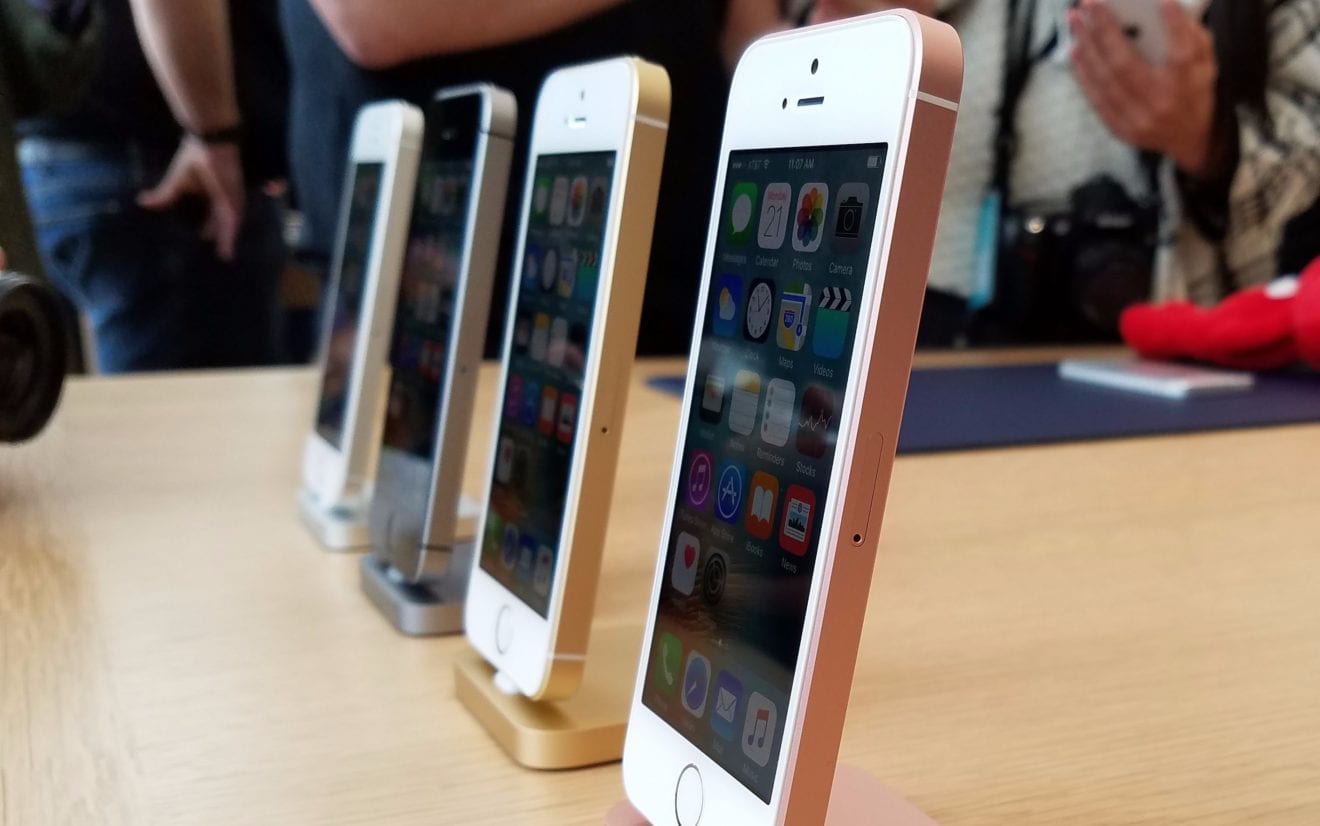
    Tumbling iPhone demand drove an uncharacteristic decline in Apple sales in the first quarter trimming back its profit for the period. Sales of its iPhone range slumped 15 per cent year on year, and although burgeoning revenue from services like digital media subscriptions – up 19 per cent to a new high of US$10.9 billion – and other products compensated, total sales were down 5 per cent to $84.3 billion.

    Sales in China slumped 26.6 per cent during the period.

    Net income fell by $100 million, from $20.065 billion in the December 2017 quarter to $19.965 billion in the latest quarter. While the company championed setting “an all-time earnings per share record” that was a consequence of a share buyback program reducing the share pool rather than an improved bottom line.

    Commenting on the results, GlobalData Retail MD Neil Saunders said while Apple is still a money-making machine, the sales decline “symbolises a company that is starting to run out of steam”.

    “In our view, this is something to be corrected, not least because Apple is a costly company to run and it relies on strong revenue growth to drive up the bottom line. As this quarter’s figures show, failure to achieve that results in profit erosion.”

    Saunders said the slowdown in iPhone sales reflected Apple’s inability to come up with meaningful and valuable innovations that wow consumers.

    “The latest iPhones might be works of art from an engineering perspective, but they are essentially incremental products that lack the excitement and newness of earlier models. With the higher price points of top-end models, consumers expect a lot more for their money. The blunt truth is, Apple’s latest line up of phones doesn’t do that much more than the generations that came before.”

    He said the slowdown in China is a problem Apple shares with many other companies.

    “The country is suffering from more sluggish consumer demand which has put the brakes on retail growth rates across many sectors. However, the issue for Apple is that this has coincided with a rise in competition from local phones and devices which has helped to eat into its own growth. In short, China is no longer the engine of growth for Apple that it once was and this makes Apple uncomfortably more reliant on mature markets to drive revenues. Some of those markets, like Europe, are also not delivering – thanks to very high price points and consumers that are hesitant to spend on big-ticket items.”

    From must have to might buy

    Saunders said Apple’s iPads and some of its Macs are good, quality items, however they are simply not impressing the market and Apple is losing its lustre in terms of producing compelling products.

    “In our view, Apple has moved from a position of ‘must have this and must have it now’ to ‘might buy this at some point in the future’. Price increases may mitigate this but, ultimately, such a shift can only ever result in a softer sales performance.”

    While services are performing well, Saunders said Apple must push much harder.

    “Amazon is successfully creating an ecosystem of services through Prime. Apple needs to do something similar by building on its Apple Music subscription and its App Store offering. Movies and television content are also needed to propel sales.

    “In our view, Apple should seriously consider a big acquisition such as Netflix. Content is a big growth area and is becoming increasingly linked to devices. Apple needs to play more heavily in this space both to generate new opportunities but also to defend its own device business.”

    While Apple remains a solid and financially successful company, he said, a lack of serious and significant innovation means it runs the risk of diluting future earnings.

    “Apple thrives off serving a mass market; at the moment its moves to provide more expensive items to fewer people will ultimately do further harm to the bottom line. The clear blue water that once existed between Apple and its rivals is much diminished. The company has time to reopen the gap, but to do so, it needs to pull something new and unique out of its hat sooner, rather than later.”

    Cook’s positive spin

    Apple CEO Tim Cook delivered a positive spin on the results: “While it was disappointing to miss our revenue guidance, we manage Apple for the long term, and this quarter’s results demonstrate that the underlying strength of our business runs deep and wide. Our active installed base of devices reached an all-time high of 1.4 billion in the first quarter, growing in each of our geographic segments. That’s a great testament to the satisfaction and loyalty of our customers, and it’s driving our services business to new records thanks to our large and fast-growing ecosystem.”

    At the end of the quarter, Apple’s net cash balance was $130 billion.

  • Lancôme uses Alibaba Cloud Technology for Chinese New Year promotion

    Lancôme uses Alibaba Cloud Technology for Chinese New Year promotion

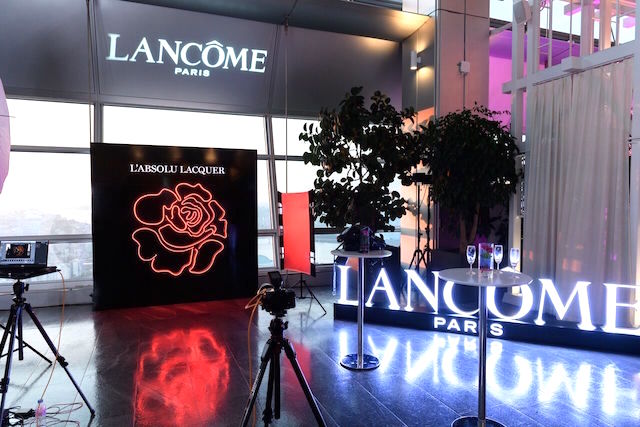
    Lancôme has teamed up with Alibaba Cloud, the cloud computing arm of Alibaba Group, to launch its Chinese New Year campaign in Hong Kong. The partnership leverages Alibaba Cloud’s cutting-edge technologies and Lancôme’s bestin-class beauty offerings to bring consumers the warmest festive wishes with fun and engaging experiences.

    As a leader of the beauty industry and a pioneer in adopting technology-enabled customerengagement, Lancôme has worked with Alibaba Cloud to create an augmented reality (AR) game for customers.

    The game, alongside a Lancôme pop-up store in Harbour City, Hong Kong, enable customers to engage with an online and offline brand experience during the Chinese New Year anywhere in the city, at any time. Lucky consumers will be able to bring home limited edition Lancôme products and special gifts.

    “Lancôme is glad to partner with Alibaba Cloud to engage with our consumers in Hong Kong using the most advanced data technologies. One of the brand’s priority is to build ‘Beauty-tech’ leveraging the latest innovations to transform our campaign and offering our customers better interactive experiences. We are excited to see these technological advancements helping us to create a modern Chinese New Year with better understanding of the consumer behavior and eventually with great business uplift with high conversion,” said Lee Sue Jong, Brand General Manager, Lancôme Hong Kong.

    “We are excited to partner with Lancôme to foster the digital transformation of Hong Kong’s retail industry. Our technologies not only offer innovative ways of engaging consumers, but also help Lancôme better understand customers’ needs using data analytic tools,” said Leo Liu, General Manager of Alibaba Cloud Hong Kong, Macau and Korea.

    Lancôme will spread joy and good wishes across the city for the coming Year of the Pig with thehelp of Alibaba Cloud’s image search technology and cloud services. Consumers can participate in a Lancôme-branded AR game on their smartphones. Those who find and capture augmented reality images of Lancôme’s signature beauty product Genifiques on their smartphone will be invited to send their seasonal wishes for a chance to win a selection of prizes.

    Alibaba Cloud Image Search is an intelligent service based on machine and deep learning. It enables end-users to take a screenshot or upload an image to search for desired products and fulfill other search requests.

    Alibaba Cloud’s cloud-based technology is part of the Alibaba Operating System, a holistic onestop solution to accelerate the digital transformation for corporations. With strong cloud-computing capabilities, the infrastructure is able to deliver insights and analytics instrumental to better satisfying customer needs and growing their business. New Retail, a strategy that drives innovation around online and offline solutions, is a key interface through which businesses can tap into the Alibaba Operating System.

    The latest collaboration on Lancôme’s Chinese New Year campaign follows L’Oréal Group’s longstanding working relationship with Alibaba businesses across multiple platforms. The beauty company has continuously deepened its use of Alibaba’s ecosystem to meet and create new aspirations from consumers. In terms of grasping the benefits of New Retail, L’Oréal Group was an early adopter of merging online and offline during the 2018 11.11 Global Shopping Festival.

  • Chinese New Year to drive sales for businesses

    Chinese New Year to drive sales for businesses

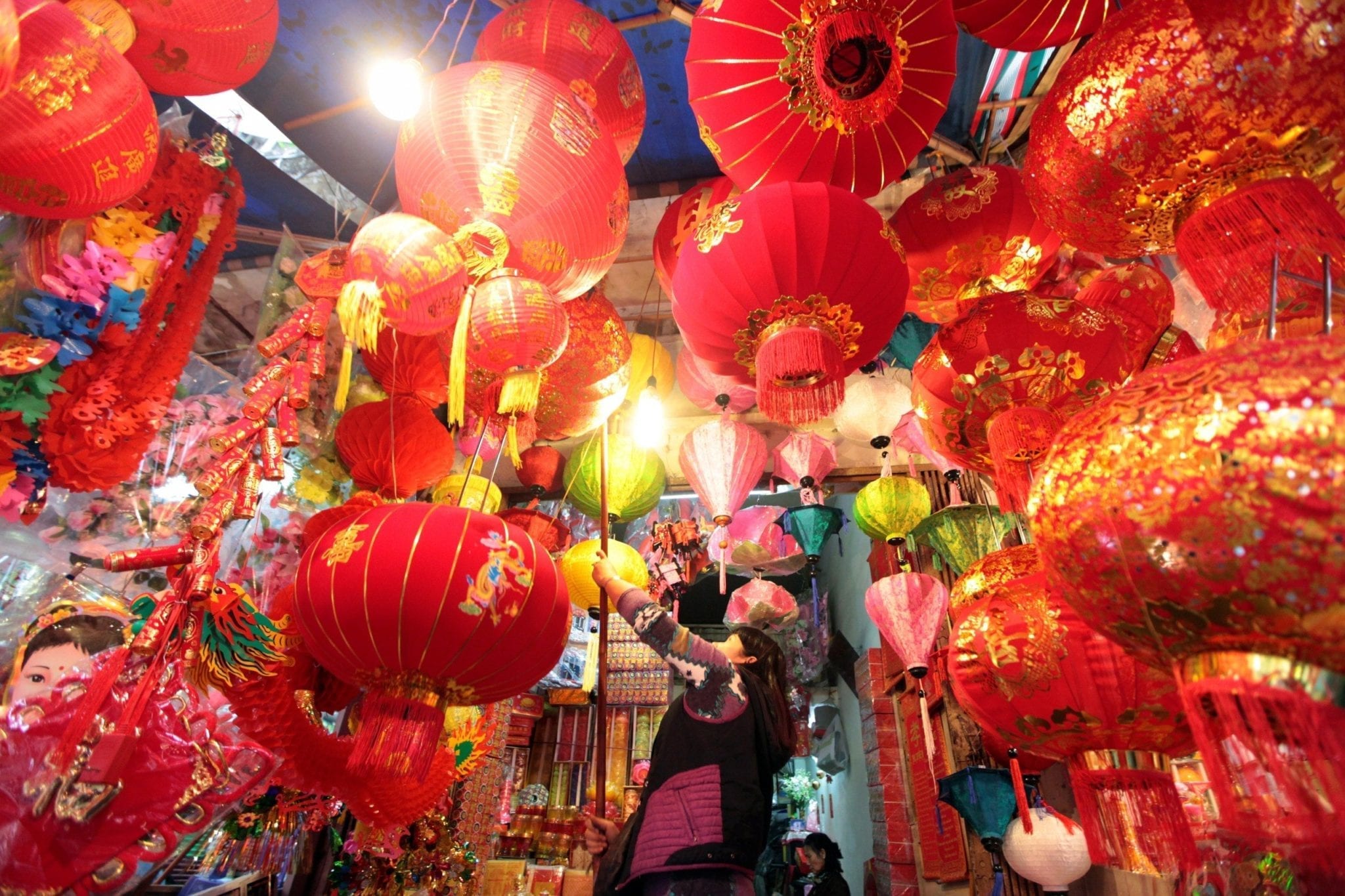
    Despite lacklustre consumer sentiment, businesses are gearing up for brisk sales as consumers do their Chinese New Year (CNY) shopping for the much celebrated festival next week, with many businesses citing CNY as an important sales contributing season. LG Electronics Malaysia general manager of marketing Kong Mun Keen said festive season campaigns, whether CNY or Hari Raya, contributes bigger sales for LG.

    “We often see a spike in sales whenever festive seasons are fast approaching,” he said, adding that this year, LG Electronics Malaysia has allocated a “substantial amount of budget” for its CNY campaign.

    Although only a month into 2019, he said LG Electronics is “on the right track” in terms of sales.

    By distinguishing itself with its technology and product experience, Kong said LG’s strategy has always focused on reaching out to all Malaysians, evident through its brand store openings in 2018, where it works with partners to drive new consumer touchpoints.

    “Malaysia has always been a priority market, given that LG has secured and maintained a strong position in the home appliances and home entertainment segments here. With our premium and unique positioning coupled with innovative and consumer-centric products line-up, we are confident that there will always be a demand for our products here,” said Kong, adding that it is constantly ensuring that its products can integrate seamlessly into consumers’ lives.

    For big-ticket items like cars, Edaran Tan Chong Motor Sdn Bhd (ETCM) executive director Tan Keng Meng expects its CNY sales to be about the same as last year’s or better.

    “It’s always CNY and Raya. These are the two peak seasons,” said Tan.

    In conjunction with CNY, ETCM added the new imperial red colour to the popular Nissan Serena 2.0L S-Hybrid Premium Highway Star, featuring a two-tone theme. Additionally, ETCM continues the introduction of Nissan X-Trail X-Tremer in passion red and two additional colour options.

    Meanwhile, a Uniqlo Malaysia representative said festive periods are traditionally good opportunities for retailers to grow their sales, adding that it continues to experience healthy sales growth this year.

    “We believe this is due to our commitment to produce high-quality products at accessible prices while keeping with today’s fashion trends. Customer service is also a top priority to ensure that our customers have the best shopping experience possible.”

    As with previous years, it believe that customers are always looking for something new and fresh to start their new year.

    “We are bringing many new items to the store for customers to choose. We will also be launching the Uniqlo U collection on Feb 1 for last minute shoppers to get their new year clothes.”

    The representative said customers are consistently looking for items that are value for money and Uniqlo is well positioned to meet their needs.

    Tohtonku Sdn Bhd head of marketing Vicky Lim said CNY is one of the peak seasons for sales with its back-to-back promotions in December and January.

    But instead of spending on CNY promotional campaigns, Lim said, the company, which markets personal care and household products with brands like Follow Me, Nutox and Nanowhite, still focuses on brand communications.

    A representative for The Body Shop said although CNY is not its largest festive season sales contributor, it dresses up its stores with decorations that symbolise the blooming of spring and the festive mood of CNY.

    “We offer prosperous gifts such as hampers. This year we picked British rose as the main product that appeals to a wider target audience and with its colour of pink, it’s in line with the colour scheme that represents CNY.

    “Our staff are also dressed in mandarin Oriental tops and we play both instrumental and vocal music that reminds you of CNY.”

  • Starbucks China sales grow – with a but

    Starbucks China sales grow – with a but

    Net revenues for Starbucks China and Asia-Pacific region soared 45 per cent in the first quarter to US$1.2 billion. While a change of ownership in the East China business at the end of the first quarter of the previous year boosted the figure, the company says the opening of a net 1010 stores during the 12 months – a 13 per cent increase in the network – and a 3 per cent increase in same-store sales also played a part.

    First-quarter Starbucks China operating income rose 13 per cent to US$225.1 million, from $196.8 million. But the company’s operating margin declined 530 basis points to 18 per cent, primarily due to the impact of the East China ownership change.

    CEO Kevin Johnson said the company delivered solid operating results in the first quarter, demonstrating continued momentum in the business, as it drives a growth-at-scale agenda “with focus and discipline”.

    “Comprehensive efforts to streamline our business have allowed us to focus on three key strategic initiatives that position Starbucks for long-term success: accelerating growth in our targeted markets of the US and China, expanding the global reach of the Starbucks brand through our Global Coffee Alliance with Nestle, and increasing shareholder returns.

    “Combined with our efforts to build and amplify the Starbucks brand, we expect these initiatives will position the company to drive predictable, sustainable growth and shareholder returns for years to come,” concluded Johnson.

    In the 13-week first quarter, which ended December 30, global comparable-store sales increased 4 per cent, driven by a 3 per cent increase in the average sale. Americas and US comparable-store sales increased 4 per cent, with transaction numbers flat.

    China-Asia-Pacific comparable-store sales increased 3 per cent, including 1 per cent transaction growth, with China comparable-store sales up 1 per cent, but the number of transactions down 2 per cent.

  • LG Household sells 1 trillion won of cosmetics in quarter

    LG Household sells 1 trillion won of cosmetics in quarter

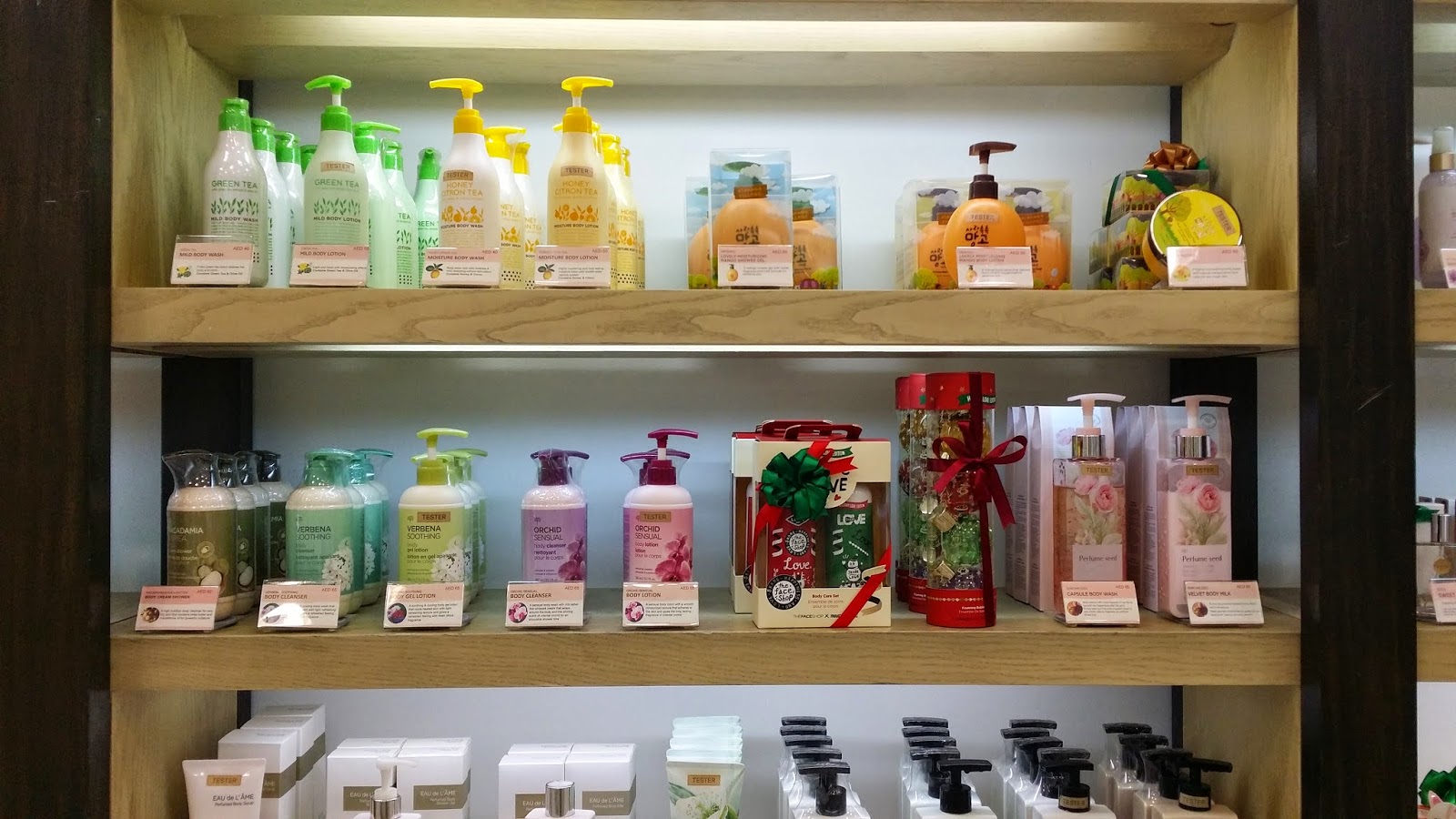
    LG Household & Health Care sold 1 trillion won ($885.2 million) of cosmetics for the first time ever in a quarter, the company said Thursday. In its 2018 fourth quarter, cosmetics sales totaled 1.05 trillion won, an increase of 18.2 percent year on year. It credits strong sales of luxury line “The History of Whoo” for the good performance, adding that Whoo became the first single brand in the domestic cosmetics industry to reach 2 trillion won in annual global sales.

    LG’s health care arm achieved another first. It recorded annual operating profits over 1 trillion won for the first time last year, while posting 6.7 trillion won in total sales.

  • Ssangyong teases new Korando

    Ssangyong teases new Korando

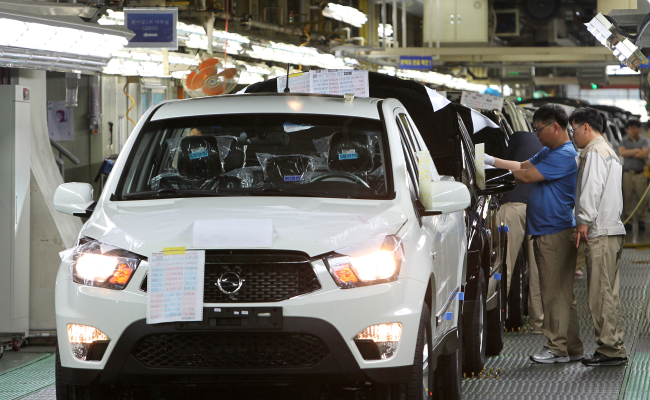
    SsangYong Motor said Monday it will release a brand new sport utility vehicle in March that will replace its current Korando C SUV. The fresh model, which has been developed under the project name C300, will simply be called the “Korando,” according to the carmaker. Korando is one of SsangYong’s oldest lineups, alongside Tivoli and Rexton. The company decided to retain the name, hoping that would boost sales.

    It is the first entirely new car in the Korando lineup in eight years, since the company rolled out the midsize SUV Korando C – since then, it has just been revamped versions of existing models. Cars sold under the Korando label include the Korando Sports, Korando Turismo and Korando C, which will be discontinued when the new Korando launches.

    SsangYong also unveiled three teaser images of the car on Monday. The carmaker said it used a low and wide design for the car’s body, following a global trend. The front of the vehicle resembles SsangYong’s popular compact SUV Tivoli.

    The automaker has added various driver assistant features to the car. With the SUV market expanding, SsangYong hopes to grow its market share in the local car market with the anticipated release.

    A spokesperson from SsangYong said the new car will be the “most fascinating and high-tech Korando-branded car in history.”

  • Kia Motors begins sales of 2020 edition of Sorento SUV

    Kia Motors begins sales of 2020 edition of Sorento SUV

    Kia Motors announced Monday it has begun rolling out the 2020 model of its Sorento sport-utility vehicle (SUV) for sale. The updated Sorento comes with new safety features applied to all of its diesel trims and a refreshed design. The diesel version of the compact crossover SUV will have smart safety features, such as lane keep assist, lane departure warning, driver attention warning and others on all of its trims.

    As for design, the automaker said it applied a newly designed dark chrome grille on all of its models, with the highest trim model installed with 19-inch chrome alloy wheels.

    The new model also comes with a new premium trim called “master special,” which features more options, such as rear occupant alert and a head-up display.

    The SUV comes in diesel and gasoline models, with the base diesel model starting at 27.88 million won ($25,000).

  • Excess car demand for Tet holiday drives prices up in Vietnam

    Excess car demand for Tet holiday drives prices up in Vietnam

    The surge in demand for cars before the Lunar New Year means customers have to wait or pay extra to get immediate delivery. With only weeks to go for the Lunar New Year Festival (Tet), which falls on February 5 this year, consumers are rushing to order automobiles leading to a shortage in the market. They either have to wait for a long time for delivery or, for quick delivery, opt for accessories which can cost an extra VND70-150 million ($3,013-6,458).

    For instance, Hyundai SUV Santa Fe requires an extra VND70-160 million ($3,013-6,887), which is 7-16.1 percent above the minimum listed price, while for the Toyota Fortuner it is VND100-150 million ($4,305-6,457). But most customers will have to wait until March for delivery if they signed the purchase agreement last November or later.

    The only way to get guaranteed delivery before Tet is to buy from someone who signed earlier, car dealers said, explaining that a dealership only gets around 20 units in each model per month but demand is two to three times that number.

    The shortage is because of difficulties in importing at the beginning of 2018 as a result of a new regulation tightening imports, Tran Thanh Binh, director of Thanh Binh Automobile Import Export Trading Service Co Ltd, said.

    The regulation stipulates that traders are only permitted to import if they can provide valid vehicle registration certificates issued by authorities from the countries of origin.

    Original quality control certificates for each vehicle and letters of authorization regarding recalls of defective vehicles from the manufacturers are also required, along with copies of quality assurance certificates provided by the countries of origin.

    “This made companies stop ordering from factories in Indonesia and Thailand. The second half of 2018, however, with these difficulties resolved, businesses have started to order again. But, since the factories also produce for many other markets, Vietnam was not able to order enough,” he explained.

    Vietnam imported 6,362 cars, including 4,264 personal cars, 1,820 trucks in the first 15 days of 2019, according to Vietnam Customs.

  • Hyundai Mobis net swings to positive in Q4

    Hyundai Mobis net swings to positive in Q4

    Hyundai Mobis, Korea’s biggest auto parts maker, said Friday it shifted to net profit in the October-December period due to a low base effect. A net profit of 419.8 billion won ($374.1 million) was achieved for the three months that ended in December, from a net loss of 168.6 billion won a year earlier, the company said in a statement. The result was helped by the high level of corporate taxation reflected in the bottom line for the last quarter of 2017, but there were no such one-off outlays in the final three months of last year, a company spokesman said.

    Operating profit jumped 82 percent to 581.7 billion won in the fourth quarter from 319.4 billion won a year ago.

    Sales rose 9.3 percent to 9.644 trillion won from 8.822 trillion won during the same period.

    In the fourth quarter of 2017, operating profit was hit hard by a diplomatic row between Seoul and Beijing over the deployment of an advanced U.S. missile defense system, called Thaad, in Korea.

    Operating profit in the last quarter of 2018 rebounded following the easing of bilateral tensions.

    Sales climbed on the back of increased exports of high-end auto components and higher parts sales in after-sales markets despite the won’s strength against the dollar and currencies in emerging markets, the statement said.

    For the whole of 2018, net profit rose 21 percent to 1.888 trillion won from 1.558 trillion won a year earlier. Operating profit remained unchanged at 2.025 trillion won compared to a year ago. Sales also changed little to 35.149 trillion won versus 35.145 trillion won, it said.

  • Burberry sales saved by Mainland China

    Burberry sales saved by Mainland China

    A mid-single-digit rise in Burberry sales in Mainland China in the third quarter helped produce a solid result for the luxury fashion retailer. The strong China performance helped mitigate reduced footfall in the Americas and a subdued European market where tourist spending showed only a small improvement. Global same-store sales rose just 1 per cent.

    However, CEO Marco Gobbetti said the company was buoyed by improvements and ongoing customer excitement ahead of new product delivery – the launch of new creative director Tisci Riccardo’s first runway collection which will hit stores next month.

    “I am pleased with our progress in the quarter as we continued to build brand heat around our new creative vision and shift consumer perception of Burberry. Excitement is growing ahead of next month’s launch of Riccardo’s debut collection,” said Gobbetti.

    “We will continue to manage the business dynamically as we reposition the brand. We confirm our outlook for the full year.”

    He said the company was seeing a continued shift in consumer perceptions of the brand, driving increases in digital engagement and drawing endorsements from key influencers. Increased Burberry sales can only follow.

  • At Kia, sales go up, but profit doesn’t follow

    At Kia, sales go up, but profit doesn’t follow

    Kia Motors’ sales expanded last year, but profits faltered. Korea’s second-largest carmaker by sales said Friday it posted 94.3 billion won ($84 million) in net profit for the fourth quarter last year, a 10 percent drop year on year.
    Though the carmaker’s revenue in the fourth quarter increased by 3.6 percent to 13.47 trillion won due to increased sales, the company said the Korean won’s strength against the U.S. dollar dragged down profits.

    A similar trend is evident in the company’s annual earnings report. The company posted 54.17 trillion won in revenue for the whole of last year, a 1.2 percent increase from the previous year. Global sales also increased by 2.4 percent during the year, selling more than 2.8 million units.

    Despite expanded sales, the company’s net profit was limited to 1.16 trillion won, a 19.4 percent jump from 2017, but still below market expectations or the company’s average profit recorded between 2014 and 2016.

    Profit in 2017 fell to below a trillion won due to a one-off cost of around a trillion won that was reflected that year after a local court ordered the company to make an overdue payment to employees.

    The goal this year for Hyundai Motor’s sister company is to ramp up profitability, especially in the U.S. and Chinese markets, with new car launches and stronger SUV lineups. The automaker also plans to tackle emerging markets like Russia and India with localized models.

    Kia is betting big on its Telluride SUV to turn its business around in the U.S. market. The largest SUV yet in Kia’s lineup will launch in the United States during the first half of this year.

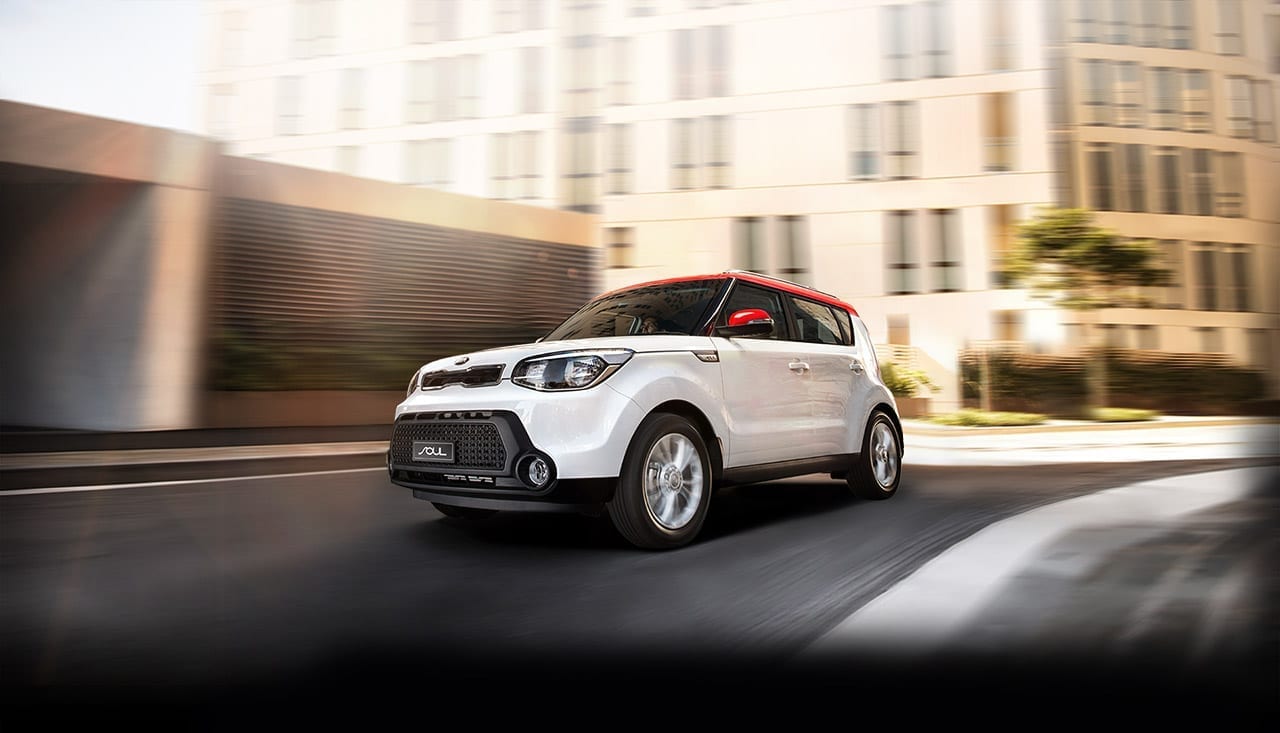
    “As we launch new cars in the U.S. market including the Telluride SUV and new Soul crossover and diversify our product mix, we expect our profitability to improve,” said Joo Woo-jeong, chief financial officer at Kia, during a conference call with analysts on Friday. “The Telluride SUV was well received at the Detroit Motor Show and its image as an off-roader fits well with demands in the U.S. market.”

    The SUV was recently introduced during the North American International Auto Show in Detroit.

    For China, Joo said Kia will strengthen its local dealer network and better manage car inventories there to improve business. The company is also planning on launching dedicated SUV models for the Chinese market. While Kia sold 370,000 cars in China last year, it hopes to sell 410,000 cars this year based on the new strategies.

    Joo admitted that “China is the most difficult market for Kia” at the moment. Kia plans to sell a total of 2.92 million cars this year, a 3.9 percent increase from last year.