Tag: Sales

  • Lotte Duty Free sales hit all-time high of US$6.7 billion in 2018

    Lotte Duty Free sales hit all-time high of US$6.7 billion in 2018

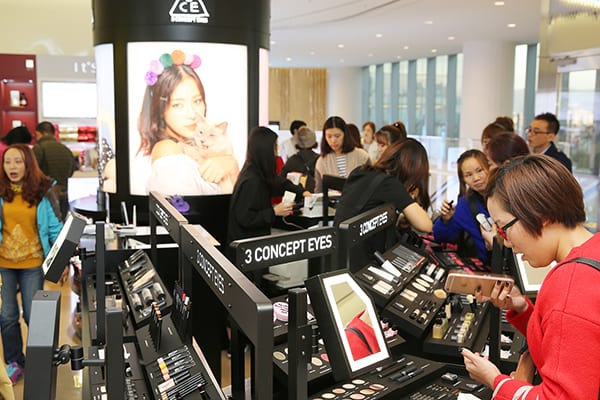
    South Korea’s top travel retailer Lotte Duty Free reported best-ever sales of 7.5 trillion won (US$6.7 billion) last year on a surge in online sales and mass purchases by Chinese merchants seeking trade in shuttling goods to China. Lotte Duty Free said its annual sales last year hit a record high of 7.5 trillion won, up 25 percent from a year-ago period. In particular, sales from the online business soared 50 percent on year to 2 trillion won, contributing 25 percent to its total domestic sales thanks to successful upgrades of its online and mobile platforms and various promotional perks like online-only products and discount options.

    Lotte Duty Free’s main store in the bustling shopping district of Myeongdong in downtown Seoul remained the world’s single-largest revenue earner for three years in a row last year with annual sales up 35 percent at 4 trillion won and daily revenue at about 11 billion won as of Dec. 14.

    The Myeongdong store that opened in 1980 has kept on growth with sales reaching over 1 trillion won in 2011, 2 trillion won in 2015 and 3 trillion won in 2016 on increasing demand from individual merchants from the mainland who buy popular Korean duty-free goods in bulk to profit from reselling them in China.

    Lotte Duty Free has expanded its investment in domestic stores to draw more consumers. Its Myeongdong store was expanded in August 2016, and spent 10 billion won to add the Star Lounge for VIP customers in April 2018. The World-Tower store in the affluent Gangnam area of southern Seoul also posted 1 trillion won in sales last year, becoming the largest earner to reach the threshold in the district.

    Meanwhile, Lotte Duty Free World Tower also posted sales of more than 1 trillion won (US$895.4 million), joining what the retailer dubbed the “One Trillion Club” on 23 December.

    That represents an 80 percent increase year-on-year for the Jamsil, Seoul store, which reopened on 5 January 2017, 193 days after it was forced to close on 26 June 2016 due to the loss of its licence in an open tender.

    “Even in the midst of rapid market changes, Lotte Duty Free has been able to achieve a record-breaking year, reflecting 38 years of operational expertise,” said newly appointed Lotte Duty Free CEO Lee Kap. “As a leader in the industry, we will endeavour constantly to improve our performance.”

    Lotte Duty Free said that the World Tower store’s excellent tourist services and differentiated luxury brand offer had generated “remarkable achievements” in 2018. This was despite the proliferation of new duty free stores in the Gangnam area [notably the new Shinsegae Duty Free store opened on 18 July], the retailer commented.

    Despite industry difficulties posed by the THAAD dispute between South Korea and China, sales of small and medium enterprise SME Korean brands at the World Tower store increased by 300 percent year-on-year. This contributed to a “win-win relationship” with SMEs, Lotte said.

    Increased demand by daigou shoppers “greatly influenced” sales said Lotte. The retailer noted that such travellers had compensated for the “stagnation” of conventional Chinese tourism since the THAAD dispute erupted in March 2017. However, Korean travel retail executives and observers are closely monitoring the impact of China’s new e-commerce law, introduced on 1 January 2019, which is expected to hit the daigou business hard
  • L’Oreal Korea seeks Brandstorm 2019 contest participants

    L’Oreal Korea seeks Brandstorm 2019 contest participants

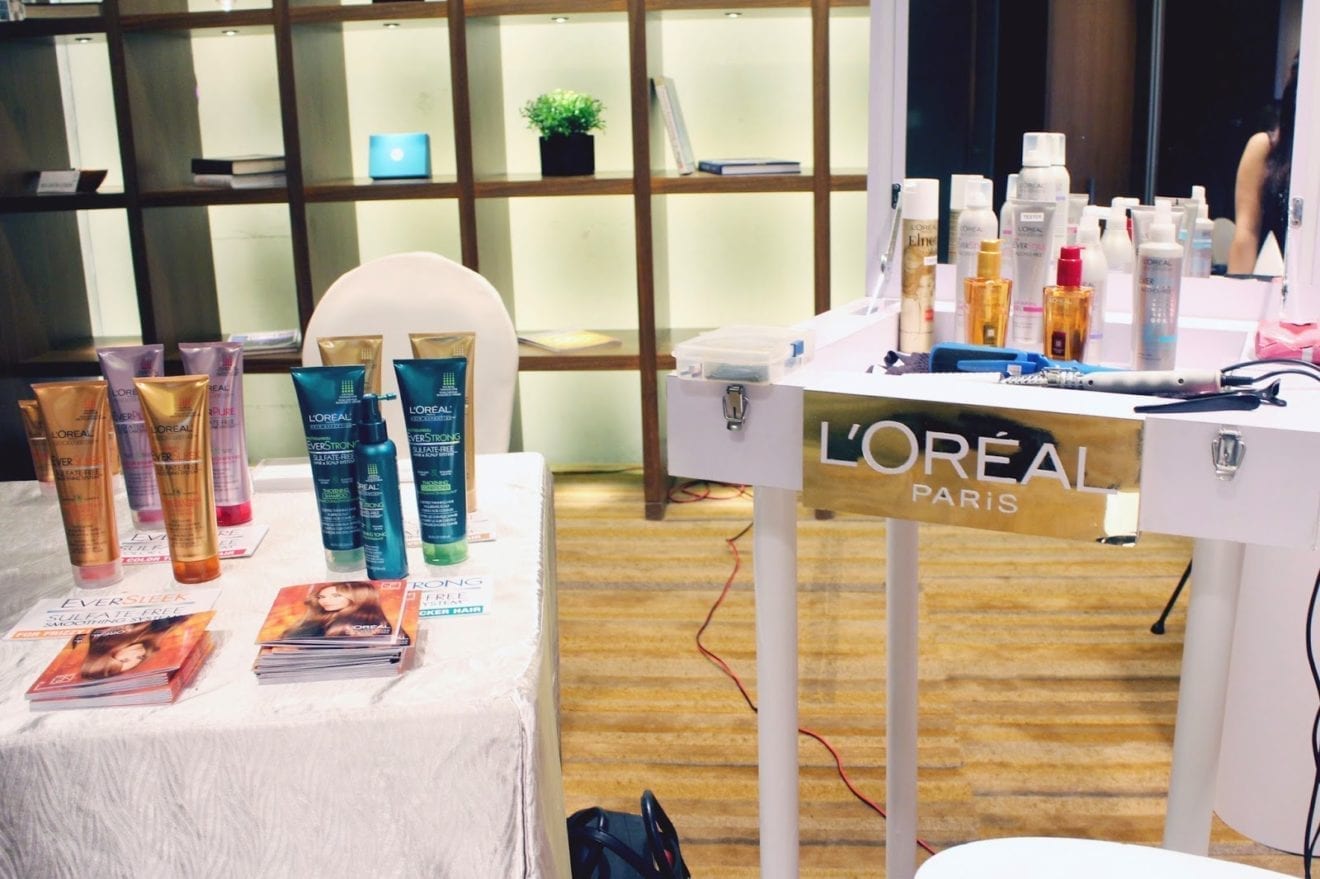
    L’Oreal is now accepting applications from students in Korea for its annual global marketing competition “L’Oreal Brandstorm 2019.” The mission for this year’s competition is to “invent the future skin care experience for health-conscious consumers.” Contestants need to choose one brand from L’Oreal’s Active Cosmetics division, such as Vichy or La Roche-Posay, and propose a new service or technology to enhance the consumer experience.

    Undergraduates in their third or fourth year of study and graduates can apply in teams of three. The application deadline is Feb. 28.

    After a final round in March, the winning Korean team will get a chance to represent the country and pitch its idea during the finals at L’Oreal headquarters in Paris.

    The winning Korea team members will also qualify for a chance to intern at L’Oreal Korea.

    The team that wins the global final round will get to test their idea at French start-up campus Station F for three months.

    The first competition was held in 1992. Since then, over 34,000 students have participated.

  • Malaysian businesses less optimistic on prospects for next six months

    Malaysian businesses less optimistic on prospects for next six months

    Malaysian businesses are displaying less optimistic sentiment on prospects for the next six months as the RAM Business Confidence Index (RAM BCI) fell to its lowest level since its inception two year ago. RAM said in a statement today that the corporate and the SME indices of the RAM BCI declined to 55.1 and 51.0 respectively, although the reading above 50.0 still denotes positive sentiment.

    The RAM BCI is a comprehensive survey jointly conducted by RAM Holdings Bhd and RAM Credit Information Sdn Bhd, on business sentiment in Malaysia. Released quarterly, the index is based on data from a survey of close to 3,500 SMEs and corporates across five main industry segments respectively.

    The cooler sentiment is attributable predominantly to the weak economic prospects in the next six months, with a number of firms citing this as the main challenge, rising to 41.2% and 41% both corporate and SME segments.

    Decelerating domestic growth, uncertain global demand and investment activities and a lack of positive catalysts, including the relatively neutral Budget 2019, all play a part in the generally weaker business sentiment on the next six months.

    On a sectoral basic, the construction sector appeared the least bullish with the SME sector recording a reading at 49.7 while the corporate sector declined for the third time in a row to 53.0.

    Without any new growth catalyst amid the property overhang, plus the shelving of new big-ticket infrastructure projects, it is not surprising that the construction sub-indices have hit record lows, RAM said.

    Another sector that showed pessimism in the Q1-Q2 2019 survey is SME retail as its performance outlook slipped back into negative territory after a brief expansionary momentum that had been aided by the tax-free window from June to August 2018.

    “Faced with uncertain global and domestic economic prospects, consumers are once again more prudent with their spending, leading to weaker sentiment on retail consumption in 2019,” it added.

    On the back of weaker prospects, the firms are also holding back from capacity building with the sub-indices tracking corporate business expansion, capital investment and hiring recording a fall in three consecutive surveys.

    Likewise, the capacity-building sub-indices for SMEs pulled back from the last survey and remain below those of corporates.

    RAM noted that firms’ expressed reticence on capacity building remains the most prominent downside risk, as it could weigh on the momentum of economic growth in 2019 and potential economic output over the longer run. This is particularly true in respect of SMEs, which are more vulnerable and sensitive to immediate economic challenges.

    “That said, more guidance on future economic policies that will shape the overall business environment will be crucial to building business confidence among firms, potentially being the game changer for a more resilient growth trajectory this year,” it added.

  • DHL’s five useful hacks for social media selling

    DHL’s five useful hacks for social media selling

    Logistics provider DHL Express enumerated a few hacks on social media selling. As Filipinos search for gift ideas especially this holiday season, it is crucial for social media sellers to get their products to stand out and top their customers’ feeds. Nailing these two can increase their chances of converting followers into customers. Distilled from experiences from helping other small businesses grow and readily available on DHL Discover, an online library of business and culture insights, here are the global logistics leader’s top recommendations.

    First, choose the right platform. If 94 percent of shoppers said that Facebook posts affect their holiday buying choices, then sellers would definitely want to be there. Go for social media channels that reach out to buyers and have free analytic tools. Facebook is able to give audience insights which may help sellers make informed decisions in scheduling content and targeting audience when they are most engaged.

    Second, #GetNoticed. Hashtags are a crucial way to link products to customers who are looking for it. An example of this is using the hashtags, #giftideas and #nochebuena to get the attention of potential customers.

    Third, work with advocates. Social media influencers may help because of their loyal follower-base. Through the content of bloggers and vloggers, consumers may get a firsthand opinion on products. This will make the endorsement more authentic and less of a hard sell, which makes brands more credible.

    Fourth, get your call to action right. Make the call to action clear and ensure the buying process is simple. Something as straightforward as adding a “click to buy” tab underneath that Instagram product photo they liked will help leverage positive leads.

    Lastly, encourage customer feedback. Leverage consumer reviews to create a space where happy consumers can share positive experiences of the product. Although not all reviews may be positive, sellers should be aware and respond to complaints quickly.

    As customers look forward to reviewing your product or service, keep in mind that their overall experience, from window-shopping to check-out to shipping, shapes their perception of your brand. By counting on a logistics provider like DHL for last mile requirements, you can deliver the best possible customer experience worth sharing on social media.

  • AirAsia targets 100 million passengers in 2019

    AirAsia targets 100 million passengers in 2019

    AirAsia Group is out to monetise its digital businesses and broaden the group’s digital footprint this year but has no plan to open more new airlines over the next three years. The airline wants to focus on growing its existing business especially in Indonesia and Philippines. “As 2019 approaches I would like to confirm that AirAsia will not be opening up any more new airlines for the next 3 years,’’ AirAsia Group chief executive officer Tan Sri Tony Fernandes (pic) said in his series of posts on Twitter yesterday.

    He added that “after Vietnam, we will focus on what we have. Focus this year is to make Indonesia and Philippines very profitable.’’

    There is where “all the major population and growing economies (are), coupled with two great countries (India and China) to enable us to cover the world,’’ he added.

    Fernandes added that he was confident the airline’s operations in India and Japan would be profitable in 2021.

    This year Fernandes is hoping that his airline group would be able to carry over 100 million passengers.

    When contacted he merely said it is “around there”.

    In the first nine months of 2018, the airline group carried 61.4 million passengers across its network. The target set for 2018 was 90 million passengers.

    “We are on track to achieve a group load factor target of 85%,’’ Fernandes had said earlier.

    With fuel prices falling, the airline also expects to maintain its cost this year and hopefully offers more low fares to travellers. It was reported that AirAsia group has hedged 48% for Brent at US$67.24 bbl for the first quarter (1Q19) and 27% for 2Q19 at US$65.40 bbl to manage volatility of fuel prices.

    Turning to the digital side of the business, Fernandes said in a tweet “this is the year people will begin to see our strength in digital’’.

    He would not go into details but earlier he has been talking about the BigPay app, which is a digital alternative to bank accounts and it comes with a card that allows users to use and spend it anywhere in the world.

    AirAsia Group has in mid-December completed the transfer of its non-digital businesses to Redbeat Ventures, its wholly owned subsidiary. The digital-related services include AirAsia BIG Loyalty, BigPay, travel360, ROKKI, Ourshop, RedCargo Logistics, RedBox Logistics, Vidi and RedTix.

    That is the first step towards monetising the digital business and allow AirAsia to broaden the digital footprint.

    In an announcement to Bursa Malaysia earlier, AirAsia deputy group CEO (digital, transformation and corporate services) Aireen Omar said that by placing the digital assets under Redbeat Ventures, they hope to more effectively expand and monetise the digital businesses and broaden AirAsia’s digital footprint.

    The vision for Redbeat Ventures was to connect with the start-up community globally through collaboration to foster entrepreneurship and stimulate market-driven innovation that would benefit not just AirAsia’s ecosystem but help lead the digital economy and lifestyle in Asean.

    Redbeat Ventures will work with tech start-ups and look out for investment opportunities in the high-tech and digital space to remain competitive and relevant in these rapidly changing commercial and technological environments.


  • Hyundai sales ups a bit in December

    Hyundai sales ups a bit in December

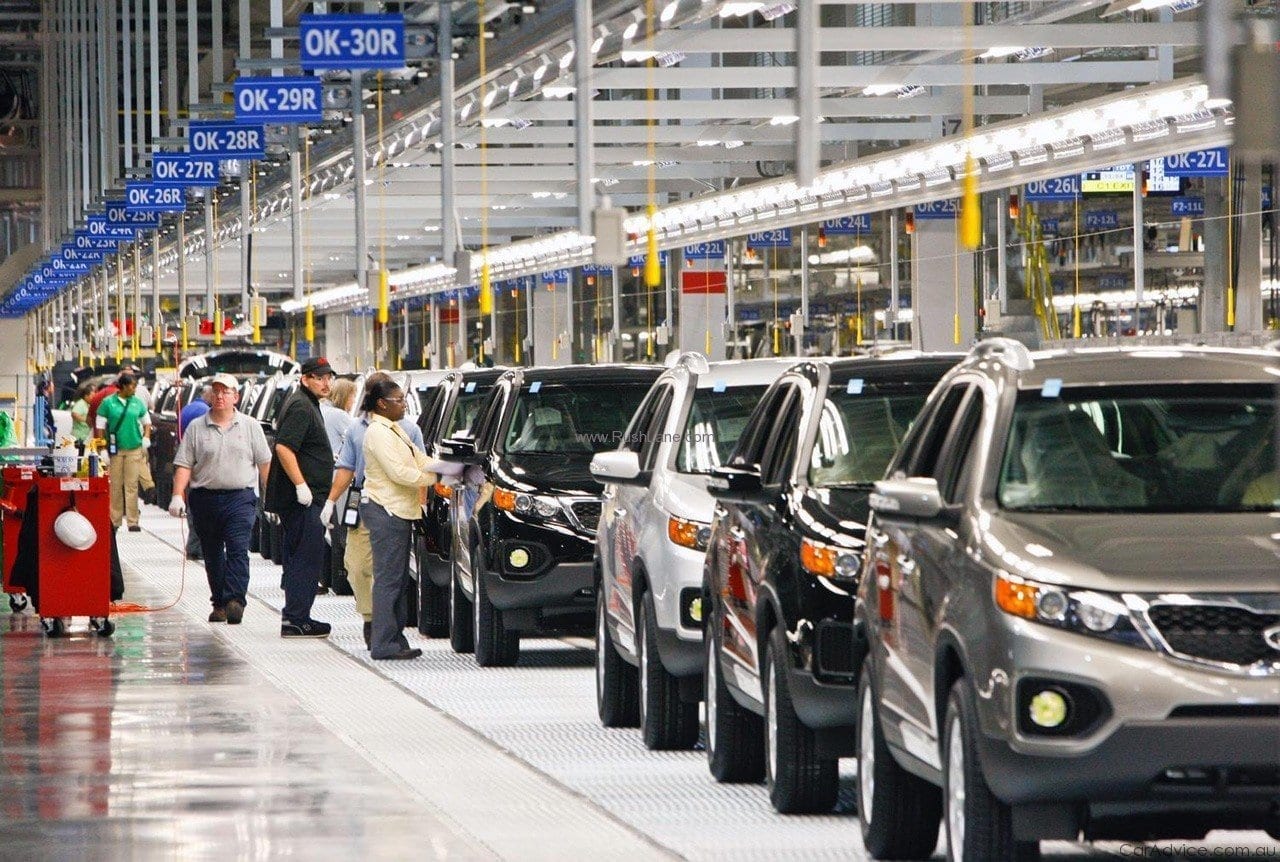
    Hyundai Motor, Korea’s largest carmaker by sales, said Wednesday its December sales rose 0.4 percent from a year earlier on weak overseas demand. Hyundai sold 410,326 vehicles last month, up from 408,637 units a year earlier, the company said in a statement. Domestic sales jumped 22 percent to 64,835 units last month from 53,361 a year ago. Overseas sales fell 2.8 percent to 345,491 from 355,276 during the same period, the carmaker said.

    The slowing global economy and lower vehicle demand from China and the United States, the world’s two biggest auto markets, restricted monthly sales results, it said.

    To boost sales, Hyundai launched the all-new Santa Fe SUV and the face-lifted Tucson SUV in the United States and other markets last year. But the SUV models did not greatly boost overall demand for the carmaker.

    For all of 2018, sales gained 1.8 percent to 4.59 million autos from 4.51 million units a year earlier.

    Kia Motors said its December sales rose 6.3 percent from a year earlier on improved overseas demand for its vehicles.

    Kia sold a total of 241,199 vehicles in December, up from 226,875 units a year ago. Domestic sales fell 13 percent to 42,200 from 46,502 during the same period, while overseas sales rose 10 percent to 198,999 from 180,373, the company said in a statement.

    For all of 2018, sales gained 2.4 percent to 2.81 million units from 2.75 million in the year-ago period, it said.

    GM Korea, the Korean unit of General Motors, said its December sales fell 6.7 percent from a year earlier due to weak demand for its models.

    GM Korea sold 42,424 vehicles in December, down from 45,466 units a year earlier, the company said in a statement.

    Domestic sales declined 12 percent to 10,428 units last month from 11,852 a year ago. Exports were down 4.8 percent to 31,996 from 33,614 during the same period, it said.

    For all of 2018, sales dropped 12 percent to 462,871 autos from 524,547 a year earlier, the statement said.

    To revive sales, the carmaker plans to introduce 15 vehicles into the local market over the next five years. It launched the U.S.-made Equinox SUV and the upgraded Chevy Spark minicar last year.

    The Traverse SUV will be the next model to be added to its lineup.

    Renault Samsung Motors’ December sales plunged 30 percent from a year earlier on weaker overseas demand for its vehicles.

    Renault Samsung sold 18,462 vehicles in December, down from 26,515 units the previous year, the company said in a statement.

    Domestic sales rose 8.6 percent to 10,805 units last month from 9,953 units a year ago. But exports nosedived 54 percent to 7,657 autos from 16,562 during the same period last year, the statement said.

    For the whole of 2018, sales dropped 18 percent on year to 227,577 from 276,808, it said.

    The company’s current lineup includes the SM3 compact, the all-electric SM3 Z.E. sedan, the QM3 small SUV, and the SM5, SM6 and SM7 sedans.

    France’s Renault S.A. has an 80 percent stake in Renault Samsung

    SsangYong Motor sales fell 0.2 percent last month from a year earlier on weak exports.

    SsangYong Motor sold 14,177 vehicles in December, down from 14,208 units a year earlier, due to weak overseas demand for its vehicles, the company said in a statement.

    Domestic sales edged up 0.1 percent to 10,656 units in December from 10,647 a year earlier. But exports backtracked 1.1 percent to 3,521 units from 3,561 during the same period, it said.

    For the whole of 2018, the maker of the flagship G4 Rexton and compact Tivoli SUVs sold a combined 141,995 vehicles, down 1.2 percent from 143,685 a year earlier, the company said.

    Indian carmaker Mahindra & Mahindra owns a 72.85 percent stake in SsangYong Motor.

  • Apple sales plummet in Greater China

    Apple sales plummet in Greater China

    “In fact, most of our revenue shortfall to our guidance, and over 100 per cent of our year-over-year worldwide revenue decline, occurred in Greater China across iPhone, Mac and iPad,” he said.

    The Apple sales decline in China, Hong Kong and Taiwan would most likely exceed $4.3 billion, roughly equal to the company’s overall drop in revenue.

    Previously, Apple had forecast revenue of between $89 billion and $93 billion. Now it expects the figure will be closer to $84 billion, but notes final figures will not be calculated for several weeks.

    Cook said the rising tension between the US and China played a part in the declining sales, with traffic to Apple stores in the region declining as the quarter progressed. This, in turn, led to lower than expected iPhone revenue in the region, which was compounded by the stalling iPhone upgrades seen in other markets.

    “We believe there are other factors broadly impacting our iPhone performance, including consumers adapting to a world with fewer carrier subsidies, US dollar strength-related price increases, and some consumers taking advantage of significantly reduced pricing for iPhone battery replacements,” Cook explained.

    In response to these trends, the business is seeking to make it easier to trade in used iPhones at Apple stores, as well as allow payments to be made over a longer period.

    “This is not only great for the environment, it is great for the customer, as their existing phone acts as a subsidy for their new phone,” Cook said.

    Despite the slowing traffic, Apple’s other categories grew over the period, with the company’s wearables category growing by almost 50 per cent due to the popularity of Apple Watch and AirPods.

  • Kathmandu Australia drops expectations after slow holiday sales

    Kathmandu Australia drops expectations after slow holiday sales

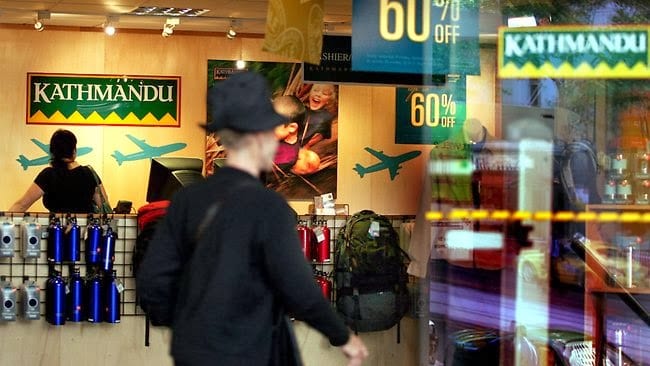
    Outdoor retailer Kathmandu has seen sales fall over the first 15 weeks of the 2019 fiscal year after sales during the December Summer Sale failed to reach expectations, deflating the retailer’s projections for 1H2019. Same store sales for the 22 weeks ending 30 December fell 1 per cent year on year, falling 0.2 per cent in Australia and 2.4 per cent in New Zealand.

    “Following strong same store sales growth in Q1, we are disappointed in trading results in Australia and New Zealand over the Christmas and Boxing Day period,” Kathmandu chief executive Xavier Simonet said.

    “Despite sales being below expectation it is pleasing to see the improvement in retail gross margin and continuing strong growth from the recently acquired Oboz business.”

    Gross margin improved to roughly 64 per cent over the period, partially offsetting the lower than expected sales to date for the 2019 year.

    First half sales in US footwear brand Oboz are now projected to grow 35 per cent to approximately $23.5 million (NZ$27.5 million), and see a gross margin of 40 per cent.

    Total group profits are expected to reach approximately 4 – 8 per cent above 1H2018, assuming current trends continue.

  • Korea e-commerce hits high of 10.62 trillion won in November

    Korea e-commerce hits high of 10.62 trillion won in November

    The total value of online shopping in Korea reached a record high in November, government data showed Wednesday, in the latest sign that a growing number of Koreans are using computers or mobile devices to buy things ranging from clothes to electronic goods. Total online transactions reached 10.62 trillion won ($9.5 billion) in November, up 22.1 percent from a year earlier, according to the data compiled by Statistics Korea.

    The reading marked the highest amount since January 2001 when the statistics office started collecting data on online shopping.

    Sales of electronic goods and computers rose 22.7 percent on year to 1.68 trillion won, and demand for clothes jumped 10.4 percent to 1.45 trillion won in November, while online sales of food and beverages surged 32.3 percent to 911.4 billion won.

    Purchases made through smartphones, tablets and other mobile gadgets soared 28 percent on year to a record 6.59 trillion won, accounting for 62.1 percent of all online sales in November.

    Korea is one of the most wired countries in the world, with one of the highest smartphone penetration rates.

    The number of smartphones in Korea came to 50.5 million as of October, compared with 48.3 million a year earlier, according to separate government data.

  • GM Korea to cut prices after disappointing sales

    GM Korea to cut prices after disappointing sales

    GM Korea, the Korean unit of General Motors, said Tuesday it has cut the prices of mainstay models in an effort to revive lackluster sales. Starting Tuesday, GM Korea revised the prices of its major models — such as the Impala sedan, Trax, and Equinox sport-utility vehicles — by up to 3 million won ($2,700). The company expects its “customer-focused pricing approach” to strengthen the position of those key Chevrolet vehicles in the Korean market, Cesar Toledo, vice president in charge of sales, customer care and aftersales at GM Korea, said in a statement.

    “Winning more customers, growing market share and sustaining trust in our brand are all crucial ingredients in building a sustainable GM Korea for the long term,” he said.

    GM Korea struggled with weak sales in Korea due to a lack of new models and labor-management disputes over jobs last year.
    In the January-November period, GM Korea’s sales fell 12 percent to 420,447 vehicles from 479,058 a year earlier. Sales figures for December are set to be released today.

    To drive up sales, the carmaker plans to introduce 15 vehicles into the local market over the next five years. It has launched the U.S.-made Equinox and the upgraded Chevy Spark since June. The Traverse SUV will be the next model to be added to its lineup.

    GM holds a 77 percent stake in GM Korea, with the state-run Korea Development Bank and SAIC Motor controlling 17 percent and 6 percent, respectively.

  • Japanese cosmetics surges in export number

    Japanese cosmetics surges in export number

    Japan’s cosmetics exports are on track to surpass 500 billion yen ($4.53 billion) for the first time in 2018, marking a sixth consecutive record year, thanks to Asian tourists who continue to buy these products after returning home. Exports in the January-November period grew 44% on the year to 482.8 billion yen, according to a tally of 16 types of cosmetics compiled from trade data by Nikkei. Demand for gifts tends to boost exports in December, and with major cosmetics makers’ plants running at high capacities, the full-year figure is expected to reach around 520 billion yen.

    Mainland China was the top buyer from January through November, accounting for 34.9% of exports by value, followed by Hong Kong at 25.9%, South Korea at 10.3%, Taiwan at 7.3% and Singapore at 7.3%. Asia accounted for 90% of the total.

    Japan’s cosmetics exports have tripled in the last four years along with a rise in visitors to Japan. Exports exceeded imports for the first time in 2016 as inbound tourism creates new customers for high-quality Japanese goods who continue to buy them online or in stores upon returning home.

    Cosmetics exports are likely to keep climbing in 2019. China will implement in January its first e-commerce law, which will require domestic online platforms to register with the government. With the crackdown on illegal marketing, direct exports of Japanese cosmetics are expected to increase as smaller Chinese retailers that sell goods procured directly from shops in Japan decline.

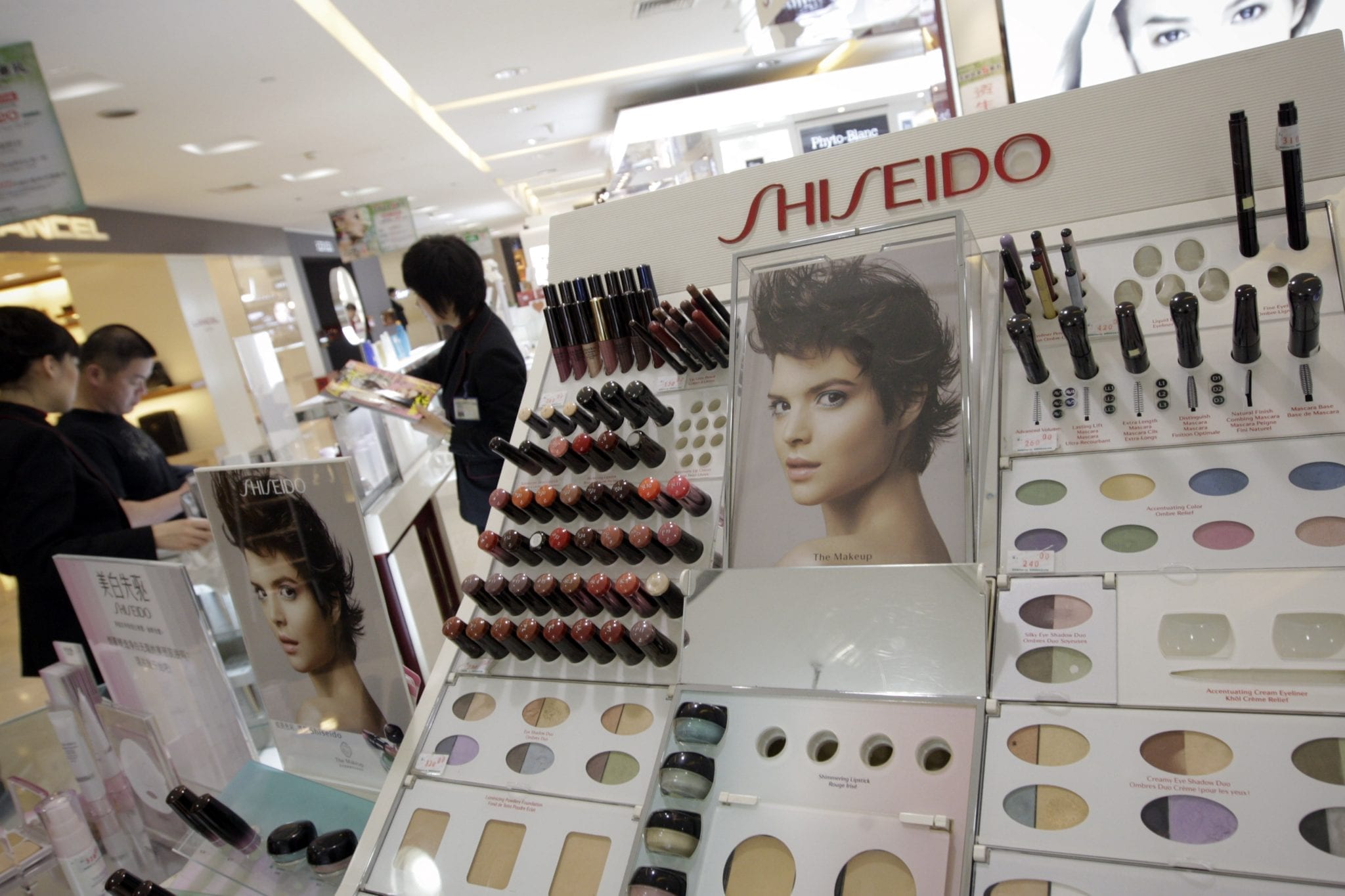
    Top cosmetics makers are also actively expanding their sales. Shiseido plans to begin in 2019 officially selling new products in China from its namesake mainstay brand, which launched worldwide this fall. The company will open a facility for collaboration with Alibaba Group in Hangzhou from January and jointly develop products with the Chinese e-commerce empire.

    Kao plans to double the number of stores in China carrying its popular Freeplus skin care brand to more than 2,000 by 2020. It will also cultivate sales for its makeup brand Kate, which launched a Chinese marketing campaign in December. Kose is accelerating the online sales campaign it began in China this autumn for its luxury brand Decorte.

    Japanese cosmetics makers are increasing the capacity of domestic plants to meet the surging export demand. Shiseido plans to bring a new domestic factory online in 2019 for the first time in 36 years, in Tochigi Prefecture, to produce more items like skin care products. It will also begin operations at a new facility in Osaka Prefecture in 2020.

    Kao will roughly double production for its Freeplus brand from 2017 levels, too, by investing in its main factory in Kanagawa Prefecture. Boosting domestic production is likely to encourage exports further by increasing supplies of “made-in-Japan” cosmetics.

  • 2Bme launches new store in Acropolis Mall India

    2Bme launches new store in Acropolis Mall India

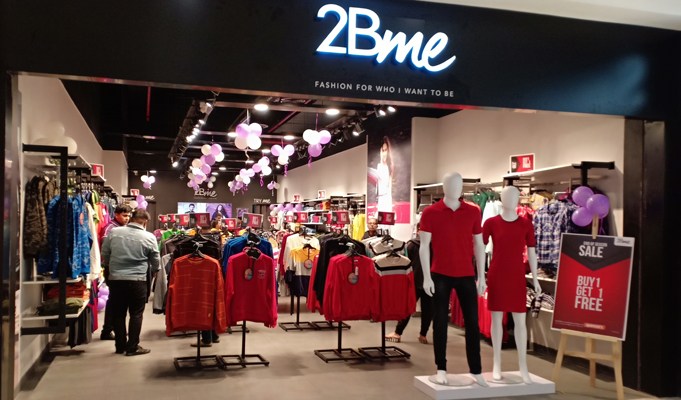
    2Bme, the private label apparel line from RP-Sanjiv GoenkaGroup, recently launched their second exclusive brand outlet at Acropolis Mall, Kolkata. The 2000 sq. ft. store on 2nd floor at Acropolis Mall, Kolkata is the latest addition to the retail network of 2Bme after the launch of the first EBO in Quest Mall last year.

    The store showcases an exclusive western casual clothing line from 2Bme embodying the brand’s vision of providing ‘contemporary fashion for your every day needs’.

    On the occasion of the store expansion, a 2Bme spokesperson said, “We will look at opening 10-12 EBOs of 2Bme in prime malls of Kolkata, Delhi-NCR and Hyderabad. Recently we also signed on Ranbir Kapoor and Shraddha Kapoor as brand ambassadors and this  is helping us create an exclusive entity for our brand.”

    Store Design, TG & Future Plans

    With a minimalist yet chic design, the EBO has a contemporary
    look and feel giving a comfortable shopping experience each time a customer walks in.

    Targeted at the age group of 22-35, the brand has everyday casual wear in a very affordable price range between Rs. 499 – Rs. 1,999. The store offers a huge collection of western clothing line including – tops, graphic t-shirts, dresses, trousers, denims, shorts, joggers, and light weight sweaters for both men and women.

    “2Bme has around 15,000 styles and we have sold more than 3 million pieces so far. The brand has already crossed the mark of
    Rs 100 crore within one-and-a-half-years of its launch and it is likely to garner a turnover of Rs 300 crore in next three-four years,” the spokesperson said.

    At a later stage 2Bme will be also made available through large format MBO’s and e-commerce platforms.

  • CGS-CIMB sees strong vehicle sales in December, raises 2018 TIV growth forecast

    CGS-CIMB sees strong vehicle sales in December, raises 2018 TIV growth forecast

    CGS-CIMB expects vehicle sales to be stronger in December and has raised its 2018 total industry volume (TIV) growth forecast from 2.5% to 4% on the back of stronger-than-expected TIV year-to-date. “We expect stronger sales in December in view of year-end promotions and multiple new models that were recently launched. For example, Proton launched its first SUV, the X70 on Dec 12 and we learned that it has started delivery to showrooms. Proton has so far received encouraging bookings of over 12,000 units since the end of November,” it said in its sector note today.

    On Wednesday, the Malaysian Automotive Association (MAA) announced that TIV grew 2.1% month-on-month to 48,282 units in November due to higher passenger vehicles (PV) sold. Perodua and Mazda recorded 8% and 14% month-on-month growth respectively.

    For the 11 months ended November, TIV rose 5.5% year-on-year to 550,526 units due to stronger PV and commercial vehicles (CV) demand on the back of the tax holiday period. PV and CV recorded healthy 5% and 8% year-on-year sales growth respectively during the period.

    For 2019, it expects resilient sales in PV on the back of new model launches in the passenger car and SUV segments from Perodua, Proton, Honda and Toyota but overall, TIV delivery is expected to be flat next year.

    “We project a 10% sector net profit growth in 2019, driven by positive earnings growth from all companies, led by Sime Darby. However, we see downside risk to earnings from the depreciation in ringgit versus US dollar and Japanese yen, as this will increase the distributors’ costs of imported complete knocked-down kits and complete built units,” it said.

    Bermaz Auto Bhd (BAuto) is CGS-CIMB’s top pick, in view of the company’s undemanding valuation, attractive yield and proxy to export sales growth. It has an “add” rating on the stock with a target price of RM2.65.

    “We expect BAuto to deliver robust sales volume in FY19-20, driven by the popular Mazda CX-5 and upcoming new model launches of Mazda 3 and CX-8,” it added.

  • H&M sales surges, with notes

    H&M sales surges, with notes

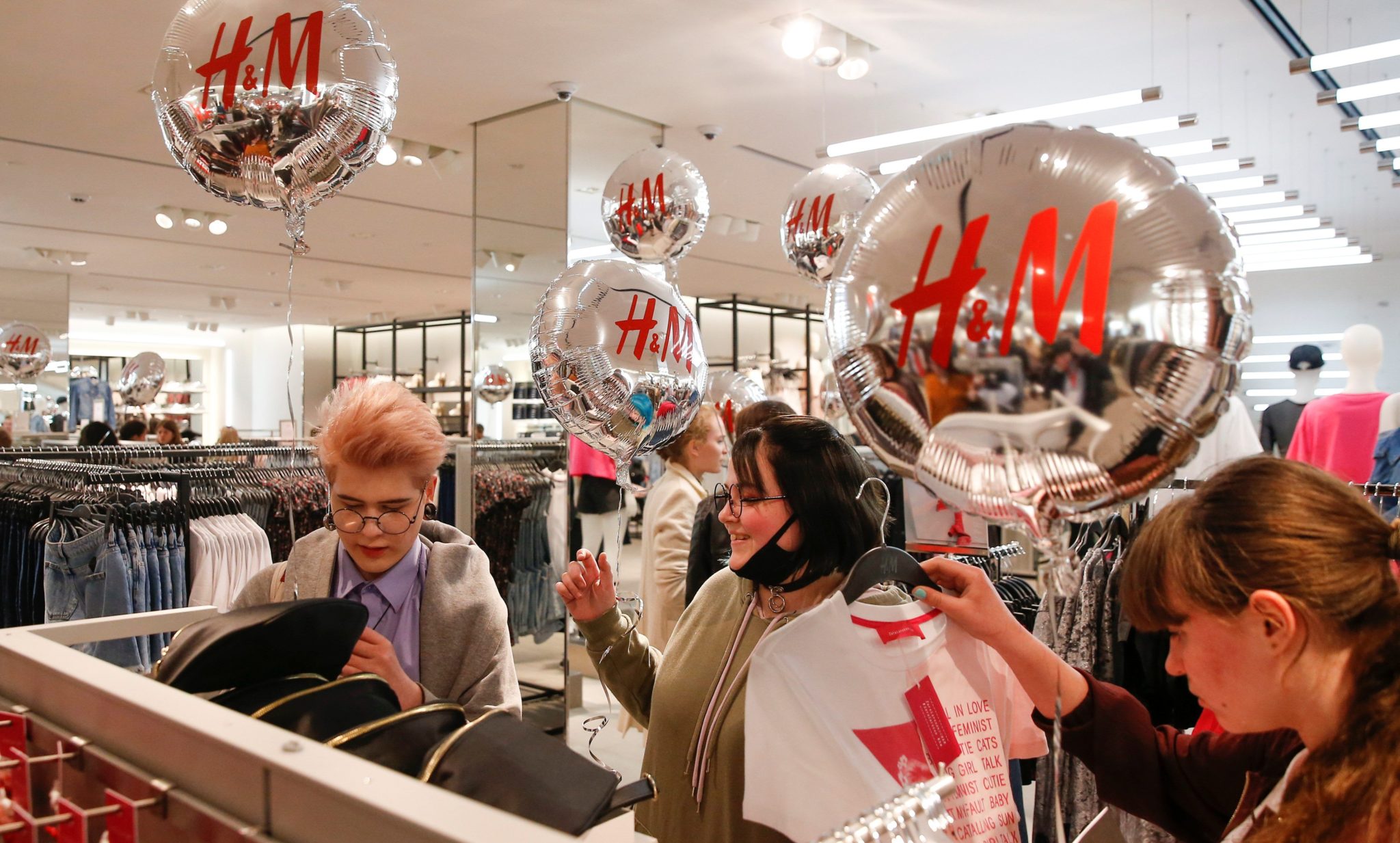
    H&M sales grew by the fastest rate in three years during the latest quarter – but analysts suspect it is due to discounting of inventory and favourable currency swings. According to a stock exchange filing, H&M revenue rose 12 per cent to 56.4 billion krona (S$6.23 billion) in the November quarter.

    But the fast-fashion retailer has been battling to move a huge inventory, estimated in March as worth a staggering $4.3 billion.

    This week’s filing covered only sales, with full details of H&M’s trading performance set to be revealed on January 31.

    Some analysts have described it as “possible” the sales growth was not profitable given sweaters have been selling for as little as $10 in recent months.

  • Cath Kidston Japan surges but not enough

    Cath Kidston Japan surges but not enough

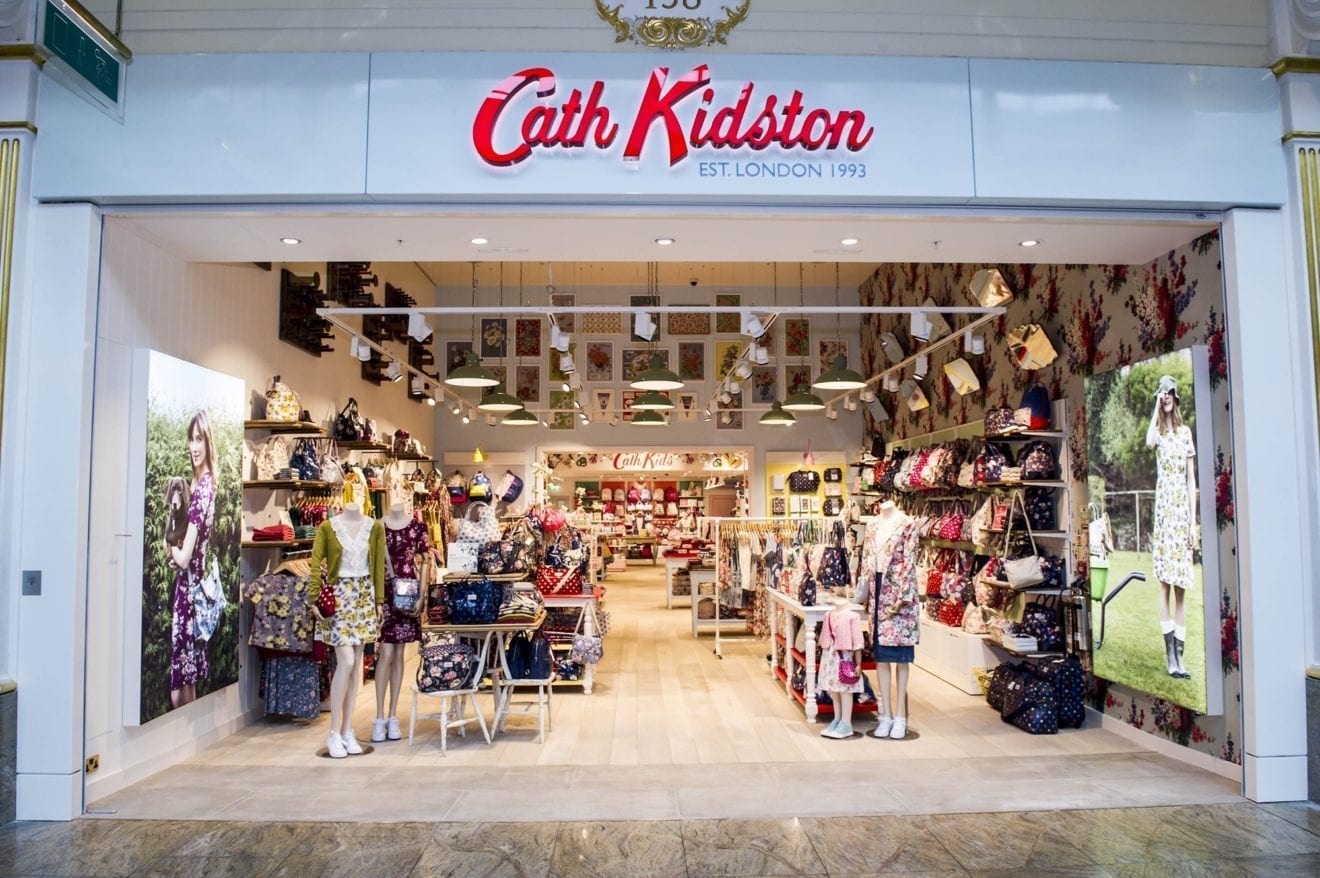
    Cath Kidston Japan sales outperformed every other market in the year to March, but not enough to stem losses by the UK-based company. Sales in Japan rose by 5.4 per cent after a net four new stores took the brand’s network there to 32. Ten more Cath Kidston Japan stores are planned there next year.

    In China, Cath Kidston also performed well, aided by a new franchise deal which will see 50 shops opened over the next five years.

    “The brand clearly continues to resonate with our loyal customer base, particularly in the UK and Asia,” said CEO Melinda Paraie.

    “During the period the group continued to grow top-line sales, despite significant headwinds in some of the markets in which we operate,” she said.

    “We are particularly pleased with the significant growth in ecommerce sales in both Japan and the UK, where a strong performance on Black Friday contributed to our best-ever week online.”

    Despite the positive Asian results, Cath Kidston’s loss rose from £8.4 million in the 2017 financial year to £10.5 million this year. Paraie blamed “increased cost pressures from the weaker sterling” since the Brexit vote for the result. Worldwide sales rose 1.2 per cent to £130.7 million, with UK sales up by 5.1 per cent.