Tag: samsung

  • KT taps Samsung to expand PS-LTE coverage in South Korea

    KT taps Samsung to expand PS-LTE coverage in South Korea

    Samsung has signed an agreement with KT to help expand the telco’s public safety LTE (PS-LTE) network in South Korea, the vendor announced.

    The expansion deal will see Samsung provide KT with LTE network solutions based on 3GPP Release 13 in 10 major metropolitan regions in South Korea including Seoul by 2020.

    The expanded deal will also see the pair deliver what they say is the world’s first narrowband Internet of Things (NB-IoT) service over the PS-LTE network to help prevent and respond to natural disasters such as fires and people stranded in remote, mountainous areas.

    In addition to LTE radio base stations that support 700-MHz, Samsung is providing KT with a virtualized core and features such as MCPTT solutions, RAN sharing, evolved Multimedia Broadcast Multicast Service (eMBMS), Isolated eUTRAN Operation for Public Safety (IOPS), and device to device (D2D) network solutions.

    For instance, D2D allows direct and undisrupted communications between any two devices without traversing radio base stations or core networks, even in areas where bases stations are not provided.

    Samsung said D2D and NB-IoT technologies will play crucial roles in public safety network by ensuring stable, seamless, and reliable network in unfavorable environments.

    “By acquiring innovative wireless communications from Samsung, we are able to aid in life-threatening situations where data traffic is severely congested or connection is completely out of reach,” said Yoon-Young Park, senior executive vice president and head of enterprise business group at KT. “These first-of their-kind networks help responders connect with those in need.”

    KT and Samsung have been collaborated since 2016. The pair deployed the first PS-LTE network in 2016 throughout Gangwon (Pyeongchang) province of South Korea.

    In 2017, the companies delivered LTE-railway service on a high-speed train traveling at up to 250 km/hour (155 mph) using MCPTT solutions.

    The two companies are now aiming to expand the PS-LTE network further into the metropolitan areas around the country, including Seoul, Gyeonggi, Gangwon, Jeolla, Gyeongbuk and Chungnam provinces.

    South Korea’s three major carriers-KT, SK Telecom and LG Uplus- launched full-fledged commercial 5G services in early April and racked up over 260,000 5G subscribers that month.
  • Samsung Galaxy Note 10 Going back to a Curvy Display

    Samsung Galaxy Note 10 Going back to a Curvy Display

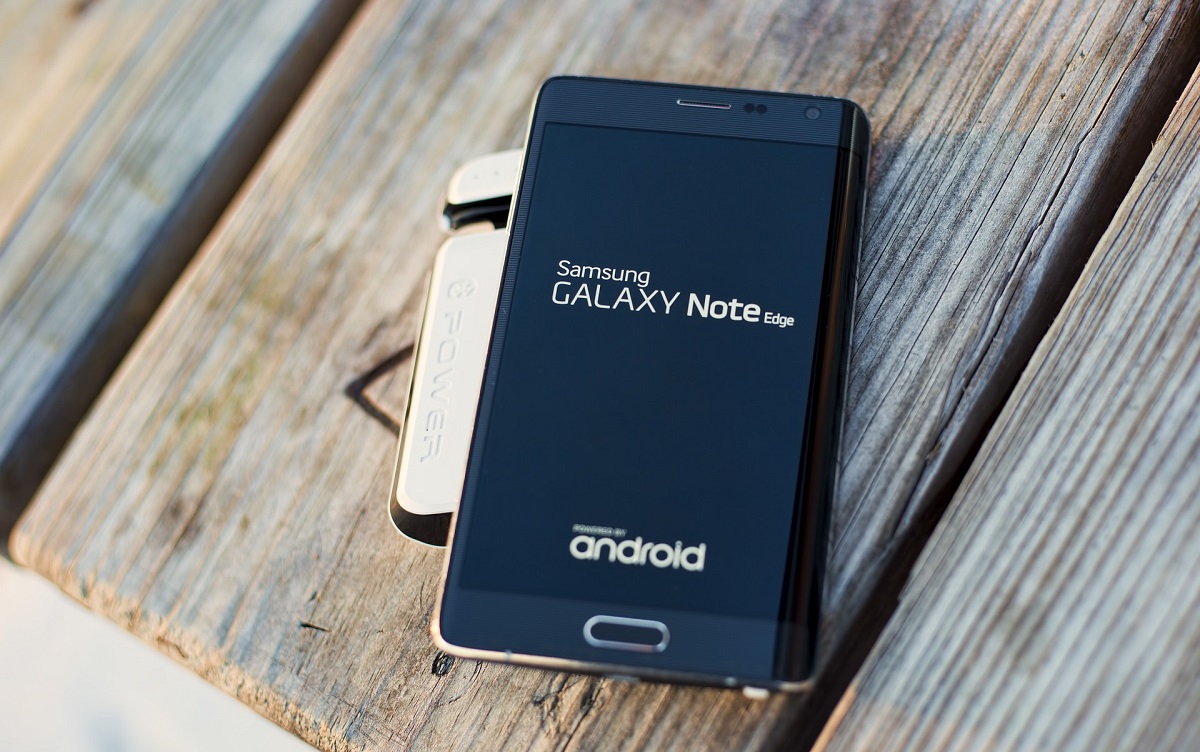
    Ever since the debut of the Galaxy Note Edge, curved displays have been a trademark of Samsung flagship phones. And although in recent years the company seemed to be moving away from the extreme slanted edges of the aforementioned model and some of its successors, the upcoming Galaxy Note 10 may actually draw inspiration from Samsung’s older designs.

    The Samsung Galaxy Note 9 and Galaxy S10 and S10+ have very subtly curved displays that serve mostly to accentuate the extremely thin side bezels and as an excuse for the Edge Screen to exist. With the initial “wow” factor of the curved design gone, it made sense for Samsung to dial back the exaggerated contours in favor of a more restrained look.

    All that said, according to resourceful leakster @UniverseIce, the Samsung Galaxy Note 10 may flaunt a “more aggressively curved display than the Note 7.” The unfortunate Galaxy Note 7 didn’t have an extremely curved screen, at least when compared to some older designs, so it would be interesting to see what the Samsung does with the Note 10. If the company is going back to displays with more pronounced curved edges, we’re hoping that it does so with a clear idea of how to enrich the user experience. When the Galaxy Note Edge launched, its slanted screen was certainly new and different from anything else on the market, but the company itself later proved that the functional aspects of the Edge display can be successfully replicated on more subtly curved designs.

    Another interesting remark that Ice Universe makes is that “more than one brand” will follow Samsung’s example and launch a device with a “more aggressively curved display.” This trend didn’t really take off in the past, but if the Note 10 does, indeed, do something very creative or convenient with this rumored design, then more companies may follow suit. We’ve been hearing rumors the OnePlus 7 may have a curved screen, though they are conflicting.

    Earlier this year, we envisioned what the Samsung Galaxy Note 10 may look like, based on rumors and preliminary information. We suggested that the Note 10 might have a hole-punch selfie camera, akin to that of the Galaxy S10+. However, Ice Universe later told us that he expects the Note 10 to have a smaller camera opening than the Galaxy S10. He didn’t specify whether that means a single front-facing camera or just a smaller opening for the two lenses.

    Last month, Ice Universe tweeted: “Da Vinci is symmetrical.” This may seem cryptic at first, but since the Galaxy Note 10 is codenamed Da Vinci, this could be a hint that the phone’s front-facing camera may be centered, rather than offset like on the Galaxy S10. Many people wanted the S10 models to have centered selfie-cameras—if only for symmetry’s sake—and this may actually happen with the Note 10.

    What do you make of all this? Do you miss the more rounded screen edges that some Samsung phones had in the past, or are you just fine with the more subtle designs of the past couple of generations? What about the screen camera punch-hole? Centered or offset to the right? Yes, we know, you’d rather it disappeared for good, but that’s not happening this year, apparently. Tell us what you think in the comments below!

  • Samsung Brings inexpensive Galaxy Fit-e fitness trackers

    Samsung Brings inexpensive Galaxy Fit-e fitness trackers

    Unveiled back in February, the Galaxy Fit is likely get a cheaper brother, which hasn’t been officially introduced yet. Samsung was quite vague regarding the Galaxy Fit’s availability saying that Galaxy Fit-e will be launched in Q2 2019, and didn’t offer any details about pricing.

    However, we’ve just learned that the Galaxy Fit-e will be launched in the United States on May 21. Android Pit reports the fitness tracker has already been listed on Samsung Albania website with a price equivalent of just $35.

    The inexpensive Galaxy Fit-e sports a monochrome PMOLED display and a small 70mAh battery that should offer about one week of battery life. The fitness tracker is waterproof (5 ATM) and very light (15g).

    It comes with all the fitness and health specific features, including sleep and pulse tracking, notifications and exercises. Samsung Galaxy Fit-e will be available in three colors: black, white, and yellow.

    Apparently, Samsung Albania jumped the gun on the Galaxy Fit-e since no other Samsung website lists the fitness tracker yet. Also, take the information with a grain of salt until the South Korean company make the Galaxy Fit-e official.

  • Samsung to gather all Galaxy Fold units sent out to reporters

    Samsung to gather all Galaxy Fold units sent out to reporters

    Samsung’s first smartphone with a foldable display is writing history, no doubt about it. What will this segment of the tech industry archives say exactly, is still uncertain. It seems like every day we get a new development in the saga of the Galaxy Fold.

    First, reviewers around the world got Galaxy Fold units ahead of the launch, as is tradition, to give users insights about how the new device feels to use. The initial feedback was mostly positive. Reporters said that the hinge mechanism is durable and satisfying to use and the crease in the display is barely visible when handling the device. That raised hopes among consumers that the Galaxy Fold is more than a prototype that Samsung has decided to sell to a few customers.

    But that joy was short-lived, at least for some of the testers. Pictures of damaged displays started showing up on Twitter and while some were caused by the users which mistakenly tried to peel a layer of the display, others were of no fault of the person handling the Galaxy Fold.

    Samsung has handled the situation as best as possible. Damaged units were replaced almost immediately, but now the company is going even further. Yesterday, Samsung announced that it is postponing the release of the Galaxy Fold to give itself time to investigate the various issues the device had and hopefully come up with ways to prevent them.

    Naturally, in order to investigate, Samsung needs to get said units. The move is already underway. Sources familiar with the situation have said that Samsung is going to retrieve all units that it sent out to reviewers in order to take a thorough look at them. So far, none of the reviewers with working units has mentioned that they’ve had to part ways with their Galaxy Fold.

    As soon as the Galaxy Fold was announced and the tech behind its foldable display was explained, concerns were raised about its durability. In order for the display to be able to bend, Samsung had to ditch the battle proven Gorilla Glass and go for something softer, in this case, plastic. The Galaxy Fold’s in-folding design provides some protection for the large inner display, but there are a couple of caveats that have proven to be a weakness for the device.

    One is the small gap that’s left between the two panels when the phone is closed. While it’s not a large one, it’s enough to get random small objects that might be lurking in your pocket stuck in the fold of the display, causing scratches or potentially even damaging the OLED panel under the protective plastic.

    The other is the area between the hinge and the display, which also appears to be a lucrative spot for unwanted debris to sneak into. Then once you unfold the display whatever is stuck under it starts putting pressure on the display matrix and can easily damage it, which was the case with one of the devices sent to reporters.

    Now all that’s left to see is how long the launch of the Galaxy Fold will be delayed and what changes Samsung is going to make. With units initially expected to start shipping around April 26, it’s obvious that a large number are already manufactured and waiting in storage somewhere. Making any design changes at this point will be a costly and slow process. On the other hand, Samsung can’t afford to send devices that might break within a week to customers that are paying $2000 for them. We’ll see how this situation unfolds (pun intended) as it might be one of the most difficult things Samsung has had to deal with since the Note 7 fiasco.

  • The Huawei Mate X won’t be Delayed

    The Huawei Mate X won’t be Delayed

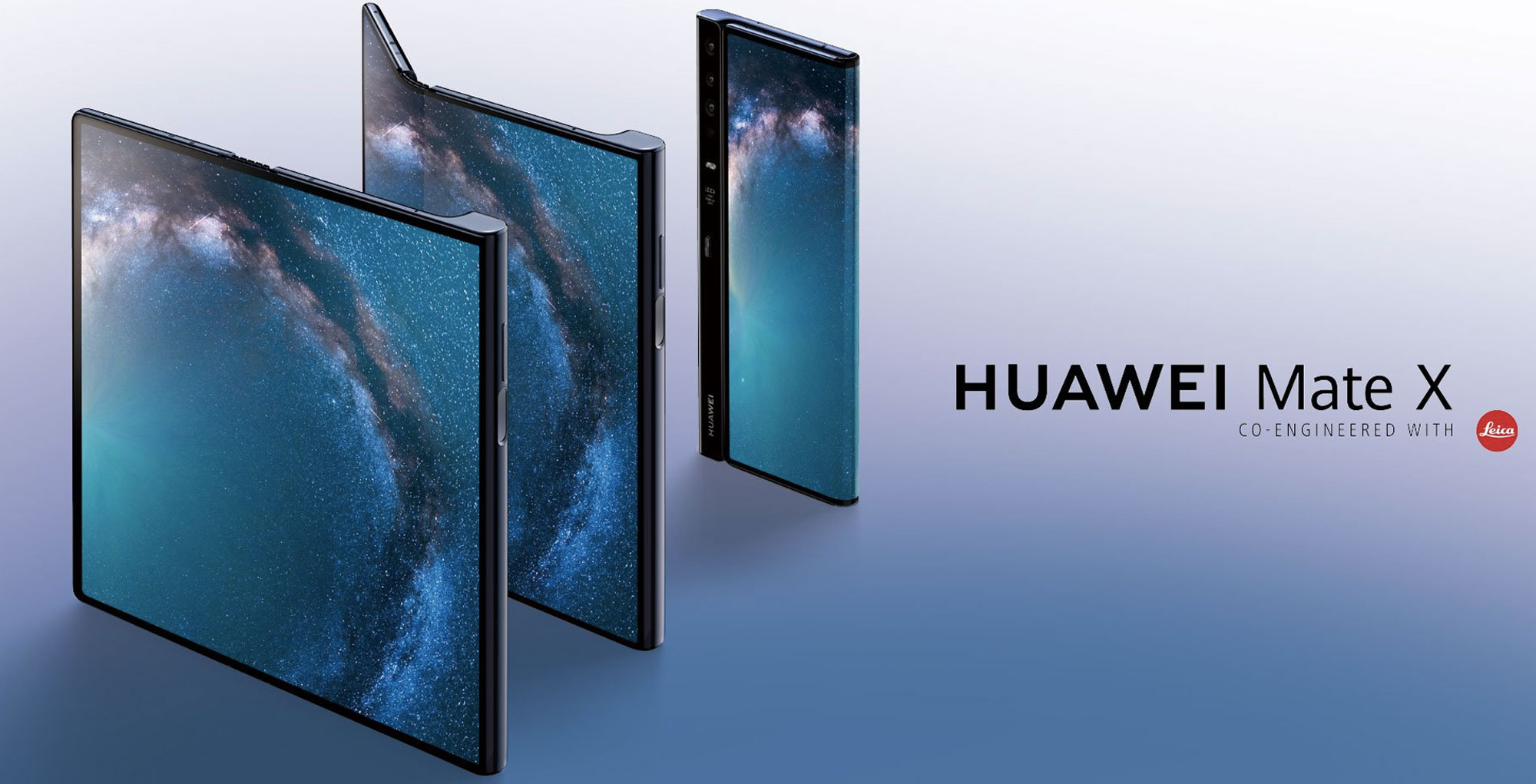
    The Samsung Galaxy Fold has been delayed indefinitely following a number of display issues, but it seems as though the Huawei Mate X is still on track for a release in June.

    Following Samsung’s announcement yesterday, rumors began floating around about a potential Huawei Mate X delay until September in order to iron out any issues and ensure a high level of durability, but today sources within the Chinese company have confirmed to Phoenix Technology that reports suggesting this are false and simply rumors. They went on to state that the company’s foldable flagship will be made available to purchase in June, as previously announced.

    The Huawei Mate X’s design did raise some durability questions when first unveiled. After all, it leaves the flexible OLED panel exposed at all times, thus making the plastic coating on top more prone to scratching. Nevertheless, Huawei seems confident in its design and apparently sees no reason for a delay.

    Samsung’s Galaxy Fold, on the other hand, seemingly presented a much sleeker and studier design from the get-go. However, the South Korean giant’s initial findings suggest the “impact on the top and bottom exposed areas of the hinge” could be the cause of the display issues. In one instance, “substances found inside the device” also affected the performance of the display.

  • Huawei continues to close in on Samsung with impressive Sales Results

    Huawei continues to close in on Samsung with impressive Sales Results

    2018 has been something of a roller coaster for Huawei, the highly controversial telecommunications equipment vendor that also somehow managed to beat Apple for second place in global smartphone shipments for two consecutive quarters. Ultimately, the China-based tech giant ranked third overall in the mobile device market last year, selling however a colossal 206 million units or so around the world, up from “only” 153 million in 2017.

    While market research firms like Strategy Analytics and the International Data Corporation (IDC) are not yet ready to release their full Q1 2019 reports, Huawei has just confirmed another impressive new set of numbers that puts the company on track to substantially narrowing the gap to Samsung by the end of the year and possibly reaching its most ambitious goal yet in 2020.

    No less than 59 million Huawei smartphones were shipped between January and March 2019 worldwide, up a staggering 50 percent or so from the 39 million third-party estimate of Q1 2018. That should be enough to open a big gap between the Chinese company and Apple, since only around 52 million iPhones were sold globally during Q1 2018, a number most analysts expect to take a bit of a plunge when 2019’s first-quarter reports start rolling in.

    It will then be pretty much impossible for Apple to catch up to the market’s silver medalist, as iPhone shipments may need a couple more quarters to start recovering, while Huawei’s figures are expected to continue growing. In total, Huawei could sell anywhere between 250 and 260 million units in 2019, which probably won’t be enough to secure the company first place over Samsung, but it might hint at a new leader next year.

    Until then, we should point out Huawei’s substantial boost in Q1 smartphone volumes crucially contributed to overall revenues of close to $27 billion, representing a 39 percent year-on-year jump. Incredibly enough, the company reported massive growth for its carrier and enterprise business departments, as well as the consumer electronics group, expecting all three divisions to post double digit increases in revenue throughout 2019. That means both smartphone and 5G equipment sales are going well, despite strong opposition from the US government.

  • Could Samsung Internet actually be killing Chrome on mobile?

    Could Samsung Internet actually be killing Chrome on mobile?

    Chrome is the most popular Internet browser in the world. It’s cross-platform, it syncs effortlessly across devices, it’s fast and capable, and it comes with every Android handset, ready to rock. It’s so widely preferred by users that Android manufacturers kind of gave up on developing their own browsers and just release their phones with nothing but Chrome.

    Well, most of them.

    Through the years, Samsung has persisted and kept developing its Samsung Internet browser — an app that was once a laggy mess — and has managed to make a fast, powerful browser that supports a lot of useful plugins and works in unison with other elements across the One UI interface.

    We thought we’d ask you — do you prefer Samsung Internet over Chrome? And it turns out the result is almost 50/50! Not only that, some people report that they are on another Android phone, but make it a point to go to the Play Store and download the Samsung Internet browser.

  • Samsung Galaxy Studio creates Heartbeat Experience

    Samsung Galaxy Studio creates Heartbeat Experience

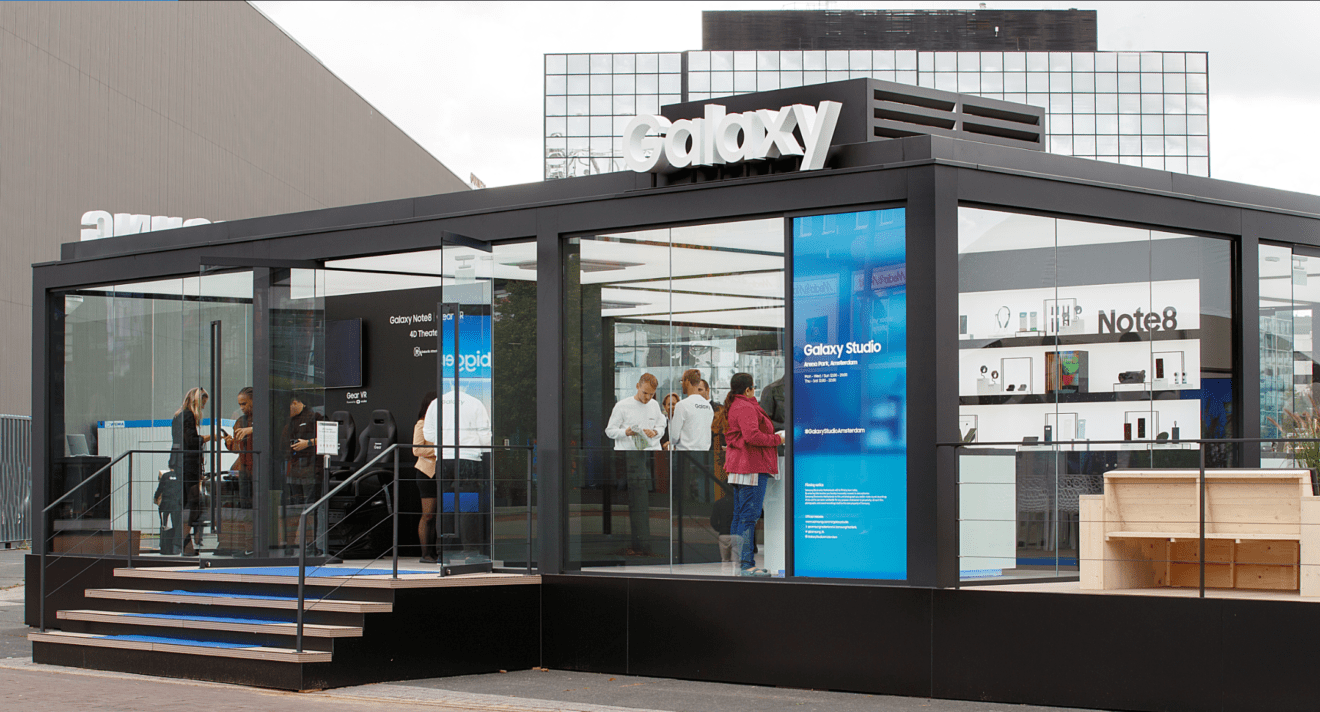
    Samsung Galaxy Studio pop up in Causeway Bay marks the Galaxy S series’ 10th anniversary smartphone.

    Interactive digital lights in the studio allowing participants to create visually stunning motion images responding to their own heart rates and eye images in order to demonstrate the quality of the latest Galaxy S10 phone camera.

    Every participant visiting the Samsung Galaxy Studio will be equipped with a Galaxy S10 smartphone to experience different zones, where they can personally try out the phone’s extensive functions. Participants will be awarded limited prizes upon completion.

    “Samsung has been upholding the belief of innovation for the past 10 years, bringing consumers an excellent smart mobile experience,” said Samsung Electronics HK MD Yiyin Zhao. “At the same time, we understand how Millennials crave for an all-new experience, so we opened the all-new Galaxy Studio in Causeway Bay, where fashionistas gather.”

    Visitors who register at the check-in counter to get a Galaxy S10 smartphone with the Galaxy Buddy app installed are then led through different experience zones. After completing an experience, participants receive a digital stamp through the Galaxy S10’s NFC tag function. Participants may redeem gifts after collecting four digital stamps, and are encouraged to upload their photos to their social media accounts.


  • Samsung sends out patch that improves the performance

    Samsung sends out patch that improves the performance

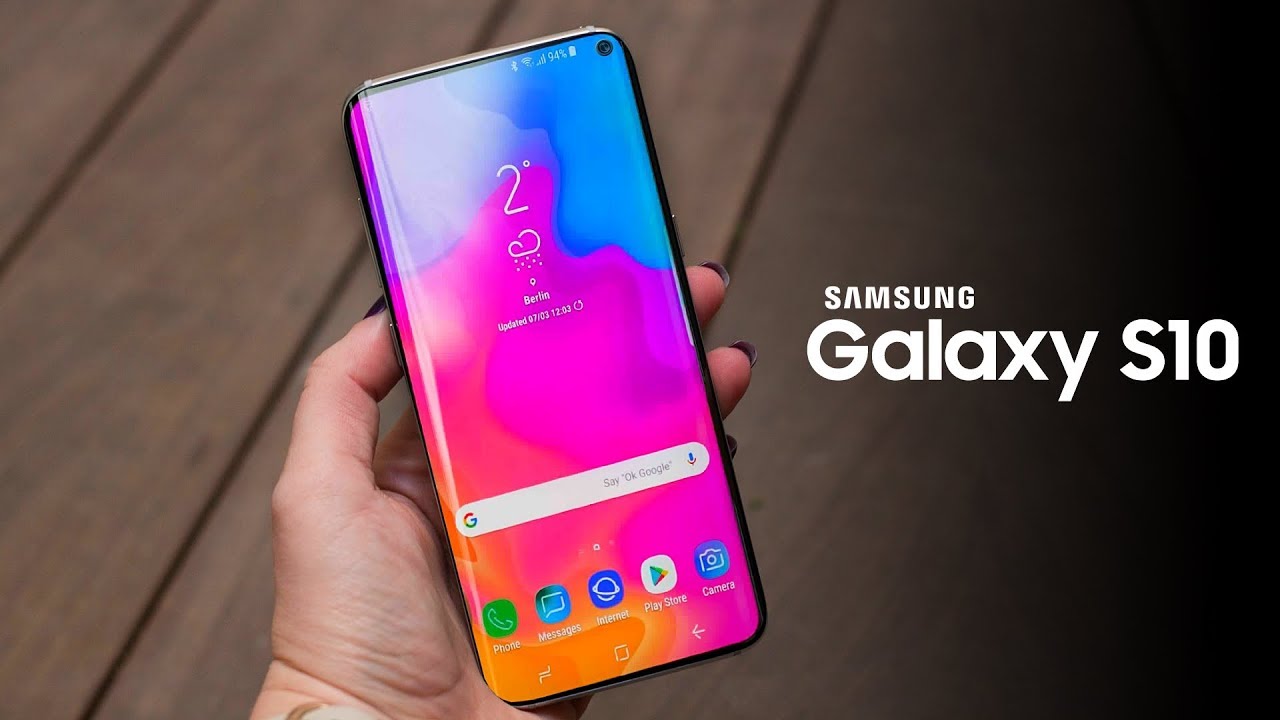
    Owners of the Samsung Galaxy S10 and Galaxy S10+ might have recently noticed an improvement to the in-display fingerprint scanner found on both devices. Reddit posters shared information recently about a 6.9MB update sent out to both models. The update is a biometrics security patch designed to improve the performance of the in-display ultrasonic fingerprint scanner used on the two handsets.

    Some of those who installed the update claim that the fingerprint scanner now works “instantly” to unlock their phone. Samsung didn’t include a changelog with the update, so we really don’t know how the fingerprint scanner has been improved. Those who do notice a difference say that they did not have to re-scan their fingers after the update was installed. However, if you load the update and don’t notice a change, you might want to consider rescanning your fingers.

    The Galaxy S10 and Galaxy S10+ both use an ultrasonic in-display fingerprint reader. This is a more accurate and faster technology than the capacitive readers used on most devices. The ultrasonic technology uses sound to produce a 3D map of a user’s fingerprints. As we pointed out last week, the ultrasonic fingerprint scanner on the Galaxy S10 and Galaxy S10+ can still be tricked into unlocking either phone. The capacitive readers feature circuits that capture unique information about a user’s fingerprint. The “more affordable” Samsung Galaxy S10e features a capacitive fingerprint scanner mounted on the right side of the device.

    Keep in mind that this is not a system update. Instead, it is an update to the fingerprint module in the Galaxy Store. There is no way to trigger it, so it is just a matter of being patient. Eventually, the notification will arrive to let you know that the update is ready to be installed.

  • Samsung’s new Galaxy Tab S5e and Galaxy Tab A 10.1 Nearly Arriving

    Samsung’s new Galaxy Tab S5e and Galaxy Tab A 10.1 Nearly Arriving

    Today was a pretty busy day for Samsung, but the world’s largest smartphone vendor is actually not done announcing new stuff, quickly following up the global introduction of the eye-catching Galaxy A80 and not-too-shabby Galaxy A70 handsets with some US-specific news on the tablet release front.

    No, it’s not already time for a high-end Galaxy Tab S5 with a Snapdragon 855 processor to take on Apple’s latest iPad Pro generation, as the Snapdragon 835-powered Tab S4 is still relatively fresh… and yet completely outdated. Instead, the mid-range Galaxy Tab S5e and Galaxy Tab A 10.1 (2019) that the company took the wraps off a good couple of months ago finally have official US availability details attached to their somewhat confusing names.

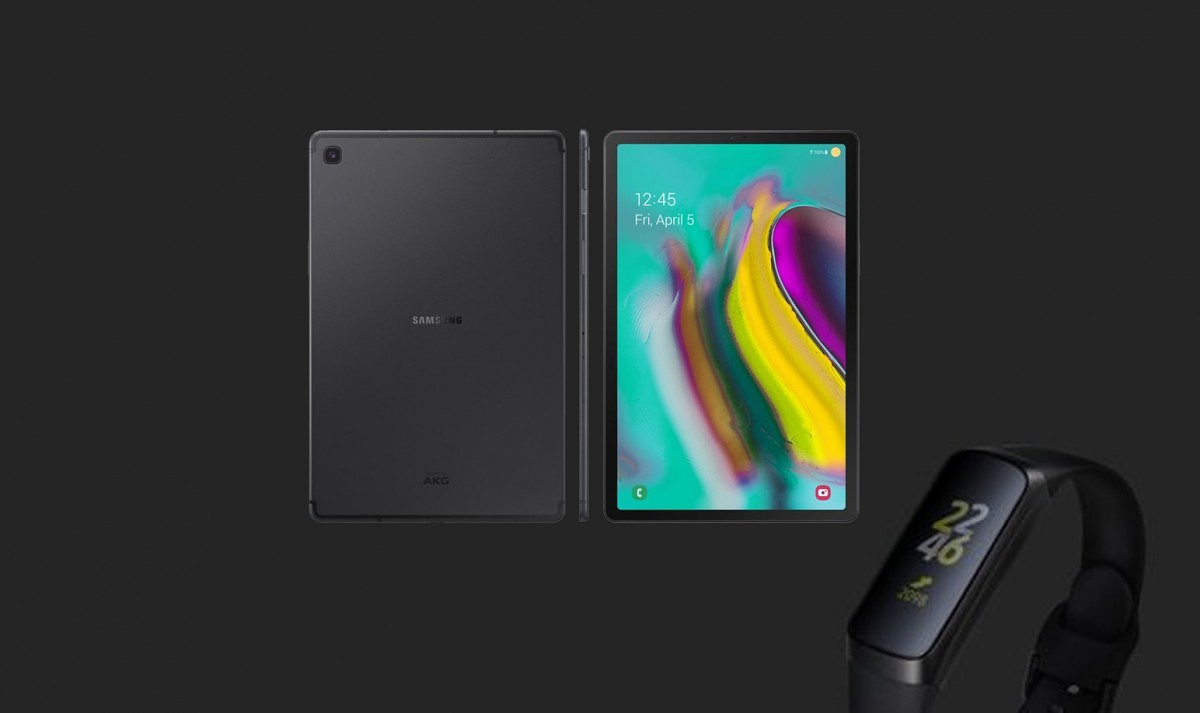
    Okay, perhaps this is not the iPad Pro killer Android enthusiasts have been eagerly expecting since the announcement of Apple’s first such tablet. But at a starting price of $399.99, the Samsung Galaxy Tab S5e does at least manage to substantially undercut both 2018 iPad Pro variants, as well as the $500 and up 2019 iPad Air. Believe it or not, Samsung’s brand-new 10.5-inch slate is thinner than all its three aforementioned iOS rivals, at an outright anorexic 5.5 mm.

    Despite that unbelievably slim profile and a lightweight 400-gram body, the Tab S5e packs a decent-sounding 7,040 mAh battery with fast charging support. That ticker is slightly smaller than the one squeezed inside the 7.1 mm “thick” Galaxy Tab S4, but it’s still rated at a respectable 15 hours of continuous running time.

    While it’s not entirely clear how much memory and storage you’ll be getting in exchange for your four Benjamins starting April 26, we’re guessing it’s 4 and 64 gigs respectively, with a 6/128GB configuration likely to cost a little more. Obviously, no other differences are to be expected between the two variants, which should both come with a 13MP rear and 8MP front camera, pre-installed Android 9.0 Pie software, quad AKG-tuned speakers, a USB 3.1 Type C port, and octa-core Snapdragon 670 processing power.

    The 10.5-inch Super AMOLED display is undoubtedly one of the highlights of this relatively affordable tablet’s list of features, sporting the same 2560 x 1600 resolution as the “premium” Galaxy Tab S4, which typically costs $530 and up. The beautiful screen is surrounded by similarly thin bezels, and the Galaxy Tab S5e even adds a fingerprint sensor into the equation that the Tab S4 is missing.<

    A range of optional accessories can seamlessly enhance the productivity of the 10.5-incher, including a book cover keyboard and POGO charging dock, although there are no words on prices for these. Pre-orders for the attractive tablet will kick off on Friday, April 12, rewarding early adopters with a free Samsung SmartThings Hub, normally available for around $70.

    Like the Tab S5e, the newest 10.1-inch edition of the budget-minded Galaxy Tab A is scheduled for a commercial US release on April 26. Naturally, the key selling point of the smaller, slower, and yes, uglier slate is a lower price, but at least at first glance, $229.99 doesn't feel low enough. That's because the Tab A 10.1 (2019) makes a huge number of major compromises compared to its higher-end cousin, starting with a lower-quality and lower-res 1920 x 1200 LCD panel.

    Despite being a whopping 70 grams heavier than the Galaxy Tab S5e, this thing packs a smaller 6,150 mAh battery, obviously paired with an inferior Exynos 7904 SoC. Meanwhile, your 230 bucks will probably buy you just 2 gigs of RAM and 32 of internal storage space, although 3/64 and 3/128GB versions are also coming, all equipped with microSD card slots for extra digital hoarding needs.

    The rear and front cameras are downgraded to 8 and 5MP sensors respectively, there are only two speakers on deck, and even the USB Type C port is of the slower 2.0 generation. On the bright side, the Tab A 10.1 also runs Android 9.0 out the box, while retaining the traditional headphone jack the Tab S5e is "courageously" leaving behind. The design is not bad for the sub-$300 price bracket either, including "minimal" bezels, sharp corners, but alas, no room for a fingerprint reader.

  • Samsung to launch four Galaxy Note 10 models

    Samsung to launch four Galaxy Note 10 models

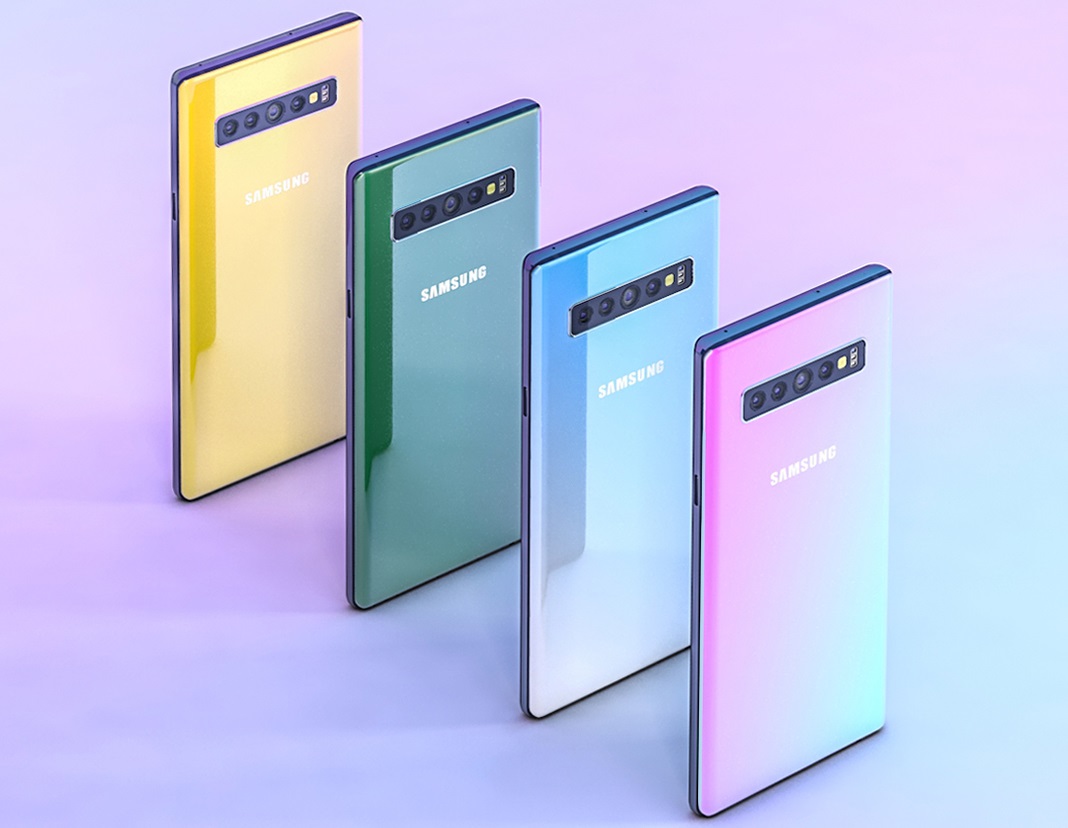
    Samsung has already outlined its strategy for its next lineup of flagships – Galaxy Note 10, and it involves a lot more than just two phablets. Our most recent report concerning the Galaxy Note 10 series claimed Samsung plans to launch two models in Q3 2019, temporarily dubbed Note 10e and Note 10+.

    The reason behind Samsung’s decision to launch a smaller Galaxy Note 10 this year is probably related to the success of the Galaxy S10e. Samsung has yet to disclose any Galaxy S10 sales numbers, but we do know the volume of the units shipped in the first day of availability was 120% of the Galaxy S9.

    Now, a new report coming from the South Korean media claims Samsung will launch not two, but four Galaxy Note 10 models. That’s because the smartphone giant doesn’t want to miss the 5G bandwagon and at least two Note 10 variants will include the new technology.

    Along with this piece of information, the report contains some details about the Galaxy Note 10 configurations and the reason Samsung has decided to come out with at least four models rather than just one or two.

    At least two different LTE models and with 5G support

    The first thing mentioned in the report is that the two LTE-only Galaxy Note 10 models will boast 6.28-inch and 6.75-inch displays. They are not mentioned by names, but they might as well refer to them as Note 10e and Note 10+. These “cheaper” Galaxy Note 10 smartphones will have triple and quad camera setups, but there are no details about the battery.

    A third Galaxy Note 10 model will feature 5G support and the specifications of the display and the rear camera “are almost the same as those of the LTE model,” sources familiar with Samsung’s plan claim.

    The fourth Galaxy Note 10 variant that isn’t mentioned in the report could be the smaller Note 10e that popped up early this month, which is rumored to sport a 6.4-inch display. Apparently, all Note 10 models will include larger than 6-inch displays and the Note 10e should be the smaller of them all.

    To summarize the latest rumors about Samsung’s upcoming Galaxy Note 10, the South Korean company plans to launch two or three LTE models and one 5G variant, which will only be available in those markets that already benefit from 5G network coverage.

    Based on these reports, it appears that Samsung will apply the same marketing strategy as it did with the Galaxy S10 lineup, but that’s quite unusual for the Note family. While Samsung’s Note series remain premium, we can’t help but wonder what many fans of the phablets will think when they will be give the option to choose from multiple Note 10 variants with less than stellar specs.

    Samsung Galaxy Note 10 availability and price

    The report outed by the South Korean media earlier today mentions that industry source claim Samsung plans to unveil the new Galaxy Note 10 devices on August 8. Although we expect the smartphones to be available for pre-order shortly after the official announcement, they might not hit the shelves until late August.

    As far as prices go, there’s little to no information about how much the Galaxy Note 10 will cost, but we don’t expect these to go lower than $1,000. Considering that the cheapest Galaxy Note 9 was available for $1,000 and the most expensive $1,250, there’s a high chance that the “lesser” Note 10 models will cost around the same amount.

    The Galaxy Note 10 5G variant is an entirely different matter and while we’re certain that it will be the most expensive of the four, the final price remains a mystery for now.

  • Samsung launches its first 5G smartphone

    Samsung launches its first 5G smartphone

    To coincide with Friday’s launch of commercial 5G services by South Korea’s major mobile operators, Samsung has launched its first 5G smartphone.

    The Samsung Galaxy S10 5G, which is currently exclusively available for purchase in South Korea, has been designed to support speeds of up to 2Gbps download and 150Mbps upload by taking advantage of 5G features including 4X4 MIMO and up to seven-carrier aggregation.

    The device also supports Wi-Fi speeds of up to 1.2Gbps symmetrical by incorporating the latest Wi-Fi standards.

    It sports a 6.7-inch dynamic AMOLED display with an edge-to-edge screen, a hexa camera equipped with a neural processing unit and a 4,500mAh battery with Fast Wireless Charging 2.0 capability.

    Samsung has meanwhile announced that its 5G multi-mode chipsets are now in mass production for premium mobile devices.

    The three chips in the Exynos range, including a single-chip tranceiver, modem and supply modualator solution, are capable of supporting 5G new radio sub-6 GHz spectrum and legacy radio access technologies.

    “Samsung has been an innovator in mobile communication technologies with a strong portfolio of market-proven solutions, and we are well-prepared to extend our leadership into 5G,” Samsung Electronics president of System LSI Business Inyup Kang said.

    “Our multi-mode solutions… will together enable powerful yet energy-efficient 5G performance along with the network versatility that allows users to stay connected wherever they are.”

  • Fitbit partners with Snapchat to make Apple Watch owners jealous

    Fitbit partners with Snapchat to make Apple Watch owners jealous

    Fitbit may have joined the “true” smartwatch game a bit late compared to Samsung or Apple, but after a somewhat slow start in this potential-brimming market, the Versa seems to have put the company on the right track. The world’s second-largest smartwatch vendor took quite a risk by developing its wearable software from scratch rather than adopting Google’s Wear OS, but this proprietary platform continues to grow at a healthy pace in terms of capabilities and ease of use.

    Of course, everyone needs high-profile partners to boost the appeal and trendiness of today’s wearable devices, and Fitbit’s newest ally in its fight against Apple and Samsung is as high-profile as they come. We’re talking about Snap, the company behind one of the world’s most popular social networks.

    Snapchat users who just so happen to own a Fitbit Versa, Versa Lite, or Ionic as well can now connect their Bitmoji account to their smartwatch to display their “personal emoji” on their wrist. For those unfamiliar with the Bitmoji app, we should probably mention the experience is very similar to what Apple offers with Memoji and Animoji on iPhones and Samsung’s own AR Emoji experiments for recent high-end Galaxy handsets.

    Obviously, the main difference is you can have fun with Bitmoji on both Android and iOS, as well as on Fitbit devices starting today. Your cartoon avatar will show up on the “first-ever” Bitmoji clock face (once you download it from the Fitbit App Gallery, that is), aiming to motivate you to be more active, help you create healthier habits, and celebrate personal achievements.

    While unlikely to be as expressive as its smartphone counterpart, your wrist Bitmoji promises to support more than 50 fun clock face variations, changing throughout your day to reflect your activity and progress towards your fitness goals. For instance, your personal emoji will wave hello to start your day, dance with your alarm clock to annoy help you wake up in a better mood, throw confetti after you hit your daily step objective, meditate when you’re totally relaxed and zen, carry an umbrella if there’s a chance of rain, and much more.

    That definitely sounds like something Apple Watch and Samsung Galaxy Watch owners could also appreciate, but for the time being, all we can do is wait and see if there are any Memoji or AR Emoji expansions planned for the near future.

  • Samsung forecasts massive Q1 profit decline

    Samsung forecasts massive Q1 profit decline

    Samsung is not only the world’s top smartphone vendor, but also the number one chipmaker and the largest television manufacturer out there. Despite all these incredible accomplishments and supremacy over several branches of the tech industry, the company seems to be going through somewhat of a rough patch.

    While we’re obviously not talking about the kind of trouble LG or Sony’s mobile divisions have been facing for a number of years now, it’s certainly worrying when quarterly profits go down 60 percent over the course of 12 months. Samsung’s full Q1 2019 financial results are not in yet, but if today’s earnings guidance pans out (which usually appears to be the case), consolidated sales for this January – March timeframe will circle 52 trillion Korean won, with operating profit sitting at around 6.2 trillion won.

    Those figures roughly equate to $45.7 billion and $5.5 billion respectively today, comparing rather unfavorably to over 60 trillion won in revenue and nearly 16 trillion won in profits reported this time last year for 2018’s first calendar quarter. The estimated Q1 2019 sales and profit scores are also down 12 and 42 percent respectively from Q4 2018, which was hardly considered a good quarter for Samsung.

    Until the tech giant releases the final, detailed numbers for 2019’s first 90 days later this month, breaking down the results by individual business, we can make several educated guesses as to what went “wrong” this past quarter. For starters, the company’s global smartphone shipments have been declining for a few quarters, and the Galaxy S10 family was probably released a little too late to reverse that trend. Or perhaps the newest flagships are not significantly more popular than their predecessors after all.

    Meanwhile, it’s important to point out that Samsung’s semiconductor business proved by far the most profitable among the company’s different branches lately, losing quite a bit of steam as demand for memory chips continues to drop. Samsung basically sells its chips to every major smartphone vendor today, so the market slowdown has impacted the company in a number of ways. Last but not least, weak iPhone sales probably took a toll on Samsung’s financials from an OLED display supply standpoint as well. Of course, at the end of the day quarter, the Korea-based tech giant still earned $5.5 billion, which is certainly nothing to sneeze at.

  • Renault Samsung XM3 Unveiled At The Seoul Motor Show

    Renault Samsung XM3 Unveiled At The Seoul Motor Show

    Renault and Samsung who operate in a joint venture in the South Korean market have unveiled a new C-segment coupe SUV at the 2019 Seoul Motor Show. The Renault Samsung XM3 Inspire concept was first showcased at the Arkana concept last year at the Moscow Auto Show and has been rebadged for the South Korean market. To be specific, the second party in the JV- Samsung Motor is different from Samsung electronics which manufacture electronic goods and smartphones. The company was commissioned in 1994 and started market operations in 1998.

    The key difference between both the show cars is limited to the grille which has been tweaked and sports the Renault-Samsung logo instead of Renault’s diamond logo and is finished in white paint shade. The Renault Samsung XM3 Inspire being a coupe concept sits high up the ground wearing the top hat of a sedan. It gets a tapering roofline and a panoramic glass roof along with massive wheel arches that cover the 19-inch alloy wheels. It is also equipped with LED headlights with C-Shaped daytime running lights.

    The XM3 Inspire concept is a part of Renault Samsung Motor’s future product line up. The production model of the Renault Samsung XM3 Inspire will be launched in the South Korean Market in 2020.