Tag: samsung

  • Samsung details Samsung DeX

    Samsung details Samsung DeX

    Samsung is introducing Samsung DeX that – when combined with Citrix Receiver – converts the new Samsung Galaxy S8 into a desktop environment including an optimized UI for multi-tasking a desktop environment with keyboard and mouse support, resizable window capabilities, a task bar, pop-up notifications and more.

    The combination of Citrix and Samsung DeX unboxes the phone and provides employees with secure access to their digital workspace and all of the business apps and data they need to get their work done. Samsung exclusively showcased Citrix in Samsung DeX demos with XenApp and XenDesktop and Citrix Receiver to media, customers and analysts during the Samsung Unpacked event at the Samsung B2B Analyst Day in New York City.

    In addition to the preferred solution that combines Citrix innovation with Samsung DeX, Citrix also offers support and integration for Samsung devices that include XenMobile enterprise mobility management, security features and secure virtual access to apps and desktops through XenApp and XenDesktop, and support for Secure Apps with Samsung Knox at the native Android OS layer.

    Citrix XenMobile also supports new Samsung capability known as Enterprise Firmware- Over-The-Air (E-FOTA). Samsung E-FOTA enables IT admins to take greater control over when devices get updated, as well as what version is updated. This Samsung capability provides IT with native device control without sacrificing user flexibility.

    “While many people use their smartphones for business, they usually turn to a laptop or desktop when they need to use Windows or browser-based apps, said Maribel Lopez, founder and principal analyst, Lopez Research.

    “Even though VDI or app virtualization lets them run Windows applications on their smartphone, the Windows experience does not always translate well to a small touchscreen. To address this issue, vendors have worked to develop solutions that make it easier to connect smartphones to a keyboard, mouse and a monitor. The solution that succeeds has significant market potential.”

  • Smartphones that fold up are coming by 2019, says Samsung engineer

    Smartphones that fold up are coming by 2019, says Samsung engineer

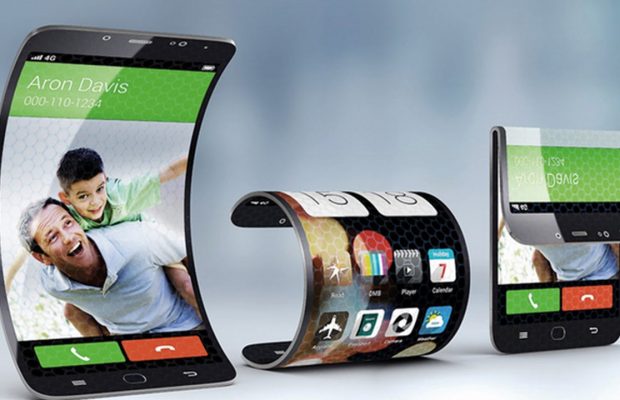
    A Samsung engineer recently said that he expects foldable smartphone displays to be ready for mass consumption in 2019.

    “Because the bezel-free display currently sells so well, we still have enough time to develop foldable displays,” Samsung Display principal engineer Kim Tae-woong. “The technology is expected to be mature around 2019.”

    A foldable display will pave the way for gadgets that can be folded into smaller sizes. Imagine a tablet that can be folded into a smartphone that can be folded into something even tinier and more pocket-friendly.

    Phone-makers have experimented with this sort of “foldable” technology before, though rather unsuccessfully. Kyocera launched a phone on Sprint named the “Echo” that folded in half, but used two separate display panels instead of a truly foldable display.

    A report last summer suggested that Samsung was going to launch a foldable smartphone much sooner. The device, reportedly code named “Project Valley” inside Samsung, was expected to make its debut in February during Mobile World Congress. No such device ever materialized in public view.

    There’s another reason why Samsung may be dragging its feet with foldable screens, though.

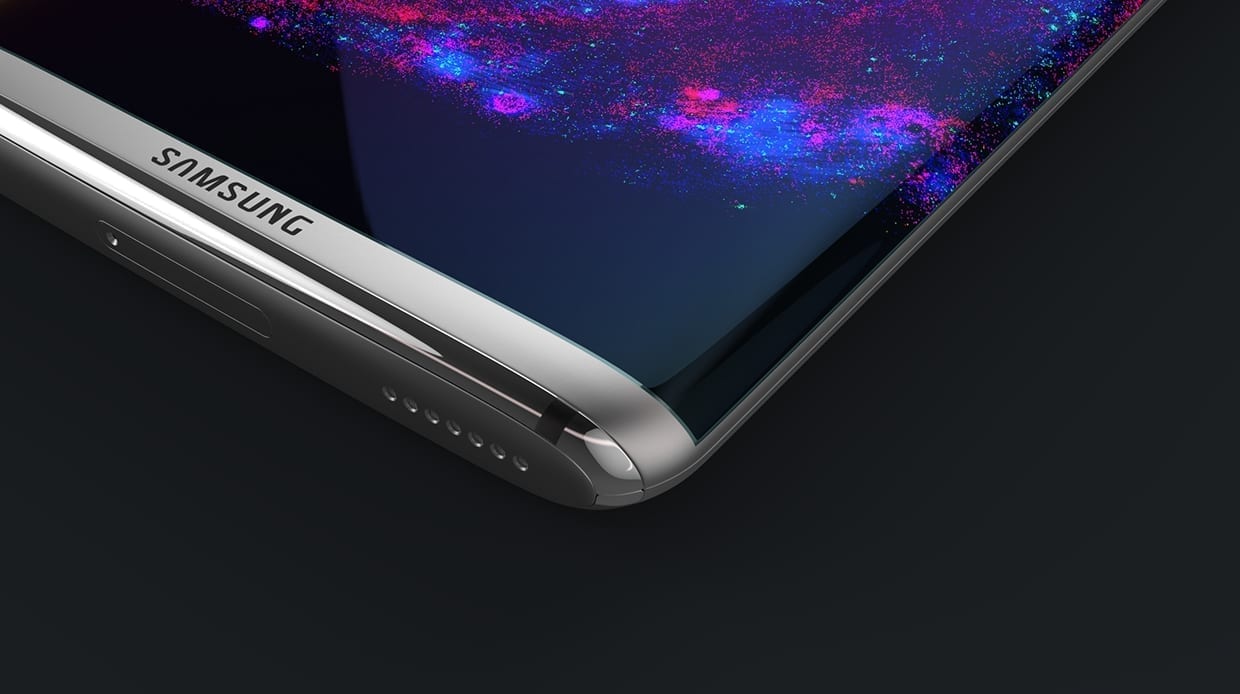
    Samsung is currently leading the market in bendable displays. Its curvy displays have been used in its flagship smartphones for the past several years, most recently making an appearance on the Galaxy S8 that launches later this month. They’re used to minimize the bezels on the front of a smartphone, allowing for a display that appears to pour over the edges of the device. Foldable displays will make bendable screens obsolete.

    The comments made by Tae-woong suggest that Samsung is going to take its time perfecting foldable displays, especially while interest in its bendable screens is still growing. Rumor has it, for example, that Apple will finally adopt Samsung’s display technology, possibly employing a bendable AMOLED display in the iPhone 8.

  • Samsung store catches fire a day before Galaxy S8 announcement

    Samsung store catches fire a day before Galaxy S8 announcement

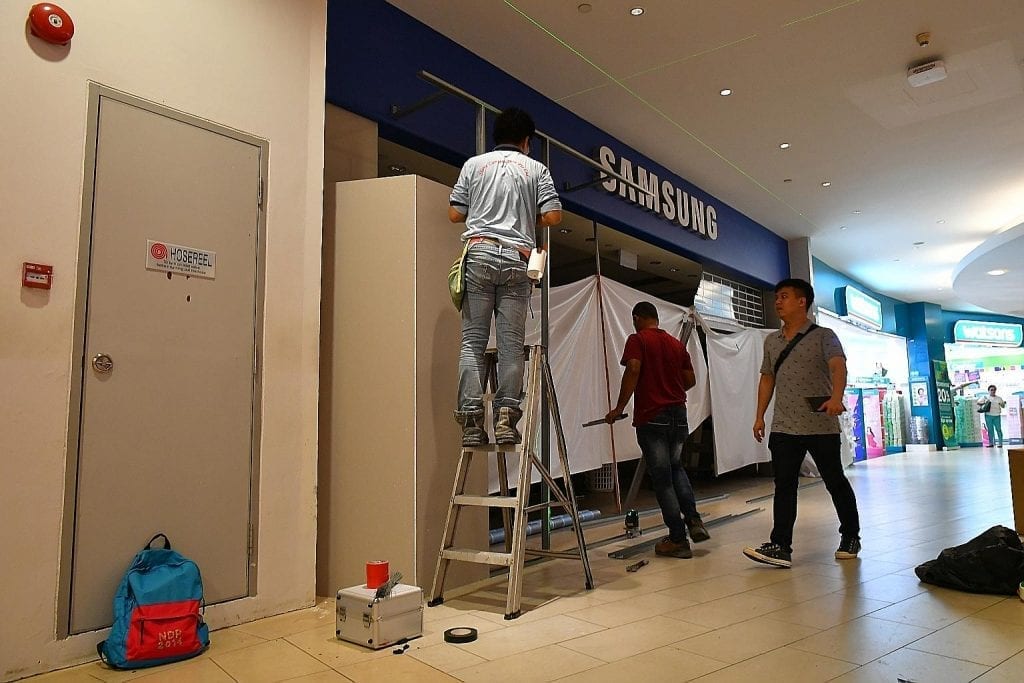
    A Samsung outlet in Singapore caught fire this morning, causing neighbouring shops in the mall to close temporarily for safety and cleaning, reports Channel News Asia.

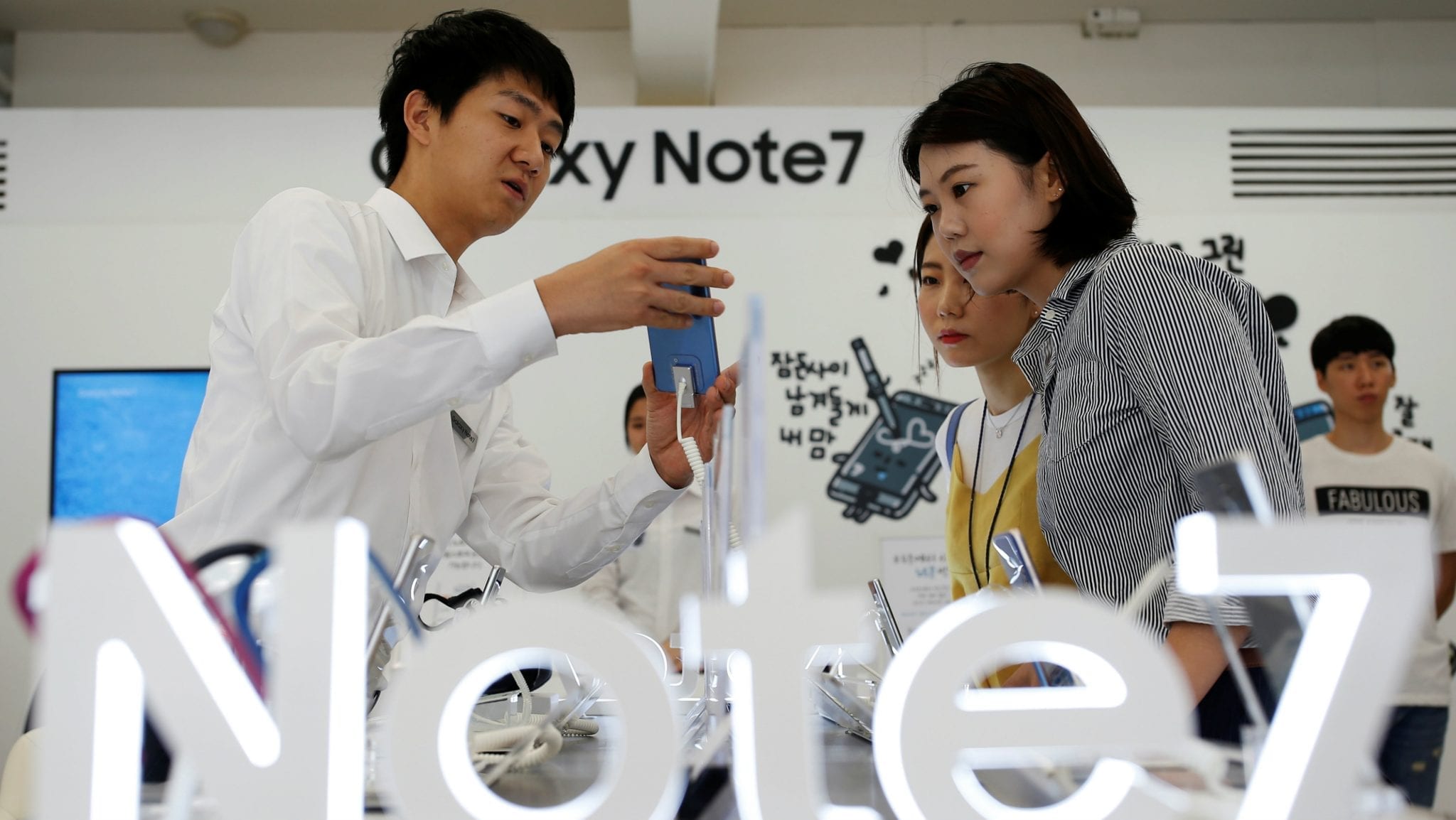
    It’s not the first time Samsung has had trouble with fires. The company had to kill the Note 7 line following two recalls after reports of the phones exploding into flames last year. Its washing machines were also defective, and could have exploded, forcing the company to also recall the products citing “injury risks.” The two incidents have led to backlash from Samsung customers.

    “We were alerted to a fire at the Samsung Experience Store at AMK Hub in the early hours of Tuesday morning before store opening hours,” the South Korean phone manufacturer confirmed in a statement.

    “The fire was extinguished by water sprinklers in the store and no one was injured during the incident. We are currently assessing the property damage and working closely with the authorities to determine the cause of the fire.”

    The store will remain temporarily closed while investigations are ongoing, says Samsung.

    Samsung will announce the Galaxy S8 tomorrow — hopefully the new phones won’t go up in flames too.

  • Samsung says to sell refurbished Galaxy Note 7s

    Samsung says to sell refurbished Galaxy Note 7s

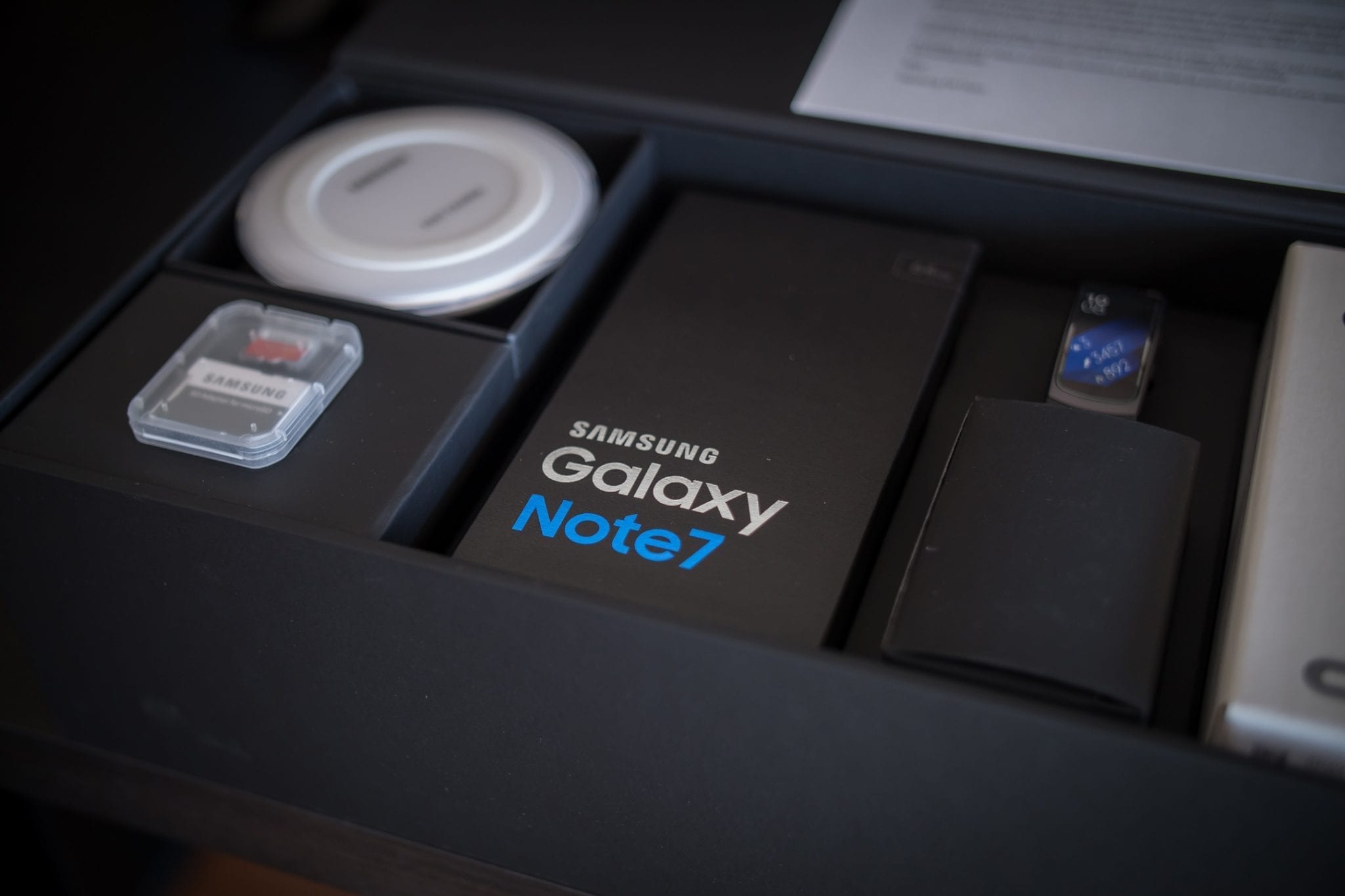
    Analysis from Samsung and independent researchers found no other problems in the Note 7 devices except the batteries. Tech giant Samsung Electronics said late on Monday that it plans to sell refurbished versions of the Galaxy Note 7 smartphones, the model pulled from markets last year due to fire-prone batteries.

    Samsung’s Note 7s were permanently scrapped in October following a global recall, roughly two months from the launch of the near-$900 devices, after some phones self-combusted. A subsequent probe found manufacturing problems in batteries supplied by two different companies – Samsung SDI Co Ltd and Amperex Technology.


    Analysis from Samsung and independent researchers found no other problems in the Note 7 devices except the batteries, raising speculation that Samsung will recoup some of its losses by selling refurbished Note 7s.

    A person familiar with the matter told in January that it was considering the possibility of selling refurbished versions of the device or reusing some parts.

    Samsung’s announcement that revamped Note 7s will go back on sale, however, surprised some with the timing – just days before it launches its new S8 smartphone on Wednesday in the United States, its first new premium phone since the debacle last year.

    Samsung, under huge pressure to turn its image around after the burning battery scandal, had previously not commented on its plans for recovered phones.

    “Regarding the Galaxy Note 7 devices as refurbished phones or rental phones, applicability is dependent upon consultations with regulatory authorities and carriers as well as due consideration of local demand,” Samsung said in a statement, adding the firm will pick the markets and release dates for refurbished Note 7s accordingly.

    The company estimated it took a $5.5 billion profit hit over three quarters from the Note 7’s troubles. It had sold more than 3 million Note 7s before taking the phones off the market.

    The company also plans to recover and use or sell reusable components such as chips and camera modules and extract rare metals such as copper, gold, nickel and silver from Note 7 devices it opts not to sell as refurbished products.

    The firm had been under pressure from environment rights group Greenpeace and others to come up with environmentally friendly ways to deal with the recovered Note 7s. Greenpeace said in a separate statement on Monday that it welcomed Samsung’s decision and the firm should carry out its plans in a verifiable manner.

  • Apple India opens franchise stores

    Apple India opens franchise stores

    Apple has set up more than 100 small franchise stores in India in the pilot phase of an initiative aiming at six-fold expansion over the next 12 months.

    The US electronics company’s move is a bid to take on Samsung and Chinese rivals, reports The Economic Times.

    Branded as Apple Authorised Resellers, the stores are no larger than 46 sqm and are distinct from the company-owned outlets Apple plans for India.

    It is a format through which the company plans to widen its presence in high-rental, high-street locations in large cities, neighbourhoods and tier-two and -three markets, say senior trade partners.

    Such stores have been set up in Bengaluru, Chandigarh, Mumbai, the National Capital Region (NCR) and Pune. In the NCR, the stores can be found in Gurgaon’s Galleria Market, Malviya Nagar, South Extension and Vasant Vihar.

  • SK Planet and Samsung sign for online partnership

    SK Planet and Samsung sign for online partnership

    Samsung Electronics Southeast Asia and Oceania has signed a memorandum of understanding with global platform innovator SK Planet on an eCommerce partnership in Southeast Asia.

    Signed in Singapore, the deal aims to promote Samsung’s brand presence and provide increased convenience and access to the Korean company’s products in Southeast Asia through online shopping sites 11street Malaysia, 11street Thailand and Elevenia in Indonesia.

    This follows Samsung and SK Planet collaborating in the South Korean domestic market.

    During the past four years, SK Planet has grown in overseas markets by leveraging its expertise from 11street Korea. SK Planet has launched its eCommerce platform into new markets every year, beginning in 2013 with Turkey’s N11.com, where it became market leader in two and a half years, followed by Elevenia in Indonesia, 11street Malaysia and, this month, 11street Thailand.

    “Our official launch was a great success with more than 3000 partners, customers and media joining,” says 11street Thailand CEO Hong Cheol Jeon. ‘This collaboration with Samsung will help to strengthen our partnership in Thailand and enhance our customers’ online shopping experience.”

    Samsung has an official shop-in-shop page on 11street, complemented by delivery and installation by authorised distributors. The page lets consumers search, browse and buy Samsung products easily, as well as access online-only products, pre-sale offerings and promotional discounts.

  • Image leak suggests new Samsung phone ‘made in Vietnam’

    Image leak suggests new Samsung phone ‘made in Vietnam’

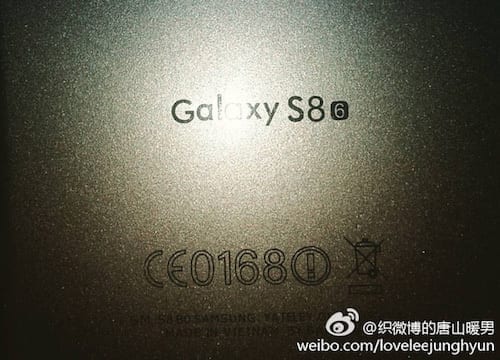
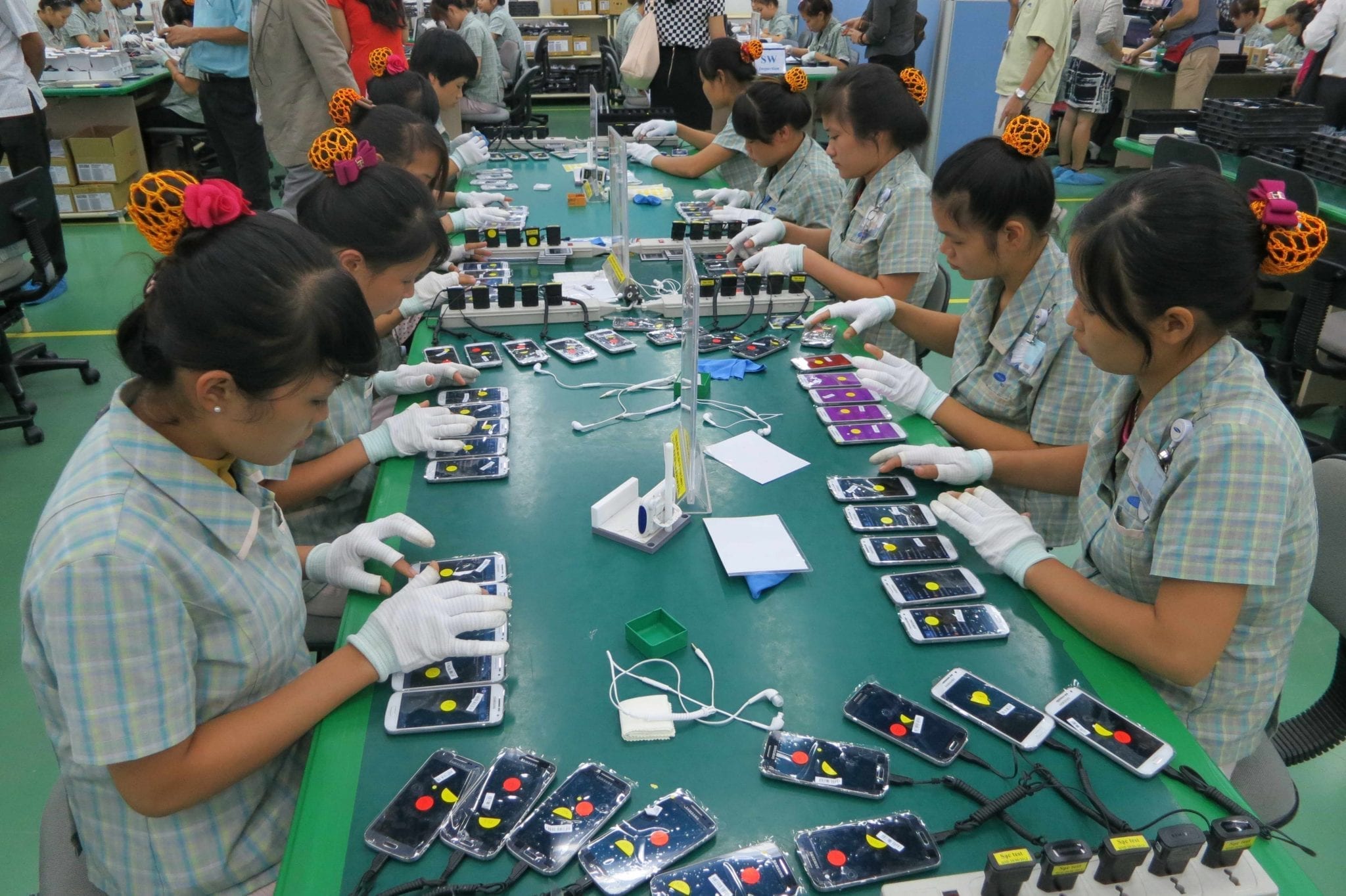
    A leaked picture would suggest Samsung’s latest smartphone, the Galaxy S8+, is being manufactured in Vietnam, despite last year’s Galaxy Note 7 saga.

    The picture shows the back panel of a phone tagged with “Made in Vietnam” below the “Galaxy S8 6” branding.

    The number “6” has been interpreted by people familiar with the matter as the 6 GB RAM variant of the Samsung Galaxy S8.

    Samsung is expected to officially unveil its next flagship devices, the Galaxy S8 and Galaxy S8+, on March 29 in New York. The phones will go on sale on April 21.

    Other leaked images of purported technical specifications have fueled rumors of a 5.8 inch and 6.2 inch display, backed by a 3000 mAh battery or 3500 mAh battery.

    Samsung’s production in Vietnam incurred a loss of $122.6 million in the third quarter of last year after it was forced to recall 2.5 million Galaxy Note 7s globally following battery explosions.

    The recall affected production at its two plants in the northern provinces of Bac Ninh and Thai Nguyen, which produce a combined 35 percent of all smartphones that Samsung supplies to the global market.

    However, that did not affect Samsung’s dominant position in Vietnam’s export sector last year. The company earned $39.9 billion in revenue from shipping electronics, up 10 percent against 2015 and contributing 23 percent to Vietnam’s total export revenue.

    Samsung Vietnam said no jobs had been cut due to the Galaxy Note 7 incident. The company is targeting an export growth rate of between 7 and 10 percent this year.

    Related news:
  • Apple’s In-Store Story, Android Pay Goes Wearable And Samsung Open For Business In Thailand

    Apple’s In-Store Story, Android Pay Goes Wearable And Samsung Open For Business In Thailand

    Samsung’s global march added another stopping point this week, as Thailand became the latest nation to come online for Samsung Pay. That announcement comes as most of the global payments-watching community was watching Samsung Pay’s imminent foray into India.

    Speaking of watching — and watches

    After four months of waiting, Android Pay has finally made the leap onto an Android Wear-powered smartwatch — thanks to a bit of as assist from LG. It’s not Android Pay’s first foray onto a wearable, but it is the first time Android Pay will be open for business on a smartwatch not made by Samsung.

    Apple’s move this week is about merchants. New research suggests that Apple Pay has gone from being accepted at 16 percent of U.S. merchants to 36 percent of U.S. merchants — which said report notes is good enough to make it the most favored form of in-store mobile payment among American merchants.

    So how’d all the territory grabbing come out this week – and who gained the most ground? Well…

    Samsung Pay In Thailand

    Samsung Pay is not entirely new to Thailand — the service has been rolling out slowly under the radar since a November soft launch with about 100 retail partners — but as of Tuesday, Samsung Pay was out in full for any Thai customer interested in taking it for a smartphone spin.

    And, it should be noted, Samsung has great expectations for the Thai market and has set a goal of attracting 1 million users to the platform by the end of the year.

    “Thailand is the ninth country in 10 markets globally with which we have established our mobile payment presence, and the third country in Asia-Pacific apart from Singapore and Australia,” said Elle Kim, vice-president for the payment business group at Samsung Electronics.

    Kim noted that Thailand presents a natural opportunity for a mobile payments platform — given the government’s national e-payment scheme and the widespread use of smartphones and e-commerce.

    At launch, to use the service, customers must use a Visa or Mastercard issued by one of the nation’s six largest banks: Bangkok Bank, KTC Credit Card, Citibank, Siam Commercial Bank, Kasikornbank and Krungsri Consumer.

    Those six collectively cover about 70 percent of the cards issued in Thailand — Samsung has confirmed that by the end of the year it hopes to have upped that to covering 90 percent of the nation’s card holders.

    And it is a 90 percent that Samsung will compete for unopposed, since neither Apple nor Android Pay have any immediate plans to take on the Thai market. As of right now, mobile payment transaction value in Thailand is estimated to reach US$4 million in 2017. That figure is forecast to reach $36 million by 2021.

    Samsung is also widely expected to announce an expansion into India for Samsung Pay by the end of the quarter — with more international expansion slated for 2017.

    Android Pay And Android Wear – Better Together?

    After a very public announcement of Wear 2.0 last October that included Android Pay — the updated and enhanced version of Android OS for wearables — the world sort of had to wait a while to see it in action, since there was no wearable on the market sporting the feature.

    That changed this week with a pair of new watches from LG that marked a collaborative design effort with Google: the Watch Sport and the Watch Style.

    The big change involves making the watch a device capable of standing apart from a smartphone — a true computer for the wrist.

    And while that extends to many of the Wear’s various features, it is drawing praise particularly in relationship to the Android Pay support now available on the wearable.

    Unique to this version of wearable-based payment, however, is its level of independence. Android Pay runs as a standalone app on the watch — a connected smartphone is not necessary to pay for stuff (though a phone pairing is necessary to set up Android Pay on the watch for the first time). Android Pay on a watch does not actually even need an internet connection for a limited number of transactions (though to fully complete the transaction the watch must eventually go online).

    Android Pay is not entirely new to wristbased devices — Samsung’s smartwatches support it — but as of this week, Android Pay supported by Android’s wearable OS is now on the market for the first time — though not the last.

    Google has announced that many more Wear 2.0 watches will be out in the market by the end of the year — presumably to satisfy a consumer demand that will make itself apparent any day now.

    Apple’s Adding Merchants

    According to new published data from Boston Retail Partners, Apple Pay has garnered the largest percentage of U.S. merchants supporting mobile in-store payments, with 36 percent of said merchants accepting the 2.5 year old mobile payments app. The study further suggested that an additional 22 percent of retailers will accept Apple Pay in the next 12 months and 11 percent on top of that plan to do so within the next one to three years.

    Apple’s lead is notable — but also highly explainable by time. Apple Pay is the granddaddy of in-store mobile payments apps, so it’s had more time to add merchants to its roster. But as we’ve noted, being present at the POS is only half the battle for Apple Pay — consumers still have to chose to use it. So far, by our numbers here at PYMNTS, they aren’t — at least 19 out of every 20 who can.

    Which, as it turns out, maybe the lesson this week. More is good — more devices, more ground and more merchants — but only if at the end those things net more customers — and more transactions.

    We’ll keep you posted on how more turns into market share for transactions. By the way, we’ll be releasing totally new data on mobile payments adoption – based on what consumers actually do at the point of sale when they are paying for what they bought – at Innovation Project 2017. This new study will measure adoption for the major in-store “Pays” – Apple, Android, Samsung, and Walmart (at Walmart only, of course).
  • Samsung Pay Service Comes To Thailand

    Samsung Pay Service Comes To Thailand

    Similar to Android Pay from Google and Apple Pay from Apple, Samsung Pay works like other mobile payment platform by using NFC. Samsung Pay, which was made to build brand loyalty from consumers allows users to pay for things online with their smartphone or smartwatch.

    Samsung has fully unveiled the Samsung Pay in the Thailand. The company aims to entice at least one million users within this year. The mobile payment platform was already made available in Malaysia, Singapore and China a while ago. Samsung apparently already boasts a network of 100 retail partners found in Thailand following a soft launch just in November of 2016. Thailand has been working to adopt a more cashless society much like other Western countries.

    “Samsung is the first phone maker jumping into the mobile payment fray in Thailand,” said the Thai corporate Vice President for IT and Electronics of Samsung Electronics, Wichai Pornpratang. The company is expecting to bring in one million customers using Samsung’s Pay service by the end of the year.

    Consumers can use the Samsung Pay by just tapping their compatible Samsung smartphone on near field communication (NFC) or magnetic security transmission (MST). Doing this will allow them to proceed to making payments in stores.

    Samsung Pay is considered as one of the best mobile payment solutions but it can only be supported on the Galaxy S7 family, Galaxy S6 family, Galaxy Note 5, Galaxy A5 and Galaxy A7. Samsung Pay Mini, however, was reportedly just launched and what’s nice about the service is that it is not limited to just Galaxy smartphones. With an Android smartphone that has a 1280 x720 pixel resolution or higher than Android 5.0 Lollipop, the Mini version will function well. An offline payment option feature, however, that can be found on the Samsung Pay is nonexistent on the Samsung Pay Mini.

  • Fewer sales, but more profit for Courts Asia

    Fewer sales, but more profit for Courts Asia

    Electrical, IT and furniture retailer Courts Asia reports 24.4 per cent growth in net profit to S$5 million (US$3.5 million) for the third quarter to December 31.

    This is despite revenue falling 8.6 per cent year-on-year to $187.2 million, attributed to lower corporate sales for digital products, coupled with the recall of the Samsung Note 7 smartphone.

    Courts Asia executive director/group CEO Terry O’Connor says the growth in profitability despite a lacklustre retail environment underscores the sustainability of the company’s cost-savings initiatives and productivity measures.

    “We were also able to achieve better gross profit margin of 33.1 per cent, compared to 29.7 per cent for the previous third quarter.”

    He says Singapore will lead the way for the group’s vision to be a regional omnichannel player by investing in the continuous improvement and innovation of its stores, both offline and online. “We will use Singapore’s e-store as the benchmark for improving the front-end experience and back-end capabilities for our Indonesia and Malaysia online stores.”

    Singapore revenue, which made up 66.8 per cent of Courts Asia’s top line in the quarter, slid 12.3 per cent. Revenue in Malaysia, which contributes 29.3 per cent of the group’s turnover, fell 5.9 per cent, while in Indonesia, still a relatively new market, there was a 104.3 per cent jump in revenue mainly because of new stores. O’Connor says Indonesia represents an “insignificant portion” of the group’s overall revenue at just 3.9 per cent.

    Group gross profit margins increased marginally to 33.1 per cent from 29.7 per cent the previous third quarter.

    Meanwhile, O’Connor says Courts Asia is seeking to achieve the right store portfolio balance in terms of number of locations or store format. In Malaysia, the company expects to increase its store base from 67 to 70 by the end of this financial year, while in Indonesia one store opened during the quarter, with its ninth outlet on track to open this year.

  • Lotte Group in China suffers from Korea’s missile plan

    Lotte Group in China suffers from Korea’s missile plan

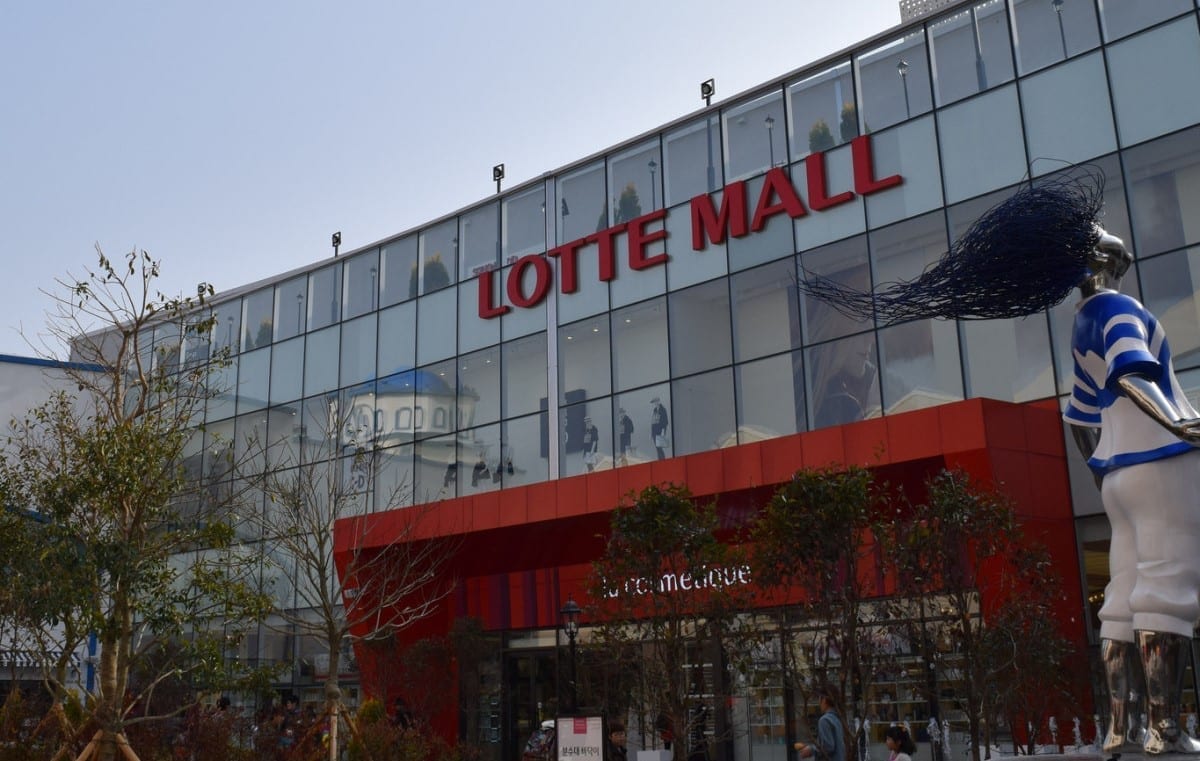
    Hit by fallout from the Korean government’s plan to deploy a US-made missile shield, the Lotte Group is shutting three retail shops near Beijing.

    Korea’s fifth-largest conglomerate, Lotte was hit by a series of regulatory investigations into its China business in December after striking a deal with the Korean government a month earlier to relinquish one of its golf projects to accommodate the anti-missile system.

    South Korean companies have discovered themselves in China’s crosshairs since Seoul’s determination in July to deploy the Terminal High Altitude Area Defence (THAAD) platform, reports News on Hand. Beijing opposes the move, fearing the US will use the platform’s radar to probe deep into Chinese territory.

    Lotte says it has been restructuring its loss-making China enterprise for a few years, but the work has been spurred by the deteriorating bilateral relations because of the THAAD deployment. The retailer has already closed some of its unprofitable outlets in China.

    Lotte has also been opening shops in China, but has put the brakes on this following officials conducting security, tax and other investigations. Having entered the market in 1994, the group has 99 stores and 16 Lotte Super shops in China.

    Also in retaliation to THAAD, Beijing has blocked imports of high-tech bidets and a range of cosmetics, cancelled shows by Korean pop groups and restricted Chinese flights and tourism to Korea.

  • Vietnam’s government approves Samsung extra pouring

    Vietnam’s government approves Samsung extra pouring

    According to SDV’s plan, the firm will carry out the expansion for five years starting in 2018, bringing the sum to be invested in this project to $6.5 billion and making it the largest project invested in by the South Korean giant.

    “Government approval will be officially announced soon,” said Minister-Chairman of the Government Office Mai Tien Dung at a press meeting on February 3.

    The provincial government earlier asked for government permission to offer tax incentives for the additional investment, which will enable the project to be classified as large-scale project.

    The plan for expansion is likely to be finalized as soon as the first quarter of 2017, according to local media.

    Samsung Display in 2014 set up the factory to assemble AMOLED panels into modules for use by Samsung Electronics’ smartphone factories in Bac Ninh and Thai Nguyen, which is also in northern Vietnam.

    The AMOLED panels are transported from its factories in South Korea. The South Korean company has dominated the global supply of smartphone AMOLED panels.

    In order to maintain the market status and viewing that Apple is very likely to adopt AMOLED panels for the new iPhone to be launched in 2017, Samsung Display plans to expand the factory of AMOLED modules in Vietnam.

    Companies setting up plants in Vietnam, such as Samsung Electronics, are transforming the country into a manufacturing hub for electronics goods, including smartphones.

    From a trade deficit of $3.5 billion in 2015, Vietnam returned with a trade surplus of $2.68 billion in 2016.

    Wage cost competitiveness is the key reason it’s attracting capital away from countries with worsening demographic transitions in East Asia.

    Institutional reforms have also contributed to making Vietnam more foreign investor friendly.

    Revised investment and enterprise laws have cut the time needed to establish a new business. Lower corporate income tax rates and streamlined payments have also helped.

    South Korean companies have deployed 592 projects worth a combined $8.6 billion in Bac Ninh, accounting for 65.6 per cent of the total foreign direct investment (FDI) in the province.

    Samsung has been the largest single foreign investor in Vietnam, with its investments totaling some $15 billion.

    This is not the first time the Korean giant has asked for incentives for its projects in the country.

    The FDI sector continues to lift Vietnam upwards, with it making a contribution of more than 20 per cent to GDP growth since 2010.

    Last year, disbursed FDI rose by 9 per cent to a record $15.8 billion and committed FDI increased 7.1 per cent, to $24.4 billion.

    The Foreign Investment Agency at the Ministry of Planning and Investment announced that 2,547 FDI enterprises bought stakes of more than 50 per cent in Vietnamese companies or in conditional investment sectors last year, totaling $3.425 billion.

    But while exports rely heavily on specific FDI enterprises, the technology absorption and enhancement of human capital that Vietnam was supposed to acquire from FDI inflows are nowhere to be found.

    Vietnam’s workforce is largely engaged in the final assembly of products for export, which are primarily low value-added, labor-intensive and use low-level technologies.

    The foreign sector plays a crucial role in the Vietnamese economy, but considerable tax incentives granted to overseas investors may lead to distortions of the overall investment climate, the World Bank has said in a report.

  • South Korea’s Samsung consider building US appliance factory

    South Korea’s Samsung consider building US appliance factory

    South Korea’s Samsung Electronics said Friday it’s considering building a factory to make household appliances in the United States as various industries brace for potential protectionist trade policies under the administration of President Donald Trump.

    A spokeswoman for Samsung said the plans were “purely in the evaluation stage” and no decisions have been made. She didn’t want to be named, citing office rules.

    Samsung also said in an emailed statement on Friday that it continues to assess “new investment needs in the United States. The news drew the attention of Trump, who tweeted “Thank you, @Samsung! We would love to have you!”

    Most Samsung televisions, refrigerators and other household appliances sold in the United States are made in Mexico.

    The spokeswoman refused to say whether Samsung was worried about the possibility of the United States moving to impose tariffs on products imported from Mexico.

    A spokesman from LG Electronics, another South Korean technology company, said it is also considering building a manufacturing plant in the United States and will decide on the matter within the first half of the year. He also didn’t want to be named, saying that the matter was sensitive.

  • Samsung Malaysia launches into regions

    Samsung Malaysia launches into regions

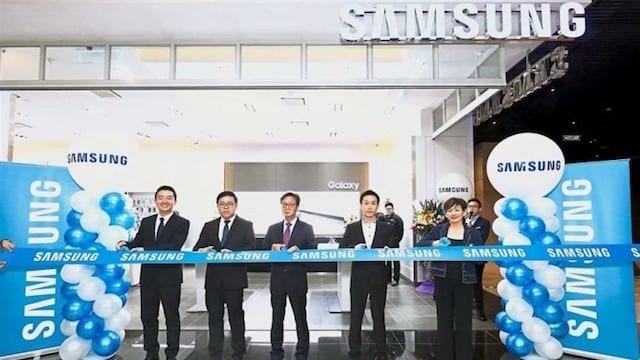
    Samsung Malaysia Electronics has launched its first Samsung Experience Store (SES) in Genting Highlands, at Sky Avenue mall.

    It is a one-stop shop providing mobile phones and accessories as well as associated services.

    Samsung Malaysia Electronics IT and mobile business unit VP Lee Jui Siang says the opening of the store is another step forward in the company’s plans to expand to different regions of Malaysia.

    To mark the store’s opening, Samsung offered customers a chance to take home a personalised caricature mug specially drawn using a Galaxy Note 5. It also gave away a special-edition umbrella for Samsung product purchases.

  • The Battle Between iPhone and Galaxy to Begin in South Korea

    The Battle Between iPhone and Galaxy to Begin in South Korea

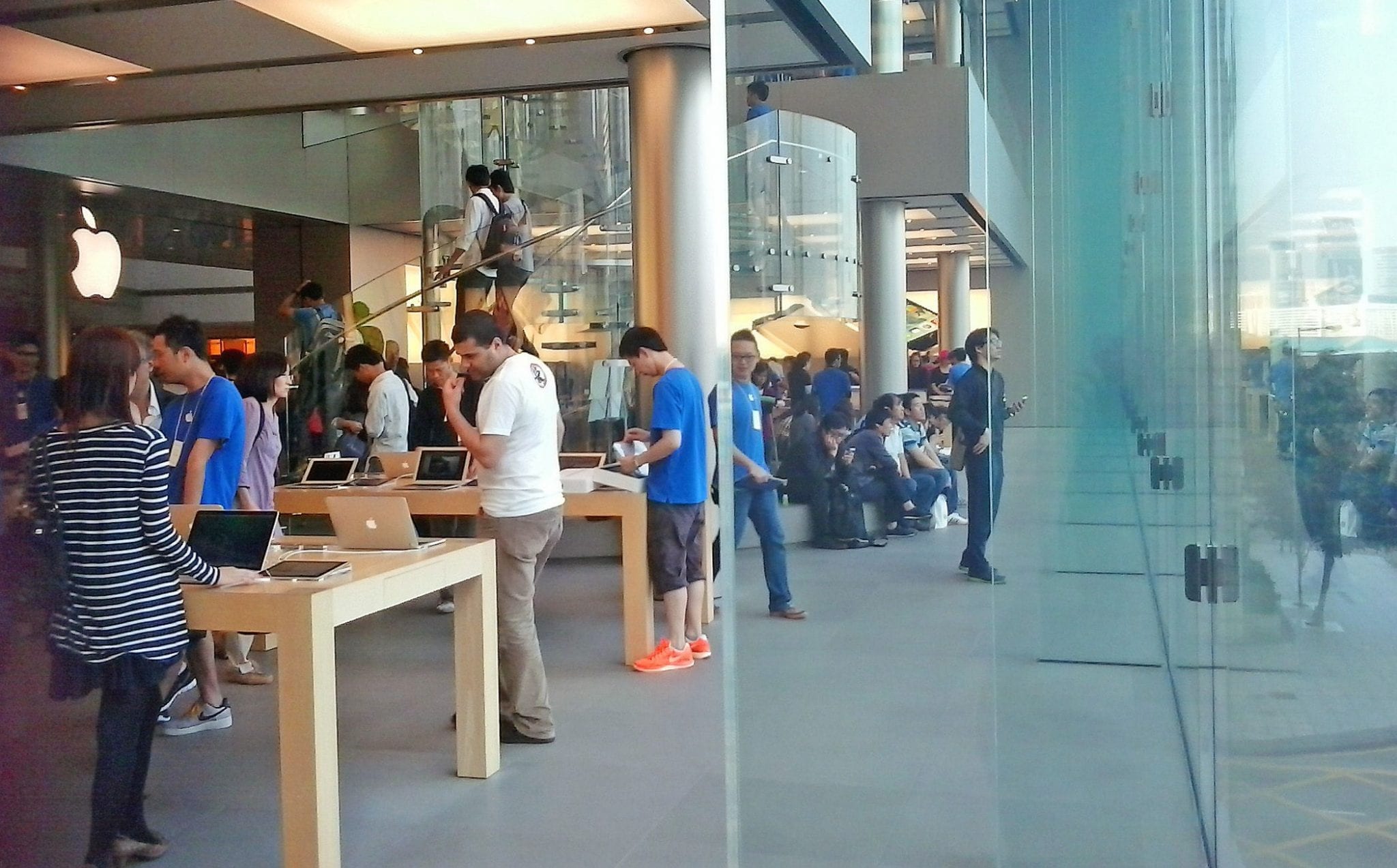
    Apple has confirmed that it plans to open its first South Korea retail store moving into the backyard of its biggest rival for smartphones Samsung Electronics.

    Apple, which this year celebrates its 10th anniversary of the iPhone said on Friday that it is very excited about having its first retail Apple Store in South Korea. The Cupertino, California based tech giant praised Korea as one of the leaders in technology and telecommunications.

    A spokesperson for Apple did not comment when asked when the store would be opening or where any of the Apple stores would be opening across South Korea.

    However, those people who are familiar with the opening, said the company looked at different sits in Gangham, an upscale neighborhood of Seoul.

    One of the possible locations is a short distance from the longtime headquarters of Samsung in Gangham, where the consumer electronics giants has a flagship store for its global products that is three stories high, said those familiar with the situation.

    The same people said that Apple was looking for a site on the fashionable shopping street of Garosu-gil in the same neighborhood.

    A representative from Samsung did not respond when contacted for a comment.

    South Korea, which is the fourth largest Asia economy, has been a difficult market for a long time for Apple. Sales of smartphones are dominated by Samsung and local rival LG Electronics. The popular hometown favorites together hold close to 80% of the overall smartphone market across the country.

    Apple does not even have a break down for sales in the country.

    The breakdown of smartphone sales in Korea is approximately 40% each for Samsung and LG and between 10% and 15% for Apple. That means South Korea is the only developed country that does not have a large iPhone user base.

    Apple, in South Korea, relies on different carrier partners as well as third party retailers. Those groups apply for a license to operate as Apple authorized vendors.

    On Friday, the company posted new job openings for 15 new positions on its website for South Korea, which included a store leader.

    A spokesperson for Apple said in a prepared statement released on Friday by the smarpthone maker that the company was now hiring its team that will offer customers in the capital of South Korea the education, entertainment and service that is loved by millions of Apple customers across the globe.