Tag: samsung

  • South Korean home appliance and IT giant opens new store in Genting

    South Korean home appliance and IT giant opens new store in Genting

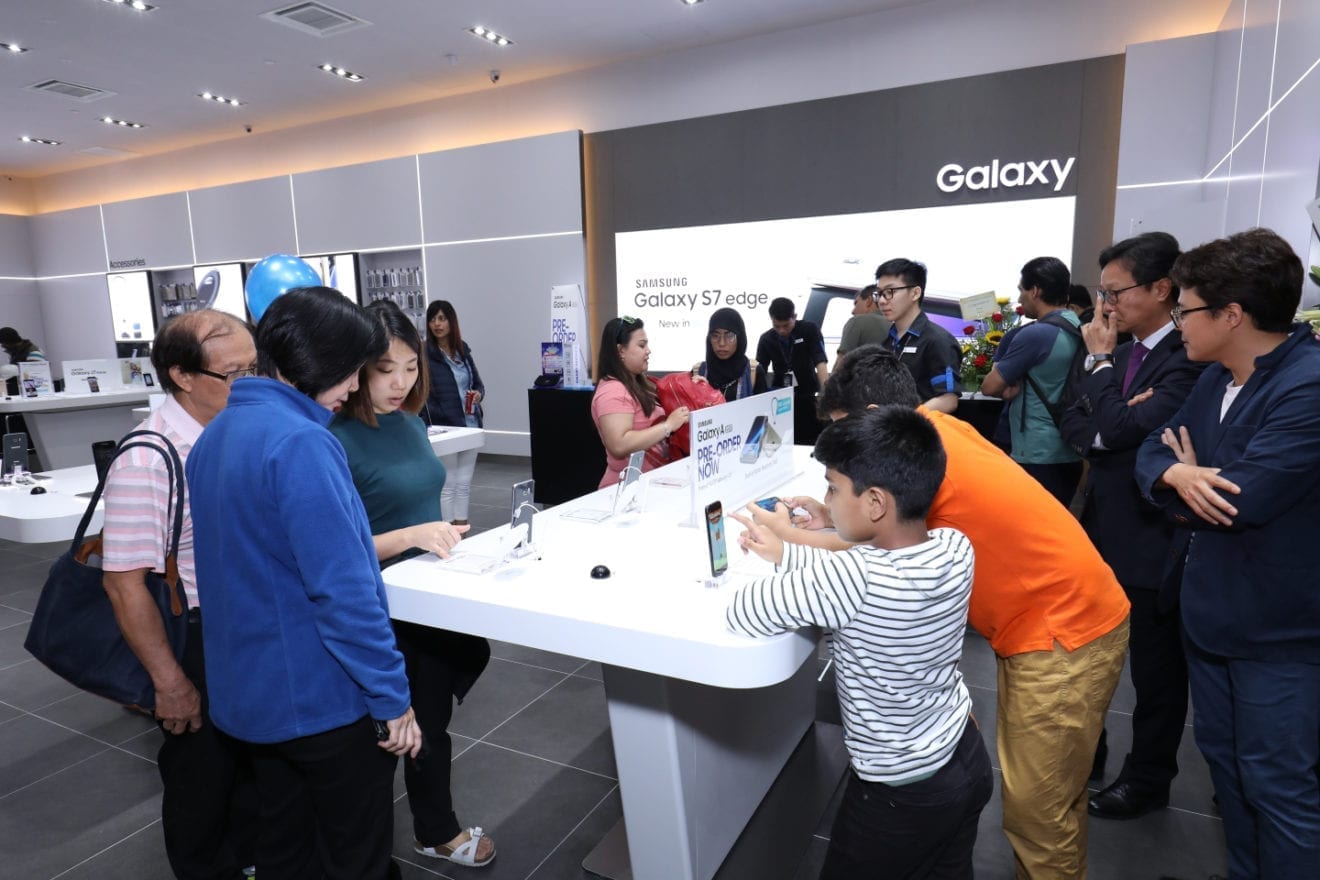
    Samsung Malaysia Electronics has launched its first Samsung Experience Store (SES) in Genting Highlands at the Sky Avenue mall, offering a wide range of the Samsung Galaxy mobile phones as well as a variety of wearables.

    The SES outlet is a one-stop shop that provides customer satisfaction with the best products and services.

    “The opening of the SES is another step forward in our expansion plans to different regions of Malaysia,” said Samsung Malaysia Electronics IT & mobile business unit vice-president Lee Jui Siang.

    “Our aim is to continuously expand our channel coverage, providing consumers a revolutionary digital convergence experience.

    Visitors to Genting Highlands can now experience the full Galaxy ecosystem at the newly opened Samsung Experience Store in the prestigious Sky Avenue mall.

    “With this expansion to Genting Highlands, we want to bring our innovations closer to locals as well as those visiting the country,” he said.

    In celebration of the store’s opening, Samsung offered customers a chance to take home a personalised caricature mug specially drawn using a Galaxy Note5 with purchase of any Samsung product on Jan 14.

    The company also gave away a special edition umbrella for the purchase of any Samsung product.

    Located at Lot T2B-57, Level T2B, Sky Avenue, Genting Highlands Resorts, the SES is now open every day from 10am to 10pm.

    Samsung Malaysia Electronics president Lee Sang Hoon (right) presenting a specially designed caricature mug, drawn using the Galaxy Note5, to Netcom Mobility Sdn Bhd director Elvis Chew as a token of appreciation.

    Samsung Malaysia Electronics president Lee Sang Hoon (right) presenting a specially designed caricature mug, drawn using the Galaxy Note5, to Netcom Mobility Sdn Bhd director Elvis Chew as a token of appreciation.
  • Samsung Elec to supply Exynos processors for Audi vehicles

    Samsung Elec to supply Exynos processors for Audi vehicles

    Tech giant Samsung Electronics said on Wednesday it will start supplying Volkswagen’s Audi with Exynos processors for the carmaker’s infotainment systems, expanding its chip sales for the auto business.

    Samsung said in a statement its Exynos processors will power up to four in-vehicle displays for Audi’s next-generation infotainment system without elaborating on the contract value or what vehicles Audi will use the chips for.

    Car Infotainment systems for cars are for displaying information such as navigation and playing audio or video. The systems also increasingly allow drivers to connect their phones to their vehicles.

    The world’s top maker of smartphones and memory chips has been trying to boost sales of components for automobiles to boost growth. Samsung already supplies memory chips to Audi.

  • Alibaba joins forces with counterfeited brands

    Alibaba joins forces with counterfeited brands

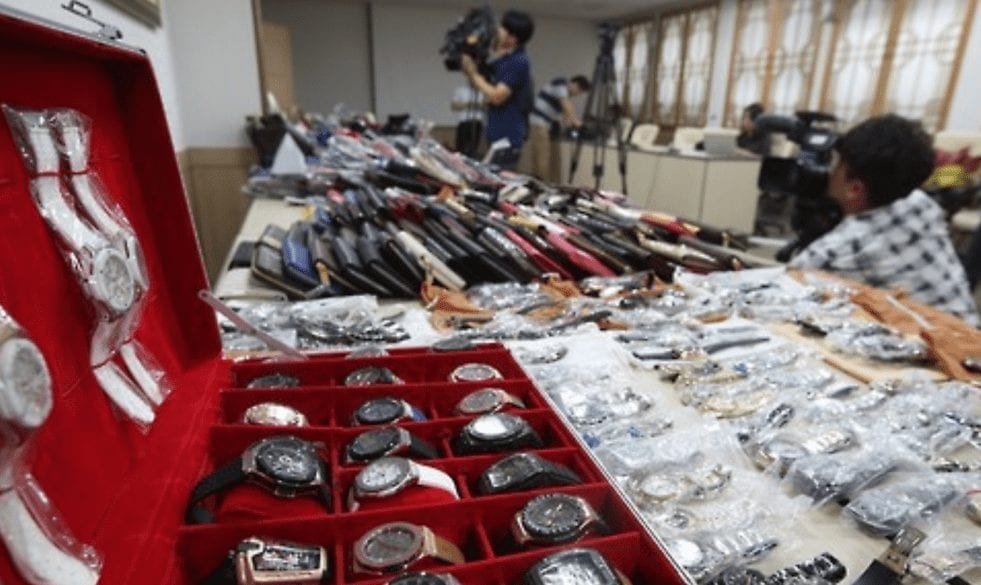
    Chinese eCommerce giant Alibaba has teamed up with some of the world’s most-counterfeited brands to fight against copycats.

    Collaborating with such global brands as Louis Vuitton, Samsung and Swarovski, Alibaba will provide its members with big data and other support to help them block, identify and even take down listings from its marketplaces such as Taobao and Tmall. Those two sites boast 1 billion product listings at any given time.

    In return, the brands have committed to share their anti-counterfeiting data with Alibaba.

    The move follows a lawsuit filed by the internet powerhouse against two vendors selling knock-off Swarovski watches from their online shopping bazaars on Taobao, claiming 1.4 million yuan (US$202,950) in losses. Taobao is the retail platform for smaller merchants.

    “The most powerful weapon against counterfeiting today is data and analytics, and the only way we can win this war is to unite,” says Alibaba’s chief platform governance officer Jessie Zheng.

    “Alibaba welcomes brands and other organisations to join us in what we believe is the world’s first ‘big-data anti-counterfeiting alliance’.”

    Taobao was returned to the US government blacklist of “notorious markets” last month for hosting fake items, four years after Alibaba lobbied American trade officials to drop the platform from the list.

    Listings removed

    Alibaba says it is disappointed by the decision, noting it has “proactively removed more than double the number of infringing product listings than in 2015”. The company employs 2000 permanent staff and 5000 volunteers devoted to spotting fake goods.

    According to the International Anti-Counterfeiting Coalition, a nonprofit watchdog overseeing piracy concerns, China is the biggest market for knockoffs globally with handbags, footwear, watches and iPhones topping the list of most-faked items.

    Louis Vuitton, Nike, Ray Ban and Rolex are among the labels that seem to be more intensely targeted by counterfeiters, says a report by the Organisation for Economic Co-operation and Development (OECD).

    Domestic brands also have fallen victim. Chinese liquor maker Kweichou Moutai has confiscated 300 tonnes of fake Moutai in a three-year drive against bootleggers, whose products can feature packaging identical to genuine products.

    Chinese authorities have also stepped up efforts to root out people involved in marketing fake goods, staging raids and arresting thousands of suspected offenders.

  • South Korean prosecutors on the hunt for Samsung heir

    South Korean prosecutors on the hunt for Samsung heir

    The Samsung heir is accused of spending corporate funds on under-the-table deals. South Korean prosecutors on Monday sought the arrest of the heir to giant conglomerate Samsung for bribery in connection with a political scandal that has seen President Park Geun-Hye impeached.

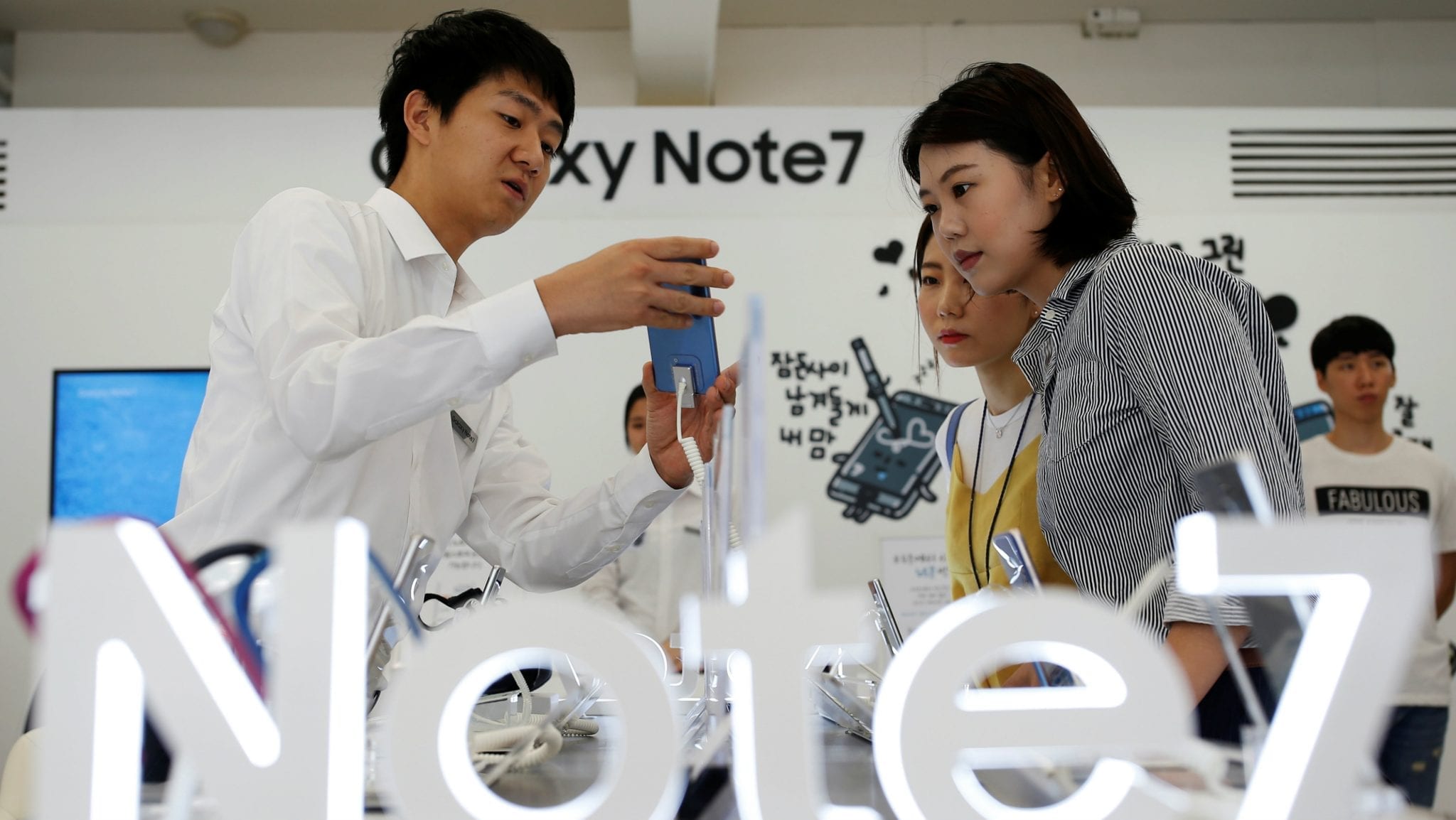
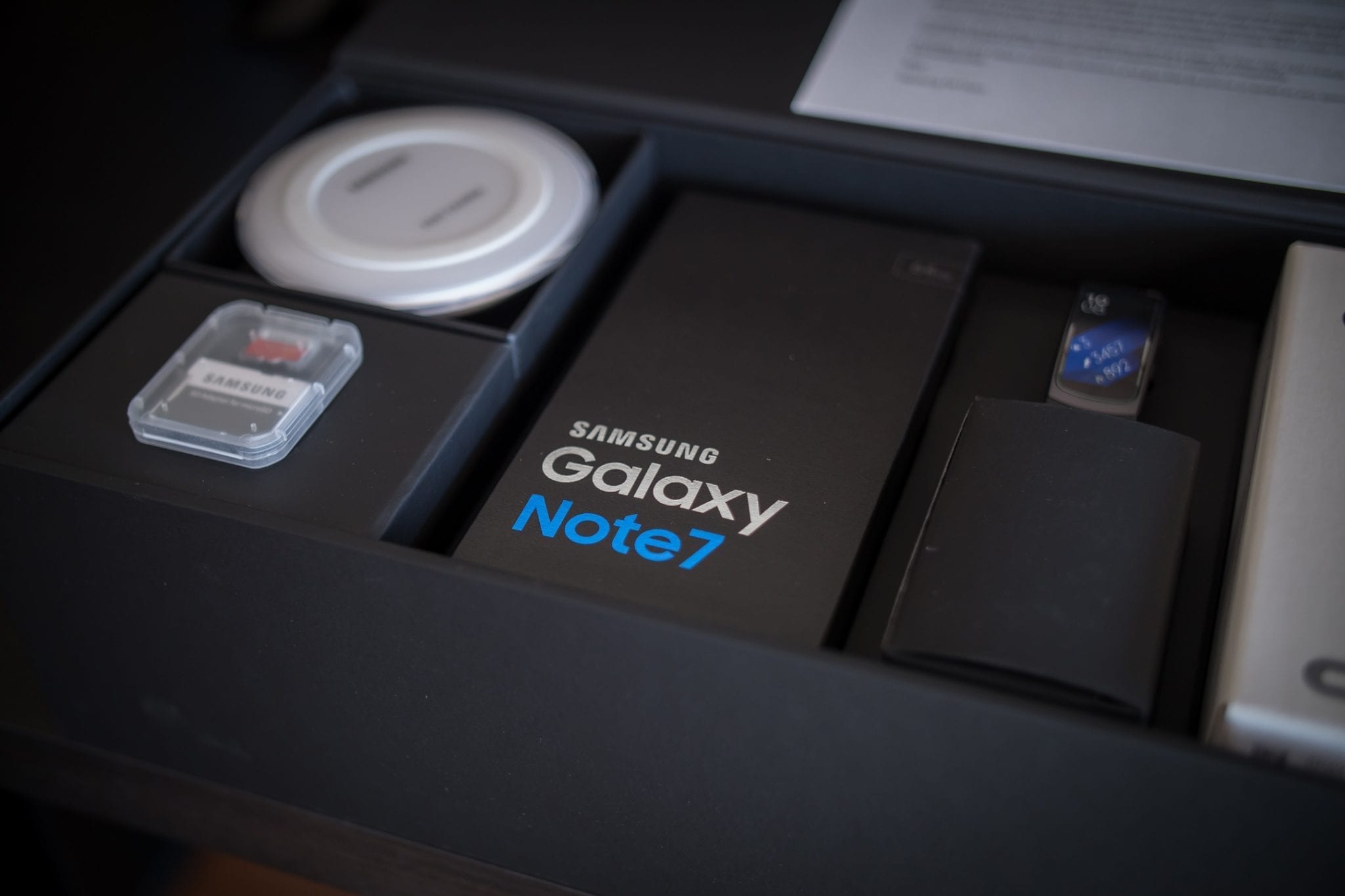
    Samsung, the world’s largest smartphone maker, is already reeling from the international debacle over its Galaxy Note 7, which was recalled after some devices caught fire.

    In a statement, prosecutors investigating the political scandal said they asked a Seoul court to issue an arrest warrant for Lee Jae-Yong, the son of the Samsung group chairman Lee Kun-Hee.

    Samsung — the South’s biggest business group by revenue, which is equivalent to a fifth of the country’s GDP — has dozens of units including flagship Samsung Electronics.

    Lee’s arrest could have an “important” impact on the South Korean economy, a spokesman for the prosecutors acknowledged. “But we believe that achieving justice is more important,” he told reporters.

    The scandal centers on Park’s secret confidante Choi Soon-Sil, who is accused of using her ties with the president to coerce top local firms into “donating” nearly $70 million to dubious non-profit foundations which Choi then used as her personal ATMs, in exchange for political favors.

    Samsung is the single biggest contributor to the foundations and separately paid Choi millions of euros, allegedly to bankroll her daughter’s equestrian training in Germany.

    Lee, 48, is the vice chairman of Samsung Electronics and is accused of approving decisions to pay Choi large sums of money in a bid to win political favours.

    Samsung’s bribes totaled 43 billion won ($36.4 million), the prosecution spokesman said, adding Lee was also accused of embezzlement for spending corporate funds for bribery.

    In addition, he faces charges of perjury after he told a parliamentary hearing that he did not seek any preferential treatment in return for donations.

    The Seoul Central District Court said it would rule on the prosecutors’ request on Wednesday. If it approves the move, Lee — who was questioned by prosecutors for a marathon 22-hour session last week — will be the first senior executive arrested in connection with the scandal.

    In a statement Samsung said the prosecutors’ decision to seek his arrest was “hard to understand”.

    “There was no support that sought something in return,” it said. “We believe that a court will make a good judgment on this.”

    ‘Personal matters’

    Prosecutors are in particular probing whether Samsung’s donations and payment to Choi were aimed at securing government approval for a controversial deal it sought in 2015.

    The merger of two Samsung units, textile manufacturer Cheil Industries and construction arm Samsung C&T, was seen as a key step towards ensuring a smooth third-generation power transfer to Lee.

    The deal was opposed by many investors who said it willfully undervalued Samsung C&T’s shares. But the National Pension Service, a major Samsung shareholder, approved the transaction, which eventually went through.

    A former welfare minister, Moon Hyung-Pyo, who oversaw the operations of the pension fund at the time, was formally charged Monday with abuse of power for pressuring its managers to approve the merger.

    Park, accused of colluding with Choi to extract money from the firms and letting the friend meddle in a wide range of state affairs, was impeached by parliament last month.

    South Korea’s constitutional court is deciding whether to uphold the impeachment. If it does, Park will immediately lose her executive immunity from prosecution and an election to pick her successor will be held within 60 days.

    Both women have denied any wrongdoing.

    Choi, who is currently on trial for coercion and abuse of power, appeared at the Constitutional Court proceedings for the first time on Monday.

    She admitted visiting the presidential Blue House several times to help Park handle “personal matters” and had shared an e-mail account with a senior presidential aide to edit some of Park’s official speeches. But she denied seeking any financial favours using her presidential connections.

  • 200 Vietnamese firms in Samsung chain

    200 Vietnamese firms in Samsung chain

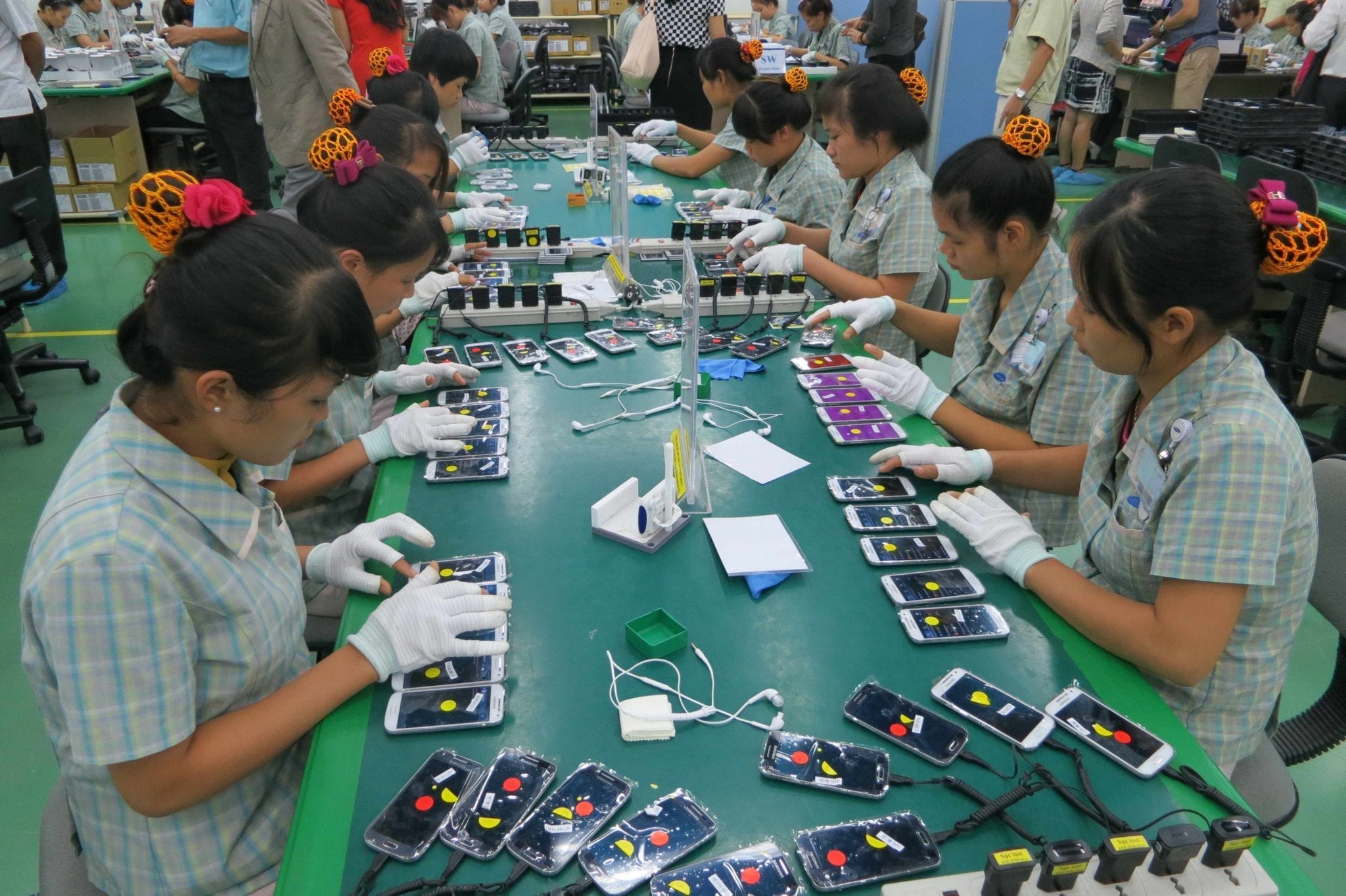
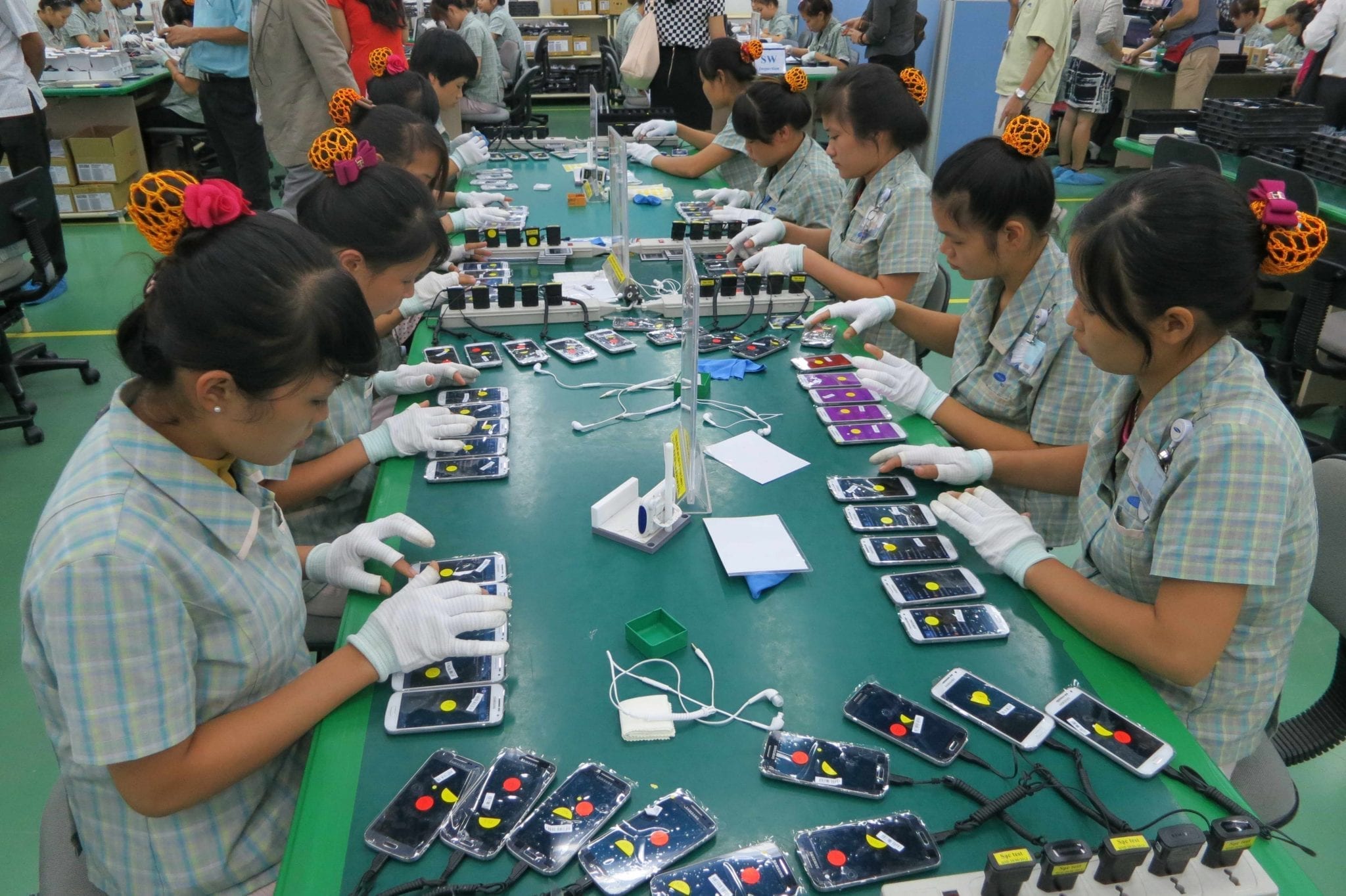
    Nearly 200 Vietnamese enterprises are participating in the component supply chain used by three Samsung plants in Việt Nam, including 20 tier-1 vendors and 178 tier-2 vendors.

    Also, Samsung plans to raise the number of level-1 suppliers in Việt Nam to 29 this year, said Han Myoungsup, President of Samsung Complex Việt Nam.

    Several local companies were able to join Samsung’s production chain, showing that Việt Nam’s support industry could be developed if domestic firms know how to take advantage of the opportunities provided by large enterprises.

    Samsung Việt Nam’s management board last week visited and surveyed the two companies, An Lập Plastic Co Ltd in Hà Nội’s Long Biên District and Việt Hưng Plastic Co Ltd in Hưng Yên Province. It also worked directly with three other suppliers, including PTE Company, Minh Nguyên Company and Việt Hưng Plastic Co Ltd in HCM City.

    This field survey is part of Samsung’s programme to provide experts to help Vietnamese vendors improve their capacity to join Samsung’s supply chain.

    “Samsung Việt Nam has also recorded a significant breakthrough in raising the localisation rate of products, from 35 per cent in 2014 to 51 per cent in 2016. This is a great contribution that helps made-in-Việt Nam products become popular worldwide,” Han said.

    Samsung’s five-vendor visit is part of the supporting programme of Samsung’s experts for Vietnamese businesses. Accordingly, Samsung’s experienced experts from South Korea have directly assisted the five enterprises in the past three months to improve their production process to assure they meet Samsung’s criteria. They are also five of 14 Vietnamese vendors who have received Samsung’s direct assistance since September 2015.

    This supporting programme has also confirmed a strong commitment of Samsung, in response to a call by the Government of Việt Nam, which is increasing the localisation rate and the presence of Vietnamese enterprises in Samsung’s component supply chain.

    “I do hope that, through Samsung’s supporting programme, Vietnamese enterprises could gain the knowledge and experience to enhance their capacities. Samsung believes that if a product can be localised, we will maximize its localised content,” Han added.

    Hoàng Anh Tuân, President of Việt Hưng Plastic Company, said their turnover has seen rapid growth since they have been supplying packaging to Samsung. Last year, their sales to Samsung accounted for half of their total VNĐ2 trillion (US$88.9 million) turnover.

    “Our largest advantage from Samsung’s supporting programme is the change in mindset. We commit to always learning and changing in order to apply experience from Samsung in the best way,” Tuân added.

    “Being suppliers to Samsung could be a quality measurement to help local firms easily participate into other value chains. We are also a packaging supplier to LG and Canon,” he noted.

    He emphasised that joining the supply chain for Samsung has been transparent and open to all businesses. Those seek to participate in the chain without sufficient capacity would be immediately removed.

    Trương Quang Khởi, An Lập’s director, said they have opportunities to modernise their company after joining the Samsung production chain.

    “We have received support from Samsung to upgrade our workshops, equipment and technology, as well as to learn effective management models,” he added.

    Samsung Electronics is one of the largest foreign investors in Việt Nam, with three manufacturing plants in Bắc Ninh (SEV), Thái Nguyên (SEVT) and HCM City (SEHC). With an export turnover of over $37 billion in 2016, Samsung Electronics in Việt Nam contributed 20 per cent to Việt Nam’s exports.

    This year, Samsung Electronics in Việt Nam has set a target of 7-10 per cent growth in export turnovers. Samsung aims to not only turn Việt Nam into the world’s smartphones and electronic appliance production base, but also create more opportunities for Vietnamese enterprises in the field of supporting industries to become involved in Samsung’s global supply chain.

  • Samsung-Apple battle: the gap is closing

    Samsung-Apple battle: the gap is closing

    Samsung’s surprise surge in 2016 fourth quarter profit may further close the gap with its US competitor Apple.

    As the high-profile Samsung-Apple battle continues, the Korean company reported sales revenue of 53 trillion won (US$44 billion) with an operating profit of 9.2 trillion won, for an impressive operating margin of 17.36 per cent. The margin rose from 16.2 per cent in the second quarter of 2016 and represented its best result during the past two years.

    Apple has always led the Korean tech giant in terms of operating margin. In Q1 2015, the difference between the two companies was 18.82 percentage points, with Apple and Samsung reporting 31.51 per cent and 12.69 per cent, respectively. In Q4 of same year, the gap further widened with Apple reporting 31.86 per cent, and Samsung, 11.52 per cent.

    However, Samsung started catching up in 2016.

    Apple saw a continuous drop in its operating margin from 27.67 per cent in Q1 to 23.82 per cent in Q2 and 19.19 per cent in Q3, while Samsung saw its rate increase from 13.42 per cent in Q1 to 16. 2 per cent in Q2 and 17.36 per cent in the last quarter, although it did plummet in Q3 to 10.87 per cent as a result of the Note 7 crisis.

    Samsung’s prosperity in Q4 2016 was driven by a boom in its semiconductor business, improvement in display sales, and the success of its Galaxy S7 series, sources said.

    Apple has yet to disclose its financial results for the last quarter, but it is estimated that the company’s profit margin will come in around 20 per cent, with a slight improvement from the previous quarter, which will bring down the gap between the two tech giants to a record low of 3 per cent.

  • Samsung Vietnam reports massive loss following Galaxy Note 7 scandal

    Samsung Vietnam reports massive loss following Galaxy Note 7 scandal

    Samsung was forced to recall 2.5 million units globally. Samsung Electronics Vietnam (SEV), which produces the notorious Galaxy Note 7 in northern Vietnam, has reported a loss in the third quarter, coinciding with the withdrawal of the latest model of its smart phone.

    SEV, based in the northern province of Bac Ninh, incurred a loss of $122.6 million in the third quarter, down sharply from a net profit of $490 million a year ago, according to a recent statement from parent company Samsung Electronics.

    Samsung’s profits were hit following battery explosions on the Galaxy Note 7, causing the firm to suspend global sales and withdraw the smart phone from the market.

    A representative from SEV said the affects of the scandal were inevitable but declined to give further comment.

    In October, Samsung Vietnam said it had no plan to lay off employees in 2016 as a result of the parent company’s crisis and predicted the value of its exports would grow further from last year’s $32.7 billion.

    From January-September, SEV made a net profit of $1.04 billion, down 18.7 percent on-year.

    The South Korean giant also runs Samsung Electronics Vietnam Thai Nguyen in the northern province of Thai Nguyen and a number of other subsidiaries, which reported significant growth in the Southeast Asian nation in the third quarter.

    Phone exports are significant to Vietnam’s exports, with the value of 2015 shipments up by 27.8 percent at $30.17 billion, or 19 percent of the country’s total exports, customs data show.

    Just weeks after the roll-out of the Galaxy Note 7 “phablet” in September, Samsung was forced to recall 2.5 million units globally following complaints its battery was exploding while charging.

    With images of charred phones flooding social media, the unprecedented recall was a humiliation for a firm that prides itself as an icon of innovation and quality, and the timing of the crisis could not have been worse.

  • Samsung Malaysia launches Galaxy A5 and A7 2017 with IP68 rated dust and water resistance

    Samsung Malaysia launches Galaxy A5 and A7 2017 with IP68 rated dust and water resistance

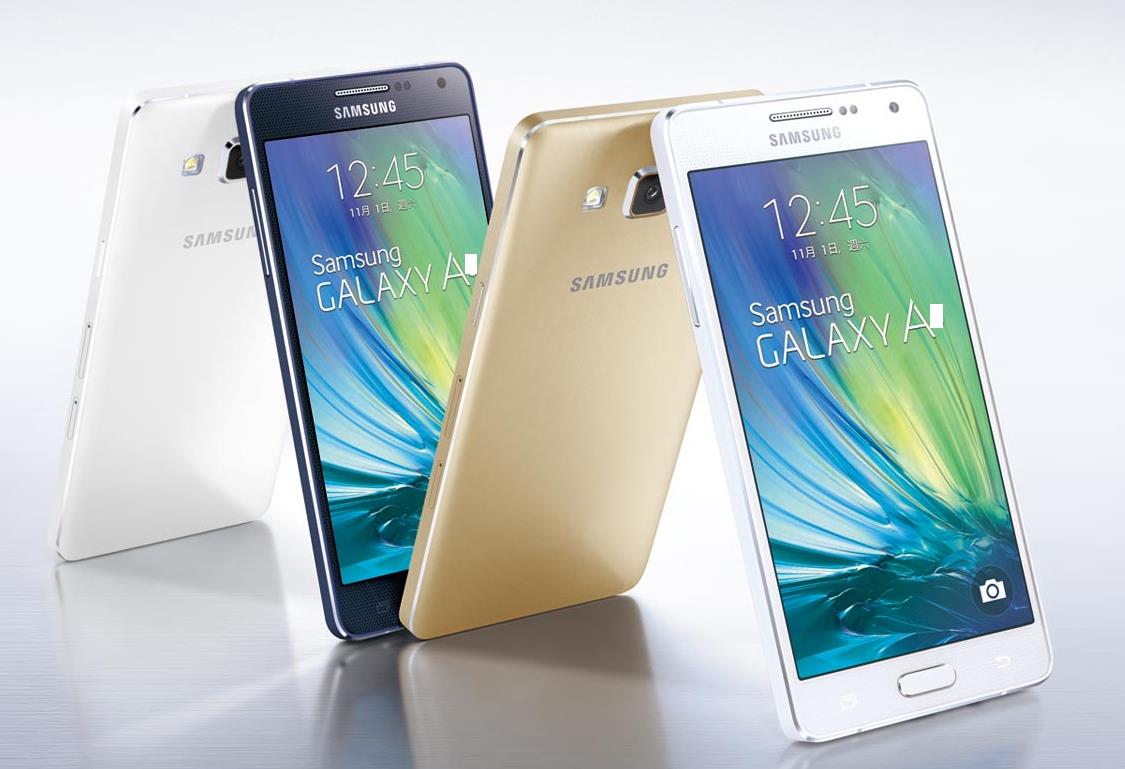
    Samsung Malaysia has announced the latest 2017 version Galaxy A lineup for the local market that features IP68 certified water and dust resistance along with built-in Samsung Pay function.

    The all-new Galaxy A series 2017 that was introduced include Galaxy A5 and Galaxy A7. The main differences between the two are the screen size and battery capacity. The Galaxy A5 comes with a 5.2 inch Full HD Super AMOLED display with a 3,000 mAh size battery. Galaxy A7 on the other hand features a 5.7 inch Full HD Super AMOLED display with a 3,600 mAh size battery.

    galaxy-a5-a7-01

    Apart from the above dissimilarities, both devices share similar components such as a 1.9GHz octa core SoC, 3GB RAM, 32GB expandable storage (up to 256GB), front-facing fingerprint scanner, 16 megapixel f/1.9 for both front and rear cameras as well as fast charging support via USB Type-C.

    It is worth noting that Samsung has separated the dual SIM card slots from the microSD card slot which means you won’t have to choose between using dual SIM card or one SIM card with a microSD card. We are also slightly disappointed that both the Galaxy A 2017 devices will be running Android Marshmallow OS instead of the latest Android Nougat.

    The local retail price for both Galaxy A5 2017 and A7 2017 are RM1,699 and RM1,899 respectively. Pre order starts from the 6th to 15th of January 2017 at selected Samsung outlets. If you make your pre-order during this period, you will receive a pair of Samsung Level U Pro wireless headphones worth RM399 for FREE!

  • Samsung Vietnam develops intensive language programe

    Samsung Vietnam develops intensive language programe

    Samsung Electronics Việt Nam (SEV) in association with University of Social Sciences and Humanities and the University of Languages and International Studies on Saturday held a ceremony to mark completion of the 14th Korean language course.

    The course was taken by outstanding employees at SEV and Samsung Electronics Việt Nam Thái Nguyên (SEVT) plants.

    The programme is a part of SEV’s sustainable development plan to contribute to the country’s high quality human resource development in general and to provide Samsung’s employees opportunities to learn and improve their capabilities.

    The programme is undertaken by Samsung annually for free for its employee, with the company spending nearly VNĐ50million (US$2,200) spent per trainee, and is exclusive for employees performing exceptionally well in the SEV and SEVT plants.

    Each course, which continues for 12 straight weeks, will be taught by Korean lecturers and Vietnamese teachers with PhD and master’s degrees from the two leading universities.

    On returning to work, the employees can practice their intensive Korean skills at their department by self-study or through spending time with Korean dispatchers. Following the 12-weeks course, all trainees will get the opportunity to obtain the TOPIK certificate. All the trainees are provided with training, accommodation and meals for free.

    “We believe every Samsung employee comes here not just to work, but to also get an opportunity to develop soft skills and hard skills for their personal development. Therefore, their development is a high priority within the company. We hope through these training programmes, our Vietnamese employees will be more proactive and confident in the global working environment and develop solid skills during the management process in the future”, Cho Hoseok, general director of Human Resources, said.

    Established in 2014, Samsung has organised 14 Korean training courses for nearly 250 employees. Samsung expects to host another six training courses for 120 employees next year.

    Samsung has also established several training programnes for management levels, as well as the entire staff body at the two factories.

  • Samsung Maintains its Market Dominance followed by OPPO and ASUS in Indonesia

    Samsung Maintains its Market Dominance followed by OPPO and ASUS in Indonesia

    According to International Data Corporation’s (IDC) latest Quarterly Mobile Phone Tracker, total smartphone shipment in Indonesia in 2016Q3 recorded a slight Quarter-On-Quarter (QoQ) drop of 7% but still showed a moderate increase of 4% over the same period last year. “After the peak season of Lebaran ended, a stretch of quiet business begun in 2016Q3 which forced smartphone vendors to lower their shipment and focus more on improving the sales performance as well as laying the groundwork in anticipation of the peak shopping season in 2016Q4.” Says Reza Haryo, Senior Market Analyst, Client Devices, IDC Indonesia.

    Key highlights in the Indonesian smartphone market in 2016Q3 include: 

    US$250<US$300 price band segment grew significantly, which was contributed by the traction of OPPO’s F1s and Samsung’s Galaxy J7. However, when considering the Indonesian market as a whole, the US$100<US$200 segment remained the sweet spot, thanks to the demand for entry level 4G phones which usually offers the combination of 2GB ram and 16 GB internal storage.

    The share of 4G phones have also increased from 58% in 2016Q2 to 68% in 2016Q3 and had 8% sequential growth. This is largely due to the fact that telco service providers have been competing to expand their market share in a bid to capitalize on the growing number of smartphone users in the country through data bundling packages. In line with this expansion, the portion of smartphones sold in telco channel has also increased 22% YoY.

    “Indonesians use smartphones for entertainment purposes such as social messaging, video streaming, gaming, as well as browsing. Hence, there is a demand for the larger screen sized phones and the share of phablets have increased from 11% in 2015Q3 to 16% in 2016Q3. Most of the volumes came from major vendors such Samsung, OPPO and Asus. Samsung’s Galaxy J7, OPPO’s F1s and ASUS’ Zenfone Selfie were among the most popular models.” Adds Haryo.

    Top Five Vendor Highlights in 2016Q3 

    Samsung’s consistent marketing campaigns in retail shops enabled the vendor to increase shipments despite having a slower demand. This also extended the gap between the market leader and its competitors. The fallout from the Note 7 incident had relatively little impact on its brand perception in Indonesia.

    OPPO decreased sequentially relative to the non-peak period but still maintained its aggressive online and offline marketing activities. OPPO’s direct to retail strategy with various marketing supports continued to allow OPPO to increase its retail presence.

    Asus continued to rely heavily on the affordable Zenfone Go but the lack of marketing efforts throughout the quarter brought about its decline in the market.

    Advan introduced 8 low-cost 4G models in 2016Q3 alone. 4G models have been quick to pick up, partly thanks to the local vendor’s marketing activities heavily focusing on retail channels.

    Smartfren. As a local vendor that also operates as a telco provider, Smartfren tried to book more revenue from data services and recorded a 17% sequential decline for its smartphone shipment. Aside from bundling programs with leading smartphones such as the Samsung J Series, Smartfren have been consistent in promoting their Mifi product with attractive bundling program.

    Lenovo decreased sequentially relative to the non-peak period choosing to focus on sell-out instead. A6000, A1000 and A2010a were their top 3 models shipped in 2016Q3 in terms of units.

    Overall Positive Outlook for Indonesia

    IDC maintains the forecast for 2016 as the market is expected to expand significantly in Q4 and high demand during the festive season will allow vendors to increase shipment volume to reach targets. In addition, the continuous economic improvement from heavy infrastructure investment will continue to boost the Indonesia economy.

    The Local Content regulation (TKDN) is getting more accepted in a sense of clearer approach. A number of vendors including Xiaomi, LG, and Blackberry have now showed commitment to comply with this regulation. In the short term, it is expected that the industry will be focusing on local assembly but the challenge remains from the inadequate component supply chain ecosystem. But in the longer term, depending on the effectiveness of incentives provided by the government, more component manufacturers could move to Indonesia. This means that vendors would need to be prepared to have end-to-end manufacturing in Indonesia instead of just assembly. Hence, we expect that the future outlook will remain positive for 2017 onwards,” ends, Haryo.

    Channel dynamics

    With the intense competition and relatively low demand in 2016Q3, it caused vendors to put their utmost focus on liquidating stocks through improvement to their channels. The Direct to retail approach by cutting down the intermediaries has proven to help the sell-out of OPPO. IDC believes smartphone vendors will try to replicate this distribution strategy soon but this will require a strong retail relationship which only the larger vendors will be able to execute given the large volumes that they have and that they are more established in the market.

    Telco collaboration

    “Telco providers need to challenge the status quo and find ways to innovate as their core business continues to be pressured by over the top players which could be significant threats in revenue loss even as mobile data traffic grows exponentially. With an advanced network infrastructure and strategic partnership between telco providers, over the top players and hardware vendors, IDC believes that Telco providers and smartphone vendors can leverage the increasing demand for over the top players to drive up ARPU as well as brand exposure,” ends, Haryo.
  • Apple Korea targets 15pc market share

    Apple Korea targets 15pc market share

    Apple Korea is going head on to Samsung on its home turf, on target to sell 2.9 million iPhones in South Korea this year, giving it a market share of about 15 per cent.

    At the end of last month it had sold 2.6 million iPhones, and is forecasting improved results for the year. Its operating profit has reached more than KRW800 billion (US$684 million) on revenue of KRW3 trillion, according to Yonhap News Agency.

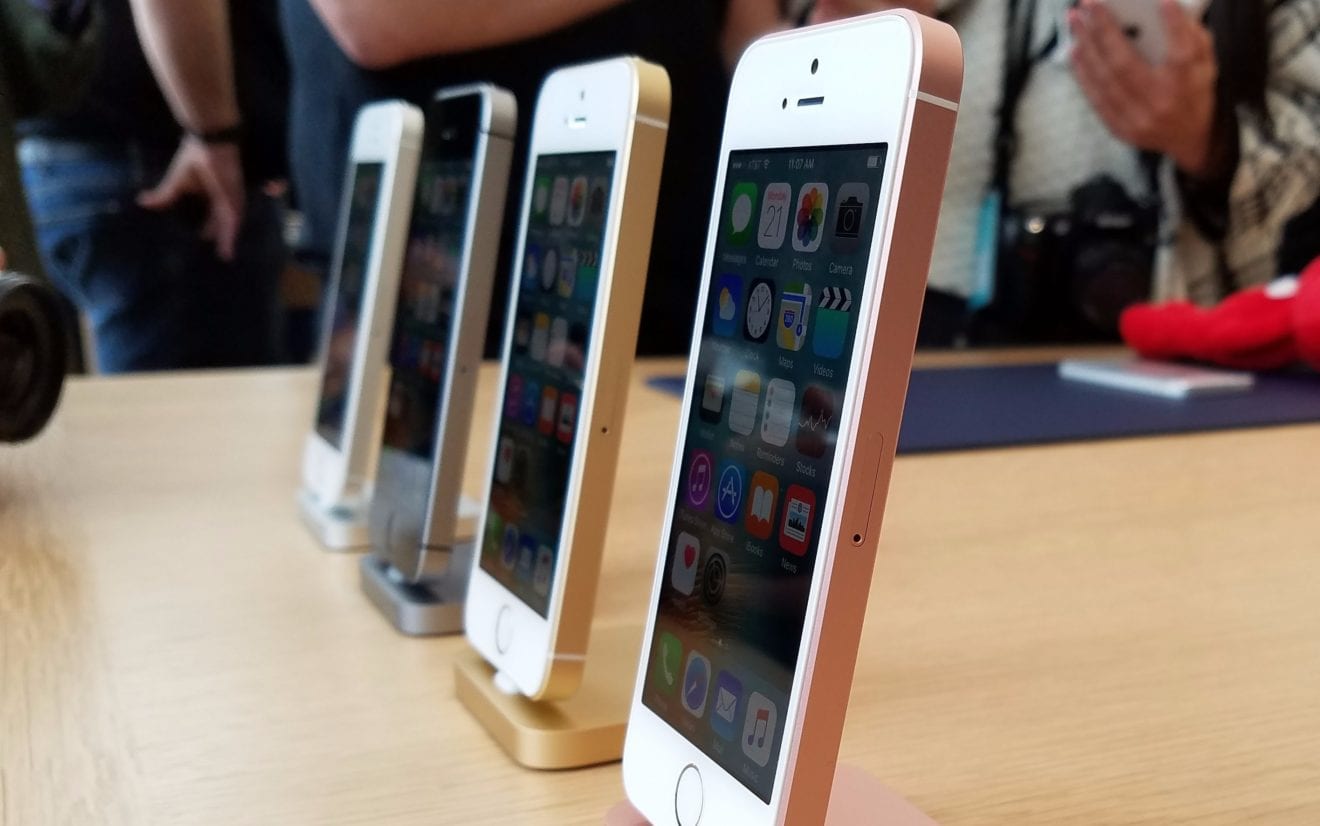
    Sales of iPhones account for more than 75 per cent of Apple’s revenue in Korea, sources say. It launched the iPhone 7 in October with the opportunity to take share from market leader Samsung after its Galaxy Note 7 debacle.

    On top of that, the Cupertino-based tech company is building its first flagship retail store in Seoul, expected to be completed next November, right across the street from Samsung’s headquarters.

    Apple’s market share in Korea peaked at 33 per cent in the fourth quarter of 2014 following the launch of the iPhone 6, according to Counterpoint. Samsung and LG now have a combined market share of more than 80 per cent. LG had a 19 per cent market share in the second quarter of this year.

    South Korea and Japan, where the iPhone had more than a 50 per share for the three-month period ending October 30, are rare growth markets in Asia for Apple. Its iPhone shipments in China plunged 31 per cent to 7.5 million units in the third quarter, with market share falling to 6.2 from 10.3 per cent, according to Strategy Analytics.

    Apple reportedly reduced orders from component suppliers for its iPhone 7 models early this month because of demand being weaker than expected in many markets, including China.

  • Tesla Motors to get semiconductors from Samsung Electronics

    Tesla Motors to get semiconductors from Samsung Electronics

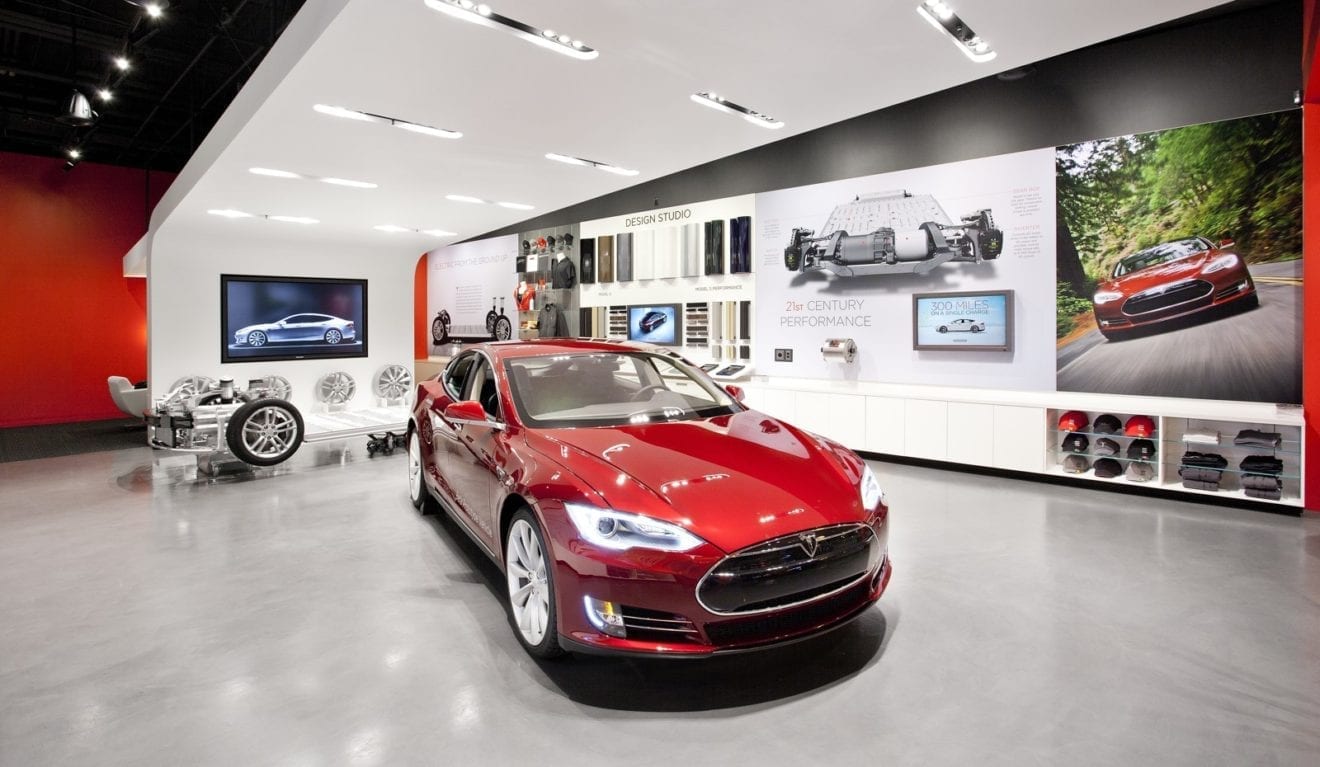
    Samsung Electronics will supply semiconductors to US electric car maker Tesla Motors, South Korea’s Electronic Times reported on Friday citing unnamed sources.

    Samsung would contract manufacture chips for self-driving features in Tesla vehicles, the paper reported, without putting a value on the order.

    The South Korean firm has been trying to build auto-related sales for components such as semiconductors and displays in a push to develop a new growth engine.

    Samsung in November said it would acquire Harman International Industries for $8 billion in a bid to grow quickly in the automotive market.

    Samsung did not immediately comment on the report, while Tesla could not be immediately reached for comment.

  • Awards to recognise eCommerce merchants

    As Southeast Asia eCommerce merchants set benchmarks in a booming industry, their efforts are about to be celebrated with the launch of annual awards.

    Based in Kuala Lumpur, online shopping aggregator iPrice Group has launched the iPrice eCommerce Merchant Awards (iEMA) 2016 in partnership with eTail Asia, a service for eCommerce professionals, and Trusted Company, a review platform for eCommerce businesses in emerging markets.

    The first awards ceremony will be held in conjunction with the annual eTail Asia conference at Marina Bay Sands, Singapore, on March 8 next. The inaugural iEMA 2016 will feature country and regional winners in two categories – Most Popular eCommerce Merchant of the Year and Highest-Quality eCommerce Merchant of the Year. Merchants do not have to submit entries as all qualifying merchants are automatically enlisted.

    “Based on studies by Google and Temasek, the Southeast Asian eCommerce market is expected to see exponential growth from US$6 billion to about US$90 billion in 2025,” says iPrice Group CEO David Chmelar.

    “With new players in the eCommerce industry coming up every left, right and centre, it is imperative we highlight excellence in the sector in hopes to further inspire and encourage both existing and upcoming merchants to excel further in Southeast Asia.”

    Consumer choice

    Finalists and winners for the awards will be chosen by consumers via the iEMA 2016 microsite. People can vote only once, with January 31 the deadline.

    Meanwhile, in an effort to also recognise special initiatives by eCommerce merchants that might have escaped attention, a third category has been set up to highlight efforts by businesses that have undertaken projects to support a social or non-profit organisation. This will be judged by a panel of experts from the eCommerce sector with only one overall regional winner being chosen. The judging panel comprises Chmelar, Asia Venture Group CEO/founder Tim Marbach, Worldwide Business Research GM Danny Levy, Trusted Company co-founder/MD Frederick Krass, Google Vietnam head of marketing Anh Nguyen and 500 Startups managing partner Khailee Ng.

    Submissions for this award are being accepted from for both consumers and eCommerce merchants through the iEMA 2016 website.

    Voting is being accepted at the iEMA 2016 microsites for Hong Kong, Indonesia, Malaysia, Philippines, Singapore, Thailand and Vietnam.

    iPrice Group is a Southeast Asian metasearch engine that enables shoppers to find products, compare prices and save. It seamlessly connects them to hundreds of eCommerce merchants in the region.

  • Samsung Galaxy On7 Launched In South Korea

    Samsung Galaxy On7 Launched In South Korea

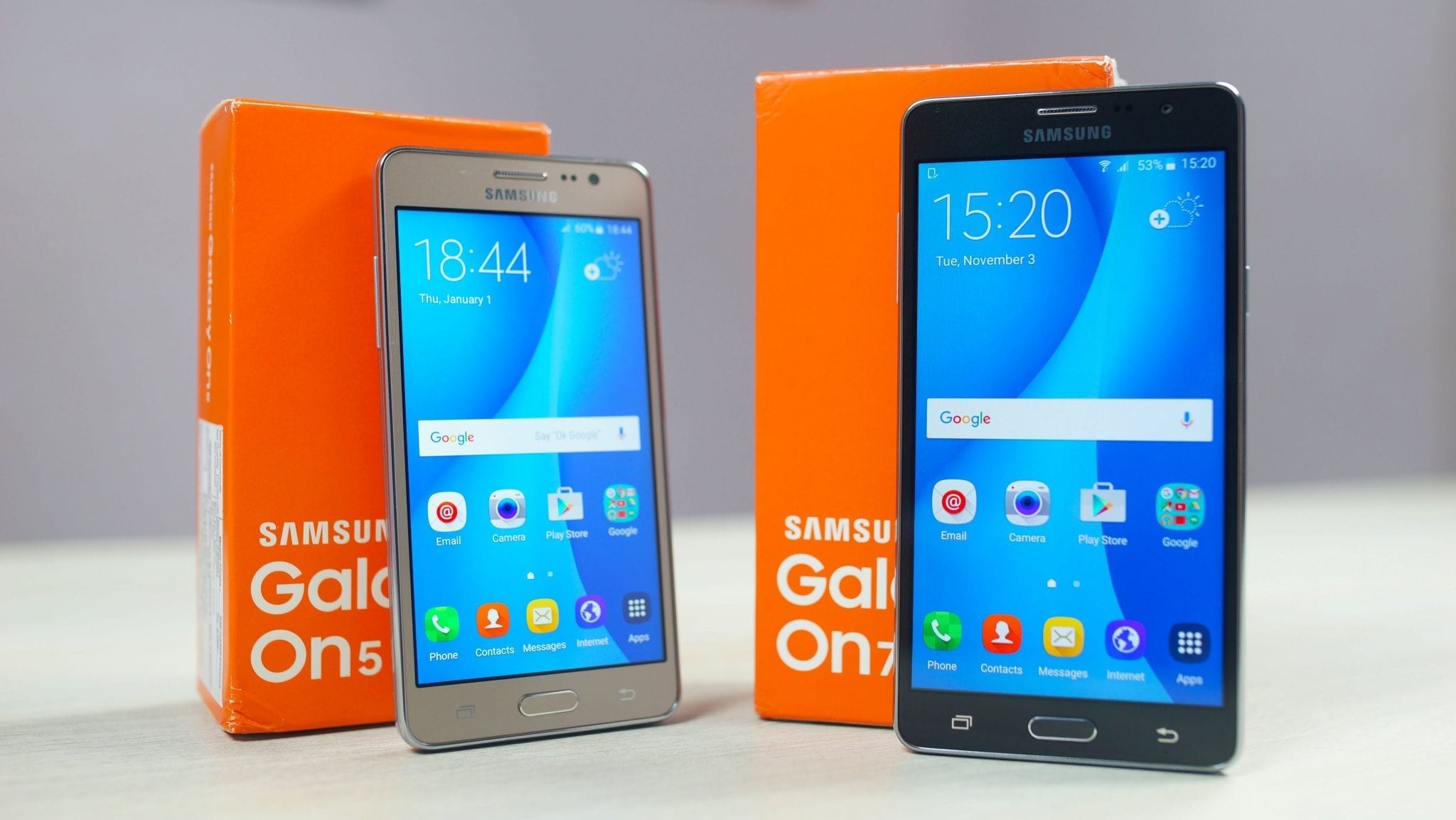
    In order to recover their profit lost due to Galaxy Note 7 issues, Samsung decided to launch the Galaxy On7 in South Korea. The phone is 55-inch and is packed with 3GB Ram and a 16GB memory. It is metal framed and comes with an 8-megapixel front camera and 13-megapixel back camera.

    The Samsung Galaxy On7 is available in two different colors of Black and Gold. It is priced at 399,000 won, which is more or less $399. The phone is available with features similar to its flagship models, like the F1.0 aperture that allows filming even on a low light setting. It is also available with fingerprint recognition and many more.

    It should be remembered that the Galaxy On5and the Galaxy On7 were launched last year in India, but they were restricted in most South Asian countries. On the other hand, the Galaxy On7 is going global after it was launched in China last September and India just last month.

    When it comes to features, the Galaxy On7 does not disappoint. It comes with 5.5-inch touchscreen display and in 1920 x 1080 pixels. The one that was launched in South Korea is available with a 1.6GHz processor, while the Indian and Chinese versions come with Snapdragon 625 chips.

    When it comes to its camera feature, the phone can take impressive selfies as well as video chats. Both front and back cameras come with f/1.9 apertures. The Galaxy On7 runs in Android 6.0.1 Marshmallow and operates with 4G LTE connectivity. It also comes with a metal body that never fails to add a touch of class.

    LG and Apple, the two known rivals of Samsung, were able to experience great sales in South Korea with their models V20 and iPhone 7 respectively. The said boost of sales is blamed to the Note 7 dilemma.But with the coming of the Galaxy On7, Samsung hopes it can make up for the loss profit.

  • Samsung home appliances now available on Lazada Malaysia

    Samsung home appliances now available on Lazada Malaysia

    Samsung Malaysia Electronics (SME) Sdn Bhd today established a partnership with online shopping mall Lazada Malaysia to offer its first portal-in-portal site in South-east Asia.

    Head of Consumer Electronics Business Jimmy Tan Chee Wee said the partnership would allow more Malaysian consumers to shop online for their desired Samsung home appliances.

    “Today, many consumers are tech-savvy and enjoy online shopping on their own space, and the partnership will help them enjoy savings and convenience compared with the conventional way of shopping,” he said.

    Tan was speaking at the “Unbox the Wonders of Home” year-end online campaign in conjunction with Lazada’s Online Revolution campaign here today.

    He said the collaboration would provide SME a greater opportunity to reach a wider customer base through online portal and mobile applications, and share the latest promotions as well as product information at the same time.

    “Lazada helps to track every shop within the onsite portal according to the postcodes to ensure each of them is geographically tagged and catalogued to fit the shopper’s address.

    “This will bring them to the nearest SME retail shops, automatically entitling them to free and fast delivery,” he said.

    Tan said products offered online range from smartphones to televisions and refrigerators, with no price differences between online and offline products.