Tag: samsung

  • Apple Looks to Open First Store in Samsung’s Backyard

    Apple Looks to Open First Store in Samsung’s Backyard

    Apple Inc. has made inquiries about opening its first retail store in South Korea, in a signal that the technology company might be looking to step up competition in the backyard of smartphone rival Samsung Group.

    Apple looked at sites across the street from the group’s longtime headquarters in Seoul, according to people familiar with the matter.

    The Cupertino, Calif., company, which is Samsung Electronics Co.’s biggest rival in the mobile-phone market as well as a major customer of its smartphone components, is looking at locations near the South Korean company’s own three-story global flagship store in Seoul’s upscale Gangnam neighborhood, the people said. The company has sent retail executives to South Korea in recent months to check out potential sites for the store, they said.

    The people warned that Apple’s plan hasn’t been completed and a store opening could take about a year.

    “We have made no announcements about a store there,” a spokesman for Apple said.

    A spokeswoman for Samsung Electronics declined to comment.

    South Korea, Asia’s fourth-largest economy, has long been a tough market for Apple. Smartphone sales are dominated by hometown favorites Samsung and LG Electronics Inc., who together account for about 80% of the smartphone market in the country. Apple doesn’t break out sales for South Korea separately.

    After the launch of the larger-screen iPhone 6 and iPhone 6 Plus in late 2014, Apple jumped to about one-quarter of the market, before its share fell below 10% in the second quarter of 2016, according to data tracker Strategy Analytics.

    Opening a glitzy flagship store would send a message that Apple intends to compete hard on Samsung’s home turf.

    From a glass cube on New York City’s Fifth Avenue to a Norman Foster-designed store in Istanbul, Apple has used its prominently placed retail stores to attract buzz for the brand and to sell premium handsets. In Seoul, Apple has scouted potential locations around the Gangnam subway station, Seoul’s busiest and home of the headquarters of Samsung Group, as well as another site on Seoul’s fashionable Garosu-gil shopping street, according to the people.

    In South Korea, Apple relies on third-party retailers who apply for licenses to operate as authorized Apple resellers, as well as carrier partners.

    In mainland China, a critical market for Apple, the company has opened 36 Apple stores, including in Shanghai and in second-tier cities such as Nanning, Fuzhou and Jinan. It has six Apple stores in Hong Kong and seven in Japan.

    Apple’s hunt for retail real estate in Seoul comes as Samsung grapples with a recall of its latest smartphones amid reports of batteries in the Galaxy Note 7 catching fire. Analysts estimate the recall of 2.5 million devices could cost

    Samsung more than $1 billion.Before the Note 7 recall, Samsung reported its most profitable quarter in two years in July as Apple suffered a 27% drop in quarterly net profit compared with a year earlier.

    Samsung’s share of the global smartphone market rose to 22.3% in the most recent quarter from 21.8% a year earlier, according to research firm Gartner. Over the same period, Apple’s share fell to 12.9% from 14.6%.
  • Airlines ban in-flight Note7 use after global recall

    Airlines ban in-flight Note7 use after global recall

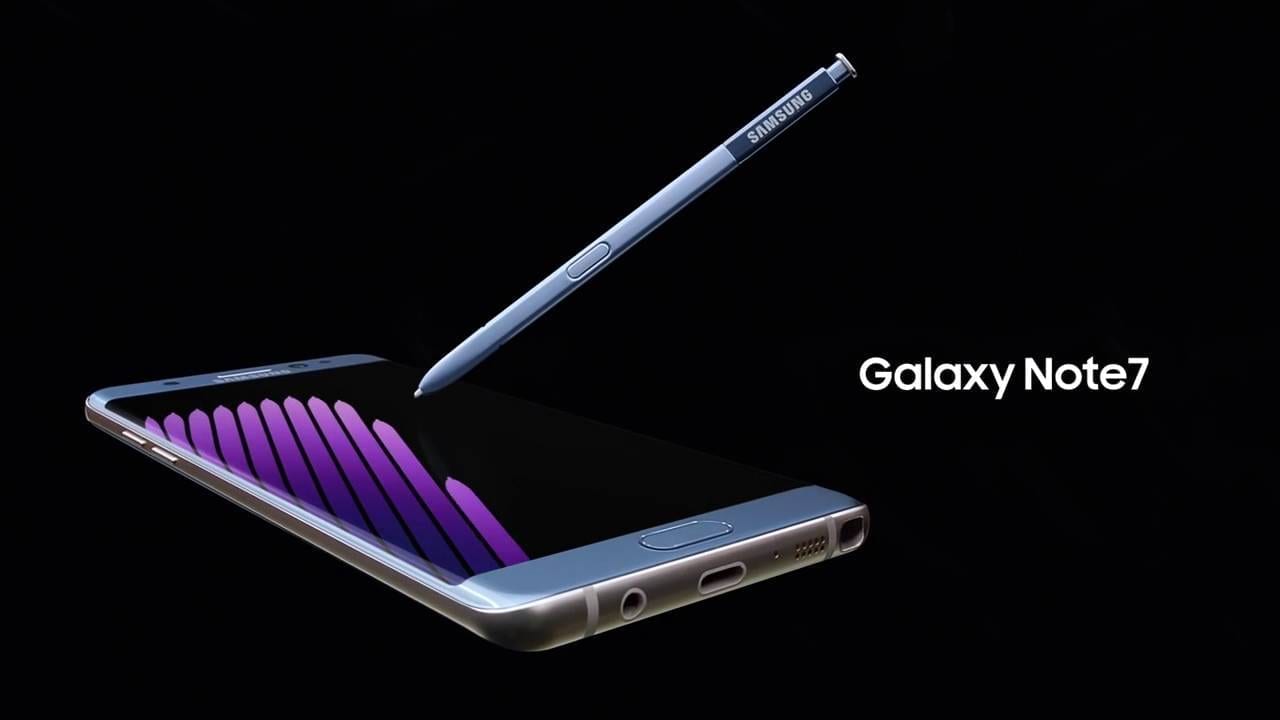
    Multiple airlines have banned the use of Samsung’s Galaxy Note7 smartphones while onboard after the company issued a global recall of the devices due to reports of exploding batteries.

    Thai Airways is among the latest airline to ban the use of the smartphone online, as well as storing the device in checked baggage.

    Other major airlines including Singapore Airlines, Australia’s Qantas and the UAE’s Etihad have already issued bans. Aviation authorities in Europe, the US and Japan have also issued safety warnings.

    Samsung has meanwhile urged all users of Note7 smartphones subject to the global recall to turn in their devices as soon as possible for replacement

    The company issued a global recall for the devices last week following reports of faulty batteries overheating or even catching fire. The company said that prior to the recall there had been 35 reported cases of malfunctions globally.

    Samsung Electronics Australia announced that replacement stock will be available to local customers from September 21, and the company will resume selling the devices in the market in early October.

  • Maybank joins up with Samsung Pay

    Maybank joins up with Samsung Pay

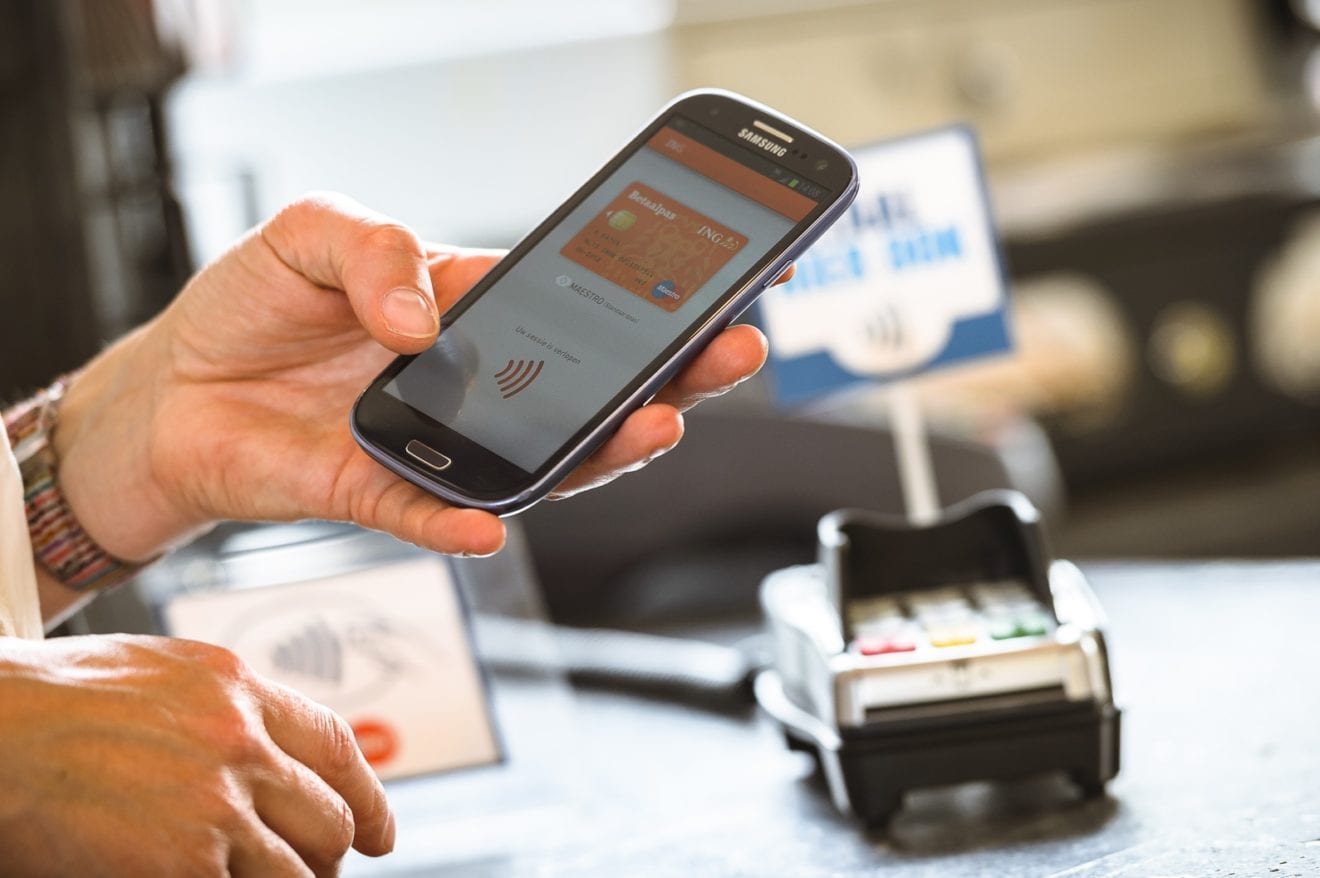
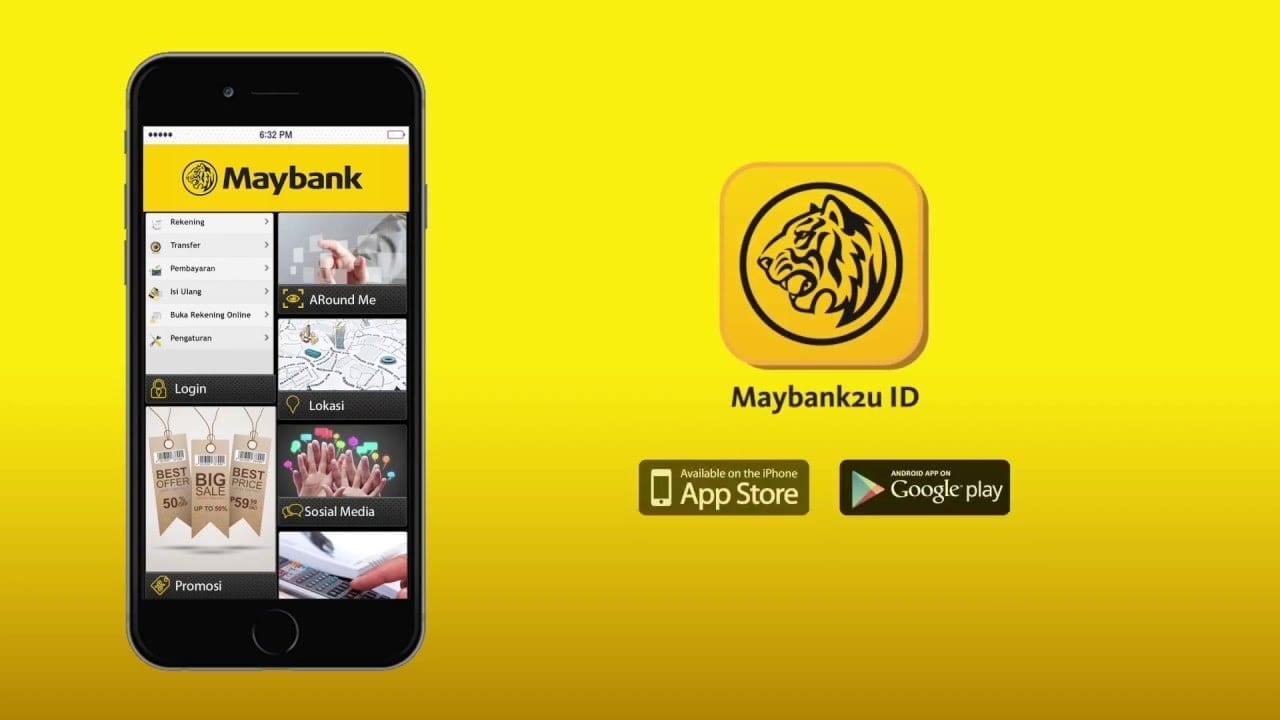
    Singapore’s Maybank has joined the Samsung Pay bandwagon to help meet its goal of strengthening its digital presence across the region.

    Launched in partnership with Samsung Electronics Singapore, the deployment will enable customers to use their Maybank credit and debit cards to perform transactions at most point‐of‐sale (POS) terminals in Singapore.

    This mobile wallet deployment is expected to bring greater payment convenience to Maybank’s Singapore customers.

    In conjunction with the launch, Maybank Singapore will be offering special promotions for its customers including cash rebates, lucky draws and 1‐for‐1 promotions.

    CEO, Maybank Singapore, Datuk Lim Hong Tat said this partnership with Samsung forms part of Maybank’s digital roadmap for its regional operations, with Singapore being the first ASEAN market to launch Samsung Pay.

    Group Chief Strategy Officer of Maybank Michael Foong, said, “Over 40% of our customers in Singapore are now transacting using their Maybank Singapore contactless credit cards, and cardholders here can now use this Samsung Pay facility virtually anywhere in the world 1 where credit or debit cards are accepted.”

    The launch of Samsung Pay in Singapore follows the bank’s introduction of its mobile wallet in Malaysia last month, and will be followed by the progressive roll‐out of other digital initiatives across the region.

    Other past initiatives include the launch of mobile banking apps with augmented reality in some regional markets, biometric authentication, cardless withdrawals, “e‐ang pows” for festive gifts and even hackathon events for the tech community.

  • Samsung issues recall of Galaxy Note 7 globally

    Samsung issues recall of Galaxy Note 7 globally

    Samsung Electronics is recalling about 1 million units of its Galaxy Note 7 smartphone sold globally after a series of reports on battery explosions since its launch on Aug. 19.

    The company said all the phones will be exchanged with new ones regardless of battery functions. Considering inventories, the recall will affect some 2.5 million Note phones produced, it added.

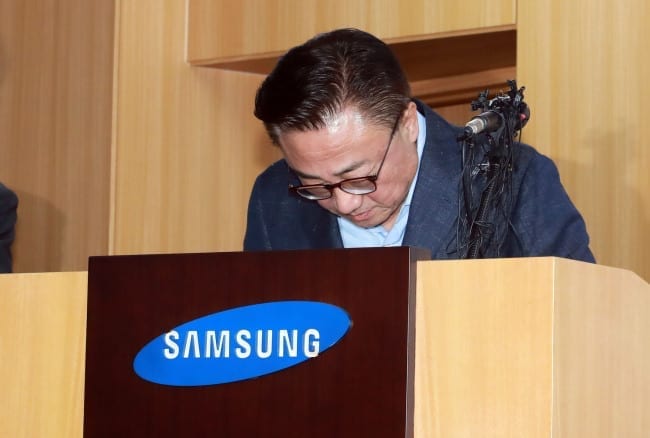
    Samsung Electronics mobile chief Koh Dong-jin apologizes at a press conference held in Seoul

    “We have concluded that defective battery cells have caused the recent explosions. Among 1 million units sold, 24 have been found to have faulty batteries,” said the company’s mobile chief Koh Dong-jin at a press conference held in Seoul on Sept. 2.

    “Even though our investigation is ongoing, we have decided to exchange all the phones considering growing safety concerns among customers,” he said.

    Samsung has suspended shipments of the big-screen Note phone since early this week after several reports in Korea and abroad claiming that the phone exploded while charging. No injuries have been reported.

    The recall is expected to start from Sept. 19 in 10 countries, including Korea and the US.

    In Korea alone, some 400,000 preorders have been made.

    Koh declined to reveal the cost of the planned recall, saying: “It is a huge amount. But we have decided to do so for the safety of our customers.”

    Considering the retail price of Korea at 988,900 won (US$881), the company is recalling an estimated 2.5 trillion won (US$2.2 billion) of Note phones.


  • Nagra, Samsung debut TVkey USB device

    Nagra, Samsung debut TVkey USB device

    Nagra, a Kudelski Group company, has launched the TVkey USB device, the direct-to-TV security solution for pay TV operators that allows consumers to sign up for pay TV services directly on selected new Samsung TVs, while meeting all key MovieLabs requirements for Enhanced Content Protection (4K UHD, HDR, early release).

    With TVkey, consumers will be able to enjoy premium content in 4K UHD quality directly on new TV sets through a simple sign-up process and with a single remote control unit.

    The TVkey approach offers a fast, secure and low entry barrier route to market for pay TV operators launching 4K services directly to new consumer TV sets.

    The cost optimized form factor of TVkey USB devices will enable innovative and low-touch consumer logistics including bundling the device with the TV set. Such an approach can radically simplify the customer acquisition process with pay TV services working straight out of the box.

    Through a simple sign-up process, either via a TV app, a web portal or a call center, consumers can easily sign up for a pay TV service package. Operators can also use free preview periods in order to entice consumers into becoming loyal customers. And because no additional set-top box or installation is required, the customer acquisition costs and CAPEX can be dramatically lowered.

  • Samsung issues recall over exploding Note7s

    Samsung issues recall over exploding Note7s

    Samsung plans to conduct a global recall of its Galaxy Note7 following reports that the device can overheat and even explode due to a faulty battery.

    The company announced it has stopped sales of the device and will voluntarily replace it for existing customers over the coming weeks.

    As of September 1 there had been 35 reported cases of battery malfunctions globally, Samsung said. The company is conducting a thorough inspection with suppliers to identify possible affected batteries in the market.

    But sales of the device have not been suspended in every marke. In a statement, 3 Hong Kong said it has learned from Samsung Hong Kong that sales of the device will not be affected by the recall, and the device launched in the market as scheduled last week.

    By contrast, the Philippines’ Globe will participate in the recall, and announced it will replace existing Note7 devices as soon as Samsung is able to provide replacement units, or customers can select another replacement device instead.

    Bloomberg has estimated that it may cost Samsung as much as $1 billion to replace all 2.5 million Note7 phones shipped since the device’s launch two weeks earlier. The company could also face reputational damage a a precarious time for smartphone vendors.

  • Samsung promises to employ more local talent

    Samsung promises to employ more local talent

    Korean technology giant Samsung has promised to develop and nurture local talent in Indonesia through its Samsung Research and Development Institute (SRIN), a platform for innovation.

    The SRIN is currently carrying out a roadshow at several academic institutions in Indonesia to help young developers put their ideas into practice where previously it “would be hard for them to do so”, as the company claims. The platform could become a gateway for Indonesian talent to contribute to the development of new technologies for Samsung or other companies.

    Aside from developing its devices, Samsung’s other goal is to drive innovation in the internet of things (IoT) segment, which the company says is starting to take off in Indonesia.

    Samsung Indonesia’s marketing director for IT and mobile technology, Vebbyna Kaunang, said the use of Samsung’s IoT technologies in Indonesia was currently limited to business-to-business application, such as equipping offices with smartphone-controlled lights and other utilities. It is still unclear when these features will be made available to the general public.

    Because the company is pushing this segment further in the hope of preparing it for the Indonesian market, the development of local talent seems more important than ever, as qualified Indonesians could contribute to future Samsung technologies.

    Earlier this year, the company laid out plans to seek more Indonesian developers to help create local content for its burgeoning virtual reality (VR) service.

    “What we plan to do is to get our digital ecosystem in gear and hopefully fulfill all device segments with the latest technology every time. Through programs held by the SRIN, we are able to do that using unnurtured talent,” she said at the launch of Samsung’s new Galaxy Note 7 on Tuesday.

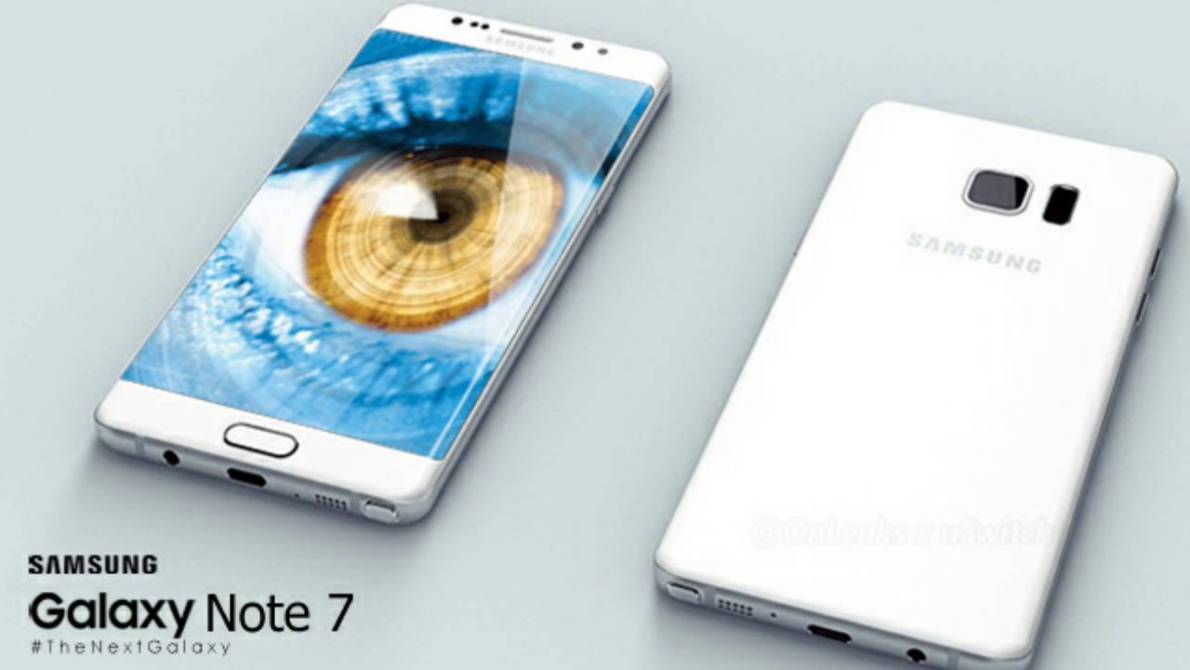
    The Galaxy Note 7 is described by Samsung as its pinnacle of innovation. Assembled in the company’s factory in Cikarang, West Java, the smartphone is equipped with features such as an iris scanner for more secure access, an improved stylus called the S Pen, and the ability to function for 30 minutes under water at a depth of 1.5 meters.

    The device itself is not yet available in retail stores in Indonesia, but pre-orders for the country sold out within three days earlier this month at a price of Rp 10.7 million (US$813).

    Vebby added that the components of the Galaxy Note 7 were 100 percent compliant with the upcoming regulation, which requires all 4G smartphones sold in the country to be made of at least 30 percent local components.

    At present, the government applies a mandatory rule of having 20 percent local content in 4G smartphones sold in the country, but the rule applies mostly to hardware, while the upcoming regulation will also encapsulate software requirements.

    The regulation is slated to be implemented at the beginning of next year.

    Samsung released its Galaxy S7 smartphone in March.

  • Galaxy Note 7 most costly in Europe, cheapest in Korea

    Galaxy Note 7 most costly in Europe, cheapest in Korea

    Samsung Electronics’ Galaxy Note 7, which was launched Friday globally, is the most expensive in Europe and cheapest in South Korea, according to the tech firms’ online stores Friday.

    The new phablet costs around 1.06 million won ($948) in Germany, 1.07 million won in France and Spain and 1.09 million won in the UK, according to Samsung’s online stores, reports the Korea Herald.  The prices set for European consumers are around 70,000 won to 100,000 won higher than the price set for Korean consumers. The Galaxy Note 7 is being sold for 988,900 won here, along with freebies such as the Gear Fit 2.

    “Prices in Europe are normally set higher than in other regions, considering higher consumer prices in the region,” Samsung’s official said, adding, “The prices are not entirely set by Samsung but with local mobile carriers.”

  • Huawei tests Samsung-Shinsegae ties

    Huawei tests Samsung-Shinsegae ties

    Huawei, China’s top-tier handset and networking infrastructure business operator, is basking in the limelight for its partnership with Shinsegae, a former Samsung Group affiliate and the nation’s second-largest retailer.

    The partnership is also eye-catching as Huawei has icy relations with its rival Samsung Electronics following a series of lawsuits between the two.

    Shinsegae, which separated from Samsung Group in 1991, had been a decades-long retail services operator of Samsung. Shinsegae Group Chairman Lee Myung-hee is the younger sister of Samsung Group Chairman Lee Kun-hee.

    The partnership was announced last week when Huawei officially named Shinsegae I&C, the IT-based platform service affiliated with the retail giant, as its sole distributor in Korea, to speed up penetration into the market here.

    Given that Samsung and Huawei are engaging in legal battles, critics said the partnership is quite “unexpected.”

    In May, Huawei filed a patent lawsuit against Samsung Electronics in the U.S. District Court for the Northern District of California, claiming that the Korean electronics firm infringed on Huawei’s wireless patents without licensing.

    In response, Samsung Electronics countersued Huawei and a department store in Beijing last month, claiming some $24.14 million in damages.

    Amid the chilly relationship, Huawei held a press conference last week to launch the sales of its two-in-one portable PC, MateBook, in Korea. The company also announced its partnership with Shinsegae I&C whose retail clients include renowned global information and communication technology (ICT) companies such as Google, Hewlett-Packard and JBL.

    “Huawei joined hands with Shinsegae I&C, as the Chinese company appreciates our capability in managing global ICT firms,” said a Shinsegae manager. “We have nothing to comment on why Huawei chose the former Samsung affiliate despite its current estranged relationship with Samsung Electronics.”

    He said the partnership came as Shinsegae has a nationwide foothold to distribute devices by using its e-mart discount chains.

    Huawei established its Korean branch in 2007, but has so far failed to attract huge attention with its consumer electronics products — including smartphones and laptops. Expectations are that the Chinese handset giant aimed to stop the decade-long weak profile here by signing a partnership with the strong retail giant, regardless of its relationship with Samsung.

    There are only a few “hit” Huawei products here — including its budget handset Y6 introduced earlier this year. But the phone failed to gain wider interest, as the country’s smallest mobile carrier LG Uplus was the exclusive distributor for the smartphone.

    Huawei Korea officials were unavailable for comment over the specific reasons for the partnership.

  • Apple and Samsung continued to lose smartphone market share in China during Q2

    Apple and Samsung continued to lose smartphone market share in China during Q2

    Smartphone shipments in China during the second quarter rose 14.9% on a year-over-year basis to 149 million units. Sequentially, shipments rose 2.7%. This growth is not coming from high-end manufacturers like Samsung and Apple. Instead, entry-level handsets and mid-range 4G models are capturing attention from subscribers to the nation’s three major carriers. China Mobile, China Unicom and China Telecom are each offering subsidies on these less expensive models.

    This has resulted in a build up of inventory in the country’s retail channels. During the first two quarters of the year, manufacturers shipped more phones than the number that consumers were buying. As a result, analysts expect an “inventory correction” during the fourth quarter. This should result in manufacturers slowing down shipments of smartphones to retail channels in order to keep inventories lean.

    Digitimes own research has Huawei listed as the top smartphone producer in China with a 14% market share from April through June. The 12.7% share earned by Oppo during the same time period was next, followed by Vivo and Xiaomi with 11.2% and 10.4% of the market, respectively. Apple was fifth with a single digit slice of the pie.

    In an earlier report, Apple was said to have claimed 10.8% of the Chinese smartphone market during the first quarter of this year. That was a decline from the 12% share Apple controlled in the first quarter of 2015. Now in single digit territory, the company is looking at India to provide future growth in iPhone shipments.

    source: Digitimes

  • South Korea’s Woori Bank to form Vietnam unit by July

    South Korea’s Woori Bank to form Vietnam unit by July

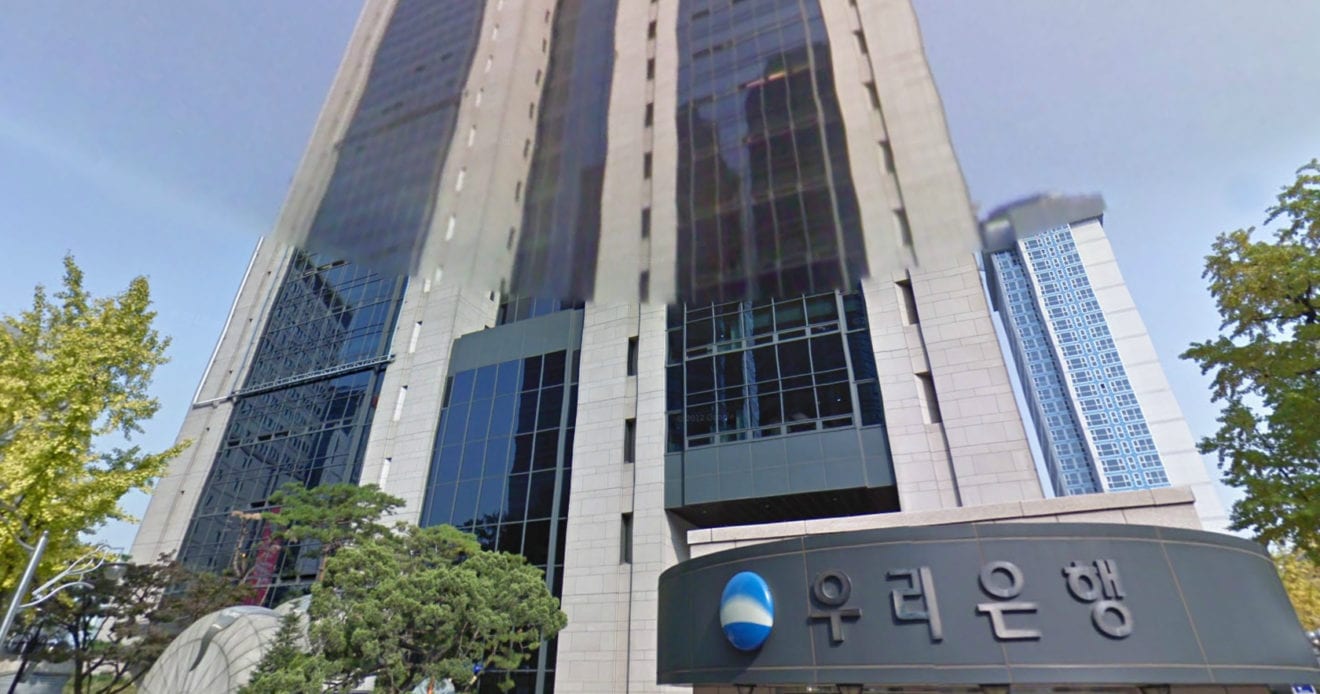
    South Korea’s Woori Bank expects to establish a Vietnam unit this month or in July, a bank official said on Tuesday, as part of the lender’s plans to expand its network in the expanding market of Southeast Asia.

    Woori Bank, South Korea’s largest bank in terms of consolidated assets as of the end of March, is awaiting approval from relevant authorities to established a wholly-owned unit in Vietnam, the official said.

    A Vietnamese banking source said the State Bank of Vietnam, the country’s central bank, was expected to grant a licence for the South Korean lender shortly.

    South Korea is now the biggest foreign investor in Vietnam, with large investments placed to turn it into a Southeast Asian production hub by Samsung Electronics Co Ltd and LG Electronics Inc.

    Other major Korean companies in Vietnam include Kumho Construction, Posco group, Hanjin Logistics and Kumho Tire.

    A free trade agreement between South Korea and Vietnam that came into effect last December gives more incentives for Korean firms to invest.

    Woori Bank’s Vietnam unit, once licensed, would most likely be a vehicle to expand South Korean investment in a country where it has been limited to operating two branches. Other competitors include HSBC, ANZ, Standard Chartered Bank as well as Shinhan Bank.

    With the expected approval, Woori Bank would seek to strengthen its localised service to Vietnamese retail customers through channels including its mobile banking platform Wibee Bank and chat app Wibee Talk.

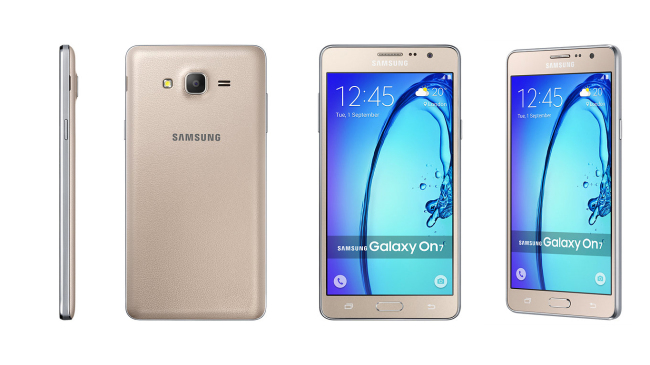
  • Samsung to launch cheapest smartphone Galaxy On7 in Korea

    Samsung to launch cheapest smartphone Galaxy On7 in Korea

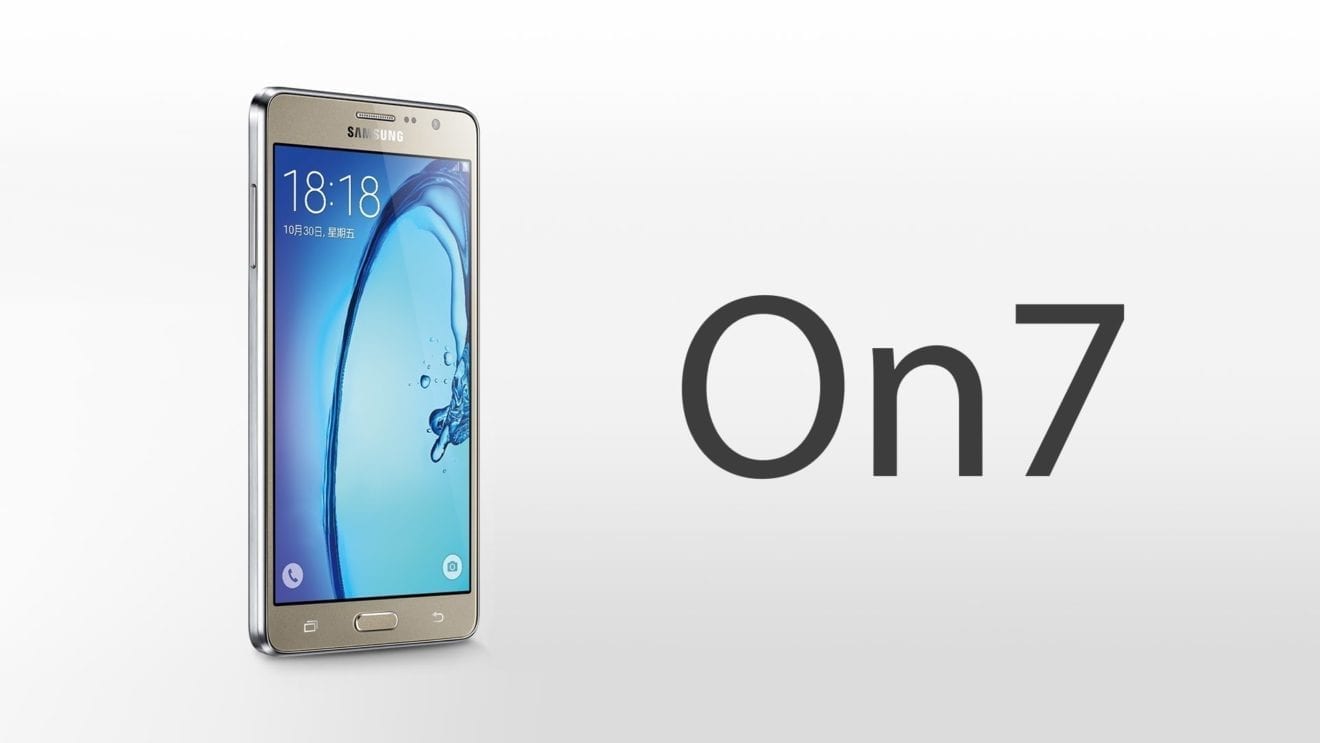
    Samsung Electronics is expected to launch another budget smartphone Galaxy On7 in Korea in the coming weeks via SK Telecom, sources said on June 15.

    The model is the Korean tech giant’s cheapest smartphone that is sold at 10,190 rupees ($153) exclusively in India currently.

    Launched in November, the phone features a 5.5-inch HD Display, a 13 million pixel rear camera, a 5 million pixel front camera and a 3000mAh battery.

    Samsung’s cheapest smartphone Galaxy On7

    Sources said the Korean version could upgrade some features, with its retail price being slightly raised.

    In Korea, Samsung’s cheapest smartphone is Galaxy J3 with a price tag of 231,000 won ($196).

  • Massive O2O plan by Alibaba and Suning

    Massive O2O plan by Alibaba and Suning

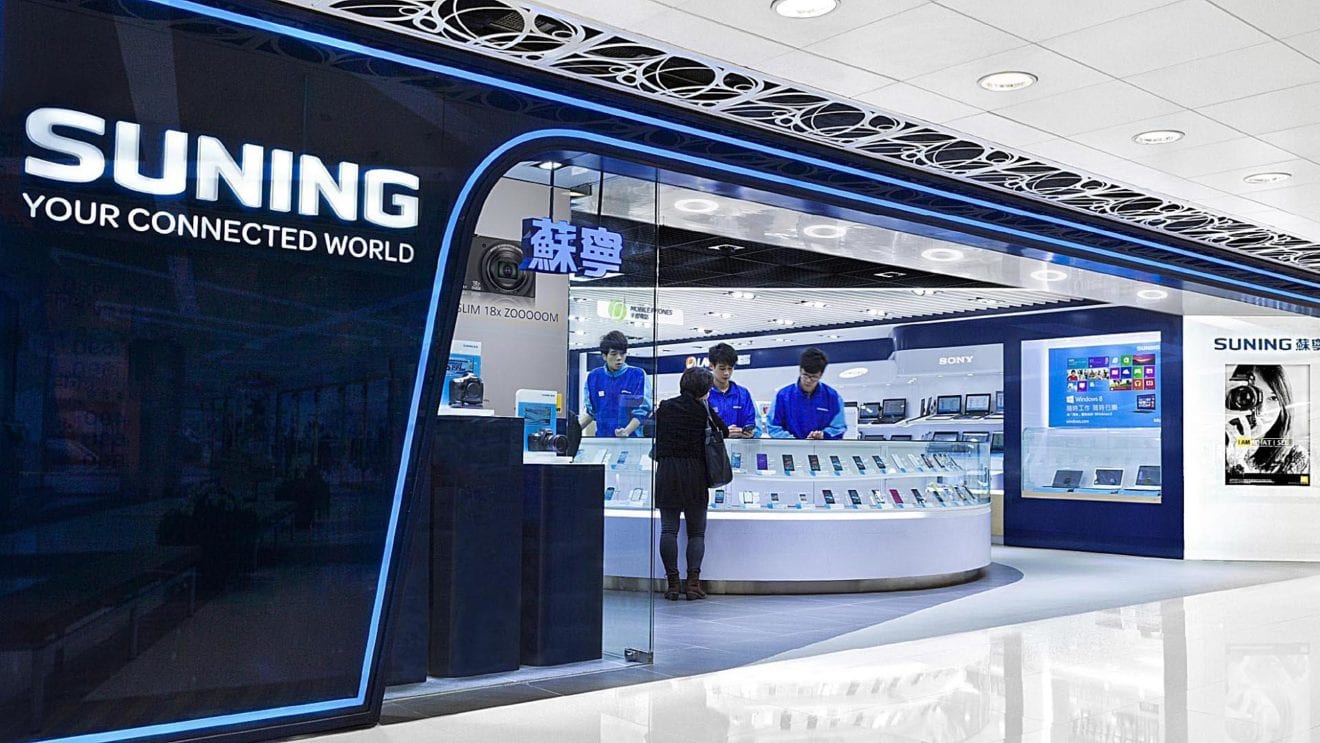
    Alibaba and Suning, one of China’s largest electronics retailers, plan to fuel Chinese and international consumer electronics brands sales over the next three years by investing in an online-to-offline (O2O) retail initiative.

    The pair will work together to build out an O2O, or “omni-channel,” network combining the former’s online retailing assets with the latter’s physical stores and distribution facilities to make purchasing of consumer electronics and home appliances easier for consumers, officials for the companies said at a press conference in Beijing.

    The two companies expect to quadruple sales of major electronics brands – including Haier, Samsung, Xiaomi and Lenovo – over the next three years, using big data from both businesses, said Alibaba Group CEO Daniel Zhang.

    “This can be achieved by integrating the online and offline sales channels under a digitalisation process,” Zhang said.

    Alibaba and Suning began working together on omni-channel retailing last year after Alibaba agreed to invest RMB 28.3 billion (US$4.63 billion) for a near 20 per cent stake in the bricks-and-mortar retailer. Suning’s network of 1600 stores and 5500 after-sales service centers are linked with Alibaba’s online platforms, and Suning’s distribution network, which includes 4.55 million sqm of warehouse space, is used to deliver products purchased online by consumers via Alibaba’s Taobao Marketplace and Tmall.com shopping sites.

    Working with Alibaba’s logistics affiliate Cainiao, Suning and Alibaba currently offer 12-hour delivery of appliances and consumer electronics in Beijing, Shanghai, Guangzhou, Hangzhou, Shenzhen and Nanjing.

    Alibaba and Suning said they will also support electronics brands by allowing them to leverage consumer data on Alibaba’s 423 million annual active buyers and Suning’s 250 million members. Big data technology can enable more targeted sales and marketing campaigns and even provide insights that allow electronics manufacturers to make products that better meet consumer needs, the companies said. Using consumer data, German electronics company Siemens launched a refrigerator customised for Tmall users in March and Chinese appliance maker Midea in May began selling a rice cooker that was designed partly based on Tmall data.

    “We build a bridge between brands and consumers by leveraging data,” Zhang said.

    International and domestic brands joining the Alibaba-Suning support program, called the Super Brand Alliance, include Midea, Haier, Samsung, Hisense, Huawei, Xiaomi, Lenovo, Siemens, Sony, Skyworth and Canon.

  • PCCW’s Viu debuts in Indonesia

    PCCW’s Viu debuts in Indonesia

    Vuclip, a PCCW Media company launched in Indonesia the over-the-top (OTT) video-on-demand (VOD) service Viu, which has already rolled out in Malaysia, India, Hong Kong and Singapore.

    To amplify its efforts to deliver throughout Indonesia, Vuclip has entered into strategic partnerships with IndiHome Fiber, Telkomsel and Samsung.

    These partnerships enable Viu subscribers to experience content that is delivered “at the fastest speeds, through the most reliable networks, on a variety of devices, at the most competitive rates available.”

    For IndiHome Fiber-to-the-Home (FTH) subscribers, Viu content will be delivered through Telkom’s bundled speed plans on the FTH network.

    Telkomsel and Vuclip have strategically partnered for Indonesians to enjoy Viu content through Telkomsel broadband networks, and special bundled data package pricing for consumers.

    Through Viu’s exclusive device partnership with Samsung, Samsung Galaxy users with select smartphones and tablets can access all Viu content when they activate the “Viu partner offer” via their Samsung Galaxy devices.

    “Mobile devices have driven internet growth in Indonesia. The number of Samsung Galaxy users who enjoy video streaming has also shown significant growth,” said Denny Galant, head of product marketing at Samsung Electronics Indonesia.

    Through our partnership, our Samsung Galaxy users with selected Samsung Galaxy models will be pampered with the latest Asian serials and other unlimited contents for 12 months,” said Galant.

  • Samsung Pay wins Citi support for Singapore launch

    Samsung Pay wins Citi support for Singapore launch

    Samsung has secured the support of Citibank as it readies the release of its mobile payments service in Singapore.

    Samsung has already won around Singapore’s major banks as it prepares for the launch of its service in Q2.The company is hoping the deal with Citi will give it the edge over rival Apple, which last week announced that it had lined up five major banks, extending the use of the mobile wallet beyond a limited earlier release for AmEx cardholders.

    Samsung says it will be able to tap in to Citibank’s extensive customer base and merchant network to promote greater adoption and usage of digital payments in the country.

    The South Korean consumer electronics giant says it has signed up ‘thousands’ of consumer to enter into beta tests of Samsung Pay ahead of its launch later this quarter.