Tag: samsung

  • ZTE China plans new stores

    ZTE China plans new stores

    Chinese multinational telecommunications equipment and systems company ZTE Corporation plans to open 23 stores this year, mainly in China but also Germany and Mexico.

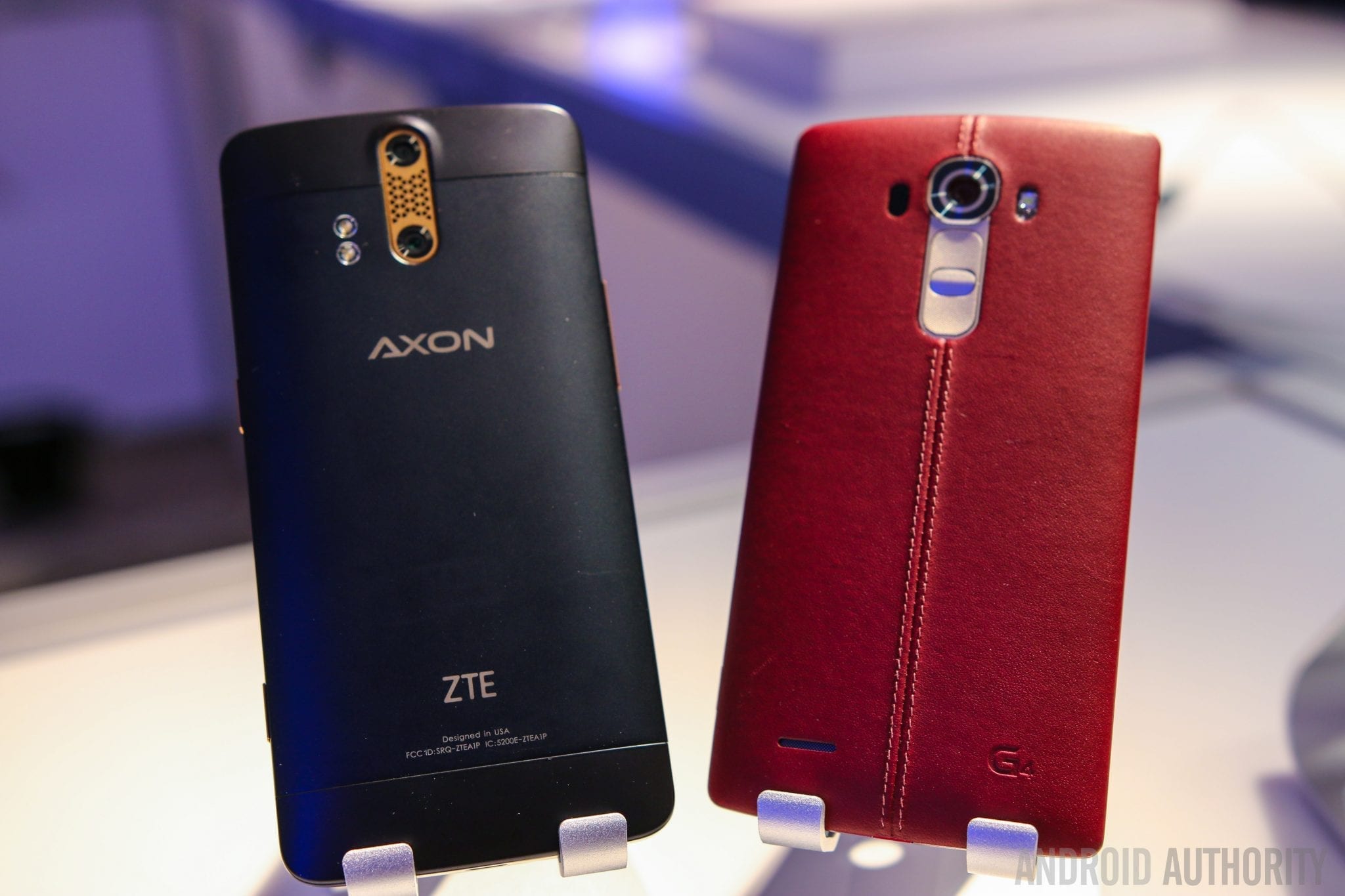
    Meanwhile, its latest smartphone, the flagship Axon 7, will go on sale for $449 in the US next month, up against Apple’s iPhone 6s and Samsung’s Galaxy S7.

    Headquartered in Guangdong, ZTE China has three business units – carrier networks (54 per cent), terminals (29 per cent) and telecommunication (17 per cent). Its core products are wireless, exchange, access, optical transmission and data telecommunications gear, mobile phones and telecommunications software.

    ZTE China also offers video on demand and streaming media. It primarily sells products under its own name.

  • Samsung Galaxy S7 arrives in Malaysia

    Samsung Galaxy S7 arrives in Malaysia

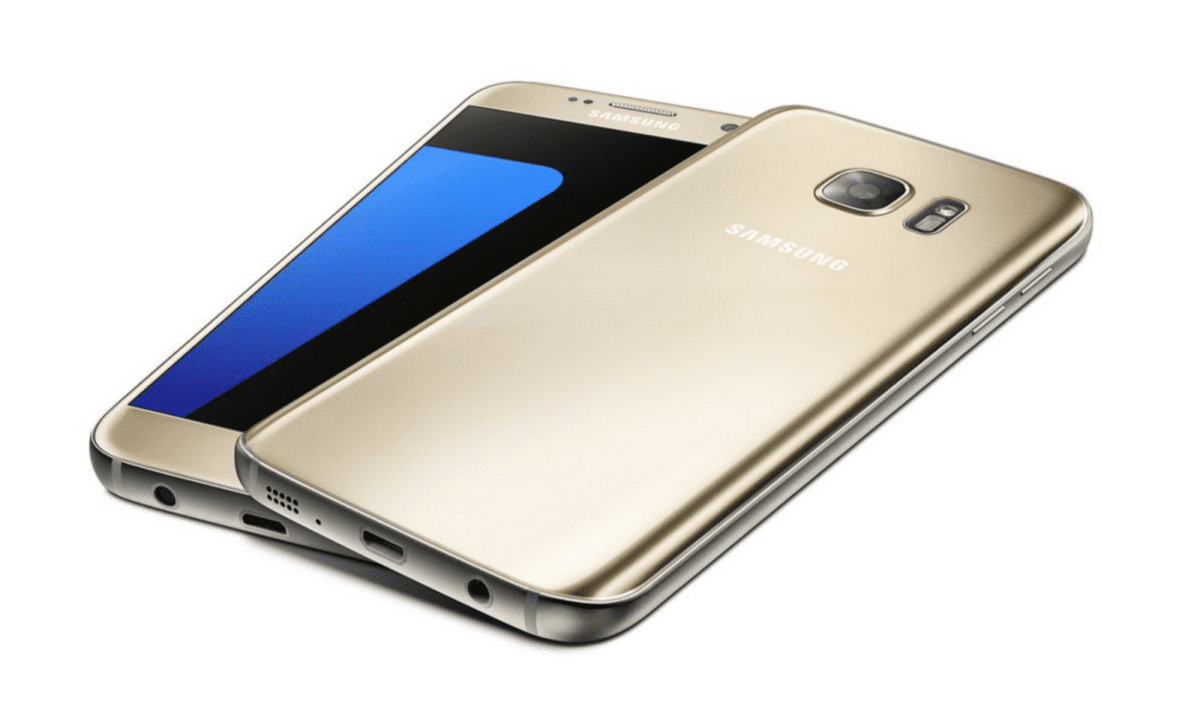
    Samsung Malaysia Electronics Sdn Bhd announced the official arrival of the much-awaited Samsung Galaxy S7 into Malaysia.

    Since its global unveiling, the highly anticipated Galaxy S7 and S7 edge have constantly been dubbed as the perfect smartphones – a flawless combination of performance and quality.

    Samsung Malaysia Electronics vice-president of Mobile and IT Business Unit, Lee Jui Siang said in a statement that: “When we launched the Samsung Galaxy S7 edge back in March, we were very pleased to receive an overwhelming response. Since then, many have asked about its sibling the Galaxy S7 and have expressed purchase intentions; as such, we decided that it was time to bring in the Galaxy S7.”

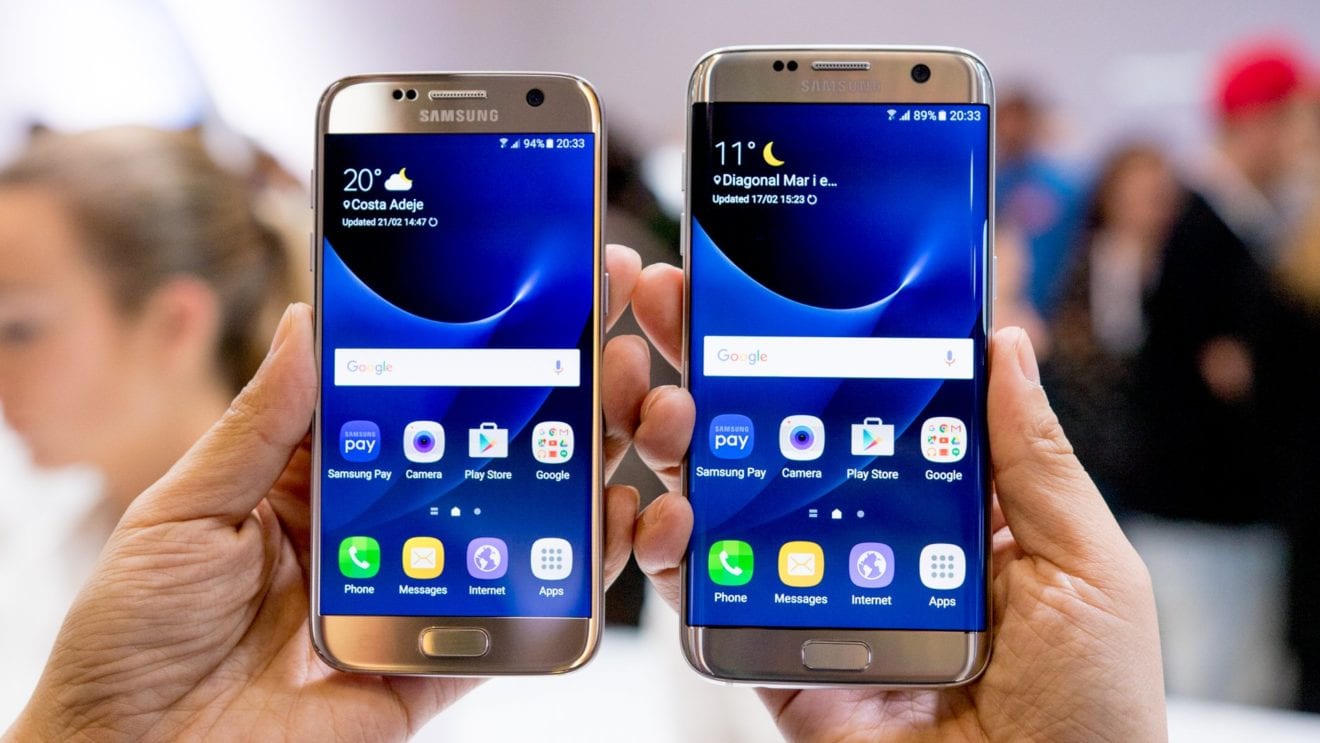
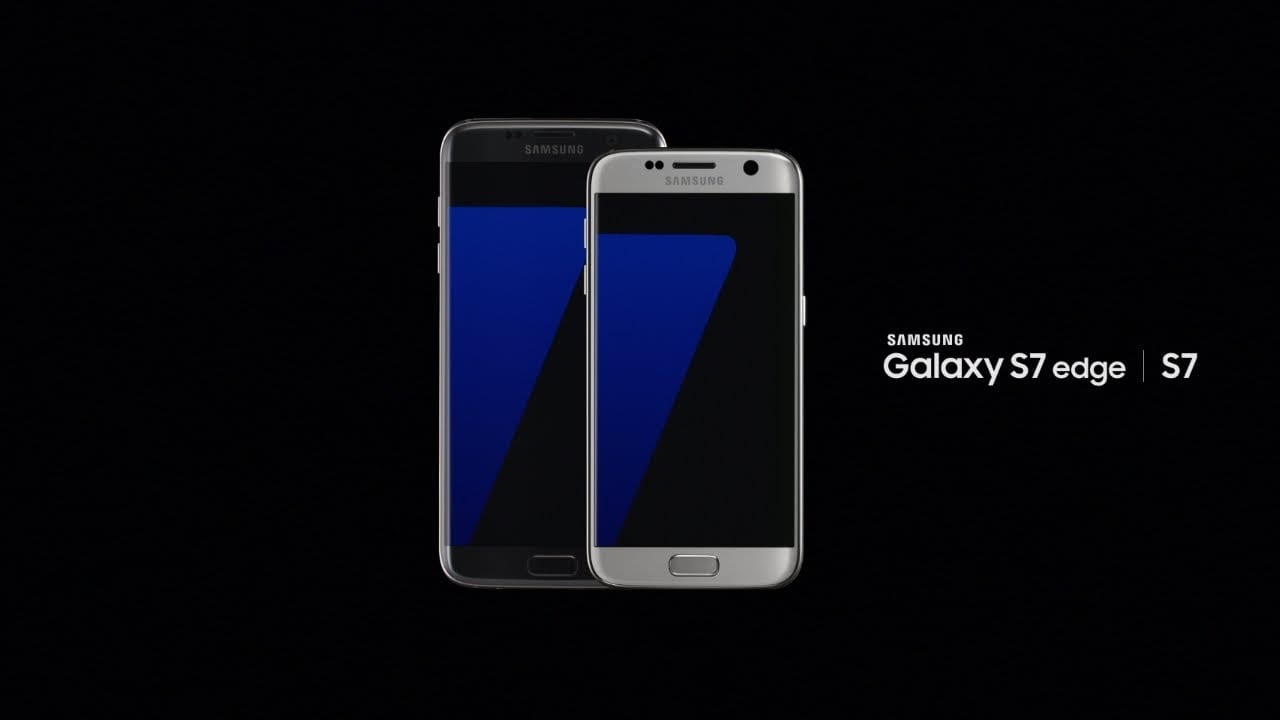
    Apart from its 5.1-inch Quad HD Super AMOLED display, the Galaxy S7 packs the same impressive features as its dual edge sibling, the Galaxy S7 edge.

    Despite the slightly smaller screen size as compared with the Galaxy S7 edge’s 5.5-inch display, Samsung still manages to emote the same feeling of sleekness and sophistication into this version with the same full 3D glass and metal body. The Samsung Galaxy S7 will be available in Malaysia from today at Samsung experience stores and selected Maxis stores.

    Offered at a recommended retail price of RM2,699 (inclusive of 6% goods and services tax), the device is available in three colours – black onyx, gold platinum and silver titanium.

  • Samsung Gear 360 Camera Goes On Sale In South Korea

    Samsung Gear 360 Camera Goes On Sale In South Korea

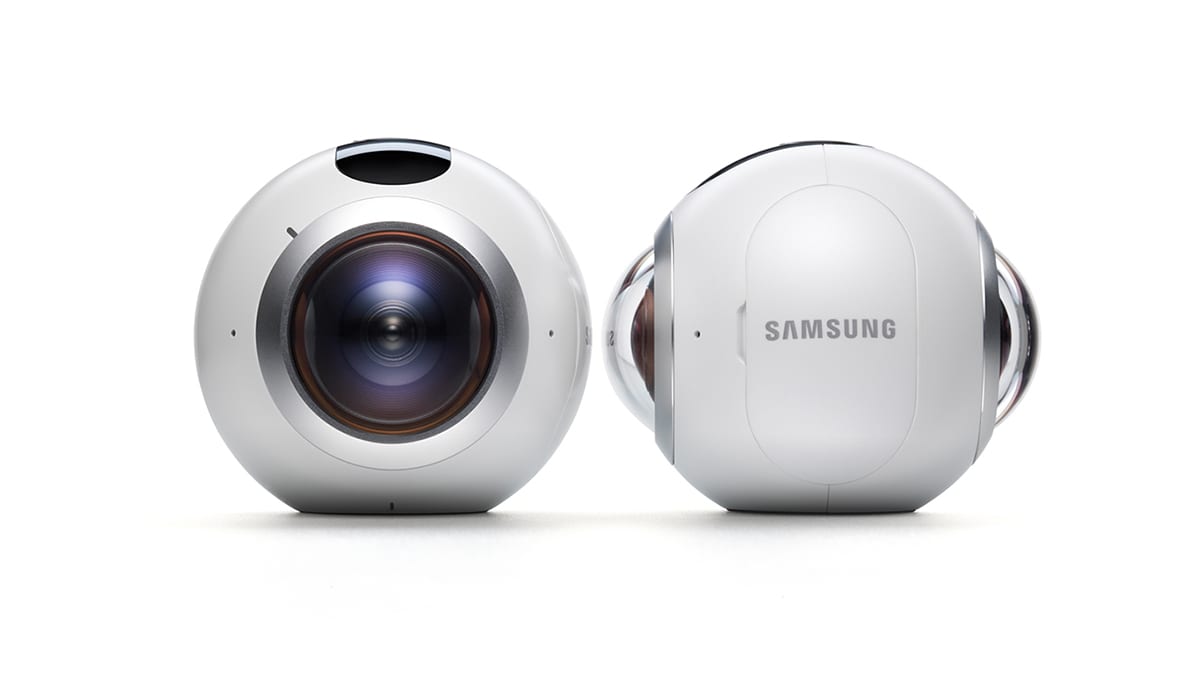
    The new Samsung Gear 360 VR camera is now available to buy in South Korea an we finally have some confirmation on how much it will cost.

    The Gear 360 is now available in KRW 399,300 which is around $350 at the current exchange rate, Samsung has not announced an international pricing for the device as yet, although it is expected to be around the $350 mark in the US when it launches.

    Samsung are now selling the device online in South Korea from today, it will, also be made available in more than 450 retail stores in the country on the 1st of May.

    The Samsung Gear 360 is designed to record 360 degree videos and also snap 360 degree photos, it has two cameras on on the front and one on the back and it can snap 25.9 megapixel photos and record video at a 3840 x 1920 resolution.

    The video below is a 360 degree video that was shot using the camera and it shows what the device is capable of.

    As yet Samsung have not given an exact launch date for the device in the US and Europe, as soon as we get some more information on when it will be made available, we will let you guys know.

  • Indonesia’s ‘king of feature phones’ wants to copy AirAsia to beat Samsung

    Indonesia’s ‘king of feature phones’ wants to copy AirAsia to beat Samsung

    These are exciting times in Indonesia’s handset market. As smartphone prices drop and interest in entry-level devices surges, there’s a window of opportunity for local brands to carve out their spot in a market dominated by Samsung.

    The incentive to participate in this race is high. Data from market research group Counterpoint shows the smartphone segment is currently growing at 30 percent annually, while overall phone unit shipments remain steady. It means that Indonesians are now willing to spend on replacing their feature phones with smartphones, and are doing so in droves. Smartphone shipments reached 9 million units in Q2 2015, the study found.

    A growing long tail of local and foreign brands is competing for first-time smartphone buyers, and the figures show that local brand Evercoss is in a strong position.

    In Q2 2015, for the first time, Evercoss overtook Samsung in overall handset shipments – which includes feature phones and smartphones. The two brands have been in a fairly close race in the past three quarters. However, last quarter’s win for Evercoss can be in part attributed to Samsung’s significant losses.

    The bulk of Evercoss’s overall market share is carried by feature phones. Looking only at smartphones over that same period of time, Samsung’s market share is still dominant. But Evercoss is slowly closing the gap, with a little over 1 percent growth for its smartphone shipments in the previous quarter as Samsung continues to drop.

    Local brands in the smartphone era

    This is an interesting development to follow. If Evercoss continues to nibble away at Samsung’s spot in the smartphone segment, it would prove that local brands can take their feature phone buyers by the hand and lead them into the smartphone era without switching brands.

    ‘Graduating’ to an entry-level Samsung from their local brand may have been the obvious choice for Indonesians until recently, but it’s not as simple as that anymore. A multitude of devices are vying for buyers’ attention. Since there is less room to stand out in terms of hardware and design – many lower-end smartphones are manufactured in the same Chinese facilities anyway – standing out is now a matter of highlighting the right details.

    Evercoss CMO Ricky Tanudibrata is well aware of this. He’s directing the move to turn his brand from a commodity into an affordable yet aspirational product. In Ricky’s words, Evercoss wants to shed the image of being the “king of feature phones” to become the “AirAsia of smartphones.” AirAsia is his role model because the low-cost airline was able to make flying an option for a larger segment of people, and is perceived as the reliable option among its low-cost competitors.

    Evercoss’s strategy, Ricky tells he has been to stay true to the lower-end price segment, and to collaborate with globally recognized brands to increase its own appeal. It was one of the partners for Google’s Android One release in Indonesia. (Other local brands selling Android One versions were Mito and Nexian). Evercoss also recently cozied up with browser-maker Opera in a co-branding campaign.

    So far, the strong brand recognition – due to Evercoss’s ‘king of feature phones’ status – paired with a more global positioning seems to have done decently in terms of smartphone sales. Decently, but not great.

    Take another look at the Counterpoint chart: next to Evercoss, local brands Advan and Smartfren as well as Taiwanese Asus deserve mention; all three have shown strong performance in smartphone shipments last quarter. Advan has been consistently strong with a broad range of smartphones reaching from the low end into the middle segment. Smartfren stands out with its recent Cyanogen-based Andromax Q series. Asus in particular had a successful run with the introduction of its Zenfone series at the beginning of the year and shot from nothing to 8 percent market share – which is much more impressive growth than Evercoss can boast.

    To be a Samsung killer, Evercoss needs to innovate

    Clearly, Evercoss’s status as most likely contestant to be a Samsung-killer in Indonesia is not set in stone. Ranks fluctuate, often tied to the release of new models. What we see is a game of mimicry and differentiation in a dynamic market. Evercoss’s next move, according to Ricky, is a partnership with Intel in its soon-to-be launched new line of phones and tablets. The popular Zenfone uses the same chipset.

    Following releases such as Smartfren’s affordable IDR 1,3 million (US$81) Andromax Q, which supports 4G LTE, Evercoss badly needs to launch its own 4G smartphone in the low-price segment. Ricky says the launch of such a device is in fact imminent and even showed us a prototype, without going into the specs.

    A major event in the mobile market last quarter was the passing into law of a much-talked about draft regulation: the ‘local content’ rule. In an attempt to limit the import of shelf-ready devices from China and elsewhere, the Indonesian government wants 4G LTE devices sold in Indonesia to be locally produced to a certain extent. The agreed figure is 30 percent by the beginning of 2017.How local brands are coping with the ‘local content’ law
    Compliance will be a challenge for foreign brands who don’t have any production facilities in Indonesia (Samsung proved its commitment by investing in factories). But it’s also a challenge for brands like Evercoss, who don’t make it a secret that a significant share of their manufacturing process takes place in China.

    “Obviously we think about this,” Ricky says. But he also doesn’t seem stressed out about it. “So far, it has not been finally decided how that 30 percent will be calculated.” What’s known is that ‘local content’ is going to include a range of factors, including investment, software, and labor, not just the hardware components. Ricky seems confident that Evercoss will be able to meet the standards when the time comes.

    The upcoming release and subsequent adoption of Evercoss’s Intel-powered new generation of phones and tablets is definitely something to watch. If Evercoss’s strategy to continue to upsell new devices to their existing customer base works out, and if the ‘local content’ law keeps out some newcomer brands from abroad who find it too difficult to comply, we may have ourselves a Samsung killer.
  • Samsung Pay China goes live

    Samsung Pay China goes live

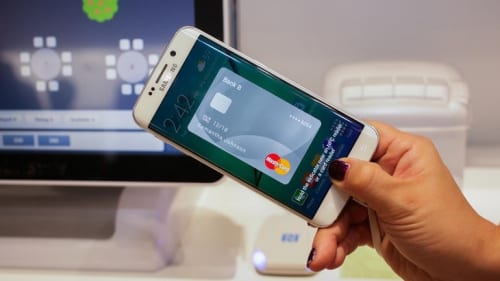
    Samsung Pay China is live after being launched by the South Korean smartphone giant this week.

    Samsung Electronics said Tuesday the introduction of the Samsung Pay China mobile payment service will speed its efforts to expand the scope of its flagship mobile payment platform globally.

    The South Korean tech company said Chinese users of high-end Galaxy smartphones can now use Samsung Pay in cooperation with China-based bank card giant UnionPay.

    The mobile platform supports magnetic secure transmission technology that works on traditional credit card machines. Like rivals Apple Pay and Android Pay, it also supports near field communication technology that requires a separate transaction device.

    Users of UnionPay debit and credit cards can now use Samsung Pay-equipped smartphones to make purchases, including the Galaxy S7 and Galaxy S7 Edge just released earlier this month.

    Samsung Pay joined forces with nine major Chinese banks, while six more partners will be added in the near future, Samsung added.

    Samsung said it will also make efforts to roll out more devices that support its mobile payment platform.

    Samsung Pay, first released in South Korea and the US last year, currently boasts around 5 million users. Samsung said last month it is also preparing to launch in Australia, Brazil, Spain and a handful of other countries.

  • Lippo Group expands into online wholesaling

    Lippo Group expands into online wholesaling

    After launching its Matahari Mall online shop in October, Indonesia’s Lippo Group is expanding its eCommerce activity into wholesale services.

    It is set to launch Mbiz.co.id next month, targetting businesses and government institutions. It digitises the procurement process, which Lippo Digital Group CEO Adrian Suherman says translates into efficiency.

    To offer its customers more choice, Mbiz is hoping to attract a wide range of vendors to join its platform as suppliers. The aim is to offer an easy alternative to cumbersome conventional procurement, where a business has to find vendors and compare them one by one, negotiate prices and record transactions manually. Mbiz wants to expedite procurement by making vendor information easily available, comparable and transparent, as well as offering flexible payments.

    Meanwhile, the eCommerce site has been selling products from 12 main categories, including electronics, furniture, office supplies and packaging. Its vendors include Asus, HP, Philips, Samsung, Sony and other blue-chip companies.

    Mbiz intends to start selling heavy machinery and agricultural goods as well as maintenance, repair and overhaul items for businesses and government institutions.

    “If we talk about fashion in B2C business, it is going to be the clothing itself, but in B2B or B2G business, the items are yarn, loom, sewing machines, embroidery machines and fabrics,” says Mbiz co-founder Ryn Hermawan.

    As many businesses have their own particular procurement systems, Mbiz uses a direct-selling strategy, giving individual presentations to companies and organising events to introduce its services. A follow-up team is available to train businesses and help them evaluate their performance.

    Mbiz can also offer clients product recommendations and input on when they need to buy goods based on their historical data.

    For the largely untapped government institution market, Mbiz will play the role of vendor by providing its e-catalogue to the Government Procurement Regulatory Body (LKPP). Co-founder Andrew Mawikere says the potential for the procurement of government goods and services in Indonesia last year was Rp31 trillion (US$2.36 billion) without e-tendering.

    Mbiz has fewer than 100 employees and is funded by Lippo, but says it is open to foreign investment in the future. The unit is run by Brilliant E-Commerce, part of the Lippo group. Matahari Mall is run by Global Ecommerce Indonesia, in which Investama Digital Ventura holds a majority stake.

  • Samsung won’t like it, but Xiaomi is coming to South Korea

    Samsung won’t like it, but Xiaomi is coming to South Korea

    China’s Xiaomi is now expanding in a country where the competition is particularly tough: South Korea.

    The land of Samsung and LG isn’t an easy proposition, but Xiaomi isn’t doing it alone. The company has this month inked a number of deals with Korean suppliers and distributors to ensure that it will have a presence on the ground in the country.

    Xiaomi has reached an agreement with Youmi and Koma Trade, making the two Korean companies the only official dealers of Xiaomi products in the country.

    The two partners will sell a variety of Xiaomi products, including battery packs, headphones, the Mi Band fitness tracker, and the Ninebot “hoverboard.” Neither company will sell Xiaomi phones, but they will be able to repair the devices and provide support.

    The land of Samsung and LG isn’t an easy proposition, but Xiaomi isn’t doing it alone.

    The paper says the partners are “small companies whose core business has become providing services for Xiaomi. Xiaomi selected the two companies since they can devote all their energy to the Chinese tech giant.”

    In addition to building up its network in the land of Samsung, Xiaomi has also been working on ecommerce and online payments.

    On March 8, news broke that Xiaomi’s smart TVs would be sold in Korea by ecommerce giants Gmarket and Auction.

    Xiaomi has also inked agreements with a number of other Korean ecommerce marketplaces, including E-Mart, ZMI, and 11st. This isn’t exactly a surprise – Xiaomi has always emphasized ecommerce sales beyond its own website, with deals on Alibaba’s Tmall and Taobao in China. But in South Korea, where the ecommerce market is a bit more fractured, the company is spreading its resources around.

    The smartphone conundrum

    None of those stores, however, are selling Xiaomi phones – yet. Aside from the occasional short-lived sale online, it’s rare to see Xiaomi’s smartphones for sale in the country, other than second-hand or from random Chinese importers. Ecommerce market KT briefly sold Xiaomi phones in January, but had to close the sale after just two days citing “legal issues.” It’s not clear if Xiaomi officially backed those sales.

    But those “issues” haven’t scared Xiaomi away from the Korean market. Just today, the Korea Herald reported that Xiaomi has filed for a patent in South Korea for its Mi Pay epayments service – a phone-based service that can’t exactly be used with its battery packs or TVs.

    Xiaomi certainly has smartphone sales in Korea on its roadmap.

    The Mi Pay patent shows that Xiaomi certainly has smartphone sales in Korea on its roadmap. The Herald speculates what many have long expected – that Samsung and LG have put pressure on Korean retail companies and mobile carriers to keep Xiaomi out.

    But their embargo doesn’t look like it will last forever. Xiaomi has managed to find enough local partners to gain a solid foothold in the country, and it looks like it will only expand from here. Samsung and LG might not like it, but it looks like their Chinese competition will be hawking smartphones in their backyards any day now.

  • Takashimaya Tokyo going duty free

    Takashimaya Tokyo going duty free

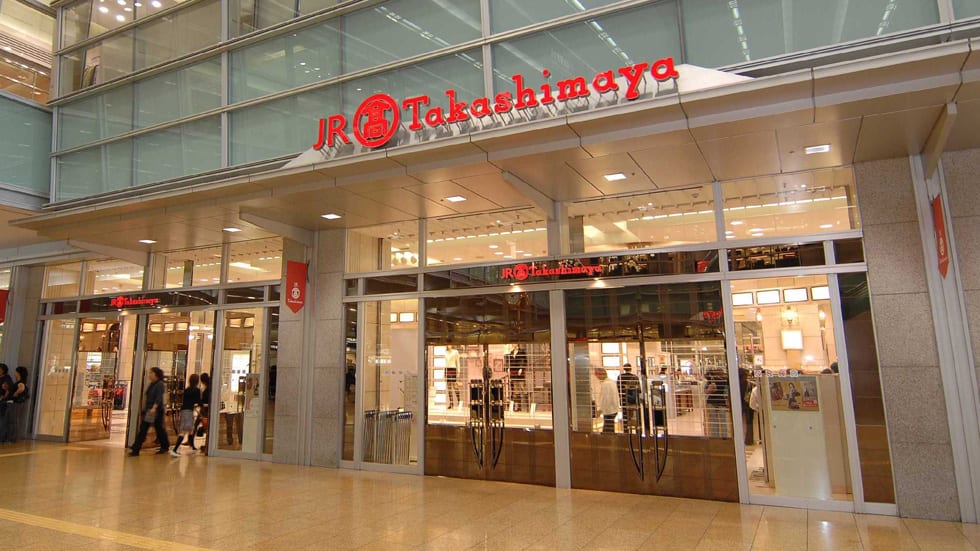
    Eyeing the growing tourist market, Japanese department store Takashimaya is going duty free with an airport-style store in Tokyo.

    Not only sales tax, but also alcohol and tobacco duties will be waived under the venture, in which the Takashimaya Tokyo store is partnering with ANA Holdings and South Korea’s Samsung Group.

    Takashimaya will contribute more than half of the capital for the outlet, establishing an oversight company with All Nippon Airways Trading and Hotel Shilla of the Samsung Group. Scheduled to open next spring, the store will probably be on an upper floor of Takashimaya’s Shinjuku branch. Depending on its performance, the partners may roll out further stores.

    Shoppers will be able to buy items in-store to pick up later at Haneda or Narita airport after completing departure procedures.

    Hotel Shilla, which runs hotels and duty-free stores, generated sales of 3.25 trillion won (US$2.73 billion) last year. The company is second only to the Lotte Group for duty-free stores in South Korea, and its international presence includes Singapore’s Changi Airport.

    ANA Trading runs airport souvenir shops.

    Visitors to Japan increased 47 per cent last year to 19.73 million, according to the Japan National Tourism Organization. More people are travelling there multiple times a year and visiting localities outside greater Tokyo via train and bus. A major bus terminal is slated for completion in Shinjuku this spring.

    Takashimaya rival Isetan Mitsukoshi Holdings opened a similar duty-free store in Tokyo’s Ginza area in late January.

  • Samsung’s Galaxy S7 Series Popular in Israel

    Samsung’s Galaxy S7 Series Popular in Israel

    South Korean tech giant Samsung Electronics Co. said Tuesday its latest flagship smartphones, the Galaxy S7 series, posted robust sales in Israel just a week after their launch.

    The Galaxy S7 series officially hit the shelves on March 14, coming out in major markets including South Korea, the United States and Europe.

    Samsung sold over 10,000 units in the first week in Israel as its advanced waterproof function and visual display received positive feedback, according to company officials.

    “Although only 3,000 units were pre-ordered, sales after the official launch jumped over 42 percent compared to that of the previous phone Galaxy S6,” Goh Kwang-hak, the chief of Israel branch, said.

    Samsung Electronics’ latest smartphone line, the Galaxy S7, hit the shelves of major markets on March 14, 2016. (Photo courtesy of Samsung Electronics)

    Samsung’s smartphones account for 45 percent of the market in Israel, which has a population of 7.8 million and a brisk secondhand phone market. It far surpasses U.S. rival Apple’s 30 percent share.

    The retail prices of the Galaxy S7 and Galaxy S7 edge in Israel are US$907 and $1,011, respectively. The edge version comes with a display that curves at both edges.

  • Here’s why Samsung wants to act like a startup

    Here’s why Samsung wants to act like a startup

    Samsung Electronics, the world’s largest maker of phones, memory chips and television sets, plans to revamp its authoritarian, top-down corporate culture to become more like a lean startup as it copes with sluggish demand and growing competition.

    The company said Thursday its executives and workers pledged to reduce hierarchical practices, unnecessary meetings and excessive working hours in a “Startup Samsung” ceremony held Thursday at its headquarters in Suwon, South Korea.

    The first step in this new culture of flexibility? Requiring all its executives to sign a statement promising to scrap the company’s traditional authoritarian ways.

    Samsung is searching for new business strategies as a father-to-son leadership transition looms. Lee Jae-yong, 48, is expected to succeed his ailing father, Lee Kun-hee, at a time when Samsung’s mainstay semiconductor and phone businesses face intensifying competition from Chinese rivals. Samsung has its eye on expanding into health care and pharmaceuticals, but has responded slowly to hot Silicon Valley trends such as autonomous driving and artificial intelligence.

    The company says it will announce in June how it plans to reorganize its workers and eliminate red tape. It said new vacation systems would allow employees to spend more time with their families and take breaks for self-improvement.

    “By starting to reform the corporate culture, it means we will execute quickly, seek open communication culture and continue to innovate as a startup company,” Samsung said in a statement.

    Samsung says it has been trying to reform its very Korean corporate culture to suit its identity as a global company and to answer criticisms that it stifles creativity and grassroots input from workers. Like most Korean companies, its management tends to mirror the authoritarian ways of South Korea’s past, when a military dictator ruled the country.

    But analysts said Samsung faces a huge challenge in leveling a seniority-based corporate that is decades old. Some suggested the campaign also might be aimed at identifying underperforming workers and trimming the company’s managerial ranks to cut costs.

    Samsung’s regimented, authoritarian ways may have helped it quickly catch up with Sony and other Japanese manufacturers, but they also have hindered recruitment of top talent. That has been a liability as the company competes with Silicon Valley firms that allow workers more independence and flexibility.

    Last year, 26,000 Samsung employees participated in online debates, pitching in ideas. Some have been allowed to build products or launch services outside their original job descriptions at internal Samsung “startups.” The company also introduced flexible working hours last year though current employees said work hours are still too long.

  • Samsung Galaxy S7 edge officially launched in Malaysia for RM3,099

    Samsung Galaxy S7 edge officially launched in Malaysia for RM3,099

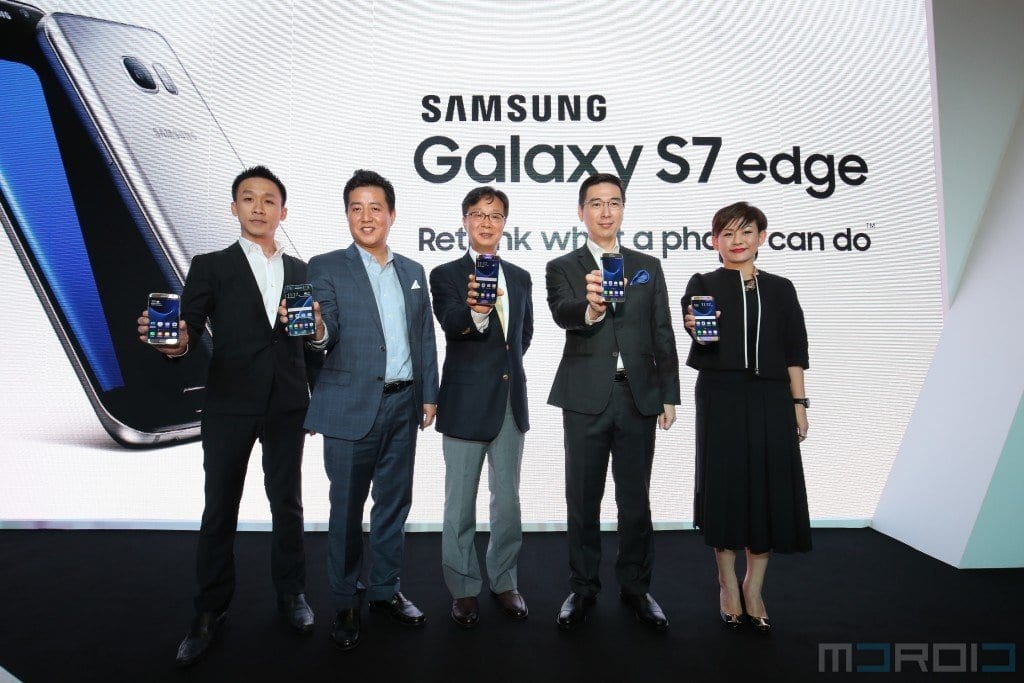
    Korean famous variety show Running Man star, Lee Kwang Soo made a special appearance at the Galaxy S7 edge launch event yesterday to inform fellow Malaysian that he had found his lost phone and he came here to show his appreciation to the local fans. His appearance set the crowd off with double the thrill and excitement.

    The launch event held at KLCC was packed with hundreds of gadget enthusiasts and Galaxy fans as Samsung Malaysia Electronics officially launched its latest and highly anticipated device of the year, the Samsung Galaxy S7 edge.

    The Galaxy S7 edge introduces the first Dual Pixel camera on a smartphone, delivering brighter and sharper images. With a wider aperture F1.7 and bigger pixel, the camera has a faster shutter speed and a more accurate autofocus even in low-light conditions.

    Motion Panorama, a new camera mode, brings movement to traditional panoramic photos, giving the user a completely immersive visual experience.

    The 5.5-inch Quad HD Super AMOLED on Galaxy S7 edge is constructed with 3D glass and metal – all in a sleekdesign with durability and ergonomic curves for a comfortable grip.

    The enhanced edge screen allow users to access the Edge panel that brings favourite content and services with just a swipe of the thumb.

    The device’s new Always-On Display, gives users a simplified, zero touch experience where they do not need to worry about missing a call or important notification.

    Edge UX, the advanced edge experience available on Galaxy S7 edge, provides convenience and increased efficiency by creating easy shortcuts to users’ most loved functions such as email, selfie mode, panorama mode or third party applications.

    Galaxy S7 edge is equipped with IP68 capless dust and water resistance for up to 1.5m of water and up to 30 minutes.

    The Galaxy S7 edge has a bigger battery capacity (3,600mAh), an enhanced processor and the latest Android OS (Marshmallow) to ensure that the batteries are used to their full potential. Its big battery allow for a full day of high mobile usage, without users having to worry about re-charging.

    The Galaxy S7 edge is capable of slotting in a microSD card slot that can host up to 200GB of expandable storage.

    The improved microSD card slot also works as a hybrid SIM card tray. The days of annoying re-start of the phone just to swap between SIM cards are over thanks to this cleverly-designed hybrid tray.

    The new Game Launcher arranges all your games in one place automatically and the Game Tools allows users to manage battery consumption and minimize notifications. Paired with the Galaxy S7 edge, Vulkan API gives users the ability to play high-performance graphic games smoother, less lag and with lower battery consumption.

    Samsung also introduced its first ever Galaxy Butler Service – a personalized ownership service exclusive to the Galaxy S7 edge. Underlining the brand’s all-encompassing Galaxy experience, this unique service offers a 24/7 hotline, free pick-up and delivery service, priority express counters and 1-hour repairs service, remote management, smart switch and 7-points check-up – assuring a peace of mind to owners on their consumer journey. Users can now look forward to Samsung’s promise of a seamless and enjoyable ownership experience.

    The Galaxy S7 edge will be available in Malaysia starting March 18. Offered at the recommended retail price of RM3,099 (inclusive of 6% GST), the Galaxy s7 edge is available in three colour options – Black Onyx, Silver Titanium and Gold Platinum.

  • Huawei Japan experience store planned

    Huawei Japan experience store planned

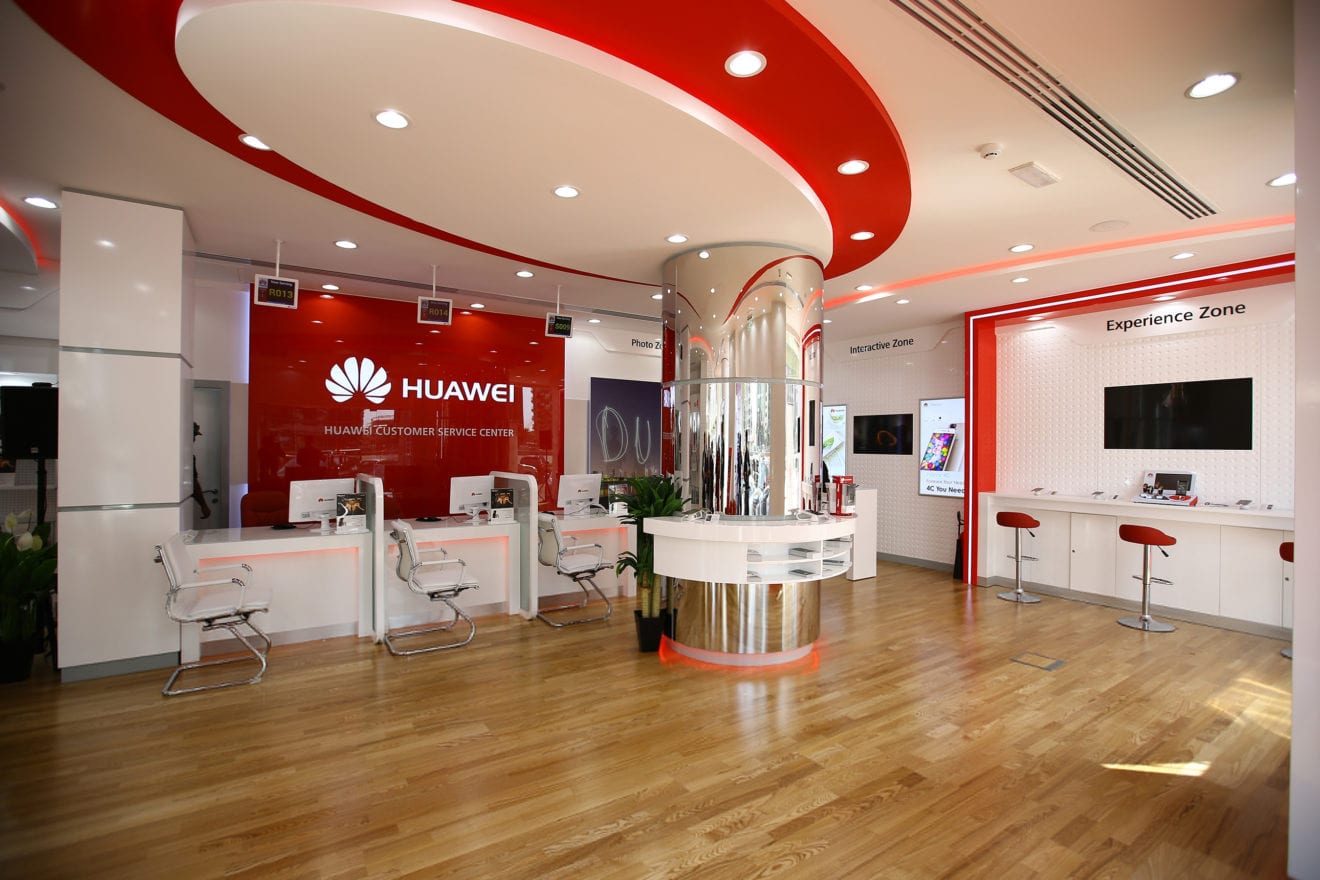
    Huawei Japan is to open its first smartphone experience store in Tokyo – but customers will not be able to buy a handset there.

    The Chinese phone manufacturer says it intends to use the outlet to provide services to users, improve brand influence and break the misunderstanding that low-price smartphones are not easy to use.

    While the store is scheduled to open in Tokyo before June, the company has yet to confirm the location.

    Meanwhile, Huawei plans to increase the number of its global smartphone stores from 23,000 to 40,000 – a 70 per cent jump. It is hoping to improve its sales performance in the smartphone sector, where growth has already started to slow.

    Huawei was ranked third by global smartphone shipments last year, trailing Samsung and Apple, and is aiming for second place.

  • Galaxy S7 Sold 100000 Units In First 2 Days In South Korea

    Galaxy S7 Sold 100000 Units In First 2 Days In South Korea

    Last week it was reported that pre-orders for the Samsung Galaxy S7 and S7 Edge were lower than their predecessors over in South Korea. Samsung has since refuted those claims by saying that if anything, pre-orders were stronger than expected and if the latest numbers are accurate, it certainly looks to be that way.

    According to the report, they claim that the Galaxy S7 has managed to sell 100,000 units within its first two days of availability over in South Korea. Breaking it down further, it was suggested that 60,000 units were sold during the handsets’ first retail hours, and the other 40,000 were bought up over the course of the next day. Interestingly enough it seems that the Galaxy S7 appears to be more popular than the Galaxy S7 Edge, a very different story from last year.

    Note that the 100,000 units were just for the South Korean market, meaning that if we were to take into consideration the other markets that the handset was being sold it, we’re looking at a much, much higher number. The official figures from Samsung have yet to be released, but we wouldn’t be surprised if the Galaxy S7 and S7 Edge’s numbers were on par with last year’s figures, or if it even managed to outsell its predecessors.

  • Contactless mobile payments growing

    Contactless mobile payments growing

    The number of contactless payments made via mobile handsets will reach 148 million globally this year, according to a study conducted by Juniper Research.

    Samsung and Apple will account for approximately 70 per cent of new customers.

    The study showed consumers have been receptive to this payment method, predominantly because of their strategic placement. When Apple Pay was introduced in China, nearly 40 million payment cards were registered to the service in 24 hours in mid-February.

    Nearly one in five point-of-sale terminals in the US are now contactless-capable, with the report finding this will see smartphones be the number one driver of contactless payments in the US. The report also revealed banks and leading “over the top” players will deploy Host Card Emulation-based (HCE) models.

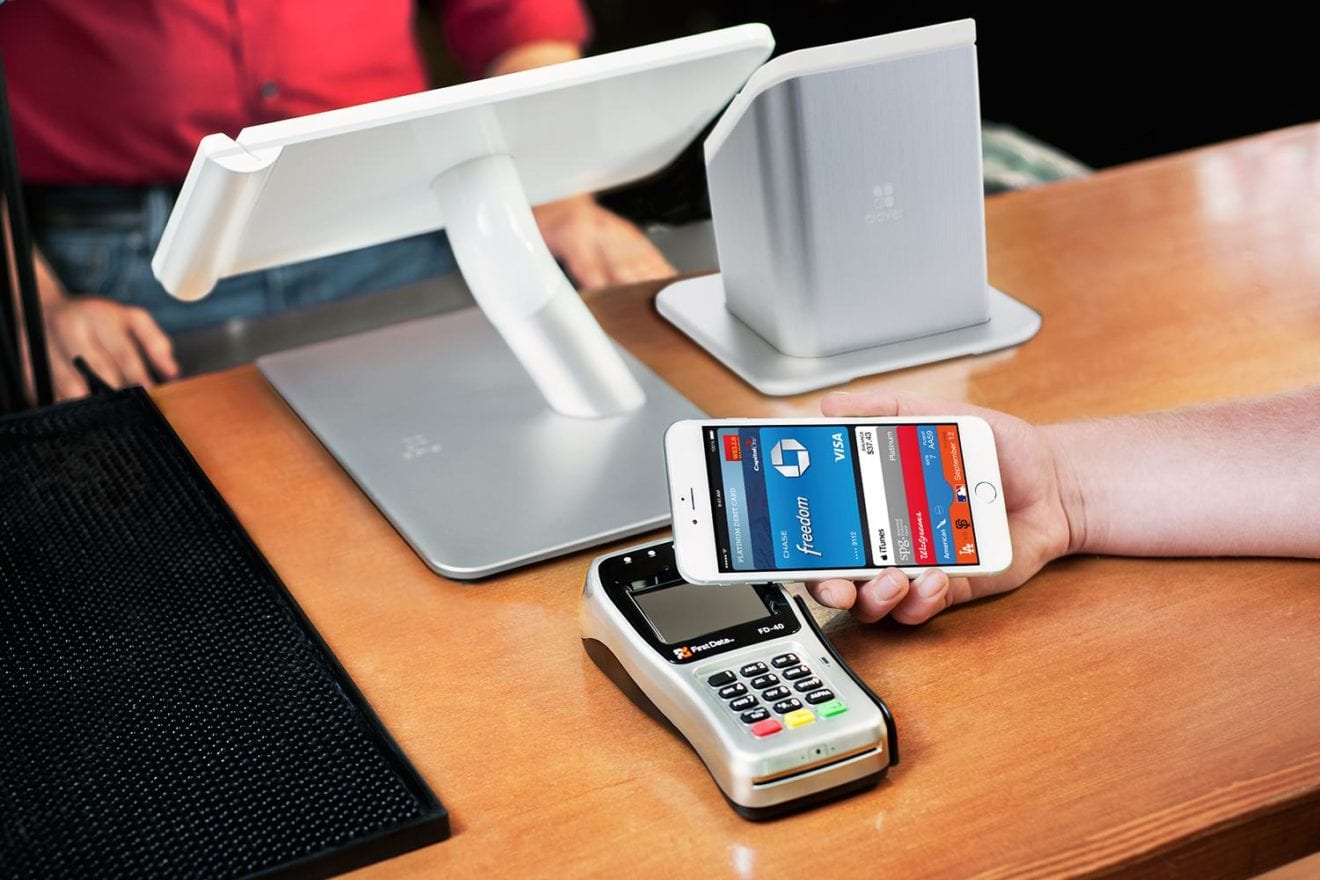
    “The combination of HCE and tokenisation is extremely attractive to banks. HCE means that they are not dependent on a mobile operator to enable the service; tokenisation reduces the burden on the issuer and allows them to use their existing infrastructure,” research co-author, Dr. Windsor Holden said.

    The study also found that NFC sticker-based solutions can be ‘risky,’ stating that in closed-loop solutions, ‘there’s a chance thieves could simply use all the money in the wallet at participating retail outlets.’

  • China leads digital payment adoption globally: Report

    China leads digital payment adoption globally: Report

    China has the highest adoption rate in the world for technology-enabled payment systems, the media reported on Thursday.

    In a survey of 13,000 respondents in 26 countries, 86% of Chinese respondents said they paid for online purchases during the past six months via digital payment systems compared with a global average of just 43%, the China Daily reported.

    The survey report by the market research firm Nielsen was issued on Wednesday

    About 98% of the respondents in China, the world’s largest e-commerce market, said they had made purchases online.

    At 71%, food-related businesses topped the list of purchases made via smartphones while event ticket purchases stood at 51%.

    The rising use of digital payments has attracted numerous players to the Chinese market.

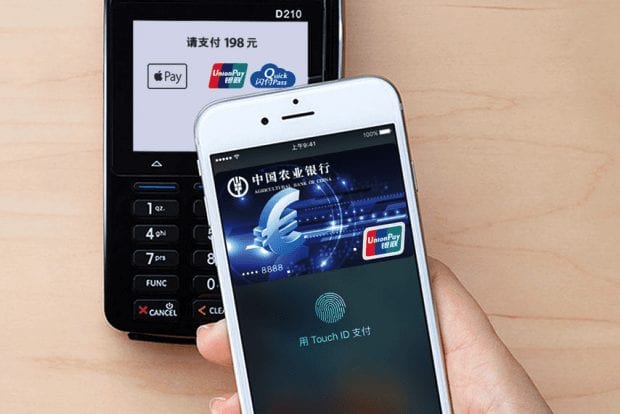
    Apple launched its contactless payment system Apple Pay in the Chinese mainland last month. It allows users of the iPhone 6 or more advanced versions, certain iPads and Apple Watches to pay by their devices in bricks-and-mortar stores.

    The new service immediately became a hit.

    Samsung Electronics Co Ltd is expected to bring its own mobile payment service to China in mid-March.

    China’s internet giants Alibaba Group Holding Ltd and Tencent Holdings Ltd have already taken about 90% of the mobile payment market, but industry observers said the competition is just about to start.