Retail News CRM

Tag: samsung

  • Apple iPhone’s Implodes in China Stock Crash

    Apple iPhone’s Implodes in China Stock Crash

    Apple iPhone sales appear to be in big  trouble, despite iPhone being on track to post a 40 percent year-over-year unit sales gain through the second quarter.

    Having lost the top position in U.S. smartphones sales to Samsung in May, virtually all of Apple’s positive sales momentum has been coming from the China. But after losing $3 trillion in the markets, and with their wealth frozen, a hundred million Chinese no longer need an iPhone.

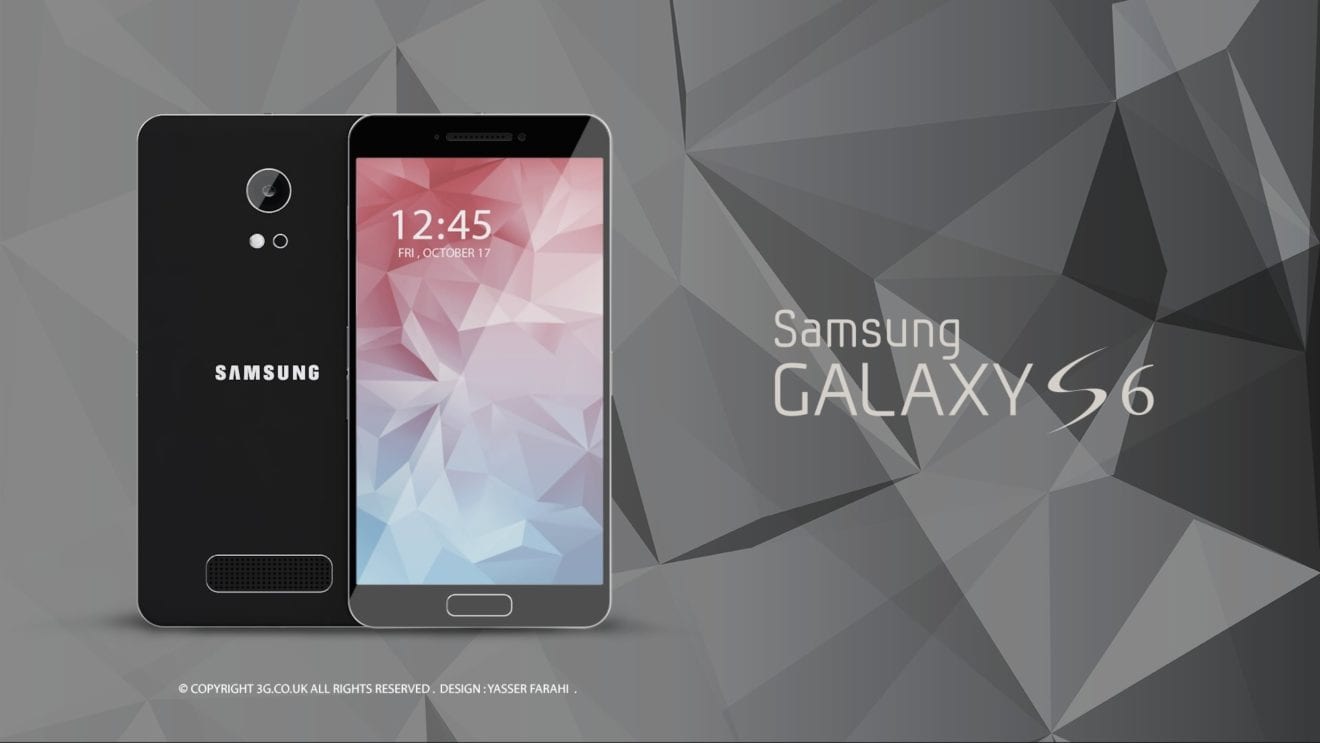
    Apple is reported to be growing about five times faster than Samsung, despite excellent reviews of Samsung’s new Galaxy S6/Edge. Analysts’ positive opinion of Apple was reaffirmed when Samsung reported in May that it only achieved a 15 percent rise in profit to $6.1 billion on a 2 percent quarter-to-quarter revenue growth, to $43 billion.

    A close look at Apple’s numbers show that first quarter revenue from “Greater China” grew by 71 percent year-over-year, to $16.8 billion. The iPhone sales growth in China accounted for over 56 percent of Apple’s total revenue growth for the quarter.

    Analysts expect Apple to post another extraordinary sales report for the second quarter ending June, with over 50 million iPhone unit sales and revenue of $48 billion.

    Kantar Worldpanel Com Tel’s Carolina Milanesi published a comment last week that after losing U.S. market leadership to Apple in the three-month period through April 2015, the latest data shows that Samsung was again number one in U.S. vendor rankings in the first full month of Galaxy S6 availability.

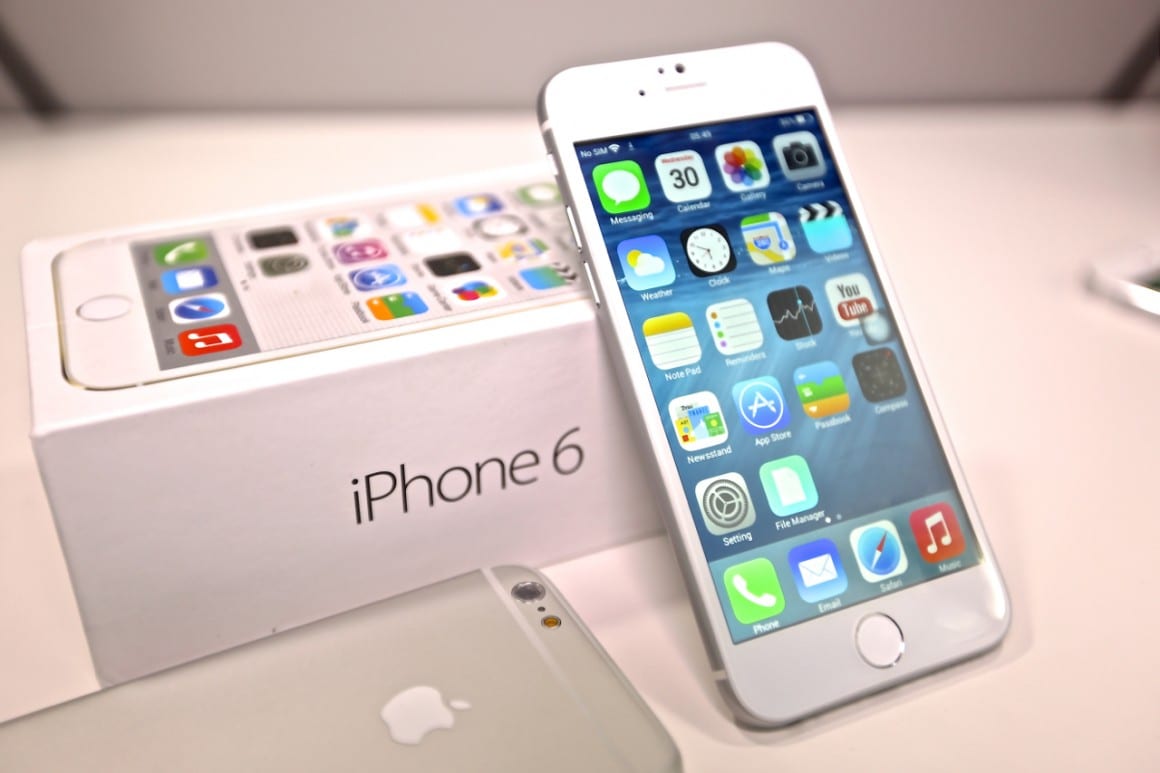
    The iPhone 6 remained the best-selling smartphone in the U.S., and the iPhone 6 Plus was the fifth-most-popular for the period ending May 30. But Samsung’s Galaxy S5 held the second spot, and the Galaxy S6 held third place. As a result, for the three months ending May, Apple’s U.S. iPhone sales U.S. actually declined by 5 percent from the previous year.

    Kantar also exposes Apple’s Iphone poor performance in India and the three big Latin America markets of Mexico, Brazil and Argentina. Apple’s best penetration of these rapidly growing markets is Mexico, with only a 6.4 percent market share.

    Such a shocking turnabout would be a disaster.

    For the three months ending in May, China unit sales were up by 46.26 percent.The Apple’s growing dominance in the “Red Dragon” has been due to a concerted effort by Apple’s management to make iOS and Mac OS X easier for Chinese language users. Many of the upgrades at this year’s Apple Worldwide Developers Conference 2015 were optimized specifically to target Chinese users, including new tools for developers to respond to the unique challenges associated with Chinese language.

    Apple has also won praise for the effectiveness of its retail stores and “Genius Bar” help desks in China. Apple’s’ head of retail stores, Angela Ahrendts, recently announced that the company opened 5 additional stores in February and is scheduled to expand from 15 to 40 stores over the next two years. Located in premium retail space, Apple’s retail stores in China are meant to distinguish the brand as aspirational.

    But all this good news for Apple was through the month of May, when the Chinese stock market was up over 150 percent for the year. Patriotically following China President Xi Jinping’s late 2013 call for “Silk Road” domestic reforms aimed at expanding consumption by taking public hundreds of state-owned-enterprises, the number of Chinese stock brokerage accounts for small individual investors exploded from 20 million to about 100 million. The ultimate sign of status became watching live stock prices on the iPhone 6.

    But after the Chinese stock markets lost $3 trillion in just 16 days of trading, the communist government on Thursday stepped in and suspended over half of the 2800 stocks in China for up to 6 months. Large holders are not allowed to sell stock and company insiders have been told to buy immediately.

    China’s stock market boom had been a wealth machine until it shockingly bankrupted tens of millions of Chinese in just a few weeks. With their capital frozen, demand for more iPhones to check suspended stocks seems ready to plummet.

  • Samsung tests mobile payment service

    Samsung tests mobile payment service

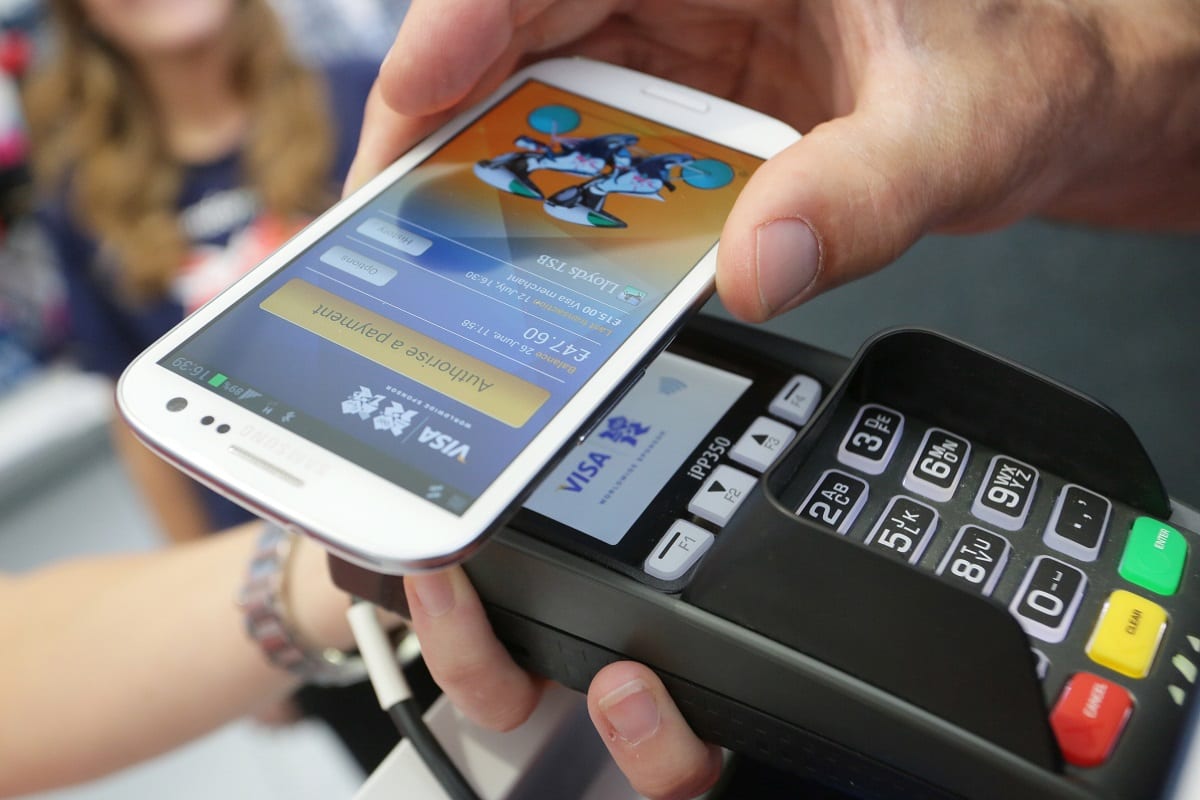
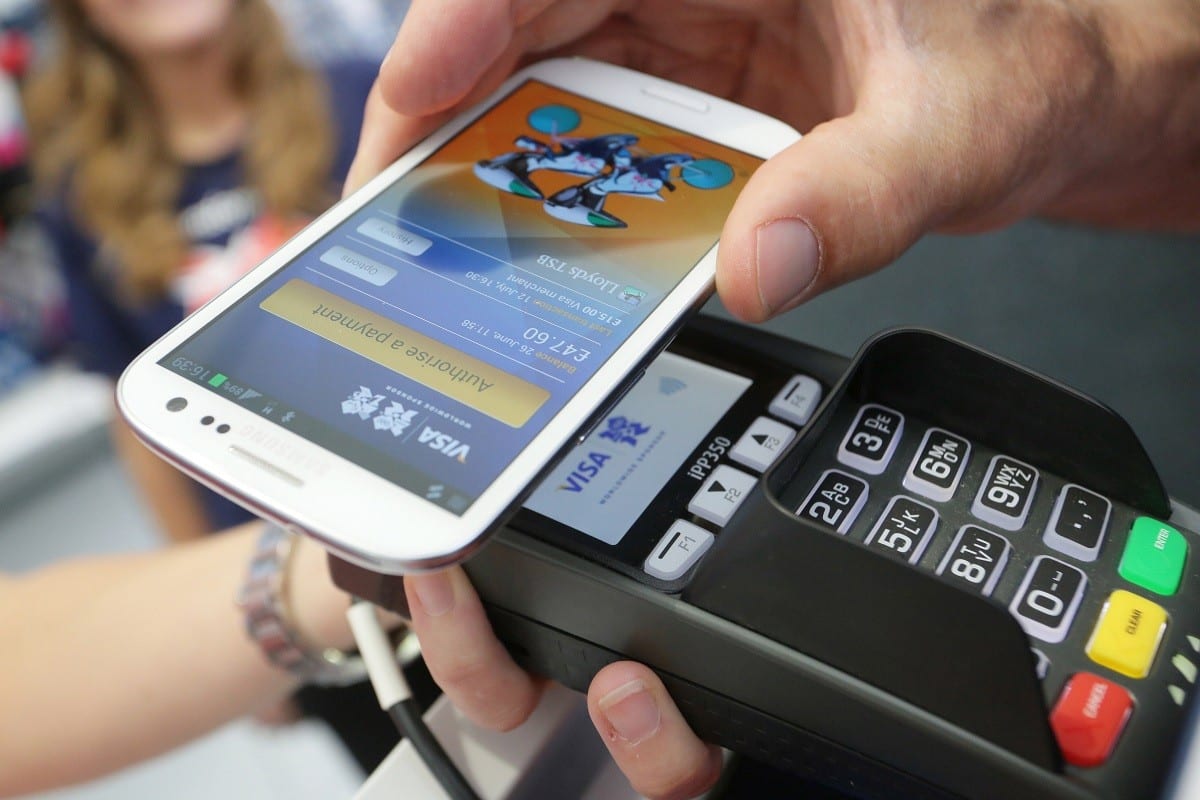
    Samsung has launched a short, live beta test of its new mobile payment service.

    Samsung Pay, developed by Samsung Electronics, will soon be launched in its home market soon as a beta service for a 36 day trial period.

    Samsung Card says it will recruit beta testers for Samsung Pay until July 10. The testers will experience the Samsung Pay service at various major offline member stores of Samsung Card from July 15 to August 20.

    The card company will provide 10,000 points to those beta testers who spent more than 50,000 won through the payment solution. In addition, the company will hold a special event offering up to 50,000 points to active beta testers who use the service often.

    Samsung Pay, which is to be available in September, stands out from other competitors as the service supports virtually all forms of payment – near field communication (NFC), magnetic secure transmission (MST) and barcode technologies – which reaches far more point-of-sale devices than those of its rivals.

    Currently, other mobile payment services are used mainly online as they lack offline affiliates.

    Meanwhile, Samsung is planning to introduce the payment platform in the US later this year to compete with overseas mobile payment services like Apple Pay and Alipay.

  • Indonesia offers virtual tour at World Expo Milano

    Indonesia offers virtual tour at World Expo Milano

    Visitors at the World Expo Milano (WEM) 2015 in Milan, Italy, can enjoy a virtual tour of Indonesia through an Oculus media show “Virtual Journey of Indonesia” at the Indonesian pavilion, a senior official stated.

    Director General for National Export Development of the Ministry of Trade Nus Nuzulia Ishak recently noted that the Oculus media show will provide visitors to the WEM at the Indonesian pavilion a feel of Indonesia through the Virtual Journey of Indonesia program.

    They can experience Indonesias tourism attractions such as hearing the whisper of sand at Mount Bromo or being present amid the car-free day in Jakarta.

    “Visitors at the WEM 2015 can virtually witness and feel Indonesias tourism attractions through the Oculus media show as though they were traveling in Indonesia,” Ishak remarked during the Virtual Journey of Indonesia premiere at the Indonesian Pavilion in Milan.

    Oculus is a virtual media platform that replicates a true-to-life experience of having visited a place. The latest technology medium, which was discovered by Palmer Lucky, is equipped with a special four-dimensional spectacle and a supporting screen to produce the desired effects.

    The users of the technology can also experience real-life effects such as dew and water, among others.

    The Indonesian pavilion, which aims to showcase Indonesias present and future, is therefore using the oculus media to let the visitors experience Indonesia.

    Visitors will feel as though they were actually visiting Indonesia through a virtual medium. The use of the medium through the Virtual Journey of Indonesia is expected to attract more visitors to the Indonesian pavilion.

    Moreover, the show is located near the “Bogor Cafe Desa Restaurant,” so that the visitors can enjoy Indonesian culinary specialties such as “sate ayam” (chicken satay), “nasi goring” (fried rice), and various others Indonesian delicacies.

    “So, if visitors want to enjoy unforgettable Indonesian tourism attractions and culinary specialties in a single day, they can just visit the Indonesian pavilion at the WEM, Milan,” added Ishak.

  • Samsung Pay launch imminent

    Samsung Pay launch imminent

    Samsung Electronics, the world’s largest smartphone maker, says its new mobile payment platform, Samsung Pay, will be available for use by the second half of this year.

    The South Korean tech giant said it is moving to clinch ties with six local credit card firms by the summer and is aiming to open the service to the public during the second half of 2015.

    It has already joined forces with at least 10 US financial big names, including Visa and MasterCard, as well as US Bank, American Express, Bank of America and Citibank.

    Earlier this week, Samsung said its latest high-end smartphone, the Galaxy S6, which is expected to hit the market in April, will feature its own mobile wallet solution.

    Industry watchers said Samsung Pay stands out from other competitors, such as Apple Pay, as the service supports virtually all forms of payment — Near Field Communication (NFC), Magnetic Secure Transmission (MST) and barcode technologies — which reaches far more registers than that of its rivals.

    The breakthrough was made possible after Samsung decided to buy US mobile technology firm LoopPay, which has patent rights related to MST, a payments solution that works with existing magnetic stripe readers, they said.

    While only 10 per cent of US-based shops and one per cent in South Korea have NFC-based services, more than 90 per cent of shops in both countries support the MST platform, implying Samsung Pay will be able to grab a strong market presence once launched, industry watchers added.

    Samsung, however, has not yet clarified how to generate profits from the new payment platform.

    “In the long run, Samsung Pay will issue gift cards or seek advertisement opportunities,” a Samsung official said. “For now, we plan to focus on the South Korean and US markets rather than the global market.”

    It has not yet come up with a plan to compete against Google’s “Google Wallet,” one of its key rivals. Last month, Google extracted an agreement from three US-based wireless carriers to pre-load Google Wallet on their Android smartphones.

  • Samsung to freeze salaries in South Korea

    Samsung to freeze salaries in South Korea

    Samsung Electronics will freeze wages in 2015 for employees in South Korea for the first time in six years, after the world’s biggest smartphone maker saw profits fall in the face of rising competition.

    The cost-cutting move is the latest by Samsung Electronics, which in January reported its first annual profit decline since 2011, as it lost market share to Apple Inc’s new iPhones and cheaper Chinese rivals like Xiaomi Inc.

    The wage freeze also comes as the electronics giant is widely expected to unveil its next Galaxy S smartphone at a March 1 event, hoping to revive sales growth momentum.

  • Samsung Pay to power in-store purchases on Galaxy S6

    Samsung Pay to power in-store purchases on Galaxy S6

    Samsung Electronics Co. Ltd. has unveiled Samsung Pay, a mobile payment service that will enable MasterCard cardholders to use their Samsung Galaxy S6 for everyday in-store purchases.

    Owners of the new device will be able to use their MasterCard credit and debit cards from participating banks directly through Samsung Pay.

    It will work at both contactless-enabled and most traditional point of sale terminals. This means that every purchase made with a MasterCard using a Samsung Galaxy S6 will offer the enhanced security, benefits and guarantees of a digital MasterCard transaction, including the latest tokenization technology.

    “This is an exciting time for payments,” said Ed McLaughlin, chief emerging payments officer, MasterCard. “As consumers are increasingly relying on their mobile devices in their everyday lives, we are excited to work with an industry leader like Samsung to deliver new payment options to our cardholders around the world.

    Injong Rhee, Executive Vice President at Samsung Electronics, added that Samsung’s KNOX security platform and fingerprint authentication make Samsung Pay transactions highly secure and easy to use.

    Samsung Pay will first be made available for US consumers this summer. MasterCard will be working with Samsung to roll out Samsung Pay to additional global markets, including Korea.

  • Meet iBall: the tablet maker crushing Samsung in India

    Meet iBall: the tablet maker crushing Samsung in India

    Indian budget consumer electronics firm iBall raised eyebrows this week on a report that it has stolen South Korean juggernaut Samsung’s crown as India’s number one tablet vendor.

    Mumbai-based iBall claimed a 15.6 percent share of India’s tablet market in the fourth quarter of 2014, up from 4.5 percent a year earlier, as Samsung’s share shrank to 12.9 percent from 17.9 percent, according to IDC.

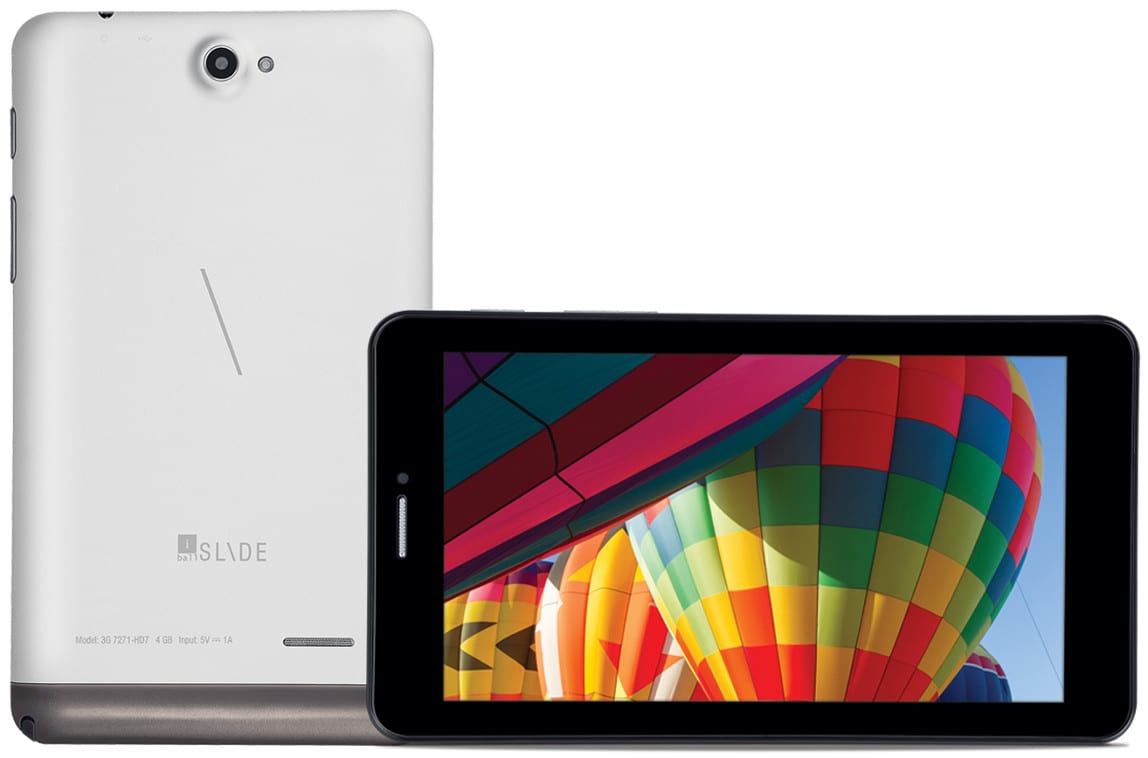
    iBall launched in 2001 with just one product category – the mouse. It ventured into the mobile phone business in 2010 and made its foray into tablet space a year later with the iBall Slide. In a price sensitive market, iBall products are attractive.

  • Samsung introduces extensive lineup of new products at 2015 Samsung Forum in HK

    Samsung introduces extensive lineup of new products at 2015 Samsung Forum in HK

    South Korean electrical appliance giant Samsung Electronics introduced an extensive lineup of new products which included SUHD TVs, curved monitor, smartphone, notebook and printer at its 2015 Samsung Forum in Hong Kong last week.

    For business customers, Samsung introduced MultiXpress 4 Series – the first Android OS-equipped multi-function printers (MFPs). The new printer features a 10.1-inch full touchscreen panel that enables users to search and print from web browsers, emails, maps, images and other types of content – without the need to connect to a PC. The touchscreen also offers the ability to preview documents, as well as editing and annotating capabilities.

    “Businesses seek smart printing solutions that can be managed easily whilst still delivering powerful performance at reduced costs. Our new printing technology not only delivers all of these things but also ensures that super smart is also super simple,” said Ellen Fu, Head of Enterprise Business Team, Samsung Electronics Hong Kong Co., Ltd.

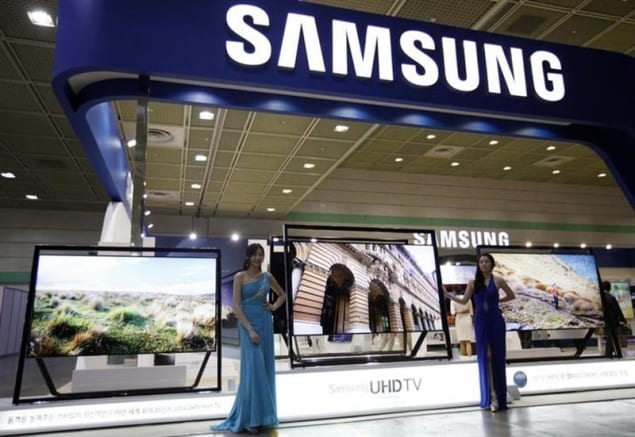
    When Samsung introduced the curved form-factor in 2013, it dramatically enhanced the home entertainment experience for consumers. Utilising Samsung’s proprietary, eco-friendly nano-crystal technology and intelligent SUHD re-mastering picture quality engine, Samsung SUHD TVs demonstrate advances in contrast, brightness, colour reproduction and detail – delivering a superior picture quality experience.

    Samsung will offer three new series of SUHD TVs – JS9900, JS9800 and JS8000 – in four screen sizes from 55″ to 88″, so that consumers have the flexibility to purchase the perfect TV that fits their style and taste.

    As its first 34-inch ultra-wide 21:9 curved monitor, SE790C delivers an enhanced immersive and comfortable viewing experience for multi-media entertainment and multi-tasking.

    The innovative 3000R (curvature radius of 3,000mm) design of the SE790C provides a noticeably different viewing experience from traditional flat screen monitors and other curved monitors in the market. Unlike flat screen monitors where the viewing distance differs from the centre of the screen to the edges, the screen edges of the SE790C match the natural curve of the viewer’s eyes. As a result, the SE790C creates a distortion-free viewing experience with less eye strain and enhanced comfort. The company hasn’t released the retail price of the monitor but said it will available next month.

    To expand the popular services provided by smartphone GALAXY A5 and A3, Samsung introduced GALAXY A7, equipped with a 5MP front-facing camera, 13MP rear-facing camera with auto-focus and LED flash to make it easier for users to take selfies.

    Face Detecting Selfie Alarm enables users to take a photograph with the rear-facing camera. The auto-editing functions which support an automatic detection of faces and a real time retouch of images let users capture the best selfies.

    The new ATIV Book 9 notebook unveiled at the 2015 Samsung Forum comes wrapped in an ultra-slim and light design – making it easy to travel on the go. Weighing merely at 950g with a thickness of 11.8mm, the notebook’s overall volume is 23 percent more compact than its previous generation, fitting perfectly into the smallest size of bags.

    ATIV Book 9 adds freedom to work and roam without worry thanks to the extended 12.5 hours of battery life. The Ultra Power Saving Mode squeezes an additional hour with 10 percent of battery remaining. Without compromising mobility, this ensures efficient power management when users need battery most.

  • Samsung loses pole position in India smartphone market to Micromax

    Samsung loses pole position in India smartphone market to Micromax

    Indian budget smartphone maker Micromax leapfrogged South Korea’s Samsung Electronics Co Ltd to become the leading supplier in India’s booming smartphone market for the first time in the fourth quarter, research firm Canalys said.

    In a report issued on Tuesday, Canalys said Micromax, based near New Delhi, accounted for 22 percent of smartphone sales in India in the October-December quarter, ahead of Samsung’s 20 percent. In total, 21.6 million smartphones were sold in India in the period, a 90 percent surge from a year earlier.

    India, which has the world’s second highest number of mobile phone accounts after China, is the third-biggest market by number of smartphones sold. Low-priced smartphones are the top sellers in a country where many buyers are upgrading from feature phones.

  • Samsung to hit back at Xiaomi with budget phone

    Samsung to hit back at Xiaomi with budget phone

    Samsung Electronics is gearing up to release a low-cost Tizen-powered smartphone in the USD100 price range, according to local media reports, responding to intensifying competition from Chinese budget smartphone makers shaking up the market.

    The phone will be launched in India, the world’s third largest smartphone market, by end-January, South Korea’s Yonhap news agency reported on Sunday, citing industry sources.

    Tizen is Samsung’s homegrown operating system which seeks to lessen its reliance on Google’s Android. While the majority of Samsung’s mobile devices run on an Android platform, the Tizen platform has been used to power some of its wearables, including its first smartwatch products.