Tag: samsung

  • KKR’s Emerald Media leads US$65 million funding in Bangkok startup

    KKR’s Emerald Media leads US$65 million funding in Bangkok startup

    KKR & Co-backed Emerald Media led a US$65mil funding round in aCommerce, a Bangkok-based startup that helps brands including Samsung, Unilever and L’Oreal sell their products online across South-East Asia.

    The four-year-old firm, which already operates in Singapore, Indonesia, Malaysia, Thailand and the Philippines, plans to use part of the proceeds to expand in markets such as Vietnam.

    The firm’s existing backers Blue Sky, MDI Ventures and DKSH also joined the series B round, the company said.

    aCommerce helps about 260 companies such as Samsung Electronics Co and Unilever NV with digital marketing, inventory and delivery for online sales in the region.

    “Brands are realising that in order to stay ahead of the retail game, they need to be omnipresent,’’ said aCommerce co-founder and group chief executive officer Paul Srivorakul.

    “Customers want to reach their favorite brands any time through any platform.”

    The deal marks Emerald Media’s first foray into e-commerce.

    Emerald Media was set up by New York-based private equity giant KKR in 2015 to invest in media, entertainment and consumer technology in Asia.

    KKR has committed US$300mil from its KKR Asia Fund II, and in June, the firm raised US$9.3bil for its third Asian fund to capitalize on the region’s growing consumption.

    “In e-commerce, we see a great deal of convergence in the future between demand generation, data analytics and consumer media and entertainment,’’ said Rajesh Kamat, managing director of Emerald Media.

    “aCommerce, an e-commerce enabler, fits our mandate perfectly.’’

    Emerald is the latest investor to bet on South-East Asia’s online retail industry, poised to surge from US$5.5bil in 2015 to US$88bil by 2025, according to a report by Google and Temasek Holdings Pte.

    Amazon.com Inc., Alibaba Group Holding Ltd, Tencent Holdings Ltd and JD.com Inc have made inroads in the region’s burgeoning industry in the past year.


  • Seoul stocks inch down as retail investors sell

    Seoul stocks inch down as retail investors sell

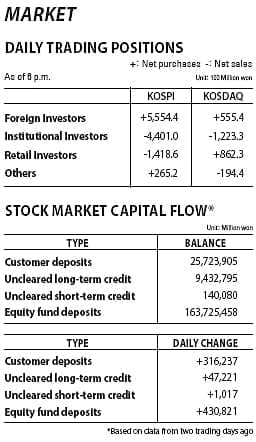
    Korean stocks closed slightly lower Friday as institutions and retail investors dumped local stocks offsetting a buying spree by foreign traders. The South Korean won extended its rally against the U.S. dollar.

    The benchmark Kospi slipped 0.8 point, or 0.03 percent, to close at 2,533.99. Trade volume was moderate as 355.21 million shares worth 6.46 trillion won ($5.88 billion) changed hands, with gainers barely beating losers 404 to 394.

    The index started higher on an upbeat mood after a U.S. tax reform bill made some progress in Congress, but institutions expanded their selling as the strengthening local currency raised the concerns of major exporters.

    Oil prices also ended lower again on Thursday on increased concerns about rising U.S. supply despite major producers’ efforts to tighten the market.

    “If the Korean won continues to strengthen against the U.S. dollar, it could burden major exporters in the short term,” Kim Byung-yeon, an analyst at NH Investment & Securities, said.

    Offshore traders bought a net 549 billion won worth of local stocks, while institutions and retail investors sold a net 442 billion and 127 billion won, respectively.

    Auto shares were down as the rising value of the local currency raised concern over their price competitiveness in overseas markets.

    Industry leader Hyundai Motor declined 1.57 percent to 157,000 won, and its auto-parts maker Hyundai Mobis dropped 3.04 percent to 255,000 won.

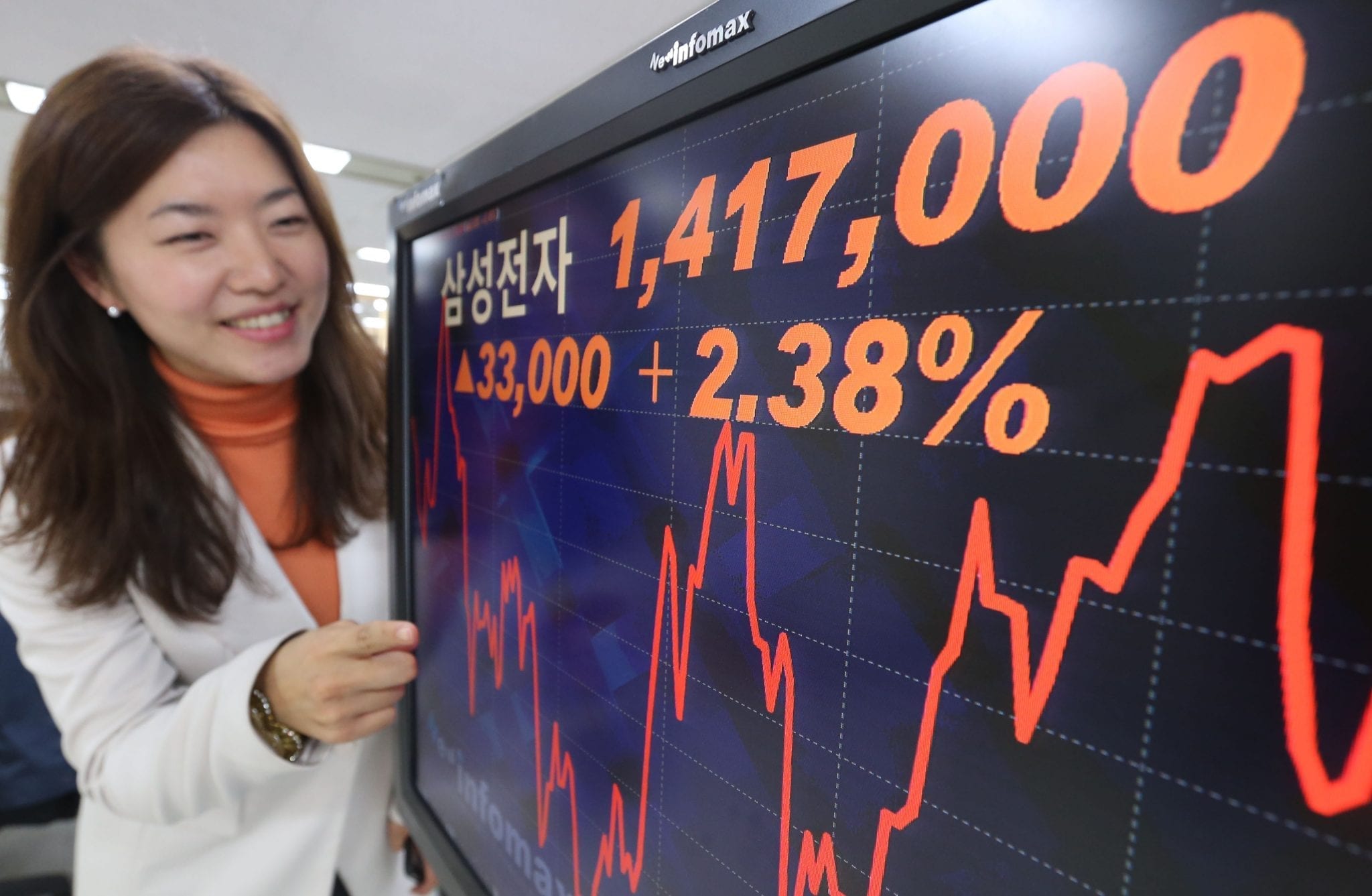
    Tech shares were in positive terrain. Market bellwether Samsung Electronics inched up 0.07 percent to 2,791,000 won, and SK Hynix, the world’s No. 2 chipmaker, edged up 0.61 percent to 83,000 won.

    Airlines were among best performing stocks as lower oil prices and the stronger local currency are expected to lower their financial burden and costs.

    Korean Air, Korea’s largest airline, jumped 5.48 percent to 32,750 won, and its smaller rival Asiana Airlines shot up 11.26 percent to 4,840 won.

    Secondary Kosdaq closed at 775.85, down 4.37 points or 0.56 percent from the previous trading day.

    Top-listed Celltrion lost slipped 0.09 percent to close at 218,800 won.

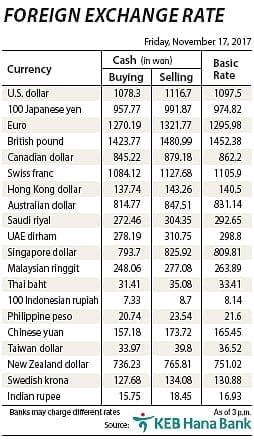
    The Korean won closed at 1,097.5 won against the U.S. dollar, up 3.9 won from the previous session’s close, which rose to the highest level since September 2016.

    Bond prices, which move inversely to yields, fell. The yield on three-year bonds gained 0.3 basis point to 2.174 percent, and the return on the benchmark five-year government bonds added 0.8 basis point to 2.383 percent.


  • Tiny Samsung Galaxy S9 Mini could be in the works

    Tiny Samsung Galaxy S9 Mini could be in the works

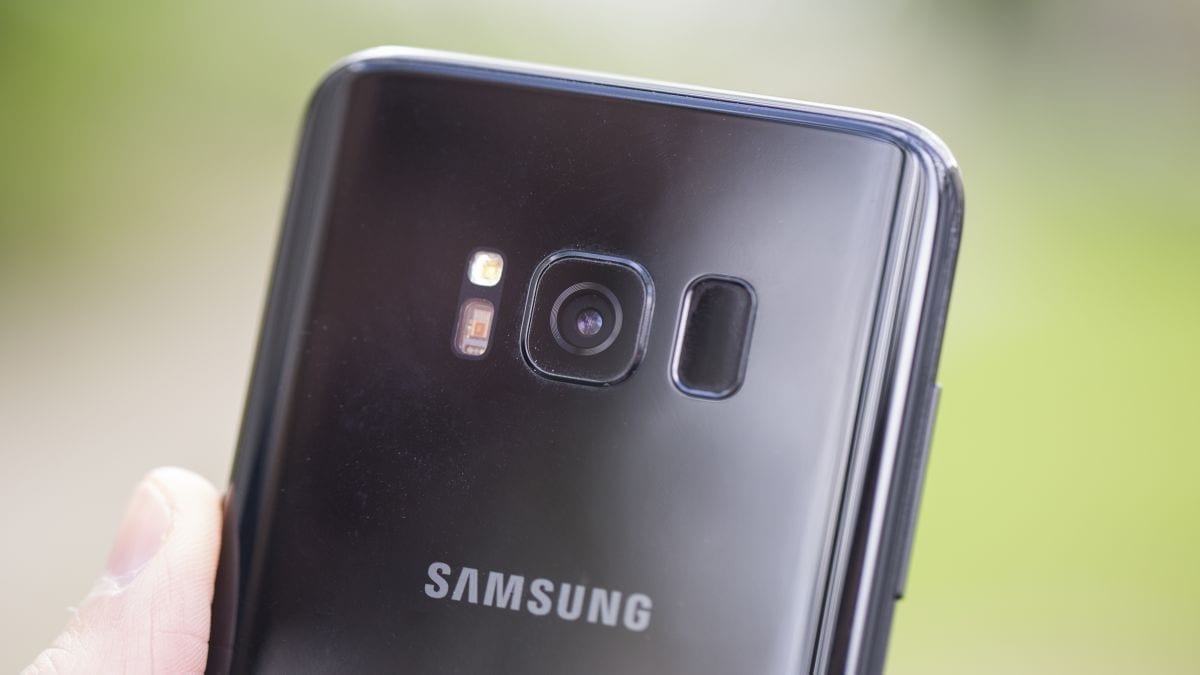
    Other than the iPhone 8, Sony Xperia XZ1 Compact and their predecessors there haven’t been many high-end compact phones in recent years, but Samsung could be about to add to the list with a Samsung Galaxy S9 Mini.

    Known leaker I ice universe has said as much on Weibo (a Chinese microblogging site), adding that the screen is less than 5 inches and that it has a “full screen”, which suggests that it will have minimal bezels and a super-widescreen 18.5:9 aspect ratio, just like the Samsung Galaxy S8 range.

    They don’t actually name the phone, but the mention of “full screen” suggests it will be using design language from the S series, so an S9 Mini is the obvious conclusion.

    Some sites are reporting that the Samsung Galaxy S9 Mini – or whatever it ends up being called – will also have a curved display, which would make sense if it uses the Galaxy S9 name, but the original information is in Chinese, and based on our own translation attempts we feel it could just as well be saying that the screen won’t curve.

    Coming soon… probably

    Similarly, there’s no suggestion that it will launch alongside the Samsung Galaxy S9 and Galaxy S9 Plus, despite what you might read elsewhere, though a launch in the first half of 2018 would seem likely if it’s going to arrive at all.

    And that’s a big if, I Ice Universe seems to say they’re not sure if it will be released or not (though this again is based on Google Translate).

    There’s reason to be skeptical, as Samsung hasn’t made a mini version of its flagships in years. But if the Samsung Galaxy S9 Mini is real we’d expect to hear more about it soon.

  • Courts Singapore getting serious with flagship store

    Courts Singapore getting serious with flagship store

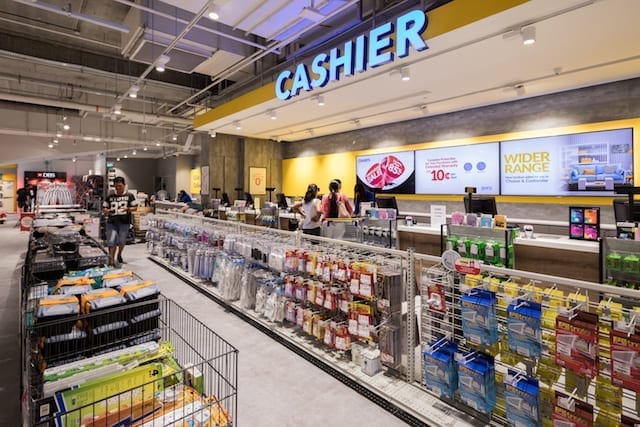
    Courts Singapore has redesigned its flagship megastore in Tampines, offering a new immersive experience for customers.

    For the upgrade, the retailer of home electronics, IT and furniture products has put a particular focus on the needs of modern apartment living.

    With its official grand opening on Saturday, the store offers 136,000sqft (12,600sqm) over three floors, with experiential areas making up most of the space.

    In conjunction with the makeover, Courts has also unveiled its relaunched online store which now seamlessly unifies the offline/online shopping experience. The webstore is the largest in its network, offering more than 17,000 SKUs as well as introducing intuitive navigation, search and a faster check-out experience. There is also the option to collect purchases in its physical stores.

    Courts Singapore - Tampines flagship - The newly redesigned Level 1 atrium at COURTS Megastore Tampines

    “We are making good living and great in-store experiences accessible and affordable to all Singapore homeowners – a vision we’ve stayed true to since we first opened 43 years ago,” says group CEO Dr Terry O’Connor.

    Courts Singapore - Tampines flagship - 50 per cent of COURTS online shoppers choose to buy online and collect in-store, at convenient Click and Collect counters

    $10 million investment

    The flagship upgrade is part of Courts Singapore’s S$10 million (US$7.3 million) investment into a series of store refurbishments for the financial year with a focus on new retail concepts and experiential areas. Courts has also launched a new brand slogan, “Better Living, Better Prices”.

    “The Courts Megastore transformation is the result of a year of planning and two months of renovation work, combining the expertise of the commercial, visual merchandising and store operations teams,” says Courts Singapore country CEO Ben Tan.

    Courts Singapore - Tampines flagship - Four new chef demonstration areas bring culinary delights and in-store theatre to shoppers

    “We’ve curated every aspect of the shopping journey,” he says. This includes online integration, a new range for lifestyle and smart technology trends, complementary furniture customisation and three-week delivery.

    Courts Singapore - Tampines flagship -Smart home link-up is demonstrated at Design Studio by COURTS, and available for purchase at COURTS' one-stop solutions provider GURU

    Courts Singapore - Tampines flagship -Customising your sofa is as easy as 1-2-3 with over 2,500 COURTS-exclusive fabrics and over 150 leather and half-leather options to pick from

    With every furniture consultation customers are offered a free cup of artisanal coffee. Bespoke options are available for every furnishing need from sofas, curtains and blinds to wardrobes, bedding and dining tables.

    In its bedding department Courts offers more than 1000 types of mattresses from 23 brands. Shoppers can customise their bed frames and headboards. The revamped bedding area has 11 galleries including new brand for healthy living.

    Courts Singapore - Tampines flagship- A wide array of dining tables in various materials, finishes and bases are offered on the floor

    Design services

    For new homeowners, the Courts Design Studio offers services covering interior design, renovation, furnishing, flexible finance and smart-home connectivity. Consultants are on hand from two award-winning interior-design firms. The studio houses a full-size four-room HDB apartment and studio apartment showroom, integrated with smart-home automation.

    Courts Singapore - Tampines flagship - COURTS is the largest bedding retailer with over 1,000 mattresses from 23 brands

    On the same level, the new Home Gallery is an adaptable showroom space that will be regularly refreshed with room settings and also doubles up as a furniture photoshoot studio. The showroom has two movable walls.

    There is also a Dulux Paint Experience area where shoppers can experiment with colours.

    Four new interactive cooking demonstration stations will feature chefs and cooking hosts. Hungry shoppers have the new Mo Cafe for single-origin coffee and cakes, and a Subway with a window overlooking the third level.

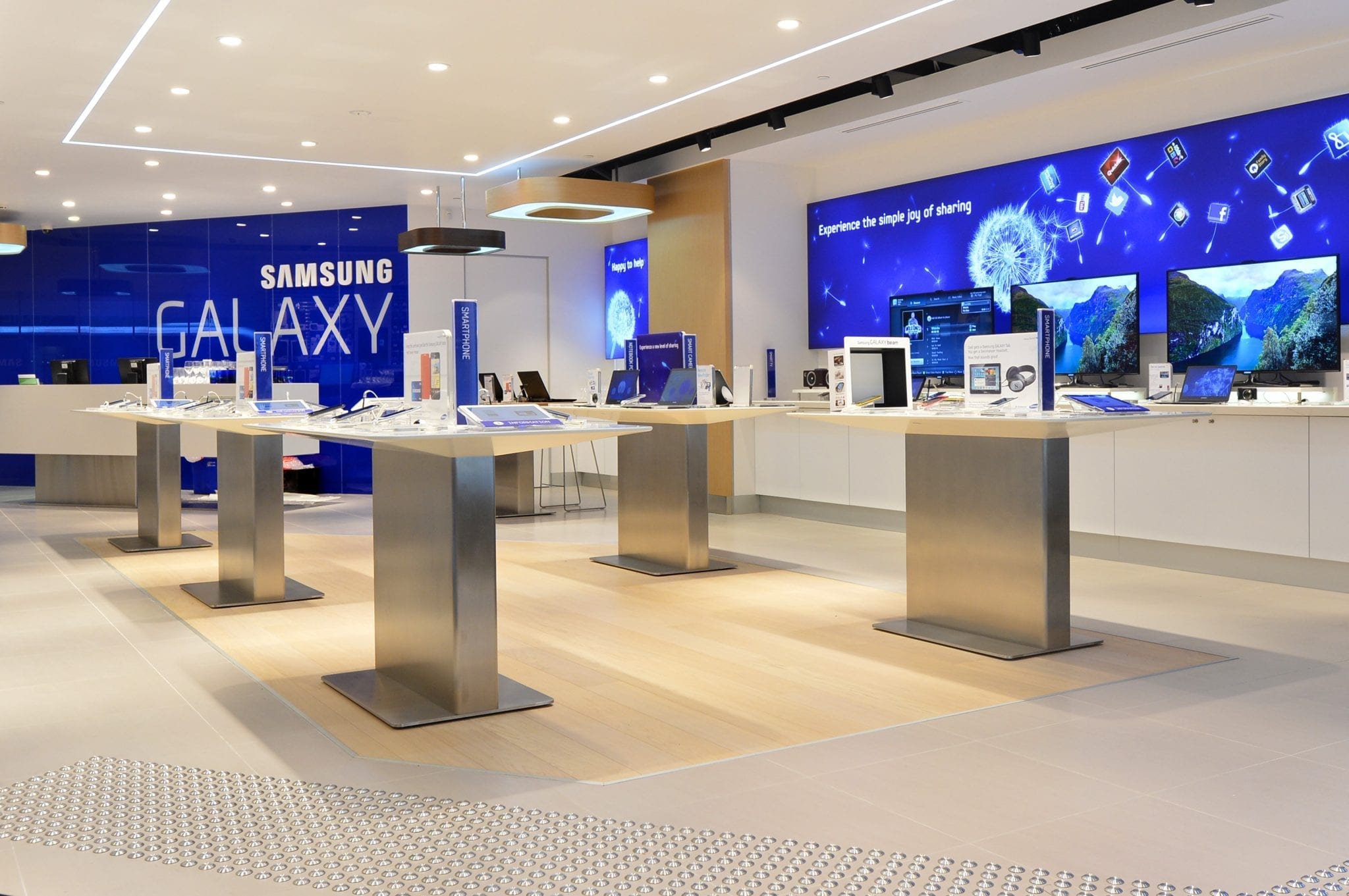
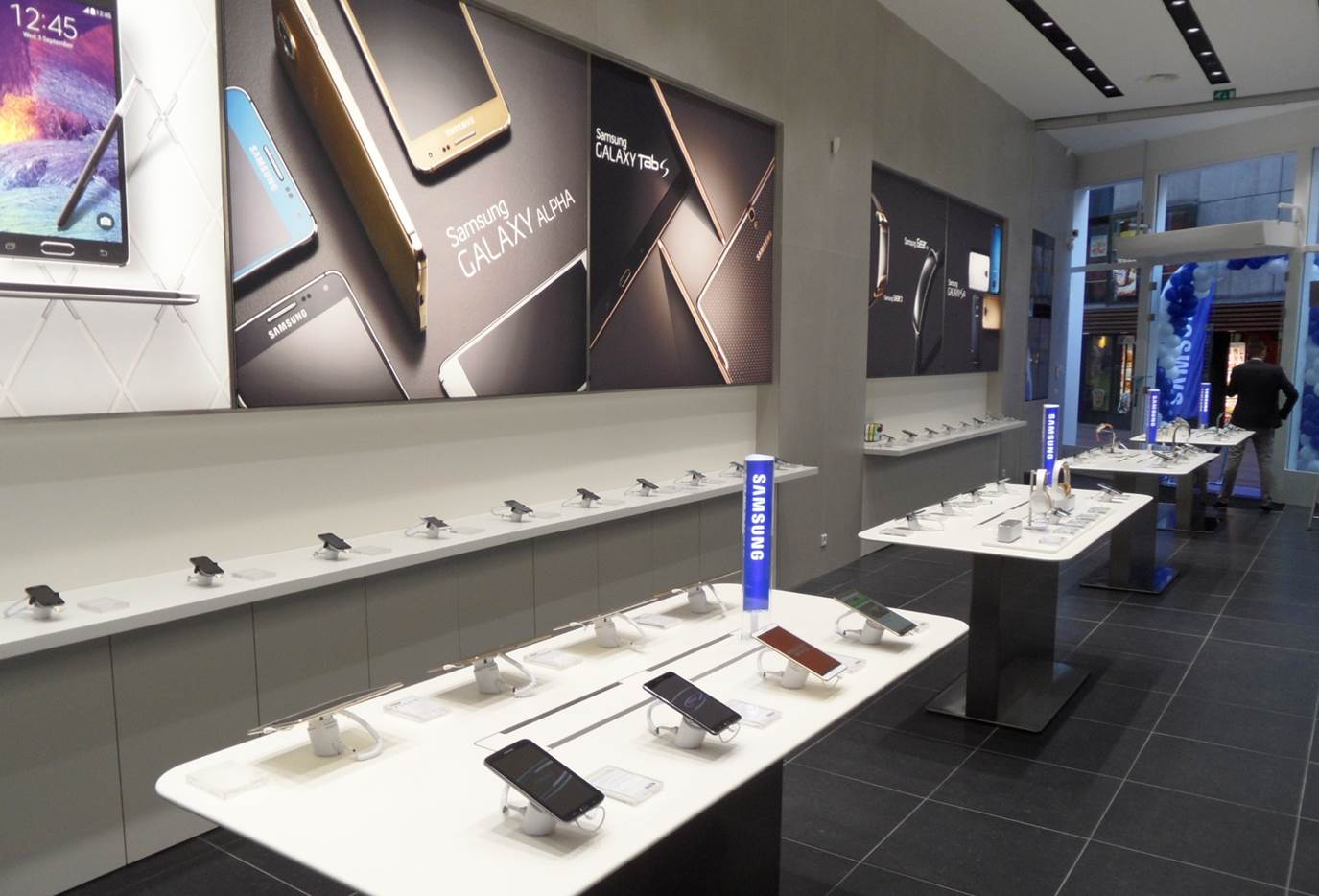
    Samsung Open House 2.0 is an experiential retail concept offering an interactive and connected smart-home experience. It showcases the brand’s range of digital appliances on a 85in. UHD display, allowing shoppers to visualise how each appliance might look in their home. The neighbouring LG Home Entertainment area showcases a range of setups.

    Hands-on gaming

    Courts Singapore - Tampines flagship - The new Gaming Zone at COURTS is a space hosting multiplayer gaming tournaments and a key experiential zone in the store

    Courts has also expanded its gaming zone with such brands as Acer Predator, Alienware, Asus Republic of Gamers, Lenovo Legion, MSI and Razer. shoppers can try out the latest PC games, and there is a space designed to host multiplayer gaming tournaments.

    Also launched at the megastore is Guru, which offers more than 100 repair and maintenance services for more than 20 home-product categories. It will be open 365 days a year with its own in-store service counter as well as a phone hotline, and will also offer home cleaning, painting and fix-it services with warranties.

    COURTS has expanded its gaming retail area with nine PC, console and augmented reality gaming brands

    To mark the flagship’s official opening, a four-week celebration will offer discounts of up to 90 per cent, and deals such as a free Xbox One, worth $499, with the purchase of any gaming laptop computer.

    There will also be a celebrity line-up including Arsenal and Liverpool football stars, singer Joanna Dong, Running Man star Kim Jong Kook and Singapore’s first boxing champion, Muhamad Ridhwan.

    Free public Wi-Fi as well as complimentary parking are also available.

  • Samsung Electronics profit nearly doubles

    Samsung Electronics profit nearly doubles

    Samsung Electronics profit nearly doubled in the third-quarter, mainly led by strong returns from its chip business amid an industry-wide boom.

    And it had a helping hand from rival Apple, for whom it makes screen for the iPhone X.

    Samsung Electronics profit reached 11.1 trillion won (US$9.87 billion), jumping from 4.53 trillion won posted a year earlier.

    Sales rose 29.7 per cent to reach 62 trillion won and operating profit came to 14.53 trillion won in the July-September period, also rising sharply from 5.2 trillion won posted last year.

    CNBC reported that Samsung is on track for record full-year profit, with analysts forecasting even better fourth-quarter on strong memory chip prices and organic light-emitting diode (OLED) screen sales for Apple’s iPhone X.

    The company’s operating margin reached 23.4 per cent in the third quarter, significantly rising from 10.9 per cent posted a year earlier.

    Samsung Electronics said its chip business raked in a record operating profit of 9.96 trillion won, helped by the rising seasonal demand. Its products’ prices increased due to limited supply in the market.

    For the fourth quarter, Samsung said the shipment of its products is expected to continue growing, as more mobile devices are adopting high-end memory chips and demand from data centres rising.

    “Looking to 2018, high demand from data center infrastructure expansion is forecast to continue while demand for contents growth in mobile products will rise on the widespread adoption of dual camera, 3D sensors and on-device AI offerings,” Samsung Electronics said.

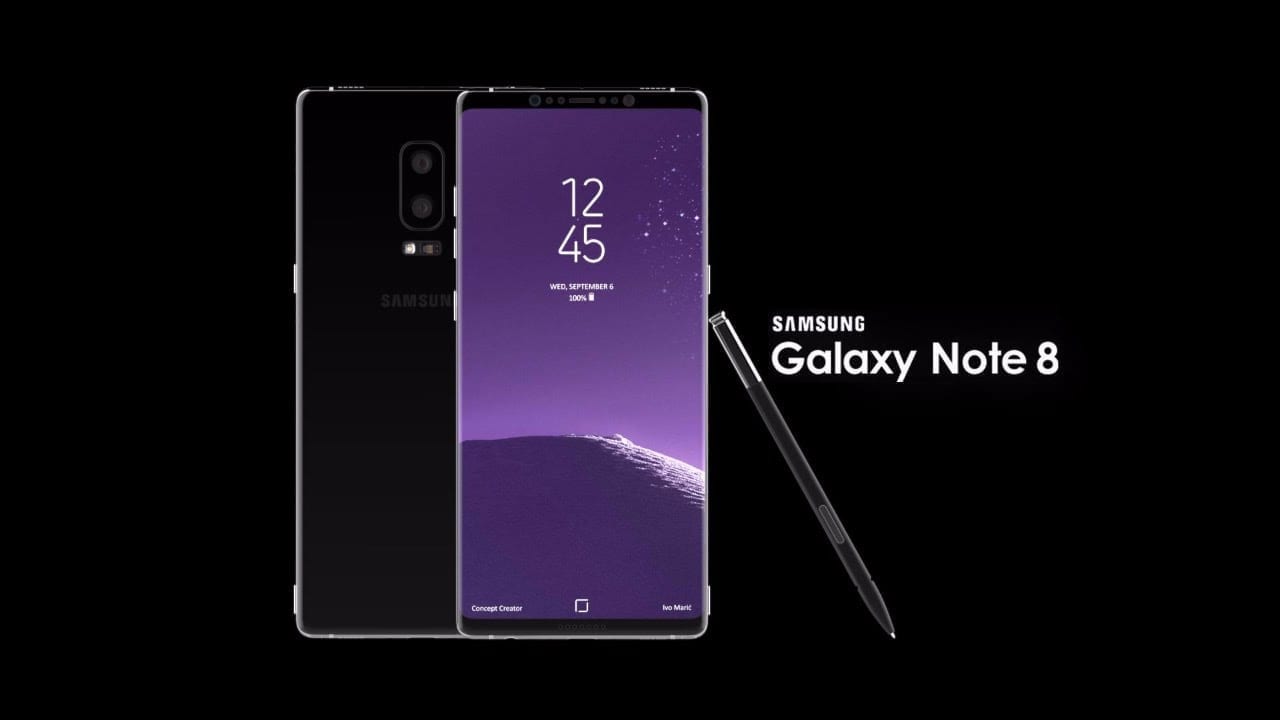
    The tech giant added that the IT and Mobile Communications division, which covers smartphones, posted an operating profit of 3.29 trillion won, a huge turnaround from the meagre 100 billion won posted a year earlier, when the handset business was hurt by the suspended production of the Galaxy Note 7.

    The company, however, said while its shipment of smartphones in terms of units remained strong due to the release of the Galaxy Note 8 and robust sales of the Galaxy J series, the rising portion of budget models in the portfolio led to a decrease in earnings from 4.06 trillion won posted a quarter earlier.

    Industry watchers said the mobile arm’s performance is still better than expected, as the business was widely seen to remain sluggish due to increasing expenditure on marketing projects for the Galaxy Note 8.

    Preorders for the Galaxy Note 8 in South Korea came to 850,000 units, more than doubling the 400,000 units posted by its predecessor, the Galaxy Note 7.

    Experts said Samsung’s fourth-quarter performance is also anticipated to improve on the full-fledged sales of the Galaxy Note 8.

    The South Korean electronics company said it expects tougher competition in the market for the fourth quarter, saying it will release the new phablet in more countries in order to maintain sound returns.

    The consumer electronics division posted an operating profit of 440 billion won. Samsung said the performance falls behind the 790 billion won posted a year earlier due to changes in TV panel prices, although the increased shipments of premium products led to an on-quarter rise.

  • Apple, Samsung face new iPhone damages trial

    Apple, Samsung face new iPhone damages trial

    A U.S. judge has ordered a new trial to determine how much Samsung Electronics Co should pay Apple Inc for copying the look of the iPhone. U.S. District Judge Lucy Koh in San Jose, California issued her order late on Sunday, 10 months after the U.S. Supreme Court set aside a $399 million award against Samsung, whose devices include the Galaxy.

    The three Apple patents covered design elements of the iPhone such as its black rectangular front face, rounded corners, and colorful grid of icons for programs and apps.

    Koh’s order is a setback for Apple, which called a retrial unnecessary and said the award should be confirmed. The Cupertino, California-based company did not immediately respond on Monday to requests for comment.

    Silicon Valley has closely followed the 6-1/2-year-old case.

    Companies such as Facebook Inc and Alphabet Inc’s Google have said an Apple win would encourage owners of design patents to sue for huge, unfair awards on products containing hundreds of features that are costly to develop.

    The $399 million represented profit from Samsung’s sales of infringing smartphones, though the South Korean company has said it deserved reimbursement if it prevailed in the litigation.

    It was part of a $548 million payment that Samsung made to Apple in December 2015.

    The legal dispute concerned whether the “article of manufacture” for which Samsung owed damages included its entire smartphones, or only parts that infringed Apple patents.

    Without deciding that question, Justice Sonia Sotomayor wrote for the Supreme Court last Dec. 6 that “the term ‘article of manufacture’ is broad enough to embrace both a product sold to a consumer and a component of that product.”

    In Sunday’s order, Koh said the jury instructions at the original 2012 trial inaccurately stated the law on that issue.

    She said Samsung may have been prejudiced if jurors were prevented from considering whether any infringement covered “something other than the entire phone.”

    Apple contended that the jury instructions were “not erroneous,” and said it had proved that Samsung applied its patented designs to its “entire phones.”

    Jurors initially awarded $1.05 billion to Apple, which was later reduced.

    Samsung, in a statement, welcomed a new trial, calling it “a historic opportunity to determine how the U.S. Supreme Court’s guidance on design patent damages will be implemented.”

    The case is Apple Inc v Samsung Electronics Co et al, U.S. District Court, Northern District of California, No. 11-01846.

  • Samsung Electronics expects record $12.8 bn Q3 operating profit

    Samsung Electronics expects record $12.8 bn Q3 operating profit

    The company estimated operating profits of $12.8 billion in the July-September period, an all-time record for quarterly profit. Samsung Electronics said Friday it expected profits to hit an all-time record in the third quarter to September as the South Korean IT giant enjoys booming semiconductor sales.

    The company estimated operating profits of 14.5 trillion won ($12.8 billion) in the July-September period, an all-time record for quarterly profit and nearly triple the 5.2 trillion won earned a year earlier.

    Sales are estimated to have surged 29.65 percent on-year to 62 trillion won.

    Samsung did not announce the performance estimates of each business division but its semiconductor business is widely believed to have contributed greatly to the record-beating report.

    The company is set to release its final earnings report later this month.

    Samsung has been seeking to move past a bribery scandal which saw the company’s de-facto head Lee Jae-Yong thrown into jail and overcome a damaging recall last year of its flagship Galaxy Note 7 smartphone over exploding batteries.

    Lee, who was found guilty in August of bribery, perjury and other charges relating to payments made by Samsung to ousted president Park Geun-Hye’s secret confidante Choi Soon-Sil, is appealing his five-year sentence and says he is innocent.

  • China a major challenge for Apple and Samsung

    China a major challenge for Apple and Samsung

    Responses to Apple and Samsung Electronics’ latest flagship releases in the Chinese market have been lukewarm to downright disappointing.

    Domestically, Samsung Electronics’ Galaxy Note 8 has performed like a rock star, alleviating company insiders’ concerns that the Galaxy Note 7 exploding debacle would keep customers away.

    Over the pre-sales period between September 7 through 14, around 850,000 phones were sold, at least 400,000 of which have been activated. The pre-sales amount is more than double that of the Galaxy Note 7, which had sold 400,000.

    As the chief competitor to Apple in the struggle for global smartphone dominance, Samsung needs to do well not just at home but abroad.

    By September 22, the Galaxy Note 8 had been released in over 60 countries  (South Korea, North America and select European countries had releases on September 15). Eventually, Samsung plans to release the smartphone in over 150 countries.

    Fortunately for the South Korean company, early reports that have trickled out to the media indicate that the Galaxy Note 8 has received an overall positive reception in foreign countries.

    “In the North American market, [the Galaxy Note 8] has recorded pre-sales figures two digits higher than what the Galaxy Note 7 achieved,” said a Samsung Electronics official who asked not to be named. “The sales situation in major European markets is good. Overall, the beginning stages of the Galaxy Note 8′s release have been on the positive side,” she added.

    The conspicuous omission among the mentioned countries is China, a market Samsung, with its 3 percent market share (as of the second quarter of this year) cannot afford to disregard. Slated for official release on September 29, pre-sales of the Galaxy Note 8 began on September 13.

    On September 16, Chinese news platform Jinri Toutiao reported that the South Korean smartphone had recorded a paltry 5,700 in pre-sales in two days. In comparison, the iPhone 8, which also began pre-sales on the same date, had sold 1.4 million through the same time period, according to Chinese e-commerce firm JD.com.

    Though some have pointed to the slightly more cumbersome process for pre-sale purchase compared to Apple (Samsung requires a 100 yuan deposit, Apple requires none), the more widely accepted view among market analysts is that the reason for the dismal reaction is based on geopolitics.

    The agreement between the United States and South Korea to install THAAD missile systems as a countermeasure against possible North Korean provocations has deeply strained ties between the East Asian neighbors. With retailer Lotte Mart recently announcing its decision to pull out of China and vast drops in a formerly booming tourism industry propped up by Chinese visitors, September 29 is a date that looms large not just for Samsung, but for South Korea as a country.

    Samsung will in particular want to avoid the kind of official release day that Apple had with its iPhone 8 on September 22. Hong Kong paper Ming Pao reported that the local reaction was lacking in enthusiasm compared to prior releases of earlier iPhone versions.

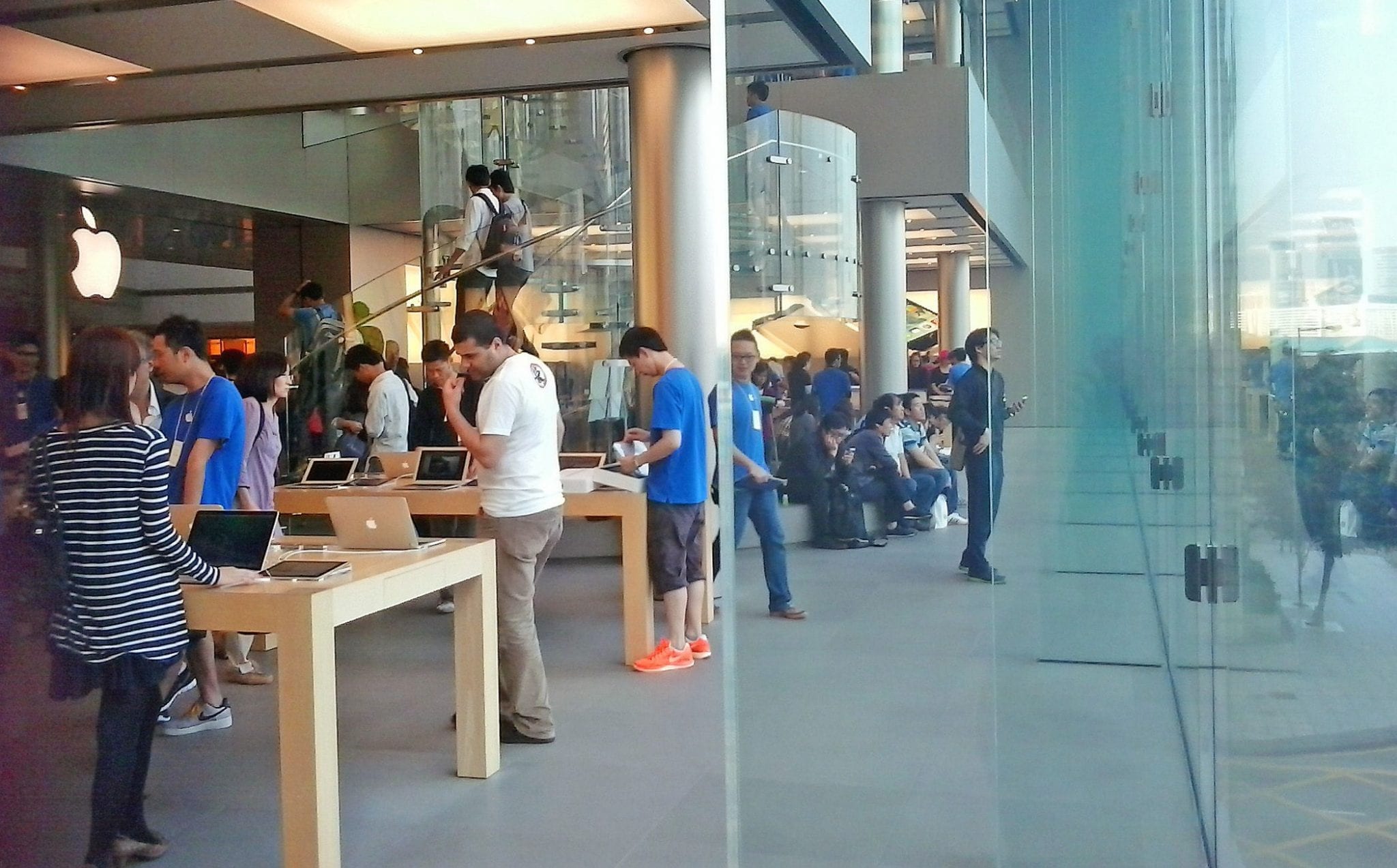
    At the Hangzhou Apple Store, 30 to 40 security guards laid out steel fences in front of the entrance starting at 6 a.m. in anticipation of long lines. Two hours later, after only two people stood in line, the guards collected the fences and went home.

    Less than optimal numbers showed up at other Apple stores throughout the country. In one Beijing store, four customers showed up throughout the entire day.

    Like Samsung, Apple has not gained the desired response in a market it desperately needs. Unlike Samsung, it cannot use geopolitical tensions as a convenient scapegoat for its problems.

    Speculation on the poor showing has been attributed to the slated release of the iPhone X later on this year and the lack of technological upgrades that justify the high price tag.

    Consumers (not only in China, but worldwide) have been questioning why they would fork over high prices for the iPhone 8 when they can simply wait to purchase a more advanced version in a few months time.

    Meanwhile, the iPhone 8′s headlining feature, the facial recognition system, has not caught on among Chinese consumers, making the phone a hard sell.

    Finally, the emergence of Chinese competitors has relegated both Apple and Samsung to the lower rungs of the Chinese smartphone market.

    An online survey conducted on social media site Weibo asked users a variety of questions about the iPhone. 28 percent selected “Who cares about Apple, Xiaomi, Huawei?” while 18 percent selected “The price is excessive” among the available responses.

    Once regarded as indisputable leaders in the smartphone game, Apple and Samsung’s positions of leadership will depend in part on making inroads into China. Unfortunately for them, China has proved to be a tricky customer thus far.

  • Samsung secures self-driving car permit in California

    Samsung secures self-driving car permit in California

    Samsung Electronics Co Ltd said on Thursday it has received a permit to test self-driving vehicles in California, marking the entry of the world’s largest smart phone maker four months after iPhone maker and arch rival Apple Inc (AAPL.O) received a permit.

    Its parent company in May secured permission from South Korean authorities to test a self-driving car fitted with its own sensors and software systems. At that time, South Korean officials said the company planned to use the car to develop a self-driving car algorithm that could drive in adverse weather.

    In a statement to Reuters, Samsung did not say what precisely what it planned to test in the United States but said it secured the permit “in pursuit of a smarter, safer transportation future.”

    The company, part of a massive conglomerate that makes everything from washing machines to heavy machinery, said it has “no plans to enter the car-manufacturing business.”

    With the foray into the U.S. self-driving car landscape, Samsung will jostle with its friends and foes. Besides Apple, it will join Waymo, a division of Alphabet Inc (GOOGL.O), which supplies the Android operating system that runs on Samsung’s phones.

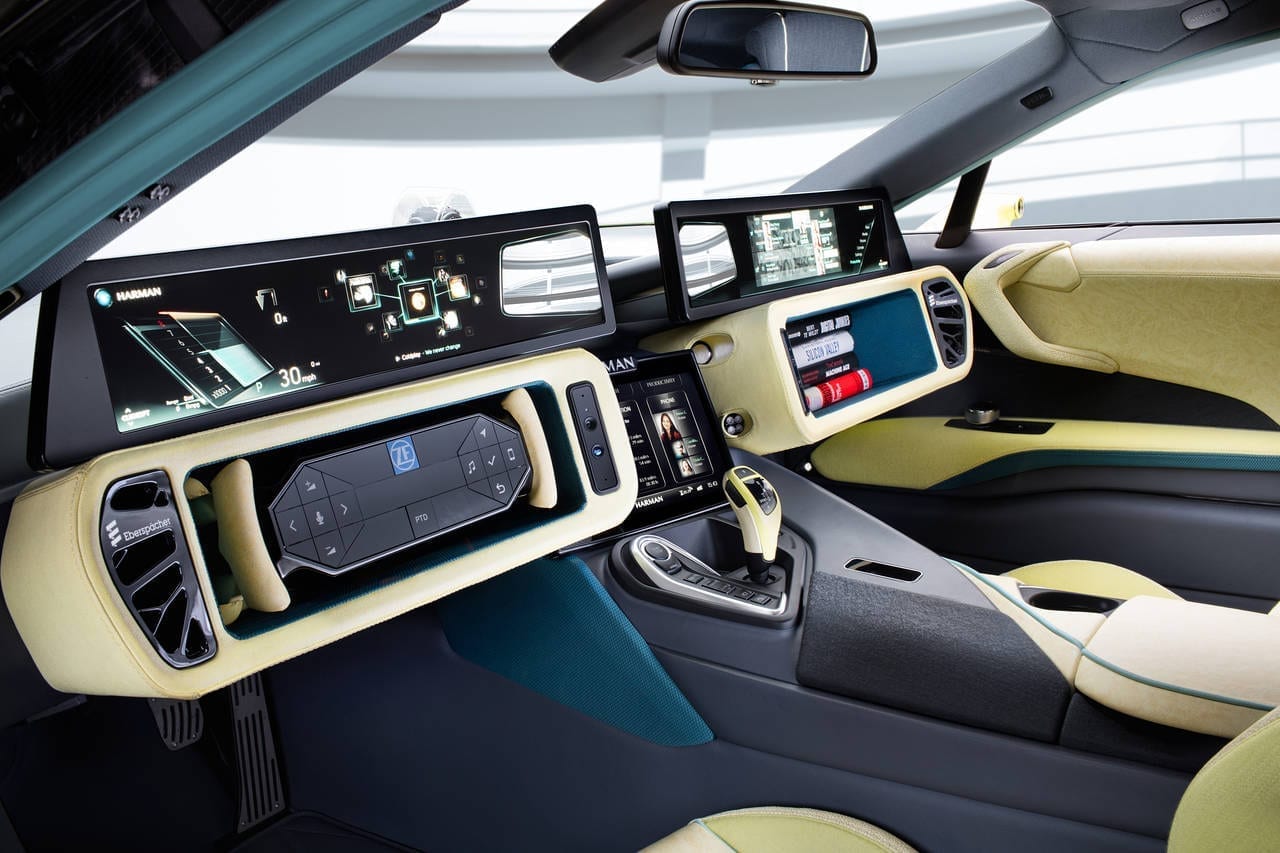
    Samsung has a range of other opportunities for growth in the self-driving car business. Earlier this year, the company closed its $8 billion purchase of car audio maker Harman International Industries, giving it a wide foot print in so-called connected car technologies.

  • Level of Interests towards Galaxy Note 8 Rises in South Korea

    Level of Interests towards Galaxy Note 8 Rises in South Korea

    Samsung Electronics started marketing for ‘Galaxy Note 8’ in South Korea and the U.S. Expectations for its popularity are rising as consumers are continuously visiting cellphone stores in South Korea and the U.S.

    Release date of Galaxy Note 8 is the 15th of September. Samsung Electronics and three South Korean mobile network providers are going to start activation for consumers who preordered Galaxy Note 8 from the 15th until the 20th of September as they expect there will be many potential demands for Galaxy Note 8 due to discontinuation of Galaxy Note 7. Consumers who did not preordered Galaxy Note 8 will be able to activate it after the 21st.

    Samsung Electronics is going to release 64GB and 256GB Galaxy Note 8 models first in South Korea. It included plastic transparent case as part of components that come with a box for Galaxy Note 8 that will be released in South Korea for the first time. In case for the U.S., people have to purchase separate cases for Galaxy Note 8s. Samsung Electronics applied requests from South Korean consumers who wanted a case that does not cover design while it protects the phone from crack.

    “We started taking pre-application for Galaxy Note 8 starting from the 24th before the official preorder date, which is the 7th of September, and there have been 400 to 500 cases of pre-applications on daily average based on customers who filled out necessary documents.” said a representative for Samsung Digital Plaza in Hongdae. “This is the hottest reaction for Galaxy Note series ever.”

    “If a customer just write his or her name and contact number, he or she will be able to receive Galaxy Note 8 on the day it is released based on an order of membership by subscription.” said a representative for LG Uplus direct management store. “We are going to notify our customers by texts when price and free gifts are decided.”

    “Because selective contract discount ratio for Galaxy Note 8 is going to increase from 20% to 25% on the 15th of September, it will be more effective for consumers to wait until the 15th if it is not urgent.” said a representative for an authorized KT retail store.

    Interests towards Galaxy Note 8 are also high in the U.S. where it was launched by Samsung Electronics. Part of New York Time Square was covered with advertisements for Galaxy Note 8 while electronic stores such as Best Buys were filled with customers who were looking for Galaxy Note 8.

    Samsung Electronics is also going to release 64GB Galaxy Note 8 model in the U.S. Price of Galaxy Note 8 is going to be different based on mobile network providers and electronic stores. Verizon and Sprint, AT&T, and T-Mobile and Best Buy (Unlock phone) are going to sell Galaxy Note 8 at $960, $949.99, and $930 respectively. However actual price is going to be more than $1,000 since these amounts do not include any sales taxes.

    Samsung Electronics is going to give out wireless charger, Gear 360 (2017), or 128GB micro SD card to people who preorder Galaxy Note 8. Customers who returned their Galaxy Note 8s are going to receive $425 of discount if they purchase Galaxy Note 8. Best Buy put out ‘$150 discount’ as a benefit for people who preorder Galaxy Note 8s.

    “Customer reactions towards Galaxy Note 8 are very fast as four people preordered Galaxy Note 8s in just one hour removed from launching of Galaxy Note 8.” said a representative for a Best Buy store in Manhattan. “Most of customers who tested out Galaxy Note 8s showed most of their interests towards dual-camera’s live focus, functions of S Pen, and midnight black color.”

  • Verdict for Samsung heir weighs on telecom giant

    Verdict for Samsung heir weighs on telecom giant

    Prosecutors have demanded a 12-year sentence for Samsung’s 49-year-old ‘crown prince.’ The heir to the Samsung empire faces the verdict in his corruption trial Friday, which threatens to leave the world’s biggest smartphone maker rudderless for more than a decade.

    Lee Jae-Yong, vice chairman of Samsung Electronics and the son of Samsung group chairman Lee Kun-Hee, has been groomed all his life to take over the giant conglomerate founded by his grandfather in 1938.

    It is by far the largest of the chaebols, the family-controlled firms that dominate Asia’s fourth-largest economy, which some South Koreans self-mockingly dub the “Republic of Samsung”.

    Its turnover is equivalent to a fifth of the national GDP and it has long had close, opaque connections with political authorities.

    But now prosecutors have demanded a 12-year sentence for Samsung’s 49-year-old “crown prince” if he is convicted of charges including bribery and embezzlement in connection with the corruption scandal that brought down president Park Geun-Hye.

    Park, dismissed from office in March after public fury, is on trial separately accused of offering policy favors to tycoons including Lee who enriched her secret confidante Choi Soon-Sil, with Samsung handing over around $40 million.

    Lee has been detained during his trial, and the prospect of his being imprisoned for years has sent shockwaves through Samsung, where the founding family’s rule has been taken for granted for decades.

    The Lee clan directly owns about five percent of Samsung Electronics shares, but maintains its grip on the wider group through a byzantine web of cross-ownership stakes involving dozens of companies.

    Although Samsung’s day-to-day business is maintained by the elite CEOs at each unit, analysts say they would be unwilling to make — and take responsibility for — costly decisions over large-scale acquisitions or investments without family approval.

    “In South Korea, such decisions are often endorsed by the patriarch of a ruling family,” said Chung Sun-Sup, the head of corporate analysis firm chaebul.com.

    Lee Jae-Yong’s sister Boo-Jin, who is in charge of the group’s fast-growing hotel business, was once touted as a potential stand-in.

    But many dismiss the possibility, saying she has few allies and little management experience at Samsung Electronics — the crown jewel of the group.

    Despite Lee’s absence Samsung Electronics has reported stellar profits in recent months, sending its share price soaring, thanks to booming demand for its memory chips used in computers, servers and mobile gadgets.

    Analysts say it is reaping the benefit of radical decisions made years ago under the senior Lee’s rule, including the construction of new chip factories that cost billions of dollars.

    “With so much uncertainty at its leadership, Samsung may move more slowly than before to make the kind of bold, large-scale investments that made it so successful today,” Chung told AFP.

    Future strategy

    Since the senior Lee was left bedridden by a heart attack in 2014, Samsung has stepped up attempts to streamline itself, selling off marginal or less profitable businesses, while also enhancing Lee Jae-Yong’s authority.

    Those efforts would be suspended if Lee receives a lengthy jail term, Chung said, which could force the group into “an unprecedented experiment” of operating without direct Lee family control.

    But Geoffrey Cain, the author of a forthcoming book on Samsung, pointed out Samsung Electronics had been able to make strategic moves despite Lee’s detention in custody.

    “The leader being in jail is a familiar story for chaebol groups, and one they can get around,” he said.

    “Samsung will not be doomed without Jay Lee. Even if he gets a prison sentence, Samsung will be just fine. It’s up to the specialists to make their own decisions.”

    After the scandal sparked nationwide calls to reform “corrupt” chaebols, Samsung earlier this year disbanded its Future Strategy Office — a small, secretive group of top company veterans who directly served the Lees — vowing to give the board of directors a bigger role in decision-making.

    Millions of dollars

    New President Moon Jae-In won a sweeping election victory in May with promises of weeding out deep-rooted, corrupt ties between chaebols and regulators.

    Prosecutors accuse Lee of seeking state approval for a controversial 2015 merger of two Samsung units seen as a key step to ensuring his accession.

    He pleaded not guilty, saying he was not involved in decisions over the donations and not even aware of Choi’s existence.

    During his trial, his lawyers and ex-members of the Future Strategy Office tried to portray him as an inexperienced, naive heir not even allowed to “meddle with” decisions made by the veteran executives chosen by his father.

    As a legal strategy it is undoubtedly embarrassing, but it remains to be seen whether the three judges hearing the case, in which four other top Samsung executives are also accused, are convinced.

    “If he is found innocent and walks away, it would be a huge setback against the court and the current administration,” said Shim Jung-Taik, an author of several books on Samsung and its history.

    He warned of “huge public outcry” in the event of an acquittal, telling AFP: “In South Korea, the Lee case is not just a legal case but a social and political one whose result is seen as a verdict on wider chaebol culture and corruption.”

  • Samsung begins official distribution of Harman products

    Samsung begins official distribution of Harman products

    Samsung Electronics will start selling Harman International’s consumer audio products from Tuesday through its local distribution channels, the company announced Monday.

    It is the first official business move since the South Korean tech titan completed its acquisition of the 70-year-old US-based audio system manufacturer for $8 billion in March.

    Samsung will officially release 40 speaker, earphone and headphone products under the Harman Kardon, JBL and AKG brands that represent strong audio systems through 30 Samsung Digital Plaza shops across the country, with a plan to gradually expand the distribution points.

    Within the year, Samsung plans to open exclusive Harman shops at multipurpose malls, providing consumers with better experiences of enjoying sound.

    Harman products have been sold here through Harman Korea with limited distribution channels that are now to be expanded through Samsung.

    After-sales services for the Harman products will be available through Samsung’s service centers nationwide, the company said.

    Samsung took over Harman that is also specialized in automotive electronics with an aim to expand into the transportation, retail, hospitality and education industries.

    While keeping Harman’s operations separately, Samsung said the two will team up for new projects in the aforementioned areas whenever necessary. On July 13, the two announced a collaborative theater project adopting Samsung’s light-emitting diode technology for cinema together with Harman’s JBL speakers at Lotte Cinema World Tower in Jamsil, southern Seoul.

  • Samsung beats Apple in brand health rankings

    Samsung beats Apple in brand health rankings

    Google, YouTube and Facebook have topped a first-ever global brand health ranking by YouGov, an online market research firm based in the UK.

    In a list dominated by online brands, Samsung has come in fourth, messaging service WhatsApp is in fifth position, and Apple’s iPhone is in sixth spot. Other brands in the top 10 ranking include brands such as Amazon, Toyota, Adidas and Colgate.

    The rankings are based on YouGov BrandIndex data from across the world. BrandIndex operates in 32 countries across the globe, including markets in North America, South America, Europe, Africa, Asia and Australia.

    The ranking takes into account consumers’ perceptions of a brand’s quality, value, impression, satisfaction, reputation and whether consumers would recommend the brand to others. The rankings list shows the brands with the highest average Index scores between July 1, 2016 and June 30, 2017.

    “Tech brands dominate this global list and with good reason. By their very nature the likes of Google, YouTube and Facebook are open and accessible in most places on earth to anyone with online access,” YouGov CEO for data products Ted Marzilli said.

    “The presence of Samsung and Apple iPhone demonstrate are a sign that our mobile devices have become the remote controls for our lives. All of the brands in the ranking are mainstream with broad utility at their core – and this is as true of the likes of Toyota and Colgate as it is for WhatsApp and Samsung.”

  • Samsung Mobile Philippines takes nod to past

    Samsung Mobile Philippines takes nod to past

    In partnership with 8Telcom, Samsung Mobile Philippines has officially opened its second Samsung Experience Store, at Davao City’s Victoria Plaza Mall.

    Billed as the first redesigned concept store in the Philippines, it marks 8telcom’s 15th anniversary, with Samsung deciding to go back to where everything started – the first 8telcom multi-brand kiosk was established at Victoria Plaza.

    At a grand opening of the Samsung store, the first 50 customers each received a free headset, and a free Bluetooth speaker was given to buyers of five different phone models.

    Customers who pre-ordered the Samsung J7 Pro smartphone will also receive a free wireless speaker.

  • Samsung Electronics expects record-high Q2 profits

    Samsung Electronics expects record-high Q2 profits

    Samsung Electronics said Friday it expects profits to jump 72 percent in the second quarter to a record high, amid soaring memory chip prices and increased demand for smartphones.

    Operating profit is estimated at 14 trillion won ($12.1 billion) in the April-June period, up from 8.14 trillion won a year earlier, the tech giant said.

    It marks the all-time high quarterly operating profit ever posted by Samsung Electronics, surpassing the previous record 10.1 trillion won set in the third quarter of 2013.

    Sales for the April-June period are also expected to surge 17.8 percent on-year to 60 trillion won.

    Samsung witholds sector-by-sector business performance until it releases its final earnings report later this month.

    The earnings forecast surpassed a market consensus of around 13.2 trillion won compiled by FnGuide, a financial information service provider.