Tag: samsung

  • Galaxy Note9 does better than S9 on preorder sales

    Galaxy Note9 does better than S9 on preorder sales

    Samsung Electronics latest smartphone, the Galaxy Note9, attracted more preorder sales than the Galaxy S9, released in March, mobile carriers here said Monday.

    “The number of preorders for the Galaxy Note9 is roughly 30 to 50 percent higher than the Galaxy S9,” a source from a local mobile carrier said.

    The representative added that despite the stronger numbers it is still some 80 percent of the preorder numbers for last year’s Galaxy Note8.

    The overall figure for the Note9 is viewed as being solid considering demand for the Note8 shot up due to the battery debacle of the Note7 that was released in 2016.

    Local mobile carriers will end preorders for the new smartphone on Monday, and start handing out the devices to customers on Tuesday. The official release is slated for Friday.

    The Galaxy S9, which failed to grab the market’s attention due to a lack of features compared with predecessors, has been cited as one of major hurdles that has weighed down Samsung’s mobile business.

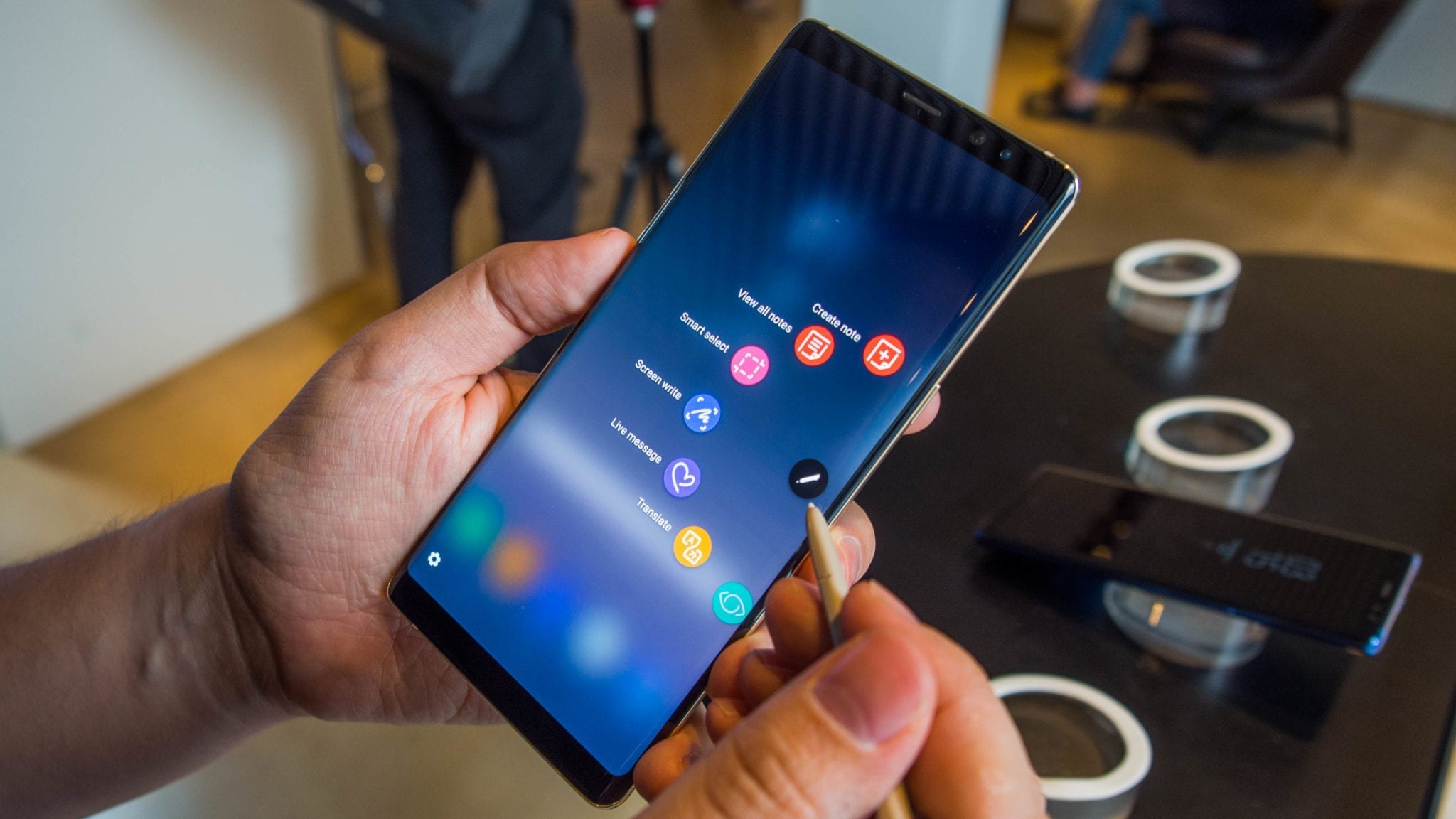
    The Note9 is currently seeking to revitalize the IT and mobile business through its 4,000 mAh battery along with a top-notch stylus equipped with Bluetooth technology.

  • Samsung vows to invest $161B by 2021

    Samsung vows to invest $161B by 2021

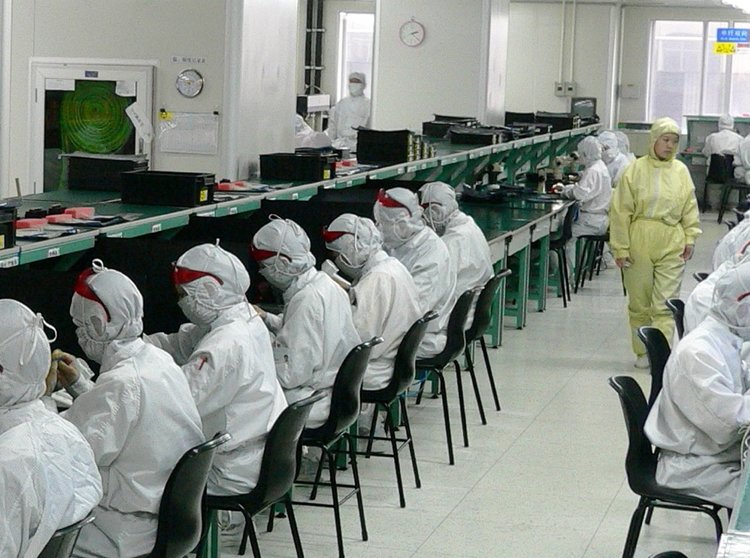
    Samsung announced Wednesday it will spend 180 trillion won ($160.7 billion) and hire 40,000 more employees over the next three years to drive growth – an unprecedentedly ambitious plan from Korea’s biggest conglomerate.

    The 180 trillion won includes capital expenditures and research and development, and some 130 trillion won – 43.3 trillion won on annual average – will be dedicated to the domestic market, which Samsung said would indirectly create 700,000 more jobs.

    The annual figure is in line with the 43.4 trillion won Samsung spent on new facilities last year.

    The remaining 50 trillion won in investments is speculated to be earmarked for mergers and acquisitions as well as foreign manufacturing facilities.

    The pledge of 40,000 new jobs is meant to give jobs to young Koreans, the group explained. Korea is struggling with the worst youth unemployment rate in its history. The number of new jobs created by Samsung over the past three years was between 20,000 and 25,000.

    “Today’s announcement follows many months of deliberation and review by the management and board of directors of different Samsung companies that will make the investments, including Samsung Electronics,” Samsung said in a statement.

    The investments are divided into two categories. One is to sustain the company’s leadership in semiconductors and displays.

    “In addition to investments for memory products, spending will be dedicated to non-memory products and new advanced manufacturing equipment,” Samsung said. Developing profitable and new products will be the focus in displays, amid rising competition in the industry.

    The second category is to search for new growth engines. A total of 25 trillion won will go into four specific areas: artificial intelligence (AI), 5G telecommunications, automotive electronics components and biopharmaceuticals.

    The plan to invest 180 trillion won exceeds a widely expected figure of 100 trillion won. Samsung was supposed to announce its investment and hiring plans on Monday when Finance Minister Kim Dong-yeon visited its Pyeongtaek campus in Gyeonggi and met with its de facto chairman, Lee Jae-yong. But Samsung delayed the announcement at the last minute after stories were published that accused the government of “begging” for investments from conglomerates.

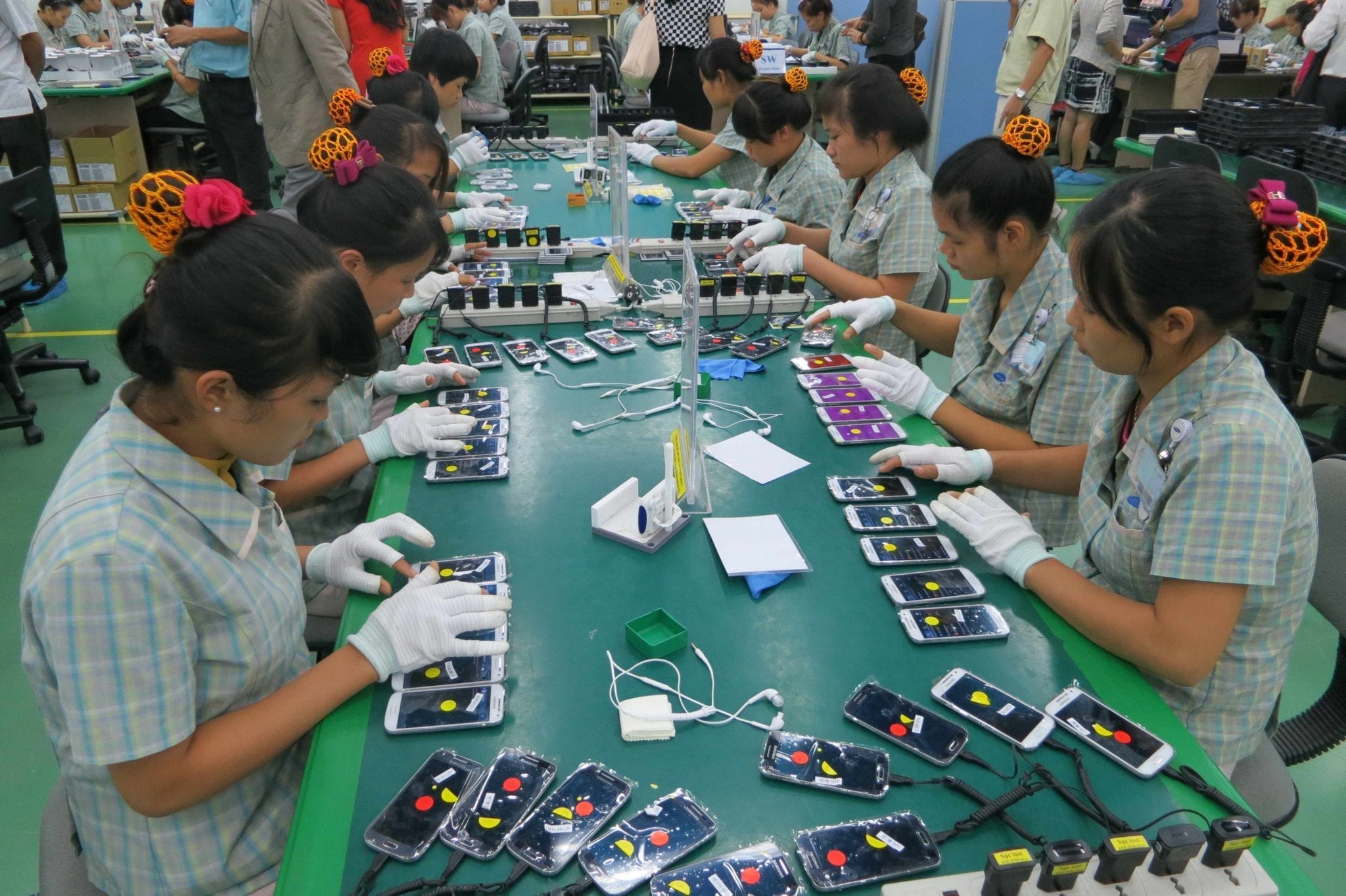
    Samsung’s ambitious plan does follow a request from President Moon Jae-in. In mid-July, the president directly asked Lee to “invest more locally and create more jobs” when the two met at a ceremony in India to mark the completion of Samsung’s biggest smartphone factory in the world.

    Wednesday’s announcement made clear Samsung’s industrial focus for the next few years. Samsung Chairman Lee Kun-hee, now bedridden, used to declare Samsung’s growth drivers every several years. In 2010, four years before he had an incapacitating stroke, Samsung named medical equipment, biopharmaceuticals, solar batteries, auto batteries and light-emitting diodes as its growth drivers, estimating they would generate 50 trillion won in annual revenue by 2020.

    In Wednesday’s announcement, Samsung changed its focus to AI and 5G connectivity that will create new opportunities in autonomous driving, the Internet of Things (IoT) and robotics. The top chaebol had already vowed to significantly expand its AI research capability, increasing its number of advanced AI researchers to 1,000. Becoming a global player in advanced markets for 5G chipsets and related devices and equipment is also on Samsung’s road map for the future.

    Samsung aims to become a leader in electronics components for future cars such as system on chip (SoC) semiconductors for autonomous driving, using its leadership in semiconductor, telecommunications and display technologies.

    In biopharmaceuticals, the group said it has seen strong growth in both contract manufacturing and the biosimilar businesses, promising to invest heavily to combat chronic and difficult-to-cure diseases.

    Following the upbeat statement on Samsung’s biopharmaceutical ambitions – despite a recent scandal over suspected accounting fraud – shares of Samsung BioLogics shot up 7.08 percent to close at 454,000 won Wednesday.

    Peaking at 600,000 won in April, the shares nose-dived to as low as 353,000 won early May after the Financial Supervisory Service started auditing it for accounting irregularities.
  • Samsung may launch foldable Galaxy in 2019

    Samsung may launch foldable Galaxy in 2019

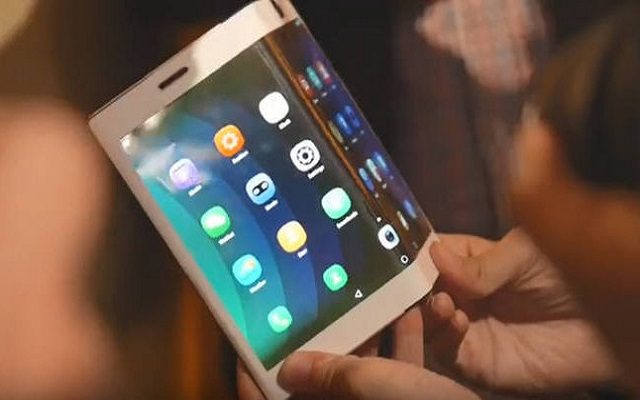
    Samsung Electronics may launch a foldable smartphone called the Galaxy X next year as global phone producers struggle to find innovative features to boost their slowing sales.

    Multiple leaks indicate that Samsung will launch the phone soon.

    The Wall Street Journal reported Wednesday that Samsung will introduce the bendable phone “early next year,” while Phone Arena, a media outlet specializing in phone industry leaks, reported that Samsung may unveil its first foldable smartphone at the Consumer Electronics Show 2019 next January in Las Vegas.

    According to the Wall Street Journal, the code name for the prototype phone is Winner.

    Its display is reported to be seven inches diagonally when opened, which is similar to a small tablet. It will bend towards the inside of the device like a wallet. This would allow users to watch videos on a large screen and also carry the phone around more conveniently by folding it. The phone’s diagonal size is expected to shrink to 4.5 inches when folded.

    The U.S. smartphone giant Apple is also working on a foldable phone. It applied for a foldable phone-related patent to the United States Patent and Trademark Office at the end of 2016. Its foldable phone is reportedly 9.7 inches diagonally when unfolded and 5.5 inches when folded.

    Samsung’s local rival, LG Electronics, is also joining the competition. It is waiting for the U.S. patent office to approve its patent application for foldable phones by the end of this month. In August last year, it also applied for a design patent for a foldable phone to the World Intellectual Property Organization. Motorola recently received a design patent for a foldable phone from the World Intellectual Property Organization. The design reportedly includes a long rectangular screen that can be folded to function as a smartphone and unfolded to act like a tablet. China’s Huawei Technologies originally planned to unveil its first foldable phone in November, but the company has likely pushed back its launch date to 2019.

    The global focus on foldable phones is largely due to consumer expectations for changes to smartphone designs, which have been stagnant for some time.

    As today’s premium smartphones now have similar specs, consumers have grown tired of their similar designs and features, and sales growth for many brands has slumped.

    The high expectation for the foldable phones, however, is making electronics companies cautious as they prepare to launch them.

    “Their biggest struggle is to come up with content and a user interface that is specific to a foldable display,” said a source in the display industry.

    The marketability of these products is also another concern. Market tracker Strategy Analytics projects that global foldable phone sales will start at 3.2 million units next year and grow to 50.1 million units by 2022. According to this prediction, even if the foldable phone market expands by roughly 15 times over the course of three years, their sales will only account for 2.5 percent of total smartphone sales in 2022. Industry insiders speculate Samsung’s foldable phone will carry the hefty price tag of $1,500.

    The Wall Street Journal noted that the launch date may change and added that Samsung may not put the phone on sale immediately after unveiling it.

  • Samsung’s Note 9 stresses power of stylus

    Samsung’s Note 9 stresses power of stylus

    Samsung Electronics’ next flagship smartphone, the Galaxy Note9, will hit the Korean market on Aug. 24, according to sources.

    The phablet, scheduled to be unveiled in New York at 11 a.m. on Aug. 9, can be preordered starting Aug. 14 and will be shipped on Aug. 24, around three weeks earlier than its predecessor, the Note8, last year.

    Samsung is advancing the release date to chalk up some sales before Apple launches its next flagship phone in three versions in September.

    In an online invitation to the so-called unpacking event for the Note9, Samsung emphasized its S Pen stylus, indicating its features will become more varied.

    Last Thursday, a Galaxy fan renowned for leaks who goes by the user name Ice Universe tweeted a photo presumed to be the Galaxy Note9’s official poster. An image showed a yellow S Pen lying on a blue Note9. The S Pen is rumored to be able to remotely play music and set timers on the smartphone over Bluetooth.

    The image of the Note9’s rear shows a fingerprint scanner and heart rate module underneath dual camera lenses.

  • Apple and Samsung duke it out in South Korea

    Apple and Samsung duke it out in South Korea

    South Korea’s capital Seoul is one of the world’s most technologically advanced, known for its rapid Internet speeds and advanced infrastructure.

    It was one of the first to introduce city-wide free Wi-Fi, and 5G will be introduced commercially in 2019. It is the home of global tech titans Samsung and LG. But in one way Seoul lagged behind other cities.

    Apple announced the opening of their first retail stores in May 15, 2001. Four days later, on a Saturday, the first ever Apple stores opened in Maclean, Virginia, and Glendale, California. “The Apple stores offer an amazing new way to buy a computer,” said the late Steve Jobs, Apple’s CEO at the time.

    Over the years more stores opened, going on to stock the iPod, the Macbook Air, and the iPhone. Tokyo got its first Apple store in 2003. London a year later. Beijing in 2008. And the Middle East in 2015 with Dubai’s Apple store.

    But South Korea, the 11th largest economy in the world and one of the most technologically advanced, saw its first Apple store open on January 26, 2018.

    In the Apple outlet is located in Garosu-gil,we see a fashionable street in trendy Gangnam-gu, popular with tourists and chic locals. Inside the pristine and meticulous store, lined with four potted trees at its entrance, were a busy amount of people.

    Ju-Won Shin, 38, an accountant, was sitting down at a table looking to buy an iPhone SE, while already owning an iPhone 6S and iPad Pro. What does he think of Apple? “Their products are easy to use, refined, and have a good vibe,” he said. Shin preferred Apple to Samsung because “they’re constantly trying hard to make good quality products.”

    Another store wanderer was So-ri Lee, 22, a waitress at a cafe, who was browsing phone cases. So-ri had an iPhone 8 and had been using it for two years. Before that she owned a Samsung Galaxy Mega. She said she preferred iPhone because she loved the design– “it’s pretty and easy to use, and now I’m used to iOS,” she said.

  • Samsung’s streak of record profits comes to an end

    Samsung’s streak of record profits comes to an end

    Samsung Electronics set records with its last seven quarterly operating profits, but its hot streak has come to an end.

    The tech giant said in its second-quarterly earnings guidance Friday that its operating profit fell by 5.37 percent from the previous quarter of 2018 to an estimated 14.8 trillion won ($13.3 billion).

    Its revenue also dwindled by 4.23 percent from last quarter to 58 trillion won. Analysts believe disappointing sales of Galaxy S9 smartphones and reduced profits from its display business were the main factors behind the sluggish results.

    The operating profit for the April-June period was lower than analyst’s earlier consensus of 15.27 trillion won, which was compiled by market information provider FnGuide.

    The guidance provides averages for the range of operating profit and revenue for the quarter, Samsung will release confirmed figures by business sectors three weeks from now.

    When compared to the second quarter of 2017, operating profit was up by 5.19 percent, but revenue fell by 4.92 percent.

    “Operating profits at all of the business sectors at Samsung for the second quarter are forecast to fall, except for semiconductors and consumer electronics,” said Lee Soon-hak, an analyst at Hanwha Investment and Securities. The ongoing supercycle in the chip industry is still boosting Samsung’s earnings, he added.

    In the first quarter, Samsung’s semiconductor division posted 11.55 trillion won in operating profit, the best result in the company history. Analysts project the profit from the division amounts to more than half of Samsung’s entire second-quarter operating profit.

    The IT and mobile division, which is in charge of smartphones, is projected to have made only around 2.5 trillion won in operating profit, down more than 2 trillion won from the 4.6 trillion won it made in the second quarter of last year.

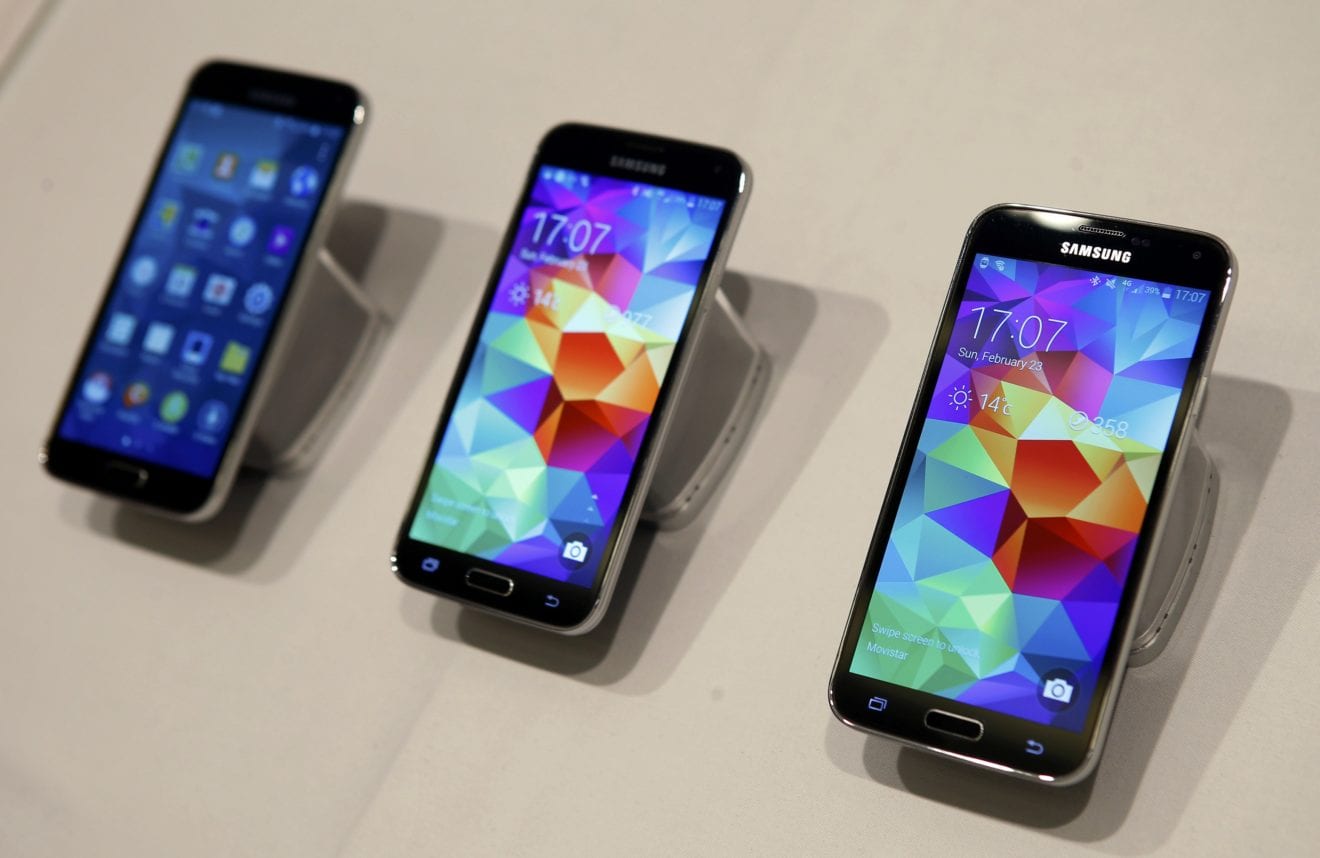
    Samsung’s flagship Galaxy S9 smartphone, launched in March, has underperformed relative to market expectations. The phone is expected to be Samsung’s least popular Galaxy S model since 2012’s Galaxy S3.

    Eugene Investment and Securities lowered its shipment estimate for the Galaxy S9 in the second-quarter from 15 million to 9.5 million units. It also decreased its expected total 2018 shipments for the S9 to 31 million units, down 19.5 percent from 2017’s S8, which shipped 38.5 million units.

    Some other brokerage houses are also revising their yearly sales estimates for the S9 to below 30 million. Consumers and experts say the phone lacks unique features compared to its predecessor.

    Samsung shares ended 2.29 percent lower at 44,900 won on Thursday, an all-time low closing price since the company’s shares were split 50 to 1 at the end of April. Ever since the split, Samsung stocks have fallen by 15.3 percent. But according to analysts, Samsung shares may have hit rock bottom, given that concerns over second-quarter earnings have been sufficiently reflected.

  • Samsung Pay no longer on cheaper phones

    Samsung Pay no longer on cheaper phones

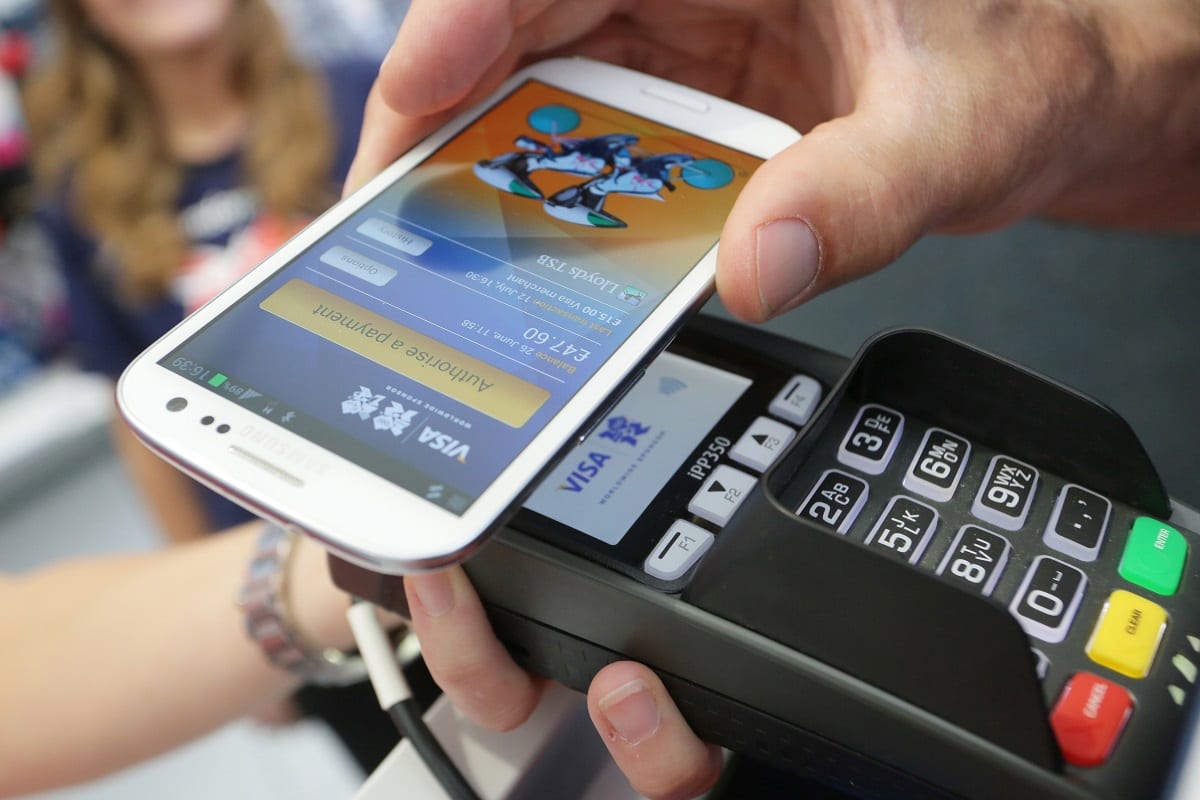
    Samsung Electronics recently stopped embedding its mobile payment system, Samsung Pay, in budget smartphones, industry watchers said Sunday, apparently to save costs by excluding the feature, which has been less popular among teens and senior users.

    Among 10 smartphones released by Samsung Electronics in Korea this year, only three – the Galaxy S9, Galaxy S9 Plus and Galaxy A8 – supported Samsung Pay. Other models with prices lower than 700,000 won ($628) did not come with the payment tool.

    In contrast, the Galaxy J5 and J7 smartphones, released last year with prices below 400,000 won, had the Samsung Pay program.

    Samsung Pay is a mobile payment tool that works on traditional credit card machines based on magnetic secure transmission (MST) technology and also supports the near field communication (NFC) technology.

    Industry watchers said Samsung apparently sought to cut production costs of budget smartphones, which mainly target teens and senior users who are less familiar with mobile-based credit card payment systems.

  • Galaxy Note9 invitation hints at revamped stylus

    Galaxy Note9 invitation hints at revamped stylus

    Samsung Electronics is scheduled to unveil its Galaxy Note9 phablet on Aug. 9 in New York, according to an invitation the company sent to media on Thursday.

    The unpacking event for the next flagship smartphone will take place at 11 a.m. local time on Aug. 9, or midnight on Aug. 10 in Korea, at the Barclays Center in Brooklyn, New York. The showcase will also be livestreamed on the Samsung website.

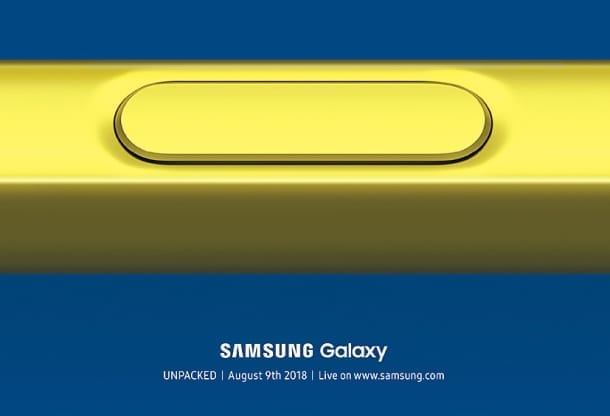
    Unlike previous years, Samsung opted not to include a catchphrase for the new model on the invitation – the Note8 missive came with the slogan “Do bigger things” – instead showing a magnified image of the button on the Note series’ signature S Pen stylus in gold on a blue background.

    The teaser video released with the invitation confirms that the button is on the S Pen, indicating that the new stylus will have enhanced features.

    Some early reports speculate that Samsung has added Bluetooth to the stylus, while other rumors guess that the pen will include a microphone to allow users to make phone calls. The button could be used for capturing images or video on the phone.

    According to a series of leaks, the Note9 has a 6.4-inch super AMOLED display – even bigger than the Note8’s 6.3 inches and S9+’s 6.2 inches. Aside from the increased size, there are few rumors suggesting any other dramatic changes to the phone itself, implying that the revamped S Pen could be the most revolutionary feature in the new device.

    The event for the Note9 comes about two weeks earlier than the Note8, which was first showcased on Aug. 23 last year and began shipping Sept. 21.

  • Samsung Experience Zone now available at HIA

    Samsung Experience Zone now available at HIA

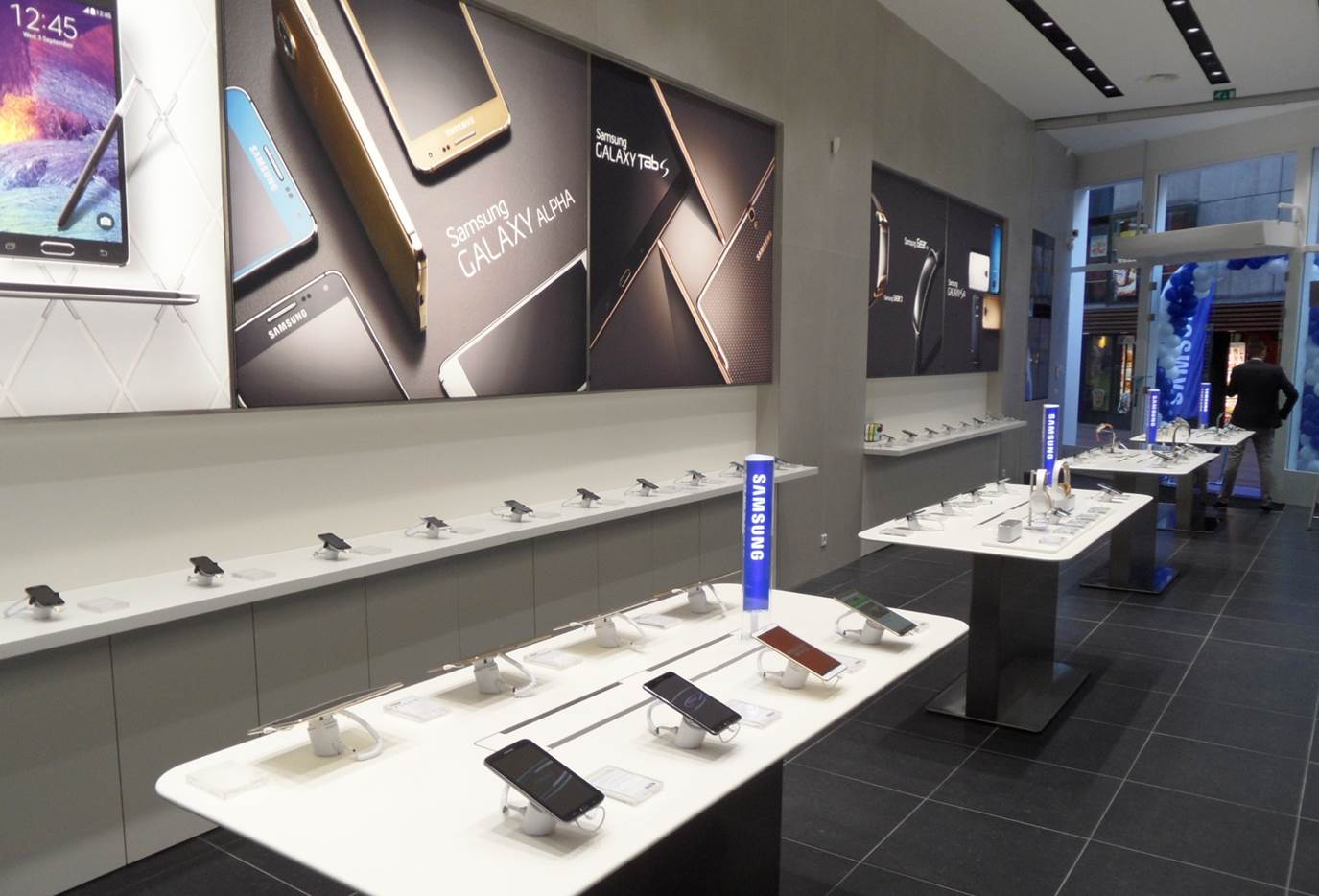
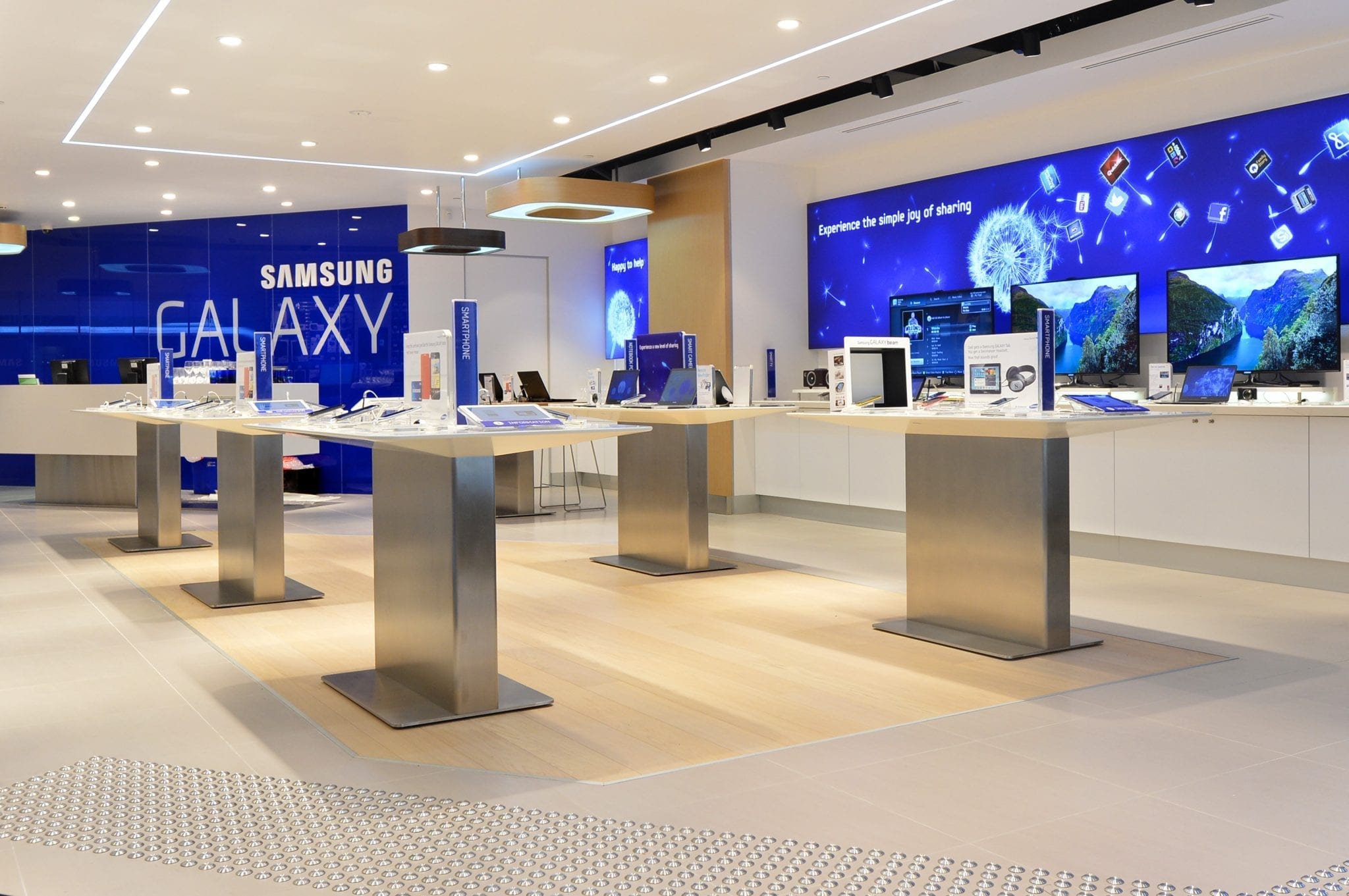
    Qatar Duty Free (QDF) has launched a one-of-a-kind Samsung Experience Zone in Hamad International Airport (HIA). The Experience Zone, which is located at Concourse C, showcases the newest Samsung products for passengers to experience first hand.

    The Samsung Experience Zone, measuring approximately 150 square metres, showcases the latest mobile phones and accessories, such as Samsung Galaxy S9 and S9 Plus, Samsung Note 8, Samsung Gear VR, and much more.

    Head of Qatar Duty Free, Mr. Thabet Musleh, said: “Qatar Duty Free is proud to be the first airport retailer to introduce the Samsung Experience Zone in the Gulf region. QDF understands the power of technology, innovation and creativity now and for the future, in alignment with the Qatar National Vision 2030. It is a privilege to work with our key partner, Samsung Gulf Electronics, to bring the latest technology to HIA, providing our passengers with even more engaging experiences and making HIA a world-class shopping destination in itself.”


    The innovative duty free operator is now the second-largest duty free operator in the Middle East and was recently awarded ‘Airport Retailer of the Year’ at the DFNI Global Awards 2018 who recognise and accolade international retailers for being best-in-class.

  • Samsung Electronics calls for retrial in Apple case

    Samsung Electronics calls for retrial in Apple case

    Samsung Electronics on Tuesday called for a retrial of the latest ruling by a U.S. court, which ordered the Korean tech giant to pay Apple $539 million over design infringement.

    The Korean tech giant claimed that the amount awarded to Apple by the latest ruling is excessive, demanding that the U.S. District Court in San Jose, California, reconsider the ruling.

    The conflict between the two companies surrounding alleged design infringement started in 2011, with the court ruling ordering Samsung to compensate Apple coming in May.

    The U.S. company claimed Samsung violated its designs, such as a “black rectangular front face with rounded corners,” a “rectangular front face with rounded corners and a raised rim” and a “grid of 16 colorful icons on a black screen.”

    Shortly after the court ruling, Samsung said it would “consider all options to obtain an outcome that does not hinder creativity and fair competition for all companies and consumers.”

  • Samsung tip has government investigating KIP

    Samsung tip has government investigating KIP

    The Ministry of Trade, Industry and Energy has been investigating a Korean company over technology leakage overseas at the request of Samsung Electronics, sources said on Monday.

    The probe into KIP, a private company belonging to the Korea Advanced Institute of Science and Technology, started in April after Samsung Electronics reported the issue to the government. But the issue is complicated by an ongoing lawsuit between KIP and Samsung in the United States.

    KIP sued Samsung over mobile transistor intellectual property, and critics have suggested that Samsung’s recent allegations are an attempt to cloud the issue.

    Back in late 2016, the company run by a group of researchers at Kaist filed a suit at a federal court in Texas against Samsung for using its patented technology for mobile 3D transistors, known as fin field effect transistors (FinFET), since 2015. The technology is used to increase the processing speed of smartphones and tablet PCs.

    Unlike Samsung, Intel has been paying around 10 billion won ($9.3 million) to use the technology since 2012. KIP demanded that Samsung pay for its use of the technology as well, and a jury is set to hand down the first verdict on the case on June 16.

    Samsung, however, has refused to pay for the technology, claiming it was initially developed as part of a state-supported research project. The electronics giant fought back, claiming that KIP leaked the core technologies overseas.

    The world’s No. 1 chipmaker asked the ministry to look into whether KIP’s intellectual property fits into one of seven categories that either have technological and economic value in markets at home and abroad or have great growth potential that are stipulated in the Act on Prevention of Divulgence and Protection of Industrial Technology.

    The seven designated technologies need state approval before being exported overseas.

    While reviewing documents preparing for a trial, Samsung claims it found evidence of a national core technology being leaked abroad without approval from the Commerce Ministry.

    FinFET was originally a joint project between Wonkwang University, where Lee Jong-ho, now professor at the department of electrical and computer engineering at Seoul National University, was serving as professor, and Kaist in 2001. Lee patented the technology under his name in Korea and handed it over to KIP later. KIP then transferred the patent to its U.S. branch, which was established in 2016.

    “It is hard to conclude whether [the KIP-owned technology] is a core national technology and it is not clear either whether the issue needs to be assessed by a group of experts,” said a ministry official. “We are taking into consideration of various aspects, given the issue could affect the trial.”

  • Samsung tops Asia’s top 1000 brands ranking

    Samsung tops Asia’s top 1000 brands ranking

    Samsung again tops Asia’s Top 1000 Brands list, produced by Campaign Asia-Pacific and Nielsen.

    In its 15th year, the list again has Apple at second place.

    Rounding out the top 10 are Panasonic (up two spots), Sony (down one place), Nestle (down one), LG, Google (up six), Chanel, Nike (down two) and Philips (up 10).

    While the past 12 months have seen Samsung riding high on social awareness and release a string of hot new products, it is the brand’s size and “traditional” marketing methods that keep it at the top, say experts.

    It has emerged as the top brand in Asia for the seventh year in a row, despite the disastrous exploding Note 7 phone saga.

    Google jumped five places in the list this year, breaking into the hallowed Top 10 for the first time since 2011 and finishing in position seven. The company emerges as Asia’s favourite search engine in all markets except China and South Korea, and it is also rated top for “digital experience” in all markets except China (where consumers cited Apple) and India (Amazon).

    Still climbing

    Chinese brands are still climbing the chart. Huawei, which jumped 661 spots last year, and Xiaomi (up 577 spots) have been more moderate this time. Huawei has gained another 44 spots to rank 158th overall, while Xiaomi leapt 88 places to land at 128, making it China’s top home-grown brand throughout Asia-Pacific for this year.

    Best dressed among fast-fashion brands were Zara, which reached 52nd place in the Top 1000, and H&M, which climbed to 65th. Both brands improved significantly on their positions last year. Japanese clothing brand Uniqlo also leapt up the charts, landing in 38th position.

    Not all e-commerce brands are capitalising on the steady rise in online shopping. While top players Amazon, Lazada and Taobao saw strong gains, others like Ebay, Rakuten, Zalora and Flipkart still have work to do.

    Amazon jumped 20 spots to become Asia’s 23rd top brand overall. Lazada, powered by Alibaba, surged even more (35 places) to cement its position at 62nd overall. Alibaba’s Taobao, top in China but slower to grow outside of it, moved 31 spots higher but is still a distant third across the region, ranking 210th.

    However, other key players have been losing ground. EBay, ranked 144th two years ago, has steadily dropped to 237th this year. Japan’s Rakuten slipped slightly this year to 331st after a larger drop last year. Fashion-focused Zalora tumbled significantly this year to place 409th, while strong players in specific markets like Flipkart (second in India) and Qoo10 (first in Singapore) both dropped more than 60 places overall to land at 564th and 592nd respectively.

  • Samsung’s flexible working hours get more malleable

    Samsung’s flexible working hours get more malleable

    Samsung Electronics announced plans to revamp its flexible working hours on Tuesday in preparation for the 52-hour work week that will be legally enforced from July.

    The Korean electronics giant plans to allow employees to decide their own working hours on a daily basis, as long as they work for at least four hours a day. Employees need to work an average of 40 hours a week on a monthly basis. The new system will come into effect from July.

    Under the new arrangement, an employee can work 50 hours in a busy week and then 20 hours in a quieter week during the same month. As long as the hours worked in the rest of the month add up to average 40 hours a week, the employee is free to balance their work as they please.

    This offers more flexibility for workers than the company’s current system, which allows employees to begin work anytime between 6 a.m. and 6 p.m. as long as they work at least four hours a day and 40 hours a week. Samsung started the current flextime program in 2012.

    The Moon Jae-in administration revised the labor law to reduce weekly working hours from 68 to 52, or 40 hours a week with up to 12 hours of paid overtime. Companies with 300 or more employees are subject to the new regulations from July.

    Samsung will also adopt a discretionary system for workers that struggle with tight schedules due to the nature of their work, such as developing new products and technology.

    Under the discretionary system, employees working on high-intensity projects will determine with their managers roughly how many hours a week the work should take. While the project is ongoing, workers will then have complete autonomy, with no checks or limits on how often or how much they’re working provided the task gets done, and will be paid for the number of hours agreed at the start of the project.

    “If an employer and employee agree on a 50-hour workweek for a certain period of time, the company gives a wage based on the contract regardless of whether the employee worked that much or not,” said a spokesperson from the electronics giant. “This kind of system is only applicable for certain tasks that require worker autonomy, like developing new products.”

    The new flextime arrangements will apply to researchers and office workers at Samsung Electronics.

    For manufacturing workers, Samsung plans to adopt a different flextime option that allows for periods when demand is especially high for specific products.

    Factory workers will be able to coordinate their working hours so they meet an average 40-hour workweek over a three-month basis. This way a team of assembly line workers can work longer hours for the first 10 weeks, for instance, and then reduce their workload in the remaining two weeks.

    Samsung affiliates are likely to announce similar schemes in coming weeks.

  • Samsung loses patent case retrial

    Samsung loses patent case retrial

    A U.S. court has ordered Samsung Electronics to pay $538.6 million in damages for infringing the design and utility patents of iPhones in early Galaxy models in a retrial of a case that dates back seven years.

    The retrial jurors in the Northern District of California on Thursday awarded Apple $538.6 million in damages after five days of deliberations – $533.3 million for violating design patents and $5.3 million for violating utility (technical) patents.

    The amount is $140 million more than the $399 million Samsung had agreed to pay – equivalent to all profits from the sale of the infringing smartphones – before it asked the Supreme Court to order a lower court to retry the case.

    Samsung already paid $548 million in damages to Apple in December 2015 that included the $399 million.

    In 2012, the Korean tech giant was found liable for infringing three of its U.S. archrival’s iPhone design patents – the rounded corners, the rim that surrounds the front face, and the grid of icons that users view – and two technical patents, which affect the way some features work. But the two companies have long disputed the amount of damages to be paid.

    Samsung has not decided whether to appeal the retrial verdict, which would prolong the already lengthy legal battle.

    “Today’s decision flies in the face of a unanimous Supreme Court ruling in favor of Samsung on the scope of design patent damages,” Samsung said in a statement. “We will consider all options to obtain an outcome that does not hinder creativity and fair competition for all companies and consumers.”

    Apple said in a statement it was pleased that the members of the jury “agree that Samsung should pay for copying our products.”

    “This case has always been about more than money,” the iPhone maker said, adding, “we believe deeply in the value of design, and our teams work tirelessly to create innovative products that delight our customers.”

    “Samsung is now going to consider its options,” wrote Florian Muller, an intellectual property analyst who writes a closely followed patent blog Foss Patents. “Those options are post-trial motions and, possibly, another appeal.”

    The legal feud between the two biggest smartphone rivals began in April 2011 when Apple sued Samsung for violating its patents and copying the design of its iPhone, seeking $2.5 billion in damages.

    Samsung was ordered to pay $1.05 billion in damages by jurors in 2012, which was reduced on appeal to $930 million. The U.S. Court of Appeals for the Federal Circuit stripped another $382 million from that, saying the iPhone’s appearance could not be protected through trademarks, to $548 million in December 2015.

    A year later, the U.S. Supreme Court ordered a lower court on Samsung’s petition to reconsider the $399 million in damages on unanimous opinion that damages for design patent infringement can be based only on the part of the device that infringed the patent, not on the entire product.

    Samsung argued then that it should only have to pay $28 million in damages for profits from the components of its Galaxy phones that copied Apple’s patents.

  • Samsung’s IoT home comes with Jedi curtains

    Samsung’s IoT home comes with Jedi curtains

    Samsung C&T, the construction arm under the electronics giant, plans to make homes that are so smart they can recognize residents’ needs even before they call out for help.

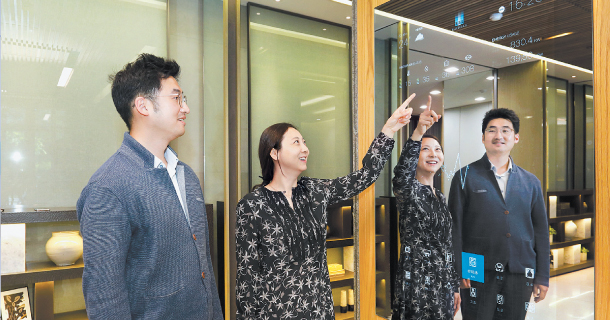
    When this guests stepped into the 54-pyeong (1,921 square-feet) model house of Samsung C&T’s Raemian apartment brand in Munjeong-dong, southern Seoul, on Monday, the house welcomed the guest with a cool “air shower” to blow away fine dust.

    “There is a sensor in the ceiling of the entrance that can detect the fine dust level,” a spokesperson from Samsung C&T said. “If people coming in from outside increases the fine dust level in the house, the air shower [air blown from the ceiling] will be activated.”

    The air shower was just the beginning of the high-tech features that the “Raemian IoT Homelab,” the model house to be opened to the public from June, had to show off.

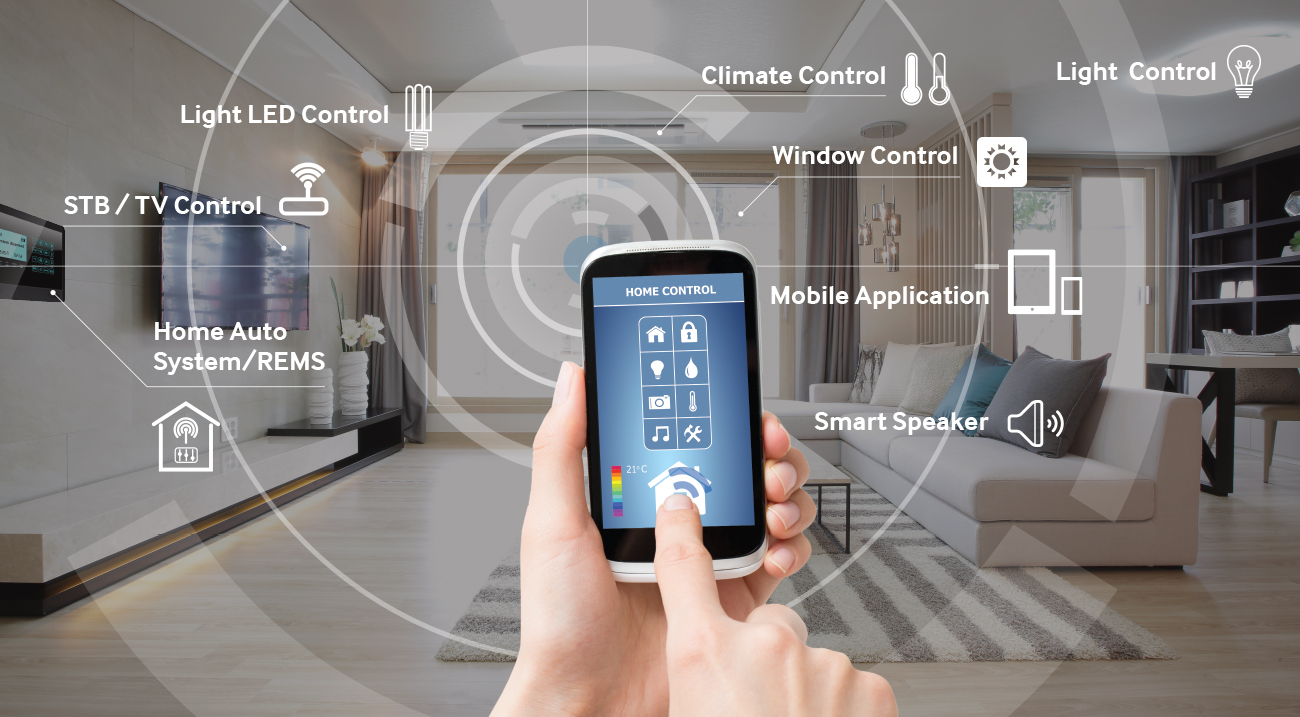
    The demonstration went from strength to strength as an employee entered the next room and waved his hand to automatically open the curtains. This “Star Wars” style magic trick was actually achieved as the internet-connected curtains communicated with the smart watches the demonstrators were wearing. The movement picked up by the gyro sensor in the watch triggered the curtains.

    Lazy home owners – or those who don’t like to wear watches – need not fear, as the smart curtains and other features in the house can also be controlled by voice command and a smartphone app.

    According to Baek Jong-taek, a senior vice president at Samsung C&T, most of the concepts will become reality by the end of this year and could be included in actual homes from next year. As the company is scheduled to begin presales of nine apartment complexes next year, they are the main targets for the latest Internet of Things (IoT) systems.

    “Whether all apartment units will be equipped with the system will depend on discussions with stakeholders such as apartment owners,” said Kim Myung-suk, vice president of the product design group at Samsung C&T. “The IoT system could be offered as a premium option only for residents that want extra smart home features.”

    To make the home – which includes 19 different IoT services and products – work, the company partnered with 12 other companies including speaker maker Harman International, electronic curtain provider Somfy, massage chair maker Bodyfriend, air quality management company Haatz and SK C&C, SK’s IT service unit with expertise in artificial intelligence.

    The constructor said it welcomes many more partners who would like to open up part of their software to make a richer smart home environment including Samsung rival LG Electronics.

    Monday’s event came as a surprise not only because top-notch IoT tech was introduced, but also because there have been rumors that Samsung plans to ditch its Raemian brand due to the low profitability of the reconstruction business. Last time it won a reconstruction order to build a Raemian apartment complex was in September 2015.

    Kim, however, made clear that Samsung has never said it would “not participate in reconstruction project bids” and added that the company “has been reviewing quality business opportunities.”

    Industry insiders said the event may be a sign that Samsung is back in the game with the upgraded Raemian brand.