Tag: samsung

  • Samsung to open AI centers in three countries

    Samsung to open AI centers in three countries

    Samsung Electronics is opening research centers dedicated to artificial intelligence technology in the United Kingdom, Canada and Russia.

    That will bring the number of Samsung’s AI research centers to five, adding to existing ones in Korea and California.

    The Cambridge center in the U.K. opened yesterday, the Toronto center in Canada opens on Thursday and the Moscow center in Russia opens next Tuesday.

    In November, the electronics giant established an AI center under Samsung Research, a unit that heads development of future technology for the company. Two months later, a Samsung AI center was opened in Silicon Valley in the United States.

    The Korean center will function as headquarters for all five AI research centers, making it a global hub for AI research. Samsung has grand plans to expand the number of specialized researchers in the AI field to more than 1,000 by 2020, and some 40 percent will be foreigners.

    “[The AI center] will be a game-changer for Samsung to make a new world for the era of artificial intelligence,” said Kim Hyun-suk, president of Samsung’s consumer electronics unit at Tuesday’s inauguration ceremony of the AI center in Cambridge. Kim also heads Samsung Research.

    The Cambridge center will be led by Andrew Blake, who was director of the Microsoft Research Lab in Cambridge. Professor Maja Pantic of Imperial College London will also lead AI research as part of the unit. Her area of expertise is machine analysis of human emotions, for which she was chosen by the science journal Nature to speak at the 2016 World Economic Forum in Davos.

    Larry Heck was appointed to head the Toronto center. He is an expert in voice recognition and was a former leader of Samsung’s Silicon Valley center. The Moscow center will be led by Higher School of Economics Prof. Dmitry Vetrov and Skoltech Prof. Victor Lempitsky.

    Samsung Electronics has been active in artificial intelligence technology this year. It introduced its AI assistant Bixby in April 2017.

    At the Consumer Electronics Show in January, President Kim vowed to use the virtual assistant in all of its products, including home electronics, by 2020.

    Samsung Vice Chairman Lee Jae-yong reportedly intends to invest in future growth areas such as AI following his return to management this year after months in jail.

    With Lee back at the helm, there is anticipation that Samsung may be more aggressive about acquiring companies with promising research.

  • Samsung starts selling 2018 QLED TVs in Singapore

    Samsung starts selling 2018 QLED TVs in Singapore

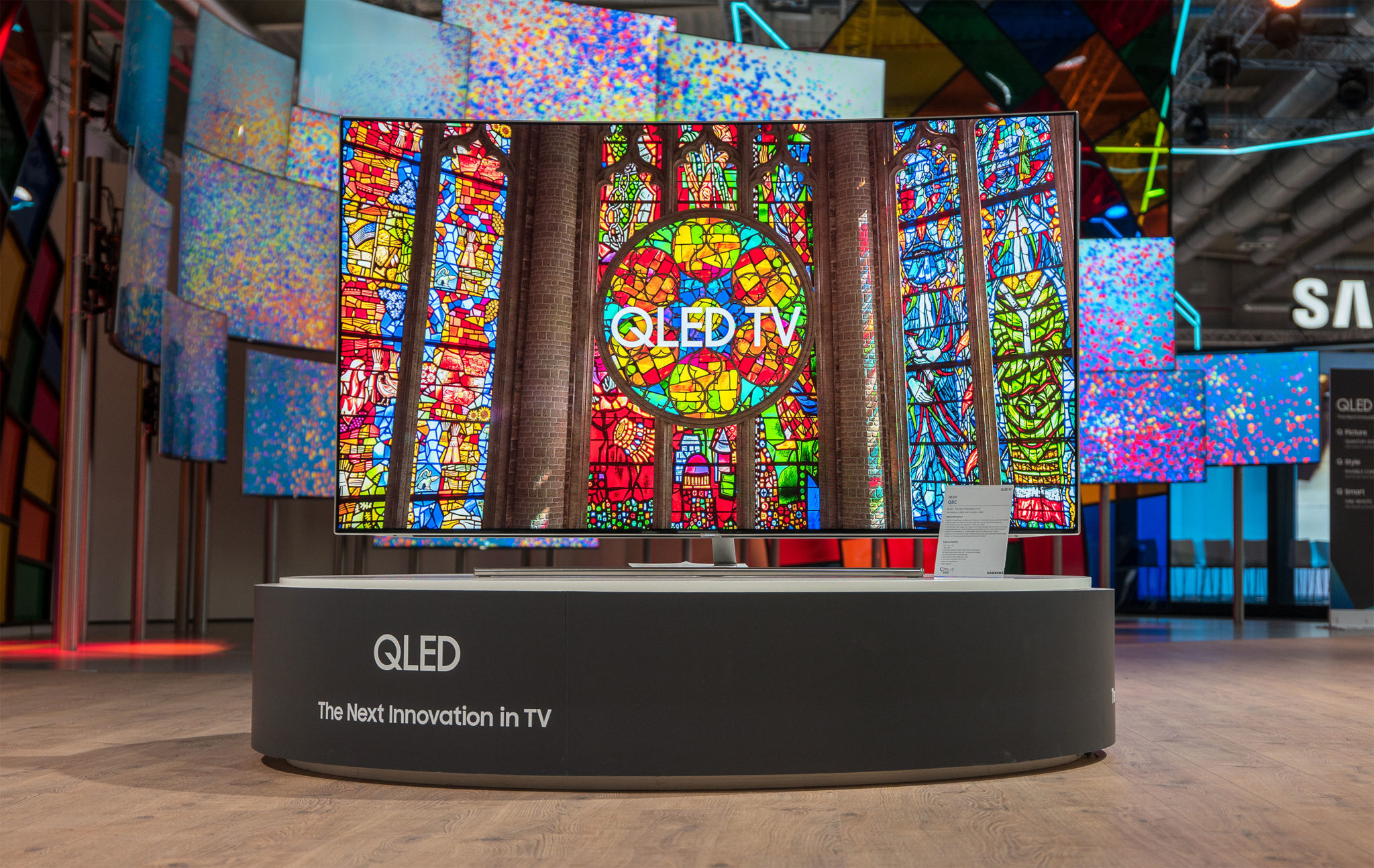
    Samsung showed off its 2018 range of QLED or quantum dot light-emitting diode TVs this week in Singapore, seeking to win over users with its technology as rival OLED TVs start gaining traction.

    The new TVs promise more vibrant colours and with a higher dynamic range by using the QLED technology that the Korean manufacturer has kept to in recent years.

    It relies on what are known as quantum dots, or individual diodes or dots on a screen, that are able to offer a wider range of colours and improve brightness over regular LED or LCD TVs.

    That said, Samsung’s QLED TVs are still LED TVs. They are just the very best or souped-up versions available. To many premium TV buyers, however, the rival technology OLED used by LG, Sony and Panasonic has become more attractive because it offers deeper blacks and smoother motion.

    I did not have a chance to compare the two technologies side by side at this week’s Samsung launch. Just by looking at the new QLED lineup, I can say they are impressive as well.

    I certainly can see details in the bright and dark areas in the demo footage. This is an improvement over traditional LCD or LED screens that require a layer of colour filters, back-lit by white LEDs. Perhaps the biggest draw for Samsung’s QLED TVs is being able to integrate well with the interior design of your home.

    The company has improved on its Invisible Connection solution with the use of a single fibre optic cable to send visual and audio signals to the TV from a single box.

    It gives you four HDMI inputs, one Ethernet port, component inputs and a coaxial cable port. There’s one fibre optic audio output to send audio signals to the living room’s speaker system.

    Having this single fibre optic cable certainly makes it easier to hide all the home AV components. With a 15-meter cable included, Samsung certainly increases the number of options when it comes to placing your AV devices.

    The other new feature is the Magic Screen where the TV can show the latest weather forecast and stream music with the on-screen wallpaper matching the wallpaper that TV has covered. This creates an illusion that it is a transparent screen instead of a black rectangular abyss if we switch off the TV.

    I feel this will be a useful screen for the reception of an office, a meeting room where you can leave the screen on the whole day.

    For those who are sensitive to electricity bills, switching off the TV is definitely a better idea. Besides I can just get a quick audio weather update or stream music from Google Home if there’s a need.

    The top-range Q9F starts goes up to S$12,999 for a 75-inch version. If you prefer QLED on the budget, there’s a Q7F version costing S$10,499 for a 75-incher, S$6,399 for 65 inches and S$4,499 for 55 inches.

  • Samsung Electronics to expand production in Vietnam

    Samsung Electronics to expand production in Vietnam

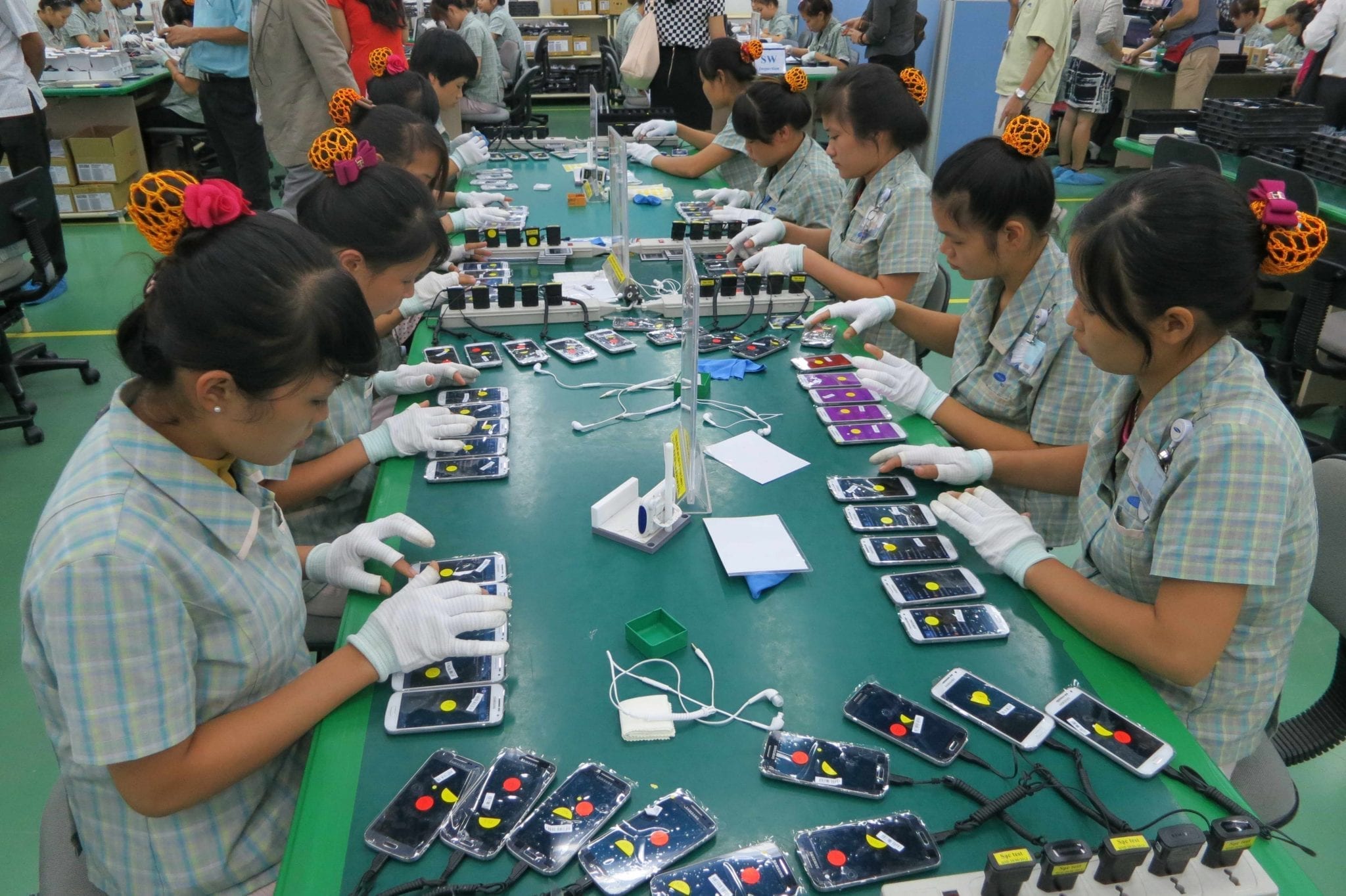
    Samsung is the largest foreign investor in Vietnam and accounts for around a quarter of the country’s total export revenue. Samsung Electronics Co. is determined to further expand production in Vietnam, co-CEO Koh Dong-jin told Vietnamese Prime Minister Nguyen Xuan Phuc on Friday.

    Samsung will recruit more Vietnamese employees and develop electronics in smart cities in Bac Ninh province and other places, according to a statement posted on the government’s website.

    Samsung is the largest foreign investor in Vietnam and accounts for around a quarter of the country’s total export revenue.

    Phuc told Koh that Vietnam is always willing to create the most favorable conditions for Samsung to develop in the country, the statement said.

    Samsung has invested $17.3 billion in eight factories and one research and development center in Vietnam, turning the country into its largest smart phone production base, the government said.

    Exports from Samsung Electronics’ factories in Vietnam totaled $54 billion last year, it said.

  • Octopus Card integrates with Samsung Pay

    Octopus Card integrates with Samsung Pay

    The ubiquitous Octopus Card has been digitally integrated into the Samsung Pay network, allowing consumers to securely pay and travel by simply tapping their smartphones against an Octopus acceptance reader for payment or even door access.

    Consumers will be able to easily register their credit card details with Samsung Pay, providing one more option to top up their digital Octopus cards when necessary.

    It’s a major leap forward for the Octopus Card which has previously worked purely as a  stored value system, and for online e-payments.

    Originally designed as a contactless smart card for using public transport, the card has grown into the most popular cashless payment system in Hong Kong, accepted by convenience stores and even Starbucks. There are now more than 80,000 touch-points in Hong Kong, including stores, recreational facilities, vending machines, and self-service kiosks and more than 34.5 million active Octopus Cards and O! ePay accounts in use. Some 14.5 million transactions amounting to more than HK$200 million are made every day.

    Smart Octopus in Samsung Pay uses Gemalto’s Trusted Service Hub technology to securely digitise Octopus Cards into Samsung Pay, including the transfer of the balance and any associated loyalty programs.

    Sunny Cheung, CEO of Octopus Holdings, said the partnership has enabled Octopus to be among the first contactless smart card payment system operators in the world to allow customers to pay via their smartphones.

    “We believe this service will resonate well with consumers seeking a payment method that is hassle-free and safe to use, providing them with more payment methods to choose from.”

    “Smart Octopus in Samsung Pay delivers a convenient yet secure payment option for consumers in Hong Kong, and helps the city realise its vision of transforming into a cashless society,” said Michael Au, senior VP banking and payment in Asia with Gemalto.

    Smart Octopus in Samsung Pay is currently compatible with Samsung Galaxy Note8, S8+, S8, S9, S9+, A8+ and C Pro series including C5 Pro, C7 Pro and C9 Pro models.

  • Samsung Reveals Smarter Integration with Built-in Appliances at EuroCucina 2018

    Samsung Reveals Smarter Integration with Built-in Appliances at EuroCucina 2018

    In its debut exhibition at the biennial EuroCucina 2018, Samsung Electronics showcased its full range of premium built-in appliances that bring benefits to consumers through cutting-edge designs and heightened connectivity. The event took place at the Salone del Mobile, Milan, April 17-22, where more than 300,000 visitors were expected to attend.

    Last year Samsung’s European home appliances business grew five times faster than the market. As a result of this momentum, Samsung participated in EuroCucina 2018, a showcase for new trends, designs and technologies for European kitchens.

    The European built-in market is worth $18.5 billion annually, accounting for 40% of the global built-in market. Samsung’s premium built-in appliances, equipped with and IoT technology, are positioned at the center of the market. The opportunity to experience the kitchen of the future at the Samsung booth attracted the attention of many visitors at the exhibition.

    Consumer-Led Innovations

    Samsung displayed its full built-in product lineup at EuroCucina. The range included its Twin Cooling Plus™ technology refrigerator, Virtual Flame™ cooktop and Waterwall™ dishwasher. The company also unveiled the new Dual Cook Flex™ oven at the event.

    The Dual Cook Flex™ zone highlighted how the oven can adapt to the needs of its users. Its innovative Dual Cook technology, for example, allows independent access to the upper oven compartment without compromising on cooking performance in the lower compartment. With research indicating that European oven users are cooking multiple dishes simultaneously three times a week on average, the oven’s Dual Cook system allows users to set different temperatures and time settings for each compartment, giving them greater control over simultaneous cooking.

    Dual Cook Flex™ offers a range of IoT features. Consumers can remotely preheat, monitor and control the oven from anywhere with the SmartThings app. What’s more, the Cooking Guide makes setting recommendations based on ingredients and type of food being prepared.

    The booth also demonstrated how Samsung’s industry-first innovations in the home appliance market provide a seamless experience and make a real difference in the kitchen. Samsung’s Twin Cooling Plus™ technology, which independently controls the refrigerator and freezer, was showcased in a transparent display to best illustrate how the system works. There were also zones exhibiting the Virtual Flame™ cooktop, an induction stove that mimics the appearance of flames to provide more intuitive visual control over the heat, and the WaterWall™ dishwasher that delivers remarkable cleaning results with a streaming wall of water.

    Seamless Kitchen Connectivity

    As people spend more of their time at home in the kitchen, and the space fulfills more roles than ever before, smart technology has become increasingly more important. Yet digitization of the kitchen has been slower than other key spaces of the home.

    In addition to exhibiting the IoT capabilities of the Dual Cook Flex™ oven, Samsung demonstrated the seamless connectivity of key home IoT products at EuroCucina 2018.

    On display was the latest generation of Family Hub integrated with SmartThings, Samsung’s IoT platform, which offers seamless connectivity between any IoT device using one app and a single cloud that manages all your devices. The smart refrigerator provides a center point for connecting all devices in the home, and is equipped with features such as Bixby, Meal Planner, Shopping List and Recipes to enhance your smart cooking experience.

    Recent strides towards connectivity and innovation have resulted in 90 percent of Samsung products, including smartphones and TVs, being IoT-applicable. Thanks to the company’s collaborative efforts based on the Open Connectivity Foundation, the SmartThings ecosystem is operable and compatible with even more devices and brands.

    “We are fully committed to ensuring that all our products are not only IoT ready, but also intelligent by 2020,” said HS Kim, President and CEO of Samsung’s Consumer Electronics Business, at the press conference on April 18th.

    Stylish Built-in Design

    With premium designs such as Samsung’s black stainless-steel built-in packages, the exhibit modeled the streamlined look of the modern kitchen, which couples elegant design with intelligent technology.

    Based on a philosophy of thoughtful design, today’s kitchen embraces simplicity, timelessness and an aesthetic that emphasizes minimalism while maximizing usability. This “Flat Design” favors clean lines, hidden displays and seamless integration. Samsung’s built-in appliances, such as its premium flat design refrigerators, have a precision engineered flat face which sits flush to the counter front.

    Samsung Electronics acquired the luxury US built-in brand ‘Dacor’ in 2016 and has worked with various other partners, such as Nolte in Germany, and Scabolini and Benetakuchine in Italy to increase the competitiveness of premium built-in appliances as part of the company’s commitment to ‘bring the kitchen to life’. As well as displaying the ‘Dacor Modernist Collection’, Samsung also collaborated with numerous European luxury brands such as Nolte at this exhibition. Amongst these designs, the Dacor built-in refrigerator, which imbues a sense of luxury with its porcelain inside, has attracted significant attention.

    Integrating smart technology with appliances and pursuing further innovations will transform the way we cook and interact in the kitchen, as Samsung aims to provide a more seamless, connected experience throughout the home.
  • Samsung to debut MicroLED TVs this year

    Samsung to debut MicroLED TVs this year

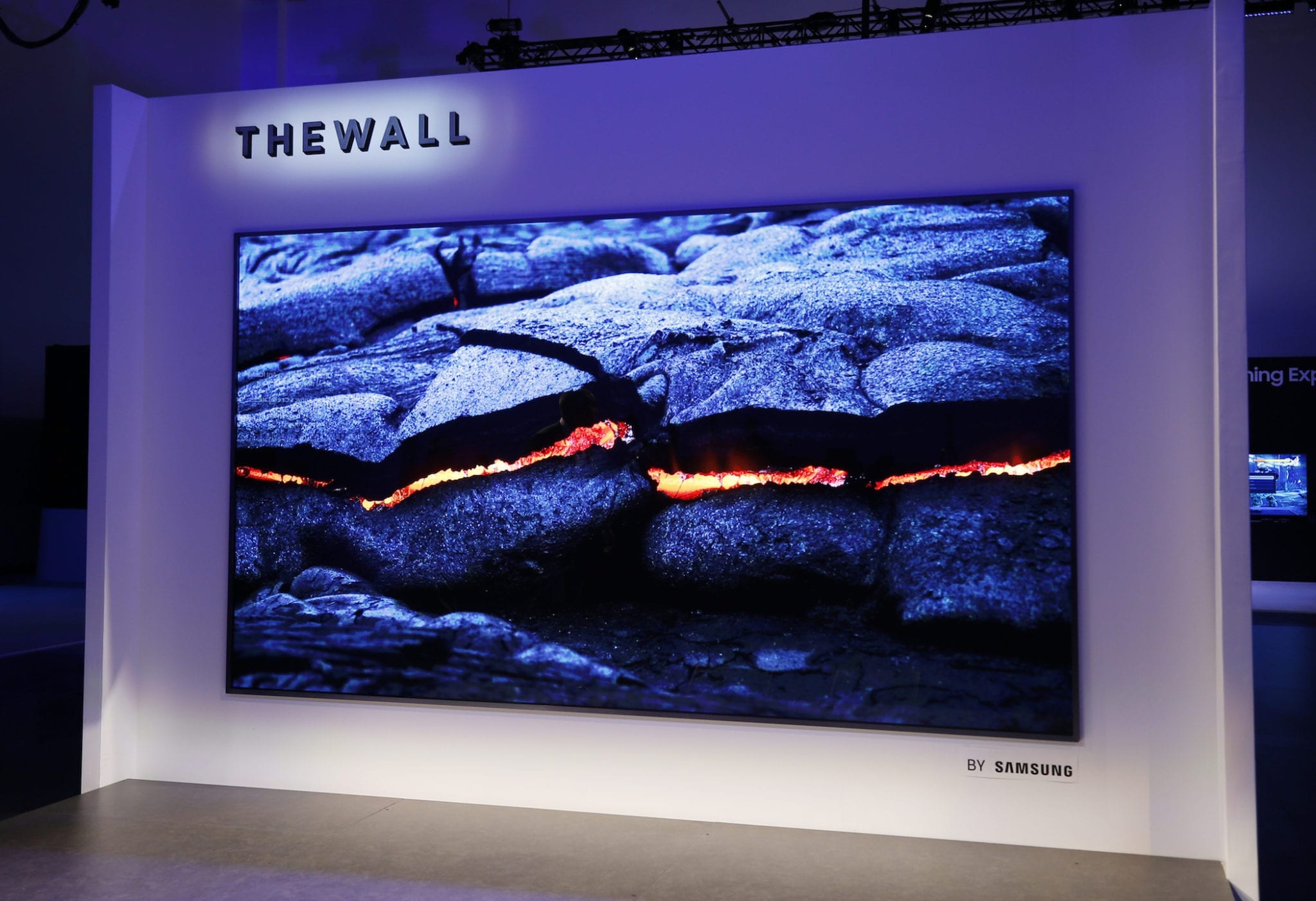
    Samsung Electronics will launch televisions using MicroLED next-generation display technology by the end of the year, with price tags that could reach $300,000.

    Samsung will be able to work flexibly with customers on screen size, thanks to the modular design of its MicroLED panels, design chief Lee Don-tae told.

    Although details have not been settled, the TVs due out this year could be even larger than the 88-inchers leading Samsung’s current lineup. Samsung plans to market them as a high-end offering in the U.S. and the Middle East, and as a potential replacement for computer projectors.

    MicroLED, which uses massive numbers of tiny light-emitting diodes per screen, is seen as the next big thing in display technology. Unlike LCD and many OLED TVs on the market, it does not rely on color filters, using elements that emit red, green and blue light instead. It is also believed to offer better images with a wider viewing angle. Competition is already heating up. Apple has begun developing its own MicroLED displays, according to American reports.

    Samsung itself has pulled out of OLED TVs, which take their name from the organic LEDs they employ. But the company remains critical of rivals’ products, most of which use white OLEDs simply as a light source rather than to produce color. Samsung employs OLEDs that emit their own colors in smartphone displays that it makes.

    Meanwhile, the LG group has emerged as a key player in displays based on white OLEDs. In addition to using them in its own TVs, it is also now supplying the panels to 13 TV manufacturers, including Sony.

    OLED TVs are rapidly becoming a fixture in luxury markets. The global market for them nearly quintupled between 2015 and 2017 to roughly 1.33 million units, according to Euromonitor International. Samsung is struggling to remain a leading player in high-end TVs with its lack of OLED models and wants to gain a head start in next-generation MicroLEDs.

  • Samsung tips record first quarter profit as chip boom winds down

    Samsung tips record first quarter profit as chip boom winds down

    Samsung Electronics tipped a surprise record first-quarter profit on Friday but market reaction was muted due to growing concerns that the semiconductor boom that has driven the South Korean tech giant’s earnings is about to end.

    Samsung shares fell after the announcement as analysts forecast similar or lower profit in the second quarter, due to slower growth in DRAM chip prices and higher marketing costs for the flagship Galaxy S9 smartphone.

    “Even if profits start falling in the second half, Samsung will have a strong balance sheet this year,” said Song Myung-sup, analyst at HI Investment & Securities, predicting looser supply of DRAM chips to start driving down prices.

    The global semiconductor leader and Apple Inc smartphone rival forecast January-March profit to leap 57.6 percent from a year earlier to 15.6 trillion won (US$14.7 billion), beating an average forecast of 14.5 trillion won from a Thomson Reuters survey of 21 analysts.

    Revenue for the quarter was tipped to rise 18.7 percent to 60 trillion won, Samsung said in a regulatory filing. The company did not elaborate on its performance and will disclose detailed earnings in late April.

    Samsung shares fell as much as 2.7 percent on Friday before paring losses to close down 0.7 percent, compared to a 0.3 percent drop in the wider market.

    Analysts said Samsung’s shares were affected by a UBS report forecasting an increase in the supply of DRAM chips used in servers, which dragged down Micron Technology Inc shares more than 6 percent on Thursday.

    The prices of NAND chips commonly used in mobile devices began falling late last year and analysts have been closely watching for signs of the peak in the DRAM price boom as well.

    Even if DRAM price growth is at its peak, analysts said Samsung remained on track for record annual earnings.

    “Although gains in memory chip prices have slowed from the height of the chip boom, lower prices could also increase demand for chips, and Samsung has the cost-cutting ability to keep profits up,” said Greg Roh, analyst at HMC Investment & Securities.

    MOBILE BUSINESS

    While the chip business underpinned Samsung’s profit growth, the mobile business – which accounted for 40 percent of 2017 revenue – appeared to have made a surprisingly solid contribution to first-quarter earnings, analysts said.

    They put this down to Samsung’s early launch of its flagship Galaxy S9 device in March, healthy sales of older devices as consumers balk at the high price of new premium models, and a short-term dip in advertising costs.

    “I think lower marketing costs for the mobile business helped, because the first quarter is traditionally not a boom season for rival Apple, so Samsung did not need to spend a lot on marketing,” said Claire Kim, analyst at Daishin Securities.

    Worldwide smartphone shipment volumes shrank for the first time in 2017, and Samsung is coming under increasing competition from the likes of low-cost Chinese rival Xiaomi .

    Concerns about the smartphone market and a subsequent fall in demand for components like OLED screens – used in Apple’s iPhone X – are behind a roughly 5.3 percent fall in Samsung Electronics’ share price so far this year, from a record high in November.

    In a separate development, prosecutors searched the offices of a Samsung Electronics unit on Friday as part of a probe into allegations the conglomerate had sabotaged worker’s efforts to strengthen labor unions, a South Korean prosecutors’ office said.

    A Samsung spokeswoman said prosecutors had secured labor-related documents. She declined comment further.


  • GE, Samsung granted US$900m contract for Java 1 plant Indonesia

    GE, Samsung granted US$900m contract for Java 1 plant Indonesia

    The developer of the Java 1 combined-cycle power plant, claimed to be the biggest of its kind in Southeast Asia, has granted an engineering, procurement and construction contract worth US$900 million to a consortium consisting of General Electric (GE), Samsung C&T and PT Meindo Elang Indah Indonesia.

    PT Jawa Satu Power, a joint venture between state-owned energy giant Pertamina and Japan’s Marubeni and Sojitz Corporation, is currently in the process of developing the Java 1 power plant in Karawang, West Java, Indonesia, with a total investment value of around $1.8 billion.

    The Java 1 facility, expected to commence operations in mid-2021, will have a total capacity of 1,760 megawatts (MW), enough to supply electricity to about 11 million households in Indonesia.

    “Efficiency in power plants is important to maintain competitive and affordable electricity rates for the public. Our high-efficiency gas turbine called GE 9HA.02 and asset performance management software will play their role for those purposes,” GE Indonesia president and CEO Handry Satriago said in a statement on Thursday.

    Jawa Satu Power president director Ginanjar has high hopes that GE’s gas turbines will provide reliable and clean energy to the public.

    It has also signed a 25-year agreement with GE Power Services, which provides operations and maintenance management for gas plant assets.

  • Samsung to target young market via Samsung Digital Plaza

    Samsung to target young market via Samsung Digital Plaza

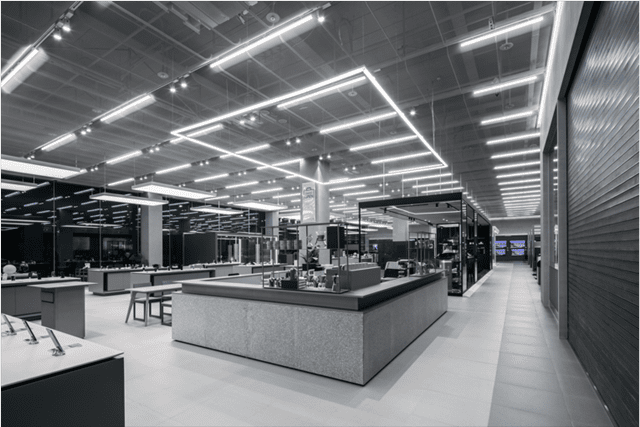
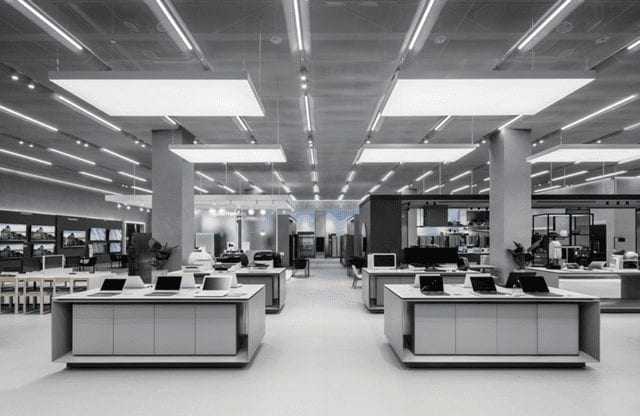
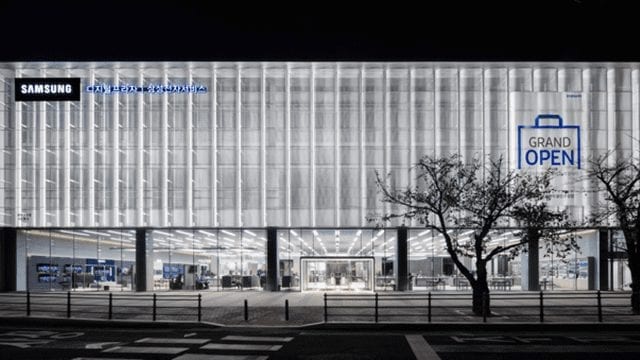
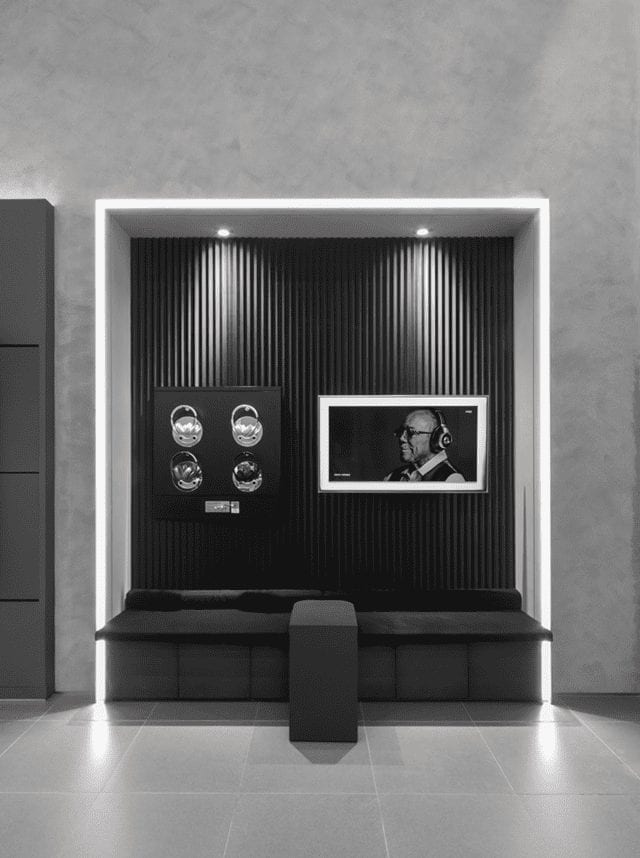
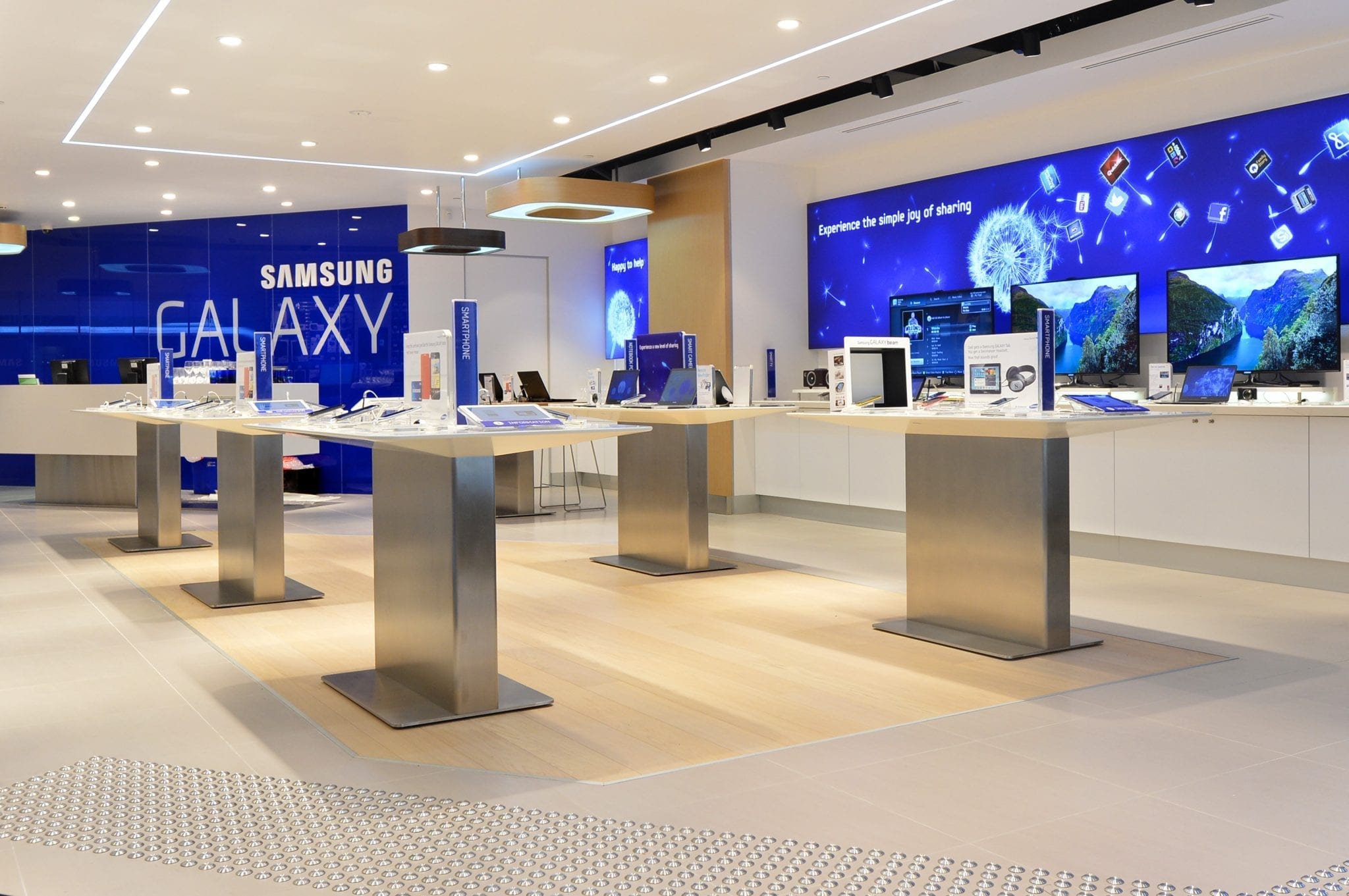
    Aiming at a young demographic, the Samsung Digital Plaza has been reimagined for its launch in Yongin City, Korea.

    On the ground floor of a metal-covered three-storey building, the 1255sqm store offers its goods in a context that echoes the home. The electronics giant engaged Seoul architecture practice Betwin Space Design to create the venue’s façade and interior.

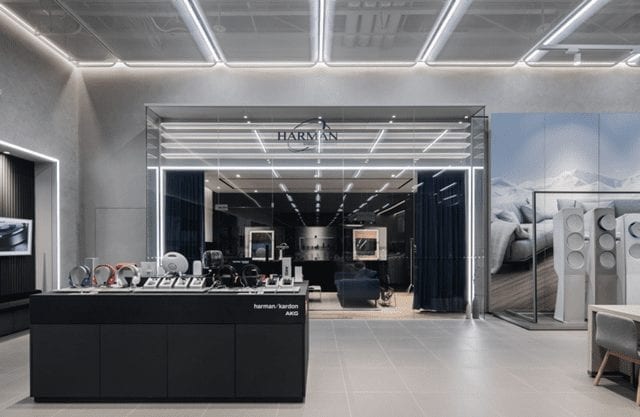
    One of the display zones features audio devices by Harman, a company that became a Samsung division early last year. Samsung displays its TVs in a zone designed like a living room complete with sofas.


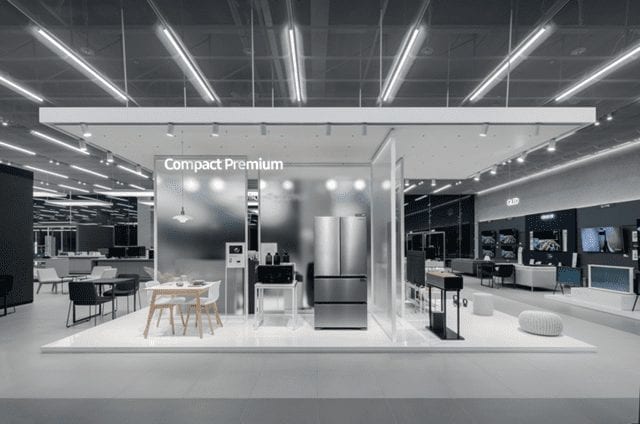
    Aiming at occupiers of single-person flats, the compact premium zone presents special products in a setting that reflects modern living styles in Korea, says Samsung.

    There is also a cafe in the middle of the store.


    Photo courtesy: Samsung

  • Samsung Malaysia CNY Promo Offers RM600 Discount on the Galaxy S8

    Samsung Malaysia CNY Promo Offers RM600 Discount on the Galaxy S8

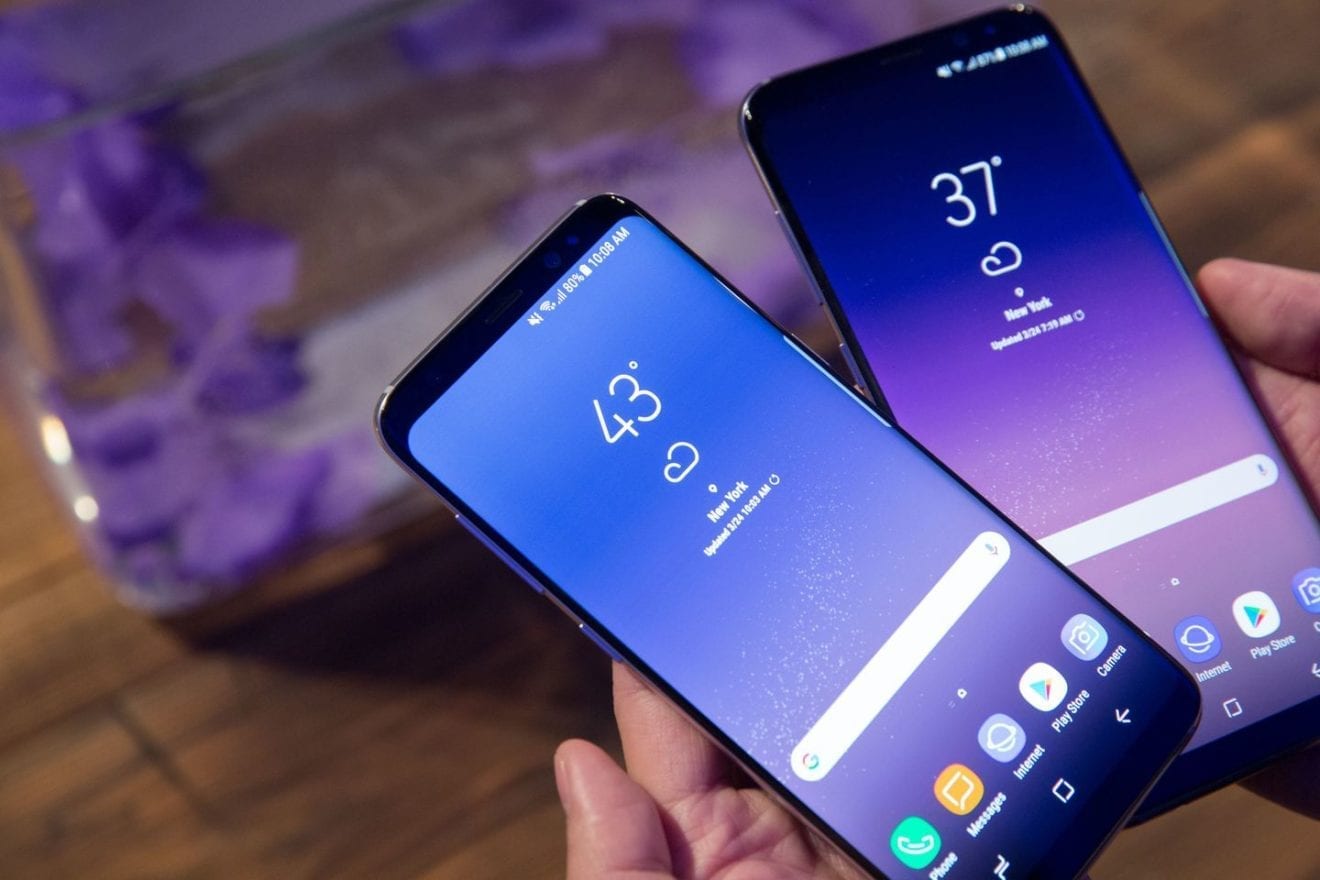
    In celebration of Chinese New Year, Samsung Malaysia is offering rather attractive discount on some of its smartphones. These include the Galaxy S8, Galaxy S8+, Galaxy J7+, as well as the Galaxy J7 Pro.

    Out of the four smartphones on discount, the Galaxy S8 phones receive the highest amount of discount. Originally retailing at RM3,299 and RM3,699 respectively, the Galaxy S8 and Galaxy S8+ are now going for RM600 less, reducing their retail prices to RM2,699 and RM3,099 respectively.

    Aside from the Galaxy S8 phones, the Galaxy J7+ now retails for RM200 less at RM1,099, while the Galaxy J7 Pro currently goes for RM999, saving you RM100.

    While these deals are pretty good, the Galaxy S8 phones are actually more affordable from certain retailers. The Galaxy S8+, for one, can be purchased for only RM2,999 in Orchid Grey, Coral Blue, and Maple Gold. The smaller Galaxy S8, on the other hand, can be yours for RM2,666 in either Midnight Black or Orchid Grey.

    If you’d like to enjoy this discount from Samsung Malaysia itself, you can do so from its official Lazada store. Note that this promotion will end on 15 February 2018.

  • Samsung Galaxy A8 Series Launched in Malaysia, Retails From RM1799

    Samsung Galaxy A8 Series Launched in Malaysia, Retails From RM1799

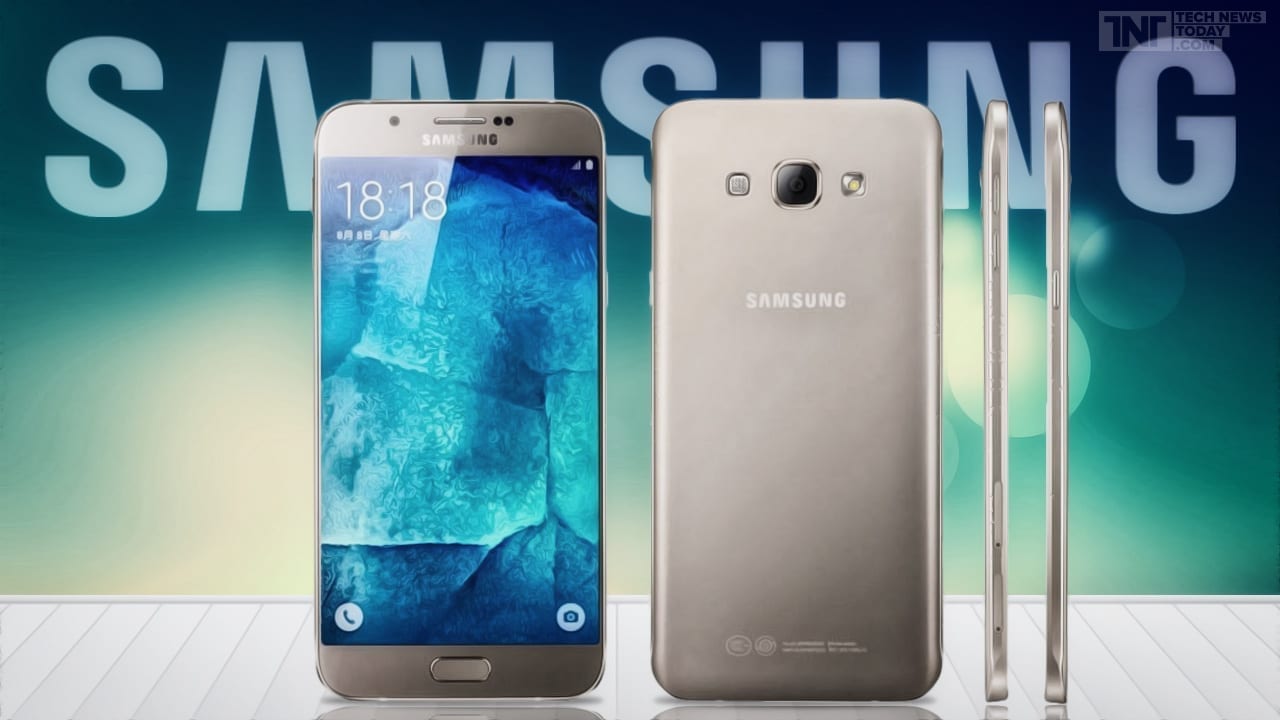
    Samsung has officially announced the arrival of the new Galaxy A8 (2018) in Malaysia. The Galaxy A8 (2018) and Galaxy A8+ (2018) are the company’s new mid-range offerings, featuring IP68-rated bodies and a new dual front camera setup, and will retail from RM1799.

    While they may be positioned as mid-range devices, Samsung has actually trickled down quite a number of flagship features to the new Galaxy A8 (2018) devices. In fact, the two phones even feature a dual-camera setup at the front, allowing for Live Focus for selfies – something the flagship Galaxy S8 and Note 8 devices do not offer.

    The Galaxy A8 also feature the Infinity Display with slim bezels: the A8 sports a 5.6-inch 18.5:9 Super AMOLED display, while the A8+ features a larger 6-inch panel; both phones boast Full HD+ 2220 x 1080 resolutions.

    The dual front camera, on the other hand, are made up of 16MP + 8MP sensors. The front cameras feature Live Focus, which simulates a shallow depth of field in your selfie shots. The rear camera, on the other hand, is a 16MP f/1.7 shooter with phase detection autofocus.

    Rounding out the specifications of the Galaxy A8 and A8+ are an unspecified Exynos octa-core processor paired with 4GB (A8) or 6GB (A8+) of RAM, 32GB (A8) or 64GB (A8+) of expandable storage, IP68 water and dust resistance, a 3,000mAh battery (3,500mAh on the Galaxy A8+), and Android 7.1.1 Nougat out of the box.

    The two phones run Android 7.1.1 out of the box, and feature a fingerprint scanner USB Type C fast charging, Bixby, and the Dual Messenger feature.

    The Samsung Galaxy A8 (2018) and Galaxy A8+ (2018) will be available in three colours (Black, Gold, and Orchid Grey) and will retail for RM1799 and RM2499 respectively. They will go on sale nationwide from 19 January onwards, and there will also be an early bird promo from 19-21 January, where those who buy the Galaxy A8 phones will receive a free 64GB Samsung Evo Plus microSD card and a 10000mAh power bank with Type C connector.

  • Hybrid Smartwatches to Make Up Over 50% of Smartwatch Shipments by 2022

    Hybrid Smartwatches to Make Up Over 50% of Smartwatch Shipments by 2022

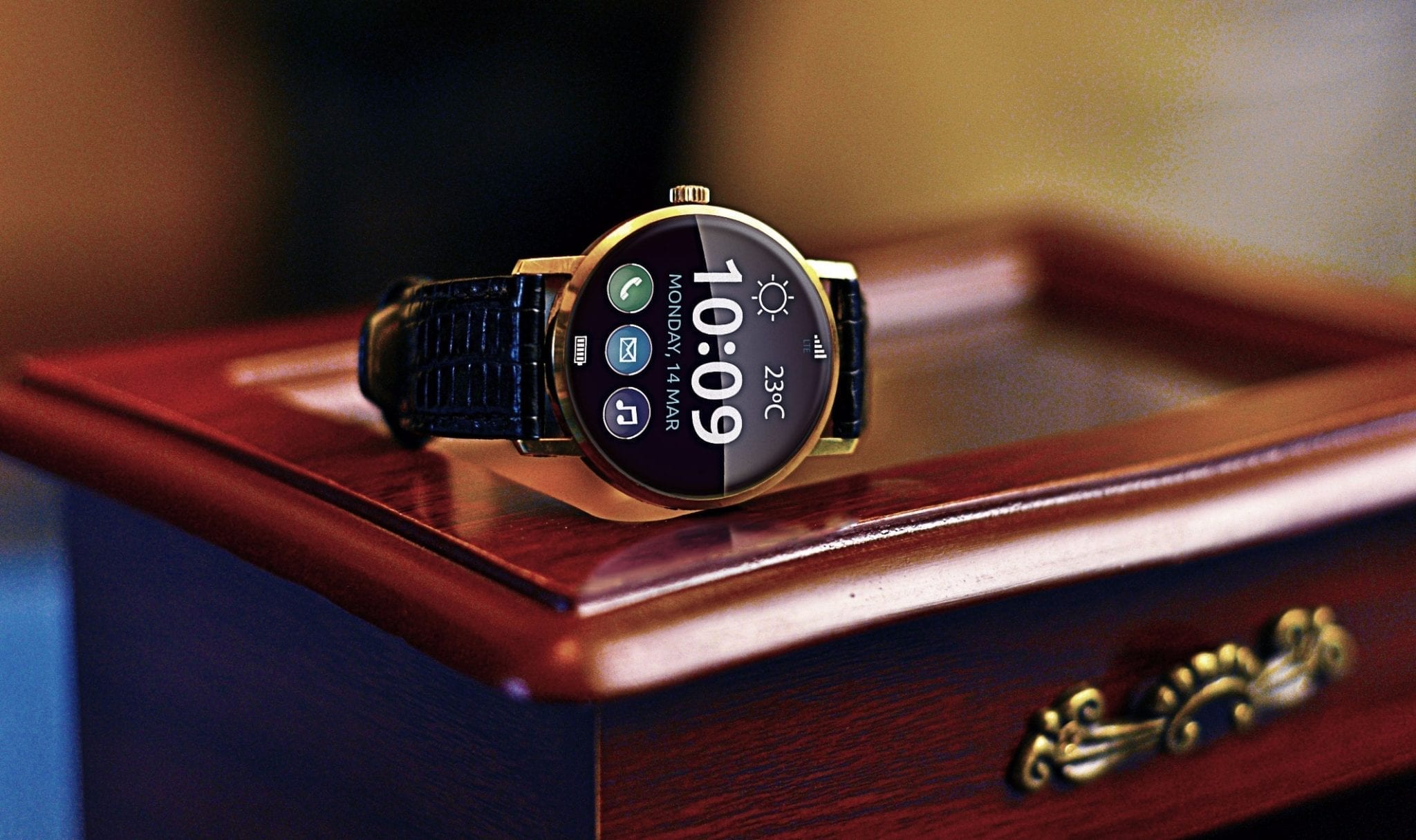
    Watches that appear to be analogue models but integrate smartwatch features will make up more than half of the smartwatch market by 2022, according to Juniper Research.

    This means that nearly 80 million hybrid smartwatches, such as Fossil Q and Nokia Steel, will be shipped by 2022, up 460 per cent from an estimated 14 million last year. However, for digital-display smartwatches like Apple Watch and Fitbit Ionic, Juniper lowers the rate of growth to 160 per cent.

    This slower growth has caused several manufacturers, including Huawei, Motorola and Sony, to leave the space, says Juniper’s new report, Smartwatches: Trends, Vendor Strategies & Forecasts 2018-2022. Those staying in play are pivoting toward specific uses, mainly fitness, which Apple, Casio, Samsung and others have emphasised in recent releases.

    “The smartwatch market is refining itself into a series of specific-use cases”, says research author James Moar. “This is having an impact on every aspect of smartwatches, from their design for increasingly specialised uses to their sale through specific retailers. While most vendors cannot necessarily hope to reach a broad coverage, the industry as a whole is here to stay.”

    Despite the renewed interest in hybrids, Juniper expects individual players to produce few smartwatches. Hybrid watch manufacturers generally ship fewer than 2 million units annually.

    An exception is Fossil, which has released many display and hybrid smartwatches. It is forecast to ship more than 6 million smartwatches annually by 2020.

    Meanwhile, the report has found that different connectivity technologies are becoming more prevalent for smartwatches, with GPS expected to be an element for nearly half of all smartwatches by 2022. In comparison, growth will be limited for near-field communication NFC technology as this is currently locked into specific ecosystems. Juniper does not foresee any change to this in the foreseeable future.

    Juniper Research provides research and analytical services for the global hi-tech communications sector, and has also just issued a complimentary white paper for vendors, Why Most Smartwatches ‘Fail’.

  • Samsung India’s annual mobile phone revenue up 27%

    Samsung India’s annual mobile phone revenue up 27%

    South Korean electronics major Samsung posted a 27% jump in revenue for its mobile-phone business in India for the year ended March 2017 and the company is hopeful of a similar feat this financial year.

    Samsung India posted revenue of over Rs 340 billion (US$5.3 billion) for the year ended March 2017, helped by local manufacturing and expansion of its retail channels.

    Samsung India’s overall revenue for the fiscal year 2017 was about Rs 570 billion ($8.9 billion), a 20% increase and marginally ahead of the 19% growth of Rs 470 billion ($7.34 billion) in 2015-16. Mobile phones accounted for about 60% of Samsung’s overall business.

    Samsung has been a dominant player in the Indian mobile-phone market, but has faced stiff competition of late from Chinese groups such as Xiaomi, Lenovo, Oppo and Vivo, who collectively enjoy over half of the market.

    A third-quarter report released by research firm International Data Corporation (IDC) in November said Samsung and Xiaomi both enjoy a 23.5% market share each, followed by Lenovo (9%), Vivo (8.6%) and Oppo (7.9%). In the first quarter Samsung enjoyed a market share of 26%, while Xiaomi had 13%.

    Samsung’s best selling brands were Galaxy J2, Galaxy J7 Nxt and GalaxyJ7 Max and those three items contributed to almost 60% of its sales volume.

  • Samsung Pay Extends Through Many Arms of Hong Kong’s Octopus

    Samsung Pay Extends Through Many Arms of Hong Kong’s Octopus

    A big new partnership could help to dramatically extend Samsung Pay’s presence in Hong Kong: Samsung has teamed up with Octopus to enable its ubiquitous Octopus Cards in its mobile payments platform.

    The Octopus Card is essentially a reloadable electronic payment card, but what makes it special is its extensive reach throughout Hong Kong society. In addition to being a popular payment method at a range of retail stores and restaurants, the Octopus Card can also be used at vending machines and pay parking meters, on public transportation, at tunnel tolls, and even for access control in buildings. There’s even a whole page about it on Hong Kong’s official tourism website.

    As such, its integration into Samsung Pay represents a big win for Samsung in Hong Kong. Dubbed ‘Smart Octopus’, a virtual Octopus Card will be available to Samsung Pay users, and consumers will also be able to transfer their current Octopus Cards into the app. Summing up the partnership’s prospects in a statement, Samsung Electronics H.K. Co. Head of IT and Mobile Communication Business Yiyin Zhao asserted, “Together with Octopus, the go-to payment method for most transportation operators and retail stores, Samsung hopes to bring a revolutionary smart mobile payment service to Hong Kong.”

    It’s a win for Octopus, too, with CEO Sunny Cheung pointing out that the Samsung Pay partnership “represents a significant milestone for Octopus to introduce NFC payment via smartphones, offering our customers a fast, simple and seamless over-the-air mobile payment solution.”

    Smart Octopus will go live at 9:00 a.m. on December 14th, and will be supported wherever the Octopus Card is accepted.

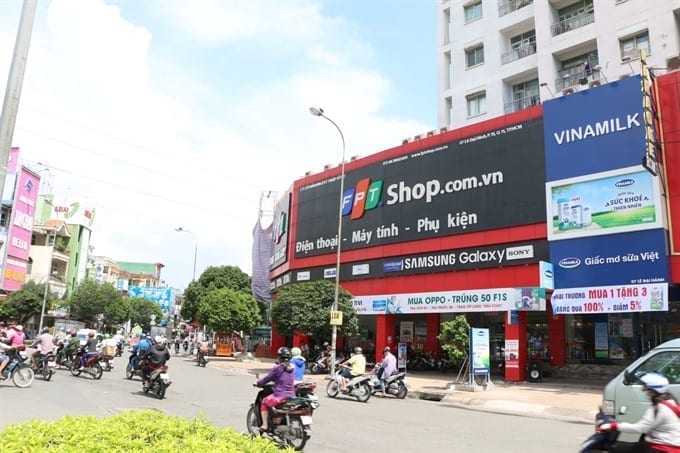
  • FPT Retail to hold IPO in mid-December

    FPT Retail to hold IPO in mid-December

    FPT Digital Retail is set to launch an IPO on the Ho Chi Minh City Stock Exchange on Friday week.

    Details of the IPO pricing have not been disclosed, but the retail arm of Vietnam’s largest IT company plans to use the proceeds over the next three years to open 100 stores officially licensed by Apple.

    FPT secured the nation’s first licence from Apple in 2012 to set up a store network specialising in such products as the iPhone and Macbook under the brand F.Studio. There are now 10 outlets run by FPT Digital Retail. Apple products make up 40 per cent of the the chain’s offerings, and the retailer plans to increase the network tenfold.

    Meanwhile, a survey has shown that more than a third of Apple products in the Vietnam market are “unauthorized” and do not have a guarantee from the manufacturer.

    While Apple has a representative office in Vietnam, there is yet to be an official Apple Store. Sales of Apple products in the Vietnam are currently valued at $1 billion annually. Apple iPhones accounted for 7 per cent of the total 14 million smartphones sold in Vietnam last year, ranking third after Samsung Electronics (28 per cent) and Oppo (25 per cent), according to IDC Vietnam.

    Vietnam has 15 Apple-authorized stores run by local retailers, including the 10 F.Studio outlets and those of Mobile World Group. This compares with 527 authorised stores in Singapore, 480 in Thailand and 364 in Indonesia.

    FPT Retail general director Nguyen Bach Diep has told an investor roadshow in Ho Chi Minh City that the market listing date will be no later than April 30.

    CEO Nguyen Viet Anh says the company expects total revenues of about US$600 million this year, 10 per cent of this from online sales, while its profit is estimated to be VND293 billion (about US$13 million) by year-end.

    Splitting from FPT’s retail and distribution sector in 2012, FPT Retail is now the second-largest information and communications technology retailer in Vietnam, holding 18 per cent market share after Mobile World Group with 45 per cent.

    FPT Retail’s nationwide store network will reach 480 outlets by the end of this year, up 25 per cent year on year.