Retail News CRM

Tag: samsung

  • Samsung tax refund delayed for two years in HCMC

    Samsung tax refund delayed for two years in HCMC

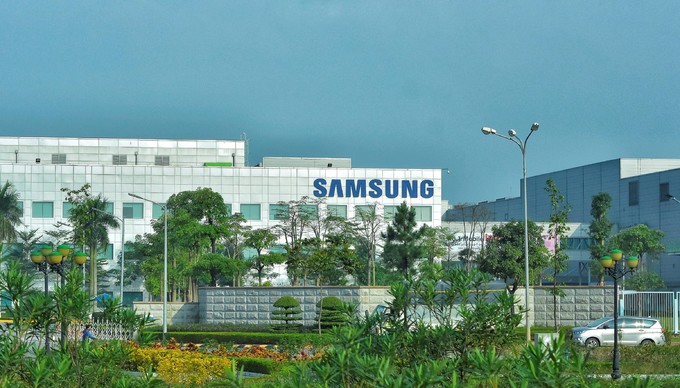
    A Samsung subsidiary based in Ho Chi Minh City has not received a VAT refund of US$44 million for two years due to red tape.

    Samsung Electronics HCMC CE Complex (SEHC), which exports around 90% of its products, formally became an export-processing company in May 2021, making it eligible for value-added tax incentives.

    But the VAT refund for before and after the transition it was supposed to receive never arrived, Youn Chel Woon, its CEO, said at a meeting between South Korean companies and HCMC authorities Wednesday.

    Vietnam offers a number of tax incentives to foreign enterprises and exporters, including VAT breaks.

    SEHC became eligible for a refund of $24 million from the time before it became an export-processing enterprise, and $20 million from the period between June 2021 and December 2022.

    The city tax department has been examining the situation since July and recently submitted a report to the General Department of Taxation.

    Woon urged city authorities to be more proactive in refunding taxes, saying some of his company’s suppliers are also having difficulty getting tax refunds promised by the government.

    Another South Korean firm, CJ Foods Vietnam, has not received tax refunds for lacking the title deeds for the land on which its factory is built.

    It was supposed to receive the documents in 2019.

    Issues with tax refunds are among the main problems South Korean companies face in Vietnam, Choi Bundo, chairman of the Korea Chamber of Business in Vietnam, said.

    “Resolving tax refund problems is taking longer and longer. We seek a solution from the authorities.”

    Nguyen Tien Dung, deputy head of the city tax department, referring to the SEHC case, said the reason for the delay is that the Ministry of Finance is yet to decide whether the refund would be made by the tax or customs department.

    As for the CJ Foods delay, he said some changes are occurring at the Hiep Phuoc Industrial Park where the company has its factory, and once they are complete it would receive the title deeds.

    The city government has instructed relevant authorities to resolve this issue by September this year, he added.

    South Korea is the fourth biggest investor in HCMC with $5.5 billion in 2,135 projects.
  • Samsung and Microsoft team up to offer improved phone security for enterprises

    Samsung and Microsoft team up to offer improved phone security for enterprises

    Samsung and Microsoft have just announced they signed a strategic partnership to enhance phone security for business customers. The new solution is called “device attestation” and it’s supposed to ensure a device’s identity and health, verifying that it has not been compromised.

    Device attestation is now available on Samsung Galaxy devices and combined with protection from Microsoft Intune to add enhanced security and flexibility. Aimed at enterprises, the new solution is an extra layer of protection against compromised devices falsely claiming to be known and healthy, gaining access to sensitive corporate data.

    According to Samsung, device attestation is supported on select Galaxy smartphones and tablets, including “Security by Knox” devices with Android 10 or later. The company also notes that in order to be eligible for the solution, devices must have run Android 9 or later at the time of launch.

    “Samsung is committed to meaningful innovations that are as secure as they are versatile and optimized. As work habits evolve and people are working from virtually anywhere on any device, we are paving the way for the future of enterprise device security and democratizing the means for businesses to better protect their information,” said KC Choi, EVP and Head of Global Mobile B2B Team, MX Business at Samsung Electronics.

    Last but not least, the solution provided by the two giants works on both managed and unmanaged devices regardless of ownership. This is unusual since traditional device attestation mainly works on managed devices because it is server-based and requires network connectivity.

    Since this is a mobile hardware-backed attestation, enterprises will be able to verify a device’s integrity and allow access to the corporate system whether it’s managed or unmanaged. Furthermore, the user experience is also streamlined to make it easier for employees to bring their personal devices to work and safely access the corporate system without extra security steps.

  • Samsung reportedly delays its extended reality device up to six months because of Apple

    Samsung reportedly delays its extended reality device up to six months because of Apple

    Samsung has delayed production of its mixed reality AR/VR headset until sometime in the middle of 2024. And you can put the blame for the delay squarely on Apple and its Vision Pro AR/VR headset, uh, excuse me, spatial computer. An internal Samsung memo cited by SBS Biz says, “…we decided to review all internal specifications and performance, such as the design and panel of the new XR (extended reality) product.”
    So why is Samsung taking its mixed-reality headset back to the drawing board? Apparently, Sammy was so impressed by Apple’s Vision Pro presentation at WWDC that it decided that some design changes and other revisions were in order. Among the changes that Samsung is expected to make include the addition of higher resolution displays and the use of faster chips to improve performance. Samsung plans on equipping the device with a Snapdragon chip and Google is developing the operating system which will most likely be based on Android.
    Samsung has reportedly informed its panel suppliers of the delay. Originally, test production of the headset was to start at the end of this year with mass production of Samsung’s XR device scheduled to start in early 2024. Now we are looking at a three to six-month delay that could result in mass production of the product starting around the middle of this year.
    The delay does prove that Samsung’s target here is Apple and its $3499 Vision Pro, not Meta and the upcoming Quest 3. Samsung’s decision to revise its XR device to make it even better might not only have to do with what Samsung saw in the Vision Pro preview but could also be a decision based on the trouble Apple is having producing the Vision Pro. Where Apple originally hoped to build one million units of the device this year, the actual number of units produced could be under 400,000 according to a recent Financial Times report.
    This shortfall might give Samsung an incentive to design a device that is more likely to compete against the Vision Pro and satisfy early adapters who won’t be able to find the Vision Pro after its release. Based on the report out of South Korea, it seems that even Samsung believes that the only way it can compete with Apple’s spatial computer is to improve its own product before it is released.
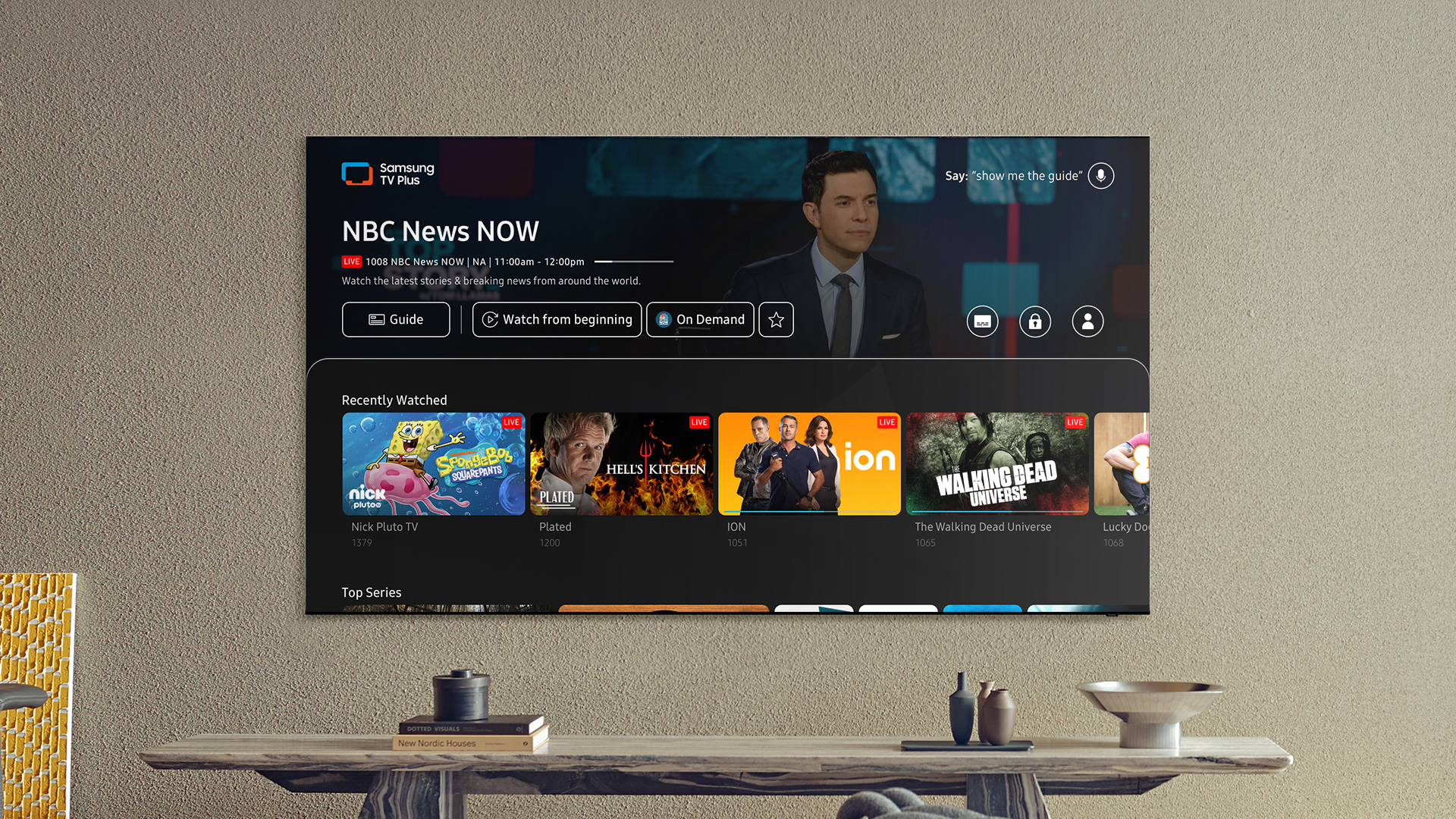
  • Samsung TV Plus adds seven new channels in the United States

    Samsung TV Plus adds seven new channels in the United States

    Initially launched eight years ago as a video rental service, Samsung TV Plus quickly pivoted to an ad-supported streaming service format. Although it started with a limited number of channels available to watch for free, Samsung TV Plus now provides access to more than 250 channels.

    The most recent additions to the streaming service’s offering include channels from ABC, CBS and other networks. The new channels are already available in the United States, so if you have a compatible Samsung smart TV, Galaxy phone or tablet, you can watch these right now.

    The seven channels that have been added to Samsung TV Plus in June include 6ABC Philadelphia, ABC7 New York, ALLBLK Gems, Billiard TV, CBS News Explore, Get TV, and Vevo 2010s.

    In addition, Samsung TV Plus gained several movies in June and a few others are expected to drop in July: The Tree That Saved Christmas, Songs of Mistletoe, A Christmas Cruise, Angels in the Snow, An En Vogue Christmas, A Holiday for Love, Christmas Comes Home, and A Dogwalker’s Christmas. These movies will be available via the company’s first-party channel, Holiday Movies Channel.

    If you didn’t know, Samsung TV Plus is available for free on 2016 – 2022 Samsung smart TVs and select Galaxy mobile and tablet devices. Simply turn on your Samsung smart TV, open the Samsung TV Plus app, and you can start watching your favorite channels or movies.

  • Samsung Electronics to open flagship store in Gangnam to target Gen Z

    Samsung Electronics to open flagship store in Gangnam to target Gen Z

    Samsung Electronics said Wednesday it will open a six-story flagship store in Gangnam, southern Seoul, to offer customers, especially the Gen Z population, more personalized services and experiences.

    In a media event, one day prior to the public opening, the tech giant said it expected the Samsung Gangnam store to serve as a “playground” for young users where they can learn and experience the cutting-edge technologies and innovation Samsung has to offer.

    “The area near Gangnam Station has always been a place for young people to gather and spend time together,” Jung Ho-jin, vice president of Samsung’s mobile experience division, said when asked why the company chose the area to open its first such store.

    The 2,000-square-foot venue, 10 minutes away on foot from its rival Apple’s Gangnam store, felt more like a brand experience center than a retail outlet. Located on Gangnam Boulevard, one of Seoul’s main shopping and business districts, it comes with an after-sales service center, a seminar and lecture space, a small Galaxy museum, a coffee shop and Instagrammable photo zones filled with artworks.

    “We would like to see people freely come visit here, even for just a quick bathroom run,” Jung added.

    The opening came amid continued headwinds from global economic uncertainties, slow consumer demand and muted brand loyalty for Samsung’s Galaxy smartphones among young people.

    A survey released early this year by the Seoul-based Vinu Labs showed Apple’s iPhones are more popular than Samsung’s Galaxy phones among South Koreans in their 20s, who chose “trendy” and “upscale” as the two words that describe Apple’s brand image. The words for Samsung were “friendly” and “practical.”

    The opening also took place about a month prior to Samsung’s scheduled first Galaxy Unpacked event in South Korea, where it is set to unveil its latest foldable phones, watches and other innovative products.

    “The store is designed to target not only young customers but also anyone with open and young minds,” Jung said.

    “I believe Samsung has its own know-how to deliver unique benefits and color to customers through a variety of products,” Jung said, while avoiding answering directly how the tech giant plans to address lower adoption rates than those of rival Apple among Gen Z.

    “At Samsung Gangnam, people can feel Samsung Galaxy products have never stopped evolving,” he said. “We will continue to run our business with such pride in mind going forward.”

  • Samsung says Vietnam is ‘global manufacturing hub’

    Samsung says Vietnam is ‘global manufacturing hub’

    Samsung considers Vietnam a global manufacturing hub and wants to make it a center of research and innovation, the South Korean giant’s CFO, Park Hark Kyu, has said.

    In a meeting with Prime Minister Pham Minh Chinh Thursday, he said he highly regarded Vietnam’s investment and business environment. Samsung wants to make Vietnam the “center of centers” for research and development.

    Last year the company set up an R&D center in Hanoi and provided training to ensure there would be more Vietnamese in its leadership ranks.

    Over 2,000 engineers work at the center.

    The number of level 1 and 2 Vietnamese suppliers in Samsung’s global supply chain has increased tenfold since 2014, from 25 to 257.

    Park also spoke to Chinh about the use of “made in Vietnam” products, and the global minimum tax.

    Chinh hailed Samsung’s business activities in Vietnam as helping shift the country’s economic structure, promoting exports and creating millions of jobs.

    Last year Samsung’s profits in Vietnam topped US$4.6 billion. It has invested $18 billion in the country so far, and is planning to increase it to $20 billion.

  • Samsung will patch the last dangerous Exynos modem vulnerability in April

    Samsung will patch the last dangerous Exynos modem vulnerability in April

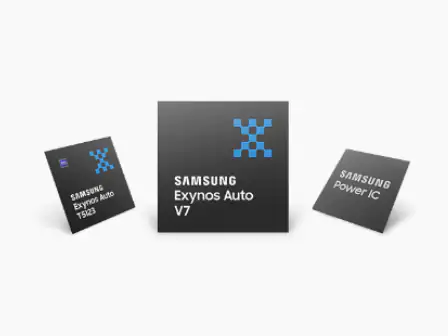
    Earlier this month we told you about a zero-day vulnerability which means that a flaw was previously unknown to the software vendor and has been unpatched. The vulnerability affected the Exynos Modem 5123, Exynos Modem 5300, Exynos 980, Exynos 1080, and Exynos Auto T5123. Armed with nothing but the targeted device’s phone number, attackers can access the device.

    We know that Pixel 6 and Pixel 7 models were affected, but the flaw has been patched on these phones with the March security update which has now been released for the Pixel 6, Pixel 6 Pro, Pixel 6a, Pixel 7 and the Pixel 7 Pro. Other phones affected include Exynos-powered phones in the Samsung Galaxy S22 line. These models were sold in the U.K. and Europe. Other Samsung phones with the flaw include models in the mid-range Galaxy A and Galaxy M lines:

    • Galaxy A71
    • Galaxy A53
    • Galaxy A33
    • Galaxy A21s
    • Galaxy A13
    • Galaxy A12
    • Galaxy A04 series
    • Galaxy M33
    • Galaxy M13
    • Galaxy M12
    • Galaxy Watch 5 series
    • Galaxy Watch 4 series
    Also affected are a few Vivo models such as the S16, S15, S6, X70, X60, and X30 series.

    A Samsung community manager posted on the Samsung U.S. community site and said that five out of the six vulnerabilities found in the aforementioned Exynos modems were patched in March and the remaining flaw will be patched next month. Interestingly, Samsung initially came to the conclusion that the flaws were not severe.

    The community manager wrote last week, “Hello, We understand the concern of vulnerabilities. Samsung takes the safety of our customers very seriously. After determining 6 vulnerabilities may potentially impact select Galaxy devices, of which none were ‘severe’, Samsung released security patches for 5 of these in March. Another security patch will be released in April to address the remaining vulnerability. As always, we recommend that all users keep their devices updated with the latest software to ensure the highest level of protection possible.”
    Until the last vulnerability is patched in April, the Samsung and possibly the Vivo handsets listed above are at risk of being compromised at the baseband level. Thus, Google’s Project Zero research team recommends that users of phones still vulnerable should disable Wi-Fi calling and Voice-over-LTE (VoLTE).
  • Samsung steals Xiaomi’s crown in India’s premium smartphone market

    Samsung steals Xiaomi’s crown in India’s premium smartphone market

    Xiaomi Corp is reviewing its India strategy after misjudging consumer tastes for mobile phones. This costly mistake allowed Samsung Electronics to lead the Chinese company to the top spot in the world’s second-largest market for these devices.

    While Xiaomi continued to focus on selling mobile phones below Rs 10,000 ($120), Indian consumers were willing to pay more for better-looking models with richer features. Samsung of South Korea launched products that met those aspirations and offered innovative financing schemes that made them affordable for most.

    These measures have helped Samsung take the lead of the Indian mobile phone market from Xiaomi. Data from Hong Kong-based Counterpoint Research shows that Samsung had a market share of 20% in the last quarter of 2022, compared to 18% for the Chinese company.

    “The Indian market is witnessing a ‘premiumization’ trend. (But) Xiaomi is underprepared for this shift with a portfolio full of cheap phones,” said Tarun Pathak, research director at Counterpoint.

    The loosening of Xiaomi’s grip on India’s 626 million smartphone users – the largest after China – shows how companies that fail to respond to changing consumer preferences are penalized in a fast-growing economy with rising disposable incomes.

    Best known in India is Tata Motors’ Rs 100,000 ($1,200) Nano, which was heralded as the world’s cheapest car, shunned by consumers who associated its low price tag with inferior quality.

    Indians’ demand for more expensive mobile phones to consume videos and other content is also beneficial for social media app providers like Meta, and iPhone maker Apple Inc, which so far has a small market share in the country as it focuses exclusively on high-end phones, with prices ranging from $605 to a whopping $2,304, according to its website.

    According to Counterpoint, the market share of the phones under $120 in India has fallen to 26% by 2022, from 41% two years ago. And premium phones – above 30,000 ($360) – saw their share double to 11% over the same period.

    Xiaomi and Samsung both view India as a major growth market, with smartphones being their top-selling electronic device. The Chinese company posted a total revenue of $4.8 billion in India in 2021-22, while Samsung posted $10.3 billion in revenue, of which $6.7 billion came from smartphones.

    However, Xiaomi is already struggling in India with the departure of at least five top executives and increased government scrutiny over frosty relations with neighboring China. The company has had $674 million frozen by the country’s Financial Crime Bureau over alleged illegal remittances to foreign entities, which Xiaomi denies.

    A Reuters review of the product listings on Xiaomi’s website revealed the mismatch between consumer needs and the products the company offers. Xiaomi had six smartphones priced over $360, compared to Samsung’s 16. Under $120, Samsung had seven models, while Xiaomi had 39 – most of which turned out to be out of stock.

    And premium phones accounted for just 0%-1% of total shipments of Xiaomi’s Indian phones over the past two years, while the share of Samsung’s more expensive phones more than doubled to 13%, according to data from Counterpoint.

    But Xiaomi, which has admitted to introducing “too many” models in the past, is revamping its product line to focus on premium smartphones.

    In January, the company launched the Redmi Note 12 with a top price of over Rs 30,000, and recently launched the Xiaomi 13 Pro at Rs 79,999 ($970) – its most expensive phone in India. The strategic shift seems to have paid off immediately, as the Redmi Note 12 posted sales of $61 million within two weeks of its launch.

    “We have established a streamlined and cleaner portfolio with a focused approach to build expertise in the top segment, and the launch of our latest flagship, the Xiaomi 13 Pro, is a step in that direction,” said Indian President Muralikrishnan B.

  • How enhanced customisation pushed brands’ sales growth

    How enhanced customisation pushed brands’ sales growth

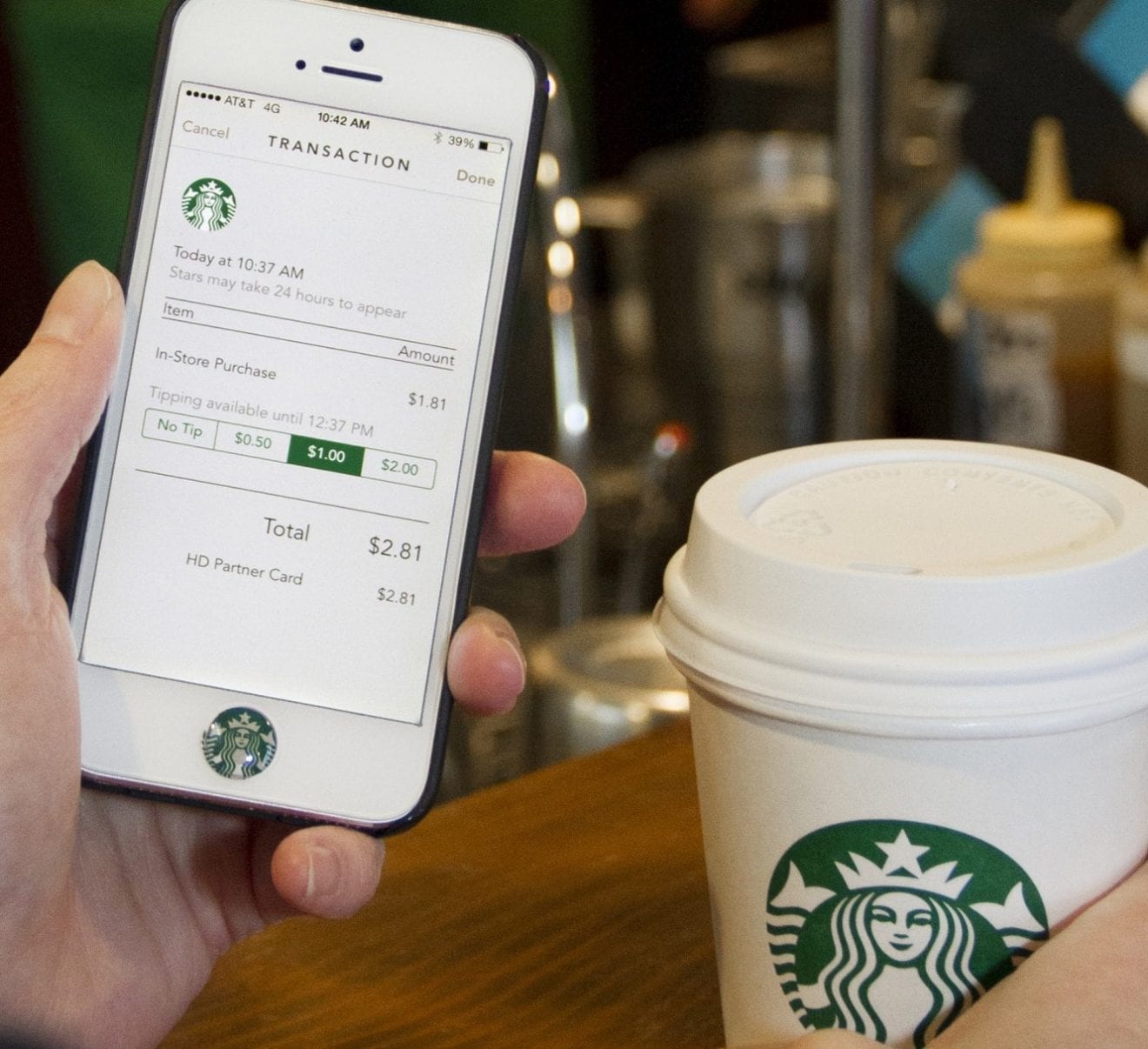
    Starbucks and Samsung used the strategy to increase sales. Enhanced customisation helped in driving sales growth of some brands in 2022, Euromonitor International said in its latest study.

    More than 49% of global digital consumers aged 15 to 29 said they are willing to share personal preferences with brands online.

    An example of enhanced customization is Starbucks which implemented an app that allows users to choose from over 170,000 options on drink orders.

    “This has powered sales growth for the company, with app-enabled US sales expanding over 400% from 2017 to 2022,” said Euromonitor.

    Another way is Samsung’s Bespoke Design Studio which lets consumers order appliances customized to their individual specs.

    It contributed to 3% of sales growth in mobile appliances.

  • Price of foldable Samsung smartphone plummets

    Price of foldable Samsung smartphone plummets

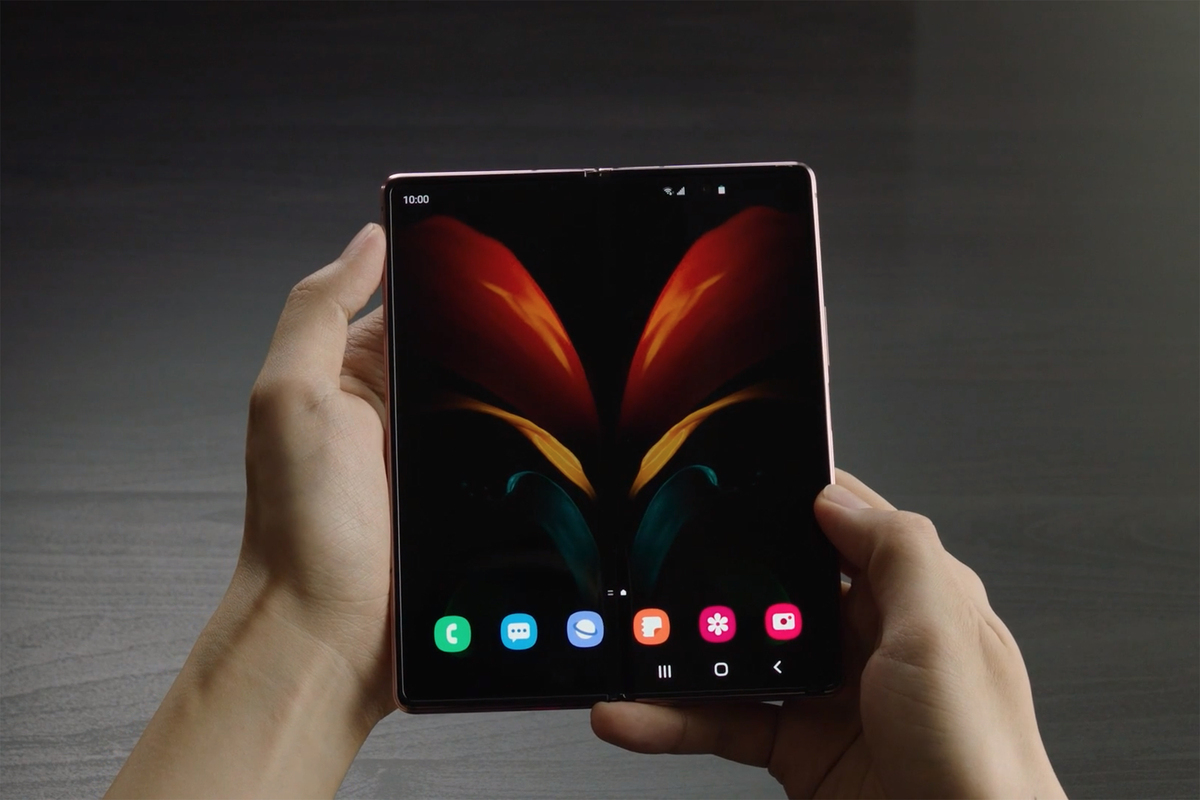
    Vietnamese electronics retailers are buying back the Galaxy Z Fold, which sold for VND50 million (US$2.092) when it was launched in 2019, at an 88% reduction from the original price.

    Ever since Samsung’s new Galaxy S23 went on sale in Vietnam on Feb. 17, retailers have launched trade-in programs, encouraging users to buy the new model.

    Galaxy Z Fold phones are being bought back at prices of VND0.43-6.1 million per unit depending on their condition.

    The Galaxy S10+, another high-end Samsung model which went on sale in 2019 with a price tag of VND28.9 million, is being bought back for VND2.9 million.

    According to Nguyen Lac Huy, manager of electronics chain CellphoneS, prices of most Android smartphones fall faster than those of iPhone models. After six months of use, the price of an Android phone plunges by 40-50%.

    The main reason is that manufacturers often offer discounts on Android phones after launch, while the cost of repairing them is high.

  • Samsung wants to make its Vietnam R&D center global hub

    Samsung wants to make its Vietnam R&D center global hub

    It is his mission to turn the Samsung R&D Centerin Hanoi into the Korean company’s top global research and development center, its Vietnam chief, Choi Joo Ho, has said.

    “The first mission is to expand its research activities and enhance expertise,” the head of Samsung Vietnam Complex said at a conference on Sunday.

    The conglomerate opened the US$220-million research center in Hanoi last December.

    It would take Vietnam from being a global production hub for Samsung to a strategic base for major research and development, the company had said at the opening ceremony.

    Choi said the second mission is to help develop technology talent and industry in Vietnam.

    For this, Samsung plans to step up training through scholarships and internships for promising tech students and cooperation with universities, he said.

    “We wish to strengthen our partnership with Vietnamese businesses to help them develop and become part of Samsung’s global value chain.”

    By the end of last year the number of Vietnamese tier 1 and tier 2 suppliers in Samsung’s global supply chain had increased to 257, 10 times the number in 2014.

    Since 2015 experts from Samsung Korea have worked with some 400 Vietnamese companies to improve their product quality.

    Samsung established its first smartphone factory in Vietnam in 2008 and has invested $18.2 billion so far. The figure could rise to $20 billion by the end of this year.

    The company makes around half of all its smartphones in the country.

  • Samsung announces that it will soon compete with Apple in another product category

    Samsung announces that it will soon compete with Apple in another product category

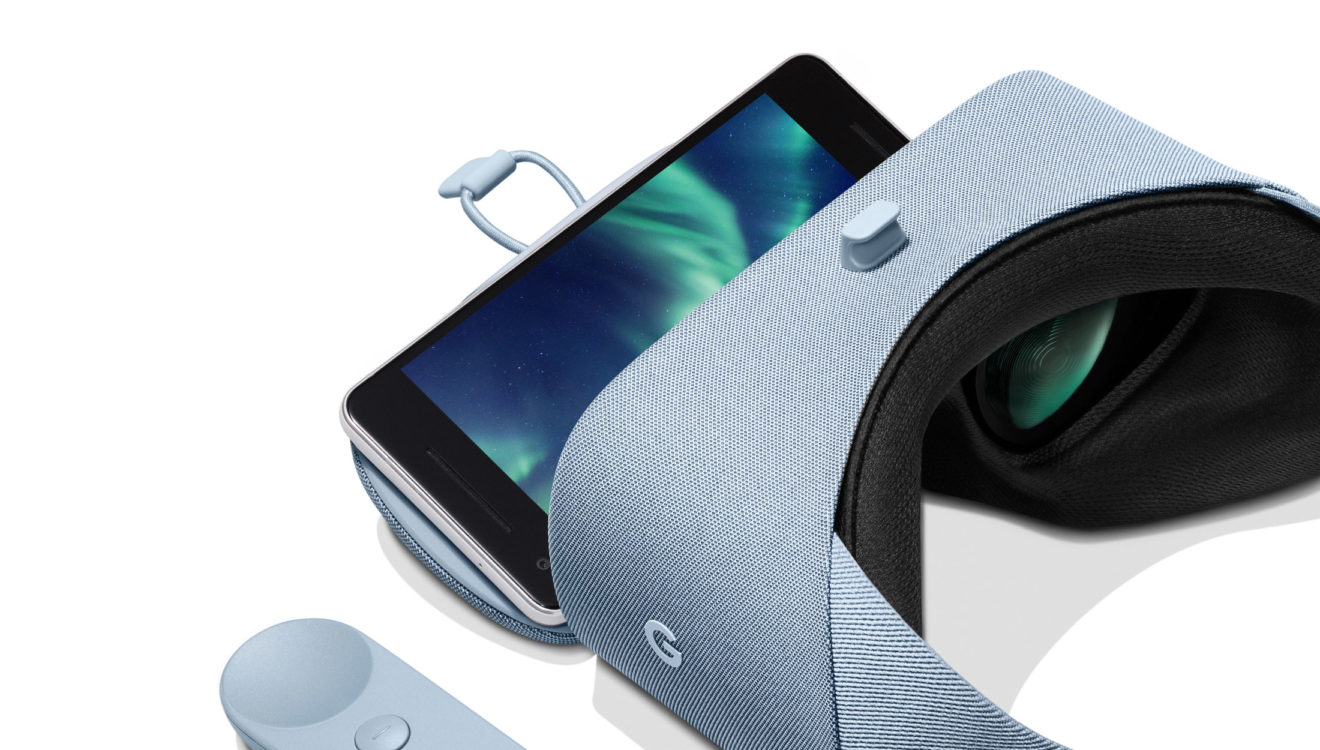
    Apple is expected to release its Reality Pro mixed reality headset later this year with virtual reality (VR) and augmented reality (AR) features. According to SamMobile, during today’s Unpacked event, Samsung announced that it will also build a Mixed-Reality headset with help from partners Google and Qualcomm. Samsung did hint that the device will be arriving soon. Samsung referred to the wearable as an Extended Reality (XR) device.
    Virtual Reality immerses the user in an environment that can range from the batter’s box at Yankee Stadium to a lounge with a giant screen that will show streaming content. Augmented Reality takes a live feed and places computer-generated data on top of it. A good example of AR is the “Live View” feature on Google Maps for those walking. The display shows a live feed from the rear camera and computer-generated arrows are superimposed over the feed to show the user which way to go.

    The Samsung XR headset will use a specialty Qualcomm chipset and the Korean manufacturer told The Washington Post that Meta and Microsoft are also partnering with Samsung to produce the XR headset. The Post reported that the head of the project said that the platform and the software need to be only “somewhat ready for the device to be a success.” The company is looking to avoid the mistakes made by other firms who entered this space but didn’t have the software ready in time.

    While no possible price tag was mentioned for Samsung’s XR wearable device, Apple’s Reality Pro will reportedly cost $3,000 and will be able to quickly switch between VR and AR. It is believed to be the most complicated product that Apple has ever made.
    Samsung has been in the headset business before as it introduced the Gear VR headset in 2015 powered by the Galaxy Note 4’s 5.7-inch QHD SuperAMOLED display. After a few years, production of the device came to a halt. Samsung then tried its hand at manufacturing a standalone Mixed Reality headset for PCs which also was discontinued by the company.
    Hiroshi Lockheimer, Google’s SVP in charge of Platforms and Ecosystem, said, “An exciting space where Google has been investing in for a long time across both experiences and technology is AR and VR. These technologies are integral to the new phase of computing as it can change the way we interact with people and information to get things done in the real world.”
    So now the Apple-Samsung rivalry will go beyond smartphones, tablets, and smartwatches to include Mixed Reality headsets.
  • Samsung Vietnam exports $65B in 2022

    Samsung Vietnam exports $65B in 2022

    Samsung Vietnam exported $65 billion worth of products last year, down 0.8% from 2021.

    The company’s exports accounted for nearly 9% of Vietnam’s total trade turnover of $700 billion last year, Deputy Prime Minister Le Minh Khai said during a recent meeting with Park Hark Kyu, president of Samsung Electronics.

    Khai also praised the company’s launch of its R&D center in Hanoi last month, which is Samsung’s biggest such facility in Southeast Asia.

    Park said he has traveled to Vietnam more than 20 times to look for investment opportunities.

    “For the last 10 years, every time I look back, I think that investing in a factory in Thai Nguyen Province was a wise choice,” said Park, referring to the northern locality where Samsung placed its key smartphone manufacturing plant.

    To date, Samsung has invested $18.2 billion in Vietnam and plans to increase the figure to $20 billion.

    Half of Samsung’s smartphones are produced in Vietnam.

  • Samsung introduces the Galaxy S23 Ultra’s 200MP camera sensor

    Samsung introduces the Galaxy S23 Ultra’s 200MP camera sensor

    On Tuesday Samsung introduced its third 200MP camera sensor, the ISOCELL HP2. The sensor features 200 million 0.6-micrometer (μm) pixels using a 1/1.3-inch optical format. This is a sensor size that is deployed in 108MP main smartphone cameras allowing users of high-end smartphones to have a high-resolution camera without having to deal with large camera bumps. The HP2 has already entered mass production
    The sensor uses advanced pixel-binning technology called Tetra2pixel. This allows the sensor to change pixel sizes depending on the environment’s light. Under low-light conditions, the sensor captures 50MP images at 1.2μm (4:1 pixel binning) or 12.5MP images at 2.4μm (16:1 pixel binning).
    For video, Samsung adds, “For fuller 8K video, approximately at 33MP, the HP2 switches to 1.2μm 50MP mode to minimize cropping and capture more of the scene. Filming 8K at 30 frames-per-second (fps), a wide field of view along with bigger pixel size can produce sharp cinematic videos.”
    Samsung’s new Dual Vertical Transfer Gate (D-VTG) technology will enhance color reproduction and reduce overexposure. As a result, you’ll see fewer washed-out photographs snapped under bright lighting conditions.
    Focusing in low-light environments will be vastly improved thanks to the HP2’s Super QPD feature which uses all of the sensor’s 200 million pixels as focusing agents. The result is faster and more accurate auto-focusing even in an environment without much light. Samsung explains, “The ample amount of focusing agents are grouped by four adjacent pixels to recognize horizontal and vertical pattern changes.”
  • Samsung’s quarterly profit sinks to 8-year low on demand slump

    Samsung’s quarterly profit sinks to 8-year low on demand slump

    Samsung Electronics Co Ltd flagged on Friday its quarterly profit tumbled by two-thirds to an eight-year low as a weakening global economy hammered memory chip prices and curbed demand for electronic devices.

    The dismal profit estimate by the world’s largest memory chip, smartphone and TV maker – a bellwether for global consumer demand – sets a weak tone for other technology firms’ quarterly results.

    Samsung’s profits are expected to shrink again in the current quarter, analysts said, after the South Korean company announced its October-December operating profit likely fell 69% to 4.3 trillion won ($3.37 billion) from 13.87 trillion won a year earlier.

    It was Samsung’s smallest quarterly profit since the third quarter of 2014 and fell short of a 5.9 trillion won Refinitiv SmartEstimate, which is weighted toward forecasts from analysts who are more consistently accurate.

    “All of Samsung’s businesses had a hard time, but chips and mobile especially,” said Lee Min-hee, analyst at BNK Investment & Securities.

    Quarterly revenue likely fell 9% from the same period a year earlier to 70 trillion won, Samsung said in a short preliminary earnings statement. Asia’s fourth-biggest listed company by market value will release detailed earnings on Jan. 31.

    Rising global interest rates and cost of living have dampened demand for smartphones and other devices that Samsung makes and also for the semiconductors it supplies to rivals such as Apple Inc.

    “For the memory business, the decline in fourth-quarter demand was greater than expected as customers adjusted inventories in their effort to further tighten finances…,” Samsung said in the statement.

    Its mobile business’ profit declined in the fourth quarter as smartphone sales and revenue decreased due to weak demand resulting from prolonged macroeconomic issues, Samsung added.

    “Memory chip prices fell in the mid-20% during the quarter, and high-end phones such as foldable didn’t sell as well,” said BNK Investment’s Lee, adding its display business was hurt due to client Apple’s production delays at the world’s biggest iPhone factory in China during the quarter.

    Three analysts said they expected Samsung’s profits to dive again in the current quarter, with a likely operating loss for the chips business as a glut drives a further drop in memory chip prices.

    Samsung shares rose 1% in Friday morning trade, versus a 0.9% rise of the wider market. Shares of rival memory chip maker SK Hynix rose 1.6%.

    “The reason shares are rising despite the poor earnings result is.. investors are hoping Samsung will need to reduce production, like Micron or SK Hynix said they would, which would help the memory industry overall,” said Eo Kyu-jin, an analyst at DB Financial Investment.

    Samsung had said in October that it did not expect much change to its 2023 investments. Analysts said that Samsung has a history of not announcing memory chip production cuts, but could organically adjust investment by delaying bringing in equipment or through other ways.