Tag: semiconductors

  • Asia Air Cargo Rates Diverge as Transpacific Prices Surge 30 Percent

    Asia Air Cargo Rates Diverge as Transpacific Prices Surge 30 Percent

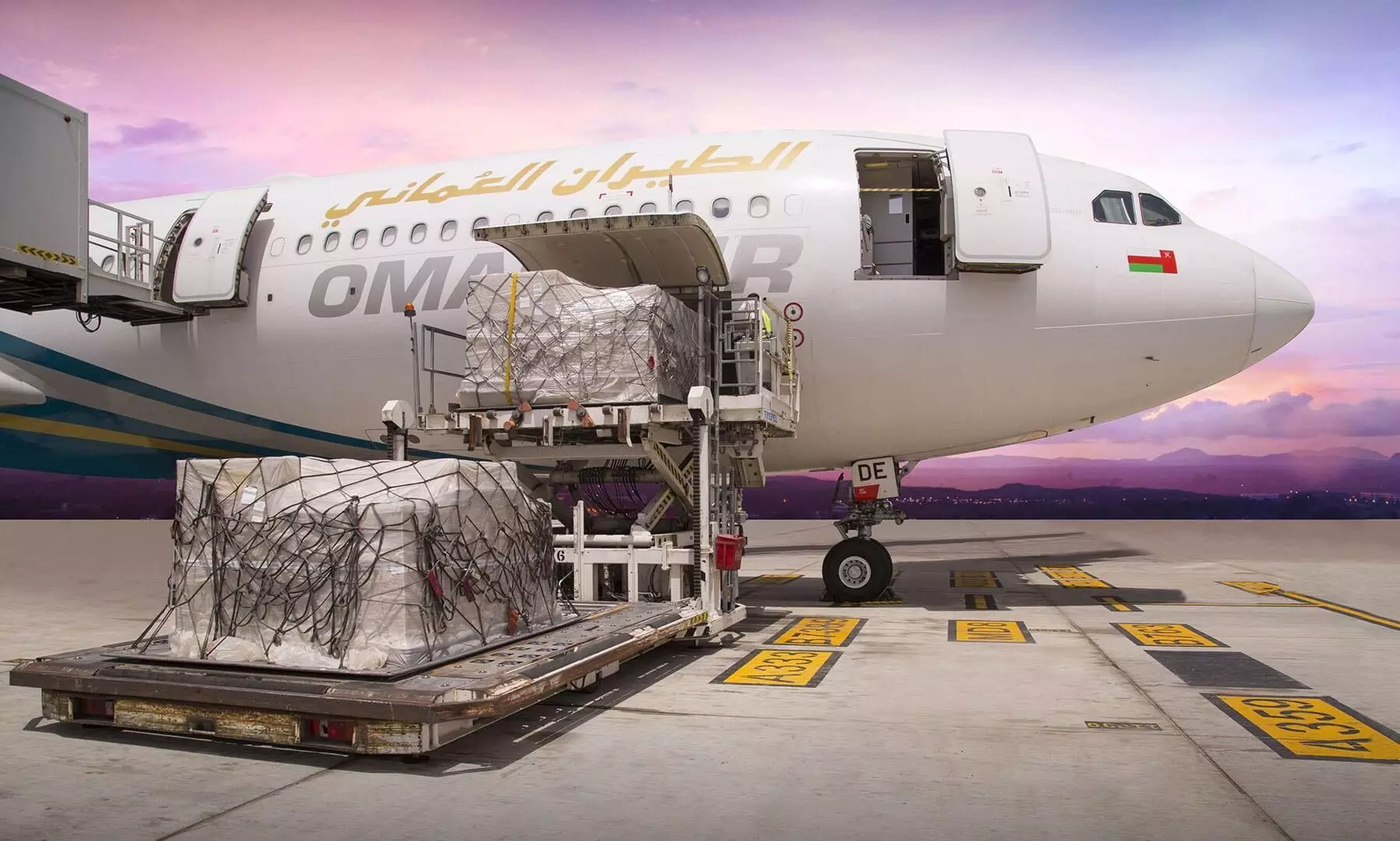
    Air cargo rates from China to the United States climbed 30 per cent year-on-year ahead of the peak shipping rush, driven by steady semiconductor and e-commerce shipments.

    By contrast, rates on the China-to-Europe corridor rose 12 per cent over the same period, slowed by the European Union ending its de minimis tax exemption on July 1.

    The price split reflects an uneven recovery across Asian export corridors. While air space out of Taiwan remains tight on artificial intelligence hardware, and outbound demand from South Korea, Malaysia and Singapore holds firm, outbound volumes from mainland China and Hong Kong have cooled. Pricing data from the TAC Index shows transpacific air freight maintaining a sharp premium, supported by technology shipments alongside higher jet fuel expenses caused by Persian Gulf shipping disruptions.

    Ground Bottlenecks and Route Shifts

    Airlines and forwarders face wide gaps in aircraft fill rates across the region. Dedicated freighter aircraft operate at roughly 65 per cent average load factors, compared with only 36 per cent for passenger aircraft belly hold space, according to IATA figures cited in the Journal of the Air Transport Research Society.

    Freight forwarder Dimerco Express Group noted that cross-border shippers altered transport modes to bypass tight air lanes, diverting freight between China, Vietnam and Thailand onto road networks and utilizing rail corridors into Europe. Early tariff front-loading by retail importers also pulled seasonal volumes forward into earlier quarters.

    Capacity limits on the ground often matter more than available aircraft. At regional transshipment hubs such as the Maldives’ Velana International Airport, which handled nearly 89,000 tonnes of cargo in 2025, warehouse throughput and labor deployment govern holiday processing speeds rather than runway slots.

    Shifting Asian Supply Chain Flows

    For consumer brands and electronics manufacturers across Asia, these fragmented lane dynamics mean freight procurement can no longer rely on broad regional averages. Shippers managing supply chains out of Taipei or Penang face sustained space premiums that do not match the softer spot rates available out of southern Chinese export hubs.

    Carriers are adjusting winter flight schedules to manage the uneven demand. Velana International Airport expects flight movements to rise 12 per cent during the 2026/27 winter schedule, supported by new scheduled freighter operations including Raya Airways’ weekly service from Penang.
  • Zhipu AI Launches GLM-5.3-Flash After Stealth Trial on 100,000 Domestic Chips

    Zhipu AI Launches GLM-5.3-Flash After Stealth Trial on 100,000 Domestic Chips

    Beijing-based Zhipu AI launched its open-weight model GLM-5.3-Flash on Wednesday after running the system across a cluster of 100,000 domestic Chinese chips. The release followed an unannounced trial on platforms including OpenRouter and OpenCode, where the system processed 62 trillion tokens under the test alias Ox Alpha before its formal unveiling.

    Shares tied to the startup rose following the disclosure. Zhipu confirmed that the entire test deployment operated on domestic silicon rather than foreign hardware imports.

    Traffic Across Developer Marketplaces

    The stealth evaluation generated heavy traffic across international developer hubs over the past week. Users tested the then-unidentified Ox Alpha across code generation and complex task routing, driving sustained compute volume across the 100,000-chip array before Zhipu claimed ownership of the checkpoint.

    Releasing the architecture as open weights allows enterprise clients and independent software developers to download, modify, and host the model on their own infrastructure. That deployment model lowers operating expenses for commercial software firms looking to integrate natural language tools without paying continuous per-token API charges to proprietary providers.

    Domestic Compute Strategy

    Building massive cluster capacity on domestic processors addresses direct supply constraints that Chinese technology groups face under ongoing hardware export restrictions. Large tech firms across the mainland have traditionally relied on foreign graphics processors to train top-tier foundation models, but local alternatives are now taking on larger workloads.

    The performance of the 100,000-unit setup provides an operating template for other Chinese software developers seeking to decouple their deployment pipelines from foreign accelerators. Market attention now turns to downstream enterprise adoption rates and independent performance benchmarks against competing commercial models over the current quarter.

  • Apex Logistics Faces US Probe over Alleged Nvidia Chip Transshipment to China

    Apex Logistics Faces US Probe over Alleged Nvidia Chip Transshipment to China

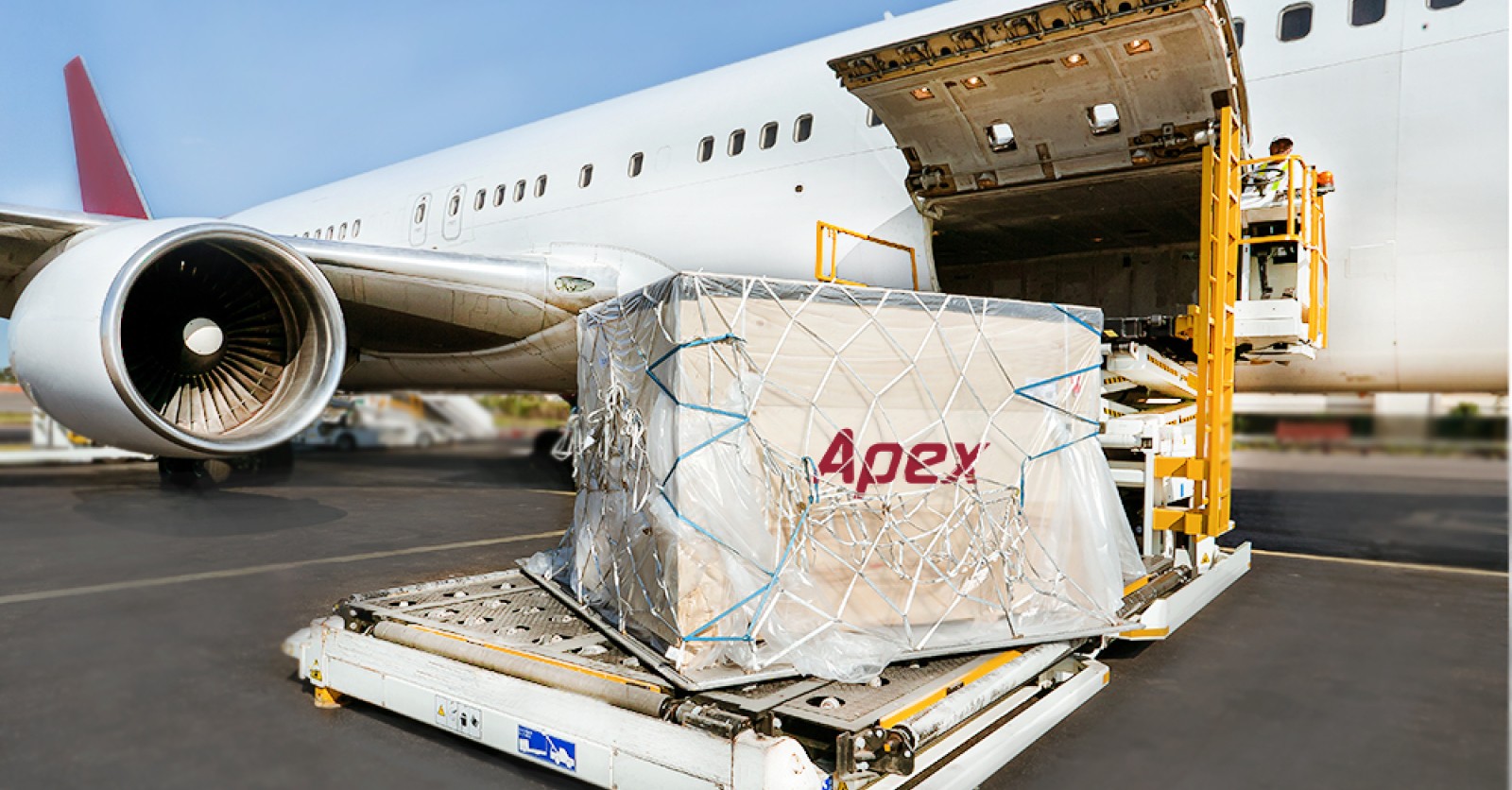
    US authorities are investigating Singapore-headquartered Apex Logistics over the suspected diversion of Nvidia-powered artificial intelligence servers to mainland China through Southeast Asian transshipment hubs. The inquiry focuses on cargo handled in 2024 and could mark the first US enforcement action against a commercial freight company for illicit semiconductor trade.

    Swiss logistics group Kuehne+Nagel, which bought a majority stake in Apex in May 2021 and acquired the remaining shares in October 2025, confirmed the subsidiary is assisting the investigation. Kuehne+Nagel stated it has not been contacted directly by US investigators, describing the probe as an isolated issue concerning specific past shipments.

    How the Taiwan to Hong Kong routing worked

    Investigators are examining a supply line that moved Nvidia-powered server hardware from Taiwan to the United States, dispatched it to a destination in Southeast Asia, and then forwarded it to Hong Kong. From Hong Kong, ground carriers transported the hardware across the border into mainland China. The US inquiry centers on the leg between American ports and Southeast Asian distribution points.

    Apex acknowledged US scrutiny regarding a limited batch of cargo moved during 2024 that reached prohibited destinations. The company stated it is cooperating with investigators and maintains compliance protocols across its network. Apex was founded in Shanghai in 2001 and registered its corporate entity in Singapore in February 2016.

    The servers under review were assembled by California-based Super Micro Computer. Super Micro maintains no direct contract with Apex, as the freight forwarder was hired directly by third-party buyers purchasing the hardware.

    Scrutiny on Southeast Asian hubs

    Washington has restricted direct sales of advanced AI processors to China since 2022, expanding those curbs to include custom chips such as the H20 over national security and military computing concerns. As export controls tightened, enforcement agencies increased audits on cross-border logistics firms that handle transshipment routes across Asia.

    Freight forwarders across Singapore and Malaysia face heightened compliance checks from Western trade officials seeking to close multi-leg shipping channels. Singapore Prime Minister Lawrence Wong stated on August 23 that the country will not permit illicit trade through its facilities, while noting ports cannot audit the full manufacturing chain of every container in transit. The US Commerce Department is reviewing freight documentation from the 2024 shipments to determine if formal export violation penalties apply.

  • Japan Warns Natural Disasters Threaten Automotive and Chip Supply Chains

    Japan Warns Natural Disasters Threaten Automotive and Chip Supply Chains

    Japan flagged supply chain risks from recent natural disasters on Thursday, even as the government maintained its assessment that the broader economy continues a moderate recovery.

    The Cabinet Office added the warning to its August report following a magnitude 7.1 earthquake in Kumamoto Prefecture on July 28 and torrential rain across Chiba Prefecture on Aug. 13. Kumamoto forms a major manufacturing hub for semiconductor and automotive components across East Asia. While plants have begun restarting production lines, disruptions to component flow still pose risks to industrial output.

    Supply Chain Knots and Farming Losses

    Kumamoto’s cluster of chip and automotive parts plants feeds assembly networks across Japan and regional export channels. Factory operators resumed output in stages throughout August, but the government warned that bottleneck risks persist. Heavy rain in Chiba damaged regional farming operations, threatening short-term supply for agriculture, forestry, and fisheries.

    Capital expenditure showed resilience despite the disruptions. Corporate investment picked up steadily across the technology sector, driven by data infrastructure spending and demand for artificial intelligence hardware.

    Spending Holds as Rental Housing Stabilises

    Private consumption showed movements of picking up, leaving the official assessment unchanged for the month. Retailers and consumer brands continue to benefit from stable domestic demand, though high material costs kept new builds for owner-occupied houses and condominiums subdued. Stronger demand for rental properties helped lift the overall housing assessment from sluggish to generally flat.

    Corporate earnings delivered solid numbers for the April to June quarter, prompting the Cabinet Office to upgrade its stance on business profits to improving. Wholesale inflation showed signs of cooling, with corporate goods price growth slowing as petroleum-related input costs eased.

    Manufacturers and retail networks now face the test of third-quarter earnings to show whether component delays in Kyushu and agricultural losses in Chiba hit operating margins.

  • Taiwan Indicts Eight over Smuggling 74 Nvidia AI Servers to China

    Taiwan Indicts Eight over Smuggling 74 Nvidia AI Servers to China

    Prosecutors in Taiwan indicted eight corporate managers on Monday over an illicit scheme that exported 74 advanced Nvidia artificial intelligence servers to Chinese buyers. The transactions generated more than $21.2 million in illegal proceeds through diverted shipments of Supermicro servers powered by Nvidia B300 graphics processing units.

    The Keelung District Prosecutors’ Office filed charges of breach of trust and forgery against distribution and sales managers from Taiwan units of Nvidia and Supermicro Computer Inc., as well as executives at distributor Albatron Technology and local server vendor Flying Tiger Technology. Strict manufacturer rules require buyers of advanced B300 hardware to hold whitelist approval, certify end users, and undergo on-site inspections for orders larger than eight units. Flying Tiger secured whitelist status through undisclosed methods in February 2025 before faking facility checks with data center operator Chief Telecom to clear an initial order of 130 servers.

    Routes through third markets

    When the original buyer failed to fund the purchase, conspirators rerouted the hardware across Asia to bypass export barriers. The group moved two servers from the first order and 50 servers from a second batch of 64 units directly to Chinese buyers through Indonesia. A third batch sent eight units through Japan and Hong Kong before Taiwanese customs halted the remaining 56 units on the island.

    Trading firm Long Wins and customs broker Chance See International handled logistics and false documentation to mask the destination of the cargo. In a related transaction, executives routed NT$39.16 million ($1.2 million) in Albatron assets through four bogus invoices issued by Quintai Electronics, triggering additional charges under Taiwan’s Securities and Exchange Act.

    Supply chain crackdowns in Asia

    The case shows how cross-border merchant networks continue to build transit routes through Southeast and East Asian hubs to feed mainland demand for restricted computing power. Washington has barred direct shipments of cutting-edge AI silicon to China since 2022, yet enterprise hardware continues to slip through regional third-party distributors that exploit weak verification loops between system builders and end facilities.

    Taiwan authorities are pursuing the fugitive head of Flying Tiger Technology, who collected the $21.2 million in export revenue, while the eight indicted managers await trial dates in Keelung.

  • Samsung and SK Hynix Slump Drags Seoul Benchmark Down 3.12 per Cent

    Samsung and SK Hynix Slump Drags Seoul Benchmark Down 3.12 per Cent

    South Korea’s benchmark KOSPI index dropped 3.12 per cent on Monday as sharp declines in Samsung Electronics and SK hynix dragged down Seoul equities. The semiconductor sell-off erased gains from the previous two sessions, leaving Samsung tumbling 8.70 per cent and SK hynix down 3.41 per cent by the close.

    The benchmark index settled at 6,696.96 points, down 215.99 points from Friday after opening 0.46 per cent lower. Foreign institutional funds drove the retreat, offloading a net 3.69 trillion won ($2.67 billion) in shares, while domestic institutions sold 1.29 trillion won. Local retail buyers absorbed 3.32 trillion won of the selling pressure.

    Divergent Shareholder Return Strategies

    Investor disappointment centered on the stark contrast between the capital return programs announced by the two semiconductor giants. SK hynix revealed a plan last Wednesday to repurchase and cancel 40 trillion won of its own stock, alongside a pledge to return at least 50 per cent of its free cash flow over the next three years. The chipmaker immediately started buying roughly 650,000 shares a day, accounting for up to 15 per cent of its daily trading volume.

    Samsung took a different approach, winning board approval on Friday for a capital allocation package worth between 90 trillion and 110 trillion won this year. That total includes about 30 trillion won in cash payouts and regular third-quarter dividends. Traders reacted negatively to the lack of immediate share cancellations, dumping the stock after management deferred specific allocation mechanics.

    Retail Buyers Cushion Foreign Outflows

    Across regional tech capital, institutional funds increasingly reward immediate share retirements over cash dividends because equity cancellations permanently reduce share count. Samsung’s reliance on cash payouts left investors exposed to timing uncertainty while SK hynix locked in direct daily buying demand.

    Capital that fled Samsung found a temporary home in smaller technology names. The secondary Kosdaq index gained 1.42 per cent to close at 813.33 points as money rotated into secondary battery suppliers and electronic materials manufacturers. In foreign exchange trading, the Korean won ended onshore trade at 1,382.4 per US dollar, strengthening by 4.1 won.

    Samsung’s board of directors is scheduled to meet in late October to determine the final dividend allocation and exact cash distribution timetable for the remaining portion of its 110 trillion won plan.

  • Chinese AI and Chip Makers Hand Millions in Stock to Lock Down Staff

    Chinese AI and Chip Makers Hand Millions in Stock to Lock Down Staff

    Chinese artificial intelligence and semiconductor firms are granting stock awards worth millions of dollars to staff across entire workforces to halt talent poaching.

    Chip designer Cambricon Technologies unlocked nearly 600,000 shares for 124 core staff, delivering an average payout of 5.57 million yuan (US$828,000) per employee. The Shanghai-listed company also launched a 5 million share scheme covering 944 workers through 2028, representing 85.3 per cent of its total payroll.

    Hardware Giants Expand Workforce Coverage

    Zhongji InnoLight, which makes optical transceivers for AI data centres, allocated 2.48 million shares across 99 key personnel in its latest vesting cycle. Based on April market pricing, that distribution yielded an average of more than 26 million yuan per recipient.

    Equipment manufacturer Advanced Micro-Fabrication Equipment China widened access further. Its March restricted share programme enrolled more than 97 per cent of its workforce. GPU maker Moore Threads followed in April by assigning 1,080 employees, roughly 85 per cent of its headcount, into its equity pool. At memory producer ChangXin Memory Technologies, founder Zhu Yiming pledged 768 million shares, half his partnership stake, to fund a decade-long employee pool while excluding himself from payouts.

    Zero Targets and Pre-IPO Payouts

    AI model developers are structuring payouts with fewer performance hurdles. Hong Kong-listed MiniMax issued 1.16 million zero-cost shares in June to core personnel, tying vesting schedules solely to tenure rather than operational benchmarks. Rival developer Zhipu AI allocated a 9.8 per cent post-listing stake across 426 staff through an internal platform, yielding an average holding value exceeding HK$100 million per person.

    Big Tech platforms are stepping up their own programmes to match startup offers. Tencent Holdings granted more than 38.6 million shares under its employee scheme, representing 0.42 per cent of its issued equity, as Alibaba Group Holding, Baidu, Meituan and Xiaomi rework compensation packages.

    The scale of these handouts reflects how quickly technical headcount costs have risen across mainland China. Where earlier stock plans favoured senior directors, current programmes distribute equity down to floor engineers to insulate operations from overseas recruitment drives and venture-backed rivals.

    Market watchers are now monitoring upcoming interim financial filings to track the share dilution costs from these multi-year vesting programmes.

  • Chinese EV Makers Face Rising Component Costs as AI Drains Supply

    Chinese EV Makers Face Rising Component Costs as AI Drains Supply

    Chinese smart electric vehicle manufacturers are battling component deficits of up to 30 per cent, driving steep price surges across circuit boards and basic electronic parts.

    Prices for printed circuit boards and multilayer ceramic capacitors have more than tripled over the past twelve months as global semiconductor makers reallocate production capacity to artificial intelligence data centres.

    Surging Hardware Prices

    Printed circuit boards now cost roughly 330 yuan ($49) per sheet, up threefold in a year according to data from the India Printed Circuit Association. Multilayer ceramic capacitors, essential for regulating electrical currents across vehicle power systems, jumped from 10 yuan per 1,000 units to 40 yuan in early 2026.

    Memory chips needed for autonomous driving features are delivering the heaviest financial blow. Nio chief executive William Li reported that rising raw material expenses, led by memory chips, added 20,000 yuan to the build cost of every single vehicle.

    Carmakers cost pressure mainly comes from memory chips. But a lack of PCBs and MLCCs disrupts production and prevents assemblies from running smoothly.

    Supply Chain Squeeze

    Component makers in manufacturing hubs like Zhejiang province are giving order priority to AI data centre operators over automotive assemblers because computing chips yield higher margins. Carmakers must now pay hefty premiums to keep assembly lines running.

    Geely Auto, China’s second-largest automaker, confirmed that while small passive components represent a modest fraction of total expenditure, physical shortages threaten assembly continuity. The bottleneck across global component production lines will take at least twelve months to resolve.

    The margin squeeze arrives just as Chinese carmakers rely on software and autonomous driving capabilities to win buyers in an increasingly crowded domestic auto market. Nio and Geely are renegotiating vendor contracts to lock in deliveries for the second half of 2026.

  • Asian Shares Hold Flat as Investors Await Nvidia Earnings and US Sanctions Plan

    Asian Shares Hold Flat as Investors Await Nvidia Earnings and US Sanctions Plan

    Asian stock benchmarks traded flat on August 24 as investors held back ahead of Nvidia’s earnings and impending US sanctions on Iran. Regional tech exporters stayed cautious after sharp swings last week.

    Tokyo’s Nikkei index held steady following a 4 per cent drop the previous week, while South Korean shares fell 0.8 per cent and Taiwan slipped 0.5 per cent. The broader MSCI Asia-Pacific index outside Japan declined 0.2 per cent in morning trading.

    Tech Earnings and Jackson Hole Outlook

    Consumer electronics supply chains and semiconductor manufacturers across Asia are focused on chipmaker Nvidia, which reports earnings on August 26. Analysts expect quarterly revenue to double to roughly US$92 billion, with full-year revenue guidance projected between US$103 billion and US$105 billion.

    Regional equity markets are also tracking the outlook for US monetary policy. Federal Reserve Chairman Kevin Warsh will address the Jackson Hole economic symposium on August 28, with money markets pricing a 40 per cent probability of a rate increase on September 16 and a full move by December.

    US Treasury yields have continued to pressure equity valuations across the Pacific. Yields on 30-year US debt hovered at 5.2760 per cent, close to a 19-year peak of 5.3371 per cent, despite Treasury Secretary Scott Bessent announcing plans to double government bond buybacks.

    For Asian manufacturers and retail supply chains, high borrowing costs in the US and volatile currency markets keep export financing and inventory management under pressure. When long-term yields remain near multi-decade highs, valuations across Asian tech suppliers face tighter scrutiny from international funds.

    Trade Disputes and Commodity Pressures

    Energy and shipping corridors remain volatile as Bessent prepares to outline fresh sanctions on Iran, which maintains naval control over the Strait of Hormuz. Brent crude slipped 1.0 per cent to US$93.43 a barrel after climbing 6.6 per cent last week, while US crude fell 1.1 per cent to US$86.14.

    Cross-border retail trade faces additional frictions following a breakdown in US-Canada trade negotiations. Canadian Prime Minister Mark Carney confirmed reciprocal tariffs on US imports, covering electronics, appliances, dairy, steel, agricultural equipment, and pulp and paper.

    Gold prices advanced 0.4 per cent to US$4,623 an ounce, positioning bullion for a monthly gain exceeding 14 per cent. Attention now shifts to upcoming US core inflation figures, expected to hold at 3.3 per cent for July.

  • Asian Tech Giants Taiwan and South Korea Form AI Hardware Alliance Amid Surging Demand

    Asian Tech Giants Taiwan and South Korea Form AI Hardware Alliance Amid Surging Demand

    Long-standing technological competitors Taiwan and South Korea are joining forces to address the booming global demand for AI accelerators, the specialized hardware critical for training generative AI models. This alliance marks a significant shift from decades of intense rivalry to a necessary partnership in the digital age.

    The insatiable demand from tech giants for computing power has strained the capacity of key accelerator suppliers like Nvidia and AMD. Their products rely on an increasingly interconnected supply chain linking Taiwan and South Korea, making cooperation essential to meet the massive market need.

    Nvidia CEO Jensen Huang highlighted the urgency at Computex 2026 in Taipei, personally requesting more memory wafers from South Korean firm SK Hynix. This collaboration underscores that no single country can satisfy the current scale of AI infrastructure expansion alone.

    From Intense Competition to Interdependence

    For decades, South Korea and Taiwan fiercely competed for supremacy in technologies ranging from televisions and smartphones to memory chips. Both nations, former Japanese colonies, built their economies on exports, initially focusing on labor-intensive goods before advancing to electronics. This rivalry saw Taiwanese brands like Acer and Asus compete against South Korean giants Samsung and LG.

    South Korea often pulled ahead due to the integrated structure of its conglomerates, such as Samsung, which controlled multiple stages of the supply chain. A notable example involved Samsung reportedly aiming to dominate industries where Taiwanese firms competed, though Samsung denied such a specific ‘Kill Taiwan’ strategy.

    Taiwan’s strength, however, lay in its highly specialized contract manufacturing ecosystem. Unlike South Korea’s vertically integrated companies, Taiwan developed a dense network of firms each focusing on a narrow part of the manufacturing process. This specialization allowed for greater flexibility and adaptability, enabling enduring partnerships with global tech firms like Apple, which eventually made Taiwan Semiconductor Manufacturing Company (TSMC) its primary chip supplier over Samsung.

    Taiwan’s AI Hardware Dominance and Future Outlook

    In the current AI era, Taiwan’s multifaceted ecosystem has proven highly advantageous. Taiwanese companies now hold dominant positions in crucial niches, from power supplies to chip packaging and advanced cooling systems. This allows global customers to select and combine suppliers, maintaining production flexibility. Nomura’s May report ranked Taiwan first globally in AI hardware production, with its AI-related exports contributing to a 15-year high economic growth of 8.7% last year.

    This economic divergence saw Taiwan surpass South Korea in GDP per capita in 2025 for the first time in over two decades. However, this has not deepened the rivalry; instead, the AI boom has fostered greater interdependence. South Korea excels in High Bandwidth Memory (HBM), with SK Hynix and Samsung together accounting for approximately 80% of global HBM production. These critical memory components are then integrated with computing chips from Taiwan’s TSMC using advanced packaging techniques, a final step in creating AI accelerators.

    This dynamic has resulted in South Korea achieving a record trade surplus with Taiwan last year. The relationship is best described as a ‘frenemy’ dynamic, driven by the sheer scale of AI demand. Despite lingering competitive sentiments, the complementary strengths of Taiwan’s contract chipmaking dominance and South Korea’s memory market stronghold make them indispensable partners in powering the next wave of artificial intelligence.

  • Taiwan Semiconductor Manufacturing Emerges as Clearer Investment Choice over SoundHound AI

    Taiwan Semiconductor Manufacturing Emerges as Clearer Investment Choice over SoundHound AI

    Taiwan Semiconductor Manufacturing Company (TSMC), the world’s largest contract chipmaker, has been identified as a significantly stronger investment choice compared to conversational AI firm SoundHound AI for the year 2026. This assessment, rooted in a comprehensive financial and operational comparison, positions TSMC as a robust foundation for the global technology ecosystem, including critical support for Asia’s burgeoning retail and consumer technology sectors.

    TSMC’s Dominance and Financial Strength

    TSMC’s financial performance in fiscal year 2025 demonstrated remarkable strength, with revenues soaring to approximately $120.3 billion, a 33% increase from the previous year. The company recorded a net income of about $54.3 billion, yielding a net margin of 45.1%. This profitability is bolstered by its role as a dedicated foundry, manufacturing advanced chips that power everything from high-performance computing to smartphones. As of December 2025, TSMC maintained a low debt-to-equity ratio of 0.2x and a healthy current ratio of 2.5x, indicating strong financial stability. Free cash flow for the year reached approximately $34.3 billion, underscoring its operational efficiency and ability to fund ongoing expansion. This makes TSMC a cornerstone for Asian electronics manufacturing and by extension, the retail chains dependent on these devices.

    The company’s strategic importance extends to its global manufacturing footprint, with facilities across Taiwan, China, and the United States, serving over 500 customers. Its advanced chip production is essential for the AI industry, with high-performance computing now accounting for nearly two-thirds of its total revenue. TSMC’s continuous investment in cutting-edge fabrication technologies, despite annual billions spent on new factories, is crucial for maintaining its market leadership against rivals like Intel and Samsung. For Asian markets, this ensures a reliable supply chain for next-generation consumer electronics and enterprise solutions.

    SoundHound AI’s Growth Amidst Challenges

    In contrast, SoundHound AI, while showing rapid growth, faces a more challenging path. The company, which provides specialized voice software for sectors like automotive, retail, and hospitality, reported revenues of nearly $168.9 million in FY 2025, a growth rate of 99.4%. However, this growth came with a net loss of approximately $14.0 million, resulting in a negative 8.3% net margin. The company’s strategy involves aggressive growth through acquisitions, such as LivePerson and Amelia, which can introduce integration complexities and higher costs. Its balance sheet as of December 2025 showed a debt-to-equity ratio of 0.0x and a current ratio of 4.6x, but free cash flow remained negative at $103.1 million.

    SoundHound AI operates in a highly competitive landscape against larger technology firms like Microsoft and Alphabet, which possess significant resources. The company has also contended with internal control weaknesses and ongoing legal challenges. While its agentic AI software finds traction with partners like Casey’s convenience stores and MUSC Health, its financial scale and profitability remain far behind TSMC. For retail and hospitality businesses in Asia considering voice AI solutions, the long-term stability and competitive resilience of providers like SoundHound AI become key considerations.

    RetailNews Asia notes that while the allure of high-growth tech firms like SoundHound AI can be strong, the foundational importance and robust financial health of companies like TSMC offer a more predictable, albeit less explosive, investment outlook for those backing the region’s vast consumer tech ecosystem. Similar to how other regional manufacturing giants provide stability, TSMC’s role is critical for the continuous innovation seen across Asian retail and technology.

  • TSMC’s AI Chip Capacity Challenges Offer Samsung A Pricing Advantage

    TSMC’s AI Chip Capacity Challenges Offer Samsung A Pricing Advantage

    Taiwan Semiconductor Manufacturing Company (TSMC), a global leader in chip manufacturing, is reportedly struggling with production constraints for its advanced AI chips. These bottlenecks are primarily linked to the intricate Chip-on-Wafer-on-Substrate (CoWoS) packaging technology, which is critical for high-performance computing components used in artificial intelligence.

    This production challenge at TSMC presents a strategic advantage for its main competitor, Samsung. With demand for AI chips surging and TSMC’s capacity limited, Samsung finds itself in a stronger position to negotiate higher prices for its competing memory products, particularly High Bandwidth Memory (HBM). HBM is a vital component often bundled with AI chips.

    Market Dynamics and Pricing Power

    The current situation highlights the intense competition and intricate supply chain dynamics within the semiconductor industry. As AI development accelerates, the ability to produce these complex chips and their associated components at scale becomes a major determinant of market leadership. TSMC’s temporary hurdles with CoWoS packaging could give Samsung a window to capture a larger share of the lucrative AI hardware market, at potentially more favourable pricing. This rivalry extends beyond just the foundry business into memory and packaging, where both companies are significant players.

    Implications for Asia’s Electronics Supply Chain

    For Asia’s electronics and consumer tech sectors, this dynamic is crucial. Many consumer devices, from smartphones to smart home hubs, increasingly rely on AI capabilities, which in turn depend on advanced chips and memory. A shift in pricing power or supply availability from major manufacturers like TSMC and Samsung can ripple through the entire supply chain, affecting component costs and product development timelines for brands across the region. RetailNews Asia tracks how such foundational shifts in manufacturing impact the availability and pricing of critical components for major electronics brands and, ultimately, the consumer market.

  • Chip Boom Pushes Vietnam, Philippines Towards High-Income Status

    Chip Boom Pushes Vietnam, Philippines Towards High-Income Status

    Economic development in Southeast Asia is being significantly reshaped by the growth of the semiconductor industry. This expansion is now positioning both Vietnam and the Philippines to potentially achieve ‘high-income’ country status, a classification currently held only by Singapore and Brunei among the 11 ASEAN members.

    Semiconductors Drive Economic Ascent

    The semiconductor sector is increasingly viewed as a critical pathway for these nations to overcome the ‘middle-income trap,’ a challenge where countries struggle to transition from industrial economies to knowledge-based, high-value ones. This strategic focus on advanced manufacturing is attracting substantial foreign investment and fostering technological advancements.

    For retailers and consumer brands operating in these markets, an upgrade to high-income status would signal a significant increase in purchasing power and a more sophisticated consumer base. This could lead to shifts in demand for premium products, advanced electronics, and a wider array of services, prompting businesses to adapt their strategies for product sourcing, pricing, and distribution.

    Implications for Retail and Consumer Markets

    The economic growth spurred by the chip industry is expected to boost average incomes, translating into greater disposable wealth for consumers in both Vietnam and the Philippines. This change will likely lead to an expansion of the domestic consumer market, making these countries even more attractive for international brands and investors looking for new growth opportunities.

    RetailNews Asia has been closely monitoring the strategic investments in the tech and manufacturing sectors across Southeast Asia, noting how such shifts often precede significant changes in consumer spending patterns and retail infrastructure development. The potential for Vietnam and the Philippines to join the ranks of high-income nations underlines a broader trend of economic diversification and upward mobility within the ASEAN bloc, promising a dynamic future for the region’s retail and consumer landscape.

  • Japan’s Tech Leap: Quadrupling Budget for Semiconductors and AI Amid Global Rivalry

    Japan’s Tech Leap: Quadrupling Budget for Semiconductors and AI Amid Global Rivalry

    The government of Japan is preparing to significantly increase its investment in the semiconductors and artificial intelligence sectors. In the forthcoming fiscal year, the governmental budgetary support for these sectors is predicted to be almost four times larger than in past years. This initiative is part of the country’s strategy to enhance its technological competitiveness in the midst of a growing global rivalry.

    Boost in Budgetary Support

    According to the government’s latest budget plan, the Ministry of Economy, Trade and Industry (METI) will allocate nearly JPY 1.23 trillion or USD 7.9 billion to advanced semiconductors and AI development in the new fiscal year commencing in April. This allocation marks a significant rise from past funding and is part of a wider expansion that increases METI’s overall budget by approximately 50% year-on-year to JPY 3.07 trillion. The draft budget has been approved by the cabinet of Prime Minister Sanae Takaichi, and parliamentary discussions will begin this year.

    Reason for the Surge in Funding

    The substantial increase in funding is indicative of Japan’s drive to reclaim its position in critical technologies, especially in the backdrop of escalating competition between the United States and China. As global supply chains face pressure and geopolitical risks start to influence technology policy, Tokyo aims to bolster domestic capabilities and reduce dependency on foreign suppliers.

    A significant change in the new budget is that the government plans to transition from ad-hoc supplementary funding to more predictable, regular budget allocations for the semiconductors and AI sectors. This strategy is expected to provide greater assurance for long-term investment and research planning.

    Budget Allocation Details

    The budgetary plan sets aside JPY 150 billion for Rapidus, a state-supported semiconductor venture charged with developing next-generation chip manufacturing capabilities. This allocation pushes the total governmental investment in the company to JPY 250 billion. In the AI sector, JPY 387.3 billion will be devoted to creating domestic foundation models, enhancing data infrastructure, and promoting “physical AI”, which involves integrating artificial intelligence into robotics and industrial machinery.

    Apart from digital technologies, the budget also earmarks JPY 5 billion for the procurement of critical minerals, such as rare earths, which are vital for advanced manufacturing. Another JPY 122 billion will be allocated towards decarbonization efforts, which includes the advancement of next-generation nuclear power technologies.

    Furthermore, the government intends to issue JPY 1.78 trillion in special bonds to reinforce the Nippon Export and Investment Insurance, facilitating Japanese corporate investment in the United States under bilateral trade arrangements.

    The increase in spending highlights Japan’s commitment to secure its place in next-generation technologies while managing the challenges of an increasingly fragmented global economy.

    Questions & Answers

    What is the aim of Japan’s increased investment in semiconductors and AI?
    The increased investment is a strategic move to strengthen the nation’s technological competitiveness amid escalating global competition.

    How is Japan’s funding strategy for semiconductors and AI changing?
    The government plans to transition from ad-hoc supplementary funding to more predictable, regular budget allocations for these sectors.

    What is the purpose of issuing special bonds worth JPY 1.78 trillion?
    The special bonds are intended to reinforce the Nippon Export and Investment Insurance, thereby facilitating Japanese corporate investment in the United States under bilateral trade arrangements.

  • GM Says Seeing Better Flow Of Semiconductors

    GM Says Seeing Better Flow Of Semiconductors

    General Motors Co is seeing a better flow of semiconductors, and most of its assembly plants in North America are now back to running regular production, including Mexico, a GM spokesperson told Reuters in emailed comments.

    “In fact, the week of November 1 represented the first time since February that none of our North American assembly plants were idled due to the chip shortage,” the spokesperson said.

    GM’s third-quarter earnings were hit by a global semiconductor shortage and rising commodity prices, factors it has said it expects to continue until late 2022.