Retail News CRM

Tag: Shanghai

  • Uniqlo To Open Largest Flagship Store In Shanghai: A Fusion Of Fashion, Sustainability, And Technology

    Uniqlo To Open Largest Flagship Store In Shanghai: A Fusion Of Fashion, Sustainability, And Technology

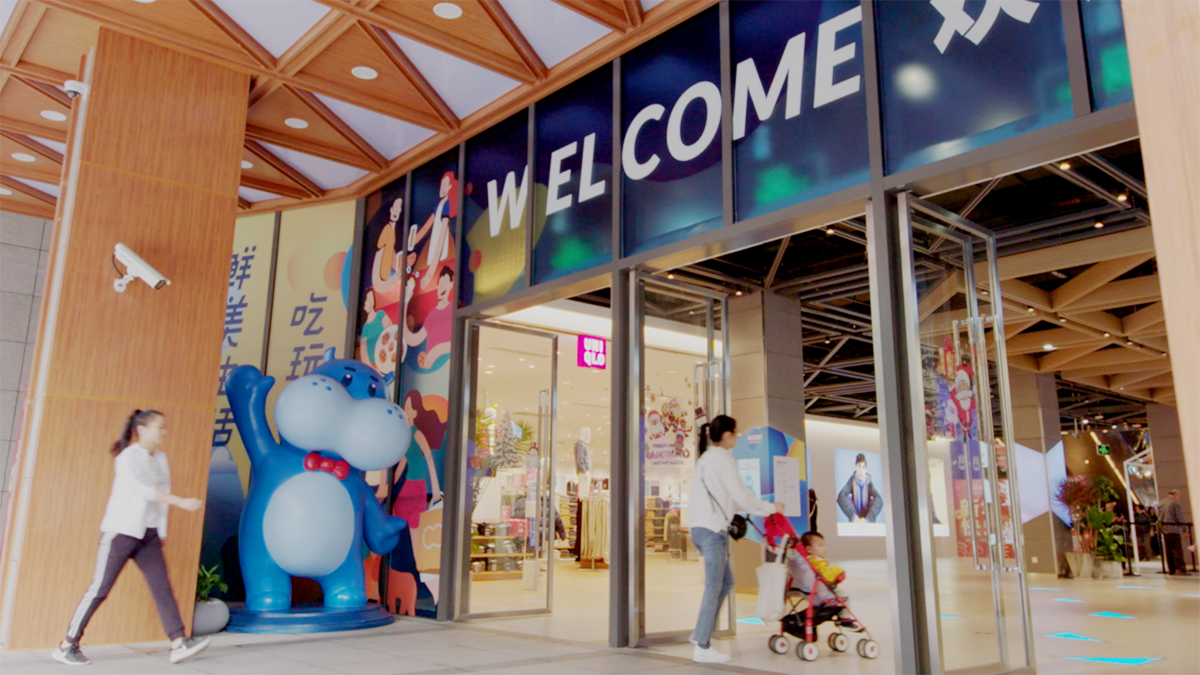
    Once again, China’s industrial landscape is buzzing with activity as renowned fast-fashion brand Uniqlo makes its latest move to capture the hearts of local consumers. The company has announced plans to open its largest flagship store in Shanghai this Friday, covering an impressive 4,000 square meters in the bustling heart of Huaihai Road, a district synonymous with style and culture. This flagship store is set to become a mecca for fans of the brand, equipped with an extensive range of offerings that reflect the latest in apparel trends while keeping Uniqlo’s signature simplicity and comfort in mind.

    New Heights in Urban Retail

    Uniqlo is not merely expanding its footprint; it is embracing a new era of urban retail. This forthcoming flagship store promises a shopping experience tailored to both local tastes and global trends. “Shanghai exemplifies the forward-thinking spirit of urban life,” said a Uniqlo spokesperson, adding a poetic twist to the brand’s commitment to innovation. With the new store, Uniqlo aims to provide both aesthetics and functionality that resonate with the fast-paced lifestyle of city dwellers.

    Focus on Sustainability and Local Culture

    True to its mission, Uniqlo is putting sustainability at the forefront of its operations. Many of the items in the new flagship will feature eco-friendly materials, reinforcing the brand’s dedication to reducing its environmental impact. In addition, the store will showcase local artists through engaging displays, blending fashion with cultural creativity. Customers can expect to encounter a vibrant mural that reflects the city’s spirit and diversity, an artful touch that adds flair to the shopping environment.

    A Store Like No Other

    What’s particularly striking about this store, however, is its integration of technology. With interactive kiosks and augmented reality elements enhancing the shopping experience, customers are invited to engage with products in new, imaginative ways. It almost feels as if the store could come alive and recommend outfits based on your mood, adding an element of whimsy to the retail journey.

    As Uniqlo gears up for this grand opening, it’s clear that the brand is not just setting up a new retail outlet but is making a bold statement about the future of shopping in a rapidly evolving market. The store not only serves as a retail location but as a cultural hub, bringing together fashion, technology, and sustainability under one roof.

    Questions & Answers

    What is unique about Uniqlo’s new flagship store in Shanghai?
    The flagship store stands out with its massive 4,000 square meters of space, interactive technology, and a focus on sustainability, offering customers a distinctive shopping experience that integrates fashion with local culture.

    How does Uniqlo plan to incorporate local culture into its flagship store?
    Uniqlo is incorporating local culture by featuring displays from local artists and a vibrant mural that reflects the city’s spirit, blending fashion with the rich cultural tapestry of Shanghai.

    What are some of the eco-friendly initiatives within the new store?
    The flagship will showcase items made from sustainable materials, aligning with Uniqlo’s commitment to reducing its environmental impact and promoting responsible consumption.
  • Tokyo Streetwear Label 9090 Breaks Into Chinese Market, Championing 90s Nostalgia For Gen Z Shoppers

    Tokyo Streetwear Label 9090 Breaks Into Chinese Market, Championing 90s Nostalgia For Gen Z Shoppers

    Born and bred in Tokyo, the streetwear label 9090 has recently made its debut in the Chinese market. This expansion was facilitated via collaborations with Yutori Group and BranDNA, with the first step being the launch of a pop-up store in Shanghai.

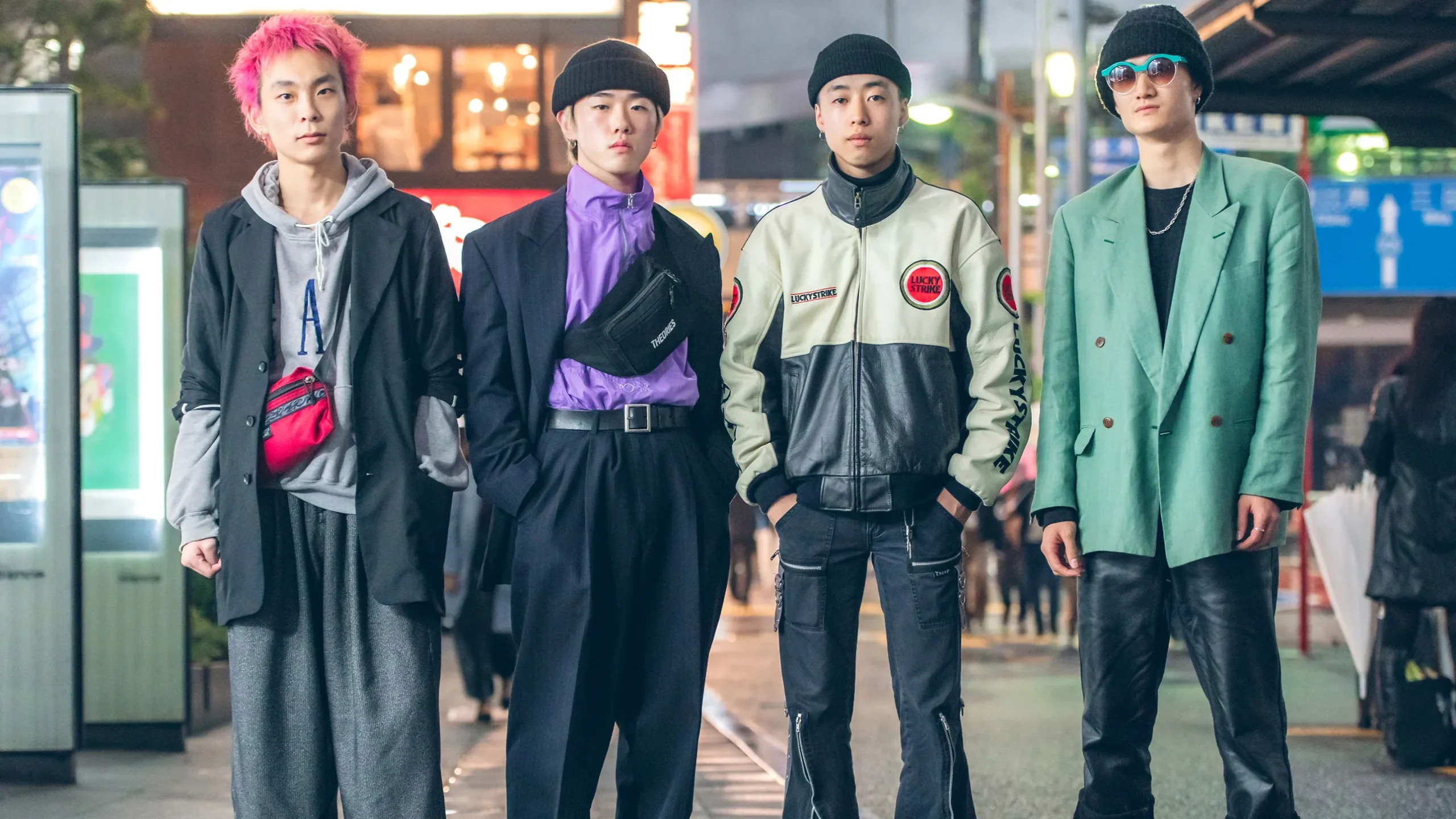
    9090 is recognized for its unique fusion of a nostalgic 90s youth culture and contemporary streetwear design. The label’s distinct style is what sets it apart from the competition.

    BranDNA’s CEO, James Chen, attributes the introduction of this Japanese brand to the demands of China’s Gen Z consumers. He stated that these young shoppers are on the lookout for individuality, cultural depth, and affordable yet trendy fashion.

    Chen explained, “The rebellious spirit embodied by the 1990s deeply resonates with this generation. We believe that 9090 has the potential to set fresh trends in the market.”

    To further establish 9090’s presence in China, Yutori and BranDNA have plans to broaden the brand’s reach. These include opening more pop-up stores, forming retail partnerships, and pursuing collaborations, with the end goal being to make this brand more easily accessible to local consumers.

    BranDNA has previously successfully introduced over 40 international brands into the Chinese market, comprising top labels like 7 For All Mankind, BCBG Maxazria, Ben Sherman, Hydrogen, Body Glove, Dakine, Porsche Design, Bric’s, and Borghese.

    Questions & Answers

    What is the 9090 brand known for?
    The 9090 brand is renowned for its fusion of nostalgic 90s culture and modern streetwear aesthetics.

    Why did BranDNA introduce the 9090 brand to China?
    BranDNA CEO James Chen cited the demands of Gen Z consumers for personalized, culturally rich, and affordable trendy fashion as the reason behind the introduction of 9090 to the Chinese market.

    How do Yutori and BranDNA plan to expand 9090’s presence in China?
    The expansion plans include opening additional pop-up stores, establishing retail partnerships, and initiating collaborations to make the brand more available to local consumers.

  • Réalisation Par’s Shanghai Pop-up Store: Unprecedented Success Prompts Extension

    Réalisation Par’s Shanghai Pop-up Store: Unprecedented Success Prompts Extension

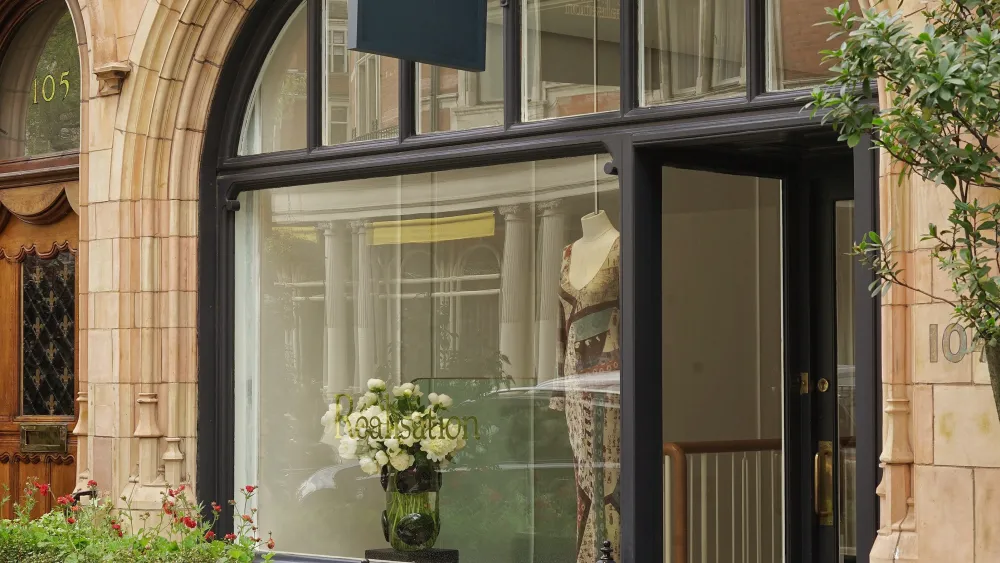
    Australian fashion retailer Réalisation Par has recently launched its first-ever pop-up store, in association with LookNow, a renowned multi-brand boutique based in Shanghai, China.

    The Inaugural Pop-Up Store

    Réalisation Par’s initial Shanghai pop-up shop experienced enormous popularity, selling out completely and necessitating a temporary closure for restocking. Following this overwhelming success, the company has determined to extend its duration until October.

    Teale Talbot, co-founder of Réalisation Par, mentioned that the partnership with LookNow was carefully planned, following the brand’s continued online success in the region. She stated, “After the success of our pop-up stores in London, Los Angeles, and Sydney, we believe now is the perfect time, and LookNow is the perfect partner, to reach out to our Chinese customers in a real-life setting.”

    Partnership with LookNow

    The collaboration with LookNow offers Réalisation Par a chance to gain exposure in the boutique’s numerous locations spread across China. This partnership essentially enables the brand to sell directly to Chinese consumers without the need to maintain a permanent retail space.

    Chanel Lai, co-founder of LookNow, expressed her admiration for Réalisation Par and mentioned that her customers feel similarly. She said, “It’s an honour to introduce such a renowned brand to the centre of Shanghai. We eagerly anticipate welcoming both new and loyal customers to our store to discover a remarkable collection of Réalisation Par’s most popular pieces.”

    Questions & Answers

    What is the significance of Réalisation Par’s inaugural pop-up store in Shanghai?
    The pop-up store represents Réalisation Par’s entry into the Chinese market, giving them direct access to Chinese customers without the need for a permanent retail space.

    How has the Shanghai pop-up store performed so far?
    The store has been incredibly successful, selling out completely and leading the company to extend its duration until October to meet customer demand.

    What does the partnership between Réalisation Par and LookNow entail?
    The collaboration allows Réalisation Par to leverage LookNow’s numerous locations across China, providing them with a platform to sell directly to Chinese consumers.

  • Misto Holdings Reports Robust Q2 Performance: Fila And Acushnet Divisions Drive Revenue Growth

    Misto Holdings Reports Robust Q2 Performance: Fila And Acushnet Divisions Drive Revenue Growth

    Misto Holdings, the parent company of Fila, has announced robust performance for its second quarter, with its consolidated revenue showcasing a 4.5 percent leap from the previous year to reach 1.23 trillion won ($888.8 million).

    The growth in operating profit was particularly noteworthy, surging by 29.8 percent to 181.9 billion won ($131 million). This uptick was powered by strong results from both the Misto and Acushnet business divisions.

    Misto Segment’s Performance

    The Misto segment reported revenues of 216.3 billion won ($156.3 million), maintaining the promising trend initiated by Fila’s Echappe franchise. The segment introduced new product lines, Peito and Panthera, generating notable momentum.

    The establishment of the Fila 1911 Myeong-dong concept store, which opened its doors in Seoul in April, bolstered the brand’s prominence in Korea. Simultaneously, the company has been widening its presence in Greater China, with the first Marithe Francois Girbaud store launching in the Xintiandi district of Shanghai.

    Acushnet’s Contribution

    Misto’s golf equipment subsidiary, Acushnet, also made significant contributions, with a year-over-year revenue increase of 7.9 percent, amounting to 1.01 trillion won. This boost was spearheaded by the enduring demand for Pro V1 and Pro V1x golf balls, GT Series clubs, and Scotty Cameron putters. Acushnet achieved steady growth in the US, Europe, and key Asian markets.

    “Even with external policy uncertainties and adjustments in certain operating areas, our strong brand competitiveness, particularly with Acushnet, and the restructure of certain overseas operations, have positively influenced the overall performance of the company,” stated Ho Yeon (Aaron) Lee, CFO of Misto Holdings.

    Lee added, “The Misto segment is also committed to enhancing product competitiveness and streamlining distribution efficiency as part of its mid- to long-term strategy, while also continuing to support balanced growth throughout our brand portfolio.”

    Rebranding to Misto Holdings

    Earlier in the year, Fila Holdings underwent a rebranding exercise to become Misto Holdings. This change was made to better represent the company’s diverse brand portfolio and its global aspirations.

    Questions & Answers

    What were the key drivers of Misto Holdings’ profit growth in Q2?
    The robust performances of both the Misto and Acushnet segments contributed to the rise in profits. The Misto segment benefited from the successful launch of new product lines and the Acushnet segment reported significant growth due to sustained demand for its golf equipment.

    How is Misto Holdings expanding its footprint in Asia?
    Misto Holdings is increasing its presence in Asia through the opening of new stores, such as the Fila 1911 Myeong-dong concept store in Seoul and the first Marithe Francois Girbaud store in Shanghai.

    Why did Fila Holdings rebrand to Misto Holdings?
    Fila Holdings rebranded as Misto Holdings to more accurately reflect the diversified nature of its brand portfolio and to affirm its global ambitions.

  • Salomon Unveils Anfu Concept Store In Shanghai: A Fusion Of French Elegance And Chinese Innovation

    Salomon Unveils Anfu Concept Store In Shanghai: A Fusion Of French Elegance And Chinese Innovation

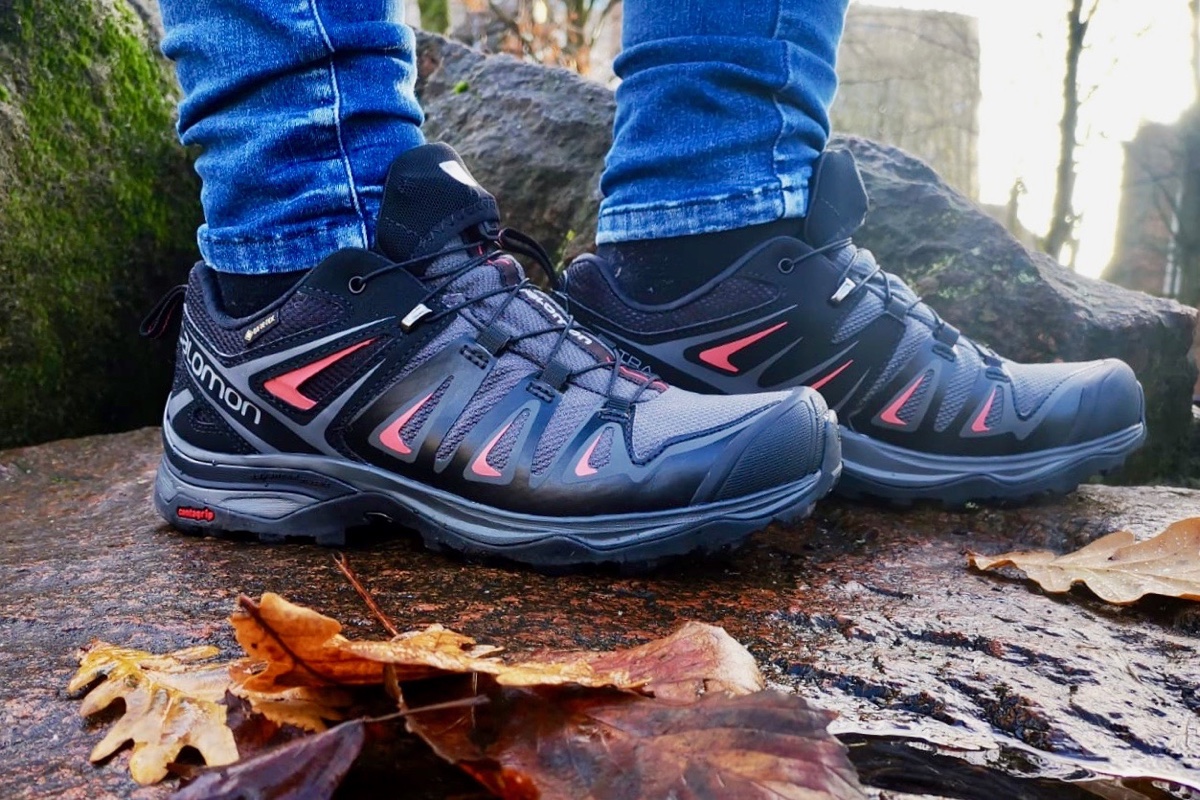
    Salomon, a French sporting lifestyle brand, has recently inaugurated its Anfu concept store in Shanghai, signaling an enhancement of its retail experience within the Chinese market.

    Situated in an iconic, French-style edifice on Anfu Road, the store mirrors a unique blend of French elegance, influenced by the Salomon Sportstyle store in Marais, Paris, and the vibrant local culture of Shanghai.

    The brand described the store as a bold platform that encapsulates both French and Chinese culture, the spirit of innovation, and an array of retail experiences.

    Guillaume Meyzenq, CEO and President of Salomon, stated, “The adaptation of the store embodies Salomon’s brand vision. This was enabled by our partners and the warm reception from local communities. It is becoming more and more evident that Chinese consumers are increasingly focusing on functionality and combined demands for style and performance. With the grand opening of the store, we anticipate growing alongside Chinese consumers and bringing more innovation to the global market!”

    In addition to hosting a unique shopping experience, the concept store also marked the premiere of the brand’s ‘Road to the Future Project’ in China, following its initial showcase during Paris Fashion Week.

    In the lead-up to the store’s official opening, Salomon partnered with 11 local businesses on Anfu Road to cultivate a strong bond with the local communities.

    Questions & Answers

    What is the significance of the new Salomon store in Shanghai?
    The opening of the new store signifies an upgrade in Salomon’s retail experience in the Chinese market. The store represents a fusion of French and Chinese culture and aims to cater to the growing functional and style demands of Chinese consumers.

    What is the ‘Road to the Future Project’?
    The ‘Road to the Future Project’ is an initiative by Salomon, which was first presented at Paris Fashion Week. The project made its debut in China with the opening of the Anfu concept store.

    How did Salomon connect with the local community ahead of the store opening?
    Prior to the official opening of the Anfu concept store, Salomon collaborated with 11 local businesses on Anfu Road, fostering a strong connection with the local communities.

  • Retail Sales Soar in Shanghai as Visa-Free Access Opens New Opportunities

    Retail Sales Soar in Shanghai as Visa-Free Access Opens New Opportunities

    China’s new visa policies and tax refund reforms are having a transformative impact on international travel and retail in Shanghai, according to a recent report by Savills. The city has seen a remarkable increase in international arrivals and shopper engagement, driven by enhanced accessibility and an appealing cultural landscape.

    Since December 2023, China has opened its doors wider, implementing visa-free entry for citizens from 43 countries and extending transit periods to 240 hours for 54 others. These changes have led to an impressive 2.6 million international arrivals in Shanghai during the first trimester of 2025—marking a 37.1% year-on-year increase. Notably, visitor numbers surpassed pre-COVID levels in both December 2024 and April 2025, signaling a vibrant revival of tourism.

    This influx has not only extended tourists’ stays but has also sparked a shopping spree in the city. Leveraging its well-developed infrastructure, affordable flight options, and rich cultural offerings, Shanghai has positioned itself as a prime destination for both leisure and business travelers alike.

    In April, the government took additional steps to encourage spending by lowering the minimum tax refund threshold to $28 (RMB200) and significantly increasing the annual reimbursement cap to $2,785 (RMB20,000). More stores and malls are now included, with visitors able to claim an immediate 11% refund at over 3,300 participating tax refund outlets, including major shopping havens along East and West Nanjing Road, Xujiahui, and Zhuyuan.

    The impact of these reforms has been palpable. During the Labour Day holiday in 2025, inbound tourist spending soared to $63.39 million (RMB455 million), an astonishing 211.6% increase compared to the previous year.

    Retailers are eager to capitalize on this growth, adopting high-quality, immersive experiences to meet the evolving needs of consumers. Visitors are increasingly drawn to Chinese brands, shopping fervently for fashion, designer bags, themed toys, and food—reflecting a diverse and vibrant retail landscape.

    South Korea, Japan, and Thailand emerged as the top three origin countries for tourists in Q1 2025, with notable increases in visitors from Thailand (+242.75%), South Korea (+142.37%), and Indonesia (+118.51%). The profile of these travelers is skewing younger; approximately 40% of incoming tourists are between the ages of 20 and 35, according to Mastercard.

    These “digital natives” are not just wandering the aisles; they’re active on social media throughout their shopping journeys, making seamless online-to-offline engagement crucial for brands seeking to connect with them meaningfully.

    Brands such as SHUSHU/TONG and Songmont report that nearly half of their clientele now consists of international visitors. Meanwhile, brands like Pop Mart and Miniso are capitalizing on trendy IP partnerships and social media buzz to attract attention and drive sales.

    The dining scene is also thriving, with restaurants like Haidilao and Long Time Ago experiencing higher foot traffic from foreign patrons than locals during peak hours. To cater to this diverse clientele, many establishments have introduced multilingual menus and AI translation tools, ensuring that no one is lost in translation, or worse, in flavor.

    Despite this positive momentum, some caution remains as consumer sentiment is tempered by broader economic uncertainties, with value-for-money becoming a deciding factor for many shoppers.

    Nonetheless, the marketplace is energized by emerging brands, particularly in sectors like outdoor apparel, pet services, and global bistros. Additionally, themed malls focusing on ACG (anime, comics, games) culture and immersive experiences are rapidly gaining popularity among niche audiences.

    As major attractions such as Lego and Harry Potter theme parks loom on the horizon, expectations are high for these developments to further enhance Shanghai’s reputation and stimulate cross-sector consumption in retail, hospitality, and tourism.

    Questions & Answers

    How have China’s visa policies impacted tourism in Shanghai?
    China’s recent visa-free entry policies have resulted in a significant rise in international arrivals, with 2.6 million tourists flocking to Shanghai in just the first four months of 2025—a 37.1% increase from the previous year.

    What measures have been taken to encourage foreign spending in Shanghai?
    In April, the government lowered the minimum tax refund threshold to $28 and doubled the annual cap to $2,785. This allows more tourists to enjoy immediate tax refunds at over 3,300 designated stores, driving a substantial increase in visitor spending.

    Which demographics are primarily driving tourism in Shanghai?
    Younger travelers, particularly those aged 20 to 35, make up about 40% of all inbound visitors. This group tends to engage heavily with social media, making their shopping experiences intertwined with digital interactions.

  • Ikea Sparks Green Revolution With Sustainable Retail Space In Shanghai

    Ikea Sparks Green Revolution With Sustainable Retail Space In Shanghai

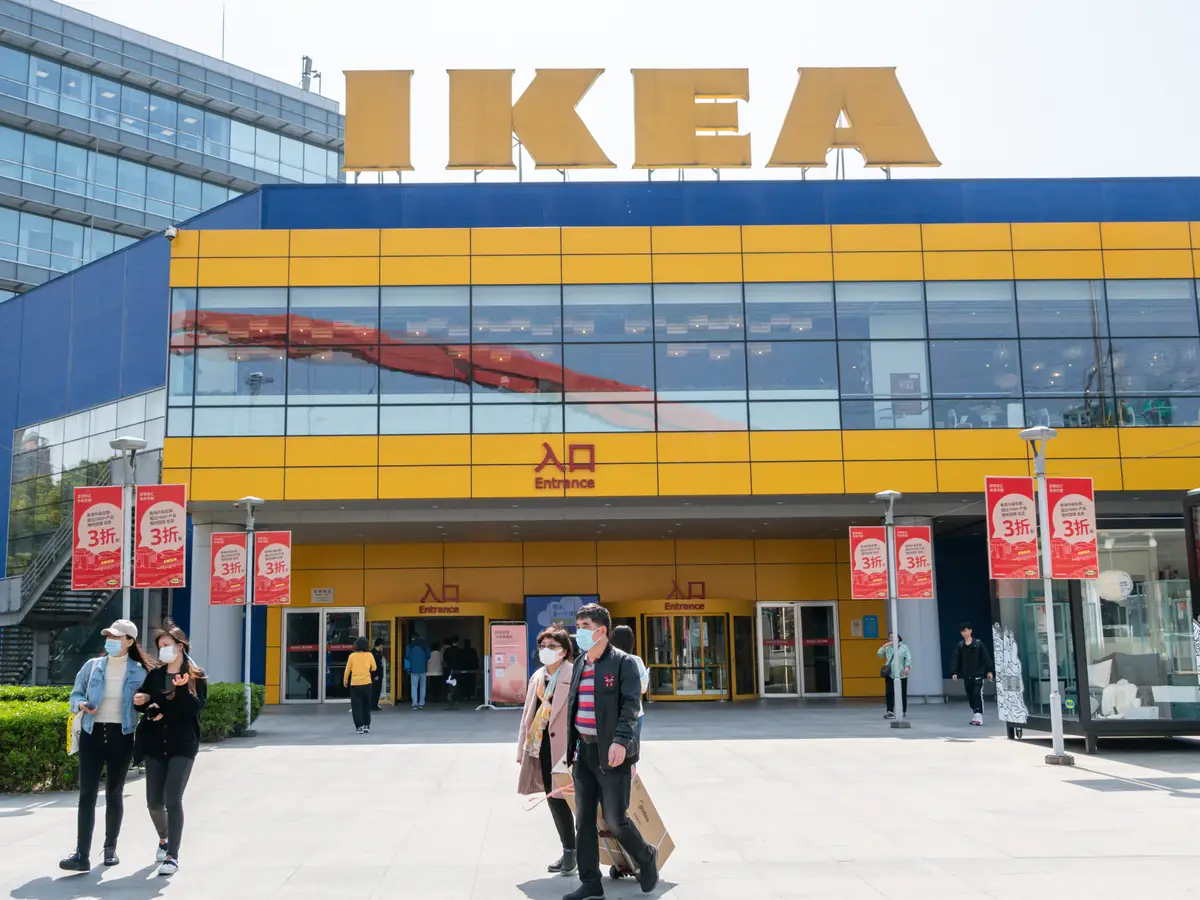
    Retail giant IKEA is intensifying its commitment to sustainability by launching a dedicated retail space in China that prioritizes environmental responsibility. The new venture, a part of their larger strategy to embrace sustainable practices, features a remarkable assortment of eco-friendly home goods designed to appeal to the Chinese consumer who is increasingly conscious of their environmental footprint. This innovative store isn’t just a shopping destination; it’s a step towards reshaping consumer habits in one of the world’s most populous countries.

    A Green Revolution at IKEA

    The heart of this initiative lies in the selection of products that incorporate sustainable materials and offer solutions to reduce energy consumption at home. IKEA aims to inspire its customers by showcasing not only products but also ideas on how to lead a more sustainable lifestyle. “We want to help our customers make conscious choices in their homes, and that begins with the products we offer,” announced IKEA’s regional director in a recent press conference, emphasizing the brand’s environmentally friendly ethos.

    Location and Features

    Situated in the bustling metropolis of Shanghai, the new store will spotlight a range of innovative designs, from energy-efficient appliances to furniture made from recycled materials. This flagship location is designed to encourage sustainable living, featuring interactive exhibits that demonstrate how everyday choices can lead to a smaller carbon footprint. Notably, the showroom will even include a live demonstration of how to create a rooftop garden, which is bound to intrigue urban dwellers looking to bring a piece of nature into their lives.

    Consumer Response and Future Plans

    Early feedback indicates that shoppers are excited about this fresh approach. One enthusiastic customer, who refers to IKEA as their “second home,” expressed delight at the potential for their favorite retailer to lead the charge on sustainability. As digital engagement continues to grow, IKEA’s push towards a greener retail model could set a precedent across Asia, enticing consumers to reconsider their purchasing decisions. Beyond this Shanghai location, the brand is planning additional eco-focused stores throughout China as part of a larger expansion strategy, aiming to make sustainability mainstream.

    The Bottom Line: An Enhanced Brand Experience

    With this bold step, IKEA is not just selling products but weaving a narrative about responsible consumption and eco-conscious living. It’s a delicate balancing act, transforming retail into a platform for change while continuing to engage with customers on a personal level. As consumers increasingly seek brands that reflect their values, IKEA’s new sustainable focus could very well ignite a green revolution in retail, giving shoppers a reason to rethink the way they furnish their homes – and maybe even their lives. Who knew that shopping at IKEA could take on a mission to save the planet?

    Questions & Answers

    What sustainability initiatives is IKEA implementing in their new Shanghai store?
    IKEA’s Shanghai store will feature a selection of eco-friendly home goods, including products made from sustainable materials, and will emphasize energy efficiency through innovative designs.

    How does IKEA plan to engage consumers with sustainability?
    The store will showcase interactive exhibits and demonstrations, such as creating rooftop gardens, encouraging consumers to adopt a more sustainable lifestyle through practical ideas and inspirations.

    What are IKEA’s future plans for sustainable retail in China?
    Following the launch in Shanghai, IKEA aims to expand its sustainable retail model by opening additional eco-focused stores throughout China, making sustainability a core part of their brand experience.

  • Set Sail for Style: Louis Vuitton Unveils Cruise Ship-Inspired Store in Shanghai

    Set Sail for Style: Louis Vuitton Unveils Cruise Ship-Inspired Store in Shanghai

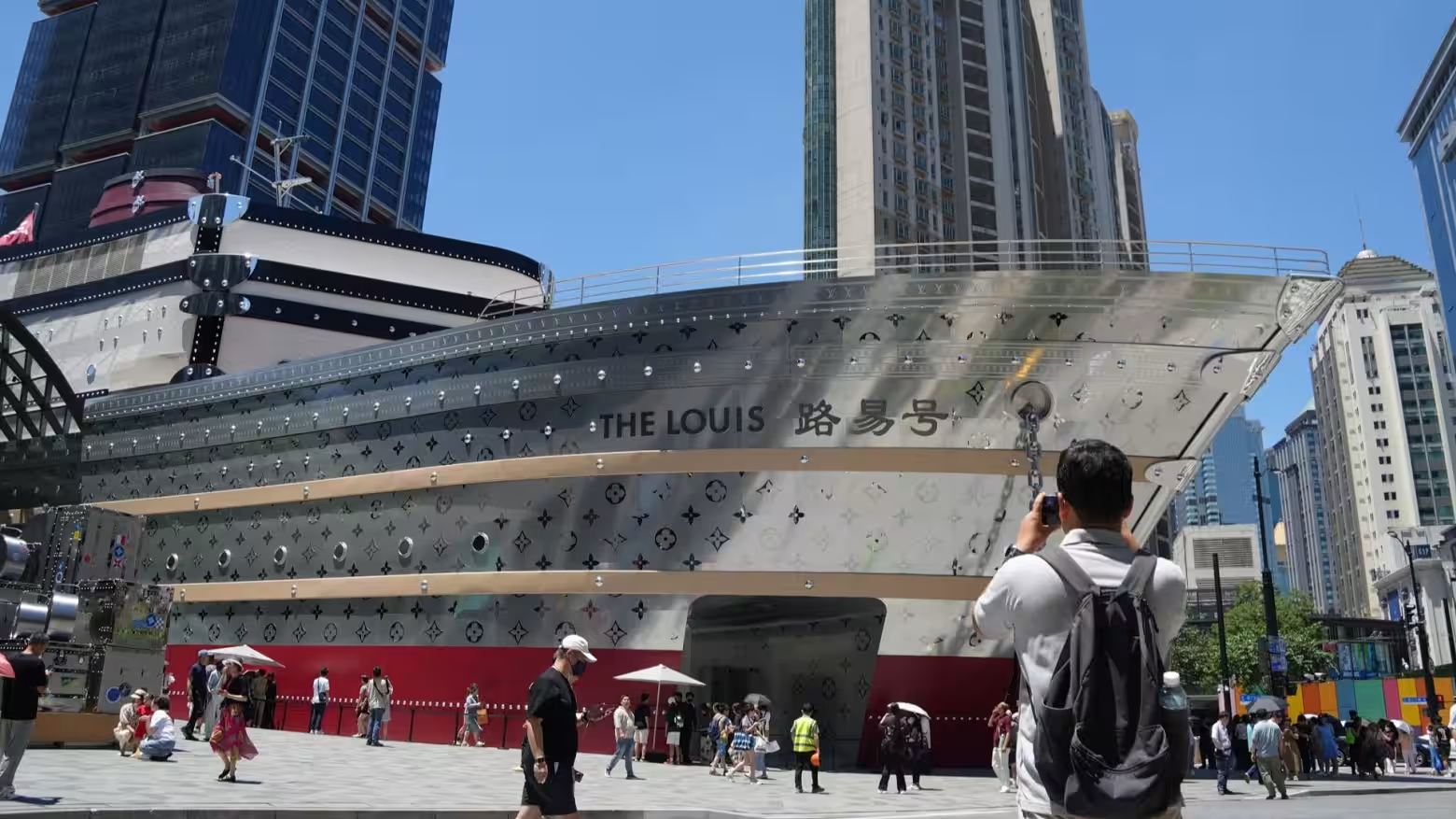
    Louis Vuitton’s latest venture into retail has set sail in the heart of Shanghai with a striking cruise ship-themed concept store that is stirring excitement among both shoppers and social media enthusiasts. With its whimsical design, the three-story venue has quickly established itself as a go-to hotspot for those looking to capture the perfect Instagram moment.

    An Immersive Shopping Experience

    This innovative store offers more than just a place to browse and buy. It incorporates an expansive sales area, a chic café, and curated exhibits that delve into the rich culture and history of Louis Vuitton. It’s a retail experience that invites customers not only to shop but to engage with the brand in a fun and educational way—like taking a cinematic journey without ever leaving the building!

    A Blend of Retail and Art

    As guests wander through the store, they encounter a stunning array of merchandise, art installations, and interactive displays that celebrate the brand’s legacy. This is more than just retail therapy; it’s a celebration of the craftsmanship and artistry that define the Louis Vuitton name. The store cleverly marries the allure of luxury fashion with an engaging narrative experience, captivating the interests of a diverse clientele.

    Strategic Location Fuels Popularity

    Situated in a bustling area of Shanghai, the store is perfectly positioned to attract both tourists and locals, making it a prime destination on the city’s retail map. The balance of luxury and accessibility is evident as chatter fills the café and excited voices exclaim over creatively designed displays. It appears that luxury shopping has found a new rhythm that resonates with the modern consumer’s desire for memorable experiences.

    Questions & Answers

    What makes the Louis Vuitton store unique compared to traditional retail locations?
    The Louis Vuitton store in Shanghai stands out with its cruise ship theme and immersive experience, blending retail with art and education about the brand’s heritage.

    How does the store enhance customer engagement beyond shopping?
    The store features exhibits showcasing Louis Vuitton’s culture, interactive displays, and a café, transforming the shopping experience into a multi-faceted engagement with the brand.

    Why is the location significant for the store’s success?
    Located in a bustling part of Shanghai, the store attracts both tourists and locals, creating a vibrant atmosphere that drives foot traffic and enhances its appeal as a social hotspot.

  • Authentic Brands Group Unveils New APAC Headquarters in Vibrant Shanghai

    Authentic Brands Group Unveils New APAC Headquarters in Vibrant Shanghai

    Authentic Brands Group has made a major move in its global expansion strategy by opening its Asia-Pacific (APAC) headquarters in the vibrant city of Shanghai. This new development, covering nearly 2,000 square meters, is not just an office—it’s a hub of creativity and innovation.

    Bringing Brands to Life

    The Shanghai office boasts five immersive showrooms, a stylish Style Studio, an executive lounge, and specialized spaces designed for the diverse teams focusing on brand management, business development, PR, marketing, and entertainment. This environment is set to inspire collaboration and take Authentic’s regional initiatives to new heights.

    Top brass from the company, including CEO Jamie Salter and President Matt Maddox, were present for the launch, alongside APAC President Wesley Chu, EVP Josh Perlman, and global brand partner David Beckham. Their attendance highlights the importance of this new hub in cementing Authentic’s presence in the Asian market.

    A Global Vision, Local Focus

    The Shanghai office is strategically positioned to function as a regional center for brand management, licensing, and marketing throughout Greater China and the broader APAC region. This bold move follows the establishment of Authentic’s EMEA headquarters set to open in 2024, emphasizing the company’s commitment to localizing operations in critical markets.

    Founded in 2010, Authentic Brands Group has swiftly risen to prominence. The company manages a portfolio of over 50 lifestyle, sports, and entertainment brands, generating approximately USD 32 billion in annual global retail sales. Its impressive lineup features global superstars like David Beckham, Shaquille O’Neal, and a diverse array of brands including Reebok, Aéropostale, Quiksilver, Barneys New York, and Sports Illustrated.

    As they celebrate this milestone, one can only wonder what other surprises Authentic has in store for the bustling APAC market.

    Questions & Answers

    **What is the size of the new Shanghai office?**
    The Shanghai office spans nearly 2,000 square meters.

    Who were some key figures present at the office launch?
    Notable attendees included CEO Jamie Salter, President Matt Maddox, APAC President Wesley Chu, EVP Josh Perlman, and brand partner David Beckham.

    What does Authentic Brands Group aim to achieve with this new headquarters?
    The headquarters will serve as a regional hub, enhancing brand management, licensing, and business development in Greater China and the wider APAC region.

  • Uniqlo Unveils Plan For Flagship Store In Shanghai: An Eco-friendly Fusion Of Innovation And Elegance

    Uniqlo Unveils Plan For Flagship Store In Shanghai: An Eco-friendly Fusion Of Innovation And Elegance

    In an exciting turn of events, Japanese clothing giant Uniqlo has unveiled plans for a brand-new store opening in the bustling heart of Shanghai, slated for early 2024. The store, strategically located in the iconic Jing’an district, aims to cater to the tastes of both local and international shoppers, promising a fresh blend of fashion innovation and classic elegance.

    Expanding Horizons

    Uniqlo’s parent company, Fast Retailing, is setting its sights on expanding its footprint in Asia’s dynamic retail landscape. The opening in Shanghai reflects the brand’s commitment to tapping into the vibrant lifestyle of one of China’s largest metropolises. This move comes on the heels of a surge in demand from consumers seeking quality, on-trend apparel that resonates with their daily lives.

    Additionally, the Shanghai store will showcase Uniqlo’s newest technology in retail design, featuring interactive displays and sustainable materials that align with modern consumer expectations. This new flagship store is not only about selling clothes; it’s about creating an immersive shopping experience.

    Eco-Friendly Endeavors

    With sustainability becoming a core value for consumers, Uniqlo is taking substantial steps towards eco-friendliness. The Shanghai site is set to incorporate energy-efficient systems and environmentally conscious practices. From recycled packaging to sustainable sourcing of materials, the brand is echoing its commitment to reducing its environmental impact while delivering stylish and functional apparel.

    Emphasizing local culture and community engagement, Uniqlo is also on the lookout for collaborations with local artists and designers to feature unique collections that resonate with the spirit of Shanghai. Shoppers can expect a delightful fusion of global trends infused with local flair, providing an ever-refreshing experience.

    A Fashionable Future

    As Uniqlo continues to innovate, the upcoming Shanghai store represents not just a new location, but a booming future for retail in the region. With a playful approach to fashion and a commitment to sustainability, Uniqlo aims to enchant both long-time customers and new visitors alike. Who knows, maybe this will be the place where consumers not only find their next outfit but also their fashion muse.

    Questions & Answers

    What will the new Uniqlo store in Shanghai feature?
    The new Shanghai store will showcase innovative retail design, interactive displays, and sustainable materials aimed at enhancing the shopping experience.

    When is the grand opening of the Shanghai store?
    The much-anticipated store is set to open its doors in early 2024, drawing both locals and tourists alike.

    How is Uniqlo addressing sustainability?
    Uniqlo is committing to eco-friendly practices, such as energy-efficient systems, recycled packaging, and sustainable sourcing methods to minimize its environmental impact.

  • Apple opens second MixC store in Shenzhen, China

    Apple opens second MixC store in Shenzhen, China

    Apple will open its second MixC store in Shenzhen, China, as part of its strategy to strengthen its local footprint.

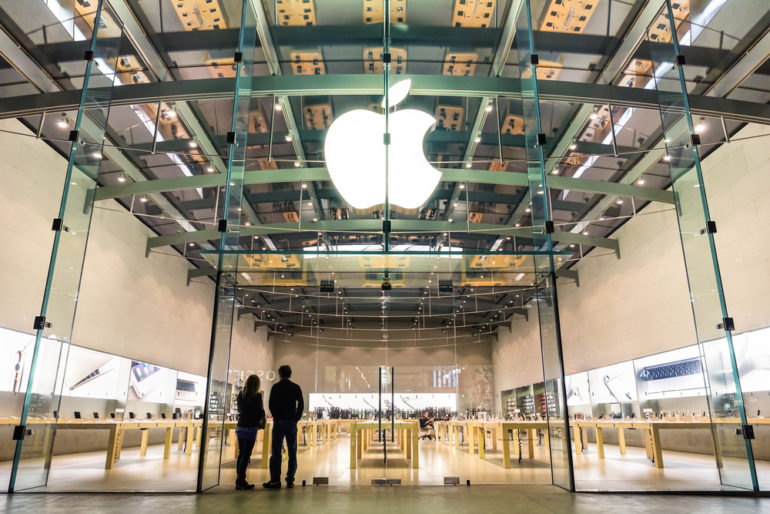
    Apple said the new store has a Padang Light stone floor and a timber veneer-clad wall sourced responsibly and locally in China, maximizing visibility within the store.

    The store will feature the latest Apple products and accessories and an Apple Pickup station that combines the online and in-person purchasing experiences for Chinese customers. Apple said the dedicated area allows customers to order online and conveniently pick up their devices in-store.

    “At Apple, we’re constantly innovating to deliver the best possible experience for our customers, and our incredible team members in Shenzhen can’t wait to welcome them when doors open,” said Deirdre O’Brien, Apple’s senior VP of Retail.

    The addition of Apple MixC Shenzhen marks the 55th Apple Store location in the area and the fourth in China’s Guangdong province. Apple has welcomed 22 million visitors to Shenzhen since Apple Holiday Plaza Shenzhen, the city’s first Apple Store, opened its doors in 2012.

    The new store employs approximately 150 trained retail team members who speak ten languages, including Chinese, Cantonese, English, Japanese, Korean, French, Spanish, Russian, Arabic, and sign language.

    After Europe and the United States, China is Apple’s third most important market. According to Bloomberg, Apple gained its most quarterly market share in China earlier this year, outpacing Covid outages and a global economic downturn.

    Apple disclosed plans to open its first company-run retail presence in Mumbai, India’s financial powerhouse, at the beginning of this month.

  • Louis Vuitton picks Shanghai for first furniture and homewares store

    Louis Vuitton picks Shanghai for first furniture and homewares store

    Louis Vuitton on Friday announced plans to open a dedicated furniture and homewares store in Shanghai, a world first for the French luxury brand as it aims to expand further into lifestyle offerings to affluent Chinese clients.

    The appointment-only showroom, which will open on Monday, is located in a century-old three-storey mansion situated just behind Nanjing Road, the city’s premier upscale shopping strip.

    Louis Vuitton, part of LVMH, said in a statement the showroom will be trialed for several months as a pop-up and if successful will then become a permanent feature.

    While no price tags were on show at the store during a media preview, a Louis Vuitton employee said a brightly hued hanging cocoon chair designed by the Campana brothers is priced at more than 700,000 yuan ($97,860) and a small lamp resembling a glass milk bottle encased in leather straps cost 10,500 yuan.

    A smaller side building is dedicated to showing designs by Frank Chou, the first mainland Chinese designer tapped by Louis Vuitton to collaborate on the Objet Nomades collection, as the furniture and homewares ranges is known.

    Finding new avenues for growth, particularly among wealthy consumers, is becoming increasingly important for luxury brands in China as COVID-19 curbs, a property market decline, and widespread economic uncertainty pressure luxury spending.

    Louis Vuitton dipped its toes into a more lifestyle-oriented offering in China last month when it opened a store in the southwestern city of Chengdu that included an exhibition space and restaurant.

    “LMVH is striving to … reposition itself as a contemporary luxury brand by tapping new avenues that resonate with dynamic Chinese Millennials and Gen Z consumers,” said GlobalData consumer analyst Bobby Verghese, whose firm reckons sales in China’s home sector will grow to $782 billion by 2026.

    Verghese sees homewares as a good bet for Louis Vuitton, especially in China.

    “Unlike their predecessors who prioritized privacy, the Gen Y digital immigrants and Gen Z digital natives are not averse to flaunting their lifestyles on social media,” Verghese said. “LMVH aims to gain an early-bird advantage in this emerging space.”

  • World’s first Nike Style store opens in Seoul

    World’s first Nike Style store opens in Seoul

    Nike has introduced its latest retail concept, Nike Style, with the first store opened in South Korea, to be followed by more across multiple international markets.

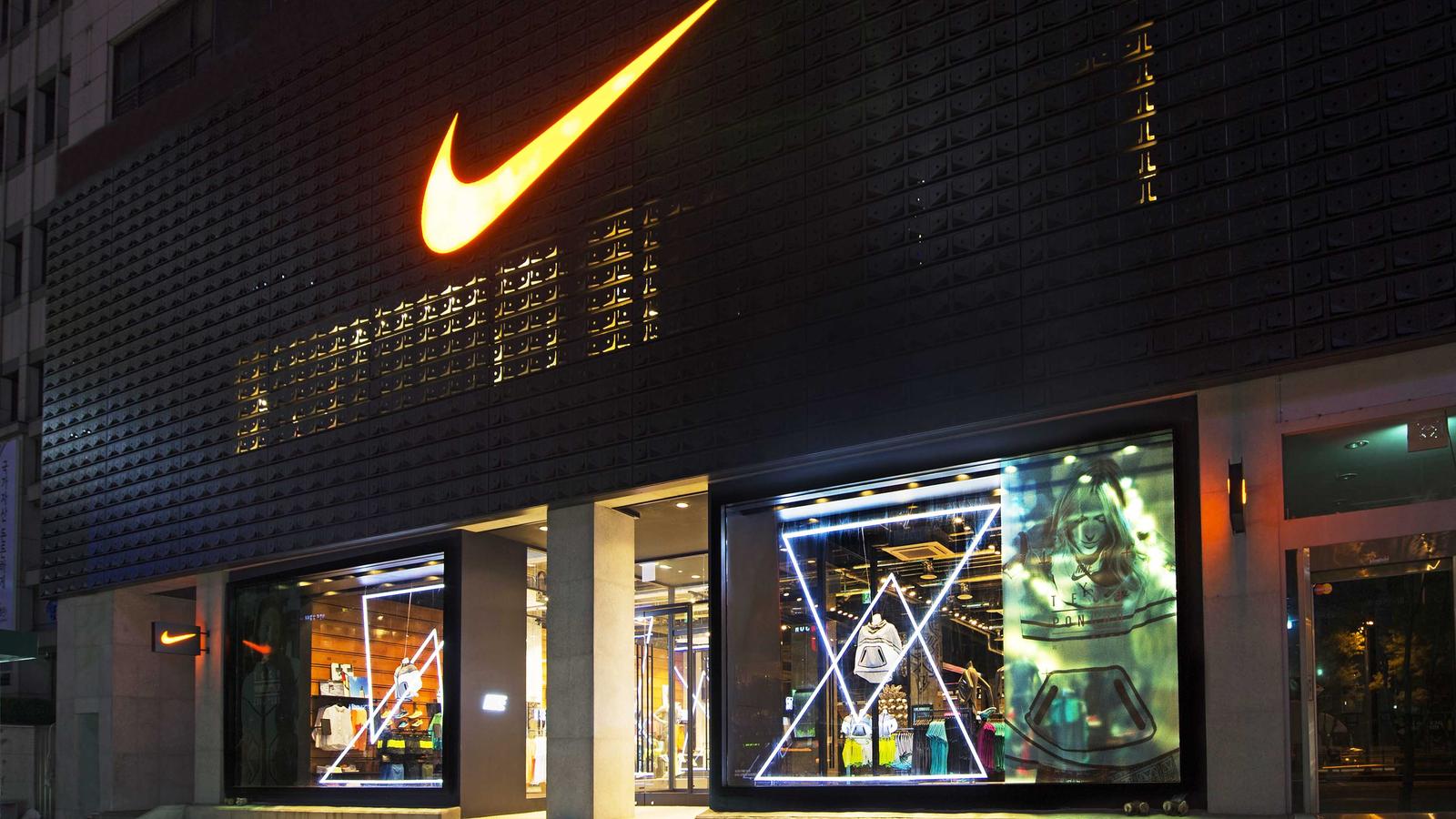
    The Nike Style concept store is located in the bustling Hongdae neighbourhood, which is known for its art and fashion culture. Gender-agnostic zones are featured throughout the store for fleece, tops, footwear, accessories, and other style-led collections. The new retail concept is expected to “expand the definition of sport” that blurs the line between physical and digital.

    The store houses a content studio with customisable backdrops for local creatives, product experts and shoppers to create content for social media. Customers can scan QR codes for AR experiences related to product innovation and even the surrounding art installations. The store also offers Nike By You workshops and Snkrs Lounge events for its members.

    “The Hongdae neighbourhood holds a strong relationship with the sneaker and neighbourhood-retail community,” the company said in a statement. “With the Style retail concept, Nike helps broaden the aperture of sports retail culture by continuing to blend physical and digital experiences.”

    A second Nike Style store is set to open its doors in Shanghai later this year, with the concept to be expanded into other countries in the future. Nike Style is the latest Nike’s concept, following the House of Innovation, Nike Live and recently Nike Rise.

    The launch of Nike Style in Seoul follows the opening of a 24,000sqft Nike Rise store in Seoul last year, the first of its kind in South Korea.

  • H&M closes Shanghai flagship after Covid lockdowns

    H&M closes Shanghai flagship after Covid lockdowns

    H&M has shut its flagship Shanghai store, its latest closure in China where consumer demand has slumped amid COVID-19 lockdowns and the fast-fashion retailer has borne the brunt of a backlash against companies that refuse to use Xinjiang cotton.

    Although it was open earlier this month, the three-storey building in downtown Shanghai was on Friday boarded up with its H&M signage gone.

    The world’s second-biggest fast-fashion retailer entered China in 2007 with the opening of the Shanghai flagship store and rapidly expanded. It had more than 500 stores in mainland China early last year but its website currently only lists 376, including the flagship Shanghai store.

    The company declined to comment, citing a blackout period prior to its first-half earnings report on June 29.

    Although nearly a month has passed since Shanghai lifted a strict two-month lockdown, consumers have yet to return to malls in significant numbers.

    Chinese consumers have also beat a retreat from its products after a letter in which H&M expressed concerns about allegations of forced labour in the Xinjiang region came to light in 2021.

    Other brands that publicly disavowed Xinjiang cotton such as Inditex’s, Zara, Nike and Adidas have also suffered with Chinese netizens calling for boycotts and Chinese celebrities refusing to work with them.

    But the backlash against H&M, the first foreign retailer to express concerns, has been particularly harsh. Unlike other brands, its products remain unavailable on major Chinese e-commerce sites such as Tmall and JD.com.

    UN experts and rights groups estimate over a million people, mainly Uyghurs and other Muslim minorities, have been detained in recent years in a vast system of camps in China’s western Xinjiang region.

    Many former inmates have said they were subject to ideological training and abuse in the camps. China denies all accusations of abuse.

  • Alibaba’s Freshippo struggles to meet demand during Shanghai lockdown

    Alibaba’s Freshippo struggles to meet demand during Shanghai lockdown

    Alibaba’s supermarket chain Freshippo says it is adding more couriers to meet high demand in Shanghai but this was not yet catching up with the rising needs of locked-down residents as the city battles a surge in Covid-19 cases.

    Shen Li, a vice president at Alibaba Group’s Freshippo, told reporters on Sunday that while the company’s delivery capacity had recovered to about 60-70 per cent of pre-outbreak levels as more couriers were allowed back on the roads, many difficulties remained.

    “The biggest challenge we are facing now is that the demand and numbers of orders from consumers has increased by about two to three times compared with pre-outbreak levels,” she said.

    China’s most important economic hub has locked down most of its 25 million residents for more than three weeks in an effort to stamp out the country’s largest outbreak since the virus first emerged in Wuhan in late 2019.

    After most supermarkets and stores were shut across the city, residents resorted to online buying to procure food and other essentials but have faced difficulties. Shanghai authorities have said they are trying to ease these bottlenecks but it remains a key public frustration.

    Many residents have described waking up as early as 5am to try and grab delivery slots from online grocers such as Freshippo, only to find them sold out in seconds. While Freshippo and other vendors have launched bulk-buying purchase schemes, some people have complained about the inability to reach the volumes needed to guarantee orders.

    Shen said Freshippo as of Sunday had 47 stores open for online deliveries in Shanghai and it also had set up six additional ad hoc warehouses for the city, due to issues with inter-province supply chains.

    About 5000 staff were working in these stores and its warehouses while a further 1000 were working online from home, she added.