Tag: Shanghai

  • China’s Gen Z Drives Rise in Spiritual and Self-Improvement Economies

    China’s Gen Z Drives Rise in Spiritual and Self-Improvement Economies

    In November 2022, Chinese Gen Z consumers are channeling discretionary spending into outdoor sports and indoor fitness during the pandemic, turning wellness and self-improvement into core lifestyle categories across urban markets.

    The shift covers activities including cycling, camping, frisbee, and skateboarding, lifting demand for functional apparel and technical gear from brands such as Adidas across retail channels.

    Shift toward outdoor sports

    Urban youth in China increasingly treat physical health and outdoor recreation as primary lifestyle investments. Categories that once operated on the fringes of the sports market, such as frisbee and skateboarding, have gained traction among young shoppers.

    Camping and cycling have also expanded into mainstream retail segments. Consumers seek specialized technical equipment alongside versatile apparel that functions for both outdoor activity and everyday urban wear.

    Growth in indoor fitness categories

    Indoor fitness continues to capture consumer spend as home workouts and studio routines maintain steady followings. The category has expanded beyond basic gym sessions into structured self-improvement routines that integrate apparel, footwear, and lifestyle accessories.

    Apparel brands operating in China are adjusting product assortments to capture this demand. Technical fabrics, performance layers, and athleisure styles continue to replace formal casualwear in urban wardrobes.

    Implications for sportswear brands

    International and domestic athletic labels face a market where consumer loyalty depends heavily on specific sporting subcultures. Generic sports marketing carries less weight among younger demographics who align their purchases with distinct community activities.

    Retailers that align product ranges with niche sports such as cycling and skateboarding secure stronger engagement than generalist apparel sellers. Merchandising strategies are shifting toward category-specific collections tailored to active leisure.

    Evolving aesthetic preferences

    The rise of active lifestyles also intersects with shifting visual trends across young consumer segments. Vibrant styles and expressive designs are competing directly against understated apparel lines in youth retail.

    Brand operators now monitor inventory allocations across specialty sports gear and performance apparel as seasonal demand develops across China’s major metropolitan hubs.

  • Geely Buys 30 per Cent Stake in Nio Power for 16 Billion Yuan Valuation

    Geely Buys 30 per Cent Stake in Nio Power for 16 Billion Yuan Valuation

    Geely Holding Group will acquire a 30 per cent stake in Nio Power by injecting its commercial battery swap unit and 640 million yuan in cash. The transaction values Nio Inc’s energy arm at roughly 16 billion yuan ($2.37 billion) on a post-money basis.

    Nio China will retain management control of the subsidiary with a 63.6 per cent holding upon closing, according to a filing submitted to the Hong Kong Stock Exchange. Wuhan Guangchuang Emerging Technology Phase I Venture Capital Fund Partnership, which injected capital in May 2024, will hold the remaining 6.4 per cent.

    Terms of the capital tie-up

    Under the definitive agreement, Geely transfers the entire equity interest in its fleet battery swap operator, Yiyi Power, alongside 640 million yuan ($94.8 million) in cash to subscribe for new shares in Nio Power. The cash and operational assets consolidate Geely’s commercial mobility swap business directly into Nio’s broader infrastructure network.

    Geely’s ultimate equity percentage remains subject to post-closing adjustments tied to operational milestones. If performance falls short of agreed metrics, the holding will decrease, though contracts specify a floor of 20 per cent.

    Geely also secured an option to inject a further 640 million yuan in cash. Exercising that option would increase Geely’s stake to 34 per cent and dilute Nio China’s holding to 60 per cent, provided it is executed within two years of closing or prior to any subsequent financing round.

    Cross-investing in charging networks

    The transaction includes a reciprocal capital link on the fast-charging side. Nio China agreed to subscribe in cash for newly issued equity in Geely’s Zhejiang Haohan Energy Technology, securing a 10 per cent stake upon completion.

    Haohan Energy will allocate the proceeds to purchase selected charging assets directly from Nio. The companies did not disclose the cash consideration for the Haohan shares, which remains subject to regulatory review and closing approvals.

    Both operators plan to bridge their charging hardware and apps across mainland China to increase station utilisation. Combining these operations links two of the country’s most active proprietary charging operators behind a common access layer.

    Commercial fleet and consumer standards

    Absorbing Yiyi Power hands Nio Power immediate scale in commercial mobility fleets, a sector where high daily mileage makes rapid turnaround critical. Passenger car standardisation presents a tougher road. Geely agreed to develop consumer EV models compatible with Nio swap stations, but Nio noted in its exchange filing that passenger vehicle integration plans remain preliminary and require further negotiations.

    For hardware suppliers and energy grid operators, consolidating these two proprietary swap architectures reduces the risk of stranded assets in China’s secondary cities. Standardised battery packs and shared stations lower per-site capital expenditure, shifting competitive pressure directly onto rival automakers relying solely on ultra-fast plug-in chargers.

    Earlier agreements and buildout targets

    Cooperation between the two groups began in November 2023 with an initial battery swap pact, followed by an interoperability agreement for EV charging points signed in March 2024. Nio Power was established in Wuhan in May 2017 as a wholly owned entity before bringing in outside funds through a 1.5 billion yuan round from Wuhan Guangchuang in 2024.

    The combined business now faces aggressive infrastructure deadlines. Nio Power aims to run 10,000 battery swap stations across China by 2030, projecting annual electricity demand through its footprint will exceed 10 billion kilowatt-hours. Geely is building toward a network of more than 22,000 charging stations and 100,000 charging connectors before the end of 2027.

  • Global Luxury Set to Grow 2 to 5 Percent as Burberry and Kering Reset

    Global Luxury Set to Grow 2 to 5 Percent as Burberry and Kering Reset

    Global luxury spending is set to grow between 2 percent and 5 percent this year following a three-year malaise, according to Boston Consulting Group data presented at an executive roundtable last Thursday.

    The projected rebound is driven by an 8 percent increase in North America and a 2 percent to 3 percent recovery in China, while Middle East sales are expected to drop by double digits.

    Executives from Burberry and Kering told the gathering that brands are overhauling strategies and price points, as a BCG survey of 12,000 luxury shoppers revealed that 70 percent have avoided purchases due to price increases.

    Shifting Price Points and Product Lines

    Burberry is running a turnaround plan called Burberry Forward, focused on brand identity, client engagement, core merchandise, and store distribution. Laura Dubin-Wander, Americas president for the brand, said it is refocusing on heritage outerwear and accessible entry products. To draw new shoppers, the house set up dedicated trench coat areas, scarf bars, and displays for $400 polo shirts.

    Its store network is also under review. The company plans to downsize or exit unproductive sites while adding pop-ups in affluent resort towns and growing its womenswear athleisure range. On the marketing side, it added American athletes like Carmelo Anthony to build wider recognition.

    Across Asia-Pacific, landlords and department stores must rebalance their floor space. Retailers that gave prime ground-floor square footage to high-priced ready-to-wear collections now see lower sales densities. Operators in hubs like Shanghai, Tokyo, and Singapore are shifting space toward beauty counters, eyewear concessions, and fragrance boutiques where sales volumes hold up.

    Brand margins are shifting as sales move from runway lines to entry-level accessories. Labels must sell far more low-ticket units to offset slowing ready-to-wear purchases. That puts direct pressure on boutique staffing and stock management.

    Price Sensitivity Bites Top Spenders

    Affordability concerns now reach well beyond entry-level shoppers, according to an annual survey of 12,000 luxury consumers by BCG and Altagamma. Roughly 70 percent of respondents walked away from a planned purchase at least once due to a price increase. Most redirected that money into luxury cosmetics and skincare.

    Kering is splitting its commercial strategy to handle this divide between wealthy clients and aspirational buyers. Ewa Abrams, Americas president at Kering, said top-tier clients expect private, personalized service. Aspirational shoppers, by contrast, respond to cultural partnerships in entry categories such as eyewear and fragrances.

    It’s important to stimulate them with the right product categories such as eyewear or fragrance.

    Channel Synergies and Technology Steps

    A shared operational platform now runs across the French group’s houses, including Gucci, Saint Laurent, Balenciaga, and Bottega Veneta. The setup streamlines administration. It also uses artificial intelligence to accelerate commercial decisions.

    Social commerce is another testing ground. Tim Chai, head of product strategy at TikTok Shop, said digital luxury consumers favor unpolished, direct brand communication over rigid corporate campaigns. Burberry adopted fast-paced video clips to show British heritage to younger online shoppers.

    Customer discovery is increasingly driven by artificial intelligence. The BCG survey found 90 percent of luxury shoppers use AI tools daily or weekly to find products, compare prices, and get recommendations. Those shoppers also trust AI comparison tools more than traditional social media influencers.

    Regional Exposure and China Trajectory

    Recent restructuring follows a painful financial stretch across the European luxury sector. London-listed Burberry posted full-year revenue of $2.42 billion and net income of $21 million, leaving an operating margin of 0.87 percent. Paris-based Kering generated trailing twelve-month revenue of 14.46 billion euros and recorded a net loss of 322 million euros as demand slowed in key Asian shopping cities.

    Investors will get their next check on November 12, 2026, when Burberry reports interim results. Those numbers will show whether lower price points and store cuts can stop margin erosion.

  • Gucci Shifts Sneaker Manufacturing to China in Break with Tradition

    Gucci Shifts Sneaker Manufacturing to China in Break with Tradition

    Gucci has begun manufacturing new sneaker models in China this season, departing from its longstanding practice of producing all footwear within Italy.

    The move by parent group Kering marks the first time the luxury house has placed assembly of select athletic footwear lines directly into Chinese manufacturing hubs, targeting supply chain efficiency and regional technical capabilities.

    Shifting the European Production Model

    European luxury houses have historically defended the ‘Made in Italy’ label as a core pricing pillar. Gucci’s pivot to Chinese production lines reflects the technical dominance Asian facilities hold over complex athletic shoe construction. Technical footwear demands specialised tooling, bonding agents, and synthetic mesh engineering that Italian artisan workshops rarely handle at volume.

    Kering, Gucci’s parent group, faces pressure to improve margins while defending market share in mainland China. Producing sneakers closer to Asian supply networks cuts shipping times and lowers unit assembly costs on high-turnover casual lines.

    Brand Equity and Consumer Perception

    Consumer reaction across Asia will test how rigid luxury buyers remain regarding country-of-origin labels. Chinese luxury consumers increasingly prioritise product quality, technical execution, and brand relevance over traditional European manufacturing stamps. Younger buyers who purchase luxury streetwear sneakers evaluate comfort and silhouette ahead of heritage claims.

    Other luxury competitors will watch the rollout closely. If Gucci maintains its retail price points without consumer backlash, rival houses will accelerate their own offshore manufacturing plans for technical categories. If shoppers resist, Gucci risks diluting the prestige that supports its footwear margins.

    Supply Chain Realignment

    Sourcing sneaker production in China shortens logistics cycles between Asian factories and regional flagship stores. Direct domestic distribution lowers tariffs and inventory lead times across key East Asian markets.

    Italy will retain production for Gucci’s formal leather shoes, handbags, and core ready-to-wear collections. Segmenting technical streetwear from traditional leather goods allows the brand to split its manufacturing strategy without abandoning its Tuscan heritage entirely.

    The Road Ahead for Footwear Lines

    Gucci plans to distribute the first Chinese-assembled sneaker models across global wholesale and retail channels over the coming season. Sell-through rates across department stores and flagship boutiques will dictate whether Kering expands Asian production into additional accessory categories.

  • New Home Sales Rise in Shanghai and Shenzhen After Beijing Policy Shift

    New Home Sales Rise in Shanghai and Shenzhen After Beijing Policy Shift

    Sales of new homes in cities like Shanghai and Shenzhen rose in September 2026 after central government moves were introduced to revive buyer confidence in the real estate market.

    Property brokers across China’s major cities, including agents at Lianjia in Shanghai, reported being swamped by inquiries as they try to seal as many deals as possible amid a recovery in sentiment.

    Demand returns to top-tier cities

    Real estate agencies in China’s wealthiest metropolitan markets are managing heavier foot traffic, though brokers like Yang Keju warn that the current high transaction volume could become short-lived.

    The current upturn concentrates heavily in primary tier-one hubs where household wealth remains highest and inventory absorption happens fastest. Developers with projects ready for handover in these locations are taking advantage of the window to offload existing inventory.

    Agency networks push for rapid closures

    Front-line brokerages have redirected agents toward immediate deal execution rather than long-term pipeline building. Agencies want contracts signed before buyer sentiment cools.

    “Government support always holds the key to the performance of the home market,” said Yang Keju, a broker at a Lianjia property agency branch in Pudong, Shanghai. “We are worried that the current high transaction volume could become short-lived.”

    Brokers eye duration of policy effect

    Earlier support packages produced short bursts of buying that dissipated within weeks. For developers and commercial landlords, the critical test is whether this volume spreads beyond premier districts into lower-tier cities where developer cash flow remains constrained.

    Brokers in suburban districts continue to face high unsold supply and cautious households. Without continuous credit expansion or deeper municipal rate reductions, transactions outside core metropolitan zones risk stalling.

    Market watch on upcoming clearance rates

    September transaction registries will provide the first concrete measure of total cleared contracts across Shanghai and Shenzhen following the policy shift. The full impact on developer balance sheets depends on whether transaction numbers carry through the fourth quarter.

  • Fast-Food Chains Cross Borders as McDonald’s Plans 1,000 New Outlets in China

    Fast-Food Chains Cross Borders as McDonald’s Plans 1,000 New Outlets in China

    American fast-food brands and Chinese restaurant chains are accelerating cross-border expansion, trading burgers and bubble tea across both markets despite trade friction.

    McDonald’s plans to open 1,000 new Chinese restaurants this year on its way to a target of 10,000 locations by 2028. Burger King expects to triple its Chinese footprint to 4,000 stores by 2035, while Wendy’s aims to open 1,000 restaurants in the country over the next decade.

    Church’s Texas Chicken entered the market last month with an opening in Shanghai that drew long queues in the rain, with plans for at least 600 outlets nationwide. At the same time, Chinese beverage and fast-food operators are pushing into North America to build alternative revenue streams away from intense domestic discounting.

    American giants target lower-tier Chinese cities

    China remains the largest market for Yum China’s KFC, which operates roughly 13,000 outlets in the country compared with 3,750 in the United States. Having entered Beijing in 1987, followed by McDonald’s and Pizza Hut in 1990, western quick-service brands are now looking beyond saturated top-tier cities.

    Growth is shifting into smaller, inland municipalities where lower operational costs and rising disposable incomes support store additions. Even with high consumer familiarity, foreign operators increasingly rely on regional joint ventures to manage site selection and financial commitments. Starbucks restructured its mainland operations earlier this year by selling a 60 per cent stake to Boyu Capital following several years of softer store traffic.

    Menu adjustments remain essential for western chains looking to protect customer volumes. KFC menus across mainland outlets feature localized breakfast congee and egg tarts alongside fried chicken, balancing core imports with domestic dining habits.

    Chinese operators push abroad to escape price wars

    Sluggish domestic consumer spending and a property slump have squeezed margins across China’s 16 million food and beverage outlets, where the average operational lifespan was projected to drop to 15 months last year. After expanding across Southeast Asia, Chinese brands are taking their supply chains directly into the United States.

    Drink and ice cream giant Mixue, which operates more than 53,000 stores globally, entered the US market in December with three locations, including a store in New York’s Herald Square. The chain has outlined plans for at least 24 additional sites across four American states.

    Tea and coffee specialists are scaling alongside them. Heytea now runs 40 US branches, while Luckin Coffee has established 20 locations in New York after overtaking Starbucks by store count in China.

    Value positioning and operational friction

    Chinese entrants rely heavily on aggressive price points to gain market share against entrenched western competitors. At a Mixue store in Hollywood, a medium matcha latte sells for $6.83, undercutting nearby Starbucks pricing by nearly a dollar. Fast-food operator Wallace, which runs over 20,000 hamburger and fried chicken restaurants in China, opened its second California restaurant selling three chicken sandwiches for $10.

    For landlords and retail operators, the influx provides active leasing demand in suburban strip centers and urban transport hubs. However, maintaining aggressive pricing abroad introduces margin pressure, particularly if supply chains rely on imported ingredients exposed to tariff adjustments.

    Data governance and consumer perception present additional operational hurdles for Chinese operators abroad. Wallace does not highlight its Fujian headquarters on its American web pages, reflecting the brand sensitivity required as trade ties face political scrutiny.

    Scale tests across both retail markets

    The cross-border push represents a clear divergence in operational objectives. Western chains need China’s massive consumer base to meet long-term unit growth targets, while Chinese chains need the high-margin dollar revenues of the US market, which accounts for one-third of global restaurant industry sales.

    Luckin Coffee chief executive Jinyi Guo told investors the American market represents an important long-term target that the group will pursue with disciplined capital allocation. Industry attention now turns to Mixue’s next round of store openings across the US West Coast and McDonald’s pace of store rollouts across inland Chinese provinces through the end of the financial year.

  • APAC Supplement Sales Reach $76 Billion in 2024, Lubrizol Reports

    APAC Supplement Sales Reach $76 Billion in 2024, Lubrizol Reports

    Lubrizol has published a new white paper assessing women’s health, beauty and nutrition needs across the Asia-Pacific region, finding that 66 per cent of Chinese respondents feel underserved by currently available products.

    The Asia-Pacific supplement market reached approximately $76 billion in 2024 retail sales, accounting for 48 per cent of total global supplement sales as beauty-from-within demand expands.

    Drawing on consumer research across China, Korea and Indonesia following the Vitafoods Asia show, the study found that 87 per cent of women in China prefer health and nutrition solutions tailored to their specific life stage.

    Across the wider Asia-Pacific region, between 40 per cent and 50 per cent of consumers said their existing supplements either did not work or delivered only partial results. That performance gap creates an opening for consumer brands willing to overhaul product lines around life stages rather than broad wellness claims.

    Four Demographics Reshape Formulation Demand

    Consumer priorities split sharply along age lines in the region. Women aged 20 to 39 in the active life and career bracket focus on physical energy, recovery and appearance. They buy primarily from brands they already recognise.

    For women in the family planning and motherhood group, purchasing criteria pivot toward formulation safety and simplicity. In China, 93 per cent of surveyed mothers and expectant women cited a distinct need for specialised pregnancy iron and nutritional products. Consumers also indicated an openness to pay price premiums of up to 50 per cent for goods that remove safety uncertainties.

    Women entering the midlife transition bracket between ages 40 and 55 prioritize hormonal balance, sleep quality, metabolic energy and skin elasticity. Purchase choices in this cohort rely heavily on published ingredient data and clinical evidence.

    The healthy longevity segment, covering women aged 55 and older, showed the strongest appetite for premium pricing. Purchasing here centers on maintaining physical capability, cognitive sharpness and daily independence.

    The Shift to Ingestible Beauty

    Preventive health routines have gained greater commercial traction in China than in neighboring markets. China recorded a proactive wellness score of 34.3 per cent in the research. That outranked Indonesia at 32.6 per cent and South Korea at 30.8 per cent.

    Chinese women ranked personal beauty as their second most disruptive daily lifestyle concern, compared to sixth place in Indonesia and eighth place in South Korea. Commercial demand for ingestible skincare expands with age. While 33 per cent of Chinese women aged 20 to 39 take supplements for long-term prevention, that figure reaches 52 per cent among women aged 55 and older.

    Physical proof remains the core requirement to retain buyers across every territory surveyed. Noticeable physical benefits ranked among the top three triggers to maintain a daily routine for 62 per cent of respondents in China, 74 per cent in South Korea and 76 per cent in Indonesia.

    Consumers are no longer waiting for problems to emerge. They are investing earlier, seeking solutions that help them maintain confidence, vitality and quality of life throughout every stage of their journey.

    Safety Fears and the Bioavailability Bottleneck

    High retail sales mask friction at checkout. In China, 62 per cent of women cited fear of adverse side effects or unproven long-term safety as a top-three barrier preventing them from trying new supplements.

    Shopper trust follows a strict sequence in Asian retail channels. Buyers demand tangible physical results first, verified ingredient science second, and product safety as an absolute minimum requirement. Products relying on marketing claims without clinical backing face immediate drop-off after the first purchase cycle.

    Formulators face technical hurdles delivering active compounds that the body absorbs efficiently without unpalatable taste or digestive irritation. Lubrizol has responded by pushing microencapsulation technologies for sensitive nutrients, including iron, magnesium and curcumin, to improve bioavailability and taste profiles.

    Traditional ingredient delivery formats struggle to sustain subscription renewals across Asian e-commerce platforms. Brands that fail to show measurable outcomes within three to four weeks lose shelf space to clinical brands backed by published ingredient trials.

    Cross-Border Brands Target Reformulation

    Trade show data presented at Vitafoods Asia showed ingredient suppliers documenting rising cross-border orders for nutricosmetics and functional foods. Retailers across Tier 1 Chinese cities have expanded shelf allocations for ingestible collagen, microencapsulated minerals and cellular health compounds over the past two years.

    Suppliers are now bundling topical skincare products with ingestible nutritional packs to lock in higher basket values. For consumer health groups selling through cross-border channels like Tmall Global and JD Worldwide, regulatory compliance and clean ingredient labels will determine which brands capture the aging demographic.

    Teams across formulation and retail face the task of translating these stage-specific consumer datasets into finished products ahead of the 2025 regional exhibition cycle. New clinical trial data on bioavailable ingredients will meet commercial buyers there.

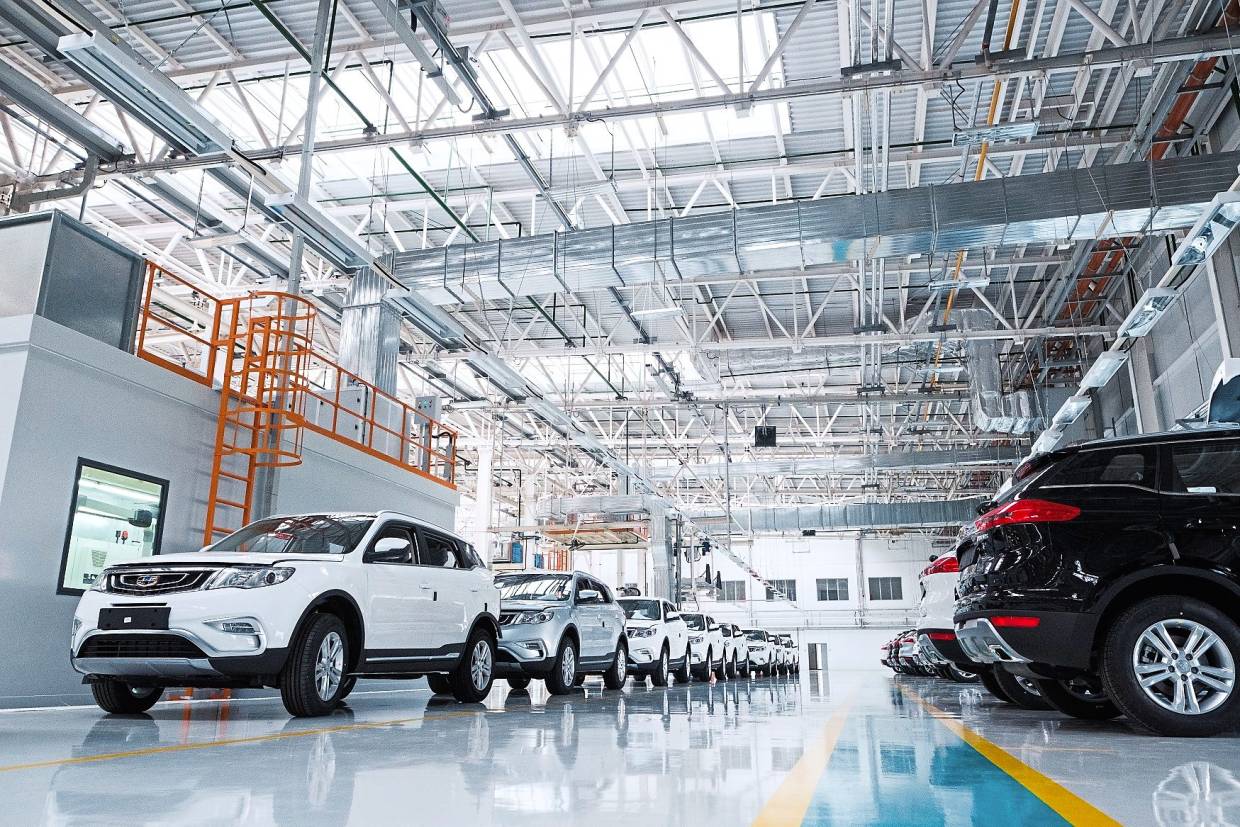
  • Toyota Plans 400,000 Range Extender Vehicles Annually in China by 2028

    Toyota Plans 400,000 Range Extender Vehicles Annually in China by 2028

    Toyota plans to produce 400,000 range-extender electric vehicles annually in China by 2028. The program pushes the carmaker into a powertrain segment long dominated by domestic brands.

    Initial manufacturing starts in April 2027 at a rate of several hundred vehicles a month. Output will climb to an annualised volume of 200,000 units by December 2027. This project is the Japanese carmaker’s first range-extended electric vehicle (REEV). The setup pairs an electric motor and battery pack with a small petrol generator that recharges the cell rather than driving the wheels.

    How the Powertrain Operates

    The system relies entirely on electric drive for the axles. During long trips, the onboard combustion engine fires up once battery charge drops below a set threshold. It runs strictly to generate electricity. That setup removes range anxiety along rural routes where fast chargers remain scarce.

    Chinese consumer demand for extended-range vehicles has surged over the past two years. Buyers in second-tier and third-tier cities frequently choose REEVs. The format combines daily battery-only urban commuting with fuel-station flexibility on highways.

    Chasing Domestic Specialists

    Toyota is stepping onto territory carved out by Li Auto, which built its brand around extended-range luxury SUVs. Other Chinese manufacturers followed quickly. Seres-backed Aito, Leapmotor, Xpeng and Xiaomi’s SkyNomad sub-brand all rolled out range-extender platforms to maintain sales.

    Foreign legacy automakers have struggled to match the pace of Chinese rollouts. Volkswagen introduced a China-exclusive range-extender model earlier this year. Li Auto publicly mocked the German brand for its late entry. Offering extended-range powertrains has become critical for foreign joint ventures trying to stem market-share losses against local rivals that undercut them on price and interior digital tech.

    Tightening Regulatory Oversight

    Regulators in China are tightening scrutiny across the segment. In June 2026, government authorities introduced stricter technical requirements and standard testing protocols. These rules specifically target range-extender fuel consumption and emissions once the traction battery is depleted.

    Automakers entering the segment must meet higher energy-conversion efficiency targets to qualify for local green-vehicle incentives. Toyota engineers must now design a generator package that satisfies those consumption rules. It must also preserve enough cabin space to compete with software-heavy Chinese rivals.

    Building on Joint Venture Electrification

    Earlier electrification efforts by Toyota in China began cautiously with the global bZ4X electric SUV in 2022. Partnerships with local manufacturers followed to develop market-specific vehicles. The carmaker released the bZ3 electric saloon with BYD and FAW, followed in 2025 by the bZ3X with GAC and the bZ5 SUV coupé with BYD and FAW.

    Lineup expansion continued in early 2026 with the GAC-built bZ7 electric saloon. The 2027 range-extender model adds a separate propulsion option to that joint-venture portfolio as factories prepare to hit the 400,000-unit target by 2028.

  • Japanese Lolita Fashion Sales Boom on Chinese E-Commerce Platforms

    Japanese Lolita Fashion Sales Boom on Chinese E-Commerce Platforms

    Young Chinese consumers are driving a surge in Lolita fashion sales across major domestic e-commerce platforms, embracing Japanese kawaii culture with a local twist.

    Demand for the doll-like, lace-trimmed aesthetic was on display in July when 1 woman from Sichuan province showed her Lolita look at a Shanghai anime event photographed by Tomoko Wakasugi.

    Online platforms capture subculture demand

    Online marketplaces carry the bulk of this transaction volume. Specialized domestic apparel merchants list localized versions of Victorian- and Edwardian-inspired garments, shipping directly to buyers across top-tier metros and interior provinces such as Sichuan.

    Events focused on animation, gaming and comics serve as physical show hubs for these collections. Gatherings in Shanghai bring subculture communities together, converting digital engagement into real-world wardrobe displays.

    Cross-border aesthetics reshape domestic apparel

    For fashion brands and apparel manufacturers, the category demonstrates how subculture aesthetics migrate from niche enthusiast circles into broader consumer consciousness. Chinese manufacturers adapt foreign cultural trends quickly, shortening production lead times and lowering entry price points compared to imported Japanese originals.

    Suppliers face distinct operational dynamics in this segment. The garments require complex patterning, specialized lace trim and multi-layered construction, forcing garment factories to maintain higher craftsmanship standards than standard fast-fashion runs demand.

    Subculture commerce and consumer identity

    Younger shoppers in China increasingly allocate discretionary apparel spending toward identity-driven niche fashion. The growth of Lolita fashion builds on earlier waves of Japanese pop culture imports, including anime licensing and cosplay apparel, which established distribution channels on local online platforms.

    Consumer demand persists independently of broader diplomatic frictions between Beijing and Tokyo, reflecting the durable pull of specialized lifestyle subcultures among generation Z buyers.

    Merchant execution and next steps

    Merchants now face the task of retaining customers beyond seasonal animation conventions. The key operating metric to watch is repeat order volume across dedicated subculture storefronts during upcoming fourth-quarter platform sales campaigns.

  • Tesla Audits Chinese Suppliers Ahead of Optimus Robot Launch

    Tesla Audits Chinese Suppliers Ahead of Optimus Robot Launch

    Tesla officials and engineers have begun auditing Chinese suppliers as Elon Musk’s company prepares to ramp up production of its Optimus humanoid robot ahead of its global release later this year.

    The audits target component manufacturers based in eastern China’s Zhejiang province, including heat-control maker Zhejiang Sanhua Intelligent Controls, auto parts supplier Ningbo Joyson Electronic, and chassis producer Tuopu Group, two corporate executives told the South China Morning Post.

    Most of the vendors being examined already supply automotive parts for Tesla’s electric vehicles, and the inspections come as the company plans to place additional orders before mass production begins at its plant in Fremont, California.

    Vendors selected for the audit round operate under strict non-disclosure agreements carrying breach penalties worth millions of dollars. The inspections examine whether high-volume auto manufacturing lines can pivot quickly to produce actuators, thermal sensors, and structural frames designed for humanoid robotics.

    Zhejiang Supply Hub

    Concentrating component qualification in Zhejiang exploits an established industrial supply cluster that already builds high-precision electric vehicle parts at scale. Actuator maker Tuopu Group saw its stock rise 2.8 per cent following news of the audits, while Sanhua and Joyson Electronic each advanced more than 1 per cent. Drawing from existing electric car component supply lines allows the manufacturer to bypass years of tooling development.

    Specialised Chinese component makers hold structural pricing power that Western suppliers struggle to match. As Chen Jinzhu, chief executive of Shanghai Mingliang Auto Service consultancy, observed: “They enjoy cost and technological advantages over their domestic and overseas rivals.”

    Factory Reallocation in Fremont

    Sourcing hardware from mainland China reveals how closely the company’s robotics ambitions mirror its early electric vehicle manufacturing strategy. While software development and final assembly remain in California, the physical bill of materials depends on Asian supply chains to achieve viable unit economics. Sourcing mechanical actuators and thermal hardware from Chinese suppliers reduces capital intensity, yet exposes output volumes to cross-border logistics lanes and geopolitical friction.

    For regional manufacturers, robotics supply contracts offer a crucial hedge against tightening margins in the domestic electric vehicle market. Intense price competition among Chinese automakers has squeezed Tier 1 suppliers, driving component producers to seek higher-margin hardware contracts in industrial automation and embodied artificial intelligence.

    Rival Makers Accelerate Schedules

    Chinese electric vehicle brands are moving on parallel tracks to commercialise bipedal machines for retail, logistics, and assembly work. Xpeng secured 900 million dollars in private funding to accelerate development of its Iron humanoid robot, backed by its own vehicle manufacturing network. Domestic competitors operate with direct access to local supply chains, eliminating transpacific shipping delays that affect US assembly lines.

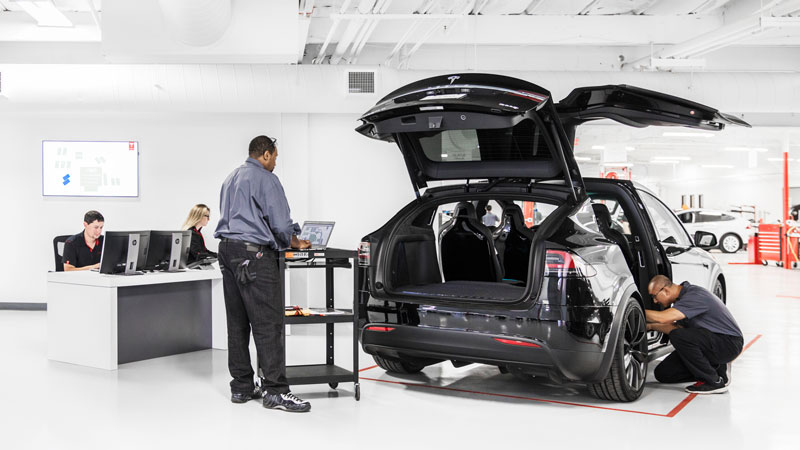
    Tesla began reshaping its production footprint in January by halting assembly of Model S and Model X vehicles in Fremont to convert factory floor space for robotics manufacturing. That retooling followed statements in April from Tesla China president Allan Wang Hao, who confirmed the Shanghai Gigafactory retains the industrial capacity to manufacture complete humanoid robots once global rollout begins.

    Assembly Timelines

    Final component allocations depend on audit sign-offs scheduled across Zhejiang over the coming weeks. Factory engineers in Fremont require validated parts deliveries before the targeted commercial rollout date at the end of the year.

  • Li Auto to Sell EV Tech Externally After 1.7 Billion Yuan Loss

    Li Auto to Sell EV Tech Externally After 1.7 Billion Yuan Loss

    Li Auto is preparing to sell its proprietary Mach chips, silicon carbide modules and range-extender powertrains to third-party clients after posting a 1.7 billion yuan net loss in the second quarter.

    Quarterly research and development spending at the carmaker ran at around 3 billion yuan for six consecutive quarters, pushing management to monetize proprietary vehicle architecture beyond its own fleet.

    Spinoff of the Mach chip division

    Senior leadership approved a corporate spinoff of the semiconductor design unit to facilitate third-party deals. Executives have already started pitching the Mach M100 driver-assistance chip to external businesses, including embodied artificial intelligence companies. The chip operates on a 5-nanometer automotive-grade process and delivers 1,280 TOPS of computing power.

    Corporate records show Li Auto registered a wholly owned operating entity, Xinchuang Zhihe (Shanghai) Technology Co Ltd, on July 13 to house integrated circuit design and commercial sales. Customer adoption will largely depend on how easily external engineering teams can port proprietary software algorithms onto the hardware architecture.

    Silicon carbide unit prepares for listing

    Power electronics subsidiary Sike Semiconductor restructured its internal reporting ahead of the chip division. Formed as a joint venture with Hunan Sanan Semiconductor in 2022, Sike changed its management structure in February so executives report to an independent board rather than Li Auto’s internal manufacturing division.

    Li Auto retains a 70 percent equity stake in Sike, which now operates with independent profit-and-loss accountability. The unit is soliciting external capital and has started preparatory work for an initial public offering, an equity shift intended to assure rival carmakers that supply chains remain separate from Li Auto’s vehicle assembly business.

    Automotive rivals open tech playbooks

    Selling proprietary vehicle hardware to outside buyers represents a broader structural shift among Chinese automotive manufacturers seeking to offset margin compression. Nio carved out its semiconductor unit into GeniTech, pitching its M97 processor to competitors such as Geely. Xpeng expanded commercial offerings covering electronic architecture, intelligent cockpits and autonomous driving code to international clients beyond existing partner Volkswagen.

    For automotive component suppliers and tier-one vendors across Asia, direct component commercialization by vehicle makers increases competitive pressure in power electronics and high-performance computing. Li Auto holds a structural advantage by testing components at volume in production cars, but it faces client hesitation over sharing software telemetry with an active market rival.

    Financial pressure and internal battery shift

    The monetization drive follows a sharp earnings reversal. Li Auto swung to a 1.7 billion yuan loss in the second quarter from a 1.1 billion yuan profit a year earlier, even as cash reserves stood at 87.5 billion yuan at the end of June. Third-party component sales allow the company to spread manufacturing overhead across broader production volumes without raising retail vehicle incentives.

    While range extenders and computing chips are now open to third parties, the company is keeping its custom traction battery program entirely internal. Li Auto plans a lineup-wide transition to proprietary battery packs, starting with production shifts on the updated Li Mega and upcoming Li i9, alongside the fourth-quarter rollout of the refreshed i6 sport utility vehicle.

  • Tesla Model Y Price Drops Below $23,000 in Tokyo on Local Subsidies

    Tesla Model Y Price Drops Below $23,000 in Tokyo on Local Subsidies

    Tokyo buyers can now purchase a Tesla Model Y for under $23,000. That makes the Japanese capital the cheapest market worldwide for the electric SUV.

    Combined national and municipal clean-vehicle incentives cut the effective entry price to 3.6 million yen ($22,889). Standard list price sits at 5.6 million yen.

    How Tokyo Subsidies Cut The Price

    Tokyo residents can tap up to 2 million yen in government support this year. Buyers of the smaller Model 3 sedan qualify for similar programs. That pushes the Model 3 starting cost down to 3.3 million yen.

    Tesla runs ads across Japan highlighting the full subsidy package. The campaign targets urban drivers in a retail market long dominated by domestic carmakers.

    Shanghai Shipments Undercut China Domestic Rates

    The discounted Tokyo sticker price undercuts retail rates in China, where Tesla builds the Model Y at its Shanghai plant. A base Model Y in China lists for approximately 263,500 yuan ($39,344).

    That gap widens against Western markets. California offers first-time EV buyers up to $3,500 in state incentives, but the Model Y still costs drivers there over $36,000.

    Trade Deals And Pressure On Domestic Makers

    Japanese automakers face immediate showroom pressure from the Shanghai-built imports. The Model Y ranked as Japan’s most imported passenger car during the first half of the year. It proved foreign electric models can win volume when priced below domestic hybrids.

    Bilateral trade negotiations add another layer to the pricing shift. US President Donald Trump has demanded broader market access for American brands in Japan. Meanwhile, both governments are reviewing a $550 billion investment framework established last year following a deal to cut US import tariffs on Japanese cars.

    Import Figures To Watch

    Tesla expanded deliveries into ports like Yokohama over the past two years. The company shifted supply lines directly from its Shanghai Gigafactory to shorten delivery times across the Asia-Pacific region.

    Retailers and competing importers now watch whether the Tokyo Metropolitan Government maintains these municipal rebate levels through its next fiscal budget review.

  • Converse Opens 2 Next-Generation Stores in Nanjing and Shanghai

    Converse Opens 2 Next-Generation Stores in Nanjing and Shanghai

    Converse opened two concept stores in Nanjing and Shanghai in September 2026 as part of an experiential retail push across mainland China. The footwear brand already distributes through more than 700 locations across the country. Those operations are led by its Star Concept and X-Ing shop formats.

    In Nanjing, the store follows the Converse Star Concept design. It pairs localized city storytelling with premium product allocations. There is also a dedicated Converse Select zone built for early-access releases and top-tier merchandise. The site served as the debut platform for the Chuck 70 X, an updated edition of the core sneaker with an altered structural fit and cushioned insoles.

    Community Formats on Yuyuan Road

    On Yuyuan Road in Shanghai, the brand launched a Converse X-Ing store. The location functions as an interactive hub rather than a transactional shop. It incorporates customisation workshops, art displays, rotating pop-ups, and collaborative workspaces for local designers.

    Converse said in an announcement detailing the Shanghai site that the store invites creators and consumers to connect through community programming.

    Shifting Floor Space to High-Touch Retail

    Sportswear brands in China face heavy margin pressure from domestic e-commerce channels and local rivals. Footwear labels are responding by reallocating capital into prime street locations and major mall units. These spaces serve as marketing assets rather than simple stock rooms. By splitting tiers between core Star Concept stores and creative X-Ing outposts, Converse aims to defend its pricing power and cultural cachet with younger urban shoppers.

    Higher overhead creates real risk for operators. Prime rents on strips like Yuyuan Road add up quickly alongside event production and staffing costs. If programming fails to drive repeat visits and full-price sales, concept spaces turn into costly marketing drains rather than profitable channels.

    Building Out the Asia Network

    These mainland openings follow the rollout of larger formats across Asia, including the launch of the brand’s largest flagship store in India in June 2026. Across the region, the company continues to refine its direct retail tiers. This separates basic wholesale distribution from high-margin specialty releases.

    Market watchers will track how the Chuck 70 X and Select zone lines perform across the wider 700-door mainland network before Converse takes the Star Concept format into secondary Chinese retail hubs.

  • Asia Shifts from Adopting Retail Formats to Exporting Global Innovation

    Asia Shifts from Adopting Retail Formats to Exporting Global Innovation

    Asian retail operators have shifted from adapting Western store models to exporting original store formats, testing methods, and experiential concepts to international retail markets in September 2026.

    The transformation spans a region home to more than half of the world’s population, where intense domestic competition forces retailers to treat physical spaces as media platforms rather than pure transactional outlets.

    Compressed Cycles and Cultural Platforms

    Retail concepts originating in East Asia have redefined how physical stores interact with consumer culture. Japanese operators such as Uniqlo and Muji established operational models focused on product simplicity, while lifestyle brands including Beams and niko and … developed blended formats combining apparel, dining, print media, and gallery spaces.

    Chinese operators have pushed product experimentation into compressed timeframes. Collectibles retailer Pop Mart built an international retail footprint by combining proprietary intellectual property, gamified blind-box purchases, and scarcity mechanics. Cosmetics retailer Harmay reorganized beauty merchandising around warehouse-style discovery layouts, replacing traditional cosmetic counters with unguided foot traffic flows.

    South Korean retailers have centered physical retail on narrative spaces. Eyewear brand Gentle Monster builds flagship locations around large-scale kinetic art installations and architectural exhibits, treating optical frames as entry points to brand environments rather than primary display fixtures.

    Physical Real Estate as Entertainment Hubs

    In Southeast Asia, commercial developers are altering shopping center layouts to capture consumer footfall through leisure rather than tenant distribution. Bangkok properties including IconSiam, Siam Paragon, and One Bangkok allocate large square footage to indoor cultural floating markets, exhibitions, and public gathering areas.

    These developments operate on the principle that dwell time drives secondary spending. Landlords who prioritize transactional floor space over communal programming face higher tenant turnover as standard retail purchases migrate online.

    For global brand managers, the rise of Asian retail formats creates pressure to shorten product development cycles. International brands entering China, India, and Vietnam must build supply chains capable of responding to immediate consumer feedback rather than operating on seasonal six-month planning horizons.

    Operating Across Fragmented Retail Markets

    The operational discipline behind these models developed out of regional market complexity. In India, retail groups manage supply chains across multiple languages, varied regional income bands, and fragmented state-level tax structures, making standardized Western formats difficult to sustain without deep localization.

    Vietnam is replicating similar dynamics as rapid urban development and a high proportion of mobile-first shoppers accelerate the turnover of food, beverage, and lifestyle concepts in Ho Chi Minh City and Hanoi.

    Global retail operators are now monitoring flagship performance metrics and tenant lease structures at new mixed-use developments like Bangkok’s One Bangkok to measure returns on high-footprint experiential spaces.

  • Vevor Plans First European Store in France for 2027 Following Berlin Debut

    Vevor Plans First European Store in France for 2027 Following Berlin Debut

    Cross-border hardware brand VEVOR will open its first European brick-and-mortar store in France in 2027. A regional network of 22 distribution warehouses will support the site.

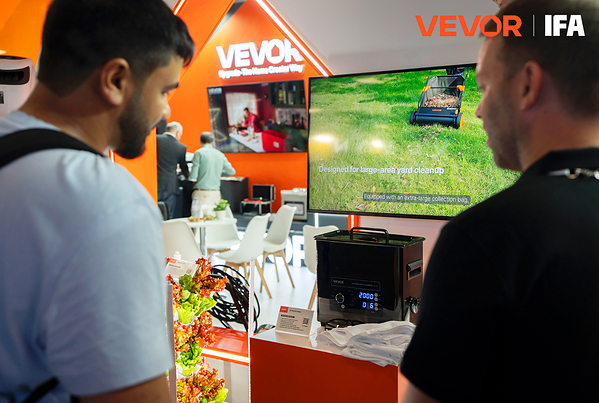
    That launch follows the brand’s five-day show at the IFA trade show in Berlin. There, the company presented 20 product lines spanning tools, kitchen equipment and outdoor gear.

    VEVOR currently distributes roughly 15,000 stock keeping units to European buyers through direct storefront sales and third-party marketplaces. The planned French site is its second physical retail location globally. Its first was a 32,000-square-foot flagship store in Houston, Texas, opened in March 2026.

    Shifting from Pure Marketplace to Physical Aisles

    Asian export brands are shifting strategies across European real estate. Pure digital distribution on Amazon and domestic marketplaces delivers fast volume. However, it exposes merchants to rising ad costs, platform commissions and counterfeit disputes. Dedicated storefronts give hardware sellers direct control over their branding. These sites also double as service centers, lowering the high return rates typical of heavy workshop machinery.

    Established European tool retailers now face tighter margins. Direct-to-consumer suppliers from China previously competed only on price through parcel delivery. Now, factory-direct brands pair local inventory with walk-in repair desks and showroom displays. That approach eats into the after-sales edge long held by traditional DIY chains.

    Building Out the Western Logistics Footprint

    Warehouse expansion across Western consumer markets underpins the European store rollout. VEVOR operates more than 200 fulfillment hubs worldwide. In total, the business supplies equipment to roughly 30 million households across 50 countries.

    “Our first European store in France opening next year will be an important next step in our long-term growth in the region,” said Shirley Liu, Head of E-commerce at VEVOR Europe.

    Company officials are finalizing site selection and store dimensions in France ahead of the 2027 opening.