Retail News CRM

Tag: Shanghai

  • Starbucks Launches Bar Mixato in Starbucks Reserve Roastery Shanghai

    Starbucks Launches Bar Mixato in Starbucks Reserve Roastery Shanghai

    Starbucks today announced the new addition of Bar Mixato to the Starbucks Reserve Roastery in Shanghai, further elevating the multi-sensory experience of China’s coffee wonderland. Starbucks unique interpretation of the modern café and bar experience, Bar Mixato brings together the craftsmanship of specialty coffee and the artistry of cocktail concoctions to offer a novel nighttime third-place experience that will enthrall coffee lovers and bar-goers alike. It features a full bar menu, which includes the global debut of 11 innovative coffee- and tea-based cocktails specially created and available only at the Shanghai Roastery.

    “The Roastery has been at the forefront of innovation since its opening two years ago, epitomizing Starbucks relentless efforts to create imaginative new experiences that exceed customers’ expectations,” said Belinda Wong, chairman and chief executive officer, Starbucks China. “The launch of Bar Mixato elevates the nighttime third-place experience with the exquisite fusion of coffee and cocktail art, to delight customers with unique Starbucks Experiences throughout the day. As Starbucks Innovation Lab in China, we will continue to leverage the Starbucks Reserve Roastery to pilot and gradually scale new products and offerings that our Chinese customers love.”

    Bar Mixato extends Starbucks passion for coffee to the theater of cocktail mixology, conjuring new creative expressions of coffee, while adding a novel dimension to cocktails to meet the discerning tastes and growing thirst for unique experiences among consumers in China. Customers at the Starbucks Reserve Roastery may now enjoy Starbucks ReserveTM Coffee expertly handcrafted by Starbucks Coffee Masters by day, and connect over coffee- and tea-inspired cocktails mixed with precision by Starbucks Mixologists by night. Altogether, Starbucks has launched seven Bar Mixatos at Starbucks Reserve stores across Shanghai, Beijing, Tianjin and Shenzhen since the concept was first introduced in China in May.

    Located on the second floor of the Starbucks Reserve Roastery, the bar was personally designed by Starbucks global design officer, Liz Muller. It is helmed by Timothee Becqueriaux, winner of the globally prestigious 2019 Chivas Bartender Competition (China region), and his team of more than 20 talented Mixologists, who are not only experts in cocktail mixing, but also coffee and tea aficionados. From the use of ingredients to mixing techniques, they have reinterpreted traditional cocktails to create drinks with unique taste and aesthetic profiles, providing an unprecedented sensory experience for customers.

    Headlining the comprehensive bar menu are 11 unique coffee- and tea-based cocktails specially created by Starbucks China in collaboration with leading bartenders in the industry. Classic cocktails, Italian aperitivo, wine, draft beer and mocktails are also available, as is a thoughtfully curated selection of complimentary food choices that customers can pair with their favorite cocktails. The menu will be refreshed quarterly based on the flavors of new Starbucks Reserve coffees.

    Since opening in December 2017, the Roastery has played a leading role in Starbucks retail innovation, incubating new offerings such as Modern Mixology, a new beverage category boasting natural fruit ingredients. With the addition of Bar Mixato, the Roastery will expand to serve as the hub for Starbucks cocktail innovation, before launching to other Bar Mixatos locations nationwide.
  • Duoyun Books’ flagship in Shanghai is 52 floors above ground level

    Duoyun Books’ flagship in Shanghai is 52 floors above ground level

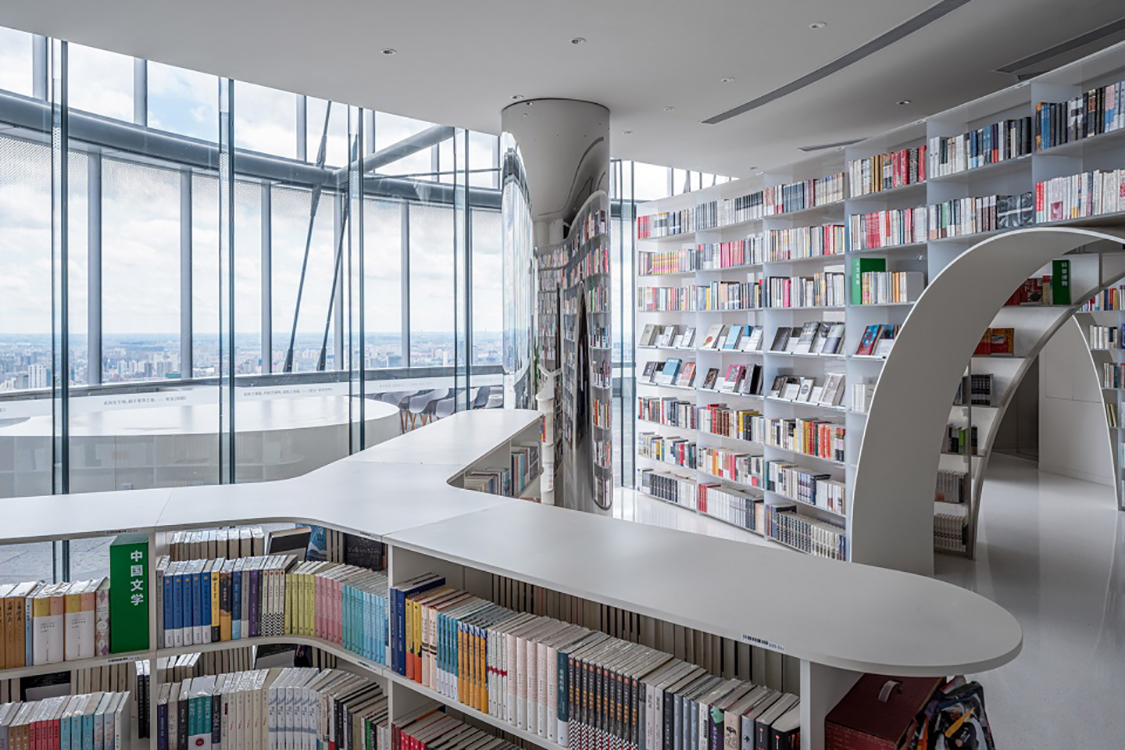
    Design firm Wutopia Lab has designed a unique “books above clouds” store in Shanghai’s tallest building for Duoyun Books.

    The design for 2259sqm flagship located on level 52 of Shanghai Tower was commissioned by Shanghai Century Publishing to provide space for 60,000 books. As well as the book-retailing area, the store features a lecture room, exhibition space and a cafe.

    Wutopia’s scheme centres around a “white abstract mountain” of stacked translucent bookshelves and includes curved entrances and large windows offering expansive views over the city.

    A “Tiffany-blue” cafe is embedded amidst the bookshelves, while a pink dessert house is positioned at the end of the store to surprise visitors.

  • Costco China opens first store in Shanghai

    Costco China opens first store in Shanghai

    US warehouse retailer Costco opened its first store in China today, against a background of an escalating trade war between the US and China and at a time the local economy is showing signs of slowing.

    The giant store will open in a suburb of Shanghai boasting a catchment of 2 million consumers and follows a four-year program by Costco to build brand awareness among local consumers through a presence on Alibaba’s Tmall Global.

    The company has a target of signing up at least 100,000 members to make the venture viable.

    Costco’s business model relies largely on the sale of memberships giving consumers the right to shop there, with tight margins on products and large pack sizes giving the brand a cost advantage over traditional supermarkets.

    Richard Zhang, Costco’s senior vice president for Asia, said the membership model was not foreign to locals.

    “Chinese consumers are ready to pay for a membership card that grants them an exclusive privilege to buy at a warehouse store, it’s not a new concept in the country,”

    Costco also takes encouragement in that – despite the failures of European hypermarket chains Carrefour, Tesco and Metro in the Chinese market – its US rival Sam’s Club, operated by Wal-Mart on a similar business model, has been trading there for 20 years.

    “A mature market saves us efforts in educating customers.”

    However Jason Yu, GM of Kantar Worldpanel China, is less bullish about Costco’s prospects there.

    “The Chinese market is very complicated and requires retailers to innovate and localise,” he said.

    Local retailers like Hema, Alibaba’s tech-enhanced food store network, are proving popular with consumers and can adapt quickly to changing consumer preferences.

    “Local retailers are reaching out to customers via all distribution channels while foreign retailers are not so flexible to adapt to new situations,” he said. “The old way of a large and all-inclusive hypermarket doesn’t work in China.”


  • Aldi China Opened in Shanghai Last June 7th

    Aldi China Opened in Shanghai Last June 7th

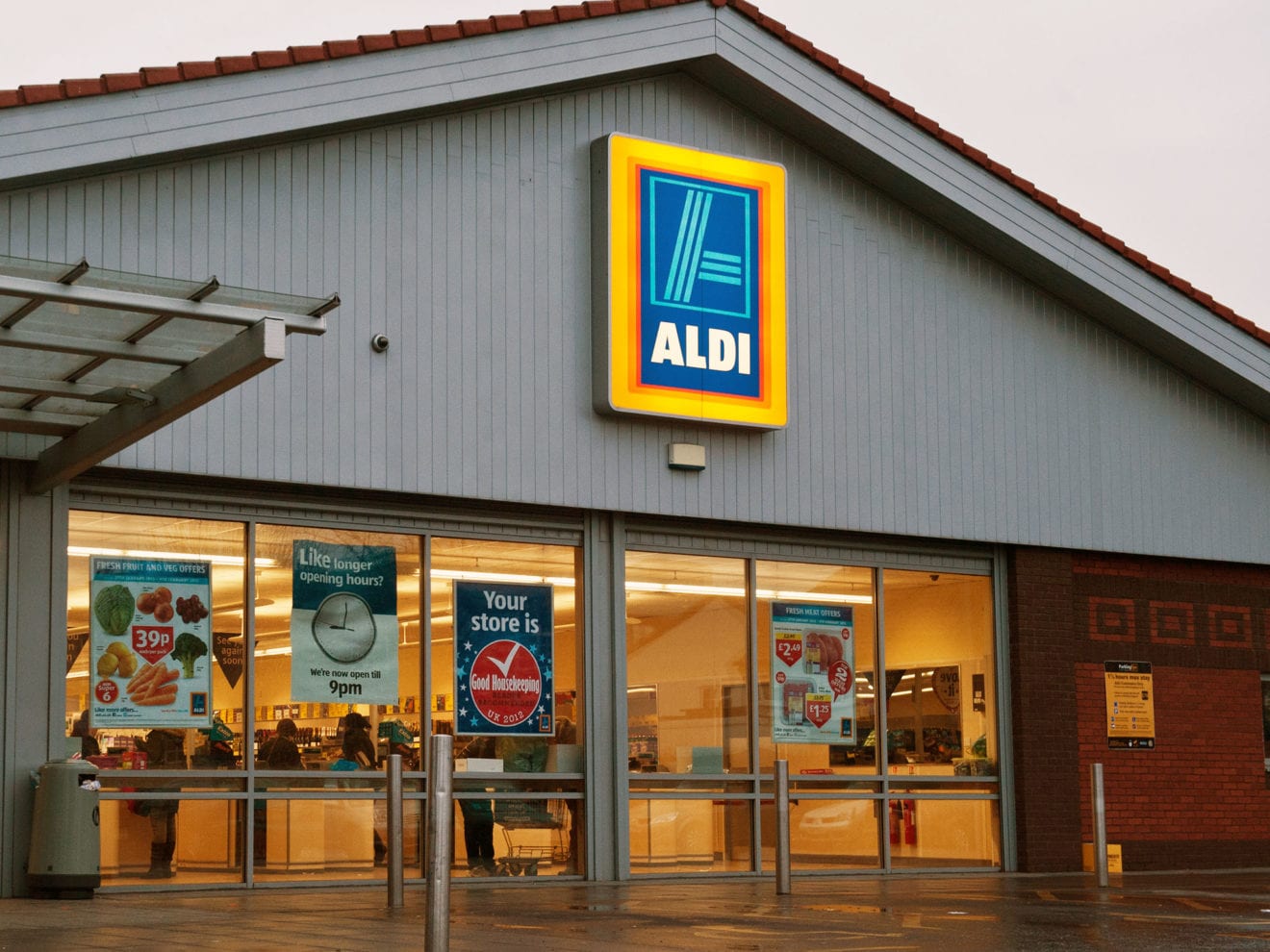
    Aldi will launch in China a week from now opening the first of 11 stores initially planned for Shanghai. But the Aldi China store format will be considerably different to the German discount grocer’s shops in the other 11 offshore markets it has entered: sources in Germany report the stores will have a more upmarket feel, stocking cosmetics and a broader range of dairy products.

    The stores will carry the signature brand positioning line “Everyday value – hand picked for you”.

    The location of the first two stores are in “noticeably prosperous neighbourhoods,” reports Lebensmittel Zeitung.

    The first Aldi China store opens on Friday June 7, and has been described by Aldi insiders as “more modern than company stores in Europe”. They will stock shelf-stable goods imported from Europe and Australia and fresh produce sourced locally.

    Nick Miles, head of Asia-Pacific at IGD, said that while Aldi Sud (South) has been testing the Chinese market for some time, having launched on Alibaba’s Tmall Global platform in April 2017, China will be “a new challenge” for the discount retailer.

    “Aldi currently operates stores in Europe, Australia and North America. Trading in Asia, and particularly China, will be very different. Many international retailers have entered this market over the past 20 years and not succeeded, while discount is a grocery channel that doesn’t currently exist in China – or Asia – in any meaningful way. Discounter Dia sold its business in China in April last year, while Lidl has recently pulled back from selling products via online platforms in the market,” said Miles.

    Lebensmittel Zeitung reports that Aldi South has been working on a plan to enter China through its thriving Australian subsidiary. “The growing business contacts between these two countries mean that the no-frills retailer can also draw on Australian suppliers with considerable experience in exporting to China.”

    Miles, meanwhile, predicts a significant challenge for Aldi will be overcoming potential resistance to its own-label lines.

    “Brands are king in China, while Aldi relies heavily on its private-label ranges.”

    Another challenge is that online grocery retailing and digital technology in retail are “exploding in the market” while Aldi’s business model has traditionally been through physical stores.

    “Aldi will be aware of all these challenges and more but plans to position its stores so that they appeal to China’s rapidly growing middle class and their desire for high-quality, imported products. It has ambitions to open 50-100 stores in the medium term and will be aware to not spread its operations too wide – a mistake other retailers have made in the past.”

    Choosing Shanghai to launch Aldi China makes sense because of the city’s population of more than 30 million, the sophisticated supply-chain infrastructure in the city and the local population’s relatively higher level of income compared with other Chinese cities. It is also a major global logistics hub.

    Meanwhile, IGD forecasts China to overtake the US and become the world’s largest grocery market by 2023.

    “The opportunity for Aldi to be present in the market is therefore clearly significant, but it will not come without its risks,” added Miles.

  • 10 Corso Como Leaving Shanghai

    10 Corso Como Leaving Shanghai

    Italian fashion concept store 10 Corso Como is withdrawing from China.

    The firm’s Shanghai retail outlet, which has been open since 2013, will be shuttered late this month in the absence of interest in a license and lease renewal from its local partner Trendy Group.

    The Milanese brand launched its early version of the concept store format at the beginning of the 90s, leading to global popularity and continuing global expansion – its New York location opened just late last year.

    Trendy Group is a late 90s fashion conglomerate that operates more than 3000 retail locations in almost 300 cities worldwide, and holds brands such as Ochirly, Five Plus, Coven Garden, Trendiano and Miss Sixty.

  • Urban Tea to roll out More China Stores

    Urban Tea to roll out More China Stores

    Chinese beverage and baked-goods retailer Urban Tea says it plans expansion from the middle of this year.

    The company will expand its network to 28 stores initially, through a combination of franchise partnerships and opening its own stores, with plans to speed up the rollout next year.

    Last October, Urban Tea set up a subsidiary company Shanghai Ming Yun Tang Tea, which controls Hunan Ming Yun Tang Brand Management Co (Hunan MYT), to focus on catering, along with health, training, retail and wholesale. Headquartered in the Changsha Xingingmen Fanchen International Center, Hunan MYT will integrate strategic brand positioning, offline operations, store management and brand marketing – all which will be used to expand the planned retail cafe network.

    Hunan MYT will operate stores under three brands: Buoyance Manor, Your Ladyship Tea (pictured) and Meet Honey. Buoyance Manor mainly features bakery products and coffee. Your Ladyship Tea sells specialty teas and light snacks and Meet Honey will primarily sell snacks and kitchen goods such as coffee mugs and tea cups.

    Currently, the company operates seven stores itself in Hunan province branded Buoyance Manor, along with a tea shop in Changsha Youyou Township.

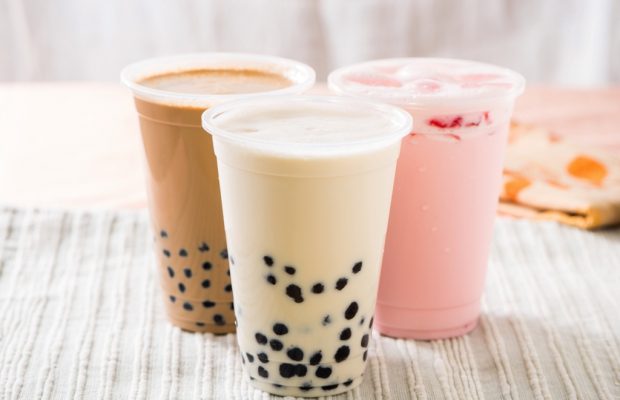
    Urban Tea plans to focus on health and nutrition, using fresh, green, high-quality ingredients, positioning itself as an “all-natural baker”. Beverages offered include milk teas, fresh fruit teas and coffee.

    Light meals include salads, sandwiches, tacos, pizza, pastas and other meals primarily drawing from French cuisine and other western cuisines, and emphasising healthy meals and fresh ingredients.

    The company says it has established a research-and-development centre and will place an emphasis on seasonal research and product development, by picking fresh fruits, using seasonal tea, and using in season grains.

    “By offering seasonal menus we ensure fresh delivery to meet customers health and dietary needs to cultivate long term customers,” the company said in a statement.

    Urban Tea CFO Kan Lu said: “Our professional operations and R&D teams have many years of industry experience. We desire to make every product uniquely impressive to our customers, and bring consumers fresh, healthy and beautiful food and beverages.”

  • C-star Shanghai sets records for Exhibitors

    C-star Shanghai sets records for Exhibitors

    C-star – the China spin-off of the world’s largest retail show, the triennial EuroShop in Germany – is underway in Shanghai this week. This year’s event, the fifth, features a record 138 exhibitors at the Shanghai New International Expo Centre in Pudong, with exhibits including shopfitting and store furnishings, retail technology, store design and visual merchandising, lighting, and catering and refrigeration.

    A parallel retail forum features an international line-up of speakers covering trends, technology and design, among other topics.

    C-star was the first international spinoff of EuroShop and while still a shadow of the German event, which boasted 2400 exhibitors from 60 countries and 113,000 visitors the last time it was held in 2017, the Shanghai event is growing in stature each edition. The number of exhibitors this year is up 30 per cent. After the success of C-star, organiser Messe Dusseldorf has since launched another event focused on technology, EuroCIS, and its latest new venture, In-store Asia in Mumbai, India.

    Elke Moebius, global head of retail & retail technology with Messe Dusseldorf, and director of EuroShop, EuroCIS, C-star and In-store Asia, says the company wants C-star to become “the most influential retail event in China”.

    “Our decision to come to China was absolutely the right one,” she told the opening ceremony yesterday.

    “We have succeeded in distinguishing C-star from other events.”

    Messe Dusseldorf (Shanghai) GM Marius Berlemann says with mobile and ‘smart’ retail solutions developing quickly the internationalisation of the retail industry is following suit.

    “This presents even more opportunities for global investors and corporations to flourish in China’s retail industry, and our goal as the organiser is to build the bridge and bring the world of retail together.”

    A key feature of this year’s C-star event is the ReTailor Hub where creative solutions are shown in a real-life environment. Exhibitors include apparel-store Elf Sack, cosmetics-brand Fox Fairy, food-and-beverage brand Rio (which has a robot on site mixing and serving cocktails) and unmanned store concept 24 Jian. These exhibits are complemented by retail technology and equipment suppliers showcasing instore solutions including customer-flow analytics, interactive smart displays and virtual fitting systems.

    C-star’s Brand Zone offers a premium stage for exhibitors to present their newest and most promising products and solutions to a global audience.

    This year, exhibitors include design house Malherbe Paris, Storymaker, Hideki Azuma, Onewedesign, MPlus and Koscar sharing new store concepts and smart retail solutions.

    C-star 2019 continues today and tomorrow in Shanghai.

  • Shanghai launches 5G trial district

    Shanghai launches 5G trial district

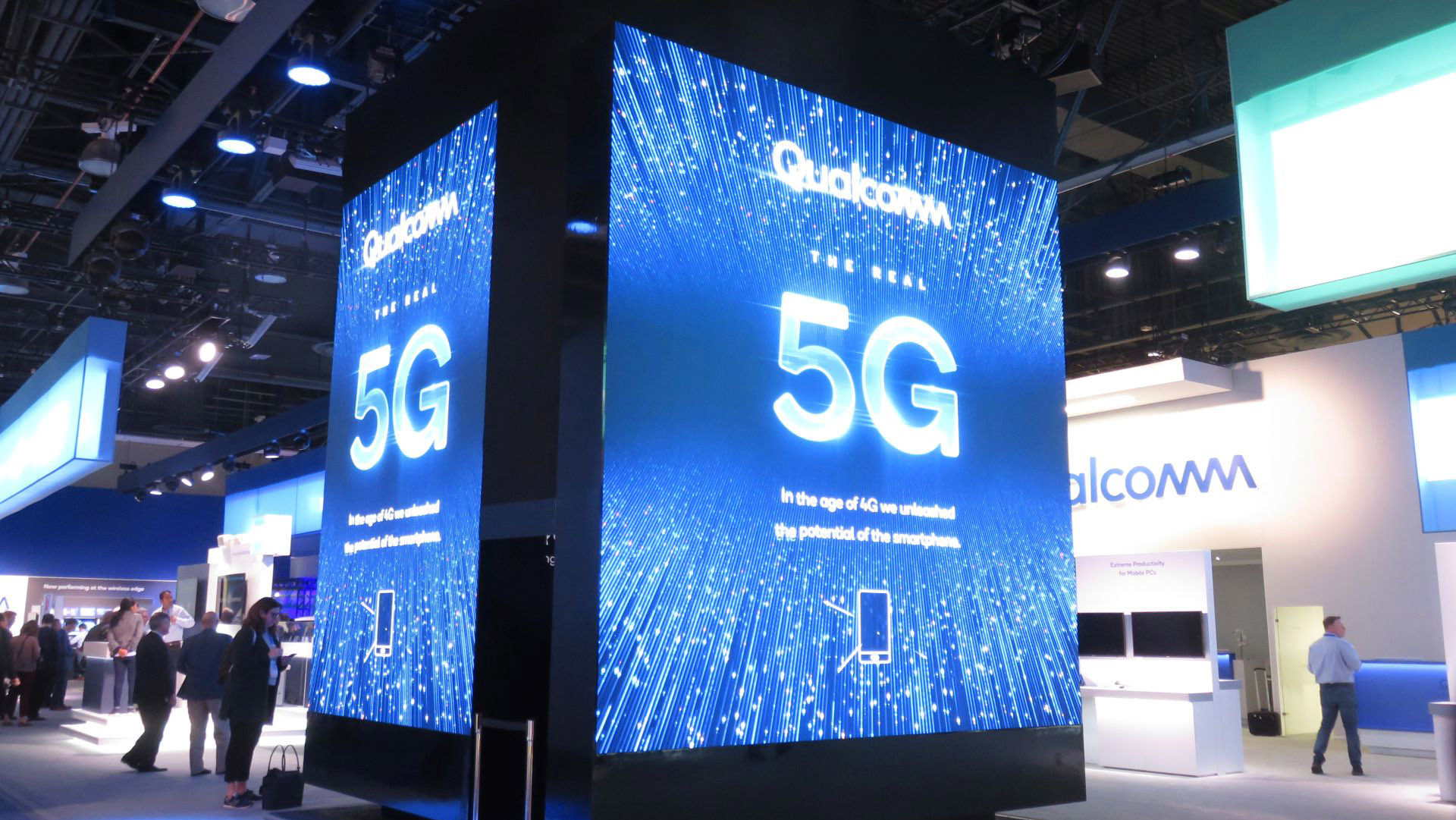
    The City of Shanghai has launched 5G trials in the Hongkou district, which also has the distinction of having a gigabit broadband network.

    The 5G trial, backed by China Mobile, involves providing full coverage of the district.

    During a commencement ceremony for the trial, a 5G video call was placed using the Huawei Mate X foldable 5G smartphone.

    The city plans to deploy over 10,000 5G base stations by the end of the year, and over 30,000 by 2021.

    As part of the trials, the city also plans to provide support for over 100 companies developing 5G-related application scenarios.

    The wide-scale trial follows Huawei’s deployment of trial 5G services at Shanghai’s Hongqiao Railway Station in February.

    Other Chinese cities are also investing in taking an early lead with 5G deployments, including Chengdu in the Sichuan province and Wuhan in Central China.

    The latter city has deployed a trial 5G network encompassing over 100 5G base stations to explore developments in autonomous vehicles, drones and satellite-based positioning, the report states.

  • Fat Brands China to open six stores More

    Fat Brands China to open six stores More

    Fat Brands China has announced the development of six new co-branded Fatburger and Buffalo’s Express restaurants throughout Shanghai with Bloomfield.

    The new locations will build on Fat’s existing presence in China, where the company currently operates multiple successful locations in both Beijing and Shanghai.

    “When expanding internationally, it’s important to identify a partner we can trust with our iconic brand,” said CEO of Fat Brands Andy Wiederhorn. “Markets such as Shanghai, where demand and crowds are large, magnifies this need even more. We’re thrilled to open more restaurants with the Bloomfield team. They’ve done an excellent job maintaining the integrity of our brand while providing a deep understanding of the Chinese consumer.”

    Fat Brands currently owns seven restaurant brands that have more than 300 locations open and 200 under development around the world.

  • Shanghai La Chapelle Fashion seeking profitability

    Shanghai La Chapelle Fashion seeking profitability

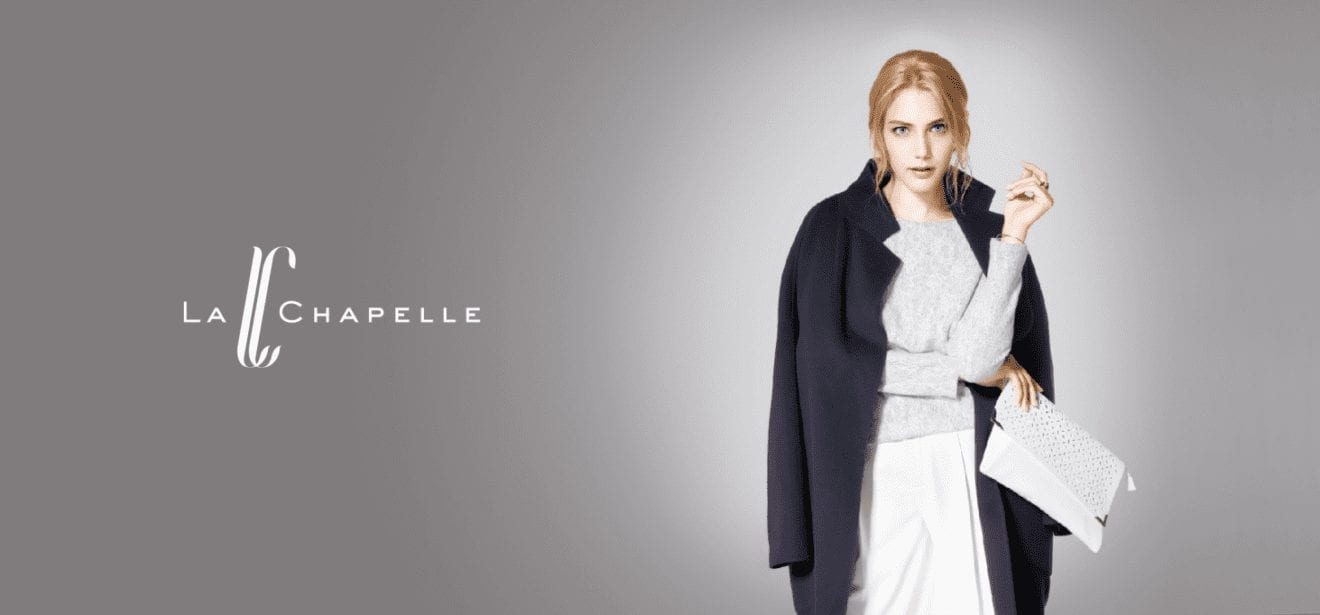
    Shanghai La Chapelle Fashion warns it will report an operating loss for last year, for the first time in its trading history.

    In an update to a profit warning issued last December, the company says total revenue dropped by about 2.5 per cent last year and costs accelerated.

    “Revenue from La Chapelle and Puella, which are our main women’s wear brands, is estimated to have decreased by approximately 11.94 per cent and 13.35 per cent year-on-year, respectively, and the growth in sales of the women’s wear brand Candie’s and that of children’s wear and men’s wear brands could not make up for the decrease in sales of La Chapelle and Puella,” the company said in a regulatory filing.

    With a slowdown in consumption growth and a decline in customer flow at physical stores, La Chapelle’s sales at brick-and-mortar stores in the second half of last year were lower than expected. As a result, revenue in the third and fourth quarters decreased by 7 per cent and 6 per cent, respectively, year on year.

    The company also reported a continuing decline in revenue from concessions at department stores. Last year, that revenue was estimated at about RMB4.893 billion (US$729 million), down 7 per cent, and department stores’ share of total sales fell from 50.4 per cent to 48 per cent year on year.

    In the second half of last year, the company closed down 179 loss-making and inefficient stores, and launched a joint-venture “franchise and trusteeship cooperation business model”. It ended the year with 9269 stores.

    The company estimates it will post a net loss attributable to shareholders of about RMB156 million, representing a decrease in net profit attributable to shareholders of the company of RMB654 million (US$23.256 million).

  • Karma queues up 3 vehicles for Shanghai auto show

    Karma queues up 3 vehicles for Shanghai auto show

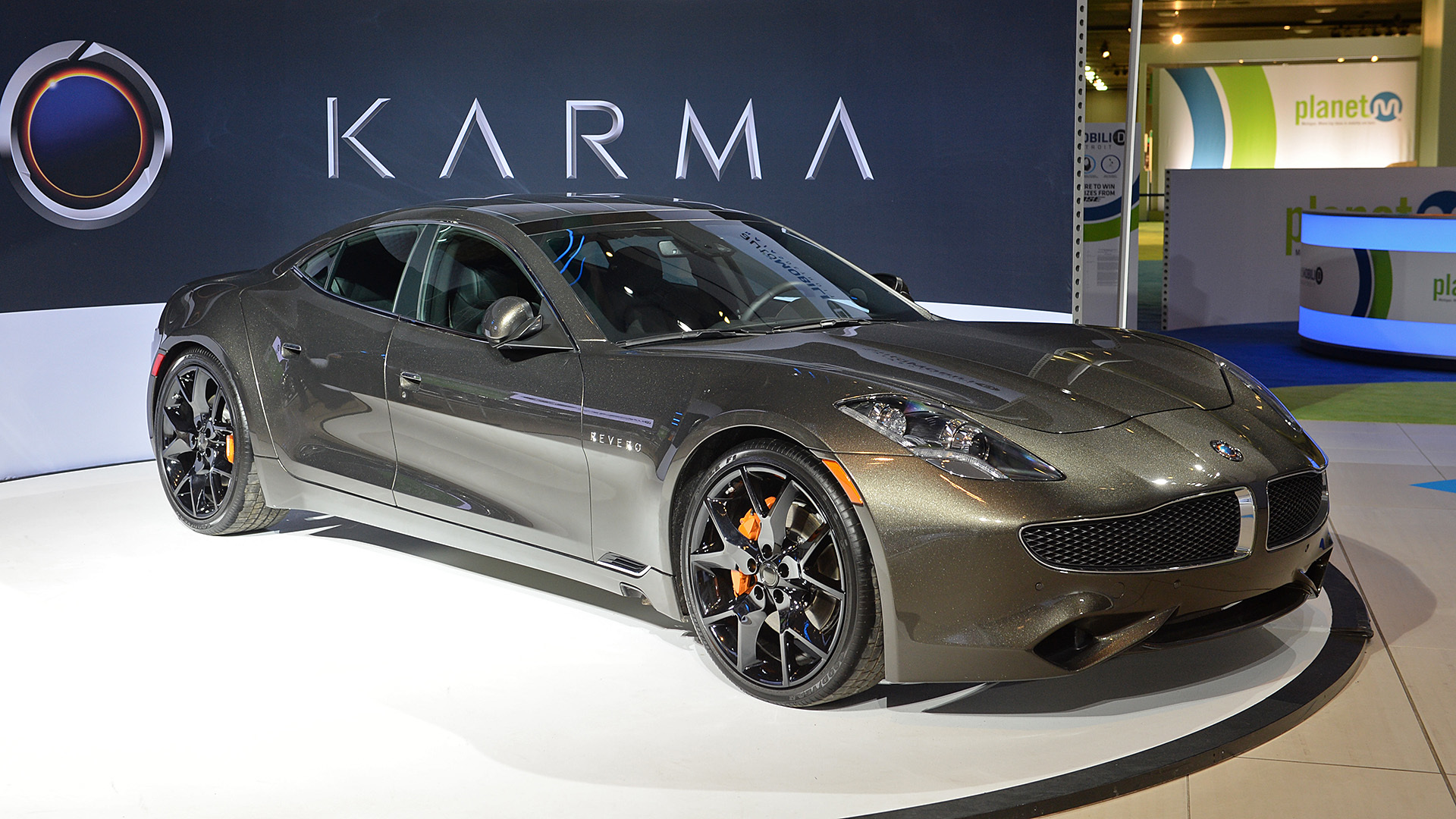
    Karma Automotive is prepping three vehicles — a concept car developed with Italian design house Pininfarina, the next-generation Revero electric car and the Karma Vision concept – that it hopes will propel the brand in a new direction.

    They will debut next month at the Shanghai auto show.

    “Taken together, Karma’s Shanghai Big Three represents our transformation from an old-value car manufacturer to a company building long-term value in part by becoming an open-platform luxury high-tech automotive incubator,” Karma CEO Lance Zhou said in a statement.

    Karma Automotive, headquartered in Irvine, Calif., was founded after the demise of Fisker Automotive, created by noted designer Henrik Fisker. The company’s sole product was the gasoline-electric Fisker Karma luxury car. Chinese supplier Wanxiang Group bought Fisker Automotive in a bankruptcy auction and put a revised version of the Karma back into production as the Revero in 2016.

    Karma plans to introduce a revised version of the Revero this year. The car is sold through a network of 19 stores in the U.S., Canada and Chile.

    The company released little information about the three vehicles scheduled for the Shanghai auto show, which opens April 16.

  • China retail earnings up 8.5% during new year holiday – ministry

    China retail earnings up 8.5% during new year holiday – ministry

    China’s retailer and catering enterprises earned over 1 trillion yuan ($148.3 billion) during the Lunar New Year holiday, defying an economic slump to rise 8.5% from last year, the country’s commerce ministry said late on Sunday. The increase was down to the rapid growth in sales of new-year gifts, traditional foods, electronic products and local speciality products over a six-day holiday period ending on Saturday, the Ministry of Commerce said in a notice on its website.

    Domestic tourism during the new year break generated total revenues of 513.9 billion yuan, up 8.2% on the year, with the number of trips rising 7.6% to 415 million, the official Xinhua news agency said on Sunday, citing official data. ($1 = 6.7426 yuan)

  • From Gucci to Dolce & Gabbana: racism in fashion continues?

    From Gucci to Dolce & Gabbana: racism in fashion continues?

    Luxury fashion is all about breaking codes, creating a new, irresistible message that captivates consumers. But some of the globe’s top brands have raised eyebrows with designs that have seemingly racist undertones. The latest instance of that was Italian fashion designer Gucci, which produced a black wool balaclava jumper with an oversized collar that pulls over the chin and nose. It includes a slit where the mouth is, ringed with what look like giant red lips.

    Its similarity to blackface prompted an instant backlash from the public and forced the company to apologise publicly on Wednesday.

    Gucci also withdrew the offending garment from sale on websites and stores. It said the incident would be “a powerful learning moment for the Gucci team and beyond”.

    But the question persists: how can fashion houses that thrive on detail miss such critical social cues?

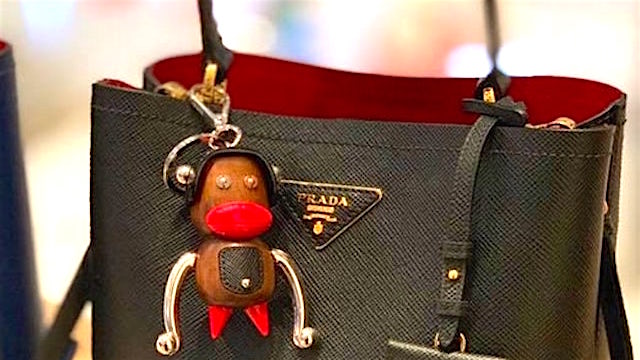
    Prada similarly withdrew a monkey bag charm that recalled blackface in December, saying it “abhors racist imagery.” And Dolce & Gabbana issued a video apology after one of the designers made insulting remarks about Chinese people in a private chat discussing the questionable depiction of a Chinese model in a campaign.

    “Luxury brands used to be able to get away with provocative and eccentric ads that push the boundaries of our society and culture in the name of being creative and cutting edge,” says Qing Wang, a professor of marketing at Warwick Business School in the United Kingdom.

    “However, a long list of recent incidents have caused public outrage, suggesting that era is now gone, or that luxury brands have lost touch with public sentiment. What used to be considered ‘creativity’ has now turned into ‘bad taste’ or even ‘racist’.

    He cited other fashion fails that evoked stereotypes, including Dolce & Gabbana’s “slave sandal” in its spring-summer 2016 collection and a recent Burberry campaign for the Chinese New Year that was compared to Asian horror films.

    While many of these incidents have caused immediate social media backlashes, the longer-term impact will take time to measure, and will depend on the brands’ reaction and future sensitivity.

    Dolce & Gabbana was forced to cancel its Shanghai runway show after the insulting remarks were publicised, top Asian influencers backed out of campaigns and Chinese websites dropped their line – a warning sign from a region that holds great sway in global luxury sales.

    The blackface images have particular resonance in the United States, where the governor of Virginia and his attorney general have been caught up in a scandal over blackface incidents from their college days in the 1980s. The offensive depictions are reminiscent of travelling entertainers from the 19th century, who would paint their faces black to portray African characters in a ridiculous and mocking fashion, spreading racial stereotypes along the way.

    Italian sociologist Michele Sorice at Rome’s Luiss university says that the evocation of blackface by Italian fashion houses signals “a mixture of good faith, and ignorance”. He notes that Italian society still isn’t fully aware of the racial charge in some words and images.

    “I imagine that they don’t truly think they are racist,” Sorice says. “I think they didn’t have the instruments to understand that these images are archetypes that were used to contrast the concept of blackness and make them ridiculous. I think that many simply don’t know. It is a cultural issue.”

    Paolo Cillo, a marketing professor at Milan’s Bocconi University, says the designer’s intent may have been taken out of context and amplified, and she credits Gucci with acting swiftly to quell the controversy.

    “I wouldn’t stigmatise fashion,” Cillo says, comparing the fashion designer process to artistic pursuits like filmmaking, painting or music. “There are artists in the world of culture that did more outrageous things and no one ever said a thing. There is a perception that fashion is ephemeral, or commercial. But from my point of view, it is not. It reflects the times, like all other artistic forms.”

    While the fashion world has been at the forefront of addressing sexual norms – Gucci has been redefining genderless dress codes under Alessandro Michele – it has lagged behind other industries in taking on social issues such as racial tolerance, climate change or women’s empowerment, according to Larry Chiagouris, a marketing professor at Pace University, US.

    “It is not clear why this is,” Chiagouris says, “but the evidence clearly points to the fashion industry’s need … to catch up with the rest of the world.”

  • Pronovias enters China with Shanghai store opening

    Pronovias enters China with Shanghai store opening

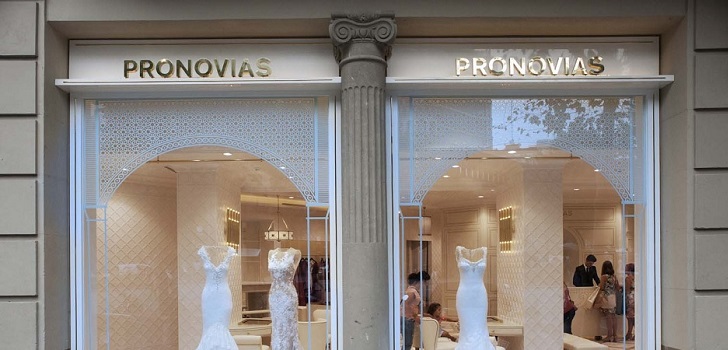
    Spanish bridalwear firm Pronovias has launched its first Chinese location in Shanghai. The 500sqm store is opening in luxury shopping centre Plaza 66, which hosts a range of high-end brands including Chanel and Dior. The move sparks off a greater strategy for the region, in which the Shanghai location will serve as Pronovias’s flagship.

    The brand was founded by BC Partners explicitly to tackle the difficult Chinese and American markets. China is the world’s largest producer of wedding dresses, and local custom is often to hire rather than buy the dress.

    The firm is simultaneously moving to expand in the US, with eight openings planned for the American East Coast.

  • New commercial landmark set to open at Huaihai Road

    New commercial landmark set to open at Huaihai Road

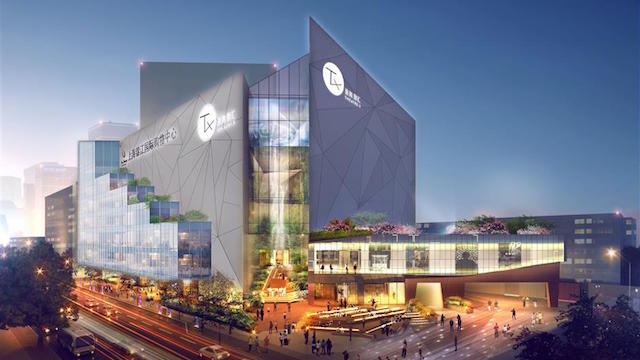
    Chinese mall operator Bailian is merging two disused department stores on Shanghai’s Huaihai Road in partnership with urban renewal firm URF to create Theatre X. The two malls on the city’s prime retail street were formerly trendy shopping destinations. Huating Isetan on 527 Huaihai Road M was the first Japanese Isetan outlet in China, while Bailian’s No.1 Department Store next door once enjoyed great popularity – both commercial gems of the 1990s.

    The new Theatre X shopping mall will merge the two sites, according to an announcement, and offer “interactive and immersive experiences” to consumers. The 25,000sqm property will offer popular international brands, shared spaces for pop-ups, and exhibition stages for Ted Talks – with developers expecting the venue to become a “pilgrimage site for trendsetters.” It will feature a 40m-high waterfall and giant digital screens.

    Theater X is set to open in September, with further developments in the immediate vicinity expected to follow.