Tag: Shanghai

  • Victoria’s Secret gala stumbles across the line in China

    Victoria’s Secret gala stumbles across the line in China

    The glitzy Victoria’s Secret fashion show stumbled across the finish line Monday night in its first-ever China staging after a run-up marred by setbacks and reports of political interference by Beijing.

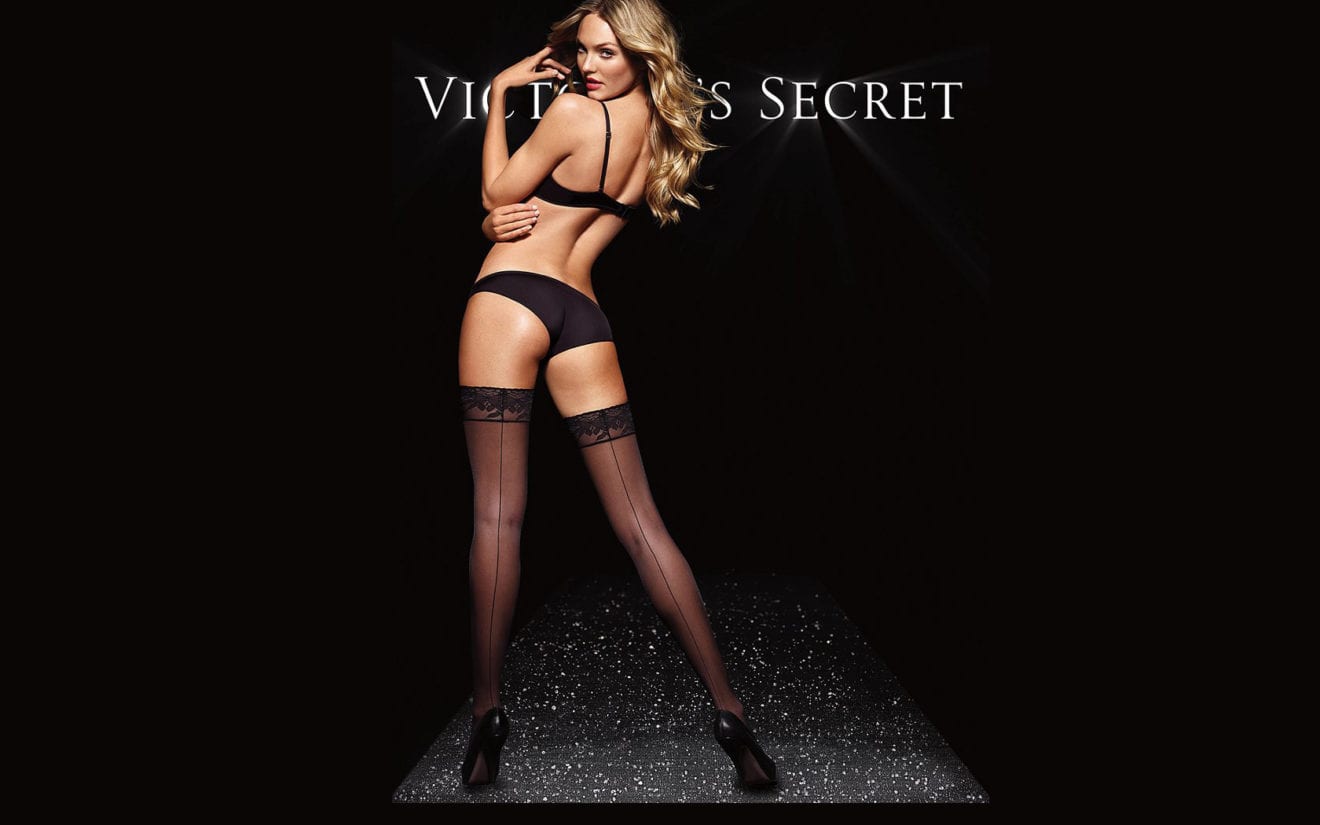
    Models breezed down the catwalk sporting elaborate feathered wings and billowing trains as the US brand held the racy show in Shanghai in hopes of making a splash in the country’s growing lingerie market to offset declining American profits.

    But the show, now in its 23rd year, suffered a blow when top US model Gigi Hadid announced Friday she was withdrawing.

    She gave no reason for the decision but it came after Chinese internet users savaged the 22-year-old over a video clip showing her squinting her eyes in an apparently derogatory facial expression.

    US media also reported that singer Katy Perry was expected to headline the musical acts but was denied a visa by China. Instead, England’s Harry Styles led the way.

    The reports suggested that China was upset that Perry had previously draped herself in the flag of diplomatic rival Taiwan and performed in colors implying support for those on the island opposing closer relations with China.

    Neither Perry, Victoria’s Secret, nor China’s government have confirmed the reports but the state-aligned Global Times suggested in an editorial Sunday that Hadid and Perry had “dropped a stone” on their own feet.

    “Payback was unavoidable. Those who are serious about developing careers in the Chinese market can draw lessons from this case and learn to abide by the rules in China,” it said.

    Tripped up

    The stumbles continued Monday night at Shanghai’s Mercedes-Benz arena, whose exterior was bathed in garish pink.

    A system breakdown slowed the entry of the thousands of invited guests, delaying the show’s start, and the Chinese crowd largely resisted entreaties to show much enthusiasm.

    According to reports, as part of its China charm offensive Victoria’s Secret selected a record seven Chinese women to be among the 55 models.

    But one of them, Ming Xi, tripped on her costume and went down hard on the catwalk, triggering an outpouring of sympathy on the Chinese internet.

    Read also: Victoria’s Secret to charm China with fashion gala

    The scene is certain to be excised when the edited production airs in more than 190 countries on November 28.

    Earlier during make-up, China’s top model Liu Wen, a veteran of several Victoria’s Secret shows, told AFP that Monday’s version was “even more special” to her this year because it was held at home.

    “We can be thankful that China is such a big market, so there could be so many Chinese faces appearing. So personally I feel proud of my own country,” Liu, 29, said.

    Victoria’s Secret is hoping to win a slice of that market, opening its first two super-stores in China this year, in Shanghai and Chengdu.

    The company’s US sales have sagged, with analysts blaming its slow-footed response to a trend away from constructed bras towards more comfortable intimate wear.

    Victoria’s Secret is banking on its name recognition and on top models like Adriana Lima and her Chinese counterparts winning over women in China who are increasingly interested in expressing their sexuality, say social and fashion analysts.

    Lingerie is one of the fastest-growing segments in Chinese women’s apparel, according to market-intelligence firm Mintel.

    Mintel predicts it will grow to 148 billion yuan ($22 billion) by 2020, up 32 percent from 2015 numbers.

    The show’s priciest piece of lingerie was the annual “Fantasy Bra”.

    This year’s version, worn by Brazil’s Lais Ribeiro, was a $2 million creation by Swiss-based luxury-goods company Mouawad, studded with nearly 6,000 gemstones.

    Matthew Crabbe, Mintel’s regional trends director, said the fashion show was “a great way to raise consumer awareness”.

    But he added that Victoria’s Secret was entering “a tough retail market with many competitors”, both foreign and domestic.

    US fashion media have also run unconfirmed reports that three Russian and one Ukrainian model were denied visas.
  • Calvin Klein China opens lifestyle store in Shanghai

    Calvin Klein China opens lifestyle store in Shanghai

    Calvin Klein China has opened a multibrand lifestyle store in Raffles City Shanghai.

    A wholly owned subsidiary of PVH, Calvin Klein has simultaneously opened a similar store in Düsseldorf, Germany.

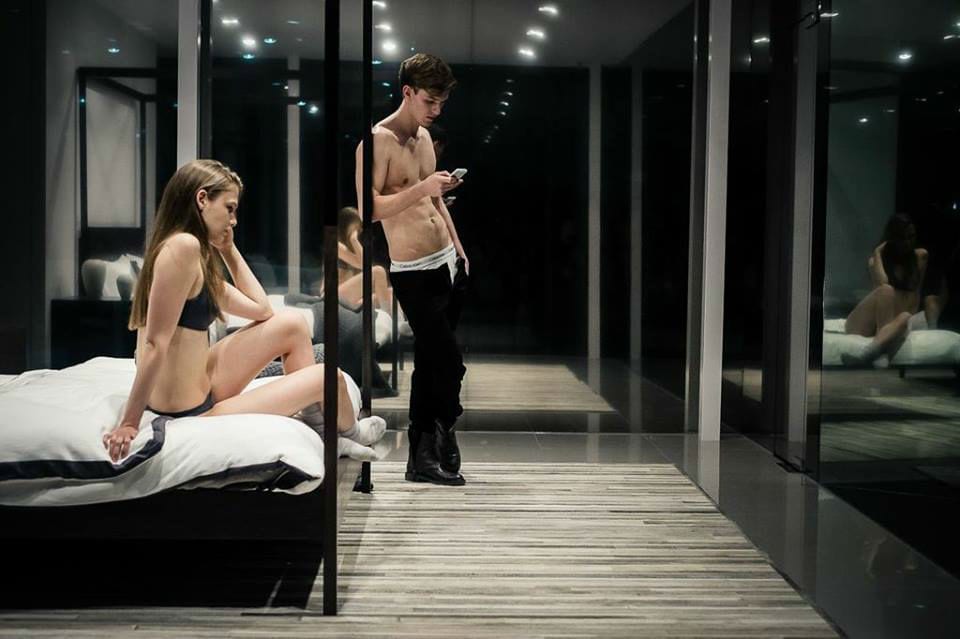
    Shanghai’s two-storey store offers men’s and women’s CK Calvin Klein, Calvin Klein Jeans, Calvin Klein Underwear and Calvin Klein Performance apparel and accessories.

    Its design concept communicates the brand’s minimal, modern aesthetic with added colour and sumptuous materials to enhance the consumer experience, says the company. Cobalt-blue curtains frame the entrance, while geometric rugs in soft pink offset the grey concrete. Kvadrat/Raf Simons fabric is used throughout as well as Utrecht chairs by Gerrit Thomas Rietveld.

    Oversized silhouette cut-out images of models in the brand’s latest styles hang from the ceiling.

    Digital technology offers a personalised shopping experience. Interactive video and denim-fit guide walls enable customers to browse and try on items featured in the brand’s current campaign.

    An interactive video table invites customers to explore the brand on a deeper level via newspaper, magazine and online articles about the brand, key milestones, runway show videos and events, as well as the official Calvin Klein social-media platforms.

    “As we continue to focus on expanding Calvin Klein’s global footprint, it is our objective to bring a best-in-class retail experience to key markets and shopping destinations,” says CEO Steve Shiffman.

    Founded in 1968 by the designer and his business partner Barry Schwartz, the brand’s global retail sales exceeded $8 billion in more than 110 countries last year.

    Owner PVH also has such brands as Speedo, Tommy Hilfiger, Van Heusen and Warner’s in its portfolio.

  • Disney tests new prototype stores online and offline

    Disney tests new prototype stores online and offline

    Disney is testing a new prototype store design in Shanghai, China and Nagoya, Japan as well as other cities in the US and Europe.

    According to the company, the new design combines innovative technology, storytelling and cast-member interaction to take “Disney magic to retail” through special learning and play activities, personalised celebrations for guests and a daily live stream of a Disney Parks parade.

    The US stores are in Century City and Northridge in California and Miami, Florida, with another scheduled to open in Munich, Germany, later this year.

    “No one creates experiences like Disney, and our pilot stores will be testing grounds for interactive features that will differentiate the Disney shopping experience in the changing retail landscape,” said Disney Consumer Products and Interactive Media chairman Jimmy Pitaro.

    Meanwhile, Disney has revamped its online experiencing, launching ShopDisney.com which it says offers an unparalleled assortment of Disney, Pixar, Star Wars and Marvel products across categories that include fashion, accessories, toys and home. It sells “best-in-class brands,” as well as authentic products from Disney Parks and Disney Store.

    “Online, ShopDisney is the ultimate destination for the most extensive collection of curated merchandise from our stores, parks and licensed partners,” said Pitaro. “This combination creates a powerful omnichannel experience that represents the next generation of Disney retail.”

    The website and prototype stores are both designed with dynamic layouts that spotlight product and content but allow the flexibility to feature the different worlds of Disney, Pixar, Star Wars and Marvel as new content debuts. Both also offer expanded product assortments for guests of all ages.

    “ShopDisney’s vast selection of merchandise across a wide range of categories reflects the Company’s commitment to creating products tailored for different audience demographics, from kids and families to millennials, as well as to innovating beyond the traditional and expected,” the company said.

    “The online destination features co-branded products and elevated collaborations from top brands such as Coach, Le Creuset, Spyder, Steiff and more, as well as new and exclusive capsule collections from fashion-forward brands on ShopDisney’s “The IT List,” home to “new, now and noteworthy” items guests won’t find anywhere else.

    “We know our fans are looking for a one-stop shop to find the most compelling product out there and with shopDisney we are uniquely positioned to curate the very best of Disney, Pixar, Star Wars and Marvel merchandise,” said Paul Gainer, executive VP for Disney retail. “We’ve also added product categories and brands that speak to new audiences following the success of our collaborations in the fashion space.”

    There will also be new items geared toward an expanded audience in the prototype stores, which go beyond their traditionally child-centric assortment to incorporate more product for guests of all ages. The prototype stores will use digital elements, such as giant LED screens, to present custom-designed guest experiences – including the Live from Disney Parks parade stream every afternoon and a nightly digital fireworks display on the store’s giant storefront screen – to reflect Disney’s storytelling tradition and create magical experiences for local communities that, in many cases, may be far from a Disney theme park.

    “We are a storytelling company and our vision was to create a retail space that reflected our heritage,” said Gainer. “Our stores are destinations and gathering places for fans of our iconic brands, and are often their closest physical Disney touch point so creating an authentic brand experience is key.”

  • Shake Shack Shanghai-bound

    Shake Shack Shanghai-bound

    Just a month after US fast-food chain Shake Shack announced it would open in Hong Kong, the company has confirmed its first Mainland China store, in Shanghai.

    Both the Shake Shack Shanghai and Hong Kong stores are scheduled to open next year and will be operated by Maxim’s Caterers, a division of Hong Kong-listed Dairy Farm International and which operates Starbucks in Hong Kong, Vietnam and Cambodia, among other brands.

    Shake Shack has signed an agreement with Maxim’s to open 25 outlets in Shanghai and East China between 2018 and 2028.

    “There’s incredible opportunity in China and I couldn’t think of a better place to begin this chapter of our story than Shanghai, a city that understands great brands, appreciates premium ingredients, and ultimately loves food,” said Randy Garutti, Shake Shack’s CEO.

    “The city’s streets overflow with vibrant flavors and energy every day and we can’t wait to join Shanghai’s thriving food community.”

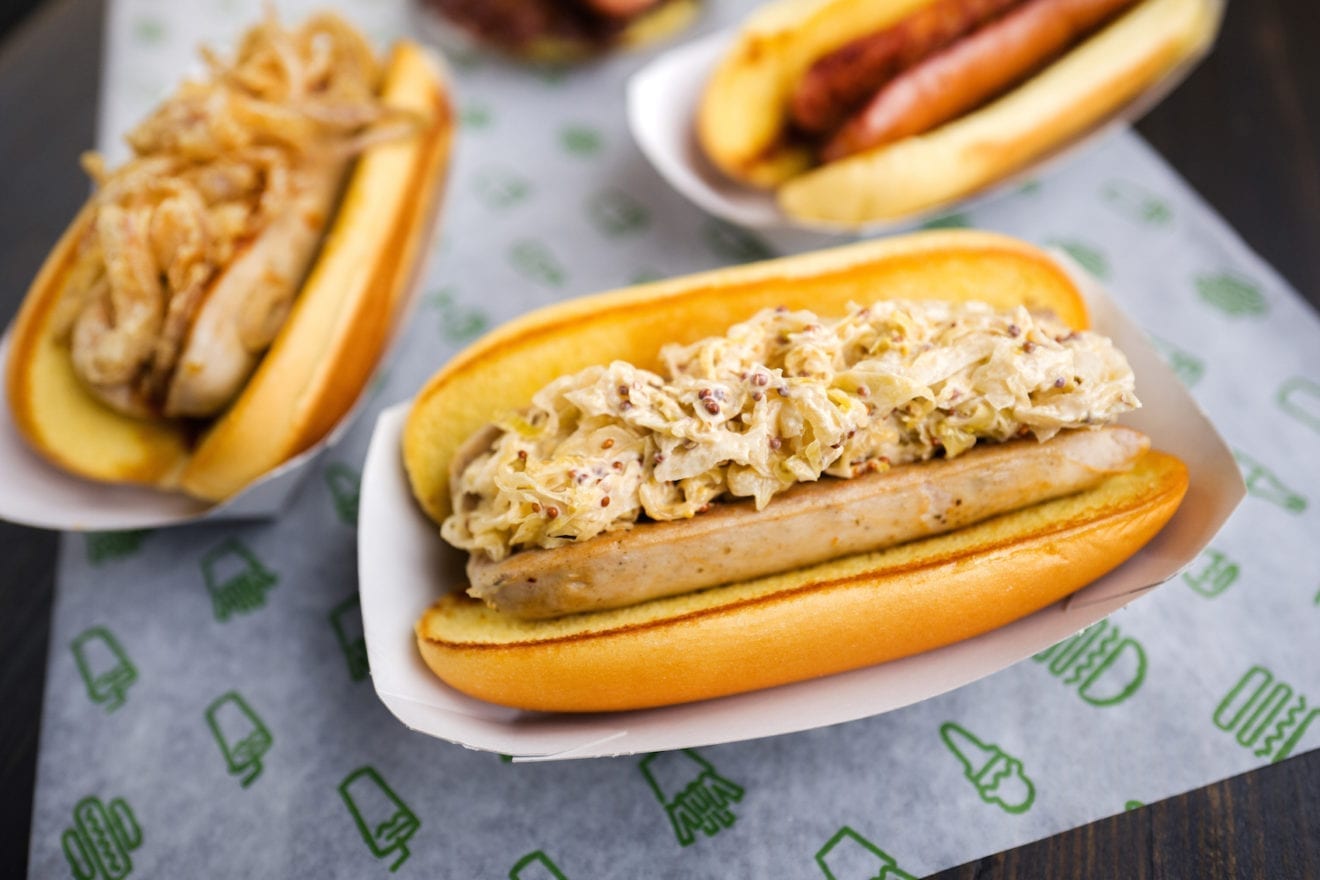
    Shake Shack describes itself as a “modern day roadside burger stand” known for 100 per cent all-natural Angus beef burgers and flat-top Vienna beef dogs,  all-natural, cage-free chicken, spun-fresh frozen custard and crinkle-cut fries. It eschews hormones and antibiotics in its meats.

    Maxim’s Caterers Limited has more than 60 years of experience in food and retail as a diversified operator of full-service and quick-service restaurants, bakeries, and coffee shops in Asia.

    Since the original Shake Shack opened in 2004 in New York City’s Madison Square Park, the company has expanded to more than 80 locations in 18 US states and the District of Columbia, and more than 50 international locations including London, Istanbul, Dubai, Tokyo, Moscow and Seoul. And now Shake Shack Shanghai and Hong Kong.

  • Odyssey expands facility for chemical sample fulfilment in Shanghai

    Odyssey expands facility for chemical sample fulfilment in Shanghai

    Odyssey Logistics & Technology Corporation, a global logistics provider, has opened a newly expanded facility for chemical sample fulfilment in Shanghai Chemical Industry Park (SCIP), China. The new facility is strategically located near major chemical manufacturers, and can support increased throughput by up to 40 percent.

    “Chemical manufacturers in this region are paying closer attention to safety and are partnering with professional Dangerous Good (DG) logistics service providers for their sampling needs. Up to now this vital service has been a cottage industry,” said Lawrence Hu, senior vice president and president, Odyssey Logistics & Technology Asia-Pacific. “This is an investment in the future of this region and continues to strengthen our leadership position by providing our customers with innovative and responsible solutions to their chemical sample challenges.”

    Hu also noted that among manufacturers in Asia there is a growing trend toward increased awareness of the importance of safe handling and labeling of chemical products. “Odyssey not only has the expertise, but it also has the demonstrated processes and technology to provide this niche service to the chemical industry. This facility was designed to better serve our chemical sample customers and support growing demand for safe chemical handling,” said Hu.

    The new facility has DG class A, B and C storage and handling capabilities as well as large storage spaces to accommodate anticipated growth.

    Chemical Marketing Concepts LLC (CMC), a subsidiary of Odyssey Logistics & Technology, is the global leader for outsourced sample fulfillment and logistics services. More than 65 manufacturers use CMC to safely store, package and ship their sample and small revenue orders. CMC has processed more than 10 million sample shipments and has facilities in the United States, Netherlands and China.

  • The inaugural Asian Food Tech Expo opens in Shanghai 2018

    The inaugural Asian Food Tech Expo opens in Shanghai 2018

    The first Asia Food Tech will be held from May 16-18 May 2018, in Shanghai New International Expo Center. The exhibition is organized by the Messe München. It focuses on fresh food production, food  processing and packaging. Through the latest processing and manufacturing equipment & technology from meat, dairy products, fruits and vegetables, seafood, wine and other eight sectors, the show aims to push China’s food industry towards a better standard – “safety, seamless, intellectualised, modularised and flexibilized, tailor-made”.

    Asia Food Tech will be collocated with 3 other shows including “2018 Fresh Food Asia”, the 5th “Fresh Logistics Asia”. The event covers over 50,000 sqm exhibition area, with more than 800 exhibitorsand 35,000 professional visitors.  Be the first to lock down business opportunities!

  • Nokia formally launches Nokia Shanghai Bell JV

    Nokia formally launches Nokia Shanghai Bell JV

    Nokia has announced the completion of the transaction with the China Huaxin Post & Telecommunication Economy Development Center to create the Nokia Shanghai Bell joint venture.

    The deal marks the official launch of the Nokia Shanghai Bell business, which combines the former Alcatel-Lucent Shanghai Bell with Nokia’s China business.

    But the two entities have effectively operated as one since January 2016, following Nokia’s purchase of Alcatel-Lucent in a $17 billion all-stock deal. Nokia and China Huaxin also signed a final agreement last month covering the integration of the two businesses and establishment of Nokia Shanghai Bell.

    China Huaxin is a state-owned industrial development company that owned half of the Alcatel-Lucent Shanghai Bell joint venture. Nokia owns a 50% plus one share stake in the Nokia Shanghai Bell joint venture, with China Huaxin owning the remainder.

    Nokia Shanghai Bell will become an integral part of Nokia’s global R&D operations, with around 10,000 researchers across six R&D sites in the nation. It will act as Nokia’s exclusive platform in China for the continued development of new technologies in areas such as IP routing, optical and 5G.

    Nokia Shanghai Bell also plans to support strategic R&D initiatives of the Chinese government and conduct long-term research projects as part of Nokia Bell Labs’ Future X Network program.

  • Crown Equipment expands Shanghai operations

    Crown Equipment expands Shanghai operations

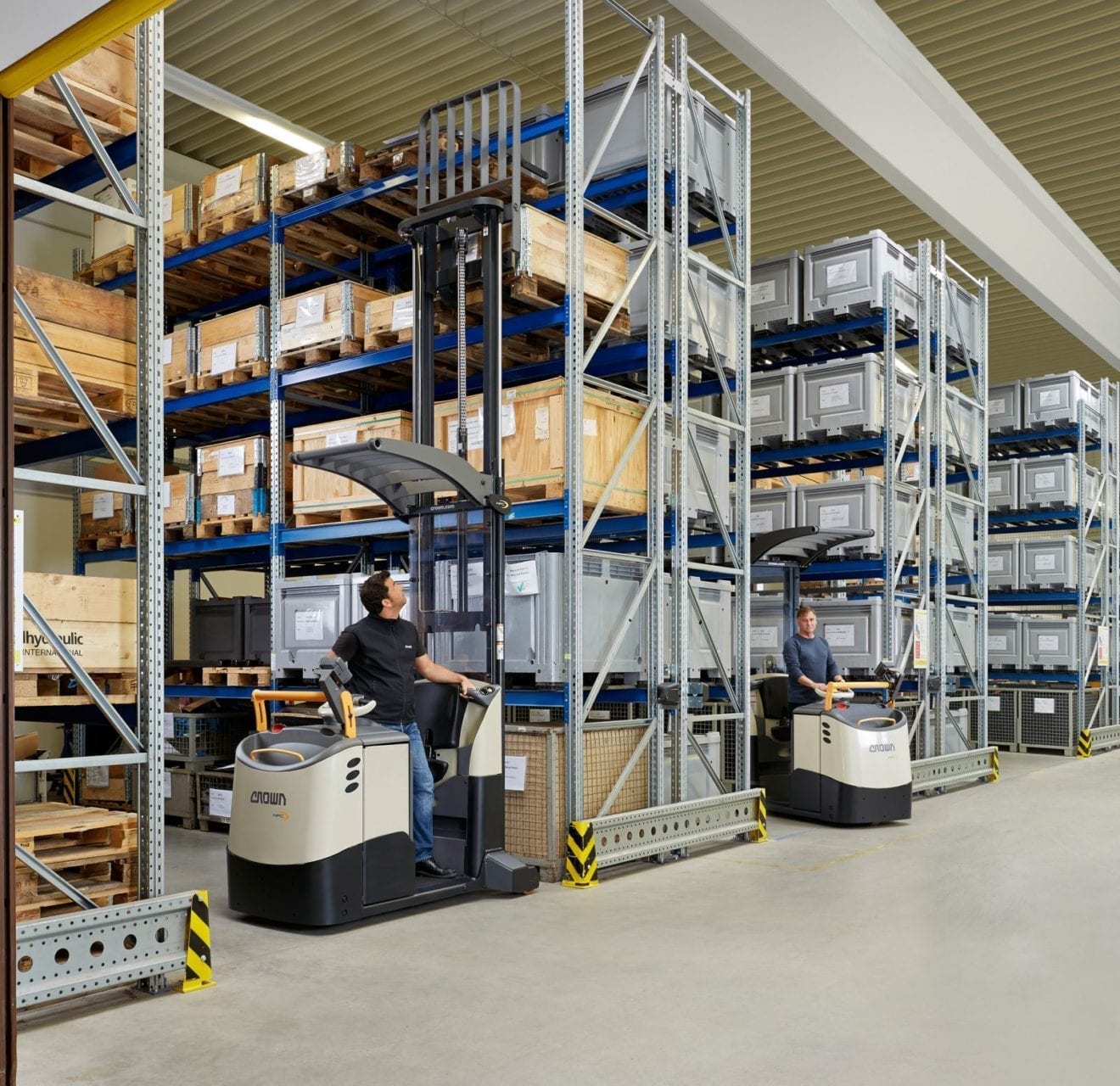
    Crown Equipment Corporation is expanding in Shanghai with a new facility to support growing customer needs in the region. The facility includes space for extensive new equipment inventory, a parts distribution centre, training facility for mainland China, technology demonstration centre as well as local sales, parts and customer service operations for the Shanghai area.

    “The new location is vital to support our customers’ evolving needs in China,” said Tom Kieffer, managing director of commercial operations, Crown Equipment. “Our goal is to become the first choice of our customers, which requires that we have outstanding parts and truck availability to provide excellent customer support. Our new facility provides the expansion needed to achieve this goal.”

    The facility’s technology demonstration centre is designed to help customers make informed purchasing decisions when it comes to advanced material handling equipment and technology needed to increase the productivity of their operations. The centre will showcase the latest forklifts and technology from Crown, including the QuickPick Remote order picking system that uses automated truck navigation technologies to reduce low-level order picking walk steps, and Crown’s InfoLink wireless operator and fleet management system.

    Along with having access to a complete selection of Crown’s award-winning forklifts and Integrity Parts and Service System, customers can take advantage of Crown’s Demonstrated Performance Training programs that offer a comprehensive range of forklift training formats for operators, supervisors, trainers, technicians and pedestrians.

  • China Telecom aims to make Shanghai a gigabit city

    China Telecom aims to make Shanghai a gigabit city

    China Telecom’s Shanghai branch Shanghai Telecom plans to deploy the first commercial FTTH network in China using 10G PON technologies, and aims to provide full 1Gbps fiber coverage across Shanghai over the next three years.

    Shanghai Telecom has contracted Huawei to help with the rollout, which marks an important step towards making Shanghai China’s first gigabit city, the vendor said.

    Shanghai Telecom was providing 1Gbps access for 269 communities in the city, and through the deployment aims to increase the average access rate for its network from 50Mbps to 280Mbps by the end of 2018.

    The operator is using its high-speed network to offer a range of home broadband services, such as multi-channel 4K video streaming, video calls and conferencing an video-based smart home services.

    Under the latest rollout, the company is adopting Huawei optical line terminals (OLT) and optical network terminals (ONT) capable of providing gigabit convergence, 4K video streaming to 16,000 concurrent households over a single subrack, 8K video streaming, VR applications and smart home services.

    Separately, Nokia has announced it has secured a contract to deploy millions of ONT home gateways in 29 provinces across China for China Mobile.

    China Mobile plans to deploy home gateway units based on Nokia’s solution to over 30 million users this year, and use established FTTH networks to extend internet coverage in the home and enable IoT communications between devices and sensors.

    “China Mobile is progressing fast as a converged telecommunications operator — with more than 31 million FTTH subscribers — and has proven it can successfully leverage its extensive fiber access network to deliver ultra-broadband applications such as 4K TV services and Gigabit access to customers across various provinces.,” IDATE principal analyst Roland Montagne commented.

    “With the addition of intelligent home gateway technology, China Mobile will be able to further differentiate its services, providing consumers with enhanced internet coverage in the home and a more seamless experience for connecting various devices and sensors.”

  • Mobile app marketer MobAir to open Shanghai office

    Mobile app marketer MobAir to open Shanghai office

    MobAir is taking eMarketer’s prediction that total mobile ad spend in China will climb 58% in 2017 seriously.

    The mobile growth platform for brands, which counts AliExpress, Trivago, and Baidu as clients, is investing in Shanghai with a new office.

    The office will allow the startup to offer personalized services to local partners and broaden its footprint.

    Through MobAir, China-based CMOs will be able to take advantage of the company’s portfolio of user acquisition mobile services.

    “China’s app economy is accelerating in growth, putting it within striking distance of Japan and the United States,” Barak Aviad, CEO of MobAir said in an announcement.

    “Gaming apps are the biggest market winners regarding revenue. Therefore, our company, equipped with years of experience in utility and gaming verticals, sees enormous potential in the Chinese mobile market in terms of app advertising growth,” he added.

    MobAir has worked with leading brands in social casino and gaming to roll out successful campaigns on mobile.

    Launched in 2015 and a Global Digital Marketing Group company, it offers a performance-based mobile app marketing platform for large-scale user acquisition.

    Its native advertising solutions target premium customers and drive loyalty.

    MobAir is no stranger to China. The company has worked Chinese advertisers and publishers since its launch. According to the announcement, the company is looking expand its list of clients with China’s gaming giants.

    With the new Shanghai office, the company now operates six offices across Asia, Europe, and the Middle East.

  • Toyoda Gosei to Exhibit at Auto Shanghai 2017

    Toyoda Gosei to Exhibit at Auto Shanghai 2017

    Toyoda Gosei Co., Ltd. will exhibit a broad range of products and technologies that contribute to improved vehicle environmental performance and comfortable vehicles at Auto Shanghai 2017. The show will be held in Shanghai, China from April 19 to 28. Toyoda Gosei’s exhibition booth is located at 4BA101 on the 2nd Floor in Hall 4.

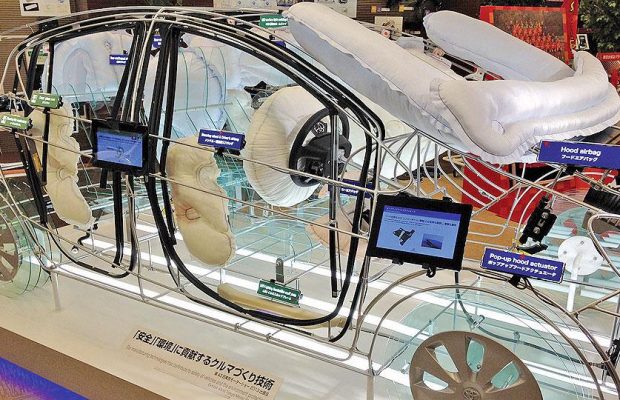
    Prominently displayed will be a wire mock-up car fitted with Toyoda Gosei products that contribute to improved safety and environmental performance. These include various airbags for full 360° coverage to protect vehicle occupants from impacts on all sides, millimeter wave radar compatible emblems, lightweight plastic fuel filler pipes and automotive LED products. The wire mock-up makes it easy to see and understand the features and location of these products on a vehicle.

    Also on exhibit will be the company’s highly designable radiator grilles that can accommodate diverse user design preferences and multifunction console boxes that provide greater convenience.

    Toyoda Gosei has 13 subsidiary companies in the China region and is actively developing its business there. The company will continue to expand its operations in the region to meet the needs of customers in the growing Chinese market.

  • Alibaba innovation will transform Shanghai Bailian

    Alibaba innovation will transform Shanghai Bailian

    Alibaba Group’s collaboration with Shanghai Bailian Group, one of China’s biggest general store and retail chains, is driven by Jack Ma’s push to use innovation to shake up outdated retail.

    “Alibaba wants to help update some of Bailian’s 4700 stores the nation over, coordinating everything from client relations to installment and coordinations in a way like its tie-ups with different players, for example, gadgets chain Suning Commerce Group,” says Oliver Johnson, director of corporate equities with Woori Bridgewater Brokerage.

    The online big-hitter that vanquished eBay and Amazon in China has set its sights on using its arsenal of information and innovation to change the $4 trillion universe of household physical retail. In its greatest old-economy bargain, Alibaba is driving an offer to purchase retail chain Intime Retail Group for as much as $2.6 billion.

    “Their billionaire fellow founder needs to assemble a system that will permit stores and brands to screen exchanges as they happen, freeing layers of merchants so that retail outlets can put orders online progressively,” says Johnson.

    Daniel Zhang, Alibaba’s CEO, described the association with Bailian as “a critical breakthrough in the advancement of Chinese retail”, where the qualification amongst physical and virtual business is getting to be distinctly out of date.

    Amazon.com is likewise quick to show how innovation can change the deeply rooted shopping background. It launched Amazon Go in December, permitting Seattle customers to get staple goods without being held up in checkout lines as their purchases are electronically charged when they exit the store.

    “Like Alibaba, the U.S. web based business titan has broad experience working with reams of important client and inventory network information and shopping designs,” observes Johnson.

    “With Bailian, Alibaba will tap a system of 4700 stores crosswise over 25 Chinese regions. Aside from Intime, the Hangzhou, China-based organisation has as of now put resources into retail administrators including Suning and Sanjiang Shopping Club to further its alleged new retail analysis,” added David Fraser, head of corporate trading at Woori Bridgewater Brokerage.

    Alibaba won’t take a stake in Bailian.  In any case, the match will coordinate their participation databases and use facial acknowledgment innovation to enhance customers’ encounters, Alibaba said. Alibaba’s online installments framework, Alipay, will be accessible at all Bailian stores. The web-based business mammoth’s conveyance member – Cainiao Smart Logistics Network – will work with Bailian to substance out conventions that make the framework more effective.

    Woori Bridgewater Brokerage is an advisory investment company.

  • Etro China opens store in Shanghai mall

    Etro China opens store in Shanghai mall

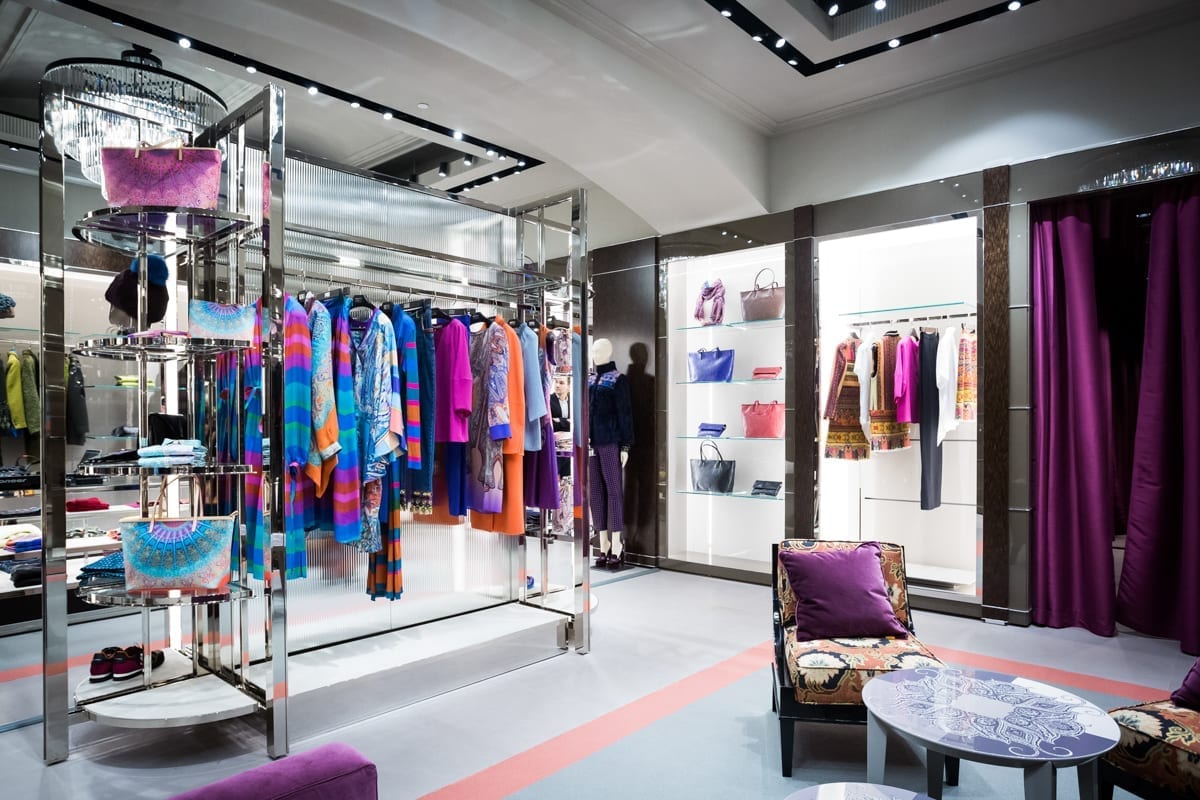
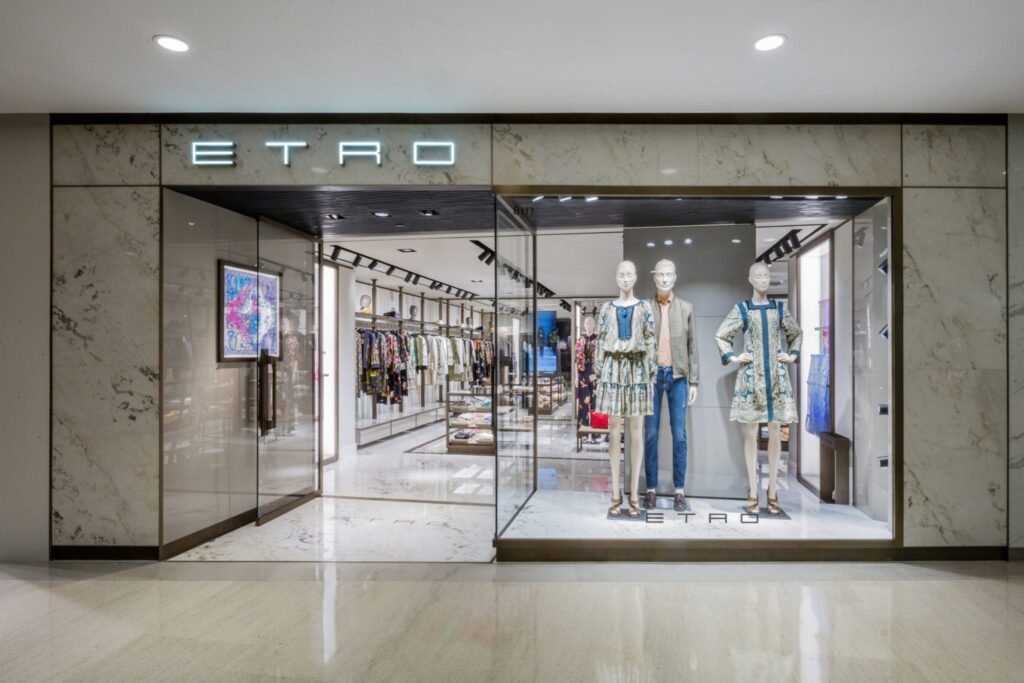
    Italian luxury house Etro China has opened a store in Shanghai’s Plaza 66 mall.

    Covering more than 150 sqm, the store features both men’s and women’s clothing and accessories collections as well as the brand’s latest retail design concept, reports CPP-Luxury.

    Founded in 1968, Etro is a family-owned fashion house with its headquarters in Milan. As well as China, it has outlets in Japan and South Korea.

    Etro Plaza 66


  • Amusing concept in newest Gentle Monster flagship

    Amusing concept in newest Gentle Monster flagship

    Korean eyewear retailer Gentle Monster is creating jaw-dropping retail executions across Asia and beyond.

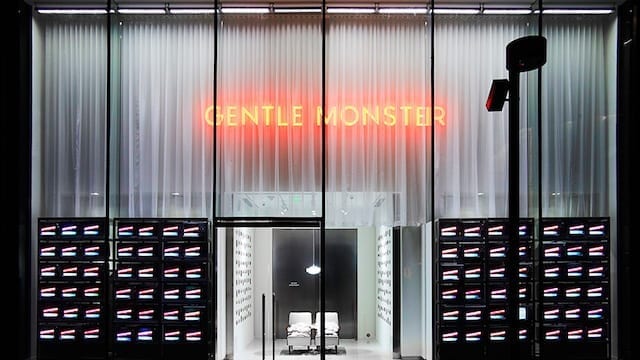
    The images accompanying this story are of the equally unique Beijing flagship store, located in the Sanlitun retail precinct.

    gentle-monster-beijing-flagship-9

    Each Gentle Monster flagship features a completely different design format, inspiration and execution – it is the utmost opposite to traditional retail chains’ cookie-cutter store design approach as is possible.

    gentle-monster-beijing-flagship-10

    “I wanted the products to look as if they were being exhibited,” explains Hankook Kim, founder and CEO of Gentle Monster. And so the in-store concepts have become something of a calling card for the brand.

    gentle-monster-beijing-flagship-7


    As Australian retail consultant Brian Walker observes in a column on disruptive retailing, every retail store in their ecosystem is completely different; from ‘Platform’ in Hong Kong; designed like a train carriage, to ‘L’Artisan’ in Shanghai and ‘Secret Apartment’ in Beijing.

    gentle-monster-beijing-flagship-5

    “Each store is a three-dimensional still life, with its own back-themed story.”

    Gentle Monster was founded in 2012 after a chance meeting between Kim and Korean serial entrepreneur Jae W Oh at an English summer camp in Seoul a year earlier. Oh took a liking to Kim and invited him to come up with a concept worthy of his cash.

    gentle-monster-beijing-flagship-3


    “When I first began looking into eyewear and researching the market, I found that it was a very union-controlled industry that was not explored as an artistic form,” Kim said in a recent interview with The Business of Fashion.

    gentle-monster-beijing-flagship-6

    And so a brand was born. Kim identified an opportunity to create oversize spectacles for Asian consumers, for whom having a small face is a compliment. “There were no competitors for oversize glasses, which make heads look smaller.” Asians also require eyewear with a low bridge. “Eyewear was all about the Western facial structure.”

    gentle-monster-beijing-flagship-4

    He found a factory in Daegu abandoned by Luxottica who shifted production to China, and another plant in China where he could produce acetate frames (illegal to manufacture in Korea).

    Gentle Monster’s rise has been swift. In 2014 the brand achieved revenues of US$40 million, predominantly in Korea and China. That figure grew four-fold to $160 million the following year, with figures for 2016 not yet revealed.

    gentle-monster-beijing-flagship-2

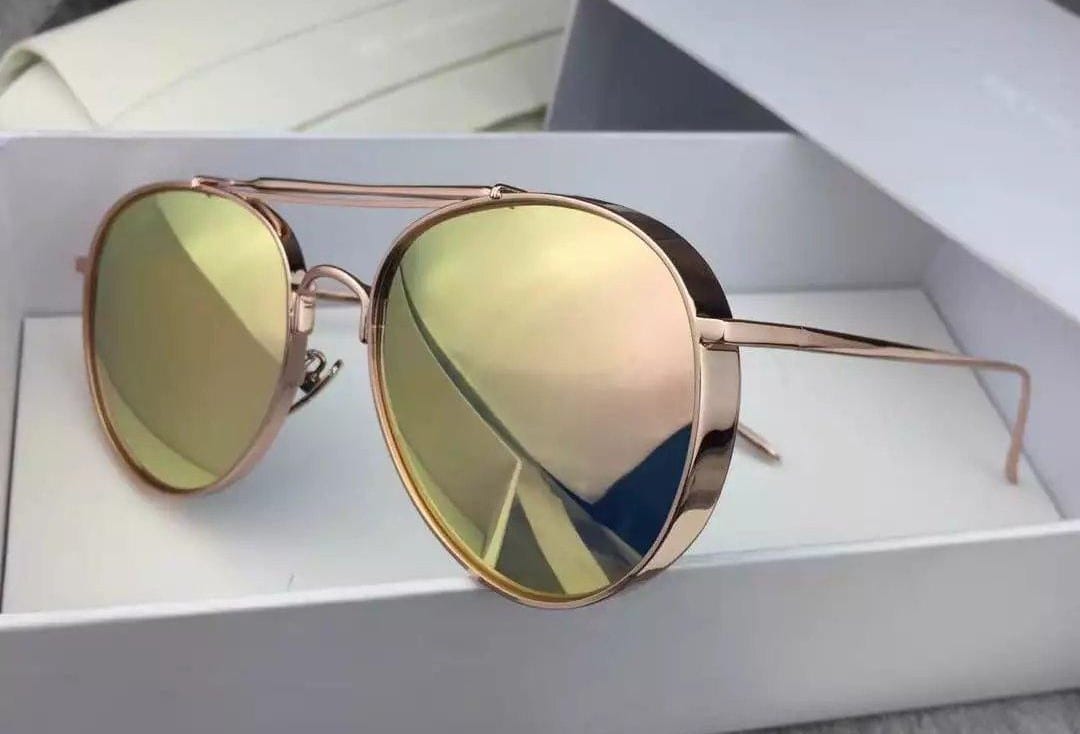
    The brand’s frames range in price from a little over $200 for an entry-level pair, to $500+ for something more exotic. Like its stores, its frame designs are often unusual – or even “strange” as The Business of Fashion observed.

    gentle-monster-beijing-flagship-1

    Flush with success of its eyewear range, Gentle Monster is now deciding which other categories to expand into.

    “Gentle Monster started out as an optical company, but the goal is to make it a creatively disruptive corporation,” says Kim. “Brand really is the genuine tool.”

  • China Mobile, Ericsson, Mobike trial IoT in Shanghai

    China Mobile, Ericsson, Mobike trial IoT in Shanghai

    China Mobile Shanghai  has teamed up with Ericsson and bike-sharing service startup Mobike to conduct a cellular IoT trial on the Chinese operator’s live network in Shanghai.

    During the trial, Ericsson’s latest cellular IoT technologies were used to more accurately locate the IoT-enabled bikes of Mobike, providing a more convenient and enhanced bike-sharing experience to Mobike’s users.

    Coverage areas were also extended to places that traditional mobile coverage can hardly reach, such as underground parking lots. The new technologies will also significantly reduce the time to unlock the bikes and users will enjoy “open upon scanning” without waiting.

    Mobike vice president Yang Zhongjie said latest cellular IoT technologies like CAT-M1 and NB-IoT will greatly enhance the user experience in the future and solve existing challenges encountered by Mobike such as coverage in difficult locations.

    “We also expect Chinese operators to complete the nationwide deployment of cellular IoT as early as possible,” Yang added.

    New cellular IoT technologies provide better coverage and faster response time with narrower bandwidth and fewer resources than mobile technology. They also bring energy-saving and deep-coverage features which enable five-to-seven-fold coverage improvements for operators in the same site environment. The battery life also extends to more than 10 years.

    The successful trial marks an important step forward in the large-scale commercial deployment of cellular IoT in China, Ericsson said in a statement.

    China Mobile and Ericsson recently signed an IoT agreement as part of China Mobile’s Big Connectivity strategy.