Tag: Shanghai

  • Forevermark diamonds opens Shanghai flagship

    Forevermark diamonds opens Shanghai flagship

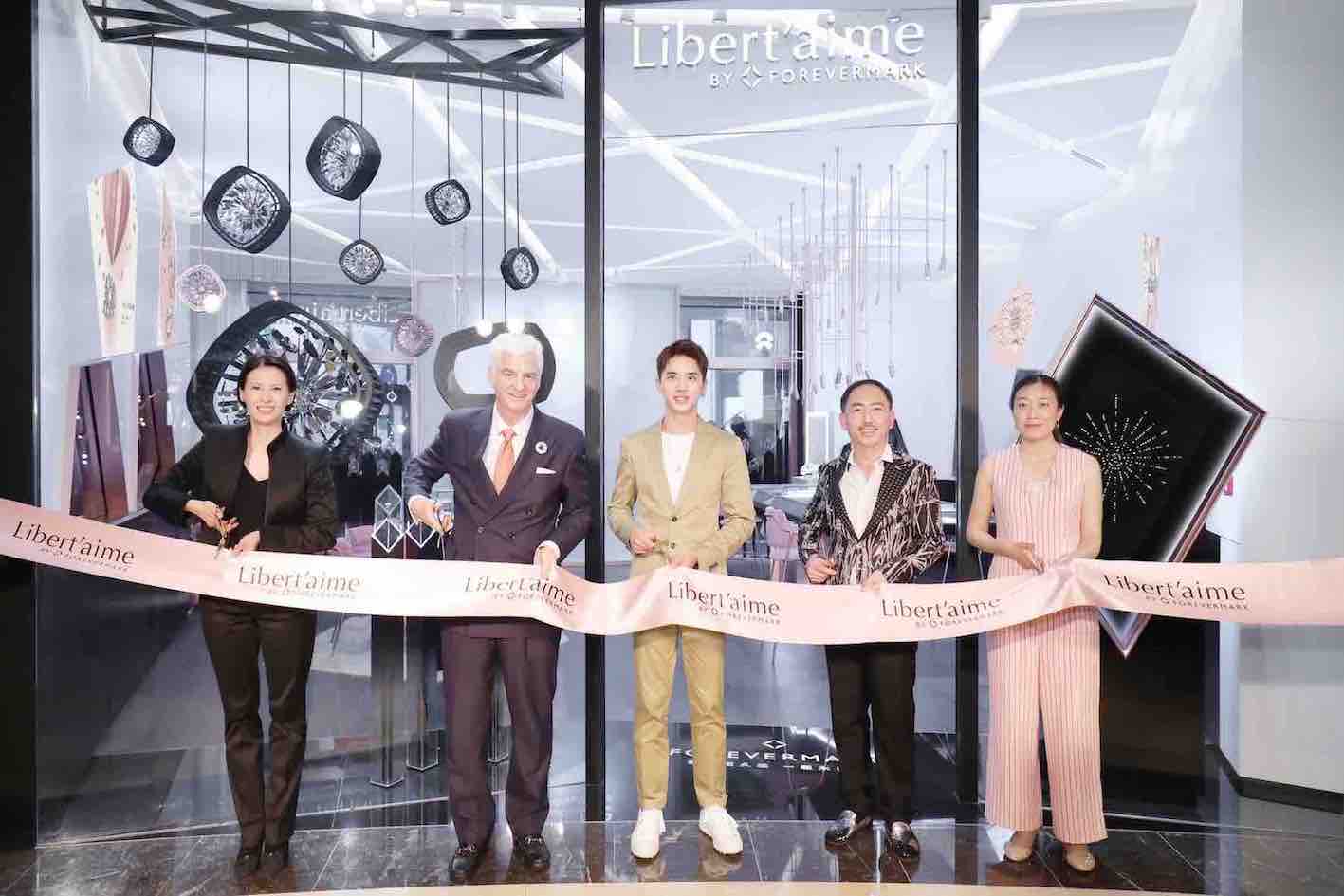
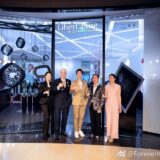
    Forevermark, a luxury retail brand of jeweller De Beers Group, has unveiled a flagship store concept, Libert’aime by Forevermark, in Shanghai.

    At HKRI Taikoo Hui, the store marks the 1000th Forevermark location in China. The Libert’aime concept focuses on 420 million millennials in China through an omnichannel model, offering an assortment of diamond jewellery.

    The omnichannel experience combines the Libert’aime concept market with online platforms and a WeChat store. Digital experiences in the store include a 3D diamond wall, a magic mirror, a Diamond Bar (daily offerings) and a Spectacular Diamonds area (fancy-cut and multi-diamond pieces).

    “Forevermark will continue to focus on its classic bridal and non-bridal collections with our valued Forevermark retail partners, while Libert’aime by Forevermark will concentrate on providing a complementary offer to excite millennials,” says Forevermark CEO Stephen Lussier.

    The concept store also features Le Light collection designed by Chinese actor/musician Timmy Xu Weizhou.

    Established in 1888, De Beers Group specialises in diamond exploration, mining and marketing. It has mines in Botswana, Canada, Namibia and South Africa, and employs more than 20,000 people across the diamond pipeline.

    The pictures from the opening ceremony and the gallery can be viewed below :

  • Carrefour opens ‘smart store’ in Shanghai

    Carrefour opens ‘smart store’ in Shanghai

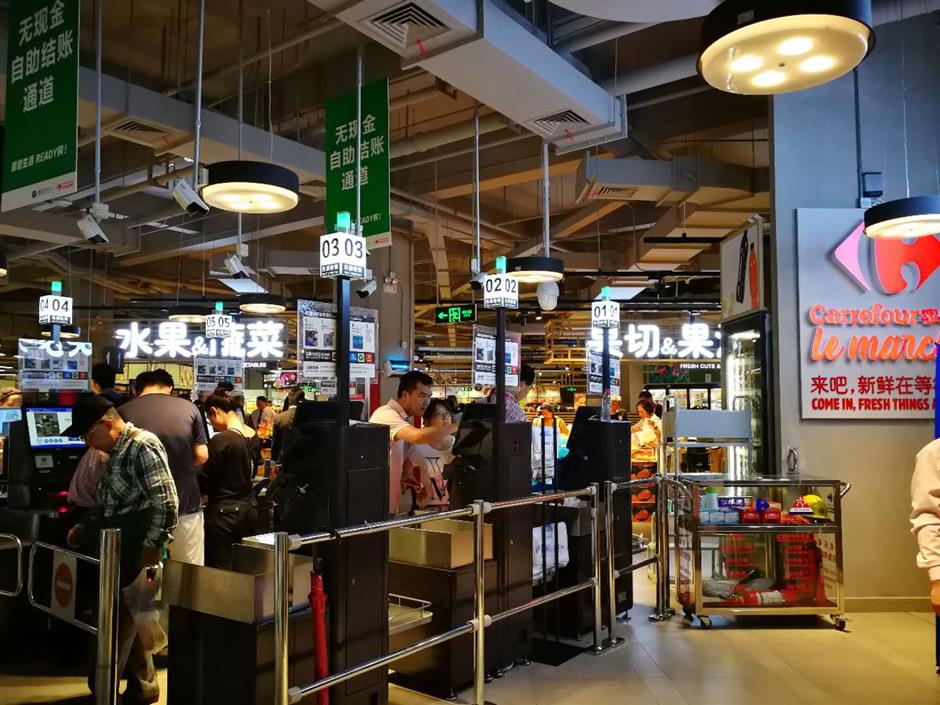
    Carrefour China has opened its first-ever ‘smart supermarket’ in Shanghai in partnership with Tencent, four months after the parent company of the WeChat app bought a stake in the French retailer.

    Covering 4000sqm over two levels in Changning district, the new Le Marche store is connected to the Beixinjing metro station. It offers more than 25,000 product types, mostly food, and customers can pay with their WeChat accounts by scanning a QR code and using facial-recognition technology.

    A feature of the supermarket is on-screen entertainment, including reality TV show Produce 101, owned by Tencent’s video arm.

  • LF Beauty’s Creative Days envisions the future of beauty in China

    LF Beauty’s Creative Days envisions the future of beauty in China

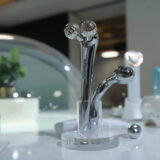
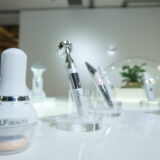
    LF Beauty, a one-stop shop partner and supplier of product solutions for fragrance, skincare, color cosmetics, interactive POS displays and beauty instruments for world-class brands, retailers and direct marketers, today launched its Creative Days concept event at LiFung Plaza in Shanghai. The event followed a successful first launch in 2016.

    As the largest and fastest-growing beauty market in the world, China is one of LF Beauty’s key markets. According to Euromonitor, the Chinese beauty and personal care market was forecasted to grow by 30% between 2016 and 2021 to a total value of 434 billion RMB, equivalent to 69 billion USD. Premium beauty and personal market was expected to grow even faster at an astonishing rate of 53%. The China consumer today, especially millennials, wants personalized products and innovative formulations. Millennials in China are placing increased importance on skincare and skin protection from external factors such as UV light and pollution.

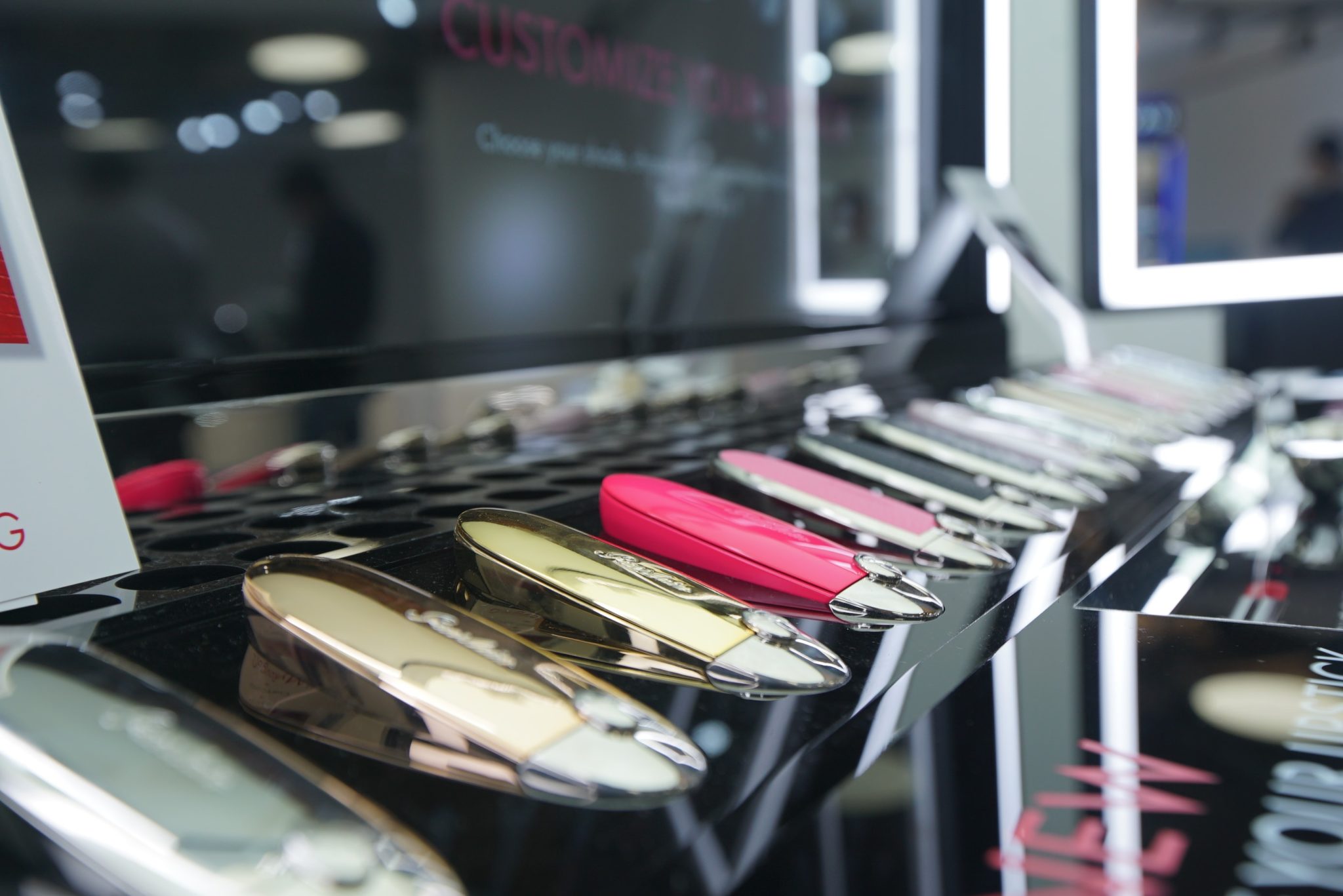
    At this year’s Creative Days, LF Beauty showcased a wide array of innovative skin care, color cosmetics and fragrance products and solutions, as well as interactive point-of-sale (POS) displays to close to 30 top international and local beauty brands, demonstrating how LF Beauty can create extra value to them and co-create innovative products and solutions that meet the rapidly evolving needs of digital-savvy Chinese consumers.

    Mario Salvatori, Executive Vice President of LF Beauty, said, “Today’s consumer is always looking for something new and fresh to update their image. This makes it a very exciting time for LF Beauty. The future of beauty is about collecting consumer insights both online and offline, providing personalized shopping experiences, developing innovative technology and promoting sustainable beauty. LF Beauty, which brings in-depth experience working with numerous well-known international beauty brands, is well-positioned to help beauty brands in China to meet the ever-changing needs of the Chinese consumers.”

    A key focus of the event was how LF Beauty could provide relevant data insights to help beauty brands spot trends in different age groups and markets, ultimately enabling those brands to achieve better sales performance through more informed product development and purchase decisions, as well as reduced inventory. Beauty brands who attended the event could see first-hand how leading brands are using the latest interactive point-of-sale (POS) displays to obtain customer intelligence.

    In response to the emphasis on skin protection, LF Beauty showcased anti-blue light products, targeted at millennials who are frequently on digital devices, and anti-pollution skin care products.

    William Mark, Senior Vice President of LF Beauty, said, “We have developed formulas and some are ready to go to address the anti-blue lights and anti-pollution skin maintenance needs, I am really excited about this market needs and trend in China and LF Beauty is uniquely positioned to supply end-to-end solutions in this front.”
    “We really see LF Beauty as a convener to bring brands, retailers and players in the industry together and co-create innovative products and solutions as well as provide consumer insights to help brands making more informed decisions– and that is what the future of beauty is going to look like,” said Mario.

  • FAO Schwarz Sets Its Sights on China

    FAO Schwarz Sets Its Sights on China

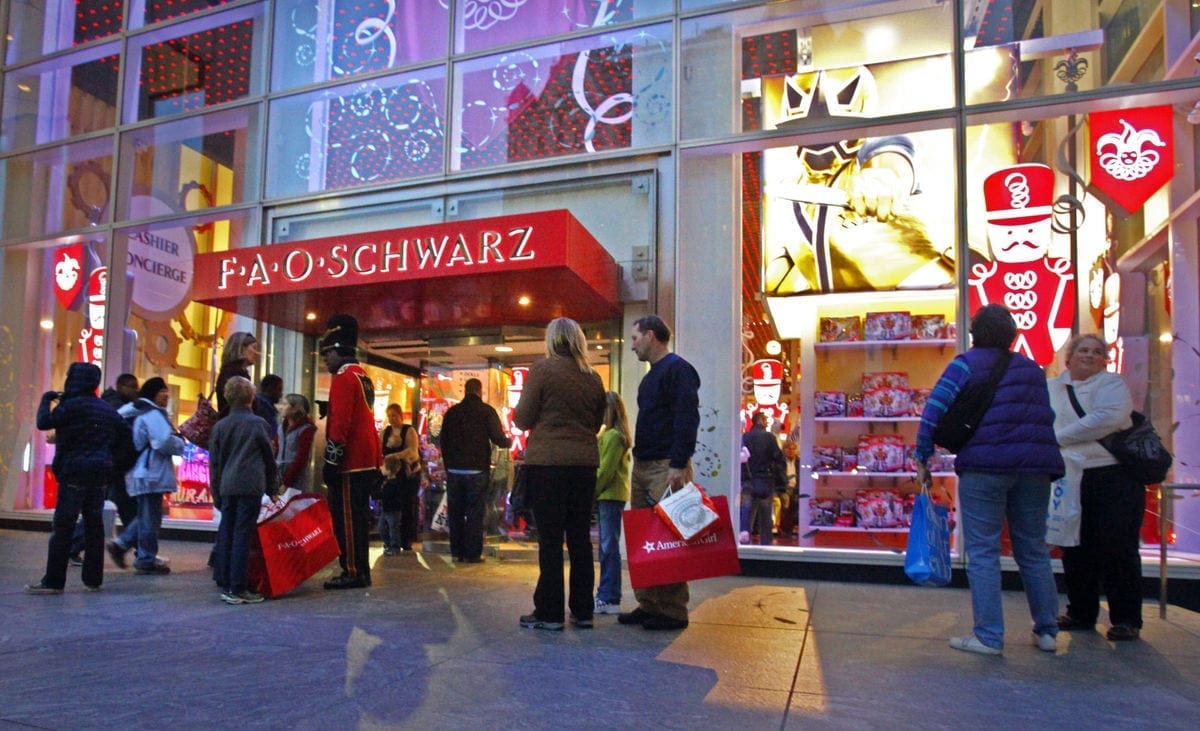
    As it continues its revival, US retail toy giant FAO Schwarz has set its sights on China.

    It plans to open stores in Beijing and Shanghai this year through a collaboration with China toy distributor Kidsland.

    Kidsland will also open 30 FAO Schwarz shops in 200 department stores across China over the next five years.

    “With customers looking for authentic brands and memorable encounters, we believe the brand will become a game changer in China’s toy industry,” says Kidsland International chairman/CEO Lee Ching Yiu.

    Founded in 1862, FAO Schwarz was the oldest toy store in the US when its sole remaining outlet, a flagship on Manhattan’s Fifth Avenue, closed in 2015. But its branded products continued to live on at Toys R Us, which bought the brand in 2009. In October 2016, Toys R Us sold FAO Schwarz to ThreeSixty Group, which designs, makes and distributes toys and other consumer products under a portfolio of owned and licensed brands.

    Meanwhile, FAO Schwarz has signed a licence agreement with Wild and Wolf, which designs and makes wooden toys, puzzles and games.

  • FedEx Opens Shanghai Hub, Prepares for A Surge On eCommerce in Asia

    FedEx Opens Shanghai Hub, Prepares for A Surge On eCommerce in Asia

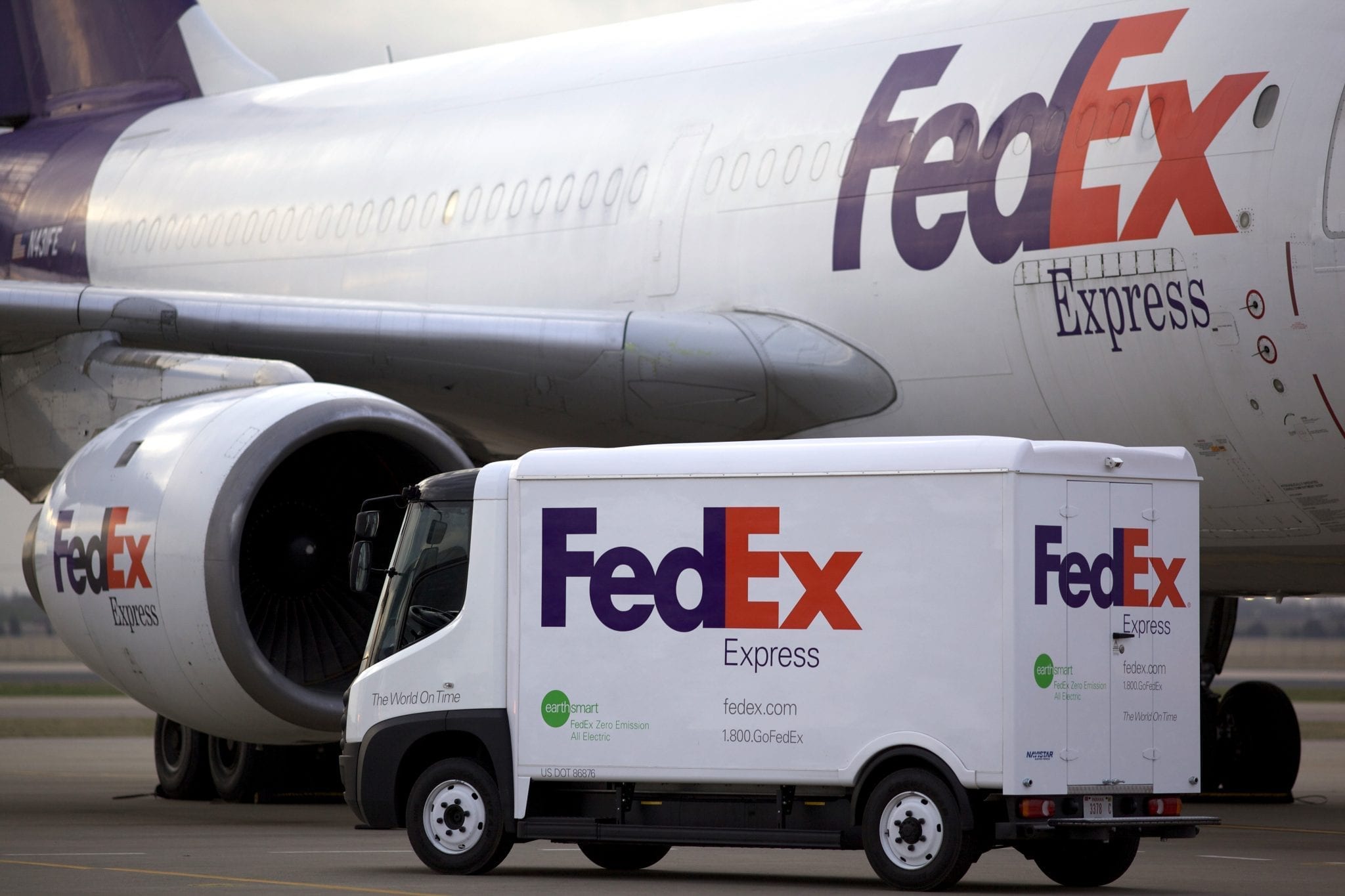
    FedEx recently opened its 1.4 million square foot Shanghai Pudong International Airport hub on January 8. FedEx’s new hub is now considered as the largest of its kind, installed with the latest sortation technology temperature-controlled storage.

    FedEx Corp. anticipates a growth in online transactions in China as the company opens its new hub in the country. Air cargo volume in China has grown steadily together with the demand of cross-border eCommerce market.

    It is approximate that the value of goods to increase to at least 43 percent to $117 billion this year. China’s air cargo volume is projected to increase to at least 6.2 percent in 2018, which is now considered as the biggest gain in the past 7 years, according to China’s Civil Aviation Administration.

    “There’s an opportunity to bring a lot of products and a lot of convenience to the Chinese consumers… With the wealth of Chinese consumers and the worldliness of Chinese consumers, they’re going to demand goods from the U.S. and Europe and parts all over the world,” David Cunningham Jr. Chief Executive Officer of FedEx Express

    China’s growing demand for cross-border eCommerce

    FedEx says that their latest facility can send real-time information such as shipment and flight status to its customers’ mobile smartphone devices. The hub also has dedicated areas for entry-exit inspection and quarantine to speed the customs clearance process.

    China’s growing demand for cross-border eCommerce has generally increased for the past 10 years, urging carriers to reorient their operations to mainly focus on the Chinese Market.

    United Parcel Service Inc. has now set up at least $10 million venture with SF Holding Co. in Hong Kong in May to cater to the growing demand of the Chinese Market. FedEx currently operates 66 flights in and out of the Shanghai hub each week.

  • Pradera Retail Rolls Out Post-Millennial Shopping Center in Shanghai

    Pradera Retail Rolls Out Post-Millennial Shopping Center in Shanghai

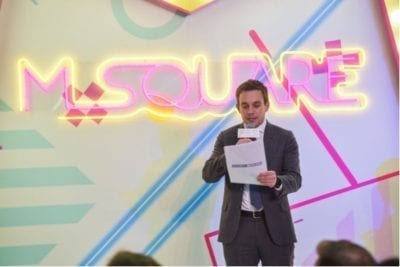
    Global retail asset management specialist Pradera Retail Asia has opened M-Square at Mosaic Shanghai (pictured).

    On the ground floor of Mosaic Shanghai, M-Square assembles brands popular among young consumers such as Korean cosmetic brand Too Cool For School, Taiwanese bubble-tea store Bu’er Tea, coloured contact-lens shop Sweet Color, Hong Kong mixed drink bar Beauty Bowly, fragrance store Scent Boutique, fashion eyewear brand Rebel Without A Clause, and coffee store 72 Now.

    Launch day included a ceremony attended by senior executives from Pradera Retail Asia and Mosaic Shanghai, as well as tenant representatives. There were also performances and interactive activities.

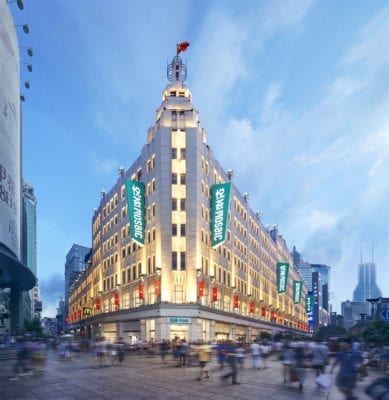
    Next to three subway exits on East Nanjing Road, Mosaic Shanghai covers 40,270sqm over seven floors offering retail, dining, lifestyle and entertainment. It is one of the entertainment leading malls on the East Nanjing Road.

    Mosaic Shanghai is undergoing a business upgrade to provide a shopping experience aimed at young consumers. This will include The Shanghai Dungeon, the first attraction of its type in Asia, set to open this year.

  • 8 best citie to live on this side of the world

    8 best citie to live on this side of the world

    Time Out’s City Life Index, a survey of 15,000 people in 32 global cities, has been released, and it shows which ones promise the most fun and excitement in 2018. Eight of them are on this side of the world.

    The survey, conducted by Tapestry Research, questioned residents on a variety of aspects of city life.

    It ranked cities in categories across food, drink, culture, friendliness, affordability, happiness, and liveability.

    It also “found the key factors that make residents find their city exciting,” from dining out often to feeling proud of where they are from.

    Here, their ranking in ascending order along with their overall scores:

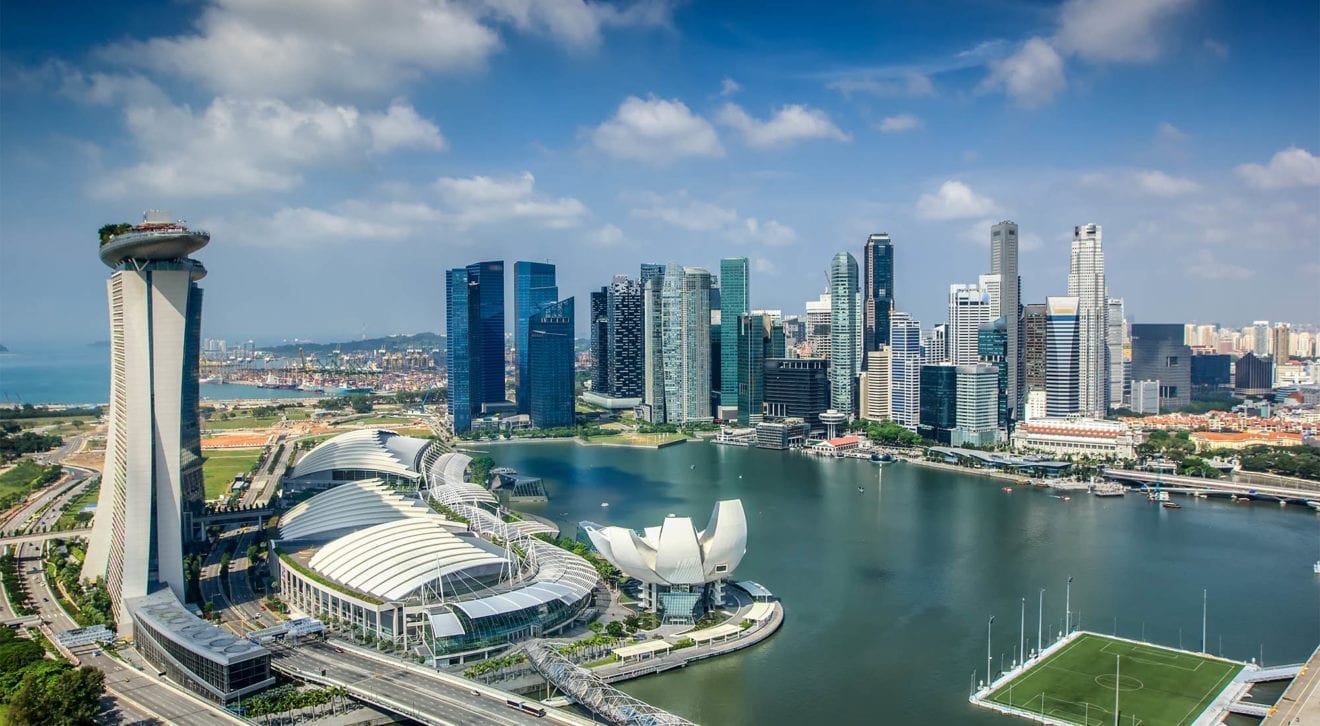
    31. Singapore (98.7) — Those from Singapore may not rate its culture scene highly, but they do value the city’s safety and are perfectly comfortable walking around at night.

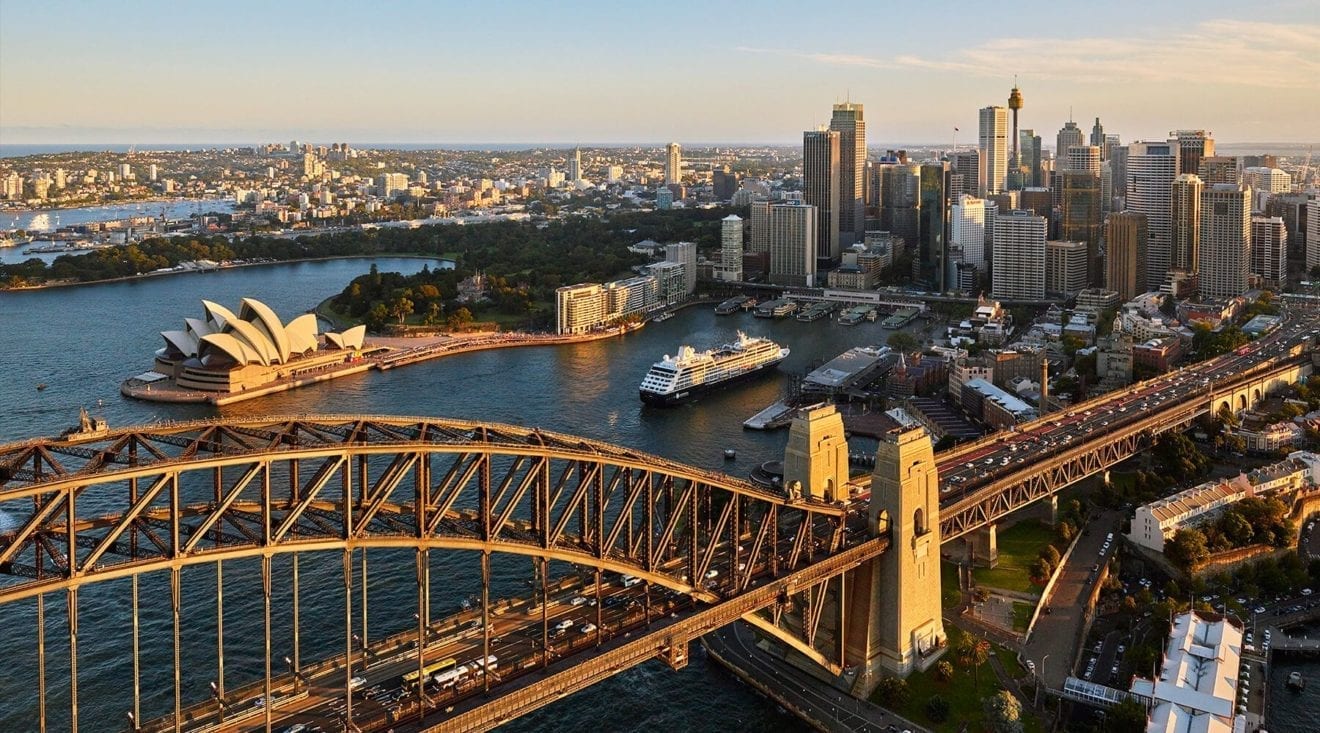
    28. Sydney (106.1) — While they may think the city is lacking in things to do and good restaurants, Sydney residents live a healthy life, with 66% having exercised in the past week and 38% never having taken drugs. They know how to party, though, and are the world’s No. 1 vodka drinkers.

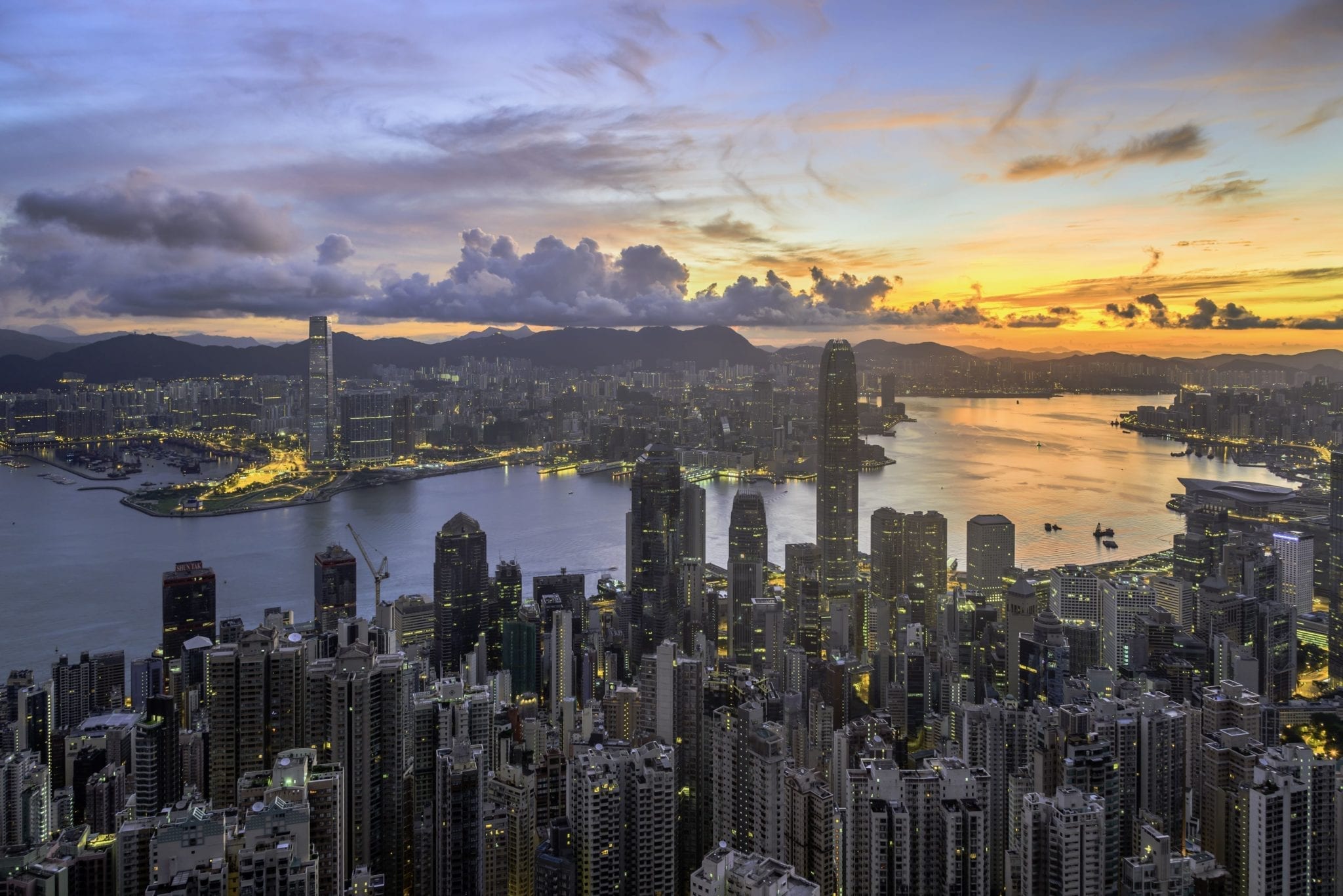
    26. Hong Kong (109.6) — Seventy-five percent of residents said the public transport in Hong Kong was great, contributing to the city’s overall score. They’re also among the biggest restaurant-goers in the world.

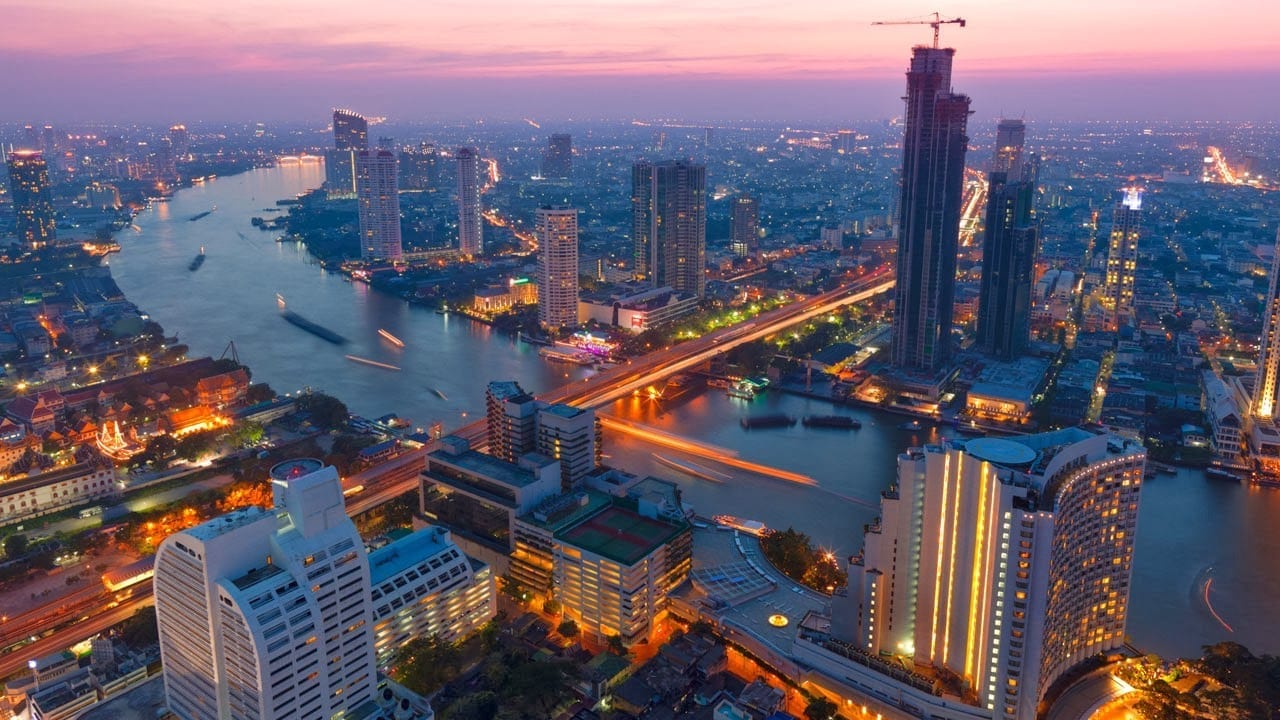
    24. Bangkok (111.0) — The survey revealed Bangkok as the world’s street-food capital, with more people eating on their feet than anywhere else — 42 times a year, on average. They’re also the biggest restaurant-goers, with 94% of respondents having visited a restaurant in the past week.

    22. Beijing (113.0) — The city may be exciting, but the commute is long, with 6% of Beijing residents even commuting for two to three hours a day.

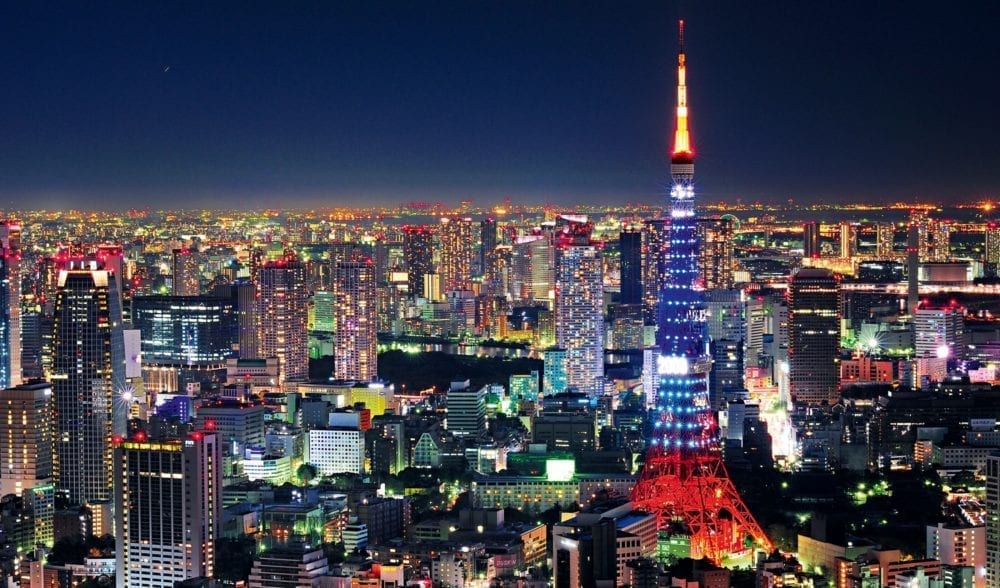
    19. Tokyo (117.7) — Tokyo residents love their food — they visit restaurants more than most other cities on the list.

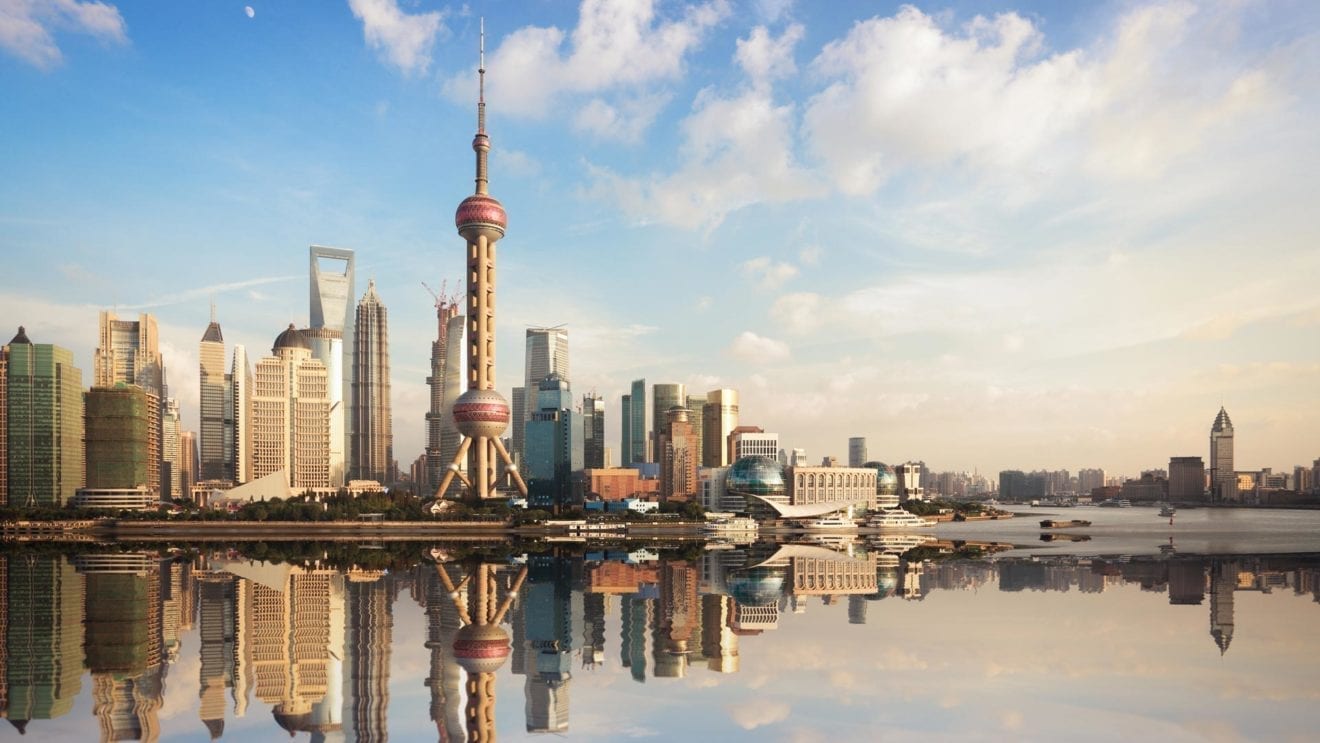
    16. Shanghai (119.5) — It may not come cheap, but there’s plenty to do in Shanghai, where residents say that while it is tough to find love, 79% believe it is easy to find a more casual encounter.

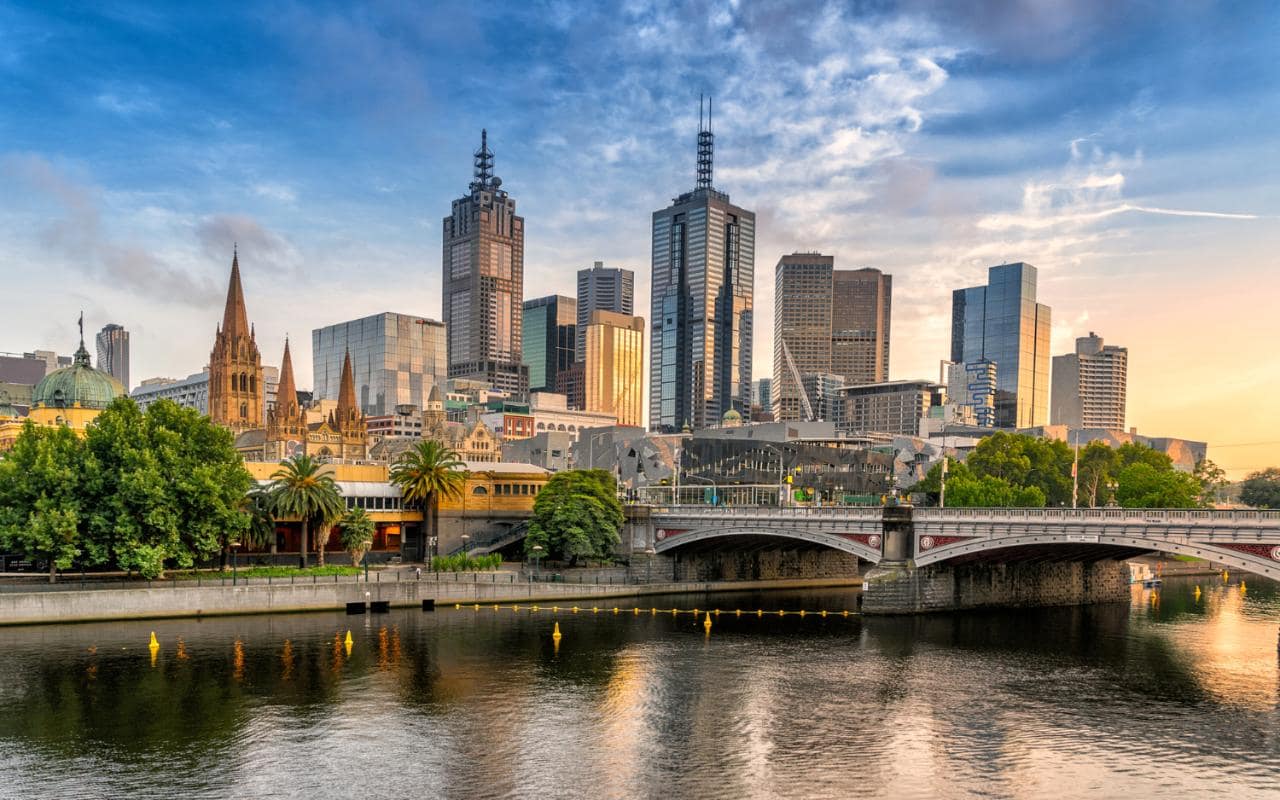
    4. Melbourne (132.3) — This Australian city came out above all others in terms of happiness, with nine in 10 residents saying they felt happy within the past 24 hours. They also find it easy to make friends and think the food-and-drink scene is one of the city’s best features.

  • Topshop poised for bricks-and-mortar debut in China

    Topshop poised for bricks-and-mortar debut in China

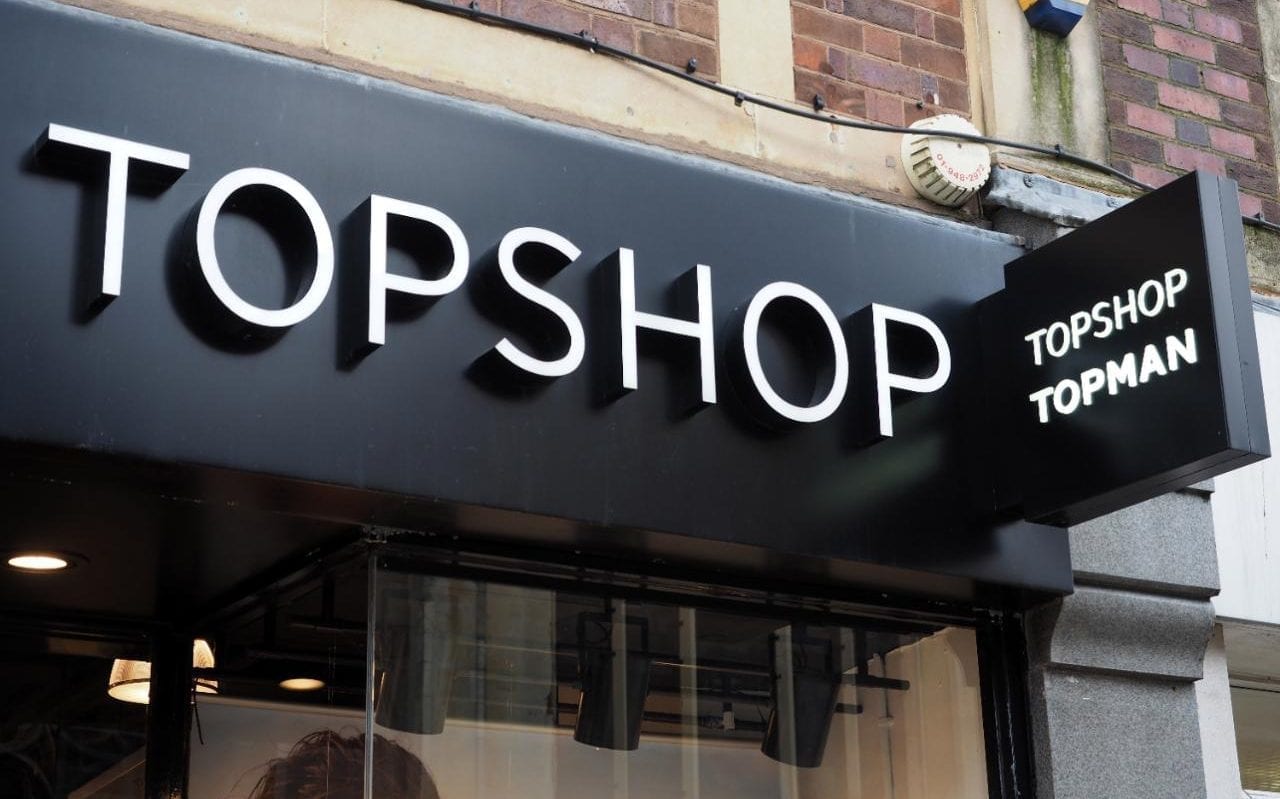
    British retailer Topshop is about to make its Mainland China debut – opening its largest store in the world in Shanghai.

    To date, the fashion chain has opened just three stores in greater China – all of them in Hong Kong, where it made its debut in 2012. While the company has recently been closing stores in Australia, Spain and other markets, the company sees huge potential in China, despite its late arrival there. (Brands like H&M and Zara have had a China presence for a decade).

    A three-story flagship Topshop China store will open on Middle Huaihai Road offering more than 3400sqm of selling space. Huaihai Road is Shanghai’s most prominent retail high street strip featuring giant flagships from Uniqlo and Victoria’s Secret along with smaller maisons for luxury brands.

    While Topshop China has lacked a brick-and-mortar presence on the mainland until now, Topshop has maintained an online presence, forming an exclusive partnership with luxury-oriented e-commerce venture ShangPin.com in 2014.

  • Starbucks CEO talks about the future in China after the opening of its biggest store yet

    Starbucks CEO talks about the future in China after the opening of its biggest store yet

    That would be the company’s new Shanghai Roastery, a 30,000 square-foot “coffee wonderland,” which opened Tuesday and is Starbucks’ largest store to date.

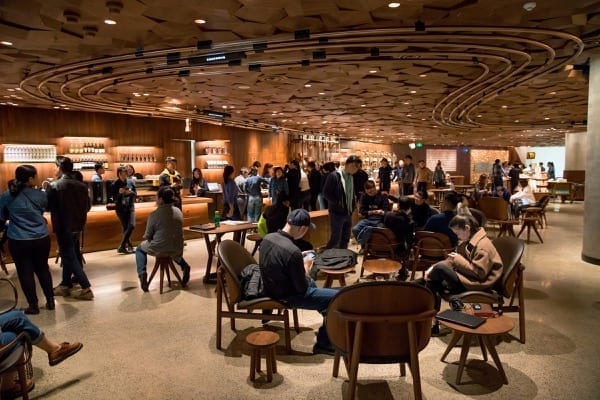
    Located in the company’s fastest-growing country, the new Roastery is double the size of the original in Seattle that opened in 2014. It features three coffee bars offering multiple brewing methods; a 3D-printed tea bar; an Italian bakery, Princi; and a ceiling built with 10,000 handmade wooden hexagon-shaped tiles. There’s also a two-story, 40-ton copper cask with more than 1,000 hand-engraved Chinese stamps that tell the story of Starbucks and coffee.

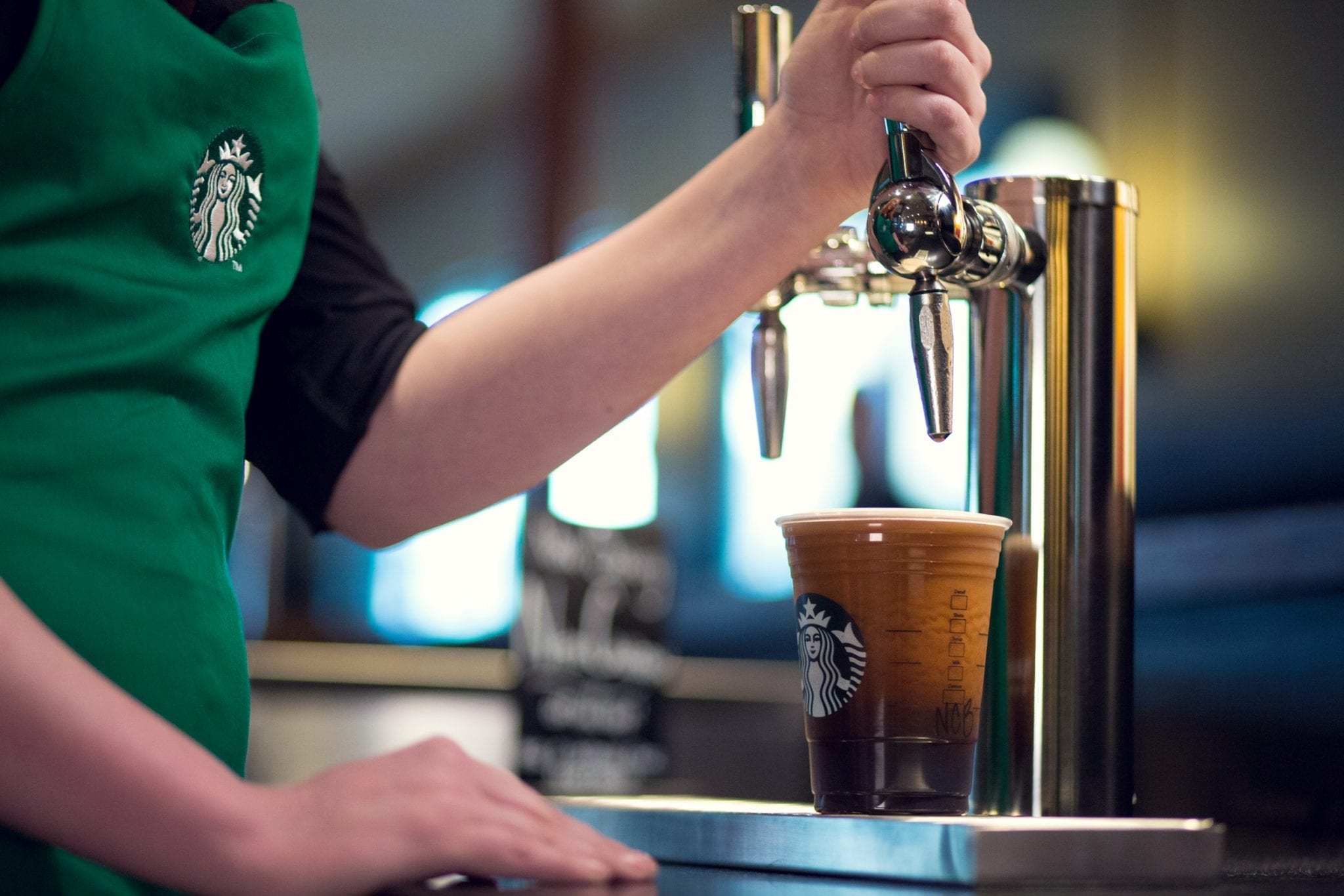
    Technology is weaved into the store, including Starbucks’ first-ever in-store augmented reality experience, built in partnership with Chinese tech giant Alibaba, which is also selling Roastery coffee and merchandise on its Tmall online marketplace. Yahoo noted that sales on Tmall reached $1 million in the 48 hours before the Roastery opened.

    Starbucks plans to open more Roastery locations next year in Milan and New York City; and in Chicago and Tokyo in 2019. Speaking at the GeekWire Summit in October, Starbucks CEO Kevin Johnson explained that the Roastery stores act as “a center of innovation” for the company, which now has 27,000 stores in 75 countries and serves 90 million customers per week.

    “You’ll see us invest in taking the innovation we get from the Roasteries and propagate it throughout all our Starbucks stores around the world,” Johnson said.

    China represents Starbucks’ fastest-growing market with more than 3,000 stores across 136 cities, and 600 alone in Shanghai. The company posted same-store sales growth of 8 percent in the most recent quarter for China, compared to a 2 percent global average growth for stores worldwide. In July, Starbucks paid $1.3 billion to acquire the remaining shares in its East China business as it unified mainland China as a company-operated market.

    At a press event in Shanghai this week, Johnson said that China will become Starbucks’ fastest-growing market within a decade, according to the South China Morning Post.

    “If you look at the growing middle class in China and the opportunity for more and more people to frequent Starbucks, we can build stores in China for decades and still have runway to build more,” Johnson said at the GeekWire Summit.

    Starbucks CEO Kevin Johnson speaks at the 2017 GeekWire Summit.
    China can also act as a testbed for the company’s new digital products and services, given that there are nearly 700 million smartphone users. In July, Starbucks Chairman Howard Schultz hinted that Starbucks would partner with more Chinese tech companies “based on the fact that the consumer in China is well more advanced than the U.S. consumer in terms of being a digital native.” It previously partnered with another Chinese tech giant, Tencent, for social gifting integration on WeChat.

    At the GeekWire Summit, Johnson noted that Starbucks is working to create a “unified commerce platform” that enables its rewards program to work seamlessly across international markets.

    “The key factor is some software that our teams are writing that is rolling out country by country around the world, and it might take us another two years to touch every country,” he noted.

    Asked how Starbucks creates a consistent customer experience at its stores around the world while staying true to local culture, Johnson said it’s about creating a welcoming store environment, providing top quality coffee, and most importantly, human connection — the “one thing that every single one of us on this planet has in common.”

    “We’ve all experienced joy and sorrow; we’ve all experienced the struggle and the success,” Johnson explained. “So just anchoring on the fact that human beings, we are tribal people — we get energy from one another. If you create an environment where people are connecting with other people in our stores, it works everywhere.”

    Johnson also talked about how Starbucks ties together a physical store experience with digital innovation.

    “One, you must be focused on experiential retail that creates an experience in your store that becomes a destination for the customer,” Johnson explained when asked about what physical retailers must consider in 2017. “And number two, you have to extend that experience from brick-and-mortar to a digital-mobile relationship. So our approach to this is investing in elevating the experience we create in our stores, and investing in the digital-mobile connection we have with our customers.”


  • What to know about the breathtaking Starbucks Reserve Roastery in Shanghai

    What to know about the breathtaking Starbucks Reserve Roastery in Shanghai

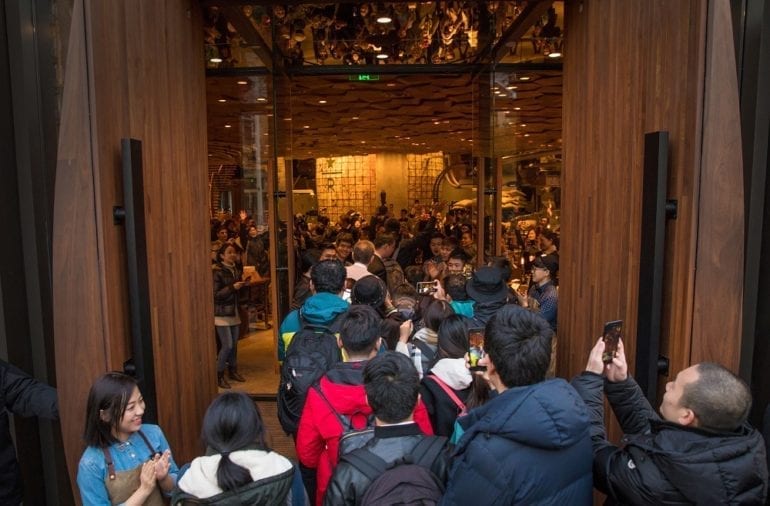
    The world’s largest, most beautiful Starbucks yet opened its doors yesterday in Shanghai at 30,000 square feet.

    Featuring everything from Starbucks longest coffee bar, to the world’s only 3-D printed tea bar, and Starbucks first Augmented Reality experience, the roastery takes coffee lovers through a one-of-a-kind coffee journey that is sure to impress.

    The Roastery in Shanghai is the epitome of coffee and retail innovation for Starbucks. As China is at the forefront of Starbucks vision for global growth and innovation, it was the perfect place for the largest Starbucks to open. China is the company’s fastest growing market with more than 3,000 stores across more than 130 cities.

    On Dec 5, two of the world’s most innovative retail titans – Howard Schultz and Jack Ma – came together to celebrate the opening of Starbucks Reserve Roastery Shanghai.

    1. Officially the largest, most beautiful Starbucks® location in the world at nearly 30,000 square feet (2,700 square meters). FUN FACT: The Starbucks Reserve Roastery Shanghai is twice the size of the flagship Reserve® Roastery in Seattle and the equivalent of 40 average NYC apartments.
    2. Home to three coffee experience bars, one of which is 88 feet (26.9 meters) long, making for the longest Starbucks coffee bar in the world. FUN FACT: Known as the main engine of the Roastery, the coffee bar was handcrafted by premiere Chinese artisans and references the unique roasting curve of individual coffee beans.
    3. Mirroring the signature copper cask at the inaugural Reserve Roastery in Seattle, at entry, customers will be greeted by the stunning site of a two-story, 40-ton copper cask adorned with over 1,000 traditional Chinese chops, or stamps, hand-engraved to narrate the story of Starbucks and our Reserve coffee. FUN FACT: The iconic cask connects to the three coffee bars with pneumatic copper piping, replenishing all the roasted Starbucks Reserve® coffee silos. 
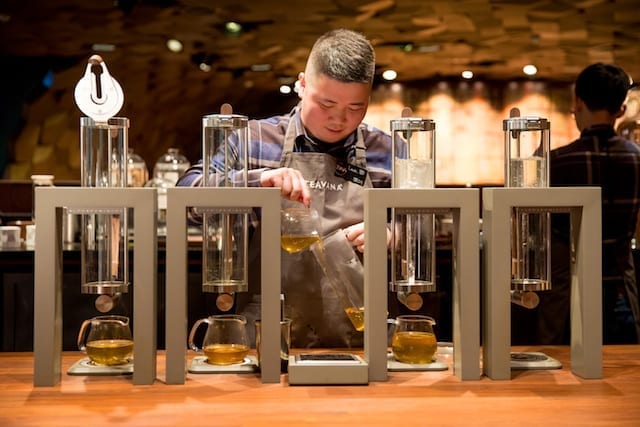
    4. Unique beverage menu items that cannot be found at any other Starbucks in China. FUN FACT:  Over 100 beverages are on the Roastery menu including Teavana tea infused with nitrogen as well as a new take on tea brewing with the Steampunk, which uses steam to extract unique flavors from each tea leaf. 
    5. Overall design of the space inspired by coffee and created exclusively in China for China – it will never be repeated. FUN FACTS: Some of the key design features include a ceiling consisting of 10,000 handmade wooden hexagon-shaped tiles inspired by the locking of an espresso shot on an espresso machine.  
    6. First PrinciTM bakery and café location in Asia, with more than 30 skilled Chinese bakers and chefs. FUN FACT: More than 80 menu items will be baked fresh onsite daily, bringing acclaimed Italian baker Rocco Princi’s artisanal Italian recipes to customers in China for the first time.
    7. The new Shanghai Roastery features China’s first Starbucks® Teavana Bar, a reimagined tea experience supported by the world’s only tea bar made entirely from 3-D printed recycled materials. FUN FACT: The light jade coloring of the Teavana Bar was inspired by ancient green clay teapots and the stains formed by brewing over time. Starbucks will continue China’s rich brewing tradition alongside tea curators as they practice mixology with the help of the Steampunk system’s nitrogen flavor extraction.    
    8. First Starbucks Reserve Roastery outside the U.S., and only second Reserve Roastery to date. FUN FACT: Additional Roasteries are slated to open in Milan and New York in 2018, and Tokyo and Chicago in 2019.
    9. Starbucks first-ever in-store Augmented Reality Experience. FUN FACT: Designed by Starbucks, and powered by Alibaba, the Shanghai Roastery will become the first Starbucks location, and the first-of-its kind in China, to seamlessly integrate a real-time, in-store and online customer experience. Roastery customers are invited to immerse themselves in the first Starbucks augmented reality (AR) experience by simply pointing their phones at key features around the Roastery to bring to life information about the Starbucks bean-to-cup story. Guided through the space by a custom-designed AR “tour-guide,” customers can unlock virtual badges and a unique Roastery filter to commemorate their visit.
    10. China is Starbucks fastest growing market with a new store opening every 15 hours. FUN FACT: Starbucks has had a presence in China for more than 18 years, now with more than 3,000 stores across 136 cities, over 600 of which are in Shanghai, the largest number of stores globally of any city where Starbucks has a presence.
  • Shanghai’s newest Family Hub Neobio

    Shanghai’s newest Family Hub Neobio

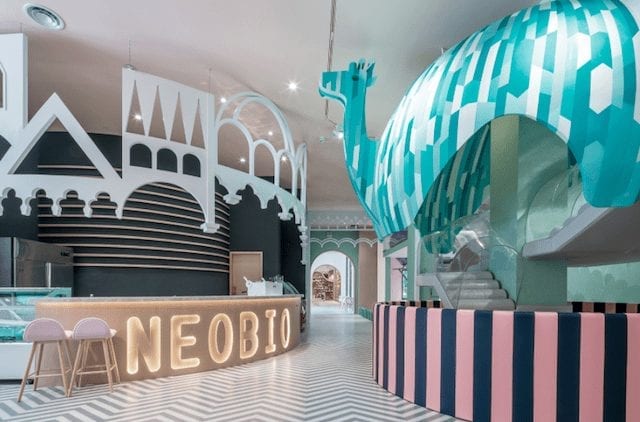
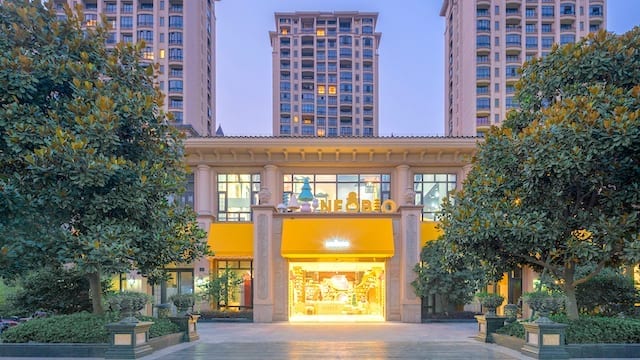
    Family dining and fun activities feature in Shanghai’s new Neobio Family Park, designed by architecture firm X+Living.

    It’s a concept ideally suited to shopping centres trying to attract families and fill distressed space at the same time.

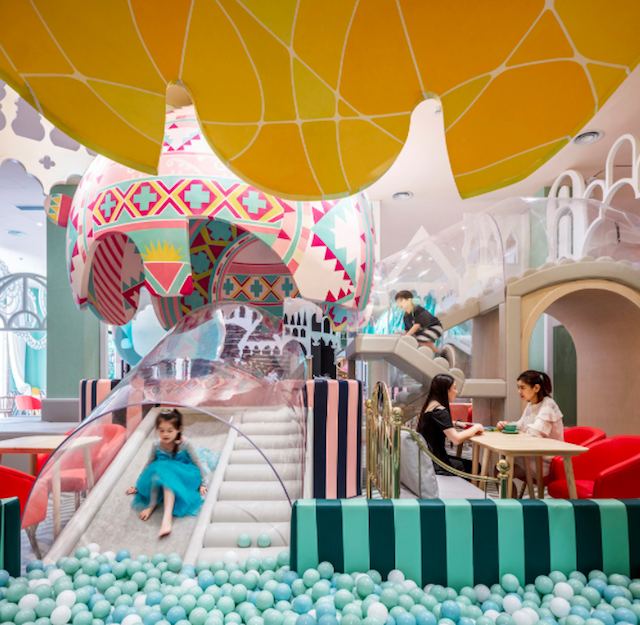
    Within two buildings in the Minhang district, the 3000sqm indoor amusement park includes a reading area with a forest theme, giant “balloons”, a bubble pool, sand pit and toy area. Perspex walkways link each area so dining adults can keep an eye on their children while still being able to entertain themselves. Slides, ladders and tunnels cover the restaurant, which has a pastel-themed décor.

    Neobio architect/designer Li Xiang says the venue is divided into Reading Area, Dining Area, Sims City, Climbing Area and Party Room, as reported. “Entering the main entrance, we are surrounded by wavy forests and rolling hills, which are the bookshelves of the reading area and are the best place for kids to play hide-and-seek.” There is also a reading area for parents by the window near the forest.


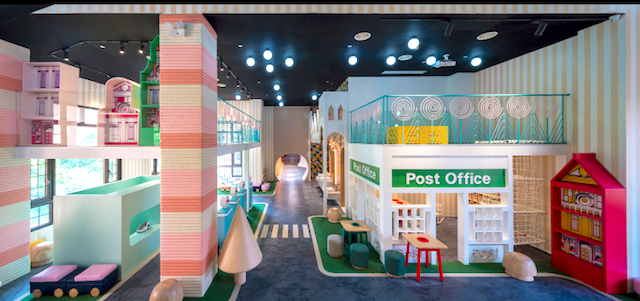
    Sims City features an urban environment with roads, pedestrian crossings, street lamps and parking lots. A three-storey house in the centre includes a mini post office, gas station, supermarket and hospital, plus areas where children can play at kitchen activities, dressing up, doing make-up and changing baby diapers.

    There is even a Princess Cosplay area where girls can dress up and take photos while their mothers have a manicure.

    “Along Time Tunnel, we arrive at the Big Child Area where various slides and climbing racks fill the whole floor,” says Xiang. “It looks like a huge maze.”

    An eye-catching S-shaped slide takes children directly to the first-floor dining area which features balloon-like suspended game boxes all connected by transparent crawl ways. There are two VIP dining rooms for families who want privacy.

    In the basement is the Party Room with such themes as Indian, desert and Mediterranean.

  • Shanghai is home for world’s largest Starbucks Reserve Roastery

    Shanghai is home for world’s largest Starbucks Reserve Roastery

    The world’s largest Starbucks Reserve Roastery opens in Shanghai tomorrow, a store the company also describes as its “most beautiful”.

    At 2700sqm (nearly 30,000sqft) the store is twice the size of the Seattle Starbucks Reserve Roastery flagship. It features three coffee experience bars, the largest 27m long. The coffee bar was handcrafted by premiere Chinese artisans and references the unique roasting curve of individual coffee beans.

    Starbucks Reserve Roastery - Shanghai 1

    China is Starbucks’ fastest-growing market with a new store opening every 15 hours. The US coffee chain has been in China for more than 18 years and now has more than 3000 stores across 136 cities. More than 600 of those  are in Shanghai.

    Starbucks Reserve Roastery - Shanghai 2

    Starbucks Reserve Roastery - Shanghai 11

    The ambitious store expands Starbucks’ core offer, with more than 100 beverages on the menu, including Teavana tea infused with nitrogen and a new take on tea brewing with the Steampunk, which uses steam to extract unique flavors from each tea leaf.

    Starbucks Reserve Roastery - Shanghai 3

    Starbucks says the design is unique and will not be repeated elsewhere. Key design features include a ceiling consisting of 10,000 handmade wooden hexagon-shaped tiles inspired by the locking of an espresso shot on an espresso machine.

    Starbucks Reserve Roastery - Shanghai 4

    At the store’s entrance, mirroring the signature copper cask at the inaugural Starbucks Reserve Roastery in Seattle, customers will be greeted by the sight of a two-story, 40-ton copper cask adorned with more than 1000 traditional Chinese chops, or stamps, hand-engraved to narrate the story of Starbucks and its Reserve concept. The cask has a practical purpose, as well – connecting to the three coffee bars with pneumatic copper piping, replenishing all the roasted Starbucks Reserve coffee silos.

    Starbucks Reserve Roastery - Shanghai 8

    New bars and AR

    Besides the coffee experience bars, the new store features Asia’s first Princi bakery and cafe, with more than 30 Chinese bakers and chefs baking 80-plus menu items fresh onsite daily, based on artisanal recipes created by Italian baker Rocco Princi.

    Starbucks Reserve Roastery - Shanghai 9

    And it features China’s first Teavana Bar. Made entirely from 3D printed recycled material, the bar’s light jade colouring was inspired by ancient green clay teapots and the stains formed by brewing over time. Starbucks will continue China’s brewing tradition alongside tea curators as they practice mixology with the help of the Steampunk system’s nitrogen flavor extraction.

    Starbucks Reserve Roastery - Shanghai 10

    Designed by Starbucks, and powered by Alibaba, the Shanghai Roastery will become the first Starbucks location, and the first-of-its kind in China, to seamlessly integrate a real-time, in-store and online customer experience. Roastery customers are invited to immerse themselves in the first Starbucks augmented reality (AR) experience by simply pointing their phones at key features around the Roastery to bring to life information about the Starbucks bean-to-cup story. Guided through the space by a custom-designed AR “tour-guide,” customers can unlock virtual badges and a unique Roastery filter to commemorate their visit.

    “The affinity we have built with our partners (employees) and customers over the past 18 years in China is special and we knew we must bring the Reserve Roastery, our boldest, most premium store ever, to Shanghai, China’s bustling metropolitan hub and one of the world’s most dynamic retail destinations, as well as a gateway to customers from across Asia and the world,” said Howard Schultz, executive chairman of Starbucks Coffee Company. “We’ve created a space that both recognises and celebrates our 46-year history of coffee leadership and retail innovation with China’s rich, diverse culture.”

    Here’s a video from Starbucks showing some of the interior (no sound):

  • Victoria’s Secret Tries ‘See Now, Buy Now’ at Shanghai Show

    Victoria’s Secret Tries ‘See Now, Buy Now’ at Shanghai Show

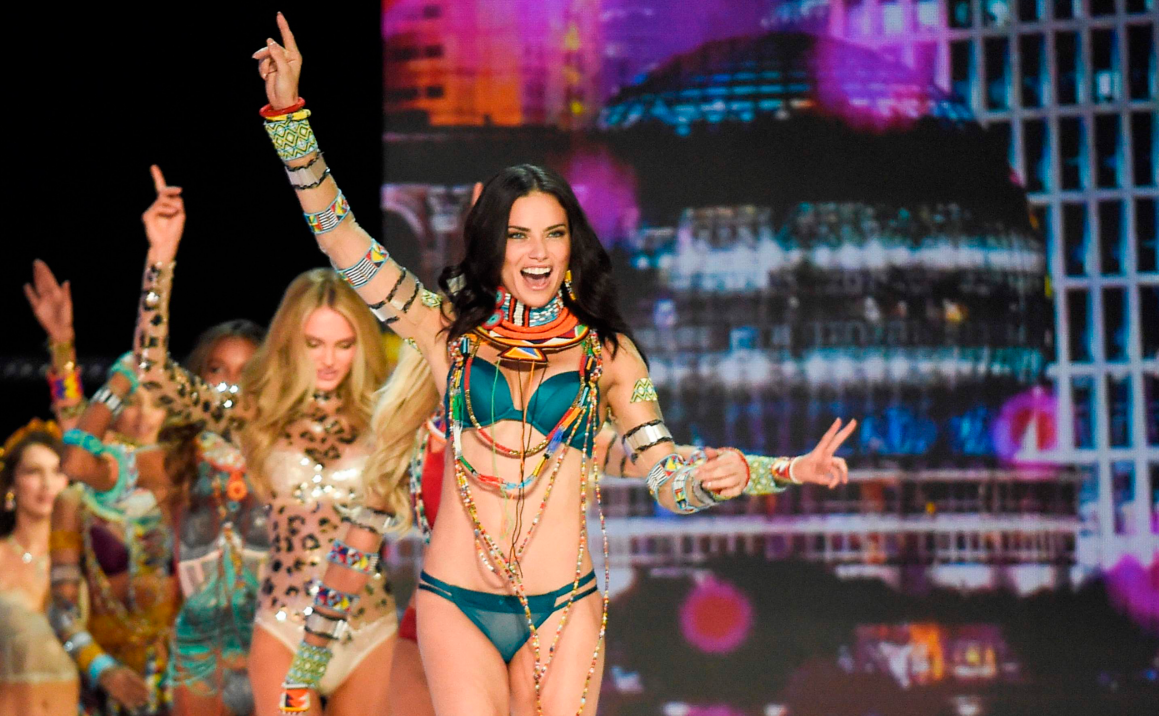
    Victoria’s Secret, the global lingerie name known as much for its “Angel” supermodels and its “Bombshell” branded products, has brought its iconic fashion show to Shanghai, with Alibaba Group’s Tmall and Taobao marketplaces and video-streaming site Youku used as broadcast channels to reach the world’s most sought-after consumers.

    In addition to locating the event in the world’s second-largest economy—the first time it has been held outside of the U.S. or Europe—the company is leveraging the “See Now, Buy Now” format made popular in China by Alibaba. All items seen on the runway, aside from those not yet released in the market, will be available for immediate purchase as Chinese shoppers watch the show.

    Alibaba’s See Now Buy Now fashion show kicks off the 11.11 Global Shopping Festival season every year. Last month, the show mixed the latest clothes and accessories from international names such as Ralph Lauren and MAC with performances by Chinese female rap sensation VaVa and pop icon Chris Lee to create a retail-as-entertainment experience for viewers.

  • Buccellati China opens store in Shanghai

    Buccellati China opens store in Shanghai

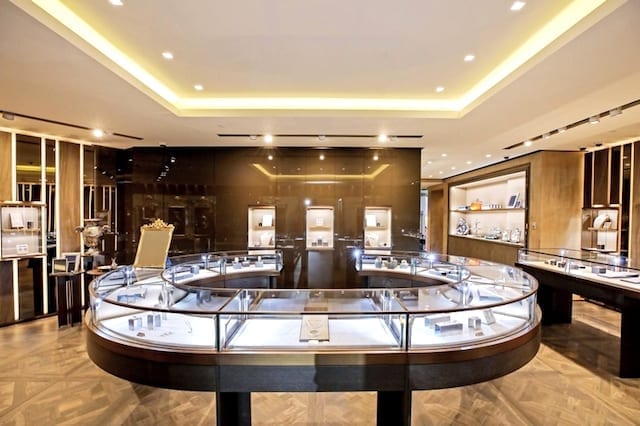
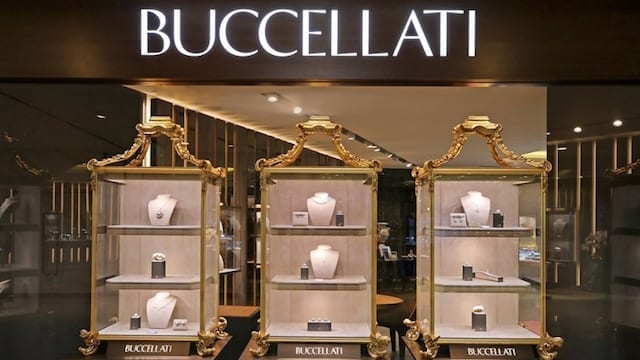
    Buccellati China has opened its first store, in Shanghai’s Plaza 66 shopping mall.

    To celebrate, the Italian luxury jeweller hosted a grand opening ceremony followed by a gala dinner attended by its brand ambassador, international actress Zhang Ziyi.

    Buccellati also unveiled The Labyrinth High Jewelry capsule collection for Japanese luxury watches and jewellery store Wako featuring seven one-of-a-kind pieces, all embellished with diamonds and featuring such iconic Buccellati touches as tulle patterns and “rigato” engravings.

  • Victoria’s Secret pins hopes on Shanghai show to enhance Chinese market share

    Victoria’s Secret pins hopes on Shanghai show to enhance Chinese market share

    Victoria’s Secret understands “sexy”.

    And with the retail market for women’s lingerie in China estimated at $25 billion – nearly twice that of the United States – China is the new “sexy”.

    Shanghai maga show

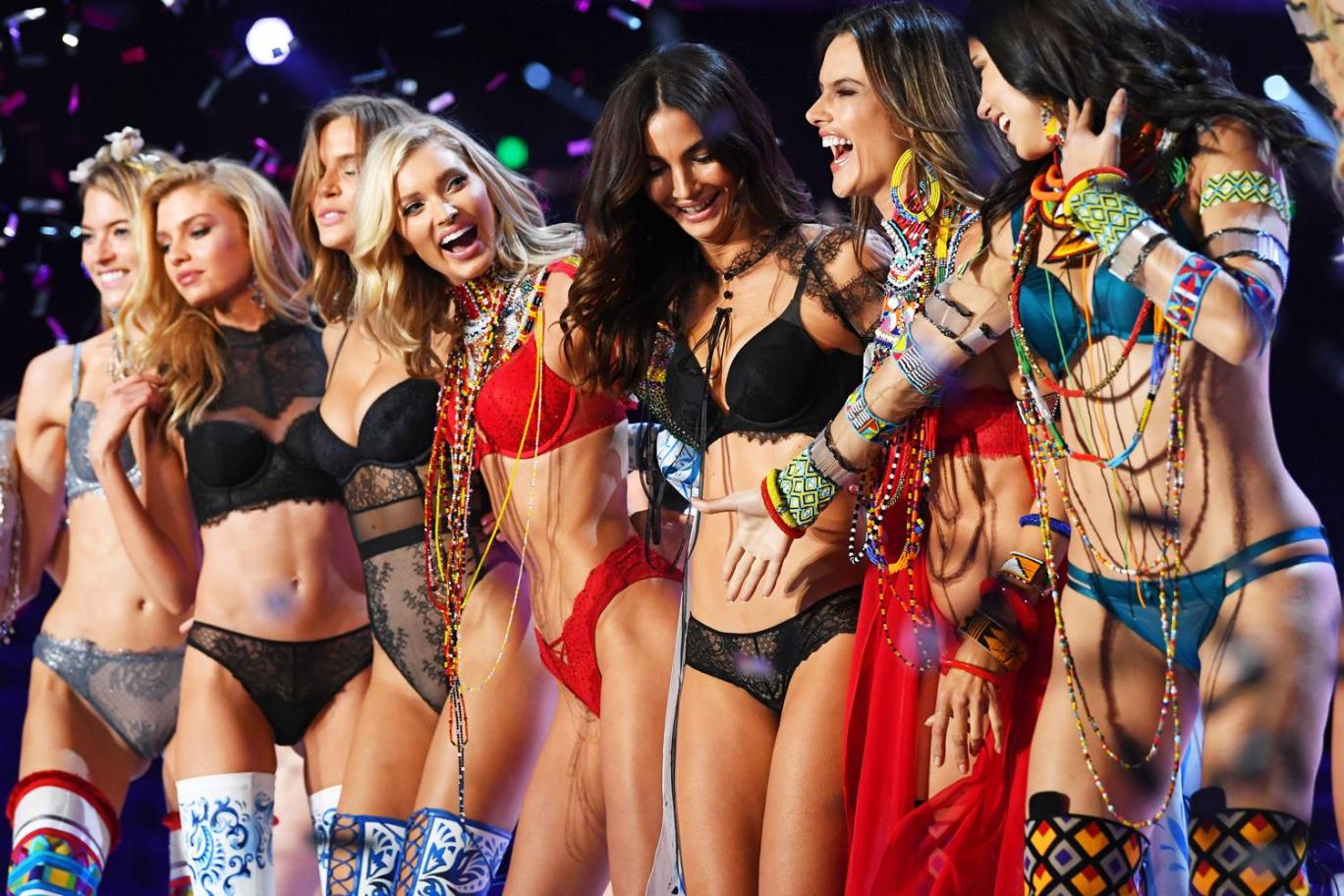
    This month, the retailer is debuting its Victoria’s Secret Fashion Show featuring its “angels”, young models clad in whiffs of lace and exotic, bejeweled wings, in Shanghai. The show will be globally televised on Nov 28 on CBS in 190 countries and regions worldwide.

    After the 2016 Victoria’s Secret Fashion Show in Paris, the company received complaints from Chinese bloggers about the use of Chinese-themed dragons and other Chinese cultural symbols. So a lot is riding on the success of the inaugural effort in Shanghai.

    Ed Razek, executive producer of the fashion show and Victoria’s Secret chief creative officer, told Xinhua that there will be performances by former One Direction boy band member Harry Styles, Grammy-winning artist Miguel, Tony Award winner Leslie Odom Jr., and Chinese popstar Jane Zhang and solo pianist Yundi Li.

    In addition, 55 models from 18 countries and regions will be strutting the catwalk, including top Chinese models Ju Xiaowen, Liu Wen, He Sui, Ming Xi, Wang Yi, Xie Xin and Estelle Chen.

    Founded in San Francisco in 1977, Victoria’s Secret burst onto the American market by styling itself as an alternative to more humdrum, purely functional women’s inner wear. The core strategy was to inject sex appeal into mass-market undies.

    The strategy paid off and it became the largest American retailer of women’s lingerie, pulling in $8 billion in revenue in 2016 despite an 11 percent dip in sales.

    Still, all is not rosy in the Victoria’s Secret boudoir.

    Women’s groups have long decried its objectification of women’s bodies. In “Victoria’s Dirty Secret”, a research article published by Canada’s Wilfrid Laurier University and the University of Waterloo, its authors asserted, “Victoria’s Secret sends a message to these adolescent girls and women that their models are the standard of beauty. Women in these ads are highly objectified, idealized, and sexualized. If women feel they have to live up to this sociocultural norm standard, it is only telling men that it is okay to objectify and sexualize women.”

    As varying body types have become more accepted, competitors have gained ground, and the athleisure movement is luring more women to place stylish comfort over high-maintenance sex appeal.

    Add to that the growing trend to shop online and even leading brands are feeling the burn. To trim corporate fat, Victoria’s Secret recently canceled its print catalogue, dumped its swimwear line, and announced plans to lay off 200 employees.

    So the booming Chinese market could be manna from heaven. Rapid economic growth and higher disposable income, combined with widespread exposure to leading global luxury brands has given Chinese consumers a taste for international brands and luxury merchandise.

    Big but no easy market

    After expanding internationally in the 1990s and 2000s in 38 countries and regions, Victoria’s Secret entered China in 2015, opening its first storefront in Shanghai. Plans for a second store in Chengdu are in the works.

    Spurred on by trends in social media and fashion-forward celebrities, Chinese women are increasingly embracing luxury lingerie, and are willing to pay a premium for it.

    In Victoria’s Secret’s pink glass-fronted, four-story flagship store on Huaihai Road near Shanghai’s fashionable Xintiandi shopping district, prices range from 300 yuan ($45) to 4,000 yuan ($605) or more.

    The store also features “The Angel Suite”, one of only three in the world, with the other two being in New York and London, catering to VIP customers seeking to view the latest in lingerie fashions in a private and exclusive setting.

    However, while the Shanghai fashion show may create greater exposure, it can’t solve the pressing issue of growing global competition.

    Luxury Italian lingerie maker La Perla already has eight stores in China with additional outlets coming down the pike. Canada’s athleisure yoga brand leader Lululemon is also weighing in with a flagship store in Shanghai. And China’s own Guangdong-based mass-market lingerie brand Cosmo Lady has already staked claim to 4 percent of the domestic market.