Tag: Shanghai

  • Remodeled M&M’S World Shanghai reopened

    Remodeled M&M’S World Shanghai reopened

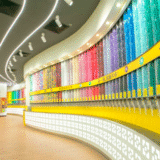
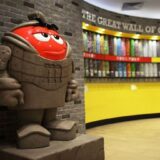
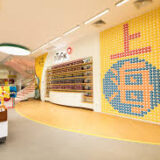
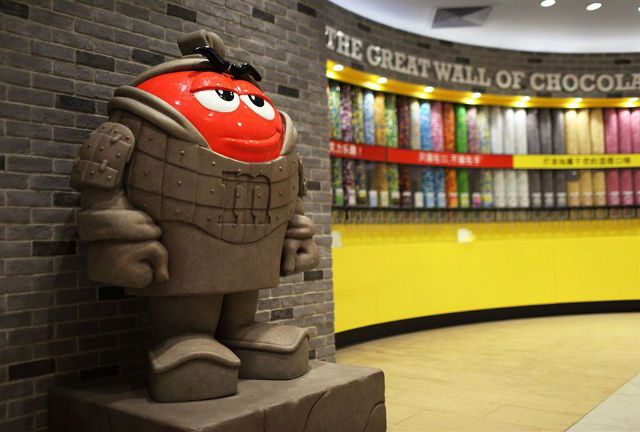
    M&Ms World Shanghai reopened yesterday in Shanghai Shimao International Plaza. The newly remodeled 1600sqm interactive store, which offers an immersive, personalised experience with the M&M brand to residents and tourists, remains the only one based in Asia.

    The store is part of the global M&Ms retail business, which includes My M&Ms’ e-commerce sites and a B2B channel in the US and Europe.

    The M&Ms World Shanghai experience store features a “Great Wall of Chocolate” made out of more than 1 million M&Ms, a personalised printer, and a device that scans customers to create a personalised M&Ms avatar. It also features an improved checkout experience that allows mobile payment options from Alipay, WeChat and Apple Pay.

  • Thai’s The Lobster Lab expands to China

    Thai’s The Lobster Lab expands to China

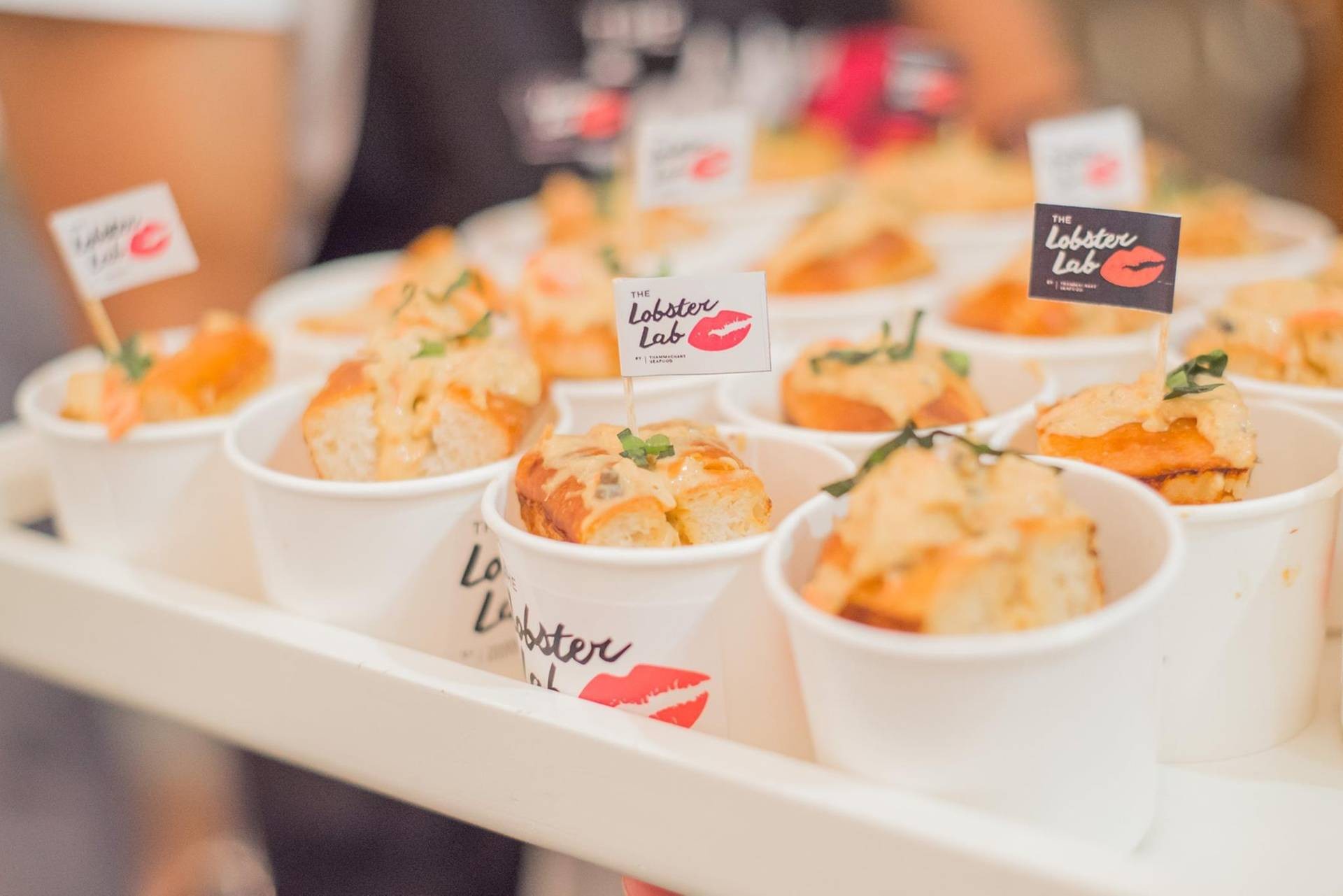
    Thai restaurant concept The Lobster Lab has opened its first outlet in Shanghai.

    The restaurant, operated by Bangkok-based Thai Union Group opened inside one of Alibaba’s Hema supermarkets last month. It serves lobster rolls, seafood chowder and some western dishes.

    The concept is based on Thai Union’s King Oscar brand, a dine-in and takeout restaurant which serves fresh lobsters imported from the US and Canada to meet “the growing Chinese consumer’s demand for tasty and nutritious seafood”.

    Thai Union also owns the American-style seafood restaurant chain Red Lobster and plans to open one of those stores inside IFC mall in Shanghai soon.

    The Lobster Lab is part of Thammachart Seafood Retail, of which Thai Union owns 25 per cent.

  • Fung Group launches Explorium in Hong Kong

    Fung Group launches Explorium in Hong Kong

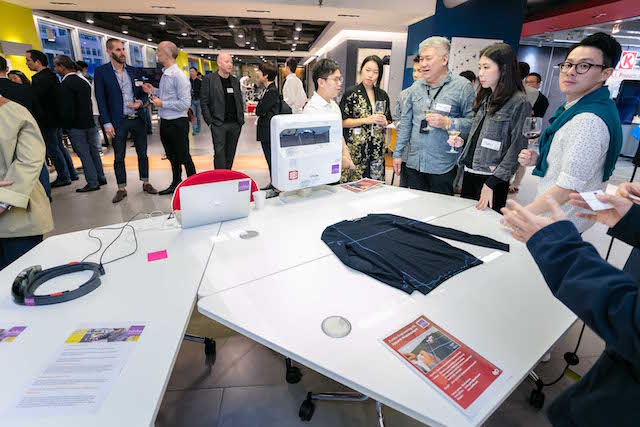
    Fung group has opened an innovation hub in Hong Kong for co-creating, learning, experimenting and scaling the ideas, opportunities and business models that will shape the future of supply chains. Explorium Hong Kong – taking its name from an earlier project in Shanghai which tested retail technologies – was opened this week with Dr Victor Fung hosting a housewarming party.  Product recognition system using AI technology and developed by Circle K and JD, one of the first prototypes from the partnership between JD’s AI lab and the Fung Retailing Group, was on show along with other technology innovations.

    Among the highlights of the AI tech showcase were:

    ZhuiYi Technology, one of the top AI companies in China has integrated deep learning and NLP to help enterprises improve customer experience and business efficiency.

    WhatsSquare has produced chatbots and digital workspace tailored for SMEs with advanced Software as a Service (SaaS) technology.

    Zhulke Engineering Hong Kong specialises in the design and development of technology in collaboration with corporate partners.

    Virtual Control is an SaaS company that has developed a digital solution to analog processes in modern global supply chains. Its software will pull together a range of digital tools to maximise the impact on efficiency and automation, such as augmented reality, machine learning, photo recognition, and data analytics.

    Beijing MeShow Digital Technology has taken the lead in 3D virtual-human modelling technology. Using MeShow’s mobile app, users can create their 3D model simulating their own face and body, try out types of makeup looks, enjoy virtual fitting services and realise apparel purchase needs concurrently in a single app.

    WildFaces Technology offers a vision-based AI software system that can recognise and track faces anonymously from moving cameras, including on drones, walking robots, PTZ cameras, mobile phones and wearables such as glasses and body-worn cameras. This world-first “on-the-move” recognition technology requires only one low-resolution camera to be able to recognise hundreds of faces in real-time in large uncontrolled crowds and at far distances, replacing at least 50 more high-resolution but fixed cameras from other traditional facial recognition systems.

    Hampen Technology provides deep learning-based biometric authentication and video analytics solutions for fintech, security and retail applications.

    Find Innovation Lab’s Find Retail Suite uses AI and machine learning to offer retailers products that change the way purchasing departments buy merchandise and how the marketing department sells it.

  • Taiwan’s boutique Invincible coming to Shanghai

    Taiwan’s boutique Invincible coming to Shanghai

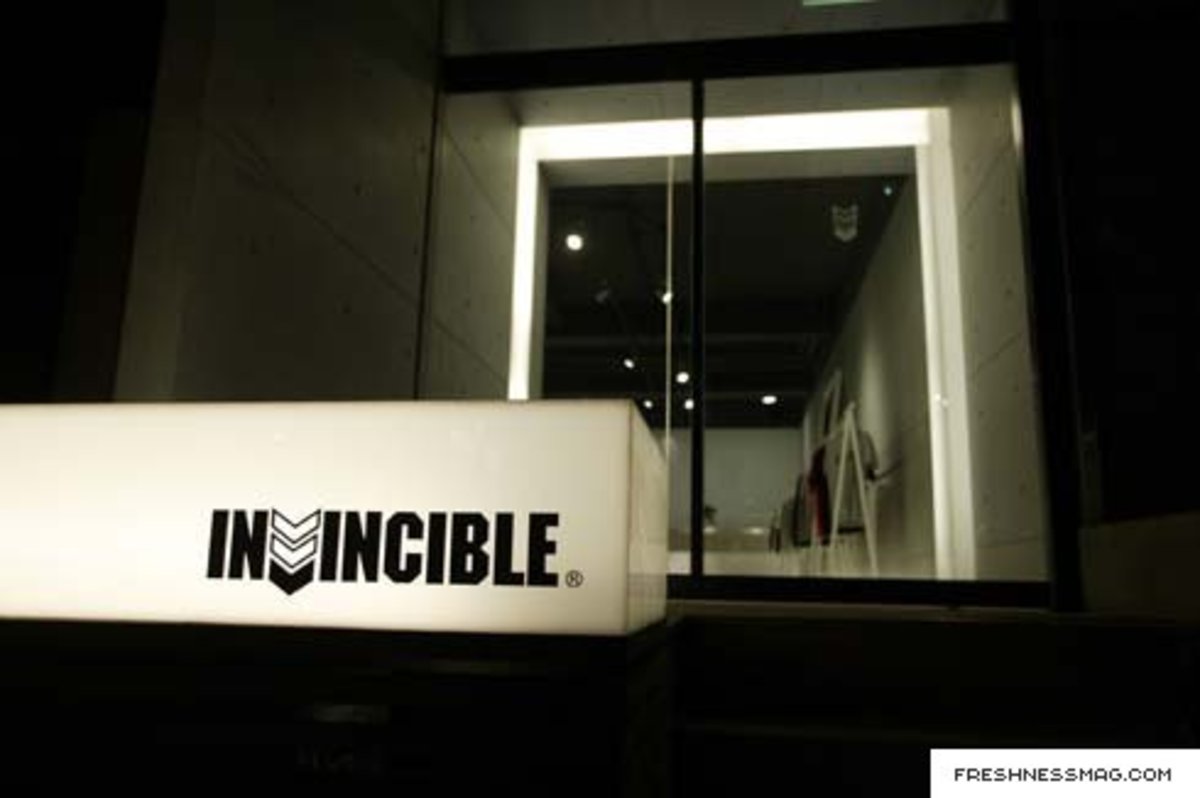
    Taiwanese streetwear boutique Invincible has opened a new store in Shanghai. The opening was marked by a brand collaboration with Japanese label Wacko Maria in the form of a capsule collection, which is on display within an in-store pop-up installation.

    The pop up’s striking-pink print wall and industrial rack set off the store’s otherwise understated design with untreated wood displays.

    The store is located at Soho Fuxing Plaza on Madang Road.

  • 7Fresh to open store in Shanghai

    7Fresh to open store in Shanghai

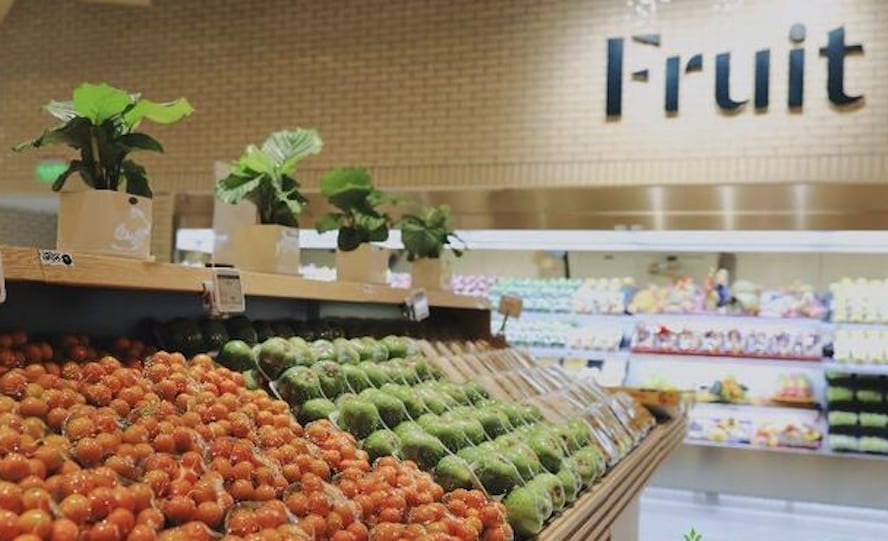
    E-commerce giant JD’s offline retail store 7Fresh is set to launch at Shangbin Plaza in Shanghai’s Hongkou District. The move is regarded as a step towards expansion nationwide beyond the firm’s home base in Beijing, as well as an attempt to follow recent trends to diversify from online-only business models. The high spending power of Shanghai residents was key in determining the store’s location.

    JD expects to be operating 1000 outlets with three to five years, using insights learnt from trading online to tailor product ranges popular locally. It will be taking on rival Alibaba’s Hema Market, which has already grown to more than 100 outlets.

    JD’s senior VP Wang Xiaosong said: “JD’s online fresh food business provides an advantage in terms of merchandise selection when we’re expanding into offline retail.”

    Shangbin Plaza is due to open early next year.

  • Nike’s new House of Innovation in Shanghai

    Nike’s new House of Innovation in Shanghai

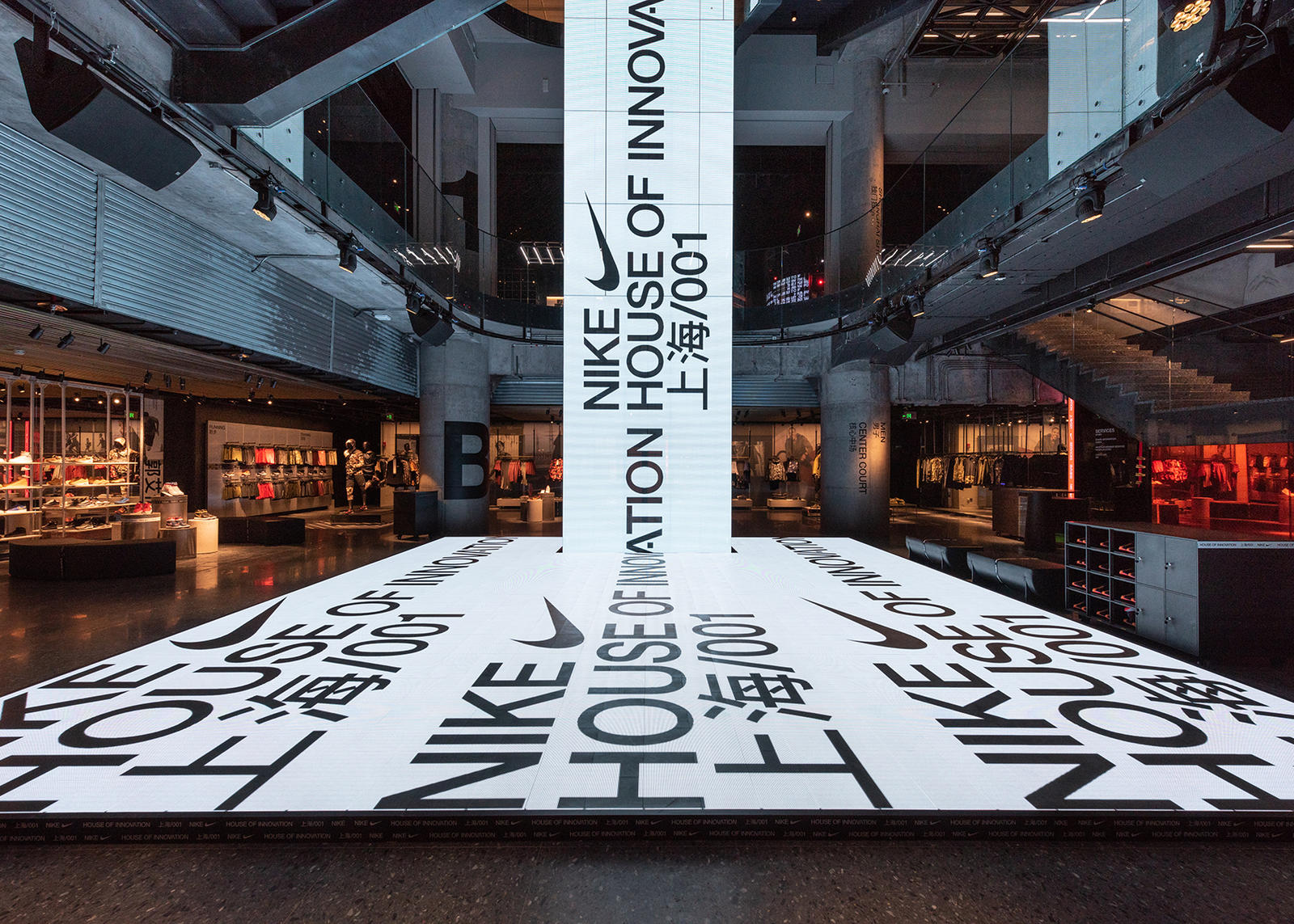
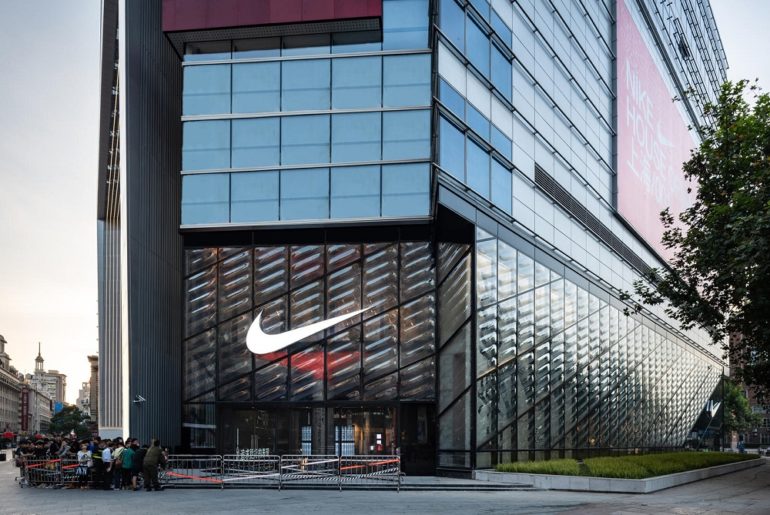
    Nike unveiled its first “House of Innovation”, located in Shanghai.

    The new store concept celebrates the brand’s innovations with rotating art installations, workshops, lectures and digitally-led trialing sessions. It also offers visitors exclusive products and collectibles that can’t be found anywhere else.

    On its website, Nike defined the retail space as “cross-category”, “consumer-focused” and “hyper-local”.

    Located in the Nanjing East Road shopping district, the store occupies four floors, spanning over more than 41,000 square feet.

    Access to the Nike Expert Studio, located on the top floor, is restricted to members of the brand’s membership club, NikePlus. There, they have access to even more exclusive items, personalized product picks and private sessions with athletes. NikePlus members can also have one-on-one sessions with a designer to customize select shoes by adding dip-dye, embroidery and other embellishments.

    The sportswear giant intends to launch several Houses of Innovation around the world, with a second store opening planned for New York City this fall. The company did not disclose where future shops will be located.

  • Zara Opens Its First Concept Fashion Store in Shanghai

    Zara Opens Its First Concept Fashion Store in Shanghai

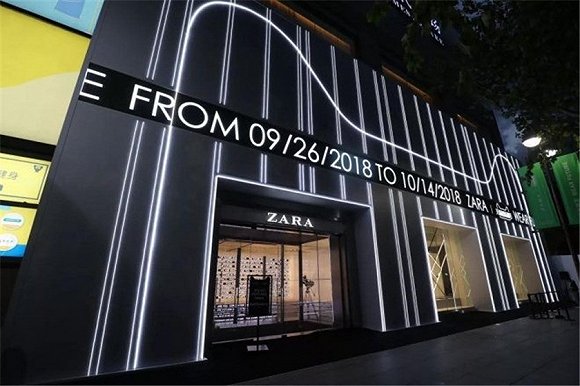
    Fast-fashion retailer Inditex has opened its first Zara China concept store, in Shanghai’s CBD.

    The store features digital services provided in collaboration with Alibaba’s Tmall platform to allow customers to buy limited-edition items via their mobile phone. Visitors can scan product barcodes to signal an attendant to bring clothes to a fitting room, and then make a digital payment if they decide to purchase.

    Following lacklustre earnings last year, Zara is refocusing on digitisation, O2O services and social influencers to reach its target demographic.

    Zara China was launched in 2006 and now operates more than 180 stores. China is home to Inditex’s second largest retail network after its home territory of Spain.

  • SK-II opens ‘shop of the future’ in Shanghai

    SK-II opens ‘shop of the future’ in Shanghai

    An SK-II smart store has opened in Shanghai, an enhanced version of the global beauty brand’s technology-packed showcase which opened in Tokyo in May.

    The SK-II Future X Smart Store features facial recognition, computer vision, and AI technology augmented by the brand’s proprietary skin science and diagnostics. The store employs an algorithm that supports self-service shopping to provide consumers with a personalised and immersive experience.

    The experience begins with a large-scale digital wall that reads visitor’s facial expressions as well as head, eye and mouth movements. Each expression correlates to a different colour scheme, while eye blinks trigger energy lines to pass across the screen.

    Visitors can also explore the “Miracle Water” Lab, which offers an immersive experience of how SK-II Facial Treatment Essence works on the skin. They can also use a proprietary skin scan that performs its analysis while customers sit in a booth. An interactive skincare wall will then display a comprehensive analysis of each user’s skin condition, together with a set of tailored recommendations based on the results.

    Using a special bracelet designed in cooperation with e-commerce channel One Jingdong, consumers can purchase the products they need by just waving their wrists on a scanner, without the need for a mobile application on-site.

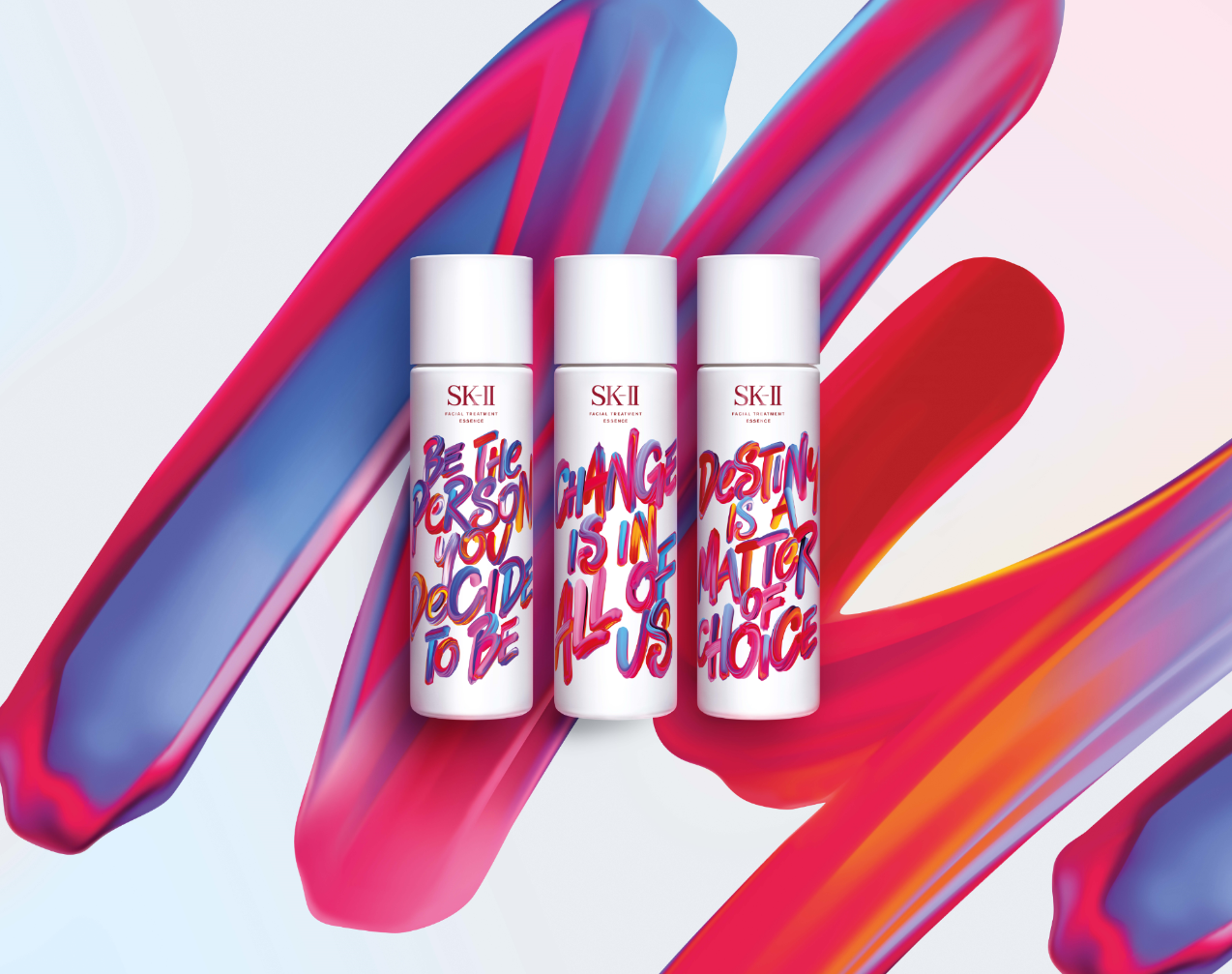
    The Shanghai store will also see the debut of the Facial Treatment Essence Smart Bottle, a new packaging feature that interacts with a companion app to enhance consumers’ skincare regimen at home.

    CEO Sandeep Seth said the role of retail in driving how consumers experience products in today’s post-digital world is vastly different than when the company started, especially in the rapidly evolving Chinese beauty market.

    “In shifting our focus to bring innovation to consumers around the shopping experience versus product technology, SK-II is leading the way to create a new model for how we build and evolve our relationship with our consumers in China and globally.”

  • Shanghai crowned most expensive city for luxury jewellery in Asia

    Shanghai crowned most expensive city for luxury jewellery in Asia

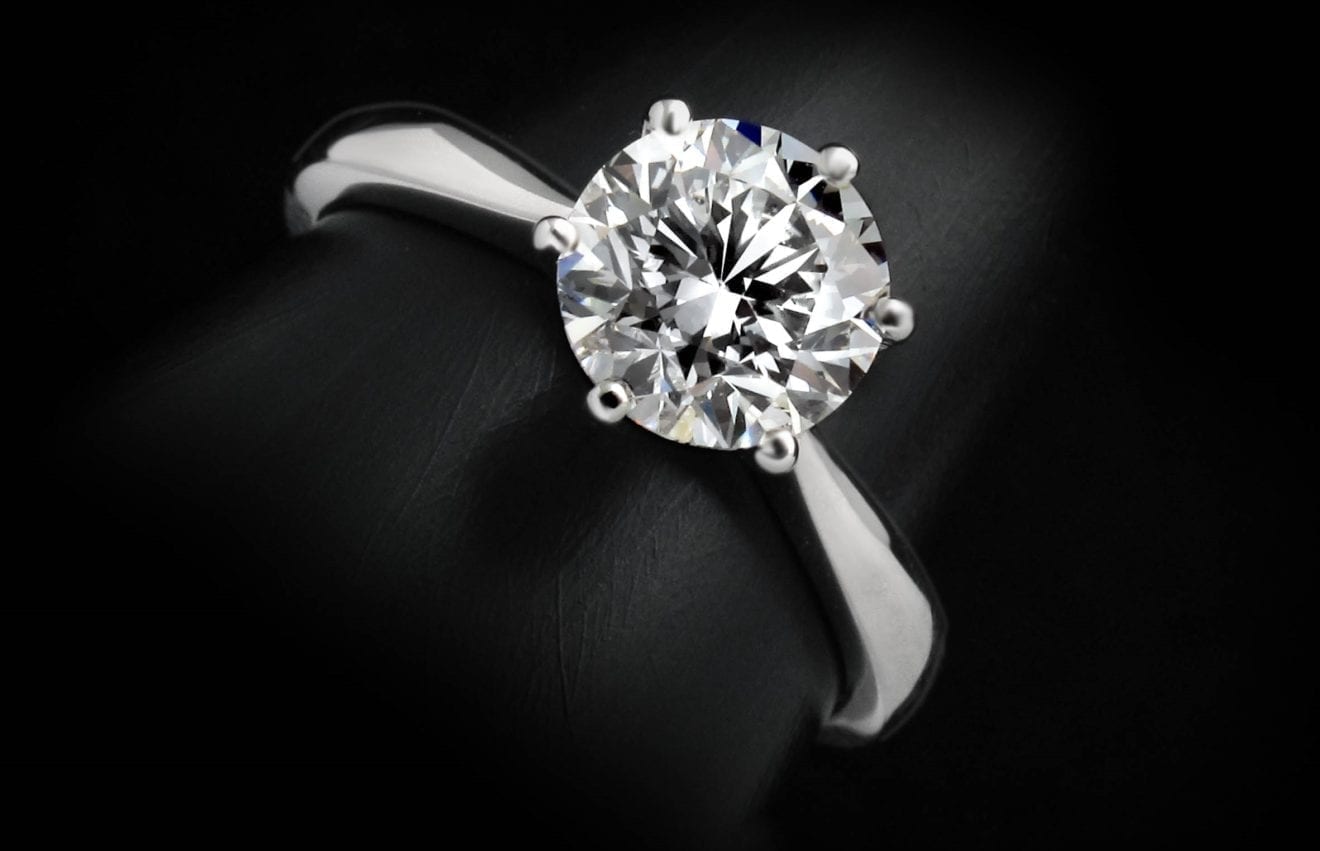
    The Cartier Love Bracelet has been a benchmark to compare luxury jewellery prices across Asia. Made of 18K white gold with 204 diamonds, the bracelet’s price varies from one Asian cities to the other.

    The Julius Baer Wealth Report Asia revealed Shanghai to be once again the most expensive city to purchase the Cartier Love Bracelet, at USD 48,143.

    High import tariffs on luxury jewellery were the main driver behind the exorbitant price. Conversely, Kuala Lumpur is the most price competitive at USD 41,818.

    On average, prices in the region were flat year-on-year, although certain cities witnessed significant fluctuations.

    Hong Kong saw the most significant price gain, whereas Mumbai experienced the biggest decline.

    What is the justification behind the price tag of a luxury jewellery piece? A prestigious brand, the intricacy of the craftsmanship as well as the quality of the precious stones all enhance its desirability.

    In auction markets, rarity and provenance stand out. Globally, Hong Kong is one of the top three jewellery auction hubs for Sotheby’s, driven by solid demand from Chinese HNWIs. Many mainland Chinese continue to invest in rare pieces such as top-of-the-line
    diamonds, coloured gemstones and jadeite as part of portfolio diversification.

    Noting the discerning taste of buyers across the region, Sotheby’s Deputy Chairman, Asia, and Chairman of International Jewellery, Mr Quek Chin Yeow says: “Asian buyers have always been focused on quality. They would rather have a 10-carat D-flawless diamond instead of a 20-carat F-VVS one. They go for quality instead of size.”

    Cindy Tang, Managing Director Senior Adviser at Bank Julius Baer, comments: “From our conversations with clients, high net worth individuals allocate part of their wealth to jewellery assets such as high-end diamonds.”

    Nevertheless, caveat emptor applies. Returns from collectables may be hard to realise, while the market for precious stones is difficult to predict.

    In conclusion, Asian buyers have proven to be a dominant force in the global high-end jewellery auction market. Remarkable auction results in recent years are testament to the buoyancy of the Asian market.

    Luxury jewellery will clearly not be losing its lustre in the region.

  • Little B store China is pumped up with white-glazed tiles and neon lights

    Little B store China is pumped up with white-glazed tiles and neon lights

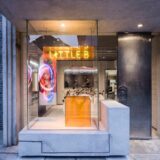
    Nestled in an alleyway in Shanghai’s historic Xintiandi district, a high-end convenience store like none other has opened its doors.

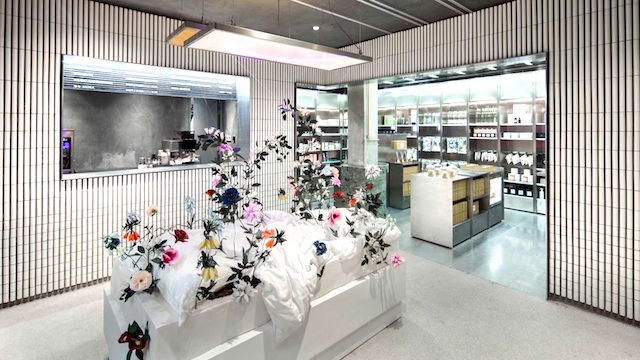
    Little B was designed by Chinese studio Neri&Hu, which mixed curved white-glazed tiles with stainless steel to create what resembles more of a science fiction movie set than a conventional cluttered c-store.

    Unlike the usual stores, each item in Little B is sourced from various high-end brands that, according to its owner, lifestyle brand The Beast, have been curated to suit the “culturally astute and increasingly discerning taste of Chinese consumers”.

    As reported, Neri&Hu wanted to preserve the store’s light grey concrete exterior, given the area comprised reconstructed mid-19th Century Shikumen – stonegate – houses.

    Neri&Hu wanted their design to reflect this exclusivity of the store, and took inspiration from the aesthetic of pop-up shops to give the space a “spontaneous” feel by leaving the entrance relatively empty.

    Similarly, they avoided cluttered shelves and crowded aisles to truly set the concept – and its stock – apart.

    “We encouraged the client to not just fill the entire space with products, but instead to leave some undefined space as an extension of the public realm,” Neri&Hu said.

    “This area is left raw with concrete floors, in the spirit of the temporary nature of pop-ups. It’s a blank space that allows for any possibility,” they said.

    In the retail area of the store, display and shelving fixtures made from stainless steel wrap around the perimeter.

    “Stainless steel, a rather sterile material, is brought to life by the layering various finishes: including brushed and polished, perforated and bump textured,” said the designers.

    “The vibrant packaging of the products, the colours and shapes from the feature artwork, as well as the signage lighting begin to reflect off of each other, blur boundaries, and activate the space,” they continued.

    View the full gallery below (6 images) :


  • In Ratio Shanghai, robot can create the perfect drink

    In Ratio Shanghai, robot can create the perfect drink

    A retail concept harnessing the power of technology to deliver personalised coffee and cocktails has opened in China.

    Ratio uses robots to craft personalised espresso coffee during the day and cocktails at night.

    Launched with a pop-up store at Shanghai’s K11 Art Mall, the concept is about to find a permanent home at Raffles City, People’s Square. Dozens more stores are in the pipeline at hotels and co-working spaces in Asia.

    “With Ratio, bespoke drinks and service, previously available only at high-end hotels and lounges are now accessible to everyone,” says co-founder and chairman of Chinese luxury retailer Mei.com,Thibault Villet, who is a cornerstone investor in Ratio.

    “The Ratio experience is a journey towards self-exploration and it and empowers individuals to live brilliantly.”

    At ratio, drinks are made to order, in the exact ratio customers prefer. For example, a 1.2 shot of espresso in a cappuccino, or an extra strong 120ml bourbon in an Old Fashioned cocktail.

    Ratio uses science to come up with the perfect blends.

    “An individual’s sensory capacity for bitter, sweet, and umami is determined by genetics,” explains founder Gavin Pathross. “The distribution of taste buds is also genetically programmed. That’s why no two taste palates are identical.”

    Using robotic technology and software, Ratio has developed a system that can put together ingredients according to the exact ratio that will satisfy individual tastes.

    Harnessing the accuracy and consistency of a cobot – that’s short for “collaborative robot” – each drink is prepared precisely to order and speed; a latte takes less than one minute.

    Using AI, Ratio stores customers’ orders, learns their preferences and even makes recommendations during future visits.

    Pathross promises humans will not be replaced, however. “Cobots are just better than humans in performing repetitive work. They’re great at executing orders, freeing up our team of Ratiologists, assembled from Asia’s best baristas and mixologists, so that they can do what they do best – provide personalised service and have great conversation with our guests.”

    The team of Ratiologists Pathross has assembled have a combined 50 years of food and beverage industry experience.

    “We’re literally raising the bar on beverage service,” says chief Ratiologist Steve Teo.

    “Our team will help guests discover their individual preferences and customise their own Ratio. We want you to be particular about your G&T and select precisely 20 ml of lime and 60 ml of gin, for example. Bartenders elsewhere will be too busy to have that kind of conversation. That’s why Ratio is unique.”

  • Wutopia Lab has transformed Building 25 of the Sinan Mansions in Shanghai into Bookstore

    Wutopia Lab has transformed Building 25 of the Sinan Mansions in Shanghai into Bookstore

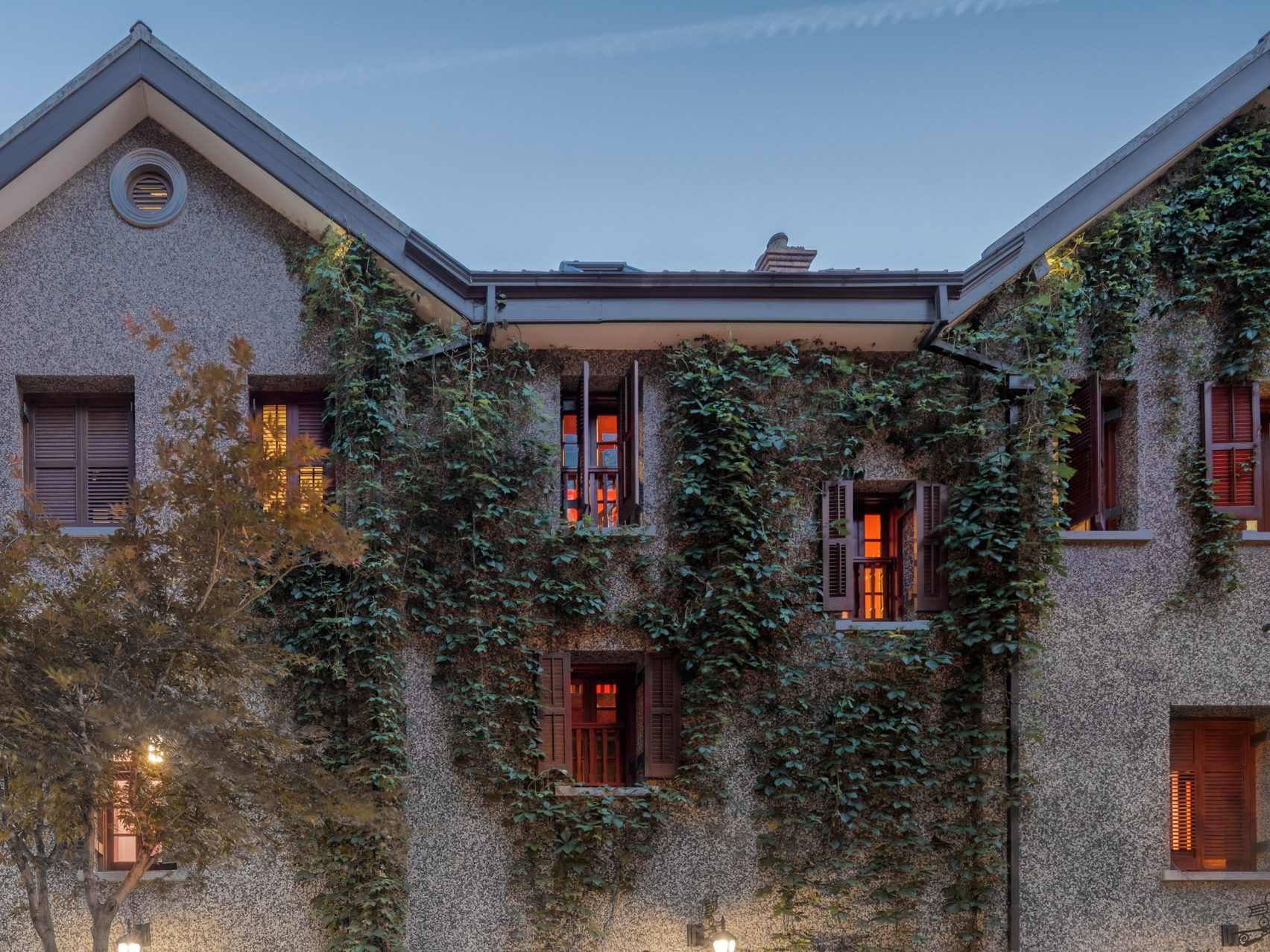
    Chinese design house Wutopia Lab has converted a multi-story house in Shanghai into a bookstore which provides “a space for learning and thinking” for city-dwelling public.

    The project – Sinan Books: Shanghai Sanctum – was commissioned by Shanghai Century Publishing Group and Yongye Group in Building 25 of the Sinan Mansion.

    The design team envisioned the store “as a person with a system of acquiring knowledge while discovering oneself and the surrounding”.

    The entrance level of Building 25 is set on the second floor which features a cafe, an area for literature and the public and an “intimate Sinan living room”. On the floor above, there is an area focused on art, a peaceful Sinan music room and flexible spaces that can host exhibitions, book club events, and small concerts.

    “It’s a perfect place to experience the charm of art,” explained the Wutopia Lab design team.

    On the fourth floor, a writer’s study “symbolises the bookstore’s thoughts”.

    “Small cultural saloons will be held here; it’s a place for conversations and debates.”

    A basement was conceived as the bookstore’s ‘sub-consciousness’, hosting a collection of history and philosophy books. Here, a labyrinth made of bookshelves offers visitors their own space. On the west side of the labyrinth is a special selection from the London Review Books, a sister bookstore of Sinan books, while on the east side, a large study room features a central table displaying creative product design.

    Spaces underneath the building’s two staircases are used to create two reading rooms for individuals and pairs. The underused south patio was redesigned into a flower porch, using planters to create a vivid backdrop for the bookstore.

    The Wutopia Lab team says it believes a monochromatic colour scheme cannot sufficiently depict the diversity of the period.

    “Colour has always been closely related to people’s feelings and emotions. Relating Sinan Books to a human body, its color should be a perceived colour, experienced in relation to the light of the day as well as one’s mental state at a given moment.”

    The store’s entrance features a red arcade, indicating Sinan books’ attitude of openness. Different hues of green offset the exhibition spaces, while the gold of the reading room offers “a hidden surprise”.

    To view the full pictures, check the gallery below (5 images) :

    • Images copyright Wutopia Lab.
  • Barry Callebaut elevates China’s taste buds with new sensory Chocolate Tasting Ritual

    Barry Callebaut elevates China’s taste buds with new sensory Chocolate Tasting Ritual

    Barry Callebaut brings a whole new sensory experience to China with the introduction of the Chocolate Tasting Ritual. The Switzerland-based company, one of the world’s largest chocolate manufacturers to artisanal and professional users of chocolate, said the tasting ritual will allow chocolate professionals and consumers to uncover a brand new world of chocolate richness.

    Cocoa and chocolate sensory scientists from Barry Callebaut and the leading global flavor house Givaudan devoted years of extensive research to develop a cocoa and chocolate sensory language. In parallel, Barry Callebaut engineered a chocolate tasting ritual, a fresh new experience inspired by the age-old practice of tea tasting ceremonies in China.

    Pascale Meulemeester, Barry Callebaut’s Vice President for Global Gourmet, said, “We are excited to transfer this know-how to the growing pastry chef community in China. The tea tasting ritual is symbolic of Chinese tradition. As chocolate becomes more popular among consumers in China, we believe the chocolate tasting ritual will be an exciting experience for consumers in China as well. Chinese consumers can now even better appreciate high-quality chocolates such as Callebaut®, Cacao Barry®, and Carma®.”

    What is the chocolate tasting ritual?

    A Chocolate Tasting Ritual fully engages all five senses – sight, touch, hearing, smell and taste – and enables chocolate professionals and consumers alike to discover new dimensions of the chocolate experience and elevates the chocolate enjoyment to the next level.

    Perfectly pairing cocoa and chocolate sensory research with consumer understanding, Barry Callebaut also developed the Consumer Chocolate Sensory Wheel with 87 descriptors, extensively covering the different flavors, textures and aromas of chocolate. The comprehensive sensory language is rooted in science – it is the first time that chocolate flavors are described in such a precise manner. Through speaking a common language, this enables the chocolate industry to develop a higher awareness of the intricate tastes and flavors of chocolate.

    The chocolate tasting ritual was demonstrated to 46 international chefs as well as several invited pastry chefs at the Global Chef Seminar organized by Barry Callebaut in Shanghai.

    Renata Januszewska, Global R&D Sensory Methodologies Manager at Barry Callebaut, conducted the chocolate tasting ritual at the event. She said, “Having a shared language and the tasting ritual will enable brands to discuss their chocolate experiences with consumers and describe their uniqueness to them. It will also offer them the means to come up with even better tasting experiences, exploring new flavors and food pairing combinations.”

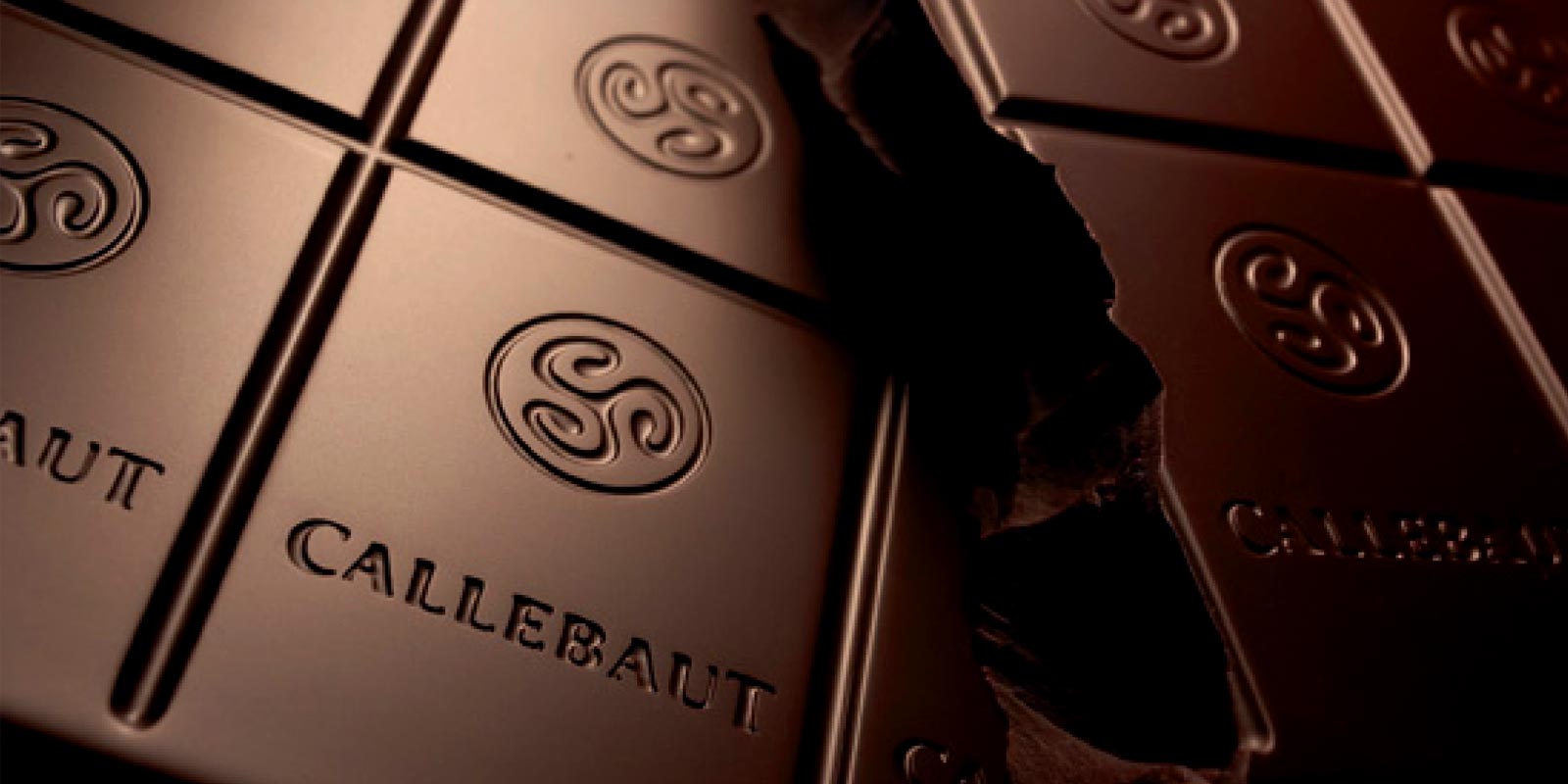
    During the demonstration of the ritual, the chefs participated in a full immersion into all four categories of chocolates – milk, dark, white, and ruby chocolate. The unique tasting experiences of these chocolates were truly linked to cocoa origin, cocoa varieties, product processing parameters, recipes and three Barry Callebaut brands: Callebaut, Cacao Barry and Carma.

    • The first sense to experience the chocolate products during the tasting session is, of course, the eyes (sight), as consumers observe the color, gloss and visual texture to form their first impression;
    • Then, the chefs were asked to hold the chocolate in their hands to feel (touch) the product and see how soft it is, how quickly it melts, and how resistant to breaking it is, according to the different recipes;
    • Afterwards, the chefs held the chocolate close to their ears, and break it to hear the snap, the sharp cracking sound made when chocolate is broken up in pieces;
    • Next, the chefs put the chocolate close to their nose to take in the aroma (smell), discovering the intensity, complexity, and type of aromatic notes;
    • Following this, they were advised to taste the chocolate in their mouth and let it slowly melt while holding their nose closed – shutting off all other senses to ensure a fine-tuned taste.

    This procedure allowed chocolate lovers to deeply appreciate the products they were tasting in a completely different way, experiencing the full complexity of chocolate flavors. This is the type of experience that will really improve people’s overall sensory enjoyment of chocolate, the company believes.

    Global Chef Seminar

    This is the first time the company has brought its international chefs together in a global meeting held in the Asia Pacific region. The international chefs included world-renowned and award-winning pastry chefs which represent the company’s three global chocolate brands, Callebaut®, Cacao Barry®, and Carma® attended the seminar.

    The seminar marks the 7th edition and prior to this, the annual chef seminar has been held in other major cities including Milan (Italy) and Toronto (Canada).

    “The Chocolate Tasting Ritual is just one of the resources, learnings and tools that we have today, that provides numerous opportunities for knowledge transfer to the chef community in China,” said Denis Convert, Barry Callebaut’s Vice President for Gourmet in Asia Pacific. “Our three global gourmet brands are supported by one of the largest numbers of pastry chefs and chocolate ambassadors with a worldwide network of more than 21 Chocolate AcademyTM centers. Pastry chefs from across the China region will find at one time and place all the tools and information they need to be competitive in today’s rapidly changing food landscape.”

    The seminar was jam-packed with power networking sessions, comprehensive thought leadership sharing with experts, peers and industry insights that aim to boost the chocolate community. During the seminar, the chefs were equipped with practical insights on the latest trends, topical challenges and best practices for them to navigate and excel in the competitive and evolving pastry landscape.
  • Bulgari Hotel Shanghai opens

    Bulgari Hotel Shanghai opens

    ulgari Hotels & Resorts has opened a new property in Shanghai.

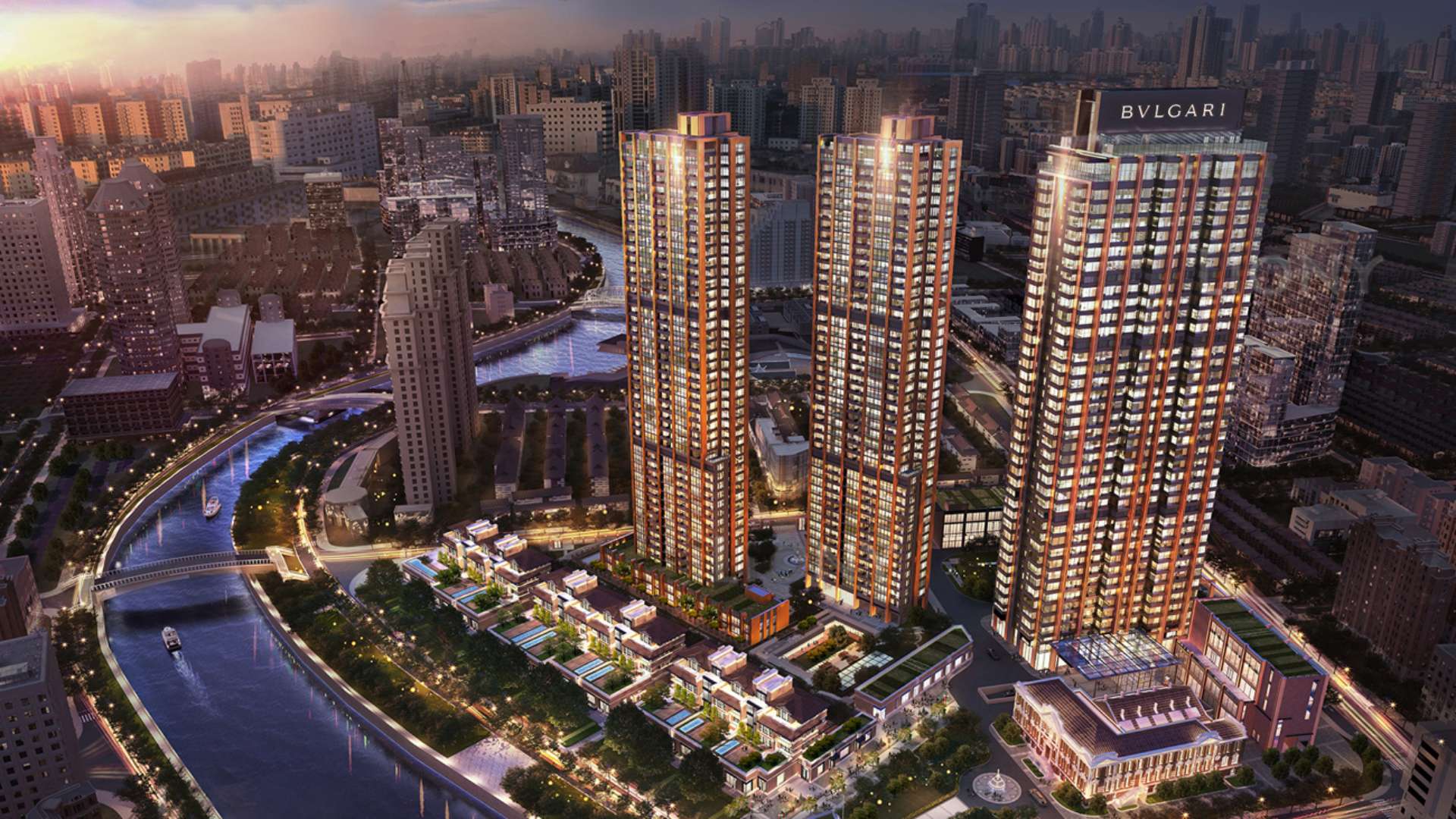
    The Shanghai boutique hotel has been built within a 48-storey tower in a protected heritage zone opposite the financial district of Pudong. It features 82 rooms, including 19 luxury suites, feature East-meets-West interiors designed for Bulgari by architectural firm Antonio Citterio Patricia Viel and Partners.

    In the course of construction, the Italian fashion firm restored the historic Chamber of Commerce Shanghai next door, which encompasses Italian gardens and features a lavish Bulgari ballroom and a fine-dining Cantonese restaurant.

    Guests will have access to a 25-metre indoor heated pool, luxury beauty treatments, and Italian & Chinese dining options.

    Following the launch of the Shanghai boutique hotel, Bulgari plans to open more in Moscow and Paris by 2020 and in Tokyo by 2022.

  • GDFS opens Shanghai ‘Experience Store’; plans 30 shops by year-end

    GDFS opens Shanghai ‘Experience Store’; plans 30 shops by year-end

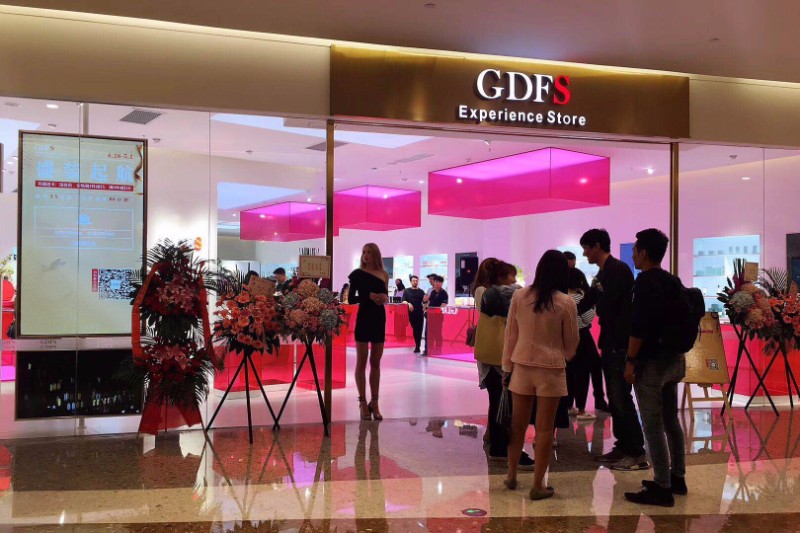
    GDFS, which describes itself as travel retail’s first membership-based global vertical e-commerce company, has opened its tenth GDFS Experience Store, in Shanghai.

    It aims to have 30 stores by year end, following openings last year in Ningbo, Zhejiang Province, and Hangzhou, Zhejiang Province.

    GDFS will also open a store this month in Inner Mongolia, with others set to be unveiled in Urumqi and Hangzhou (the retailer’s third location there) in coming weeks.
    The experience stores allow Chinese consumers to test products before ordering them online for home delivery, says GDFS VP Diana Xi.

    President Barry Chen says the average transaction now is US$200-300 across the network, with 60 per cent of members buying once a month. “For each store we are generating sales on average of RMB3-5 million a month (US$47,000-78,000).”

    Chen says the company’s final goal is to build a big database that will include information on shoppers’ habits and what they like to buy.” Because the retailer has a membership-based program, it already has extensive information on its consumers.

    Consumers pay an annual membership fee of US$118 to benefit from shopping opportunities through the GDFS website,= and the physical and online offers of its overseas partners. For its e-commerce site, GDFS ships goods from its warehouse in Hong Kong direct to Mainland Chinese purchasers.

    The pictures from the opening event and the store can be viewed below :