Tag: Shanghai

  • Borsalino Opens First China Boutique at Shanghai Plaza 66

    Borsalino Opens First China Boutique at Shanghai Plaza 66

    Borsalino opened its first permanent boutique in mainland China at Shanghai’s Plaza 66, launching the 170-year-old Italian luxury hatmaker’s direct retail presence in the country.

    The Shanghai debut anchors the company’s broader expansion push across Greater China and key international retail destinations.

    Mauro Baglietto, managing director of Borsalino, led the ribbon-cutting ceremony alongside Alec Hou, chief executive of Essence Group, joined by representatives from the Italian government and Plaza 66 leasing management. To accompany the launch, the brand unveiled a limited-edition jewellery collection featuring a Fedora finished with an 18-carat gold logo set with rubies, sapphires and diamonds.

    Heritage and Pop-Up Operations

    Plaza 66 hosted a Borsalino pop-up installation from 22 to 27 August to support the boutique opening. The temporary space showed archival vintage headwear, demonstrations of Italian millinery craft, and bespoke personalisation services for local shoppers.

    Giuseppe Borsalino established the company in Alessandria, Italy, in 1857, making it the country’s oldest operating luxury hatmaker. The business currently pairs its own-brand boutiques and wholesale accounts with global distribution networks, fashion collaborations and film-industry styling partnerships.

    Niche Luxury in Prime Retail Malls

    Heritage European craft houses continue to seek dedicated real estate across top-tier Chinese commercial centers to engage high-net-worth buyers directly rather than relying solely on multi-brand stockists. Placing a standalone store inside Plaza 66 gives Borsalino immediate access to Shanghai’s most concentrated luxury customer base.

    The next metric to watch is whether Essence Group and Borsalino follow this flagship opening with additional retail leases in secondary luxury hubs such as Beijing and Chengdu.

  • Lululemon Combines China and Apac Under New Leadership

    Lululemon Combines China and Apac Under New Leadership

    Lululemon has consolidated its China and Asia-Pacific operations under a single regional leadership team, naming San Yan Ng regional president.

    Ng joined the retailer in January 2018. She spent eight years directing its mainland China business as the country grew into one of the company’s largest international revenue drivers.

    Luxury retail veteran to lead Apac

    Under the revised structure, Jeffrey Hang joins the apparel company as senior vice president and general manager of Asia-Pacific. He reports directly to Ng and will manage regional teams across markets outside mainland China.

    Hang brings more than twenty years of Asian retail experience to the post. Most recently, he served as managing director for Bulgari across Southeast Asia, India, Australia and New Zealand after working as senior vice president and chief executive officer at Louis Vuitton China.

    Together, their strong leadership and track records of success will help us to strengthen our local relevance in the region and grow our community of guests around the world.

    André Maestrini, interim co-chief executive, president and chief commercial officer at Lululemon, confirmed the appointments to align operations across regional markets.

    Shared management across regional hubs

    Unifying China and Asia-Pacific under one command structure reflects how global sportswear and premium apparel brands are adjusting regional operations. Many international labels previously ran mainland China as a standalone division separate from the rest of Asia. That split created duplicate resources in supply chains, regional merchandising and digital marketing.

    This combined reporting line lets the company share store-level lessons and inventory strategies across borders. It connects mature hubs such as Hong Kong, Tokyo and Sydney with fast-expanding cities across mainland China.

    Leadership changes take effect immediately. Lululemon now heads into its next round of quarterly financial disclosures and store expansion plans across East and Southeast Asia.

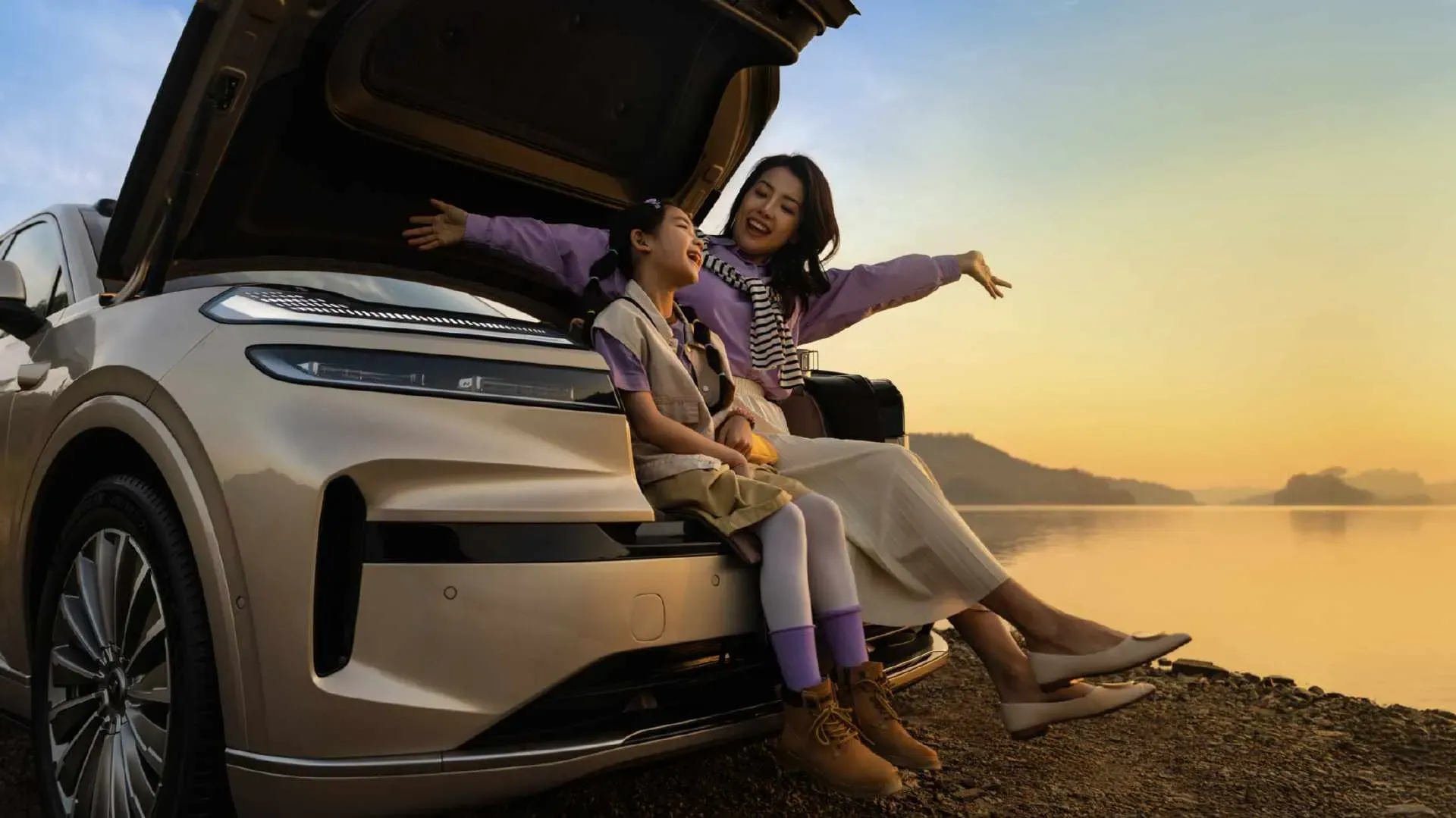
  • Chinese EV Makers Face Rising Component Costs as AI Drains Supply

    Chinese EV Makers Face Rising Component Costs as AI Drains Supply

    Chinese smart electric vehicle manufacturers are battling component deficits of up to 30 per cent, driving steep price surges across circuit boards and basic electronic parts.

    Prices for printed circuit boards and multilayer ceramic capacitors have more than tripled over the past twelve months as global semiconductor makers reallocate production capacity to artificial intelligence data centres.

    Surging Hardware Prices

    Printed circuit boards now cost roughly 330 yuan ($49) per sheet, up threefold in a year according to data from the India Printed Circuit Association. Multilayer ceramic capacitors, essential for regulating electrical currents across vehicle power systems, jumped from 10 yuan per 1,000 units to 40 yuan in early 2026.

    Memory chips needed for autonomous driving features are delivering the heaviest financial blow. Nio chief executive William Li reported that rising raw material expenses, led by memory chips, added 20,000 yuan to the build cost of every single vehicle.

    Carmakers cost pressure mainly comes from memory chips. But a lack of PCBs and MLCCs disrupts production and prevents assemblies from running smoothly.

    Supply Chain Squeeze

    Component makers in manufacturing hubs like Zhejiang province are giving order priority to AI data centre operators over automotive assemblers because computing chips yield higher margins. Carmakers must now pay hefty premiums to keep assembly lines running.

    Geely Auto, China’s second-largest automaker, confirmed that while small passive components represent a modest fraction of total expenditure, physical shortages threaten assembly continuity. The bottleneck across global component production lines will take at least twelve months to resolve.

    The margin squeeze arrives just as Chinese carmakers rely on software and autonomous driving capabilities to win buyers in an increasingly crowded domestic auto market. Nio and Geely are renegotiating vendor contracts to lock in deliveries for the second half of 2026.

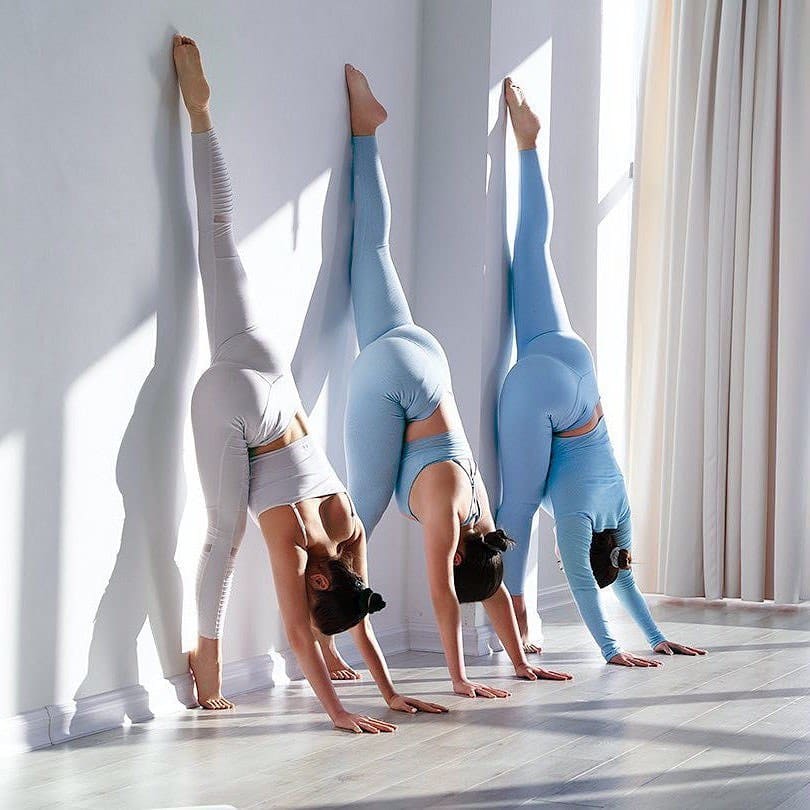
  • ALO Enters China with Tmall Debut After RMB10 Million First-Minute Sales

    ALO Enters China with Tmall Debut After RMB10 Million First-Minute Sales

    Alo Yoga entered the mainland Chinese market on August 12 through an exclusive storefront on Alibaba Group’s Tmall platform, generating over RMB10 million in its opening minute.

    Pre-sales opened at 12:30 a.m., setting a record for the fastest launch sales in Tmall’s sports and outdoor category.

    Targeting high-spend shoppers

    The premium activewear label is retailing women’s and men’s apparel, footwear, accessories and wellness products through the flagship store. The partnership gives Alo direct access to Tmall’s 88VIP program, an active pool of more than 62 million top-tier spenders across the platform.

    “The partnership reinforces Tmall’s position as the go-to choice for global brands in China seeking high-value customers and scalable growth,” said Gu Di, general manager of sports and outdoors at Taobao and Tmall Group.

    Digital-first route into activewear

    Selling online first allows Alo to test product demand across Chinese provinces without committing capital upfront to prime shopping mall leases. Rival athletic apparel brands established their presence in China by building city-by-city community hubs before opening physical stores, whereas Alo is relying on Alibaba’s customer database to build scale immediately.

    The Chinese online rollout follows Alo’s wider expansion across Asia-Pacific, which recently included a physical store launch in the Philippines. The next test for the company is whether early online demand will translate into brick-and-mortar locations in tier-one retail hubs.

  • C-Beauty Brands Accelerate Global Expansion with State Support, as K-Beauty Shifts Focus

    C-Beauty Brands Accelerate Global Expansion with State Support, as K-Beauty Shifts Focus

    Chinese cosmetics companies are significantly accelerating their global expansion, backed by a thriving domestic market and increasing institutional support from Beijing. This surge sees major C-beauty players establishing a strong presence in international markets, shifting the competitive market for beauty brands in Asia and beyond. This aggressive push comes as South Korean beauty brands, or K-beauty, are experiencing a decline in their long-standing dominance within the Chinese market, prompting them to explore new growth regions.

    Chinese Beauty’s Global Offensive

    Proya, China’s largest cosmetics firm, is making a significant move into the US brick-and-mortar retail sector. Following its initial online sales success, Proya is partnering with Ulta Beauty to introduce two of its skincare lines across approximately 400 stores and Ulta’s online platform starting in November. This expansion is part of Proya’s ambitious “Double-Ten” plan, aiming to become one of the world’s top ten cosmetics companies within the next decade. The company has also bolstered its offline network in Southeast Asia, including a major campaign with Guardian in Kuala Lumpur, and acquired a 51% stake in color cosmetics brand Flower Knows, which already operates in markets such as the US, Japan, South Korea, and Southeast Asia.

    Other Chinese brands are also aggressively pursuing international growth. Florasis is using traditional Chinese aesthetics to enter premium markets in Japan and Europe, initially through online channels like Amazon, Shopee, and Lazada, before moving into upscale physical retail. Judydoll built its international customer base via Shopee and TikTok Shop, then accelerated its offline presence, including entry into about 12,000 FamilyMart stores in Japan, becoming the first Chinese color cosmetics brand in that country’s convenience-store channel. Perfect Diary, under Yatsen Holding, quickly became a leading online cosmetics brand across Southeast Asia via Shopee and has expanded its global platform through acquisitions of European brands Galénic and Eve Lom, with plans for further supply-chain integration and overseas market expansion.

    Domestic Strength and Government Backing

    The robust performance of the Chinese domestic cosmetics market is a key enabler for this international expansion. Chinese companies have developed economies of scale, brand recognition, and product expertise at home, providing a strong foundation for global ventures. Despite a broader economic slowdown, China’s cosmetics retail market showed significant growth, with sales reaching approximately $4.20 billion in July, a 6.8% year-on-year increase. Cumulative sales from January to July rose 6.3% to about $40.16 billion, significantly outpacing overall retail sales growth. This strong momentum has been highlighted by the Ministry of Commerce and the China National Commercial Information Center, classifying cosmetics as a consumption-upgrade product with strong demand.

    The Chinese government is actively supporting the domestic cosmetics industry. The National Medical Products Administration (NMPA) recently issued new regulations aimed at promoting innovation and high-quality development. These changes simplify licensing and registration processes for new products, including exemptions from certain toxicity tests and reduced requirements for submitting product documentation. Companies can now reuse existing test data when shifting production locations and choose their own efficacy assessment methods for certain claims, reducing regulatory hurdles and fostering a more agile environment for product development and market entry.

    K-Beauty’s Strategic Re-evaluation

    As Chinese beauty brands gain momentum, the long-standing influence of K-beauty in China is diminishing. South Korean cosmetics giants like Amorepacific (Sulwhasoo, Laneige, Innisfree) and LG Household & Health Care (The History of Whoo) once thrived on the Korean Wave and demand from Chinese tourists and daigou resellers, with China accounting for 53% of South Korea’s cosmetics exports in 2021. However, boycotts, reduced exposure to Korean pop culture, and the impact of the COVID-19 pandemic on duty-free sales have significantly weakened K-beauty’s position. Chinese domestic brands, bolstered by social media marketing and patriotic consumption, have effectively filled this void.

    This shift has prompted a strategic recalibration for South Korean firms. Amorepacific’s sales in Greater China fell 27% year-on-year in 2024, with its Americas sales surpassing China for the first time. Similarly, LG Household & Health Care’s North American sales surged 47.3% to approximately $147 million in the second quarter, exceeding its China revenue of about $126 million. Both companies are now focusing on profitability in their Chinese operations while diversifying their growth strategies across markets like the United States, Europe, and Japan. RetailNews Asia has observed similar moves by other regional players, as companies seek to de-risk their reliance on single markets and build more resilient global portfolios.


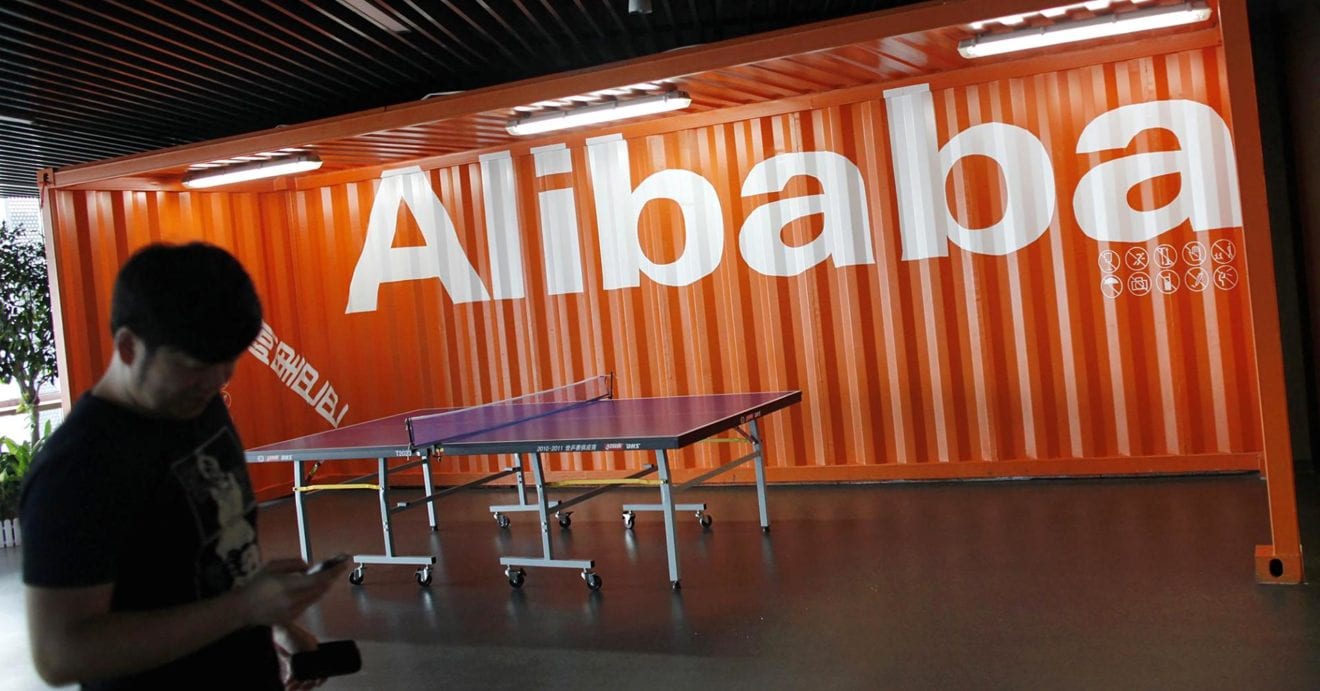
  • Alibaba and ByteDance Divest from Gaming and Retail to Fuel AI Ambitions

    Alibaba and ByteDance Divest from Gaming and Retail to Fuel AI Ambitions

    Alibaba Group Holding and ByteDance are restructuring their business portfolios, selling off non-core assets in gaming and retail to private equity firms. This strategic shift aims to re-focus substantial resources and investment into the burgeoning field of artificial intelligence, as competition in the AI sector intensifies across Asia.

    Strategic Divestment For AI Focus

    The move sees Alibaba Group Holding in the process of selling Lingxi Games, its video game unit, to a private equity fund. This divestment reflects a broader trend among leading Chinese technology firms to streamline operations and concentrate capital on high-growth, strategic areas like AI. The decision comes as these companies face mounting pressure to innovate and secure a leading position in the global AI race.

    For retailers and consumer brands in Asia, this reorientation by tech giants like Alibaba has significant implications. Alibaba’s strong presence in e-commerce means that resources diverted to AI are likely to enhance capabilities in areas such as personalised recommendations, supply chain optimisation, and customer service automation. Similarly, ByteDance’s TikTok, a major platform for consumer engagement, could see advanced AI integration impacting everything from content delivery to advertising effectiveness.

    Implications For Asia’s Retail And Tech Sectors

    The decision by Alibaba and ByteDance signals a clear prioritisation of AI development over other business segments, including those with direct ties to consumer spending like gaming and certain retail operations. While the full scope of ByteDance’s retail divestments is not detailed, Alibaba’s move with Lingxi Games indicates a willingness to shed assets to fund core strategic initiatives. This aligns with broader market trends where technology companies are doubling down on AI infrastructure and research, viewing it as the next frontier for competitive advantage.

    This redirection of investment could lead to more sophisticated AI tools and platforms becoming available for businesses, potentially driving efficiency and innovation within the retail and consumer sectors. RetailNews Asia has observed similar strategic realignments across the region, where companies are either investing heavily in AI or partnering with AI specialists to stay competitive in an increasingly tech-driven market.

  • US Market Could Open to Affordable Chinese EVs, Analysts Suggest

    US Market Could Open to Affordable Chinese EVs, Analysts Suggest

    The United States market is likely to open its doors to Chinese electric vehicle (EV) brands within the next few years, driven by growing consumer demand for affordable models. Despite existing trade barriers, analysts anticipate that the need for competitively priced EVs will eventually compel market access for Chinese manufacturers.

    Demand Outweighs Trade Barriers

    Currently, Chinese EV makers face significant hurdles in entering the US market, primarily due to protectionist trade policies. However, the analysis suggests that these barriers may not be sustainable in the long term, as American consumers increasingly seek more economical options for electric transportation. The rapid advancements and cost efficiencies achieved by Chinese EV companies like BYD and Nio make their offerings particularly attractive in a market where EV adoption is still highly dependent on price points.

    This potential shift underscores a broader global trend where affordability is becoming a key determinant in EV market penetration. Chinese companies have invested heavily in scaling production and refining manufacturing processes, allowing them to offer models at price points that Western counterparts struggle to match. Should the US market indeed open, it would represent a significant expansion opportunity for Chinese automotive giants, challenging established players and potentially accelerating the global transition to electric vehicles.

    Implications for Asian Automotive Sector

    For the Asian automotive and consumer tech sectors, this development holds considerable weight. A successful entry into the US market by Chinese EV brands would validate their global competitiveness and potentially set a precedent for other developing markets. It could also intensify the focus on cost-effective EV production and innovation across the Asia-Pacific region, as manufacturers strive to meet similar consumer expectations for affordability and advanced technology. RetailNews Asia has observed a similar push for budget-friendly EV options in Southeast Asian markets, where Chinese brands are already making significant inroads and influencing local market dynamics.

  • China’s Smaller Cities Drive Premium Retail Demand Amid Overall Weakness

    China’s Smaller Cities Drive Premium Retail Demand Amid Overall Weakness

    China’s smaller cities are becoming unexpected hotbeds for premium retail, showing stronger consumer enthusiasm compared to the broader national trend of weak demand. Lower living costs, reduced debt burdens, and capital brought back by returning migrant workers are collectively boosting household purchasing power in these areas.

    A notable example is Jingshan, a city in Hubei province with fewer than 600,000 residents. Zhang Liang, a former truck driver, invested 600,000 yuan (approximately US$88,969) in May to establish a reseller shop for Sam’s Club products. He sources items from authorized Sam’s Club stores to cater to local demand for well-known brands and higher-quality goods. Several Sam’s Club resellers already operate in the industrial county, indicating a growing market.

    County-Level Spending Surpasses Major Cities

    This trend is not isolated to Jingshan. Per capita consumer spending among urban residents in five Zhejiang province counties, including Leqing, Yuhuan, Yiwu, Wenling, and Haiyan, exceeded that of Beijing and Shanghai in 2025. Data showed Beijing’s per capita spending at 50,667 yuan last year, while Shanghai’s stood at 54,765 yuan. This indicates a significant shift in economic dynamics and consumer behavior.

    Peng Peng, executive chairman of the Guangdong Society of Reform, a think tank studying regional economic development, noted that smaller Chinese cities increasingly possess the financial capacity and desire to match first-tier cities in their demand for premium products and services.

    Underlying Economic Factors

    The growing financial strength in these smaller urban centers is attributed to several factors. Lower living expenses and reduced financial burdens allow residents more disposable income. Also, capital accumulated by migrant workers returning from larger cities is being reinvested and spent locally, further stimulating the regional economies. This shift highlights a rebalancing of consumer power across China’s diverse urban landscape, creating new avenues for retail expansion and brand engagement beyond traditional metropolitan hubs.

  • Zara Unveils Latest Flagship Store in Shanghai, Showcasing New Global Store Design

    Zara Unveils Latest Flagship Store in Shanghai, Showcasing New Global Store Design

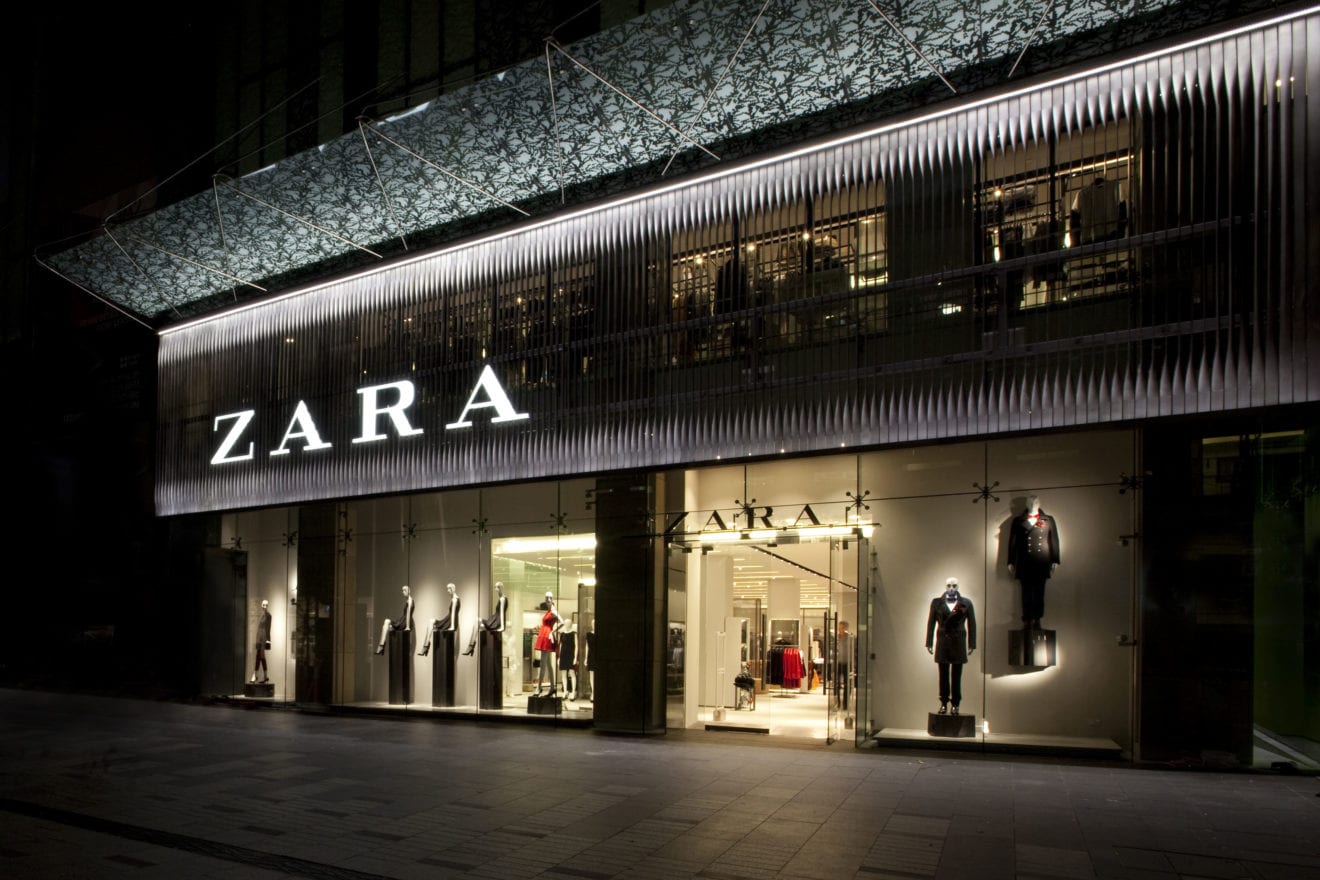
    Spanish fashion retailer Zara has expanded its presence in China by launching a state-of-the-art flagship store on Shanghai’s Huaihai Road. The new establishment reflects a strategic shift by its parent company, Inditex, towards larger retail spaces in prime locations, enhanced shopping experiences, and a consolidation of its store network through the closure of smaller outlets.

    The Huaihai Road store, which officially opened on June 6, sprawls over almost 2000 square meters across five floors. It features Zara’s full range of men’s and women’s apparel. Shoppers will also find designated sections for footwear, handbags, the Athleticz line, Zara Salon, and fragrances. This modern retail space was brought to life by the Zara Architecture Studio, in partnership with AIM.

    The Shanghai store’s unveiling is part of Zara’s ongoing flagship upgrade program across the Asia-Pacific region, a strategy that included considerable enhancements to its outlets on Nanjing Road in the previous year.

    Eugenio Bregolat, President of Inditex Greater China, highlighted the significance of the event, stating it marked a notable milestone as Zara celebrates two decades of operations in China. He reaffirmed the company’s commitment to uplifting the customer experience throughout the country by creating more inspiring and immersive retail spaces.

    Meanwhile, another Inditex brand, Massimo Dutti, is gearing up to open its flagship store at the Hong Kong Plaza near Huaihai Middle Road, further indicating the group’s ongoing investment in landmark locations within China.

    Questions & Answers

    **What is the new strategy of Zara’s parent company, Inditex, in China?**
    Inditex’s new strategy focuses on opening larger stores in key locations, enhancing the shopping experience, and consolidating its store network by closing smaller outlets.

    **What does the new Zara store on Shanghai’s Huaihai Road offer?**
    The new store, spread over almost 2000 square meters across five floors, offers Zara’s men’s and women’s collections, and includes designated areas for footwear, handbags, the Athleticz line, Zara Salon, and fragrances.

    **What does the opening of the new Zara store signify?**
    The opening of the new Zara store marks a milestone as the brand celebrates its 20th anniversary in China. It also symbolizes the continuation of Inditex’s investment in flagship locations within the country.

  • Babor Breaks Ground in China: Opens First Flagship Store in Shanghai, Revolutionizing Skincare Retail

    Babor Breaks Ground in China: Opens First Flagship Store in Shanghai, Revolutionizing Skincare Retail

    Germany’s renowned skincare brand, Babor, recently launched its first flagship store in mainland China, specifically in Shanghai, as part of its bid to augment its foothold in one of the world’s major beauty markets.

    An Experiential Retail Concept

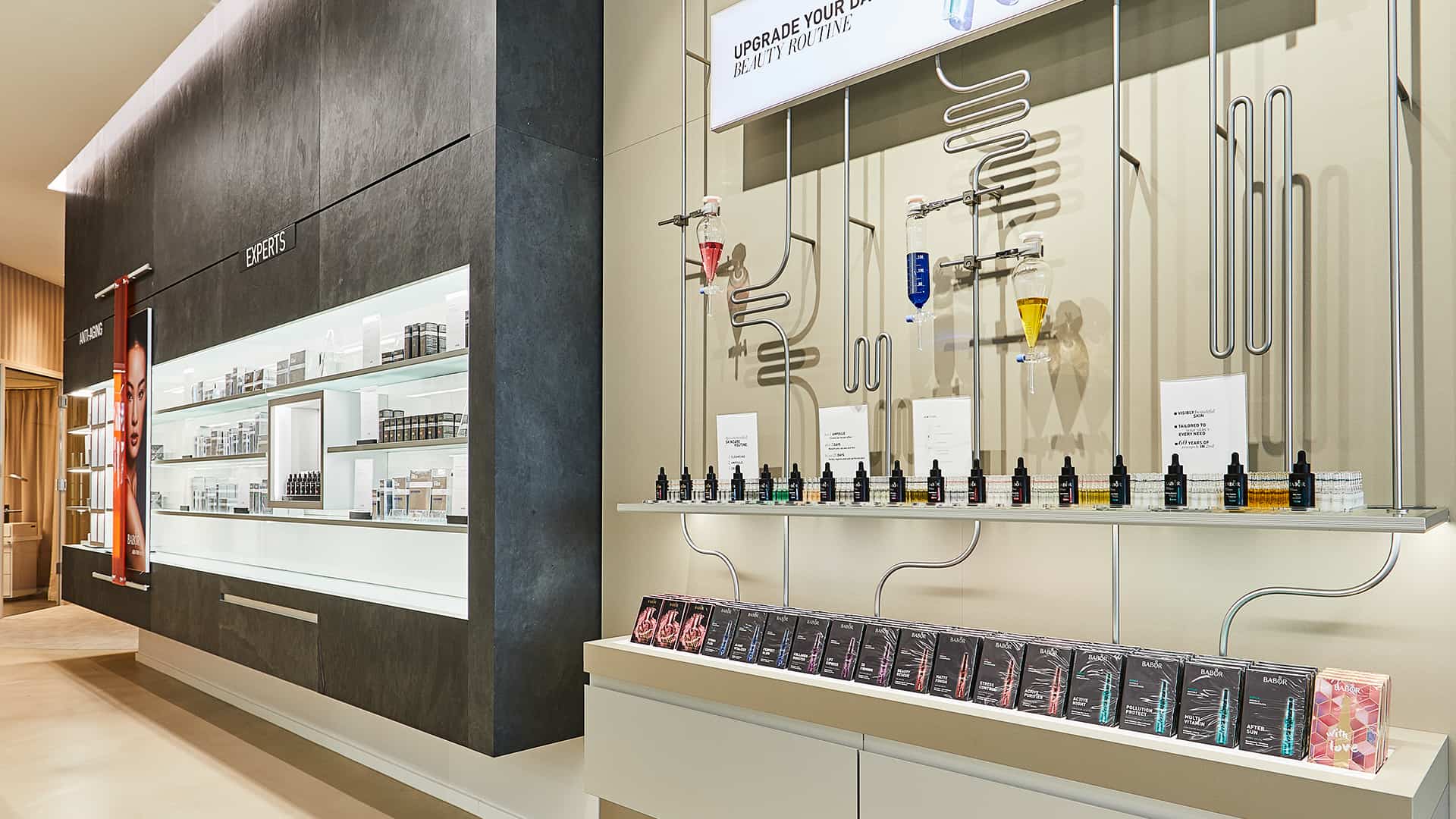
    Situated in Shanghai’s Xintiandi Dongtaili district, the flagship store is fashioned as a “specialist skincare atelier.” This unique concept effortlessly fuses Babor’s German roots and professional know-how with an innovative, experience-driven retail framework.

    The store is partitioned into two main sections. The Retail Gallery proudly features Babor’s signature Ampoule Bar, as well as its primary skincare assortments. Conversely, a separate Treatment Atelier is available for customers seeking facial treatments and bespoke skincare services.

    The brand explains that this novel approach aims to foster “deeper connections with consumers” by harmonizing product exploration with tailored skincare treatments and services.

    Milestone in China Expansion Strategy

    Established in 1956, Babor has earned a reputation for its expert skincare products and treatments. The inauguration of this new store signifies a notable achievement in the brand’s China expansion strategy, mirroring the growing demand for high-end skincare experiences among local shoppers.

    Eternal Group, Babor’s regional partner, voiced their confidence in the sustainable future of China’s professional skincare sector, emphasizing the increasing relevance of experiential retail in forging robust consumer relationships.

    This event follows a larger retail expansion by Eternal. The beauty distributor, listed in Hong Kong, announced the opening of four new stores in Beijing, Shanghai, and Shenzhen recently. This is part of their plan to reinforce their directly managed retail network across China’s premier cities.

    Questions & Answers

    What is the concept behind Babor’s flagship store in Shanghai?
    The concept is designed as a “specialist skincare atelier”. It combines Babor’s German heritage and expertise with an experiential retail format to create deeper connections with consumers.

    What does the new store mean for Babor’s expansion strategy?
    The opening of the new store marks a significant milestone in Babor’s expansion strategy in China. It demonstrates the growing demand for premium skincare experiences among local consumers.

    How does Babor’s partner, Eternal Group, view the future of China’s professional skincare sector?
    Eternal Group expresses confidence in the long-term prospects of China’s professional skincare sector. They believe in the increasing importance of experiential retail in building stronger consumer relationships.

  • Palace Streetwear Breaks Into Mainland China with a Stylish Shanghai Store Debut

    Palace Streetwear Breaks Into Mainland China with a Stylish Shanghai Store Debut

    British streetwear brand, Palace, is set to inaugurate its first independent retail store in Mainland China, within the historic district of Zhangyuan in Shanghai.

    The store, which opens its doors to the public this Friday, draws inspiration from the traditional elements of Yuyuan Garden. It incorporates features reminiscent of the garden’s ponds, pavilions, and meandering paths. In an effort to maintain the authenticity and historic charm of the locale, the original facade of the garden has been preserved. The store’s entrance is marked by Palace’s iconic, mirrored tri-ferg logo suspended above it. The logo, a creation of Fergus Purcell, takes its cues from the Penrose Triangle, a work of Swedish artist Oscar Reutersvärd. The logo’s placement creates an illusion of angling downward from the building’s roofline.

    A Timely Debut

    Gareth Skewis, the founder of Palace, expressed that his frequent visits to China over the past two decades gave him the conviction that the time was right for the brand to make its debut in Mainland China. Skewis pointed out that the present cultural milieu, particularly the state of skateboarding and the contemporary youth culture in China, factored into his decision.

    The interior of the store is a showcase of architectural elegance with limestone and stone tile finishes. It also flaunts LED columns and accents of gold and red, a nod to traditional Chinese rituals. The store’s design incorporates a pavilion-like structure at its heart, thus extending the garden concept throughout the space.

    A Special Collection Launch

    To celebrate the store’s grand opening, Palace will introduce a Shanghai-exclusive capsule collection. The collection includes an array of items such as biker jackets, sports jerseys, hoodies, T-shirts, and accessories. The products are branded with a playful ‘Shang-Hi’ logo and a waving hand motif.

    Questions & Answers

    Where is Palace’s first independent store in Mainland China located?
    The store is located in the historic district of Zhangyuan in Shanghai.

    What is the design concept of the store?
    The store’s design draws inspiration from the traditional elements of Yuyuan Garden, with features reminiscent of the garden’s ponds, pavilions, and meandering paths integrated into the store’s layout.

    What special launch is coinciding with the store’s opening?
    To mark the store’s opening, Palace will introduce a Shanghai-exclusive capsule collection, featuring items like biker jackets, sports jerseys, hoodies, T-shirts, and accessories branded with a ‘Shang-Hi’ logo and a waving hand motif.

  • DKNY Debuts First Chinese Flagship Store, Boosting Fashion Footprint in Shanghai

    DKNY Debuts First Chinese Flagship Store, Boosting Fashion Footprint in Shanghai

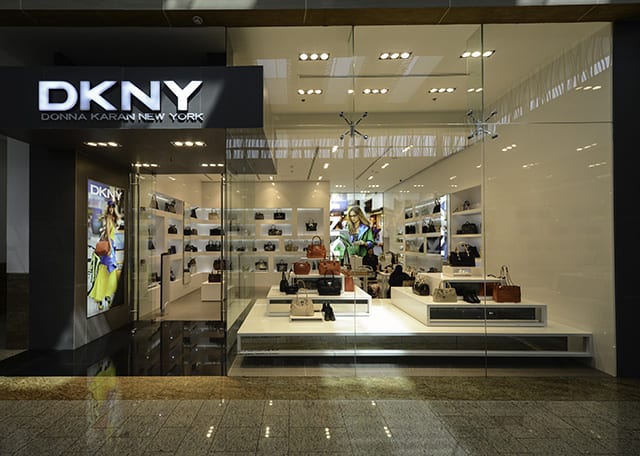
    DKNY, the renowned fashion label, has marked its first significant stride in China, with the inauguration of its flagship store. The store is situated along Huaihai Middle Road, thus fortifying the brand’s foothold in the country.

    The expansive store, spread across 245 square meters, finds its place on the ground floor of Lady Huaihai. Here, DKNY’s presence amplifies the area’s retail diversity that already includes eminent brands like Gentle Monster and Songmont.

    The shop’s unique design mirrors New York City’s dynamic spirit and attitude. It boasts polished aluminium finishes, intricate wood detailing, and upholstery inspired by the city’s iconic yellow cabs.

    The DKNY store is a one-stop-shop for fashion enthusiasts as it offers the brand’s latest ready-to-wear collections, footwear, handbags, and accessories. The retail space also highlights images from DKNY’s Spring 2026 campaign featuring popular model Hailey Bieber.

    Jeff Goldfarb, the executive vice president of G-III Apparel Group, DKNY’s parent company, shared his enthusiasm about the store’s location. Goldfarb believes Shanghai, one of the world’s most influential fashion markets, is the perfect place for DKNY’s next expansion in China.

    He also expressed his anticipation for DKNY’s future growth in China. He emphasized the brand’s effort to create a deeper connection with the Chinese consumers through elevated retail experiences and collections that evoke the energy of urban life.

    DKNY made its initial foray into the Chinese market through the online platform Tmall in 2017.

    Questions & Answers

    What is the significance of DKNY’s new store in China?
    The new flagship store marks DKNY’s first major step in expanding its physical presence in China.

    What distinguishes the store’s design?
    The store’s design reflects the energy and attitude of New York City, featuring polished aluminium finishes, wood detailing, and yellow cab-inspired upholstery.

    When did DKNY first enter the Chinese market?
    DKNY first entered the Chinese market in 2017 through the online marketplace Tmall.

  • Miniso Introduces Global IP Strategy with Revolutionary Art Gallery in Shanghai

    Miniso Introduces Global IP Strategy with Revolutionary Art Gallery in Shanghai

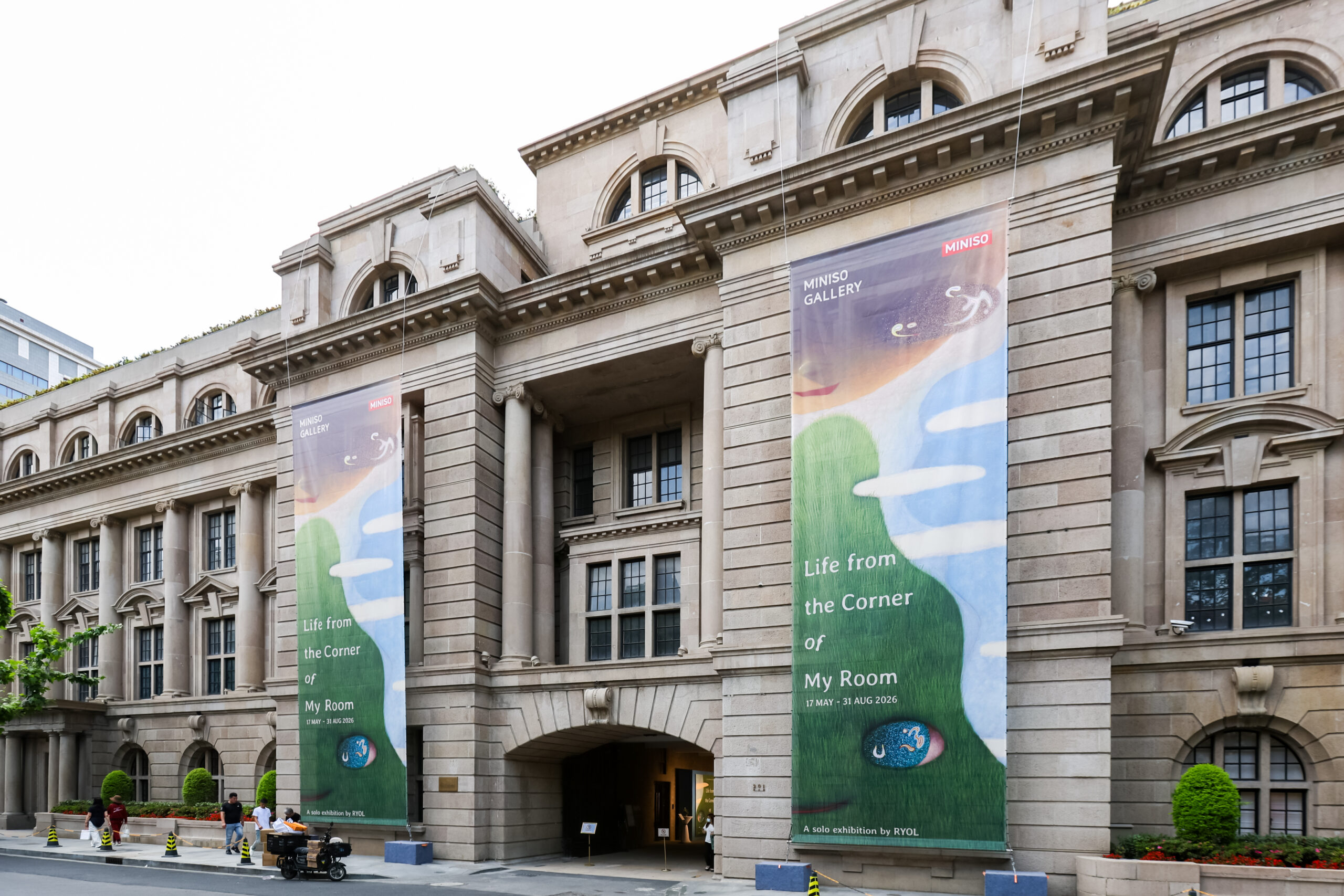
    Miniso, the prominent variety retailer, is intensifying its global Intellectual Property (IP) efforts with the inauguration of the first-ever Miniso Gallery in Shanghai.

    The new gallery, located in the Bund City Hall Plaza, is primarily designed as a specialized exhibition space and a platform for collaboration. It will feature the works of global artists and IP-centric creative projects. This innovative initiative redefines the role of the gallery from being a mere exhibition space to a hub promoting international artistic collaborations.

    The gallery’s inaugural exhibition showcased the work of Indonesian contemporary artist Ryo Laksamana, also known by the pseudonym Ryol. Ryol has the distinction of being Miniso’s first global exclusive artist.

    The strategic location of the gallery in Shanghai furthers the establishment’s retail experience ecosystem. The gallery is within a short stroll from Miniso Land, the company’s flagship concept. This positioning further amplifies the breadth and depth of Miniso’s commitment to delivering a wholesome and enriching customer experience.

    Miniso’s founder and CEO, Ye Guofu, emphasized the gallery’s role as more than just an exhibition space. Guofu highlighted the gallery’s mission of providing burgeoning artists with a platform to reach global audiences. He stated, “Drawing from our knowledge and experience in introducing global IP to consumers, our goal is to form connections between creators worldwide. We aim to enable more original and engaging works to be seen, appreciated, and profitably marketed.”

    Looking forward, Miniso intends to extend the reach of its gallery to more significant art centers worldwide, including Shanghai, Hong Kong, Beijing, Tokyo, Paris, and New York.

    Currently, Miniso operates over 8000 stores in 100 countries and regions. The retailer’s presence is notable in major retail hubs, underscoring its global reach and influence.

    Questions & Answers

    What is the purpose of the newly launched Miniso Gallery?
    The Miniso Gallery is designed as a dedicated exhibition space and a platform for collaboration, aiming to feature the works of global artists and IP-centric creative projects.

    Who is the first artist to be featured in the Miniso Gallery?
    The inaugural exhibition of Miniso Gallery showcased the work of Indonesian contemporary artist Ryo Laksamana, also known as Ryol, who is Miniso’s first global exclusive artist.

    What are Miniso’s expansion plans for the Miniso Gallery?
    Miniso plans to extend the reach of its gallery to more significant art centers worldwide, such as Shanghai, Hong Kong, Beijing, Tokyo, Paris, and New York.

  • Songmont’s Fusion of Old and New: Grand Reopening of Shanghai Flagship Store Reveals Exciting Redesign

    Songmont’s Fusion of Old and New: Grand Reopening of Shanghai Flagship Store Reveals Exciting Redesign

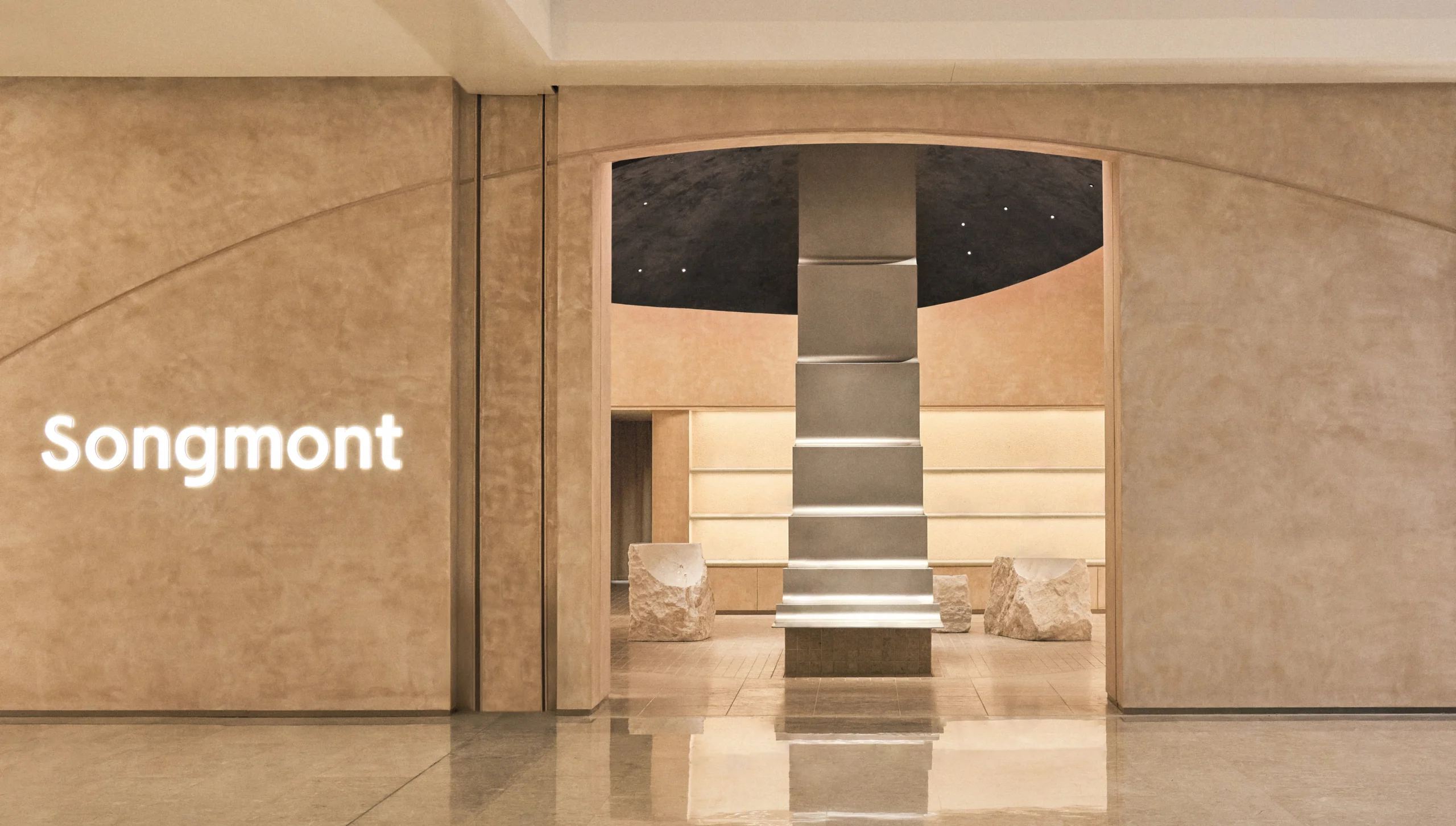
    Songmont, a premium designer brand based in China, has recently unveiled its revamped flagship store located in Shanghai. The store’s redesign showcases a unique blend of original and novel elements aimed at enhancing the layout and shopping experience for its customers.

    The Concept Behind the Revamp

    The original design concept for the store, known as ‘Windy Mountain Valley’, was a nod to the picturesque landscapes sculpted by wind and terrain. This concept is retained in the redesigned space, still encapsulating the harmony of nature and design.

    The updated store retains elements from its initial design while introducing new features that add more depth and definition to the space.

    Balancing Old and New

    Having been a part of the company’s journey for over five years, the flagship store in Shanghai holds significant importance for Songmont. The revamped store is not just about bringing in new elements but also about preserving the old, creating a unique blend of old and new.

    The updated store space now presents a harmonious blend of the familiar, a nod to the store’s past, and the introduction of fresh elements, signaling a warm welcome to new possibilities.

    About Songmont

    Songmont is a designer brand known for its premium leather bags and accessories that are not only functional but also carry a distinctive Eastern-inspired aesthetic. Among its assortment of products are the Luna Bag, Song Bag, Gather Bag, Drippy Tote, and Chocolate Bag. These are often characterized by their convertible designs, offering versatility to their users.

    Questions & Answers

    What is the concept behind the redesign of Songmont’s flagship store in Shanghai?
    The redesign retains the original design concept, ‘Windy Mountain Valley’, while introducing new elements to add more depth and definition to the store layout.

    What does the revamped store represent for Songmont?
    The updated store space presents a harmonious blend of the familiar, a nod to the store’s past, and the introduction of fresh elements, signaling a warm welcome to new possibilities and growth.

    What products does Songmont specialise in?
    Songmont specialises in premium, functional leather bags and accessories featuring Eastern-inspired aesthetics. Their product lineup includes the Luna Bag, Song Bag, Gather Bag, Drippy Tote, and Chocolate Bag, which often feature convertible designs.

  • Green Milestone: FedEx Pioneers Solar Energy at Shanghai Hub, Amplifying Renewable Commitment in Asia Pacific

    Green Milestone: FedEx Pioneers Solar Energy at Shanghai Hub, Amplifying Renewable Commitment in Asia Pacific

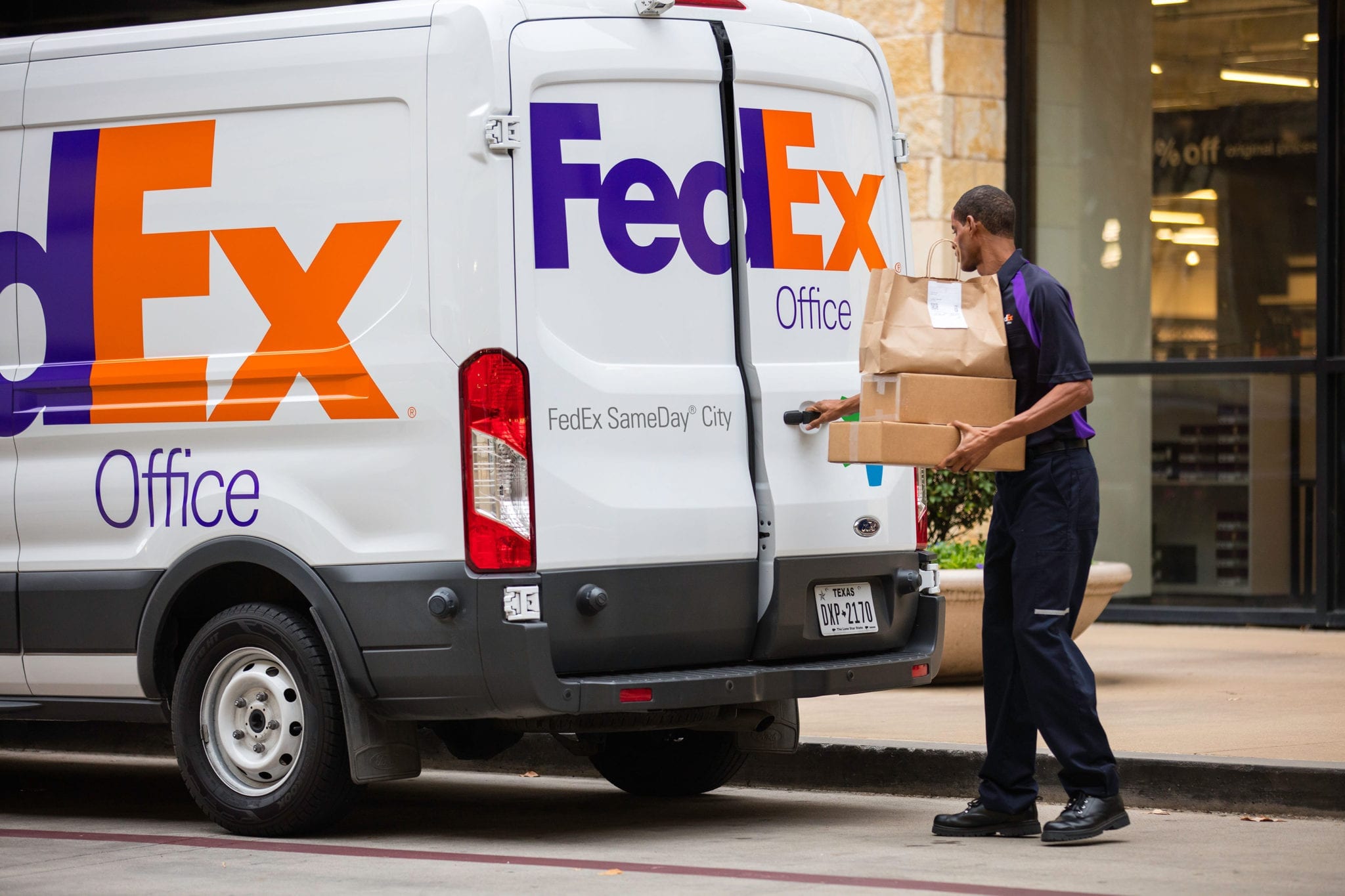
    FedEx, a global leader in express transportation, is bolstering its commitment to sustainability across the Asia Pacific through the inauguration of a new solar installation at the FedEx Shanghai International Express and Cargo Hub. This marks a significant landmark in the company’s drive towards sustainable logistics infrastructure, cementing FedEx’s position as the first and, currently, the only logistics and freight company at the Shanghai Pudong International Airport cargo area to generate on-site solar energy.

    Harnessing Solar Power in Shanghai

    The new solar installation at the Shanghai Hub takes advantage of existing parking facilities, with over 4,000 square meters of solar panels installed. This system is anticipated to produce around 743,000 kilowatt-hours of electricity each year. When compared to coal-fired power generation of the same capacity, this renewable energy source is expected to prevent roughly 417 metric tons of carbon dioxide emissions annually. The system will also reduce about 2.1 tons of particulate matter and 4.21 tons of sulfur dioxide. The electricity generated will primarily support office operations at the hub, substantially increasing the proportion of clean energy used in the company’s day-to-day activities.

    Fostering Renewable Energy in the Asia Pacific

    The newly installed solar panels in Shanghai represent the latest addition to a growing catalogue of renewable energy initiatives supporting FedEx facilities across Asia Pacific. Since November 2022, the FedEx Incheon Gateway in South Korea has been harnessing power from 2,400 rooftop solar panels, supplying about 19% of the facility’s monthly energy requirements. The building also exclusively uses LED lighting, resulting in annual energy savings of more than 22,000 kW hours.

    Moreover, since January 2025, over 50 percent of the electricity consumed at the FedEx South Pacific Regional Hub in Singapore has been generated by on-site solar energy, which also powers the company’s local electric vehicle fleet.

    Advancing towards Low-Carbon Operations

    FedEx has produced over 31 GWh of solar energy at more than 30 locations worldwide to date. The company continues to promote energy conservation, emissions reduction, and low-carbon operations via a mix of emerging technologies, digital innovation, and community sustainability initiatives, including an expanded global electric vehicle fleet, innovative digital tools and the use of emerging technologies such as AI and IoT.

    FedEx also prioritizes sustainability-focused community programs through FedEx Cares, the company’s global community engagement program. Through collaborations with NGOs and local organizations across Asia Pacific, FedEx supports environmental restoration initiatives.

    Questions & Answers

    What is the estimated annual energy production of the new solar installation at the FedEx Shanghai Hub?
    The solar installation at the FedEx Shanghai Hub is projected to generate around 743,000 kilowatt-hours of electricity annually.

    What are some of the renewable energy initiatives across FedEx’s Asia Pacific facilities?
    Some initiatives include using electricity from 2,400 rooftop solar panels at the FedEx Incheon Gateway in South Korea, and supplying over 50% of the electricity at the FedEx South Pacific Regional Hub in Singapore via on-site solar energy.

    What are some of the sustainable initiatives that FedEx has implemented?
    FedEx has implemented a range of sustainable initiatives, including vehicle electrification, innovative digital tools for efficient shipping, deployment of emerging technologies like AI and IoT for operational efficiency, and engaging in sustainability-focused community programs.