Tag: Shenzhen

  • BYD Granted Design Patent for Two-Door Microcar

    BYD Granted Design Patent for Two-Door Microcar

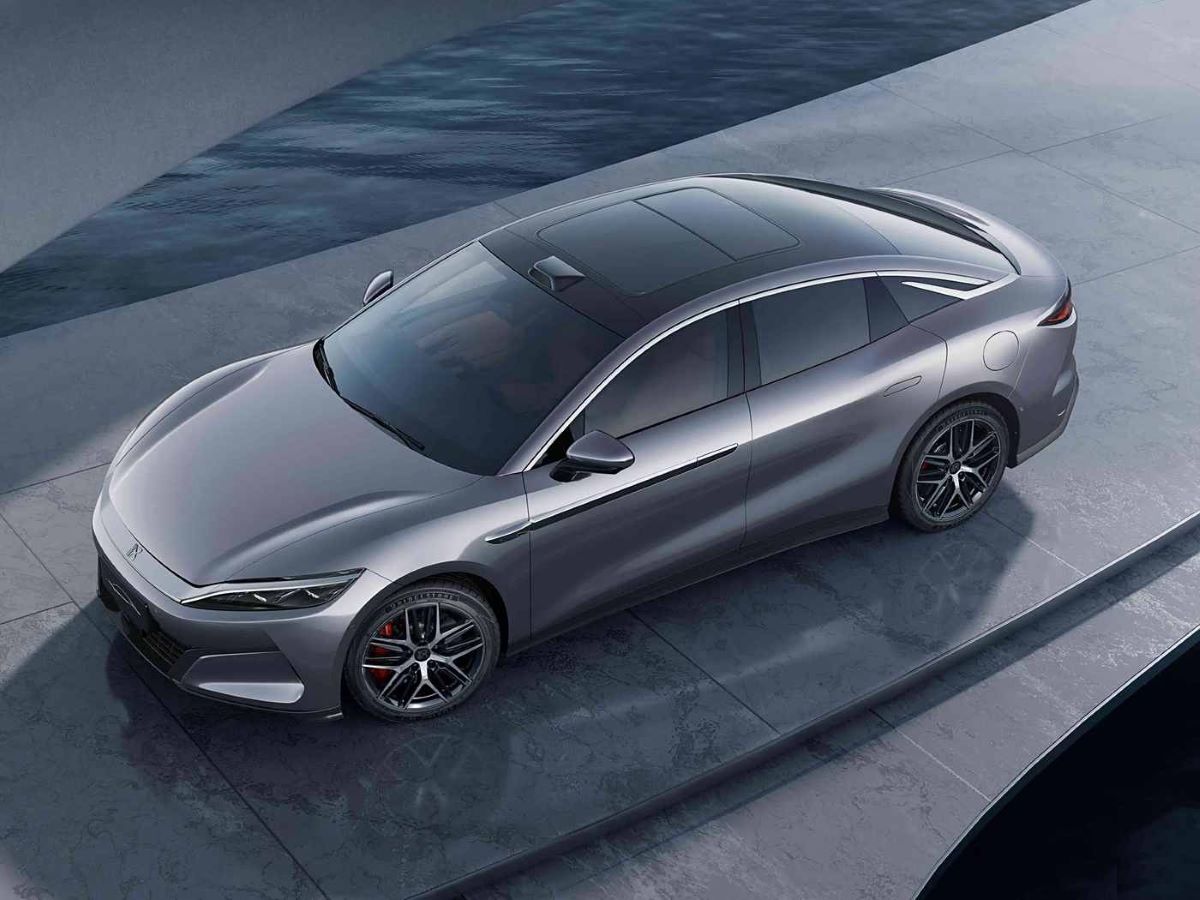
    China’s intellectual property regulator has granted BYD a design patent for a two-door microcar, publishing grant number CN 310308323 S on Tuesday, November 10, 2026. The approval reveals a rounded, compact body featuring one large door on each side, short front and rear overhangs, and wheels positioned close to the corners.

    BYD originally submitted application 202530748612.8 on December 18, 2025. The filing lists five designers, including global design director Wolfgang Josef Egger, but withholds powertrain specifications, exterior dimensions, seating capacity and commercial production plans.

    Official documents identify the model as a vehicle intended for passenger transportation, highlighting its silhouette as the primary protected asset. By securing rights to this ultra-compact shape, the automaker creates a potential competitor to the Smart #2, which the Mercedes-Benz and Geely Auto joint venture launched in China with promotional pricing starting at 99,900 yuan ($14,880).

    Design Details from the National Patent Registry

    Drawings released by the China National Intellectual Property Administration show identical horizontal lighting bands across the nose and tail. Underneath those light bars, curving bumper contours form a distinct lower profile. The design breaks completely from the angular exterior used on the Seagull, which has served as the baseline budget model across BYD dealership networks in mainland China.

    The patent images show flush glazing, tight approach angles, and a steeply raked windscreen designed to maximise interior cabin room over a shortened floorpan. Regulators approved the registration purely on aesthetic shape characteristics. Because the agency evaluates form rather than mechanical layout, the registry entry provides no confirmation on whether the platform relies on pure battery propulsion or enters assembly lines unchanged.

    Direct Target on Urban Microcars

    The compact proportions place the design in direct competition with the Smart #2, the battery-powered two-seater successor to the ForTwo rolled out by the Mercedes-Benz and Geely Auto joint venture. Smart debuted its production version at the Paris Motor Show on October 12, pricing the initial Gold Couture Edition in China at 112,999 yuan, or about $16,820. A week ago, Smart broadened showroom pressure by introducing the Smart #2 Premium Edition at a promotional entry price of 99,900 yuan.

    By sketching out an entry in this ultra-short wheelbase category, BYD signals intent to challenge higher-margin fashion-led city runabouts rather than basic commuter fleet models. The design targets younger metropolitan drivers who navigate cramped parking structures and dense shopping districts, where conventional four-metre hatchbacks prove unwieldy. The financial gamble sits in domestic retail appetite: sub-compact city cars often yield wafer-thin profit margins unless platform volumes scale rapidly across export territories.

    Small Vehicle Portfolio Expansion

    The patent publication follows a major repositioning across BYD entry-level showrooms. Management enlarged the second-generation Seagull on October 20, stretching the vehicle length by 425 mm to 4,205 mm while converting the rear bench to seat five passengers instead of four. That upward push created a distinct gap at the base of the lineup, leaving space for a dedicated two-door urban runabout below four metres.

    International expansion has already tested the small-format waters. BYD introduced the Racco on July 28, selling the purpose-built pure electric model straight into Japan’s regulated kei car category. That release verified consumer reception for sub-compact footprints in Asia’s most congested metropolitan transport hubs.

    Engineering work behind these micro platforms is also slated for long-distance export. Technical disclosures in late August detailed plans to adapt the Racco’s X-PACK architecture for European showrooms and other overseas distributors. The packaging method bundles the power inverter and ancillary electrical controls directly into the primary battery enclosure, stripping out redundant sub-assemblies to recover legroom and storage inside cramped vehicle cabins.

    BYD must now decide whether to commit factory floor space to production tooling for the two-door concept, with commercial viability tied to pricing below the 99,900 yuan barrier established by rival offerings in Chinese showrooms.
  • Global Technologies Pitches Display Driver Cuts in Shenzhen

    Global Technologies Pitches Display Driver Cuts in Shenzhen

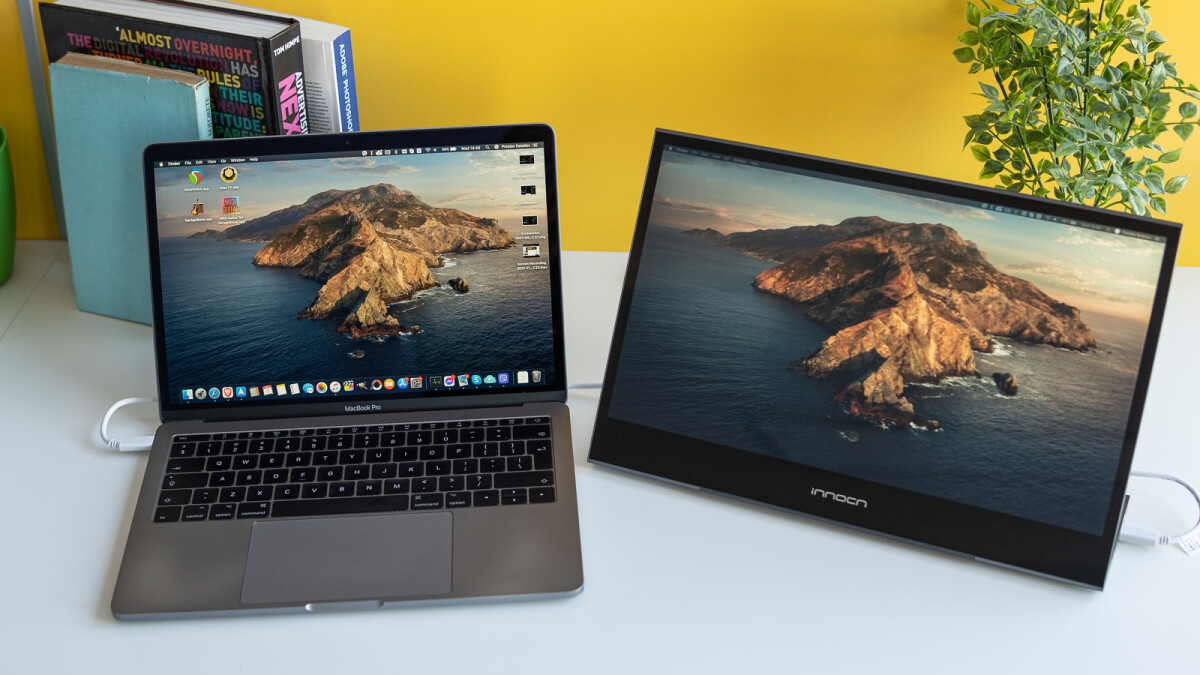
    Global Technologies gathered display and hardware manufacturers in Shenzhen to pitch component-cutting driver designs, securing an initial purchase order process for standard desktop monitors with one regional hardware maker.

    The gathering, announced on Nov. 9, drew representatives from TCL CSOT, Innolux, ZTE, WG Tech and NationStar as panel makers and consumer electronics brands search for cheaper bills of materials for television backlights and computer screens.

    Cutting Silicon Count with Time-Sharing Drivers

    The core proposition presented at the gathering relies on time-sharing operation, known as TSO, which operates multiple light-emitting diodes from a single driver channel by staggering power cycles. Splitting the operating time across diodes eliminates discrete integrated circuits from the printed circuit board. That drops the raw component count, simplifies the copper routing on the substrate, and lowers manufacturing costs on high-density LED arrays.

    Rather than selling bare silicon, the supplier is pitching combined packages that bundle the driver integrated circuits with optical layers and module assemblies. One standard desktop monitor from an unnamed client has already adopted the platform, with formal purchase orders now in progress. Commercial discussions with that customer have expanded to apply the same architecture to automotive instrument clusters and high-refresh gaming displays.

    Pushing Architecture into Glass Backlights and Glass Displays

    For large televisions, the company is attempting to apply TSO controllers to glass backlight units. Glass backlights offer better rigidity and thermal management than traditional plastic substrates in slim television chassis, but driving hundreds of separate local dimming zones typically requires dense arrays of driver chips. Reducing the silicon footprint directly addresses the assembly yields that have kept glass-substrate backlights expensive for consumer brands.

    Talks in Shenzhen also covered packaging red-green-blue LED driver circuits directly into components produced by Chinese packagers. Joint production work discussed during the sessions includes transparent commercial screens and panoramic automotive dashboard units, where thermal dissipation and physical board space dictate hardware limits.

    Pressure on Component Margins Across the Supply Chain

    Display brands face intense margin compression in retail channels, where liquid crystal display panel prices oscillate and consumer appetite for premium sets remains uneven. For panel builders like TCL CSOT and Innolux, taking cost out of the backlight assembly provides breathing room without cutting panel resolution or local dimming zone counts. Retailers stocking big-screen televisions benefit when lower bill-of-materials costs translate to durable promotional pricing on shelves.

    Suppliers attempting to penetrate this tier face steep integration hurdles. Chinese device makers routinely test alternative driver architectures to squeeze existing suppliers, but converting laboratory demonstrations into factory-floor volume production requires high component reliability over extended operating hours. If time-sharing driver chips exhibit flicker, uneven diode degradation, or heat buildup under sustained loads, consumer brands will avoid them regardless of unit savings.

    Consolidation and Factory Networks in Southern China

    The push into Shenzhen follows aggressive consolidation across the Chinese display supply base. TCL Technology recently tightened its operational alignment with key customers when Samsung Display transferred its 10.16 per cent stake in panel manufacturing unit TCL CSOT directly to parent company Samsung Electronics. That transaction left TCL Technology holding 82.82 per cent of the panel venture while locking in supply commitments with the Korean consumer electronics manufacturer, which relies heavily on external panel fabrication.

    Global Technologies is now examining a local manufacturing and sales footprint inside China to service these supply networks directly. The company is negotiating supply terms for transparent display hardware with local buyers while screening domestic foundry partners and evaluating master distribution agreements to handle regional order fulfillment.

    “We discussed customer-specific development projects and cooperation in manufacturing and sales,” said Global Technologies CEO Kim Min-seon. “We will turn these into concrete business opportunities through technology validation and manufacturing and sales partnerships.”

    Execution now rests on whether the monitor purchase order transitions into sustained mass shipment schedules and yields formal foundry contracts in mainland China.

  • 7-Eleven Opens 2000Th Store in Guangdong as DFI Expands Network

    7-Eleven Opens 2000Th Store in Guangdong as DFI Expands Network

    Convenience chain 7-Eleven opened its 2,000th store in China’s Guangdong province. The milestone extends the operator’s footprint across 14 cities in the southern economic hub.

    DFI Retail Group manages the franchise network in Guangdong, where it introduced the brand more than three decades ago. The business set up its initial outlet in Shenzhen in 1992.

    Southern expansion

    Building out a network of 2,000 stores in a single Chinese province required navigating shifting municipal planning rules and fierce competition from domestic convenience operators. DFI concentrated on tier-one and tier-two cities, anchoring its business in dense residential clusters, transit hubs, and commercial office towers.

    The current footprint spans 14 municipalities across Guangdong. Shenzhen continues to hold a high concentration of outlets, providing the scale required to support dedicated cold-chain logistics and daily fresh-food replenishment.

    Fresh food and proprietary brands

    Scale in the convenience sector depends on recurring basket margins rather than packaged dry goods alone. DFI targeted daily foot traffic by building out ready-to-eat hot food counters, bakery selections, and proprietary private-label lines that yield higher margins than third-party inventory.

    Store profitability increasingly leans on these prepared meals and exclusive beverage tie-ups. Fast product turnover helps offset elevated commercial real estate leases in major southern commercial hubs, where convenience stores compete directly with local street stalls and regional chains.

    Rival networks and regional pressure

    Guangdong represents one of the most crowded retail arenas in mainland China. Regional domestic operators run thousands of smaller franchised stores across suburban and residential districts, forcing foreign-backed chains to defend prime central locations.

    Landlords in high-traffic transport nodes hold significant use during lease renewals. Operators that fail to extract strong revenue per square metre face rising operational friction, particularly as utility overheads and local store labour expenses increase across southern metropolitan areas.

    Franchise density across the province

    DFI established its first mainland foothold in Shenzhen during the early phase of southern China’s retail liberalisation in 1992. Over the following decades, the group progressively built a supply-chain apparatus capable of sustaining daily inventory cycles across adjacent manufacturing and consumer centres.

    The provincial network expanded before accelerating sub-tier city penetration. That gradual rollout laid the foundation for the current 14-city coverage map.

    Attention now turns to store density in lower-tier municipalities outside Shenzhen, where DFI faces the operational challenge of matching delivery economics against lower average consumer tickets.

  • Tencent Unifies Workplace Apps Under WorkBuddy Agent with 700 Yuan Monthly Tier

    Tencent Unifies Workplace Apps Under WorkBuddy Agent with 700 Yuan Monthly Tier

    Tencent rolled out Buddy One on October 29, linking Tencent Docs, Tencent Meeting, and its knowledge software under a single WorkBuddy artificial intelligence agent with unified accounts and shared credits.

    A premium consumer tier costs 700 yuan per month, bundling WorkBuddy’s top tier with Tencent Meeting Pro, Tencent Docs premium access, and one terabyte of cloud storage.

    Shared Credits and Cross-App Search

    Users link accounts through version 5.9.0 or later of WorkBuddy’s desktop client. The integration eliminates the need to manually toggle tools or paste context between applications.

    When a user submits a prompt, WorkBuddy runs an automated search across approved files, meeting recordings, and knowledge bases. Returned answers label the originating software for each piece of retrieved context. Credits purchased inside WorkBuddy convert directly into universal Buddy One credits functional across Docs, knowledge tool ima, and the company’s new storage system.

    Cloud Storage Built for Agents

    Alongside the consumer bundling, Tencent introduced Tencent Drive, a cloud storage infrastructure layer designed specifically for autonomous software agents. The product provides the shared data layer for WorkBuddy and connects with external agents using a command-line interface and the Model Context Protocol.

    This protocol lets workers complete an initial draft in one third-party artificial intelligence tool and reopen it inside another without manually uploading files. WorkBuddy’s internal knowledge base already operates on this infrastructure.

    For corporate clients, the storage layer relies on Tencent Cloud Object Storage architecture. The setup includes virtual private cloud deployment, off-site disaster recovery backups, and end-to-end data encryption. Corporate administrators can assign distinct permission rules to human employees and automated software tools. Tencent expanded corporate seat storage within WorkBuddy from 5 gigabytes to 50 gigabytes.

    Platform Interoperability and Market Pressure

    Enterprise software platforms across China are racing to prevent corporate clients from switching between disconnected point solutions.

    Tencent is positioning WorkBuddy as an open framework rather than an enclosed ecosystem. Enterprise clients can connect proprietary models, external autonomous agents, and outside messaging networks directly into the storage architecture. Tencent cloud chief Dowson Tong stated that enterprise buyers must retain final discretion over their chosen models, agents, and workplace communication tools.

    Building Out the Hunyuan Architecture

    The product launch follows an active expansion of Tencent’s proprietary model stack. In August, the company introduced its Hy4 preview under the Hunyuan model family, aiming to compete with open-source systems deployed by domestic rivals.

    Corporate deployments have expanded across consumer sectors during the same period. Domestic cosmetics manufacturer Shanghai Jahwa deployed WorkBuddy across nine separate operating departments in late August, testing agent workflows before Tencent finalized this cross-application unified credit tier.

    Enterprise software managers will track how quickly Tencent expands memory sharing between individual applications, which remains scheduled for upcoming client revisions.

  • Shenzhen Scooter Maker LEQI Expands Abroad with Xiaomi Backing

    Shenzhen Scooter Maker LEQI Expands Abroad with Xiaomi Backing

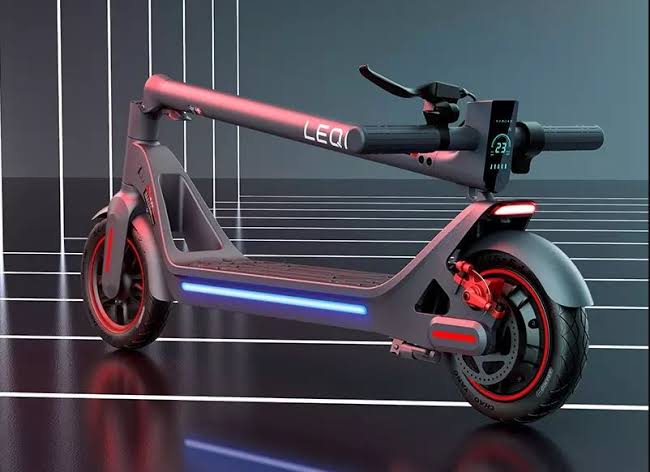
    Shenzhen micro-mobility manufacturer LEQI took first place in worldwide electric scooter shipments in 2025, pushing its overseas expansion beyond basic marketplace sales into specialised categories including rideable luggage and dirt bikes.

    Its subsidiary Megawheels logged 2 million users and took the top market share spot in Japan, while industry tracker QYResearch placed the brand fourth globally in the two-wheeled self-balancing scooter segment in 2026.

    Founded in 2016, the hardware maker sells directly through Amazon, eBay, its own digital storefronts and commercial wholesale channels. The product catalogue now reaches beyond basic stand-up scooters to include electric bicycles, high-speed electric motorcycles and the L3 Smart Electric Suitcase, a motorised carry-on fitted with a fold-out chassis and obstacle-avoidance sensors.

    Engineering Beyond Marketplaces

    Online marketplaces offer Chinese consumer hardware makers an easy route into foreign households without physical dealership networks. The friction surfaces when foreign buyers require local warranty service, replacement battery packs or street-legal certifications.

    Instead of relying purely on commodity e-scooter platforms, LEQI has attempted to share core electric-drive and battery-management software across diverse form factors. High-power-density drivetrains and adaptive sensor software developed for off-road bikes feed into airport transit gear, giving the company higher retail price points than standard commuter devices command.

    The European Compliance Hurdle

    For cross-border consumer brands, technical compliance dictates shelf space faster than digital marketing. German road regulations, for instance, demand strict national operating permits that keep most direct-to-consumer Chinese imports off public cycle tracks.

    LEQI secured Germany’s Allgemeine Betriebserlaubnis road approval for its LEQIsmart A11 scooter in 2023, giving it a regulatory wedge against rivals selling uncertified hardware. Retaining that foothold requires constant updates as European municipal regulators revise speed limits and pavement use rules.

    Funding The Global Network

    Capital from domestic technology giants is financing the step into heavier engineering. LEQI closed a Series B funding round in March 2026 backed by Xiaomi Group and Shunwei Capital.

    That cash injection followed a corporate restructuring in 2021, when the business established its dual-brand strategy split between Megawheels and the primary LEQI nameplate. Proceeds from the 2026 round target artificial intelligence decision-making systems for vehicle control, higher-density battery units and physical supply chain hubs in key destination markets.

    The central test for LEQI is whether its software systems and overseas service networks can support higher-margin vehicles such as dirt bikes before hardware competitors duplicate its rideable luggage designs.

  • Arrvel Introduces Rugged Android Barcode Scanner and RFID Lineup

    Arrvel Introduces Rugged Android Barcode Scanner and RFID Lineup

    Shenzhen-based Arrvel introduced an expanded portfolio of rugged Android handheld barcode scanners and RFID terminals on October 23, 2026, targeting distribution hubs and retail floors across international markets.

    The lineup spans entry-level keypad units through to a Qualcomm-powered enterprise computer running Android 16, backed by Shenzhen-listed parent Emdoor Information.

    Hardware Specifications for Retail Floors and Racks

    Arrvel built the base of the lineup around two everyday enterprise units, the F1 and F2. Both run on MediaTek MT6765 processors using Android 15 with Google Mobile Services certification. Both integrate Zebra SE4710 scan engines calibrated to read damaged or low-contrast labels.

    The F1 relies on a 4-inch display paired with a physical 16-plus-7 numeric keypad. Arrvel spaced the keys widely so workers in cold-storage units and outdoor depots can input figures while wearing thick industrial gloves. The device carries up to 4GB of RAM, 64GB of storage, a 5,000mAh battery rated for 12 hours of continuous work, and a scan engine tilted at 25 degrees. Ingress protection reaches IP67, alongside drop testing certified to 4.92 feet.

    For touchscreen workflows, the F2 mounts a 6-inch Full HD display inside a 16-millimetre frame. It retains the IP67 sealing, the 4.92-foot drop rating, and the MediaTek chip, pairing them with a 5,050mAh cell and an optional pistol trigger for long scanning shifts. Both handhelds feature 13-megapixel rear cameras, 5-megapixel front lenses, 4G LTE modems, dual-band Wi-Fi, Bluetooth, and near-field communication.

    High-Capacity Processing and Long-Range RFID

    Heavier distribution workflows receive the MC51S, Arrvel’s flagship terminal running on Qualcomm’s octa-core QCM6225P chip clocked up to 2.8 GHz. The unit configures with up to 8GB of RAM and 256GB of UFS flash memory. It ships with Android 16 under Google’s Android Enterprise Recommended tier to guarantee long-term security patching.

    The MC51S display uses 6-inch Gorilla Glass 3 panels. The chassis meets MIL-STD-810H standards with drop survivability tested to 1.5 metres alongside IP67 water and dust resistance.

    Beyond optical barcodes, Arrvel introduced ultra-high-frequency RFID readers designed for yard logistics and large retail stockrooms. Units fitted with circular polarized antennas read tags up to 20 metres away in clear conditions, scanning 200 tags per second to capture 2,000 items in roughly 10 seconds. Modular versions support close-range RFID, fingerprint readers, and custom expansion slots tailored for apparel ticketing and inventory audits.

    The Enterprise Hardware Squeeze

    For warehouse operators and store chains, replacing aging proprietary terminals with Android Enterprise hardware cuts software deployment times through zero-touch enrollment. It also lowers replacement equipment costs.

    The commercial risk sits squarely in software support and hardware durability. Tier-one warehouse operators demand five-to-seven-year component availability and immediate field service, areas where direct-to-consumer and Amazon-focused brands typically struggle against entrenched commercial distribution networks.

    Parent Company Footprint

    Arrvel operates as an enterprise brand under Shenzhen-listed Emdoor Information, which trades under ticker 001314 on the Shenzhen Stock Exchange. Emdoor spent eighteen years building original design manufacturing capacity for rugged computing before pushing proprietary label printers and commercial handhelds into overseas channels.

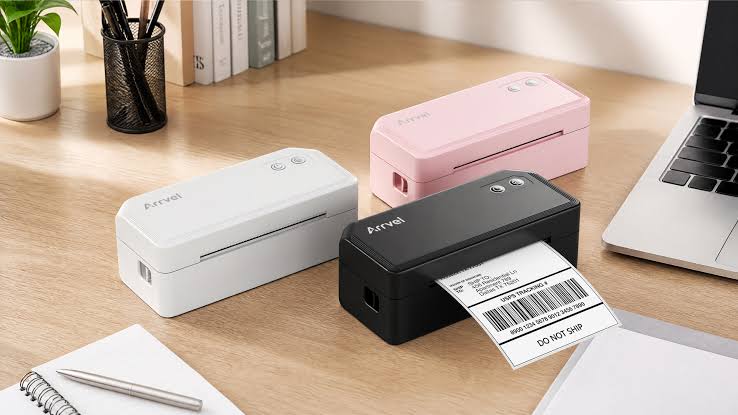
    Earlier in October 2026, Arrvel expanded its thermal label printer range for small merchants, following vehicle-mount computers released under sister brand ONERugged for agriculture and mining operations.

    Enterprise buyers will track whether Arrvel can back the MC51S and F-series with enterprise service level agreements as deployments scale beyond initial online storefront channels.

  • Shenzhen Cuts Transit Fares by 50% to Ease Roads for Apec

    Shenzhen Cuts Transit Fares by 50% to Ease Roads for Apec

    Shenzhen will slash subway and bus fares by 50 percent from November 16 to 20 to clear its road network for the Asia-Pacific Economic Cooperation summit.

    The temporary subsidy accompanies an order taking 90 percent of government and state-owned enterprise vehicles off the streets, targeting gridlock across the southern metropolis of more than 17 million people.

    Slashing fares and boosting rail runs

    Municipal transport planners plan to run trains on selected subway lines every two minutes during peak windows. Standby carriages will wait at central depots to absorb crowds diverted away from arterial expressways, while transit operators launch more than 50 feeder bus services linking suburban neighbourhoods directly to metro stations.

    Private drivers face civic appeals rather than outright driving bans. Xu Wei, deputy director of the transport department, confirmed that car owners who register online to leave their vehicles parked will receive commemorative event stickers and a public transport card with a pre-loaded cash balance.

    Pulling fleets and private cars off the street

    State agencies and municipal commercial units will bear the sharpest road cuts. Excluding vehicles assigned directly to summit logistics, 90 percent of the state vehicle fleet will remain grounded through the full five-day event cycle.

    Human resources officials also directed companies across the tech hub to prepare contingency operations. Hao Shifei, deputy head of the human resources authority, said businesses should place eligible employees on remote working arrangements, stagger shift rotas for site-bound staff, or grant paid annual leave for the summit week.

    What remote work orders mean for local trade

    For high-street retailers, food operators and commercial landlords, these mobility curbs create immediate footfall shifts. Office-district restaurants and convenience chains across Nanshan and Futian will see weekday daytime trade thin out as white-collar workers stay home, while neighbourhood grocery stores and delivery platforms absorb the displaced volume.

    Logistics operators must manage severe route restrictions inside core commercial corridors. Freight dispatchers and last-mile couriers face narrower delivery windows around summit venues and luxury hospitality zones, making early-morning and overnight replenishment runs essential to prevent retail inventory stockouts.

    From Beijing and Shanghai to the tech hub

    This summit represents China’s third turn hosting the regional economic forum, following Shanghai in 2001 and Beijing in 2014. Chan Yaodong, deputy secretary general of the municipal government, said officials are balancing foreign affairs obligations with uninterrupted commercial operations.

    Delegates from 21 member economies will arrive ahead of the Apec CEO summit on November 17 and 18, with the leaders’ summit running on November 18 and 19. Transport dispatchers will watch whether the combined metro fare cuts and remote working guidelines successfully prevent supply-chain bottlenecks across the Greater Bay Area corridor.

  • Mibro Launches AeroPace Running Smartwatch for 149.99 EUR

    Mibro Launches AeroPace Running Smartwatch for 149.99 EUR

    Smart wearables maker Mibro launched its AeroPace running smartwatch on Oct. 13, 2026, with pricing starting at 149.99 EUR through official sales channels.

    Designed for beginner runners, the device introduces Mibro Coach, an intelligent training system developed by the Mibro Sports Science Lab that combines sports physiology models with AI agents to guide users through assessment, planning, recovery, and review.

    Hardware specifications and tracking features

    During workouts, the system tracks cadence, stride length, ground contact time, and vertical oscillation. Post-session analysis combines these metrics with training load, heart rate variability, and sleep quality to highlight strengths and suggest next steps.

    Post-session software logs compile these telemetry readings alongside estimated cardiovascular load, recovery windows, and recent sleep metrics.

    Training software and conversational coaching

    Developed by the Mibro Sports Science Lab, the companion training software structures guidance around the VDOT running index, estimated VO2max benchmarks, and predictive race finishing targets from 5K distances up to full marathons. The platform offers more than 20 preconfigured training programs running between four and 20 weeks in duration.

    Daily workouts adjust based on recorded sleep duration, fatigue metrics, and recent training stress. Users can select between five AI coaching personas or interact directly via Just Talk, a conversational feature designed for voice and text interaction regarding pacing and recovery adjustments.

    Market positioning in entry-level fitness wearables

    At 149.99 EUR, the device targets recreational runners looking for structured physiological metrics without paying the premium commanded by dedicated endurance hardware from Garmin, Polar, or Coros. Chinese consumer electronics brands continue to push mid-tier price points by bundling algorithmic coaching features into lightweight hardware, challenging incumbent sportswear and GPS equipment makers.

    Software retention presents the real commercial test for Shenzhen hardware makers. Selling a low-cost fitness watch is straightforward through direct-to-consumer digital channels. Keeping runners engaged requires algorithmic training advice accurate enough to prevent injury and justify long-term platform loyalty.

    Corporate background and product roadmap

    Founded in 2015, Mibro operates as a consumer hardware brand under ZhenShi Information Technology (Shenzhen) Co., Ltd. The business previously expanded third-party fitness ecosystem compatibility by integrating the Mibro Fit application with Strava in December 2024, followed by the release of the Lite3 Pro smartwatch in July 2024.

    Product expansion continued with three sports-oriented smartwatches in June 2025 and the Kids Watch Phone S1 in November 2025, before direct commercial distribution began in the United States market in March 2026.

    Mibro will distribute the AeroPace across Europe and Asia through its online storefronts and authorized regional distributors as initial retail shipments begin this quarter.

  • BYD Unveils Dual-Screen Interior for Third-Gen Tang SUV Ahead of Q4 Launch

    BYD Unveils Dual-Screen Interior for Third-Gen Tang SUV Ahead of Q4 Launch

    BYD unveiled the interior of its third-generation Tang on Thursday. The carmaker fitted the five-seat electric SUV with a 35.4-inch screen ahead of a fourth-quarter launch.

    Delivery figures explain the overhaul. Tang family sales dropped 49.87 per cent year-on-year to 81,614 units between January and August.

    Cockpit Overhaul and Space Configuration

    Inside the cabin, an integrated 35.4-inch far-side display and a 30-inch panoramic screen replace the traditional instrument cluster and head-up display. Lu Tian, general manager of sales for BYD’s Dynasty series, said the layout took design cues from sci-fi spaceship consoles. Buyers can choose between two interior color schemes: Dune Beige and Amber Brown.

    Rear seating serves as a key selling point. The second row offers more than 1,000 mm of legroom, and the backrest reclines up to 130 degrees. BYD positions the five-seat model as the technology-oriented 8-series flagship within the Dynasty division.

    Chassis Dimensions and Platform Hardware

    The vehicle measures 5,045 mm long, 1,980 mm wide and 1,760 mm tall, with a 2,950 mm wheelbase. These proportions place it in China’s mid-to-large consumer SUV bracket. It joins the larger 9-series Da Tang, introduced in June, to form a dual-flagship structure.

    Under the floor, the SUV runs on BYD’s second-generation Blade Battery with high-voltage flash charging architecture. Maximum driving range reaches 850 kilometers on the China Light-Duty Vehicle Test Cycle (CLTC). Under standard ambient temperatures, the pack replenishes from 10 per cent to 70 per cent in five minutes. It reaches 97 per cent in nine minutes.

    Driver Assistance and Chassis Control

    Every variant includes the God’s Eye B intelligent driving system as standard factory equipment. The carmaker also installed its DiSus-A intelligent air body control system across the range to adjust ride height and cabin stability automatically.

    Standardising air suspension and advanced driver assistance puts immediate pressure on domestic rivals. Competitors in the 200,000 to 300,000 yuan bracket must match these hardware specifications without adding option packages, even as margin compression limits profitability. The financial risk is that the heavy hardware package could trim BYD’s gross vehicle margins if sales volumes fail to recover quickly.

    Rebuilding the Dynasty Series Lineup

    The Tang badge previously generated high sales volumes for BYD. However, an aging cabin architecture and prolonged gaps between mechanical updates eroded showroom traffic over the past 18 months. Splitting the Dynasty line into separate 8-series and 9-series variants mirrors product segmentation strategies used by competing premium EV brands across Asian markets.

    Following its initial public exterior reveal at the Chengdu Auto Show on August 21, showroom deliveries and official customer pricing across China will take effect before the close of the fourth quarter.

  • MemoMind Expands AI Glasses Translation to 53 Languages

    MemoMind Expands AI Glasses Translation to 53 Languages

    MemoMind rolled out a software update for its One AI glasses on September 30, 2026. The patch expands real-time translation to 53 languages and opens a second developer phase.

    Incubated by projector maker XGIMI, the company is selling the standard hardware for $399 on promotion against a $599 list price.

    Language Support and Audio Capture

    The firmware update extends live two-way translation across South Asian and Middle Eastern markets. It adds firmware-level support for Urdu, Tamil, Gujarati, Nepali, and Arabic. To improve speech intake in crowded environments, users can now toggle between front-facing directional audio capture and omnidirectional recording.

    Display capabilities received an upgrade as well. The internal heads-up display now renders up to four lines of notification text, reducing the need to check paired smartphones. Users can also pull custom RSS 2.0 and Atom 1.0 feeds directly into the display interface rather than relying on curated platform feeds.

    Input Protocols and Peripheral Support

    Bluetooth Low Energy now carries the standard Human Interface Device protocol on the frames, allowing third-party input hardware to connect directly. The protocol complements existing temple touch controls, voice prompts, and head-gesture tracking with peripheral ring inputs.

    Hardware startup Kiwear serves as the flagship partner for the peripheral integration, enabling ring-controlled inputs out of the box. Memo Labs also introduced Memo Agent. That tool lets users view and dispatch basic commands to an automated coding agent through the glasses.

    Ecosystem Strategy and Hardware Margins

    Wearable AI makers face steep customer churn once the initial novelty of audio playback and basic transcription fades. By adding standard peripheral input protocols and open RSS syndication, MemoMind is attempting to anchor the hardware into everyday productivity routines before larger consumer electronics rivals dominate the category.

    A $200 promotional discount reflects a familiar hardware playbook. MemoMind needs active units on faces to attract third-party developers. Subsidising hardware margins creates financial drag if software-driven retention fails to materialise. Competing display-enabled frames from regional consumer brands have struggled with battery constraints and thermal limits during continuous ambient workloads.

    Software Cadence and Workspace Beta

    Customer orders opened on June 29 as part of a structured commercial rollout. On September 1, the company published its open SDK on GitHub with two development tracks: native C plugins for on-lens rendering and sensor access, and web plugins for phone-side data processing.

    In October, MemoMind will launch a closed beta for its App Workspace through a community whitelist. That trial will allow selected developers to build, install, and execute local applications directly on retail devices ahead of a broader public application storefront.

  • Qualcomm to Pay Huawei in Multi-Year 5G and Artificial Intelligence Patent Agreement

    Qualcomm to Pay Huawei in Multi-Year 5G and Artificial Intelligence Patent Agreement

    Qualcomm has agreed to pay Huawei Technologies for access to its patents in a multi-year cross-licensing deal covering 5G, computing, and artificial intelligence, the Shenzhen company announced on Monday.

    The agreement makes the San Diego chipmaker a net payer to Huawei for the first time, pushing Huawei’s cumulative intellectual property licensing contract value past $6.9 billion.

    Under the terms of the transaction, Qualcomm will license Huawei’s portfolio and buy specific US patents held by the Chinese group across computing, artificial intelligence, and networking hardware. The deal does not include broader commercial tie-ups or component sales, and both companies must clear regulatory reviews in the United States before closing the asset transfers.

    Reversing the Flow of Licensing Cash

    The financial turnaround marks a sharp shift in the mobile supply chain. Huawei paid Qualcomm for patent access as early as 2001, and paid $1.8 billion in back licensing fees to settle an intellectual property dispute with the US group in 2020. Now the balance of standard-essential communications patents and edge computing IP has forced Qualcomm to write checks back to its Chinese competitor.

    For device makers across Asia, the agreement sets a pricing precedent. Hardware brands that design around Qualcomm chipsets have watched royalty rates climb as 5G and on-device AI architectures mature. A formal licensing pact between the two dominant patent holders removes immediate litigation risks for smartphone assemblers, while confirming that access to Chinese cellular and machine-learning IP will carry direct cash costs.

    Expanding Patent Monetisation Beyond China

    Huawei has spent the past five years building a high-margin licensing arm to recoup capital spent on domestic research and development. The business turned net positive on revenue in 2021 after US export restrictions curtailed Huawei’s handset shipments and blocked its access to American semiconductor fabrication tools.

    That monetization drive has yielded more than 260 patent agreements with global tech firms, including Nokia, Samsung, and Amazon, alongside domestic phone brands Oppo, Vivo, and Xiaomi. Huawei signed a similar multi-year cross-licensing agreement with US personal computer maker HP in August, covering foundational Wi-Fi technologies after resolving earlier disputes.

    The Long Legal Road from 2011

    Huawei collected its first external patent royalty payment in 2011 from Motorola. Over the subsequent decade and a half, the company poured capital into 3GPP wireless standards, optical transmission, and proprietary compute silicon, accumulating extensive patent portfolios in Europe, the US, and mainland China.

    US authorities continue to scrutinize cross-border technology transfers, creating friction for any transaction involving Chinese hardware intellectual property. The current agreement remains subject to Washington’s regulatory clearance, which will test whether standard-essential patent sales and cross-licensing can proceed amid ongoing federal export controls and pending legal trials.

  • AI Generated over 90% of 430,000 Chinese Microdramas This Year

    AI Generated over 90% of 430,000 Chinese Microdramas This Year

    Artificial intelligence tools generated more than 90 per cent of the 430,000 microdramas launched online in China during the first eight months of the year, according to the National Radio and Television Administration.

    The rapid surge has unlocked storytelling possibilities for web novel adaptations without expensive physical sets, according to Shenzhen-based producer Bai Jianyue, but it has also saturated digital feeds with low-cost automated content.

    Microdramas typically run for just a few minutes per episode and rely on fast-paced twists, yet the flood of automated scripts is prompting video platforms and regulators to pivot toward higher-calibre productions.

    Viewer Fatigue and Production Bottlenecks

    The rush to automate production created a surge of lookalike shows with interchangeable plots. Viewers on platforms such as RedNote reported growing dissatisfaction with formulaic releases that simply altered character genders or historical periods across identical narrative arcs.

    Technical constraints in video generation models also restrict long-form consistency. Studios struggle to maintain uniform facial expressions, character wardrobe, and scene continuity across series that stretch over dozens of episodes.

    Robin Luo, founder of Synintell Pictures, pointed out the gap between single-scene generation and complete narrative production:

    “Being able to generate video is not the same as reliably delivering an entire series”

    As access to AI generation software widens, commercial success depends less on raw rendering speed and more on directing, scriptwriting, and viewer retention strategies.

    Platform Subsidies Shift Back to Live Action

    Major streaming networks are responding by directing capital back toward human-led filming. Six major video platforms, including services operated by ByteDance and Kuaishou Technology, committed at least 6 billion yuan ($894 million) to fund live-action microdramas under a government-backed initiative.

    Broadcasting regulator official Wang Xiaoliang called on platforms to create dedicated distribution sections for live-action shows. The initiative aims to balance automated output with productions that employ human crews, writers, and traditional sets.

    For digital marketing teams and content platforms across Asia, the microdrama boom serves as a testing ground for automated retail entertainment. While synthetic media cuts initial production costs, audience monetisation drops rapidly once novel visual effects become commoditised across competing feeds.

    Brand sponsors and commercial operators that turned to cheap AI video generators are finding that viewer engagement requires coherent character identity rather than automated volume. The technology functions effectively as a pre-visualization tool for complex storyboards, but fully synthetic releases face steep retention drop-offs after the opening free episodes.

    New Rules on Digital Likeness and Content Labelling

    Regulatory authorities introduced direct compliance requirements to manage synthetic releases. A rule enforced this month mandates that all streaming episodes must display prominent on-screen labels identifying AI-generated media.

    Regulators also directed studios to secure explicit legal consent before using the likenesses or voices of real individuals. The warning followed high-profile synthetic restorations, including a two-minute NetEase project that recreated 1980s and 1990s film roles played by retired actress Joey Wong.

    Production houses are adjusting workflows to clear platform reviews faster. Zhou Xiangxiang, founder of Shenzhen-based Moli OPC AI Comic Drama Base, said her studio now uses authorized likenesses of staff members and signs direct commercial contracts with performers to build digital character libraries.

    Licensing human likenesses adds immediate upfront costs, but it prevents release delays caused by automated platform moderation filters flagging unauthorized faces. Existing annual distribution contracts with streaming apps remain active as studios adapt their pipelines to the new identification rules.

  • BYD Sells 762,478 Electric Cars in Third Quarter to Extend Lead over Tesla

    BYD Sells 762,478 Electric Cars in Third Quarter to Extend Lead over Tesla

    BYD widened its global electric vehicle lead over Tesla in the third quarter of 2026. Deliveries of pure battery passenger cars hit 762,478 units across the three-month stretch.

    Deliveries at Tesla reached 486,532 vehicles globally over the same period. That beat market expectations of 463,761 units, though it fell 2.13 per cent short of the year-earlier total.

    The gap between the two carmakers reached 275,946 pure electric vehicles between July and September. It expanded sharply from the second quarter, when BYD led Tesla by 76,964 units. BYD increased third-quarter passenger battery sales by 30.89 per cent year-on-year. Quarter-on-quarter, sales rose 36.87 per cent.

    Breakdown of Quarterly Deliveries

    Entry models drove most of Tesla’s volume. The Model 3 sedan and Model Y crossover accounted for 478,237 units, or 98.30 per cent of all deliveries between July and September. Remaining lines, including the Model S, Model X, Cybertruck and Semi, yielded 8,295 deliveries combined.

    Factory output at Tesla trailed final customer handovers. The Austin-based carmaker produced 464,391 vehicles during the quarter and drew down inventory by 22,141 units. In the same window, it installed 13.7 gigawatt-hours of stationary energy storage products.

    These BYD figures exclude plug-in hybrid electric vehicles and commercial fleet sales. The tally isolates pure passenger battery models for direct comparison against Tesla’s all-electric lineup.

    Nine-Month Volume and Market Shift

    Across the first nine months of 2026, BYD sold 1,629,957 passenger battery electric vehicles globally, up 1.50 per cent year-on-year. Tesla handed over 1,324,681 cars during the same period, recording an 8.77 per cent increase.

    Cumulative year-to-date numbers give the Shenzhen-based automaker an advantage of 305,276 pure electric cars. Tesla briefly led in the first quarter with 358,023 deliveries against BYD’s 310,389. BYD reversed that in the second quarter, selling 557,090 battery units against Tesla’s 480,126.

    Product breadth and tiered pricing across China and Southeast Asia continue to favour multi-segment domestic manufacturers over single-platform foreign lines.

    Pressure on Regional Supply Chains

    For component suppliers and dealership networks across Asia-Pacific, the divergence shows clear volume consolidation. BYD builds battery cells and motors in-house. That vertical integration protects assembly lines from external supply shocks and lowers retail prices in major regional markets.

    Tesla remains locked into two core consumer models while regional rivals in China, Thailand and Australia release fresh nameplates every six months. It lacks an updated high-volume compact platform in showrooms. Instead, the company relies on financing discounts and local incentives across Asian markets to defend its position against price cuts.

    Historical Ground and Earnings Date

    This pattern took root in 2025. BYD overtook Tesla over a full calendar year for the first time by selling 2,256,714 pure electric passenger cars against Tesla’s 1,636,129 deliveries. That ended Tesla’s multi-year run as the world’s largest producer of battery-only passenger vehicles.

    Management will detail third-quarter financial results after the close of United States markets on October 21 during its scheduled investor webcast, focusing on automotive profit margins and annual production targets.

  • Ping an Bank Approves AI Rules After Deploying over 450 Use Cases

    Ping an Bank Approves AI Rules After Deploying over 450 Use Cases

    Ping An Bank has approved internal management rules for artificial intelligence, becoming the first listed Chinese lender to formally adopt an AI governance framework.

    The Shenzhen-listed lender announced the board-approved measures in a filing on Wednesday, following a push by regulators for banks to strengthen oversight of AI use.

    Board oversight and risk tiers

    By the end of June, the bank had rolled out more than 450 large-model AI use cases across marketing, investment advice, compliance and risk control, according to its interim report.

    Operational AI risks are classified into distinct tiers and folded into the bank’s enterprise risk-management system. While the lender confirmed the board approval in a regulatory filing, it has not published the full text of the rules.

    Scale of deployment across lenders

    All 42 A-share listed commercial banks in mainland China referenced AI deployments in their interim financial reports this year. Several other listed lenders are preparing matching compliance rules to meet state regulatory requirements.

    Across the region, formalising AI governance shifts the technology from experimental pilots to audited core infrastructure. The operational risk lies in compliance execution. Internal oversight mechanisms must keep pace with rapid deployment without choking automated workflow efficiency.

    Hong Kong sandbox and cross-border testing

    Regulators in neighbouring Hong Kong are pushing financial firms to adopt autonomous systems while maintaining cross-border compliance standards. In March, financial authorities expanded a supervised generative AI sandbox to include securities brokerages, insurance underwriters and pension funds. The program first launched for retail banks in 2024.

    Financial Secretary Paul Chan Mo-po stated that Hong Kong provides a testing environment for model training, data security and cross-border financial data flows under common law standards. Gary Ng, senior economist for Asia-Pacific at Natixis, noted that the city operates as “a perfect place to test and apply the standards of different jurisdictions in an increasingly fragmented world”.

    Regulatory requirements and earlier steps

    The governance measures implement binding guidelines issued in June by the National Financial Regulatory Administration. Those rules require mainland commercial banks and licensed insurers to assume direct institutional liability for autonomous systems. They also mandate board-level supervision of algorithm deployment.

    International financial groups are running similar integration programs across Asia and Europe. HSBC launched its HSBCnio corporate data platform in late September to connect institutional accounts directly to client AI tools. Barclays expanded its automated software engineering tools across retail and wholesale units.

    Attention now turns to the remaining A-share lenders as third-quarter disclosures approach. Those filings will show which state-owned and joint-stock commercial banks follow Ping An Bank in publishing board-approved AI governance structures.

  • BYD Builds Ten-Millionth Dynasty Vehicle as Da Han Sedan Nears Launch

    BYD Builds Ten-Millionth Dynasty Vehicle as Da Han Sedan Nears Launch

    BYD rolled its ten-millionth Dynasty series car off the assembly line in China on September 29. An upcoming Da Han flagship sedan logged the production record.

    Production of the lineup began nearly thirteen years ago with the Qin plug-in hybrid in December 2013. The final 1.14 million units took less than nine months to build.

    Lu Tian, general manager of the Dynasty sales division, announced the figure ahead of the sedan’s October 13 commercial launch. Presales opened August 21 at the Chengdu Auto Show. Three battery-electric variants are priced between 249,900 yuan and 299,900 yuan ($37,070 to $44,670).

    The five-seat vehicle measures 5,256 mm long with a 3,130 mm wheelbase. Both rear-wheel-drive editions claim 1,008 km of range under China light-duty vehicle test cycle standards. The all-wheel-drive trim offers 880 km. Dual-chamber air suspension, rear-wheel steering, flash charging and LiDAR-based driver assistance come standard across all versions.

    Mainstream Models Squeeze Upmarket Sales

    Sales for the domestic lineup have shifted downward into mass-market segments. The earlier Han sedan and Tang sport utility vehicle established BYD in the premium tier, but both nameplates have lost retail share.

    August retail deliveries for Dynasty reached 170,842 vehicles, up 13.88 per cent year on year. The Han family contributed 2,997 units and the Tang line delivered 12,340 units, making up roughly 9 per cent of the monthly total. Cheaper volume rested on the Yuan, Song and Qin families. Together they delivered 153,726 vehicles, or 89.8 per cent of August Dynasty sales.

    Export Strength Offsets Domestic Softness

    Adding higher-margin models like the Da Han helps hedge against price competition across China. Group new energy vehicle sales climbed 17.84 per cent to 440,293 units in August. Total deliveries across the first eight months fell 6.84 per cent to 2,668,015 vehicles.

    Foreign sales have offset slower domestic growth. Shipments outside China rose 134.6 per cent in August to 188,700 passenger cars, generating 43 per cent of group volume. First-half international revenue reached 181.27 billion yuan. That accounted for 52.57 per cent of total turnover, overtaking domestic sales receipts for the first time.

    Expanding the Upper Dynasty Portfolio

    The Da Han follows the June 17 rollout of the Da Tang SUV, which delivered its 10,000th unit on July 23. Both larger vehicles sit above the original Han and Tang lines to defend higher price tiers against domestic rivals.

    Year-to-date Dynasty deliveries reached 1,045,805 units through August, down 13.15 per cent from the same period in 2025. That contraction narrowed from 22.44 per cent in the first half of the year. Volume has now grown year on year for three straight months since June.

    Regulatory filings show BYD has registered a plug-in hybrid variant of the Da Han, though pre-orders currently cover only electric trims. Commercial pricing and delivery dates for the hybrid will follow after battery-electric handovers start on October 13.