Tag: Shenzhen

  • Alipay and WeChat Pay Link Foreign Cards Ahead of Apec Meeting

    Alipay and WeChat Pay Link Foreign Cards Ahead of Apec Meeting

    China has expanded cross-border mobile payment access across Alipay and WeChat Pay. The update enables foreign bank card integration ahead of the November Apec Economic Leaders’ Meeting in Shenzhen.

    Daily domestic mobile payment usage reached 88.5 per cent in 2025, according to August survey data from the Payment and Clearing Association of China. That is up 5.6 percentage points from the prior year.

    Card Linking and App Setup

    International travellers visiting mainland cities can now register on Alipay and WeChat Pay using an email address. They can link Visa, Mastercard, or other overseas payment cards. Users scan merchant QR codes directly at point-of-sale terminals. They no longer need a domestic bank account or a local currency balance.

    Tencent has introduced a payment application built for foreign visitors. Meanwhile, Ant Group has expanded terminal acceptance points across transit hubs, hospitality venues, and retail districts in tier-one cities. Covered locations include Beijing, Xian, Chengdu, and Shenzhen.

    Retail and Hospitality Impact

    Merchant acceptance barriers historically suppressed direct retail spending by international tourists in mainland China. Domestic consumers moved away from cash and card swipes years ago. Foreign card acceptance, however, remained confined to high-end department stores and international hotel chains.

    Overseas travellers can now transact with street vendors, local convenience stores, ride-hailing networks, and regional rail ticketing systems. This broadens the customer base for independent retailers and food operators. They do not need separate card-processing hardware.

    Platform Infrastructure and Merchant Settlement

    Operational risks for domestic merchants centre on payment processing fees and foreign exchange buffers. Tech platforms handle currency conversion at the point of sale. They route charges through international payment channels and settle in yuan to local merchant accounts.

    Regional payment providers across Asia and Hong Kong continue to align their cross-border wallets with mainland QR standards. Technical adjustments made for the summit establish a permanent clearing model instead of a temporary trial.

    Earlier Policy Steps

    Regulators prompted the platform overhaul to lower inbound tourism friction and support consumer services. Central authorities told major wallet operators to raise transaction limits for non-resident users. They also ordered simpler passport verification steps.

    Initial trials began in early 2024, when platforms first allowed foreign card bindings with restricted spending limits. The new infrastructure removes earlier balance transfer limits. It also simplifies interface navigation for non-Chinese speakers.

    What to Track Next

    Inbound spending volume across Shenzhen’s retail network during the November Apec summit will serve as the first major test. Regional payment operators will track merchant settlement speeds as transaction volumes scale across southern China’s retail corridors.


  • US and China Agree to $30 Billion Tariff Relief as Chinese EVs Eye Entry

    US and China Agree to $30 Billion Tariff Relief as Chinese EVs Eye Entry

    Chinese electric vehicle makers plan to enter the United States market despite bilateral trade talks in Washington on Thursday and Friday concluding without a breakthrough agreement on automotive import access.

    High vehicle prices and sustained inflation in the American domestic market keep Chinese automakers focused on entry routes even after negotiators limited bilateral tariff relief to 30 billion dollars of non-sensitive goods for each country.

    Export Volumes Drive Overseas Push

    Automakers in China are accelerating their export strategies as domestic competition reaches a consolidation point. BYD set a target of 2 million overseas sales in 2026, building on vehicle sales momentum across Brazil and Europe.

    Rising vehicle retail prices and fuel expenses in North America provide commercial incentives for Chinese manufacturers. Smaller players are also gaining global scale, with Zhejiang-based Leapmotor surpassing the global sales volumes of legacy Japanese automakers Subaru and Mitsubishi Motors.

    Competitive Shift Across Asian Automakers

    For Asian automotive supply chains, the push toward Western markets represents a permanent structural realignment. Japanese carmakers are already altering production schedules and supplier networks to counter Chinese pricing and manufacturing speed.

    Suzuki plans to halve vehicle development cycles to match Chinese design timetables, while Honda committed nearly 2.5 billion dollars to construct a dedicated hybrid vehicle assembly plant in the United States. Traditional tier-one components suppliers in Japan face margin pressure as Toyota expands extended-range electric vehicle production using Chinese facilities and local supply bases.

    Bilateral Talks and Tariff Boundaries

    The latest diplomatic meetings in Washington between United States and Chinese leaders established selective tariff relief covering 30 billion dollars of goods on each side. The bilateral framework excluded automotive imports, leaving existing trade barriers and tech scrutiny in place.

    Commercial transport startups are testing alternative international regulatory pathways in parallel. Autonomous delivery developer Neolix launched robovan trials in Belgium to build European commercial logistics operations ahead of broader international rollouts.

    Manufacturing Targets to Watch

    Market attention turns to full-year delivery reports to verify whether BYD can hit its 2 million export vehicle threshold by December 2026.

  • BYD Teases Shark Pickup China Launch After Selling 29,997 Units Overseas

    BYD Teases Shark Pickup China Launch After Selling 29,997 Units Overseas

    BYD began promoting the domestic launch of its Shark plug-in hybrid pickup truck on September 24, after selling 29,997 units across international markets in the first eight months of 2026.

    The carmaker released official promotional images across its social media channels under the slogan “The overseas champion returns,” assigning the model to its specialized Fang Cheng Bao sub-brand. The campaign follows two years of sales abroad, reversing the standard practice among Chinese vehicle manufacturers of establishing domestic volume before attempting foreign distribution.

    Export track record and platform specifications

    Overseas deliveries of the Shark reached 4,300 units in August alone. BYD first introduced the pickup in Mexico in May 2024, followed by rollouts in Australia, Brazil, Cambodia and Pakistan.

    Built on the company’s off-road dual-mode platform, the truck pairs a 1.5-litre turbocharged petrol engine with two electric motors. Regulatory filings published by the Ministry of Industry and Information Technology in July show peak motor outputs of 170 kW at the front axle and 150 kW at the rear. The vehicle uses lithium iron phosphate packs produced by BYD’s battery manufacturing division, FinDreams Battery.

    Dimensions submitted to regulators match the export specification. The body measures 5,457 mm in length, 1,971 mm in width and 1,925 mm in height, riding on a 3,260 mm wheelbase.

    The domestic utility vehicle landscape

    Entering the domestic pickup segment pits BYD directly against Great Wall Motor, the long-standing market leader in Chinese commercial haulers, and Geely Auto’s electric utility brand Radar. Retail buyers in China have historically treated pickups as commercial workhorses rather than lifestyle vehicles, constrained by municipal traffic bans that restrict light trucks from entering major downtown cores.

    Those regulatory limits keep the overall category small relative to passenger cars. Chinese buyers purchased 455,000 pickup trucks between January and August 2026, according to figures from the China Passenger Car Association. By comparison, total retail passenger car volume reached 11.7 million units over the same eight months, of which 7.78 million were plug-in hybrids or pure battery-electric models.

    Electrification trends in commercial light trucks

    New energy pickups remain a small slice of commercial sales, but demand is expanding faster than the wider commercial truck market. Electrified pickup sales climbed 18 per cent year on year to 62,000 units through August. Commercial fleet buyers and municipal contractors in regional provinces have adopted plug-in models to cut operational fuel costs and comply with local emissions caps.

    Assigning the Shark to Fang Cheng Bao indicates BYD intends to market the truck to private off-road enthusiasts rather than commercial fleet buyers alone. Fang Cheng Bao general manager Xiong Tianbo confirmed the model’s inclusion in the brand portfolio earlier this year, aiming to broaden a lineup that previously focused on rugged sport utility vehicles.

    Regulatory steps and launch timeline

    The consumer promotional push marks the final marketing stage before open sales begin. Li Yunfei, general manager of branding and public relations at BYD, first outlined plans for a Chinese release in October 2025, followed by the formal MIIT filing three months ago.

    Dealership distribution timelines and domestic retail pricing remain unannounced. The Ministry of Industry and Information Technology has yet to release battery capacity and pure electric driving range figures for the localized configuration.

  • New Home Sales Rise in Shanghai and Shenzhen After Beijing Policy Shift

    New Home Sales Rise in Shanghai and Shenzhen After Beijing Policy Shift

    Sales of new homes in cities like Shanghai and Shenzhen rose in September 2026 after central government moves were introduced to revive buyer confidence in the real estate market.

    Property brokers across China’s major cities, including agents at Lianjia in Shanghai, reported being swamped by inquiries as they try to seal as many deals as possible amid a recovery in sentiment.

    Demand returns to top-tier cities

    Real estate agencies in China’s wealthiest metropolitan markets are managing heavier foot traffic, though brokers like Yang Keju warn that the current high transaction volume could become short-lived.

    The current upturn concentrates heavily in primary tier-one hubs where household wealth remains highest and inventory absorption happens fastest. Developers with projects ready for handover in these locations are taking advantage of the window to offload existing inventory.

    Agency networks push for rapid closures

    Front-line brokerages have redirected agents toward immediate deal execution rather than long-term pipeline building. Agencies want contracts signed before buyer sentiment cools.

    “Government support always holds the key to the performance of the home market,” said Yang Keju, a broker at a Lianjia property agency branch in Pudong, Shanghai. “We are worried that the current high transaction volume could become short-lived.”

    Brokers eye duration of policy effect

    Earlier support packages produced short bursts of buying that dissipated within weeks. For developers and commercial landlords, the critical test is whether this volume spreads beyond premier districts into lower-tier cities where developer cash flow remains constrained.

    Brokers in suburban districts continue to face high unsold supply and cautious households. Without continuous credit expansion or deeper municipal rate reductions, transactions outside core metropolitan zones risk stalling.

    Market watch on upcoming clearance rates

    September transaction registries will provide the first concrete measure of total cleared contracts across Shanghai and Shenzhen following the policy shift. The full impact on developer balance sheets depends on whether transaction numbers carry through the fourth quarter.

  • BYD Recalls 183,000 Vehicles in China over Brake Pedal Defect

    BYD Recalls 183,000 Vehicles in China over Brake Pedal Defect

    BYD is recalling 183,211 electric and hybrid vehicles in China after regulators identified a manufacturing defect in the brake pedal assembly. China’s State Administration for Market Regulation confirmed the recall affects Qin sedans and Tang sport utility vehicles built between 2014 and 2022.

    Most of the affected units belong to the Tang series, alongside roughly 40,300 Qin models. The defect involves a batch of brake pedal stop buffers that can tear or detach over extended use. When the buffer fails, brake lights can stay illuminated continuously even when the driver is not touching the pedal. That creates a collision hazard for trailing traffic. BYD will inspect the vehicles and fit replacement components at no cost to owners through its authorised dealer network.

    Steering issues hit Nio’s Firefly line

    The regulator also published a separate recall notice covering Nio. The company must recall 686 vehicles from its Firefly sub-brand due to a wiring harness fault in the electric power steering assist. In extreme operating conditions, the defect can cause sudden power steering failure. Nio dealers will inspect the batch and replace the affected harness free of charge.

    Both notices arrive during heightened regulatory scrutiny over automotive hardware quality across China. In August, the market regulator oversaw corrective campaigns affecting more than four million vehicles across eleven manufacturers, including Tesla, Xiaomi, Leapmotor, Xpeng, and Zeekr. Those actions addressed emergency mechanical door releases rather than braking hardware, but the regulatory intervention demonstrates tighter enforcement on basic vehicle safety mechanics.

    Domestic market friction versus export gains

    For BYD, the physical recall tests dealership service capacity across Chinese cities at a time when domestic retail demand has softened. While BYD set a company record in August by delivering 256,230 battery-electric passenger cars, its domestic retail sales dropped below prior-year levels. Total monthly deliveries reached 440,293 new energy vehicles, supported primarily by strong export growth into overseas markets.

    The recall creates immediate operational work for BYD service centres. Dealership networks must process more than 183,000 physical workshop visits while maintaining routine vehicle servicing and pre-delivery inspections for new buyers. The Tang and Qin nameplates represent early volume drivers for BYD’s new energy transition, meaning many affected cars are now out of their initial warranty periods.

    Inspection deadlines and component supply

    Managing older vehicle fleets is becoming a standard operational requirement for Chinese electric vehicle makers. Earlier production runs from the 2014 to 2018 era relied on different component suppliers than current vehicle architectures. Ensuring replacement parts reach regional service centres quickly will determine how fast BYD clears the regulator’s safety docket.

    Authorized repair networks across China have started scheduling owner appointments for the free buffer replacements. The market regulator will track completion rates for both BYD and Nio as workshop filings come due in the final quarter.

  • South Korea Seizes $3.26 Million in Counterfeit K-Beauty Goods

    South Korea Seizes $3.26 Million in Counterfeit K-Beauty Goods

    South Korean regulators have referred a domestic broker to prosecutors over a 4.5 billion won ($3.26 million) counterfeit ring. The network sold fake cosmetics across major domestic online marketplaces.

    Goods came from Shenzhen. The operation smuggled 61 knockoff product lines into South Korea across a 13-month run starting in October 2024.

    How the Shenzhen pipeline supplied open platforms

    Investigators at the Ministry of Food and Drug Safety found the broker coordinated directly with a Chinese factory to replicate packaging and formulations. The pipeline ran from October 2024 through November 2025 before enforcement teams shut it down. Seized inventory spanned 61 distinct items across skincare and dietary categories.

    Lab inspections by the regional food and drug safety office confirmed every batch came from China. Specialists compared the seized stock against authentic factory samples. They found clear discrepancies in container shapes, label typography, product sizing, liquid color and cream textures.

    Targeting high-demand skincare labels

    Counterfeiters targeted fast-selling domestic brands with large digital followings and strong export sales. Knockoffs copied beauty labels including Celladix, Kahi and Beauty of Joseon, along with Korea Eundan dietary supplements.

    All of these brands rely on digital storefronts and social commerce for volume. The case exposes verification gaps on open platforms, where unauthorized sellers siphon off search traffic for top-selling skincare items.

    E-commerce platform liability and brand defense

    Direct-to-consumer skincare brands face heavy costs policing open marketplaces against counterfeiters in southern China. When unauthorized copies enter domestic channels, brand owners absorb the damage through lost sales, customer service overhead on defective items and degraded consumer trust.

    To protect supply chains, Korean brand operators are shifting distribution toward direct-operated web stores and whitelisted corporate accounts. The ministry urged shoppers to buy only through certified brand storefronts on open marketplaces and avoid unverified sellers offering steep discounts.

    Prosecution referral and market enforcement

    Director Kim Jin-hwi of the Ministry of Food and Drug Safety detailed the seizure at a briefing in Yangcheon-gu, Seoul. Regulators sent the broker’s file to prosecutors for formal indictment. Border inspection teams continue targeted screening on small-batch cosmetics shipments from Guangdong province.

  • BYD Plans 4 European Plants to Support Sales Targets and Comply with EU Rules

    BYD Plans 4 European Plants to Support Sales Targets and Comply with EU Rules

    BYD plans to establish three vehicle assembly plants and one battery factory across Europe over the long term. The manufacturing footprint aims to support local sales targets and comply with European Union regulations.

    The company expects to decide on its second European assembly site by the end of this year. It favors acquiring and refurbishing an existing facility over building from scratch, with Spain and France among the leading candidates.

    Alfredo Altavilla, European adviser to BYD and a former Fiat Chrysler executive, outlined the plans in Turin late on Wednesday. The company is in talks with European automakers and governments to take over underutilized car factories.

    Choosing Between Spain, France and Italy

    Rome pitched for the project, but Italian facilities trail on operating economics, Altavilla confirmed.

    “Italy remains a plan B,” Altavilla said, noting that BYD is seeking the most competitive industrial conditions across the continent.

    Production work has already started at BYD’s first European passenger vehicle factory in Hungary. Adding two more assembly plants and a dedicated battery site will give it the scale to bypass steep trade barriers and comply with pending local-content mandates.

    Tariff Defenses and Regional Trade Rules

    Brussels has imposed definitive tariffs on Chinese battery electric vehicles. European Union authorities also want limits on Chinese hybrid imports. Localising the full supply chain from cells to finished cars removes tariff friction. It also qualifies BYD for national fleet purchase subsidies.

    Taking over distressed assembly capacity pits BYD directly against European legacy carmakers on labour and parts pricing. For Asian component suppliers and retail dealership groups, shifting from imports to regional production cuts lead times and secures steady parts availability across continental networks.

    Export Volumes Overtake Chinese Domestic Revenue

    This European manufacturing push follows a rapid rebalancing of BYD’s revenue base. Overseas revenue surpassed domestic Chinese income for the first time in the first half of the year. That shift provides relief against intense price competition at home.

    Export momentum accelerated through the summer. The company sold 1,162,260 vehicles outside China in the first eight months of the year, up 85.72 per cent from a year earlier. In August alone, overseas shipments hit a record 189,466 units, accounting for 43.03 per cent of total group volume.

    Expanding Luxury Retailing Across Europe

    BYD is also rolling out its premium sub-brand Denza across core luxury markets. The carmaker opened dedicated Denza showrooms in Turin and Paris this week to compete directly with German premium marques.

    Management raised its full-year 2026 international sales target to between 1.9 million and 2.0 million vehicles, according to Deutsche Bank research. It targets more than 2.5 million units in 2027. Site selection for the second European production facility will wrap up before the December deadline.

  • BYD Unveils 44-Tonne ETT 44 Electric Truck with 651-kWh Battery

    BYD Unveils 44-Tonne ETT 44 Electric Truck with 651-kWh Battery

    BYD unveiled its 44-tonne ETT 44 electric tractor unit at Hanover’s IAA Transportation show in September 2026. The vehicle enters Europe’s heavy-duty truck market with a 651-kilowatt-hour battery.

    The flagship model delivers peak output of 1,000 horsepower. It claims a driving range of nearly 600 kilometres on a single charge.

    Built on a 4×2 tractor configuration, the ETT 44 uses BYD’s proprietary lithium iron phosphate Blade Battery chemistry. Standard drive power sits at 743 horsepower. The unladen tractor unit weighs between 10.95 and 11.14 tonnes depending on final equipment trim. The company includes a 10-year or 1.2 million-kilometre warranty on the battery pack.

    Megawatt Charging and Fleet Hardware

    Charging hardware is built for high-throughput commercial fleet depots. Using standard CCS2 connectors, the truck draws up to 420 kilowatts to charge from 20 per cent to 80 per cent in 60 minutes. Connecting via the Megawatt Charging System lifts input capacity above 1.5 megawatts. That cuts the charging window to 20 minutes and recovers roughly 400 kilometres of operating range.

    The heavy tractor heads an expanded commercial transport lineup. In Hanover, the Chinese manufacturer also introduced rigid 4×2 and 6×2 chassis models, including a 26-tonne swap-body platform and a hooklift variant. Together with the smaller E-Vali electric van, the range covers logistics weights from 3.5 tonnes to 44 tonnes.

    Rivalry in Long-Haul Logistics

    For European logistics operators and Asian export supply chains, fleet electrification is shifting from urban delivery vans into heavy regional freight. Chinese truckmakers are moving into the European heavy-vehicle market as legacy manufacturers defend their home turf. BYD faces established heavy-duty models from Volvo, Daimler Truck and MAN. Volvo claims up to 700 kilometres on its FH Aero Electric.

    Competition from Chinese heavy-vehicle peers is accelerating. Manufacturers including Sany, Sinotruk and Skyworth displayed competing heavy-duty electric tractor units at Hanover to secure European logistics contracts. BYD counters with in-house battery cell production and bundled ancillary services, packaging vehicles alongside proprietary charging hardware, stationary energy storage systems and fleet financing.

    Commercial Vehicle Expansion

    Overseas expansion began with municipal electric transit buses before expanding into light delivery vans across international markets. Moving into long-haul freight exposes the brand to stricter uptime demands. Commercial hauliers also require higher charging infrastructure support.

    BYD will now roll out commercial fleet trials across European logistics corridors. Initial customer deliveries and depot charging installations are scheduled to begin across core transport hubs.

  • Speediance Signs Mark Cavendish to Lead Global Smart Fitness Push

    Speediance Signs Mark Cavendish to Lead Global Smart Fitness Push

    Smart fitness equipment maker Speediance signed 35-time Tour de France stage winner Sir Mark Cavendish on September 12. Cavendish will serve as global brand ambassador for the company’s new Build for Belief campaign.

    The deal pairs the Shenzhen-founded connected gym manufacturer with cycling’s most decorated sprinter. It lands as hardware makers battle cooling post-pandemic demand for premium home workout gear.

    Speediance launched the campaign with a digital training film featuring Cavendish. The video focuses on resistance training and physical rehabilitation routines. Speediance develops digital cable resistance machines, including its flagship Gym Monster series and VeloNix stationary bike, using electronic motors instead of weight plates to adjust loads.

    Hardware Pivot to Athletic Credibility

    Bringing in an elite endurance athlete shifts the brand away from casual lifestyle marketing toward performance training. Connected fitness startups spent years targeting recreational home users with touchscreen consoles. Falling hardware margins and subscription fatigue changed that approach. Now, brands must prove real functional value to dedicated athletes.

    For retail buyers and fitness distributors across Asia and Europe, the push signals an effort to challenge commercial gym suppliers directly. Speediance must convince specialty sports retailers that multi-functional digital resistance units can win floor space from traditional free weights and stationary cardio machines.

    Defending Intellectual Property in Global Markets

    High-profile athletic endorsements also give the Chinese manufacturer clear identity in crowded Western retail channels. Distributors in Europe and North America often hesitate to stock new Asian hardware brands facing patent or design disputes from copycat rivals.

    Speediance is actively defending its industrial designs abroad. Earlier this month, the company secured an injunction in the Cologne Regional Court against rival maker AEKE over Gym Monster design infringements. Strong athlete partnerships give distributors added legal and commercial confidence when allocating prime floor space.

    Expanding Physical Retail Footprint

    Founded in 2020, the company builds compact home workout machines using direct digital motor resistance. It expanded its reach through physical concessions earlier this year, placing its Gym Monster 2s line inside Smartech flagship department stores.

    Wholesale conversion is the next major test. Speediance must now turn online marketing buzz into firm stock orders from department stores and athletic retail chains ahead of the year-end holiday shopping cycle.

  • BYD Denza Launches All-Electric N8L SUV Priced from 299,800 Yuan

    BYD Denza Launches All-Electric N8L SUV Priced from 299,800 Yuan

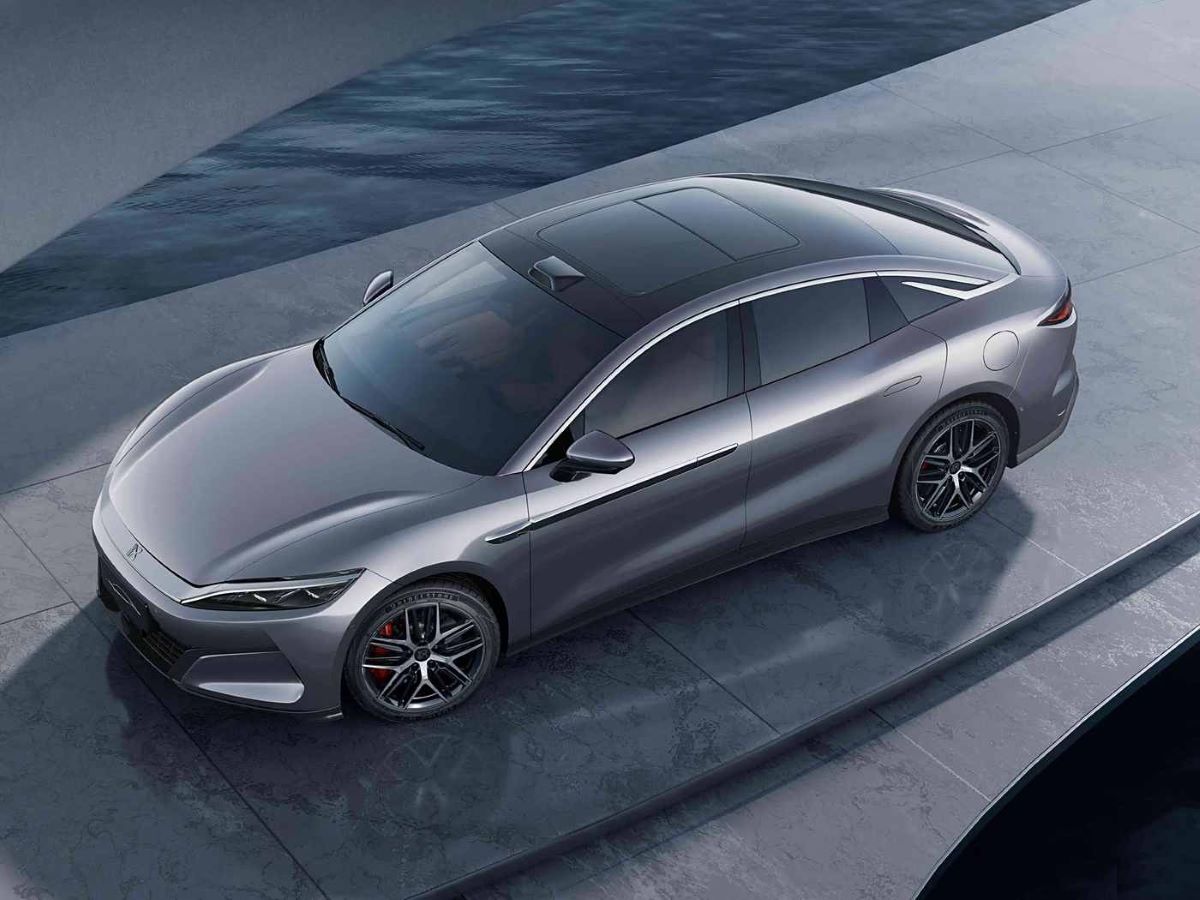
    BYD rolled out the battery-electric version of its Denza N8L sport utility vehicle in China on Monday, pricing the large six-seater from 299,800 yuan ($44,280).

    The launch introduces a pure electric drivetrain to a flagship family model that previously sold only as a plug-in hybrid, undercutting the hybrid edition’s starting price by 20,000 yuan.

    Battery Power and Fast Charging Hardware

    Denza sells the new all-electric SUV in two configurations. The entry Flash Charging Prestige costs 299,800 yuan, while the higher-spec Flash Charging Flagship retails for 329,800 yuan. Both variants use an 800-volt electrical architecture paired with a 130.15-kilowatt-hour second-generation Blade Battery, delivering a driving range of up to 960 kilometres under China Light-Duty Vehicle Test Cycle standards.

    Propulsion comes from a single rear-mounted electric motor rated at 370 kilowatts, or 496 horsepower. At BYD flash charging stations, the system pushes battery state from 10 per cent to 70 per cent in five minutes, and reaches 97 per cent in nine minutes.

    Body measurements match the hybrid predecessor exactly. The chassis measures 5,200 millimetres in length, 1,999 millimetres in width and 1,820 millimetres in height, riding on a 3,075-millimetre wheelbase with a three-row, six-seat interior. Storage includes a 208-litre powered front trunk equipped with a drainage plug for wet gear. Standard driving hardware incorporates rear-wheel steering that trims the turning radius to 4.58 metres, dual-chamber air suspension, continuous damping control and a roof-mounted LiDAR unit running the God’s Eye 5.0 driver assistance package.

    Shifting Family Buyers Toward Pure Electrics

    By pricing the pure electric model below the plug-in hybrid version, Denza is rewriting the traditional price ladder in China’s premium three-row segment. Automakers historically charged heavy premiums for massive 130-kWh battery packs. BYD is using its vertical cell manufacturing scale to absorb those costs and squeeze rivals such as Li Auto and Nio, forcing competitors to defend margins across the 300,000-yuan family SUV bracket.

    The commercial success of the vehicle relies directly on BYD’s ability to maintain high charging speeds away from urban showrooms. A 960-kilometre nominal range eases highway anxiety, but deploying ultra-fast power cabinets across key highway arteries is what will convince combustion-engine owners to ditch petrol backups for family transport.

    Building Out the N8L Lineage

    Denza introduced the original N8L nameplate in October 2025 as a dedicated plug-in hybrid. The brand updated that hybrid in June with a 75.26-kWh second-generation Blade pack offering 430 kilometres of electric range and flash charging capability, priced at 319,800 yuan.

    BYD operated 10,000 flash charging stations across China as of late August and expects to reach 20,000 operational stations before the end of December.

  • Rainbow Opens Shenzhen Supermarket Fitted with 17,000 IoT Devices

    Rainbow Opens Shenzhen Supermarket Fitted with 17,000 IoT Devices

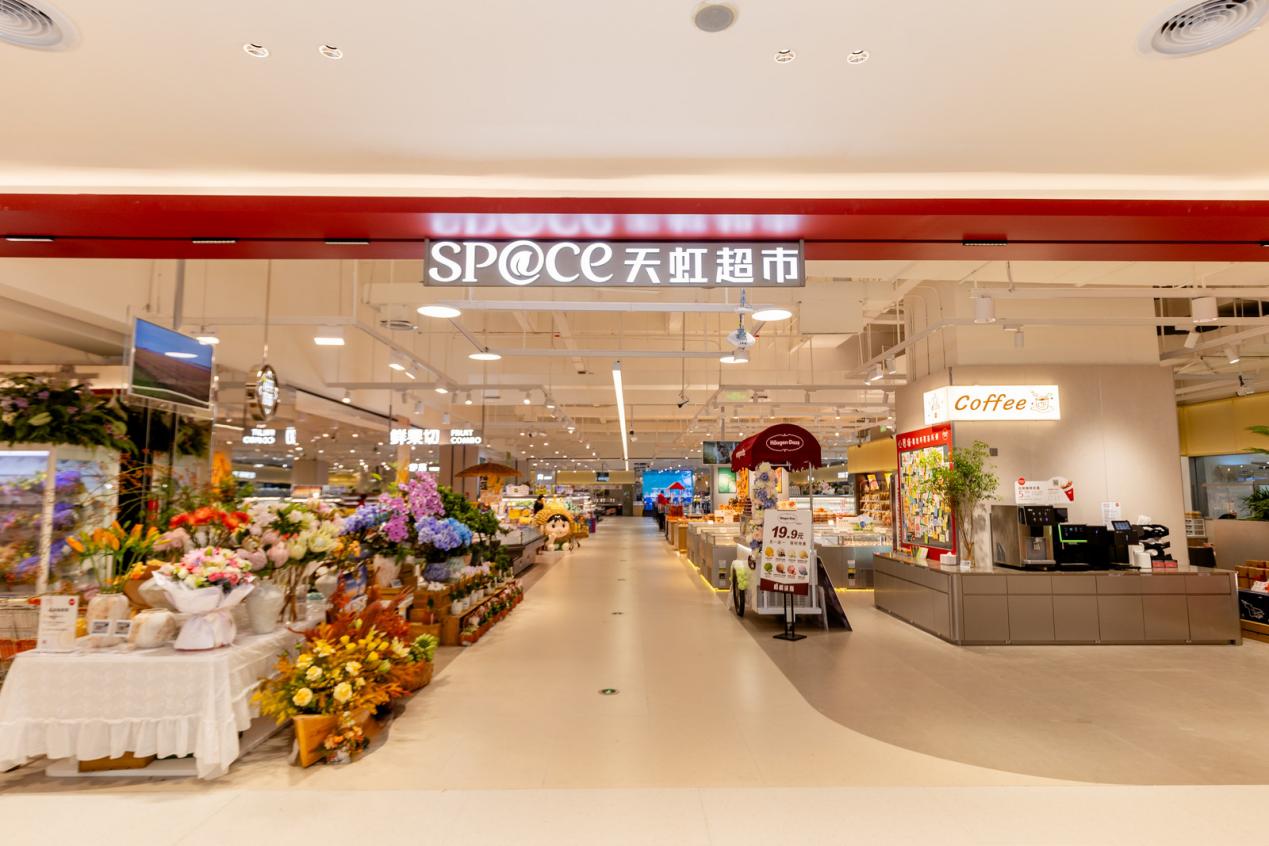
    Rainbow opened its upgraded Shahe sp@ce supermarket in Shenzhen on September 8, deploying more than 17,000 connected IoT devices across the trading floor. The project turns a 17-year-old site in Nanshan District into Rainbow’s first operational store digital twin, linking physical shelf monitoring directly to automated inventory orders and home-delivery packing.

    The retailer developed the system with electronic shelf label supplier Hanshow and its own technology arm, Lingzhi Digital Technology. Hanshow Nebular Ultra electronic labels provide centimeter-level shelf positioning and tap-to-read product provenance for customers, while automated cameras and robotics track out-of-stock items along the aisles. Lingzhi’s proprietary Bailingniao retail artificial intelligence model processes the visual data to adjust replenishment orders and assign tasks to store clerks.

    Smart Carts and Micro-Fulfilment at Shahe

    Shoppers navigating the nine food and lifestyle zones use Hanshow NexConnect smart carts fitted with Lingzhi’s AI assistant for in-store mapping, item lookups and self-checkout. The store also houses a dedicated micro-fulfilment center built to assemble and dispatch online grocery deliveries directly from the back room.

    Our goal with sp@ce 3.0 is to create a better everyday shopping experience built on quality, freshness, transparency and trust. As Rainbow’s first Store Digital Twin-enabled store, the Shahe sp@ce supermarket brings digital visibility into day-to-day operations, helping our teams respond faster and more accurately, while allowing store employees to spend more time on the service and experiences that matter to customers.

    How the Model Cuts Labour and Inventory Friction

    Chinese supermarket chains have spent five years testing automated checkout and camera-based shelf scanning, but most systems remain isolated experiments that alert staff without solving stocking bottlenecks. Rainbow is attempting to connect real-time shelf telemetry directly to supply forecasts, removing manual inventory counts entirely from daily shopfloor routines.

    For suppliers and distributors, the shift to automated replenishment leaves little room for negotiated shelf space or delayed delivery windows. If a supplier fails to restock within the algorithm’s timetable, the system flags the gap immediately. The risk sits in hardware maintenance across thousands of sensor endpoints, where battery depletion or sensor misalignments can distort automated ordering across an entire product category.

    The Trajectory of Rainbow’s Digital Formats

    Rainbow has spent several years reformatting its traditional department stores and community retail centers across China into mixed-use lifestyle hubs. The Shahe project follows Hanshow’s earlier shelf-monitoring rollouts and the launch of its xPilot retail platform in June 2026.

    Operators across southern China will now watch whether the sensor-dense model delivers measurable margin gains or simply inflates store fit-out capital expenditure ahead of Rainbow’s planned rollouts to other sp@ce locations.

  • Film & Tape Expo 2026 Sets Shenzhen Gathering for 1,200 Materials Suppliers

    Film & Tape Expo 2026 Sets Shenzhen Gathering for 1,200 Materials Suppliers

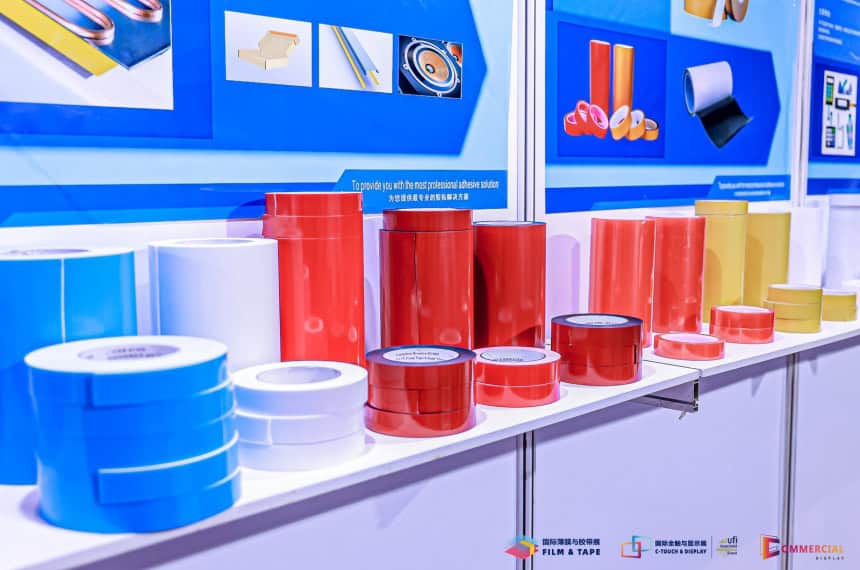
    Kuozhan Exhibition Services will run Film & Tape Expo 2026 in Shenzhen from October 27 to 29, gathering 1,200 exhibitors across 80,000 square meters of floor space. The trade show targets component makers in consumer electronics, automotive manufacturing and semiconductor packaging.

    Organisers expect more than 60,000 commercial buyers at the Shenzhen World Exhibition & Convention Center in Bao’an. The show includes 30 technical conferences, over 200 product launches, and roughly 3,000 pre-arranged one-to-one supplier meetings under a dedicated matchmaking programme.

    Sourcing Across Hardware and Battery Chains

    Exhibitors will present functional films, adhesive tapes, chemical raw materials, and precision converting machinery. Demand centres on high-grade materials for lithium battery separators, aluminum-plastic packaging, and tab adhesives required for electric vehicle powertrains.

    Display manufacturers will source optically clear adhesives, polyimide films, and optical layers tailored for foldable handsets and automotive digital dashboards. Semiconductor suppliers plan to exhibit wafer tapes, thermal interface materials, and protective release films used in microchip assembly.

    Supply Chain Consolidation in South China

    Shenzhen remains the operational centre for South China’s consumer hardware ecosystem. Staging the event inside Asia Material Week allows industrial buyers to source specialty chemical inputs alongside downstream converting equipment in one visit.

    For consumer electronics brands and automotive tiers across Asia, access to domestic film and tape producers offers a way to trim bill-of-materials costs. Heavy capital spending on advanced coating machinery in China has steadily narrowed the quality gap with Japanese and Korean specialty chemical makers, tightening price competition across standard optical and protective grades.

    Trade Matching and Technical Forums

    The 2026 edition follows previous annual gatherings that expanded from base converting equipment into precision semiconductor substrates. Industrial procurement teams increasingly require custom die-cutting and heat dissipation solutions rather than off-the-shelf roll stock.

    Technical sessions across the three days will cover thermal management, multi-layer ceramic capacitor materials, and flexible printed circuit substrates. Floor registration and commercial matchmaking bookings open ahead of the October 27 start date.

  • UGREEN Launches Local AI Smart Home Hubs and Liquid-Cooled Wireless Chargers

    UGREEN Launches Local AI Smart Home Hubs and Liquid-Cooled Wireless Chargers

    UGREEN unveiled its first smart home ecosystem and liquid-cooled magnetic chargers at Gillette Stadium in Massachusetts on September 1. Pre-orders opened ahead of a formal crowdfunding drive in October 2026.

    The Shenzhen-headquartered hardware manufacturer wants to shift smart home processing away from third-party cloud platforms. Running workloads on local hardware eliminates recurring subscription fees for end users.

    Local Processing and NVIDIA Silicon

    Hardware in the new lineup includes the HomeAgent HA100, the HA100 Pro, and the MasterAgent MA100. The MasterAgent runs on NVIDIA’s Jetson Thor T5000 processor and delivers up to 2,070 FP4 TFLOPS of local computing power. That lets it manage multi-device task coordination and voice interactions locally. Household data never routes through external servers. Both HomeAgent models support the Matter interoperability protocol. They connect accessories such as SynCare indoor and outdoor cameras, the Uliya smart speaker, and digital display frames.

    Alongside the computing hubs, the company introduced three 25W magnetic wireless charging devices under its MagFlow badge. A 10,000mAh magnetic power bank priced at $149.99 uses a micro-pump liquid cooling system to control heat during fast charging. Other products include a three-in-one desktop charging stand for $159.99. A foldable two-in-one travel charger sells for $59.99 on Amazon and direct retail channels.

    Hardware Margins Versus Subscription Revenue

    Consumer electronics makers across Asia face slowing replacement cycles for basic charging accessories and cables. Moving upmarket into local computing hubs lets hardware vendors capture higher initial ticket prices. However, this strategy cuts off the recurring software subscriptions favored by Western competitors like Amazon Ring and Google Nest. UGREEN expects customer fatigue with monthly cloud storage fees will drive hardware sales.

    Engineering risks center on software execution. Local AI models demand sustained developer support and reliable edge performance across third-party Matter devices. If on-device image parsing and voice recognition lag behind cloud alternatives, buyers will balk at the upfront hardware premium.

    Expanding Beyond Commodity Accessories

    Founded in 2012, UGREEN built retail distribution across more than 180 countries on fast chargers, cables, and storage enclosures. The push into AIoT hardware follows a rollout of high-end network-attached storage units earlier this summer. The firm also signed an official partnership with the NFL’s New England Patriots in April.

    Pre-orders for the HomeAgent and MasterAgent hubs opened September 3. A $50 deposit locks in a 50 per cent discount before the full Kickstarter campaign launches on October 27, 2026.

  • Foreign Tech Investors Pay up to US$15,000 for Access to Chinese Factory Floors

    Foreign Tech Investors Pay up to US$15,000 for Access to Chinese Factory Floors

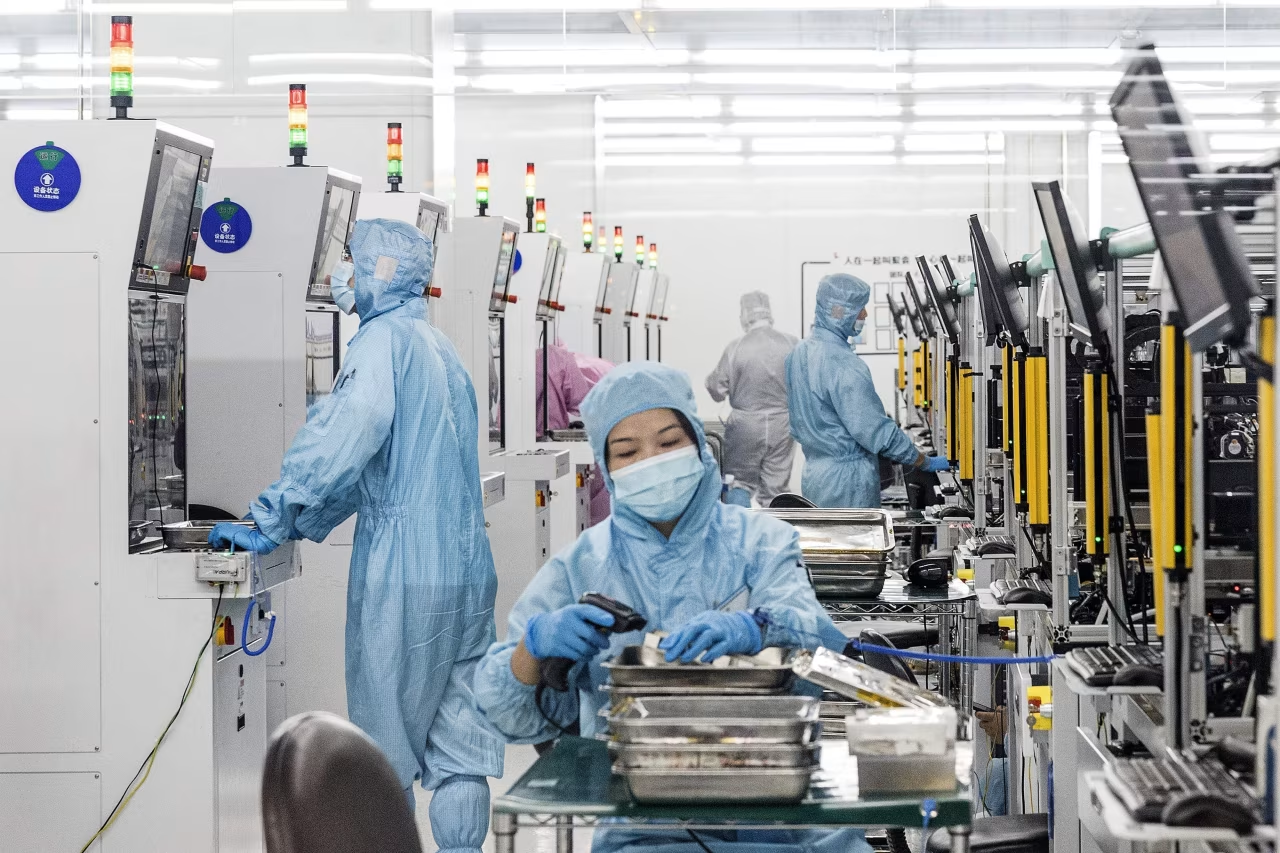
    Foreign investors and tech executives are paying up to US$15,000 each to tour Chinese manufacturing plants. The visits cover robotics, electric vehicle and artificial intelligence facilities across five industrial hubs.

    Western and regional boardrooms face pressure to see if Chinese automation has pulled ahead of global rivals. These paid delegations offer a direct look at mainland hardware supply chains.

    Programmes span Beijing, Shenzhen, Shanghai, Hangzhou and Hefei. Shanghai-based data research firm Baiguan charges up to US$15,000 for a five-day itinerary. Around half its participants come from Southeast Asia. Tech tour agency Glopen reported a 50 per cent jump in enquiries during 2026, mostly from European and Singaporean clients. It now operates more than 100 single-day corporate visits every month. Tech Buzz China founder Rui Ma has organised 11 delegations since 2019, including an April tour through three cities focusing on robotics.

    The Business Behind Factory Tourism

    State backing has turned industrial site visits into commercial business across the mainland. Beijing has designated more than 140 demonstration sites for industrial tourism. The sector generated US$17.8 billion last year and is projected to reach 300 billion yuan (US$44.6 billion) by 2029.

    Public rates for individual factory visits usually run around US$60, but premium access commands steep markups. Xiaomi’s electric vehicle assembly plant in Beijing has recorded more than 250,000 visitors since March 2024. Entry slots from Xiaomi’s official lottery system have been scalped on secondary platforms for up to 2,000 yuan (US$300), despite company rules barring transfers.

    Institutional investors have quietly joined the circuit. US firms Dimension, Capital Group and Thrive Capital have all sent representatives to inspect mainland production setups. European corporate delegations have also toured sites to study state-backed technology coordination.

    Hardware Dependence and Supply Realities

    Consumer hardware and robotics brands see that physical supply chains remain tethered to southern China. Geopolitical posturing has not changed that reality. Western developers still depend on mainland ecosystems for sensors, battery cells, structural frames and precision actuators. Replicating those supplier clusters outside the Pearl River Delta remains slow and capital intensive.

    Visitors risk mistaking demonstration speed for total commercial dominance. Non-Chinese technology firms still hold most global market share, high-margin software profits and core intellectual property. In sectors like autonomous robotaxis, Chinese domestic deployment continues to move cautiously. Regulators remain concerned about urban transport employment.

    Shenzhen Emerges as the Focal Point

    Years of infrastructure spending transformed Shenzhen from a contract assembly zone into an integrated hardware design centre. The current tour rush builds on that base. Foreign visitor arrivals in Shenzhen jumped 70 per cent last year and rose another 30 per cent in the first quarter. Total entries topped 5 million through August.

    Founders use 10-day visa-free entry policies to test prototypes directly with component suppliers. Local operators have opened communal hacker houses for visiting robotics and AI engineers. Informal network groups coordinate factory access across Shenzhen and Silicon Valley.

    Next up is the Asia-Pacific Economic Cooperation forum in November, which Shenzhen will host. Municipal officials plan to show automated assembly plants and urban drone networks to pitch the city’s hardware infrastructure to visiting regional trade delegations.

  • TCL Affiliate RayNeo Launches GT and iO Smart Glasses Across 40 Markets

    TCL Affiliate RayNeo Launches GT and iO Smart Glasses Across 40 Markets

    RayNeo launched its GT Series and iO smart glasses across 40 retail markets on September 4, 2026. Pricing ranges from US$329 to US$549.

    The Chinese hardware maker held a 23.7 per cent global market share in the first quarter of 2026. That made it the world’s largest consumer augmented reality vendor.

    Hardware Pricing and Regional Distribution

    Sales started immediately through Amazon and the company’s direct web store. Distribution spans 40 countries and territories, including Singapore, Malaysia, Thailand, Vietnam, Japan, Australia, New Zealand, Saudi Arabia, the United Arab Emirates, the United States, Canada, Mexico, the United Kingdom and the European Union.

    Products fall into two distinct hardware tiers. The 33-gram RayNeo iO operates as a heads-up display for navigation, teleprompting, live translation and voice recording summaries. It costs US$499 with a standard case, or US$549 with a charging case bundle. For entertainment, the RayNeo GT retails at US$329, and the GT Max costs US$429. Both GT models feature audio co-tuned with Danish specialist Bang & Olufsen. They also support Dolby Vision playback when paired with the companion RayNeo Pocket TV Pro accessory.

    Competitive Shift in Consumer Wearables

    For electronics retailers and distributors in Southeast Asia, the rollout signals a shift from crowdfunding campaigns to volume consumer retail. At an entry price of US$329, the TCL-backed company takes direct aim at portable monitors and external displays rather than bulky mixed-reality headsets.

    Hardware margins in this segment stay tight. That puts pressure on companion accessories, such as the Pocket TV Pro and optical prescription inserts, to generate operating profit. Ecosystem lock-in presents the main commercial risk. Smart glasses still rely heavily on external host processing and content partnerships to attract buyers beyond early adopters.

    From Domestic Lead to Global Retail Footprint

    RayNeo built up to the Berlin release with several hardware announcements earlier in 2026. It debuted eSIM-enabled glasses at CES in January and introduced the Air 4 Pro at Mobile World Congress in March. Tracking databases from IDC, RUNTO, CINNO Research and AVC all ranked the company first for shipments in China.

    Demonstrations and executive interviews run through September 8 at Hall 21A at IFA 2026 in Berlin. Buyers can access introductory promotional discounts of US$30 during this opening sales window.