Retail News CRM

Tag: shoppers

  • Asian online shoppers are visiting more sites before buying

    Asian online shoppers are visiting more sites before buying

    Savvy Southeast Asian consumers are shop-hopping across an average of 5.2 online sites before making a purchasing decision, up from 3.8 sites last year.

    The insight is among those unveiled by a new joint Facebook and Bain & Company report that shows digital growth in the region has surpassed previous projections. This year’s survey covered around 16,500 digital consumers in six nations within the territory who made an online purchase in at least two product categories within the past three months.

    The report finds that consumers are ultimately searching for better pricing (42 percent of respondents) and product quality (34 percent) when browsing across sites, suggesting the potential for building brand loyalty and growth in a fractured e-commerce market for players offering reliability and value.

    According to the report, Southeast Asian digital consumers will number around 310 million by the end of the year, 75 percent of total consumers within the region – growth originally forecasted for 2025 in last year’s study, indicating a five-year acceleration within this year alone. The average spend per consumer by 2025 is now projected to be 3.5 times that of figures for 2018, with spending patterns between Tier 1 and 2 cities narrowing.

    “With five years of digital acceleration condensed into one – the impact of digital adoption on businesses has never been more apparent,” said Gaming MD Sandhya Devanathan. “It is vital for businesses to connect with consumers in ways that are frictionless and to replicate in-person interactions through social platforms, messaging and short videos as much as possible to drive discovery and loyalty,”

    Stronger disposable incomes and a distinct lean towards contactless transactions are now significant driving factors in digital-economy growth. At the same time, 68 percent of consumers admit to not knowing what they want to purchase before going online to shop, 62 percent of whom learn about new products and brands via social platforms – especially short videos.

    “The last decade was about bringing consumers online,” said Facebook director of digital natives and technology Dhruv Vohra. “Now, with the rapid immigration of digital consumers from offline to online, coupled with the evolution of home-consumption habits, we will see more brands shifting their business models beyond the ‘omnichannel’ option to meet the consumers where they are.

    “What’s key is that businesses will need to adapt to today’s consumer trends as it continues to shape the next normal.”

  • Shoppers return to Macau’s casino malls

    Shoppers return to Macau’s casino malls

    Macau’s casino malls have seen a welcome resurgence in foot traffic as locals bearing shopping vouchers return to store floors.

    While gamblers have yet to return to the casino venues, government e-voucher handouts to eligible residents of the territory have stimulated the local economy in the wake of the coronavirus pandemic.

    “Consumption coupons did help,” said JLL Macau head of leasing Oliver Tong. “When you go to casino malls, including The Venetian and Galaxy, during the weekend, the footfall is tremendous. It felt like going back to November or December last year when there were a lot of people. But these were all locals.”

    Visitor numbers to Macau dropped 99.7 percent in April, with retail sales down 45.1 percent for the first quarter to US$1.41 billion.

    Many retail tenants at Macau’s casino malls and adjacent to gaming facilities have been allowed rental waivers for three months.

    Check our partners from BestCasinoSites.me.uk.

  • Vestiaire Collective kicking off on Zalora

    Vestiaire Collective kicking off on Zalora

    Fashion e-tailer Zalora has partnered with global pre-owned fashion platform Vestiaire Collective.

    Zalora’s Hong Kong customers can now access more than 5000 authenticated Vestiaire items across womens’ and mens’ categories via the firm’s website and app. Plans are currently in place to extend the offering to other Zalora markets.

    The partnership is an effort to promote circular fashion, intending to inspire consumers to be more conscious of their consumption habits. All Vestiaire products listed on Zalora undergo two rounds of checks to ensure authenticity and quality. All orders are fulfilled by Zalora’s own delivery network.

    “Zalora is committed to promoting sustainability in the region and is determined to shape a sustainable fashion ecosystem,” said Zalora CEO Gunjan Soni. “Companies now need to work together to evolve from just reducing the impact to making a positive impact.

    “Our partnership with Vestiaire Collective effectively expands our pre-loved category, offering more choices to our Zalora shoppers and giving them a chance to partake in joining the circular fashion movement.”

    “Vestiaire Collective is excited to partner with Zalora to further increase our local footprint of circular fashion within Asia,” said Vestiaire’s APAC chief regional officer Pierre Everling. “Sustainability is one of the founding pillars of our business and we’re thrilled to open the doors of pre-loved fashion to more users in new markets, allowing more people to embrace circularity in their daily lives.”

  • South Korean online shoppers still see brick-and-mortar as crucial

    South Korean online shoppers still see brick-and-mortar as crucial

    South Korean online shoppers still see offline stores as a crucial part of shopping, a recent study has shown.

    Furthermore, despite the widely held belief that consumers will engage in online shopping during lunch breaks, or before they go to bed, the study has also revealed that many shop during work hours.

    DMC Media, a South Korean media lab, reported stark differences in perception between the industry and consumers.

    Among consumers with the shopping experience in the last six months, 73.2 percent collected shopping information at offline stores, ranking second after mobile shopping (81 percent).

    About three in four consumers use offline stores rather than the web, indicating shoppers still have a desire to look at products before they buy.

    While offline stores are falling behind in the competition with e-commerce, online consumers are still acquiring shopping information through offline stores, which may indicate a path towards finding a breakthrough.

    In contrast, online marketers have been underestimating the importance of offline stores at 30.7 percent.

    Online marketers’ views differ on the time frame when most consumers engage in online shopping. While many believed consumers would not engage in online shopping during working hours (9am to 6pm), the study showed consumers consistently devote time to online shopping after 9am (15.4 percent) and online shopping activity peaks between 6pm and 9pm (46.9 percent), which shows most consumers engage in shopping activities regardless of time and work.

    When choosing an online shopping mall, consumers consider the price (29.4 percent) and product quality (23.4 percent). Coupons are a factor for 9.4 percent of consumers.

    The study also found that consumers click less on the advertisements posted on Instagram, Facebook, and other social networks (50.7 percent) than those linking to a portal website (69.1 percent).

    “Making a strong impression on consumers at offline stores through special programs will not only raise short-term profits but also increase brand loyalty and encourage them to come back,” said the DMC Media research team.

  • Singaporean shoppers prefer shopping in store

    Singaporean shoppers prefer shopping in store

    Singaporean shoppers still prefer in-store shopping, a study by UK mobile tech firm Blis shows.

    The Real Retail Study analysed shopper behaviour in Singapore, and concluded the desire to shop in store is also very much alive, especially when it comes to food and groceries (79 per cent), followed by furniture and home furnishing (69 per cent), and household appliance (61 per cent).

    Consumers are also willing to spend higher amounts when shopping in store, with 81 per cent indicating they will be looking out for in-store deals during the upcoming Great Singapore Sale.

    Four in five local consumers use their mobile phones when shopping in a physical store.

    The most popular reason for doing so is to ‘compare prices for the same item to ensure I am getting the best deal’ (72 per cent), followed by reading other customers’ product reviews.

    Two in three local consumers say they have spent time searching for items on shopping websites but made the final purchase in store. The main reason for doing so is that they ‘like to see the quality of the product before buying’ (56 per cent).

    Sixty-three per cent of local consumers say they have spent time looking for items in stores before purchasing them online. The biggest reason for doing so is that they can ‘sometimes get better deals’ (54 per cent).

    “Our findings show that Singapore consumers still massively value shopping in store, and that any talk about physical retailers being rendered obsolete by e-commerce is premature,” said Richard Andrew, MD for Asia at Blis.

    “Shoppers’ attention and discretionary spending are now being pulled in multiple directions, meaning retail strategy has to evolve. In a mobile-first world, retailers have to master new approaches like location-based data to connect with shoppers at the right place and time to win their hearts, minds and wallets.”

    The study also shows how much Singaporeans love to shop. Forty-five per cent of respondents said they shop because it makes them happy, and nearly half – 49 per cent – consider shopping a hobby. Of them, 55 per cent are women aged 25 to 65.

    When it comes to payment, whether shopping online or offline, Singapore consumers prefer to use credit cards for nearly every purchase of any size. In store, when spending less than $35, cash is preferred.

    “The market in Singapore demonstrates to us that retail isn’t facing its imminent demise, it is simply evolving to keep up with rapidly shifting consumer preferences and behaviours,” Andrew concluded

  • Kiehl’s pop up opens at Sha Tin, using AR to engage

    Kiehl’s pop up opens at Sha Tin, using AR to engage

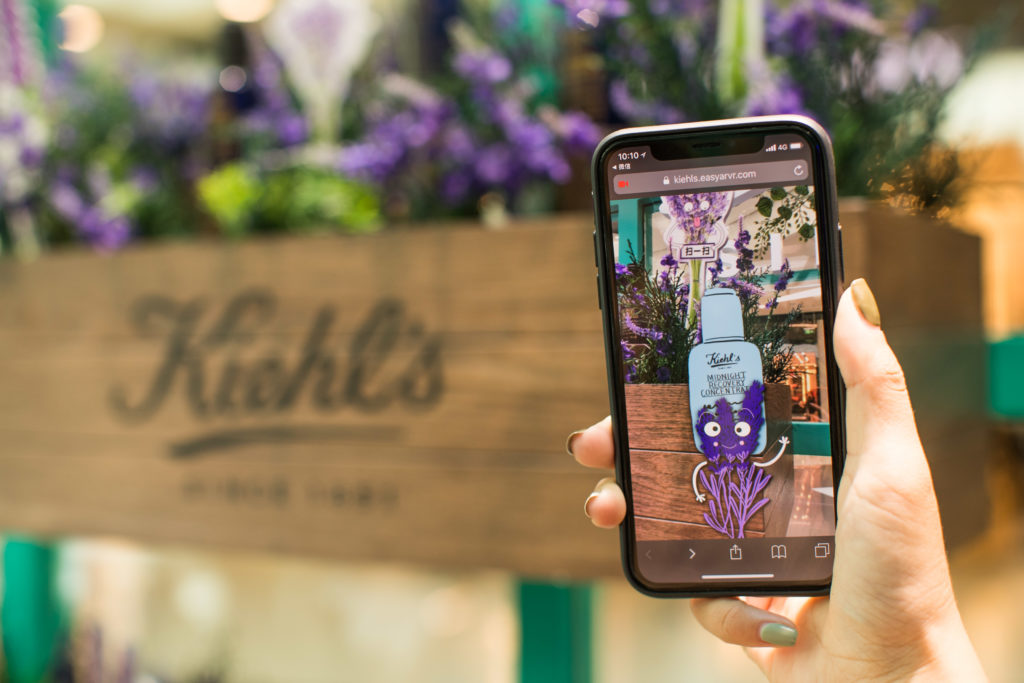
    A Kiehl’s pop up at Sha Tin features an AR gaming app to engage with shoppers.

    The beauty products retailer’s short-term store at the New Town Plaza in Sha Tin has been launched to promote Kiehl’s Calendula Serum-Infused Water Cream, and displays a giant 3D Calendula flower in the centre of the atrium that is only visible through visitors’ mobile phones.

    Visitors who upload images from the pop-up to their social media can redeem a special cosmetics product. Other product samples and a skin analysis are available for customers browsing the store.

    Kiehl’s has also designed an AR game that can be used at its regular stores after the pop-up closes, which will be playable until June 30. The game has collected 8000 registrations over the course of the campaign.

  • HKairportshop.com offers ‘world’s fastest airport pickup’ for Ecommerce Shoppers

    HKairportshop.com offers ‘world’s fastest airport pickup’ for Ecommerce Shoppers

    Hong Kong International Airport’s one-stop online-shopping platform HKairportshop.com is making orders purchased via the platform ready for pickup at the airport 90 minutes after the purchase is made – including duty-free hard liquor.

    The e-commerce platform brings together more than 3000 products including popular makeup and fragrances, travel exclusive collections, wines, electronic goods, souvenirs and HKIA’s exclusive smart luggage tag MyTag – which alerts passengers of their arriving bags when paired with the HKG My Flight app.

    The site is now offering travellers who spend more than HKD1000 (US$127.40) on the platform a saving of HKD200 ($25.48) when they use the promo code “UP200” from now till June 30.

  • AllGoods marketplace reaches 1 million listings

    AllGoods marketplace reaches 1 million listings

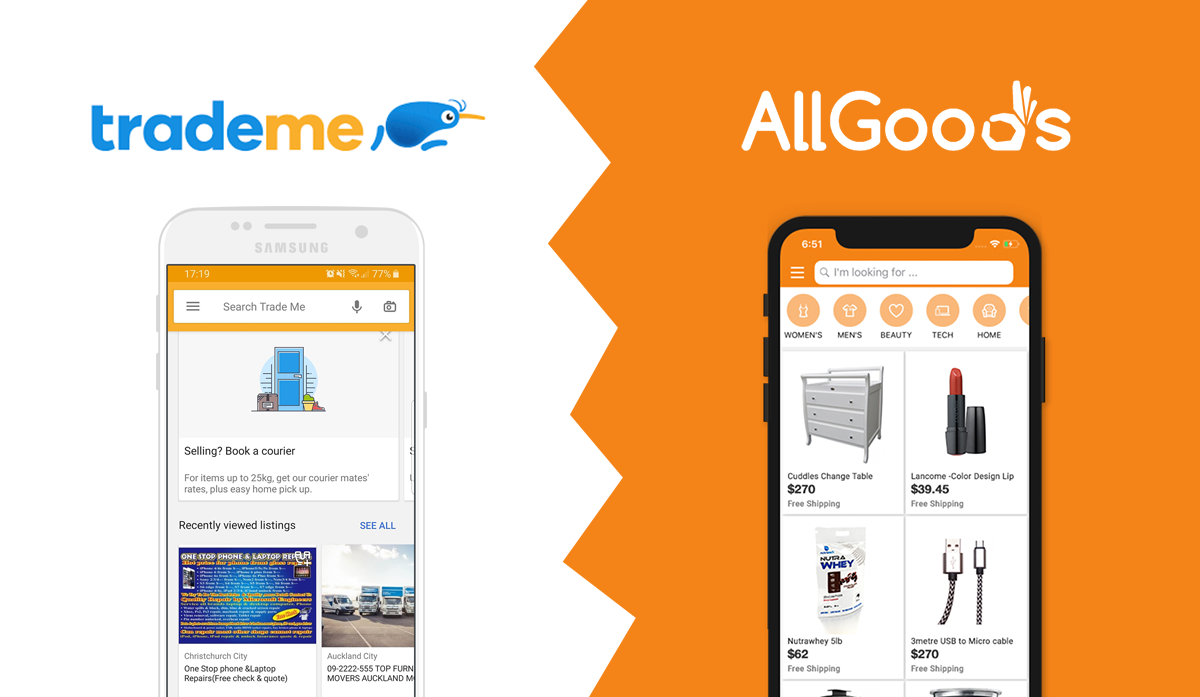
    AllGoods, a free marketplace for Kiwi buyers and sellers, has announced it has reached its one-millionth listing, 12 months after launching.

    The TradeMe competitor said it has maintained steady growth over the past few months. Its app has also become the top New Zealand shopping app since it was released late last year, it said.

    “We’ve worked extremely hard over the past year to get where we are today,” said Levi Fawcett, AllGoods CEO. “We’ve talked with thousands of our users to make sure the platform provides a truly amazing buying and selling experience. Plus, it’s free.”

    The Christchurch-based startup said it already supports over 700 New Zealand businesses who sell through the online website and app. The company said it is their vision to use e-commerce as a sustainable means to support local businesses and give back to the community.

    “We’re offering a fresh spin on the classic online marketplace and while we have only just begun this journey, we look forward to the years to come,” Fawcett said.

    With Trade Me’s recent sale to British equity firm Apax Partners, AllGoods is now considered the largest Kiwi-owned marketplace in New Zealand.

    In October last year, AllGoods launched a new app for iOS and Android mobile devices.

    Features of the new app include easy listings and browsing, allowing users to post items in less than 30 seconds, and a built-in chat tab to get faster answers to questions on the site.

    “The team has tried to keep the platform as easy to use as possible, for both the everyday Kiwi and the average New Zealand business,” Fawcett said. “I think this has been fundamental to our success.”

  • Ramadan an opportunity for E-Commerce Retailers

    Ramadan an opportunity for E-Commerce Retailers

    Online sales in Malaysia and Indonesia are set to boom in the lead up to – and during – Ramadan, according to an analysis by advertising platform Criteo. Based on data from last year’s festival – which ran from May 15 to June 14, consumer activity typically slowed at the start and end of the period.

    However, while this could be a result of consumers focusing more on the actual festivities during those times, online retail sales surged 10 days into Ramadan and lasted through the two weeks before Eid al-Fitr on 15 June.

    A 57 per cent uplift in online retail sales was observed on June 4, Criteo revealed.

    By comparison, shoppers in the Middle East typically shop early into the season and slow down closer to Eid al-Fitr to focus on celebrations. Online retail sales surged early, reaching a 106 per cent uplift on May 26. The shopping behaviour during Ramadan in Turkey mirrored that in Malaysia and Indonesia, with online retail sales reaching a peak at 50 per cent uplift a week before Eid al-Fitr.

    “Ramadan represents a notable cultural shift in consumer behaviour, with the Middle East and Southeast Asia being key regions,” said Criteo SEA-Pacific MD said Alban Villani. “Moreover, the global Islamic economy is also growing year-on-year, estimated to reach US$3 trillion by 2023.

    “Given the growth potential of the halal industry, retailers should leverage Ramadan to engage Muslim shoppers,” continued Villani. “They should start reaching out to shoppers early with the relevant messaging two weeks earlier, especially when shoppers are thinking of buying gifts for family and friends. As some shoppers might purchase later into the festive season, retailers should continue engaging them with special offers and personalised content throughout Ramadan to optimise their campaign efforts. By doing so, it is easier for retailers to stay top-of-mind when shoppers are ready to buy gifts to share the festive joy.”

  • Asics Singapore E-commerce Platform Launched

    Asics Singapore E-commerce Platform Launched

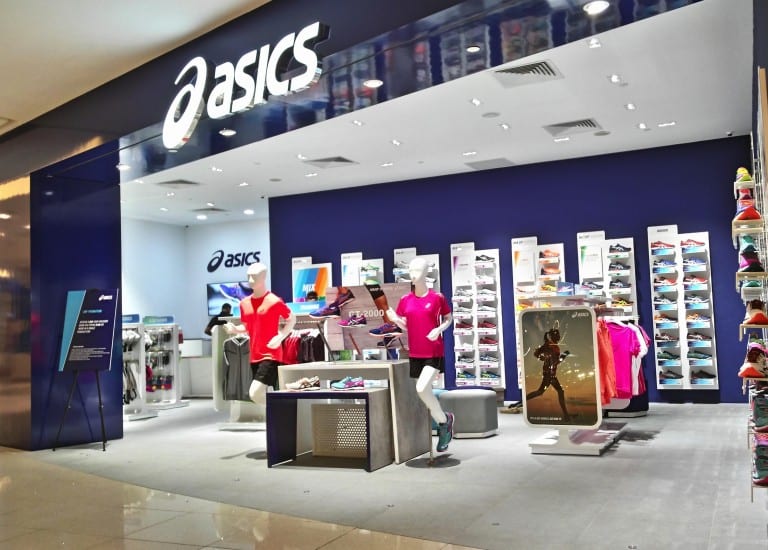
    Asics Singapore has launched an online store, with other Southeast Asian markets to follow soon.

    The one-stop destination for all Asics products introduces an integrated shopping experience with shoes exclusive to the online store and a seamless check-out experience.

    The e-commerce site will strengthen Asics’s omnichannel retail strategy in Singapore, providing avid runners with easy access to shoes across all categories and a platform to browse for new purchases while on the move.

    Shoppers can choose to collect their orders directly from the stores or have them delivered.

    Asics’ brick-and-mortar stores will have tablets accessible to customers who want to  experience the Asics.com portal while in store.

    During the next eight weeks, shoppers can collect Asics shopping vouchers at pop-up vending machines across the island. By answering the questions posted weekly on the machines, shoppers can receive an eight-digit code to obtain the vouchers.

    This month, vending machines will be placed at SAFRA EnergyOne Toa Payoh from April 8 to 17; at SAFRA EnergyOne Yishun from April 18 to 27; and at Singapore Polytechnic (InnoMall) from April 28 to May 5. More locations will be revealed on the Asics Instagram account.

  • Cineleisure mall unveils new retail concept

    Cineleisure mall unveils new retail concept

    Cineleisure mall has unveiled its new look, welcoming three new tenants. Targeting youth, the revamped mall gets interiors fitted with concrete juxtaposed against rustic wood timber, with a blend of earthy hues and cool steel palettes.

    The mall also extends its mix of food, fashion, and entertainment choices.

    Three new concepts are added this month including Tenkaichi Japanese BBQ and Shabu Shabu, The Alley Luxe, and Amazing Castle.

    New tenants

    Making its debut in Singapore, Taiwanese bubble tea chain The Alley is set to feature its first-ever premium lifestyle cafe concept The Alley Luxe. The outlet will offer the brand’s beverages alongside European-inspired foods such as croissants and cruffins.

    Japanese restaurant Tenkaichi Japanese BBQ & Shabu Shabu will offer a premium buffet, along with Donburi sets.

    As the first of its kind in Singapore and in Asia, Amazing Castle is a kingdom-themed entertainment play centre consisting of nine different activity stages.

    Based on the legend of a fairy kingdom being attacked by invaders, each activity stage features a physically interactive game for participants to confront challenges and ‘fight off invaders’.

    New redemption

    Cineleisure has also launched the Cathay Lifestyle Mall Redemption Mobile app, which allows shoppers to make redemptions seamlessly anywhere, anytime.

    Shoppers who spend a minimum amount at the mall have to photograph their receipt and upload via the app. Once verified, e-vouchers will be sent to the shopper for use at participating shops.

  • Lazada Fires Up Growth Of “Super eBusinesses” In Southeast Asia

    Lazada Fires Up Growth Of “Super eBusinesses” In Southeast Asia

    Southeast Asia eCommerce leader Lazada today announced an allen compassing series of products and services that will fire up the growth of its brands and sellers – big or small – to win market share in the region by transforming them into “Super eBusinesses”.

    The offerings, dubbed super-solutions, are aimed at resolving three pain points that brands and sellers face – branding, marketing and sales. These features, which have been rolled out in conjunction with Lazada’s 7th Birthday celebration, are aimed at brands and sellers, of all sizes, to ensure they are well-positioned to ride the eCommerce boom in Southeast Asia.

    “No seller is too small to aspire, and no brand is too big to be a Super eBusiness. That is why we are thrilled to roll out super-solutions to help our brands and sellers become more nimble in digitising their businesses and better reach customers,” said Pierre Poignant, Lazada Group Chief Executive Officer. The “super-solutions” which were unveiled include: – A series of ‘Super’ campaigns in which LazMall brands and sellers can choose to take part to boost

    their brand image and better engage with customers;

    – A new and improved Marketing Solutions Package and Business Advisor Dashboard that can deliver more traffic to their storefronts, and arm brands and sellers with near real-time information to help them make faster and better decisions to sell more effectively and efficiently;

    – New tech tools like Store Builder for brands and sellers to customise their storefronts to differentiate themselves on Lazada, while in-app live streaming, news feed and in-app consumer games can help win the hearts of consumers with higher consumer engagement. (See factsheet for details)

    At the same time, Lazada also formalised cooperation partnerships with 12 leading global lifestyle, technology and fashion companies that will boost collaboration and strengthen their online retail presence. Called Joint Business Partnerships (JBP), these collaborations will enable brands to tap on Lazada’s industry-leading tech and logistics infrastructure, innovation and e-commerce expertise. Lazada today inked Memorandums of Understanding (MOU) with electronics leaders Realme and Coocaa, while the one with Huawei was signed earlier this month. Other brands that are set to join will include several of the world’s biggest FMCG companies.

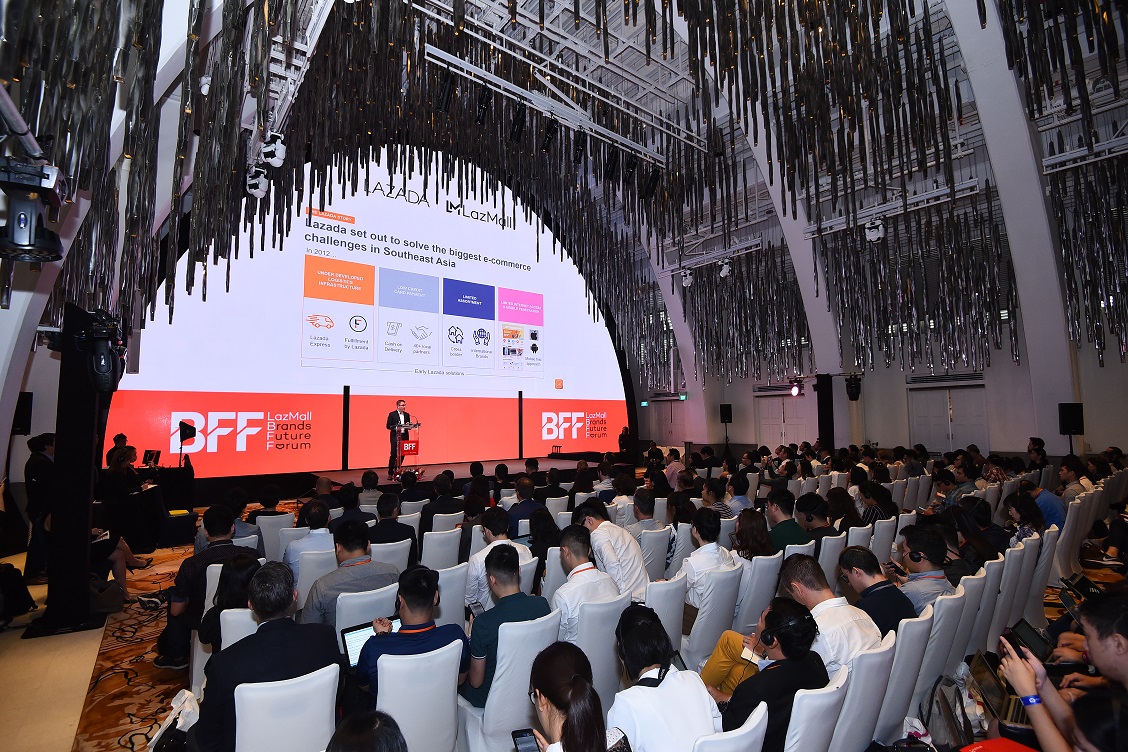
    Backed by Alibaba’s technology and logistics infrastructure, Lazada has been able to launch over the past year industry-leading tech innovations like search-image function, consumer engagement games and in app live streaming to become the region’s only “shoppertainment” platform on which people can watch, shop and play, said Poignant at the inaugural LazMall Brands Future Forum (BFF). The annual summit gathers brands and sellers to discuss growth opportunities and technological advancements that will create

    ‘Super eBusinesses’, shaping the future of Southeast Asia’s eCommerce landscape. Accelerating the growth of Lazada brands and sellers The super-solutions will also make it easier for brands and sellers to open up stores on LazMall. Qualified merchants can now take advantage of the new self-sign up feature, a simplified sign-up process that can now be completed in mere minutes. This is in line with the Lazada’s goal of enabling SMEs to become globally competitive.

    “Since the launch of LazMall in 2018, we have seen tremendous growth among our key pioneer brand partners. We want to extend the benefits of LazMall to even more brands and sellers to elevate their eCommerce operations,” said Lazada Group President Jing Yin. “We want to incubate them so they can grow alongside us and become sustainable and successful e-businesses.”

    Across the region, 60 percent of small and medium enterprises (SMEs) are keen to invest in technologies to achieve sustainable growth in today’s digital economy. Business-oriented tools including online commerce solutions, customer relationship management (CRM) and business intelligence, were identified as the top investment priorities1.

    Further promoting excellence in eCommerce, Lazada also handed out awards to top performing brands that have proven to be shining examples of “eBusinesses”. Five awards were presented to outstanding brands and sellers that have been constantly innovating to drive new ways to reach their customers on

    Lazada. Comprising global and Southeast Asian brands, the winners are Unilever (Best Marketing Innovation), Pampers (Best Social Media Activation), Coocaa (Fastest Growing Brand), Philips (Customers’ Choice Award) and Wardah (Best Product Launch).

    Driving ‘Shoppertainment’ in Southeast Asia Pushing boundaries in eCommerce in Southeast Asia, Lazada is driving ‘shoppertainment’ to provide shoppers with a fun, interactive and entertaining experience. As part of its 7th birthday celebrations, Lazada is hosting a first-of-its-kind concert, called “Super Party”, in Jakarta on March 26, 8 pm (Jakarta time).

    The concert, which features a star-studded lineup including British popstar Dua Lipa, culminates with Lazada’s birthday shopping event on March 27. The one-day sale promises a new online shopping experience that includes a new selection of exciting games for redeeming vouchers and attractive deals for consumers in the region.


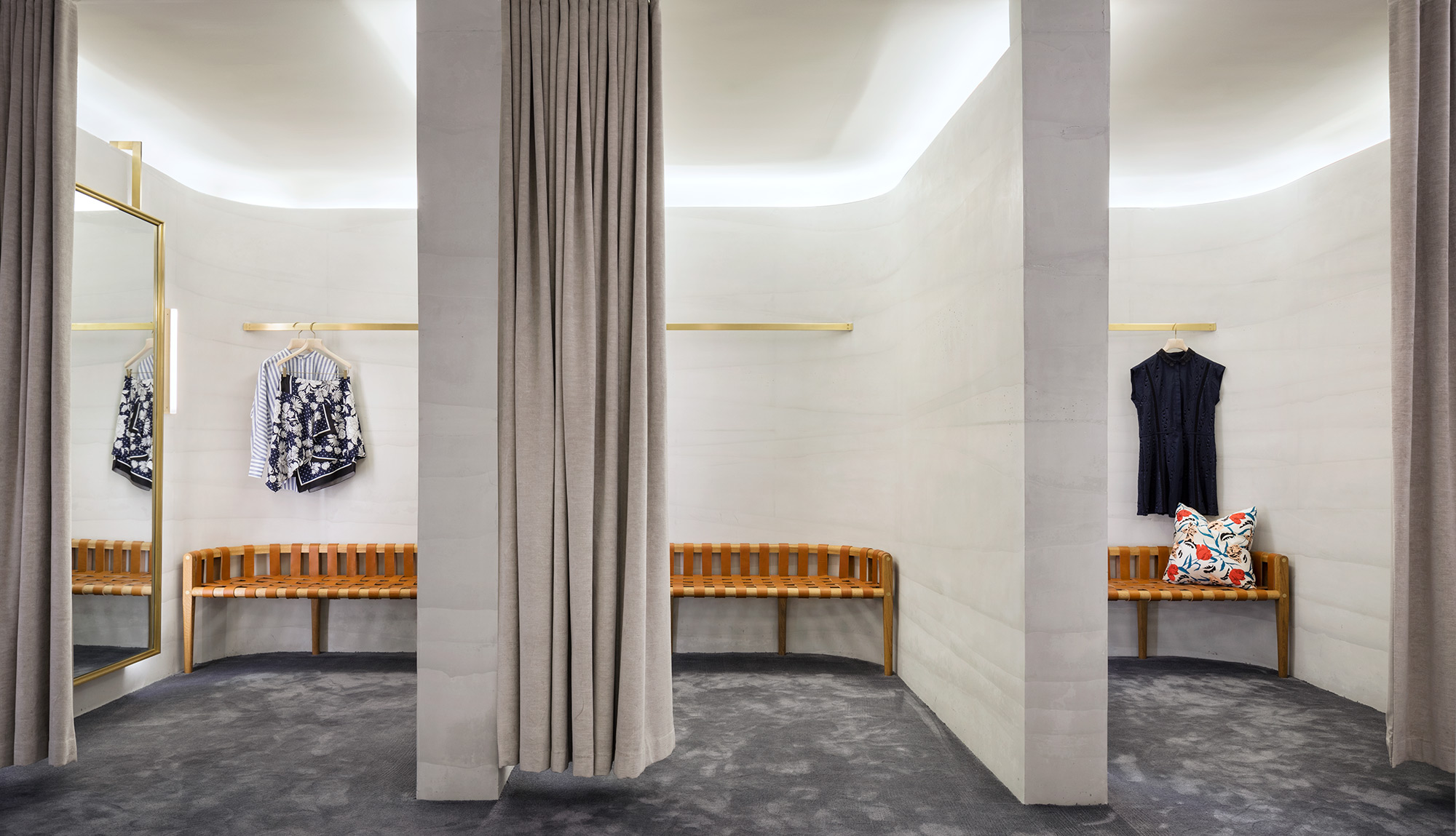
  • Are We ready for gender-neutral changing rooms yet ?

    Are We ready for gender-neutral changing rooms yet ?

    UK fashion retailer Primark has introduced gender-neutral changing rooms in two stores, prompting both criticism and support from online observers.

    The move comes a year after Topshop began integrating its changing rooms.

    The response to Primark’s announcement has lit up social media in the UK, posing the question: Are shoppers ready for gender-neutral changing rooms?

    Primark says its action follows a challenge from transgender shoppers who said they faced difficulties using gendered changing areas. The new arrangement allows all shoppers to change in the same area, albeit in private booths.

    But critics online have suggested that more needs to be done to address privacy and safety concerns, in particular noting that doors would offer more protection than the current curtains.

    One user noted on Twitter that the perceived threat from men changing in neighbouring cubicles was far greater than any concerns from transgender people.

    “Women should not be made to feel unsafe when shopping,” tweeted another. “You don’t even have doors, so any man can walk in on us changing – so wrong will be boycotting!”

    Another shopper had a positive response, highlighting an advantage of the policy: “I am really happy to hear that Primark [has] swapped to gender-neutral changing rooms – as a disabled couple we often need to help each other try clothes on & need to accompany each other into changing rooms,” she tweeted. “We can’t always do that in some stores. It depends on the staff.”

    Primark responded to the mixed response calmly: “It has been our policy for some time that all customers are welcome to use the fitting rooms of their choice in our stores,” said a spokesperson.

    “As part of our latest in-store design, non-gendered fitting rooms, which are commonplace in retail and other markets in which we operate, have been introduced in our new Bluewater and Hastings stores.”

  • Afterpay starts cross-border payments

    Afterpay starts cross-border payments

    Buy now, pay later provider Afterpay is enabling shoppers to make cross-border payments through the service, following a successful trial.

    The feature means that businesses that offer Afterpay at checkout will now be able to offer the payment method to customers in other countries where Afterpay is active.

    The feature is initially limited to Australian and New Zealand businesses, where a combined 2.7 million people use Afterpay, but will eventually be extended to include businesses in the US and later the entire Afterpay network.

    “We are confident that [this] will add value to our retail partners, and open up the opportunity for them to seek and delight new customers from different countries,” Afterpay chief executive Nick Molnar said.

    “Customers will be able to pay directly in their currency and not be hit with any additional foreign exchange fees after the payment is processed.”

    The payment provider also will remove the complexity of foreign exchange, through a proprietary global payments solution that allows funds to be settled in their country of origin.

    Afterpay’s support for cross-border payments is expected to be a boon for online retailers looking to grow their sales outside of the domestic market.

  • Shoppers prefer human interaction over bots, says study

    Shoppers prefer human interaction over bots, says study

    New research reveals 75 per cent of shoppers prefer live-agent support for customer service verses 25 per cent support for self service and chatbots. The research, from cloud contact-centre operator NewVoiceMedia, identified consumer concerns about sharing sensitive information, a lack of understanding of bots and their inability to resolve issues.

    “Chatbots can provide customers with quick answers to frequently asked questions or issues, and the survey notes the benefit of chatbots for certain interactions, such as 24-seven service,” the survey’s authors concluded.

    But when it comes to handling sensitive financial and personal information, most customers are more comfortable with a live agent, and just 13 per cent say they would be happy if all service interactions are replaced by bots in the future.

    Foremost among consumer concerns about using chatbots include:

    • A lack of understanding of the issue (65 per cent).
    • The inability to solve complex issues (63 per cent).
    • The inability of chatbots to provide answers to simple questions (49 per cent).
    • The lack of a personal service experience (45 per cent).

    While less than half of the people surveyed (48 per cent) said they would be willing to use chat bots for service – versus the 38 per cent who wouldn’t – 46 per cent also felt that bots kept them from reaching a live person.

    Banks (82 per cent) and medical services (75 per cent) were the businesses that people were least likely to want to deal with bots.

    Customers prefer live agents for technical support (91 per cent); getting a quick response in an emergency (89 per cent); making a complaint (86 per cent); buying an expensive item (82 per cent); purchase inquiries (79 per cent); returns and cancellations (73 per cent); booking appointments and reservations (59 per cent); and paying a bill (54 per cent). However, when asked about buying”a basic item”, 56 per cent would choose a chatbot over a live interaction.

    The top benefit cited for dealing with chat bots was 24-hour service.

    “When a situation becomes emotional or complex, people want to engage with people”, says Dennis Fois, president of NewVoiceMedia. “As businesses add more customer service channels, conversations are becoming more complex and higher value, and personal, emotive customer interactions play a critical role in bridging the gap for what digital innovation alone cannot solve,” he said.

    “For this reason, companies must find the right balance between automation and human support to deliver the service that customers demand. Frontline contact centre teams will continue to be the difference makers on the battlefield to win the hearts and minds of customers, and organisations deploying self-service solutions should ensure that there is always an option to reach a live agent”.

    There is a sense consumers may warm to chatbots in the future, however, given that younger respondents (aged 18-44) were more open to using chatbots overall and across the individual scenarios compared to older consumers (45-60+).