Retail News CRM

Tag: shoppers

  • One in five Australian Shoppers opposed to Plastic Bag ban

    One in five Australian Shoppers opposed to Plastic Bag ban

    One in five Aussie shoppers are opposed to retail giants Woolworths and Coles introducing bans on single-use plastic bags.

    While the bans have been welcomed by green groups and many shoppers, research by Canstar Blue shows 20 per cent don’t agree.

    Woolies introduces its ban on Wednesday, when the retail giant’s supermarkets, BWS, Metro and petrol outlets will stop offering free disposable bags to shoppers in NSW, Victoria, Queensland and Western Australia.

    Coles stores will follow suit on July 1.

    Canstar says more than half of shoppers have already begun stockpiling plastic bags at home, based on a survey of more than 2,200 people.

    While 71 per cent of those surveyed back the ban, 21 per cent disagree and eight per cent are undecided.

    Nearly half expect that taking their own bags to the shops would be a hassle.

    “While the plastic bag ban is supported by most, the supermarkets can expect some frustrated customers in the weeks ahead,” Canstar Blue Editor Simon Downes said on Monday.

    “While Coles and Woolworths have been trying to get the message across, there will still be lots of shoppers turning up unprepared and shocked that they’ll need to purchase one or more bags to carry their groceries home.”

  • South Korean shoppers set new mobile spending record

    South Korean shoppers set new mobile spending record

    South Korean shoppers set a new record for the volume of purchases made through mobile devices during September.

    Government data says mobile transactions through smartphones and tablets reached a new high of 4.04 trillion won (US$3.5 billion) in August, up 29.5 per cent from a year earlier.  Statistics Korea says the trend is being fuelled by the growing amount of time consumers are spending on their handsets.

    Mobile transactions accounted for 61.9 per cent of all online purchases made during the month.

    Shopping by mobile phone in South Korea has been on a steep rise for years as smart devices are widening their presence in the world’s most-wired country. They are rapidly replacing computers as a means of conducting online transactions.

    Mobile bookings for travel and movie tickets surged 35.5 per cent in August from a year earlier to a record 755.8 billion won in the summer vacation season, while South Korean shoppers spent 344.8 billion won on cosmetics during the month, up 20.7 per cent.

    Food delivery services increased 38.2 per cent year-on-year to 610.3 billion won last month, while 381 billion won worth of electronic goods was sold through smartphones, up 18.3 per cent from a year earlier.

  • Shoppers can create bespoke clothing online real-time

    Shoppers can create bespoke clothing online real-time

    New online made-to-order clothing shop Frilly allows customers to create bespoke clothing and see the effect in real-time.

    According to Springwise, the independent, innovation publisher, which scans the globe for the most promising innovations and new business ideas, Frilly is “an alternative for those who don’t want cookie-cutter clothing”. Unsurprisingly, it uses digital tools to transform a traditional service.

    Los Angeles-based Frilly allows customers to choose a piece of clothing and then customise almost everything about it – from hem length and color to material and style.

    Frilly co-founders Jeni Ni and Shangwei Ding were inspired to start the business while out shopping one afternoon. The pair realised that there was always one aspect of every garment that they were not happy with. They realised that if they could devise a system that would allow people to change those nagging details, then customers could be completely happy with every purchase.

    It took the pair three years designing the 3D simulation software to bring their dream to life. The Made to Measure Service uses an advanced AI algorithm to tailor garments to a client’s unique measurements. Customers choose and customise their pieces online, which are then handed over to a designer to create.

    As each variable is changed online, Frilly’s proprietary software allows the customer to see the effect in real-time on screen. A model gallery and a pop-up window provides recommendations from the designer, and demonstrates how to adjust each piece to achieve the exact look the customer wants, as well as offering a 360 degree view of the item’s details – from draping to the weave and texture of the fabric.

    Frilly’s made-to-order model also reduces waste and over-buys. Fabrics are chemical-free and the company is also committed to offering sustainable options, such as the use of recycled fabrics.

  • Bad news for Japan’s retailers as Chinese tourists cut back on buying

    Bad news for Japan’s retailers as Chinese tourists cut back on buying

    They’re still coming in droves — but no longer buying in spades. After propping up sales for overseas retailers over the past decade with a shopping-driven tourism agenda, Chinese visitors are no longer returning home with suitcases bulging like before.

    A new survey by consultancy Oliver Wyman shows Chinese tourist numbers and holiday expenditure continuing to rise last year, even as shopping during overseas travel dropped 17 percent from a year earlier.

    The average Chinese tourist spent about 6,705 yuan ($986) on shopping when traveling, down from 8,050 yuan in 2015. But overall holiday spending — including on hotels and sightseeing — rose 3.5 percent to 20,317 yuan from 19,635 yuan, according to the survey of 2,000 travelers from the mainland.

    The sea change in spending habits is dealing a blow to retailers from Parisian department stores to Japanese duty-free operators and Hong Kong jewelers, but bigger numbers of wealthier Chinese may create other opportunities for leisure and entertainment operators in popular overseas destinations.

    “Businesses globally have to adjust their strategy to think about how to capture the new Chinese tourist dollar,” said Oliver Wyman’s Shanghai-based partner, Hunter Williams. “It’s less about the outlet mall now and more about the national park.”

    One reason for the change is the easier access to foreign goods in mainland China due to a booming $60 billion cross-border e-commerce market.

    Imported items can now be ordered online and delivered in as quickly as a day, often exempt from taxes levied on goods from store shelves.

    That’s damped the practice of buying overseas for the purpose of reselling locally, and the survey showed such resales falling to 3 percent of shopping expenditures from 8 percent in 2015.

    Chinese outbound spending still ranks highest in the world. In 2016, travelers from the country spent $261 billion, a fifth of the global total, up from $249.8 billion in 2015, according to the World Tourism Organization.

    But the portion contributed by shopping has fallen to 33 percent of overall travel expenditure, from 41 percent in 2015, the Oliver Wyman survey showed.

    Chinese consumers no longer need to travel overseas to stock up on items from Playtex bras to Christian Dior lipsticks and Blue Nile diamond rings, which are now available on online portals run by firms like Alibaba Group Holding Ltd. and JD.com Inc. With foreign brands increasingly using the internet to reach Chinese buyers, foot traffic to malls and outlet stores in popular overseas destinations is slumping.

    Duty-free retailer Laox Co. reported a 33 percent fall in revenue for 2016 as Chinese tourists spent less, while U.S retailer Macy’s Inc. is shutting 14 percent of its stores to stem sales declines.

    Luxury houses like LVMH Moet Hennessy Louis Vuitton SE and Cie Financiere Richemont SA and brewer Kirin Holdings Co. have pointed to sales pressures from fewer Chinese shoppers visiting stores globally, said Bloomberg Intelligence retail analyst Catherine Lim.

    The survey also showed that more Chinese tourists are traveling with children and spouses rather than going alone or with friends. That could benefit destinations that offer unique leisure experiences or entertainment options, said Oliver Wyman’s Williams.

    “The number of Chinese tourists is still rising rapidly and at quicker pace than their overall spending,” he said. “This should give industry players some pause to think about how to make up for the loss of shopping-related spending through volume.”

  • Chinese Travelers Spend More But Shop Less

    Chinese Travelers Spend More But Shop Less

    The number of trips by outbound Chinese travelers is expected to reach 150 million this year, but while average trip spend is on the rise (up 3.5 percent 2015-2016), surprisingly shopping spend declined both in absolute and relative terms, to 33 percent of trip spend in the same period, according to a report released by Oliver Wyman, a global consulting firm.

    The findings of the report, ‘Prepare for Turbulence: The Chinese Traveler of Today and Tomorrow,’reveal that shopping dropped from the second biggest motivation for traveling to third, behind sightseeing, recreation and entertainment. The decline was mainly driven by decreased shopping for resale – ‘daigou’ – which fell from 8 percent to 3 percent year-over-year.

    “Chinese Traveler continue to shift their spending towards more meaningful experiences such as exquisite dining, extraordinary cultural journeys and even adventurous sports,” said Hunter Williams, Oliver Wyman partner and author of the report. “At the same time, cross-border e-commerce has grown rapidly, overseas travel has democratized, and there is greater availability of products at home, meaning there is less need for buying overseas for resale”

    Travelers who rank shopping as the main reason to travel are generally from lower income brackets than those who rank shopping as the second and third motivations to travel. Therefore, the most “intent shoppers” are not the biggest spenders in either shopping or total travel spending

    For example retail spend as proportion of overall trip spend in the United Kingdom went down from 42 percent to 33 percent despite the weakness of the pound following Brexit. A particular fall was seen in daigou spend, which dropped from RMB1,800 to RMB1,000 per person from 2015-2016. Similarly, retail spend in the United States dropped from 41 percent to 28 percent with only 5 percent of respondents ranking shopping as number one reason to go to the country.

    The report reveals the major shifts in the tastes of Chinese travelers, who are becoming more independent as they become more sophisticated. “Cookie cutter” holidays have greatly declined in popularity as a result – fewer than 1 in 40 holidays were mostly planned by travel agents in 2016 vs. more than 1 in 7 in 2015. They are also staying longer in distant locations, traveling more with their families and even spending less on shopping. They now travel more with immediate family and especially children, resulting in growth in average group size from 2.9 to 3.1 travelers per group.

    In terms of travel duration, Chinese Travelers are making shorter trips to Asia and significantly longer trips to long-haul destinations. Hong Kong remains the most popular destination despite seeing a 3 percent year-over-year drop in Chinese visitors in 2016, with the city appearing to be poised for a comeback with nearly seven times as many respondents saying their impression of the city had improved (55%) rather than worsened (8%), and the majority perceiving it as “good value”.

    South Korea has slipped from its position as the top destination, seeing Chinese visitor numbers decrease 3 percent year-over-year in 2016 and a slump in popularity with Traveler planning to visit falling from 31% in 2015 to 17% last year. In contrast, Japan has continued to rise, again being the fastest growing destination and now also the most desired, with 4 percent year-over-year growth and 29 percent of respondents planning to visit in 2017.

    Interestingly, the report also reveals that twice as many trips were made domestically last year compared to 2015, with over 90 percent of respondents making at least one domestic tourism trip in the past 12 months. On the consumption front, they are much less interested in shopping when traveling domestically and also more price conscious, with 47 percent of respondents seeking value/price compared with 40 percent for overseas destinations.

    With long-haul destinations becoming more popular among Chinese tourists, Oliver Wyman expects that a greater proportion of spend will be allocated to accommodation, dining and entertainment, while shopping spend as a percentage of overall travel spend is likely to continue to decline moving forward.

  • Malaysia targets luxe shoppers as retail spend soars

    Malaysia targets luxe shoppers as retail spend soars

    With shopping now a bigger driver of tourist spend than ever before in Malaysia, a luxury-dedicated component of the Malaysia Mega Sale Carnival was last week inaugurated by luxury retailer The Melium Group, in partnership with Tourism Malaysia and Pavilion Kuala Lumpur.

    Abdul Ghaffar Thambi, secretary-general, Tourism and Culture Ministry, said: “In 2015, for the first time, shopping became the main tourist expenditure at 31.3 per cent, overtaking the share for spending on accommodation. This trend continued into 2016 with tourist expenditure on shopping taking up a share of 31.7 per cent.

    “We are also seeing an increase in the amount spent by tourists for shopping. In 2016, tourists spent RM26 billion (US$6.1 billion) on shopping, up 20.3 per cent from RM21.6 billion the previous year.”

    Based on a report on the Tourist Refund Scheme, 43 per cent of tourist expenditure in Malaysia is on watches and jewellery, both considered luxury items. Chinese tourists are the largest spenders on these items, followed by Singaporeans, Indonesians, Indians and Bangladeshis.

    Beyond the Malaysia Mega Sale – Luxury Shopping Experience, Tourism Malaysia intends to attract big spenders in Singapore, Indonesia, India, the Middle East and Bangladesh through in-market tactical campaigns.

    President of The Melium Group, Farah Khan, said: “Our aim in supporting the government’s effort in the Malaysia Mega Sale launch is to engage with the luxury tourism market segment and ensure that Kuala Lumpur is well-positioned as the next global market opportunity for luxury brands.

    “With our duty-free status, we can capitalise on the luxury tourist shoppers market as luxury brand prices in Malaysia are within an average of 25 per cent lower than in other countries, and with the GST refund our luxury brands prices are more attractive.”

  • Hanoi shops employ topless men to lure customers

    Hanoi shops employ topless men to lure customers

    The trend started at a restaurant on Thai Ha Street. The images of young men without a shirt on and hot body made many curious and went to the restaurant to see for themselves.

    Tran Thai Linh, a local in Dong Da District, said she also went to the restaurant out of curiosity but then she was disappointed after discovering that the men only appeared for two minutes when the restaurant introduce new dishes.

    Linh said the restaurant definitely hit the nail on the head as everybody liked beautiful things. The images were shared by women are those who came to the restaurant at that moment.

    “I wasn’t there personally but it looked like both adults and children were at the restaurants while the topless waiters appeared. This may not be good for children as they are too young and people of different age groups also come here to eat and may find it offensive,” Linh said.

    After the images and the video clip were shared widely on the internet, many people commented that the PR stunt was crude and that they prefer waiters in ties and shirts.

    Nguyen Minh Hoang, head of the marketing department of the restaurants, said, “This is a private event to introduce new dishes. All 120 guests we invited are students and office workers age 18 to 35. However, some people who couldn’t attend gave their tickets to their relatives and acquaintances. That’s why there are elderly people and children.”

    Hoang said the restaurants couldn’t exactly tell the guests to leave then. He said such private event had been held in many countries before but the restaurant failed to predict the unexpected outcome.

    Not long after, another clip was quickly shared on Facebook, showing hairdressers in only trousers and ties serving customers. Many said they would ask their friends to go to the salon.

    Trinh Minh Hang from Quang Ninh Province said, “I needed my hair done and wanted to experience the service by those muscular and handsome men so I called the salon. However, they said the men were there for a special event and they only washed and dried your hair.”

    Kim Anh, an office worker in Thanh Tri District, said at first she wanted to try too but then was persuaded by her friends that it was not very appropriate.

    Hanoi Department of Culture, Sports and Tourism fined the Tran Anh Company which runs electronic goods stores VND40 million (USD1,920) fast year for employing promotional girls wearing bikinis to greet customers last year. The company claimed that they just co-operated with a partner to make a sex education video series, and it was not a marketing campaign.

    In 2012, VietJet Air was also fined VND20m for in-flight bikini show to celebrate its first flight between Ho Chi Minh City and Nha Trang.

  • Study Reveals Hong Kong Shoppers Are Just Having a Fling with Fast-Fashion Retailers

    Study Reveals Hong Kong Shoppers Are Just Having a Fling with Fast-Fashion Retailers

    Global loyalty marketing agency ICLP surveyed 750 consumers in Hong Kong and asked them the brand that comes to their mind first of the retailers that they shop regularly. The survey reveals a correlation between characteristics of sectors and brand relationships, and found that the two “most named” retail sectors are supermarkets and fast-fashion retailers. The findings show that Hong Kong consumers lack passion and commitment towards supermarkets. On the other hand, though 64% of Hong Kong consumers naming fast-fashion retailers as their top-of-mind brands are Millennials, one of every three are in a ‘casual’ relationship with that brand. Brands need to understand the individual buying behaviours and purchasing decisions of their customers in order to map out suitable solutions to engage them and thus strengthen the customer relationship.

    The survey, which reveals underlying gaps in the retail experience of Hong Kong consumers, asked respondents to rate their expectation and experience of core relationship criteria to determine if their relationship contained commitment, intimacy and passion. These criteria were then mapped onto a model based on Sternberg’s Triangular Theory of Lovei in partnership with an expert on relationship dynamics, Professor Ron Rogge at the University of Rochester in the United States. While retailers should be aiming for a devoted customer relationship which incorporates commitment, intimacy and passion, the study showed that Hong Kong retailers are still far from achieving this.

    Missing Passion and Commitment towards Supermarkets

    In the ICLP survey, over 30% of the total respondents named supermarket brands as their top-of-mind brands. More than half of them are Generation Xers born between 1965 and 1980. This is may be because, while supermarkets target the mass public, their most frequent customers are from mature age groups such as the elderly and housewives. Among those who named supermarket brands in the survey, 35% are in a ‘liking’ relationship which lacks passion and commitment. They only feel intimacy towards the brand, meaning that many come into contact with the brand on a regular basis, and are willing to share information and interested in obtaining information about products.

    The nature of the business and characteristics of the sector could well be one reason for the results. Supermarkets are where consumers acquire their daily consumption needs, and players in this retail sector offer close to the same selection of products, consistent quality, standardised commodities and self-service. Supermarket customers emphasise value for money and are price-sensitive. They are likely to switch supermarket brands when the next best offer comes along. This is also reflected from the smallest gap of reliability between expectation and experience of relationship criteria according to the study. Minimal brand enthusiasm with no engagement has resulted in the large percentage of ‘liking’ relationships. 

    The study also reveals the disconnection between expectation and experience of core relationship criteria is mainly attributed to communication, followed by rewards, representing 26% and 25% of experience not meeting expectation, respectively.

    Looking into the gap in these relationship criteria, the respondents’ actual experience compared to expectation fell behind in the following areas:

         9% in getting access to special and exclusive offers

         8% in being asked how they would like to be communicated to, e.g. phone, email, SMS

         6% in feeling that their custom and loyalty is rewarded

         6% in feeling that they are rewarded with offers that are tailored to them

    Mary English, General Manager at ICLP, commented: “The distribution of relationship type for supermarkets best demonstrates the application of the Triangular Theory of Love. It is normal for supermarket to achieve ‘liking’ relationships as customers actively look for daily product information from supermarkets and emphasise value for money. However, supermarket brands should consider how to create stronger reward programmes and ensure consumers access to special and tailor-made offers in order to enhance the emotional connection between their brand and customers, thus developing ‘devoted’ relationships.

    Loyalty strategies for supermarket brands have to evolve as the market is changing. Nowadays, comprehensive personalised loyalty programmes are more significant than traditional points-based reward programmes. Supermarkets need to understand the key drivers that build more loyal relationships, which encourage customers to spend more and become better brand advocates. Communication is of paramount importance to create a reciprocal sense of passion that drives ‘devoted’ relationships. It is recommended that supermarket brands maintain a close, interactive and instant communication with customers in the way that their consumers prefer, and be mindful of the tone of communication with customers.

    Fast-Fashion Retailers Missing All Three Relationship Components

    In the survey, 15% of total respondents voted fast-fashion brands as their top-of-mind brands. Over 60% of them are Millennials born post-1980, as fast fashion targets the younger generation who keep updated of the latest trends and expect a rapid response. Among those who selected a fast-fashion brand, 33% respondents are in a ‘casual’ relationship with limited passion, intimacy and commitment; that is, they like the brand but avoid getting too engaged. This may be explained by the characteristics of the fast-fashion sector. Fast-fashion brands do not heavily emphasise brand character and identity, but focus on the availability of options and trendiness, coupled with relatively low prices.

    Disconnection between expectation and experience of core relationship criteria in this sector is mainly attributed to recognition, followed by respect, representing 42% and 33% of experience not meeting expectation, respectively. Looking into the gap in these relationship criteria, the respondents’ actual experience compared to expectation fell behind in the following areas:

         16% in sending them a message, gift or offer on their birthday

         9% in feeling that the brands have their interest at heart

         8% in feeling that their personal information is treated with respect and is used for their benefit

    Mary added: “As a majority of Hong Kong Millennials are less committed and passionate towards their favourite retailers, fast-fashion brands need a cohesive consumer engagement strategy to improve commitment and passion, and foster ‘devoted’ relationships with Millennials. While fast-fashion retailers keep customers updated with the latest trends and products information, they still have some way to go in structuring their brand character and identity, and incorporating these elements into their loyalty programmes, which are only price-driven, in order to enhance emotional connection between customers and their brand.

    As a segment with high spending potential, Hong Kong Millennials are seen as an influential generation that loves online shopping. They can easily access online shopping platforms to review product information and comment before making purchase decisions. Any brand that is able to develop an innovative online-to-offline customer engagement strategy will have a chance to stay ahead of the competition. While online shopping brings convenience to both brands and customers, the conversion of online shoppers into real-life foot traffic remains essential for brands to succeed in an increasingly digital retail environment.

    With the rise of digital platforms and e-commerce, retailers need to understand individual customers’ needs by leveraging customer data such as purchase preference and consumption habits, and by big data analysis. To build closer connections with Millennials, fast-fashion brands should fully utilise social media such as fan pages, forums and social media activities with incentives to engage Millennials who frequently use digital media during their shopping journey, and actively listen across channels to win long-term trust from customers. Relevant recommendations and insights on the latest trends from the brand based on their preferences are top of Millennials’ demands. ”

    No Standard Formula for Customer Loyalty Approaches

    When comparing the two sectors – fast fashion versus supermarkets, fast-fashion retailers have more ‘casual’ relationships than supermarkets by nearly double. The uniqueness of each sector plays a certain role in affecting the distribution of relationship type. Compared to supermarkets, the disconnection between the expectation and experience is also larger for fast fashion. However, all retailers should acknowledge their shortcomings in order to build devoted relationships with as many of their shoppers as possible.

    Mary concluded: “Despite the same backdrop, different sectors of the retail industry require different customer loyalty approaches. Brands should start by understanding individual buying behaviours and purchasing decisions with the aid of different customer data analytics, in order to map out integrated solutions to engage customers and thus strengthen the customer relationship.”


  • Lazada brings Alibaba’s biggest bazaar to Singaporean shoppers

    Lazada brings Alibaba’s biggest bazaar to Singaporean shoppers

    China’s Alibaba Group has teamed up with online retailer Lazada to bring popular shopping site Taobao to Singapore, in a move to deepen the reach of the Chinese e-commerce giant into Asia ahead of US rival Amazon.

    Last year, Alibaba made headlines with a US$1 billion (S$1.4 billion) deal for control of Lazada, giving the Chinese retailer greater access to South-east Asia and closer to a goal of shedding its home-market reliance.

    The dedicated online store, Taobao Collection, went live this week, and links shoppers in Singapore directly to Taobao through Lazada’s website (taobao.lazada.sg).

    The collection targets shoppers in Singapore who want to shop directly from Taobao and are more comfortable with a local connection.

    Some 400,000 items, from electronics to home products, will be specially curated for the Singapore market, Mr Alexis Lanternier, CEO of Lazada Singapore told TODAY.

    The customised range is selected based on top selling products and customer reviews, from the existing line-up of about 1.5 billion offerings on the Taobao website, he said.

    The idea, according to Mr Lanternier, is to address some of the challenges that shoppers here face while shopping from Taobao, such as lowering shipping fees. By doing away with external agents, Taobao Collection is able to offer a flat delivery rate of S$2.99 per order.

    “Lazada is aiming at solving difficulties that currently exist when shopping from Taobao, enabling an effortless way for them to shop. The site will be translated into English (from Chinese) and shoppers don’t have to worry about shipping, payment methods and returns. Shoppers can also track their orders end-to-end on Lazada and can shop exactly as they would on Lazada Singapore,” Mr Lanternier said.

    Taobao’s entry into Singapore, according to industry players, is likely to have far-reaching implications even as it expands the playing field for e-commerce and creates a more dynamic landscape for retailers.

    “It will definitely require online retailers to continuously think on their feet to come up with new and fresh offerings, in order to keep their customers engaged. To ultimately drive Singapore’s weakening retail sector, online and offline retailers should synergise with — instead of cannibalise — each other,” said Mr Hyun Wook Cho, Qoo10 Singapore country manager.

    With more than 2.5 million registered users in Singapore, however, Qoo10 remains confident of its future prospects as an online shopping platform for Singaporeans, as it offers affordable products and understands the local market.

    “Singaporeans are highly savvy online shoppers who no longer only go for attractive prices, but also look for value-added services to have enjoyable shopping experiences,” Mr Cho added, highlighting the company’s interactive Live10 app which serves as a community chatroom where users can broadcast live demos or shopping tips to their followers.

    Meanwhile, avid shoppers in Singapore welcomed Alibaba’s move to bring its largest shopping platform much closer.

    “We now hope to have access to Taobao products much faster and expect them to be cheaper with no agents in between. Earlier, it used to take almost a month to get the products,” said 19-year-old Siglap resident Mr Nguyen Duc Thanh who buys electronic products for himself and others from Taobao at least once a month.

    “I would want to shop more now that Taobao is easily accessible through Lazada. I have always wanted to do so but given the language and other issues (related to agents), I was hesitant,” said Dakota resident Mr Andrew Fang, 30, who is keen on buying more home products.
    According to Qoo10’s Mr Cho, e-commerce players who successfully create lasting experiences that resonate with their user bases will be the ones to survive today’s increasingly competitive landscape.

  • Eight in ten Singaporeans shop online

    Eight in ten Singaporeans shop online

    Online shopping is fast becoming a favourite activity of Singaporeans, research shows, as the country’s bricks and mortar retail sector continues to struggle.

    A survey, conducted by Edelman Intelligence and Criteo, revealed that 84% of Singaporeans love to shop online and nearly a third of respondents – especially millennials and wealthier Singaporeans – make at least one purchase each week on e-commerce platforms.

    Nearly every Singaporean questioned (95%) had used their smartphone or tablet to browse for products or services online in the past month. But while Singapore enjoys the world’s highest smartphone penetration, locals were less likely to use their phone to make purchases, feeling that computers are better suited to purchasing high-value items.

    Almost two thirds (65%) said they would prefer to use their computers for big ticket items such as airfares or luxury goods, and 42% would be happy to spend more than SG$500 on a single purchase compared to 16% on their mobile.

    Personal income also has a direct correlation to where products are bought; those on a higher income tend to buy from Japan, the UK and Europe, whereas those on a lower income tend to buy from China. (For more 2017 retail trends in Singapore, read Warc’s report: Trend Watch 2017: Singapore seeks retail revival, economic resilience.)

    The data also reveals that showrooming, where shoppers browse in-store then buy online, is also a growing trend in the country. The primary incentive for showrooming is deals and promotions (69%) and cheaper products (66%) whilst free or cheaper delivery is a big consideration (43%). Almost two thirds of respondents had searched for a product online while being in a store to compare deals.

  • Azoya Launch Satisfies Chinese Shoppers’ Cravings for US Products

    Azoya Launch Satisfies Chinese Shoppers’ Cravings for US Products

    Today marks the official U.S. launch of Azoya, an integrated turnkey e-commerce solution provider, which will help U.S. retailers and manufacturers break into the Chinese market with less risk in 2017 through fully-managed cross-border e-commerce. Azoya made the announcement to open the National Retail Federation (NRF) annual Big Show, January 15-17, 2017, at Jacob K. Javits Convention Center, New York City, Booth #344.

    As the world’s largest e-commerce market, China is lucrative, growing and ravenous for U.S. products. In 2015, cross-border consumer e-commerce reached $40 billion in 2015 with an annual growth rate of 50 percent.1 Top-selling categories include cosmetics and skincare, baby and mom products, healthcare products, fashion apparel, and groceries.

    “To simplify foreign expansion and ensure long-term growth in China, we build an e-commerce ecosystem for U.S. retail companies,” says Franklin Chu, Managing Director, Azoya International. “Our behind-the-scenes work means Azoya is invisible to Chinese customers who prefer to buy products directly from the U.S. retail company.

    Established in 2013, Azoya International is a leading solutions provider in cross-border e-commerce to China. To date, over 35 retailers in 12 countries have partnered with Azoya to expand into China with ease, including French fashion retailer La Redoute and Feelunique, the largest online beauty retailer in Europe.

  • Hong Kong less of a paradise for shoppers from China

    Hong Kong less of a paradise for shoppers from China

    It used to be widely known as the Pearl of the East, a shopping paradise beckoning residents of China.

    But these days, Hong Kong has lost much of its lustre and is finding it harder to attract big spenders from China.

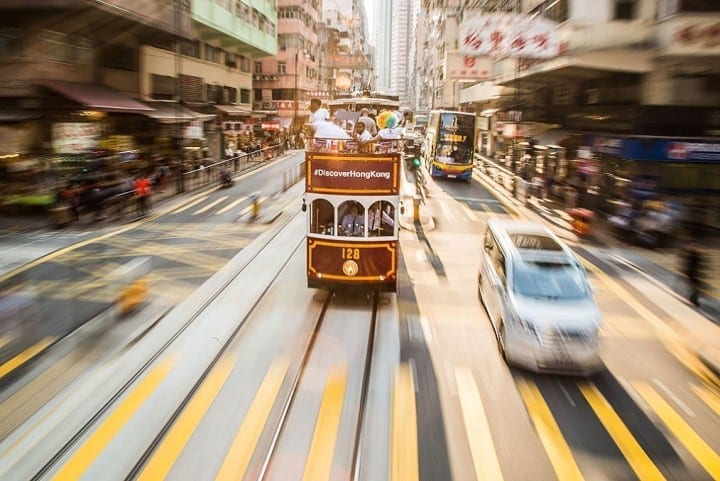
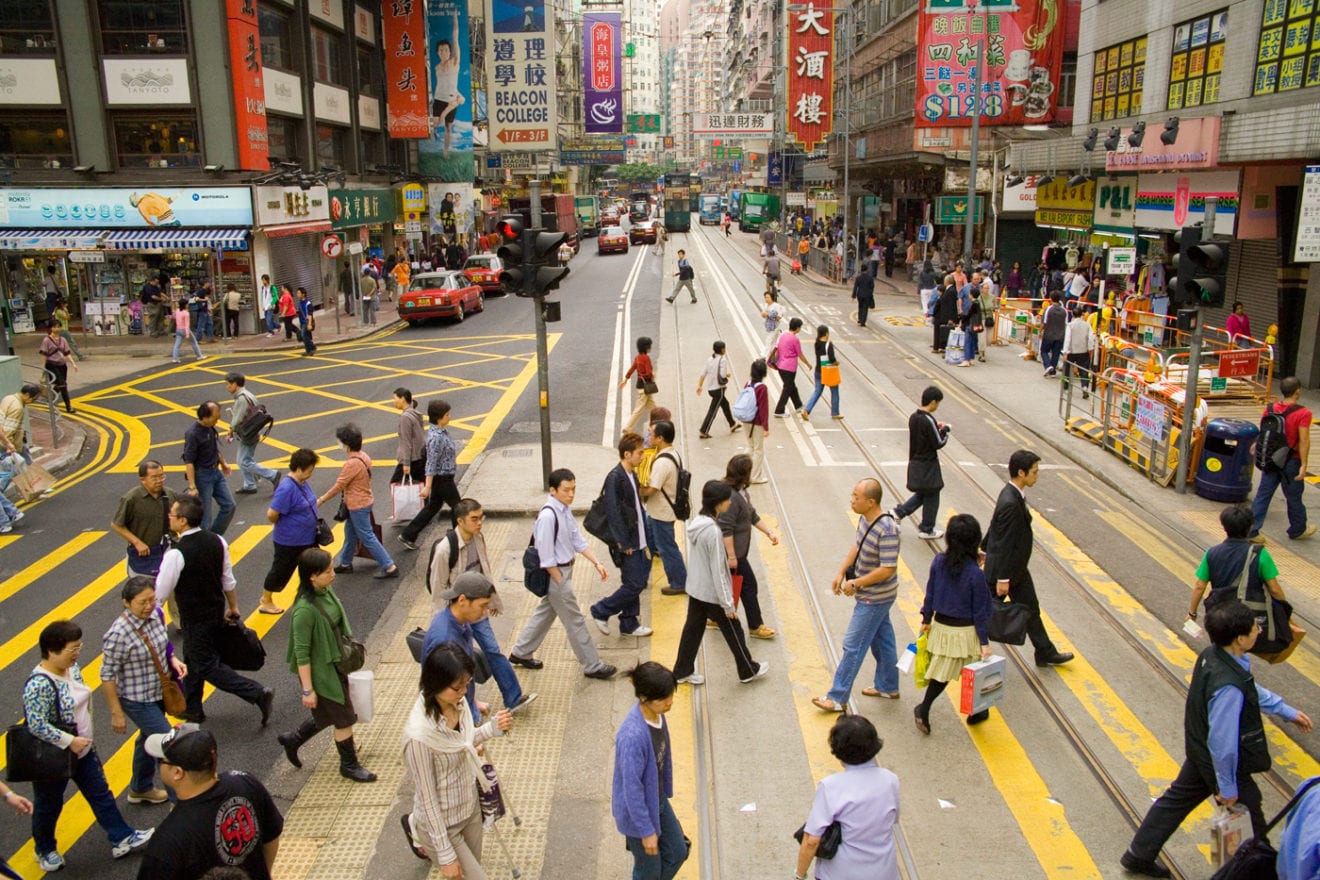
    Tourists from China spent an average of HK$7,105 (S$1,300) in Hong Kong in the first half of last year, down 15.8 per cent from the same period in 2015. This is also way below the corresponding figure for 2014 of more than HK$9,000.

    With three in four tourists to Hong Kong hailing from China, the decline in spending has hit Hong Kong’s retail sector badly.

    Last year, no fewer than four major luxury brands have shut at least one of their stores in Hong Kong. The latest is Prada, which closed its flagship boutique at Peninsula Hotel’s shopping arcade yesterday.

    $1,300

    Average amount tourists from China spent in Hong Kong in the first half of last year, down 15.8 per cent from the same period in 2015.

    35.4m

    Tourist arrivals to Hong Kong from China in the first 10 months of last year, down 8.2 per cent from the same period in 2015.

    The Italian fashion brand joined Ralph Lauren, Paul Smith and Tonino Lamborghini in having store closures in Hong Kong last year.

    Analysts expect more to follow. Some have already served notice of their plans to shut their stores.

    Abercrombie and Fitch will pull out of Hong Kong before the lease of its 25,600 sq ft store in Pedder Street expires in 2019. The United States fashion label suffered a 14 per cent year-on-year drop in sales from August to October last year. The company intends to open five stores in China by the end of this month.

    Another US fashion chain, Forever 21, has confirmed that it will shut its 51,188 sq ft store in Causeway Bay shopping district by August.

    Mr Pascal Martin, partner of OC&C Strategy Consultants, said: “Until recently, Hong Kong was a key part of a brand’s strategy to build brand equity with Chinese tourists in view of entering China.

    “This is still true to some extent, but now, brands rely more on building brand equity directly with Chinese visitors in their flagships in Europe and the US, as well as online, rather than in Hong Kong.”

    He added: “Most affluent Chinese tourists have now diversified their travel destinations beyond Hong Kong, to places such as Japan, Korea, Europe and the United States, where they also shop.”

    Hong Kong saw 35.4 million tourist arrivals from China for the first 10 months of last year, down 8.2 per cent from the same period in 2015.

    But things got better during the recent Christmas holiday period from Dec 23 to 26, as Chinese visitor numbers jumped 18 per cent year on year, and overall visitor numbers rose 13.8 per cent, South China Morning Post reported.

    But many tend not to spend much on shopping in Hong Kong.

    Cafe owner Lin Chang, 29, was among the Chinese tourists who visited Hong Kong over the Christmas period. Despite the attractive deals on offer, she did not buy a single item. “I plan to buy a designer handbag, but I want the novelty of getting it in Paris,” said Ms Lin, who spent only two days in Hong Kong before heading off to Paris for a week.

    The retail slump in Hong Kong may not spell bad news for all – the closure of some stores has allowed new players to take over shop space at lower rents, noted Mr Martin.

    Hong Kong still remains an attractive tourist destination, said executive director of the Travel Industry Council of Hong Kong Joseph Tung.

    Mr Tung said: “The latest statistics showed that the number of overseas visitors to Hong Kong has increased in recent months. It means that Hong Kong is still an attractive destination to tourists from other countries, not only mainland visitors.”

  • Singapore shoppers want cross-channel options more than new-age services

    Singapore shoppers want cross-channel options more than new-age services


    When it comes to Christmas shopping, Singaporeans prefer retailers with a physical store, coupled with both e-commerce and mobile app. Singapore shoppers want cross channel options more than new age services like digital wallets and augmented reality store experiences, according to the SAP Hybris Singapore Christmas Shopper survey.

    More than 1,000 consumers in Singapore were surveyed to uncover their Christmas shopping habits.

    When it comes to Christmas shopping, 68 percent of respondents said they prefer retailers with a physical store coupled with both e-commerce and mobile app, enterprise application software provider SAP said in a press statement on 8 December 2016.

    In addition, 54 percent prefer those who offer self-pickup services at a physical store.

    According to the results, 65 percent of respondents stated that retailers can improve their Christmas shopping experience by offering free shipping.

    “Singaporeans are amongst the most tech-savvy spenders in Asia, and no strangers to e-commerce,” said Nicholas Kontopoulos, Global Vice President of Fast Growth Markets for SAP Hybris in the Asia Pacific region. “Despite that and reports of Singapore’s continuously challenging retail landscape, the brick and mortar stores are definitely not dead.

    “In fact, the SAP Hybris survey found that 39 percent of Singaporeans still enjoy browsing through stores. This [shows that] Singapore is a truly multi-channel market, where most consumers are using a combination of devices in their online and offline shopping. In the future, offline and online shopping are no longer two separate business models. Singaporeans are demanding a seamless omnichannel shopping experience,” Kontopoulos concluded.

  • 3 in 4 shoppers demand loyalty rewards from retailers

    3 in 4 shoppers demand loyalty rewards from retailers

    They want more personalised reward programmes, not just the traditional point-based ones. Amidst Singapore’s retail doldrums, more than 75% of Singapore consumers indicate that the will buy more from retailers if they are better rewarded for their loyalty.

    According to a study by ICLP, this is despite the fact that many consumers are currently lukewarm about their relationships with brands and retailers, giving average to low scores in terms of passion, commitment, and intimacy.

    The study noted that only 3% of consumers considered themselves to be devoted to their preferred brands.

    The research suggested that in order for retailers to take their relationships with customers to the next level, they have to go beyond just giving traditional-points based reward programmes.

    “Much like in a relationship with friends and loved ones, they would engage more when they receive genuine gestures that surprise and delight them,” the study explains.

    ICLP country manager Bruno Tay said many Singaporean consumers still relate to brands and retailers at a transactional level, so when times are uncertain, they easily resort to the myriad of choices that are at their disposal.

    “It’s not too late to turn things around, though. In fact, retailers now have a chance to truly stand out if they appeal to the heart too – by approaching communication, reliability, consistency, reward and recognition from a human perspective,” he noted.

  • China’s consumers may teach the world how to shop

    China’s consumers may teach the world how to shop

    China’s consumers are by no means the wealthiest in the world. But they are years ahead of their counterparts in many developed economies in terms of how they shop and pay for what they buy. In this, they are revolutionising the way consumer finance is conducted in the world’s second-biggest economy.

    Like so many of the changes sweeping China, the uptake of internet and digital technologies has happened with head-spinning speed.

    As recently as 2000, a mere 1.7 per cent of mainland Chinese were online. Now, the country has more than 700m internet users – a penetration rate of more than 50 per cent.

    Visit any Chinese city these days, and you will find pretty much everyone toting a smartphone or tablet – or both. China’s e-commerce sales have soared from practically zero in 2003 to nearly $600bn last year, and now top those in the United States. Alibaba’s annual “Singles Day” shopping event generated a massive $17.8bn-worth of sales on its online marketplaces earlier this month, up 32 per cent from a year earlier.

    Put another way, mainland China’s consumers – like those in many other Asian nations – have gone from (nearly) no-tech to high-tech within just a few years, largely bypassing clunky fixed-line telephony to leap into a world where and online shopping smartphone ownership have become the norm.

    This transformation is explained by a powerful combination of factors.

    First, mainland China’s retail and telecommunications networks – again, like those in other developing economies – were for decades underdeveloped and inconvenient. So China’s consumers eagerly embraced the speed and choice that the internet and mobile phones brought to buying clothes, hotel stays or movie tickets, and swapping shopping tips with their friends.

    By now, a generation of Chinese has grown up with a different concept of “convenience”: Residents of, say, Shenzhen or Guangzhou are perfectly likely to buy items via the smartphone in their pocket, rather than walk one block to the store that stocks them.

    This is the world that anyone doing business in China needs to adapt to: an e-commerce environment that is one of the most developed in the world, and that is growing rapidly. Research company eMarketer estimates that China e-commerce sales will hit nearly $900bn this year – nearly half the global total – and more than $2.4tn by 2020. Already, 55.5 per cent of that is done via mobile devices; by 2020, that will have risen to 68 per cent, according to eMarketer.

    Meanwhile, the mainland authorities want to continue to develop the Chinese economy, and have supported the build-out of internet-related technologies.

    China’s internet and mobile revolution is perhaps most visible in the increasingly affluent and vibrant Pearl River Delta, which is home to high-tech corporate giants like Huawei Technologies and Tencent. Internet penetration in Guangdong province, where the Delta is located, is well above the national average. For example: there are 78m internet users in Guangdong, nearly three-quarters of the population.

    All this has massive implications for the financial and e-commerce sectors in China, which have raced to adapt to Chinese consumers’ ravenous appetite for digital innovation.

    Just as buying behaviour has changed from traditional over-the-counter to online/mobile, so too financial interaction is rapidly becoming paperless, wired and digital.

    Alibaba, for instance, has capitalised on the popularity of its own online marketplaces by creating its own payment system, Alipay. In 2015, Alipay had 451m active users conducting on average 153m transactions per day. By comparison, PayPal’s 180m active users conducted just 16 million transactions a day.

    And Tencent in 2014 set up an electronic wallet – which allows people-to-people payments via mobile phones – for users of its massively popular social messaging apps.

    The uptake of such technologies has been immense.

    Within just 72 hours of ApplePay’s launch in mainland China in February, 3m payment cards had been registered to the service. That’s three times the total registered in the US.

    More than 410m Chinese now regularly use e-payment methods – nearly 90 per cent of them via mobile devices – according to official data.

    Traditional banks also are responding to China’s e-commerce/e-payment ecosystem, and are rushing to introduce new digital tools for their customers.

    Virtual teller machines, for example, allow customers to interact with bank staff by video, scan documents and provide e-signatures, meaning that things like opening an account becomes simpler and quicker.

    Mobile apps are increasingly common and making it easier for customers to check their accounts or make transactions, wherever they happen to be.

    Thumbprint ID and voice-recognition technologies are already available and will before long be commonplace, adding an extra layer of security and convenience for online and mobile customers.

    “Bricks and mortar” bank branches and people-to-people interaction is still highly valued, although their role is rapidly changing to focus on meeting customers’ wealth management and more complex needs. Paperless, branch-less “clicks and apps” banking allows banks to service most of their customers’ transactional needsmore efficiently and quickly, around the clock – whether they are in Shenzhen, Shanghai, rural Sichuan, or on holiday in Thailand.

    Few people could have imagined the changes sweeping China’s retail and banking scene just five years ago. The next five years are sure to bring still more change. Banks and retailers will need to be nimble, and anticipate the future needs and preferences of China’s 1.37bn shoppers. Those who get it right will find the size of the prize is immense.