Tag: Shopping

  • Amazon enjoys positive performance with increases in sales, profit

    Amazon enjoys positive performance with increases in sales, profit

    Global online shopping platform Amazon reported growth in both net sales and profit for the fourth-quarter 2018 and full-year, adding its Alexa use and Prime membership continues to thrive, particular in the all-important holiday season. For the fourth quarter ending December 31, net sales increased 20% to $72.4 billion in the fourth quarter, compared with $60.5 billion in fourth quarter 2017. Excluding unfavourable foreign exchange rates, sales increased 21%.

    Amazon said net income for the quarter increased to $3 billion in the fourth quarter, or $6.04 per diluted share, compared with net income of $1.9 billion, or $3.75 per diluted share, in 2017.

    For the twelve months ending December 31, Amazon’s net sales increased 31% to $232.9 billion, up from $177.9 billion in 2017. Excluding the $1.3 billion favorable impact exchange rates, net sales increased 30% compared with 2017.

    For the full-year 2018, Amazon’s net income increased to $10.1 billion, or $20.14 per diluted share, compared with net income of $3 billion, or $6.15 per diluted share.

    In the earnings announcement, Amazon’s founder and CEO Jeff Bezos, praised the recent holiday season, in particular, the Amazon customer uptake of Alexa, the voice activated shopping device and its associated Echo products.

    “Alexa was very busy during her holiday season. Echo Dot was the best-selling item across all products on Amazon globally, and customers purchased millions more devices from the Echo family compared to last year,” said Bezos.

    “The number of research scientists working on Alexa has more than doubled in the past year, and the results of the team’s hard work are clear. In 2018, we improved Alexa’s ability to understand requests and answer questions by more than 20% through advances in machine learning, we added billions of facts making Alexa more knowledgeable than ever, developers doubled the number of Alexa skills to over 80,000, and customers spoke to Alexa tens of billions more times in 2018 compared to 2017. We’re energized by and grateful for the response, and you can count on us to keep working hard to bring even more invention to customers,” he added.

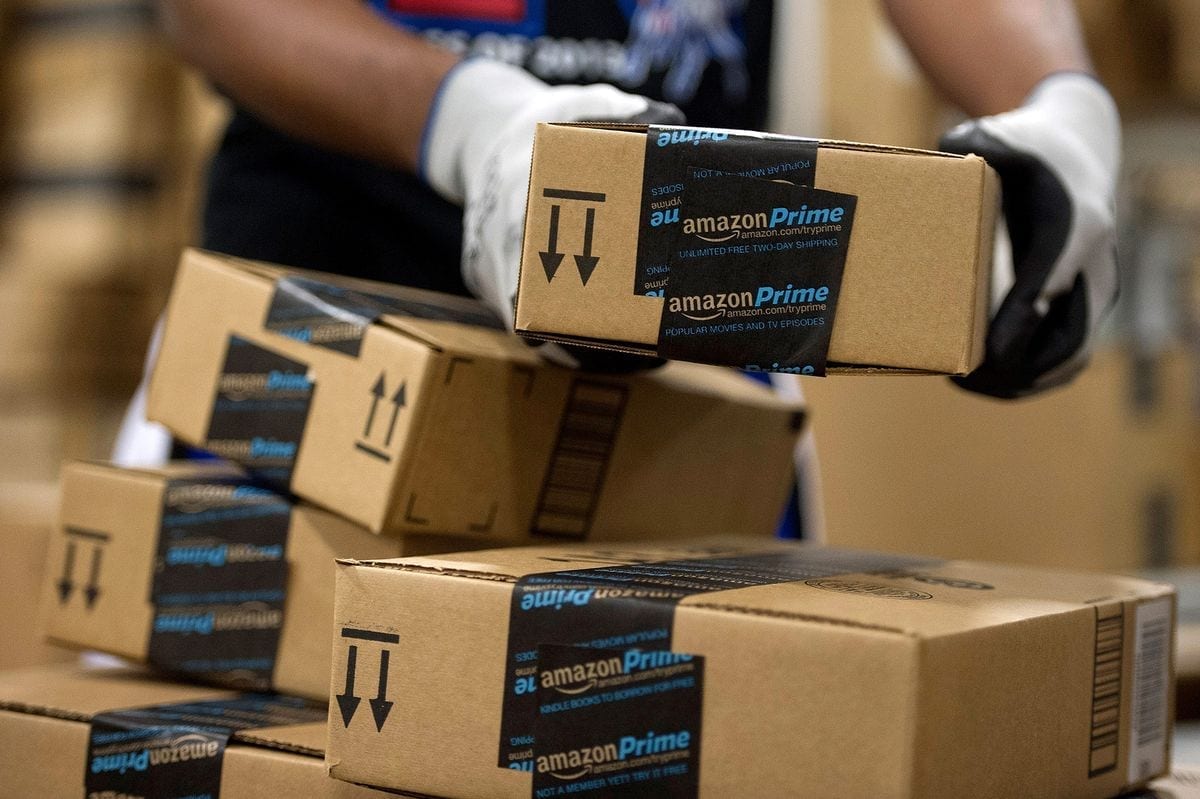
    Other highlights for Amazon in 2018 included the increase in Prime memberships. During the holiday season alone, tens of millions of customers worldwide started Prime free trials or began paid memberships. More customers signed up for Prime worldwide in 2018 than ever before, said Amazon.

    In Asia, Amazon Fashion launched Prime Wardrobe in Japan, allowing Prime members to order clothing, shoes, and accessories and only pay for what they keep.

    Looking ahead to the first quarter 2019, net sales are expected to be between $56 billion and $60 billion, up 10% to 18% compared with first quarter 2018. Meanwhile, operating income is expected to be between $2.3 billion and $3.3 billion.
  • Kerry Logistics expands e-commerce fulfilment through E-Services Group JV

    Kerry Logistics expands e-commerce fulfilment through E-Services Group JV

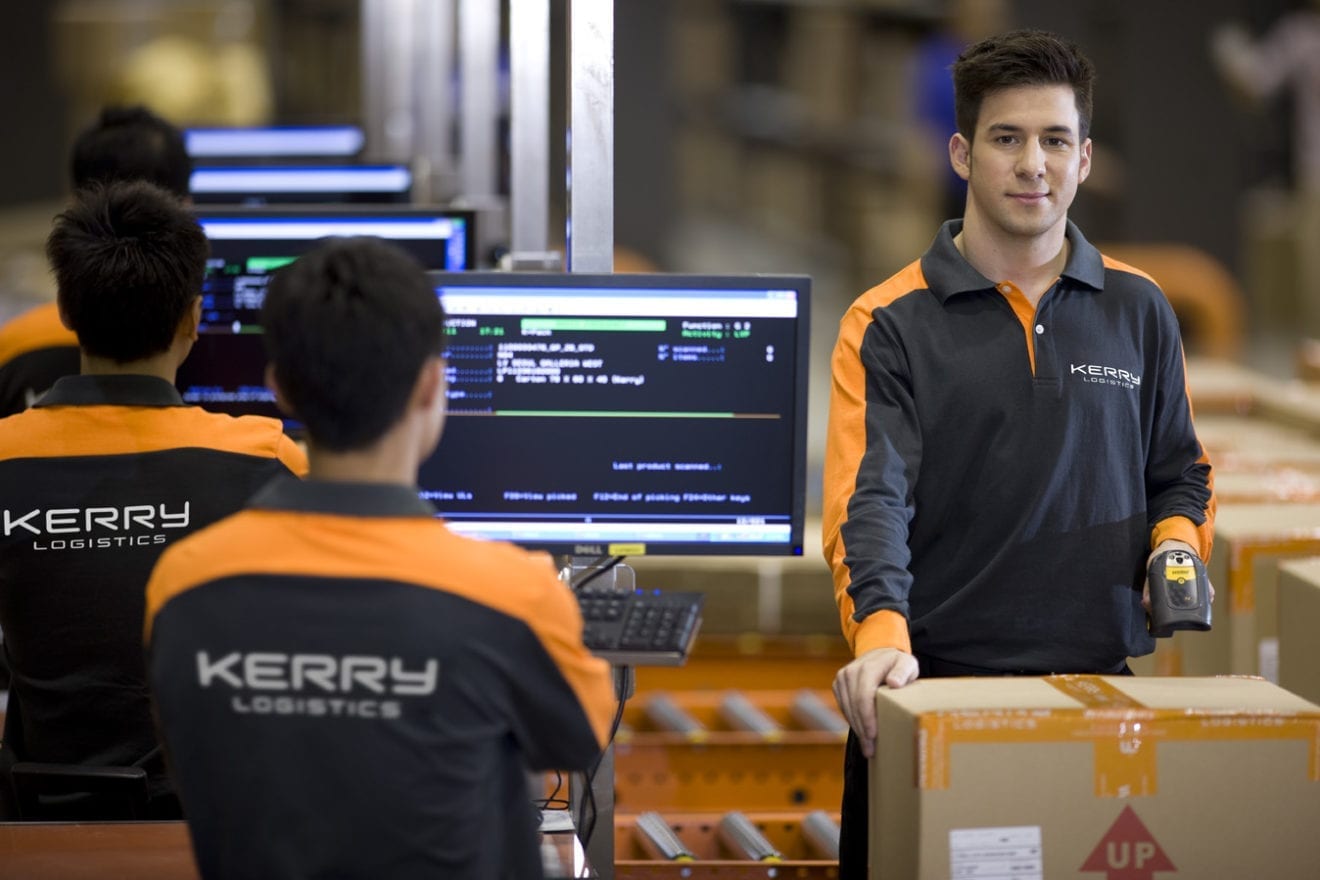
    Hong Kong-based Kerry Logistics is expanding its e-commerce fulfillment capabilities through a joint venture with Asian e-commerce specialist E-Services Group. Their joint venture, Kerry ESG (HK) Company Limited, will combine Kerry Logistics’ global supply chain capabilities with ESG’s technology platform, global marketplace networks, and e-commerce expertise to offer etailers cost-efficient solutions internationally.

    ESG, founded in 2002, claims to be ‘the leading international end-to-end e-commerce company in Asia’, headquartered in Hong Kong, with offices in China, Singapore, and Taiwan. As the strategic partner to over 20+ leading global marketplaces such as Rakuten, JD.id, and Cdiscount, ESG not only enables its 28,000+ etailers to grow their businesses internationally through marketplaces, but also supports them with comprehensive shipping solutions.

    Kerry ESG, set to debut in March 2019, aims to become one of the leaders in global e-commerce fulfillment solutions, enabling etailers to deliver products to customers anywhere in the world quickly and cost-effectively. Through direct integration with leading shopping carts and global marketplaces, etailers using Kerry ESG’s services will be able to seamlessly manage their order fulfillment, inventory, and returns to and from multiple logistics centres through one platform.

    William Ma, Group Managing Director of Kerry Logistics, said: “We are thrilled about the growth opportunities in global e-commerce. With Kerry ESG, we are creating a unique platform with total solutions from upstream marketing to downstream logistics that will capitalise on the booming international marketplace model to facilitate the exports for our international brand customers. Combining forces as industry leaders, Kerry Logistics and ESG are well-positioned to unlock the potential in the market with this new joint venture.”

    Alan Lim, Founder and CEO of ESG, added: “Winning at e-commerce means getting every piece of the puzzle right, and fast, reliable fulfillment is a critical component of success. This partnership gives etailers access to an extensive distribution network to support e-commerce fulfillment in every market and with every online channel. With Kerry Logistics we have found a great partner, whose capabilities complement ours and whose culture and vision matches that of our team. I am excited about how we can grow this business together.”

    Kerry Logistics said it has identified cross-border e-commerce, particularly between Greater China and ASEAN, as a major growth sector which plays to its strengths. The new partnership with ESG, which is the official partner of leading marketplaces including JD.id, Rakuten, and Newegg.com, will play a pivotal role in strengthening the foothold that the two companies have in this area.

    Kerry Logistics has a network covering 53 countries and territories, and is managing 53 million sq ft of land and logistics facilities worldwide.

  • Empire State Building Store sets tourist retail benchmark

    Empire State Building Store sets tourist retail benchmark

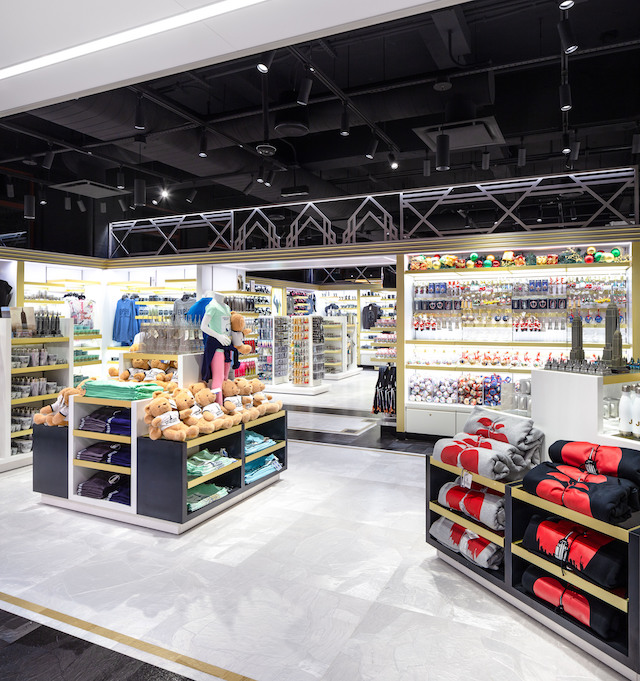
    North American travel retail firm Hudson Group has announced the unveiling of the Empire State Building Store, part of the reimagined Empire State Building Observatory experience. The newly renovated 4500sqft retail space offers more than 800 items exclusive to the property, including destination mementos, curated souvenirs, and modern luxury, as well as a new shop-in-shop experience, Empire on Fifth.

    “With our US$160 million Observatory upgrade, the redesign of the Empire State Building Store elevates the retail experience at the building and caters to our guest’s interests,” said senior VP of the Observatory Jean-Yves Ghazi.

    “From the King Kong section to exclusive merchandise from top brands Baccarat Crystal, Puma, Swarovski and more, there truly is something for everyone”.

    The Empire State Building Store is one of more than 300 specialty retail locations operated by Hudson Group.

    “Hudson Group is elevating the gift store experience in our properties across North America by bringing 30 years of travel retail experience to tourism,” said Hudson Group CEO Roger Fordyce. “We could not be prouder to partner with Empire State Realty Trust to offer this new amenity to visitors at the most recognised building in the world, the Empire State Building”.


  • Taubman Sells Shares of Three Asian Shopping Centers

    Taubman Sells Shares of Three Asian Shopping Centers

    US retail property specialist Taubman Centers is to sell a 50 per cent stake in three of its shopping centres in China and Korea to funds managed by private equity company Blackstone Group. The deal, worth US$480-million, is expected to be settled later this year and will net Taubman about $315 million according to financial news reports. The company will maintain a share of up to 25 per cent in each property.

    Post settlement, Taubman will be contracted for the ongoing management of the centres.

    The centres are South Korea’s Starfield Hanam, and China’s CityOn Xi’an and CityOn Zhengzhou.

    Taubman manages a 26 regional, super-regional and outlet shopping centres in the US and Asia, and has another property under development. CEO Robert S Taubman said the sale was part of a strategy of recycling capital for growth.

  • Furniture maker in Vietnam to meet younger customer taste

    Furniture maker in Vietnam to meet younger customer taste

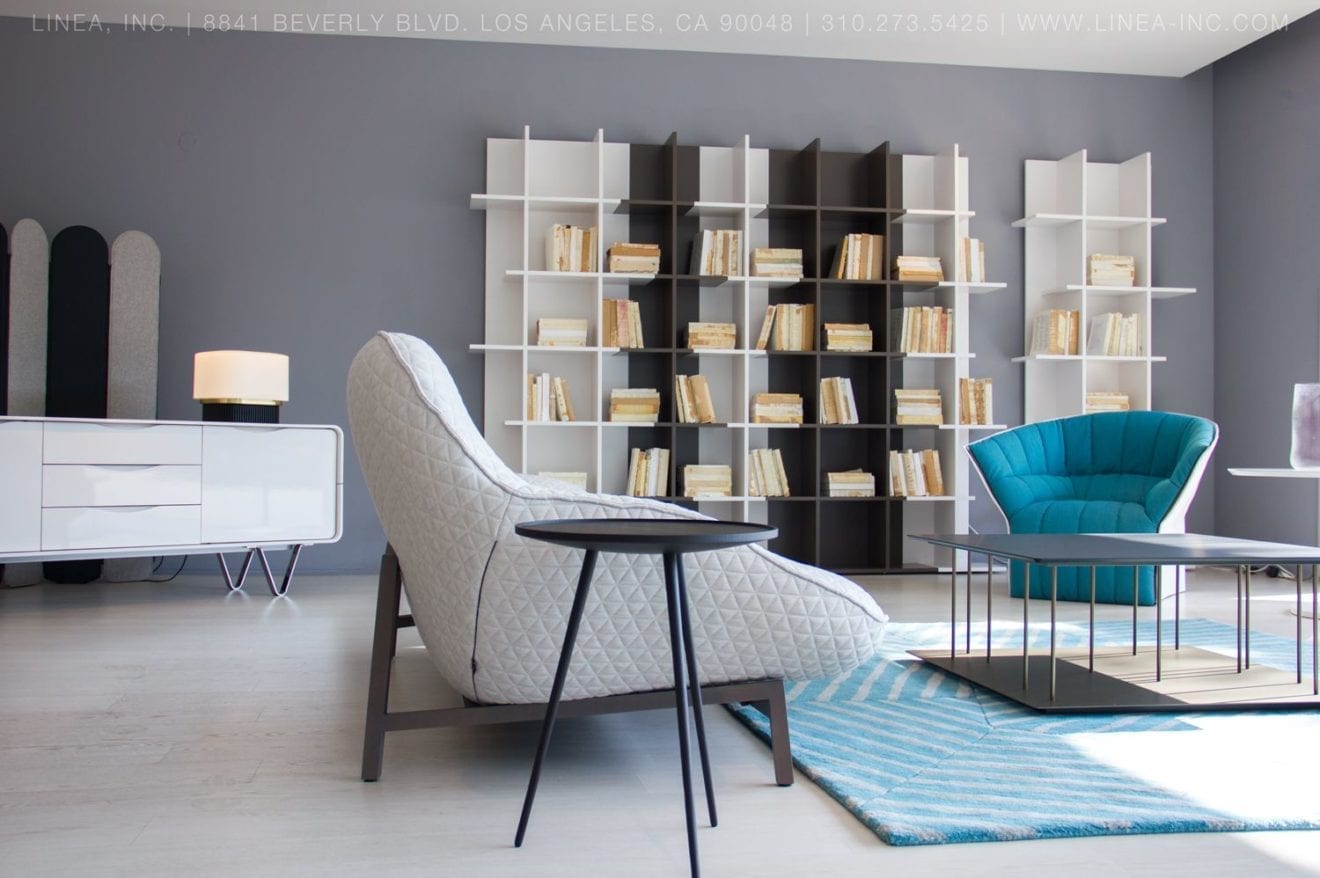
    Furniture manufacturers are striving to meet the changing tastes of young people, who have begun to value eco-friendliness and aesthetics. Nguyen Chanh Phuong, vice president and general secretary of the Ho Chi Minh City Fine Arts and Wood Processing Association (HAWA), said the furniture segment for small urban houses is abuzz in Vietnam, with its main customers being young adults born between 1980 and 2000.

    Unlike the previous generation, who preferred simple but durable furniture that could last 100 years, young people prefer to buy comprehensive interior packages based on their own aesthetic views, he explained.

    They see furniture as things that serve their needs and not assets to be passed down, and so products only need to last about 10 years, he said, pointing out this was why furniture makers like IKEA have been so successful.

    “There is a lot of opportunity arising from this group of customers alone. I estimate they only account for 15 percent in terms of number of buyers but account for 30-40 percent of spending.”

    Industry insiders said the market is seeing rapid growth in raw materials production, design and manufacture of furniture, and one can now find all types of international “fashionable” wood varieties from Germany, the U.S., France, Japan, Canada, and New Zealand.

    Vietnam’s furniture market was worth $4 billion in 2018, and is expected to grow to $5-7 billion by 2025, according to the Handicraft And Wood Industry Association of HCMC.

    Nguyen Quoc Khanh, HAWA chairman, said not only is the scale growing but also Vietnamese are increasingly demanding higher quality products.

    “I think ‘strong and durable’ is not the Vietnamese style; it was a need at a difficult time. Life is much better now, so people are allowed to express themselves.

    “The only regret is that the market has not yet created the necessary ecosystem for the business of interior design. That is, furniture manufacturers have not been able to work with designers and real estate companies to completely meet users’ needs.”

    Foreign home interior brands and designers are present in force and dominating the increasingly affluent market.

    According to the Vietnam Chamber of Commerce and Industry (VCCI), some 80 percent of luxury woodwork and interior decoration items is imported from Europe, with local players accounting for the rest.

  • Wholesale apparel portal Joor eyes Asia as its gets $16 million

    Wholesale apparel portal Joor eyes Asia as its gets $16 million

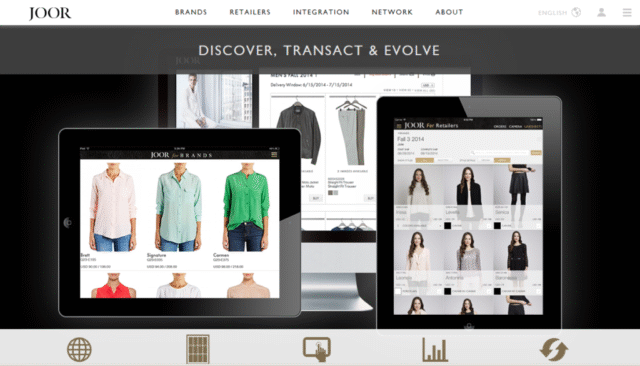
    US wholesale platform and data exchange Joor has raised US$16 million in Series C funding. The financing round was led by Itouchu, one of Japan’s leading conglomerates with participation from existing investors Canaan Partners and Battery Ventures. Joor has now raised $36 million since its launch and the new cash will fund ongoing product innovation for both brands and retailers, as well as expansion into Asia.

    Through the partnership with Itouchu, Joor will be able to access more than 150 US and European brands, and accelerate the entry of new overseas brands into Japan.

    “Joor’s dominance in North America and Europe makes it the natural choice for expansion into the Japanese market. We are excited to continue supporting their strategic growth,” said Yoshihiro Fukushima, executive officer of Itochu.

    “At Joor, our focus from day one has been the simplification of the wholesale process for brands and retailers,” said Kristin Savilia, CEO of Joor. “Our mission is to bring the industry together with one platform. The team at Itouchu supports this mission and we are excited to have its expertise and support to enable Joor to expand into Asia, furthering its global dominance.”

    Joor connects 8600 brands within 53 categories and 200,000 retailers in 144 countries into one wholesale platform.

    Luxury companies including Kering, LVMH, Richemont, Balenciaga, Alexander McQueen, Saint Laurent and Marc Jacobs have moved their wholesale business exclusively to the platform.

  • Vietnamese women up makeup spending

    Vietnamese women up makeup spending

    More Vietnamese women are wearing makeup and spending more on makeup products, a new survey finds. The survey finds that Vietnamese women spend an average of VND300,000 ($13) on makeup products a month, with those with higher incomes spending even more. This number marks an increase of 5.4 percent from VND284,000 ($12.2) in 2016, says market research firm Q&Me, which carried out the survey.

    Women with higher incomes spend more on makeup products, the survey found. Those with an income of over VND20 million ($865) spend VND442,000 ($19) per month on average, while those with less than VND10 million ($433) spend just VND215,000 ($9).

    Over half, 51 percent, of the respondents said they apply makeup at least once a week, and 30 percent said they do so every day.

    The ratio of those who do not use makeup decreased from 24 percent in 2016 to just 14 percent this year.

    Women with higher incomes make up more often, the survey found. Forty-two percent of those who make more than VND20 million ($865) a month make up every day, while only 24 percent of those who make less than VND10 million ($433) per month do so every day.

    The most popular occasion to wear makeup is for a party, 87 percent of respondents said, followed by hanging out with friends (61 percent) and dating (52 percent).

    Skincare is the most used makeup product, with 73 percent of respondents saying they use it at least once a week.

    Lipstick is the most popular makeup item, carried by 88 percent of respondents whenever they go out of their homes.

    The time taken to make up has increased in recent years, the survey found. The ratio of respondents who make up in 10 minutes or less dropped from 51 percent in 2016 to 33 percent this year, while the percentage of those who take 11-30 minutes increased from 48 percent to 62 percent.

    Online shopping is the most popular way to buy makeup products, with 57 percent of respondents choosing this option, of whom 39 percent said they shop online every month.

    The main reason they shop online is convenience, 44 percent of respondents said, followed by better quality (43 percent) and good price (40 percent).

    The most frequent online shoppers of makeup products are women aged 23-29 with monthly incomes of over VND20 million ($865).

    Shopee as the most popular online shopping service, with 59 percent of respondents saying they have used it before, followed by Lazada (43 percent) and Facebook (40 percent).

    The survey polled 500 women aged 16-39 in Hanoi, Ho Chi Minh City and other localities.

  • Bigbasket India expands its offerings to include beauty products

    Bigbasket India expands its offerings to include beauty products

    Bigbasket has made its foray into the beauty and cosmetics category. The company is already a leader in FMCG sales, staples, and fruits and vegetables, has about 10 million subscribers, and is clocking over 1 lakh orders per day. With this new category, bigbasket has cemented its place as the one-stop-shop for all customer needs in groceries.

    The vast range of cosmetic products on the beauty store by bigbasket includes eyeliners, kajal, face creams, nail colors, lipsticks, hair colors, perfumes, deodorants, etc. which can be purchased on the website or through the app. Some of the prominent labels featured include Lakme, L’Oreal, Garnier, Elle18, Lotus Herbals, and Maybelline, among others.

    Customers can make choices based on their skin type, preferred brand, benefits, formulation, etc. There are also exciting discounts of about 25 percent to 40 percent on selected brands and products.

    Speaking about this, Seshu Tirumala, National Head, Buying and Merchandising, bigbasket, said, “bigbasket’s customers can now look forward to far larger variety in our offering with our most recent addition of beauty products. The foray into beauty and cosmetics category comes at a time when we are already growing at a frenetic pace in the market. With this category, we aim to transcend our existing customer base and take the venture a notch higher – both in terms of the customer base and revenue. We will be providing the widest range of affordable and regularly used beauty products to our customers.

    With a dominant share in the market space, bigbasket now aims to raise additional investments up to US$ 200 million over the next few months. The FMCG sales overall (food and non-food) contribute to over 50 percent of its business, another 30 percent comes from staples (including 14.5 percent from private labels) and 18 percent is from fruits and vegetables. The Alibaba-backed company expects to break even in the 10 large cities by next June and aims at becoming a billion-dollar company by the next fiscal year. The company has a presence in 25 cities and plans to launch its operations in Kochi soon.

    Recently, bigbasket acquired Pune-based RainCan and Bengaluru-based Morning Cart to deliver milk to 20,000 customers. The service has been launched in 7 cities and is expected to roll out to another three cities among the top 10 metros. The milk delivery business is expected to clock Rs 10 billion by next year.

  • Alibaba Says China’s Slowdown Isn’t Hurting It All That Much

    Alibaba Says China’s Slowdown Isn’t Hurting It All That Much

    Alibaba Group VC Joseph Tsai says the firm is unperturbed by China’s economic slowdown. Quoted in a Bloomberg report, Tsai said Alibaba is “delinked” from a Chinese economy in which more and more business are moving online because “we’re in e-commerce and we’re digitising the whole sector”.

    He added that Alibaba’s growth is expected to continue to outpace the economy in general, as digital commerce grows at faster rates compared with more traditional retail business.

    The comments were made at the Goldman Sachs Group technology conference in San Francisco.

    According to the Bloomberg article, China’s economy expanded 6.4 per cent in the final three months of last year compared with a year earlier. Alibaba’s takings during the period rose 41 per cent to RMB117.3 billion (US$17.3 billion), representing its slowest pace of growth in more than two years. Its continued positive performance is buoyed by excursions into new business territories such as cloud services and entertainment, while assisting physical retailers with modernisation drives.

    According to the Alibaba Group VC, the situation is comparable to Amazon’s in terms of its consistent double-digit sales growth in the face of slowing economic growth within the US.

  • E-commerce firm Zilingo bags US$226m in funding

    E-commerce firm Zilingo bags US$226m in funding

    Singapore online fashion market Zilingo has achieved capital investment of $226 million in a Series D funding round. The investments were made by the firm’s existing backers, including Sequoia Capital, as well as newcomers Temasek Holdings and EDBI, and will support the business’s expansion into fresh markets in the Philippines, Indonesia and Australia, as well as build new infrastructure and modernise its supply chains.

    A report in DealStreetAsia last January suggested that Zilingo was considering listing an IPO with a view to developing offline retail.

    “Sequoia’s investment in Zilingo dates back to when the company wasn’t even yet incorporated and the name wasn’t finalised,” said Sequoia Capital (India) Singapore MD Shailendra Singh.

    “Ankiti and team have rapidly transformed their original ideas about Zilingo into a platform company that serves fashion consumers, merchants, retailers, brands and manufacturers, collectively representing a multi-hundred billion dollar market size.”

    Zilingo serves more than 20,000 merchants and retailers across Southeast Asia. It is currently valued at an estimated $1 billion.

  • Asia-Pacific shoppers favour cross-border shopping

    Asia-Pacific shoppers favour cross-border shopping

    Half of online shoppers in Asia-Pacific make purchases cross-border, according to a recent report by yStats. The top two markets for cross-border shopping in the region are Hong Kong and Singapore while Japan shuns the trend, with over nine in 10 online shoppers buying only domestically. The tendency to buy from foreign online sellers also prevails in Australia and New Zealand, where a double-digit share of digital spending is cross-border.

    The top three destinations of cross-border online shoppers in Asia-Pacific are China, the US and Japan. Chinese online shoppers themselves prefer shopping platforms hosted by local providers, such as Tmall Global, Kaola and JD Global.

    Apparel and accessories was the most-in-demand product category. In South Korea, this sector accounted for more than one-third of e-commerce purchases from foreign sellers.

    Handheld connections prefered

    A standout characteristic of cross-border shopping in Asia-Pacific is the high level of mobile usage.

    Digital buyers in China and India were more likely to place orders on foreign websites through smartphones and tablets than through a desktop computer.

    The Asia-Pacific Cross-Border B2C E-Commerce 2018 report covers online retail imports and exports in 10 nations within Asia Pacific.

  • Ralph Lauren showing good progress

    Ralph Lauren showing good progress

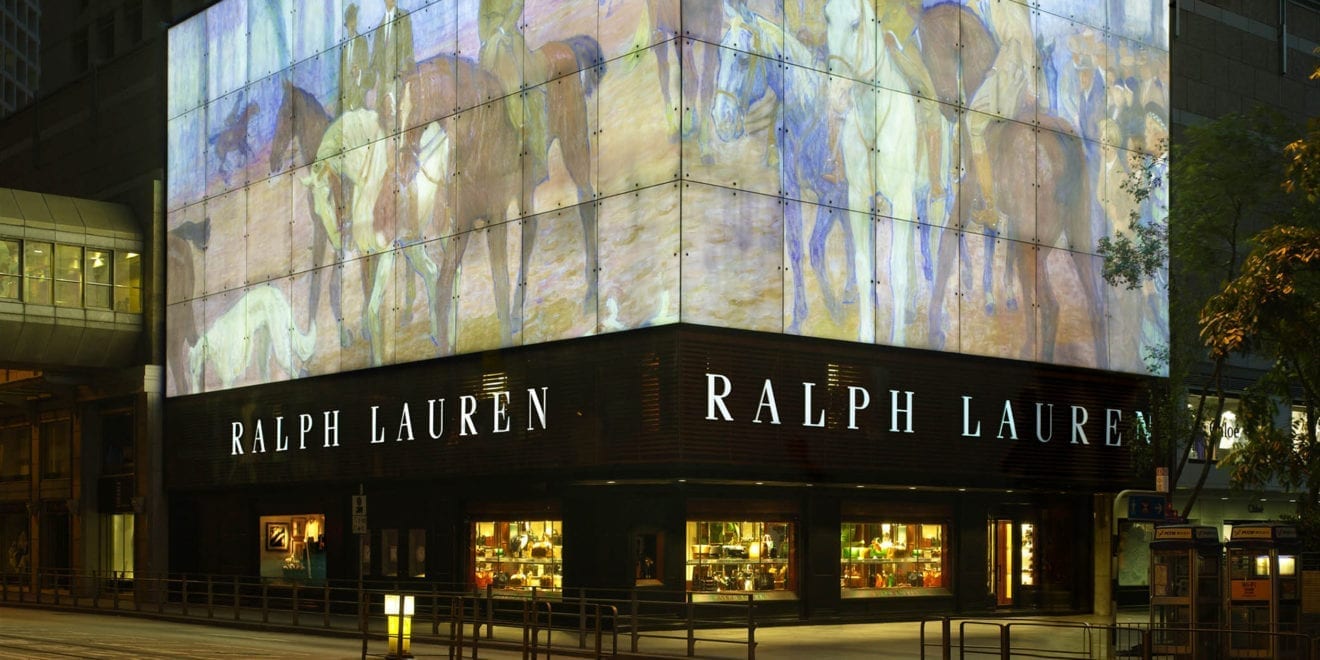
    After a long run of fairly mediocre performance, Ralph Lauren has finally delivered a solid set of numbers. The 5 per cent net revenue growth announced last week is pleasing as are the various regional outcomes. These were supported by a respectable increase in underlying comparable sales. It would be remiss not to note that the good figures have been delivered off the back of a very weak prior year performance, but this should not take away from the fact that the brand is now headed in the right direction.

    Away from the top line, the bottom line has also strengthened with operating income up by 12.9 per cent over last year. Much of this is down to far lower rates of discounting, especially in the wholesale channel. We also see this as a sign that Ralph Lauren’s more disciplined and focused approach to producing collections is allowing more product to be sold through at a fuller price. All of this suggests that the company is doing a much better job at connecting with consumers.

    Our own data backs this up. Brand affinity to Ralph Lauren was the strongest in over five years this holiday season; brand recall and awareness were also higher, including among younger consumers. Some of this is the result of increased marketing spend but a lot of it also comes down to a more targeted approach. Initiatives like the launch of the Palace label have provided the brand with greater visibility among consumers looking for edgier, contemporary designs. There is clearly more work to be done, but this progress represents a good platform on which to build.

    That said, Ralph Lauren needs to remain disciplined; it should not revert to past form by launching rafts of sub-brands and spin-off labels which create confusion.

    Digital was the star channel this quarter with sales up by 20 per cent over the prior year. Some of this is a consequence of the investment in online platforms which are now much improved and delivering higher conversion. However, traffic to websites has also risen as Ralph Lauren has created more visibility around its products and brands. In North America, the slight downside is the imbalance in growth. Online comparable sales rose by 21 per cent, but store comparables were flat. While this is not necessarily surprising, it underlines that Ralph Lauren has more work to do in persuading customers to visit its shops – something that should, in theory, become easier as it pulls back from the wholesale channel.

    For all of this positivity, we are still cautious about the trajectory of the brand. While there is no doubt that Ralph Lauren is now in a much stronger position, a lot of work remains to be done on carefully defining the various parts of the offer and ensuring they remain targeted.

    Because of the vast array of brand elements, this is a challenging task that could easily falter – especially as the economy tightens and the company laps some tougher comparatives.

    Overall, however, Ralph Lauren is on the right track, it just needs to stay on course as it accelerates.

  • Cle de Peau Beaute debuts in Thailand

    Cle de Peau Beaute debuts in Thailand

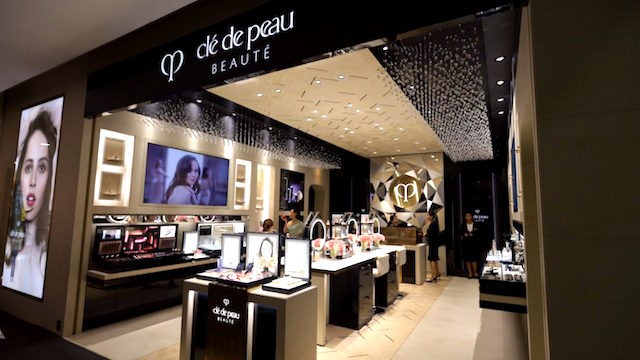
    Japanese luxury skincare brand Cle de Peau Beaute has opened its first location in Thailand. Launching in the Helix building, Emquartier, the new store expects to cater to the brand’s cult following in the market. The venue is designed to reflect the luxurious lifestyle of modern women, with a ‘Radiance Wall’ illuminating the entire retail space and a gallery with storied details of selected products.

    The launch is being marked with the announcement of the brand’s new influencer, actress, artist and director Manasnan Panlertwongskul, and the unveiling of its latest lipstick.

  • Japan’s Zozo expects profit fall, cuts outlook

    Japan’s Zozo expects profit fall, cuts outlook

    Online fashion store Zozo reported its firs-ever profit decline since its launch, adding to the announcement that it plans to discontinue its innovative Zozo suit, as it moves away for custom-fit fashion. One of Japan’s fastest-growing start-ups, Zozo said it expects full-year for the fiscal year ending March 2019 to fall 12%, dipping to 17.8 billion yen ($164 million).

    Zozo said it expects full-year operating profit of 26.5 billion yen, down around 19% from a year earlier. It previously forecast profit to rise to 40 billion yen.

    Sales are still predicted to reach double-digit growth, up 20% to 118 billion yen. However, that’s much lower than an initial forecast of 247 billion yen.

    By category, private-brand revenues are forecast to total 3 billion yen, just 15% of the 20-billon yen prediction made last year. Profits at the new apparel brand will also be negative, registering a loss of 12.5 billion yen.

    Zozo holds close to a 50 percent share of Japan’s e-commerce market for mid to high-end fashion. The Tokyo-based retailer had tried to branch out by launching its private brand and a made-to-measure service. Dubbed the ‘Zozosuit’, a black-and-white spotted body suit that allowed user to take and upload personal body measurements, the suit was overhauled after complaints on how long the suits took to arrive, with some customers complaining the suit did not fit, causing more delays.

    “By distributing the ‘Zozosuit’ for free so that people could take measurements, we were hoping to create demand for the Zozotown business, including the private brand. But the impact did not have the scale that we had hoped for,” the company said in a statement.

    Zozo said it now expects to pay a year-end dividend of 10 yen per share instead of an original forecast of 22 yen.

  • YSL opens pop-up store to celebrates Valentine’s Day

    YSL opens pop-up store to celebrates Valentine’s Day

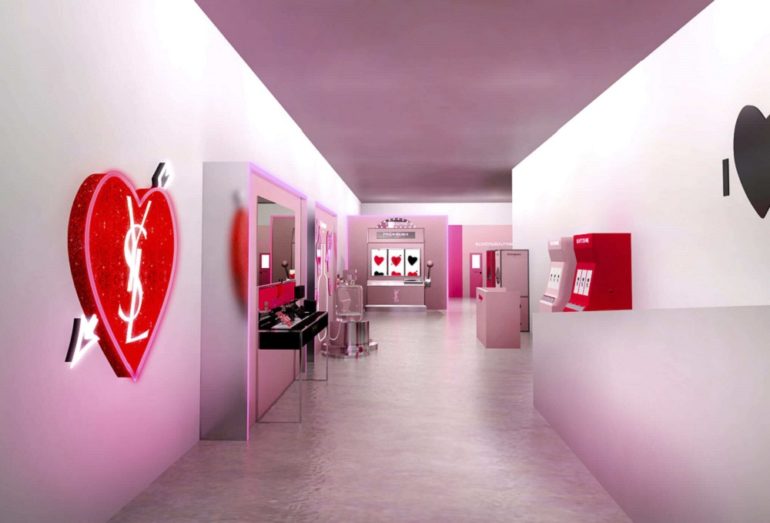
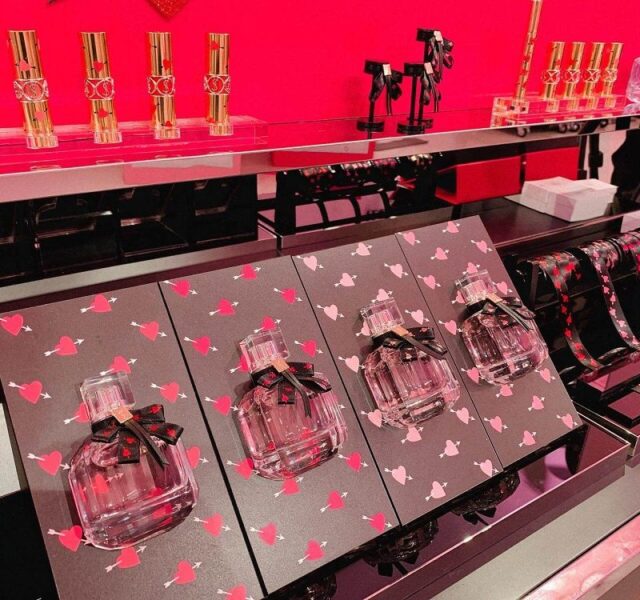
    YSL launched a limited store for Valentine’s Day 2019 in Central, Hong Kong, featuring on WhatsApp sticker, photo booth, and games. Obviously, pink and cosmetics are many girls’ favourite. So pink lovers will fall in love with YSL latest limited pop-up store in Central as the store is fully decorated in pink. Not only visitors will have the opportunity to get the cosmetics products, but they will also be able to take Instagrammable photos in front of different props and beautiful background.

    To participate in this event, visitor only need to register online to get a designated QR code and go during the reserved time slot. In addition to taking pretty pictures, visitors can also try YSL new collection of perfumes, blush, and lipsticks.

    One of the most attractive activities is to tailor-made unique WhatsApp stickers.

    In addition, making WhatsApp stickers, printing photos or buying any products in the pop-up provides points for playing the YSL’s clip doll machine. The higher the points, the more opportunities, so you can clip away YSL cosmetics products and take them home.

    The pop-up closes its doors just after Valentine’s Day.