Tag: Shopping

  • L’Oreal Asia Pacific sales reported soars

    L’Oreal Asia Pacific sales reported soars

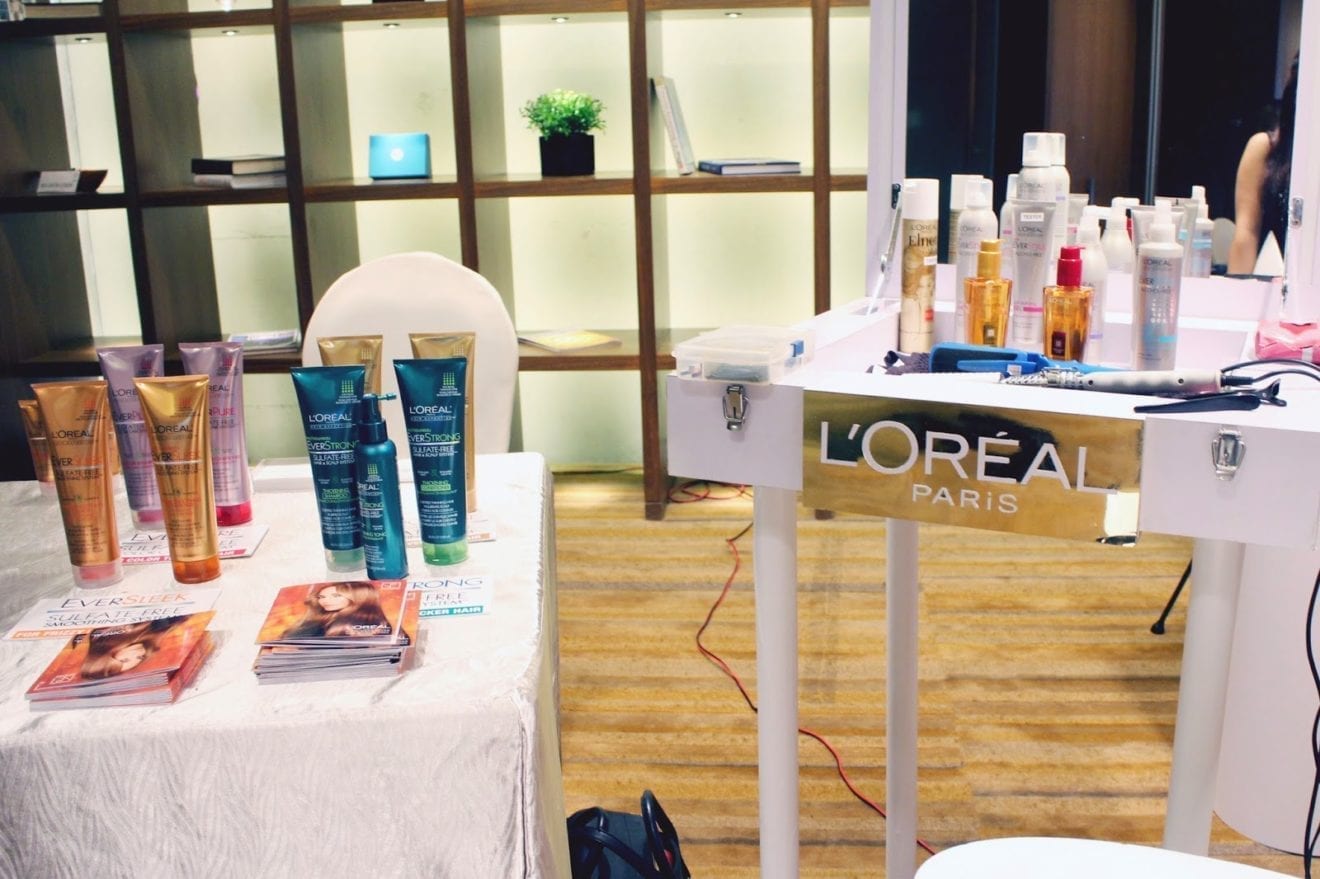
    L’Oreal Asia Pacific sales soared by a staggering 24.1 per cent on a like-for-like basis last year. Asia was the beauty behemoth’s fastest-growing market with all divisions of the business winning market share from rivals in the region. “The dynamism of Chinese consumers, combined with the good performance of premium brands and rapid growth in several other Southeast Asian markets as well as in travel retail, were the [region’s] main growth drivers,” the company said in an earnings statement.

    Singles Day in the fourth quarter especially boosted sales in China, along with the acquisition of Stylenanda in June.

    L’Oreal Asia Pacific sales, driven by China, overtook L’Oreal’s North America business, with sales exceeding €7 billion.

    Globally, L’Oreal achieved sales of €26.9 billion (US$30.3 billion) last year, an improvement of 7.1 per cent on a like-for-like basis and 8 per cent at constant exchange rates. Net profit reached €3.89 billion euros, an increase of 8.8 per cent.

    L’Oreal’s chairman and CEO Jean-Paul Agon said the results represented the company’s best year of growth since 2007, achieved in a beauty market which had “accelerated significantly” last year.

    All divisions achieved growth, with the standouts being L’Oreal Luxe and Active Cosmetics, which both recorded double-digit sales increases. In the Luxe division, the larger brands led the way, with Lancome sales crossing the €3 billion threshold. The Active Cosmetics division achieved its highest growth for more than 10 years.

    Consumer products sales, led by L’Oreal Paris and Maybelline New York, achieved solid growth and professional products a “modest increase” thanks to a significant acceleration in the final quarter, the company said.

    A growing investment in e-commerce is paying off, with sales online up 40.6 per cent last year, now accounting for 11 per cent of group sales.

    And travel retail broke the €2 billion barrier, increasing by 27.1 per cent.

    L’Oreal reported its gross margin increased significantly and, even after strong investments in research, innovation, and business drivers, its operating margin set a new record at 18.3 per cent of sales.
  • D&G opens boutique in Osaka Japan

    D&G opens boutique in Osaka Japan

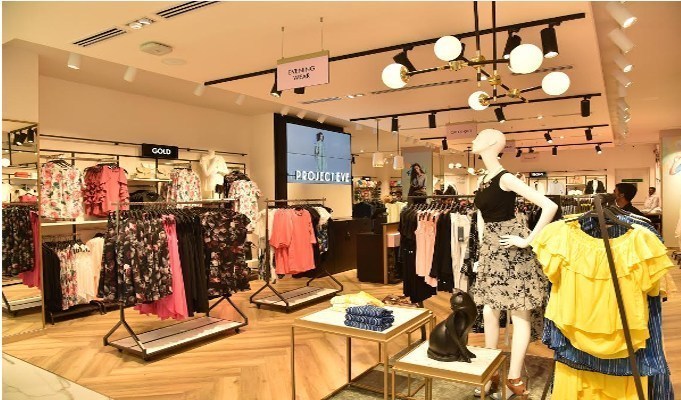
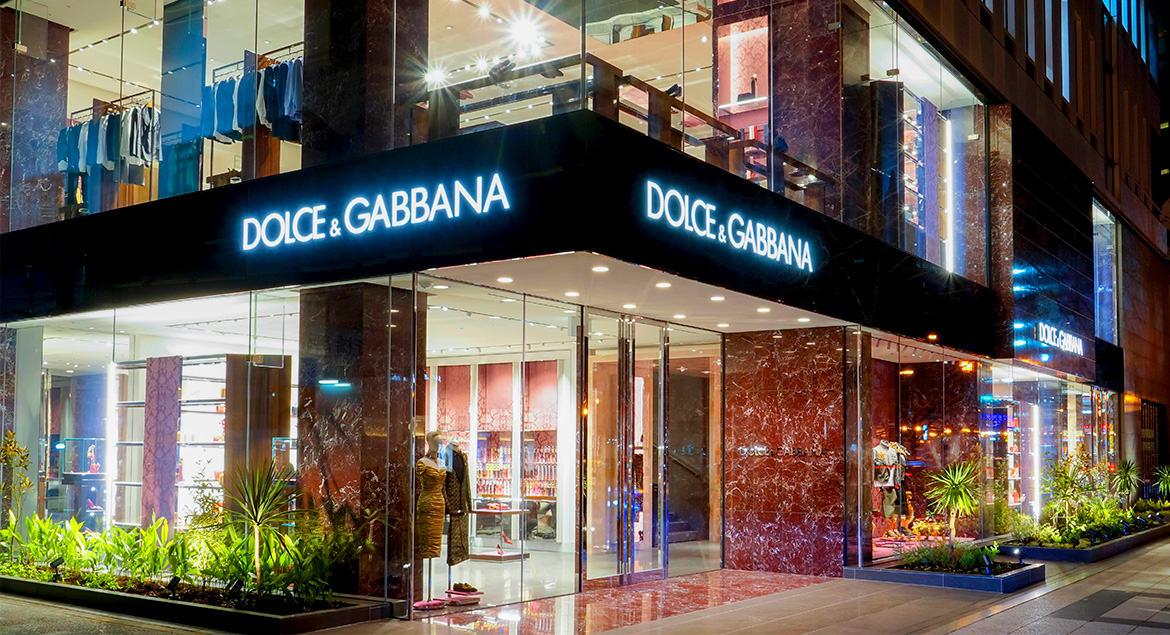
    Luxury brand Dolce & Gabbana has opened a new D&G Osaka store. The two-level, 905sqm #DGLovesOsaka boutique at Midosuji is designed to reflect the unique local features of Osaka while still representing the brand’s heritage, with red marble and pink onyx finishings touched off by pink rugs and wallpaper. A large baroque-styled mirror is a centrepiece of the decor.

    The #DGLovesOsaka boutique stocks ready-to-wear collections and accessories for men, women, and children.

  • Walmart bets on India despite change in FDI norms

    Walmart bets on India despite change in FDI norms

    American retail giant Walmart and its Indian e-tail major Flipkart are betting big on India despite the revised norms for Foreign Direct Investment (FDI) in e-commerce, the companies said. “Walmart’s and Flipkart’s commitment to India is deep and long term. Despite the recent changes in regulations, we remain optimistic about the country,” the regional Chief Executive Officer of Walmart Asia and Canada Dirk Van den Berghe told IANS in a statement in New Delhi.

    The companies will continue to focus on creating “sustained economic growth and bringing sustainable benefits to India, including employment generation, supporting small businesses and farmers, and growing Indian exports to Walmart’s global markets”, added Berghe, who is also the retail giant’s Executive Vice President.

    Walmart’s assertion on the company’s commitment to India came after American investment bank Morgan Stanley in a report on Monday said the former might exit the country after the new FDI norms in e-commerce came into force on February 1.

    “An exit is likely, not completely out of the question, with the Indian e-commerce market becoming more complicated,” the New York-based financial services firm said in its report titled “Assessing Flipkart Risk to Walmart EPS (earnings per share)”.

    In May last year, Walmart bought 77 percent equity stake in Flipkart for a whopping US$ 16 billion (Rs 1,16,256 crore).

    The revised FDI norms in e-commerce, however, have tightened the noose around the businesses of the country’s leading e-tailers – Walmart-owned Flipkart and Indian arm of American e-commerce giant Amazon.

    The policy revisions, issued by the Ministry of Commerce and Industry on December 26, 2018, barred e-commerce platforms providing a marketplace from exercising control or ownership over the inventory and forbids any company to sell its products exclusively on an e-commerce platforms alone.

    The e-tail companies are now working towards changing the ownership of their inventory, so as to comply with the norms.

  • Reliance India buys additional stake in Future101, Genesis Colors

    Reliance India buys additional stake in Future101, Genesis Colors

    Billionaire Mukesh Ambani-led Reliance Industries has raised its stake in luxury apparel firms Future101 Design and Genesis Colors to strengthen its foothold in retail industry. Reliance Brands Ltd (RBL), a unit of RIL, “has acquired a further stake of 2.5 percent in Future101 Design Pvt Ltd on February 7, 2019, for a consideration of Rs 1.99 crore, taking its total stake in Future101 to 15 percent,” the company said in a regulatory filing.

    According to a report, also, Reliance Retail Ventures Ltd (RRVL), a separate subsidiary of the company, acquired a further stake of 9.44 percent in Genesis Colors Ltd (GCL), for Rs 45 crore taking its total stake in GCL to 29.07 percent on the enhanced capital.

    “Consequently, the stake of RBL in GCL shall be 43.66 percent and the aggregate equity shareholding of RRVL and RBL in GCL stands at 72.73 percent,” it said.

    Reliance said the acquisitions will help it to strengthen its foothold in the retail industry and support its long-term strategy to enhance its value in the industry.

    No regulatory approvals were required for the acquisition of shares and the investment does not fall within related party transaction, it added.

    The company had in July last year bought 12.5 percent stake in Future101, which is engaged in manufacturing, distribution, and sale of luxury apparels in India, for Rs 9.50 crore.

    Future101 reported an annual turnover of Rs 22.18 crore in 2017-18.

    In September 2018, RRVL had acquired a 16.31 percent stake in GCL, which owns fashion label Satya Paul, for Rs 34.80 crore. RRVL, through unit RBL, already held a 49.46 percent stake in GCL.

    That month, RRVL invested a total of Rs 57.03 crore in five other companies that sell branded readymade garments, bags, footwear, cosmetics and accessories.

    It bought a 2.07 percent stake in Genesis Luxury Fashion Pvt Ltd for Rs 3.37 crore, taking its holding in the company to 49.37 percent. Genesis Luxury Fashion distributes premium brands such as Jimmy Choo, Armani, Paul Smith and Bottega Veneta.

    It also bought 50 percent stake each in GLF Lifestyle Brands Pvt Ltd and Genesis La Mode Pvt Ltd for Rs 38.45 crore and Rs 10.57 crore, respectively.

    Besides, it acquired 50 percent each of GML India Fashion Pvt Ltd and GLB Body Care Pvt Ltd for Rs 4.48 crore and Rs 16 lakh, respectively.

  • The Shoppes at Marina Bay Sands hit record high in 2018

    The Shoppes at Marina Bay Sands hit record high in 2018

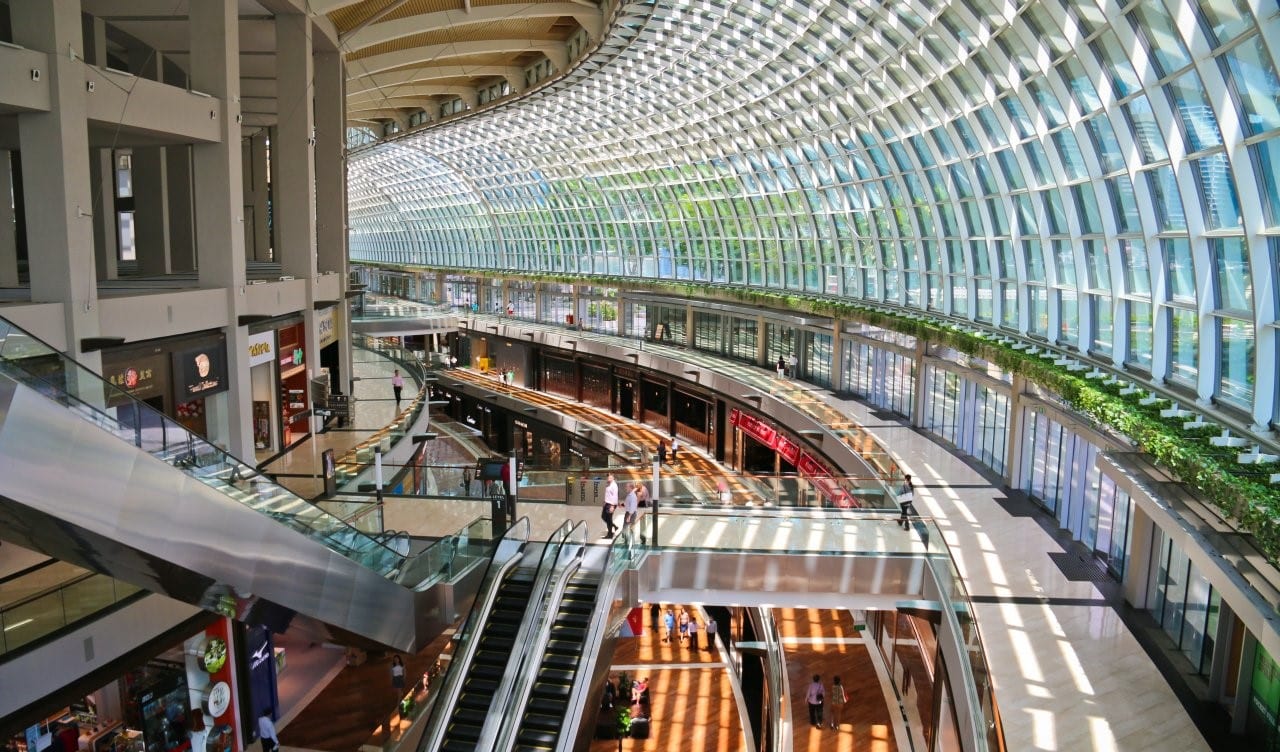
    The Shoppes at Marina Bay Sands has capped its most successful year ever, breaking revenue records in 2018 and strengthening its leading position as the luxury shopping destination in Singapore. The luxury mall, which enjoys an occupancy of 95.4%, rang in a record mall revenue of US$179 million last year, a 7 per cent rise against the same period in 2017 – by far its best performance since opening. In 2018, retail tenant sales at The Shoppes jumped 19 per cent to US$1,898 per square foot from the preceding year.

    The Shoppes also kept its top position in tourism shopping, capping a record year to represent an estimated 25 per cent of the tax-free tourist market in Singapore. This is based on industry metrics that track tax-refunded tourist receipts.

    John Postle, Senior Vice President of Retail, Marina Bay Sands, said, “2018 has been an exceptional year for the mall, as we not only achieved our highest sales revenue in history, but also solidified a leading position in tourism shopping. This is so rewarding, given the competitive retail landscape and growth of online shopping.”
    The performance is also the result of an ongoing retail remix strategy that started in 2012, which saw the mall double its footprint with luxury brands in the form of duplexes, as well as expansion into luxury childrenswear.

    This strategy, coupled with attractive programming such as late-night shopping, in-store exclusives, and one of the most generous loyalty programmes in Singapore, has resulted in 120,000 shoppers walking through the doors of the mall daily. This includes locals as well as its biggest tourism markets of China, Indonesia and Japan.

    Jan Moller, Country Managing Director, Singapore & APAC Sales, Global Blue, said, “As one of Asia’s leading shopping destinations, The Shoppes at Marina Bay Sands continues to outperform other luxury malls in Singapore to own the greatest share of inbound tourist spend in the luxury sector in 2018.”

  • Online grocery space likely to witness traction: Nielsen

    Online grocery space likely to witness traction: Nielsen

    With consumers being increasingly preferring digital channels for their purchases, the online grocery space is likely to witness traction, according to market research firm Nielsen. Grocery is definitely going to start seeing traction as e-commerce picks up, Nielsen Executive Director Ajay Macaden said at the India Food Forum here. He, however, did not quantify the size of online grocery market.

    As per reports the online grocery market in India is expected to be US$ 5 billion by 2020, from US$ 1 billion in 2017.

    Macaden noted that packaged grocery is 40 percent in India versus a global average of 30 percent, while fresh groceries is around 41 percent against a global average of 26 percent which indicates that people are definitely picking up food online.

    Rs 3.4 lakh crore Indian FMCG industry is growing at 14 percent, is largely dominated by food that accounts for 55 percent (Rs 2.2 lakh crore growing at 15.1 per cent).

    In terms of contribution, general trade accounts for 90 percent of FMCG sales, growing at 13 percent, while the remaining 10 percent is from modern trade that is growing at 22 percent.

    In the food category, general trade accounts for 90.1 percent at a growth rate of 14.7 percent, while modern trade is growing at 19 percent.

    He observed that the FMCG industry which grew at 13.8 percent growth in 2018 was largely a volume led growth that was 77 percent of the total growth.

  • Optimistic about Indian market despite changes in new FDI policy: Walmart

    Optimistic about Indian market despite changes in new FDI policy: Walmart

    US retail major Walmart, which invested $16 billion in Flipkart, Wednesday said it is committed to the Indian market and is optimistic despite recent changes in the FDI policy for e-commerce firms in the country, according to a PTI report. The Bentonville-based retailing major’s statement came after a recent report by global consultancy firm Morgan Stanley, which had hinted that Walmart may quit Flipkart as the new foreign direct investment (FDI) policy came into effect, which would lower its profitability in the long run.

    Morgan Stanley, in a report titled ‘Assessing Flipkart Risk to Walmart EPS’ dated February 4, claimed that “an exit is likely, not completely out of the question, with the Indian e-commerce market becoming more complicated.”

    “Walmart’s and Flipkart’s commitment to India is deep and long term. Despite the recent changes in regulations, we remain optimistic about the country,” said Dirk Van den Berghe, Executive Vice President and Regional CEO Walmart Asia and Canada.

    He further added, “We will continue to focus on serving customers, creating sustained economic growth and bringing sustainable benefits to the country, including employment generation, supporting small businesses and farmers, and growing Indian exports to Walmart’s global markets.”

    Tightening norms for e-commerce firms having foreign investment, the government, from February 1, barred online marketplaces like Flipkart and Amazon from selling products of companies where they hold stakes and banned exclusive marketing arrangements that could influence product price.

    The revised policy on FDI in online retail, issued by the commerce and industry ministry, also said that these firms have to offer equal services or facilities to all its vendors without discrimination.

    Last year on August 18, Walmart had completed acquisition of 77 per cent stake in Flipkart for about $16 billion (Rs 1.05 lakh crore), a deal which gave the US retailer access to the Indian e-commerce market.

  • Indian consumers ask Amazon to resume Pantry service

    Indian consumers ask Amazon to resume Pantry service

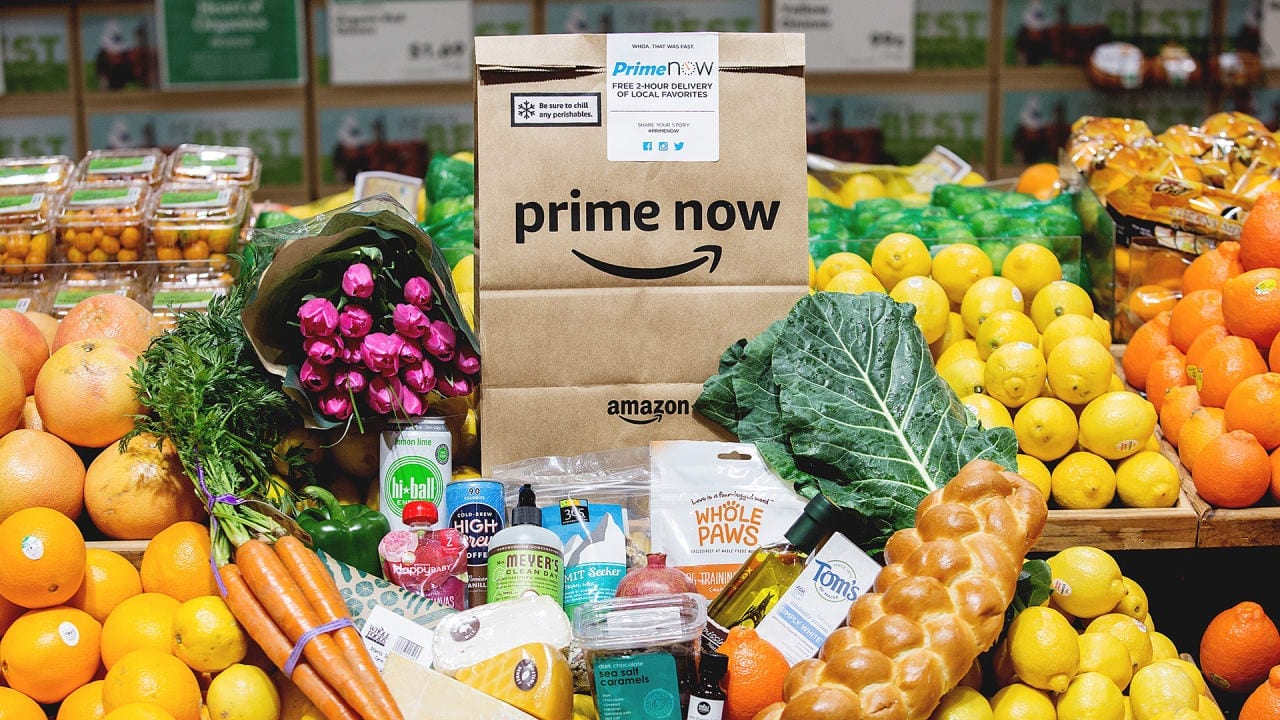
    The Indian users of online grocery delivery service Amazon Pantry have taken to Twitter to urge the e-retail major to resume services ever since it was discontinued on February 1. “Currently, pantry items are not available on Amazon. Kindly stay tuned for more updates. Thank you for understanding,” Amazon responded to its Indian users in a tweet. The service became unavailable in India on February 1, the day revised norms for Foreign Direct Investment (FDI) in e-commerce came into force in the country.

    Following the new norms, Amazon has also removed from its website sellers such as Cloudtail India and Appario Retail Pvt Ltd in which it owns a stake.

    “I am missing Amazon Pantry service which catered to my monthly needs. It was super convenient,” tweeted a user.

    “What happened to Amazon Pantry? Please fix it,” read another user’s tweet.

    Under the Ministry of Commerce and Industry’s new guidelines issued on December 26, e-commerce platforms providing a marketplace are barred from exercising control or ownership over the inventory.

    They are also barred from allowing any company to sell its products exclusively on their e-commerce platforms alone.

    The Indian arm of the Seattle-based e-commerce giant did not respond to questions by IANS on the expected impact to its business in the light of the revised norms.

    While the company had earlier in a statement to IANS said that “it has always operated in compliance with the laws of the land”, it did not respond to queries on the changes it may have to make to its business model to suit the new norms.

  • E-commerce share to rise to 12pc from 2pc in 10 years: Walmart India CEO

    E-commerce share to rise to 12pc from 2pc in 10 years: Walmart India CEO

    Share of e-commerce is set to rise, despite the growth in brick and mortar or physical retail from 2 percent to 12 percent over the next 10 years, aided by pick up in Omnichannel format, said Krish Iyer, President & CEO, Walmart India and Chairman of India Food Forum, at India Food Forum 2019 on Tuesday. Gap between physical and digital needs to be bridged as the consumer is going digital in terms of experience as also his touchpoints, he said delivering the inaugural address at the two-day India Food Forum 2019.

    Sharing his insight at Walmart, Iyer said that by enriching customer experience, the consumer started buying Rs 180 over Omnichannel instead of buying Rs 100 from the store itself and later the ratio in the store was Rs 70 while digital was Rs 110. Calling for technology adoption as key to retail growth, Iyer enumerated four key challenges led by food security, safety & nutrition, food wastage and sustainability.

    “Feeding a rising world population of 10 billion from 7 billion amid rising death of infant children due to malnutrition, changing climatic conditions are key challenges. In India, phenomenal efforts are made on the regulatory front for safety and nutrition that will follow with awareness, compliance and enforcement of law. Significant investment amounting to Rs 92,000 crore in food processing in catchment areas is needed to overcome the wastage of 30 percent of all food and 40 percent of fruits and vegetables,” he said.

    Earlier, speaking at the forum, Ajay Macaden, Executive Director, Nielsen said, “Consumers have evolved now for omni-channel even for specific categories like milk and bakery. Increased internet and smartphone penetration has led to multiple shopping channels and change in consumer behaviour.”

    In markets around the world categories such as travel, entertainment (books, music, events) and durable goods (fashion, IT/mobile, electronics) are the front runners for consumers to enter the online retail sphere. Consumers are, however, also looking for e-commerce options for an increasing range of categories, as their more immediate needs for convenience and ease expands, Macaden said.

    Consumers in APAC (Asia Pacific) have even evolved to fresh grocery and packaged goods with China, India, Japan and Korea leading the market. In fact, packaged grocery food and fresh groceries are showing the highest percentage growth of all categories in 2018 in this region, he said.

    Other key speakers at the forum included Damodar Mall, CEO, Reliance Retail (Supermarketwala), Sadashiv Nayak, CEO Food business, Future Group, Mohit Kampani, CEO, Aditya Birla Retail, C. Gopalkrishnan, Founder, N. Supermarkets, Ramesh Menon, Former CEO, Hypercity, Mohit Anand, MD, Kellogg, India and South to name a few.

  • Walmart may exit Flipkart due to new FDI rules: Morgan Stanley

    Walmart may exit Flipkart due to new FDI rules: Morgan Stanley

    Retail giant Walmart may exit Flipkart after India’s new Foreign Direct Investment (FDI) norms for e-commerce companies came into force, US investment banker Morgan Stanley has warned. “An exit is likely, not completely out of the question, with the Indian e-commerce market becoming more complicated,” the report by Morgan Stanley said late Monday.

    According to the report, Walmart-Flikkart saga might turn out to similar to what happened with Amazon in China in late 2017.

    “There is a precedent for an exit as Amazon retreated from China in late 2017 after seeing that the model no longer worked for them,” the report read.

    “We estimate that Flipkart derives 50 per cent of its revenue from this category, meaning Flipkart could face meaningful disruption and top-line pressure in the near term,” it added.

    The new FDI rules may require Flipkart to remove as much as 25 per cent products from its platform including smartphones and electronics that constitute a bulk of sales, said Morgan Stanley.

    On February 1, disruption was caused in the e-commerce operations in India of the two companies after the new FDI norms for the e-commerce sector came into effect.

    The norm prohibited the online retailers from mandating any company to sell their products exclusively on its platform.

    In the new policy, the Commerce Ministry also noted that the online retail firms would not directly or indirectly influence sale price of goods and services and would maintain a level playing field.

    Amazon India had to withdraw many of its products and they were listed as “currently unavailable” as the new norms prohibit the e-retailers from selling products of companies in which they have stakes.

    The two companies have together lost market capitalisation of $50 billion.

    Amazon lost market capitalisation of over $45 billion on Nasdaq while Walmart lost over $5 billion on the NYSE.

  • New shopping ambassadors at Hong Kong International Airport

    New shopping ambassadors at Hong Kong International Airport

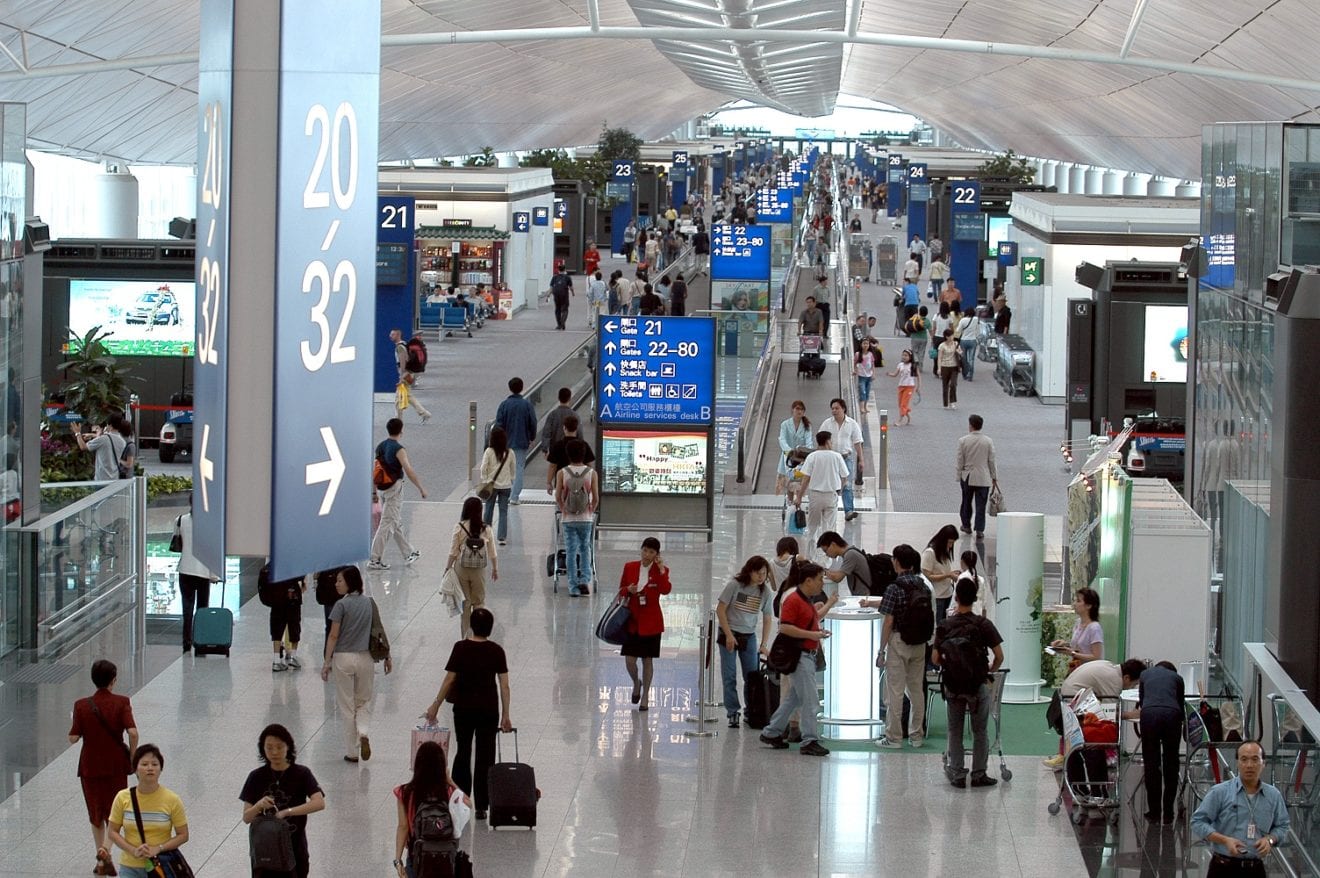
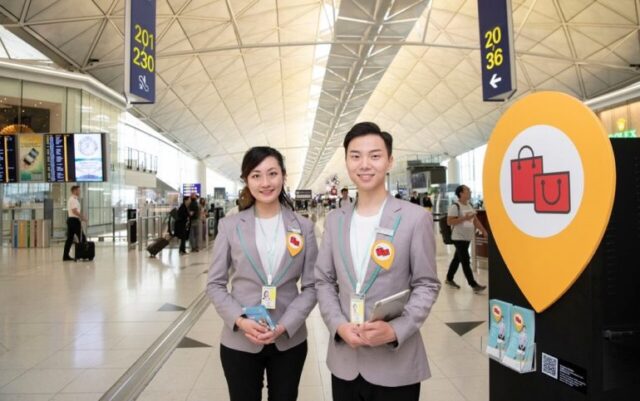
    Shopping for travelers will be even easier at Hong Kong International Airport (HKIA) with the introduction of Airport Shopping Ambassadors. The Airport Shopping Ambassadors are stationed at key locations within the airport’s retail areas. They are well acknowledged on shopping and dining offerings at HKIA, providing a friendly and personalized service to travelers. The ambassadors can provide helpful advice or last-minute shopping recommendations, as well as hot-picks, latest promotions and dining options from a wide range of global and local cuisine.

    Travelers can also receive personalised shopping and dining itineraries online, simply by filling in the Airport Shopping Ambassadors enquiry page on HKIA’s website https://www.hongkongairport.com. After completing the online request section, together with flight schedule and other information, travelers will be able to receive the ambassadors’ recommendations within 48 hours.

    HKIA is an international and regional aviation hub connecting about 220 destinations around the world, including 50 Mainland cities. HKIA achieved record-breaking passenger throughput of 74.7 million in 2018.

  • Nykaa launches Drew Barrymore’s cosmetics in India

    Nykaa launches Drew Barrymore’s cosmetics in India

    Nykaa, India’s largest beauty retailer, has exclusively launched international cult beauty brand, FLOWER Beauty, in India. FLOWER Beauty was developed and created by award winning actress and entrepreneur, Drew Barrymore and her philosophy that woman everywhere deserve the best quality makeup at an affordable price. The makeup line will be launched in mid March’19.

    The combination of cruelty-free, luxury-quality formulas, premium packaging, and an affordable price have made FLOWER Beauty one of the fastest growing makeup brands in the US. Having grown up in the makeup artist’s chair, Drew brings her years of experience to FLOWER, with a mission to encourage women to look and feel great in their own skin. The brand’s tag line – Beauty is for Everybody – reflects Drew’s philosophy of inclusivity and positivity.

    Speaking of India’s launch, Drew commented: “I’ve always believed that beauty is for everybody, and that women everywhere should have access to great quality products at an affordable price. That has been our mission at FLOWER Beauty since day one, and now to be able to bring our story and products to women around the world is so incredibly exciting.”

    Addressing the partnership/ launch, Nihir Parikh, Chief Business Officer, Nykaa.com quotes, “At Nykaa we are always trying to include a range that satisfies audiences across different age group and interests. The brand reflects Drew Barrymore’s passion for cruelty-free products with premium formulas. We are very excited to bring this brand exclusively to India.”

    FLOWER Beauty launches in India with a range consisting of award-winning Flower Pots Powder Blush, bestselling Shimmer & Shade Eyeshadow Palettes, Lash Warrior Mascara, and many more. All the products will be exclusively available at Nykaa.com and Nykaa retail stores.

  • Amazon introduces self-driving delivery robot, Scout

    Amazon introduces self-driving delivery robot, Scout

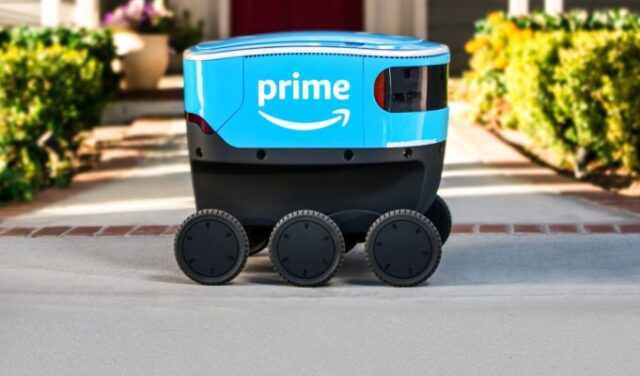
    Amazon has introduced self-driving delivery service dubbed Scout – an all-electric self-driving vehicle that will maneuver across sidewalks in order to deliver purchased items to customers. Scout is the size of a ‘small cooler’ and can roll along sidewalks, delivering packages safely to a customer’s doorstep. The device is currently operating in Snohomish County, Washington, the company announced Wednesday.

    “The devices will autonomously follow their delivery route but will initially be accompanied by an Amazon employee,” Amazon said in a statement. “We developed Amazon Scout at our research and development lab in Seattle, ensuring the devices can safely and efficiently navigate around pets, pedestrians and anything else in their path.”

    Customers in Snohomish County can order just as they normally would and their Amazon packages will be delivered either by one of our trusted partner carriers or by Amazon Scout.

    According to the release, Amazon is starting with six Amazon Scout devices, delivering packages Monday through Friday, during daylight hours.

  • Retail meets art in HK for Chinese New Year

    Retail meets art in HK for Chinese New Year

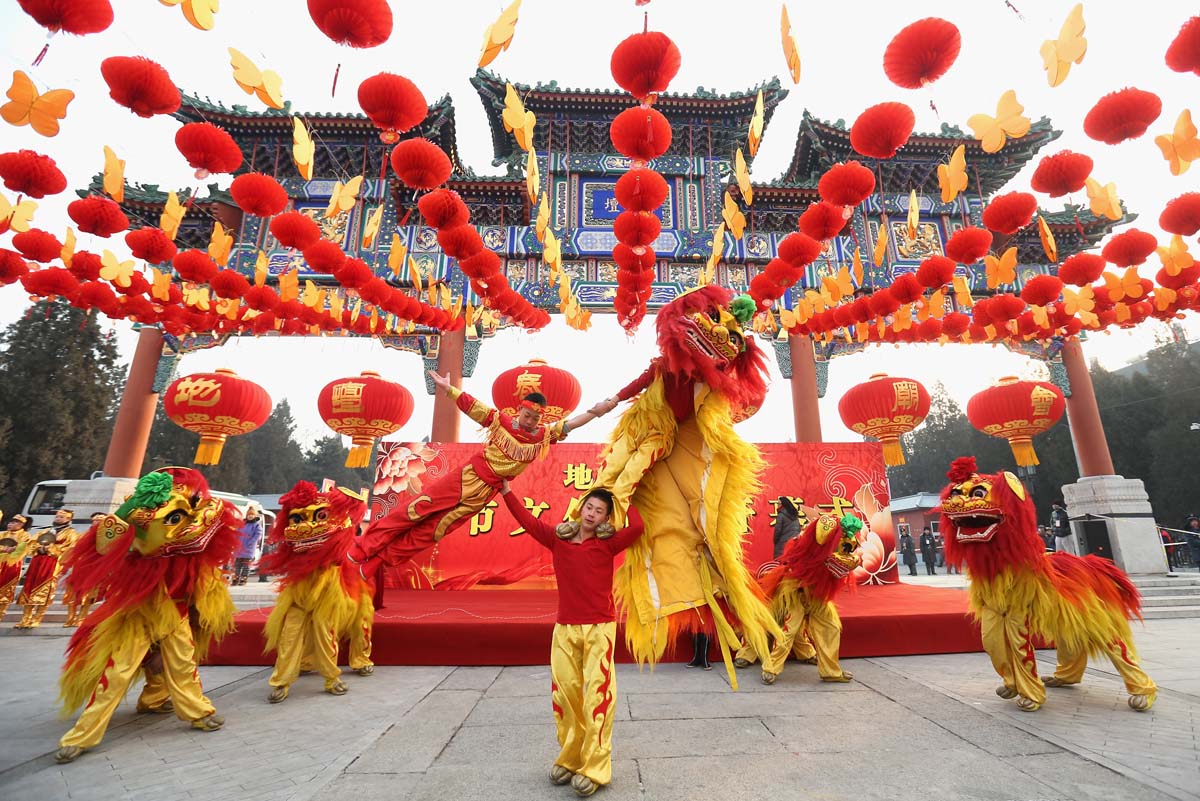
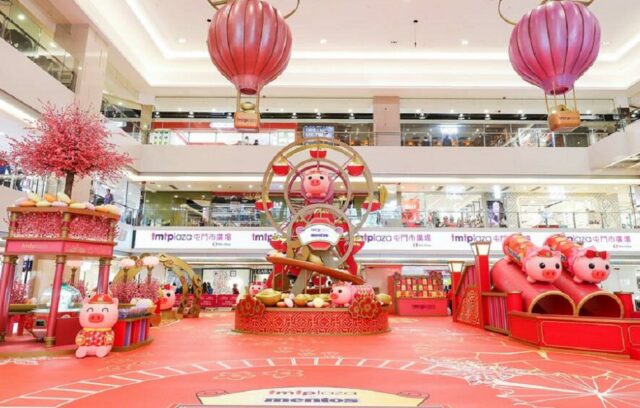
    Next week it Chinese New Year. It officially begins on February 5th, 2019, and ends on February 19th. This year will be the year of the Pig. It is the most important festival for Chinese people, so the city is fully decorated with festive installations. The retail world celebrates it with decorations and promotions. In Hong Kong, all shopping malls have already unveiled their gigantic installations.

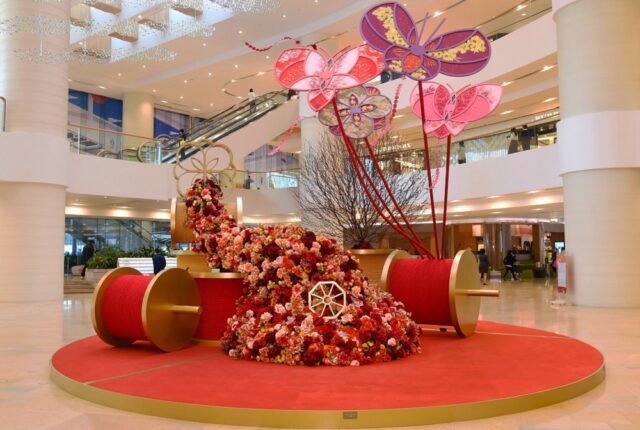
    In the financial heart of the city,  the floral pinwheels have turned IFC into the Garden of Fortune.

    Dedicated to providing memorable and engaging experiences for guests beyond shopping and dining, the Chinese New Year is no exception for IFC mall as it presents The Garden of Fortune, a splendid installation featuring pinwheels to welcome good fortune and embrace new changes along with incorporating floral elements for a contemporary spin.

    From 26 January to 17 February 2019, shoppers can visit the interactive display and enjoy music performances to ring into an auspicious new year.

    Pinwheels have long been a symbol of luck with fascinating roots in Chinese culture. Traditionally associated with welcoming wealth, pinwheels are constructed using a variety of bright colors to greet the god of fortune, which are believed to bring prosperity and blessings to both homes and businesses. Playing on the Chinese tradition that pinwheels attract good luck, The Garden of Fortune is embellished with this auspicious symbol.

    The pinwheels are designed in the shape of peach blossoms, peonies and begonias – flowers that represent prosperity and fortune in Chinese culture – to empower guests with positive vibes as they walk through the Garden of Fortune.

    Upon entering the installation, guests are invited to play an interactive pinwheel game to start the new year with blessings to share and bestow upon friends and loved ones. ifc mall has collaborated with young local calligrapher, Rita Lee, to create downloadable “fai chuns” to share with family and friends after completing the game.

    Lee started learning Chinese calligraphy at the age of 6 and has nurtured her talent with over 20 years of experience. She is known for blending different styles to create art that balances the tradition of Chinese calligraphy with contemporary flair. “I’m excited about this partnership with ifc mall as it allows me to use my craft to extend blessings to all Hong Kongers who visit the Garden of Fortune,” says Lee. “The installation’s fusion of traditional pinwheels with modern floral elements also reflects the same juxtaposition in my style of calligraphy.”

    Pacific Place has built “Where Fortune Takes Flight” to welcome the Chinese New Year 2019. Queenie said that her design ideas come from the traditional Chinese New Year Candy box and chocolate from her childhood. Thus, they became the patterns of the kites, flying in the shopping mall. Queenie used vibrant colors and energetic brush strokes to draw on the kites, symbolizing a colorful and fruitful new year.An exquisite spring garden filled with blossoming flowers and over 60 flying kites, symbolising “Where Fortune Takes Flight”. Exclusively designed by Queenie Law, the kites soar to the highest heights and spread Chinese blessings throughout the mall and into the new year ahead.

    In Tsim Sha Tsui, Harbour City will welcome the Year of the Pig with the “HAPPIG New Year” celebration, featuring a seven-metre tall gigantic “Wishing Treasure Bowl” at Ocean Terminal Forecourt from 25 Jan to 19 Feb 2019.

    The treasure bowl is structured with multiple frames, on which colorful ropes were tied delicately to create geometrical festive patterns from cherry blossoms to gold coins.

    The contemporary design is a stylish take on the Chinese New Year classic, wishing everyone joy and fortune for the Year of the Pig.

    Newly introduced this year is an interactive wishing experience, inviting visitors to win a lucky pouch by taking part in a mini game and donating HK$20 near the“Wishing Treasure Bowl” installation.

    Each lucky pouch contains a Good Fortune Card with predictions for the coming year, and a “Wishing Gold Coin” which can be deposited into “Make a Wish Piggy Bank” for making a wish. The coin will roll through a lucky tunnel connecting the piggy bank to the gigantic “Wishing Treasure Bowl”, bringing fortunate blessings to everyone for the New Year.


  • Alibaba Group sales jumps high

    Alibaba Group sales jumps high

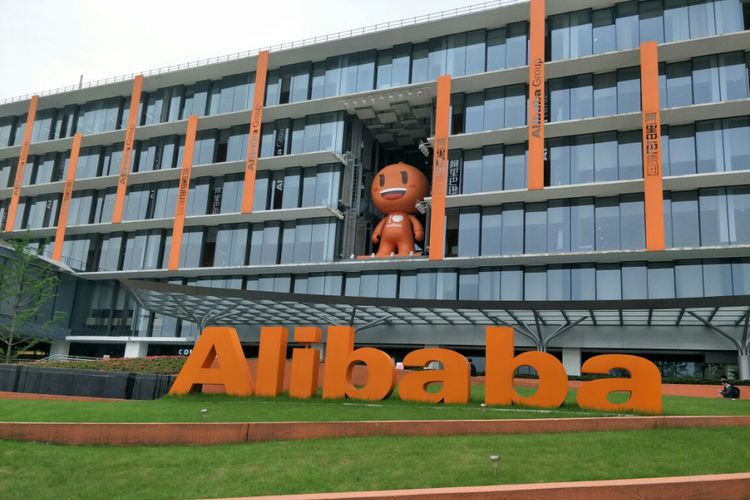
    Alibaba Group sales soared 41 per cent in the December quarter as its customer based neared 700 million. The Chinese company’s turnover for the three months reached US$17.057 billion and its net income attributable to shareholders $4.807 billion. “Our resilient operating and financial performance is a direct reflection of our persistent focus on better serving our growing base of nearly 700 million consumers across retail, digital entertainment and local consumer services,” said CEO Daniel Zhang. “Our growth is also driven by the power of Alibaba’s cloud and data technology that helps expedite the digital transformation of millions of enterprises.”

    Alibaba group sales from core commerce increased 40 per cent to $14.958 billion, while the cloud-computing division posted 84 per cent growth, turning over $962 million. The digital media and entertainment division achieved 20 per cent growth to reach $944 million.

    In a statement, Alibaba said its Taobao platform achieved “robust user growth and enhanced engagement”. Last December, its China retail marketplaces had 699 million mobile monthly average users, representing a quarterly net increase of 33 million. The annual active consumers on its China retail marketplaces was 636 million for the 12 months ended December 31, compared to 601 million for the 12 months ended September 30 last year, “reflecting successful user acquisition programs, such as referrals through the Alipay app”.

    More than 70 per cent of the increase in annual active consumers was from third-and-lower tier cities.

    Tmall thrives

    Alibaba said GMV on its Tmall business grew 29 per cent year on year in the December quarter, outpacing the industry.

    “This robust growth was driven by strength in the fast-moving consumer goods (FMCG), apparel and home furnishing categories,” the company said.

    During the quarter, Tmall signed up new brands to the platform including Valentino, Ermenegildo Zegna, Stuart Weitzman and Sergio Rossi which opened flagship stores and joined the Tmall Luxury Pavilion.

    Meanwhile, Alibaba’s proprietary grocery retail chain Freshippo (formerly Hema) continued to expand its footprint, “optimise its stores and introduce new initiatives that improve customer experience”. As of December 31, there were 109 self-operated Freshippo stores in China, primarily located in tier 1 and tier 2 cities, which continued to achieve “robust same-store sales growth” through the quarter.

    ‘Robust’ Lazada growth

    Alibaba’s Southeast Asian e-commerce platform Lazada achieved what the company described as “robust growth” in GMV. The company upgraded Lazada’s technology, which resulted in boosting the number of active users and achieved greater user engagement on Lazada’s mobile app.

    “We continue to invest resources to integrate Lazada’s business and technology operations into Alibaba with the aim of building a strong foundation for us to extend our offerings in Southeast Asia.”