Tag: Shopping

  • Tokyo is world’s hottest retail market

    Tokyo is world’s hottest retail market

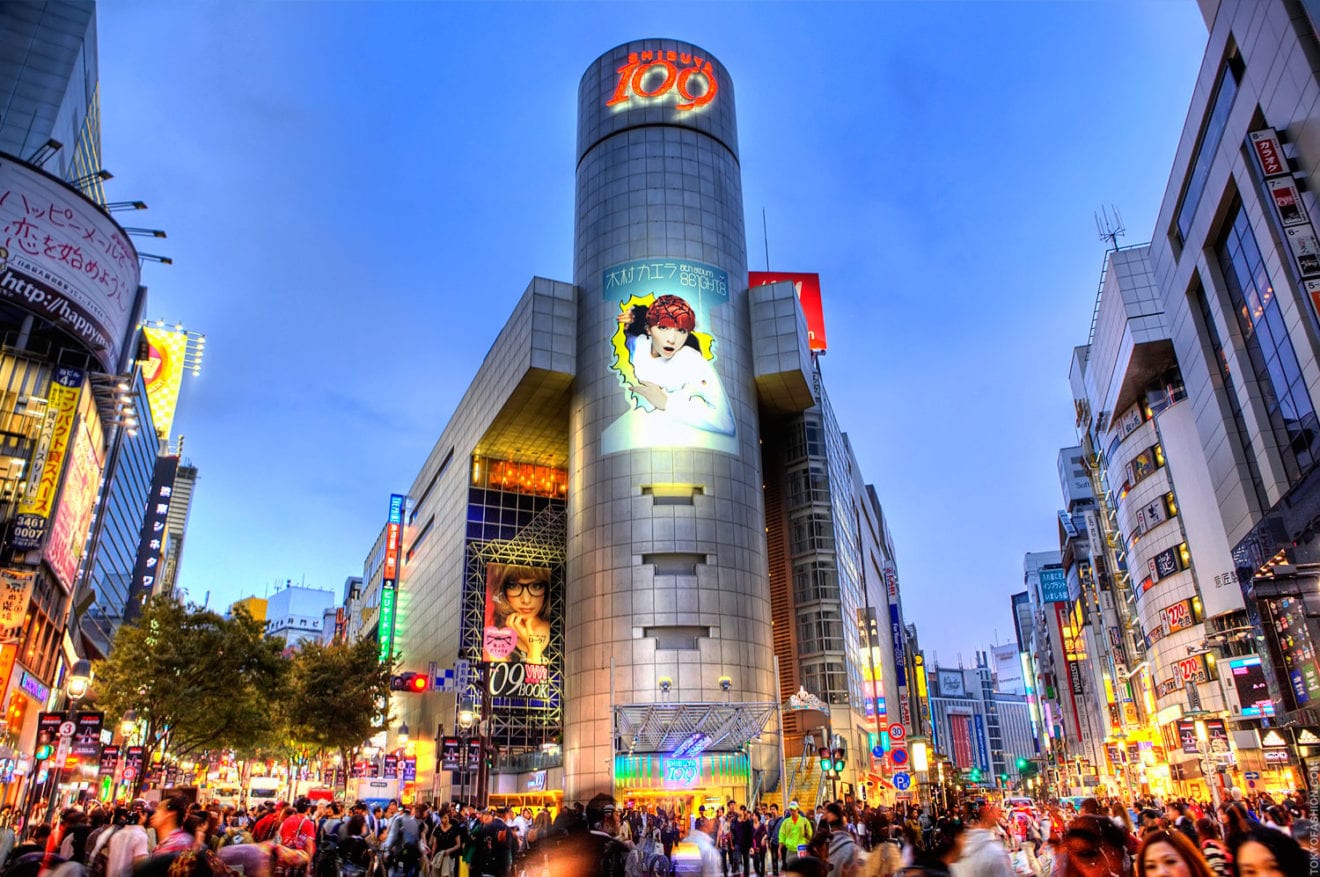
    Tokyo is the world’s hottest market for retail expansion, attracting 63 new brands last year as leasing momentum in core areas remained strong, despite mixed signals in the economy and an increase in the sales tax to eight per cent in April 2014, according to the latest report from CBRE Group, Inc., “How Global is the Business of Retail?” Toronto was the hottest market in the Americas, attracting 25 new international brands in 2014.

    According to the report – which tracks the target markets of new brands in 164 cities in 50 countries – US retailers are the most active when it comes to expanding into new global markets. In 2014, US retailers accounted for 26 per cent of cross-border expansion. Primary expansion targets for America’s retailers are Asia (41 per cent), Europe (33 per cent), and the Middle East and Africa (12 per cent).

    Italian retailers were the second most active, accounting for 14 per cent of cross-border expansion, followed by UK-based retailers (11 per cent) and French retailers (10 per cent). Globally, Europe accounted for 42 per cent of retailer expansion, followed by Asia with 39 per cent and the Middle East and Africa with 10 per cent. North America was only a target for three per cent of retailers.

    “The core elements of globalization, technology and demographic change, continue to have a dramatic impact on the business of retail. Demographic shifts in many countries have resulted in changes in both spending power and shopping habits. Technology enables retailers to enter markets and evaluate performance more swiftly,” said Brandon Famous, senior managing director, retail occupier advisory & transaction services, CBRE. “Consumer traveling patterns mean that many brands are well known before they even enter a market and the pent-up demand for the chance to purchase locally creates a ready-made market before entry.”

    Among the most active retail sectors globally, mid-range fashion retailers led the field, accounting for 21 per cent of global expansion, followed luxury and business retailers, with 20 per cent, and coffee and restaurant and specialist clothing, each with 16 per cent. When it comes to expansion into the Americas, luxury and business retailers were the most active at 26 per cent, followed by mid-range fashion representing 20 per cent of total activity, and specialist clothing representing 14 per cent.

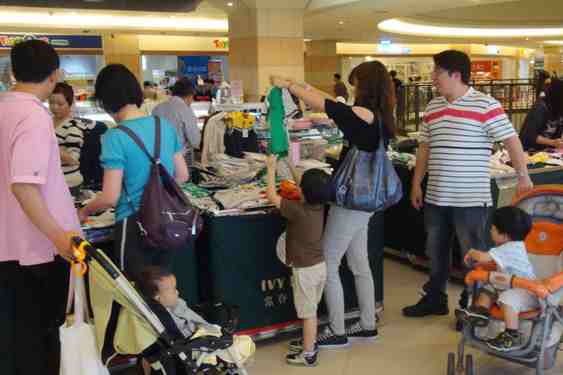
    “Consumers continue to view the physical store as their preferred mode of purchase and perhaps more importantly, as a point of social interaction,” Famous added. “Consumers view shopping as a leisure activity and the continued expansion of brands and the development/improvement of shopping locations gives them the opportunity to embrace this.”

  • New know-how guarantees buying revolution

    New know-how guarantees buying revolution

    Think about purchasing with no trolley. New know-how on show in Korea this week demonstrates how shoppers can buy groceries in a grocery store, scan the barcodes of the merchandise they need to purchase and have them delivered at house at their comfort.

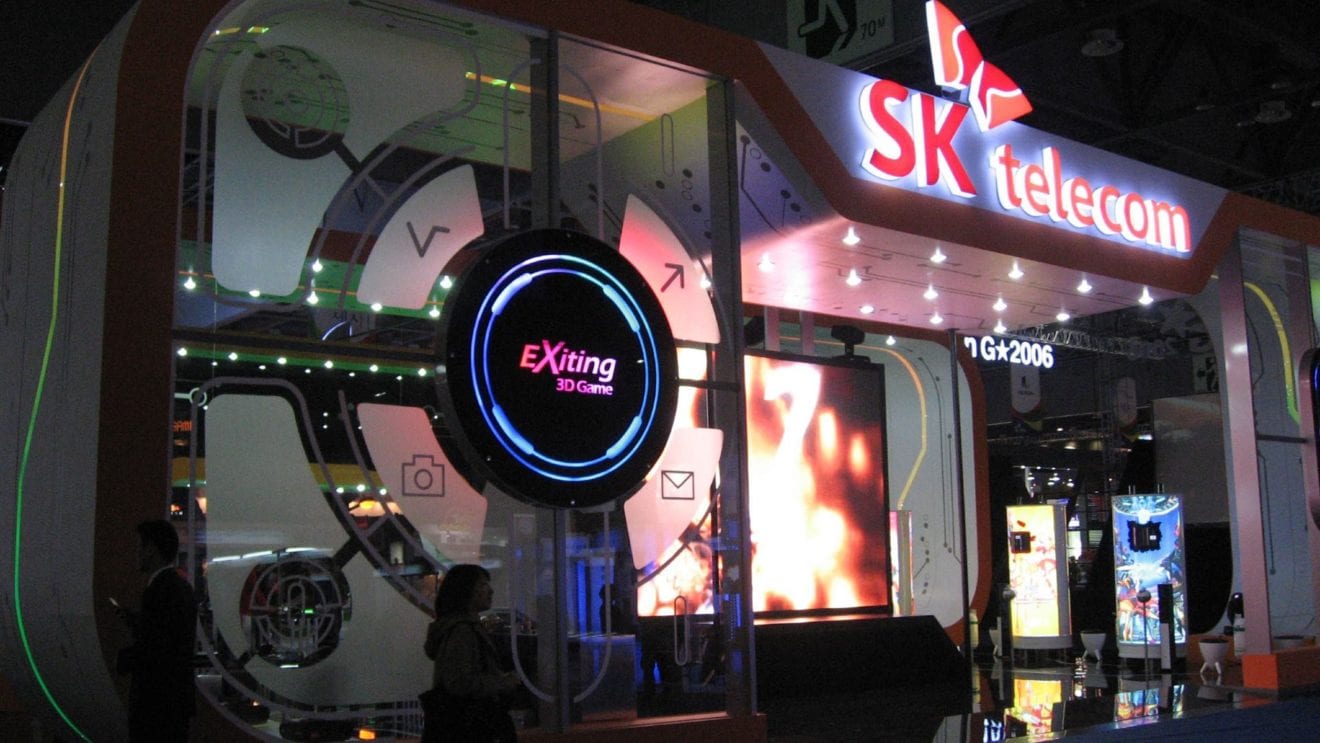
    The idea was mentioned by an SK Telecom official on the World IT Present 2015, the most important IT exhibition in Korea, held at Coex .

    Korean cellular carriers are specializing in cubicles the place guests can expertise day by day life with future communications applied sciences.

    For instance, SK Telecom, the most important cellular service in Korea, ready a mannequin house the place guests can expertise its “Sensible Residence Service” app, which lets customers activate and off numerous units present in abnormal homes like door locks, dehumidifiers, boilers and fuel valves. They will regulate lighting of their houses a thoughts boggling 36,000 methods.

    SK additionally recreated a big grocery store as a part of its exhibit. Within the demo retailer, guests can expertise its “Sensible Shopper” app, which helps customers make straightforward purchases by scanning product barcodes.

    To not be outdone, KT unveiled its GiGA Path know-how that mixes Wi-Fi and long-term evolution networks to help cellular connections which are 4 occasions quicker than these provided by present know-how. The corporate pledged to be the primary on the planet to unveil a 5G cellular community, with a deliberate launch in time for the 2018 PyeongChang Winter Olympic Video games.

    At SME cubicles, corporations exhibited promising know-how reminiscent of three-dimensional printers, versatile joint robots, drones and wi-fi recharging techniques for cellular units and digital automobiles.

    In the meantime, Samsung Electronics and LG Electronics launched their newest TV and different IT merchandise. Samsung exhibited ultra-high-definition (SUHD) televisions and new flagship smartphones together with the Iron Man restricted version of the Galaxy S6 Edge. LG displayed natural light-emitting diode (OLED) televisions, its newest flagship handset and smartwatches.

    A customer to the present stated, “With the exhibition, we will think about our future lives. Nevertheless, it’s a pity that it couldn’t differentiate itself from the Cellular World Congress held earlier this yr.”

  • Middle-aged Koreans embrace mobile shopping

    Middle-aged Koreans embrace mobile shopping

    As grocery shopping through major retailers’ mobile shopping platforms is becoming a normal practice among Koreans, women in their forties are increasingly using mobile devices to buy their groceries.

    According to the Ticket Monster social commerce site, 73 per cent of the company’s female customers made purchases through the company’s mobile platform in the first quarter of the year.

    The figure represents a three per cent increase over the average for 2013 as a whole. Women in their thirties were the largest group of purchasers at 52.7 per cent, while women in their twenties and forties stood at 27.4 per cent and 16.1 per cent respectively.

    However, purchases among women in their forties increased the most, with growth of 3.5 per cent, while sales among those in their twenties actually declined by 4.8 per cent.

    These groups purchased groceries the most, including fresh food.

    Customers of both sexes in their thirties were the most frequent buyers of fresh food through the Ticket Monster mobile platform with a 51 per cent share, compared to 23 per cent and 21 per cent for those in their forties and twenties respectively.

    Ticket Monster saw its mobile platform fresh food sales grow threefold in the first quarter compared to the same period last year.

  • ‘Go mobile’ urges Alibaba

    ‘Go mobile’ urges Alibaba

    Mobile and differentiation were the key words when Alibaba Group Holding’s top executives introduced their strategy to 800 merchant attendees last week at the annual meeting of sellers on Taobao, its largest Chinese web marketplace.

    About 9 million merchants sell 1 billion items on Taobao.com, according to Alibaba, and mobile has become the marketplace’s major shopping venue. Alibaba reported that purchases from mobile devices accounted for 42 per cent of sales on its Chinese retail marketplaces in the quarter to December 31, 2014.

    Taobao.com is responding by creating new mobile services for merchants, including some that focus on social media marketing. In March, Taobao.com launched Xiaopu (which means “small booth” in Chinese), a feature in the Taobao app that enables merchants to upload product listings more quickly through mobile devices and connect more effectively with consumers through social media.

    “Xiaopu simplifies the steps to manage a store and could reduce the time to upload a product listing from 20 minutes to three minutes. For example, merchants can scan a bar code on a product to post a product,” says Zhang Kuo, director of Alibaba’s mobile business.

    “Xiaopu also allows merchants to post messages on Chinese social network Weibo to reach followers based their location. Consumers could buy products that are close to them, and even get the product from a merchant in person.”

    More than 2 million merchants have begun to use Xiaopu, according to Taobao.com.

    The focus on social media reflects its growing role in driving traffic to Taobao merchants, and the declining traffic from mobile consumers using Taobao’s internal search engine. “The mobile traffic from searches is decreasing. Now only 50 per cent of our mobile traffic comes from search, and more traffic is coming from recommendations in online communities and social media,” Zhang says.

    Alibaba also is taking steps to promote products that are unique or novel, as it tries to move away from its reputation as a wide-open online bazaar where sellers compete solely on price. In its latest move in this direction, Taobao.com launched a promotional event in March called Week of New Forces to sell about 100,000 apparel products through banners in prominent positon on the home page of the marketplace. Almost all the products come from youthful designers or rising web-only apparel brands that target a specific group of young consumers, according to Alibaba.

  • Smart shopping list concept debuts

    Smart shopping list concept debuts

    Smart brands are quickly moving beyond simple eCommerce, using omni-channel retail to maximise their sales and customer relations.

    New from Australia, Booodl is a smart shopping list which helps consumers get the most out of their physical shopping trips by connecting the online and offline worlds.

    Booodl is a smartphone app that notifies consumers when they come in close proximity to products from their digital wish list. To begin, users create their list adding ‘wants’ online. Then, when they are out and about, the app notifies the customer when one of their ‘wants’ is stocked nearby: the user can then get directions to the shop, message the store or even order an Uber to the location, all within the app.

    They can then either pop in for a closer look or make the purchase and simply visit the shop to collect it.

    Booodl is currently available in Sydney where there are already over 1400 stores onboard. It plans to expand to other cities in the near future.

    Trend spotting service Springwise.com observes it has seen other products such as Amazon’s Dash button looking to create an effortless consumer experience and break down barriers between digital and physical retail environments.

    “How else could online be used to enhance real world purchasing, rather than competing with it?”

  • China ‘still the land of opportunity’

    China ‘still the land of opportunity’

    China deserves to remain on retailers’ radar says a new report from JLL.

    “China remains a compelling market for global retailers and continues to offer a plethora of untapped opportunities, despite a recent moderation of its GDP growth says Tom Gaffney, regional director, head of retail for JLL in Hong Kong.

    “However, the China market remains complex and diverse. We advise brands to carefully assess their strategic mix of corporate stores and franchises, and to define a strategy that allows them to present a multichannel brand capable of seamlessly merging the worlds of online and offline.”

    His comments come a day after Inside Retail Asia published an analysis of China’s economic growth, largely masked by the single GDP figure which many business leaders and economists focus on.

    JLL’S report, China’s Retail Market: within Reach, offers international food and beverage and fashion retailers’ latest insights on China market expansion strategies. It’s the latest in a series of reports from JLL on China retailing and it comes at a time when many retailers are reconsidering their China strategies to enable the most profitable growth over the long-term.

    At the same time, many foreign brands are planning their first foray into the increasingly maturing Chinese markets.

    Derek Chen, director of retail tenant representation in China, says brands are well advised to make Shanghai and Beijing their starting point and opt for a corporate structure in these markets.

    “Consumers in China’s alpha cities, Shanghai and Beijing, which are among the world’s top five dynamic cities according to JLL’s City Momentum Index, are much more retail-savvy and have high expectations towards customer service. Most importantly, you retain absolute brand protection, which is essential in the China market as you build your brand initially.

    “Due to misalignment of incentives between a franchise partner and the retailer, franchisees are less inclined to focus on building brand longevity even if this adversely impacts the brand’s future. For brands new brand to the market, a corporate structure makes a lot of sense and has many advantages.”

    However, in tier 1.5 markets, such as Tianjin and Nanjing, brands best develop these in a mixed strategy, if corporate control is not an option. These markets offer a level of demand depth and sales productivity potential that can justify corporate control within a few short years, argues JLL.

    “Retailers should only franchise these cities by applying a strategy that would enable them to incrementally regain control over the medium-term. Buying back the top-performing stores prevents the biggest revenue gains from being diluted, and gives the retailer more control over brand marketing in these markets,” the report advises.

    Discussing strategies for third-tier cities and beyond, Chen says third and fourth-tier cities are a new frontier for most international retail brands.

    “We suggest brands use franchises to penetrate these markets quickly over the short and medium term. As these markets lack the degree of sophistication found in major markets and consumers are less discerning, more forgiving and easier to please. [So] the risks of franchising are more contained and manageable, and are usually more cost-effective. In addition, local partners offer valuable local know-how and have a better sense of the psyche of local consumers.”

    Gaffney summarises: “Retailers should fix their China expansion strategy before entering the markets, which will greatly reduce risks down the road. Corporate ownership is advisable for key markets and to build their brands. However, franchises remain irreplaceable when it comes to simultaneously achieving both fast and vast penetration of markets, and to hedge risks.”

  • KL Pavilion endures slowdown

    KL Pavilion endures slowdown

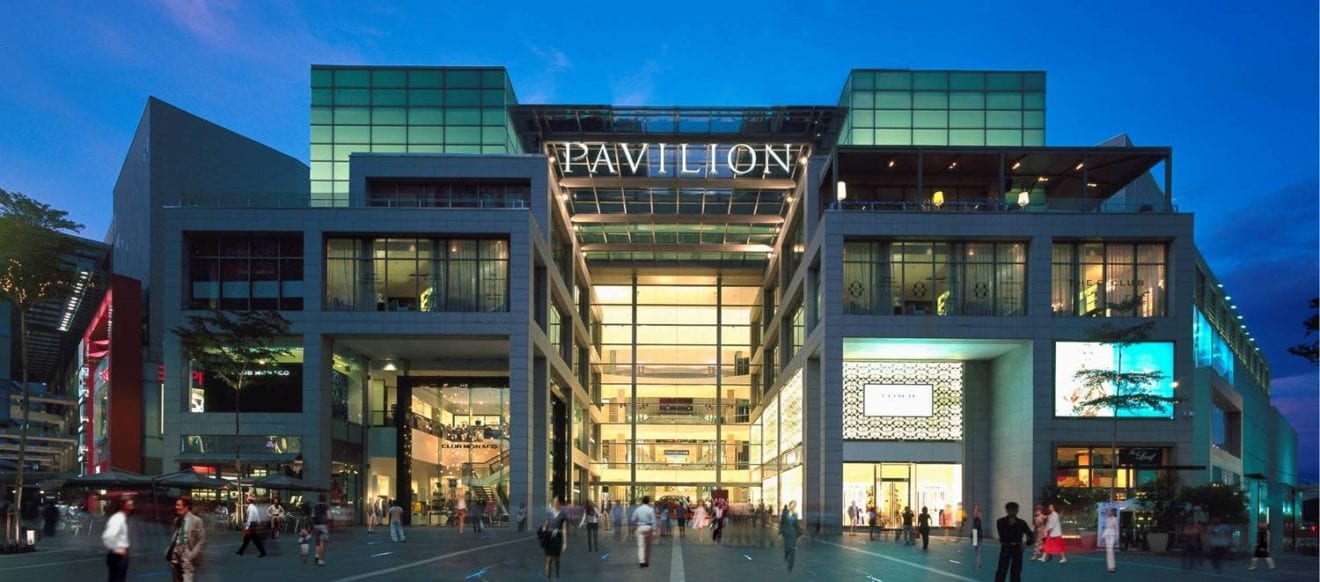
    Kuala Lumpur’s showcase Pavilion mall says it has weathered the sluggish retail market, posting increased earnings this quarter.

    Gross revenue for the first quarter of the current calendar and financial year was RM105.1 million (US$29.6 million) which translated into a net profit of RM60.5 million ($17 million).

    Revenue rose by four per cent year-on-year after renovations were completed last year, and due to an increase in service charges.

    The mall’s occupancy rates were stable and this year just 15 per cent of tenants leases are scheduled to expire. Pavilion mall management expects only a slight relocation and revision of the current tenant mix.

    Renovations are planned of restrooms, parts of level one in the foodcourt area and enhancements of the air conditioning system to reduce power consumption and air flow.

    Pavilion management reports tenants sales were stable through the quarter, but warned April sales are down due to the introduction of GST on April 1.

    In a research note, Hong Leong IB said it expected the slowdown will only be temporary.

    “Consumers will adjust their spending habits after a while.”

  • Benoy chosen for IFS China mall designs

    Benoy chosen for IFS China mall designs

    Benoy has been chosen to design two further International Finance Square (IFS) malls being developed by Hong Kong property company The Wharf Holdings (Wharf).

    Wharf has appointed Benoy for master planning, retail architecture, interior and graphic design for its IFS China developments in Chongqing and Changsha (picture above), following its success with the already completed Chengdu IFS.

    “Chengdu IFS has proven to be an extremely successful collaboration between our two companies, in terms of both design and commercial viability,” said Benoy director Ferdinand Cheung.

    “We are excited to continue creating architecture that speaks of its time while also developing exciting yet timeless spaces for the people of these cities.”

    The new IFS China malls are located in fast-growing cities as Wharf launches and grows its commercial portfolio in China. Like Chengdu IFS which established a diverse ‘City within a city’ commercial landmark in Western China, the developments in Chongqing and Changsha will look to set a new benchmark for their catchments.

    “These projects are challenging in both their size and scale, Changsha IFS being the largest of the three schemes. As the sector evolves, the complexity of the programs and connectivity within these mixed-use developments continues to increase,” explained Cheung.

    Covering a total development area of 1,026,000 sqm, Changsha IFS will be located in the Furong District’s Jiefang Rd in the core of the CBD. Ensuring ultimate connectivity and high footfalls, the scheme will be connected to the future underground interchange hub for metro lines 1 and 2. The mall will also act as an extension to one of the busiest pedestrian streets in China — Huang Xing Pedestrian Shopping Street — sitting opposite to the entrance of the well-known area.

    Changsha IFS will have a retail street frontage of more than 700 metres, forming the longest ‘Street’ experience in Wharf’s portfolio. The 230,000 sqm retail mall will have premium offers spanning entertainment, lifestyle, retail, culture and food & beverage. The podium will also interface with two towers soaring to 452 metres and 315 metres, each featuring a hotel, to create a diverse commercial destination.

    In Chongqing’s new CBD, where the Yangtze River meets the Jialing River, the site for Chongqing IFS is being developed as a joint venture between Wharf and China Overseas Land.

    Creating a highly efficient commercial footprint, the project combines four adjacent sites into one to form a stately and innovative masterplan. Two light railway lines are set to pass through the area with respective stations nearby, establishing excellent transportation links.

    The scheme sits adjacent to the Chongqing City Grand Theatre, the Chongqing Science Museum and the Central Park, to bring further diversity to the Jiangbei Commercial District. Flanked by a 300 metre landmark tower and four additional towers, the 102,000 sqm retail podium will unite retail, commercial offices and hospitality with panoramic views across the river.

    Positioned as a boutique retail mall, Chongqing IFS will showcase celebrated brands and a wide spectrum of fine dining and entertainment anchors including a cinema and ice rink.

    Chongqing IFS is due for full completion in 2016 and Changsha IFS will complete in phases starting from 2016.

  • Matahari Department Store Profit Rises on Robust Sales

    Matahari Department Store Profit Rises on Robust Sales

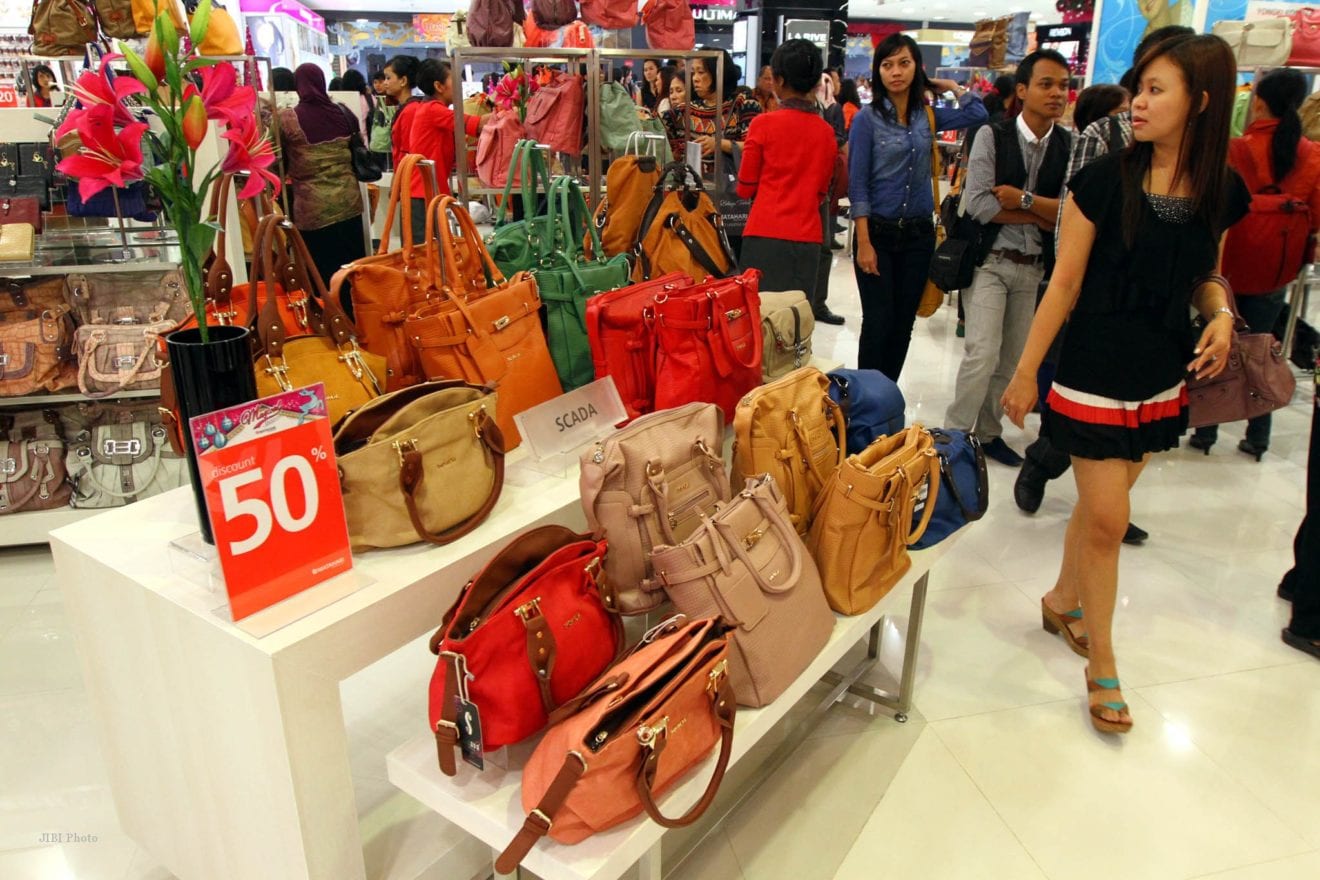
    Net income at Matahari Department Store, Indonesia’s biggest department store chain, rose by half in the first quarter, on the back of  robust sales growth.

    The company booked Rp 185 billion in profit in the January-March period, up 50 percent from Rp 123 billion in the same quarter last year, the company said in a statement on Wednesday.

    Matahari’s same-store sales rose 5.4 percent, reflecting “the resilience of the company’s target middle income segment despite a broader slowdown in consumer activities” in the first quarter.

    Matahari’s gross sales reached Rp 2.9 trillion, up 7.6 percent from Rp 2.7 trillion.

    The company opened four new stores since the start of this year, bringing the total to 134.

    “We are cautiously optimistic in terms of our sales outlook for the balance of the year and are  particularly encouraged by the faster pace of the store openings we are seeing in 2015,” said Michael Remsen, chief executive and vice presidentdirector of the company, said.

  • Most Taiwan mobile shoppers spend over USD32 a month

    Most Taiwan mobile shoppers spend over USD32 a month

    A large majority of Taiwanese who make purchases on mobile devices spend more than NT$1,000 (USD31.9) a month, according to a survey conducted by the government-sponsored Institute for Information Industry.

    The Market Intelligence Center (MIC) under the III, cited a survey as saying that almost 70 percent of respondents who have purchased goods through their mobile devices spent at least NT$1,001 (US$31.68) a month on such purchases.

    The survey, conducted between Nov. 20 and Dec. 3, found that 62.5 percent of respondents said they made purchases on mobile devices, such as smartphones and tablet computers.

    According to the survey, 30.4 percent of those who used mobile devices to shop spend NT$500-NT$1,000 a month on average, 33.1 percent said they spend NT$1,001-NT$2,000 a month, and 16.6 percent said they spend NT$2,001-NT$3,000 a month.

  • Myntra rejigs top management

    Myntra rejigs top management

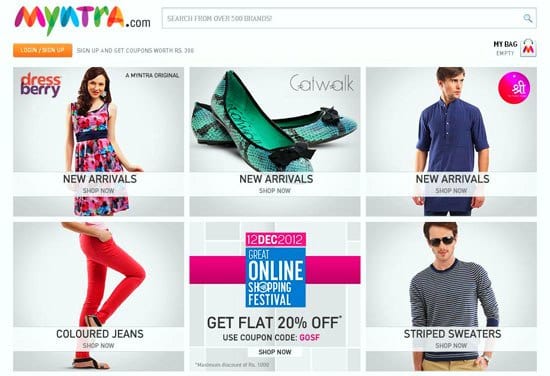
    Ganesh Subramanian, Chief Operating Officer at Myntra.com, has been given a new responsibility as Head – New Initiatives with immediate effect. Confirming the development, Subramanian told BusinessLine: “As a company, we are thinking long term. Therefore, we are investing to look at continuously creating unique value for customers by challenging the way the fashion business is run at present. For instance, it takes 12-15 months to deliver fashion products from concept to retail to consumers; why should it take so long?”

  • Tmall growing out of Taobao’s ‘little brother’ role

    Tmall growing out of Taobao’s ‘little brother’ role

    Chinese e-commerce giant Alibaba has for the first time unveiled the trade details of its major global business unit Tmall Global, revealing a tenfold increase since it was founded 10 months ago, reports the Shanghai-based China Business News.

  • Taiwan’s first outlet mall to open this year

    Taiwan’s first outlet mall to open this year

    Taiwan will see its first international outlet mall in Taoyuan in August, and 100 stores will open their doors in the first stage of the project.

  • TCC opens megamarket in Nong Khai

    TCC opens megamarket in Nong Khai

    TCC Logistics and Warehouse, a subsidiary of TCC Group, has opened the MM Mega Market in Nong Khai province to cash in on growing consumption spurred by increasing border trade with neighbouring countries.

    The company has leased space at Asawann Shopping Complex II for 30 years to open the MM Mega Market, which has a new concept blending a hypermarket and wholesale store under the same roof. Customers can but products either in bulk or just one piece.

    The market, covering 10,000 square metres, is 4.4 kilometres from the Thai-Lao Friendship Bridge, enabling it to attract customers from Laos.

  • Amazon’s third-party merchants are a growing piece of the sales pie

    Amazon’s third-party merchants are a growing piece of the sales pie

    To help fuel its growth, Amazon.com is increasingly turning to the millions of businesses that use its site to sell their own goods. That’s a good thing for Amazon, because those third party sales tend to have higher margins, according to some analysts, and it’s an inexpensive way to fill out its online catalog.

    To view the full article (note: you must be a Wall Street Journal Online subscriber), visit The Wall Street Journal Online.