Retail News CRM

Tag: Shopping

  • 10-week Great Singapore Sale starts last Friday

    10-week Great Singapore Sale starts last Friday

    The Great Singapore Sale (GSS), which starts on Friday (June 3), has been extended from eight to 10 weeks this year to cater to tourists from the region.

    And for the first time, UnionPay International cardholders will get extra perks during the sale, under a new three-year partnership between the payment network and GSS’ organiser, the Singapore Retailers Association (SRA).

    SRA said the sale, now in its 23rd year, has grown into an “all-encompassing” event with offers at both online and offline stores, ranging from fashion and dining to beauty and wellness, hotel stays, sightseeing tours and visits to attractions. The sale also stretches from Orchard Road to Marina Bay, Sentosa Harbourfront and the heartlands.

    There are no “official” participants of the GSS, as merchants do not need to formally register or sign up with SRA to take part. All merchants who offer special deals during the sale period are considered participants of GSS, said SRA.

    The extension of the sale period to 10 weeks – for the last 12 years, GSS stretched over eight weeks – is to better cater to tourists from Asia-Pacific countries whose summer holidays fall in the June to August period, said SRA’s executive director Anthony Gan.

    He added that the sale, which ends Aug 14, will still coincide with the school holidays in June and the regional peak travel seasons in July, as with previous years.

    UnionPay International also replaces MasterCard Singapore as the new official card of GSS. This means UnionPay cardholders can get exclusive privileges at over 100 retailers here during this year’s sale.

    “With a base of over 5.4 billion UnionPay cards issued worldwide and an acceptance rate of over 80 per cent at various retail, lifestyle and food and beverage establishments in Singapore, we are confident that our partnership with UnionPay International will bring substantial benefits to the GSS, participating merchants and consumers,” said Mr Gan.

    Consumers who shop at GSS stand to win a record of over $200,000, with SRA giving out $100 each – in the form of a UnionPay prepaid card loaded with the cash – to five shoppers daily, while those who pay with UnionPay cards stand to win an additional $500.

  • Alfamart to launch click and collect

    Alfamart to launch click and collect

    Alfamart is going to utilize its 10,000 store network as pickup points for its new online shopping platform Alfacart. Alfacart, the new e-commerce platform will carry one million products from sellers, and is expected to generation IDR1tn (US$70m) transaction. The existing shopping website Alfaonline will be replaced. The advantage of Alfacart over the other e-commerce players lies with its large store network of more than 10,000 throughout Indonesia. The retailer is also expected to be opening another 1,200 stores this year.

    We understand there are some players in the market but the high cost of last mile is still a concern,” said Sumber Alfaria president Hans Prawira, “We have presence in the market very close to shoppers.”

    E-commerce is due to boom in Indonesia

    With the growth in investment and acceptance of internet and mobile shopping, Indonesia is seen as the next frontier after China and India in Asia. The government wants e-commerce to become the backbone of its growing digital economy and leading players like Alibaba are also accelerating their expansion into Indonesia.

    Even though logistics is still a challenge due to underdeveloped infrastructure and the sheer size of the country, it is only a matter of time before we see the boom of e-commerce.

  • E-Commerce to Take Up 20% of the Indonesian Retail Market

    E-Commerce to Take Up 20% of the Indonesian Retail Market

    The Trade Ministry said that the e-commerce business has a chance of capturing 20 percent of the conventional retail market. The scouring of conventional retail markets is likely to happen given the fact that customers are now more familiar and accustomed with online shopping, due to its time and budget efficiencies.

    “This phenomenon must be supported by adequate policies and infrastructure,” Srie Agustina, the ministry’s acting director general of domestic trading, said during the Indonesian E-Commerce Summit and Exhibition in Serpong, Banten, yesterday.

    Srie estimated that the e-commerce industry will take over 20 percent of the conventional retail market share in the next four years. Right now, e-commerce’s share in the conventional retail market is five percent.

    At the E-Commerce Summit opening yesterday, President Joko Widodo warned local e-commerce businesses about the “attack” of foreign players. According to the President, the acquisition of Southeast Asia’s popular online shopping site Lazada by China’s e-commerce giant Alibaba two weeks ago is something that industry players must keep an eye on. “It’s a warning for everyone.”

    Alibaba announced that it has acquired Rocket Internet’s stake in Lazada worth US$1 billion (Rp13 trillion). The takeover strengthens Alibaba’s position in the e-commerce markets of Asia and the world. The acquisition allows Alibaba to reach 560 million online consumers in Southeast Asia, including Indonesia.

    To boost the quality the domestic e-commerce industry, the Trade Ministry will mandate online trade sites to register with the ministry.

    The Indonesia E-Commerce Association (IDEA) is planning for an accreditation of e-commerce sites, in a bid to improve the quality and credibility of local e-commerce players. The accreditation assessment will begin in June carried out on 200 sites online sales-and purchase businesses. The assessment categories include operational sites, clarity payment, and customer service aspects.

    Earlier, Minister of Communications and Informatics Rudiantara expressed his optimism that the retail e-commerce business this year can record a transactions deals total of US$20 billion or around Rp260 trillion.

  • Adidas Sets Goal For 3,000 More Chinese Stores

    Adidas Sets Goal For 3,000 More Chinese Stores

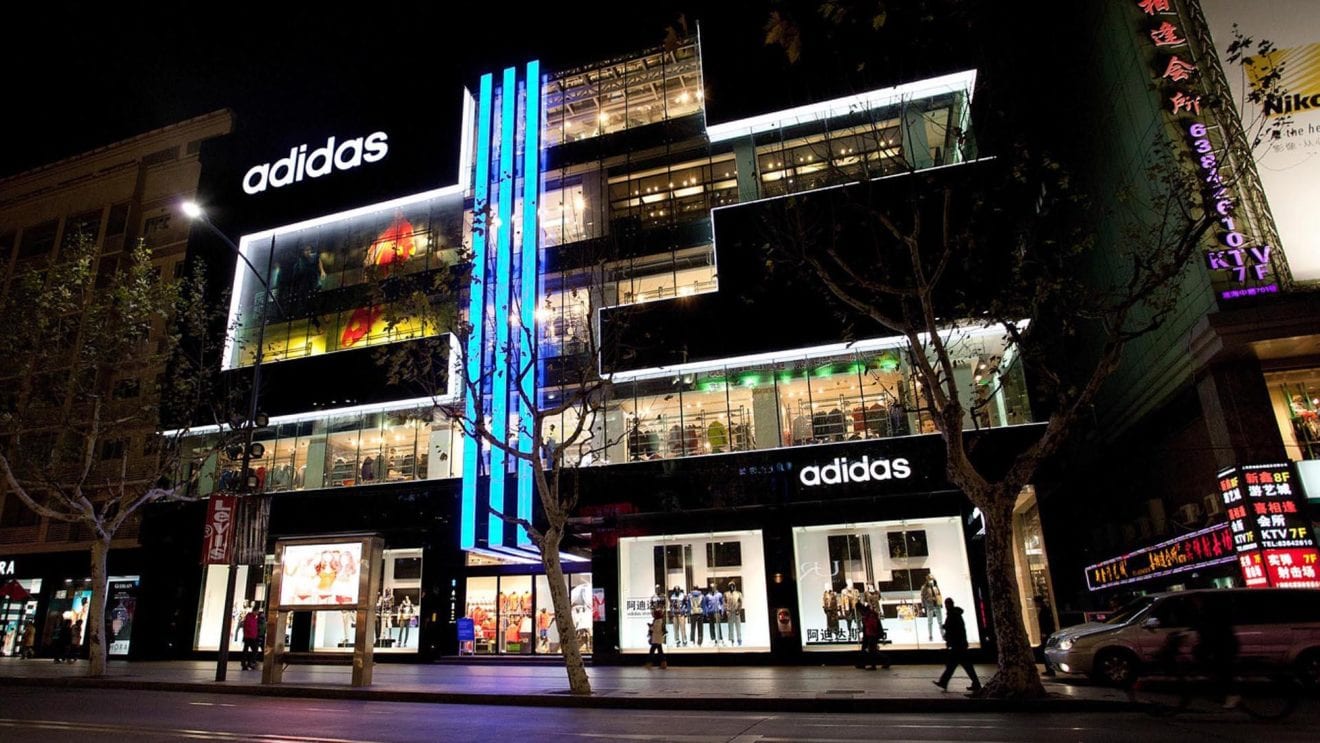
    Colin Currie, head of Adidas’ China operations, announced in a press conference that the sportswear company would be adding 3,000 more storefronts to the 9,000 it already operates inside the People’s Republic. Currie emphasized that these new stores wouldn’t just be rehashes of existing designs but targeted implementations of locations that focus on running, soccer and tennis equipment and apparel.

    It’s details like these that Currie hopes can help Adidas find revenue, even when the Chinese economy doesn’t seem to be making it any easier.

    “We are cautiously optimistic, but we’re far more on the optimistic side,” Currie said during the briefing.

    It’s one thing to say that Adidas is confident but another thing to actually mean it. A pledge to open 3,000 stores certainly seems like an earnest statement that can’t be easily walked back, explained that changing demographics might be why Adidas is so ready to hitch its wagon to the down-right-now Chinese economy. As more and more Chinese consumers enter the middle class, Adidas has planned, since at least 2010, to take advantage of the growing desire for sportswear, not just for fitness but as everyday dress as well.

    “We expect two-thirds of our growth to be from consumers in the lower-tier cities as they become attracted to sportswear — not just for fitness but for easy casual wear,” Currie said at an event in 2010.

    If it’s any consolation for Adidas and the Chinese economy at large, odds are both parties will succeed or fail together.

  • Alibaba taps VR to enhance shopping experience

    Alibaba taps VR to enhance shopping experience

    The global virtual reality market to grow at a rate of 96% by 2019, according to a new report made available by Research and Markets.

    VR is being adopted in a wide variety of applications ranging from healthcare, gaming devices, public entertainment, prototype creation to military exercises.

    Chinese e-commerce giant Alibaba has now set up a research lab as it looks to use VR to enhance the shopping experience for its 400 million users.

    The company is also exploring how VR technology can be applied to its other services, including online games and video streaming, according to reports.

    Head-mounted displays have created opportunities for VR in a number of applications. A head-mounted display consists of an image source, collimating optics, and a mechanism to mount the device on the head.

    The device is wearable, and projects images and information relative to the user’s line of sight in front of the user. A report on the HMD market predicts growth of 49% over the next five years.

    Virtual reality devices, which are compatible with smartphones, can help users by providing specific information about their requirement on-the-go, without pulling out their portable devices. This technology is expected to commercialize in 2016 and could be worth $2.30 million in 2016.

    Alibaba has already created three-dimensional visuals for hundreds of products and will issue standards for merchants to create VR-enabled shopping options. It is also said to be working on creating music and videos.

  • Faster way to shop online with Visa

    Faster way to shop online with Visa

    According to Visa Consumer Payment Attitudes Study 2015, 67% of Malaysians shop online at least once a month, an increase from 53% in 2014.

    However, 81% of online shoppers in the country have abandoned a purchase because it took too much time to complete the payment process, revealed a study conducted by eCommerce Monitor in 2015.

    Now, online and mobile shoppers can purchase their desired items without much fuss because there is a better way to do so.

    Visa has just officially launched its Visa Checkout in Malaysia, a fast, easy and secure payment service that allows Malaysian consumers to pay for goods online, on any device, in just a few clicks.

    All users need to do is enter their username and password rather than a 16-digit credit card number, and select their required Visa credit, debit or prepaid card to complete the transaction.

    Visa country manager for Malaysia Ng Kong Boon noted the increasing significance of technology becoming part of Malaysians’ everyday lifestyle, including shopping online and on mobile devices.

    “Visa Checkout is designed to improve the digital shopping experience by making the payment process fast and secure, reducing the number of steps required to complete an online purchase.

    “We have partnered with several key merchants in the country to be part of our launch and we are confident consumers will embrace Visa Checkout across all their devices,” said Ng, adding that at least 100 merchants are expected to engage in Visa Checkout by year end.

    Visa Checkout is now accepted at a wide variety of online merchants in Malaysia including Golden Screen Cinemas (GSC), Superbuy.com, SweetSpot Digital, Little Whiz, Twenty3, Avenue 86, CUTI, Malindo Air and Lelong.my.

    There are also 13 banks in Malaysia on board for this service, with Maybank being the first bank to enrol Visa cardholders for the service and offer Visa Checkout acceptance to merchants across the country.

    With the roll-out of Visa Checkout, Visa aims to concentrate on its existing cardholders for this service.

    “Today, we have more than 20 million debit and credit cards issued in the market, and all these cards will be targeted for the Visa Checkout enrolment. Of course, new customers are welcome to enrol too,” shared Ng.

    In conjunction with the Visa Checkout launch, both GSC and Malindo Air are giving special offers to Visa Checkout users.

    Customers can enjoy normal movie tickets at a flat fee of RM8 until June 3, with a maximum of six tickets per Visa card per transaction.

    Those purchasing Malindo Air flight tickets or holiday packages with minimum transaction of RM250 will get a RM50 discount code for subsequent purchases from the airline.

    Both offers are subjected to terms and conditions.

  • World catches the Chinese holiday shopping bug

    World catches the Chinese holiday shopping bug

    Elena Zhang, sales manager of Xi’an Silk Road Crafts Co, said the company started receiving overseas orders for Spring Festival in July last year.

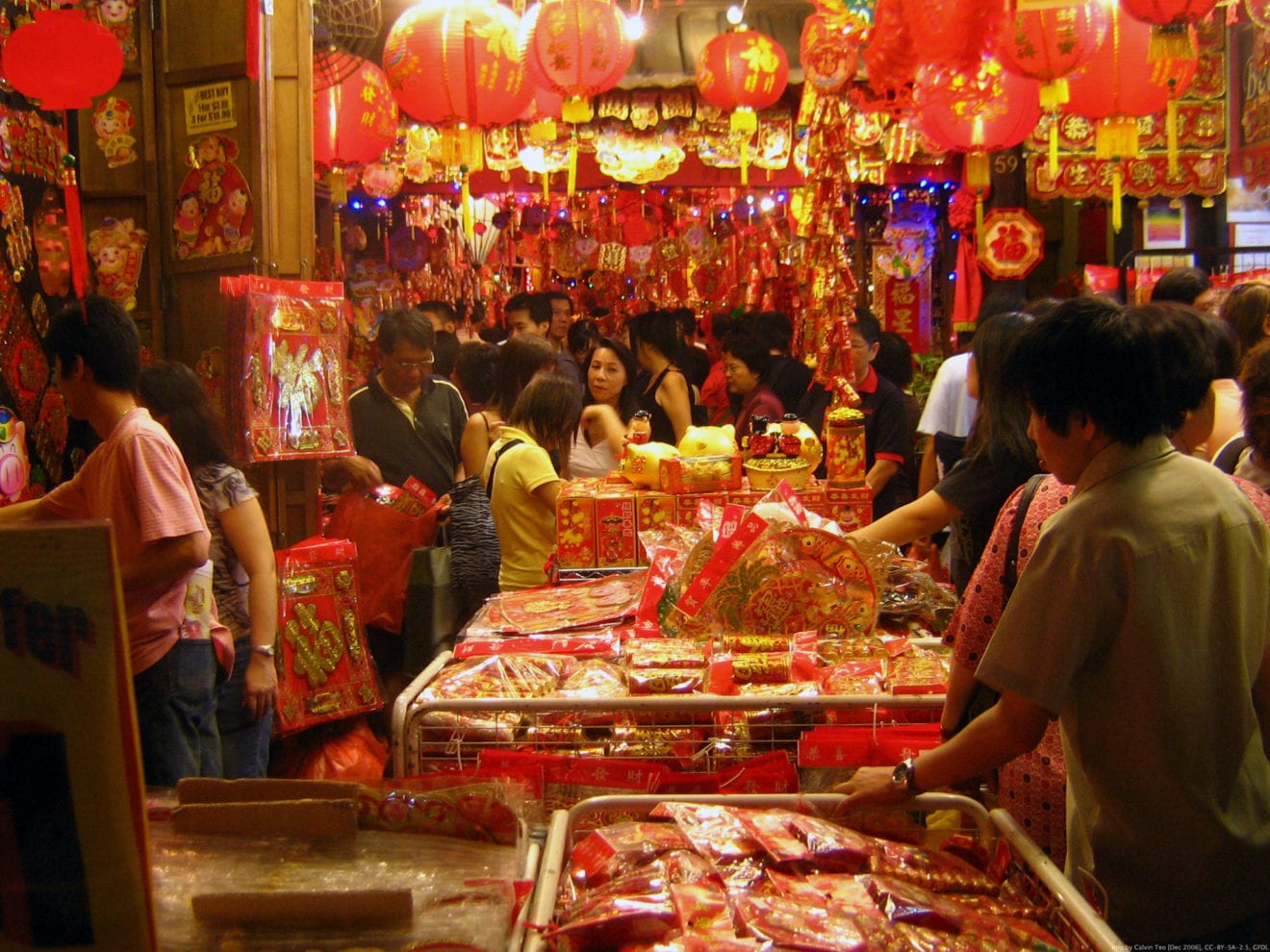
    One order last month came from Spain, for more than 1,000 red hanging lanterns made of Chinese fabric.

    Orders for various products related to Chinese New Year had come in from Canada, France, Germany and Russia, she said. AliExpress, a website that sells made-in-China products to overseas customers, is by far the most used online shop.

    Our China Dream series of lanterns are the bestsellers among overseas Chinese this year. It belongs to Alibaba, China’s largest e-commerce player. “Fabric lanterns priced between $1.50 and $4.30 (£1-3) each were the most popular items this year,” Ms Zhang said.

    “Overseas buyers usually place their Spring Festival orders in summer. But we have had orders at the end of the year, too. Enthusiasm overseas in Chinese New Year shopping seems to be increasing, and e-commerce is helping increase sales.”

    Sales by AliExpress to overseas consumers from the city of Yiwu, Zhejiang province, well-known as a centre for small commodities, have risen sharply since the company began to ship worldwide on Dec 31.

    To the end of January it had shipped more than one million parcels overseas. One of the companies making full use of this new service is Yiwu Wonderful Lantern Co.

    Xia Rongwang, the company’s manager, said many overseas orders had been placed since the middle of January, especially from overseas Chinese in countries such as Malaysia.

    Some buyers said the lanterns make them feel as though they are back home celebrating new year

    “Our China Dream series of lanterns are the bestsellers among overseas Chinese this year. Some buyers have said the lanterns make them feel as though they are back home celebrating the new year.”

    Apart from Spring Festival-related items such as lanterns, overseas consumers are buying other products made in China selling at bargain prices in the holiday period and just before it. DHgate, a Chinese online wholesale marketplace, said sofa and bed cushions are particularly popular among Canadian shoppers.

    Russians are said to be the most numerous overseas buyers. AliExpress says they love buying clothes made in China, their keenness to shop online spurred by a depreciating rouble. Consumers in countries where winters tend to be very cold buy made-in-China down jackets and other winter-wear.

    Felix Zhang, sales manager for Shaoxing Goldson Dress Co in Zhejiang province, said Chinese down jackets in the $40 to $47 price range are popular among buyers in Kazakhstan, Estonia and Latvia. “We offer discounts of up to $500 for buyers who order more than 10,000 down jackets. The reason is obvious: Online selling means we cut the costs resulting from going through intermediaries.”

  • Mobile e-commerce to fuel Chinese retail

    Mobile e-commerce to fuel Chinese retail

    Despite the slowdown in China’s GDP growth, the Alibaba Group believes the country’s consumer economy will weather the storm and grow handsomely, largely fuelled by mobile e-commerce.

    According to a recent report titled The New China Playbook by he Boston Consulting Group (BCG) in association with the with AliResearch, Alibaba Group’s research arm, even if China’s GDP growth slows to 5.5 per cent, which is a full point below the 6.5 per cent government target, the country’s consumer economy will expand by more than half to $6.5 trillion in 2020 from $4.2 trillion in 2015.

    According to the report, e-commerce is expected to play a major role in the development of China as a consuming nation, a transition that is being accelerated by the growth of shopping via smartphones and other mobile devices.

    “One of the most revolutionary changes in the Chinese consumer economy has been the astounding growth of e-commerce,” the BCG said. In 2010, online transactions made up only 3 per cent of total private consumption in China; online channels today account for 15 per cent of the total, a share that BCG projects will rise to 24 per cent in 2020 (in contrast, online shopping currently accounts for about 7.5 per cent of private consumption in the US).

    The BCG does not foresee a marked slowdown in the growth of e-commerce. Over the next five years, private online consumption is expected to surge at a compound annual growth rate of 20 per cent, compared with 6 per cent annual growth in offline retail sales. Chinese consumption will grow by more than half to $6.5 trillion over the next five years from $4.2 trillion in 2015. E-commerce on the whole will account for 42 per cent of that growth.

    BCG identified three distinct “megatrends.” First, rising incomes are fueling greater spending, and in new areas not seen before. Then there’s the growing prominence of China’s “young generation.” And finally, the shift from bricks-and-mortar retail to e-commerce will continue to play an ever-bigger role in China’s economy.

    Overall, an incremental $2.3 trillion in annual consumer spending that China is expected to add over the next five years is almost like adding another Japanese consumer market onto the global economy, the report said.

  • Is HK still a ‘cool’ place for luxury shopping?

    Is HK still a ‘cool’ place for luxury shopping?

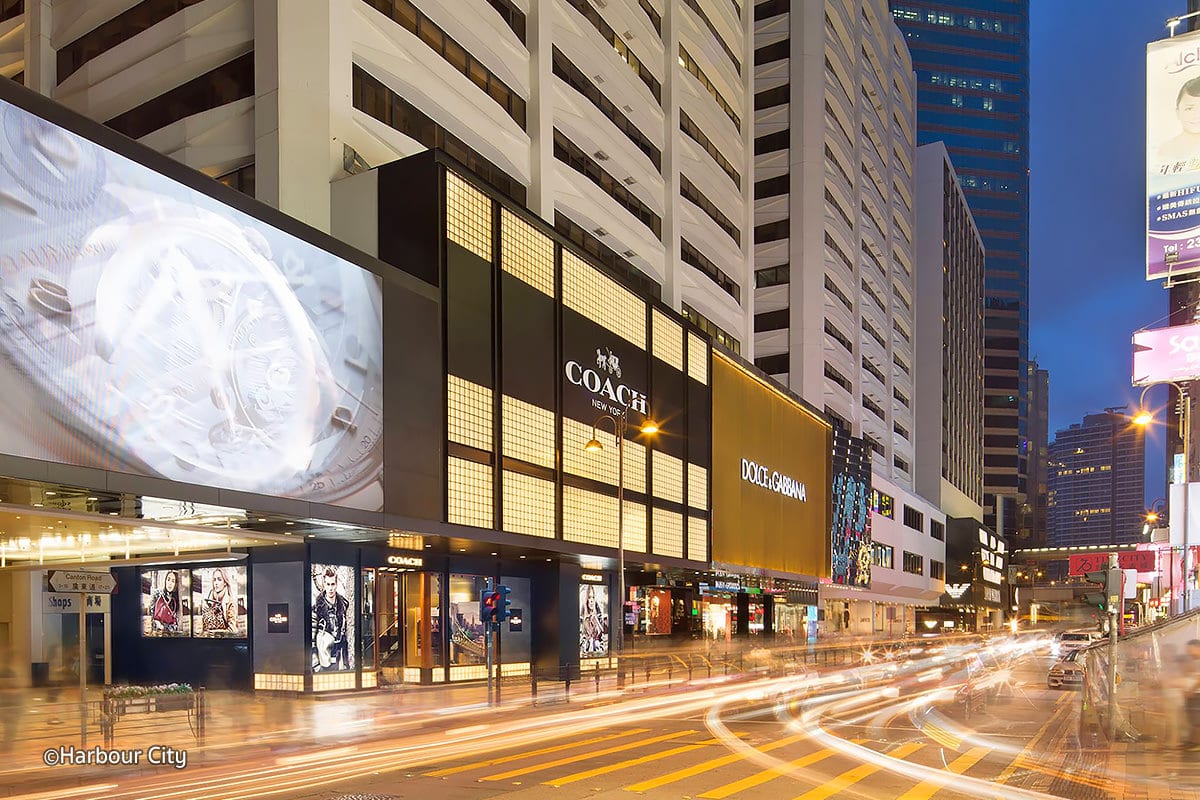
    Retailers in Hong Kong preparing to welcome Chinese mainland tourists over the Lunar New Year festive period face a real crisis: Canny shoppers don’t think the special administrative region is cool enough.

    HSBC’s global co-head of consumer and retail research, Erwan Rambourg, said luxury goods are now cheaper in other markets, bringing the wealthy, sophisticated Chinese travelers to places such as Japan, Korea, and Australia.

    “There were a lot of attractions in Hong Kong for mainlanders to come in and purchase here,” Rambourg told CNBC’s “Squawk Box”. “It used to be cheaper than a lot of other places in the region. That’s not the case anymore, given the strength of the Hong Kong dollar.”

    The Hong Kong dollar is pegged to the U.S. dollar, which implies if the latter strengthens, the former follows.

    “Price arbitrage doesn’t work anymore [in Hong Kong],” Rambourg said. “It’s actually cheaper to buy in Seoul, in Tokyo, and elsewhere.”

    Between Hong Kong and Japan, and the strength of their respective currencies, he said “the difference is you reclaim VAT [Value-added tax] when you go to Japan,” which makes luxury goods slightly cheaper there.

    Retail sales were also battered in Hong Kong as a result of lower consumer spending, mostly from mainland Chinese tourists. Sales were down 8.5 percent on-year in December to HK$43.7 billion ($5.62 billion) in value terms, the biggest percentage decline since January 2015. In volume terms, sales declined by 6.1 percent.

    Hong Kong’s lack of entertainment and diversity outside of shopping is also an issue as it sends wealthy tourists to other, more exciting locations, added Rambourg.

    A quick look at tourism numbers in Hong Kong show tourist arrivals fell 2.5 percent in 2015 to 59.32 million.

    Chinese mainlanders, who comprise a bulk of Asia’s luxury consumers, purchase mostly personal items such as handbags and apparels, according to David Dubois, an assistant professor of marketing at business school INSEAD.

    “This is because of the importance of luxury as a social signal, which puts focus on a product’s conspicuous features – example, it’s logo,” Dubois told CNBC by email. “The strong gift-giving culture also fuels such a drive for highly recognizable goods.”

    Rambourg noted in a recent report there are several factors that propel Chinese shoppers to make their luxury purchases abroad, instead of at home. Consumption taxes, moves in the foreign exchange market, and price differences in different geographies for a single product are motivations for travel.

    Most luxury companies have wide pricing discrepancies, the report noted, and on average, prices in mainland China are at a 37 percent premium compared to euro zone prices.

    For example, data compiled by HSBC show a Hermes plain silk twill tie costs 160 Euros ($177.69) in France and Italy; it costs 1,600 Yuan in China ($243.37) – a 36.9 percent premium -, $180 in the United States, 25,920 yen ($219.74) in Japan, and HK$1,650 ($211.79) in Hong Kong.

    HSBC also calculated how different products cost across regions relative to the euro. Here’s how a few of them stack up:

    Many brands are dealing with price gaps through new products whose prices will not vary much among regions. “The Prada brand, for instance, is set to launch collections for the spring, which will have prices in mainland China at a [estimated] 10 [percent] premium to Italy vs. a current [estimate of] 40 [percent],” the HSBC report said.

    There are non-economic considerations too.

    Easing of travel regulations, authenticity of the product, validation – such as buying a Hermes tie in Paris instead of Kunming – and perception that in-store experience will be better also factor in, the HSBC report noted.

    But overall luxury consumption in China, Dubois said, has slowed in the last two years over weaker growth prospects while luxury consumers from newer engines of growth such as Malaysia, Vietnam, and Thailand are emerging with better access to luxury products.

    “This was expected as there is a well-known correlation between GDP growth and luxury consumption,” he said.

  • Technology bringing more personalised experience to shopping

    Technology bringing more personalised experience to shopping

    The launch of the second plan aims to build on the same momentum – helping retailers with manpower-saving technologies. But beyond resolving the industry’s manpower crunch, technology is also changing the way retailers sell.

    Stock-taking is the bane of retailers, as it is typically an arduous task that takes hours. But with radio frequency identification (RFID), the same job can now be done in under an hour.

    Home-grown retailer Decks has managed to save more than 2,300 man-hours a month, since it started using the technology for inventory management.

    “In the future we know that the manpower issue will become more serious than it is now. In order to be more attractive to employ better workers, I think we should engage all this technology to help to lighten the workload of every employee,” said Mr Kelvyn Chee, managing director of Decks.

    RFID is just one of the many technologies available to the retail sector, even though they may not be widely adopted.

    PLAYING CATCH-UP

    Industry players and market researchers have said that retailers in Singapore are behind their international peers in technology adoption. Besides cost, another reason is that they have not seen the need to innovate until now, with the e-commerce sector nipping at their heels.

    “The development of e-commerce in Singapore has been at the lower level than many other parts of the world. But that’s changing very dramatically. I think that’s what’s sort of giving rise to some of this tension where the retailers have not needed to change quite as quickly, when e-commerce was falling behind, but it is really taking up,” said PwC Singapore’s digital business leader Greg Unsworth.

    The innovation arm of the Singapore Institute of Retail Studies is helping retailers to play catch-up. It showcases and advises retailers on the various technologies available.

    “Companies want to embark on data analytics because these are things that will help the business going forward,” said Mr James Fong, deputy manager of programme development at Singapore Institute of Retail Studies. “With knowledge, it does help the business to be more agile, it helps the business to be more able to predict the trend and so forth. So data analytics, having said that, is one of the new areas will take some time for this to evolve.”

    Pushing the frontier of data mining is the use of video analytics, a move that Decks has embarked on. The technology solutions company behind the in-store CCTV camera is able to interpret the images and provide critical business intelligence.

    “Examples of what we can provide them in terms of data and insights would be how many people come to the store, when they come to the store what do they do, how they spend their time going through the store,” explained Mr Tan Liong Hai, sales director of Kai Square.

    With this information, Decks has been able to come up with more targeted marketing campaigns, which it says have helped to boost sales by 10 per cent.

    The retailer continues to look at new innovations, for example, having a smart dressing room to enhance in-store experience, or incorporating the Automated Retrieval and Storage System to streamline backend operations.

    Said Mr Chee: “Everybody thinks that all these technology implemented is to replace the human beings but I think otherwise. We just want the staff or the sales assistant to focus more on customer rather than spend time on unnecessary tasks. So we want to make the shopping experience more personalised, more service-oriented.”

    Mr Unsworth added that technology could result in a convergence of physical and online retailers.

    He explained: “I think retail at the moment – you sort of have the established large retailers, who tend to have a mainly physical presence, you have e-commerce companies who tend to have an online presence. I think everything is going to merge in the middle. So you have this sort of convergence of the two coming together where increasingly, it will be a multi-platform approach that consumers are looking for and that retailers will have to provide.”

    While some retailers in Singapore on both sides of the spectrum have started moving in that direction, experts have said they are still in the early stages.

  • Where Chinese tourists are spending their shopping dollar

    Where Chinese tourists are spending their shopping dollar

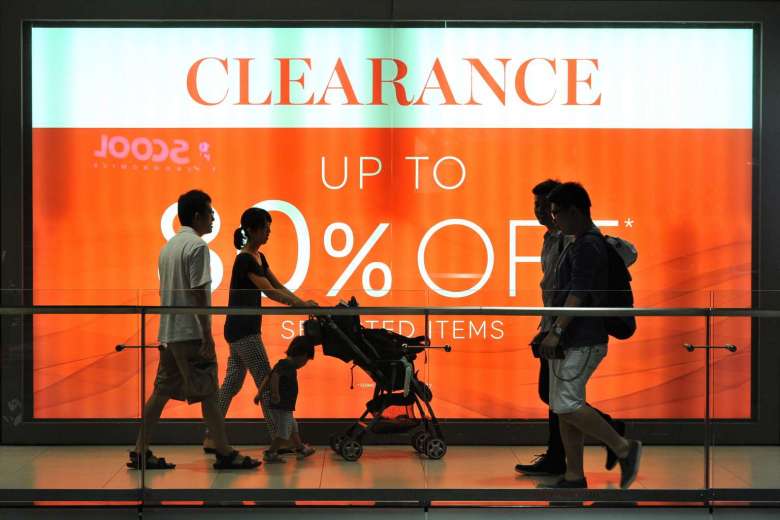
    Mainland China has become one of the main global suppliers of tourists, and that has been paying dividends for retailers globally.

    But as the Chinese are roaming further afield, Hong Kong and Macau retails have seen their sales dropping.

    A fresh analysis from international market research company GFK shows China had 109 million outbound tourists last year… and they spent US$229 billion in retail stores. These statistics consolidate China as one of the main global sources of tourists, both in terms of number of trips and money spent while travelling internationally.

    “At the same time, there have been profound changes in the behaviour of the typical Chinese traveller, with millennials firmly established as the core drivers of spending,” says GFK.

    Because of its cultural similarity, accessibility and lower travel costs, Hong Hong was the preferred destination for Chinese tourists up until 2013. Shopping was a big motivation for visiting. However, since 2014, says the report, more Chinese tourists have been opting for other destinations offering historical and cultural experiences – as well as shopping.

    Air travel and accommodation statistics show that at the start of November, the top five favourite destinations for Chinese travellers were South Korea (visits up 112 per cent since 2011), Thailand (up 263 per cent), Japan (up 157 per cent) and Taiwan (up 54 per cent. Surprisingly, given its loss of retail sales, Hong Kong had 37 per cent more Chinese visitors. This is explained by the new emerging middle class – consumers who do not have enough disposable income to travel further abroad, nor to spend on high-end purchases.

    Europe is the most popular destination outside Asia for Chinese tourists, with 97 per cent more visits in the past four years. This is followed by North America (up 151 per cent) and the Middle East (up 177 per cent).

    “China’s tourists remain strategic to Hong Kong and its businesses, as other destinations are jumping ahead in winning their favour,” says GFK global head of travel and hospitality Laurens van den Oever.

  • Shoppers spent more last Xmas than in 2014

    Shoppers spent more last Xmas than in 2014

    Economic growth in Singapore may have slowed to about 2 per cent last year, but that did not dampen the spirit of shoppers last Christmas.

    Overall Christmas spending has grown from a year ago, say credit card companies.

    There was a 16 per cent increase in overall spending last December from the same month in 2014, said Mr Vincent Tan, head of cards at OCBC Bank. Visa also saw a 10 per cent growth in the volume of overall transactions.

    At the same time, the rise in spending on online platforms outpaced that at brick-and-mortar shops. In-store transactions grew by 8 per cent, said MasterCard, while e-commerce transactions grew last month by 25 per cent from the previous year. It did not give absolute figures.

    Online spending over the festive period also grew by 36 per cent last year at OCBC, compared with a 13 per cent gain at physical shops.

    At Visa, there was a 20 per cent year-on-year growth in online transactions in November and December last year. The number of Visa cardholders shopping online has also grown by the same proportion.

    Spending patterns over the festive period mirror wider trends.

    According to a study commissioned by PayPal in partnership with market research firm Ipsos, online shopping growth in Singapore is expected to hit 16 per cent next year, the third fastest in the Asia Pacific after India and China.

    Consumers are attracted to the convenience of shopping online, as well as the competitive prices offered by online retailers, according to a survey of 500 people by Visa.

    These trends have brought good news for local online retailers, which have seen a huge growth in profits from festive sales last year.

    Local e-commerce platform Shopback, which has 200,000 customers and sells a wide range of goods, enjoyed a tenfold growth in profits last month, as compared with December 2014. It declined to give absolute figures.

    Sales performance in early to middle of last month was also better than the days right before Christmas, said a spokesman. This could be due to the buffer period required for shipping, he added.

    Online fashion retailer Zalora, which has its headquarters here, also saw a growth of 73 per cent for a four-day online shopping extravaganza held last month, compared with the same event a year earlier, said a spokesman.

    Teacher Lye Pin Quan, 28, spent about $1,000 online on gifts for friends and family, as well as on Christmas decorations. He shopped on local e-commerce sites like Qoo10 and Lazada, as well as overseas ones like Taobao, purchasing mainly electronic products.

    “The long queues at retail stores are quite off-putting during the festive period, and I also find that there are better sales and discounts on items online. Sometimes, you can save as much as 50 per cent or more,” he said.

  • Retail suffers in HK Christmas season

    Retail suffers in HK Christmas season

    Christmas is all around, but this holiday season, Hong Kong is expected to suffer as both locals and tourists are reining in their spending.

    Christmas is in the air!

    Usually, this time marks the peak of consumption but NOT this year.

    Retailers are expecting a grimmer picture.

    A study shows that Hong Kong shoppers are cutting their Christmas budget, with 64 percent saying they won’t spend more than HK$1,000 on Christmas shopping and 52 percent saying they won’t buy any Christmas gifts this year.

    The survey, conducted by Hong Kong Research Association, found Hong Kong citizens are rather cautious about this year’s Christmas consumption, as only 16 percent of 1,084 interviewees expect to spend more money than last year, while 23 percent said they would reduce spending.

    “Even Hong Kong residents prefer to buy overseas, consumer products are much cheaper in Japan and South Korea.”, Hong Hao, the chief strategist of Becom International said.

    Luxury stores are feeling the crunch as shoppers minimize their spending.

    “In this popular shopping district, you would usually see customers waiting in lines for purchases but not this year. Some shops have fewer customers, while others have closed their doors due to high rents. The traditional shopping season is also challenged by the declining tourist arrivals in last six months. ”

    The Travel Industry Council of Hong Kong says, the number of Chinese mainland tourist groups traveling to Hong Kong has dropped 20 percent so far this year.

    “The sharp decrease is partly because the anti-parallel trading protests earlier this year, and the death of a mainland tourist in HK in October, and also some anti-mainland China sentiment.”Jason Wong Chun Tat, the chairman of Travel Industry Council of HK said.

    In October, a Chinese mainland tourist died after he was allegedly beaten unconscious by four men while trying to mediate a dispute between a fellow visitor and the tour group leader.

    “That gives people the perception of HK doesn’t welcome tourists.”,Hao said.

    “We are calling for the diversification of Hong Kong’s tourism development.” Wong said.

    Wong said the travel industry council was trying to attract more overseas tourists by regulating market operations.

    Despite their efforts, it appears a gloomy picture for the retail and travel business industry is expected to continue.

  • HKIA to create one-stop shop in West Hall

    HKIA to create one-stop shop in West Hall

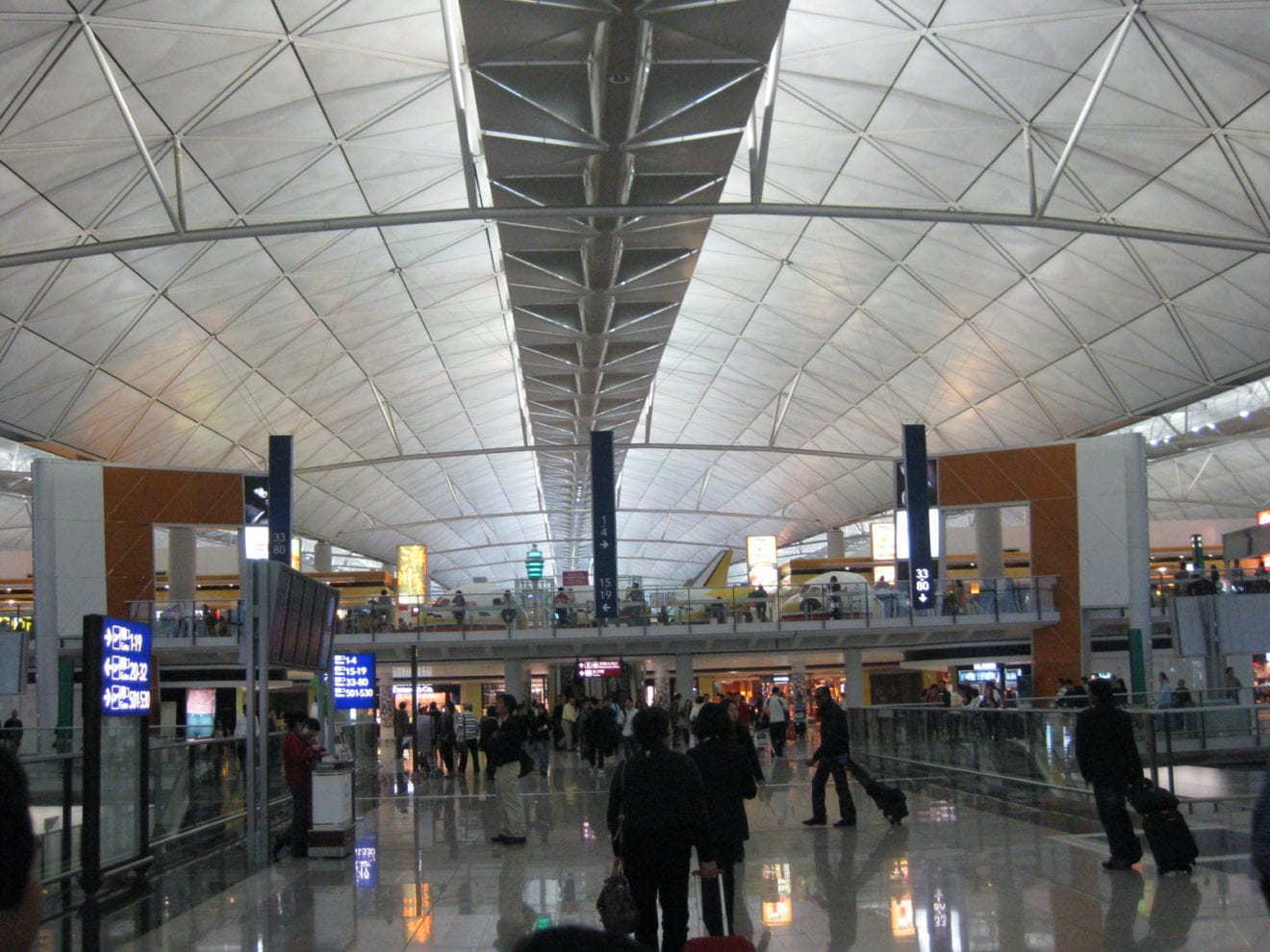
    Retail performance in 2015 at Hong Kong International airport (HKIA) has been shaped by a growing portfolio of leading brands and strong passenger growth, an Airport Authority Hong Kong spokesperson told DFNIonline.

    HKIA now plans to reinvigorate the retail facilities at the West Hall to be more of a “one-stop shop” and dining destination. HKIA has added two new brands to the facility, Hermès and MCM, both of which will make their introduction from the middle of 2016. So far over 50% of the stores are currently open as part of the West Hall redevelopment programme.

    After launching a local free delivery service in February 2015, where customers spending over $1,000 can enjoy free postage within Hong Kong, HKIA has extended its service within Greater China. Launched last month, customers spending over $2,500 on clothing, bags and accessories are offered free delivery to mainland China, Taiwan and Macau.

    The airport is also embarking on substantial retail change where several tenders have been issued. The spokesperson confirmed the airport is undergoing an evaluation process.

    In keeping with its uplifting retail experience the airport installed an “I Love Hong Kong” zone this year, located on Level 7 of the East Hall comprising an “East meets West” culture. Fourteen local brands for fashion, Chinese dried goods, Chinese bakery, optical shops and tea houses now carry the prominent logo on shop-design, merchandise and packaging, as well as Hong Kong Disneyland and Giordano.

  • HKIA celebrates Xmas with shopping rewards

    HKIA celebrates Xmas with shopping rewards

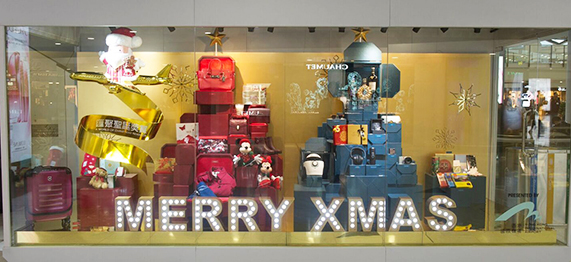
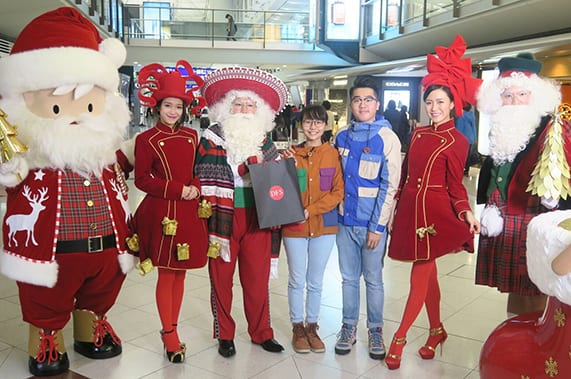
    Hong Kong International Airport (HKIA)is marking the Christmas run-up with series of festive special offers and promotions, including cash coupon redemptions up to HK$5,200 ($671) alongside more than 2,000 surprise gifts for travellers.

    The new promotion begins this Thursday (17 December) with travellers spending more than HK$2,000 ($258) by electronic payments qualifying for redemption coupons. HKIA adds that passengers using their UnionPay cards stand to reap even more rewards.

    HKIA Xmas od=ffers Dec 2015

    A ‘glamorous gift-themed exhibition’ will also be featured on Level 6 of the Departures East Hall allowing travellers to experience the spirit of Christmas, while prompting them with gifting ideas.

    Various music performances will also take place here and there will also be miniature installations on display showing how different countries around the world celebrate Christmas.

    Xmas at Hong Kong Dec 2015
    Travellers spending over HK$1,000 ($129) in a single transaction at HKIA can also enjoy free local delivery service. Free delivery service to Mainland China, Macau and Taiwan is also offered to travellers who spend over HK$2,500 ($322) on clothing, bags and accessories in a single transaction.

    At the same time, HKIA is partnering with its retailers to provide travellers with shopping and dining offers. More details are available at: https://www.hongkongairport.com/eng/shopping/special-offers.html