Homegrown start-up ShopBack takes off the year with Singapore Airlines (SIA) and Scoot on board as its Flight vertical partners. The collaboration strengthens the runway for the smarter way to shop. All travellers can now access air tickets befitting their budget, elevated with Cashback from ShopBack all year round.
The checking in of SIA and Scoot adds significant weight to ShopBack’s Flight vertical as it widens the runway of travel options for travellers, from first-class to budget.
The start-up’s suite of top three world-class airlines (Source: Skytrax World Airline Awards) – Emirates, Qatar Airways and SIA – is now complete. With ShopBack, affluent travellers are empowered with a fuss-free way of spending and saving with poise.
Scoot, the Best Low Cost Airline (Asia Pacific) as named by AirlineRatings.com for three consecutive years, is the first budget airline onboard. With ShopBack, cost-sensitive travellers are able to maximise the worth of their dollars with Cashback stacked atop credit card rebates and miles.
“For a two-year-old start-up, being able to have the chance to soar to greater heights with long established aviation partners might sound impossible,” said Mr. Joel Leong, Head of Merchants and Partnerships, ShopBack. “But with the belief that we can overcome disparity in company age and size with concrete data-backed results, our team pursued the golden ticket relentlessly and pushed boundaries to seal the deal for consumers.”
Available on web, desktop and mobile (iOS and Android apps), ShopBack currently powers user’s online transactions with a stackable layer of savings in the form of Cashback, which translates to actual cash transferrable to either user’s bank or PayPal account.
Consumers can enjoy 1.0% Cashback from ShopBack for their air tickets purchased from the SIA x VISA as well as Scoot site. For those who prefer to buy on the go, both airlines are also available on ShopBack mobile app.
SIA and Scoot join ShopBack Singapore’s fleet of over 500 online retailers, including Uber, Cathay Cineplexes, Expedia, ASOS, Muji and more, to give consumers uplift in their savings through Cashback.
Singapore Airlines (SIA) is banking on premium economy services to entice travelers to pay more for extra comfort.
About four in 10 SIA planes now offer the service, slightly more than a year since it rolled out premium economy cabins, which offer perks such as more legroom and better food.
And the carrier said it will continue to retrofit more aircraft with such cabins to meet travelers’ needs.
Demand is especially strong on long-haul routes, said SIA spokesman Nicholas Ionides.
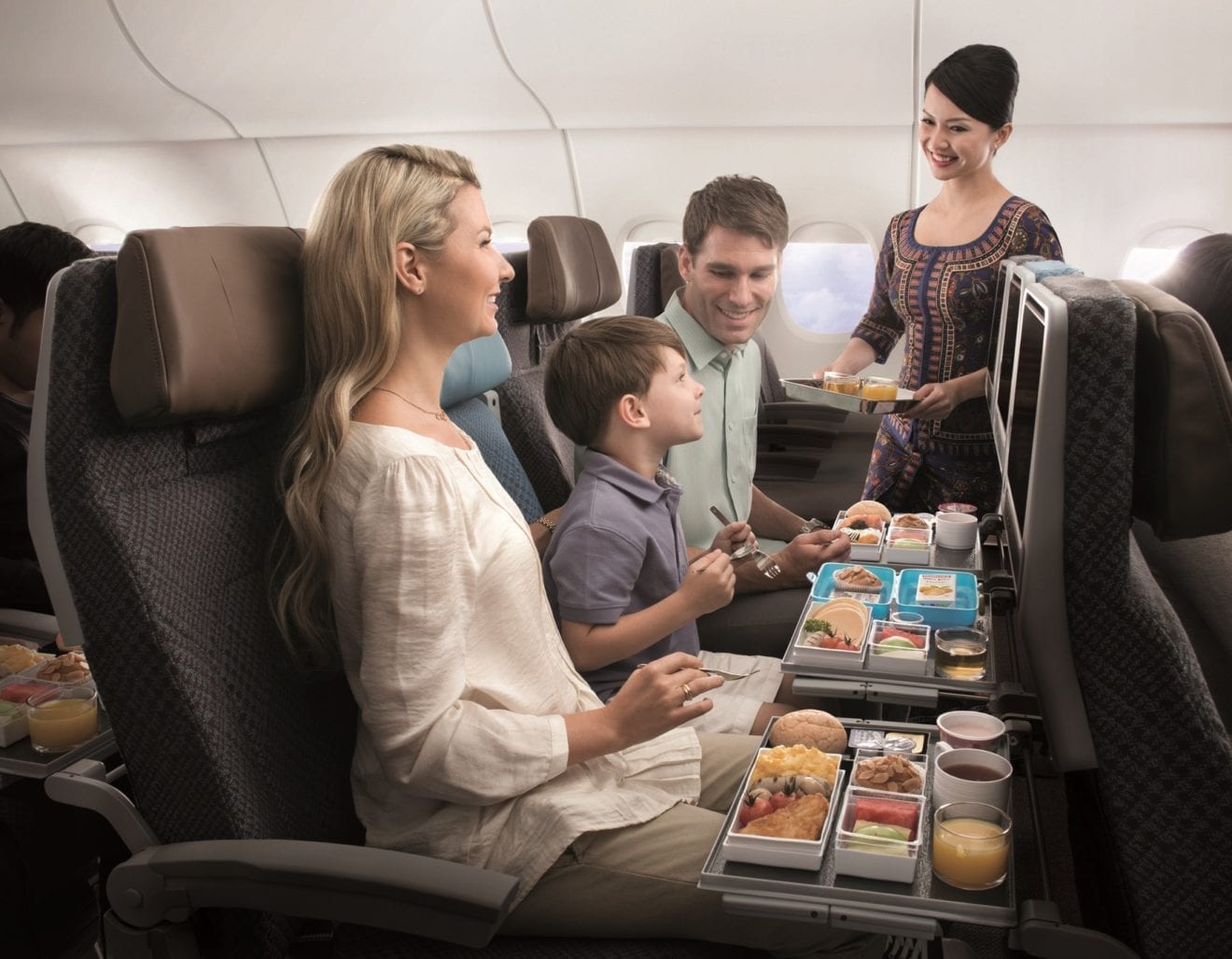
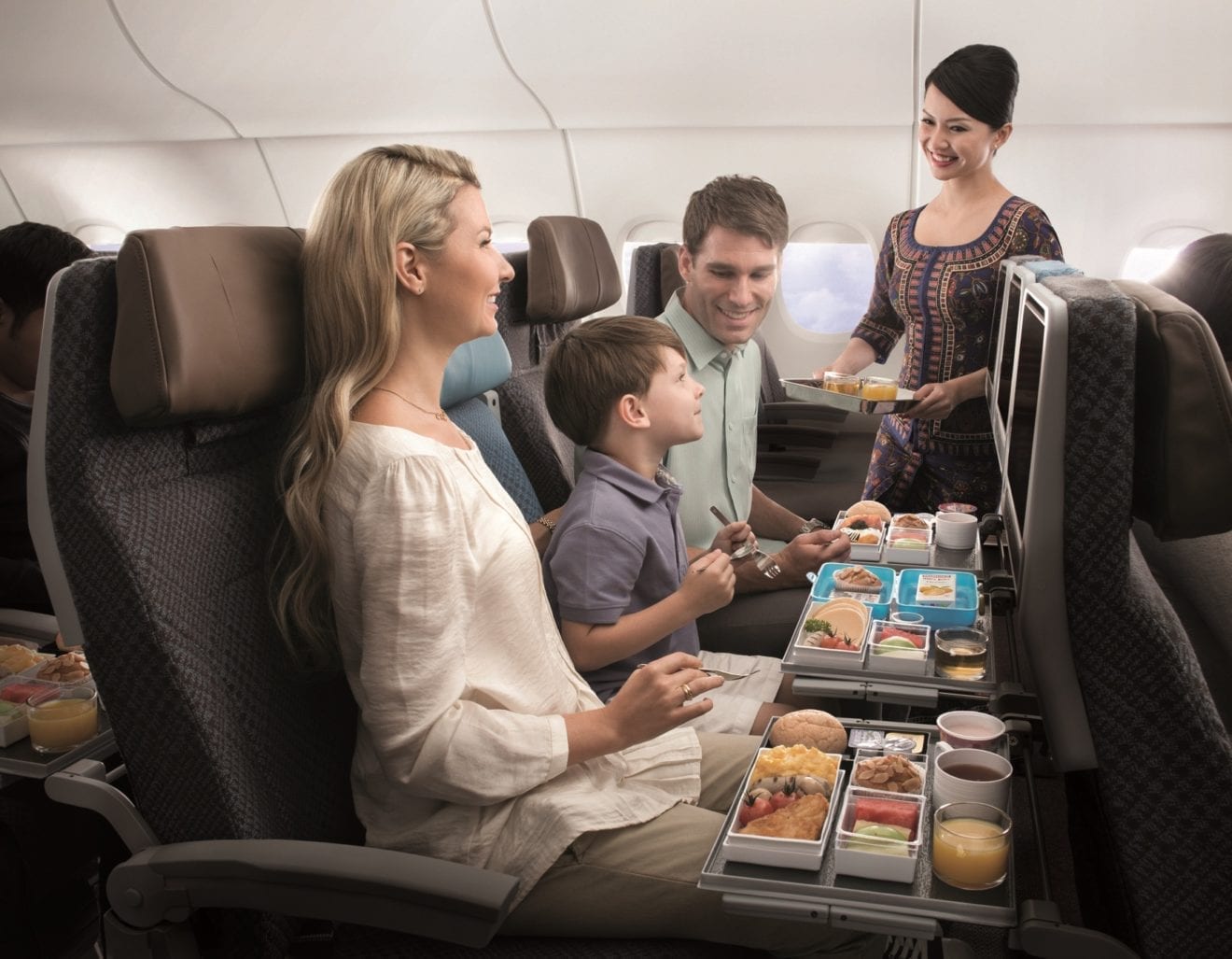
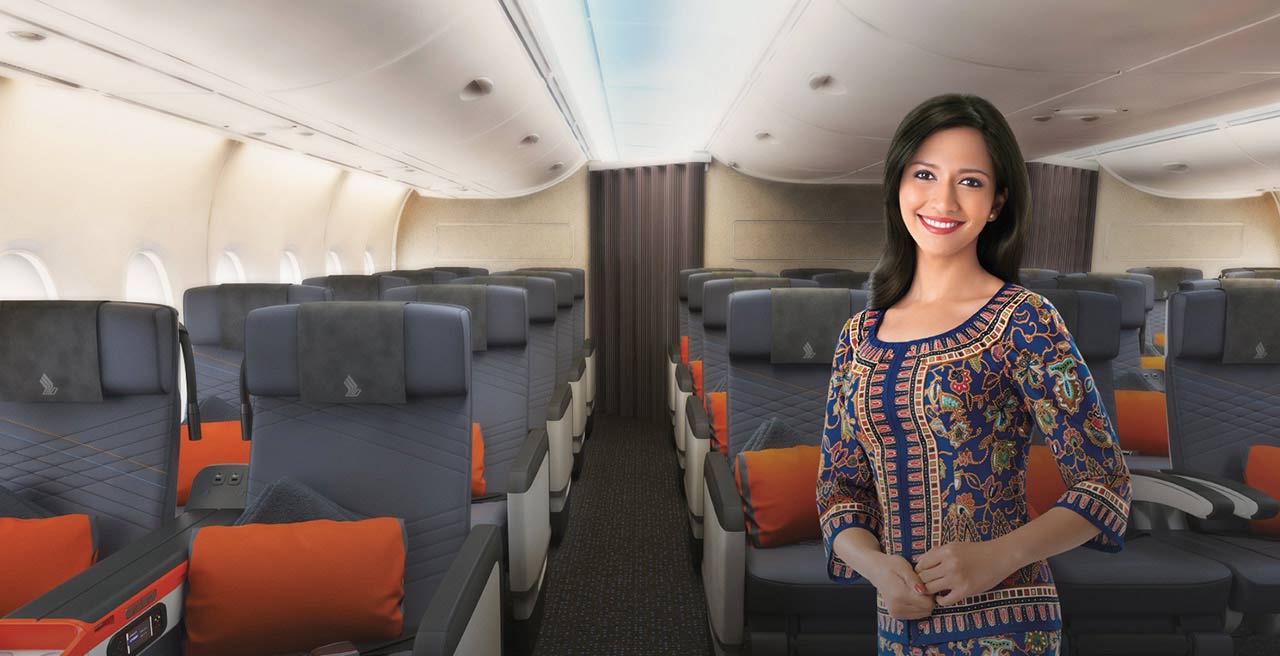
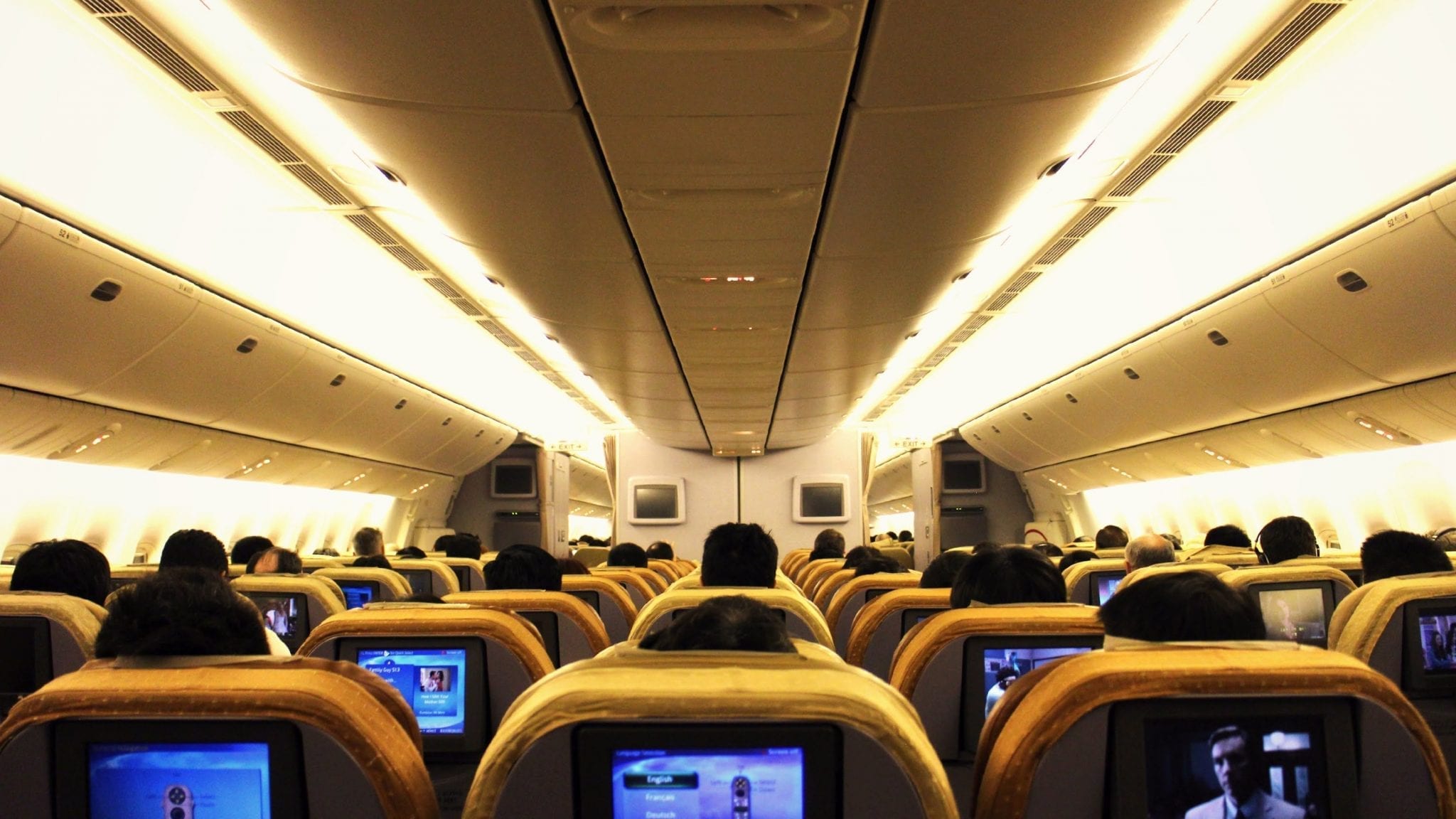
The premium economy cabin includes features such as wider seats with greater recline and more legroom.
First introduced more than two decades ago, such cabins are now found on more than 50 carriers worldwide, including American, European and Asian airlines.
Apart from SIA, airlines that have rolled out such cabins in recent years include Hong Kong’s Cathay Pacific, which introduced them in 2012.
Middle Eastern airlines, which have so far resisted the option, are now considering it as well.
Premium economy services have caught on as they are popular with travelers who do not mind paying more for extra comfort, especially on long-haul flights.
Cost-conscious businesses are also turning to them as an option for their executives on work trips, experts said.
A premium economy ticket can cost up to 1 ½ times more than the economy fare, though this also varies depending on routes and time of travel.
“The difference between the economy and premium economy fares for last-minute bookings can reduce significantly to just around 20 per cent to 30 per cent in some cases,” said Akshay Kapoor, director (Asia-Pacific) at CWT Solutions Group, which manages travel for corporate clients.
While most airlines have taken a keen interest in the premium economy product, most tend to roll this out rather cautiously, he said.
The number of premium economy seats is typically below 10 per cent of the total number of seats on the aircraft, said Kapoor.
One concern that airlines have is that instead of economy travelers upgrading, business travelers could end up downgrading.
Brendan Sobie, a Singapore-based analyst at the Centre for Aviation think-tank, said: “The idea is always to get economy class passengers to upgrade rather than to cannibalise business class.
“However, there is always some cannibalisation – generally not a significant amount but there’s always the risk.”
At Cathay Pacific and SIA, premium economy passengers are a mix of those who have downgraded from business and those who used to fly economy but are increasingly drawn to premium economy, especially on long-haul flights to North America and Europe, for example.
However, given the uncertain global economic outlook, experts expect more business travelers to downgrade.
Kapoor said: “With continued economic uncertainty expected over the next few quarters, we believe that organisations will increasingly be seeking avenues to drive savings in their travel spend without having to cut down on the amount they travel.
“Taking premium economy over business class could save 60 to 70 per cent of the airfare and allow for more trips to a destination for the same dollar amount.”
Rayman Som, 51, a human resource director who travels four to five times a year, has flown twice on SIA’s premium economy class on company expense.
He said he took a short flight to Hong Kong the first time, so it did not make much difference. But he flew to Paris the second time and it proved a different experience.
“The wider seat, more legroom and greater recline were much welcomed on the longer flight,” he said.
He added: “Would I pay out of my own pocket for premium economy? For a short flight, no. For longer journeys, it makes sense if the price is right. I think 30 to 40 per cent more is reasonable.”
Singapore Airlines is ramping up flights to Sydney, Melbourne and Brisbane in 2017, a year which marks the airline’s 50th anniversary in Australian skies.
Melbourne will see a fifth flight appear on the schedule from 17 July 2017, with the new SQ247/248 operating on Monday, Friday and Saturday.
The SQ247 Airbus A330 service will depart Singapore at 2am and arrive in Melbourne at 11.25am; SQ248 leaves Melbourne at 12.40pm to reach Singapore at 6.30pm.
In addition, from January Melbourne’s SQ227/228 will step up to a four-class Boeing 777-300ER with the Star Alliance member’s new premium economy class.
Brisbane will see SQ265/266 tick over to a daily frequency from 22 August 2017, up from the current four flights a week; it’ll stay on a Boeing 777-200ER aircraft with a fully-flat business class bed for the overnight flight between Brisbane and Singapore.
Sydney is also gaining extra flights. Beginning 4 June 2017, SQ251/252 will be bumped up from three times weekly to five times weekly, while SQ231/222 will continue as a four-class Airbus A380 from 18 June to 30 September 2017.
2017 will also see Singapore Airlines boost flights to popular cities in Europe and Asia – including Rome, Moscow and Bangkok – with a new via Moscow route to Stockholm.
Mancunians will be able to sample Singapore Airlines (SIA) latest A350 from January 17. SIA’s new three-class (business, premium economy and economy) twin-jet enters enters service on the Singapore-Manchester-Houston route. It will replace the larger B777-300ER which currently plies the route.
But the B777-300ER had the advantage of providing first class which will be unavailable with the A350.
I cannot talk about Houston, but in the case of the UK regions there is not the same demand for a top premium cabin as there would be from London.
Mancunians now have non-stop access both to Singapore and Houston. (Previously the Manchester-Singapore service was one-stop service via Munich. Singapore-Houston previously operated via Moscow).
Both are hub airports so the canny traveller can fly onwards to Asia/Australasia (in the case of the former) and Texas and the Southern US in the case of the latter.
Interestingly, for Mancunians seeking fast flights to Perth/Australia, what SIA is offering out of Manchester takes away the advantage of Qantas’ non-stop London-Perth service which launches in 2018.
Why fly Manchester-London-Perth with British Airways/Qantas (with a Heathrow terminal change) when SIA can take you Manchester-Singapore-Perth ?
Schedules are daily except Monday and Thursday.
Flight SQ052 will depart Singapore at 0215 arriving into Manchester the same morning at 0840. Its flight continues to Houston at 1010 arriving in the Texas city at 1430.
Return flight SQ051 departs Houston at 1850 to arrive into Manchester the following morning at 0840. It then departs at 1110 and, after another overnight aloft, it arrives into Singapore at 0755.
When you think of Singapore Airlines, visions appear of cushy premium cabins, bespoke leather seats, and free-flowing Champagne poured by the carrier’s throwback “Singapore girls” flight attendants.
It’s all that, yes. But the luxury carrier is working hard to diversify with budget airlines under its corporate banner. It owns low-cost carrier Scoot; 49 percent of Vistara, a joint venture in India with Tata Sons Ltd.; and NokScoot, a low-cost Thai airline Singapore owns in a joint venture with Nok Airlines. This collection of airlines—plus a new “ultra long range” Airbus A350 variant scheduled to arrive in 2018—enables Singapore to explore a range of expansion plans, many of which are currently focused on North America.
It’s no coincidence that the region continues to be the runaway success story of airline profitability. It will provide roughly two-thirds of the industry’s projected $29 billion net income next year, according to estimates released Dec. 8 by the International Air Transport Association.
Singapore’s portfolio of carriers offers “a lot more nimbleness and flexibility in addressing the needs of the markets,” Chief Executive Officer Goh Choon Phong said during an interview Dec. 6 in New York.
Squeezed on all sides
Last month, Singapore reported a 70 percent drop in net income and warned that 2017 could be challenging as well. The airline has struggled amid the expansion of low-cost carriers in its home region, and moves by a trio of Middle East-based full-service airlines to encroach on its core franchise of premium business travelers.
“It’s not going to be business as usual,” said Goh, an M.I.T.-trained engineer in computer science who chose an airline career over academia. “These are structural changes; these are changes that are not going to go away.”
Into this environment, the CEO has prescribed a diversification of revenue, a renewed focus on cabin comforts for big spenders, and new markets.
A chief pillar of the company’s expansion rests on further long-haul expansion, driven by firm orders for 67 new Airbus A350s and 30 of Boeing Co.’s largest 787 variant, the -10. The newest 787 is scheduled to enter commercial service in 2018. Of its A350s, Singapore will take seven from Airbus in an “ultra long range” configuration, which includes software changes and modest modifications to the landing gear. Other A350-900s can be altered to the ULR version, which is able to fly 8,700 nautical miles.
“We have called it a game changer for us and there’s a reason for that,” Goh said, alluding to the growth opportunities the A350 affords.
With these new, more fuel-efficient planes, Singapore executives have been keen to resume the nonstop flights from the city state to New York and Los Angeles, which operated for nine years before ending in 2013 because of the route’s extreme fuel costs. The airline is also considering the potential for new U.S. destinations, having for years studied traffic flows in places like Boston, Chicago, and Miami, Goh said. Many weren’t feasible, given the mix of large seat counts and the range limits of its existing aircraft. But the new, more fuel-miserly A350 may well change the math for such an expansion. (In March, for example, Singapore is swapping the 777 it flies to Houston with an A350.)
“The U.S. is an important market for us,” Goh said, but technological limitations required a stop between American cities and Singapore. No more.
Gateway to India and Southeast Asia
The airline is envisioning a day when the new fleet allows its hub at Singapore’s Changi Airport to become a connection for U.S. and Canadian corporate travelers bound for places such as India, Malaysia, Indonesia, and Thailand. It sees a precedent in the operations Emirates Airlines and Qatar Airways Ltd. have built at their hubs in the Persian Gulf, particularly for traffic to and from India.
Yet beyond the moneyed travelers who want frills on long flights, Singapore’s Scoot budget airline is also keen to expand. In June, Scoot will commence its longest flight to date, to Athens, a city where Singapore has ended service with its flagship. Scoot is increasing its all-787 fleet to 20 over the next few years, and is likely to look to markets where premium-cabin traffic is insufficient for flights by the flagship Singapore brand, Goh said.
“Scoot might also look to some kind of operation to the U.S,” Goh said. “At some point in time they will look at the U.S. to see if it makes sense.”
On the premium side of their house, Singapore executives have been cagey about the cabin configuration for the A350-ULRs to be deployed on the new U.S. nonstops to Los Angeles and New York. The latter will reclaim its title as the world’s longest route, at 19 hours or more, depending on winds. The airline plans a two-class service, but has declined to reveal the cabin mix or how many seats the planes will carry. They will have fewer than the 253 seats now on the three-cabin aircraft Singapore currently flies, with a stop in Asia, en route to Singapore, Goh said.
“The beauty of it is that this aircraft is not too big,” he said. “We can size it to best fit the traffic number that makes sense.”
Beyond the U.S., Singapore has identified India as a top priority in terms of greater market access. Within a decade, the nation is projected to become the No. 3 international travel market after China and America. Singapore’s Vistara venture will benefit from the Indian government’s recently altered “5-20” regulation that required local carriers to fly at least 20 aircraft for five years before they could offer international service. The change abolished the five-year flight period, and should help Vistara expand internationally sooner. It now has 13 Airbus A320s, with plans to reach 20 by 2018.
Some day, if it makes sense for Vistara, Goh says, the airline may acquire long-haul aircraft and set out for Europe and North America with nonstop routes. That’s a proposition that Emirates, Qatar, and Etihad can’t offer. “Logically speaking,” Goh says, “you can imagine Vistara should have a lot of potential for growth.”
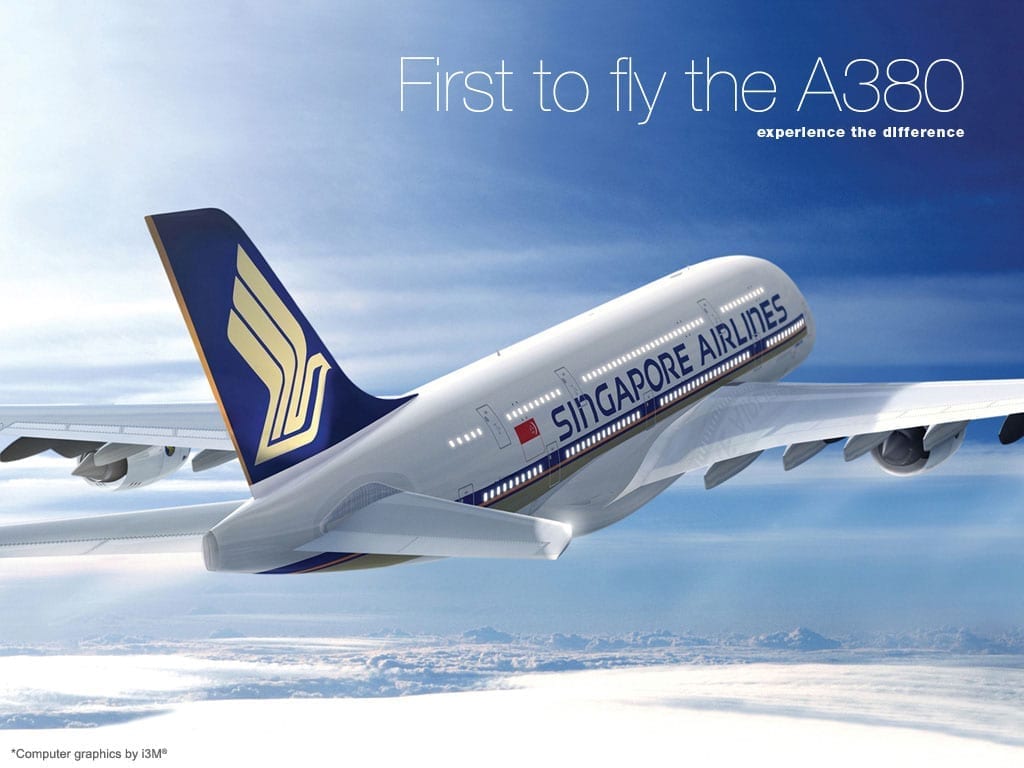
Singapore Airlines is bringing its flagship Airbus A380 back to Melbourne on a year-round basis, extending the airline’s temporary superjumbo service to the Victorian capital: previously due to end in March 2017 before reverting to a Boeing 777.
Instead, SQ’s A380s will continue gracing Melbourne’s skies, a Singapore Airlines spokesperson confirmed with the jet now appearing daily on flight SQ217 from Singapore and SQ218 from Melbourne.
The world’s largest passenger aircraft offers travellers a choice between Suites Class, business class, premium economy and economy.
‘Suites Class’ is Singapore parlance for ‘A380 first class’, with these passengers gaining access to a dedicated Singapore Airlines first class lounge in Melbourne or The Private Room in Singapore before their flight, after which, they’ll fly in style and privacy with all suites featuring closing doors:
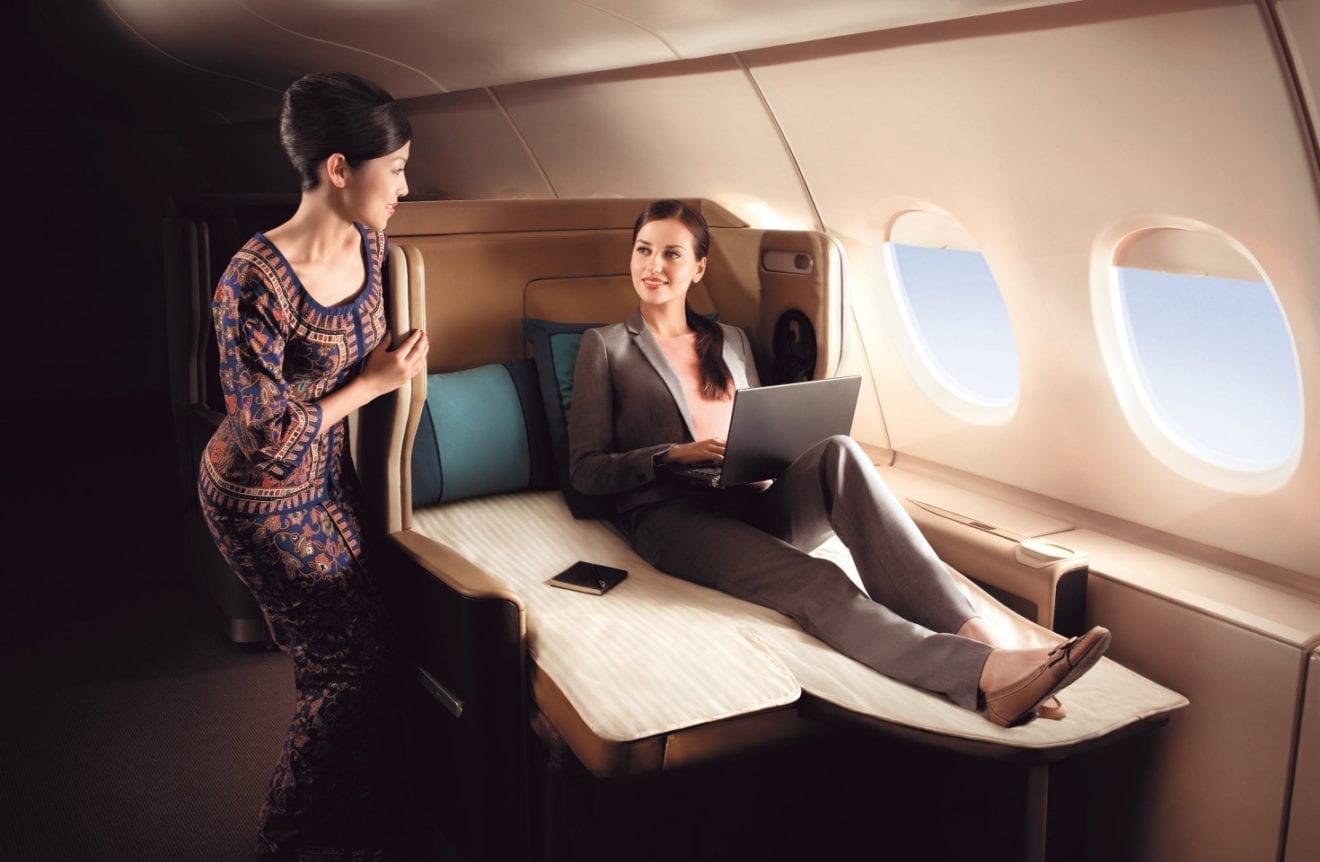
Business class too provides fully-flat beds with direct aisle access courtesy of the 1-2-1 cabin layout, with plenty of space to work and relax during the day as well.
Premium economy instead comes in a 2-4-2 arrangement, with reclining seats offering 38 inches of total space – known as ‘pitch’ – plus a padded leg rest and swing-down foot rest:
Melbournians can catch the A380 on flight SQ218 – departing the Coffee Capital at 1:05am daily to reach Singapore at 5:45am – and aboard SQ217 on the return: wheels-up at 10:45am for a 9:10pm touchdown later that evening.
In recent times, Singapore Airlines has also upgraded selected Brisbane-Singapore flights from Airbus A330s to the Boeing 777-200ER aircraft, complete with A380-style fully-flat beds in place of the less-appealing ‘sloping sleepers’ found on the A330s.
Singapore Airlines struggled to fill its planes in the first week it flew between Canberra and Wellington in New Zealand, data has revealed.
The International Airline Activity report by the Department of Infrastructure and Regional Development showed, on average, each of the six flights from Wellington to Canberra in September held just 94 passengers.
The Boeing 777 has 266 seats, meaning there was an average passenger load factor of just 35 per cent.
The Singapore to Canberra to Wellington rotation runs four times a week, with the first flight touching down in Canberra on September 21.
According to the report, the carrier’s strongest performing route was a direct service between Canberra and Singapore which was 68 per cent full.
In September, Singapore Airlines started the first direct international flights to the Australian capital in more than a decade.
It followed a long-fought campaign by the ACT Government and the Canberra Airport to attract carriers to the city.
The activity report shows Canberrans were more eager to leave the city than outsiders were to visit the capital.
A total of 1,421 passengers flew into Canberra on the 12 flights from Singapore and Wellington in September while 1,784 people flew out to those destinations.
On the 24 Singapore Airlines flights operating in the later part of September, only 13 tonnes of freight left Canberra, with no freight recorded entering the ACT.
The September figures were released as Qatar Airways announced earlier this week plans to start flights to Doha, becoming the Canberra Airport’s second international carrier.
Today FlyPelican also announced it would launch regional flights connecting Canberra and Dubbo 10 times a week from next month.
The October figures for international flights have not yet been released.
Business class on Singapore Airlines’ refitted Boeing 777-200ERs proves almost identical to what you’ll get aboard the airline’s flagship Airbus A380s, but with a few tweaks and touches to maximise your space for sleeping and working.
Now gracing Australian skies on overnight flights from Brisbane to Singapore – and planned also for flights between Sydney and Jakarta – here are our top seating picks in business class, whether you’re aiming to work through the flight, catch some shut-eye or chat with your partner.
Singapore Airlines refitted Boeing 777-200ER business class: the basics
Singapore Airlines spreads 26 business class seats across the first seven rows of its refitted Boeing 777-200ERs, configured in a 1-2-1 layout that places the ‘A’ and ‘K’ seats by the windows and the ‘D’ and ‘F’ seats in the centre:
Even though there’s no first class cabin, business class begins at row 11 and also skips the ‘unlucky’ row 13, with all seats found together within a single ‘zone’ of the aircraft.
Note that Singapore Airlines’ other, non-refitted Boeing 777-200ERs instead feature a different type of business class seat and use a different layout also, for which this guide does not apply.
Singapore Airlines refitted Boeing 777-200ER business class: best seats
For sleeping – 11A, 11K: While every business class seat here transforms into a fully-flat bed, the window seats in the first row provide considerably more space both beside and in front of you, as there’s no narrow ‘foot cubby’ to contend with.
Instead, you can spread out as you wish, which taller travellers will particularly appreciate:
If 11A and 11K are already taken or otherwise unavailable, look to 11D or 11F instead – also with extra foot space, but not as roomy:
Also note that 11A & 11K double as bassinet seats, so if there’s a baby-toting traveller on your flight and you’ve perched yourself here, there’s a chance you may be moved to accommodate them.
For productivity – other A, K seats: Those bulkhead seats above certainly are spacious, although they lack many of the storage nooks afforded to passengers in the other rows.
On daytime flights when you’re planning to work, we’re sure you’ll appreciate this extra storage bin – handily located near the USB and power outlets for convenient charging of your devices…
… as opposed to your only at-seat storage option in those bulkhead seats: a literature pocket that already comes filled with literature:
For couples – the D + F pairs: When travelling with your significant other, aim for one of the seven centre pairs.
You’ll need to lean forward slightly to see each other when sitting upright, although with each seat measuring 30 inches wide, one traveller could certainly visit the other’s seat while enjoying a movie – there’s even a second headphone outlet at these seats to make this easy.
If you’re a solo traveller and can’t snag a window seat, don’t fret – there are two sturdy privacy dividers which can be opened in between, so that even if one passenger retracts theirs, the other can remain in place.
Avoid 18D, 18F: Found in the very back row of business class, these seats are practically next to the main aircraft door used for boarding economy passengers (18D even more so than 18F), and what’s more, the two business class restrooms are located directly behind.
That severely limits your privacy both on the ground and in the air with so many passengers passing by these seats, not to mention the extra noise from the lavatories.
Instead, as there are no restrooms ahead of business class – only rearward, behind these seats – you’ll find greater privacy in a row further forward instead.
Singapore Airlines will cut five weekly flights to Jakarta, from Dec 1, as directed by the Indonesian civil aviation authorities, the airline said.
SIA which has been operating 63 flights a week to and from Jakarta has been told to cut five flights a week due to runway maintenance works at Jakarta’s Soekarno-Hatta International Airport.
The five affected flights are SQ962 and SQ963 on Mondays, Tuesdays, Wednesdays, Thursdays and Saturdays.
SIA apologised to customers for the inconvenience and said it will progressively contact those affected to accommodate them on other flights.
Responding to media queries, a Civil Aviation Authority of Singapore (CAAS) spokesman said the authority is aware of SIA’s plans.
“CAAS hopes that the runway maintenance works will be completed expeditiously and that the impact on airlines will be fairly distributed,” she said.
CAAS also hopes that the Indonesian civil aviation authorities will be able to allow Singapore Airlines to resume all 63 weekly services to Jakarta as soon as possible to reduce the impact on business travelers and tourists, who rely heavily on air services to travel between Singapore and Jakarta.
The latest development comes several weeks after SIA said it had had to postpone plans for a thrice-weekly Singapore-Jakarta-Sydney service, which had been due to start on Nov 23.
The Indonesian authorities had also cited runway maintenance works as the reason for withdrawing approval for the route.
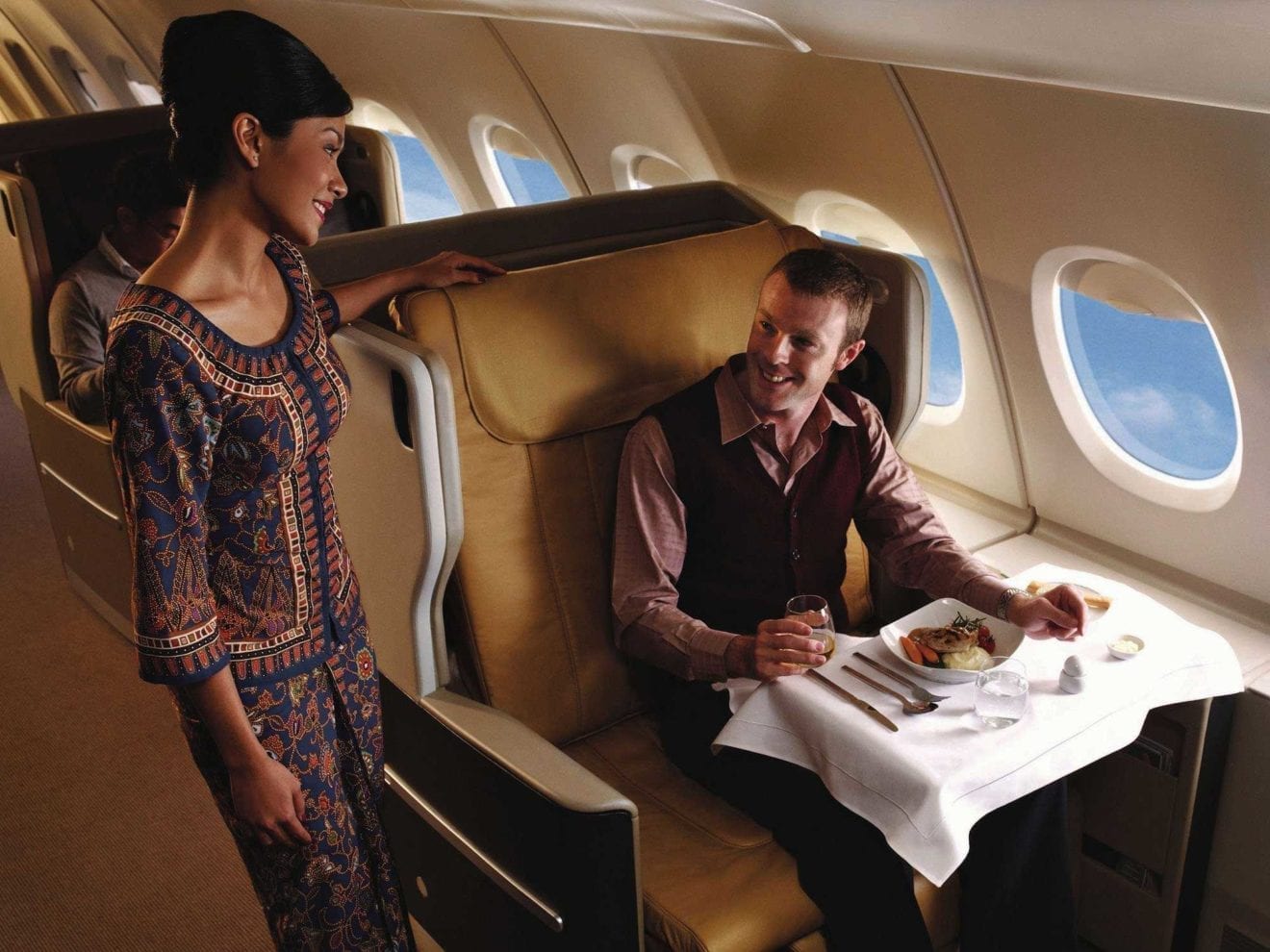
It’s like dining a la carte 34,000 feet above sea level. That’s the “Book the Cook” experience that you get when you fly Singapore Airlines. It’s an exclusive advance inflight meal-ordering service that allows passengers in Suites, First Class, Business Class and Premium Economy Class to pre-select a gourmet dish of their choice before their flight.
“It’s a departure from our regular meal service,” says Hermann Freidanck, food and beverage, inflight services manager. “You get to order your main course from a wide selection in a specially prepared menu up to 24 hours before your flight. Now you won’t have to settle for a dish that is not your choice.”
At the exclusive meal presentation before local media recently at Singapore Airline’s new-concept Silver Kris Lounge in NAIA3, we got to experience firsthand what this was like. A couple of days before the event, we were sent a special menu to choose from, which included beef tenderloin steak, roasted rack of lamb, slow-cooked marinated duck leg with mushroom risotto, marinated free-range chicken, and baked herb-marinated salmon.
The sit-down meal included an appetizer of marinated lobster with Mediterranean vegetable salad and balsamic dressing, as well as roasted pumpkin soup or snow fungus chicken soup with Chinese mushroom and quail egg. The salad was spinach and green frisée garnished with cherry tomatoes and olives with a choice of balsamic vinegar and extra-virgin olive oil or honey-mustard dressing, while dessert was a choice of either chocolate and banana cake with vanilla ice cream and raspberry coulis or fresh mango tiramisu with verbena mango compote and biscotti by three-Michelin-starred chef Georges Blanc.
As part of the Book the Cook service, passengers can choose from a menu of ICP dishes. “These are dishes created by Singapore Airline’s esteemed International Culinary Panel (ICP), which is a team of celebrated Michelin chefs who have restaurants or groups of restaurants in our main destinations in Europe, America and Asia,” Freidanck explains. “They work closely with our own chefs to develop unique dishes that we serve on board.” The panel includes Alfred Portale (United States), Carlo Cracco (Italy), Goerges Blanc (France), Matt Moran (Australia), Sanjeev Kapoor (India), Suzanne Goin (United States), Yoshihiro Murata (Japan), and Zhu Jun (China).
“Our menus are planned four to five months ahead of time, on a four-month cycle. First Class and Business Class have four different main courses, while Premium Economy Class has a third choice in addition to the usual two choices,” Freidanck shares. “The way we do our menus is what we call ‘destination-specific.’ If you are going to Frankfurt, for example, you’ll have a German dish. In First Class and Business Class, you will always have an ICP dish. Seasonal ingredients would also affect which dishes would be available. The Japanese, as well as the Chinese dishes, go by the seasons. A bestseller is the Maine lobster, but not every country has it. It is difficult to get lamb, for instance, but because you can order in advance, you are guaranteed your main course.”
“And then we have the Asian dishes. We look at the passenger profile, and if it’s predominantly Singaporean, for example, we try to put a Singaporean dish. We emphasize that we must represent the cuisine properly. It always has to be authentic. It must be traditional,” Freidanck adds. ‘There are also what we call the special meals which address certain conditions of the passenger, either due to religious beliefs, dietary or allergy restrictions. You can order them and we will serve you according to what you order. It’s not like other airlines where one menu fits all.”
Singapore Airlines also launched a new “Deliciously Wholesome” program catering to the needs of an increasing number of health-conscious travelers.
Preservation of freshness is an important consideration. Dishes are cooked with the reheating process in mind. “There is a fine line because we have to follow the hygiene regulations,” Freidanck explains. “Steak, for instance, has to be seared from the outside, so when it’s reheated on board, it’s just right. Sushi has to either be grilled or pickled or smoked. Nothing is raw. Oysters have to be cooked, following hygiene regulations.” Certain dishes can be a challenge. “Not impossible, but difficult,” Freidanck says. Dim sum, like pasta, does not reheat very well. The texture of risotto can be less appealing when overdone.
The dishes are cooked in the kitchen, then kept in the chiller below 10 degrees so no bacteria can thrive, until it goes on board. The dishes are deconstructed and put into different containers. On board, it goes in the oven where the heat is calibrated to a certain temperature. “There is a training center in Singapore where the crew learn to do this. It’s very specific. There’s a lot of details which they have to go through,” Freidanck says. The crew gets a plating guide, which they must follow when they assemble the dishes. First Class passengers get their meals served on real plates with fine cutlery.
“Complementing Singapore Airline’s World Gourmet Cuisine is a selection of the finest wines from the very best vineyards, selected by some of the world’s most educated and sought-after palates. These wines are handpicked by world-renowned wine experts and blind-tasted under simulated cabin pressure, since our taste buds are affected by the cabin pressure,” notes Carol Ong, Singapore Airlines general manager for the Philippines, Guam and USTT. The Singapore Airlines Wine consultants include three Masters of Wine: Michael Hill-Smith, Jeannie Cho-Lee, and Oz Clarke.
“So, you have just flown First Class, basically,” Freidanck says, addressing the intimate media group of happy diners at the end of the meal. The only thing missing was the altitude.
Flag carrier Singapore Airlines (SIA) said on Wednesday (Nov 9) it has delayed plans to launch a new route linking Singapore, Jakarta and Sydney, after Indonesia withdrew its approval due to runway maintenance work.
The airline had earlier announced that it planned to launch the thrice-weekly Singapore-Jakarta-Sydney route on Nov 23. SIA said Indonesia’s civil aviation authorities had issued written approval, and the airline had secured the necessary airport slots.
However, Indonesian authorities have informed the airline that they are now unable to approve the flights due to runway maintenance work at Jakarta’s Soekarno-Hatta International Airport, SIA said. The runway work also affects other airlines, it added.
In response to media queries, the Civil Aviation Authority of Singapore (CAAS) said it was aware of the delay in the launch of the new route.
“SIA’s new service will enhance air connectivity between Singapore, Jakarta and Sydney, which will facilitate people and trade flows between these cities,” CAAS said.
“We hope the Indonesian civil aviation authorities can give approval for this new service as soon as possible so that it can be launched.”
SIA said it will contact customers with bookings on the route and transfer them to other flights. “The airline apologises for the inconvenience caused to our customers,” it said.
Strengthening their partnership, Coffee retailer Starbucks India is helping lift international exposure for India’s Tata Group brands.
Starbucks is introducing Tata’s single-origin coffee in the US and its mineral water in Singapore, and helping develop a signature Indian tea blend. In return, Tata group is introducing Starbucks coffee on Vistara flights and launching its specialty tea brand Teavana in India.
Starbucks will sell single-origin, premium coffee from India at its Starbucks Reserve Roastery and Tasting Room in Seattle, says chairman/CEO Howard Schultz said after meeting Tata chairman Cyrus Mistry at the iconic store. Starbucks will be opening a similar outlet in Shanghai next year.
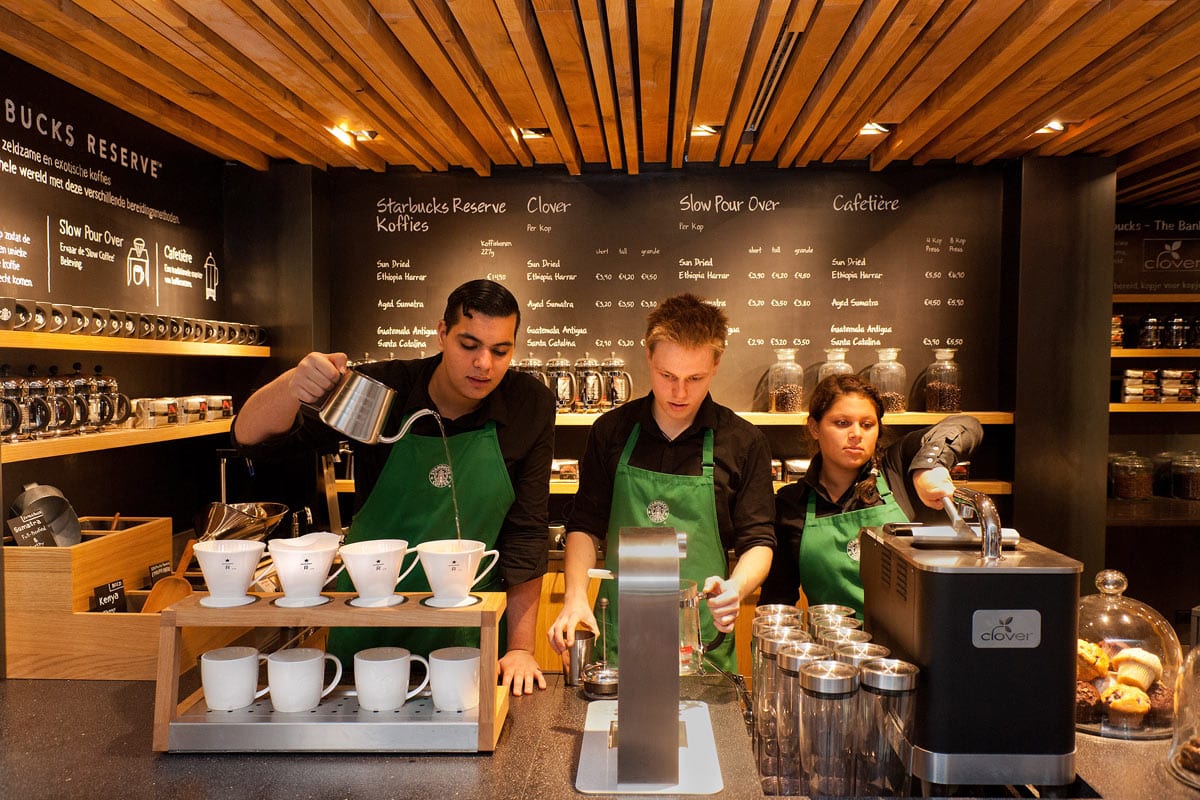
Tata-Starbucks will also introduce Kenyan and Sumatran coffees at Starbucks stores across India, says the company, and Starbucks coffee will be available on Vistara, a full-service airline, later this year. Vistara is a joint venture between Tata Sons and Singapore Airlines, and has more than 457 flights weekly to 17 destinations.
Following the success of the tea category in its US stores, Starbucks will extend its Teavana specialty tea brand to India in December. The joint venture is also collaborating on the development of a signature Indian tea blend for Starbucks stores in India.
India has become Starbucks’ fastest-growing market since the first cafe opened in 2012 in a partnership with Tata Global Beverages. The chain has expanded to 84 locations across six cities.
The company’s China and Asia-Pacific unit generates about 13 per cent of its total revenue, and Starbucks plans to open about 900 outlets in the region this fiscal year, compared with 700 store additions in the Americas and 200 in Europe, the Middle East and Africa. It has more than 2000 cafes in China alone and plans about 500 new stores a year in the country.
Starbucks also plans to expand the availability of Himalayan Mineral Water, bottled by Tata Global Beverages, beyond Starbucks stores in India to Singapore this year. It is also exploring opportunities to introduce the brand to stores across Starbucks China and Asia-Pacific region.
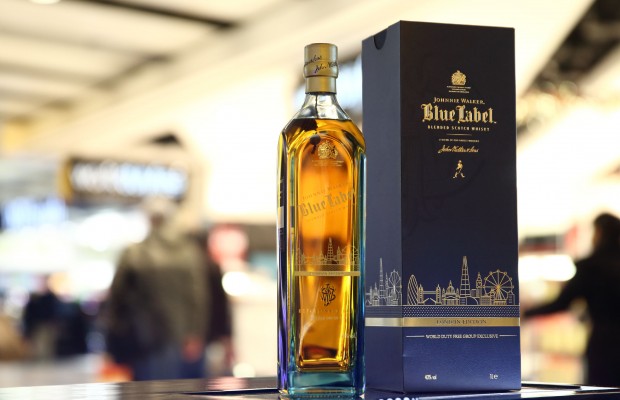
Diageo’s Johnnie Walker House has launched Johnnie Walker Blue Label The Casks Edition, a Scotch whisky and bottle design available exclusively through Singapore Airlines. The ‘richer and more intense’ Johnnie Walker Blue Label The Casks Edition is a higher strength whisky than the main line liquid, and is bottled at 55.8% ABV.
Johnnie Walker House, the ‘international network of luxury whisky embassies’, paired the whisky with a new bottle design based on the airline’s cabin crew uniform.
The ‘Singapore Girl’ wears a sarong kebaya, designed by French couturier Pierre Balmain in 1968. The same shade of blue is used on the Johnnie Walker Blue Label The Casks Edition bottle design, which also features the airline’s signature batik print etched in silver.
“It brings us great pleasure to work with Singapore Airlines, a company that shares our appreciation for the contemporary but at the same time, a great respect for heritage and progress,” said Lawrence Law, global general manager for Johnnie Walker House.
“This partnership with Singapore Airlines provides an opportunity for consumers to buy a product that they cannot find anywhere else – an example of our continuing commitment to bringing our most successful innovations to consumers within the world of travel.”
Mr Foo Chai Woo, Singapore Airlines divisional vice president sales and marketing added: “We are proud to be able to exclusively offer our customers the opportunity to purchase this special release in-flight via Singapore Airlines KrisShop. Having our Singapore Girl’s signature sarong kebaya batik motif reproduced on the bottle of the world’s leading luxury Blended Scotch Whisky is an honour and we are thrilled to have been selected as the first Johnnie Walker House airline partner.”
Concessionnaire DFASS’s John Garner, president Asia and Middle East, said: “We are delighted to bring this exclusive Johnnie Walker Blue Label offering to KrisShop, for Singapore Airlines passengers. This has been a fantastic collaboration with all three parties actively involved from early ideation to getting it in-flight.
“We believe that through this strong partnership, we will be able to provide more innovative offerings to Singapore Airlines and their passengers alike.”
Johnnie Walker Blue Label The Casks Edition is available to purchase through Singapore Airline’s inflight retail store, KrisShop, from 1 December. Customers can pre-order via www.krisshop.com/JW.
The whisky carries an RRSP of S$378 (US$270) for the 75cl bottle.
Diageo’s partnership with Singapore airlines follows the publication of Generation Research data which shows that the global inflight retail market declined 6.7% in the first half of 2015.
Diageo-owned Scotch whisky Johnnie Walker Blue Label is elevating its relationship with travel retail through a collaboration with Singapore Airlines.
The distiller’s Johnnie Walker House network of high-end whisky lounges has worked with Singapore Airlines to design a limited-edition bottle that takes cues from the airliner’s flight attendant uniforms. Travel retail is especially important for spirits brands due to duty-free pieces, and expanding that connection through special-edition bottles may further increase interest from travelers.
Cheers in the sky
For its collaboration, Johnnie Walker drew inspiration from Singapore Airlines’ “Singapore Girls” and their sarong kebaya uniform. The distinctive uniform, inspired by traditional fabric patterns, was designed by French couturier Pierre Balmain in 1968, and has stood the test of time to become synonymous with “luxury, heritage and excellence.”
The lapis lazuli blue bottle has been produced in the same shade as the uniforms sported by Singapore Girls. Furthering the connection, each bottle features the airline’s batik print etched in silver on its front.
Johnnie Walker Blue Label’s special release bottle stands out as the distillers’ Cask Edition, a richer and more intense whisky. The bottles, limited to 2,000, will be priced at $270.
Rather than sell in a Duty Free Shopping outlet, Singapore Airlines has made the bottle exclusive to its on-board, inflight retail store KrisShop. The bottles will also be available for pre-order on the KrisShop Web site.
Johnnie Walker and Singapore Airlines collaborative bottle
“We are proud to be able to exclusively offer our customers the opportunity to purchase this special release in-flight via Singapore Airlines KrisShop,” said Foo Chai Woo, Singapore Airlines divisional vice president sales and marketing. “Having our Singapore Girls’ signature sarong kebaya batik motif reproduced on the bottle of the world’s leading luxury blended Scotch whisky is an honor and we are thrilled to have been selected as the first Johnnie Walker House airline player.”
Matthieu Comard, vice president of Diageo Global Travel Americas, agreed, saying, “Johnnie Walker Blue Label, Singapore Airlines and DFASS have much in common. They are progressive, award-winning brands known around the world for excellence.
“We are proud to take this opportunity to create a special-edition with such esteemed partners in the travel retail and travel sectors,” he said. “Their commitment to continued excellence and remarkable standards of luxury are values shared by the Johnnie Walker brand.”