Tag: Singapore

  • More discount from Don Don Donki for Singaporean

    More discount from Don Don Donki for Singaporean

    Japanese discount store Don Don Donki opens its first Southeast Asian outlet at Orchard Central today, to be followed by a second outlet at the 100 AM mall in Tanjong Pagar in June.

    The aim is to have at least 10 stores in Singapore within the next four or five years.

    Over two storeys, the Orchard Central megastore will be open 24/7 and also feature a “night market” concept featuring eight dining outlets in partnership with food manufacturer Hokkaido Marche. This section will launch next month and be open only during dinner hours.

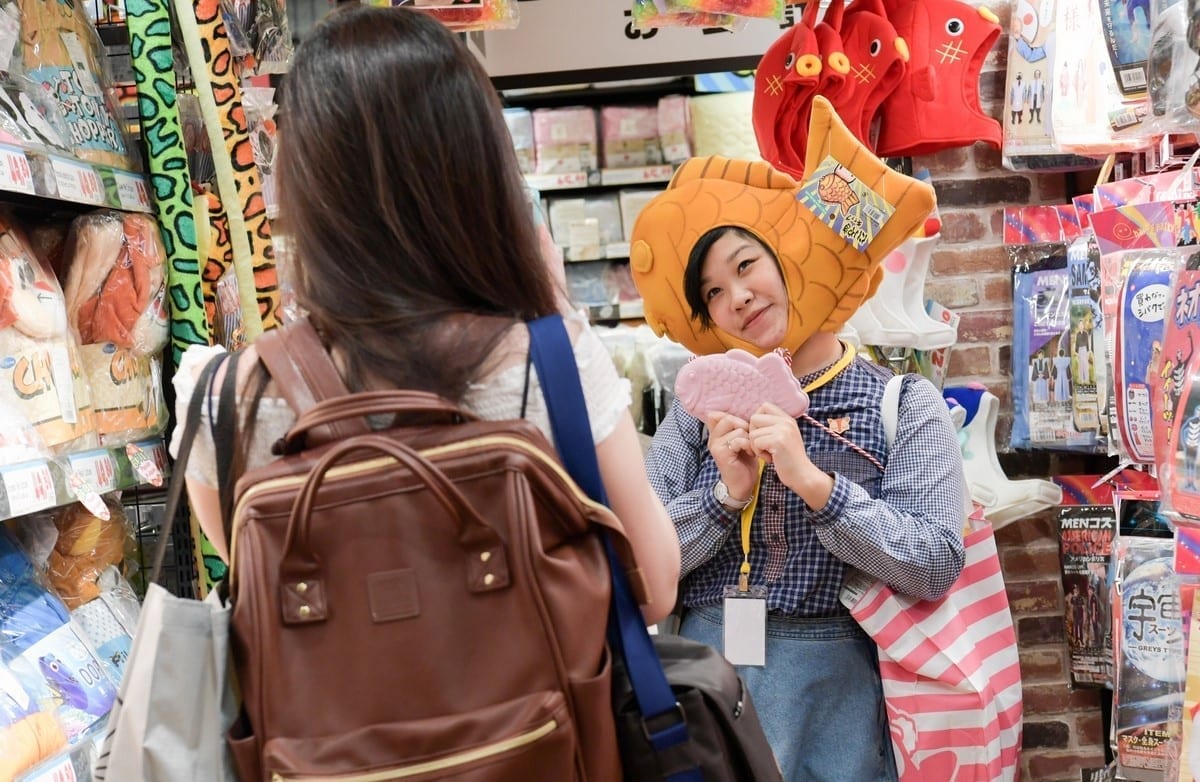
    Don Don Donki’s product range of about 30,000 items was curated for Singapore and spans fresh and processed foods, vegetables, meat, sushi, groceries, beverages, costumes, clothing, cosmetics, novelty goods and household items. A third of the product selection is from Hokkaido.

    Covering 1400sqm, Don Don Donki will also offer products from its in-house brand Jonetsu Kakaku as well as a Hokkaido-themed retail space.

    The brand is known for its wide range of made-and-designed-in-Japan products – from toilet paper to second-hand Rolex watches.

    Better known as Donki, the store was founded by Japanese businessman Takao Yasuda in 1978 and is owned by the Don Quijote Group. Its stores in Singapore will be run by Pan Pacific International Holdings, its holding company for overseas business.
    Name change

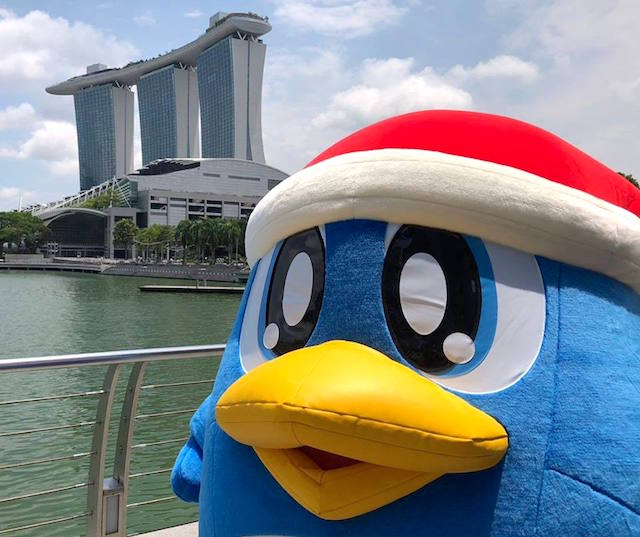
    While the stores in Japan are called Don Quijote, its Singapore branch name has been changed to avoid confusion with a local Spanish restaurant of the same name. The term “Don Don Donki” was taken from the store’s theme song.

    “The idea to have Don Don Donki in Singapore was suggested by Hokkaido Marche,” said Yasuda, 68, who “semi-retired” a couple of years ago and moved to Singapore. “When I came here, I realised products in Singapore are very expensive, and in Japan I’m known as the king of discounts.

    “What costs one dollar in Japan is sometimes two or three dollars here.”

    So when he was approached by Hokkaido Marche to partner and open its concepts in Singapore, he agreed immediately.

    Pan Pacific International Holdings director Hideki Okada says the Singapore store is a pioneer for the rest of Southeast Asia. It will be followed by a branch in Thailand next November.

    With 368 stores in Japan, Hawaii and the US, the brand earned nearly ¥828.8 billion (US$7.3 billion) in annual sales for the fiscal year to June 30.

  • Luk Fook Holdings gets back up to grow

    Luk Fook Holdings gets back up to grow

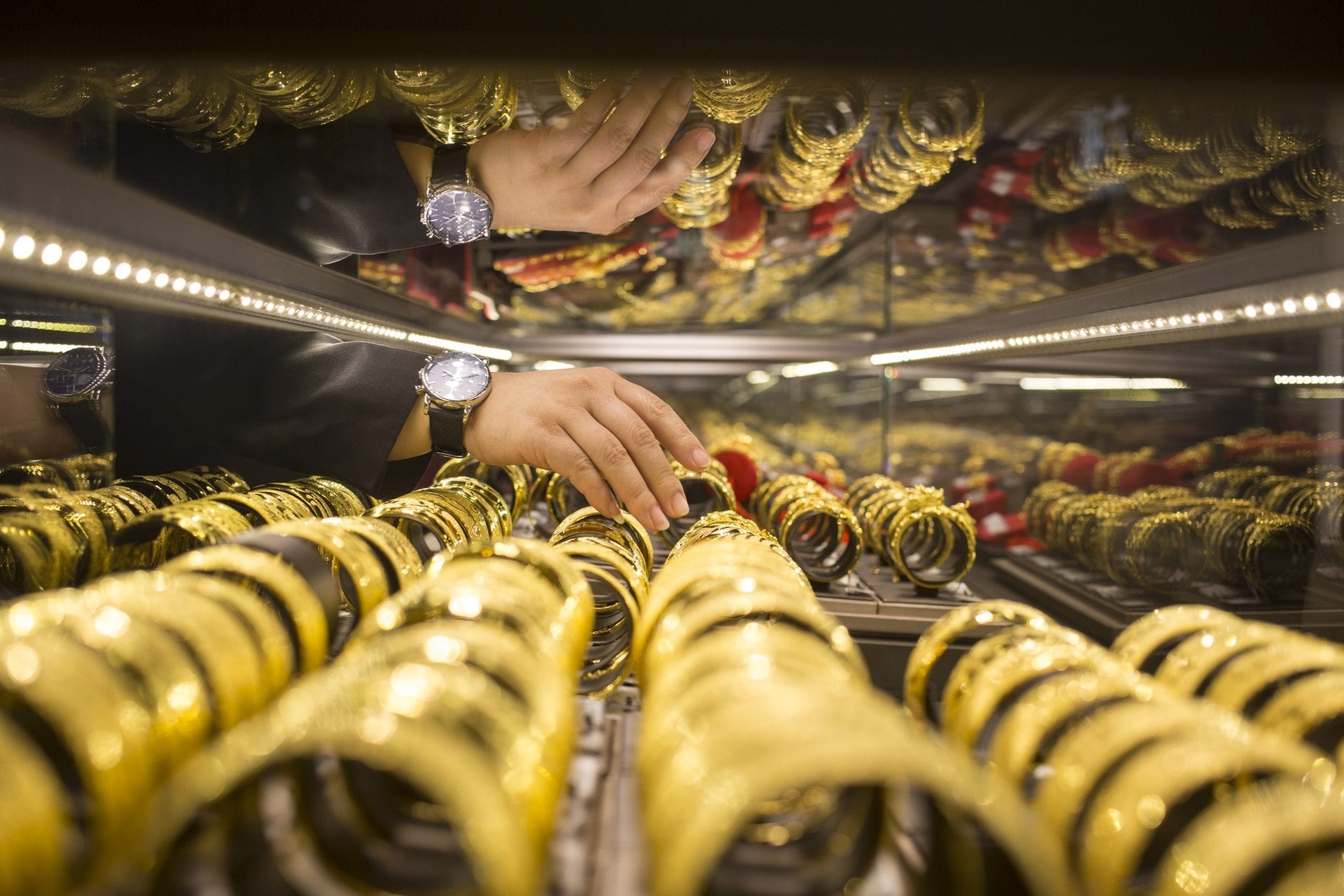
    In a golden first half, jewellery group Luk Fook Holdings (International) saw revenues and profits rise as it continued to expand its retail outlets.

    As well as a return to growth for same-store sales and a doubling of e-commerce sales, its interim results show a 14.9 per cent rise in revenue to HK$6.2 billion (US$794 million) for the six months to the end of September.

    A relatively stable gold price resulted in the group’s overall gross margin dropping to 26.2 per cent from 28 per cent a year earlier, but gross profit rose by 7.5 per cent to $1.6 billion. Profit attributable to equity holders grew by 21.3 per cent to $520.3 million.

    During the six months, the group added 46 Lukfook shops worldwide – 47 (29 licensed) in Mainland China and one in San Francisco, with two closures in Hong Kong. This took its global network to 1542 Lukfook shops (up from 1455 shops a year earlier), spanning Australia, Canada, China, Hong Kong, Korea, Macau, Malaysia, Singapore and the US. It also had 10 3D-Gold shops in China (an addition of one).

    Retail was the group’s primary source of revenue, which grew by 17.1 per cent to $4.7 billion, accounting for 75.1 per cent (up from 73.7 per cent) of total revenue.

    Slide reversed

    Back on track after three years of decline, first-half overall same-store sales growth was 11.2 per cent (minus 31.5 per cent a year earlier). There was double-digit growth in both Hong and Macau and Mainland China at 10.5 per cent (-32.3 per cent last year) and 16.7 per cent (-23.7 per cent) respectively.

    Hong Kong was the key market for the Group with the recovery of both retail sentiment and visitor arrivals. In terms of tourist spending, sales of jewellery, watches, clocks and gifts rose about 4.3 per cent, according to the Census and Statistics Department of Hong Kong. This was reflected in an 8.4 per cent lift in the group’s retail revenue in Hong Kong to $2.8 billion.

    Similarly, official figures in Macau show a 17.5 increase in tourist spending while the group’s revenue grew by 18.8 per cent to $790 million for the half-year.

    Meanwhile, retail revenue from the Mainland China market grew by 43.6 per cent to $924 million, attributed to an improved retail environment and more self-run shops. It accounted for 14.7 per cent of the group’s total revenue, up from 11.8 per cent a year earlier.

    Revenue from e-commerce in China jumped by 104.7 per cent to $136.6 million, accounting for 14.8 per cent of retail revenue, up from 10.4 per cent.

    Overall, first-half revenue from China grew by 25.5 per cent to $2.1 billion, accounting for 34.4 per cent of total revenue (31.5 per cent a year earlier).

  • More Dickson Concepts stores in Taiwan

    More Dickson Concepts stores in Taiwan

    Hong Kong fashion and watch retailer Dickson Concepts has opened three new stores in Taiwan this year as it continues its regional expansion.

    Dickson Concepts operates retail stores under brands including Tommy Hilfiger, JT Dupont, Bertolucci, Roger Vivier, Tod’s and Harvey Nichols.

    At the end of September, the retailer had 111 stores: 25 in Hong Kong, 58 in Taiwan, 15 in Mainland China, five in each of Singapore and Malaysia and three in Macau. However, Hong Kong accounted for 75.6 per cent of its sales in the first half of this financial year, with Taiwan’s share just 18.4 per cent, despite the higher store count. Mainland China and the rest of Asia accounted for just 6 per cent of sales.

    Dickson Concepts reported total sales of HK$1.576 billion for the first half, an increase of 11.7 per cent. Same-store sales increased by 12.4 per cent. It posted a net profit attributable to shareholders of HK$8.1 million.

    The company said it expects the retail climate in Hong Kong, China and Southeast Asia to “remain volatile” in the foreseeable future.

    “The performance of the group in the Hong Kong retail market has improved slightly, but remains inconsistent,” said the company in its half-year profit announcement.

    “The Taiwan retail market has remained weak due to continued reduction in tourist arrivals from China, primarily caused by poor political relationship between Mainland China and Taiwan. In China, consumer demand continues to be affected by reduced spending on gift-giving.

    “Given these difficult conditions, the group will continue to rigorously control costs and expenses at all levels of operation and adopt a very cautious approach to its further expansion and development strategies.”

  • Foreign Investment Hotspots In Asia Pacific

    Foreign Investment Hotspots In Asia Pacific

    Cross-border real estate investment in the Asia Pacific region could achieve a record high this year as foreign investors shore up interest and seek assets in greener pastures beyond borders.

    As it stands, year-to-date intra-regional cross-border transaction volumes have already exceeded the previous 10-year record high in 2015 (1Q15-3Q15) by 30 per cent, and is currently a 21.8 per cent step up from its 10-year average (2007-2016).

    Singapore the main source of intra-regional capital

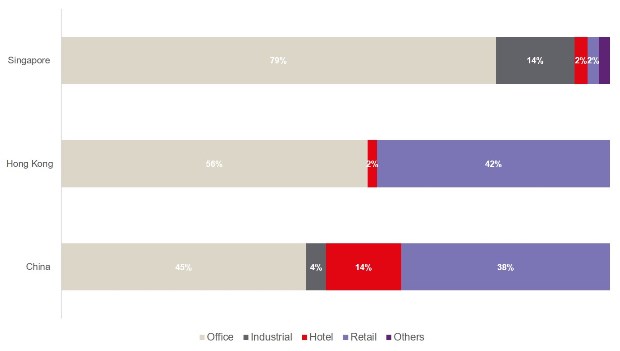
    Chinese would be the largest group of foreign investors if inter-regional flows were part of the picture. But in the context of intra-regional capital flows (which only considers deployment within Asia Pacific), Singapore continues to dominate with year-to-date foreign investments currently standing at US$5.6 billion.

    China (US$2.1 billion) and Hong Kong (US$2.9 billion) were ranked second and third respectively given a significant portion of capital are recycled between the two closely-integrated countries.

    These three countries make up 85 per cent of total source of foreign capital within the region.

    Much of the capital from these countries is allocated to office assets. From the standpoint of Singapore investors, most are seeking to plough capital in gateway cities such as Melbourne and Sydney, which offer steady and attractive income streams.

    79 per cent of Singapore capital has been allocated into outbound office assets, with 11 out of 18 of the office assets acquired based in Australia.  One such cross-border deal is the acquisition of 206 million Telstra Plaza building by Singapore’s ARA Asset Management and co-investment vehicle Straits Real Estate.

    While 45 per cent of China capital is allocated to office assets, most are flowing into Hong Kong strata-titled opportunistic assets, with a focus on capital growth.

    Figure 1: Allocation of intra-regional cross border capital outflow by asset classSource: JLL

    Australia and China most popular for foreign investors

    Australia and China draw the most foreign investments given assets in those markets generally offer more attractive yields. But relative to domestic purchasers, (Figure 3) India stands out with 65 per cent of its total transactions coming from foreign investors (all of which were Singapore based institutional funds investors).

    One notable example was Singapore sovereign wealth fund GIC’s US$1.4 billion joint venture with DLF Cyber City Developers, which also happened to be the largest cross border deal year-to-date.

    These investors are looking to ride the investment wave via debt deals and joint ventures with local partners, as the market continues to grow in depth and demonstrates their willingness to shift from traditional markets if the opportunity presents itself.


  • Singapore’s Changi Airport Retains The Megahub Title In Asia

    Singapore’s Changi Airport Retains The Megahub Title In Asia

    Based on connections and destinations served, Singapore’s Changi gains the megahub title in Asia, according to the latest OAG Megahubs International Index 2017.

    If you are looking for an airport that offers the maximum connections and destinations, then of all the 16 airports in Asia that figured in the OAG top-50 annual index, Singapore led the way.

    Singapore was the top ranked Asian airport and in the global-50 list it was placed 6th with a connectivity index of 257.

    In the global rankings, London Heathrow (LHR) was the single most connected international megahub in the world by a clear margin. On a single day in July, there were over 72,000 possible international connections between flights arriving at LHR and flights departing within a six-hour window.

    Frankfurt Airport (FRA) and Amsterdam Airport (AMS) were ranked second and third, ensuring that the top three places went to European hub airports.

    There were some surprises in Asia.  Despite claims that Bangkok is the major aviation hub in the region, the rankings showed it trailed behind three other airports when connections and destinations were considered. Singapore ranked first in Asia, Jakarta second and Kuala Lumpur third.

    Bangkok was the fifth highest in Asia, with a connectivity index of 226, while globally it stood at 13th, trailing Hong Kong that came in at fourth regionally  ( 12th on the global list) with a connectivity index of 233.

  • SPH Buzz hybrid store has self-service option

    SPH Buzz hybrid store has self-service option

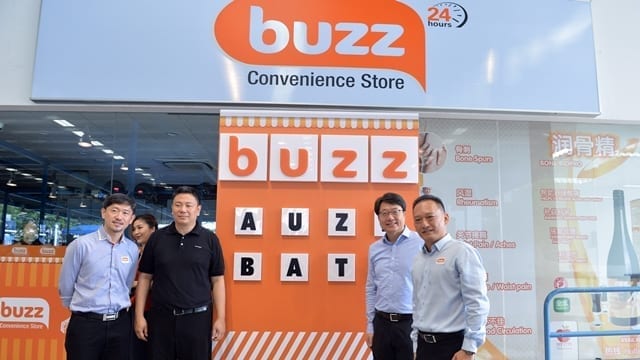
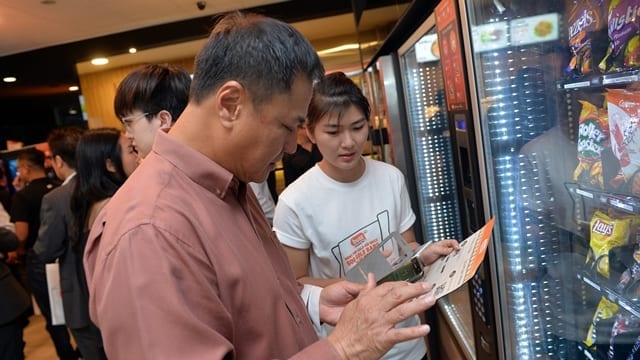
    Convenience-shopping concept company SPH Buzz has partnered with Mastercard to launch a hybrid store that includes attended and unattended retail counters.

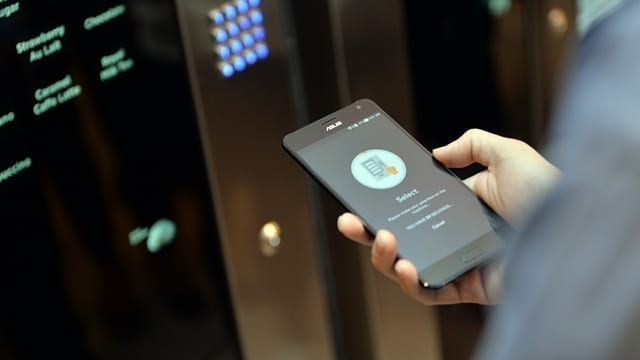
    As part of the deal, SPH Buzz has integrated Mastercard’s mobile commerce platform, Vending Powered by Masterpass, in its unattended machines to enable customers to seamlessly order and pay for goods using their smart devices.

    At the Cnergy Gas Station in Toh Tuck Road, the 827sqft (77sqm) Buzz hybrid convenience store has 16 vending machines. Buzz customers can buy from the machines using Masterpass on their smart device. This is a secure digital payment service by Mastercard that speeds up the checkout process without consumers having to enter their financial and shipping information every time.

    Made by Auresys, the vending machines can dispense beverages (hot or cold), ready-to-eat meals, snacks and confectionary, specialty foods (imported from Japan), beauty and over-the-counter (OTC) medication, and novelty and lifestyle options such as activity trackers, electronic accessories, pre-packed presents and mystery gifts.

    Cafe with snacks

    Also available at the store is a cafe with local snacks and artisanal bread.

    “With the introduction of the automated station, I can now focus on providing a more interpersonal customer service and experience at the cafe,” says Buzz hybrid franchisee Audrey Joan Yap.

    To complete the shopping experience, customers will soon be able to buy such prepaid services as phone top-up cards, tickets to tourist attractions such as Gardens by the Bay, River Safari, Singapore Zoo and Universal Studio, as well as Google and Xbox stored-value cards. Other services such as FOC Wi-Fi, cash withdrawal via smartphone, reloading of EZ-Link cards, and Nets and Nets FlashPay are also available.

    SPH Buzz Convenience Stores deputy-GM Spencer Tan says that as well as offering round-the-clock service, the hybrid store has a backend system that helps forecast demand and alerts the staff to replenishments. “This helps the team to be more productive given the current manpower crunch,” he says.

    SPH Buzz runs a chain of retail kiosks and newsstands at bus interchanges, bus shelters, MRT stations, shopping malls and heartland areas. Started in 2007 as a franchise model, it has 59 stores island-wide.

  • Danone-Lazada plans its strategic partnership

    Danone-Lazada plans its strategic partnership

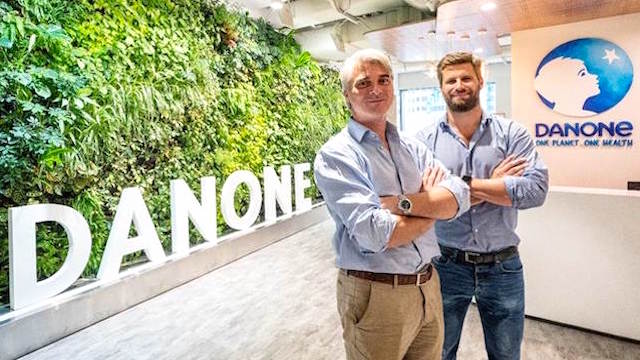
    French FMCG company Danone has teamed with Lazada Group to create a series of online stores for Southeast Asia, starting with Thailand in December.

    The Danone-Lazada strategic regional partnership covers Thailand, Indonesia, Malaysia and Singapore. The two companies say they will create “a superior online shopping experience for key product categories, combining their expertise on shopper needs and behaviours, and bringing convenience and compelling content to the ever-growing number of online consumers across the region”.

    The alliance will begin with Danone’s Early Life Nutrition category, which features a portfolio of brands for families with young children. Danone’s Early Life businesses are already working together in Indonesia, Thailand and Singapore – participating in Lazada mega-campaigns such as Online Revolution on 11.11 and 12.12.

    The joint venture will stretch beyond simple e-commerce by offering parents advice and information on the growth, development and nutritional needs of children. Lazada’s digital platforms will provide convenient ordering solutions, personalised service and exclusive content and events developed with Danone.

    “We have been working with Lazada for more than a year, and accelerating our partnership in the last six months,” says Eric van der Hoeven, VP of growth through engagement at Danone Early Life Nutrition. “We want to support all parents in their journey, and wherever we can, to help them make well-informed feeding decisions for their children at the critical moments in their growth and development. I am very pleased that our constructive collaboration so far will now be taken further in this strategic regional partnership.”

    Lazada CEO Max Bittner says young parents live increasingly busy lives and are often confronted with information overload.

    “Teaming up with a trusted brand like Danone reinforces Lazada’s position as a source of quality products and enables us to serve the best, most relevant content, service and support for parents on their journey.”

    The partnership will come into force by end of November, beginning with workshops bringing together the Danone and Lazada teams in the local countries in sharing insights and planning. The first visible consumer features jointly developed will be implemented on the Lazada websites in Thailand in December.

  • Fashion TV cosmetics to open store

    Fashion TV cosmetics to open store

    Inspired by models’ daily routines and backstage beauty secrets, FashionTV has introduced its beauty line, FTV Cosmetics, to Singapore.

    With years of experience from working with industry experts, such as makeup artist Felix Shtein, FTV Cosmetics combines technology, natural ingredients and special formulas that cover makeup and skincare to haircare and styling, as well as bodycare.

    On offer are more than 140 products, including its best-selling 24Karat Golden Hero Mega Mask, Translucent Highlighter Powder and FTV Perfect Selfie Liquid Foundation.

    FTV Cosmetics debuts at Wisma Atria and within the next few days will follow up with a flagship store at 313 Somerset.

    FTV Cosmetics already has a presence in China, Macau and the Philippines and plans further global expansion with 52 more outlets by the end of next year.

  • AsiaMalls Management and UnionPay International partner to launch QR Code payments

    AsiaMalls Management and UnionPay International partner to launch QR Code payments

    AsiaMalls Management signed a memorandum of understanding (MOU) with UnionPay International (UPI) to roll out acceptance of UnionPay QR Code payments across all six malls – Hougang Mall, Liang Court, Tiong Bahru Plaza, Tampines 1, White Sands, and Century Square when it reopens in 2018.

    As the first large-scale partnership between a mall manager and a global payment brand to deploy QR Code payments across malls in Singapore, this form of QR Code payments is compatible with SGQR and compliant with EMVCo standards. UnionPay International is a member of the SGQR taskforce led by Info-communications Media Development Authority (IMDA) and Monetary Authority of Singapore (MAS) to develop a common, interoperable QR Code to accelerate the adoption of mobile payments locally. UnionPay is also part of the EMVCo Global Workgroup developing an international standard for QR Code payments.

    This new partnership between AsiaMalls and UPI came from the mall management’s understanding of the shopper’s needs and the retail landscape, coupled with a mindset for innovation. AsiaMalls strives to go beyond meeting the basic necessities of their shoppers and the community around each mall by constantly seeking new and exciting retail experiences, of which this partnership serves as an example.

    Tapping onto existing payment infrastructure from AsiaMalls’ rewards programme, AMperkz, the initiative will enable UnionPay Cardholders to enjoy greater ease of payment at all participating AsiaMalls merchants when the enhanced system rolls out in phases starting 2018. UnionPay QR Code payments allow merchant discounts and payment transactions to be processed via a single scan of the consumer-presented QR Code, providing added convenience and simplifying the payment process for both consumers and merchants alike. It will also open up opportunities for shoppers without NFC-enabled smartphones to make contactless mobile payments.

    “With the nation’s move towards a cashless society, we saw the opportunity for AsiaMalls to anticipate our shopper’s wants and expectations, and to provide them with all the conveniences possible, by equipping our merchants with the ability to accept UnionPay’s QR Code payment option. This would allow the stores to expand their clientele base, and in time, enable them to be fully integrated and ready for the Smart Nation roll-out,” shares Tan Kee Yong, Managing Director, AsiaMalls Management.

    “Today’s cooperation is significant in multiple aspects: First, we are able to establish the acceptance of UnionPay QR Code on a sizeable scale in Singapore for cross-border payment by leveraging on AsiaMalls’ strong footprint in the local retail industry, offering the same seamless mobile payment experience to Chinese tourists in both Singapore and in China. Second, we choose to promote UnionPay QR Code payment first in everyday spend merchants like shopping malls as this will not only help us localise our business, but also help issuers like Bank of China Singapore branch and other local

  • Stelux Holdings slows down the bad trend

    Stelux Holdings slows down the bad trend

    While turnover and gross profit margin slid for watch/optical company Stelux Holdings International for its first half, it managed to cut back on its net loss.

    Group turnover was down by 6.9 per cent (6.3 per cent foreign-exchange neural) to HK$1.3 billion (US$166.4 million) and gross profit margin fell from 59.6 to 58.1 per cent. Group net loss reduced by 15.2 per cent to $62 million.

    Given the fragile retail environment, the group says it continued with consolidation measures to improve shop productivity. While group turnover fell by 6.9 per cent, largely because of an 11.3 per cent drop in shop number, same-store sales improved, particularly in Mainland China. Sales also stabilised in Hong Kong and Southeast Asia. Gross profit margin remained under pressure at 58.1 per cent, compared to 59.6 per cent in the same period last year.

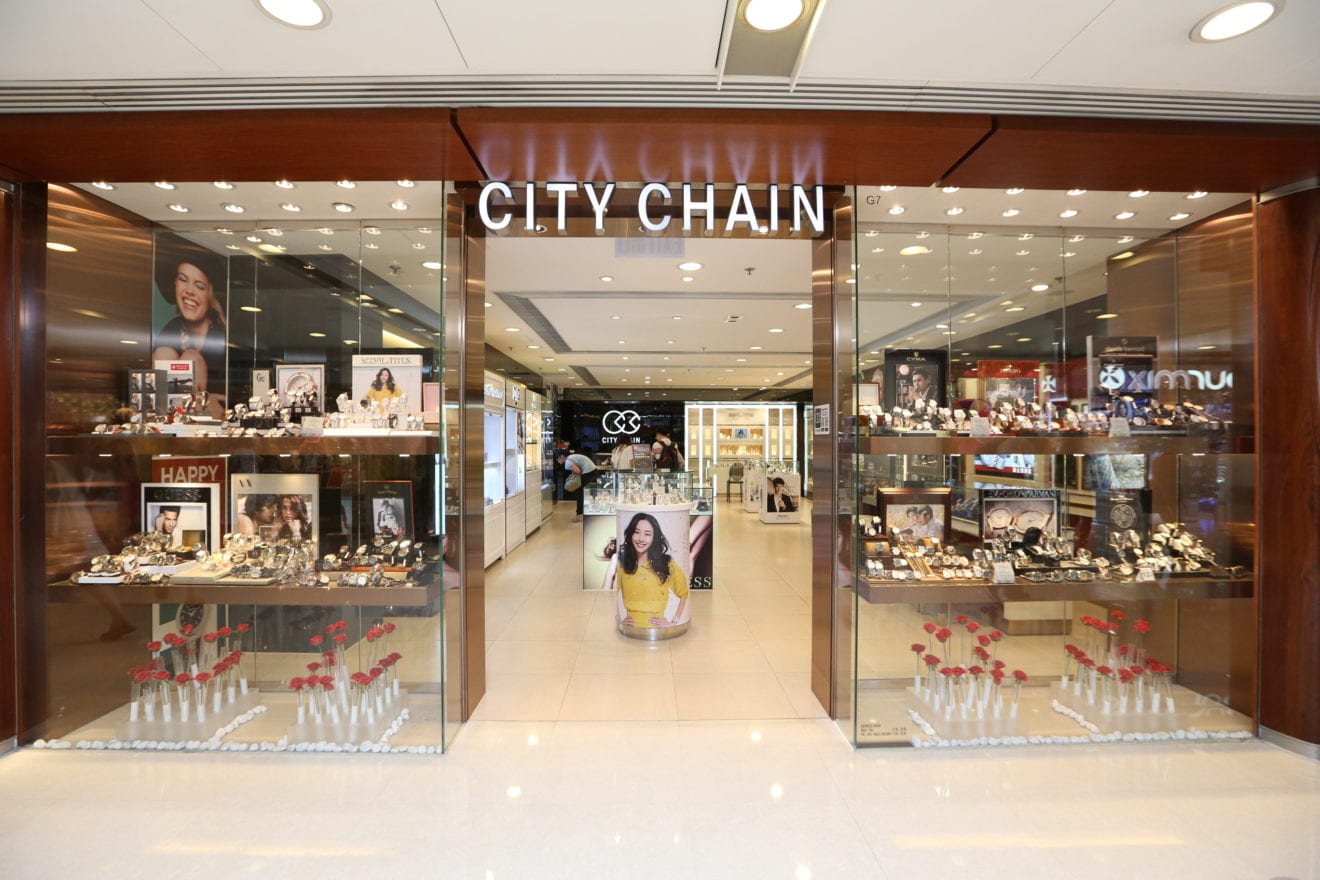
    City Chain Group

    Turnover fell 11.1 per cent for the City Chain Group, with a loss before interest and tax (LBIT) of $37.7 million from $49.4 million. The group has about 260 stores in Hong Kong, Macau, Mainland China, Malaysia, Singapore and Thailand together with three online stores.

    The drop in turnover from $668.5 million to $594.4 million was because of a 17.9 per cent decrease in shop numbers.

    In response, the chain is undergoing a major transformation to attract both a younger and local clientele. New store layouts have been introduced in Hong Kong, Guangdong, and Thailand.

    Turnover for the chain in greater China fell by 12.5 per cent to $439.8 million while LBIT was down 11 per cent to $34.8 million.

    Same-store sales growth has also resumed in Hong Kong and Macau since August with a freshed store image and enriched brand portfolio. The closure of loss-making shops and the positive impact from the expiry of high rental leases contributed to a 19 per cent fall in operating costs. City Chain tapped into the e-commerce business in Mainland China a few years ago, with the turnover of its watch e-commerce business increasing by more than 60 per cent compared to the corresponding period last year.

    With store consolidation in Southeast Asia, turnover fell 7 per cent to $154.5 million. There was a 16.5 per cent drop in shop numbers. Nonetheless, LBIT narrowed significantly to $2.9 million from $10.3 million.

    EBIT for Malaysian stores more than tripled while LBIT in Singapore fell by 79 per cent. With sustained recovery in Thailand, both turnover and same-store sales growth were “satisfactory”.

    Optical 88 Group

    Optical 88 Group turnover decreased by 2.9 per cent with EBIT rising to $32 million from $15.2 million. The group has 194 shops throughout Hong Kong, Macau, Mainland China, Malaysia,  Singapore and Thailand delivering professional eyecare/eyewear products and services, as well as hearing products and services.

    Turnover eased by 2.9 per cent to $504 million with 7.6 per cent fewer shops. EBIT more than doubled from $15.2 million to $32 million.

    In greater China, Optical 88 had a marginal 0.7 per cent decline in turnover to $414.2 million, with 4.1 per cent fewer shops. EBIT rose by 16.8 per cent to $38.2 million.

    Southeast Asia business had a 11.7 per cent drop in turnover to $89.8 million with 10.2 per cent fewer outlets delivering a narrowed LBIT of $6.2 million.

    Turnover rose 13.5 per cent of Egg Optical Boutique with LBIT widening from $7.1 million to $13.6 million. There are more than 80 stores in Hong Kong, Mainland China and Southeast Asia
    together with an online store.

  • DFS opens new experiential wine & spirits store

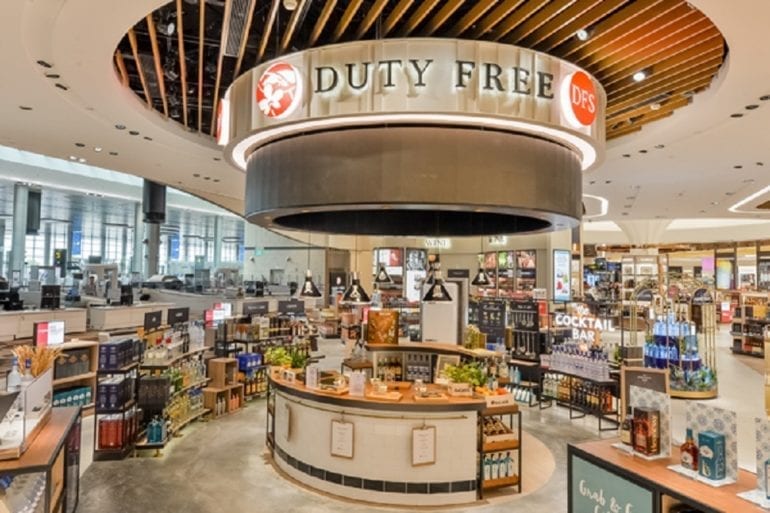
    DFS Group has opened its 167sq m wine and spirits duty free store at Singapore Changi Airport’s new Terminal 4.

    Featuring over 300 brands, Terminal 4 is the first terminal at Changi to offer a ‘walk-through’ retail concept, allowing DFS to introduce new features for a seamless shopping experience.

    This includes integrated shopping spaces covering liquor & tobacco and perfumes & cosmetics.

    In addition, travellers can for the first time make their purchases in a single transaction at common cash counters manned by team members cross-trained on all products.

    Brooke Supernaw, DFS Group’s Senior Vice President Spirits, Wines and Tobacco, Food and Gifts said: “We have been eagerly awaiting the opening of Terminal 4 and are thrilled to officially unveil DFS’ latest store here at Changi Airport.

    “We are excited to introduce two new concepts to provide our customers with more ways to engage with and discover new brands.”

    Travellers are encouraged to engage in the basics of cocktail making at The Cocktail Bar.The new store features ‘The Cocktail Bar’ and ‘The Craft Collection’ section, allowing passengers to discover and engage with new brands.

    Aimed at making cocktails accessible for connoisseurs and novices alike, a selection of brands will be invited to take over the space and showcase their spirits throughout the year.

    The Craft Collection section showcases a selection of craft and small-batch beers and spirits from around the world, ‘curated for travelling customers looking for something unique and artisanal’, states DFS.

    The travel retailer says it aims to invoke the stories and passion of a new generation of brewers and distillers who put ‘innovation, authenticity and local culture’ into everything they do.

    Three craft beers are available on tap for tasting, as well as a rotating selection of spirits.

    According to DFS, gin is a category that embodies today’s craft movement within spirits, so new brands will be introduced to the collection on rotation.

    Terminal 4 also features The Whiskey House, which marks a welcome return following its success at DFS’s Terminal 2 Duplex store.

    From timeless classics and special releases to exclusive bottlings and single casks, The Whiskey House offers complimentary tastings of over 100 different whiskeys.

    Meanwhile, Master Distillers and Brand Ambassadors will stop by regularly to introduce their new release exclusives, with guided tastings and food pairings.

    The new Terminal 4 store also boasts an impressive selection of ‘prestige wines’, with special collections from Lafite, Mouton and Latour among others.

    Passengers will also be able to sample a curated selection of wine, ‘presented in enomatic tasting machines’ instore before they buy.

    To celebrate the launch of the store, DFS has collaborated with local award-winning bartender Peter Chua of Crackerjack to create three cocktails inspired by Singapore’s favourite sweet treats.

    Every Friday and Saturday until the end of December, travellers will be able to enjoy complimentary samplings of the three cocktail serves at the Terminal 4 Activation Pad.

    In addition, customers who spend over S$120 ($88.6) on wines and spirits will receive a local snack ‘plushie coin pouch’ with their purchase.

    Commenting on the opening, Teo Chew Hoon, Group Senior Vice President of Airside Concessions Division at Changi Airport Group, said: “Our vision for Terminal 4 is to continually delight travellers with new retail experiences. CAG is happy to work with DFS to create a first-in-Changi seamless duty-free zone.

    “With the addition of Terminal 4, we look forward to welcoming many more travellers to enjoy Changi Airport’s exciting offerings.”

  • Jollibee International Expanding in Singapore

    Jollibee International Expanding in Singapore

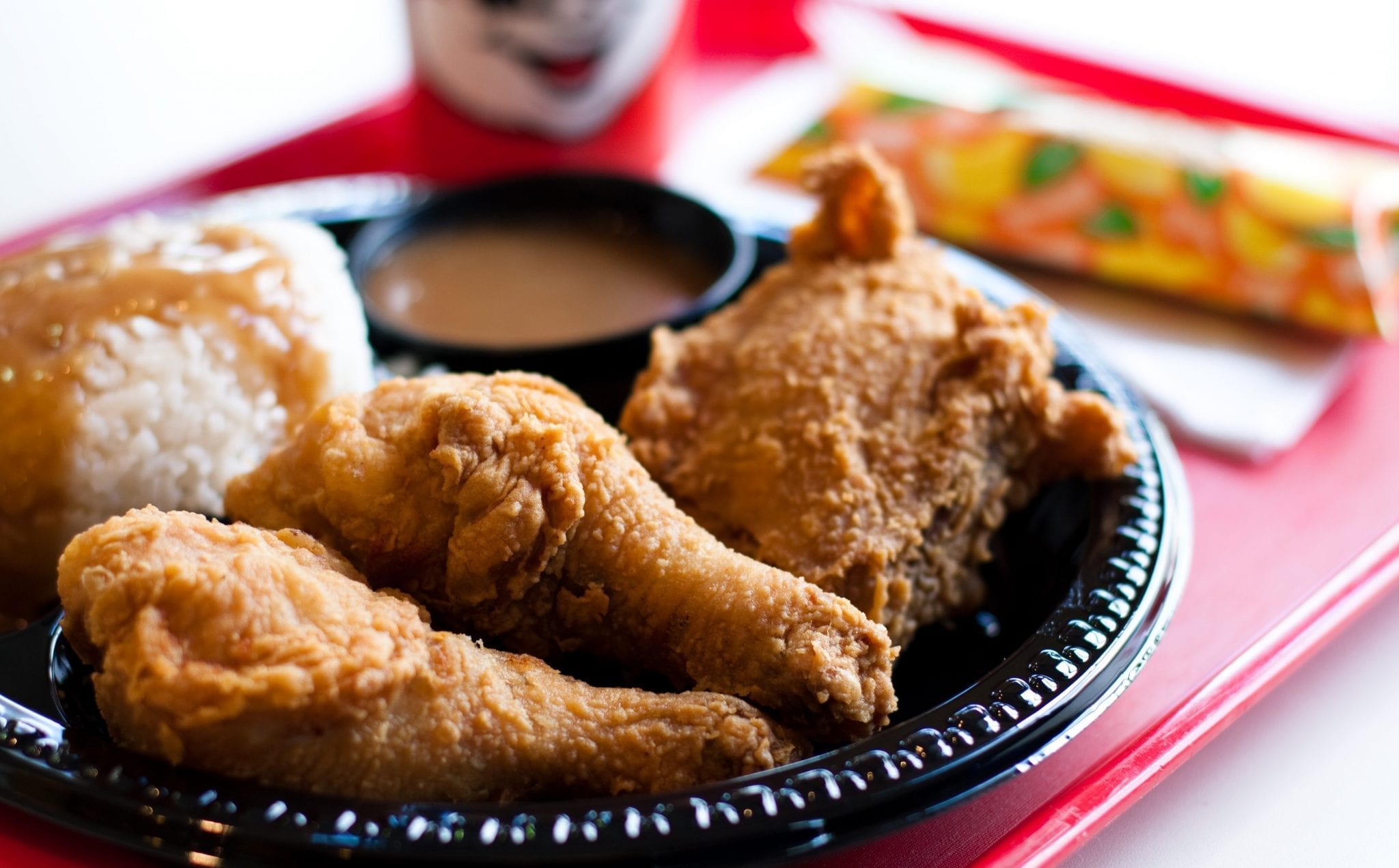
    Philippine fast-food giant Jollibee International is opening at least 15 more outlets in Singapore in the next five years, with an incursion into Indonesia in 2019.

    Jollibee president and head of international business Dennis Flores says the Manila-based company will open its sixth store in Singapore in Jurong East in April. It joins the line-up of two stores at Lucky Plaza and one each in Changi, Novena and Paya Lebar.

    “We’ve gone to another level – half our customers now are Singaporeans, not just Filipinos,” says Flores. Jollibee opened its first store at Lucky Plaza in March 2013. While Filipinos formed queues, few Singaporeans went there – “only brave souls”.

    A second outlet at the mall’s basement drew more local diners, and Jollibee has since picked locations more accessible to Singaporeans. “The patronage of Singaporeans is really giving us a lot of encouragement…Our ability to connect with the Singaporean palate gives us a lot of excitement and encouragement that we can fulfil our goal to open 15 more stores,” says Flores.

    Meanwhile, the company aims to enter the 260-million-strong Indonesian market in 2019. “It’s a market we can’t ignore. It’s a chicken market – the big players are all ‘chicken players’.”

    Jollibee is hoping to open 150 stores in Indonesia in 10 years.

  • Minion Cafe Opens at Singapore Central

    Minion Cafe Opens at Singapore Central

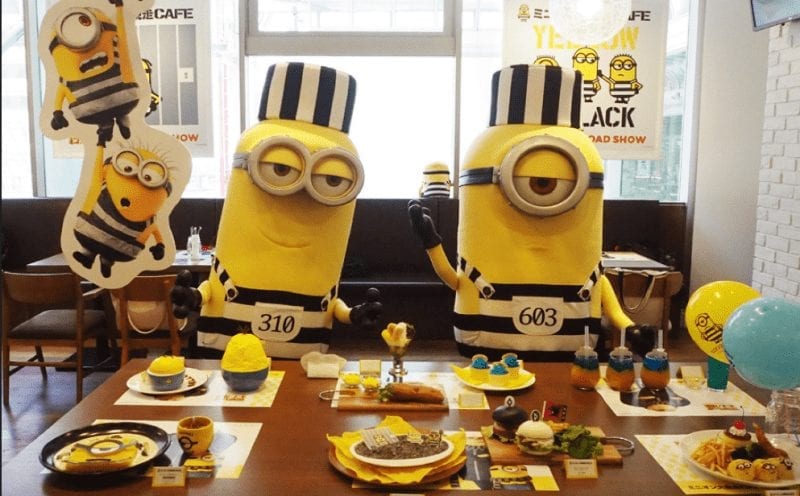
    A Singapore Minions Cafe has opened at Orchard Central – the first one to trade outside Japan.

    Minions, the yellow cartoon characters who made their debut in the Despicable Me movies and have now spurned their own films, will host diners on the mall’s third floor until January 31.

    Minions Cafe Sg


    The Minions said ‘bello’ – which is their language for ‘hello’ in five Japanese cities to coincide with the premiere of the Despicable Me 3 movie.

    The themed character cafe has a menu with 14 options inspired by the movie characters. Exclusive movie merchandise will also be sold on-site.

    The Singapore Minions Cafe popup is operated by Japanese cafe, The Guest Cafe & Diner, which collaborates with a different popular character every two to three months.

  • Singapore Upgrades 2017 Growth Forecast to as Much as 3.5%

    Singapore Upgrades 2017 Growth Forecast to as Much as 3.5%

    Singapore raised its economic growth forecast for this year to 3 percent to 3.5 percent after third-quarter data beat projections on the back of stronger exports and manufacturing.

    Highlights of GDP Report
    • Gross domestic product rose at a seasonally adjusted, annualized rate of 8.8 percent in the third quarter from the previous three months, higher than an earlier estimate of 6.3 percent
    • Median estimate of nine economists in a Bloomberg survey was for 7.8 percent gain
    • GDP increased 5.2 percent from year earlier, the fastest pace in more than three years, versus median estimate of 5 percent
    • Economy seen expanding 1.5-3.5 percent next yearPrime Minister Lee Hsien Loong

    A healing in global trade this year has helped boost export-reliant economies like Singapore’s, with manufacturing buoyed by demand for electronics goods. Growth has started to broaden out to other industries, such as services, giving economists and the government reason to upgrade their full-year projections. said earlier this week that growth could exceed 3 percent in 2017.

    The trade ministry said on Thursday global growth is expected to improve next year, on the back of a pick-up in the U.S. and some emerging markets.

    “We also see signs that the recovery is broadening,” with business services and retail looking better even though third-quarter growth was “primarily supported by manufacturing,” Loh Khum Yean, permanent secretary at the trade ministry, told reporters.

    Manufacturing surged almost 35 percent in the third quarter from the previous three months, while the services industry, which makes up about two-thirds of economy, grew an annualized 3.2 percent. Construction continued to suffer, contracting for a third quarter by 5.3 percent.

    Southeast Asia Boom

    Growth has been surprisingly strong across Southeast Asia, with third-quarter data from the Philippines and Malaysia last week and Thailand this week exceeding forecasts, providing a more upbeat tone to the region as the U.S. Federal Reserve tightens monetary policy.

    Jacqueline Loh, deputy managing director at Singapore’s central bank, told reporters the monetary policy stance from October remains appropriate and the regulator will continue to monitor developments. The Monetary Authority of Singapore left its policy stance unchanged last month, but gave itself room to tighten if necessary.

    In a separate report, International Enterprise Singapore forecast export growth of 6.5-7 percent for this year, compared with a previous estimate of 5-6 percent, and estimated 0-2 percent expansion next year.

    “The pace of growth of the Singapore economy is expected to moderate in 2018 as compared to 2017, but remain firm,” the trade ministry said.

    — With assistance by Myungshin Cho, and Ailing Tan

  • Robot employees take on human tasks at UOB Singapore

    Robot employees take on human tasks at UOB Singapore

    UNITED Overseas Bank (UOB) has introduced two robots, or ‘virtual employees’, that will support its wholesale banking and retail businesses.

    In a press statement to Human Resources, the bank said its first robot employees, named Amy and Eve, started working at UOB three weeks ago, and have since cut the time taken to process a transaction by more than half.

    Amy and Eve have been taking on tasks that UOB’s human employees have found repetitive and time-consuming, allowing their human teammates to focus on more stimulating and challenging work.

    Feedback from the robots’ human colleagues have been positive, with most noting that they have been helpful and productive.

    Lim Ann Liat, managing director and head of markets and enterprise technology, group technology and operations, UOB, said: “By introducing robots into our workforce, we can improve our process using technology yet maintain a human touch. This also lifts the load off our people which in turn makes their jobs more fulfilling.”

    UOB plans to take onboard more robots in the coming months for other processes such as card operations, cash management and trade and remittance.

    Separately, in a whitepaper published today (Nov 23) by The Economist Corporate Network (ECN), it was reported that business leaders recognise the need for their leadership on automation and AI both inside and outside the company.

    The paper, based on a survey and focus group interviews with CEOs and other C-suite executives based in the Asia-Pacific region, revealed that 81% of CEOs would lead by example and automate parts of their job.

    According to the findings, CEOs find it difficult to clearly communicate their company’s automation and AI strategy to their employees.

    Dr Florian Kohlbacher, ECN Director for North Asia, commented: “We are talking too much about the potential negative impact of AI and automation on the workplace. What is needed instead is a proactive discussion on how companies can harness technology in order to strategically manage the transformation and systematically shape the workplace of the future.”