In partnership with the US National Basketball Association (NBA), sports merchandise e-commerce company Fanatics has launched official NBA online stores across Asia Pacific.
Fanatics already runs the flagship NBA Store in New York City, the league’s global e-commerce site and its official online store for Europe.
It has now opened official online stores in Cambodia, Japan, Laos, Malaysia, Singapore, Thailand and Vietnam, as well as Australia and New Zealand. These offer a range of men’s, women’s and youth products from all 30 NBA teams, including oncourt apparel from official outfitter Nike and products from a range of NBA merchandise partners including Mitchell & Ness and New Era.
There are also exclusive products, including personalised team jerseys.
As well as paying in local currency, online shoppers will benefit from quicker deliveries and cheaper shipping thanks to Fanatics’ centralised distribution point in Asia.
“The NBA is becoming an increasingly global league, and we’ve seen a significant uptick in fandom across several regions throughout Asia,” says Fanatics International president Steve Davis.
With the launch of the new online stores, the league now has 20 international e-commerce sites.
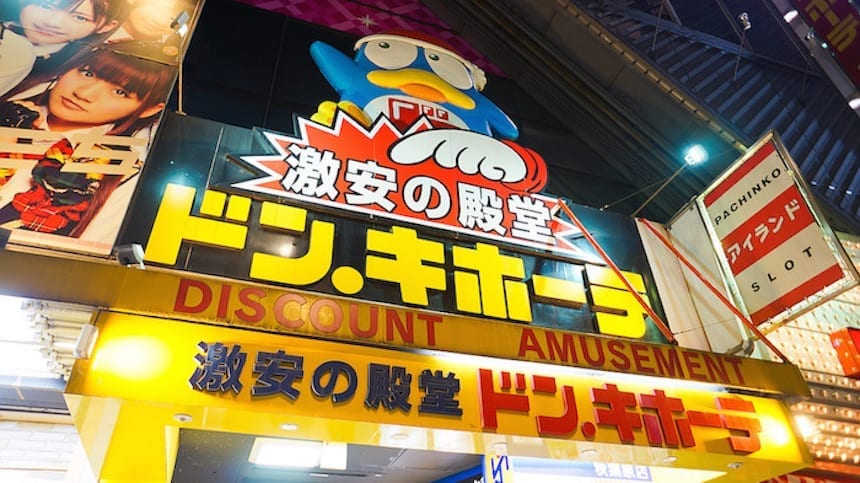
After opening its first outlet in Singapore (called Don Don Donki) this month, Japanese discount retailer Don Quijote plans to expand with even more outlets in Asia.
Founding chairman Takao Yasuda sas the group is looking to open stores in Hong Kong, Malaysia, Taiwan and Thailand.
When moving to Singapore to retire two years ago, Yasuda was surprised at the price of food ingredients and other products imported from Japan. “I realised my new mission was to lower the prices to affordable levels.”
He says the Singapore store has been so popular it has had to limit customer numbers at weekends. “We’ll increase to around 10 stores in Singapore in two to three years so customers can enjoy shopping at leisure.”
Lifestyle retailer Muji Singapore will close its e-commerce site a minute before midnight on Christmas Day for redevelopment.
“We sincerely apologise for any inconvenience caused,” the company says in a newsletter to its customers. “This move is for us to set sights on developing a better and more comprehensive shopping experience in the near future.”
Its new web portal will be re-launched “in the coming months”.
Meantime, Muji Singapore will have a final clearance sale with discounts of up to 50 per cent, plus a further 15 per cent off with a discount code when checking out.
Since the very first polo was created in 1933, LACOSTE relies on its authentic sportive roots to spring optimism and elegance on the world thanks to a unique and original lifestyle for women, men and children.
With a vision to be the leading player in the premium casual wear market, the Crocodile brand is today present in 120 countries through a selective distribution network. Two LACOSTE items are sold every second in the world.
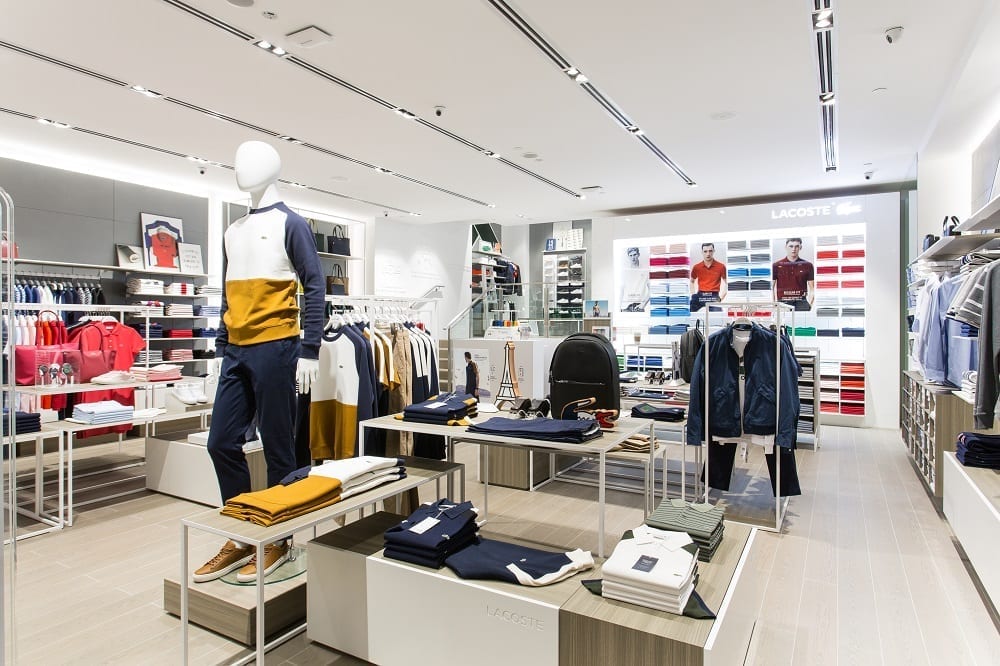
In 2017, LACOSTE has been expanding in Asia Paicific and it has just opened its new store located in Paragon, which is in the heart of Singapore’s prime retail district. This boutique is already the brand’s fifth store in Singapore.
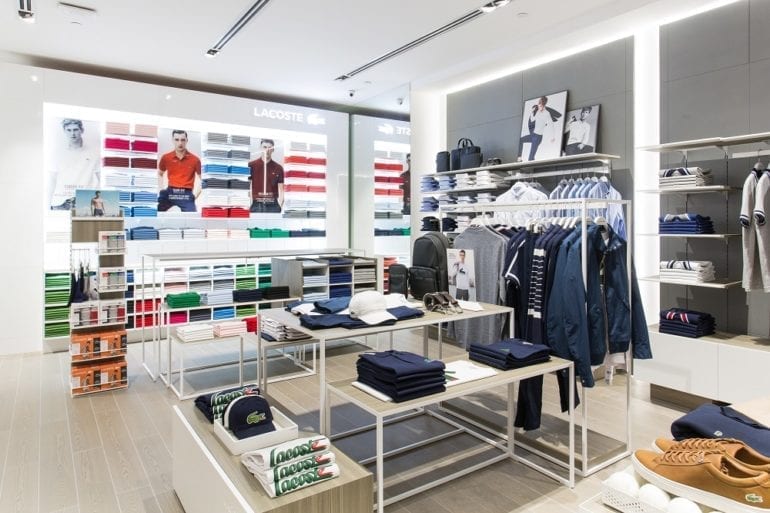
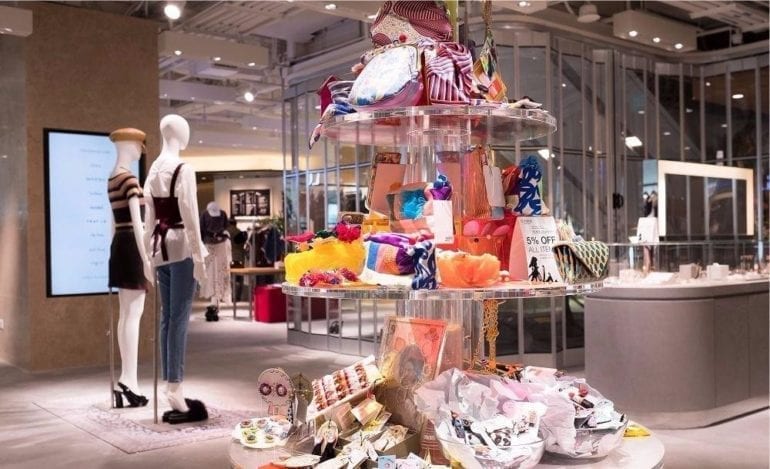
The store occupies 1,464 square feet of retail space and offers the brand’s full range of products including apparel, leather goods, fragrances, footwear, eyewear and watches amidst Lacoste’s latest store design featuring clean architectural lines.
It features the quintessential polo bar which showcases Lacoste’s iconic polo shirts in all their color range.
Unique to this boutique in Paragon, an embroidery service that allows customers to personalize their Lacoste polos with their initials and country flag.
In a market driven by millennials, who are seeking for ways of building their own individuality, personalization becomes an opportunity to engage younger customers and revamp iconic items.
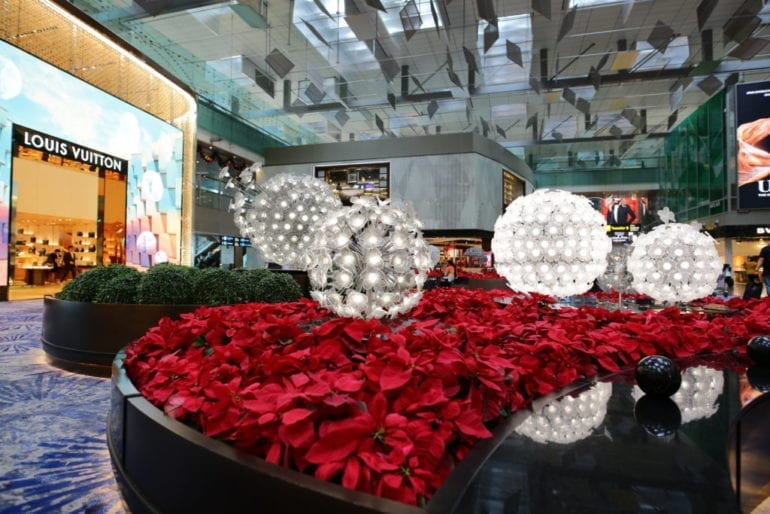
Passengers at Changi Airport Terminal 3’s Transit Hall will be welcomed by the refurbished Central Piazza, featuring the airport’s latest feature garden made up of elegant glass dandelion sculptures – the Crystal Garden.
The Crystal Garden is brought to life by tiered garden beds incorporating a curated selection of flowering plants and 12 spheres of artisan dandelion glass sculptures in varying sizes.
Inspired by the flora and fauna of the other gardens in Changi Airport, the glass sculptures glow with luminance, creating the illusion that they are floating on pools of water or swaying in a breeze – these offer passengers a captivating and unforgettable experience amidst a garden of lights.
Prominently nestled in the heart of the Central Piazza behind the Crystal Garden is the brand new Louis Vuitton store which opened its doors today. As the luxury brand’s first duplex airport store in the world, it is a travel destination itself with its unique architectural elements.
Joining the ranks of The Shilla Duty Free’s Cosmetics & Perfumes duplex and the DFS Wines & Spirits duplex at the Central Piazza, Louis Vuitton’s arrival at Changi Airport completes the trio of duplexes at T3’s Central Transit Hall, lifting passengers’ retail experience another notch up. A linkway at the mezzanine level above the Crystal Garden connects all the duplex stores and offers passengers the luxury of browsing seamlessly across the three retail spaces.
Ms Lim Peck Hoon, Executive Vice President of Commercial at Changi Airport Group said, “The Crystal Garden is designed to engage the senses of travellers while capturing the carefree spirit of travel, as it greets travellers when they first step into T3’s Transit Hall. Besides the enriched offering of luxury goods, cosmopolitan travellers can look forward to an engaging retail experience in the revolutionary two-store Louis Vuitton boutique.
Without a doubt, Louis Vuitton’s definitive French charm and distinct travel heritage plays up Changi’s image as a world-class shopping destination. We are delighted to welcome Louis Vuitton to Changi Airport.”
Specially conceptualised for the Central Piazza, the Crystal Garden is the seventh feature garden at Changi Airport. It comprises 1,735 Bohemian glass components hand blown with different finishes, giving the sculpture richness and texture.
Embracing the philosophy that nature soothes, the Crystal Garden gently integrates nature into the Central Piazza, presenting travellers with an interesting juxtaposition of poetic calm amidst a burst of colour and activity.
The seeds of the dandelions floating across the Crystal Garden represent passengers on their onward journeys, spreading out to different corners of the world, as seeds would travel.
Behind the Louis Vuitton duplex store, the Central Piazza also offers a new open lounge with plush seating and soft lighting, a dedicated working area and individual charging points, all carefully designed to enhance the T3 experience for all travellers.
DFS Group, the world’s leading travel retailer, is excited to announce its new partnership with prestigious luggage brand RIMOWA. Known for its sleek suitcases with their distinctive hard-shell grooved exteriors in traditional aluminum or high-tech polycarbonate, RIMOWA is recognized as the pioneer manufacturer of luxury luggage for the world traveler.
“At DFS, we believe that travel and lifestyle go together and so we continue to introduce products that are designed to enhance the experience of our discerning traveling customers,” said Christophe Chaix, Senior Vice President Fashion, Watches, Jewelry and Accessories. “RIMOWA is synonymous with innovation, quality and durability, making it a perfect partner for our accessories portfolio.”
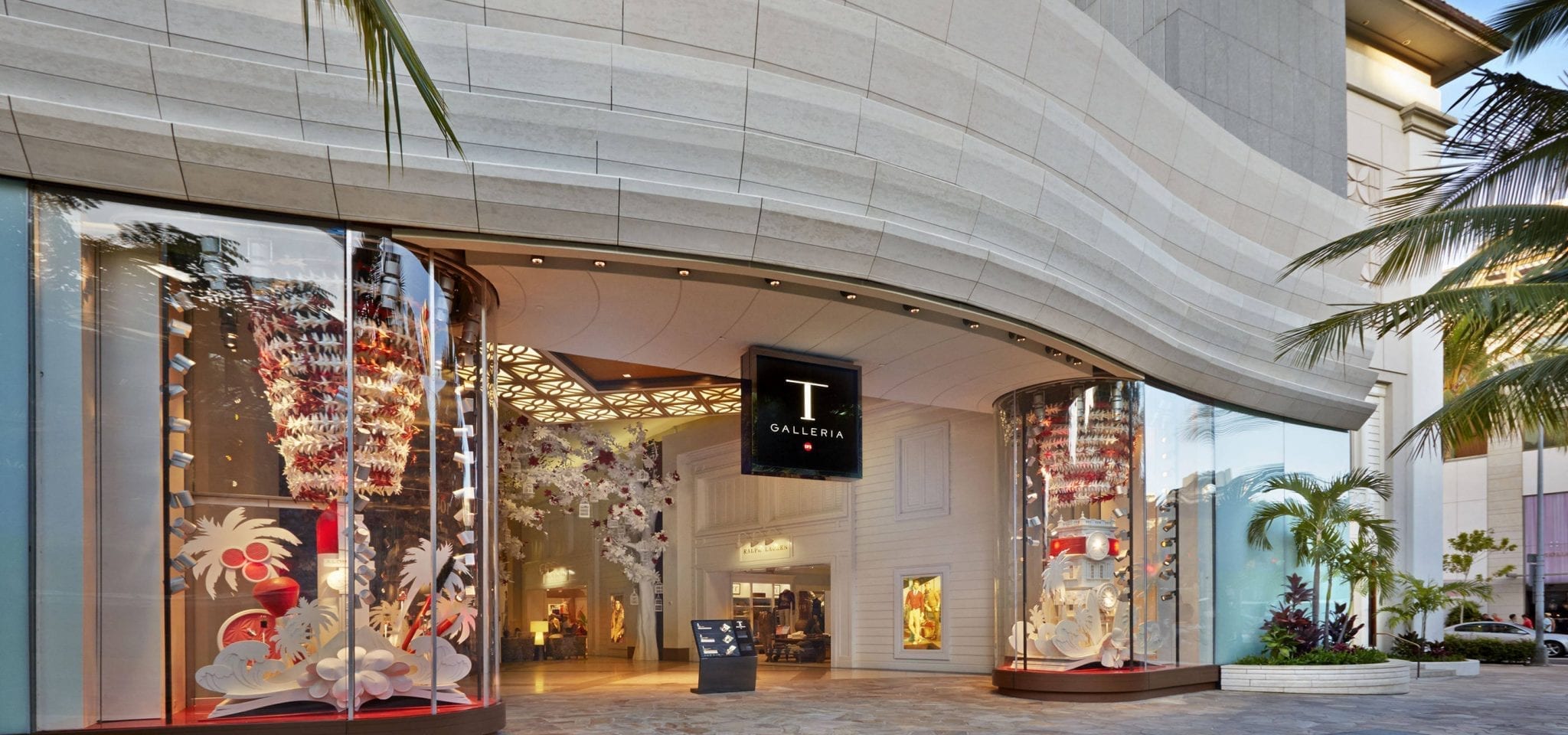
To celebrate this new partnership, DFS and RIMOWA are rewarding shoppers with special benefits. LOYAL T customers purchasing RIMOWA products from T Galleria by DFS will earn extra bonus points, while in T Galleria by DFS, Hong Kong, Canton Road, customers will get the chance to have DFS’ onsite craftsmen personalize the leather tag that comes with each piece of RIMOWA luggage, as well as to enjoy door-to-door delivery service to the customer’s in market home or hotel at their request upon selected purchase.
RIMOWA will operate in key DFS locations around the world, launching first December 2017 in Hong Kong at T Galleria by DFS, Canton Road and T Galleria by DFS, Tsim Sha Tsui East; and will also be available in Macau at T Galleria by DFS, Shoppes at Four Seasons; in Japan at T Galleria by DFS, Okinawa; and Venice, Italy, T Fondaco dei Tedeschi, in early 2018.
Funan, one of the most highly anticipated developments in Singapore opening in 4Q 2019, has signed its first office tenant. CapitaLand Mall Trust Management Limited (CMTML), the manager of CapitaLand Mall Trust which owns Funan, today announced that coworking space behemoth WeWork has leased 40,000 square feet (sq ft) of space in Funan. WeWork’s space will be located across two floors of Funan’s North Office Block – namely Level 4, which is the prime connector space linking the office blocks with Funan’s retail component, and Level 5.
Mr Tony Tan, CEO of CMTML, said: “We envision Funan as an aspirational and experiential space that fosters collaboration among complementary partners, sparking inspiration and discovery for consumers. We are thus delighted to partner WeWork, one of the world’s leading innovators in shared office space, to cocreate an office of the future at Funan. Both Funan and WeWork share the same ethos of breaking new ground and building a community of like-minded individuals driven by passion to make a difference. WeWork’s coworking space will leverage Funan’s central location and harness its live-work-play paradigm to create a world-class collaborative workspace that fosters connections and nurtures ideas. It will cater to the new generation of professionals who yearn to work in a collaborative environment that gets them inspired, and unwind in a convenient location where they can shop, play sports, be entertained and enjoy a whole host of lifestyle activities under one roof.”
Mr Tan added: “As a new-built space, WeWork’s facility at Funan offers plenty of scope and flexibility to implement purpose-built infrastructure and services for WeWork’s members. As a start, Funan will boast a smart office with facial recognition turnstiles and optional card-less entry into the office. WeWork community members will also have full access to the suite of innovations made available at Funan, including video-based smart carparking facilities, a 24-hour drive-through click-and-collect, 100% hands-free shopping service using robotics and app-based booking of all the facilities within the development.”
Funan is located right in the heart of the Civic & Cultural District with excellent connectivity, including a direct underpass linking to City Hall MRT interchange station. As a new paradigm for live, work and play in Singapore’s city centre, Funan offers a synergistic combination of retail, office and serviced residence components that is designed to appeal to savvy consumers pursuing quality of life in a socially-conscious and creative environment. The Funan integrated development comprises a 500,000 sq ft mall of the future serving as a platform to inspire retail innovation; two Grade A office blocks that meet the needs of a variety of business, including established MNCs and coworking spaces for the mobile workforce; as well as The Ascott Limited’s lyf brand of co-living serviced residence designed for millennials.
With community, connectivity and convenience at its core, Funan caters to the new breed of consumers who favour a collaborative environment and authentic experiences that reflect their passions and tastes. In support of the global car-lite movement, Funan is set to become Singapore’s first commercial building to allow cycling through the building with a dedicated indoor cycling path, complete with end-of-trip facilities for cycling enthusiasts, including bike shops, bike cafés, lockers and shower facilities. Funan will also boast the largest area set aside for urban agriculture in the CBD with a 5,300 sq ft urban farm and 6,900 sq ft edible yard, where the public can learn more about the origins of their food and “adopt a plot” to grow their own produce.
Amenities available in Funan include a Golden Village cineplex, a best-in-class gym, futsal court, swimming pool and a 55-lane rock-climbing facility. Theatre goers will also delight in the performances programmed by Singapore’s leading professional theatre company W!ld Rice, which operates the dedicated 380-seat theatre in Funan.
Bot-powered commerce is on a tipping point in Singapore according to the new SAP Hybris Singapore Christmas Shopper Survey 2017. This Christmas, more than half (53%) of Singaporean shoppers are enlisting the help of chatbots for holiday shopping. In fact, majority of shoppers who asked chatbots for gift recommendations have actually acted on the recommendation (74%). Businesses and brands however, should not neglect incorporating the human touch.
This is because Singaporeans expect assistance from chatbots to be rudimentary, with 58% viewing chatbots as useful only for basic information search, anticipating that more complex enquiries will need to be handled by a human being. Others feel that talking to chatbots have so far been a frustrating experience and they would rather speak to a human being (21%) and close to a fifth expressed an outright dislike for chatbots (17%).
More than 1,000 consumers in Singapore were surveyed on their use of and attitudes towards chatbots, with the results reflecting that while Singaporeans are open towards engaging with chatbots, they still have reservations. One of the top concerns that Singaporeans have towards chatbots is that their requests might not be understood (61%). A third (35%) are worried that their personal information might be leaked if they divulge too much to chatbots, and 13% say that chatbots are too creepy if they know too much about them.
Commenting on Singaporeans’ attitudes towards chatbots, Nicholas Kontopoulos, Global Vice President of Fast Growth Markets for SAP Hybris said, “The customer experience can make or break a brand. In view of this, businesses need to stay attuned to these concerns and optimise the use of chatbots as one component in a wider omnichannel strategy. While chatbots can proactively offer answers for initial queries on pricing, product features, or book and make reservations, they cannot fully replace the value of human interaction when it comes to building customer relationships. Any hint of customer dissatisfaction needs to be solved immediately, by a human services officer.”
To win Singaporeans over, chatbots need to become more understanding and intuitive – almost half of Singaporeans (48%) say that they will engage with chatbots more often if they are able to make more personalised recommendations on what to buy. Other motivating drivers that will encourage shoppers to use chatbots more often is to offer comparison of prices and products from other brands (47%), assure that personal information will be kept private (38%), provide recommendations on similar and complimentary products (34%) or simply becoming more human-like (18%).
“Singaporean shoppers have an appetite for deeper engagement with chatbots, but what the results really tell us is that they want a more personalised ecommerce experience. Today’s consumer have higher expectations and businesses need to keep a close pulse on the ever-evolving customer journey in order to react to not just changing consumer preferences but context at point of purchase or even consideration. To this end, businesses should view chatbots as more than just an answering machine – they are also a valuable mine of data that offer fresh perspectives into the underlying reasons for sales trends and help brands better understand what their customers are looking for. Armed with these insights, they can then take action to cultivate sales and entrench customer loyalty”, added Kontopoulos.
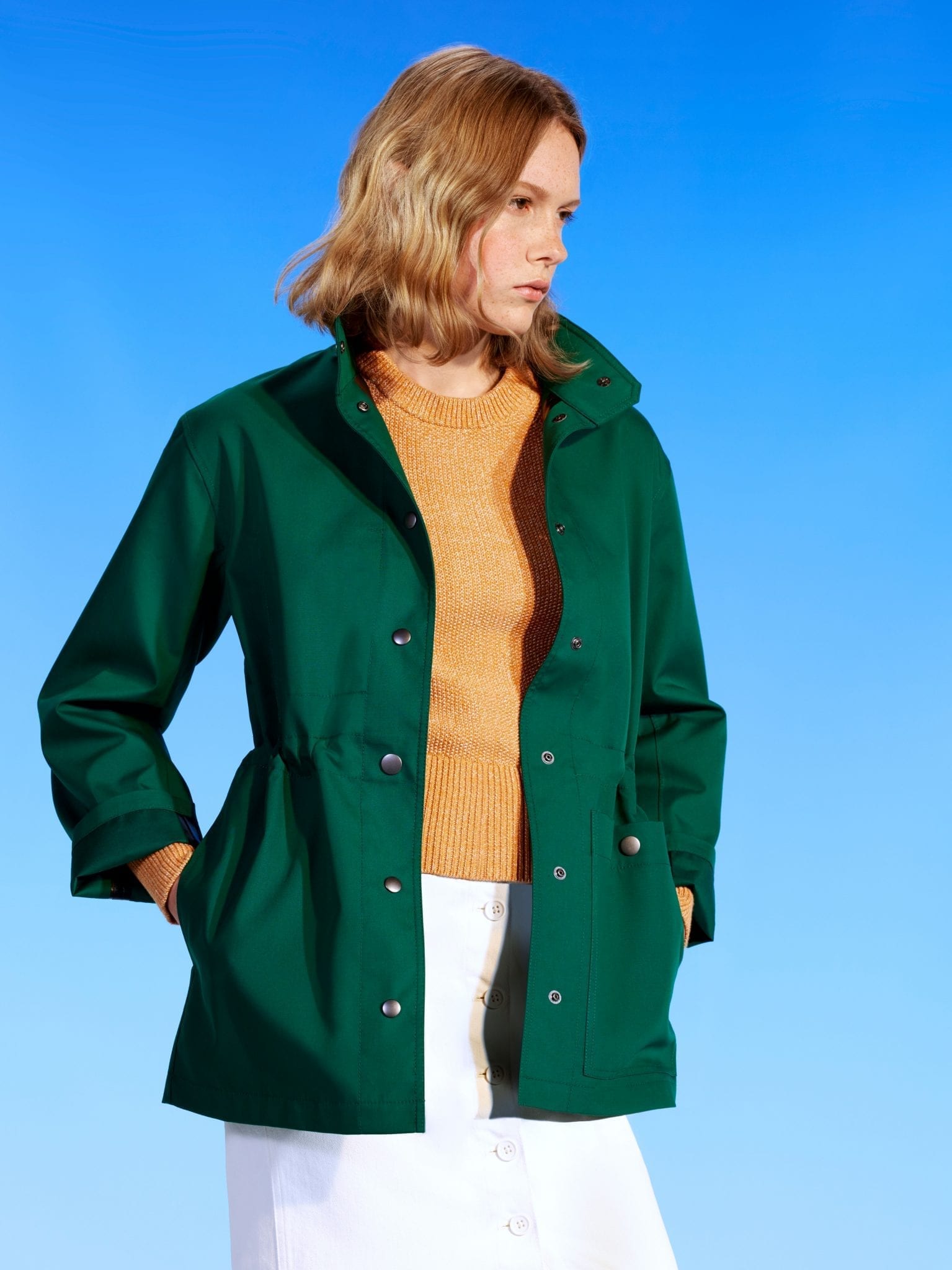
UNIQLO announces the Uniqlo U Spring/Summer 2018 collection will launch in three phases, on 26 January,and more items will be introduced progressively in March and April 2018.This is the fourth Uniqlo U collection, which embodies the UNIQLOLifeWear philosophy of creating high-quality clothing that is universal in design and comfort, and made for everyone, everywhere. The new collection features reinvented basics from the design team at the UNIQLO Paris R&D Centre,which is led by Artistic Director ChristopheLemaire.
The full Uniqlo U Spring/Summer 2018 collection will be available exclusively at the UNIQLO Global Flagship Store at Orchard Central and online at www.uniqlo.com/sg. In addition, selected pieces from the collectionwill be available in the following UNIQLO stores –Bugis+, JEM, ION Orchard and Suntec City. Prices range from $14.90 for a U Crew Neck T-Shirtto $199.90 for a BLOCKTECH coat.
Uniqlo U takes the LifeWear range further towardstomorrow by bringing new ideas to design, patterns, fabric development, and sewing techniques. The latest Uniqlo U collection features brilliant hues inspired by nature in slightly oversized styling for effortlessly relaxed silhouettes, and it comprises50items for women, 38for men and eightaccessories.
Featuring Blues and Greens, Stripes and Borders
Key colours in this collection include variations of blues and greens, such as sea blue, sky blue,forestgreenand grass green. Orange and red accents, stripes and borders, as well asother elements are also incorporated into the collection to broaden wardrobe flexibility. An exciting addition to the Women’s linethis season is theOpen Collar Shirt featuring thick stripeswhile thehighlight of the Men’s range is theColour BlockT-Shirt,which employsheavyweight cotton.
BLOCKTECH Coats Offering Outstanding Performance
This season’s line will incorporate coats that offer exceptional functions –water-resistant, windproof, and breathability. The Women’s BLOCKTECH Short Coat is both comfortable and stylish as townwear, employinga drawstring waist and a matte finish. The new Men’s BLOCKTECH coat employs chambray twill fabric that is water-repellent and windproof, combining a clean silhouette with excellent all-weather protection.
Seamless, Comfortable Knits Employing WHOLEGARMENT Technology and Seamless Swimwear forWomen
Fall/Winter 2017 items made with 3D U-Knit three-dimensional weaving technique proved incredibly popular, employing WHOLEGARMENT technology to enhance fit and comfort. The new range enhances the look and feel by adopting high twist cotton fabric in two newWomen’s items: one is the 3D Ribbed Balloon Sweater, with distinctive cuff and waist styling, and the other is the 3D Crew Neck Balloon Dress, whose fit and flare silhouette enhances femininity.
Launched early last month, mobile payment app company SpherePay, has acquired over 60,000 users in Singapore and has actively engaged users by running campaigns and strategic partnerships with reputable brands and organizations. With its mission to be South East Asia leading localized mobile payment app, SpherePay is on track of acquiring over 1 million users by end of 2018.
With a fully equipped and supported QR code-based transaction systems, SpherePay aims to bridge both consumers and merchants’ transaction experience by providing a new cashless payment services, communications, events and experience of offline and online transactions all under one platform.
SpherePay users can make payments for their purchases or transactions swiftly, conveniently and seamlessly with just a scan of a QR Code via their smart-phones. By adding user credit cards and debit cards to the app, users can easily choose their mode of payments without even having to bring their physical wallets out. Users can also top up credit into the app wallet to enjoy special perks, benefits and rewards when they pay with the app credit. To benefit the user further, the app also enables users to apply for an advance wallet credits of up to $500 where this credit could be used to purchase any goods or services at SpherePay merchant in advance of payment. With the concept of “Buy now pay later”, the credit function hope to assist users to purchase items they really need without having to go thru the hassle of documentations as with taking any other loans from credit provider or banks. In near future, SpherePay will also be made available for online purchases enabling seamless offline and online transactions.
Consumer data protection and data safety is the upmost importance to SpherePay and its users. Thus, SpherePay puts in rigorous efforts and has met the compliances of the PCI DSS. The Payment Card Industry Data Security Standards (PCI DSS) was crafted to augment and promote cardholder data security and to implement a standardized global data security measures for all entities that store, process, or transmit account data. These entities include merchants, service providers (e.g. payment app), issuers and acquirers who accept or process account data. Users can rest assured their data are secured with SpherePay.
Where is SpherePay now:
Recently launched on Apple store and Google Play store last month, SpherePay is now available at over 100 merchants and over 60,000 users in Singapore. With the recent announcement from Monetary Authority of Singapore (MAS) about the SGQR initiatives to consolidate all QR Code enabled payment app provider into a one generic QR Code, SpherePay intends to be engaged and be part of this initiative to offer its users a bigger array of merchants and platform to use the app. With its expansion footprint in line, SpherePay has plans to launch in Thailand and Indonesia market early next year and other Asian markets by the end of 2018.
E-commerce fraud is becoming more prevalent, says US internet payments technology company Stripe in a new report.
Fraudsters repeat online purchases at the same businesses 10 times more quickly than actual cardholders, says the report, which reveals new patterns to help e-commerce companies combat fraudulent activity during the holiday shopping season.
With chip-enabled credit cards making brick-and-mortar shopping safer, criminals are turning their attention to online stores. Unlike physical stores, online businesses have to pay the associated costs of fraudulent orders. On average, every $1 of fraudulent orders costs an online business an extra $2.62.
Stripe looked across a year’s worth of data to seek out fraudulent behaviour patterns by country, time of day, industry and other factors. Insights to emerge include:
Fraud rates based on the country where the credit card is issued vary dramatically, by a factor of two or three
In Singapore, fraudulent transactions are significantly larger than normal transactions
The highest online fraud rates occur during days and times when many people are not shopping, such as Christmas Day or late at night (for example, for US businesses, fraud rates as a percentage of overall traffic increase in the summer and in late December, but not on heavy shopping days like Black Friday)
Fraudsters give themselves away by making rapid additional charges at the same businesses on the same credit card, initiating repeat purchases 10 times more quickly than actual cardholders
Fraudsters prefer products that can be delivered to locations like public buildings or parks and can be obtained quickly before transactions are invalidated, which explains the prevalence of fraud among on-demand services as well as low-end consumer goods.
“While there are some consistent patterns to fraudster behaviour, such as their high-purchase velocity, their propensity to work late at night and their preference for cheap or immediately deliverable goods, we have found that the predictive strength of these patterns varies widely depending on the location of the business and the fraudster,” says Stripe engineering manager for payments intelligence Michael Manapat.
“Because of this, we recommend using anti-fraud tools based on machine learning from large amounts of data.”
Principal analyst Jordan McKee of 451 Research says it is crucial for online businesses to have robust fraud defences, especially during the busiest shopping season of the year.
“Because online fraud is highly complex and increasingly global, merchants should consider outsourcing fraud tooling to trusted third-party providers that have access to large, robust data sources. The most effective providers draw on global data sets from hundreds of thousands of other businesses to train their machine-learning algorithms and identify even subtle fraud patterns.”
For its report, Stripe examined transaction data across hundreds of thousands of its customers across 25 countries. Stripe works in more than 25 countries to allow both individuals and businesses to accept payments over the internet.
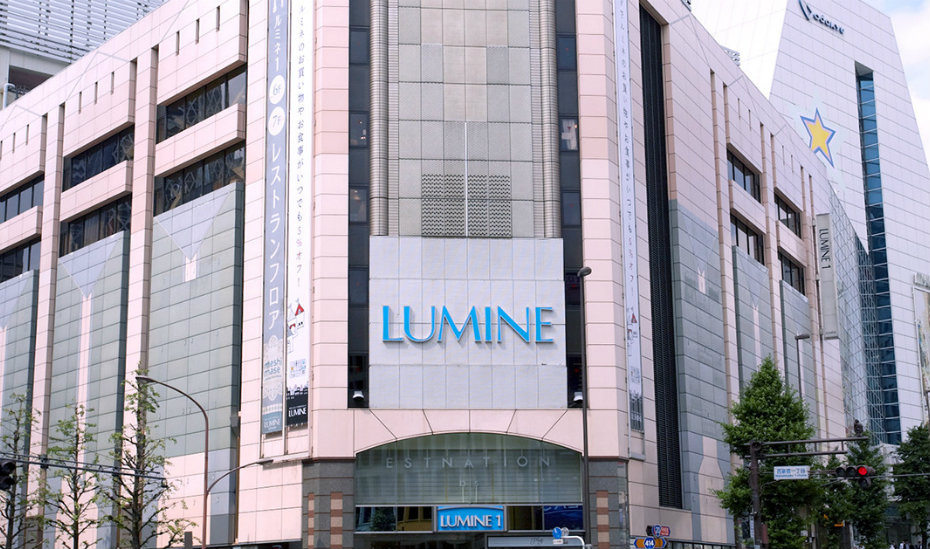
LUMINE opened in Singapore’s Clarke Quay Central with an exciting new shopping experience.
Visitors to the mall found a mall-in-mall experience in LUMINE, where they can have their pick of Japan — and eat it too. Both established and younger brands will be available, as well as an in-house café that is the first of its kind. To kickstart the festivities, LUMINE introduces a guiding philosophy, I Am Who I AM, which is derived from LUMINE’s aim to inspire the sense of taste and value via variability in fashion from Japan for Singaporean women.
I Am Who I AM promotes self-confidence and encourages women to be as beautiful inside as they are on the outside, through one’s personal journey of growth. As part of the launch in Singapore, the brand presents popular individuals from Singapore and Japan who strive on being different and are not afraid to express themselves.
“Opening in Singapore is a very important milestone in our business plan because it is an important gateway to the Asian market and pivotal in positioning the brand on the world map. LUMINE chose to be in Singapore because of its vibrant business climate and strategic positioning. Having a presence in Singapore opens doors to many new opportunities. We have also set our sights on other Southeast Asian markets,” said Mr Naokazu Kozakai, Managing Director of LUMINE Singapore.
With expertise in direct management and subleasing, and an unprecedented access to more than 2,200 tenants in its malls, LUMINE Singapore aims to be the platform in which Japanese brands can jumpstart their entry and successfully penetrate into the local market, and subsequently other markets in the region.
Kozakai says, “Singapore’s market is a strong indicator of the Southeast Asian retail climate. She is a renowned shopping paradise and consumers here have a cosmopolitan mix. We believe the data acquired from our research and experience in Singapore will be an important model case study for our future business plans.”
The 10,000 square feet specialty lifestyle store is targeted at independent and sophisticated women; Clarke Quay Central was chosen for her prime geographical location in the city centre. In addition to replicating the first-class shopping experience offered by LUMINE’s 15 malls in Japan, LUMINE Singapore aims for its store to be a place where fashion, art and people interact. This results in the birth of LUMINE café which will be operated by Create Restaurants Asia Pte. Ltd.
Set in a clean, simple and modern space design, the new store presents a collective of 20 on-trend wardrobe must-have fashion brands targeted at sophisticated women with a strong sense of individuality. The selected brands are iconic in Japan and enjoy immense popularity within LUMINE Japan; they are: TOMORROWLAND, IÉNA, Spick & Span, snidel, FRAY I.D., Lily Brown, Mila Owen, MOUSSY, SLY, Ungrid, LAGUNAMOON, shoes and accessories brands Le Talon, drama H.P.FRANCE, roomsSHOP and exclusive offerings from the popular Japanese eyewear brand Zoff (which recently also launched in Hong Kong).
The brands’ offerings range from wardrobe fundamentals such as classic, quality wear and timeless basics with modern twists, to interesting and unique designs that give an outfit that necessary flair. With a price range of SGD$15 to SGD$850, shoppers can certainly expect a wide variety with quality Japanese craftsmanship.
Apart from the success of its exciting shopping concept, sound brand curation ethos and high-quality product offerings, the retail company also invests heavily in market research and a brand incubation programme is introduced, as part of its business strategy.
“We have created a space as a testbed for Japanese brands in the new store called LUMINE LAB. It aims to share and explore the diversity in Japanese fashion and craftsmanship to Singapore with a vision to create a new fashion culture in Singapore.” Kozakai shares.
An exciting line-up of influencer-based Japanese brands including EMODA, MURUA, MERCURYDUO, rienda and And Couture, was the first collection of brands to be under the LUMINE LAB concept space.
For the opening, LUMINE Singapore partnered with strong, independent women from Singapore and Japan who strive on being different and are not afraid to show it. This includes musician and entrepreneur, Aarika Lee, entrepreneur Savina Chai, food artist Suwa Ayako, model and DJ Una, musician Yuuki (YJY), and many others.
These partnerships are a perfect symbolism of LUMINE Singapore’s I Am Who I AM philosophy and aims to encourage a new fashion conversation in Singapore, thereby illustrating and reinforcing and the mix-and-match shopping concept LUMINE aims to offer.
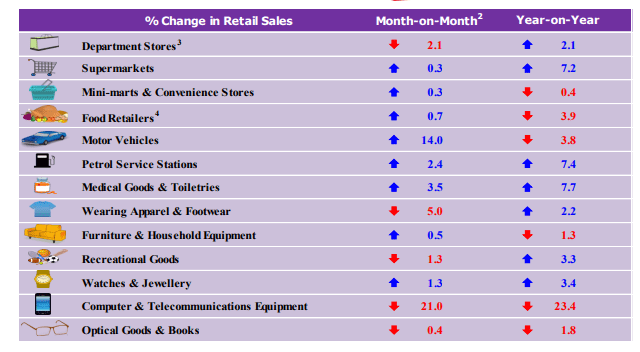
October Singapore retail sales rose a meagre 0.8 per cent over the same month last year, falling 1 per cent from September.
Those figures exclude motor vehicles which typically skew Singapore’s data. Including those, retail sales declined 0.1 per cent year on year.
Month on month, real retail sales fell 1 per cent, but they rose 1.5 per cent including vehicles.
The total retail sales value in October 2017 was estimated at S$3.6 billion.
The greatest negative contributor to year on year October Singapore retail sales data was the computer and telecommunications category, which slumped 23.4 per cent. Sales by food retailers, of optical goods and books, furniture and household equipment and at mini-marts and convenience stores decreased between 0.4 per cent and 3.9 per cent.
However, sales of medical goods and toiletries, at supermarkets, of watches and jewellery, recreational goods, clothing and footwear and sales of goods at department stores rose by between 2.1 per cent and 7.7 per cent in October.
Sales of food and beverage services at restaurants, cafes and fast-food outlets increased 0.7 per cent in October.
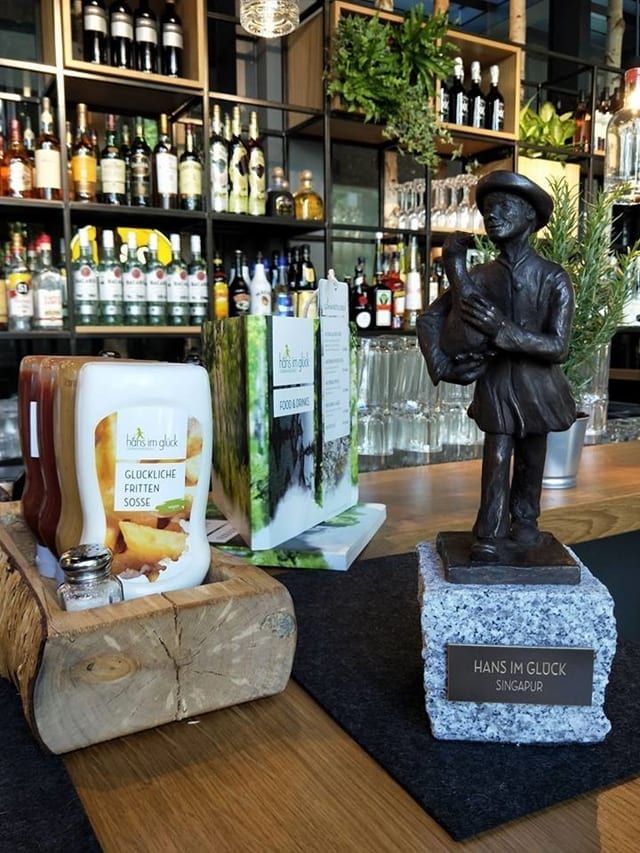
Following a holiday in Singapore last year, a restaurateur couple has returned to open a casual gourmet burger restaurant, Hans Im Gluck, in Orchard Road.
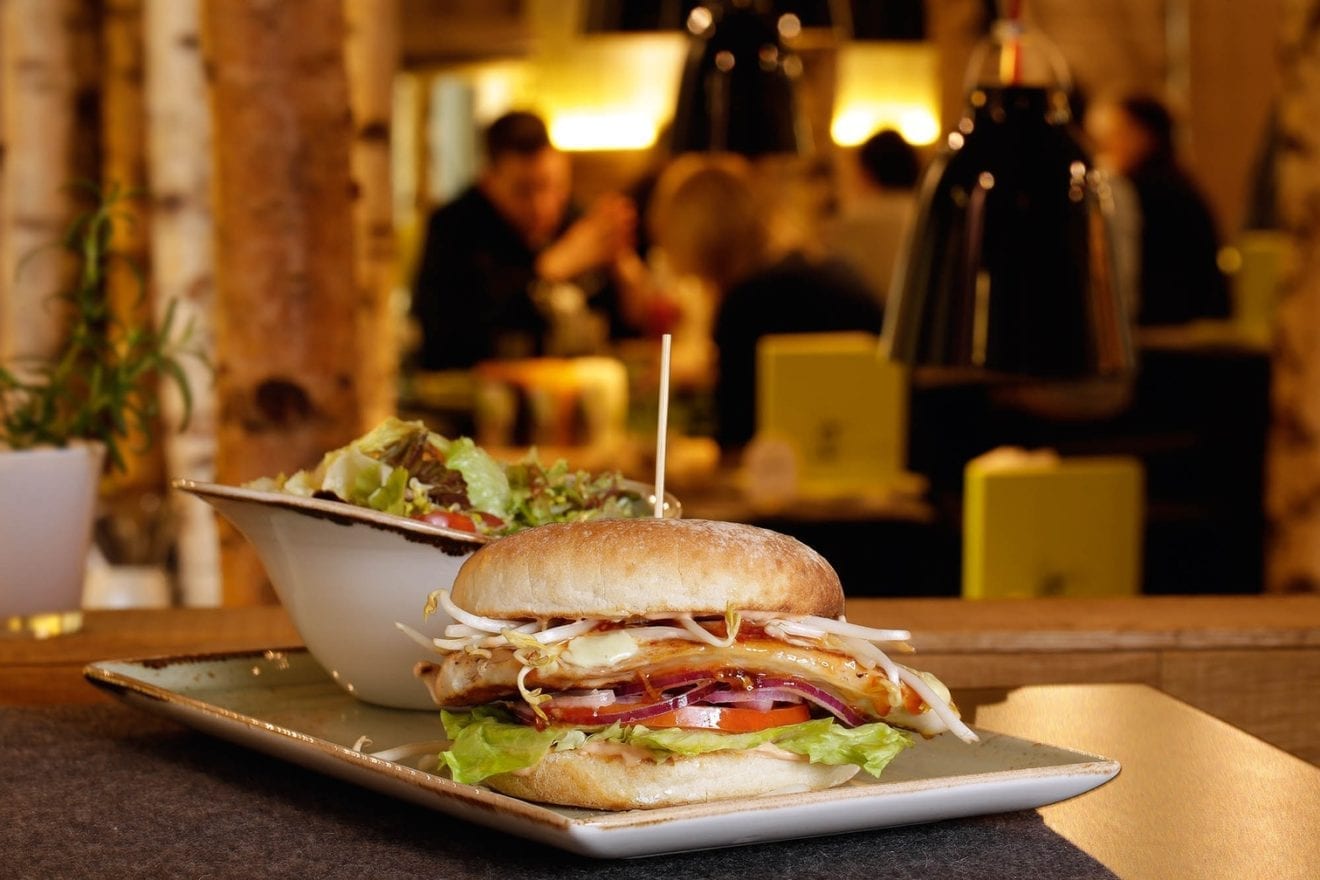
The brand’s 50th outlet and first outpost in Asia, it specialises in vegan, vegetarian, beef and chicken burgers served alongside salads, tea infusions and cocktails.
Hans Im Gluck was launched seven years ago by Gunilla Hirschberger, a vegan, who set herself the goal of shaking up Germany’s meat-focused dining scene. The 53-year-old Munich-based Swede saw a gap in the market for vegan-friendly offerings at burger restaurants, and with her German husband Thomas Hirschberger opened the first Hans Im Gluck in 2010, named after a German fairytale by the Brothers Grimm.
They now run 49 outlets in Germany and Austria, with more coming up in Italy and Switzerland.
Meanwhile, the Singapore restaurant is in a purpose-built outlet between International Building and the Royal Thai Embassy. Next year, the couple will open two more outlets – at Boat Quay and at Republic Plaza, Raffles Place.
For 15 years, the Hirschbergers ran a Californian-Mexican restaurant chain with 40 outlets across Germany, which they have since sold. When they visited Singapore they say they felt an instant connection to the city.
“Singapore has a good spirit and is full of different kinds of cultures. People here are open-minded and happy to see new things,” says Gunilla. “The city is innovative and has a good flow.”
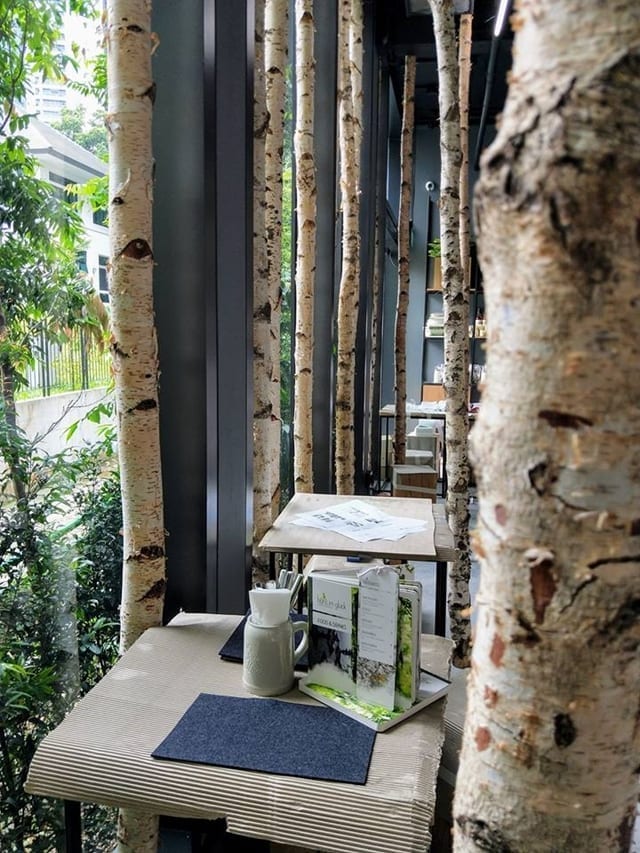
Their Singapore store features imported German-made oak furniture and 180 birch logs, installed throughout the restaurant to resemble a German forest. The menu, which looks like a children’s storybook, features 30 burgers.
It has its own sauces including vegan mayonnaise and orange mustard, as well as multigrain and sourdough buns made exclusively for the chain and sent frozen from Germany.
At 4000sqft (370sqm) and seating 180 diners, the restaurant is small compared with the German outlets, of which 23 are family-owned. Those restaurants are usually about 10,000sqft with about 400 seats, excluding the terrace.
The Singapore restaurants are wholly owned by the Hirschbergers, and the chain is looking to expand into other parts of Asia, including Hong Kong and Taipei.
Short-term home rental service Airbnb on Friday called Singapore’s regulatory framework “untenable” as authorities said they planned to hold discussions with home-sharing platforms and resident groups soon on how such accommodation may be allowed.
The reaction by Airbnb to the latest regulatory hurdle came amid its efforts to work with authorities around the world keen to minimize its impact on private housing and the hotel industry.
While Singapore has been an early adopter of the sharing economy, it has strict rules regarding property rentals in the city-state and charged two men with unauthorized short-term letting of apartments earlier this week.
“The current framework is untenable and does not reflect how Singaporeans travel or use their home today,” Airbnb said on Friday in a statement addressing Singapore’s regulations.
“Nearly three years since the URA’s first public consultation, it’s disappointing that the discussion has not moved forward,” it said, referring to the Urban Redevelopment Authority.
Private homes in Singapore are subject to a minimum stay of three consecutive months, under rules revised earlier this year, and cannot accommodate transient occupants.
While saying there was space for short-term accommodation in Singapore, the URA told Reuters the government will review and consider safeguards to ensure it does not negatively affect the “amenity” of residential estates.
It said it would soon start a public consultation on the matter. A previous consultation in 2015 did not reach a clear consensus on short-term rentals.
Airbnb may be conscious of the knock-on effect that Singapore’s tough stance may have on other cities in the region, said Brian King, associate dean of the School of Hotel and Tourism Management at Hong Kong Polytechnic University.
“They may be feeling like they need to take a slightly more aggressive stance this time to avoid this leading to crackdowns elsewhere,” King said.
This week, Singapore charged two men with unauthorized short-term letting of four apartments in the first such prosecution. If found guilty, the two are liable to a fine of up to S$200,000 ($148,150) per offence.
The rentals were arranged through Airbnb, which was not referred to in court documents.
In a message seen by Reuters, Airbnb this week alerted hosts in Singapore to the court case and asked them to “share” their reason for hosting and why it is important the government pass laws that permit short-term home sharing.
Airbnb, which matches people wishing to rent out all or part of their homes to temporary guests, said it has 8,700 listings in the city-state. Singapore has high population density, and its limited land area means a majority of the 5.6 million people live in apartments.
Hunreds investigated
The URA said part of the public consultation will involve working with key stakeholders such as representatives of home-sharing platforms, resident groups and other accommodation providers.
The planning agency said it investigated 985 cases of unauthorized short-term accommodation in private homes in 2015 and 2016, and about 750 cases in 2017’s first 11 months.
The firm, founded in 2008 in San Francisco, has clashed with hoteliers and authorities in cities including New York, Amsterdam, Berlin and Paris, which in some cases are limiting short-term rentals. Critics accuse Airbnb of exacerbating housing shortages and driving out lower-income residents.
One host in Singapore, who has listed on Airbnb for the past two years after failing to find a long-term tenant and uses the income to pay the mortgage, is considering pulling the apartment from Airbnb’s website due to the authority’s increased scrutiny.
“I am worried that I will have an empty apartment sitting there, that is not going to generate any income,” said the person, who spoke to Reuters on the condition of anonymity. “Any income that I earn doesn’t justify this kind of risk.”