Tag: Singapore

  • StarHub offers unlimited data on weekends

    StarHub offers unlimited data on weekends

    Singapore’s StarHub has launched a range of new postpaid mobile plans offering free unlimited local data access on weekends.

    The range of plans will offer unmetered access from 12am on Saturdays to 11:59pm on Sundays.

    During the week the plans range from 3GB of bundled data for S$48 ($35.46) per month to 15GB for S$238. Additional allocations of between 5GB and 20GB depending on the plan can be purchased for S$10 per month, and 2GB can be purchased for roaming in multiple destinations for 30 days for S$15.

    Data can be shared with family members for a small additional fee.

    Voice allocations will be 200 minutes for the base plan and 400 minutes for the S$68 plan, with unlimited voice for the higher tier plans. SMS will be charged at 5.35 cents for all but the highest-tier plan, which comes with unlimited SMS and MMS.

    Customers with compatible smartphones will be able to take advantage of StarHub’s nationwide 400Mbps LTE-A coverage, and the operator has started deploying gigabit-class network upgrades in anticipation of 1Gbps capable handsets.

    “Fueled by more advanced phones and pixel-heavy content, Singapore consumers’ appetite for data continues to grow. With our new data-focused plans, we are enabling our customers to do more of what they love on their smartphones freely and at much faster speeds too,” StarHub head of product  Justin Ang said.

    “We will continue to innovate in step with our customers’ changing digital lifestyles to boost customer satisfaction.”

  • Hardy Hardy Singapore opening flagship in Ion Orchard

    Hardy Hardy Singapore opening flagship in Ion Orchard

    American youth fashion brand Hardy Hardy Singapore has chosen Ion Orchard to set up its first flagship boutique in Southeast Asia.

    Hardy Hardy’s second Singapore store (the first is at Bugis+) offers 1200 sqft (111 sqm) of retail space featuring marble flooring, rose-gold and black metal railings and industrial-style walls.

    Scheduled to open on September 16, the Hardy Hardy Singapore flagship will stock the latest men’s and women’s collections as well as the brand’s limited-edition skull t-shirt embellished with Swarovski crystals, exclusive to Ion Orchard. As well as the brand’s iconic skull motif, the shirt also features the words “Hardy Hardy Singapore” across its back.

    Known for its rock-and-roll style clothing designs, the brand will host a graffiti art performance for its grand opening with appearances by its brand ambassadors Fann Wong and Lee Teng.

  • GSK Shopper Science Lab opens in Singapore

    GSK Shopper Science Lab opens in Singapore

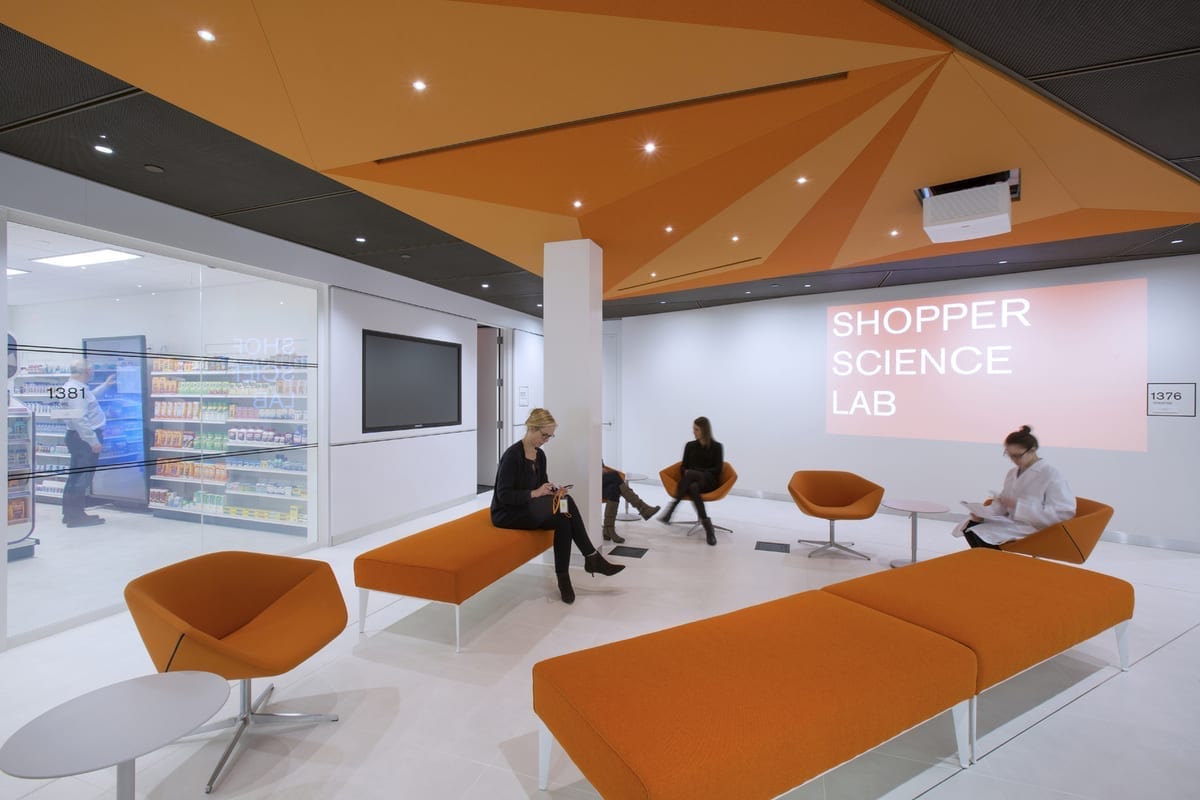
    A new GSK Shopper Science Lab opened in Singapore will help drive business growth across Asia-Pacific, the company says.

    GlaxoSmithKline (GSK) Consumer Healthcare describes the research centre as a “cutting edge facility” which will deliver unique shopper insights and collaborations with retailers.

    “The Shopper Science Lab is a world-class shopper insight facility, equipped with state-of-the-art digital technology. With virtual reality, eye-tracking, facial biometrics, and data visualisation as some of the tools employed in-house, GSK will invite its trade partners, internal business teams and researchers to use the Lab to recreate retail environments; evaluate shoppers’ responses to online and in-store initiatives; and identify winning strategies and initiatives to enhance the shopping experience,” the company said in a statement.

    “As more shoppers join the global middle class, there is an increased demand for trusted, global brands particularly in the emerging markets. The GSK Shopper Science Lab has close proximity to large emerging markets like India and China, enabling GSK and its retail partners to study diverse emerging shoppers closely, with local data collected on the ground.”

    The GSK Shopper Science Lab consists of three labs integrated seamlessly:

    • A 1215 sqft Retail Lab, an immersive retail environment that allows the re-creation of modern and traditional retail environments such as a pharmacy or supermarket, allowing GSK and its partners to quickly test and evaluate shopper responses.
    • A Digital Lab which is a collaborative space which has the ability to test stimuli such as pack designs, point-of-sale materials, brand assets, TVCs, or content across all platforms.
    • A Collaboration Room, which provides a space to convene key decision makers, enabling them to embark on virtual and fully interactive simulations that include relevant data for faster and more informed decision making.

    “Traditional market research is often time-consuming and expensive,” explained Sidharth Singh, VP of commercial excellence, GSK Consumer Healthcare Asia, Middle East and Africa. “By leveraging the latest advances in virtual reality and biometric technology, we are now able to gather insights more efficiently and effectively.”

    An example of such technology is eye-tracking glasses which can be transported to various cities to provide researchers with an indication of how shoppers shop locally. Technology such as virtual reality, tracking sensors and software that can decode the hotspots, can help analyse this highly localised data to understand shopper behaviour in diverse markets.

  • Uniqlo Singapore introduces Click & Collect

    Uniqlo Singapore introduces Click & Collect

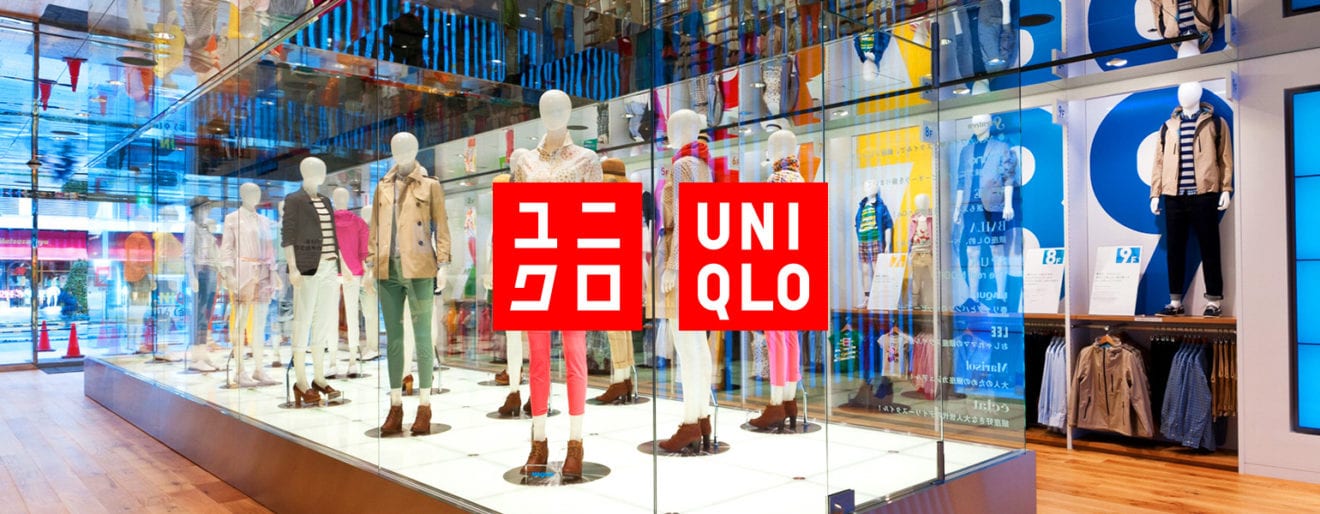
    Uniqlo Singapore has launched the casualwear brand’s Click & Collect service, allowing shoppers to pick up their online purchases at any of its Singapore stores.

    Customers can choose from the Japanese brand’s full line-up of products, including extra sizes, on its online store. They can then opt to pick up their purchase from a nominated store islandwide, except for the Changi Airport Terminal 1 outlet).

    Using the free service, customers have 14 working days to pick up their orders after receiving their notification email or SMS message.

    Already available in China and Japan, the service will also be launched in Malaysia next month.

  • OCBC Bank Launches Mobile Keyboard to Enable Cashless Payments

    OCBC Bank Launches Mobile Keyboard to Enable Cashless Payments

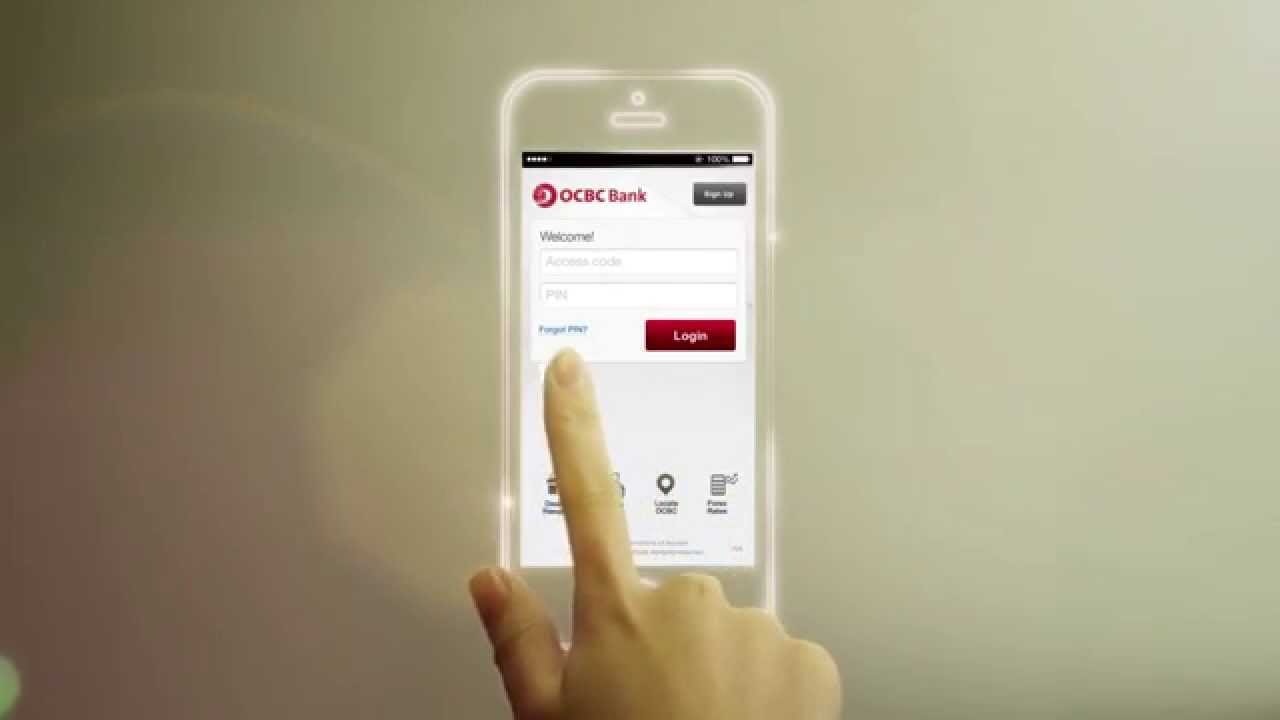
    OCBC Bank has launched a mobile keyboard that allows customers to make peer-to-peer payments without having to exit their current mobile applications. The OCBC Keyboard can be used within any mobile app or browser – for instance, within Facebook, Whatsapp, Instagram or Chrome – to send money instantly to anyone with a bank account in Singapore, including those who have not yet registered for PayNow. The payment rides on the OCBC Pay Anyone e-payment service and can be done using just the recipient’s mobile number.

    The OCBC Keyboard follows on the heels of OCBC Bank’s launch of e-payments integrated with Apple’s Siri and iMessage for iPhone users in 2016, enabling customers to make instant funds transfers with a voice command to Siri or within the iMessage app while engaged in a chat. With the OCBC Keyboard, the convenience of making an e-payment is extended to any app on Android devices running the Android 4.4 KitKat operating system or better. Payments are completely secure as they are authenticated with the sender’s mobile banking credentials.

    Making a payment via OCBC Keyboard

    Imagine being able to make an e-payment as easily as sending an “emoji” to a friend while chatting on Whatsapp, or while negotiating with a potential seller on the Carousell app. Users can automatically access the OCBC Keyboard on any app on their mobile phones once they have updated the OCBC Mobile Banking app to the latest version. They will need to perform a simple one-time set up to enable the OCBC Keyboard and make it the default keyboard on their phone.

    To send money, users simply tap on the OCBC Pay Anyone icon on the keyboard without exiting or switching from their current app activity.Once they select a recipient from their contact list – which is automatically synced with the keyboard – they will be guided to complete the transfer using OCBC Pay Anyone within the keyboard. Once payment is complete, the user can continue accessing the original app.

    Boosting cashless payments

    In alignment with Singapore’s Smart Nation agenda and its drive to go cashless, the OCBC Keyboard is the latest in a series of OCBC Pay Anyone e-payment services that OCBC Bank has introduced to encourage customers to embrace the move away from cash.

    The adoption of the recently launched PayNow service amongst OCBC Bank customers has been exceptionally strong, with over 200,000 signups to date. E-payments done via the OCBC Pay Anyone service have increased 35 per cent since the launch of PayNow, and one in every two PayNow transactions is via OCBC Pay Anyone.

    Mr Aditya Gupta, OCBC Bank’s Head of E-Business Singapore, said: “With OCBC Keyboard, we are embedding payments in our customers’ lives and making it completely frictionless for them to pay while they go about everyday tasks like chatting on Whatsapp, sending emails, buying items on Carousell or browsing the Internet. I’m confident that this added convenience will exponentially increase the adoption and usage of e-payments, including PayNow transfers. We will continue to push the boundaries on e-payments and move the needle in driving Singapore towards becoming cashless.”

    Evolution of OCBC Pay Anyone

    Launched in 2014, OCBC Pay Anyone was the first peer-to-peer mobile payment service offered by any bank in Singapore that enabled customers to make a payment directly into a recipient’s bank account using just a mobile number, email address or Facebook, without having to perform transaction signing using a security token or to add the recipient as a “payee”.

    In September 2016, the daily transfer limit on OCBC Pay Anyone was increased from $100 to $1,000, bringing greater convenience to customers and allowing payments for bigger-ticket items. In October 2016, OCBC Bank further enhanced OCBC Pay Anyone by enabling transactions using Apple’s Siri voice command feature and directly within iMessage.

    In May this year, OCBC Bank launched its first standalone mobile payments app – the OCBC Pay Anyone app – which now consolidates all OCBC Pay Anyone e-payment services into a one-stop shop for customers’ convenience: Peer-to-peer QR code payments via PayNow, QR code payments to NETS merchants, peer-to-peer e-payments and the integration of OCBC Pay Anyone with Apple iPhone’s Siri and iMessage.

    Enabling the OCBC Keyboard for e-payments

    The OCBC Keyboard is available to all OCBC Bank customers using Android 4.4 KitKat devices with the latest OCBC Mobile Banking app. The app can be downloaded from the Google Play Store.

    Customers can enable OCBC Keyboard by following these steps:

    • Tap ‘Pay now’ in the OCBC Mobile Banking app or ‘Send Money’ in the OCBC Pay Anyone app for a tutorial on setting up the keyboard
    • Users will be guided to turn on OCBC Keyboard in Settings and make OCBC Keyboard the default keyboard

    The OCBC Keyboard is now ready to be used as the primary keyboard.

    Making a payment using the OCBC Keyboard

    • Switch to the OCBC Keyboard if it is not the primary keyboard in use
    • Tap on the OCBC Pay Anyone icon on the keyboard to start payment
    • Select the contact you wish to pay to
    • Enter your online banking access code and PIN
    • Select the account to send money from. This step is automatically skipped if you have only one account.
    • Enter the amount to send
    • Create a six-digit passcode to be given to a non-PayNow registered recipient. If the recipient is PayNow-registered, no passcode is required. Confirm the recipient’s name and mobile number on the review screen to proceed.
    • Authenticate payment with a One-Time-Password

    You can then return seamlessly to what you were previously doing on your mobile device. PayNow-registered recipients will receive the payment directly into their bank accounts. If the recipient is not PayNow-registered, they will receive an SMS link. Share the passcode with them to collect the money.


  • Alipay, CCPay partner for cashless payments in Singapore

    Alipay, CCPay partner for cashless payments in Singapore

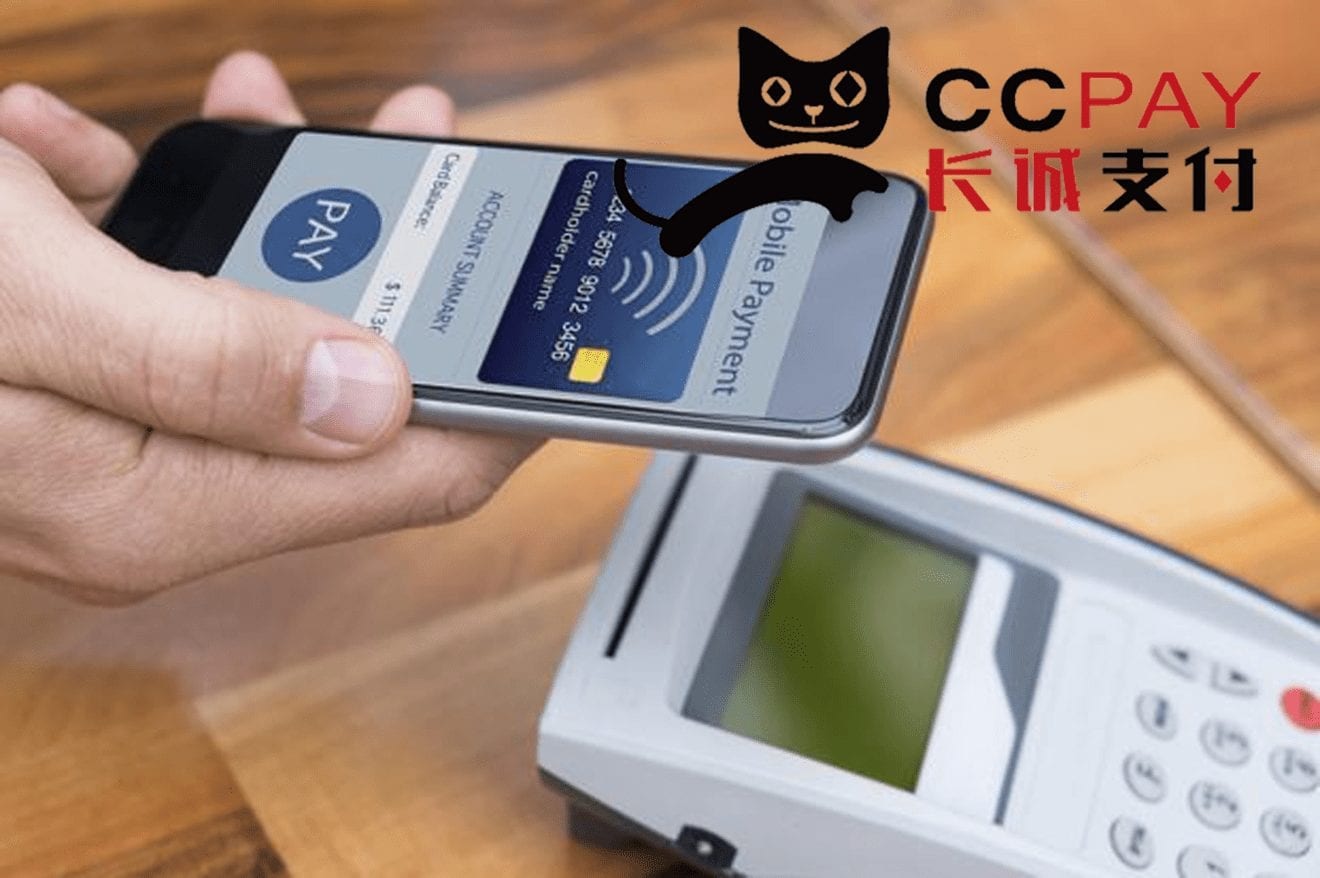
    China’s popular cashless payment platform Alipay has honed in on Singapore, announcing on Tuesday it has entered into partnership agreement with a local digital payment provider CCPay to offer cashless payment services to Singaporean retailers.

    Alipay, a subsidiary of Alibaba’s associated Ant Financial, has tapped CCPay to expand the use of the cashless payment platforms in Singapore, in a bid to give convenience to Chinese tourists here.

    The cashless payments will be first introduced to merchants around the Chinatown area, with plans for further expansion to other shopping malls in Singapore.

    “With Alipay’s scale and expertise in the field of cashless payments, this collaboration with CCPay will provide a platform for merchants to facilitate safe, fast and cashless payments for the Chinese tourists in Singapore,” Melvin Ooi, Alipay country manager at Singapore, Sri Lanka and Maldives, told local media.

    Kicking off in 2004, Alipay boasts over 520 million active users, mostly in China. It continues to expand into offline payments globally and covers more than 200,000 retail stores overseas with the support for 18 currencies.

    Most recently, Alipay entered nearby Malaysia in May, after forging its way into North America in January via its partnership with DFS Group.

    Founded in March 2017, CCPay is a Singapore’s main digital payment solutions provider for online, mobile and in-store payment.

  • FJ Benjamin’s net loss narrows to $17 million

    FJ Benjamin’s net loss narrows to $17 million

    Despite a drop in revenue, Singapore luxury retailer FJ Benjamin’s net loss for its latest fiscal year has narrowed to S$17.42 million (US$12.7 million) from $22.96 million.

    Turnover slipped 18 per cent to $207.49 million mainly because of discontinued businesses and a drop in sales to an Indonesian associate. However, the gross profit margin improved to 42 per cent from 39 per cent a year ago thanks to tighter inventory management and improved sell-throughs, says the group.

    “Management expects the operating environment to remain challenging in Singapore as economic growth stays sluggish and the Singapore dollar continues to strengthen relative to regional currencies.

    “While management is conscious of the challenges and will remain vigilant on costs, we will continue to identify new business opportunities that will enhance the group’s portfolio and help the group return to profitability.”

    FJ Benjamin Holdings offers brand building and management, and develops retail and distribution networks for international luxury and lifestyle brands across Asia. It has offices in eight cities, manages more than 20 brands and has 226 stores.

    According to its website, it exclusively retails and distributes brands such as Banana Republic, Celine, Gap, Givenchy, Guess, La Senza, Loewe, Sheridan, Superdry and Tom Ford. Its retail footprint includes Southeast Asia and Hong Kong.

    It also distributes timepieces for such brands as Bell & Ross, ChronoSwiss, Frederique Constant, Guess, Nautica and Victorinox Swiss Army.

  • HSBC ‘back in growth mode’ in Singapore

    HSBC ‘back in growth mode’ in Singapore

    British bank HSBC is now “back in growth mode” in Singapore after investing heavily in turning around revenue and profitability, said a top executive.

    Despite a fiercely competitive retail market, the bank has high hopes for its business here, said Mr Anurag Mathur, head of retail banking and wealth management at HSBC Bank (Singapore), who has been in the role for a year.

    He told recently: “Customers are also sophisticated (here), but that’s good as it encourages innovation and we’re often at the cutting edge in Singapore, where some of the things piloted here – and hopefully, increasingly developed here – can then be exported elsewhere in HSBC globally.”

    The bank has “spent quite a bit of time and investment in incorporating the company here”, said Mr Mathur, referring to its move last year to set up a local subsidiary for the retail and wealth business.

    “As part of that, we’ve also upgraded our core banking platforms and infrastructure, such as upgrading branches and opening new ones in the last few years, and improving our products and digital capabilities.”

    While Mr Mathur was unable to give specific numbers, recent data from the bank showed it has spent more than US$1 billion (S$1.4 billion) on its global digital investment since 2015.

    HSBC has 11 branches and about 1,000 employees under the retail banking and wealth management business here.

    Competition is particularly high here now, evident from moves by financial institutions here like DBS Bank, which acquired ANZ’s wealth management and retail banking business in five markets in Asia last October.

    Standard Chartered Bank for its part is chasing the silver dollar in Singapore with the release last month of a new offering for only those aged 55 and older, for instance.

    Customers of HSBC’s retail banking and wealth management unit are typically those with a minimum of $200,000 with the bank, be it through deposits, or investments, among other things – and that is where growth is for the bank too, said Mr Mathur.

    “In that space, we see Singapore continuing to be a growth hub. Wealth management is a key area of growth. The macro conditions are there.

    “Singaporeans obviously invest here, but people from around the world, particularly Asia, also like to invest here. According to the BCG wealth report of 2016, offshore wealth booked in Singapore is projected to grow at roughly 10 per cent annually through 2020.”

    He noted that HSBC is positioned to capture this segment because of several factors such as its international network, its “insurance and asset-management support pillars on the product side and a strong offshore base”.

    And almost a third of the mass affluent market in Singapore has an HSBC relationship – be it with a banking product or service.

    “In the last five years or so, we’ve seen our deposit balances in current and savings accounts grow at double digits, which is a strong and healthy indicator. Personal loans have grown by double digits in the last four to five years,” said Mr Mathur.

    While other bankers might say retail banking is surely a local business, HSBC looks at clients from a different point of view.

    “What our HSBC Premier customers find is that they can open accounts with us in multiple countries where they have property, investment or worked.”

    The bank has a feature dubbed “global view, global transfer” that lets clients access “all accounts on one screen”.

    Mr Mathur said this appeals to t Singapore’s expatriate population as they have banking relationships outside Singapore as well.

    He noted: “And almost all Singaporeans are international in some shape or form.

    “For instance, some reports show 95 per cent of them travel at least once a year, so they find the international offers we have on our credit cards powerful.

    “We believe Singaporeans will increasingly be international, in terms of where they study, do business, even where they invest. Our strengths are uniquely positioned to help them in that space.”

  • Fave Ready To Support Singapore’s Drive to Become a Cashless Society

    Fave Ready To Support Singapore’s Drive to Become a Cashless Society

    As Singapore seeks to accelerate its growth as a cashless society, online-to-offline (O2O) mobile platform, Fave is supporting restaurants and offline retailers to offer convenient mobile payments that aim to help them grow their business by rewarding customers.

    Prime Minister Lee Hsien Loong has signalled that Singapore must do more to avoid falling behind other cities in e-payments. He used his recent National Day speech to point out that 60% of transactions in Singapore still involve cash or cheques, despite the cities well-developed financial system and tech-savvy population.

    Fave, Southeast Asia’s leading food & beverage app, is supporting Singapore’s growth as a smart nation by making it easier for restaurants and offline retailers to offer cashless payment options and reward customers through FavePay, Fave’s newly launched mobile payments platform.  With more than two million subscribers already in Singapore, FavePay is now readily available for Singapore to begin adopting mobile payments. It is now accepted at over 150 outlets including Chocolate Origin, Four Seasons Durians, Rong Hua Bak Kut Teh, Wrap & Roll, Charcoal Thai and more.

    Andersen’s of Denmark, a luxury ice cream parlour with six locations across Singapore, initially adopted FavePay as a way to improve customer service and enhance its customer rewards programme. However, the FavePay-linked business tools are proving to be just as valuable.

    “We are pleased to be part of Singapore’s move to a smart, cashless nation. FavePay was easy to set up and the transaction process has been fast and problem-free from day one. From an operational point of view, we appreciate real-time transaction reports and detailed statement of account reports, which provide insights that we can use to refine our loyalty programmes and other marketing efforts,” said Ms Wong Khai Rhou, Business Manager of Andersen’s of Denmark.

    To use FavePay, consumers simply need to open their existing Fave app and scan the QR code at the participating restaurant or offline retailer before entering the total bill amount and confirming. Customers who use FavePay earn cashback of up to 30%, which they can redeem on their next visit. For merchants, FavePay is hassle free as Fave will provide them with a proprietary dashboard called FaveBiz that will allow them to get real time reporting, monitor performance as well as receive direct customer feedback.

    Fave merchants have the option to also accept Alipay, one of the world’s largest online and mobile payment platforms. Fave teamed up with Ant Financial, the financial affiliate of Alibaba Group, earlier this month to offer Chinese tourists visiting Singapore a seamless cross-border payment experience with Alipay.

    “Deploying FavePay to help restaurants and retailers succeed is one of the pillars of Fave’s business model. Together with Alipay, we provide fast and easy cashless mobile payments that support retailers in reaching out to new and return customers and delivering seamless service that tech-savvy Singaporeans are looking for,” said Ng Aik Phong, Managing Director of Fave Singapore. “Enabling retailers to benefit from low cost mobile payments is important to our smart city future and we are encouraged by PM Lee’s recent call towards a cashless society. FavePay is uniquely positioned to help both merchants and customers benefit from fast, cashless transactions.”

    “To enhance consumer adoption, FavePay is unique because besides being a cashless payment service, it also provides cashback of up to 30% that customers can use during their next visit. This has accelerated customer adoption at a rate of 50% week on week, as proven by our thousands of FavePay users since our introduction in mid-July.” added Mr Ng.

  • Mt Sapola Singapore evolves as Hysses

    Mt Sapola Singapore evolves as Hysses

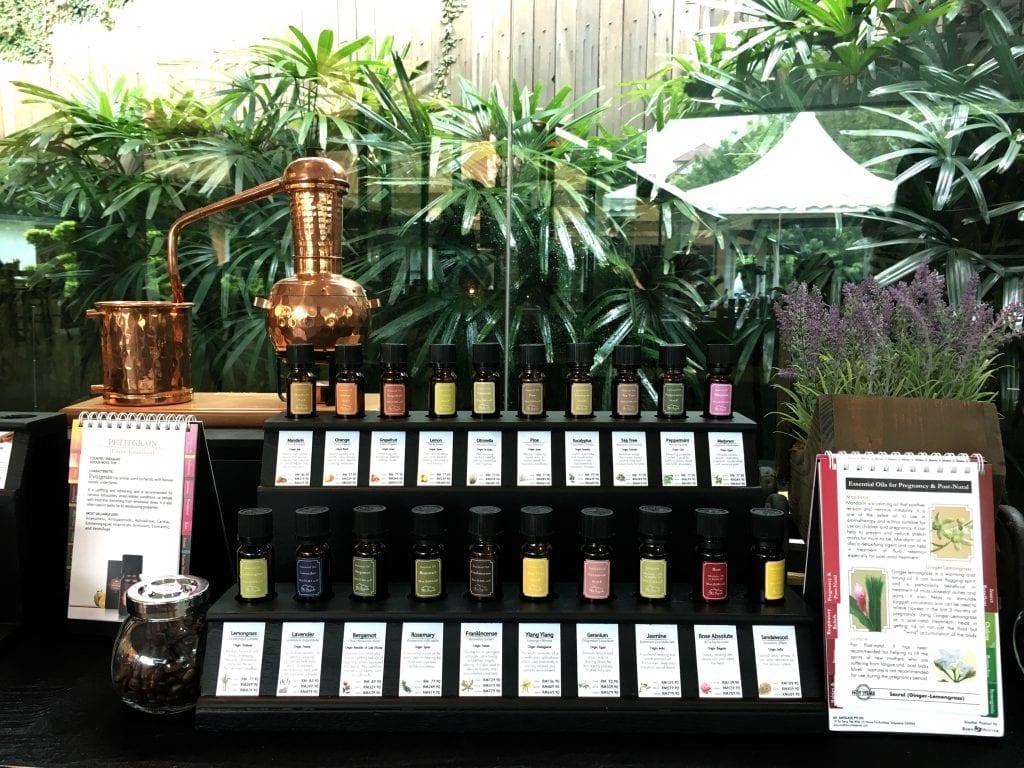
    Skincare company Mt Sapola Singapore has relaunched itself as Hysses as its moves beyond its spa-at-home heritage.

    “In the past 10 years we have grown as a company to have a stronger sense of who we are and what we can deliver, which allows us to tell compelling stories while sharing our knowledge,” says founder/MD Cheryl Gan.

    Gan launched the company in Singapore in 2007 with a store in Tanglin Mall. Its products were made in Thailand, where the brand was run independently. As the business began to grow in Singapore, Gan set up Barn & Potter, a specialised laboratory with its own manufacturing arm, in 2010.

    By 2013, at least 60 per cent of Mt Sapola Singapore’s retail products were made and packed locally. New scents were exclusively sold in Singapore and Malaysia. As overseas distributors started asking for the new scents, not available in Thailand, the products were rebranded as Barn & Potter.

    Franchise requests

    Mt Sapola Singapore also started receiving a growing number of requests for franchise opportunities, so Gan decided it was time for the company to form its own brand identity. Three years later, Hysses is ready to roll out globally.
    Its bodycare range has expanded from six to 13 scents, each formulated to address a particular skin problem. Similarly, the haircare range has added bioactive ingredients to tackle such problems as thinning or hair loss.

    Meanwhile, the laboratory and manufacturing spaces have tripled in size to meet demand.

    “Hysses” is adapted from the Chinese word for “native village” as the brand’s ingredients such as essential oils, herbs, stones and earthenware are sourced from villages.

    Renovations have started on the company’s boutiques in Singapore and Malaysia, with the full transformation targeted to finish by the end of the year. This will be followed by the rollout of an online store.

  • UnionPay Curates Over 80 of the World’s Finest Restaurants for New Global Dining Privilege Programme

    UnionPay Curates Over 80 of the World’s Finest Restaurants for New Global Dining Privilege Programme

    UnionPay International has launched a new global dining privilege programme – the U Dining Collection – for Platinum and Diamond UnionPay Cardholders. Curating over 80 of the finest restaurants located in key cities around the world, including Michelin-starred restaurants, restaurants by famous chefs, chain restaurants and feature restaurants, the U Dining Collection will whet the appetites of even the most discerning palates with exclusive dining privileges that heighten overall dining experience.

    To enjoy these privileges, UnionPay Platinum and Diamond Cardholders (card number starting with 62) can browse the curated list of fine dining restaurants in Singapore, Cambodia, China, France, Hong Kong, Italy, Japan, Korea, Macau, Malaysia, Taiwan and Thailand, at the U Dining Collection website, and make their reservations via the UnionPay Singapore Concierge hotline. By making the reservation process fuss-free, Cardholders can now enjoy the full dining experience with ease, complete with exclusive benefits such as priority seating, discounts, or complimentary dessert, wine and champagne.

    “Restaurant ANDRÉ is pleased to be part of UnionPay International’s U Dining Collection programme, one that connects gourmet diners to the best tables in the world by providing exclusive accessibility and services.” said Chef Andre Chiang, Chef/Owner of Restaurant ANDRÉ.

    “By bringing together some of the most highly-acclaimed and Michelin-starred restaurants from around the world, U Dining Collection is designed to cater to the most discerning of palates, offering premium dining experiences to UnionPay Platinum and Diamond Cardholders. With a one-stop concierge service that simplifies the reservation process for these highly-popular restaurants, Cardholders can free their minds to enjoy the dining experience at some of the best restaurants from around the world,” added Mr Wenhui Yang, General Manager of Southeast Asia, UnionPay International.

    The launch of U Dining Collection adds a new dimension to UnionPay’s global premium privilege programme, which features:

    • The UnionPay Global Concierge Service – assists Cardholders with everyday and special tasks such as hotel, flight, transport and attraction recommendations and reservations; travel vaccination consultation and translation assistance.
    • The UnionPay Global Assistant Service – provides travel and medical support to meet Cardholders’ overseas requirements, including assistance for lost passports, delayed/lost baggage, emergency legal aid, medical advice and transfers.
    • The UnionPay VIP Airport Service – provides VIP services to Cardholders at airports around the world, including the complimentary use of VIP lounge facilities, access to the internet, drinks, snacks and more.
  • Alipay to boost acceptance points in Singapore

    Alipay to boost acceptance points in Singapore

    Chinese online and mobile payment platform Alipay has signed a deal with CC Financial Services to allow it to expand its 20,000 acceptance points in Singapore.

    CC Financial Services, a Singapore-based startup which runs a mobile payments platform named CCPay, will function as a merchant acquiring partner for Alipay.

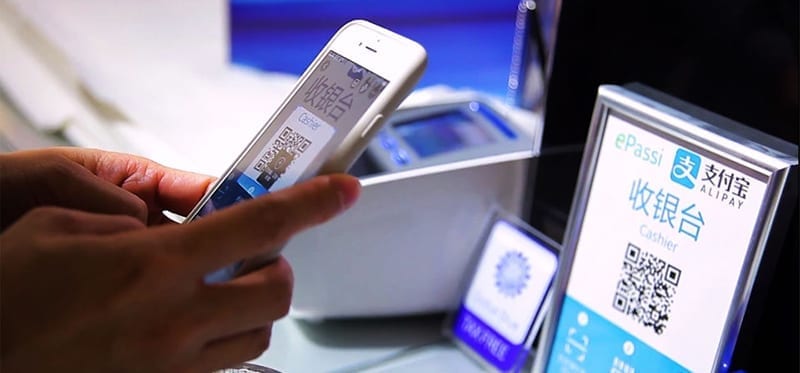
    The partnership aims to allow Chinese tourists to Singapore to pay for purchases using their Alipay e-wallets. Customers who use to service need to use their mobile phones to scan the QR codes provided by the retailer.

    Alipay’s country manager for Singapore, Sri Lanka and Maldives Melvin Ooi told The Straits Times that the Alipay platform will “soon” be made available for customers of banks in Singapore, although a timeline was not provided. Currently, Alipay users need to either have a banking account from China or a credit card issued by a bank in China.

    Recently, Alipay tied up with taxi operator Comfort Delgro in a partnership which enabled Alipay users to pay for cab rides using the platform. 17,000 of the current 20,000 Alipay acceptance points in Singapore are for taxis.

    CC Financial Services, which was founded in March this year, has acquired more than 600 merchants, with the plan to grow this number to 6,000.

  • CapitaLand links with Alibaba, Lazada Singapore

    CapitaLand links with Alibaba, Lazada Singapore

    CapitaLand is advancing its omni-channel strategy by forging an alliance with Lazada Singapore, and has also signed an agreement to manage Alibaba Shanghai Center, comprising four office towers and a retail podium.

    Its China project is the start of a strategic collaboration between the Singapore-based real estate group and Alibaba Group, Asia’s largest e-commerce company, to reinvent modern retail through the seamless integration of offline and online (O&O) channels.

    CapitaLand’s Singapore deal involves an agreement to launch an exclusive online mall on Lazada Singapore, which is part of Lazada Group, Southeast Asia’s largest e-commerce platform, now essentially controlled by Alibaba. The shop-in-shop on Lazada.sg will position CapitaLand as Singapore’s first omni-channel retail landlord connecting retailers to shoppers both offline and online, complemented by a world-first in-mall collection service for shoppers.

    “Even as new technologies disrupt traditional business models, real estate remains an important part of a holistic customer journey, as affirmed by leading digital players who are seeking to gain a foothold in the physical space,” says CapitaLand president/group CEO Lim Ming Yan.

    He says he foresees win-win outcomes for all parties as strategic alliances are forged to future-enable properties and support retailers in embracing an omni-channel business model.

    “The key to unlocking the next stage of growth lies in blending physical and digital channels to create a seamless O&O experience for the customer.

    “We will continue to leverage digital tools and partner disruptors to strengthen our customer engagement, embrace smart building technologies to uplift the quality of our built environment, and harness data to enhance customer experience at our properties.”

    Supports Smart Nation

    The Lazada deal supports the Smart Nation push to reinvent retail. CapitaLand will launch a shop-in-shop aggregating the offerings of retailers in its Singapore malls on Lazada.sg by the end of the year.

    Shoppers at the CapitaLand official store on Lazada.sg will have the option to collect their purchases in CapitaLand malls, and in so doing so will be rewarded with membership points in the CapitaStar loyalty program.

    Initially CapitaLand will roll out two unmanned click-and-collect lounges at Plaza Singapura and Bugis+ for shoppers to collect purchases or make returns. As well as collection lockers, the lounges will have fitting rooms and a product-testing bench.

    “As the owner and manager of Singapore’s largest network of shopping malls, we have embarked on creating a digital channel that supports our mall tenants in tapping the growth potential of e-commerce,” says CapitaLand Mall Asia CEO Jason Leow.

    By enabling shoppers to collect online purchases in its malls, last-mile delivery costs for retailers will be reduced in the long run.

    “Also, our retailers will enjoy comprehensive marketing support in the physical and digital space and get a leg-up in their e-commerce business.”

    Shoppers will not only have the option of click-and-collect, but benefit from free delivery and have 14 days to make returns, says Lazada Singapore CEO Alexis Lanternier.

    “This partnership is an important step for Lazada to expand our network of partners as we evolve the e-commerce ecosystem in Singapore.”

    Both CapitaLand and Lazada will help onboard retailers and promote the platform to shoppers, with the intention of rapidly scaling up the initiative in the next two years.

    ‘Bricks and clicks’

    Under its contract with Alibaba, CapitaLand will oversee the pre-opening and management of the shopping podium and one of the four office towers in Alibaba Shanghai Center, which has a total gross floor area (GFA), excluding car park, of about 80,000 sqm. The four-storey shopping podium – three levels above ground and one basement level – takes up about 20,000 sqm.

    Alibaba Shanghai Center is strategically located in the northern core of Shanghai’s Hongqiao CBD, less than 2km from Hongqiao Transportation Hub. Scheduled to open next year, the retail component serves working professionals and residents of the mid- and high-end housing zones nearby.

    Leow says the company and Alibaba will jointly explore the possibilities of combining “bricks with clicks”, starting with Alibaba Shanghai Center, and creating O&O experiences.

    Alibaba Group’s head of intelligent building, Wang Tao, says Shanghai is an important platform and the group’s headquarters there will serve as a strategic nerve centre for rolling out Alibaba’s New Retail strategy.

    “We believe our collaboration will chart new frontiers in integrating online, offline, logistics and data across a single value chain to meet the needs of consumers.”

  • Lush Singapore opening flagship at VivoCity

    Lush Singapore opening flagship at VivoCity

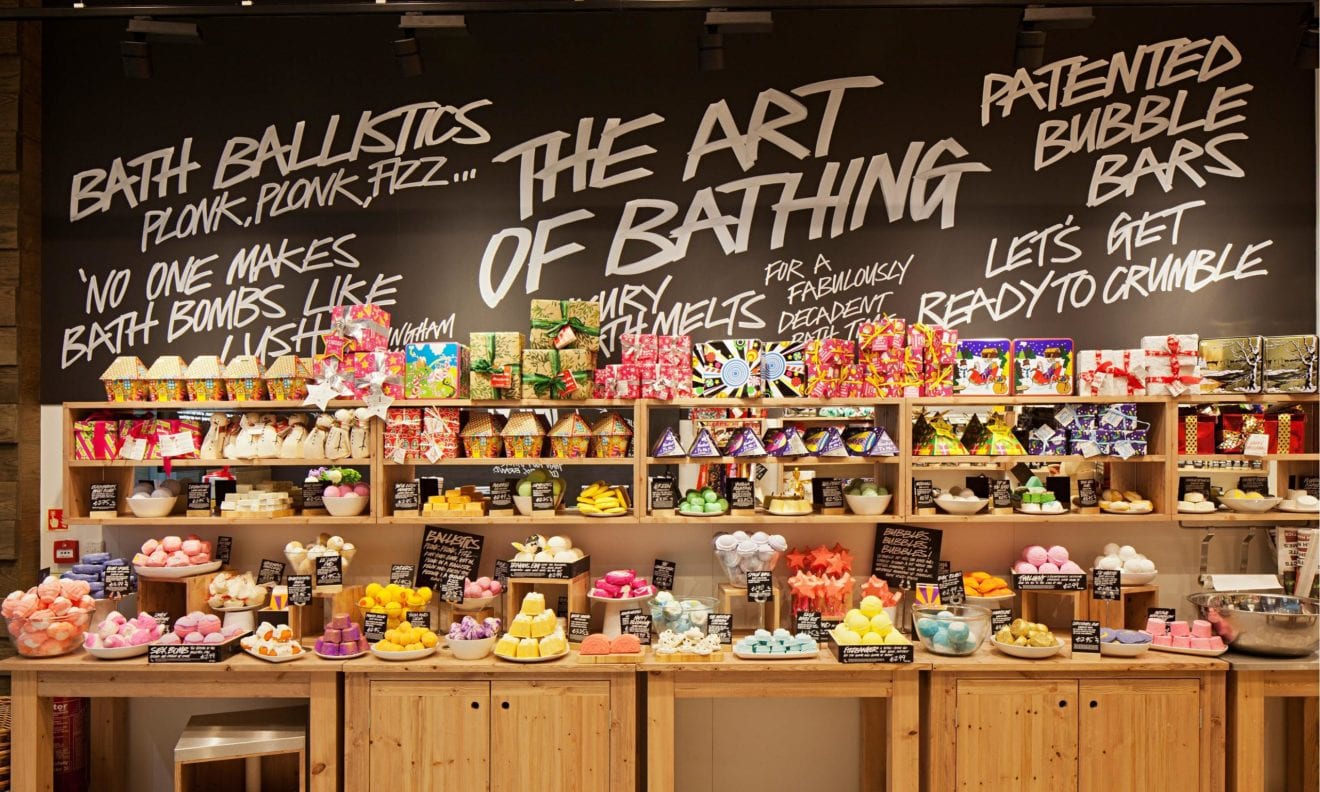
    With four stores already, cosmetics company Lush Singapore is set to open its flagship at VivoCity on September 1.

    Occupying a 107 sqm basement space, it will be the largest Lush shop in Singapore.

    “The new shop will allow us to showcase the innovation at Lush with concept product displays and exclusive items,” says Lush Singapore director Sohana Chowdhury.

    There will also be new services such as hand and arm massages, and private in-depth skincare consultations.

    Lush VivoCity will also be one of the UK brand’s 20 international shops to offer the black-label range of Gorilla Perfumes.

  • Japanese airline partnering in Changi Airport food court

    Japanese airline partnering in Changi Airport food court

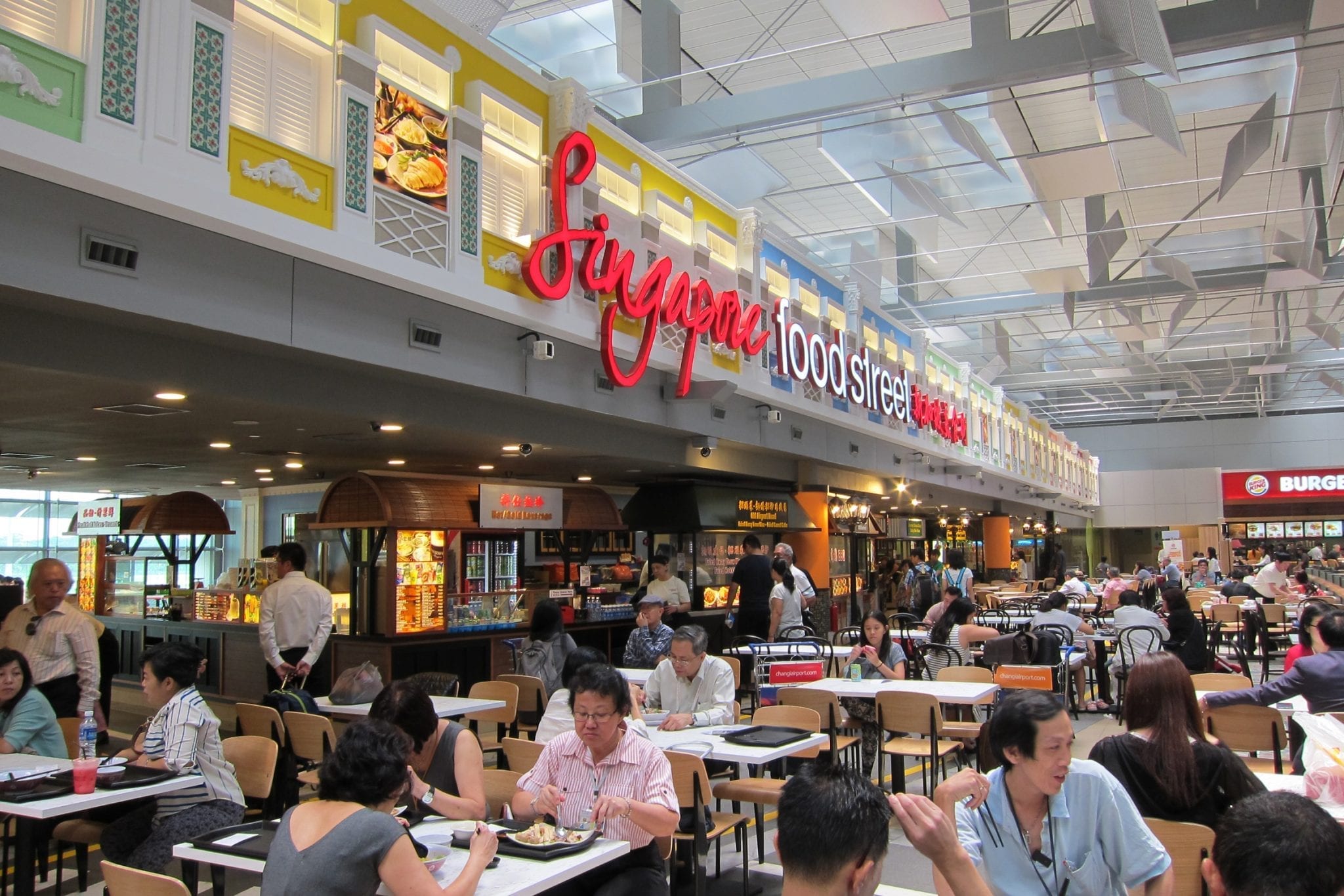
    A Japanese airline with a Singapore partner will open an all-Japanese food court at Changi Airport by the end of this year.

    Japan Gourmet Hall Sora is a joint venture between a subsidiary of All Nippon Airways (ANA) and specialty consultant Komars Group. It takes over the space formerly occupied by Seafood Paradise and Fish & Co in the public area on the third floor of Terminal 2.

    It is the first time the airport has awarded a lease for two amalgamated units, says Changi Airport Group (CAG).

    With a floor area of 721 sqm and an estimated seating capacity of 300 people, Japan Gourmet Hall Sora will be the largest restaurant space in Changi Airport. No official opening date has been set, but an ANA Trading spokesperson says the target is early November.

    ANA says there will be six Japanese restaurants in the food court, serving such fare as okonomiyaki pancakes as well as ramen, and tendon and seafood bowls. Customers will be able to order at multiple restaurants and pay for everything in one transaction.

    With its partners, ANA will be investing about ¥200 million (S$2.5 million/US$1.8 million) into Japan Gourmet Hall Sora. The lease will be for three years with an option to extend for another three. The venture will be run SG Retail, the ANA Trading/Komars JV.

    ANA Trading says it chose Changi Airport for the project because of its size, passenger count and its winning of the Skytrax World’s Best Airport title last year.

    “We are planning to expand the business to other Asian countries, based on the success of the project,” a spokesperson says.