Tag: Singapore

  • HAWKR launches healthy ‘grab-and-go’ in heart of Quarray Bay

    HAWKR launches healthy ‘grab-and-go’ in heart of Quarray Bay

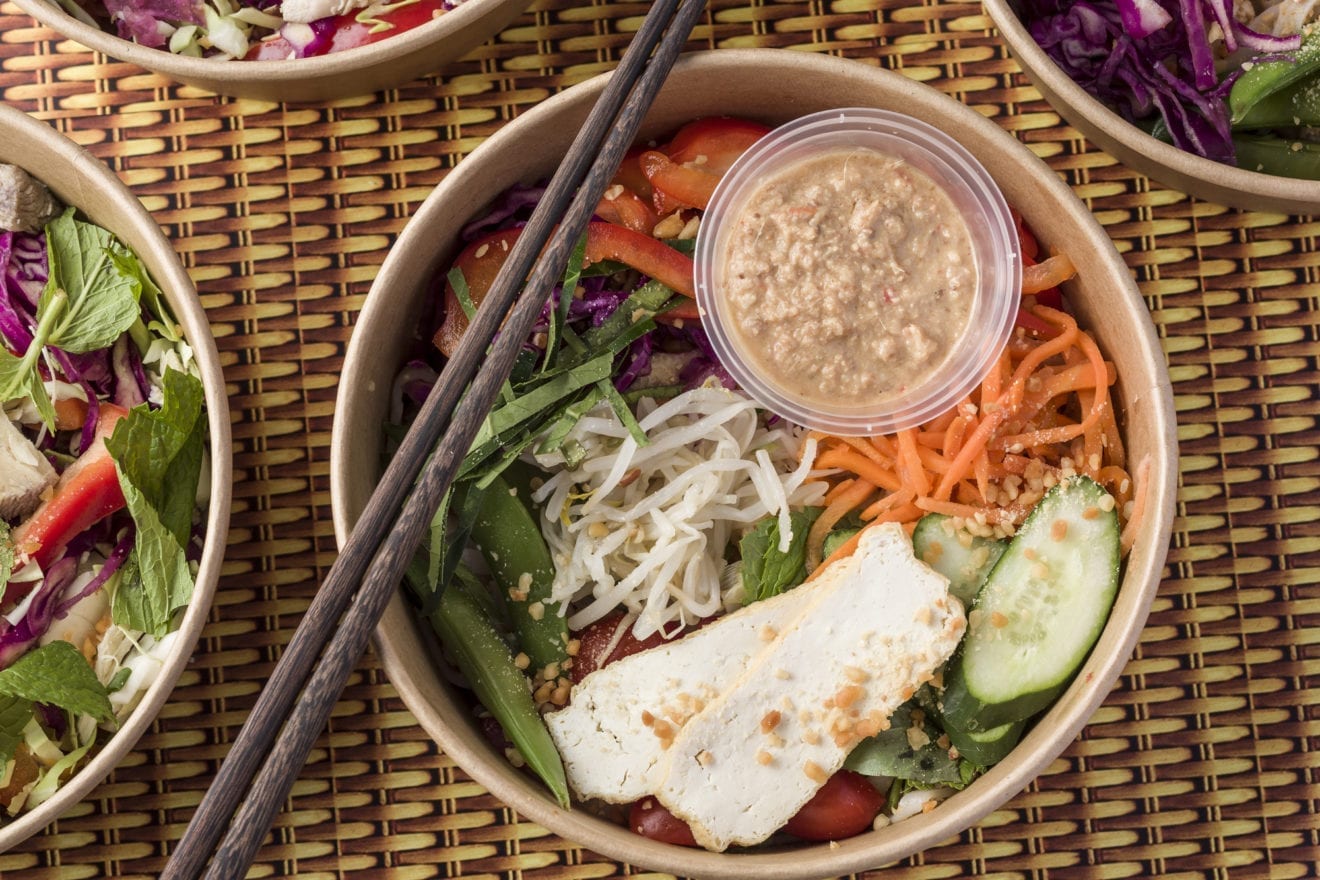
    Using the freshest ingredients and authentic flavours, HAWKR has reconceived Southeast Asian favourites for grab-and-go eating. Curries, soup noodle pots, Vietnamese and Thai baguettes and wraps, healthy breakfasts, bespoke HAWKR juices and tailored, house-blend coffees are on the menu at HAWKR’s new outlet in Quarry Bay.

    Inspired by the hawker food centres of Southeast Asia, serving a variety of regional dishes, HAWKR is newly opened on the ground floor of 36 Hoi Kwong Street, on the corner of Tong Chong Street and opposite the commercial complex of Taikoo Place.

    The contemporary grab-and-go takes on the region’s vibrant food culture from Singapore and Malaysia to Vietnam, Myanmar, Thailand and Indonesia, and brings an innovative and much needed takeaway concept to Hong Kong’s culinary scene.

    In partnership with the founder of Myanmar based lifestyle concept Pun+Projects and restaurateur, Ivan Pun, and consumer private equity professional Jake Astor, pop-up dining and private kitchen chef Mina Park’s nutritious, fresh take on Southeast Asian street food is appealing to time-pressed young professionals and office workers amid the commercial mini-metropolis of Taikoo Place.

    Each dish has been conceived by Mina using the freshest ingredients and HAWKR’s own recipes. No MSG, artificial flavours or preservatives are used in any of the menu items.

    The day-long menu starts with light breakfasts including healthy superfood sabja and chia seed puddings, with fresh fruit, yoghurts and pastries.

    HAWKR is also standing out from the ‘grab-and-go’ crowd by developing its own bespoke coffee blends using only the highest quality beans. Each blend, developed by their resident barista, has an Indonesian coffee base, as well as a mixture of other beans, including Ethiopian and Brazilian.

    HAWKR’s beans are roasted to order by local artisan roaster, Happy Bean Roastery.

    HAWKR avoids MSG and artificial flavouring, and strives to use only ingredients that “we would feel comfortable eating ourselves every day,” said Mina Park.

    “We have worked hard to create dishes that highlight the flavours of Southeast Asia and incorporate the gorgeous herbs and spices that I love.”
  • Dover Street Market opens in Singapore

    Dover Street Market opens in Singapore

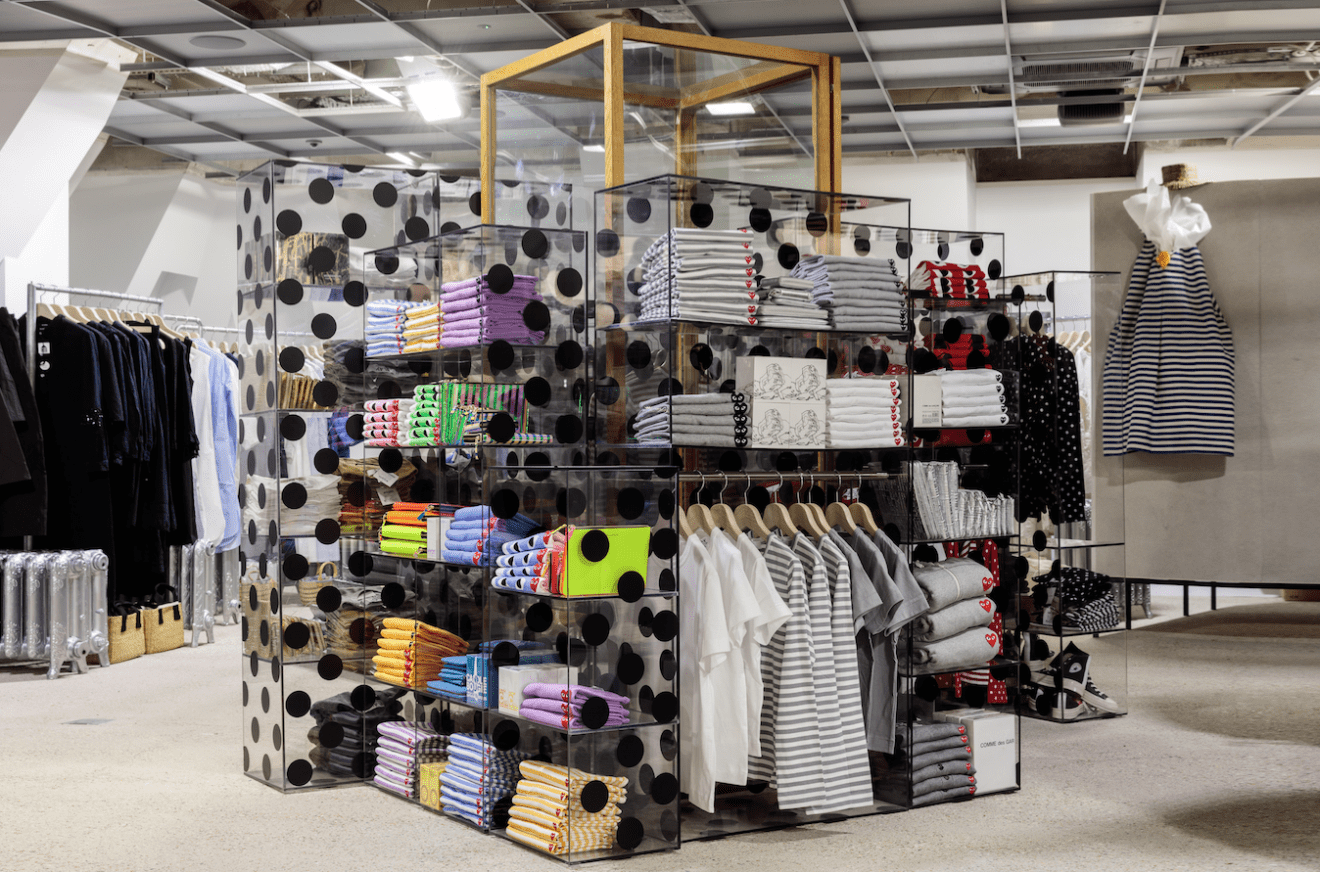
    Dover Street Market has finally opened its doors in Singapore, the fifth location for the Japanese fashion retailer, conceived by fashion designer Rei Kawakubo, the founder of luxury label Comme des Garçons.

    Located inside an old army barrack, the latest market addition officially opened on Saturday, after it was first announced in December 2016.

    DSM Singapore is housed in a building that forms part of the COMO Dempsey complex.  The complex has been hailed as a “lifestyle destination” in Singapore, stocked with designer shops and restaurants.

    “I want to create a kind of market where various creators from various fields gather together and encounter each other in an ongoing atmosphere of beautiful chaos; the mixing up and coming together of different kindred souls who all share a strong personal vision,” said the Japanese designer, who designed the new store.

    DSM Singapore sells a curated range of luxury streetwear labels. Inside, Balenciaga, The Row, and Thom Browne are in their self-designed individual sections, alongside the mainstay Comme des Garçons — hung within two large glass-meets-steel fittings.

    Elsewhere, the Wire Fence Labyrinth boasts metal mesh walls and hosts women’s fashion from Jacquemus, JW Anderson, Molly Goddard and Vetements, while the store’s men’s apparel is found inside solo steel towers.

    DSM opened its first location in London in 2004. Today, it has locations in Tokyo, New York and Beijing.

  • Cheers launches first unmanned, cashless store in Singapore

    Cheers launches first unmanned, cashless store in Singapore

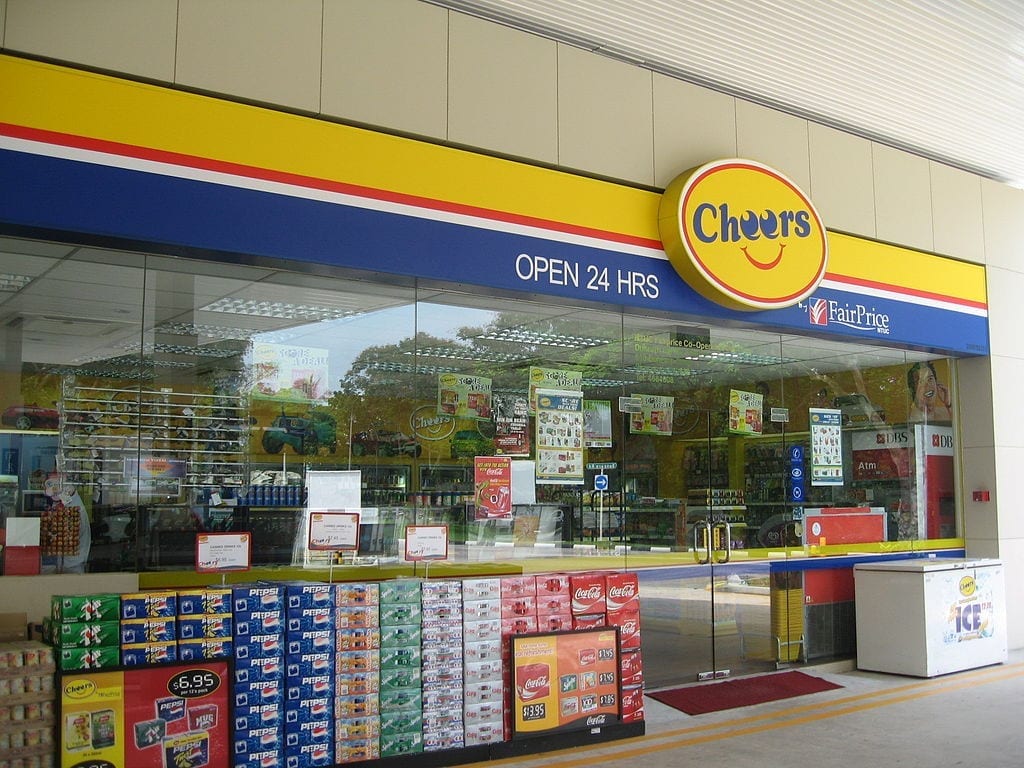
    The Cheers outlet at Nanyang Polytechnic (NYP) looks like its a normal store – with shelves and fridges stocked with food and drinks – except there is no cashier or assistant in sight.

    The convenience store, fully managed by NYP students, is fitted with at least 10 closed-circuit cameras.

    Customers use a QR code found on the free “Shop It Yourself” mobile app to gain entry to the store. The doors lock automatically after entry.

    The store also features a unified self-checkout system that accepts various cashless payment modes, eliminating the need for multiple payment terminals.

    Customers can pay using Nets, credit card, ez-link, mobile and contactless payment.

    The outlet is also the first convenience store to accept Nets payment by QR code, a new form of payment that utilises DBS Paylah, OCBC Pay Anyone and UOB Mighty.

    There are also three vending machines dispensing ready-to-eat foods ranging from pastries and pizza to fried rice and hor fun.

    At the back end, a system tracks stock levels and automatically places orders when stocks are low.

    This unmanned format saves Cheers 180 man hours per week.

    At the launch of the store on Friday (July 28), Minister for Trade and Industry S. Iswaran said the move by Cheers “raises the bar of what it means to be a convenience store of the future… (and) affirms that local retailers are more than equal to the task of remaining relevant and competitive”.

    This is especially the case when local retailers are now up against the likes of Amazon Prime Now, launched earlier this week, which uses artificial intelligence technology and offers delivery within two hours, he said.

    Mr Seah Kian Peng, chief executive of NTUC FairPrice which runs Cheers, said the store is a step towards offering a “differential and innovative retail concept”.

    “To stay competitive and relevant, a key approach is to provide value-added services that cater to the needs and convenience of customers,” he said. “Besides challenging industry norms, this store also aims to cultivate a self-service culture in Singapore.”

    The store will be fully run by NYP’s School of Business Management students specialising in retail, with help from their lecturers and advisers from Cheers. Over 50 of them will be selected annually and deployed in several batches throughout the year to run the store.

    Instead of having to man the store at the front end, the students will “move up the value chain… (and) take a more strategic approach to drive the success of the store”, said NYP principal Jeanne Liew.

    For example, they will use data and video analytics to study purchasing behaviour and customise the store’s inventory accordingly.

    The store at NYP opens from Monday to Friday between 7.30am and 7.30pm.

    Cheers plans to pilot another unmanned convenience store in Tampines by the end of August.

  • Help for Singapore start-ups in Indonesia

    Help for Singapore start-ups in Indonesia

    Singaporean start-ups eyeing the Indonesian market can now look to a new innovation hub in its capital. Block71 Jakarta, a 1,500 sq m facility in the Kuningan district, officially opened its doors yesterday to 24 businesses from both countries. Operations had begun in March.

    The hub, a tie-up between the National University of Singapore’s entrepreneurial arm NUS Enterprise and Indonesia’s Salim Group conglomerate, will host conferences, business competitions and other start-up events.

    It is based on Singapore’s Block71 in Ayer Rajah Crescent.

    NUS Enterprise chief executive Lily Chan said: “Block71 Jakarta is open to all start-ups and entrepreneurs who are keen to explore the Indonesian market. In particular, we strongly encourage companies that are developing innovative technology solutions with the potential to scale globally to apply.”

    Start-ups are also expected to be able to tap the global networks of investors and industry players that NUS Enterprise and Salim Group are plugged into.

    The group’s executive director, Mr Axton Salim, said in a statement: “We have embarked upon this initiative as we want to support entrepreneurs as well as encourage new developments in Indonesia.

    “The Salim Group’s networks and experience will facilitate the entry of start-ups and innovations to the local market and benefit the community here.”

    His family business deals in a diverse array of sectors, with its units including real estate, telecommunications and manufacturing.

    Among the Singapore start-ups that have ventured into Block71 Jakarta is the pslove company, which sells heat patches to alleviate menstrual cramps. Founder Tan Peck Ying told: “As a consumer product company, we go where the demand is. For the past couple of months, we have been getting multiple requests from Indonesia and this is a natural move for us.”

    The Indonesian start-ups at Block71 Jakarta include 8villages, a social enterprise that provides rural farmers with a mobile information platform to communicate and do business.

    Minister for Trade and Industry (Trade) Lim Hng Kiang, who officiated the hub’s opening ceremony yesterday alongside his Indonesian counterpart, said: “Block71 Jakarta will be a launch pad for Singapore entrepreneurs and innovators to build ties with the Indonesian start-up community. We hope Block71 Jakarta will foster a healthy two-way exchange of ideas, innovation and expertise.”

  • Singtel adds virtual Visa account to Dash app

    Singtel adds virtual Visa account to Dash app

    Singtel has introduced a new virtual Visa account on its all-in-one mobile payments app Dash.

    New and existing Dash customers now receive a Dash Visa Virtual Account that can be used for mobile payments at over 50,000 merchant points across the island.

    To start paying on their mobile, customers can sign in on the Dash app and top-up their Dash Visa accounts and start using them at Dash merchants and on local e-commerce sites such as Qoo10, Zalora and HungryGoWhere.

    Customers with compatible NFC-enabled Android smartphones will also be able to pay using their Dash Visa accounts wherever Visa payWave is accepted.

    Singtel also announced future plans for Dash to be included in global wallets such as Apple Pay, and enable QR code payments to expand into hawker centres. In addition to Nanyang Polytechnic, Ngee Ann Polytechnic and Singapore Polytechnic, Dash is also working towards adding more educational institutions to its merchant list to widen its reach in the youth segment.

    But Forrester predicts that the future of mobile wallets will go far beyond mobile payments. Chinese digital juggernauts Alipay and WeChat have morphed their mobile wallets into rich customer engagement platforms. But even then, these functionalities will by no means guarantee their success in markets outside China.

    In a new report, Forrester senior analyst Xiaofeng Wang said market-entry obstacles like different business cultures, consumer behaviors, and regulations make it unlikely that Alipay and WeChat will operate directly in other markets beyond targeting Chinese travelers.

    However, the successful marketing use cases developed on Alipay and WeChat Wallet will inspire third-party players like Apple and PayPal to morph their mobile wallets into more powerful customer engagement platforms.

    Wang lists three trends that will shape the mobile wallet market in the future. Emerging mobile wallets will develop features similar to Alipay and WeChat. “We expect mobile wallet innovations to happen more quickly in emerging markets with less legacy and competition. Paytm in India is a good example,” she elaborated.

    Mainstream mobile wallets will add customer engagement features. For example, to help its mobile wallet attract more traffic to offline stores, PayPal added features like “stores nearby” and “order ahead.”

    Space will open up for third-party providers. The West’s different ecosystem creates added competition for its mobile wallet players, and gives third-party providers opportunities to add customer engagement features and offerings to Western mobile wallets and uncover the potential of marketing.

  • Amazon launches Prime Now in Singapore

    Amazon.com has today formally announced the launch of Prime Now in Singapore, following an industry tip yesterday the service was about to be introduced.

    Prime Now offers free two-hour delivery on tens of thousands of items right that can be ordered via smartphone app. These include eggs, beer, ice cream, baby strollers, toys, consumer electronics.

    Also available are local favourites such as MamyPoko diapers, Milo, Scotch-Brite and Tiger Balm, as well as products from such brands as L’Oreal, Pampers and Samsung.

    Free two-hour delivery is offered for orders of S$40 (US$30) or more.

    Singapore Economic Development Board assistant MD Kiren Kumar says Amazon has launched a new operating model for the service, using data and technology to achieve greater efficiency.

    “With Prime Now, Amazon will also play a key role in training and equipping our local ecosystem and workforce with cross-disciplinary digital capabilities. This is an excellent example of a global technology company contributing to Singapore’s ambition to be a smart nation where businesses can innovate and create new value for the world.”

    While Prime Now is an exclusive service for members of Amazon Prime, a membership program to launch in Singapore soon, for a limited time consumers can try it without membership. Also for a limited time, shoppers using a Visa credit card will receive $20 off their first Prime Now order. There is a promotional code for other customers to receive a $10 discount on their first order.

    Since launching in New York in December 2014, Prime Now has expanded to more than 50 cities in nine countries, including Tokyo. The Prime Now app is available for Android and iOS devices.

  • Louis Moinet watches pay tribute to Singapore

    Louis Moinet watches pay tribute to Singapore

    A range of limited-edition watches that pay tribute to the history and tradition of Singapore are being launched by Swiss brand Louis Moinet.

    FreshOut.Today reports the watches will be revealed on Singapore’s National Day, August 9, the city state’s 52nd birthday.

    Louis Moinet says the special timepieces mix Swiss precision with Singaporean soul.

    “Two different continents and cultures merge in this project as a tribute to Singaporean history,” says the company.

    The limited-edition collection comprises 84 pieces with decorative elements that reference symbols and the past of the Lion City.

    Features such as the ArtScience Museum, Gardens by the Bay, Marina Bay Sands Hotel and the Singapore Flyer are engraved across the lower part of the dial, and over skyline the moon faces five small stars, a reference to the flag of Singapore.

    An opening in the dial reveals part of the inner workings. “This also shows the passing of time and powerfully represents and allows us to reflect on each second of Singapore’s independence,” says the company.

    Available in Louis Moinet stainless-steel (65 pieces) and 18k rose-gold Neo cases (19 pieces), the watch has been created in co-operation with Wealth Solutions Singapore, a branch of the Polish company specialising in creating collector items, and the Singapore Watch Club.

  • Joe & The Juice owner buys back franchise rights

    Joe & The Juice owner buys back franchise rights

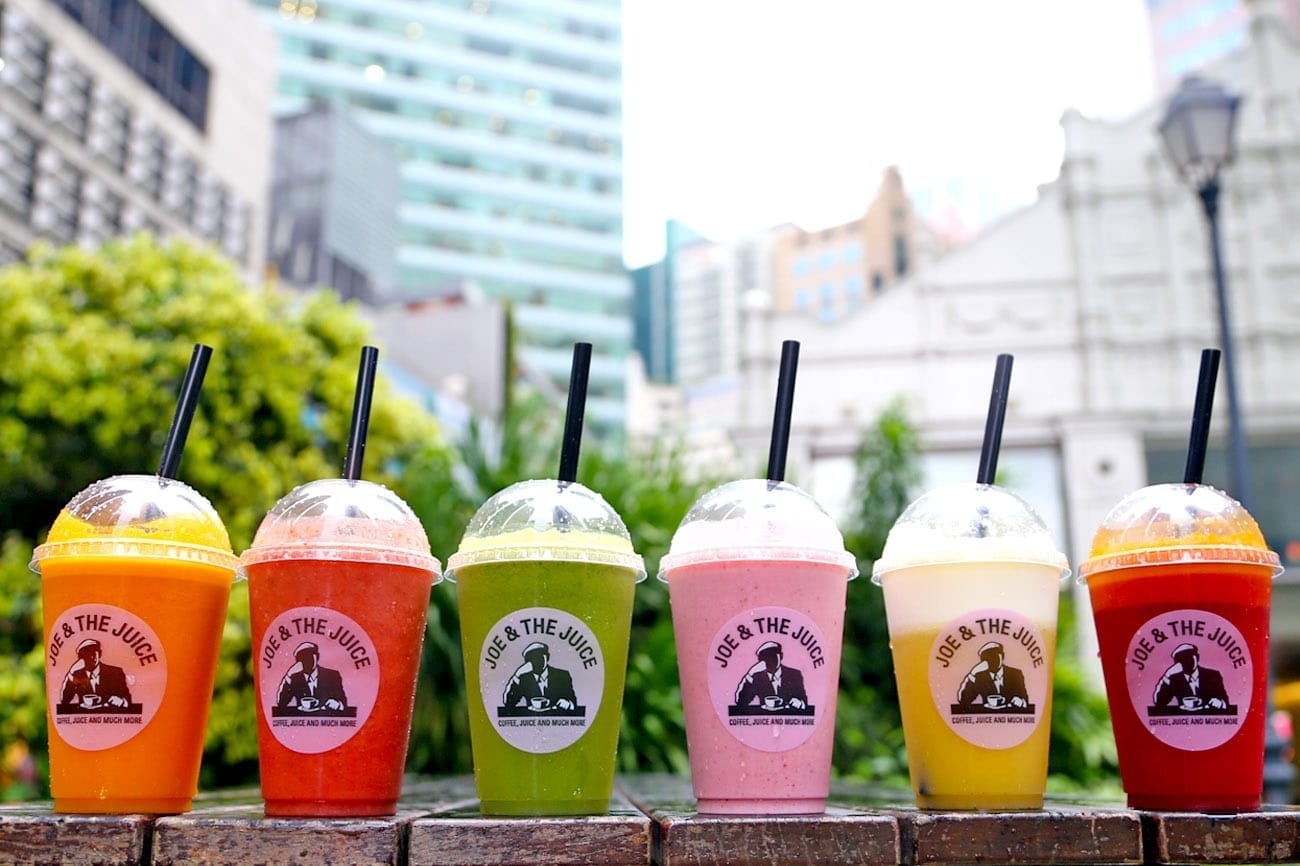
    Danish urban juice bar and coffee concept Joe & The Juice has bought back the brand’s franchise rights for Singapore and Hong Kong from Singapore’s Norbreeze Group.

    Norbreeze was running the brand’s network in both cities. Branches had opened in shopping centres such as Hong Kong’s Times Square and at Hong Kong International Airport.

    Founded in Copenhagen by CEO Kaspar Basse in 2002, Joe & The Juice uses natural and organic ingredients for its freshly prepared juices, shakes, coffees and sandwiches. The company has 198 stores internationally, with a growing presence in Asia.

    “Norbreeze has had great success in opening Joe & The Juice bars in Singapore and Hong Kong, and we have been able to use our experience and expertise from our core business to establish a strong network of juice bars,” says Norbreeze group CEO Anders Peter Juel Sauerberg.

    “At the same time we have experienced very strong growth in projects and orders from our core business, within watches and jewellery. So as not to dilute our engagement, we have chosen to focus on our core business and have Joe & The Juice continue the expansion in the region.”

    Basse says Asia holds a significant opportunity for Joe & The Juice. “Norbreeze Group has helped establish a strong platform for growth in Singapore and Hong Kong from where we can continue the brand’s expansion.”

    Norbreeze Group represents Pandora, Cath Kidson, Timberland, Cocomi, Bering, Daniel Wellington and Monica Vinader in Asian markets.

  • Amazon reportedly coming to Singapore

    Amazon reportedly coming to Singapore

    Amazon is said to be coming to Singapore and as soon as this week, according to a report by TechCrunch, marking the US e-commerce giant’s entry into Southeast Asia.

    A close familiar with the matter told the tech publication that Amazon plans to launch Amazon Prime, Amazon Prime Now fast delivery and Amazon’s regular e-commerce services, in a bid to tap Singapore’s population of over five million people.

    Exact product offerings and pricing remains unknown at this time.

    The Singapore rumour mill started brewing in 2016 when Amazon hinted at the idea of entering Southeast Asia last November, but it was reportedly delayed following complications.

    Via social media, a quick glimpse at Instagram this week shows Amazon has already begun slyly marketing its services through online influencers who have posted sponsored content in a bid to tease Amazon’s Prime Now to their followers, using with the hashtag #dontsaybojio.

    Among the influencers are Jaime Teo, theramengirl, Charmaine Seah-Ong and online portal superadrianme.com. While Amazon isn’t mentioned in the posts, the iconic ‘tick’ logo is seen on the packaging of goods shown.

    Amazon’s move mimics Chinese e-commerce giant Alibaba, who has been rapidly expanding in Southeast Asia over the past year.

    Milestones include the major investments in Malaysia such as the Digital Free Trade Zone, its first e-hub outside of China along with the availability of the Alipay digital wallet and Alibaba Cloud service.

    The Singapore news comes as Amazon readies for an imminent Australia debut, signalling the retailer’s plans for a piece of the burgeoning e-commerce markets in Asia-Pacific.

  • Muji opens its 423rd store in Singapore

    Muji opens its 423rd store in Singapore

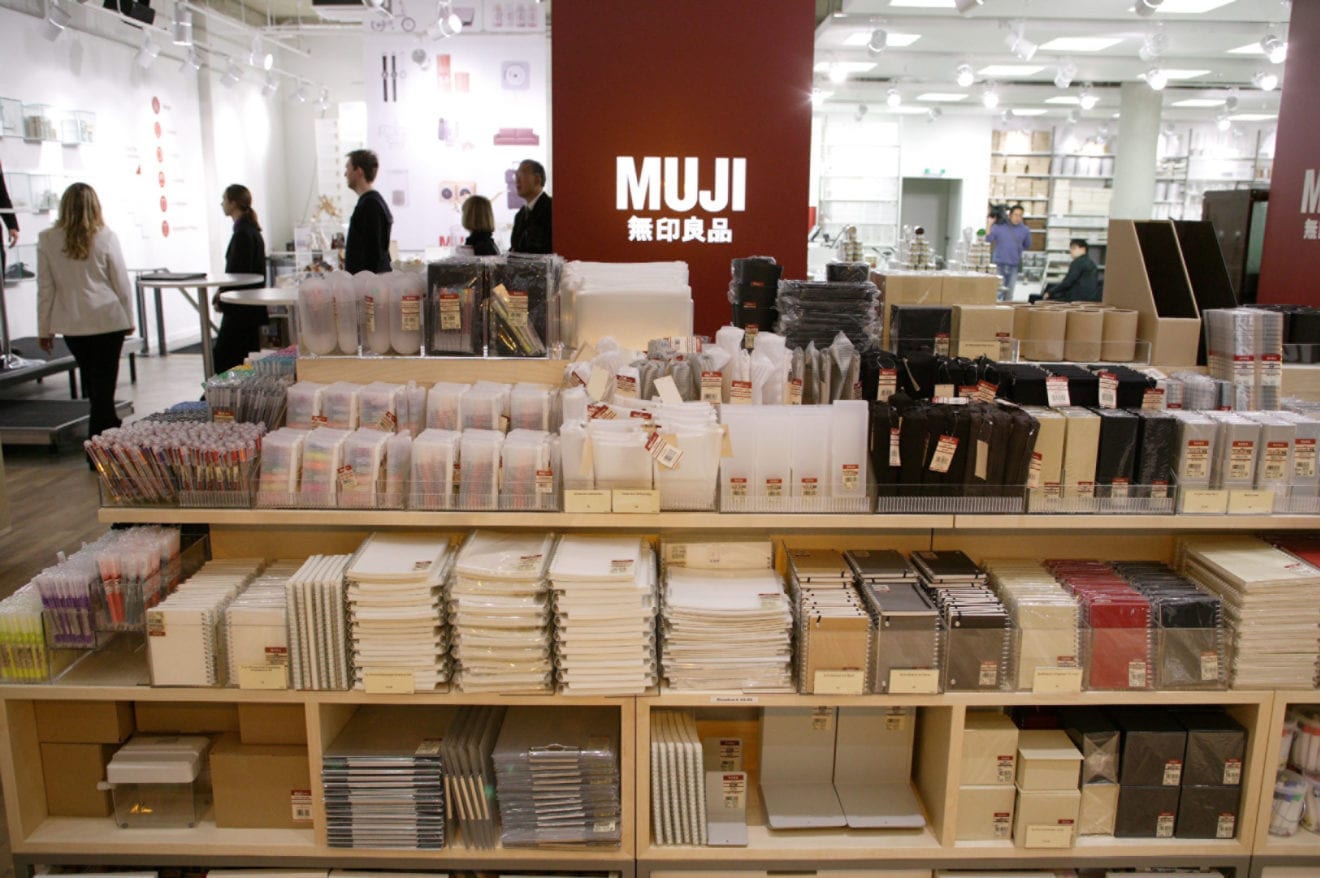
    Muji has just opened its 423rd store outside of Japan, officially beating the number of stores it has in its domestic market.
    The milestone was reached as it cut the ribbon on its Southeast Asia regional flagship, in Singapore’s Plaza Singapura mall on key shopping street Orchard Road.

    The new store, its largest in Southeast Asia, carries a wider product offer than any of the other 10 Muji stores in Singapore, including the Labo clothing line, the Found Muji label (which features home items from around the world) and Idée.

    It also has the firm’s third the third Café&Meal dining café and covers 1,640 sq m.

    Parent company Ryohin Keikaku’s President Satoru Matsuzaki told the Nikkei Asian Review that the company aims to accelerate its expansion in South and Southeast Asia after some time spent focusing on the east of the continent (China, Hong Kong, Taiwan and South Korea).

    That acceleration will see it entering Vietnam next year as well as expanding in the Philippines after its debut there earlier this year in a joint venture deal.

    The company will also focus on driving overseas revenue higher because, while store numbers abroad now exceed those in Japan, at ¥32.4 billion, revenue from those foreign stores is roughly half of that in its domestic market.

    Much of that figure came from China where it has 200 stores.

    Singapore is key to this strategy as it’s a regional hub and Matsuzaki said it will also help the company get experience it can apply in India and the Middle East.

    The company’s customers outside of Japan tend to be much younger than the Japanese shoppers it sees in its stores.

    But while these shoppers often have lower income levels than those older consumers in Japan, they also represent a chance to win customers at a young age and build brand loyalty that could last for years, analysts said.

  • Changi Airport to open Terminal 4, AirAsia to shift there

    Changi Airport is on track to open its new Terminal 4 (T4) later this year with nine airlines, including AirAsia Group, moving their operations there. Besides AirAsia Group, Cathay Pacific, Cebu Pacific, Korean Air, Spring Airlines and Vietnam Airlines will also move to T4.

    Together, they serve an estimated eight million passengers at Changi Airport each year and collectively operate close to 800 flights a week to over 20 regional destinations.

    Changi Airport Group (CAG) on Tuesday organised a special media preview of T4 with the session conducted by its director (corporate  and  marketing communications) Dennis Yim.

    Yim said CAG would decide on the starting date for T4 operations when operational readiness trials – currently in the final stage – had been completed.

    “These trials will involve commercial flights operated by airlines moving to the terminal,” he said.

    He said with T4, the total handling capacity of Changi Airport would be raised to 82 million passengers per annum.

    “There will thus be more capacity at Changi’s terminals to support the growth plans of all airlines,” he said.

    T4 project, which was completed after three years of construction, has a total floor area of 225,000 sq  metres, including the two-storey terminal, car parks and taxi deck.

    According to Yim, although just half the size of Terminal 3 (T3), the planners and designers of T4 have managed to deliver a terminal that will have a capacity of 16 million passenger movements a year, two-thirds that of T3.

    Yim noted that T4 would be the first terminal at Changi Airport to offer end-to-end Fast and Seamless Travel (FAST) for departing passengers.

    “With the extensive use of technology, including facial recognition software, FAST redefines the passenger’s travel experience, enhances operational efficiency and raises productivity.

    “Passengers will enjoy the flexibility of checking in at their own convenience, without having to wait for counters to open,” he said. FAST will also yield productivity gains with manpower savings of about 20% expected in the longer term, when operations have stabilised, said Yim.

    T4 houses two lounges — Cathay Pacific’s First and Business Class Lounge and SATS PPG Blossom Lounge. Changi Airport is the world’s sixth busiest airport for international traffic, serving 58.7 million passengers from around the globe in 2016.

    Including the soon-to-be-opened T4, Changi Airport will have 400 retail and service stores, as well as 140 food and beverages (F and B) outlets. Yim said T4 alone would be home to over 80 retail and F & B outlets.

    With over 100 airlines providing connectivity to 380 cities worldwide, Changi Airport handles about 7,000 flights every week, or about one every 90 seconds.

  • Balmain Singapore launches at Marina Bay Sands

    Balmain Singapore launches at Marina Bay Sands

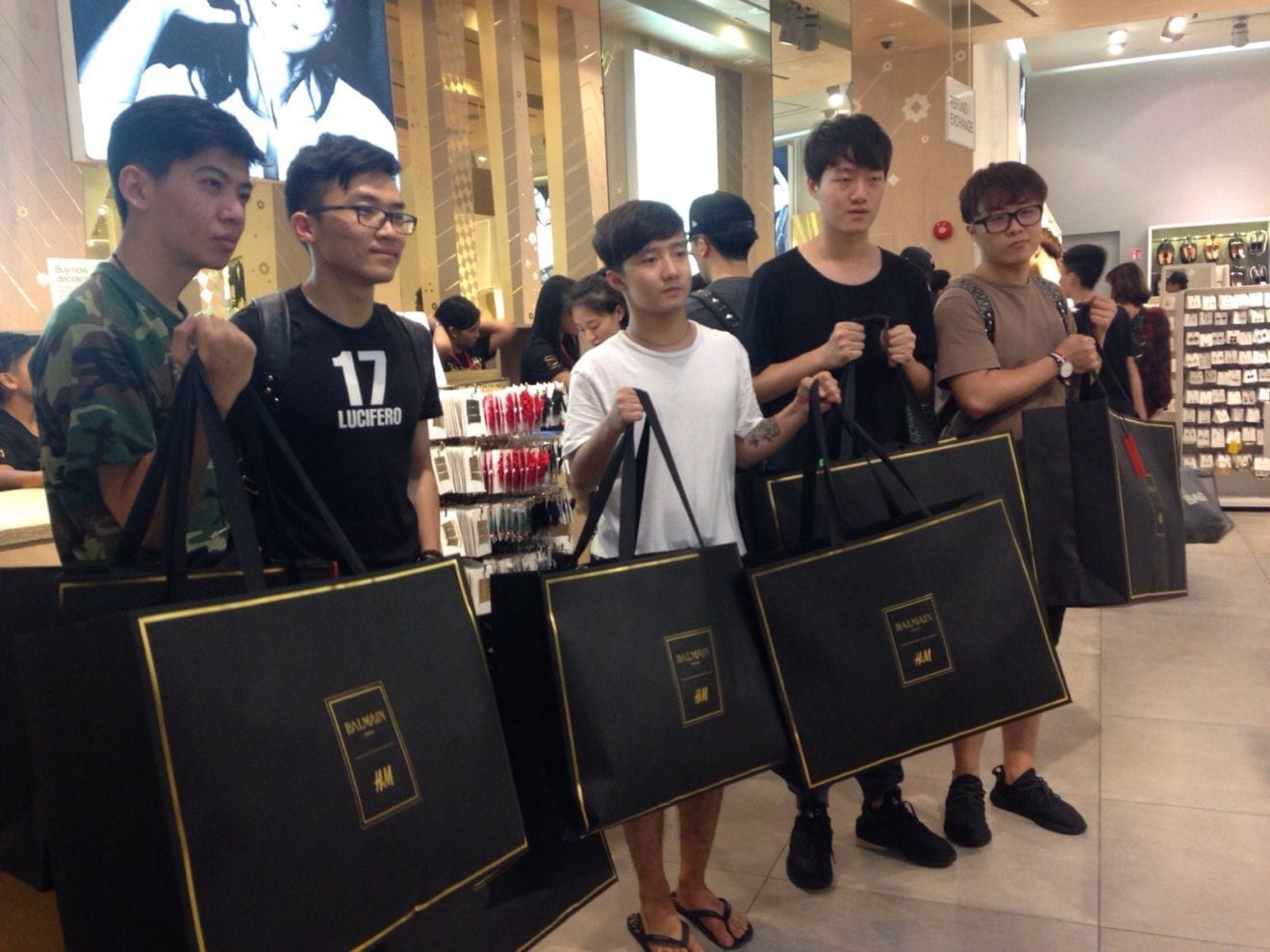
    Balmain Singapore has launched the first Southeast Asian outpost for the French fashion house with an emporium at The Shoppes at Marina Bay Sands.

    It houses men’s and women’s ready-to-wear pieces from Balmain’s seasonal collections, including bags, shoes and accessories.

    Echoing the brand’s historic Parisian flagship store, the 153 sqm space features parquet flooring, gold accents, floor-to-ceiling mirrored pillars and marble displays set against cream walls.

    Balmain was founded by Pierre Balmain in 1946. Starting as a fashion assistant to master Parisian couturier Lucien Lelong, he worked alongside Christian Dior and Hubert de Givenchy. His signature style soon attracted the world’s great actresses including Audrey Hepburn, Ava Gardner, Brigitte Bardot, Josephine Baker, Katharine Hepburn, Marlene Dietrich and Sophia Lauren.

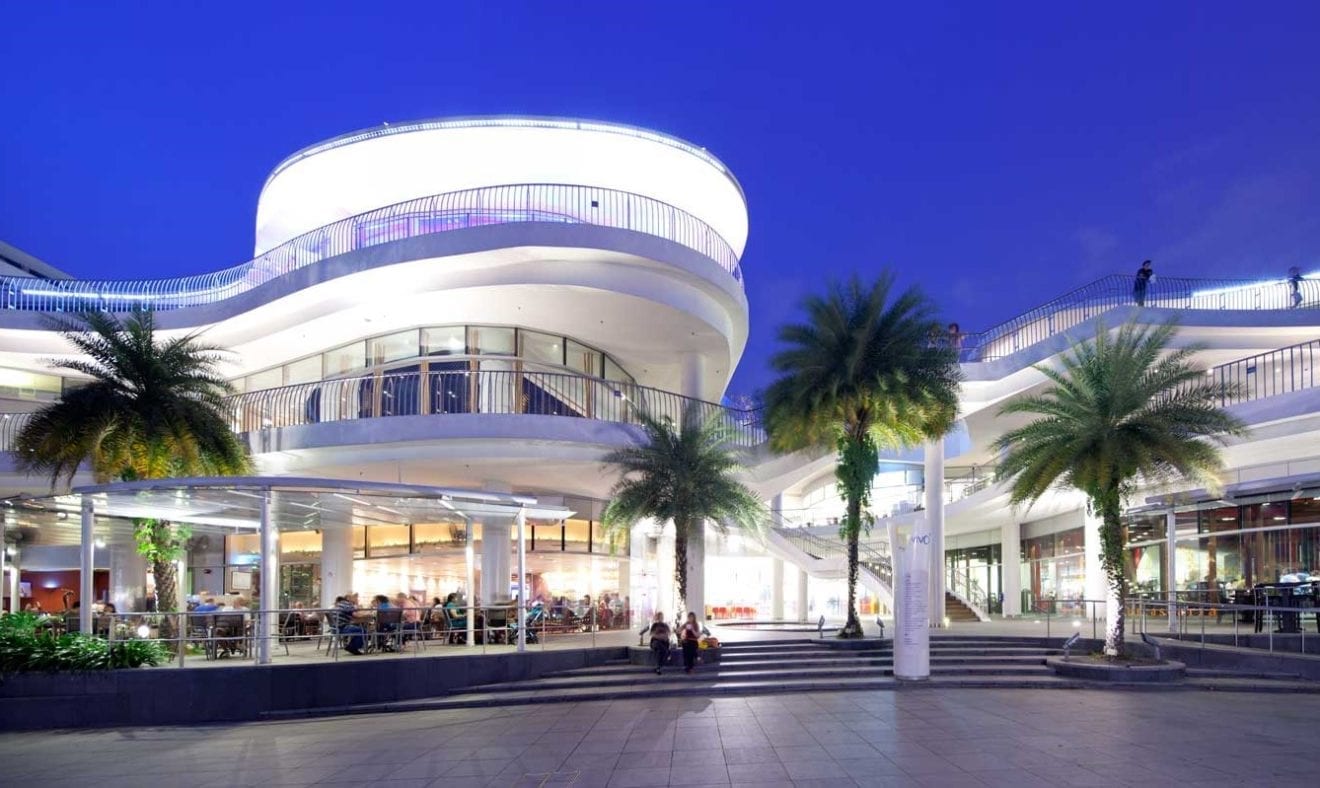
  • VivoCity hosting food workshops for children

    VivoCity hosting food workshops for children

    VivoCity will host two food workshops for children next weekend led by Chef Mong from team-building company Cookyn and food artist Shirley Wong, also known as “Little Miss Bento”.

    Each workshop is limited to 30 teams comprising a parent and a child, and is available on a first-come, first-served basis (registration has opened). Participants will take home their masterpiece and a goodie bag worth more than SG$20, with two teams judged top in each workshop each winning $250 Mapletree vouchers.

    Entry is open to VivoCity customers who have spent $50 during the promotion period, with a registration fee of $10.

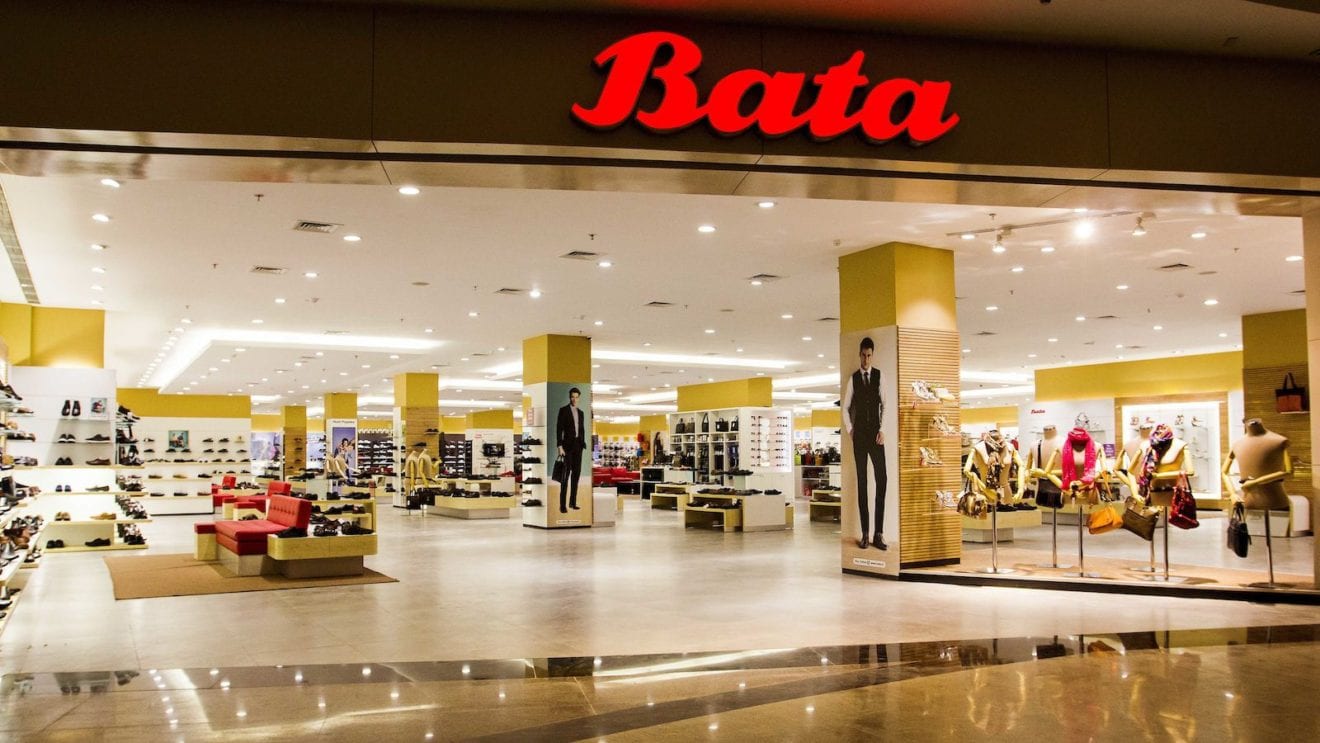
  • Bata Singapore opens revamped concept store

    Bata Singapore opens revamped concept store

    Bata Singapore has officially reopened its renovated concept store at VivoCity in line with the company’s global modernisation and its “Me & Comfortable with it” manifesto.

    Covering 241 sqm, the store carries Bata’s latest Insolia and Made-in-Italy collections, which are both part of the brand’s spring/summer collection.

    Bata Singapore says it has had significant growth this year with a 170 per cent growth in sales of both men’s and women’s collections, a 145 per cent increase in the average selling price of footwear and an increase of 135 per cent in average ticket price compared to last year.

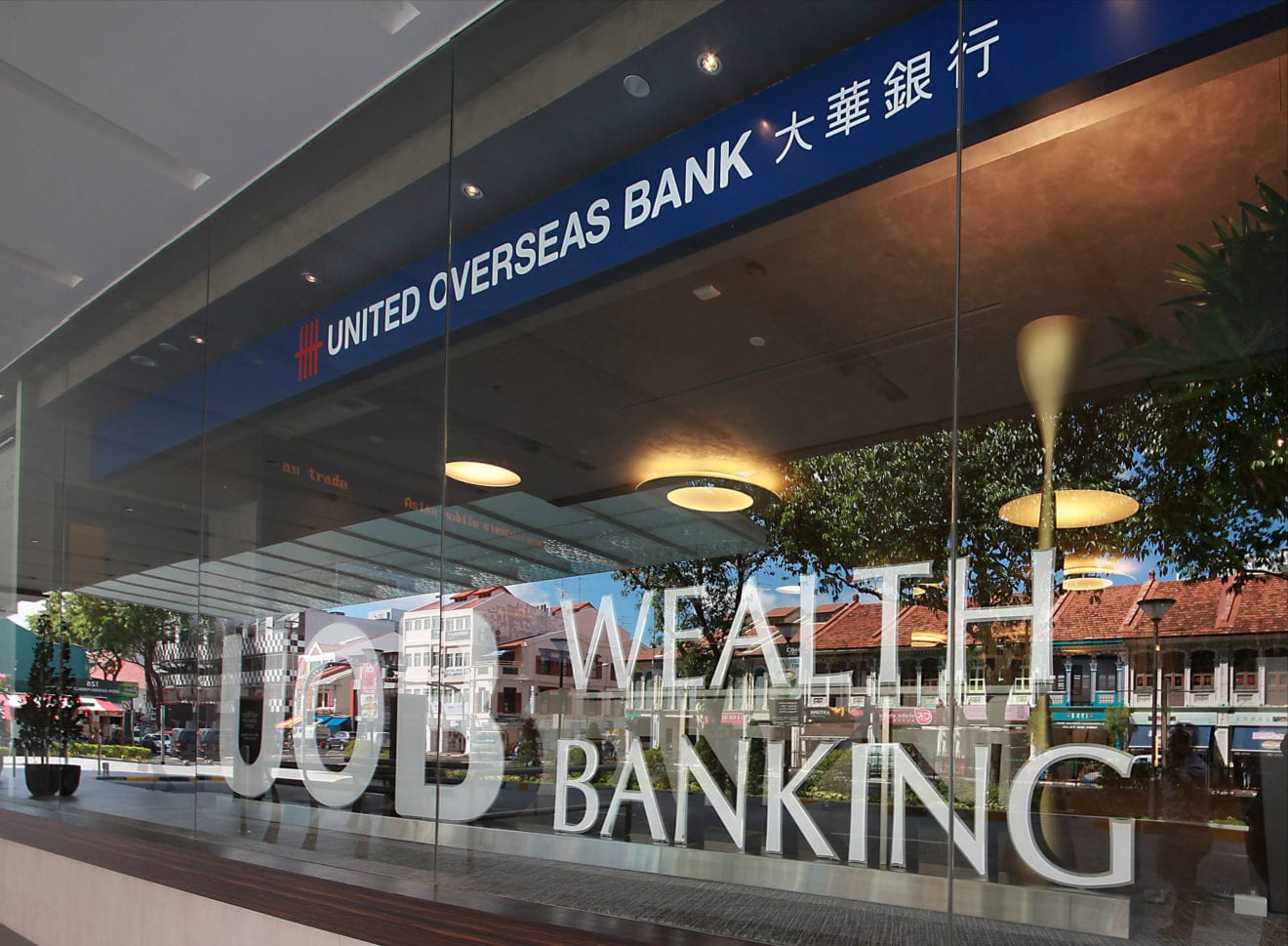
  • Singaporean bank gets go-ahead to open up in Vietnam

    Singaporean bank gets go-ahead to open up in Vietnam

    United Overseas Bank is the first Singaporean institute to be given a license to start up shop in Vietnam. The State Bank of Vietnam has granted a license for Singapore’s United Overseas Bank Ltd (UOB) to open a fully-fledged foreign-owned bank in Vietnam, according to a statement released on Thursday.

    UOB is one of Asia’s leading financial institutions with a network of 500 offices spanning 18 countries and territories, including one in Ho Chi Minh City.

    The bank is considering opening a branch in Hanoi to gain access to fast-developing areas in the north such as Hai Phong, Quang Ninh and Hai Duong.

    Since 2013, UOB has channeled more than $3 billion in foreign direct investment from Asia into Vietnam.

    UOB will be the ninth wholly foreign-owned bank operating in Vietnam, after ANZ, Hong Leong, HSBC, ShinHan, Standard Chartered, CIMB, Public Bank Berhad and Woori Bank.

    Singapore is a major business partner, but does not yet have a fully-owned bank in Vietnam, while other countries, even with smaller investments, have already established banks, according to the Ministry of Planning and Investment.

    By 2020, Vietnam will have to open up its banking sector under commitments made to the World Trade Organization.