Tag: Singapore

  • Indonesia to bring home tax money parked in Singapore

    Indonesia to bring home tax money parked in Singapore

    The government is to hunt down tax money from Indonesians who park their money in Singapore, following an offer from Singapore to allow Indonesia to access the financial data of Indonesians in the neighboring country.

    Singapore and Indonesia are soon to sign a Bilateral Competent Authority Agreement (BCAA) to implement the Automatic Exchange of Information (AEoI) between the two countries.

    Finance Minister Sri Mulyani Indrawati received the offer from Singapore on the sidelines of the G20 Summit in Germany last week.

    “This is a positive. I will follow up so that we can benefit from the agreement,” said Sri Mulyani.

    Sri Mulyani estimated that Indonesian wealth parked overseas amounted to about Rp 1 quadrillion (US$74.68 billion), 60 percent of which was in Singapore.

    Meanwhile, the Finance Ministry’s tax compliance expert Suryo Utomo said that of the Rp 835.7 trillion parked in Singapore that was declared during the tax amnesty, only Rp 84.52 trillion had been repatriated.

    Taxation Directorate General spokesman Hestu Yoga Saksama said that Sri Mulyani and Director General of Taxation Ken Dwijugiasteadi would visit Singapore sometime this month to follow up on the agreement initiated by Singapore.

    Indonesia and Singapore has an open exchange of information, said Hestu. He added that Indonesia should also seek a BCAA with Hong Kong, as well as stipulate confidentiality and data safeguards.
  • Singapore Myanmar Investco reports encouraging initial retail results at Yangon International

    Singapore Myanmar Investco reports encouraging initial retail results at Yangon International

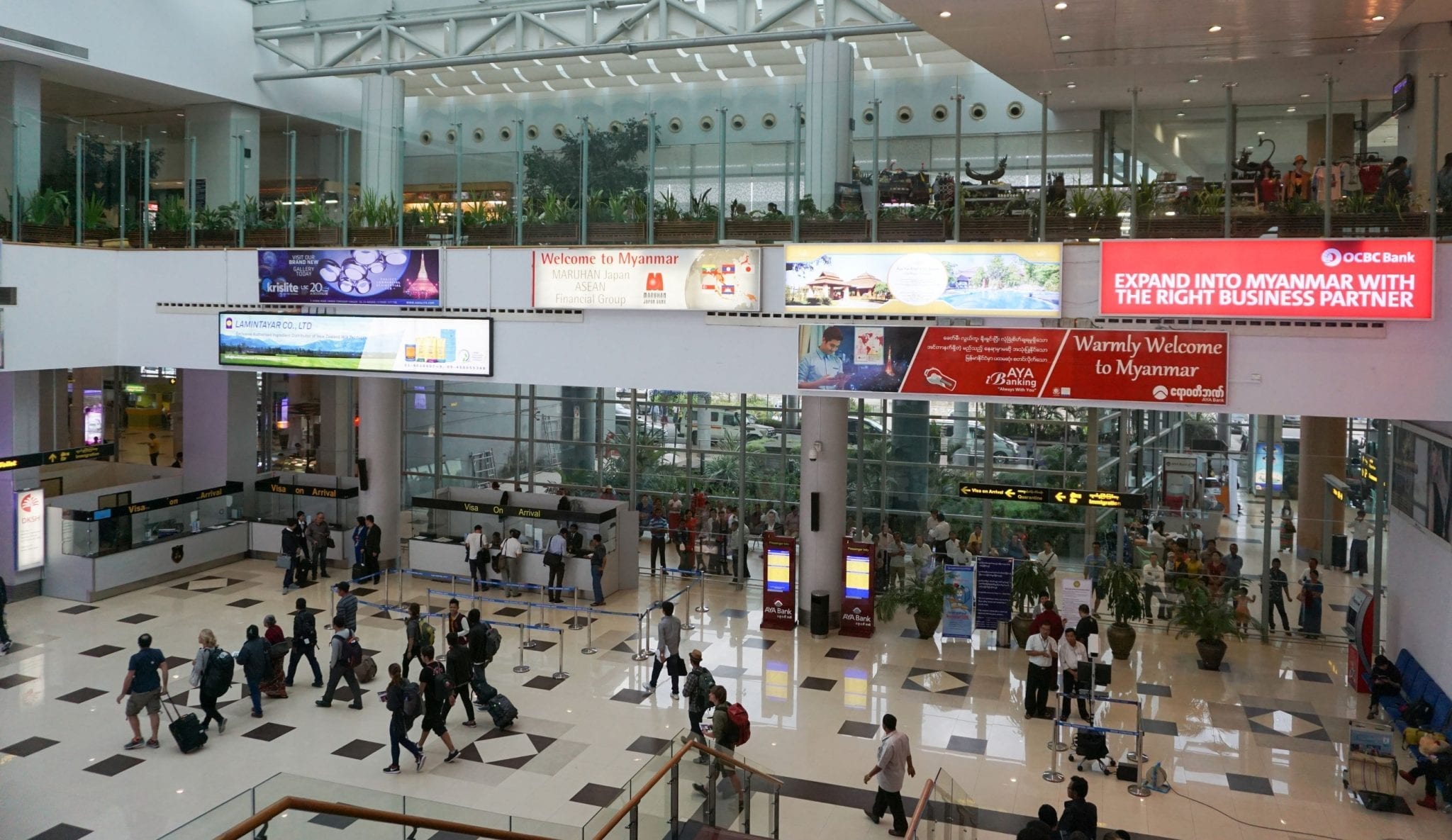
    Singapore Myanmar Investco Limited has reported revenue of US$13.3 million in its travel and fashion retail segment for the year ended 31 March 2017.

    Subsidiary SMI Retail only began duty free operations at Yangon International Airport in September 2016, meaning there is little meaningful basis for year-on-year comparison. The company was awarded contracts for duty free, other retail and food & beverage outlets in 6,700sq m of space at the airport’s new International Terminal in December 2015.

    The 6,700sq m of retail space includes a multibrand and multicategory duty free area of almost 2,000sq m on three levels

    Singapore Myanmar Investco Limited reported overall group revenue of US$23.3 million for the year, and a gross profit of US$4.8 million. Net of tax, the company reported a loss of US$7.3 million.

    “The initial results of retail operations at Yangon International Airport are encouraging although it will take time for the new terminal to reach traffic flows at projected levels,” said SMI President and CEO Mark Bedingham in the company’s annual report.

    “We have received much positive feedback from passengers and the airport management company on the quality of the duty free and travel retail stores that we have created and this initial success has been widely noticed in the city itself.

    “Notably, we have used our relationship with DFS to supply a comprehensive portfolio of international wines & spirits and beauty brands for both departures and arrivals at Yangon International Airport and have introduced more than 30 international fashion and lifestyle brands to create an outstanding retail experience for this very modern, newly-built terminal.

    “This new terminal has dramatically increased the capacity of Yangon International Airport to meet the expected rapid rise in international travellers; for business, for tourism and for Myanmar nationals who are also starting to travel overseas in greater numbers. This new terminal is already scheduled for further expansion and this will undoubtedly create new opportunities for SMI in travel retail at the airport.”

    Bedingham also noted that a number of mall owners and developers in Myanmar saw SMI as a “highly desirable partner”. He continued: “We have been pleased to work with Junction City – a new integrated upscale development in downtown Yangon. We have been able to introduce several international brands that we work with at the airport into Junction City and nearly all of these retail stores have been opened by the end of April 2017.”

    SMI signed an exclusive distribution agreement with Shiseido Asia Pacific in February 2017 and the first Shiseido flagship counter in Myanmar will open in Junction City by mid-year 2017.

    Non-Executive Chairman Ho Kwok Wai said that SMI would now move focus on organic growth across its diversified business portfolio.

    He noted a World Bank report issued on 30 January 2017 which stated that Myanmar’s economy will grow an average of +7.1% per year in the next three years.

    “The landscape in Myanmar was very different when we began our transformation in 2013 but our objective for the group remains the same: to build a diversified business model to capitalise on the strong trends in consumer spending, international tourism and infrastructure investment in this frontier market,” he said.

    “From the encouraging results shown in our portfolio of businesses so far, there is positive sentiment that we are on the cusp of major advances in Myanmar, with strong growth potential.”

  • Giti Tire Building $560 Million Manufacturing-Distribution Campus

    Giti Tire Building $560 Million Manufacturing-Distribution Campus

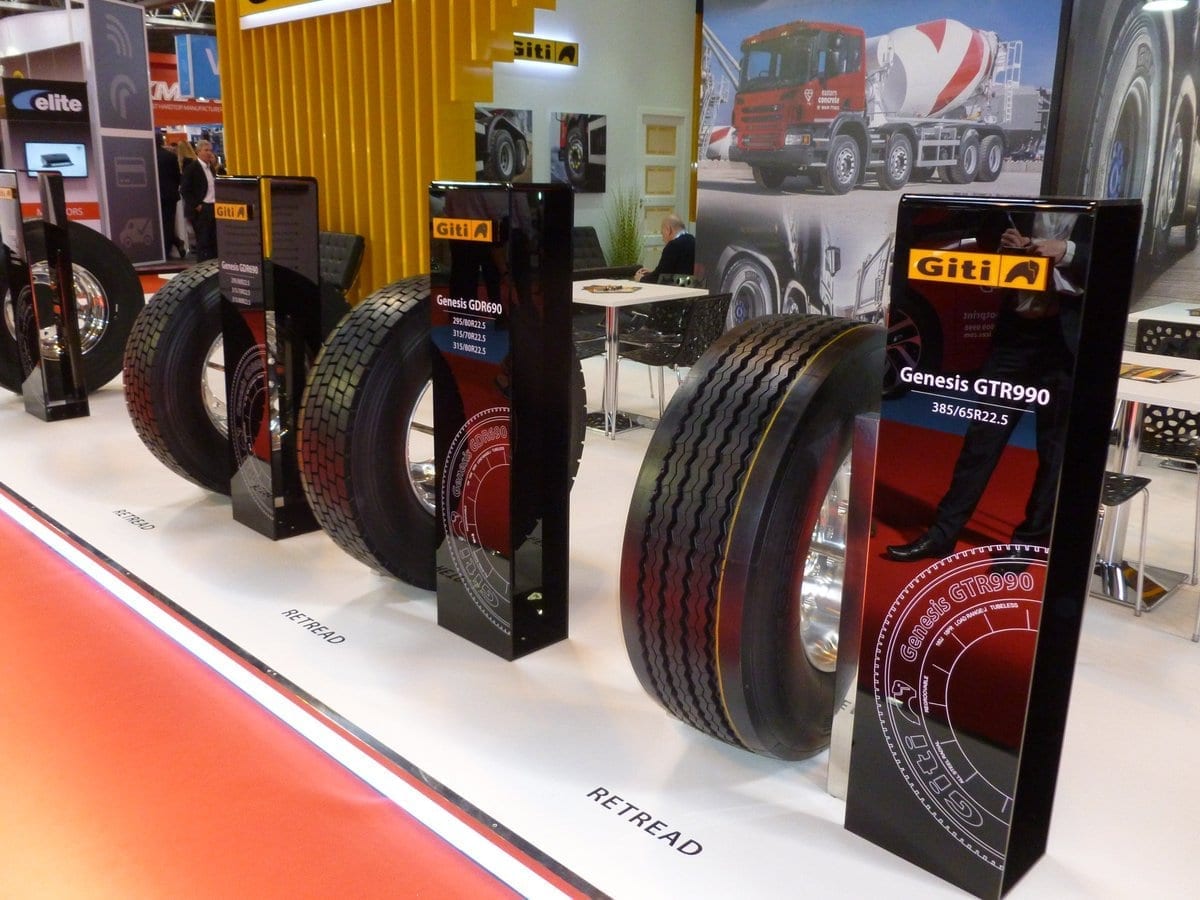
    Giti Tire, the 10th largest tire company in the world based in Singapore, is on track to open its first first North American manufacturing facility on a 1,100-acre site, 170 miles northeast of Charleston, in Richburg, South Carolina.

    The company expects to invest $560 million and create 1,700 new jobs over the next decade in Chester County. The new facility, which will be located on the Carolinas I-77 Mega Site, will combine manufacturing and distribution activities, with total building area estimated to be 1.8 million square feet.

    Giti Tire will produce both passenger and light truck tires for the Original Equipment Manufacturer (OEM) and replacement markets in the Chester County plant.

    “This significant investment represents our strong commitment to customers in North America. This is a key milestone for Giti Tire and an important part of our growth strategy worldwide. Existing business and strong demand for Giti Tire’s passenger and light truck tires in North America has made this significant investment in South Carolina possible,” Enki Tan, executive chairman of Giti Tire Group said.

    During the first phase of production, the plant’s capacity is expected to be 5 million tires annually. Giti Tire plans to further increase production capacity in response to future market demand and conditions. The Chester County facility represents Giti’s ninth manufacturing plant in its global system.

    “Chester County is an excellent location for Giti Tire, offering extensive and efficient infrastructure network including interstate highways, rail, close proximity to airports and a major metropolitan area to support the company’s needs and growth for many years to come,” Lei Huai Chin, Managing Director of Giti Tire Group said.

    According to the State Department of Commerce the company’s decision to locate in South Carolina was driven by a number of factors, including the area’s workforce and training opportunities through the technical college system, proximity to major transportation infrastructure and deep-water port facilities in Charleston, market access to the growing Southeast region and the state’s business-friendly environment.

    As an incentive ready SC will be assisting the company with the recruiting and training of its initial workforce.

  • StarHub to pursue analytics to offset mobile squeeze

    StarHub to pursue analytics to offset mobile squeeze

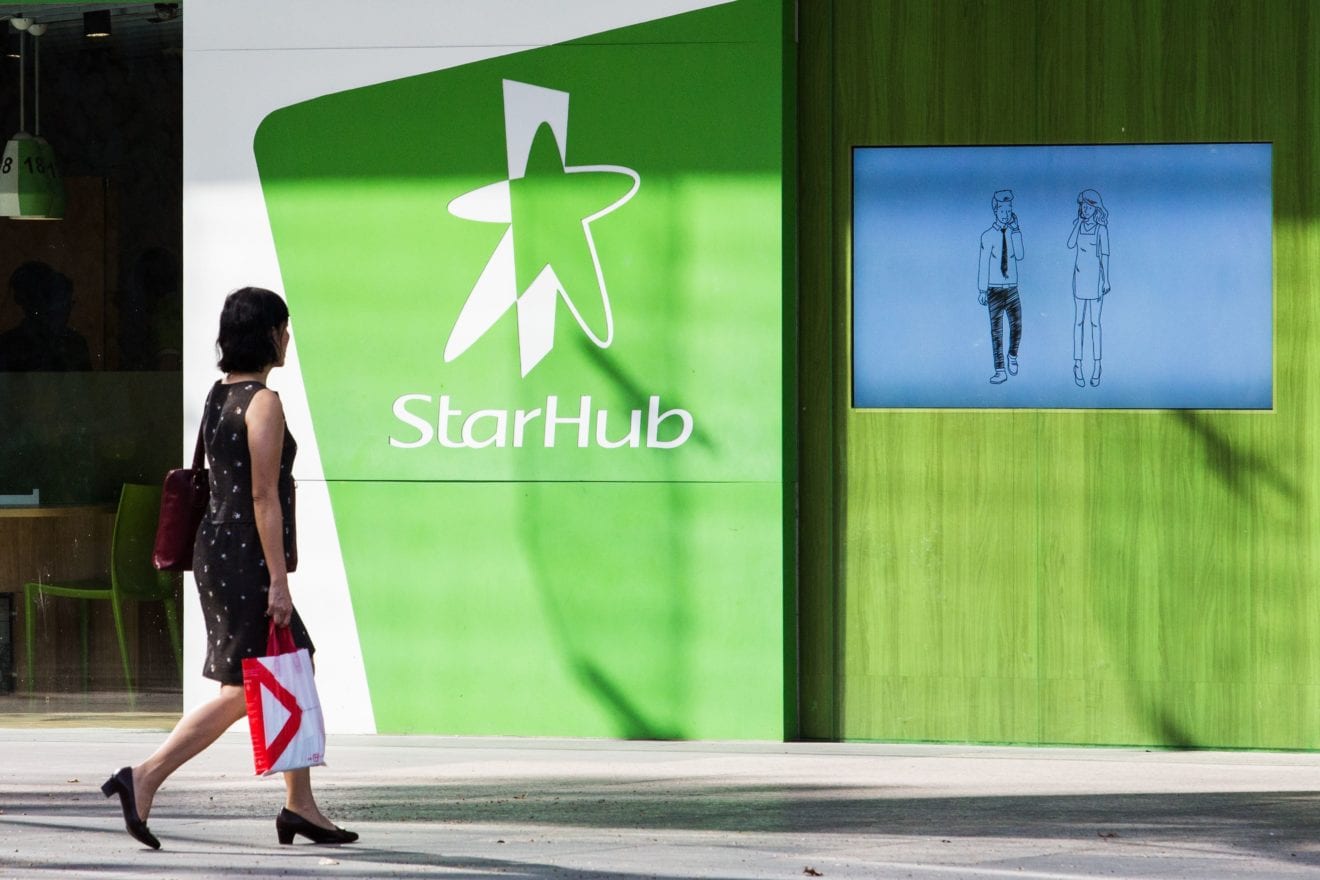
    Singapore’s StarHub plans to lean on providing data analytics based on its customers’ consumption habits to compensate for the increased competition set to be caused by the introduction of a fourth player to the mobile market.

    The operator is already facing intense competition in the mobile sector, and this will intensify with the entry of Australia-based TPG Telecom, the recent winner of Singapore’s fourth mobile license.

    StarHub is preparing for a worst-case scenario involving TPG offering unlimited mobile data services, and bundling its offer with broadband, leading to competition for StarHub on two fronts.

    In an interview with Bloomberg, StarHub CEO Tan Tong Hai said the company is pursuing generating revenue by providing analytics based on consumers’ use of mobile phones, broadband and TV services to corporate clients.

    The enterprise segment is already generating increasing proportions of StarHub’s revenue – earnings from StarHub’s corporate customers now account for around 42% of StartHub’s annual revenue, up by more than double from eight years ago.

    But StarHub is facing competition in the analytics segment from incumbent Singtel. The report also cites an OCBC analyst as expressing skepticism that the extra revenue generated from analytics will be enough to offset the impact of TPG’s entry into the market on StarHub’s bottom line.

  • MyRepublic planning IPO by end-201

    MyRepublic planning IPO by end-201

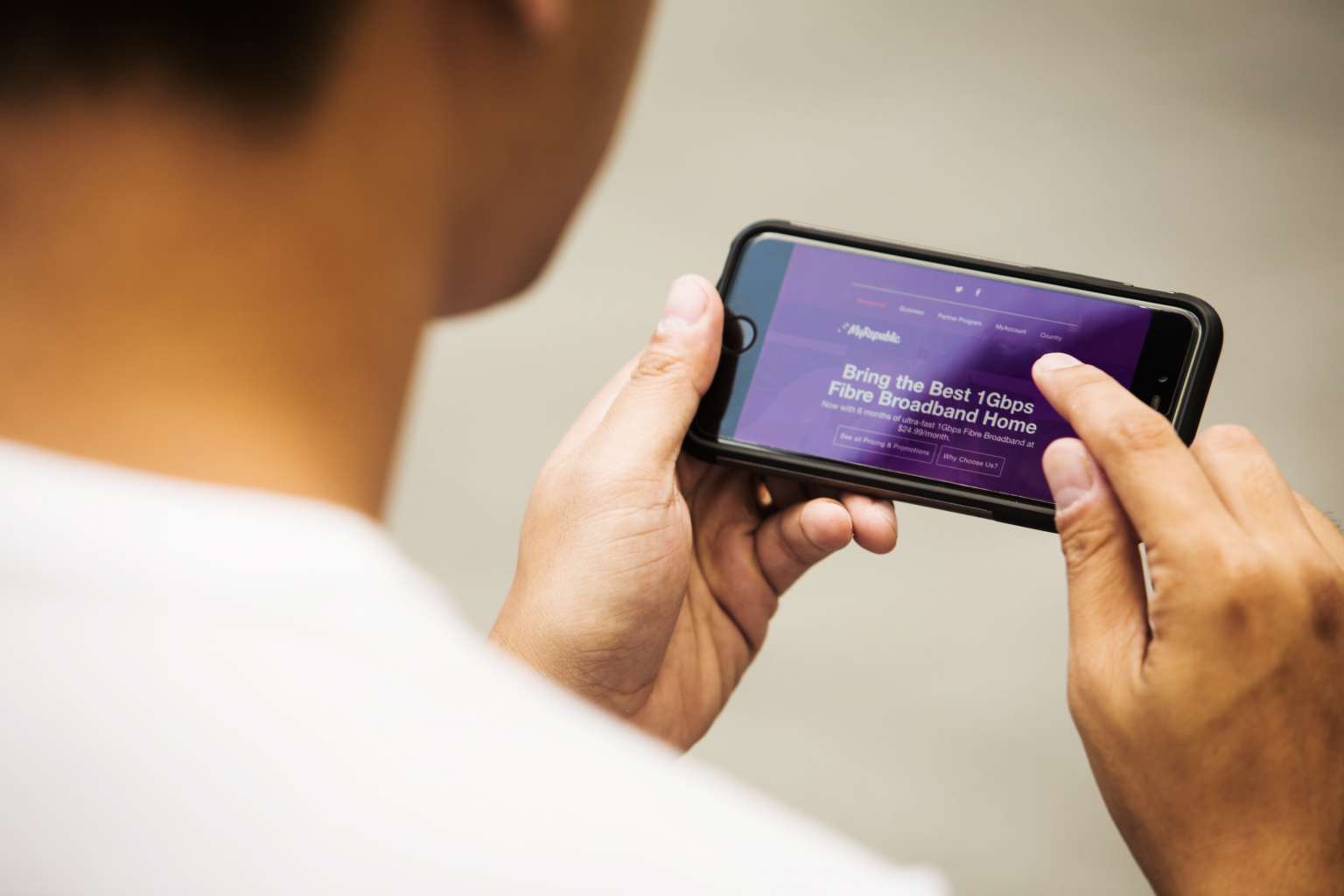
    Singapore-based MyRepublic is gearing up to conduct an IPO by the end of next year, and use the funds to expand its operations to cover at least 10 countries in the next five years.

    In a media briefing, MyRepublic said it is currently exploring listing on the Singapore, Hong Kong and/or Australian stock exchanges.

    MyRepublic is meanwhile planning an entry into the Singapore mobile market in the fourth quarter and expects to subsequently expand its mobile operations to other parts of the region by next year onwards.

    The company is likewise planning to launch TV services in the region, bcoming a quad-play provider.

    MyRepublic currently operates in Singapore, Indonesia, Australia and New Zealand, and is evaluating expanding to Myanmar, Sri Lanka, Vietnam, Myanmar, the Philippines, Thailand, Cambodia and Malaysia. By June, the company reached 200,000 broadband subscribers across the region.

    The company leverages NBN rollouts in the markets with strategic deployment of passive infrastructure to remain infrastructure agnostic and enable rapid expansion at a low cost of market entry.

    MyRepublic said it can enter a new market in 60 days and launch new products in three months. The company has entered a new market every year since 2014 and turns ebitda-positive within two years of entering each new market.

    At the briefing MyRepublic also denied reports that the company is pursuing an acquisition of Singapore’s M1. While the operator has put in a bid, it is not pursuing the acquisition, the company said, noting that while M1 is a traditional telco, MyRepublic is an “internet platform company.”

  • A&W to return to Singapore in 2018

    A&W to return to Singapore in 2018

    he American fast-food chain’s root beer float, coney dog and curly fries are making a comeback. American fast-food chain A&W will set up shop in Singapore again, after exiting the market more than 10 years ago.

    A&W CEO Kevin Bazner said that A&W has had an office in Singapore since 2016, and that the company is looking to open 30 to 40 new restaurants a year across Indonesia, Malaysia, Singapore and Thailand.

    The company is currently looking for a retail space for its flagship in Singapore, which is scheduled to open next year. This flagship will also serve as a training store for other Southeast Asia outlets.

    A&W – which stands for “Allen and Wright” – made its debut in Singapore in 1966 at Dunearn Road, and the first A&W drive-through opened in 1970 at Bukit Timah Road.

    The fast-food joint’s hamburgers, hot dogs and root beer soon became hugely popular among Singaporeans and it is believed its success helped pave the way for other fast-food establishments to set up shop in Singapore, including McDonald’s (1979), Kentucky Fried Chicken (1977) and Burger King (1982).

    However, by 2003, A&W faced stiff competition from its competitors and shuttered its remaining outlets in the same year.

  • Singapore explores more air links to India

    Singapore explores more air links to India

    Singapore is exploring more airline services to India whichis expected to overtake China and Indonesia to become the fastest-growing air-traffic generating market for Changi Airport here, according to a media report.

    New services to Pune, Madurai, Bhubaneswar and Guwahati are being explored, to add to the 15 cities in India that airlines already operate to from Singapore, said Changi Airport Group’s managing director for air hub development Lim Ching Kiat.

    More than 1.7 million passengers travelled between Singapore and India between January-May this year, a 15 per cent jump over the same period of last year, Lim was quoted as saying by the Straits Times.

    Comparatively, two-day traffic between Singapore and China, as well as Indonesia, grew by 12 per cent and 9 per cent, respectively.

    Changi Airport handled 5 million passengers in May, a 4.6 per cent increase from the same month a year ago.

    Nine airlines, including Singapore Airlines, Scoot, Tigerair, Air India and Jet Airways, fly between Singapore and India.

    Among the Indian cities, top-performing routes include Mumbai, Chennai and Bangalore. The traffic increase has come on the back of additional capacity provided by airlines with more flights and flying bigger aircraft.

    This led to a 21 per cent increase in the number of seats on the Singapore-India sector in the first five months of this year, compared with the same period last year.

    Just last week, India’s largest domestic carrier, IndiGo, launched a new daily non-stop service between Singapore and Bangalore.

    A growing Indian expatriate population here and strong Singapore-India trade links are fuelling demand for travel between the two countries, with competition among carriers bringing fares down for travellers, the Singapore daily had experts as saying.

    According to the High Commission of India in Singapore, the city state is among India’s largest trade and investment partners, accounting for more than 22 per cent of India’s overall trade with ASEAN countries from 2014 to 2015.

    Indian travellers also featured significantly among transfer and fly-cruise passengers, Lim said.

    India is currently the third largest contributor of Changi Airport’s transfer traffic, after Australia and Indonesia.

    Last year, about 100,000 cruise passengers from India, the highest for any country, were registered by the Singapore Tourism Board.

  • SK-II launches exclusively at Changi Airport

    SK-II launches exclusively at Changi Airport

    Japanese beauty brand SK-II will launch new Magnetic Booster, part of its Radical New Age Power (R.N.A) line, exclusively with The Shilla Duty Free at Changi Airport on 1 July.

    The Magnetic Booster will be sold in sets with the R.N.A Power Cream (80g) in the R.N.A Power Magnetic Kit (S$200/US$145) or with the R.N.A Power Essence (50ml) in the R.N.A Power Essence Magnetic Kit (S$187/US$136). Magnetic Booster will be available at all Singapore SK-II counters from September.

    Magnetic Booster features Magnetic Micropulse Technology which is claimed to deliver consistent yet gentle pulsations at 7,000 magnetic vibrations per minute with magnetism. According to SK-II, the product is three times better at improving penetration than finger application.

    To support the launch, top Chinese celebrity make-up artist Wu Miao will host sessions on 7 July for beauty media, influencers and selected customers at the SK-II PITERA Lounge at The Shilla Duty Free. Miao, who contributes to Marie Claire, SELF and OnlyLady magazines, was named as one of the top ten beauty bloggers by Weibo. SK-II Associate Director Travel Retail Global Shweta Sharma, The Shilla Duty Free Head of Global Merchandise Division Raelene Johnson and Changi Airport Group Senior Vice President Airside Concession Division Teo Chew Hoon will also attend the event.

    The SK-II PITERA Lounge, which launched in October 2015, is the brand’s first and only lounge facility in an airport and offers facial and massage services. Miao will share his tips for using the Magnetic Booster along with the R.N.A Power Cream and will provide insight on his inflight and travel skincare regimen by curating his own inflight beauty essentials. Guests will then be invited to experience the new Magnetic Booster and curate their own inflight beauty essentials followed by a shopping tour at The Shilla Duty Free.

    SK-II Associate Director Travel Retail Global Shweta Sharma said: “We are again honoured to be celebrating our ninth year of solid partnership with Changi Airport Group, and our fourth with The Shilla Duty Free with the first-in-the-world launch. We are excited to delight travellers with this exclusive access to our latest skincare innovation and for them to experience the power of the award-winning SK-II R.N.A Power anti-ageing range.”

  • The Region’s Largest Consumer Jewelry Show

    The Region’s Largest Consumer Jewelry Show

    The Singapore International Jewelry Expo (SIJE) 2017 is back larger than ever. This year SIJE 2017 celebrates the love of jewelry, stunning gemstones that make a statement. Several of the ‘gifts from the heart’ celebrations by the offsprings of well-known jewelers will make their debut at the show. They will present their own creations for a new generation of jewelry enthusiasts.

    Over four days, from July 6 to 9, 2017, some 15,000 visitors are expected to visit more than 200 jewelers from 25 countries. With more than US$150million in exhibits spread over 8,000 square metres, there will be something to intrigue every visitor.

    SIJE 2017 gathers the world’s leading jewelers from the jewelry capitals of the world. The country pavilions and contingents are made up of jewelers from Italy, Hong Kong, India, Singapore, Cambodia, Indonesia, Japan, Thailand, Myanmar and newcomers Portugal and Mongolia, among many more jewelers from 25 countries in all.

    This year, the organiser has commissioned some of the most exquisite and affordable jewelry from jewelers from all over the globe, for buyers here in Singapore. These start from S$250 and are crafted by some of the most talented jewelers from Italy, Hong Kong, India, Malaysia, Singapore and more.

    On the industry front, jewelry has been the most significant contributor to the global sales of personal accessories, largely driven by retail sales of fine jewelry which accounted for 87% of total jewelry sales in 2016. Jewelry growth has remained resilient in tough times, registering the fastest growth within the personal accessories category in 2016.  At the fastest growth rate of 10%, Asia Pacific remains a key growth region in the world for the industry. While China and India continue to account for a large proportion of the demand for jewelry in Asia Pacific, other emerging markets, in particular within Southeast Asia, have grown in importance.

    SIJE has an important role for the industry in this region. It is a hub for fine jewelers and jewelry designers from around the globe to present their collections to a fast expanding Asian market.

    The largest and most sustainable consumer jewelry show in this region, offers its visitors so many reasons to visit it this year.

  • New Mobile Solution Boosts Millennial Performance at Work

    New Mobile Solution Boosts Millennial Performance at Work

    Manhattan Associates today announced the release of Performance at Work, a new solution for enhancing employee engagement, which results in productivity gains, lower attrition rates, and therefore greater customer satisfaction. The solution drives improved employee satisfaction by aligning individual employee activities with established organisational goals and metrics, providing employees and managers frequent feedback on their performance via their mobile devices.

    According to several Gallop Research polls, the majority of workers across the globe are simply not engaged at work. Gallop’s 2017 survey of American workers reveals that 70 percent of US employees are not engaged, whilst its global report from a few years prior indicates that 87 percent of workers in Southeast Asia are not engaged. And the challenge is even more acute with the rapidly growing millennial workforce. The research firm reports that millennials change jobs at three times the rate of other generations.

    Gallup’s most recent report reveals potential solutions to the millennial engagement challenge. Millennial workers require more frequent and consistent performance feedback. They also prefer to connect and interact with the world through their own mobile devices.

    The new Performance at Work solution enhances communications with a modern and connected workforce. It leverages the latest mobile technologies to provide millennial workers with the frequent performance feedback they require. The solution combines a challenge-based approach to learning with continual performance data on mobile devices. Performance at Work is designed to boost employee engagement and encourage the development of highly positive relationships between warehouse employees and their supervisors.

    “Productivity improvements often focus on high-performing execution applications, like warehouse and labour management, yet support for the human element of the equation has largely been overlooked,” said Peter Schnorbach, senior director, Product Strategy, Manhattan Associates. “Companies will have to shift this focus as more millennials, and their need for frequent feedback, enter the workforce. Performance at Work is designed to engage this modern, more connected worker through their preferred medium – the smartphone.”

    Manhattan today introduced the following Performance at Work solutions:

    • The new Employee Engagement mobile application delivers a weekly performance scorecard directly to employees’ smartphones. The software leverages gamification concepts to engage, motivate and incentivise success. It provides regular feedback on how each employee impacts company success and how their work ranks against that of their colleagues.
    • Manhattan recently embedded Labour Management (LM) functionality within the traditional Warehouse Management System (WMS) to deliver immediate labour reporting and improved visibility into employee productivity. By integrating the typically separate components of LM and WMS, Manhattan’s Performance at Work also reduces deployment time and drives immediate ROI.
  • Duty Free Americas set for Changi debut

    Duty Free Americas set for Changi debut

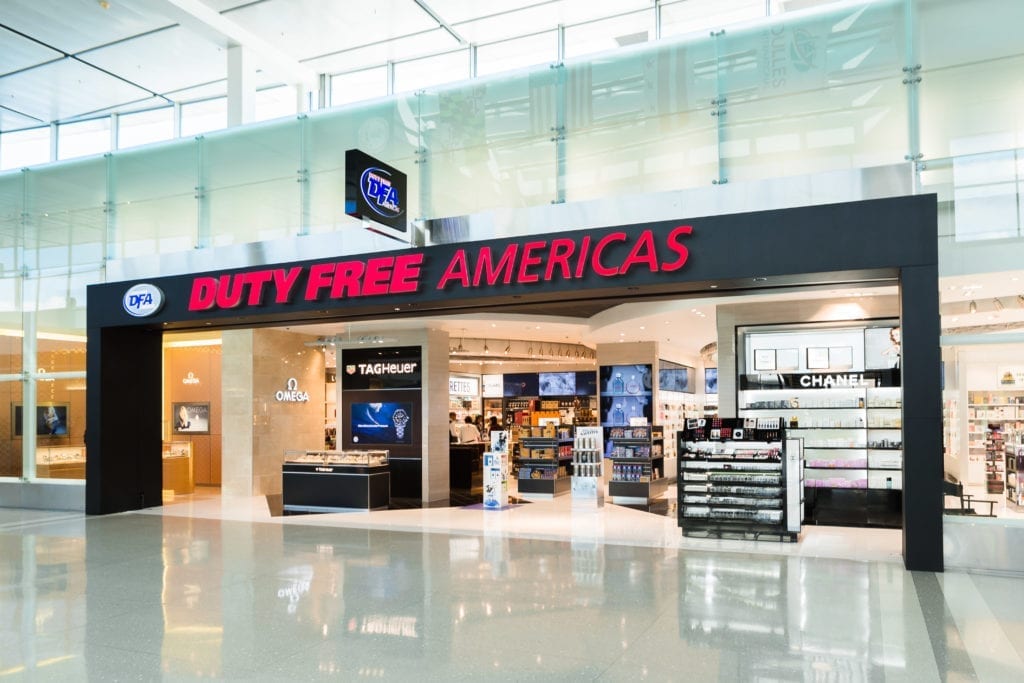
    Duty Free Americas (DFA) will open its first store at Singapore Changi Airport after capturing one of three recent speciality/brand name store concessions in Terminal 2.

    DFA will operate 46sq m unit under the ‘Black’ speciality store name in Departure/Transit Lounge South. The three-year contract runs for three years from 29 November, with no renewal option. It follows a Direct Marketing Exercise conducted by Changi Airport Group earlier this year as it sought partners for the concessions.

    The other two contracts, in 94sq m and 85sq m respectively, were won by RSH Singapore and Dufry. The former will run a Ted Baker store while the latter will run a new Tumi store in T2.

    The Dufry/Tumi three-year concession begins on 28 November while the RSH/Ted Baker concession takes effect from 1 March 2018. Duty Free Americas will take its brand of retailing to Singapore Changi Airport with its latest international contract.

  • No smoking in public spaces along Orchard Road area from July 1 next year

    No smoking in public spaces along Orchard Road area from July 1 next year

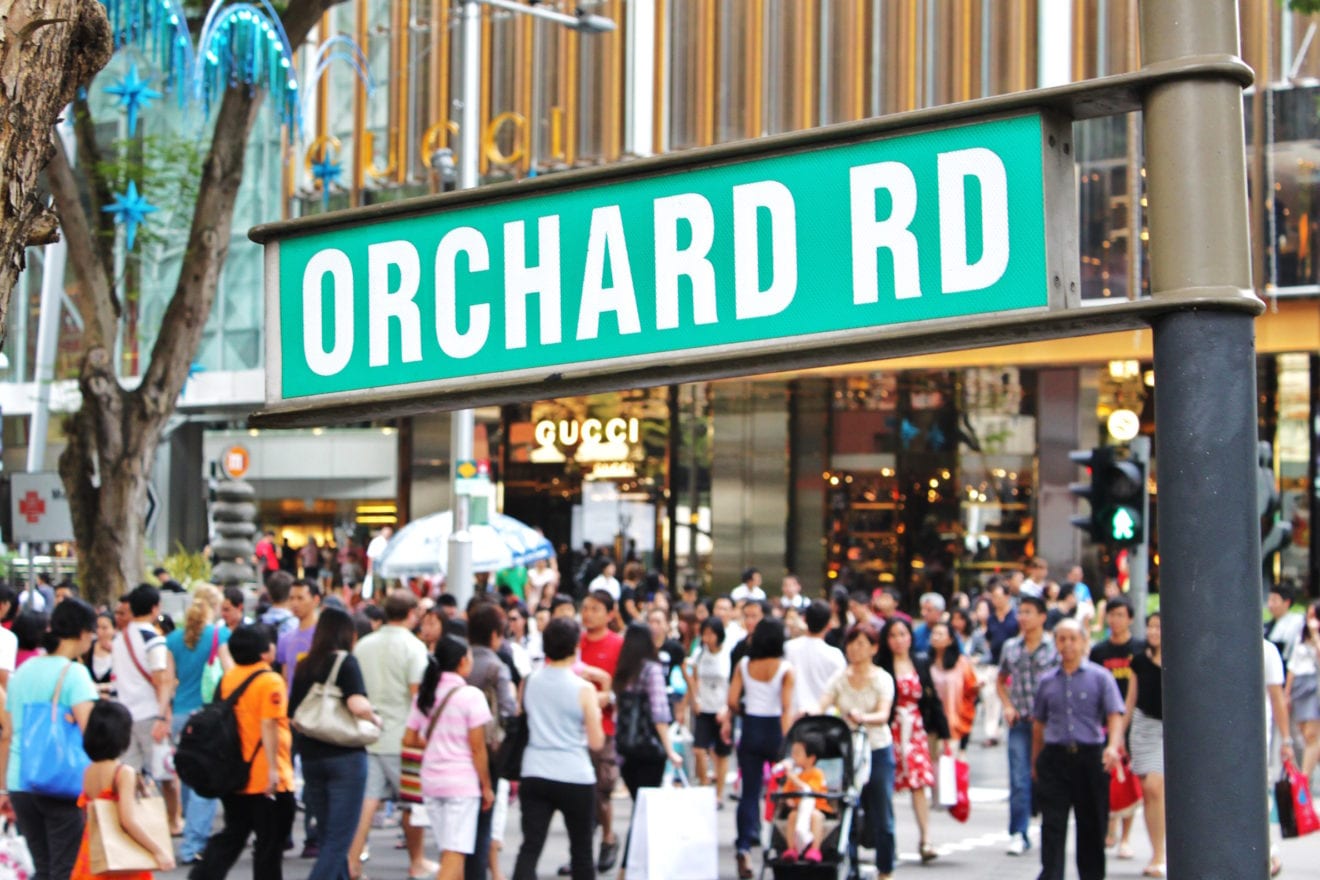
    Smoking will be prohibited in all public spaces in the Orchard Road area — from Tanglin to Dhoby Ghaut — from July 1 next year, said the National Environment Agency (NEA) on Friday (June 30).

    The existing 16 smoking corners, which exist within food retail establishments in the area, will be removed by June 30 next year. That means smoking will be permitted only at designated smoking areas within the Orchard Road smoke-free precinct, which is bordered by Tanglin Road to the west, Dhoby Ghaut MRT station to the east, and Goodwood Park Hotel to the north.

    There are currently five Government-owned designated smoking areas, which are part of an ongoing study led by the Ministry of Environment and Water Resources.

    The NEA also announced on Friday that it will no longer accept applications for smoking corners in all food retail establishments islandwide. Existing smoking corners will be allowed to remain, unless the current licence is terminated or cancelled.

    For Orchard Road, an “advisory approach” will be taken in the first three months after the no smoking ban kicks in, said the NEA. Those caught smoking in public areas will receive only verbal warnings between July 1 and Sept 30.

    Enforcement action — a fine of up to S$1,0000 — will be  taken against errant smokers in the zone from Oct 1 next year.

    Building owners within the smoke-free zone in Orchard Road, however, have the option of building their own designated smoking areas, which must meet certain guidelines, like not being situated beside main thoroughfares, and come with cigarette butt canisters or litter bins with ash trays, and display smoking cessation messages.

  • Singapore and Denmark sign fintech pact

    Singapore and Denmark sign fintech pact

    The Monetary Authority of Singapore (MAS) and the Danish Financial Supervisory Authority (Danish FSA) yesterday signed a FinTech Co-operation Agreement which aims to help FinTech companies in Singapore and Denmark to expand into each other’s markets.

    The agreement will enable both regulators to refer FinTech companies to their counterparts. MAS and the Danish FSA have also committed to exploring joint innovation projects together, and to share information on emerging market trends and their impact on regulation.The agreement was signed at the sidelines of the Money 20/20 Europe conference in Copenhagen. Singapore will also host the inaugural Money 20/20 Asia conference in March next year.

    Sopnendu Mohanty, Chief FinTech Officer, MAS, said: “Singapore and Denmark are important gateways to their surrounding regions. This cooperation agreement signifies the commitment of MAS and Danish FSA to promoting innovation in financial services and growing the FinTech landscape. We look forward to closer interactions between our respective FinTech ecosystems and more opportunities for our businesses to grow, expand and serve customers in each other’s markets.”

    Thomas Brenøe, Deputy Director General, Danish FSA, said: “The FSA is committed to encourage innovation in the financial sector. We are currently establishing a FinTech Lab to support the development of fintechs and provide assistance for these to set up business in Denmark. Financial innovation is not confined to national borders, and we are therefore delighted to enter into this agreement with MAS. This agreement will ensure cooperation between the Danish FSA and MAS and will foster opportunity for businesses in Denmark and Singapore to grow.” Brian Mikkelsen, Danish Minister of Industry, Business and Financial Affairs added: “I am very happy that Denmark and Singapore have been able to join forces in this agreement. I am sure that this will help many FinTech companies and create an even better growth environment for these companies in both Singapore and Denmark.

  • Singapore named 9th most economically vibrant city globally

    Singapore named 9th most economically vibrant city globally

    Singapore has shot up by 12 places in a league table that ranks cities on opportunities for property investment. The index, launched last August, looks at factors such as retail sales, household income, adult population size and gross domestic product to determine how economically vibrant a city is.

    Singapore was ranked ninth, up from 21st last December, by asset manager Schroders, which compiles the index of 161 cities.

    Los Angeles took the top spot, with London second, a move up from eighth place in December.

    “One of the key strengths of Los Angeles’ economy is that it is well-diversified across multiple industries, including financial services, media, trade and technology,” said Mr Hugo Machin, co-head of global real estate securities at Schroders.

    “The technology sector, in particular, has grown substantially over the past few years, and this has not only boosted demand for office space but also for residential property, much of it due to the increased hiring of millennials.”

    On London, he said the firm believes it “has a competitive advantage in location, language, scale, infrastructure and cultural diversity”, adding: “If we add the global strength of its universities, London remains a favoured place to invest.”

    Schroders said university rankings, which were taken into account this time for the first time, were the main reason behind changes in cities’ positions.

    “Universities are critical in powering city economies. Innovation and education provide a better trained, more productive workforce. Knowledge-based hubs are growing in economic strength with a positive knock-on to real estate markets in those locations,” Mr Machin noted.

    The new methodology gave a boost to US cities, which filled 16 of the top 30 slots. Boston, where the greater metropolitan area houses academic institutions such as Harvard University and the Massachusetts Institute of Technology, jumped from 24th to third place.

    But Chinese cities were hard hit, after taking four out of the top five spots in December last year.

    Beijing fell from pole position to 11th place, with Shanghai dropping from second place to 10th and Shenzhen plummeting from third to 24th. Tianjin, which came in fourth last year, is no longer in the top 30.

  • Ceva achieves CEIV certification in Singapore

    Ceva achieves CEIV certification in Singapore

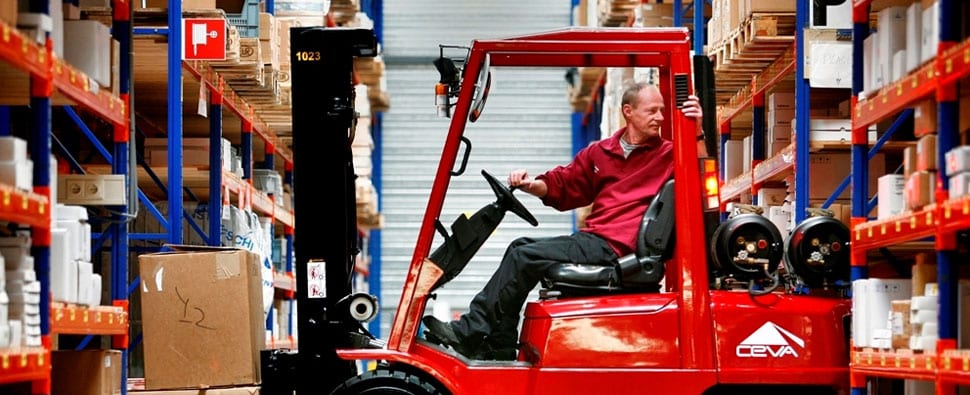
    Ceva Logistics has been awarded IATA’s CEIV status at its facility in Singapore. CEIV is designed to indicate a company or branch’s level of competency as well as operational and technical preparedness in the global transportation by air of pharmaceutical products. A certified pharmaceutical location meets consistent standards and is fully capable of assuring product integrity.

    CEVA staff in Singapore have undertaken a comprehensive training program conducted jointly by IATA and Changi Airport Group, in readiness for certification. A quality team was established at the company’s facility at the Air Logistics Park of Singapore (ALPS) within the Free Trade Zone and this group coordinated and implemented the CEIV process.

    “Our 90,000 sq feet facility is fully accredited for the full range of active and passive temperature ranges,” says Michael Yip, SVP Freight Management of CEVA’s South East Asia cluster. We are the largest user and operator of active RKN e1 equipment outbound from Singapore and this new CEIV status recognises the full scope of our capabilities”.