Tag: Singapore

  • Vietnam and Singapore firms set up logistics joint venture

    Vietnam and Singapore firms set up logistics joint venture

    The new company is expected to improve logistics services at Vietnam’s northern port city of Hai Phong. Quang Binh Import and Export Joint Stock Company has inked a joint venture deal with Transworld GLS Vietnam Ltd, a unit of Transworld Singapore Group, to establish Transworld QBV ICD.

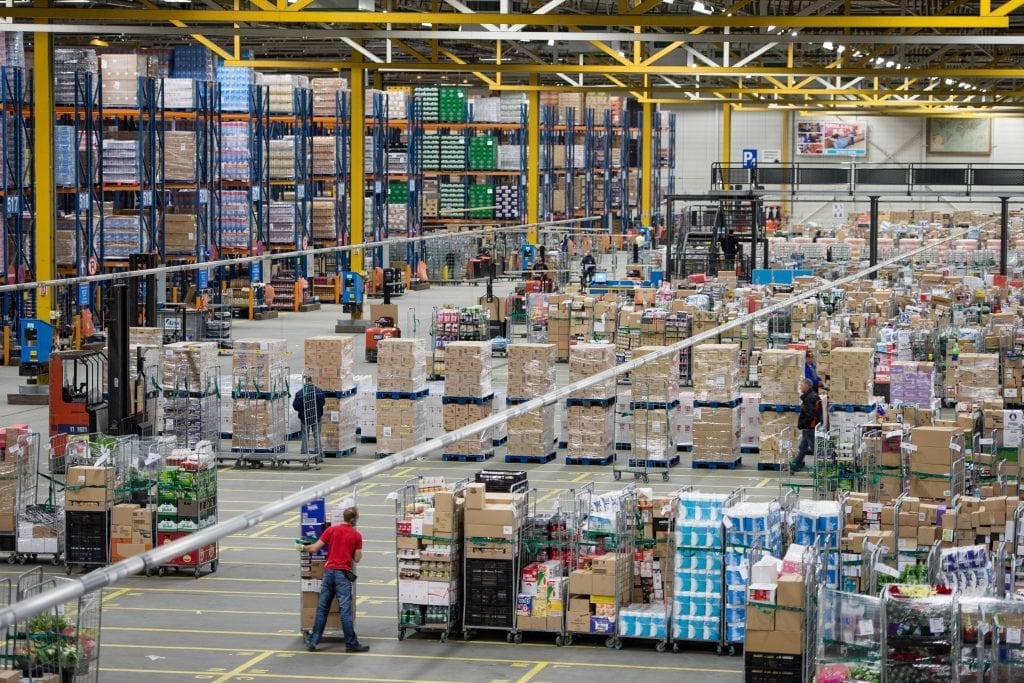
    The joint venture will specialize in providing warehouse, loading and unloading, packing and customs clearance services and other services related to road, rail and waterway transportation at Quang Binh – Dinh Vu ICD (Inland Container Depot) in Hai Phong.

    In its first phase, the company will invest in transport and customs clearance services on an area of 10 hectares at the ICD.

    Quang Binh Import and Export is a producer and distributor of fertilizer, chemicals, agro-aqua products, food and beverages, bonded warehouse and yard service, and import-export and import & re-export service.

    Ranked among the top 500 largest firms in Vietnam by the Vietnam Report Company (VNR) last year, it is also a leading provider of warehousing and logistics services in Hai Phong.

    Understanding the importance of ICDs in the interntional logistics and supply chain, the company decided to invest in the Quang Binh – Dinh Vu ICD last year.

    The Quang Binh-Dinh Vu ICD will be developed in three phases, with the first phase including a warehouse capable of handling 100,000 tons of goods per year and yard’s capacity of 250,000 TEU per year. Once completed, Quang Binh-Dinh Vu will be one of the biggest ICDs in northern Vietnam.

    ICDs are inland customs clearance points used by importers and exporters. A combination of customs departments, carriers, freight forwarders and customs brokers allow exporters and importers to save time and money.

    The joint venture with Transworld GLS Vietnam aims to make the operation of the Quang Binh-Dinh Vu ICD more effective.

    Transworld Singapore is one of the fastest growing companies in Asia and owns nearly 40 container ships and more than 30,000 containers, particularly well-known for its refrigerated container.

    Transworld QBV ICD JSC is looking to develop Quang Binh – Dinh Vu ICD to be an enclosed logistics chain service that entails depot, yard, warehouse, transportation, LOLO equipment and auxiliary infrastructure, serving as the biggest transit and customs clearance point in Northern Vietnam.

    Speaking at the signing ceremony, Mahesh Sivaswamy, chairman of Transworld Singapore, said: “Starting operation, the Transworld QBV ICD will contribute to cost reduction for enterprises by speeding up and improving efficient clearance service at the port. We engage that the volume of import and export cargo going through our depot is going to significantly increase, making a positive contribution to the budget of Hai Phong City.”
  • Huawei to help drive Singapore’s digital economy push

    Huawei to help drive Singapore’s digital economy push

    Huawei has entered a strategic partnership with Singapore’s Infocomm Media Development Authority (IMDA) to accelerate the nation’s digital economy thrust.

    The company has likewise entered agreements with Keppel Data Centres, and Ascent Solutions also related to Singapore’s digital economy future for a Smart Nation.

    The partnerships aim to enhance industry collaboration, enable local companies to scale globally, empower the workforce with skills relevant for the digital economy as well as equipping companies with the technology and knowledge to build strong digital capabilities in a sustainable manner.

    Huawei, IMDA, and Keppel Data Centres will focus on a two-year strategic collaboration to explore the technical feasibility of a first-of-its-kind high-rise green data center building.

    Huawei and IMDA will also collaborate to accelerate the growth of local SMEs by leveraging Huawei’s technical expertise and facilities, go-to-market opportunities and global business network.

    Further, Huawei will support Ascent Solutions as its technology enabler, allowing the local company to tap Huawei’s global business network and explore overseas opportunities.

    In addition, IMDA and Huawei will jointly promote deeper talent and capability building among local ICT students.

    This initiative will include 45 overseas training stints and internship opportunities for students to explore new capabilities in technology areas critical to the future such as the IoT, 5G, and cybersecurity.

  • Owndays Singapore targets 30 stores

    Owndays Singapore targets 30 stores

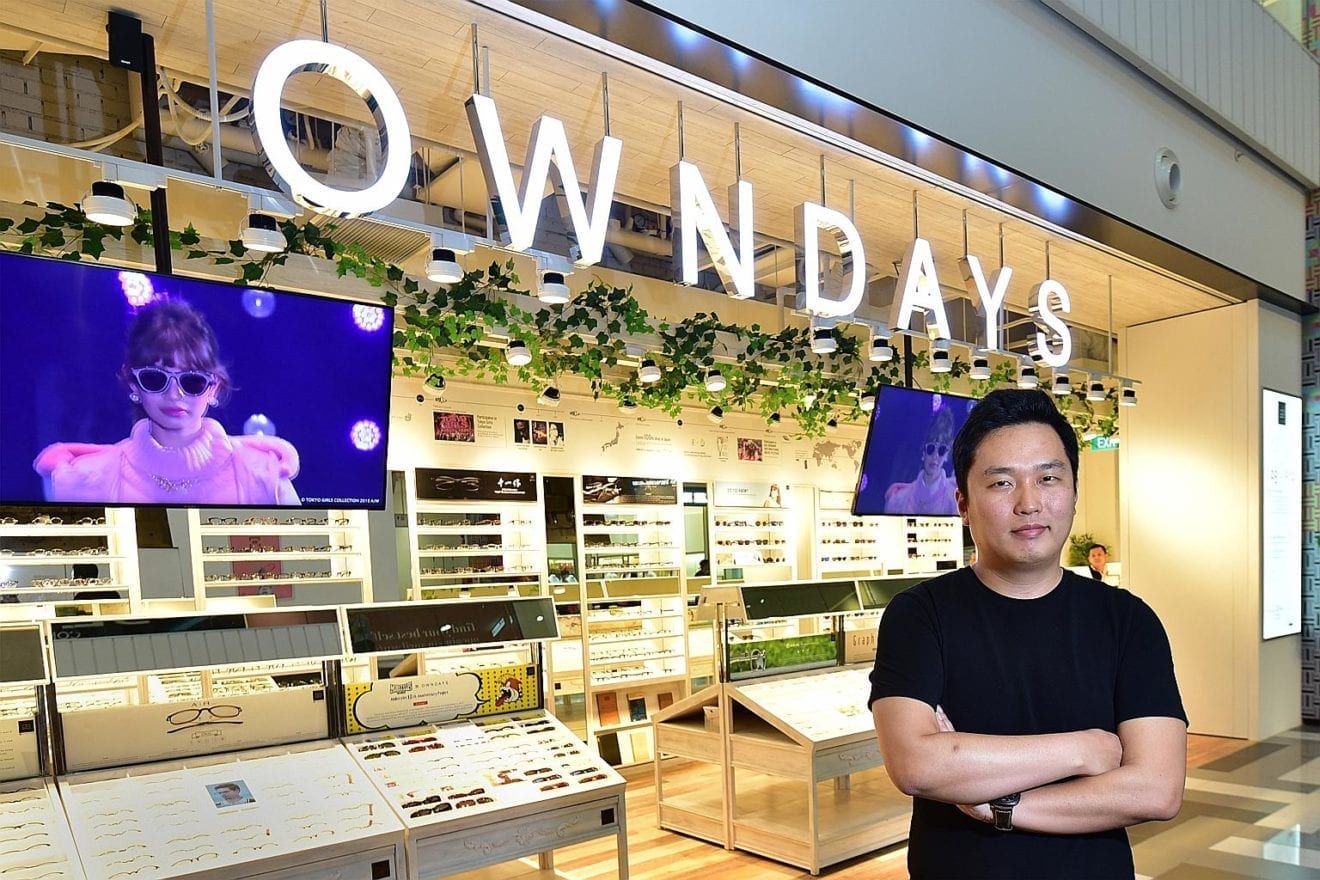
    Owndays Singapore is continuing its expansion and says it believes the city can sustain 30 of its stores. The Japanese eyewear retailer recently opened its 23rd Singapore store, inside Clementi Mall. The 1173 sqft store features a new element – a counter with high chairs where customers can evaluate frames.

    Owndays has shaken up the eyewear sector with a simplified pricing system and a 20-minute turnaround time for making most types of prescription glasses. Open shelves allow people to browse without waiting for an assistant to unlock glass cabinets.

    The photos show the Clementi Mall store’s interior.

  • Melissa Singapore shoe store world’s largest flagship

    Melissa Singapore shoe store world’s largest flagship

    The newly opened Melissa Singapore shoe store is larger than the hip footwear label’s other flagships in Sao Paulo, London and New York.

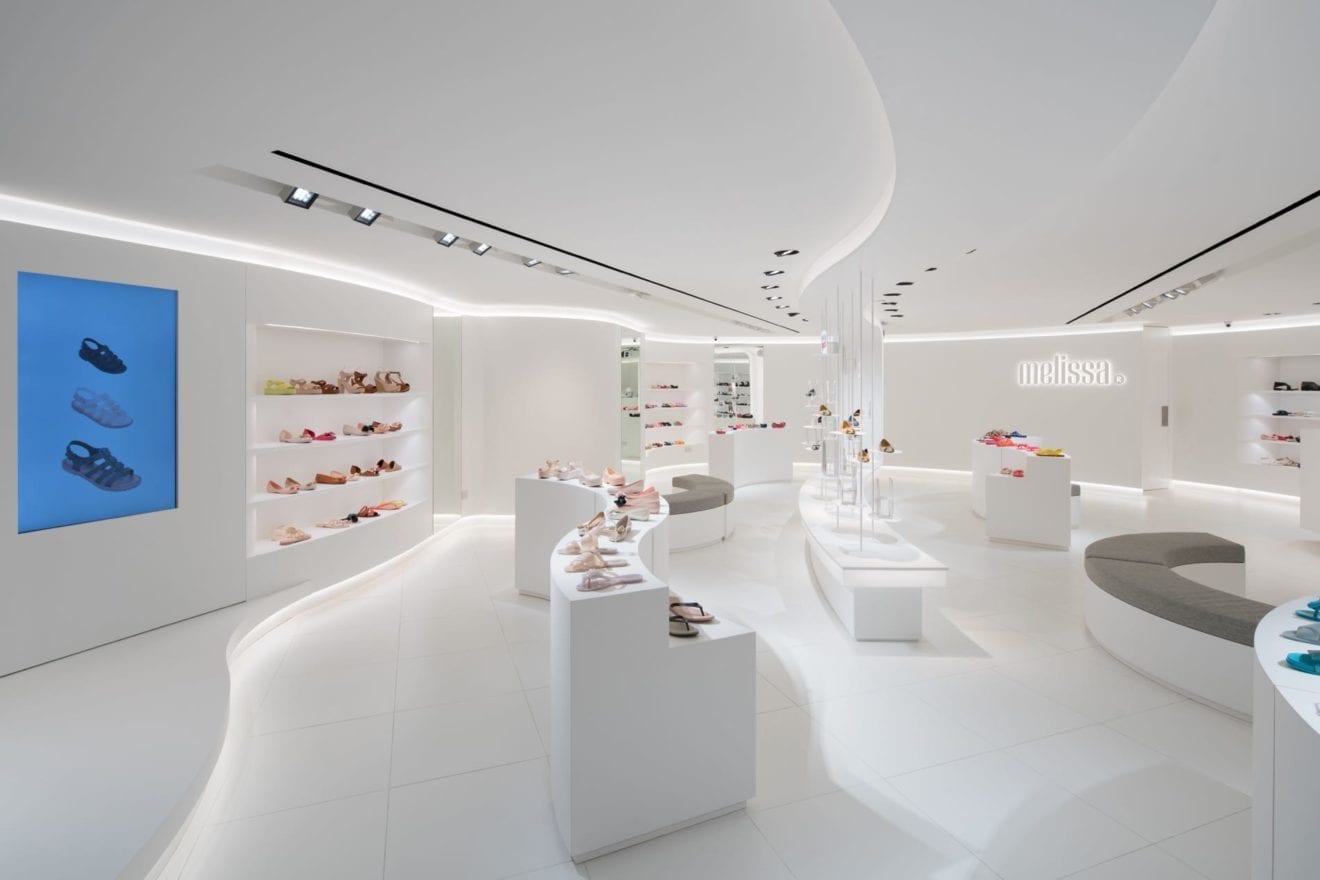
    The brand’s dance-inspired range is spread out over 1700 sqft of space dubbed MDreams, in the Raffles City shopping centre.

    The Brazilian label is renowned for its eco-friendly plastic shoe range which includes sandals, flip flops, boots and sneakers. Its footwear is affectionately described as “Jelly shoes”.

    The opening of the Melissa Singapore store MDreams is part of the company’s longer-term strategy to expand brand awareness and sales in Asia.

    “The new Melissa MDreams flagship store gives us the opportunity and platform to evolve our customer experience, ensuring that we continue to deliver authentic and personalised experiences through various enhanced customer loyalty programmes, service standards, and technology application, for a seamless Melissa experience in store,” said Terence Yow, MD of Enviably Me, the local distributor of Melissa.

    The Melissa Singapore store was designed by local interior architecture firm, Laank. Inspired by “dance and movement,” it features curved shelves with a ‘semi-floating’ effect and signature white canvas allows the colourful range to stand out.

    “When we embarked on the project to reimagine how the new Melissa MDreams flagship store would be, the team decided that our customers must be at the heart of everything we do in this project,” added Yow.

    “It is about putting the customer before the design, creating a shopper experience-centric shop design.”

  • 2 in 3 Singapore consumers use m-payments

    2 in 3 Singapore consumers use m-payments

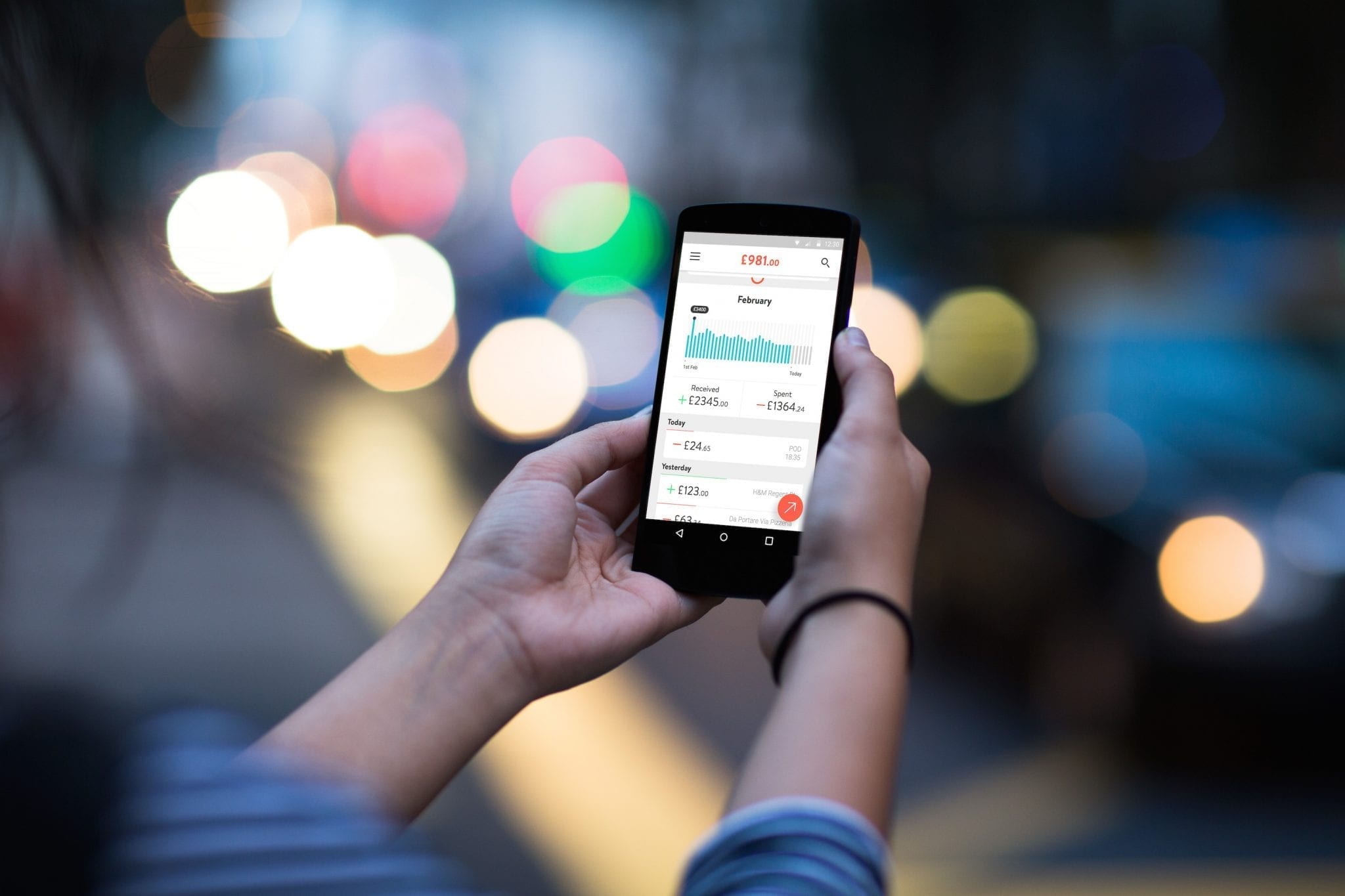
    Two in three Singaporeans have adopted mobile payments, according to recent research into consumer payment attitudes commissioned by Visa.

    The survey was conducted by Toluna on 500 Singaporeans to assess their attitudes toward cash and card usage, mobile banking, contactless payments and online shopping.

    According to the survey, on-demand services are accelerating the growth of mobile payments, with close to two-thirds of respondents using such services. Such services include on-demand transportation, meal and groceries delivery.

    Seventy-one percent of respondents cited convenience and efficiency as the top benefits for using such services while 35% of them stated that they enjoy shopping in the comfort of their own home.

    Expectations of such services have also shifted in response to higher adoption. According to the survey, a majority of the respondents expect their transportation (e.g. taxi or a car) to arrive within 10 minutes from the time they book the service, meal deliveries to arrive within 30 minutes upon ordering, and groceries to be delivered within 45 minutes.

    Peer-to-peer payments

    Singaporeans are also starting to embrace peer-to-peer (P2P) payments. The survey showed that seven in 10 respondents are aware of such options and one in four respondents are already using P2P services to split a bill after a meal. Benefits of using peer-to-peer payments were fuelled by merchant awareness and convenience.

    “Increased connectivity, coupled with the wider payment methods and form factors have transformed consumers’ experience in every aspect including payment. Based on VisaNet data, seven in 10 Visa cardholders are already making device-initiated payments and more than one in five Visa cardholders are active using in-app payments, fuelled by use of transportation booking apps,” Visa Country Manager for Singapore and Brunei Ooi Huey Tyng said.

    “The payment experience is becoming invisible and we believe this trend will continue with the introduction of more innovative players and services.”

  • M1 1H profit falls 17.6%

    M1 1H profit falls 17.6%

    Singapore’s M1 has reported a 17.6% slump in net profit for the first half of the year to S$68.8 million ($50.3 million) as a result of flat revenue and higher depreciation and interest expenses.

    Service revenue stayed at $406.2 million despite a 22.3% year-on-year increase in fixed service revenue to S$61.2 million.

    Mobile revenue by contrast fell 2.9% to S$317.1 million, and international call services revenue declined 9.6% to S$28 million.

    M1’s total customer base grew 4.5% during the six-month period to 2.2 million, including 176,000 fiber customers.

    On the mobile front, postpaid customers grew 3.7% to 1.3 million with prepaid customers up 2.5% to 777,000. But the shutdown of the operator’s 2G network during Singapore’s 2G switch-off led to a slight decline in total mobile customers to 2.04 million.

    M1 also announced an increase in average postpaid smartphone data usage to 3.9GB per month, up from 3.3GB a year ago. Mobile data’s contribution to total service revenue meanwhile increased 1.5 percentage points to 55.5%.

    Based on the first-half results and the current economic outlook, M1 said it is forecasting an overall decline in net profit for the full year, but CEO Karen Kooi said the company is positioned for long term growth.

    “M1 is well positioned to capture new opportunities presented by the digital economy. We have been investing in NB-IoT network and digital solutions, and expanded our offerings to include managed infrastructure services, cyber security, business solutions and analytics,” she said.

    “This would enable us to better serve our customers and generate new revenue streams for future growth.”

  • Mandiri aims to tap Singapore asset pool uncovered in tax hunt

    Mandiri aims to tap Singapore asset pool uncovered in tax hunt

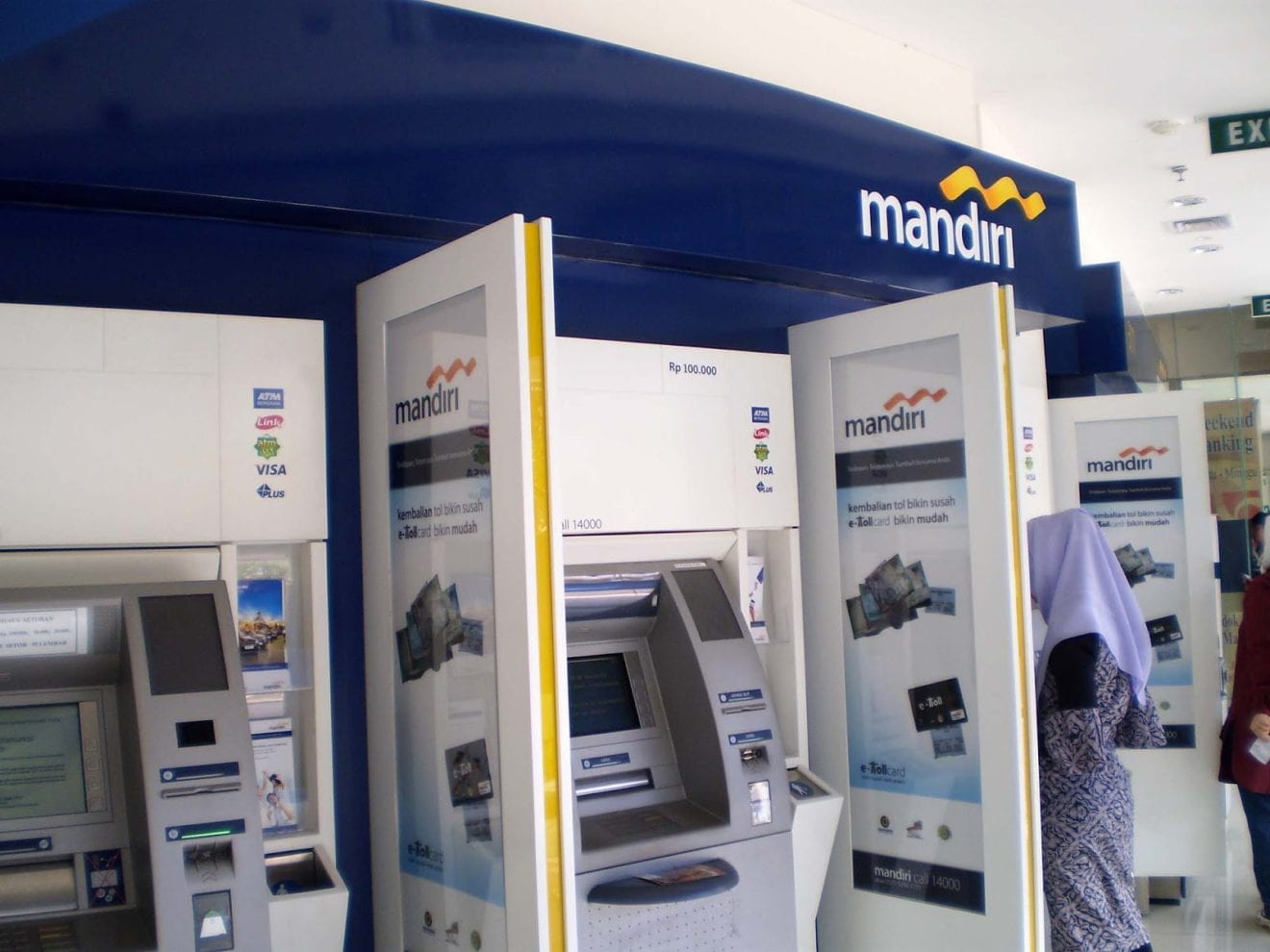
    Bank Mandiri, Indonesia’s largest state-owned lender, on Wednesday said it is seeking to establish a private banking business in Singapore. The move comes amid a global crackdown on tax evasion that has exposed vast Indonesian wealth parked in the city-state.

    Indonesia’s nine-month tax amnesty program, in which the government allowed citizens to report previously hidden domestic or overseas holdings and pay a small penalty, turned up some 4,900 trillion rupiah ($367.5 billion) in declared assets. In a news conference on Wednesday, Mandiri President Kartika Wirjoatmodjo said around 700 trillion rupiah in declared cash and securities are still parked in overseas banks — mostly in Singapore.

    “It’s quite a sizable portion,” Wirjoatmodjo said. “We want to capture this market by giving them services in Singapore. We already have a complete range of products.”

    Indonesia has also pledged to join the Automatic Exchange of Information, a framework developed up by the Organization for Economic Cooperation and Development in which financial regulators will share information about foreign taxpayer accounts. “There will be no more space to place money that cannot be traced by tax authorities,” Wirjoatmodjo said, “so there will be a level playing field.” He explained that wealthy Indonesians have shunned state-owned banks like Mandiri to avoid scrutiny by authorities.

    At the moment, Mandiri can only serve corporate clients in Singapore. In order for the bank to serve wealthy individuals, it needs to be designated a “Qualified ASEAN Bank” by the Monetary Authority of Singapore under a bilateral agreement with Indonesia’s Financial Services Authority, according to Wirjoatmodjo. QAB status, a concept developed by Association of Southeast Asian Nations members, enables banks to operate as local lenders in ASEAN markets.

    Earlier in July, Mandiri became the first bank to obtain the QAB designation in Malaysia. Talks between Singapore and Indonesia, however, have not been officially announced.

    Mandiri is hardly the only bank targeting previously hidden assets. Oversea-Chinese Banking Corp., Singapore’s second-largest bank by assets, in May launched private banking operations in Indonesia to cater to high-net-worth Indonesians with assets of more than $1 million.

  • Singapore exports rebound in June, beating forecasts with 8.2% rise

    Singapore exports rebound in June, beating forecasts with 8.2% rise

    Non-oil domestic exports (NODX) bounced back in June, topping expectations with an 8.2 per cent increase from the year earlier, with a strong rise in non-electronic shipments offsetting a smaller increase in electronic sales.

    Analysts polled by Bloomberg had expected NODX to rise 5.1 per cent in June from the same month a year ago. Exports in May edged up just 0.4 per cent in May, revised up from an earlier estimate of a 1.2 per cent decline, and dipped 0.3 per cent in April, after expanding for six straight months.

    On a month-on-month seasonally adjusted basis, NODX declined by 2.7 per cent in June, after the previous month’s 9.4 per cent increase, as the decline in electronic shipments outweighed the increase in non-electronic sales, data from trade agency International Enterprise (IE) Singapore showed on Monday (July 17). Some S$14.5 billion exports were recorded in June, lower than the S$14.9 billion in May.

    Exports of electronics cooled in June, expanding by 5.4 per cent year-on-year compared to the 28.9 per cent surge in May. Data last Friday showed that Singapore narrowly avoided a technical recession, growing at 0.4 per cent in the second quarter from the quarter before, saved by solid global demand for its tech products.

    Electronic exports in June were led by ICs, disk media products and capacitors which increased by 20.7 per cent, 2.9 per cent and 10.5 per cent respectively.

    Exports of non-electronics grew by 9.3 per cent year-on-year, in contrast to the 8.6 per cent drop in the previous month. Economists have been concerned that the pick-up in Singapore’s economic growth has thus far been driven limited to certain segments of the economy – mainly, electronics manufacturing.

    Exports in non-electronics were lead by non-monetary gold, specialised machinery and petrochemicals, which increased by 148 per cent, 76.1 per cent and 13.7 per cent respectively.

    In terms of export markets, the top contributors to the NODX increase were China (+48.9 per cent), South Korea (+56.9 per cent) and Japan (+26.7 per cent) – outweighing the declines to the US, Taiwan, the EU 28, Thailand and Indonesia.

  • Siemens launches Digitalization Hub in Singapore

    Siemens launches Digitalization Hub in Singapore

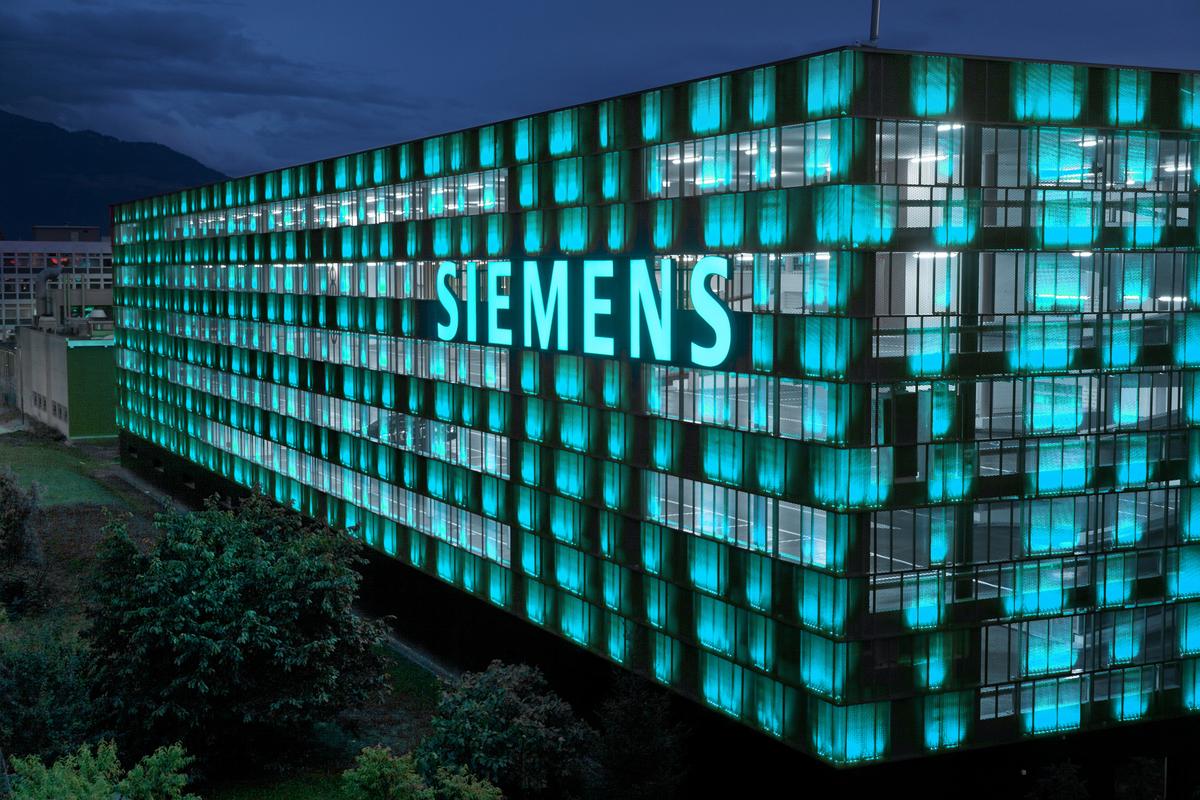
    Siemens has launched its first fully integrated Digitalization Hub in Singapore in a bid to bring its expertise and innovations in the IoT to the Southeast Asian market.

    The company will be co-creating future digital applications with customers and partners to build a digital ecosystem.

    Supported by the Singapore Economic Development Board (EDB), the Hub brings together data scientists, solution architects, software engineers, system experts and domain specialists from the urban infrastructure, industrial and healthcare sectors. These professionals will experiment, learn, develop and test-bed innovations and future-ready digital solutions that help businesses become more efficient and sustainable.

    An integral part of the Digitalization Hub concept is MindSphere, an open, cloud-based IoT operating system that offers data analytics, connectivity capabilities and tools for developers, applications and services. This platform helps evaluate and process data to gain insights and optimize asset performance for maximized productivity.

    “Singapore is the ideal location for this Hub because of its distinctively advanced industrial and urban infrastructure development, combined with the government’s Smart Nation thrust to enable a digital economy,” Siemens CEO Joe Kaeser said.

    Sixty specialists from a variety of disciplines will work at the Hub at the outset. The number of digitalization experts is expected to reach 300 by the year 2022. The key target areas for the Hub are urban infrastructure, advanced manufacturing and healthcare.

    To mark the launch of the Siemens Digitalization Hub, three collaboration agreements were signed with Singapore partners. Nanyang Technological University, Singapore (NTU Singapore) will partner with Siemens to create and showcase data-driven innovations for urban infrastructure.

    SP Group will collaborate with Siemens to build a next-generation energy management software platform for SP’s 24/7 control centers, to enable more robust planning, surveillance and predictive maintenance of Singapore’s electricity network.

    The electronics arm of Singapore Technologies Engineering, Singapore Technologies Electronics, and Siemens also signed a partnership agreement to co-create and proactively market innovative digital use cases in the field of transportation (roads, harbors, airports and mass transit).

  • New brands joining line-up at The Shoppes

    New brands joining line-up at The Shoppes

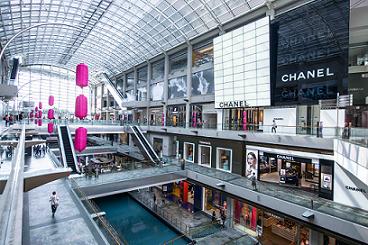
    New brands will join The Shoppes at Marina Bay Sands in the next few months.

    They include award-winning Singapore fashion label In Good Company, which will showcase its signature womenswear and Mini Me collections for children three to eight years old. The 1600 sqft (148.6 sqm) store will also have a play area for children.

    Meanwhile, the outlet for local luxury leather goods and accessories brand Kwanpen will be extensively renovated to become its largest flagship boutique in Singapore. Opening next month, the boutique will triple in size to more than 2500 sqft.

    Other anticipated openings in the coming months include new-to-market Hong Kong fashion and accessories label EQ:IQ with a standalone boutique, as well as French luxury brand Balmain’s first standalone store for Southeast Asia. Its 1647 sqft store will feature an interior concept that echoes its traditional Parisian boutiques.

    Two boutiques will be the first for Southeast Asia, for diamond jeweller Nirav Modi and perfume house Henry Jacques.

    Bespoke beauty offerings include the re-opening of perfumery Jo Malone and a new standalone Estee Lauder boutique. Also renovated, Chanel Fragrance & Beauty offers a new private facial cabin, as well as personalised beauty and fragrance consultations.

    Following the unveiling of the Chanel Ephemeral boutique last month, Fendi has also launched a menswear pop-up for the first time at The Shoppes until Sunday. For the first time in Asia, The Fendi Ape Car is showcasing the latest Fendi Vocabulary Capsule Collection.

    Singaporean designer label Chi Chi Von Tang will also open a pop-up store, featuring a personalised shopping experience.

    Joining the F&B line-up will be French tearoom/patisserie Angelina, and homegrown Da Paolo Gastronomia, a gelato bar along the waterfront promenade. Also new to the promenade are The Bird Southern Table & Bar and Dallas Cafe & Bar.

    TWG Tea will re-open at a new location at The Shoppes next month with a 50-seat salon and boutique featuring a counter for tea-infused chocolate.

  • Singapore sets e-commerce target for growth

    Singapore sets e-commerce target for growth

    Singapore has set a three-year target to grow the share of e-commerce from the current 3 per cent to 10 per cent of total receipts.

    This would match where China was three years ago, according to Senior Minister of State for Trade and Industry Sim Ann.

    She told Parliament that benchmarked against the 2014 figures of the UK (13 per cent) and the US (6.5 per cent), Singapore’s target was not unrealistic.

    One in four online retail transactions in Singapore were with foreign businesses, she said.

    Total e-commerce with locally issued credit and debit cards was valued at S$24.7 billion (US$17.8 billion) over the past three years, with foreign entities accounting for $6.4 billion worth of these transactions, said Sim in response to an MP query.

    “While e-commerce presents competition to our retailers, it also gives them the opportunity to expand their reach to the region and beyond,” she said.

    The retail industry transformation map outlined last year by the government envisioned a “vibrant” retail industry spanning physical stores, online retailing and mobile channels, as well as local brand owners with global presence.

    Sim said government initiatives were helping retailers build digital capabilities and access e-commerce…

    Enterprise agency Spring Singapore and the Info-Communications Media Development Authority (IMDA) have teamed up to pre-qualify e-commerce packaged solutions that can be readily adopted by small and medium enterprises.

    Spring is also partnering companies such as Google to help SMEs strengthen their digital marketing, while other private firms like DBS, Mediacorp and SingTel have given support by setting up an e-marketplace and training opportunities.

    Trade agency International Enterprise Singapore helps companies leverage e-commerce to unlock growth opportunities in overseas markets.

    At the same time, said Sim, trade associations and chambers of commerce were reaching out to SMEs to encourage them to adopt e-commerce.

    Being launched this year is Spring’s initiatives with SkillsFuture Singapore to help the retail industry workforce adapt and upskill to keep up with developments in e-commerce and digital marketing.

  • Singapore ready to exchange financial data with Indonesia

    Singapore ready to exchange financial data with Indonesia

    Indonesias finance minister Sri Mulyani said here on Thursday that Singapore was ready to provide information about the financial data of Indonesian citizens as part of the implementation of Automatic Exchange of Information (AEOI) program for tax purposes.

    “Singapore has stated that Indonesia has been considered as being eligible and included in their Multilateral Competent Authority Agreement (MCAA), meaning the AEOI agreement can automatically be carried out according to its timeline,” she said.

    Mulyani confirmed that Singapore would not only exchange information with Indonesia but also with other countries that have signed MCAA in connection with AEOI in the Netherlands in June 2017.

    In order to prepare for the information exchange, Indonesia will conduct improvement with regard to primary legislation issuance, information technology, data security, and business process renewal to match with the Common Reporting Standard.

    “We will continue to meet it and later in September, the OECD will review its aspects. If Indonesia is considered to have met the requirements set in the OECD global forum, it means we have met the requirements to implement AEOI with Singapore,” she asserted.

    On the sidelines of the Indonesia-IMF joint conference on Wednesday, Sri Mulyani met Singapores minister of law and finance, Indranee Rajah, to discuss a number of issues.

    Besides the implementation of AEOI, they also discussed revision of double taxation agreement for Singapore investors and Singapores offer as an international banking hub for Indonesias infrastructure projects.

    According to the Indonesian ministry of finances website, Singapore has confirmed its readiness to carry out AEOI with Indonesia to maintain equality in role and function and share responsibility along with other financial centers.

    Singapore has included Indonesia in the list of its partners that have participated in MCAA.

    The commitment is a form of agreement to provide standardization and efficiency scheme to facilitate for AEOI. Hence, bilateral agreement need not always be done.

    The reciprocal exchange of information will be started after the two jurisdictions introduce the regulations needed to implement CRS and to keep confidentiality and protect exchanged data.

    Confidentiality and protection of financial data being exchanged are international prerequisites set by Global Forum on Transparency and Exchange of Information for tax purposes.

  • Singapore retail sales up 0.9% in May

    Singapore retail sales up 0.9% in May

    A surge in takings at petrol pump stations lifted Singapore‘s retail sales in May, though a broad fall in sales by food retailers and other consumer goods sellers has left shops and restaurants here worried.

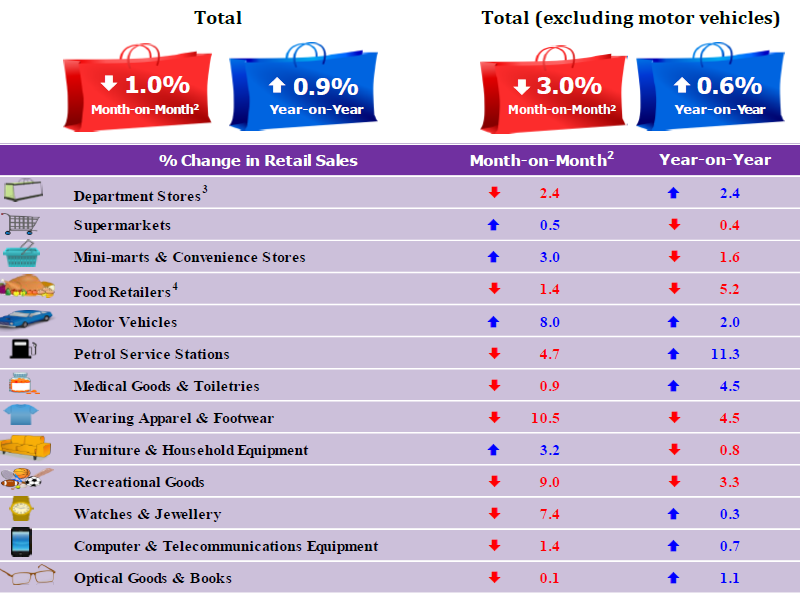
    Total retail turnover in May was S$3.7 billion, up 0.9 per cent from May last year, according to Department of Statistics data out on Wednesday (July 12).

    This was due mainly to a 11.3 per cent jump in sales at petrol service stations, a 4.5 per cent rise in sales of medical goods and toiletries, as a well as a 2 per cent rise in motor vehicle sales.

    Singapore Retail sales - Retail in Asia

    Excluding motor vehicles, retail sales rose 0.6 per cent from May last year.

    On a month-on-month, seasonally adjusted basis, retail sales dropped 1 per cent in May over the previous month. Excluding motor vehicles, takings were down by a bigger margin of 3 per cent.

  • Singapore Airlines adds more flights on Dhaka-Singapore route

    Singapore Airlines adds more flights on Dhaka-Singapore route

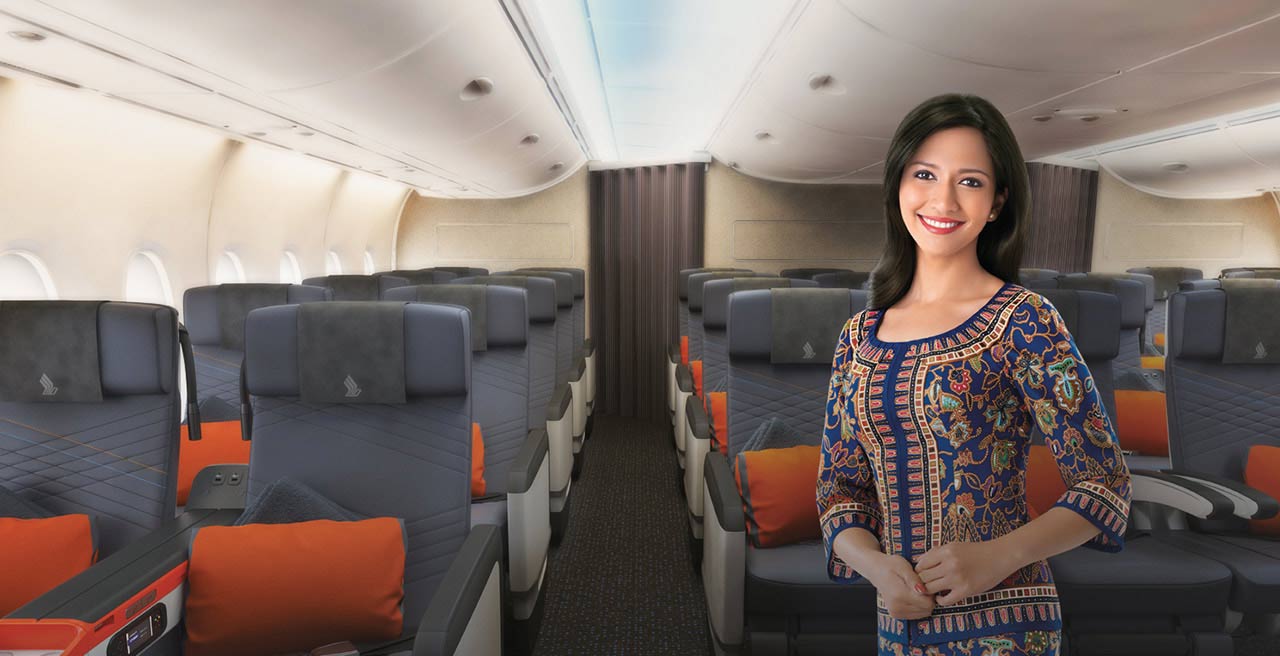
    Singapore Airlines has increased the number of its weekly flights on the Dhaka-Singapore route from seven to 10.

    The new flights will be operated on Sundays, Wednesdays and Thursdays from July 19 with an Airbus A330 aircraft, the airline said in a statement.

    “With 10 flights a week, it will be more convenient than ever to re-visit the places you love and explore the 135 destinations in our group network,” said TM Wang, general manager for Bangladesh at Singapore Airlines. The additional frequencies will also give a boost to the air cargo capacity out of Hazrat Shahjalal International Airport, Wang said.

  • Consoveyo Singapore enters two key Asian markets

    Consoveyo Singapore enters two key Asian markets

    Consoveyo Singapore, part of Körber Logistics Systems, is proud to announce new projects with Zuellig Pharma Vietnam Ltd (Zuellig Pharma) in Vietnam and Thai Tobacco Monopoly (TTM) in Thailand. For both projects, Consoveyo will provide automated logistical technologies in a total of three new warehouse installations. These solutions include Consoveyo’s Automatic Storage and Retrieval System (ASRS), Conveyors, Rail Guided Vehicles and Lifter Systems including Radio-Frequency Identification (RFID). A Warehouse Management System (WMS) will also be implemented by Inconso, a company under the Körber Logistics System.

    Poul Lorentzen, general manager at Consoveyo Singapore, shared, “Both projects are significant additions to Consoveyo’s growing list of references in Asia. Vietnam and Thailand are important markets for Consoveyo, and we are proud that Consoveyo is becoming increasingly recognized by leading companies in both countries. These two projects also showcase Consoveyo’s capabilities in tailoring our first-in-class automated warehousing solutions, and demonstrate our abilities to support various industries and different clients.”

    Zuellig Pharma

    Marking Consoveyo’s first foray into Vietnam, the project with Zuellig Pharma saw Consoveyo providing an efficient transport system within the client’s new warehouse in Ho Chi Minh City. To increase warehouse efficiency, Zuellig Pharma had to ensure that its pharmaceutical products can move between floors effortlessly.

    Proposing a modified conveyor and lifter solution for Zuellig Pharma, Consoveyo provided two units of pallet lifters with safety interlocks and buffer conveyors for pallet input and output. Consoveyo also ensured that its solution could interface directly with supplemented pallet jacks or forklifts. In addition to supplying and installing its conveying solutions, Consoveyo provided Zuellig Pharma’s warehouse operators with training, allowing them to achieve higher levels of warehouse productivity.

    A spokesperson at Zuellig Pharma shared, “This warehouse plays a crucial part in our overall Reach and Access corporate strategy to focus on making healthcare more accessible to all Vietnamese. With Consoveyo’s comprehensive solution and support, we are now one step closer to our goal.”