Tag: Singapore

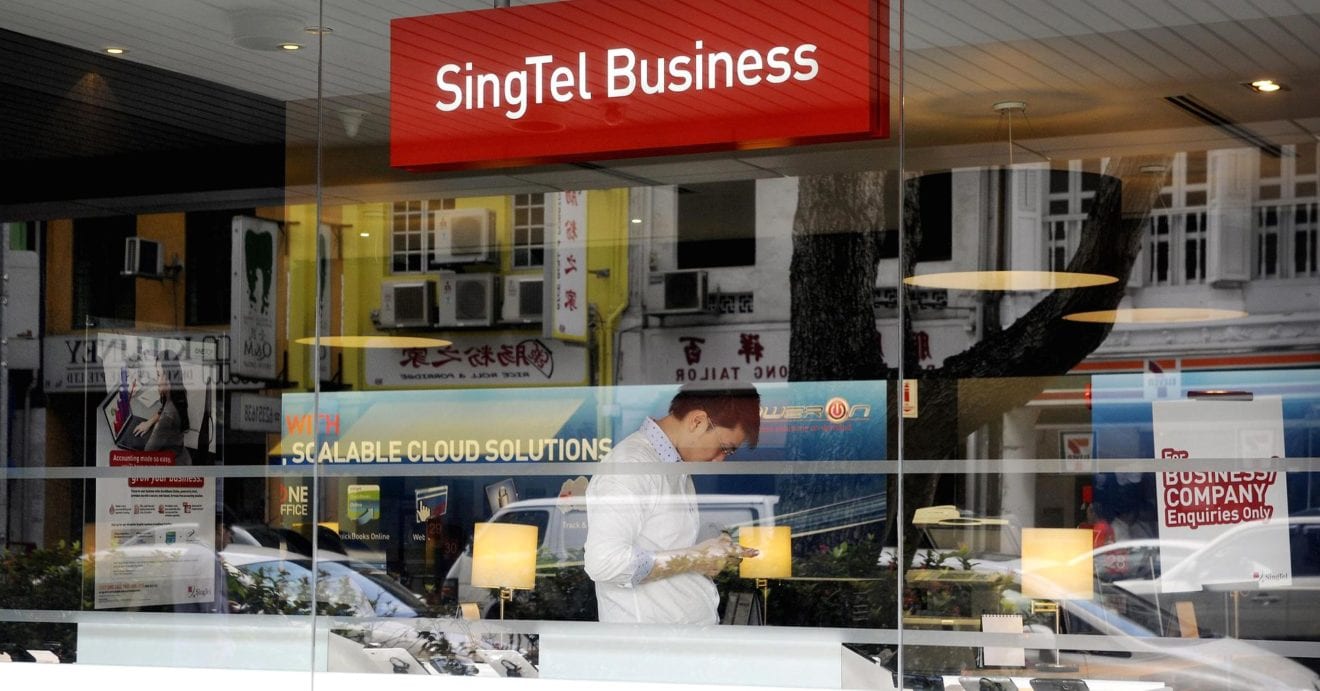
  • Singtel named a “master of digital experience”

    Singtel named a “master of digital experience”

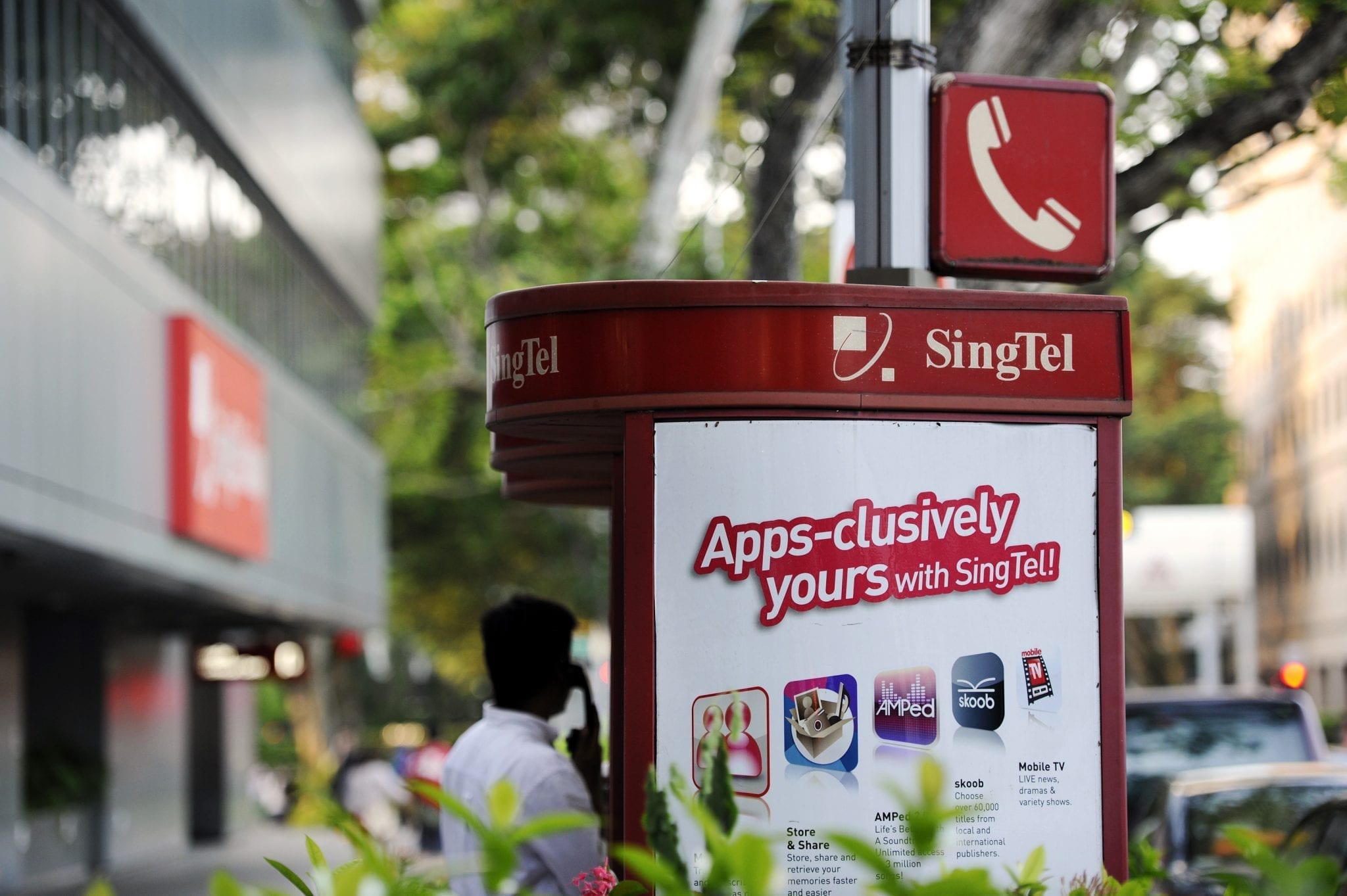
    Singtel ranks among five operators named “masters of digital experience” in Analysys Mason’s latest Digital Experience Index (DXi).

    Singtel and subsidiary Optus, along with Telefonica, AT&T, Etisalat and Swisscom were the only operators to be classed as entering the “digitalized” stage of digital maturity, with only Swisscom considered to have fully entered this stage.

    The report ranked 50 operators worldwide on their ability to provide a digitalized user experience, graded by criteria including automation in customer support, the presence of unified omni-channel support and the option of new digital channels for customers such as in-app chat, web-to-chat or chat-to-voice.

    Operators’ capacity to provide personalized offers, basic or advanced customer self-service and social media support were also taken into consideration.

    The report also shows that nearly all operators believe that providing their customers with a modern digital experience is critical to their future.

    “Providing a modern digital experience is considered by all operators as critical to their competitive position in the future – especially among young and increasingly tech-savvy consumers whose expectations are being shaped by the newer players such as Alibaba, Amazon and Facebook,”  Analysys Mason partner and head of telecoms software and networks Larry Goldman said.

    He said the digital experience index model represents a way for operators to assess their potential new customer experience improvement projects in all aspects of the customer lifecycle, comprising investigation, buying, onboarding and support of goods and services.

  • DHL uses IoT to improve workplace safety for warehouse employees

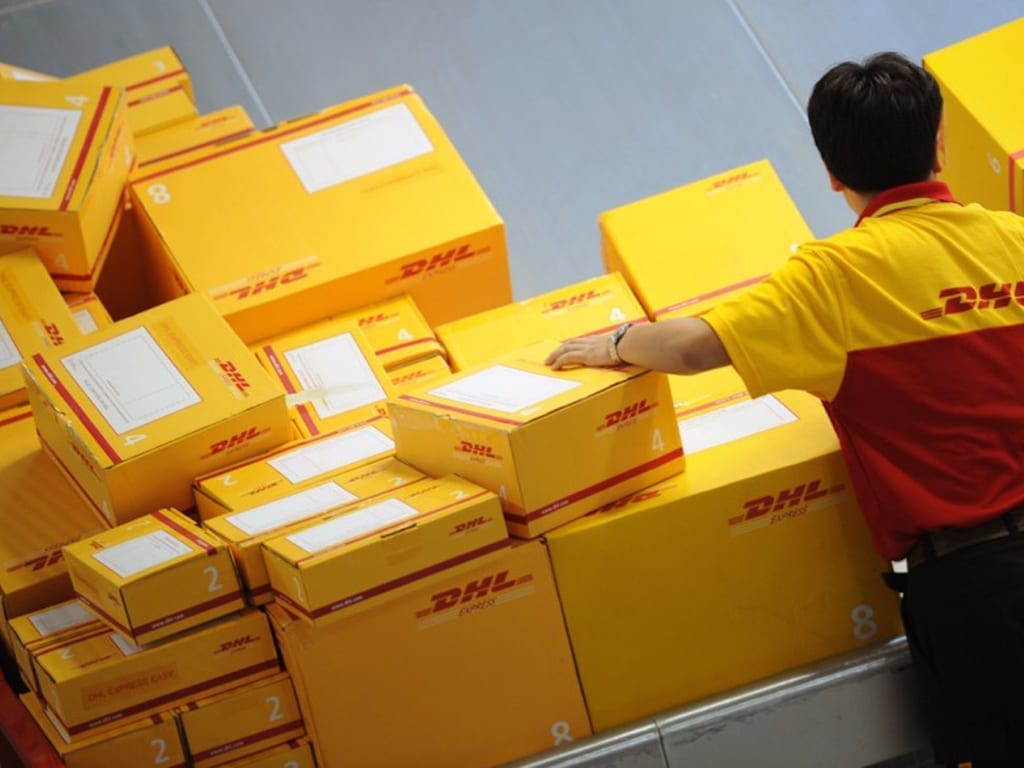
    DHL uses IoT to improve workplace safety for warehouse employees

    The contract logistics specialist within the Deutsche Post DHL Group — recently completed a pilot at the DHL Advanced Regional Center in Singapore to create a safer warehouse environment using Internet of Things (IoT) technology.

    The company was successful in preventing accidents by leveraging data from wearable wireless sensors.

    These sensors monitored employee fatigue levels, suggested rest periods, and sent alerts when people were in close proximity to moving equipment.

    All of the above was accomplished in real time, indicating a breakthrough that could prove crucial for preventing accidents.

    “At DHL, safety is our number one priority and there is a strong commitment to the health and safety of our employees at all levels of the organisation,”said Steve Walker, chief information officer Asia Pacific and Global Warehouse Management System Centre of Excellence, DHL Supply Chain. “So when we were exploring the use of wearable sensors and how we can leverage the technology for our operations, we naturally chose to focus this pilot project around warehouse safety.”

    Preventive measures

    This pilot comes in the wake of an increase in number of workplace accidents in 2016. Last year, Singapore had to deal with more than 2,000 incidents of workers being struck by moving vehicles in their workplace.

    The Ministry of Manpower Singapore has announced onsite vehicular safety as one of the top three priority areas for improving workplace safety and health in 2017.

    DHL has been testing the use of IoT in its warehouses since 2015 with various partners.

    It is now implementing the technology to monitor operational activities in real-time with heat maps and other visualization tools to optimize operational efficiency and improve employee safety.

    “We have learned a huge amount about IoT from this pilot project,” said Walker. “Now we are evaluating how we can roll out this solution in Asia Pacific and leverage it to add further value for our customers and the business.”

  • Singtel gets conditional nod for NetLink Trust IPO

    Singtel gets conditional nod for NetLink Trust IPO

    Singtel has secured conditional approval to list its wholly-owned subsidiary NetLink Trust on the SGX as part of its obligations to the government under the state-owned Next Generation National Broadband Network (NG-NBN) project.

    NetLink trust builds and operates the passive infrastructure for the NG-NBN. As a condition of Singtel winning the NG-NBN tender, Singtel agreed not to have effective control in NetLink Trust. In February, the company announced it has committed to regulator IMDA to divest its ownership to less than 25% by April next year.

    The structural separation arrangements formed part of the IMDA’s open access requirements for the NG-NBN project.

    Singtel said Singapore Exchange Securities Trading Limited (SGX-ST) has issued a conditional eligibility-to-list letter for NetLink Trust.

    The listing will be contingent on market conditions, obtaining the required regulatory and other approvals as well as other prerequisites, Singtel said.

    Once up and running, market watchers expect the IPO to raise at least S$2 billion, making it one of the largest offerings in Singapore in years. Singtel has appointed DBS Bank, Morgan Stanley and UBS to advise on the IPO, which could be complete as early as July, according to recent reports.

  • Singapore Airlines swings in to Stockholm in Sweden

    Singapore Airlines swings in to Stockholm in Sweden

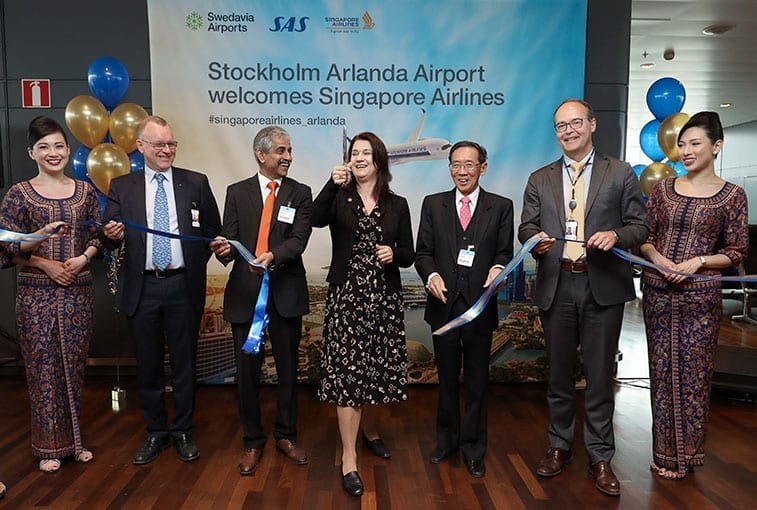
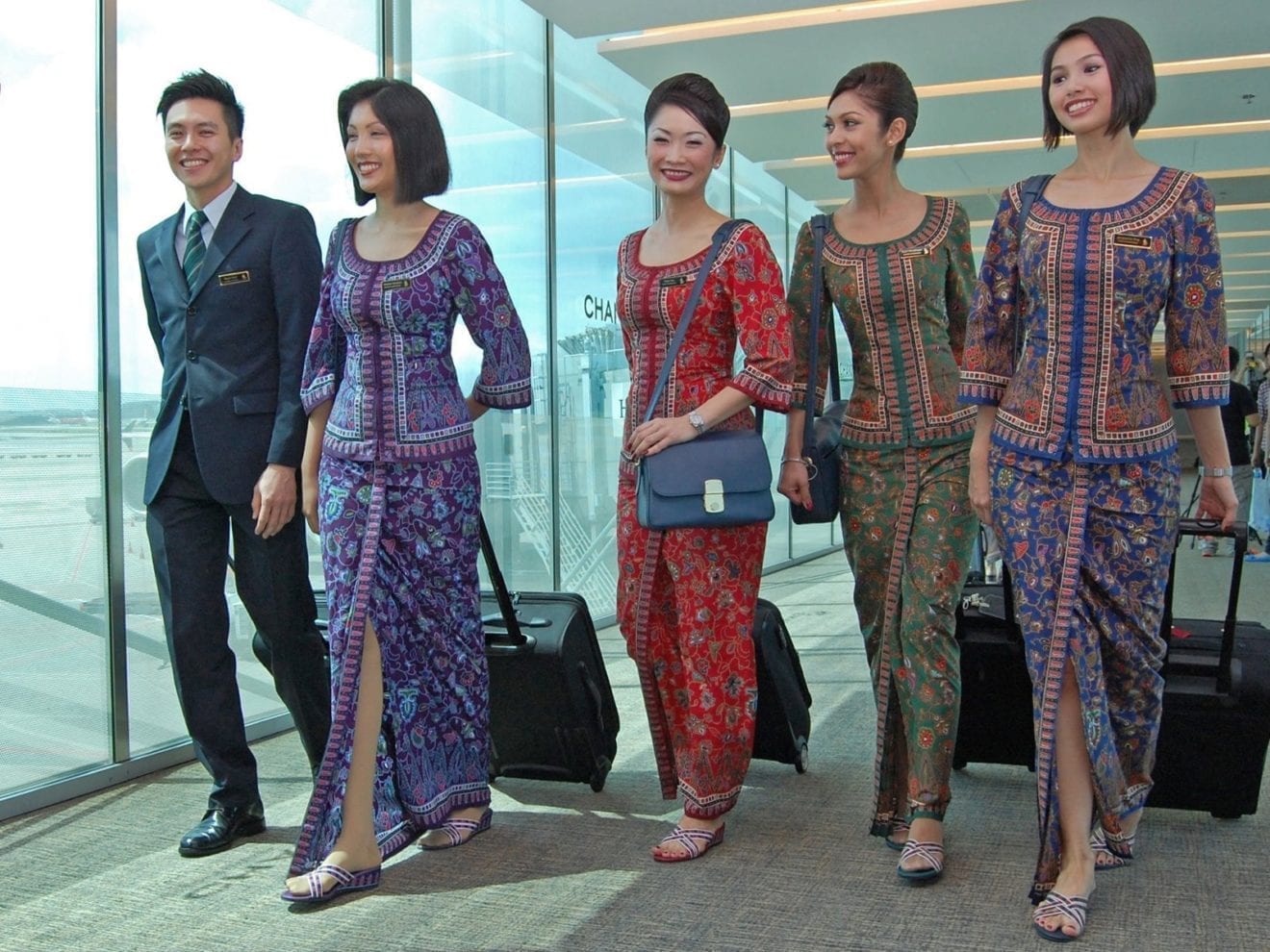
    Singapore Airlines has arrived in Sweden. On 30 May the Star Alliance carrier began five times weekly service from Singapore (SIN) to Stockholm Arlanda (ARN) via Moscow Domodedovo. The 9,651-kilometre route will be flown by the airline’s A350-900s. This is the first route to be served at the Swedish airport using this aircraft type. Jonas Abrahamsson, President and CEO of Swedavia, said: “The new route to Singapore is the result of several years of intense work, and it is a highly desired destination.

    The route is crucial in enabling business travellers to reach markets in Asia easily and also provides potential for greater cargo traffic between the two countries. It is a strategically important intercontinental route in Stockholm Arlanda’s development to be the leading airport in Scandinavia by 2020.” Singapore Airlines now serves 15 destinations in Europe across 11 countries.

  • Singtel partners with DocuSign for digital signatures

    Singtel partners with DocuSign for digital signatures

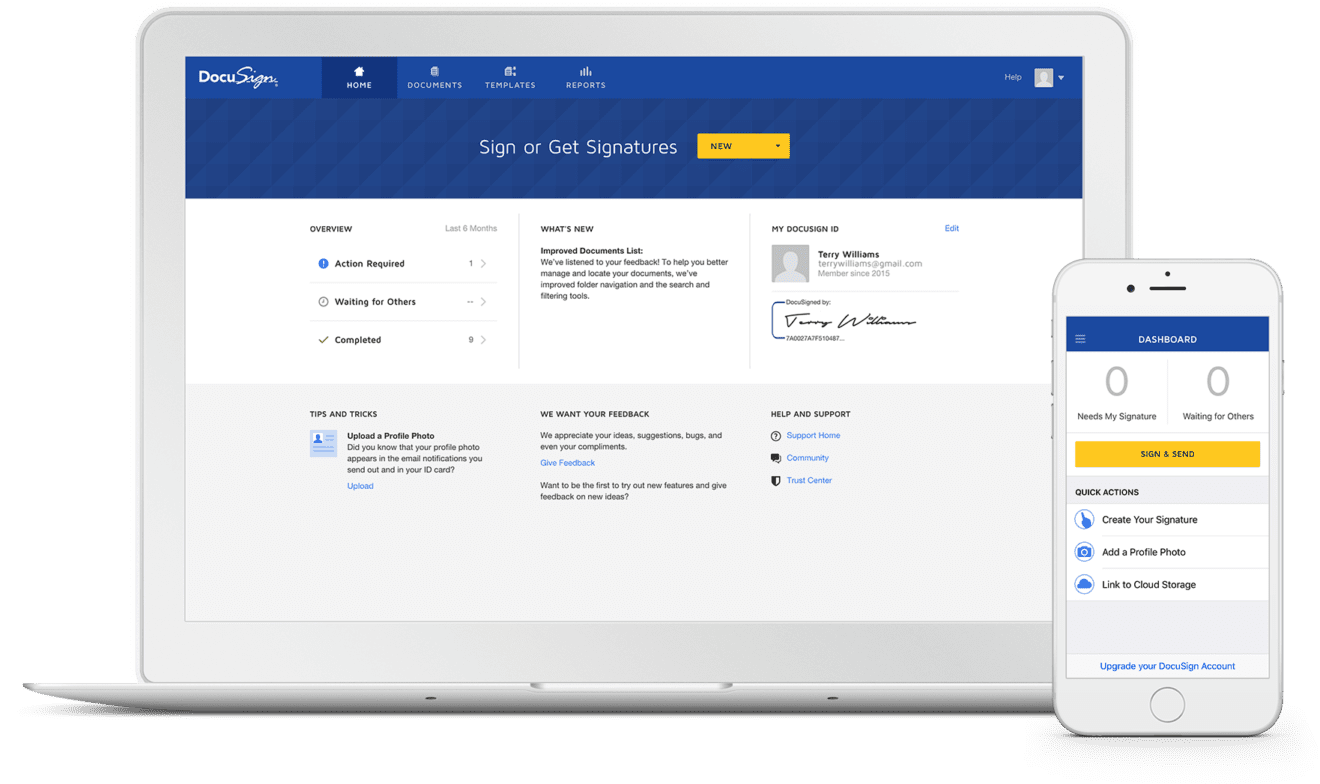
    Singtel and DocuSign have partnered to launch a cloud solution that allows for faster document authorization and more effective tracking through the use of electronic signatures.

    The solution is aimed at businesses undergoing digital transformation that need to upgrade their workflows and approval processes and keep digital records of them.

    The DocuSign solution will be available via Singtel’s SaaS portal. It aims to offer organizations the convenience of approving documents within minutes. Electronic documents and signatures can be electronically tracked from signatory to signatory, and protected against tampering.

    The solution also attaches to each document an electronic Certification of Completion seal that is admissible in court as it captures the audit trail of the signatories’ Internet Protocol addresses, time stamps and sequence of ownership.

    The passing of the Electronics Transaction Act 2010 in Singapore supports the adoption of e-documents and e-signatures.

    As the exclusive retailer reseller of DocuSign in Singapore, Singtel provides a single, dedicated local point of support to help organizations deploy the solution, with no software or hardware solution required.

    Small and medium-sized enterprises that deploy the DocuSign solution are eligible to receive tax deductions under the Government’s Productivity and Innovation Credit scheme.

    The United World College of South East Asia (UWCSEA), an international school in Singapore, has started using DocuSign to improve its staff hiring and student admission processes.

    Ben Morgan, UWCSEA’s IT Director, said, “UWCSEA is constantly exploring ways to deliver better value to families, and attracting the very best teachers from around the world. Shifting from paper-based to digital documents will reduce the time taken to complete some tasks by weeks, reduce the costs and environmental impact, as well as significantly reduce administrative workloads.”

    Industry analyst Statista estimated that the global digital transaction management market is expected to grow from $13.93 billion in 2017 to $30.66 billion in 2020.

  • Indonesia’s Mandiri eyes Singapore private banking business

    Indonesia’s Mandiri eyes Singapore private banking business

    Indonesia’s largest lender Bank Mandiri wants a piece of the lucrative private banking business in Singapore, particularly the accounts of wealthy Indonesian clients.

    Recent reforms in Indonesia, including a successful tax amnesty, have made ultra-rich citizens less averse to banking with state-owned institutions, said Mandiri chief executive Kartika Wirjoatmodjo.

    “In the past, they were worried that their undeclared wealth will be reported,” he told recently.

    “After the tax amnesty, everything is transparent so Indonesians who put money in Singapore are no longer worried about having us, a state-owned bank, as their banker.”

    Many wealthy Indonesians are believed to bank much of their fortune abroad and the local tax authorities believe some do so to avoid scrutiny and paying taxes.

    Finance Minister Sri Mulyani Indrawati said Indonesians have stashed about US$250 billion (S$346.5 billion) worth of assets overseas, of which a whopping 80 per cent is kept in Singapore.

    The tax amnesty, started in July last year, was introduced to encourage these rich citizens to come clean with the taxman on their assets at home and abroad by offering tax rates as low as 2 per cent.

    More than 4,000 trillion rupiah (S$417 billion) – about a third of Indonesia’s gross domestic product – of newly declared assets were recorded at the end of the scheme in March, with a small portion of the wealth repatriated from overseas.

    Mandiri, which operates in Singapore under an offshore bank licence granted by the Monetary Authority of Singapore (MAS), plans to apply for another licence to run private banking operations. This follows the opening of its securities subsidiary Mandiri Securities Singapore last October.

    Mr Kartika said Mandiri’s move into Singapore’s private banking sector will require a “limited retail banking licence” so that it can serve high-net-worth Indonesians there. “So we don’t want to deploy 200 ATMs in Singapore, perhaps just a couple of branches would do.”

    Mandiri also wants to make Singapore a hub for its corporate clients, most of whom have offshore financing, either bilateral bank loans or fund raising via capital markets, to access global investors.

    “Many investors operate their Asian accounts from Singapore, so by giving them access to the Singapore market, we automatically have global exposure,” said Mr Kartika.

    Besides growth in Singapore, the bank has been expanding its retail banking business in Malaysia and the Philippines.

    After long negotiations, Mandiri is set to get a full retail banking licence in Malaysia within the next two months which would allow it to open retail branches across the country, said Mr Kartika.

    In the Philippines, where the banking industry is less mature and saturated compared with Indonesia, Mandiri is betting on the country’s strong economic growth and is in talks with local banks for possible acquisitions of minority stakes.

    Analysts said Mandiri’s “Singapore strategy” will pave the way for it to become a regional player, just like DBS Bank or Malaysia’s CIMB.

    “It is a positive move if Bank Mandiri starts investing more in its international business,” said Mr Harry Su, head of strategy and research at stockbroker Bahana Sekuritas.

    But Mr Su added that while this is a part of the bank’s strategy to be a bigger player in South-east Asia, it is still early days as “contribution from such efforts will remain minimal to their overall earnings performance in the next three to five years”.

    Another analyst, who declined to be named because he is from a competing bank in Jakarta, said the top four banks control the majority of Indonesia’s total banking assets so the room for others is restricted.

    “This would make Malaysia, Singapore and the Philippines more competitive markets for Mandiri,” he said.

    “But it also means returns or profit margins from doing business there would be less, but as the biggest bank in Indonesia, Mandiri has to expand there.”
  • New techs launched at Asia’s major exhibition in Singapore

    New techs launched at Asia’s major exhibition in Singapore

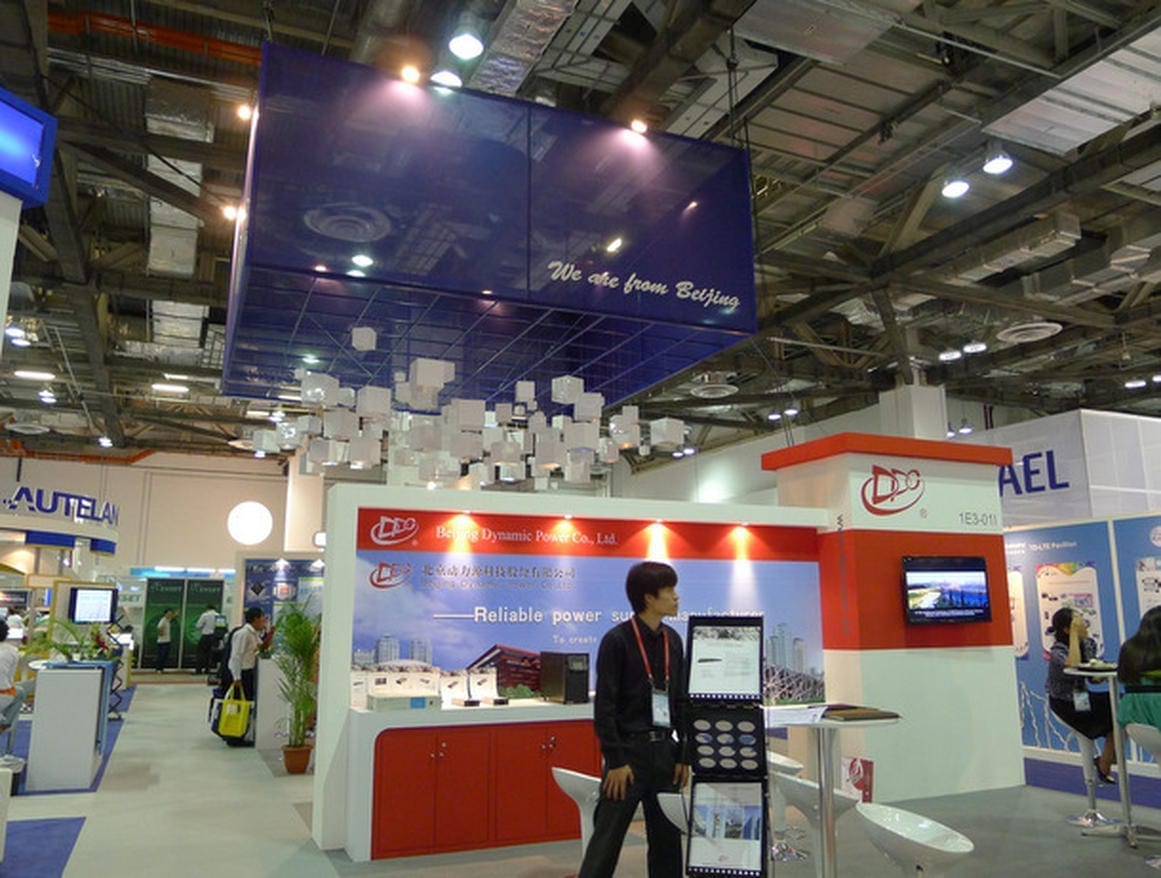
    More than 900 new products were introduced to the public for the first time. CommunicAsia, EnterpriseIT and BroadcastAsia 2017 have wrapped up a three-day exhibition and conference addressing technologies and strategies for smart cities and companies in Asia.

    Held by Singapore’s leading event organizer UBM SES, the three exhibitions hosted 1,800 exhibitors from 62 countries and regions who came to present more than 900 new products.

    Dubbed as Asia’s largest gathering of companies and experts from the world’s technology and digital entertainment, the event drew over 40,000 trade attendees and showcased innovations featuring the latest in big data analytics, cloud, artificial intelligence, robotics, cybersecurity, Internet of Things, among others.

    “As organizers, we are proud to present an event that aligns to the region’s initiatives and push in advancing Asia’s digital transformation,” said Victor Wong, Project Director of Communications Events at UBM SES.

    Following this year’s success, UBM SES will launch a new event next year for emerging technologies and business solutions, he said.

    A combination of CommunicAsia, BroadcastAsia and the newly launched NXTAsia, ConnecTechAsia 2018 will be a three-day event slated for June next year in Singapore.

  • La Perla opens Takashimaya store in Singapore

    La Perla opens Takashimaya store in Singapore

    Italian lingerie retailer La Perla has opened a second Singapore store. Located on Orchard Road inside the Takashimaya Shopping Centre, the new store spans 182 square metres and was designed by the Italian architectural studio Baciocchi Associati.

    Consistent with La Perla stores around the world, the Singapore boutique boast three rooms with white marble floors, overlayed by lilac, blue and nude tones.

    Geometric prints and metallic accents cover the walls with golden mesh detailing, meant to look like tulle – a moniker of La Perla lingerie. Velvet couches and gold displays finish the store look.

    In August 2016, the Italian luxury lingerie label announced the appointment of Julia Haart as its new Creative Director. At the time of her appointment, Haart promised to revolutionise La Perla’s ready-to-wear line, intending to make it more comfortable while respecting its glamorous, sexy DNA.

    Founded in 1954 by Ada Masotti, the Bologna-based fashion label was acquired in 2013 by Italian businessman Silvio Scaglia.

    La Perla counts 36 points of sale in Asia, with 150 worldwide.

  • Massimo Dutti Opens a New Global Concept Store at Vivocity

    Massimo Dutti Opens a New Global Concept Store at Vivocity

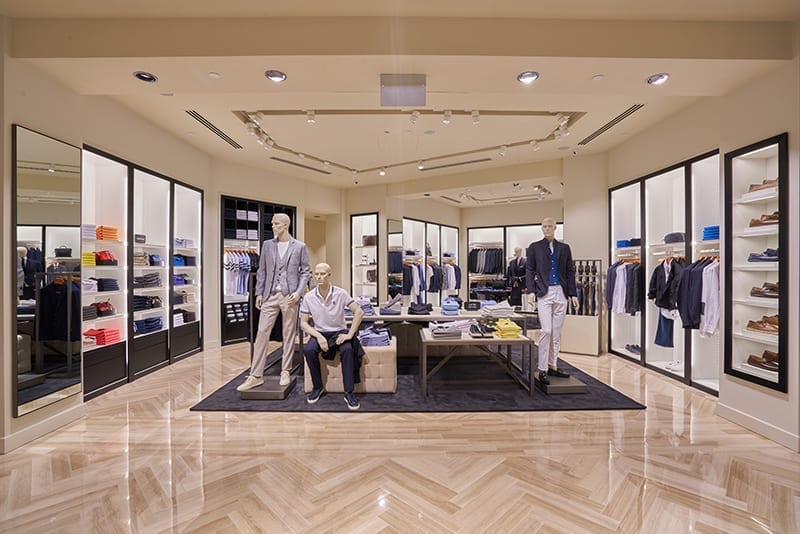
    The establishment, with over 518 square metres of retail space on one floor, hosts the collections for both men and women.

    Interiors project

    The interior design, entirely developed by Massimo Dutti, was based on the use of new material, details and lighting. The floors are set with Serpeggiante’s Italian marble in beige and placed in spike, it contributes a note of elegance in an example of modernity and contemporaneousness mixture. The lighting has also project with supreme detail, zenith areas give the protagonist to the collections and different lamps give the perfect dose of environmental light, creating a warm atmosphere that yields the protagonist to the collection. In this new shop all the details line up to consolidate the identity and the lifestyle of the brand, sending a message of quality, a value inherent in all the Massimo Dutti’s collections. Also the furniture contributes to the warmth of the environment with the balanced combination of Krion’s big central tables with style 50’s armchairs and clear carpets.

    Advanced technology 

    Technology at the service of customers. The explosion of 3.0 technology including social networks and mobile services has led to the appearance of new, omni-channel trends that serve to connect the virtual and online world with brick-and-mortar stores, making the point of sale a space where emotions can take flight.

    Always at the cutting-edge of where fashion and technology meet, Massimo Dutti has implemented a series of activities with the aim of offering new purchasing experiences based on innovation and adaptation to customers’ new needs. These activities include:

    Dynamic marketing screens. These allow the continual publication and broadcast of the brand’s own contents, reflecting its physical and aspirational world.

    Eco-efficiency: a brand commitment

    The new store is in line with the Inditex Group’s most advanced concepts of sustainability, principles that have been followed both in the restoration project and in the store’s commercial operations. Electricity consumption has been reduced by some 30% and water consumption by 40% in comparison with conventional stores. The eco-efficiency measures implemented include a store lighting system that optimizes the lighting of the furnishings, and the exclusive use of LED bulbs. The lighting system also enables partial lighting of store spaces depending on the time of day and tasks to be carried out, as well as automatic activation when a presence is detected in internal working areas.

    Optimal air conditioning and ventilation are achieved using thermal insulation, and a ventilation control that varies according to space occupation, calculated using CO2 measurements. The equipment installed employs inverter technology capable of regulating itself depending on the demand for heating or cooling, adapting at all times to consumption needs. The air curtain is controlled by probe and allows three working levels depending on the air temperature on the premises. Finally, control and monitoring devices allow instant distance readings of consumption levels, making it possible to detect and correct any anomaly affecting the use of the facilities and their consumption.

  • Giv Giv: Singapore’s first Build-It-Yourself Gifting Platform

    Giv Giv: Singapore’s first Build-It-Yourself Gifting Platform

    Officially launching this month, Giv Giv specializes in its simple yet fun and thoughtful gifting process via its unique web platform (www.givgiv.co). With over 300 gift items and 50 partnering brands across diverse gift categories, it is the ideal destination to customise an exclusive bundle (Giv) of mixed brand gift items or shop from pre-curated Givs for an upcoming celebration-or even, just because.

    The website, soft-launched on 28 April 2017, allows gift shoppers to create personalized Givs for scheduled dates in advance. Based on their gifting needs and shopping preferences, they can simply bui Id a Giv from the wide selection of gift items curated by the Giv Giv team . “Each and every gift item is chosen by the sender and that is certainly meaningful, if not more thoughtful than the usual gift voucher or hampers with an item or two they might not like,” shares co-founder Estee Lua. In addition to the exciting customizable options, Giv Giv is also releasing a new collection of pre-curated Givs every month to provide their shoppers with additional gift varieties.

    The pre-curated collections are hand picked to commemorate life’s various milestones and to celebrate the little moments. There are also exclusive releases of pre-curated Giv bundles with seasonal gifts and exciting looks for one-click gift shoppers. From birthday bundles to congratulatory Giv sets, these options are all about the details and provide gift inspiration for shoppers to build their own.

    Giv Giv is also using the brand as a platform to promote gift items from local and regional lifestyle and indie brands. Gift shoppers can shop their favourite and popular gift items from over 1 O featured categories; be it a pampering session of candles and blooms, or a bundle of thoughtful lifestyle goods to send your best wishes, gift shoppers are spoilt for choice. Recipients of the special gifting experience will receive a selection of gift items and a personalized gift card accompanied by the signature orange Giv packaging and door-to-door courier service that elevates the surprise. For the exciting month of June, Giv Giv will be launching new Giv bundles for Father’s Day and other seasonal editions. For all new gift shoppers, use the promo code [ FIRST10] to get 10% off your orders!

  • Singtel to help heritage SMEs adopt digital tech

    Singtel to help heritage SMEs adopt digital tech

    Singtel is working with the Ngee Ann Polytechnic and Temasek Polytechnic universities to help small and medium enterprises (SMEs) with heritage brands adopt digital technology.

    The collaborations are part of the 99%SME initiative to help SMEs use digital tools to get online, reach out to a wider customer base, and develop e-commerce capabilities.

    An SME is considered to have a heritage brand if it has a compelling success story to share from a cultural or social perspective; the business should have been established for more than 30 years and passed down from the founding generation to the next.

    Singtel and Ngee Ann Polytechnic will focus on helping multi-generational family-owned SMEs, including those managed by the polytechnic’s alumni members, to digitalize their operations using business analytics solutions and improve their efficiency and competitiveness.

    In addition, Singtel and Temasek Polytechnic will engage SMEs in traditional businesses such as provision shops, watch shops, tailors and tea-leaf merchants to provide ideas to keep their heritage brands alive.

    By leveraging digital technology, students from the polytechnic’s School of Business will guide SMEs on using the 99%SME website (www.99sme.sg) to market themselves online without cost.

    “Many SMEs with a long and rich heritage do not have the resources to market themselves effectively online or connect with younger, digitally savvy customers,” Singtel managing director Group Enterprise Andrew Lim said.

    “Through this partnership between the private and educational sectors, we also provide digitally-savvy students the opportunity to gain business insights and entrepreneurship experience while they help in the digitalisation journey of the SMEs,” he added.

    Clarence Ti, Principal of Ngee Ann Polytechnic, said, “Ngee Ann Polytechnic is excited to collaborate with Singtel in helping second-generation family-owned SMEs digitalise their processes to gain competitive advantage and business efficiency. Leveraging our expertise, we hope to help the SMEs use business analytics to enhance their e-commerce capabilities and drive results.”

    Peter Lam, Temasek Polytechnic’s Principal and Chief Executive Officer, said, “Over the years, many SMEs have created brands of enduring success and significance. This initiative provides our students with valuable real-life learning experiences that allow them to deepen their knowledge and apply their skills.”

    As part of the 99%SME movement, Singtel’s partnerships with Ngee Ann Polytechnic and Temasek Polytechnic complement the partnerships forged with Nanyang Polytechnic and Singapore Polytechnic in March this year, to help SMEs in the retail and F&B sectors digitalise their business.

    Singtel, together with DBS and other partners, launched the nationwide 99%SME movement in 2015, to rally all in Singapore to use products and services offered by SMEs. The highlight of the SME campaign is the annual SME Week in October, where participating SMEs offer special promotions to walk-in and online customers.

  • Singapore Airlines teams up with New Zealand craft brewer Garage Project

    Singapore Airlines teams up with New Zealand craft brewer Garage Project

    Singapore Airlines has teamed up with Wellington craft brewer Garage Project to put its beer on all flights to and from New Zealand.

    The airline says that in response to growing demand for craft beer in the air, it will serve Hapi Daze throughout its planes from tomorrow.

    Singapore operates 18 weekly services from New Zealand and the Pacific Pale Ale will be available to up to 400,000 passengers a year.

    The airline’s general manager New Zealand, Simon Turcotte, said the brew showcased New Zealand ingredients, and had broad appeal as a ”great ambassador” for New Zealand craft beer.

    ”In the past we’ve always had a strong emphasis on the quality of our wine programme and that will remain but there’s a growing demand for craft beer.”

    There was demand from traditional markets such as New Zealand, Australia, the United States and Britain but growing interest from new markets in Asia.

    Garage Project is a leading independent, Wellington-based brewery that was started six years ago in an old car garage in Wellington’s Aro Valley.

    Turcotte said his airline always tried to partner with local suppliers wherever it flew.

    He said he was partial to the brew himself but the airline’s beverage experts in Singapore made the final call on the beer which sells for $3.50 a can through the Garage Project’s website.

  • Reebonz opens S$40m e-commerce hub in Tampines

    Reebonz opens S$40m e-commerce hub in Tampines

    With both local and regional consumers increasingly buying luxury goods online, homegrown e-retailer Reebonz on Tuesday opened an eight-storey e-commerce hub in Tampines to ramp up its cross-border operations and meet the evolving demands of their customers.

    “The Reebonz e-commerce hub will be a platform for us to scale across the region in terms of having a centralised distribution centre that will distribute our products across 17 countries around the world,” said Reebonz CEO Samuel Lim. “We’ve invested heavily into warehouse management systems, distribution management systems, being able to integrate the whole operations within one central location – I think that’s important to scale.”

    The 200,000-square-foot space, which cost around S$40 million to build, is four times larger than its previous office and distribution centre and now stock more than 500,000 types of products – more than 11 times its previous capacity.

    Reebonz also plans to house an incubation hub for local luxury startups and designers in future.

    Speaking at the official opening of the hub, Minister of Trade and Industry (Industry) S Iswaran said players like Reebonz serve as “shared platforms that uplift the entire retail sector”.

    “Smaller companies might be reluctant to start due to lack of scale or technical skills,” he said. “Others may face challenges in reaching out to new customers and coordinating processes for e-commerce fulfilment.

    “Here, players like Reebonz can serve as shared platforms that uplift the entire retail sector. Smaller companies can leverage e-marketplaces like ‘Reebonz Boutiques’ to list their products, which requires less resources than a standalone platform and eases access to global markets.”

    He also highlighted how Reebonz’s e-marketplace has emerged as an online incubation space for emerging designers and local entrepreneurs.

    “Emerging designers and local entrepreneurs have a simple, less risky space to refine their branding and test new products,” he said. “I urge more local brands to take advantage of such platforms to scale up and enter new markets.”

    TAPPING GROWTH

    Since its launch eight years ago, the local brand has expanded its sourcing channels from distributors to individual sellers and boutiques around the world.

    The business-to-consumer retailer branched out to a consumer-to-consumer platform and a merchants’ marketplace last year, allowing consumers to buy and sell pre-loved items to others and giving consumers access to products from boutiques around the world.

    “It definitely helps to have a space where we can tap into the larger clientele base that Reebonz obviously has,” said shoe designer Mashizan Masjum, whose eponymous shoe label joined its marketplace platform in April.

    “As part of an emerging brand, it can be quite lonely at times as well as you’re trying to make a name for yourself regionally and globally.”

    Mr Iswaran said that the Government would help local retailers tap growth opportunities on the e-commerce front, as part of the Retail Industry Transformation Map’s target to grow e-commerce’s share of total retail receipts from 3 per cent to 10 per cent by 2020.

    This includes helping companies to enter foreign markets through e-commerce platforms and prioritising initiatives relating to the digital economy.

    “E-commerce is going to be a defining aspect of the retail industry in Singapore, the region and the world,” he said. “So we want to make sure that our companies have the capabilities to embrace this trend, ride on its growth and benefit from it. Which means capabilities in terms of the technology, business model and market access.

    “And on the other side, we want to make sure that our people have the skills to participate in the new job functions and careers that are being created.”

    According to Mr Iswaran, an estimated one in every five sales in the Asia Pacific would be conducted through an e-commerce platform, while an estimated 3.9 million users – or nearly three-quarters of residents in Singapore – will turn to e-commerce by 2020.

  • Consoveyo Singapore welcomes new general manager

    Consoveyo Singapore welcomes new general manager

    Consoveyo S.A. has appointed Poul H. Lorentzen as general manager for Consoveyo Singapore, effective 1 April 2017. In his new role, Poul’s top priority will be to identify and develop business opportunities for the company in Southeast Asia (SEA).

    Prior to joining Consoveyo, Poul was director of the logistics systems division at Jungheinrich Lift Trucks Pte. Ltd. He has also held various management positions at MHE-Dematic, Siemens L&A, Siemens Dematic, and Dematic, where he was responsible for the business and strategic objectives for regional growth and profitability.

    Poul hails from Denmark but has spent over 30 years in SEA. Sharing from his familiarity with the demands and intralogistics requirements of this market, he said, “There is much potential for automated material handling technologies in this region, as countries like Singapore are encouraging local businesses to stay competitive by adopting advanced warehousing solutions that enhances productivity. My experience in this industry has prepared me for this new role at Consoveyo, and I look forward to leading my team as we work towards meeting the new objectives set out by Körber Logistics Systems.”

    Jorge Couto, chief sales officer at Consoveyo, concluded, “It is an exciting time for Consoveyo as the company aligns itself to meet Körber’s expansion strategy. We have built a very qualified and motivated team to support our clients operating in the SEA region. Poul’s experience in this field will bring a great boost to the team, and I’m confident that his presence will further strengthen our Singapore team to bring Consoveyo to greater heights.”

  • 100b IoT connections by 2025: Huawei

    100b IoT connections by 2025: Huawei

    There will be more than 100 billion IoT connections by 2025, predicts Huawei. The company recently shared its vision of the IoT with over 200 attendees at the inaugural Huawei IoT Ecosystem Forum, held in conjunction with CommunicAsia2017 last week.

    Low power wide area (LPWA) networks such as narrowband IoT (NB-IoT) running on licensed spectrum will represent approximately 70% of cellular IoT connections, Huawei predicted. Today NB-IoT is already powering industry applications such as asset tracking, agriculture and parking.

    While the massive number of connections is expected to enable significant productivity gains for companies and individuals, IoT will need the support of the entire ecosystem to reach its full potential.

    Lim Chee Siong, chief strategy and marketing officer of Huawei Southern Pacific region highlighted in his opening speech that Huawei will support the IoT ecosystem by focusing on three areas.

    These are building wireless network, enterprise IoT gateways and home IoT routers; providing a cloud-based IoT connection management platform, which realizes secured and reliable IoT connections; and innovating IoT chipsets, with built-in LiteOS, to make communication and connection in the IoT environment with ease.

    “We will work to develop a cohesive IoT ecosystem, which all partners and telcos can leverage as they address the IoT needs of different vertical industries,” said Lim.

    To drive innovation and glocalisation of technology services in Singapore, Huawei announced its partnership with i5Lab with NUS enterprise in November 2017 to accelerate the growth of IoT startups in Singapore.

    The collaboration aims to cater to the industry’s needs for incubation of innovative ideas, training, research support, funding, testing and certification in the region.

    Huawei  president of IoT solutions Jiang Wang Cheng commented that “We believe that IoT is a ‘GLocal’ ecosystem where telcos, local enterprises and global vendors like Huawei leverage on each others’ knowledge and capabilities to build a vibrant ecosystem. Huawei is glad to recommend our partners in different industries and establish channels of communication between operators and vertical industries. We call for more partners from across different verticals to join us to build viable IoT solutions.”

    Huawei is currently working with more than 40 partners on smart meter, smart light and connected car to offer IoT device, network, service platform, applications and system integration. In March 2017, Huawei announced plans to invest US$1 billion in developer ecosystem worldwide.