Tag: Singapore

  • Bolloré Logistics Singapore Unveils Plan for S$10 Million Logistics Automation Facility

    Bolloré Logistics Singapore Unveils Plan for S$10 Million Logistics Automation Facility

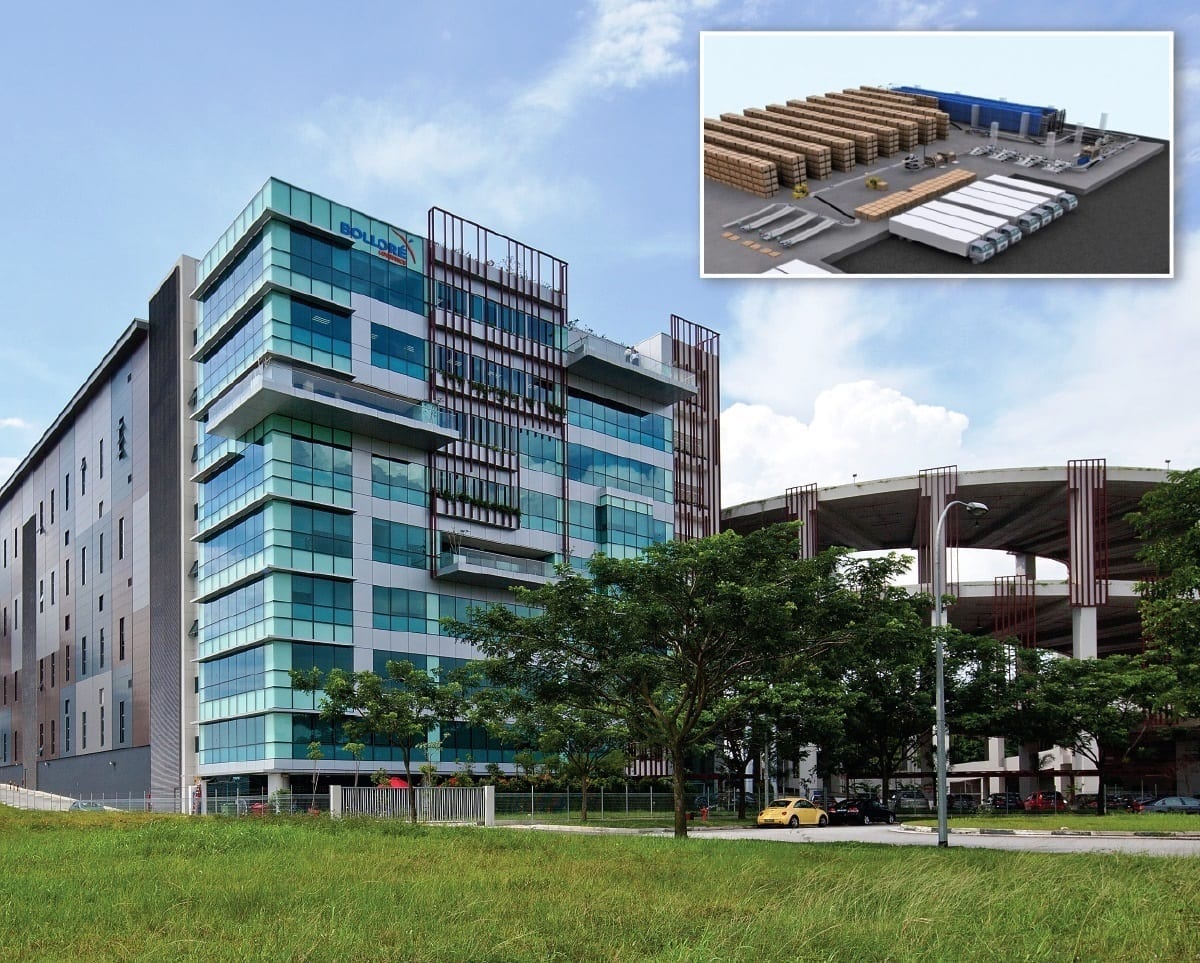
    Bolloré Logistics Singapore, a major player in international logistics and freight forwarding, announces plan for its first automation facility with one of the world’s leading luxury products group LVMH today.

    Supported by the Singapore Economic Development Board (EDB), the new 20,000 square meter automation facility will be built with an investment of S$10 million between Bolloré Logistics and LVMH as part of a long-term partnership to significantly drive productivity and increase space efficiency.

    “Automation is the key for Singapore’s logistics sector to cope with emerging patterns globally. The setup will be housed in Bolloré Logistics Green Hub, our high-tech logistic facility in Pioneer Turn, and we are happy to announce that the co-development of this automation has secured a long term commitment from LVMH. Bolloré Logistics strives to be at the forefront of innovation and prides itself in developing advanced supply chains for its customers,” says Mr. Cyril Dumon, Chief Executive Officer of Bolloré Logistics Asia Pacific.

    “The close partnership between LVMH and Bolloré Logistics has strongly supported the growth of the business in the last 15 years. With the introduction of automation, it further reinforces our connections and emphasizes our expertise on safety, quality, service and efficiency for the next 10 years,” says Mr. Guillaume Mechain, Supply Chain Director of LVMH, Asia Pacific.

    Collectively designed by Bolloré Logistics, LVMH and Dematic, this combination of multi-shuttle system and picking technology is the first of its kind to be deployed in Singapore and the region.

    The state-of-the-art facility will bring significant transformation to tackle supply chain operations – from the order preparation process, inbound to final dispatch of the orders, to integrating control checks that ensure greater accuracy.

    It also allows Bolloré Logistics to meet new challenges arising from the emergence of e-commerce and increase of future distribution channels globally, by bringing with it the capability to prepare e-commerce orders with a high level of accuracy while reducing the time to market, thus increasing its agility and capacity to absorb peak level of activity.

    “Working closely together with Bolloré Logistics, we have developed an innovative automated solution that will bring tremendous improvements in productivity, accuracy and space efficiency. This project represents a number of industry firsts both in Singapore and in the Region and we are delighted to be involved with the Bolloré Logistics team in designing, delivering and supporting the project,” says Mr. Michael Bradshaw, Director Dematic SEA.

    The facility will allow for higher storage density to make efficient use of limited warehouse space in Singapore. In terms of productivity, it will achieve throughput levels up to 10 times as compared to conventional methods, and will improve order lead time while using only half of the existing manpower resources.

    “Bolloré Logistics strongly believes that innovation starts from the bottom and has invested in various training and developmental programs within the company over the years. Our objective is to empower our staff. As part of Change Management, Bolloré Logistics has initiated several HR initiatives and a dedicated pilot development program known as ‘Level Up’. The program which includes a variety of technical and soft skill training, is specifically designed to equip our staff with necessary skills to cope with challenges that may come with automation,” note Mr. Fabien Giordano, Managing Director of Bolloré Logistics Singapore.

    “The ground staff is looking forward to this automation facility. Early communication is already in place to assist the staff so they are prepared for what’s coming. Although staff skills need to be upgraded through training, they can use this chance to expand their skillset and integrate flexibility to increase productivity,” note Mr. Tan Kok Xiong, Supervisor, Bolloré Logistics Singapore.

    With Singapore as the company’s regional hub, the new facility through its adaptable and scalable world-class system aims to create a future-ready infrastructure to support the demands of the Asia Pacific region. The plan is also in line with the government’s direction towards a future-ready Singapore and is supported by EDB.

    “Bolloré Logistics’ partnership with LVMH is an excellent example of the supply chain collaborations that EDB wants to help grow in Singapore. Such investments in operations excellence support Singapore’s efforts to transform the industry and create better jobs for Singaporeans,” says Mr Lee Eng Keat, Executive Director of Logistics, Singapore Economic Development Board.

    This project sets as a flagship and creates a model for Bolloré Logistics globally as the future of warehousing in land-scarce countries once it is slated to complete in January 2018.

    Starting Innovation at the Heart of Asia Pacific

    This initiative is just one of the many in the pipeline under the Bolloré Logistics vision to shift the paradigms of the logistic industry through innovation and technologies starting from the heart of Asia Pacific in Singapore.

    Bolloré Logistics created B.Lab, an internal innovation community in 2016 in order to accelerate the digitization of the supply chain. The objective is to improve our value proposition with existing clients by creating new products, services and innovative processes in relation with the digital.

    Their flagship logistic facility Green Hub in Pioneer Turn – a 42,000 square meter Bolloré Logistics high-tech warehouse facility has achieved remarkable accolades since its launch in 2012. The integrated logistics center also serves as a regional distribution center for multinational corporations. As an eco-friendly solution to reduce CO2 emissions, the group also introduced its first hybrid shuttle in 2015. And in 2016, BlueSG, a subsidiary of the Bolloré Group, has been awarded a 10-year car-sharing contract by the Singapore government to operate a fleet of 1,000 electric cars by 2020 under the national electric vehicle (EV) car-sharing programme, a major step towards Singapore’s vision of a car-lite and an environment friendly society.
  • Travel Blue hails success of Z-ZOOM launch at TFWA Asia Pacific

    Travel Blue hails success of Z-ZOOM launch at TFWA Asia Pacific

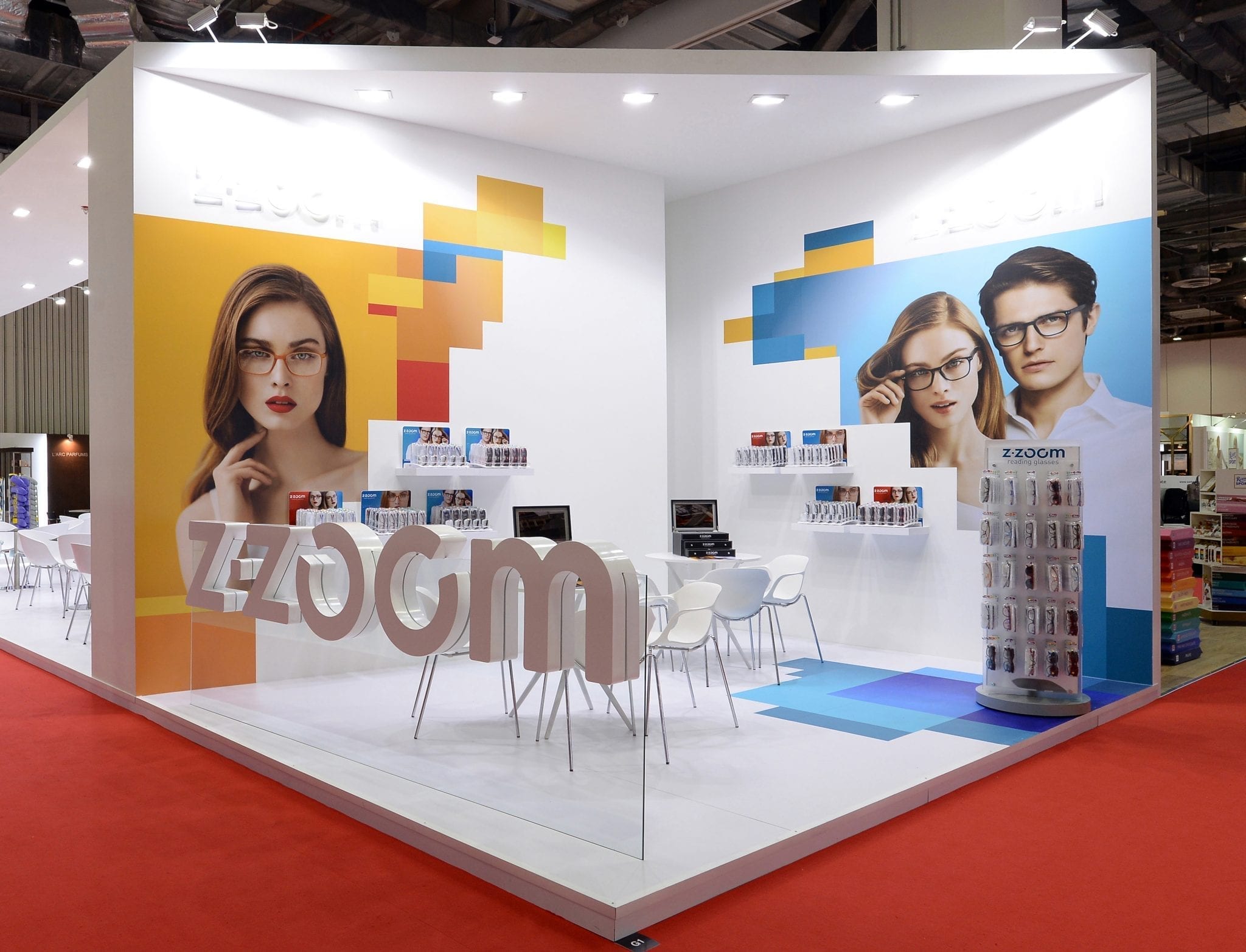
    Travel Blue has secured several listings for its Z-ZOOM reading glasses brand which launched at the recent TFWA Asia Pacific Exhibition.

    Travel Blue said the brand received a lot of positive feedback from buyers and that footfall to Z-ZOOM’s booth was strong.

    All eyes on Z-ZOOM: The team was out in force at TFWA Asia Pacific to showcase its reading glasses to customers

    Z-ZOOM Travel Retail Director Jonathan Smith said: ‘’The launch of Z-ZOOM at TFWA was a great success. We couldn’t have hoped for a better first showcase. The atmosphere surrounding the place was fantastic. There was a genuine sense of excitement and a great energy both amongst our team and the visitors to our stand.”

    Smith continued: “We appreciate the importance of the Asia Pacific region to the industry and how it is an essential market in the travel retail sector as it continues to grow. Asia will definitely be a key focus for the development of Z-ZOOM and we look forward to the opportunities that the region will present us.’’


    In Singapore, Z-ZOOM highlighted colourful reading styles, blue light filter glasses to protect eyes at computer screens and reading glasses with a magnetic sunglass attachment. All of its styles come in acrylic cases and were presented on POS units and countertop displays at the TFWA show.

    Z-ZOOM said its commitment to the consumer is to be stylish, functional and inclusive for all. The brand also said it aims to stay relevant to the changing fashion trends.

    According to Z-ZOOM, a variety of shapes and lenses are available to suit every face shape.

    Smith commented: ‘’Investment in market research, design and product development emphasises our commitment to getting it just right and shows that we are an innovative high quality brand. Exciting times ahead for Z-ZOOM.’’

  • Singapore’s IMDA to focus on four frontier tech areas

    Singapore’s IMDA to focus on four frontier tech areas

    At the Infocomm Media Business Exchange 2017, Dr Yaccob Ibrahim, Minister for Communications and Information, said that Singapore’s Infocomm Media Development Authority (IMDA) has identified four frontier technology focus areas-AI and data science, cybersecurity, immersive media, and the IoT.

    1) AI and data science

    Initiatives include AI.SG, a new S$150 million ($108m) national program to boost Singapore’s AI capabilities, and the establishment of the Singapore Data Science Consortium. Under the Techskills Accelerator (TeSA) program, IMDA announced the first TeSA Fintech project with DBS Bank to develop more professionals with capabilities in agile development, DevOps, information security, and data analytics for the financial services sector.

    2) Cybersecurity

    Companies like Singtel, ST Electronics, Quann, Accel, and Deloitte have embarked on the Cybersecurity Associates and Technologists (CSAT) program to train more cybersecurity professionals for the industry. The government also established the National Cybersecurity R&D Programme in 2013, with funding of S$130 million ($94m) over five years, to develop R&D expertise and capabilities in cybersecurity.

    3) Immersive media

    Ibrahim spoke about the potential of virtual and augmented reality across various industries, and focused on how it can be used in education and training.

    IMDA has partnered with Beach House Pictures to pilot the use of VR in five primary schools. Through the pilot lessons, about 400 students learned about design, architecture, and high-tech farming. Beach House Pictures has also collaborated with local startup Hiverlab to develop a customized VR classroom application for teachers to guide students on VR experiences to different locations around Singapore.

    IMDA and Tan Tock Seng Hospital will be collaborating with SideFX Studios to use VR and mixed reality to augment clinical training. The collaboration will develop immersive simulations for basic surgical skills and complex airway management, which is critical in life-threatening emergencies.

    4) IoT and future communications infrastructure

    Enhancements are planned to the Nationwide Broadband Network, IoT networks, 5G mobile network and sensor networks, to enable businesses to leverage high-speed networks, real-time communications, and high accuracy location positioning.

    5G trials in Singapore have achieved throughputs of over 1Gbps with latency of less than 1ms. To encourage industry trials in 5G technology, the IMDA will waive frequency fees for 5G trials and conduct public consultations on the development of 5G in Singapore.

    “We need to develop strong digital industries in their own right, and catalyze their transformation of other industries to spur productivity and yield new synergies,” said Ibrahim. “Ultimately, we hope that all our efforts to prepare Singapore for the digital future will improve people’s lives.”

    Another priority for the IMDA is to ensure that citizens can continue to be employed amid rapid technological change. To help displaced PMETs, IMDA has been working with partners like Workforce Singapore, Singapore Computer Society, e2i, and NTUC on initiatives such as TeSA Integrated Career Services, programs and courses for upskilling and reskilling PMETs, and new skill upgrading pathways.

  • Lazada Singapore moves warehouse operations to SingPost hub

    Lazada Singapore moves warehouse operations to SingPost hub

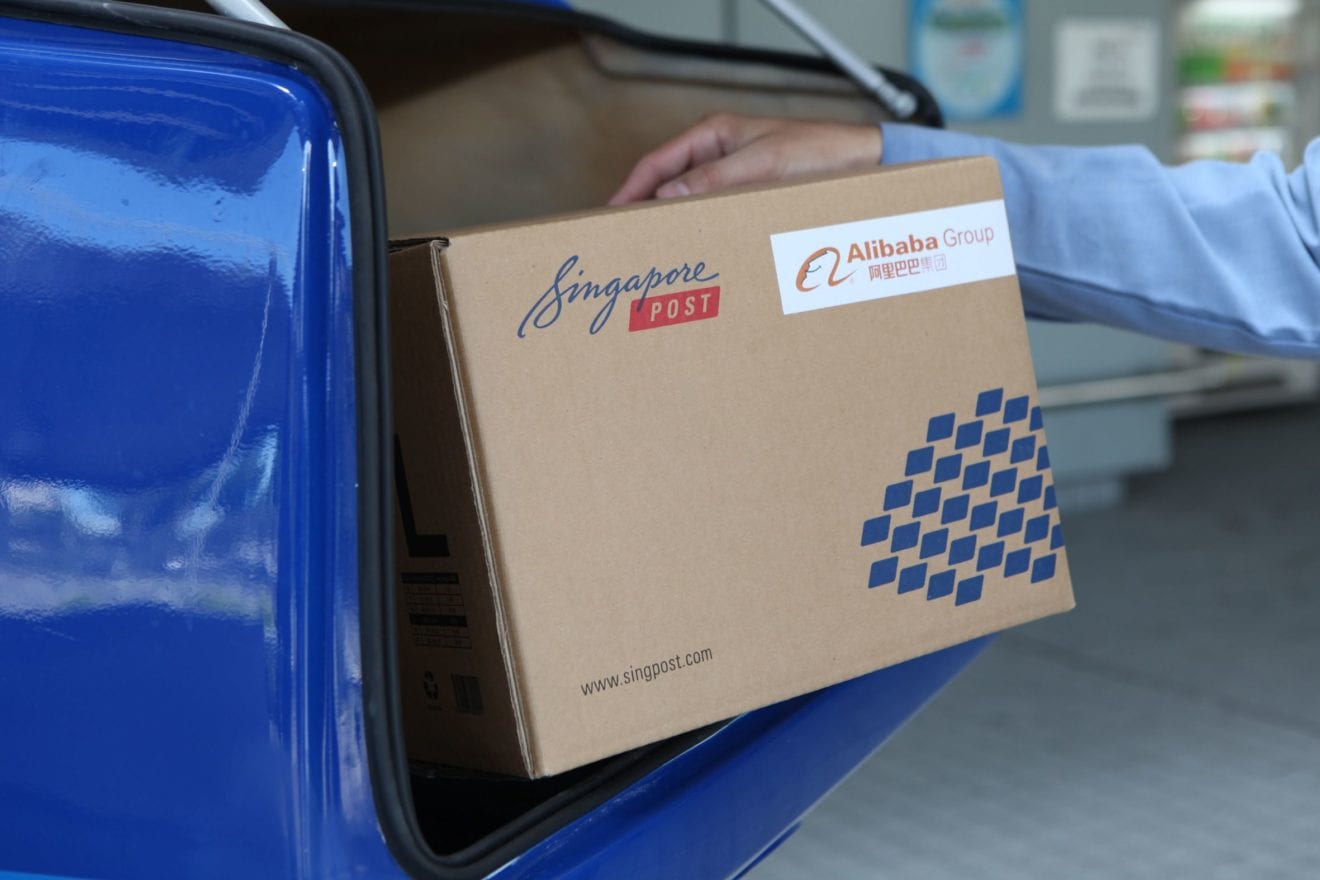
    Lazada, a huge online shopping destination in Southeast Asia, and Singapore Post Limited, the country’s postal and eCommerce logistics service provider, announced that Lazada Singapore has moved its warehouse operations to SingPost Regional eCommerce Logistics Hub in Tampines Logistics Park.

    With investments by Alibaba in both companies, the move allows Lazada and SingPost to leverage on each other’s strengths to meet rising eCommerce demand in Southeast Asia. This combination of strengths in eCommerce and logistics will enable both companies to be in a leading position in the industry to serve a wider spectrum of customers, both in Singapore and the region. This also emphasises Lazada’s aim to work together with the wider eCommerce ecosystem in Singapore.

    “Moving Lazada Singapore’s entire warehouse operations to the SingPost Regional eCommerce Logistics Hub is the next natural step as we seek closer integration with our partners to better serve the needs of Singapore customers,” said Alexis Lanternier, CEO of Lazada Singapore. “With the recent launch of 99SME, our local sellers have access to more than 3.5 million monthly visitors in Singapore. Moving forward, we can help them expand and sell regionally.”

    SingPost Regional eCommerce Logistics Hub consolidates and integrates both warehousing and delivery hub capabilities into one building. With an integrated, end-to-end solution housed in one building, SingPost is able to provide Lazada with improved efficiency, resulting in a faster turnaround time.

    Lanternier added: “This also adequately prepares us for the Great Singapore Sale starting 6 June, and we are bringing in more brands than ever before, local and global. Customers can shop more with the confidence that their orders will be processed and delivered faster.”

    Sam Ang, executive vice president of SingPost, and CEO of Quantium Solutions International said: “Technology plays a big part in our Regional eCommerce Logistics Hub, increasing productivity and efficiency. This collaboration sees Lazada’s eCommerce platform and SingPost’s end-to-end logistics capabilities coming together and it will result in scale and efficiencies for both of us.”

    “Better still, these efficiencies will help the SME eTailers that are connected with the Lazada platform to strengthen their competitiveness in the eCommerce market domestically and internationally. We look forward to working with Lazada and supporting them as they grow in Singapore,” added Ang.

  • Bonus plan a win-win for customer and operator

    Bonus plan a win-win for customer and operator

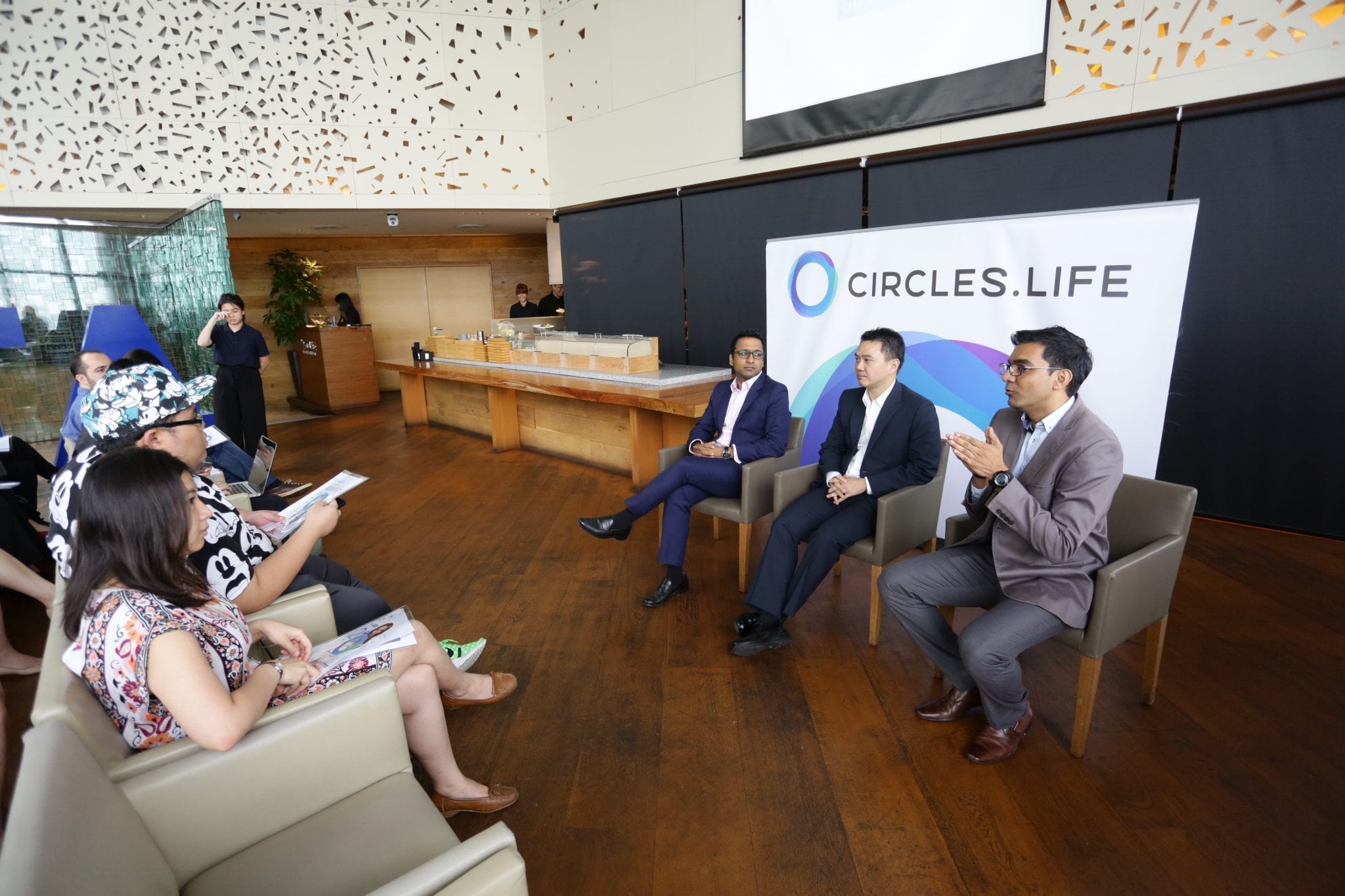
    n unnamed customer of new Singapore mobile operator Circles.Life likes the service so much that he has referred over 600 new customers, thus earning himself 100 GB of free data, said Donald Chan the firm’s international director.

    Chan outlined his company’s business model and strategy in a keynote on Day One of CommunicAsia2017 and included details of their data bonus plan-their cornerstone of customer retention.

    He described Circles.Life as Asia’s “first fully digital telco”–from customer acquisition to service delivery. Customers communicate with the company through their iOS-or-Android app, and 95% of queries are resolved via this channel.

    The only aspect of the experience which is not digital is SIM card delivery (via courier) to the customer two days after ordering.

    To drive retention, Circles has a bonus plan where customers who recruit new customers earn 200MB of data. The company maintains a leader board, and the current top rank is held by a customer who has recruited 600 others.

    Circles has no contracts-customers for the post-paid service engage on a month-to-month basis.

    The pricing plan, said Donald Chan, is like “buying a pizza” and deciding on the toppings later.

    The base plan is S$28 per month with 4GB of data, with up to 20GB of extra data for S$20 per month.

    Customers can go into the Circles app and determine settings on voice and data use, alerts and caps.

    Chan said Circles, which uses the M1 network in Singapore, was a “niche player” designed to appeal to “tech-savvy younger consumers who want control and flexibility.”

    He said the company was looking to expand to “three-to-five” other regional markets in the next five years.

    Circle’s proprietary operating system, which is “plug-and-play,” is easy to connect to any other MNO, limiting the cost of starting up in new markets.

  • DHL: Machine learning to mitigate supplier risks

    DHL: Machine learning to mitigate supplier risks

    DHL introduced a new integral part of its Resilience360 supply chain risk management platform called DHL Supply Watch. The extension of DHL’s early warning system uses machine learning and natural language processing to detect disruptions in a company’s supply base before they cause financial losses or long lasting reputational damage.

    With Supply Watch, DHL Resilience360 is adding a broad range of new risk categories to the system’s existing portfolio to monitor supplier risks on a company level, including financial indicators, mergers & acquisition, environmental damages, supply shortages, quality issues and labor disputes, using publically available data found by monitoring of online and social media sources.

  • Heightened danger in Singapore as cyber attacks increase

    Heightened danger in Singapore as cyber attacks increase

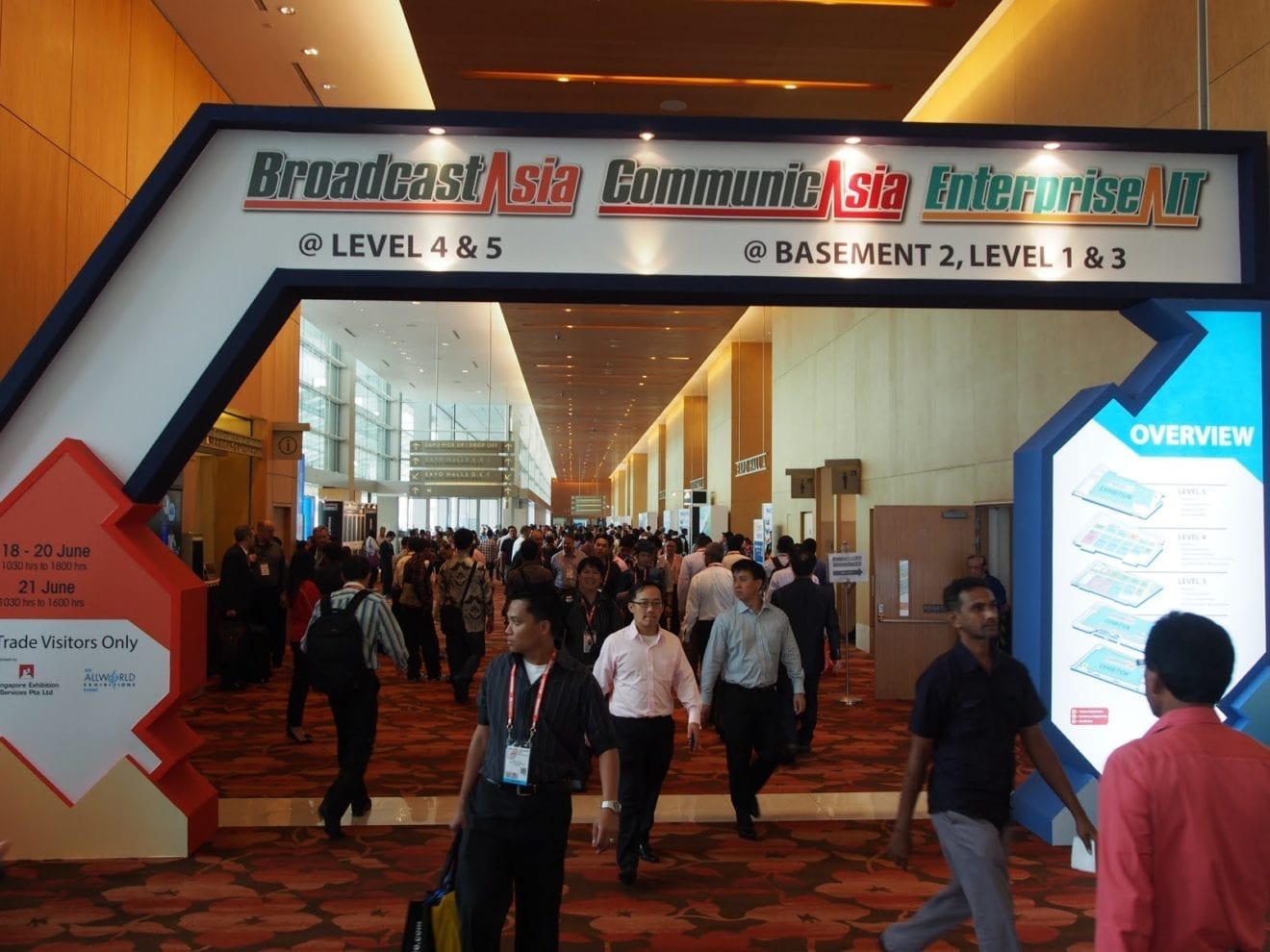
    Ransomware has rapidly moved from a “nuisance” to a public threat which could now endanger lives, a director of Singapore’s Cyber Security Agency told the CommunicAsia2017 conference on Tuesday.

    Ho Ka Wei, a director at the National Cyber Threat Analysis Center at the Cyber Security Agency of Singapore, said an increase in attacks in recent weeks-including the global WannaCry attack-has put agencies on “high alert” and led to “sleepless nights and non-stop action.”

    Ransomware attacks on the health system and facilities such as hospitals have the potential to threaten people’s lives, he said.

    “The number of attacks is increasing,” said Ho. “No one is spared.”

    “Critical infrastructure and government institutions continue to be attractive targets, and we see new sophisticated forms of ransomware and malware,” he said. “And now they are coming in malicious combos like WannaCry-which is both ransomware and a worm.”

    Attacks were also increasing in strength and power, with some measured at over one terabyte per second, where previously “20 gigabytes a second was considered quite high.”

    Ho outlined recent Advanced Persistent Threat (APT) attacks at two Singapore Universities in April, which were “carefully planned” with perpetrators seeking to steal government information and research.

    The APTs were designed to gain unauthorized access to networks and lurk there for long periods to access information.

    These attacks, at NTU and NTS, were identified and computers were isolated and then replaced.

    The threat environment, said Ho, escalates on a monthly basis, and will reach new levels with the unstructured rise of the IoT if rigorous action is not taken and standards enforced.

    “If IoT devices are unsecured by default, then they can be controlled and used,” said Ho. “The level of escalation is serious.”

    Singapore created the Cyber Security Agency two years ago under the auspices of the Prime Minister’s Office, and the country announced its first Cyber Strategy in October last year.

    Ho outlined four pillars to the strategy: to build a resilient infrastructure, create safer cyberspace, develop a vibrant cybersecurity ecosystem, and strengthen international partnerships.

    Digital technology, he said, was critical to Singapore’s “smart nation efforts” and the increased number of attacks from “new vectors” was a key national risk to overcome.

  • Minister Ibrahim opens CommunicAsia2017

    Minister Ibrahim opens CommunicAsia2017

    “They say ‘change is the only constant’, but change has never come at a faster rate,” said Ibrahim. “Convergence and disruption are transforming the way we operate. Every so often, we see another Airbnb or Uber come along, up-ending the way our economies function.”

    Global upheaval

    “Across the world, we see greater calls for protectionism,” he said. “I am sure we recognize this reality in our countries. But how do we deal with such upheaval?”

    “We can, of course, try to protect our economies and close them off-take the easier path. But history has shown that those who resist change eventually fall behind and end up playing catch-up.”

    Digital strategies

    “As ministers and policy-makers, we have been looking at the policies to prepare our country, so that we are digitally ready to thrive in the future economy,” said Ibrahim. “The TechSkills Accelerator, or TeSA, we launched last year aims to deepen skills and capabilities. Over 10,000 ICT professionals have gained from TeSA so far.”

    “We will be training another 10,000 public servants in data science to improve capabilities in the public service. We are also reaching out to the small medium enterprises. With the SMEs Go Digital program, we want to help our small businesses scale up and boost productivity through technology.”

    Culture of experimentation

    “We want to encourage a culture of collaborating, sharing and experimenting,” said the Minister. “One way we are doing this is to provide dedicated spaces and tools for people to tinker around with innovative projects, and exchange ideas with others in the community.”

    “The PIXEL Lab at the Jurong Regional Library is one such space. Tools and equipment like 3D printers and micro-controllers are available for anyone who wants to play around with them.”

    Regulation without stifling innovation

    “How do we regulate without stifling innovation? Last year, the Monetary Authority of Singapore, or MAS, launched a regulatory sandbox for financial institutions and FinTech players. The idea is to provide a conducive space where certain regulatory requirements are relaxed for a period of time, to encourage firms to test their solutions. If the experiment fails-and there will be some that do, it does so within a confined space, without major impact on our financial system.”

    “Digital is the future, but the future is not only digital,” said Ibrahim. “I believe analogue will remain for some time in many of our countries. We must look into harnessing the benefits of digital to transform older, analogue processes and sectors. This is one way to ensure a more inclusive and equitable distribution of benefits we gain from technology.”

  • Megaport Singapore links up with AliCloud

    Megaport Singapore links up with AliCloud

    Megaport Singapore, a subsidiary of Australia’s Megaport, has entered into an arrangement to provide enterprises with direct and scalable access to Alibaba Cloud via the Megaport global SDN.

    By accessing Alibaba Cloud Express Connect, a high-speed dedicated network connection that securely links customers with their VPCs through Megaport’s SDN, enterprises can scale their cloud connectivity and enable rapid provisioning of capacity to Alibaba Cloud.

    From a single global account, Megaport customers can cut down latency and deploy globally on Alibaba Cloud’s network of cloud regions.

    Alibaba Cloud’s customers will be able to access Megaport’s global network in more than 20 major markets in the Asia Pacific, North American, and European regions with 150 points of presence.

    Alibaba Cloud will extend its edge closer to enterprises, provide consistent network performance for its customers, and expand its direct access capabilities around the world.

    “Megaport’s extensive global footprint is strengthened by our partnership with Alibaba Cloud,” said Vincent English, Chief Executive Officer of Megaport.

    “Direct, dedicated access to Alibaba Cloud’s services adds value to our platform. This partnership enables customers globally to directly access services from the leading cloud provider based in China. Partnering with China’s largest public cloud provider aligns with our strategy to enrich our Ecosystem and provides greater service options for our customers.”

  • Dairy Farm Singapore puts out unified POS terminals

    Dairy Farm Singapore puts out unified POS terminals

    Dairy Farm Singapore Group (DFSG) has confirmed it is deploying 2,000 new unified point of sales (POS) terminals across all Cold Storage, Market Place, Jasons, Giant, 7-Eleven and Guardian stores island-wide. Over 650 stores are expected to receive the new terminals in 2017.

    The new POS terminals will be deployed at its Cold Storage, Market Place, Jasons, Giant, 7-Eleven and Guardian Health and Beauty stores.

    While the company positions the investment as giving shoppers greater payment convenience, the project will net the group a reduction of 20%-30% (or 9-11 seconds) in the time required at checkout counters. It will also improve productivity with savings of 106 hours a day for all the stores.

    The collaboration between DFSG, NETS and UOB is in line with the Singapore Government’s Smart Nation initiative to leverage innovative technology in enabling the use of cashless payment in Singapore. It will accelerate the retail sector’s transition from using paper-based instruments to adopting electronic platforms that promote interoperability, efficiency and security, and offers a ubiquitous user experience that cuts across market segments and demographics. Implementing Unified POS solution is part of this vision as it is swift, simple, secure and accessible to all and accepted by all.

    In addition to credit and debit cards, the Unified POS system will support NETS, NETS FlashPay, Apple Pay, Android Pay, Samsung Pay, UOB Mighty Pay, and EZ-Link. DFSG’s co-brand card – the UOB Delight card – as well as its Tap For More loyalty programme via the PAssion card have also been integrated into the system.

    Dairy Farm Singapore finance director Tom van der Lee says “The implementation of the Unified POS system significantly simplifies and shortens the payment process for our customers.  It also has the added benefit of improving efficiency which means that cashiers now have more time to focus on what is truly important – serving our customers.”

  • Singaporean banks bulk up in wealth management

    Singaporean banks bulk up in wealth management

    A pullback by global competitors is giving Singaporean banks opportunities to expand their wealth management operations in Asia. The latest case in point came on May 11, when Oversea-Chinese Banking said it is buying National Australia Bank’s retail banking operations in Singapore and Hong Kong.

    OCBC will acquire a mortgage portfolio worth $1.7 billion and a deposit portfolio of about $3.05 billion from NAB at around book value, the banks said. NAB’s retail business in Asia has centered on selling mortgages to wealthy individuals for overseas property investments. Australia’s largest bank, however, is selling off these businesses out of Singapore and Hong Kong, as it streamlines its Asian strategy to focus on corporate banking.

    When the transaction goes through, likely by the end of the year, OCBC’s mortgage portfolio will increase by 4%. But the real prize is the customer base of 11,000 affluent individuals — 7,000 in Singapore and the rest in Hong Kong. OCBC is keen to cross-sell its wealth management products, including asset management and insurance, to these people. Some of the customers may grow rich enough to be served by Bank of Singapore, its private bank subsidiary that looks after the superrich.

    OCBC has been aggressive about expanding its wealth management market share. The bank completed the acquisition of Barclays’ Asian private banking business in November 2016. The $227.5 million deal added $13 billion worth of Asian assets under management to Bank of Singapore’s portfolio. At the end of March, the unit’s assets under management came to $85 billion, more than 50% higher than the $55 billion at the end of 2015.

    DBS Group Holdings is showing similar aggressiveness. Last October, the state-linked bank announced it would buy the wealth and retail operations of Australia’s ANZ in five major markets in Asia. It agreed to pay a premium of 110 million Singapore dollars ($78 million) above book value. Upon completion, the transaction will boost DBS’ customer base by 1.3 million in Singapore, Hong Kong, China, Taiwan and Indonesia. Of those, 100,000 are wealth management clients, including 3,500 high net worth individuals.

    Seeking Scale

    Despite the growth of Asian wealth, banks face stiff competition for customers as well as talent. Globally, meanwhile, regulatory and compliance pressures are pushing up their operating costs. This is prompting a strategic rethink by some players. “Though NAB has grown a healthy private wealth business in Hong Kong and Singapore, without greater scale, its competitive position is not compelling,” said Peter Coad, the Australian bank’s executive general manager for international branches.

    “Without the scale, it is very hard to create a sustainable business” today, Tan Su Shan, head of consumer banking and wealth management at DBS Bank, said last year when the ANZ deal was announced. “You need to invest in digitalization, people, platforms and processes.”

    For Singaporean banks, though, expansion in wealth management enhances stability. “Income generation from wealth does provide earnings diversification for the banks, and the income is less volatile [than] trading income and deal-related income streams, like investment banking fees,” said Morningstar analyst Michael Wu.

    DBS was the No. 6 player on the region’s private banking scene in 2016, according to Asian Private Banker, followed by Bank of Singapore at No. 7. United Overseas Bank, the city-state’s third-largest bank, entered the top 20 in 14th place, having brought in more high net worth individuals via its corporate banking network.

    In the quarter through March, all three banks recorded profit increases despite sluggish interest income, thanks to stronger wealth management contributions.

    Asked if OCBC needs more acquisitions to achieve a bigger scale, CEO Samuel Tsien said he would continue looking at “opportunities that fit into our culture.”

  • Singaporeans prefer electronic payments to cash

    Singaporeans prefer electronic payments to cash

    A Visa study has revealed that Singaporeans have the highest preference for electronic payments the in Southeast Asian region.

    According to the 2016 Visa Consumer Payment Attitudes survey, 87% of Singaporeans prefer making electronic payments to using cash, indicating the highest preference for electronic payments in the region.

    This figure could largely be attributed to an increased preference for using debit cards, with 62% of consumers saying they own and actively use debit cards, a 13% increase over the previous year.

    Nearly half (48%) of respondents stated they have more payment cards in their wallets now, compared to five years ago. The main reasons for not carrying large amounts of cash include an increased habit of using payment cards, mobile wallets and contactless cards. More than half (52%) of these respondents also said they believe card usage is safer than cash.

    In terms of payment habits and sentiments, 68% of respondents shared that they use electronic payment methods via mobile and wearable devices more often, resulting in a move away from cash. Sixty-six per cent also said they would like payments to be fully automated, doing away with the physical process of paying for a product or service. Sixty per cent of them also expressed being comfortable with the use of biometrics, such as fingerprinting and face recognition, for payment authentication.

    Awareness and usage of contactless payments in Singapore has also increased in the past year. Some 91% of Singaporeans said they are aware of contactless payments, compared to 87% in 2015. In addition, 71% of Singaporeans said they have used contactless payments, and the remaining 25% said they were keen to use it in the future.

    Ooi Huey Tyng, Visa Country Manager for Singapore and Brunei said, “Singapore is a developed market where more than 60% of all transactions are made electronically. However, this means that around 40% of payments in Singapore are still transacted using cash and cheques, presenting a significant opportunity for cash displacement. Certain segments in Singapore, such as hawker centres, food courts and wet markets, are heavily cash-based. Hence, it is important for the industry to work closely together to introduce new digital solutions to convert cash in these segments, so that Singapore can become truly cashless.”

  • Equinix acquires 29 data centers from Verizon

    Equinix acquires 29 data centers from Verizon

    Equinix has completed its acquisition of 29 data centers in North and Latin America from Verizon Communications.

    The US $3.6 billion all cash deal includes over 1,000 customers, of which over 600 are net new, and approximately three million gross square feet of data center space.

    Equinix said the deal will accelerate its ability to help companies extend their IT operations to the digital edge, strengthens interconnection density on the Equinix global platform, accelerates business relationships in the government and energy sectors and supports its enterprise offering.

    Additionally, it adds three new markets (Bogotá, Culpeper and Houston) and provides additional capacity and the opportunity for expansion in markets where Equinix currently has a presence, including Atlanta, Denver, Miami, New York, São Paulo, Seattle and Silicon Valley.

    Spread across 15 cities in North and Latin America, the new assets bring Equinix’s total global footprint to over 175 International Business Exchange (IBX) data centers across 44 markets and approximately 17 million gross square feet.

    “As the technological shift to digital is transforming large sections of society and the global economy, companies are re-architecting their IT infrastructure to thrive in this new environment,”Equinix CEO Steve Smith said.

    “They are moving from traditional centralized infrastructure to a distributed model that keeps data closer to the customers, partners and employees using it. With this significant expansion of Equinix’s globally consistent footprint, our platform is even more valuable to companies that are leveraging this new model of interconnection at the digital edge.

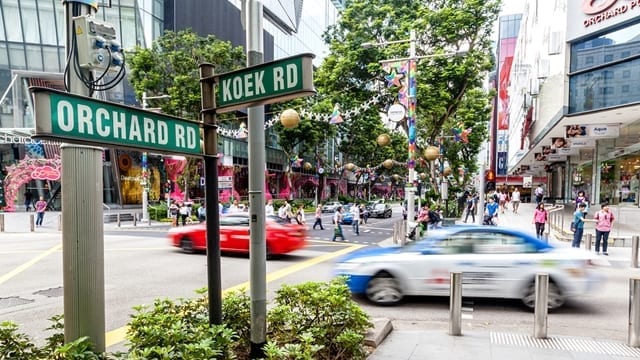
  • Apple Orchard Road opening on May 27

    Apple Orchard Road opening on May 27

    The wait for Apple fans will be over soon. Apple Orchard Road – the official name of the Apple retail store here – will be opening its doors on May 27 at 10am. Close to midnight last night, workers were seen pasting the opening date on the white facade covering the front of the store at Knightsbridge mall.

    It is not only the first Apple retail store in Singapore, but also the first one in South-east Asia. The store will open daily from 10am to 10pm.

    News of the Apple retail store here first broke in October 2015, after a former tenant of the mall, the Pure Fitness gym chain, sent a letter to its members informing them of its closure to make room for the Apple store. Four other tenants were also moved.

    In an exclusive interview during the opening of the Apple Dubai Mall store last month, Apple’s senior vice-president of retail Angela Ahrendts told: “We want to be on an iconic street, where people will naturally come, whether they are locals or tourists.”

    This is especially so when it is the first store in the country and it allows Apple to build a beautiful signature store for that community, she said.

    Retail experts said the Apple store’s location makes sense. Said Associate Professor Prem Shamdasani of the National University of Singapore Business School: “For more than a decade, Apple has been opening retail stores in very good locations in major cities globally to showcase its great products and enhance the brand experience for loyal fans and consumers.

    “Singapore’s position as a vibrant and progressive global city in South-east Asia will help to reinforce Apple’s brand leadership in the region,” he said.

    As of April, Apple has 495 retail stores in 20 countries.

    Apart from selling Apple products such as iPhones, iPads and MacBooks, as well as accessories, the local Apple store will have staff who Apple calls Geniuses – technical personnel who specialise in troubleshooting and repairs of products.

    Apple Orchard Road will also host hands-on sessions called Today at Apple, which launches in all Apple retail stores across the world this week.

    Taught by Creative Pros, who are the liberal arts equivalent of Apple’s technical Geniuses, these free educational sessions focus on the features of Apple products and allow anyone to learn skills like photography, illustration or coding.

    For the Singapore store, Apple has appointed 12 Singaporean creatives as Red Dot Heroes. They are people who have made a contribution in their fields like the arts, photography, music or film.

    They include street photographer Aik Beng Chia and illustrator Kristal Melson (see their profiles below), as well as film-maker Boo Junfeng and local singer Sezairi.

    These Singaporean creatives are similar to Apple’s Creative Pros and some of them will conduct workshops in Apple Orchard Road.

    Experts also see possible learning points for the retail industry from the Apple store.

    “When you want to control the store experience, you need to own and operate it,” said Mr Clement Teo, principal analyst at market research firm Ovum.

    “The bar for customer service in Apple stores and online is high, supported by trained Geniuses and expert advice from Creative Pros to help customers get the most out of their Apple products. Happy customers equal to loyal Apple customers,” Mr Teo added.

    Contrary to popular belief, Apple Orchard Road will not signal the end of Apple premium resellers (APRs) like Nubox and Epicentre, and repair centres such as QCD Technology.

    “They (APRs) will continue to adapt and survive – especially in suburban areas,” said Mr Teo. “Repair centres will be a great supplement to Apple for all sorts of warranty and repairs.”

    In fact, Prof Shamdasani said that the Apple retail store will enhance the brand’s value and attractiveness and help to expand the market for Apple products and services in Singapore, which, in turn, will benefit the APRs and repair centres.

    Apple Orchard Road will be run on 100 per cent clean energy using rooftop solar installations provided by Singapore-based solar energy provider Sunseap Group.

    iPhone and MacBook user Chung Weifang is excited about the new Apple store here. The 33-year-old communications executive said: “There is nothing like buying a product from the brand’s flagship store, where the customer experience begins the moment one steps into the retail space.”

  • Singapore Airlines trimming several flights from capital express service

    Singapore Airlines trimming several flights from capital express service

    Singapore Airlines is cancelling several flights from its capital connect services later this year, in response to low demand during the off season.

    Since September, Singapore has flown Boeing 777-200 to Wellington via Canberra four times a week, a service which aviation experts said appeared to be winning strong support.

    Wellington Airport has publicly linked the service to its case to extend its runway south into Cook Strait in a bid to enable direct, long haul services to the capital.

    But the airline is dropping three return flights over three months. The flights were due to land and take off from Wellington on August 14, September 5 and October 24.

    The cancelled flights appear to be equivalent to just over a 5 per cent cut in capacity over the August-October period.

    Simon Turcotte, Singapore Airlines general manager New Zealand, said the decision not to operate the flights was part of normal operations.

    “During the low season we regularly make ad hoc changes to our flight schedules to meet market demand and ensure we are optimising the performance of the route during the low season,” Turcotte said.

    “We will work with affected customers to re-accommodate their travel requirements.”

    Wellington Airport spokesman Greg Thomas said it was not unusual for airlines to change schedules when considering low and high season.

    “We are happy with the performance of the service and have received positive feedback on the vast improvement in connectivity that Singapore Airlines has provided to Asia and onwards to Europe.”

    Brent Thomas, commercial director for House of Travel, said it was not unusual for airlines to make changes to schedules between seasons.

    “Ultimately the airlines will decide where they can get the best use of their aircraft because these are expensive pieces of machinery and the airlines need to determine where they can get the best returns.”

    A slight change in frequency did not mean a service was in jeopardy, Thomas said, however because of the organisation involved and the potential disruption to customers, changes suggested demand was low.

    “These kind of decisions, where they adjust schedules, certainly aren’t taken lightly,” Thomas said.

    The Singapore Airlines service has been in the headlines, both for its improved connectivity to Asia, the fact that it is the first scheduled wide-bodied service from Wellington, and the support the airline received to bring it here.

    When the service was confirmed, Wellington’s then Deputy Mayor Justin Lester said the short time on the tarmac in Canberra meant the service would cut the time it took to get from central New Zealand to Asia by at least 90 minutes.

    In the following days documents emerged showing Wellington Regional Economic Development Agency could provide up to $800,000 a year in marketing support towards the service, for 10 years.

    Shortly after flights commenced, it emerged that Wellington City Council generated almost no paperwork in the decision to agree the subsidy, prompting calls from councillors to rein in chief executive Kevin Lavery’s delegated authority over spending.