Tag: Singapore

  • Now you can book a cook on Singapore Airlines

    Now you can book a cook on Singapore Airlines

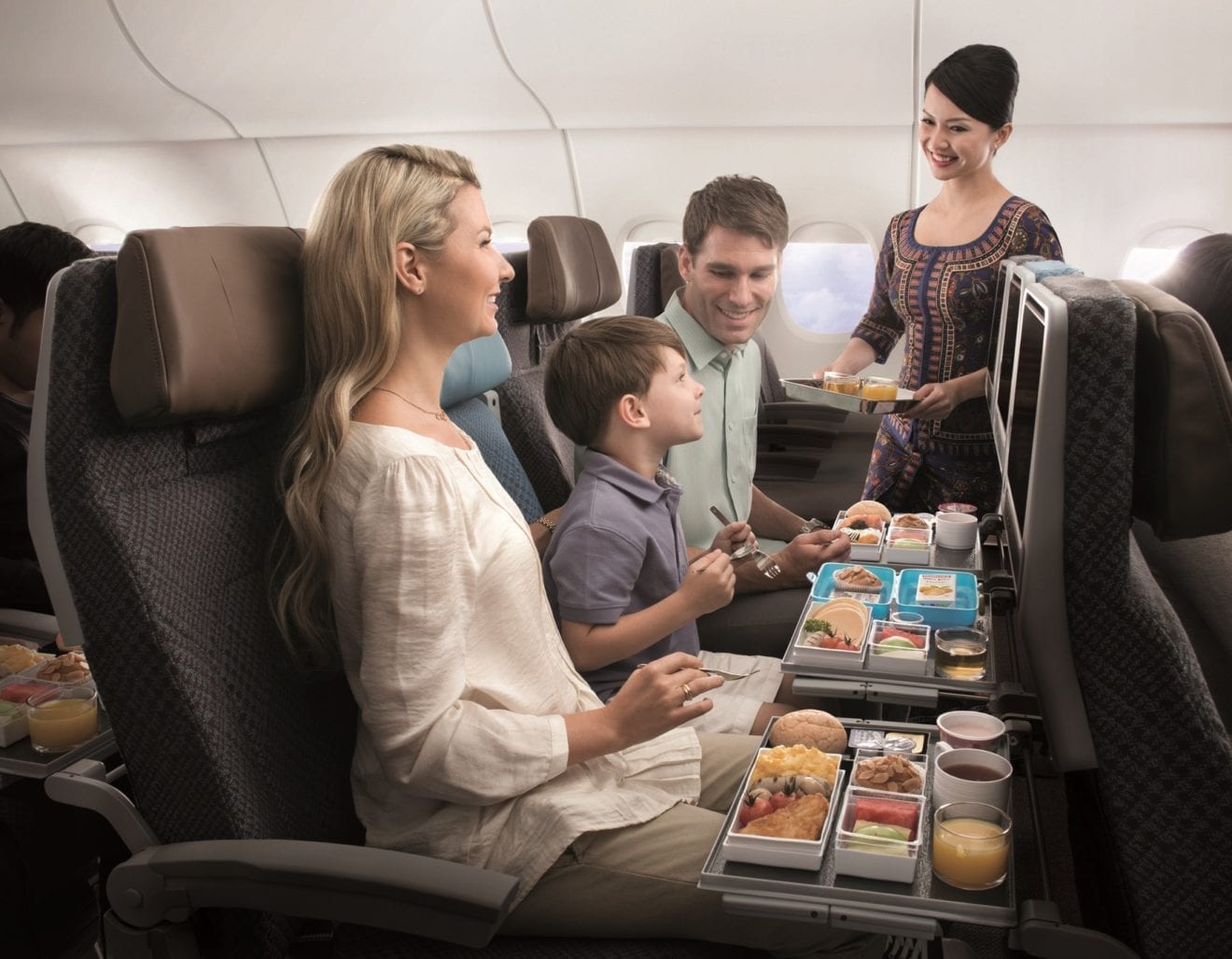
    It’s like dining a la carte 34,000 feet above sea level. That’s the “Book the Cook” experience that you get when you fly Singapore Airlines. It’s an exclusive advance inflight meal-ordering service that allows passengers in Suites, First Class, Business Class and Premium Economy Class to pre-select a gourmet dish of their choice before their flight.

    “It’s a departure from our regular meal service,” says Hermann Freidanck, food and beverage, inflight services manager. “You get to order your main course from a wide selection in a specially prepared menu up to 24 hours before your flight. Now you won’t have to settle for a dish that is not your choice.”

    At the exclusive meal presentation before local media recently at Singapore Airline’s new-concept Silver Kris Lounge in NAIA3, we got to experience firsthand what this was like. A couple of days before the event, we were sent a special menu to choose from, which included beef tenderloin steak, roasted rack of lamb, slow-cooked marinated duck leg with mushroom risotto, marinated free-range chicken, and baked herb-marinated salmon.

    The sit-down meal included an appetizer of marinated lobster with Mediterranean vegetable salad and balsamic dressing, as well as roasted pumpkin soup or snow fungus chicken soup with Chinese mushroom and quail egg. The salad was spinach and green frisée garnished with cherry tomatoes and olives with a choice of balsamic vinegar and extra-virgin olive oil or honey-mustard dressing, while dessert was a choice of  either chocolate and banana cake with vanilla ice cream and raspberry coulis or fresh mango tiramisu with verbena mango compote and biscotti by three-Michelin-starred chef Georges Blanc.

    As part of the Book the Cook service, passengers can choose from a menu of ICP dishes. “These are dishes created by Singapore Airline’s esteemed International Culinary Panel (ICP), which is a team of celebrated Michelin chefs who have restaurants or groups of restaurants in our main destinations in Europe, America and Asia,” Freidanck explains. “They work closely with our own chefs to develop unique dishes that we serve on board.” The panel includes Alfred Portale (United States), Carlo Cracco (Italy), Goerges Blanc (France), Matt Moran (Australia), Sanjeev Kapoor (India), Suzanne Goin (United States), Yoshihiro Murata (Japan), and Zhu Jun (China).

    “Our menus are planned four to five months ahead of time, on a four-month cycle. First Class and Business Class have four different main courses, while Premium Economy Class has a third choice in addition to the usual two choices,” Freidanck shares. “The way we do our menus is what we call ‘destination-specific.’ If you are going to Frankfurt, for example, you’ll have a German dish. In First Class and Business Class, you will always have  an ICP dish. Seasonal ingredients would also affect which dishes would be available.  The Japanese, as well as the Chinese dishes, go by the seasons. A bestseller is the Maine lobster, but not every country has it. It is difficult to get lamb, for instance, but because you can order in advance, you are guaranteed your main course.”

    “And then we have the Asian dishes. We look at the passenger profile, and if it’s predominantly Singaporean, for example, we try to put a Singaporean dish. We emphasize that we must represent the cuisine properly. It always has to be authentic. It must be traditional,” Freidanck adds. ‘There are also what we call the special meals which address certain conditions of the passenger, either due to religious beliefs, dietary or allergy restrictions. You can order them and we will serve you according to what you order. It’s not like other airlines where one menu fits all.”

    Singapore Airlines also launched a new “Deliciously Wholesome” program catering to the needs of an increasing number of health-conscious travelers.

    Preservation of freshness is an important consideration. Dishes are cooked with the reheating process in mind. “There is a fine line because we have to follow the hygiene regulations,” Freidanck explains. “Steak, for instance, has to be seared from the outside, so when it’s reheated on board, it’s just right. Sushi has to either be grilled or pickled or smoked. Nothing is raw. Oysters have to be cooked, following hygiene regulations.” Certain dishes can be a challenge. “Not impossible, but difficult,” Freidanck says. Dim sum, like pasta, does not reheat very well. The texture of risotto can be less appealing when overdone.

    The dishes are cooked in the kitchen, then kept in the chiller below 10 degrees so no bacteria can thrive, until it goes on board. The dishes are deconstructed and put into different containers. On board, it goes in the oven where the heat is calibrated to a certain temperature. “There is a training center in Singapore where the crew learn to do this. It’s very specific. There’s a lot of details which they have to go through,” Freidanck says. The crew gets a plating guide, which they must follow when they assemble the dishes.  First Class passengers get their meals served on real plates with fine cutlery.

    “Complementing Singapore Airline’s World Gourmet Cuisine is a selection of the finest wines from the very best vineyards, selected by some of the world’s most educated and sought-after palates. These wines are handpicked by world-renowned wine experts and blind-tasted under simulated cabin pressure, since our taste buds are affected by the cabin pressure,” notes Carol Ong, Singapore Airlines general manager for the Philippines, Guam and USTT. The Singapore Airlines Wine consultants include three Masters of Wine: Michael Hill-Smith, Jeannie Cho-Lee, and Oz Clarke.

    “So, you have just flown First Class, basically,” Freidanck says, addressing the intimate media group of happy diners at the end of the meal. The only thing missing was the altitude.

  • Opening delay for Apple Store Singapore

    Opening delay for Apple Store Singapore

    Apple Store Singapore is not likely to open in time for Christmas, according to an updated information board outside its site in Orchard Road.

    Outside Knightsbridge mall, the sign now shows an expected completion date of January 30 – a three-month delay.
    No reason has been offered for the delay with Singapore’s first Apple Store, and the mall’s facade is still covered by white construction hoarding and canvas.

    Tall glass structures were already in place at the construction site in July, most likely for Apple’s signature glass facade for its flagship stores.

    Work on the store started in May, and it could potentially span four floors.

  • Smith & Wollensky restaurants going global

    Smith & Wollensky restaurants going global

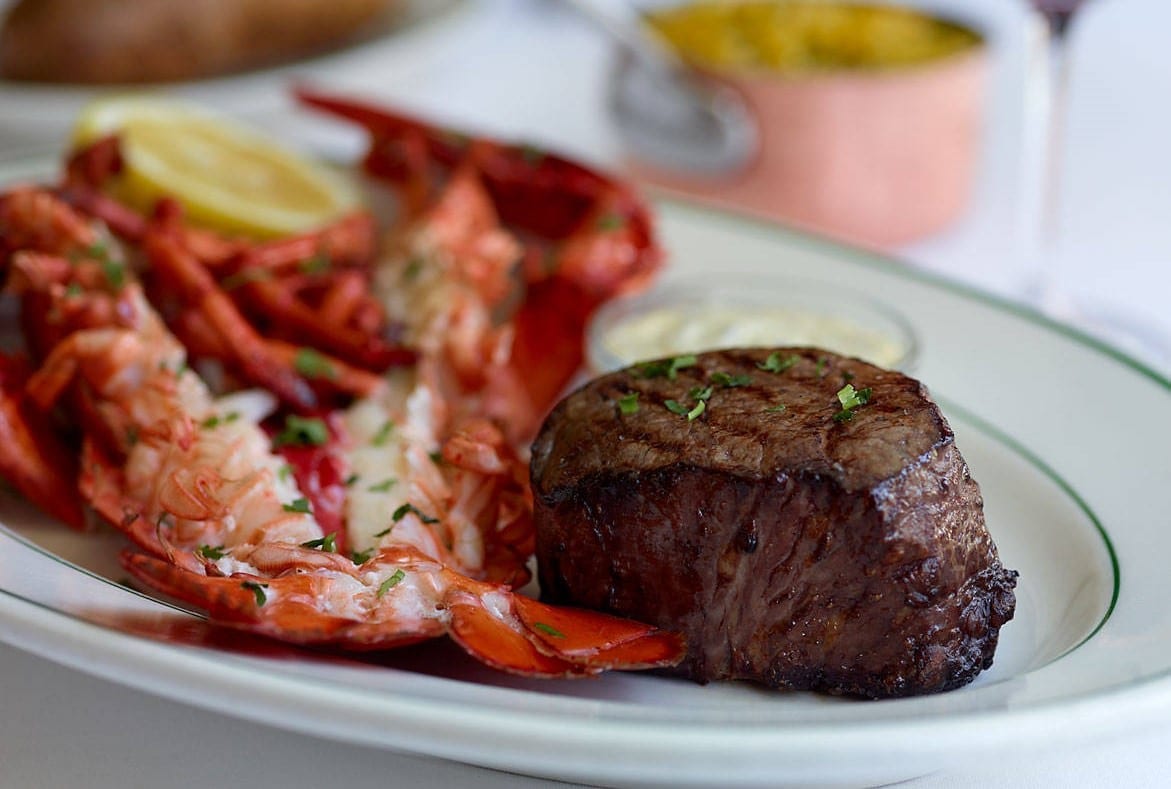
    US steakhouse Smith & Wollensky, famously described by the New York Times as “the steakhouse to end all arguments”, is expanding its global presence, setting its sights initially on such cities as Bangkok, Hong Kong, Seoul, Singapore, Taipei and Tokyo, as well as Dubai and Mexico City.

    This follows Irish investment company Danu Partners acquiring Smith & Wollensky Restaurant Group (SWRG) from Bunker Hill Capital this year. Its first overseas restaurant was opened in London.

    “Our teams in the US and London have worked closely together to build a robust infrastructure, and this is a perfect platform on which to build a global business,” says Leonard Ryan of Danu Partners. Joining the team will be international development executive Oliver Munday, who in the past 20 years has worked at growing US restaurant brands internationally.

    “Having completed transactions in more than 30 countries with multiple restaurant brands including Hard Rock, Margaritaville and Planet Hollywood, Oliver brings the contacts and expertise needed to allow us to reach our full potential on the international stage,” says SWRG president/CEO Michael Feighery .

    “Smith & Wollensky occupies a special place among the great US fine-dining restaurant brands, and there is global demand for such a classic American steakhouse experience,” says Munday. “We will be entertaining only a handful of select markets … but interest is already strong.”

    Since Danu Partners bought Smith & Wollensky it has embarked upon a program of reinvestment, which as well as expansion includes upgrades of its restaurants in the US.

    Established in 1977 with its headquarters in Boston, Smith & Wollensky Restaurant Group has seven locations in the US. The restaurant has received such accolades as the Grand Award of Excellence from Wine Spectator and an Award of Excellence from Distinguished Restaurants of North America.

    An investment holding company based in Dublin, Danu Investment Partners was founded in 2009 and covers a range of business sectors, with a focus on the hospitality sector.

  • Singtel expands ReadyRoam to 26 countries

    Singtel expands ReadyRoam to 26 countries

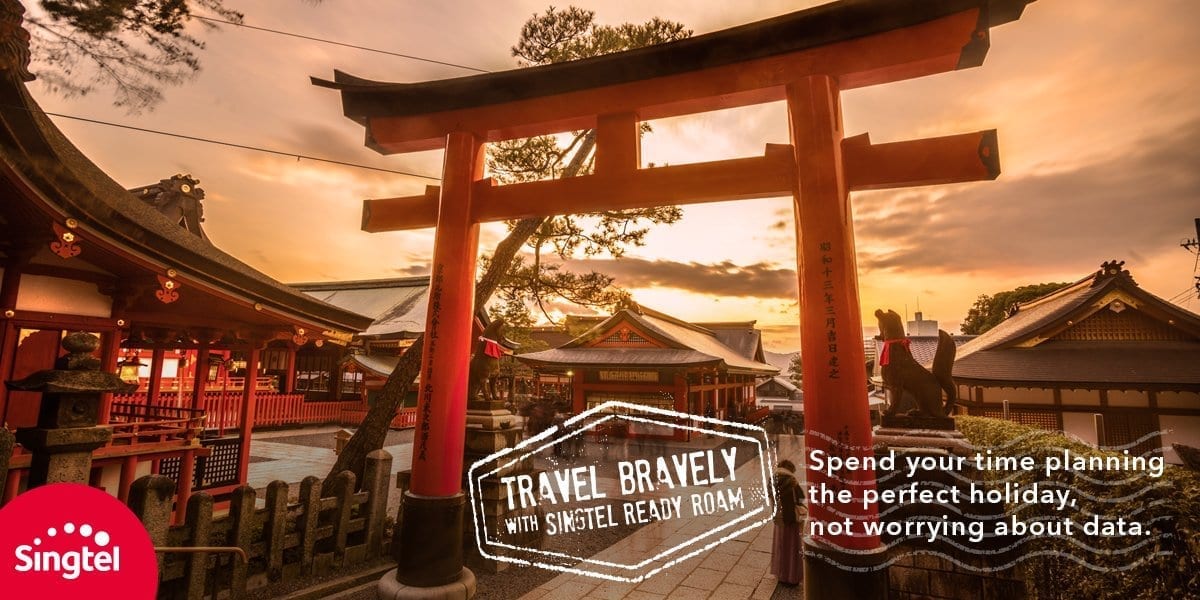
    Singtel has expanded its ReadyRoam mobile data roaming service to cover multi-destination roaming across 26 countries in Asia, Europe and North America.

    The ReadyRoam 1GB for 30 days service will allow customers to use the same pool of data while traveling between any of the supported countries.

    The base service supports roaming between 11 Asian markets – China, Hong Kong, India, Indonesia, Japan, Macau, New Zealand, the Philippines, South Korea, Taiwan and Thailand – for S$20 ($14).

    For customers traveling further afield, ReadyRoam USA and Europe supports roaming to the above countries, as well as Canada, Denmark, France, Finland, Germany, Ireland, Italy, the Netherlands, Norway, Portugal, Spain, Sweden, Switzerland, the UK and the USA.

    Excess usage will be charged at S$0.019 per MB or S$0.034 per MB depending on a customer’s plan.

    “It’s the holiday season and many of our customers and their families will be traveling,” Singtel VP of mobile marketing consumer Singapore Diana Chen said.

    “Our enhanced ReadyRoam 1GB for 30 days will allow them the convenience of remaining contactable via their Singtel SIM card number while roaming seamlessly across multiple destinations.”

  • Jewel Changi Airport wins prestigious Retail Real Estate Award at MAPIC Awards 2016

    Jewel Changi Airport wins prestigious Retail Real Estate Award at MAPIC Awards 2016

    Jewel Changi Airport (Jewel), a lifestyle destination being developed in the heart of Singapore Changi Airport, has been named Best Futura Shopping Centre at MAPIC Awards 2016 in Cannes, France – a prestigious retail real estate industry event which honours the world’s most exciting and innovative retail property projects.

    Developed by Jewel Changi Airport Trustee – a joint venture between Changi Airport Group and CapitaLand Mall Asia – Jewel is a mixed-use complex featuring a wide range of lifestyle offerings including a five-storey indoor garden, unique play attractions, comprehensive shopping and dining options, a hotel, and facilities for airport operations.

    Celebrating excellence, innovation and creativity in the global retail real estate industry, the MAPIC Awards, into its 21st run, saw a total of 180 entries from 40 countries. A newly-introduced category, the Best Futura Shopping Centre award recognises upcoming retail developments with outstanding architectural qualities and strong, original concepts. Other considerations include the innovative use of materials, integration with the environment and impact on the local community. Based on these evaluation criteria, Jewel emerged winner of the inaugural accolade.

    Designed by a consortium of consultants comprising Safdie Architects led by world renowned architect Moshe Safdie, as well as Benoy and local architects RSP, Jewel features a distinctive steel and glass facade, that will house a refreshing environment of lush greenery that are integrated with facilities and attractions.

    There are two main centrepiece attractions in Jewel – the Forest Valley, a huge five-storey garden filled with thousands of trees, plants, ferns and shrubs, and the 40-metre high Rain Vortex, currently the world’s tallest indoor waterfall. The complex spans five storeys above ground and five basement storeys.

    Following the commencement of Jewel’s construction in end-2014, works on the five basement levels of the complex have been completed, and the focus going forward will be on the works above ground. Jewel is on track to open in early 2019.

    “The MAPIC Awards are one of the most prestigious accolades in the retail real estate industry and we are honoured to be a recipient this year. In developing Jewel, it is our vision to create a world-class destination that will enhance Singapore’s tourism appeal and augment Changi Airport’s position as a leading air hub in the world. With its unique features that will engage and entertain visitors, we aspire for Jewel to be a place of discovery and experiences for both local residents and international travellers. This award is a tremendous encouragement to the team and an affirmation of Jewel’s innovative design and concept,” said Ms Hung Jean, Chief Executive Officer, Jewel Changi Airport Devt.

  • Singapore Sovereign Fund Invests $136 Million in Korean Retail Complex

    Singapore Sovereign Fund Invests $136 Million in Korean Retail Complex

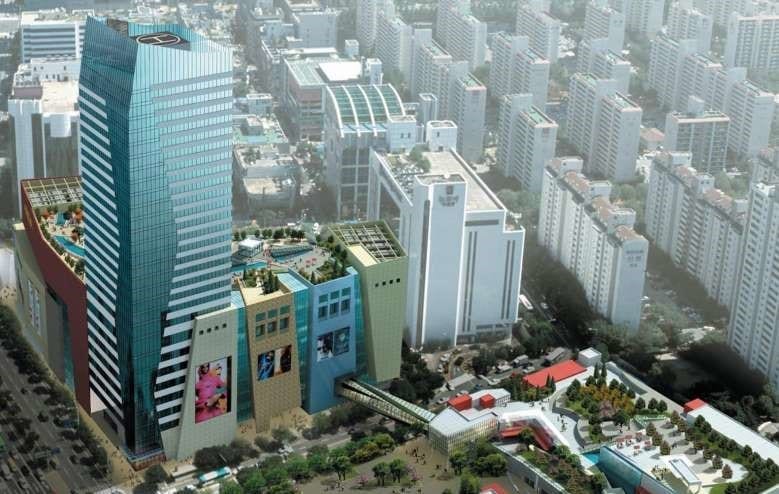
    Singapore’s sovereign wealth fund, GIC Real Estate Pte Ltd, has acquired GG-Square, a Seoul-based retail complex, for $136 million.

    The complex was completed in 2014 and is spread over an area of 238,248.43 square meters. It has 28 stories and is located in the heart of Anyang, a bustling metropolitan area in the southern part of Seoul. The complex is strategically located as it offers direct access to the city’s subway. Besides retail outlets, G-Square also has offices, spread over an area of 34,681 square meters.

    The complex is operated by one of the largest retail operators in South Korea, Lotte Shopping Co. However, after acquisition, it will be managed by IGIS Asset Management, a leading real estate management company in South Korea.

    GIC has been showing interest in the real estate, of late. Earlier in 2016, the sovereign wealth fund entered into an agreement with Shingsegae Inc., a South Korea-based department store franchise, to develop a retail mall based in Songdo.

  • Xiaomi Mi Mix now available via Lazada in Singapore

    Xiaomi Mi Mix now available via Lazada in Singapore

    Xiaomi Mi Mix now available via Lazada in Singapore

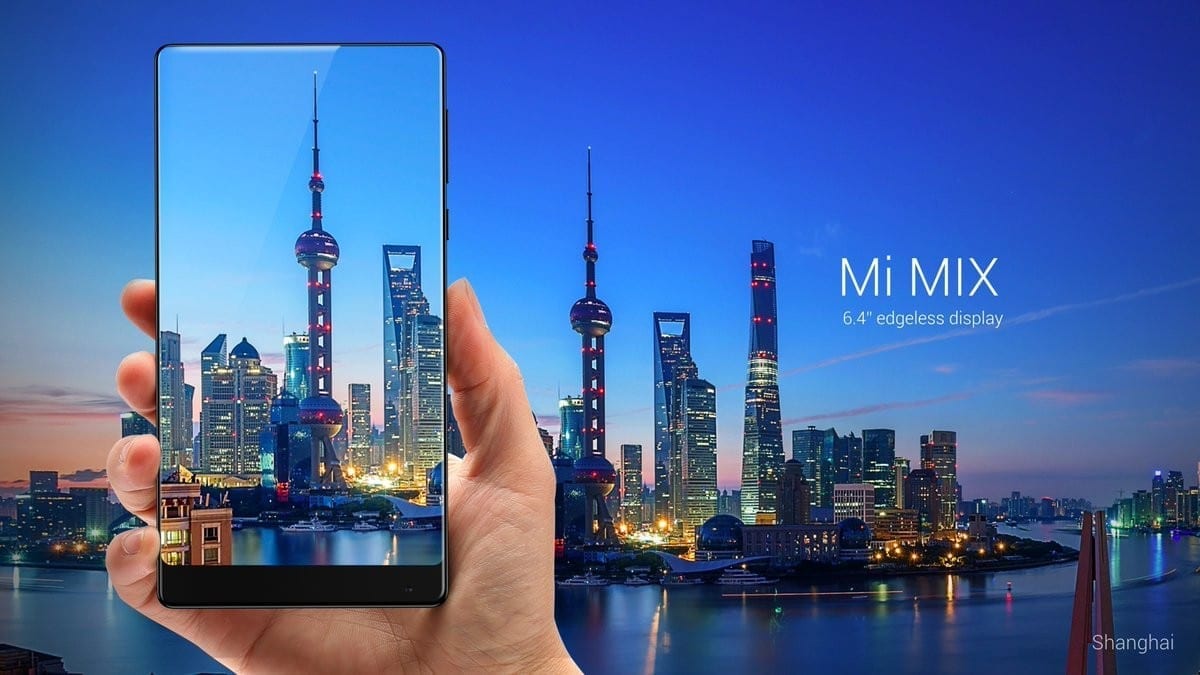
    Xiaomi fans in Singapore are in for a treat as the Mi Mix concept phone is now available for purchase via Lazada. Although the phone’s availability is officially limited to China, some enterprising stores like Lazada have come to the rescue of prospective smartphone buyers in the island state.

    The only caveat with the Lazada deal is that you will get just one month local-seller warranty at a premium price.

    The regular 4GB/128GB variant of Mi Mix retails at ¥3,499, which is the equivalent of S$720. In contrast, the Mi smartphone starts at S$1,278 in retail outlets across Singapore.

    On the other hand, the premium 6GB/256GB model is priced around ¥3,999 (S$820) in China and the same retails at a whopping S$1,639 in the island state.

    The all-screen and all-ceramic phone from Xiaomi definitely carries the premium looks of any eye-catchy phone in the market.

    It must be noted that the Xiaomi Singapore is not currently stocking the Mi Mix, despite featuring its official store on Lazada. So, your only option is to buy the phone through third-party importers and sellers via Lazada, which is too risky as it comes without the official hardware warranty.


  • Singapore amongst 20 most expensive cities for coffee

    Singapore amongst 20 most expensive cities for coffee

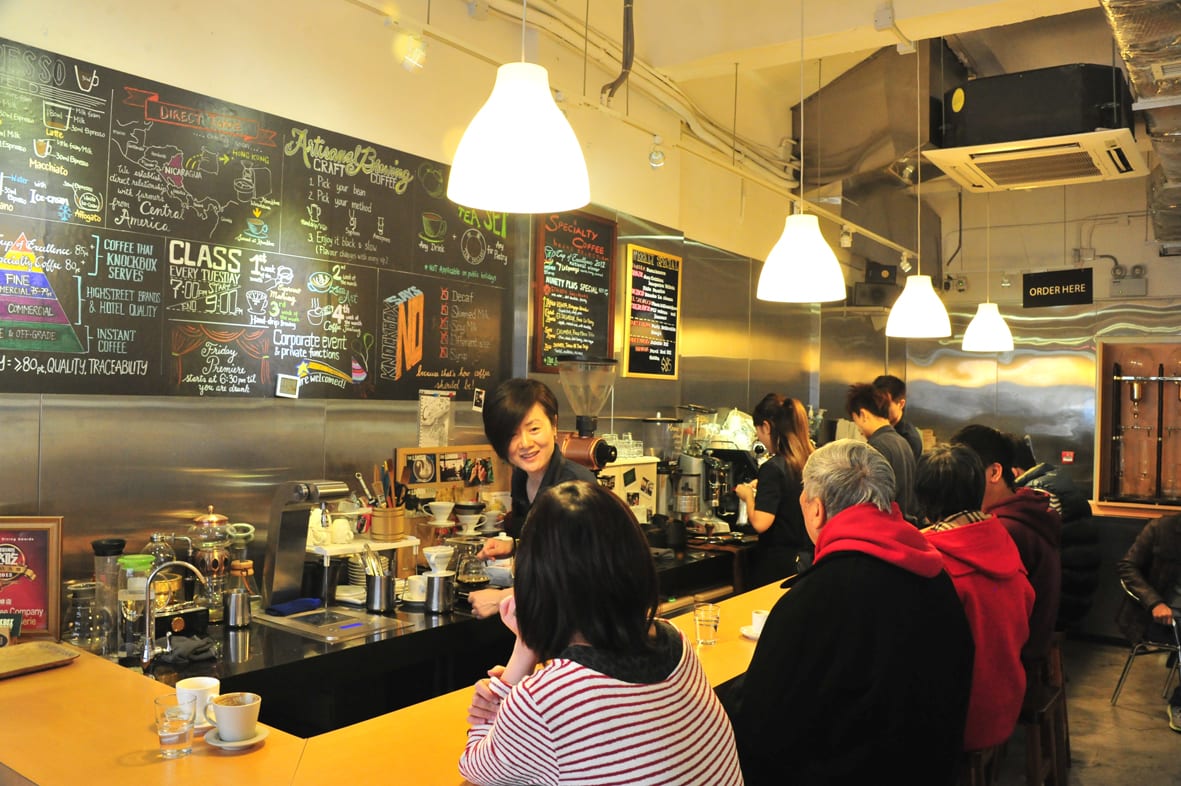
    Online office supply company Service Partner ONE have released the 2016 Coffee Price Index, detailing which cities offer the best value coffee worldwide. The research, which took into account 75 cities from 36 countries across the globe, found that Rio de Janeiro, Brazil offers the least expensive average coffee price, whilst Zurich, Switzerland was the most expensive city researched.

    To create the ranking, the research team averaged the cost of four separate types of coffee: a cup of coffee in an office, a Grande Latte from Starbucks, a medium cappuccino from an independent coffee shop, and a cup of coffee at home. The research looks into costs of coffee from various sources, not just high street outlets, in order to get a clearer picture of the overall value of coffee in each city.

    Singapore is ranked 20th most expensive city for coffee with coffee priced at $2.33(S$3.30) per cup. This compares to Zurich which came in as the most expensive city overall, at an average of $3.52 (S$5), and Rio de Janeiro where coffee was the most affordable, with an average of $1.02 ($1.44).

    In Asian ranking, Hong Kong emerged as the priciest city for coffee. It is ranked 6th in the global ranking with coffee costing $2.88 (S$4.08) per cup.

  • Victoria’s Secret opens South-east Asian flagship

    Victoria’s Secret opens South-east Asian flagship

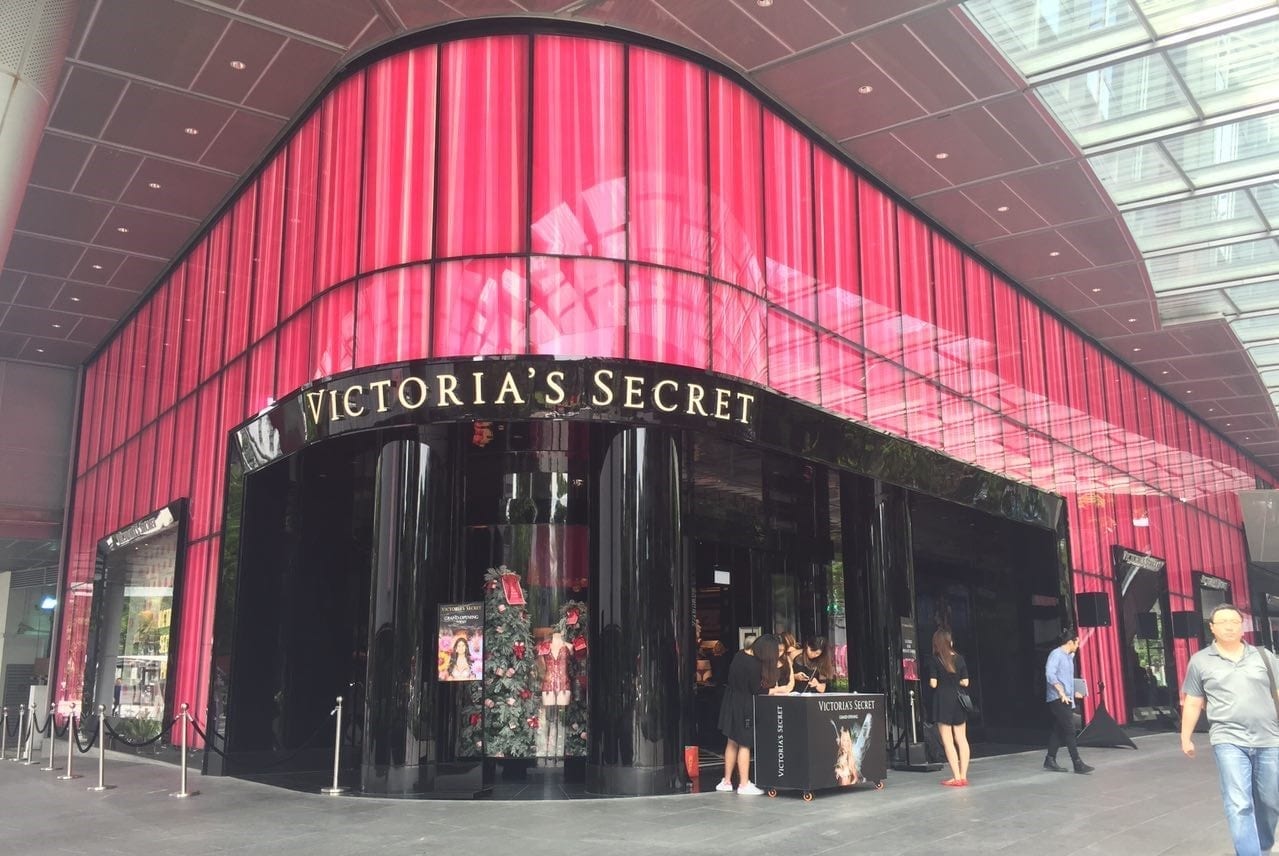
    American lingerie brand Victoria’s Secret opened its first South-east Asian flagship store – a head-turning pink glass confection – at Mandarin Gallery yesterday.

    First in the queue of about 100 shoppers were mother-and-daughter duo Mandy Lo, an office administrator in her 40s, and Hazel Goh, 19, a student.

    While they had been waiting for only 30 minutes, the arrival of the flagship was a long time coming for Ms Goh, a loyal customer since she was 13. She had been ordering the label’s lingerie, fragrances and accessories online for several years.

    She and her mother bought $500 worth of underwear, bras and a windbreaker, amid thumping music, flashing video screens, oversized chandeliers and elaborate table displays of lingerie-clad mannequins.

    She says the store met most of her expectations. “It’s pretty awesome. I was expecting everything, but I couldn’t find certain designs of bras and underwear that I wanted, but the Pink range here is better than online.”

    The Victoria’s Secret Pink range is a line of underwear, clothes and accessories targeted at women in their late teens and early 20s.

    Another excited shopper was Australian tourist Jane Fitzgerild, 46. The chef had walked past Mandarin Gallery on Thursday and noticed the store.

    She returned yesterday with her husband to buy bras. She says: “I’ve never been to any of the brand’s flagships. I’m a big fan and I like its quality and assortment of products.”

    Opening the 12,000 sq ft duplex store in Orchard Road, amid a weak retail market, may seem like a risk, but Singapore Polytechnic senior retail lecturer Sarah Lim thinks this is a savvy move by retail group Valiram, which distributes the brand here.

    Ms Lim says: “Victoria’s Secret is differentiated from other lingerie brands such as La Senza and Triumph because of its glamorous image. For consumers, it is a good move because, now, they can shop from the brand’s full range. The store also adds excitement to the retail scene.”

    Singapore is the first Asian territory, apart from the Middle East, to have the full assortment.

    The brand was founded in 1977 by the late Roy Raymond after he felt embarrassed purchasing lingerie for his wife in a department store.

    In 1982, Victoria’s Secret was acquired by American fashion retailer L Brands, which made US$12.7 billion (S$18.11 billion) in sales last year, up from US$11.5 billion the previous year.

    There are more than 1,600 Victoria’s Secret stores worldwide.

    The brand is most famous for its high-octane annual Victoria’s Secret Fashion Show, which started in 1995 and features supermodels such as Adriana Lima and Alessandra Ambrosio and also top performers, including American pop stars Taylor Swift and Rihanna.

    Similar to the stores in the United States, the Singapore flagship sells the full assortment, including the Victoria Sport and Victoria’s Secret Pink lines. This is a fuller spectrum than the fragrances, accessories and women’s underwear now offered at the brand’s seven stores in Singapore, including outlets at 313@Somerset and Wisma Atria.

    Prices range from $19 for a lipgloss to about $800 for a silk robe from the Victoria’s Secret Designer collection. New designs will be available every two to six weeks.

    At the flagship, there are 12 bra specialists, who advise customers on the product lines and styles, and know how to do bra measurements.

    In each of the 24 luxurious fitting rooms is a call button, should shoppers need help from a specialist.

    Ms Ema Negara, assistant vice- president of Victoria’s Secret store operations in Singapore, says having specialists who can empathise with customers is important.

    According to her, about 90 per cent of women take bras in the wrong size to the fitting room and some walk out upset.

    She says: “Our motto is to make women feel sexy, sophisticated and forever young.”


  • GIC snaps up a Korean shopping mall

    GIC snaps up a Korean shopping mall

    It invested $192.4m in the 28-floor retail complex. Singapore’s state-owned investment firm GIC invested $192.4m (USD 136m) in G-Square City Retail Complex in Seoul Korea.

    Tha complex, which was completed in 2012, spans 238,248 sqm across 8 floors. The building is well-situated in a prime location in the centre of Anyang City, a metropolitan area of Southern Seoul. It has a direct access to a subway line.

    “A 34,681 sqm office tower is also part of the complex, and is one of the preferred office buildings within the Anyang city district given its landmark status and building quality,” GIC said.

    The said mall is operated by Lotte Shopping Co. With the aquisition, it will be managed by IGIS Asset Management, one of the country’s largest real estate management companies with a good track record of managing retail assets.

    GIC Real Estate Chief Investment Officer Lee Kok Sun said G-Square is in line with the group’s strategy of acquiring income-generating assets.

    “As a long-term investor, we remain confident in the continued growth of the Korean economy and its retail sector,” Lee said.

    Do you know more about this story? Contact us anonymously through this link.

    Click here to learn about advertising, content sponsorship, events & rountables, custom media solutions, whitepaper writing, sales leads or eDM opportunities with us.

    To get a media kit and information on advertising or sponsoring click here.

  • Michael Kors Celebrates Singapore Flagship with Kate Hudson

    Michael Kors Celebrates Singapore Flagship with Kate Hudson

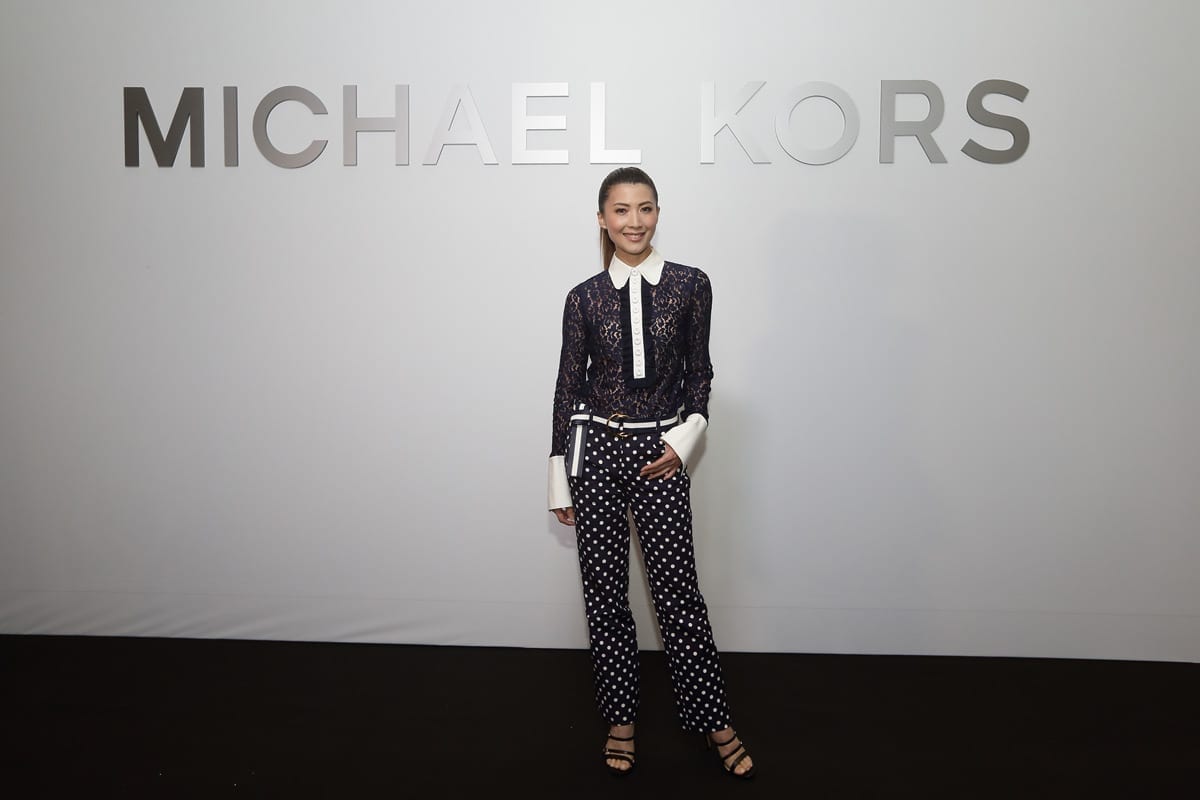
    What’s Michael Kors up to these days? The designer has been visiting Asia, where he celebrated the opening of his Singapore Mandarin Gallery flagship store. While there, he was presented a dendobrium orchid genus from Kirk Wagner, US Ambassador to the Republic of Singapore, and Serene Tan, Singapore Tourism Board member, a unique honor.

    Past recipients include Elton John and The Duke and Duchess of Cambridge. The next day, he hosted a cocktail party to kick off the store opening, where guests like Kate Hudson, Marion Caunter, and Debra Henry joined, followed by a private dinner.

  • Frasers Centrepoint Trust buys retail podium of Yishun 10 Cinema Complex

    Frasers Centrepoint Trust buys retail podium of Yishun 10 Cinema Complex

    Frasers Centrepoint Trust has entered into two sale and purchase agreements for the acquisition of the retail podium of Yishu 10 Cinema Complex. The deal is worth $37.8m.

    One of which was with Goldvein Trading Pte. Ltd., for the acquisition of units #01-01, #01-02, #01-04/04A, #01-05, #01-06, #01-07, #01-08 and #01-09 of the retail podium of Yishun 10 Cinema Complex, 51 Yishun Central 1, Singapore 768794 at a consideration sum of S$25.9m

    The other was with Bon-Food Pte Ltd, for the acquisition of unit #01-03 of the Retail Podium at a consideration sum of S$11.8m.

    The acquisition is in line with the strategy of FCT of nvesting in quality income-producing properties used primarily for retail purposes.

    Goldvein Trading Pte. Ltd. and Bon-Food Pte Ltd are whollyowned Singapore subsidiaries of Bonvests Holdings Limited, a company listed on the Main Board of Singapore Exchange Securities Trading Limited.

    The Aggregate Consideration for the Acquisition was arrived at on a willing-buyer and willing-seller basis after taking into account the location, occupancy and rental income generated by the Retail Podium. The independent valuation as at 30 September 2016 of all 10 units of the Retail Podium by Jones Lang LaSalle Property Consultants Pte. Ltd., which was appointed by the Trustee, is S$40m and derived using the discounted cash flow approach and direct capitalisation approach.

    The Aggregate Consideration will be paid in cash to the Vendors on completion of the Acquisition, which is expected to be on 16 November 2016.

  • iPay you now: Singapore’s millennials demanding mobile wallets

    iPay you now: Singapore’s millennials demanding mobile wallets

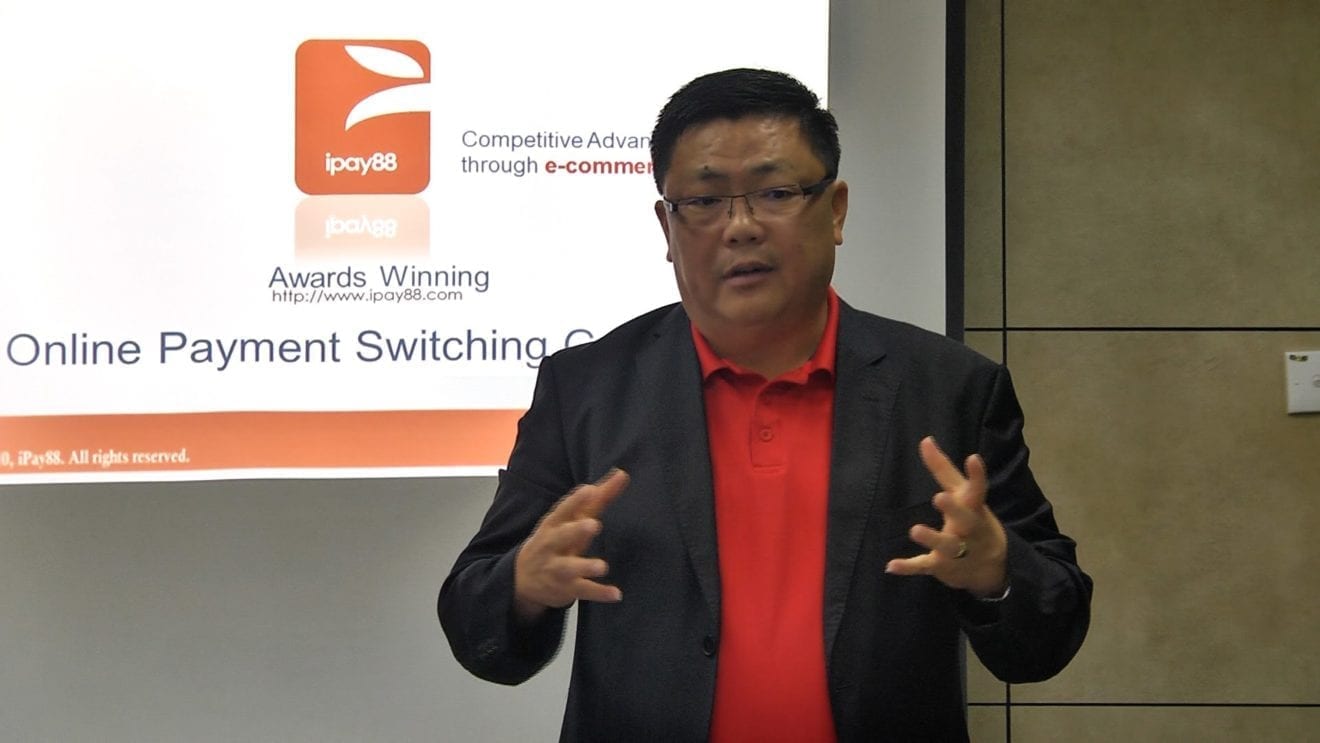
    Millennials demand faster and easier ways to pay. It seemed awkward at first, as J.D Power Director Gordon Shields recalls it, having to pay using his phone at a local supermarket in Singapore. He tells how the checkout assistant confusingly shouted “Apple Pie, Apple Pie” across the store when he handed her his iPhone in an attempt to pay using the mobile app Apple Pay at that time.

    “It makes you wary of trying the payment option again,” he says, although the cashier team finally managed to make it work.

    Launched in just May by Apple and followed in June by Samsung and Android, mobile wallets have now been adopted by one in four Singaporeans but one in three millennials. Shields said that as mobile wallets allow transactions to be made quickly and also for notifications to be registered on the mobile phone, this allows cardholders to have access to their most recent account activities, as well as to receive any alerts or messages from the card issuer on their account.

    “It also helps to improve overall transparency over the account and can work to provide greater control on spending – either for someone who wants to manage their spend on certain categories, or others who may be working towards a certain cashback or rewards spend target,” he says.

    He adds, “In essence, as consumers like to have greater transparency over their accounts and prefer quicker access and control, without going through certain hurdles with OTPs or hard tokens, mobile wallets offer a good solution. However, the barriers to usage are multifold, including acceptance level across merchants, perception of fraud or misuse by cardholders, as well as the simple awkwardness for some users when trying the first time.”

    Contactless payments using mobile phones in Singapore have gained popularity only this year with more than 30,000 retail points in Singapore have enabled payment through apps such as Apple Pay, Samsung Pay, and Android Pay.

    “We expect overall usage to increase, as people move more to having their cards and loyalty programmes on the smartphone rather than in the physical wallet. However, how fast the growth will be still remains unclear,” he explains.

    A certain way to gauge how fast mobile wallet will gain more traction is by looking at how banks in Singapore embrace the innovation. OCBC Bank says it has seen over 35% growth in contactless payments for the past year.

    “It was an easy decision to embrace digital wallets, be it Apple Pay, Samsung Pay or Android Pay, as we want to make this convenient payment method available to as many OCBC customers as possible,” says OCBC lifestyle financing group head Desmond Tan.

    For Usman Khalid, Standard Chartered Singapore’s payments head, mobile wallets dissolve friction from payments.

    “Customers have strongly embraced these platforms as part of their lifestyles, with our customer engagement metrics showing a positive increase. We are also seeing significant growth in customers’ overall contactless spends,” he notes.

    Standard Chartered says it is the only international bank in Singapore to have launched services in three mobile wallets for its clients. As the technology cuts across all three mobile phone operating systems, Khalid said they have seen consumers use mobile wallets for small ticket size “everyday spend” categories such as supermarkets, coffee shops and fast food restaurants.

    Meanwhile, Maybank Singapore Community Financial Services Head Choong Wai Hong notes that their card members have the option to pay using Samsung Pay app. More than the ease of using one, Choong says customers could rely on the added security the technology offers.

    “The mobile wallet is also safe to carry and use. While some consumers may forget to bring their cards or wallets when leaving home, they rarely forget their mobile phones. Hence it provides the added comfort that they have their wallets with them even when they forget to bring their physical cards,” he underscores.

    Wai stresses that one challenge for banks is to get more customers to adopt the new mode of payment.

    “Another challenge is that not all models of mobile handsets support the respective mobile payment apps, so we have seen cases where customers want to embrace this form of digital payment, but their current mobile handsets are not compatible,” he says.

    Out of all the apps, only Android Pay can be used by older NFC-enabled mobile phones. Samsung Pay and Apple Pay support only the latest handsets of their respective brands.

    But for users who had positive experience using mobile wallets, Wai acknowlodges it is likely that there will be high penetration of mobile wallets in the long run.

    “In the short to medium term, what’s more likely is the scenario of consumers using a combination of physical card payment and mobile payment. Furthermore, physical cards are still necessary for payment in other countries where there is no or low mobile payment acceptance,” he says.

    OCBC’s Tan has the same sentiment, adding that financial institutions should speed up their innovation process or risk becoming a laggard in this rapidly-changing world of payments.

    “We are expecting digital wallets to lead the next revolution in the rapidly growing world of payments,” he foresees.

    Some banks have gone so far as creating contactless ATMs. UOB, aside from launching Asia Pacific’s first contactless payment option through its UOB Mighty app, has promised to roll out 60 contactless ATMs around the city-state by January next year. It ambitiously eyes to replace all of its 634 ATMs with NFC-enabled ones by the end of 2018.

    UOB Head for Personal Financial services Dennis Khoo says the bank even worked with partners to introduce contactless mobile payments at all MRT stations in Singapore.

    “This means that UOB cardmembers can now simply top up their EZ-Link cards at any General Ticketing Machine with a tap of their smartphone,” he notes. “It is as important to grow acceptance points in areas that are most relevant to our customers’ lives, from retail and groceries to transit. “

    He, like Shields, believes that it will be millennials who will advance the adoption of mobile wallet technology in Singapore.

    “We have noticed that they are generally early adopters of new innovations such as contactless mobile payments. As they will soon make up the largest demographic of consumers in Singapore, it is natural that they will continue to influence and shape the consumer landscape in Singapore,” he concludes.

  • Jet Airways to fly to Singapore from Bengaluru daily

    Jet Airways to fly to Singapore from Bengaluru daily

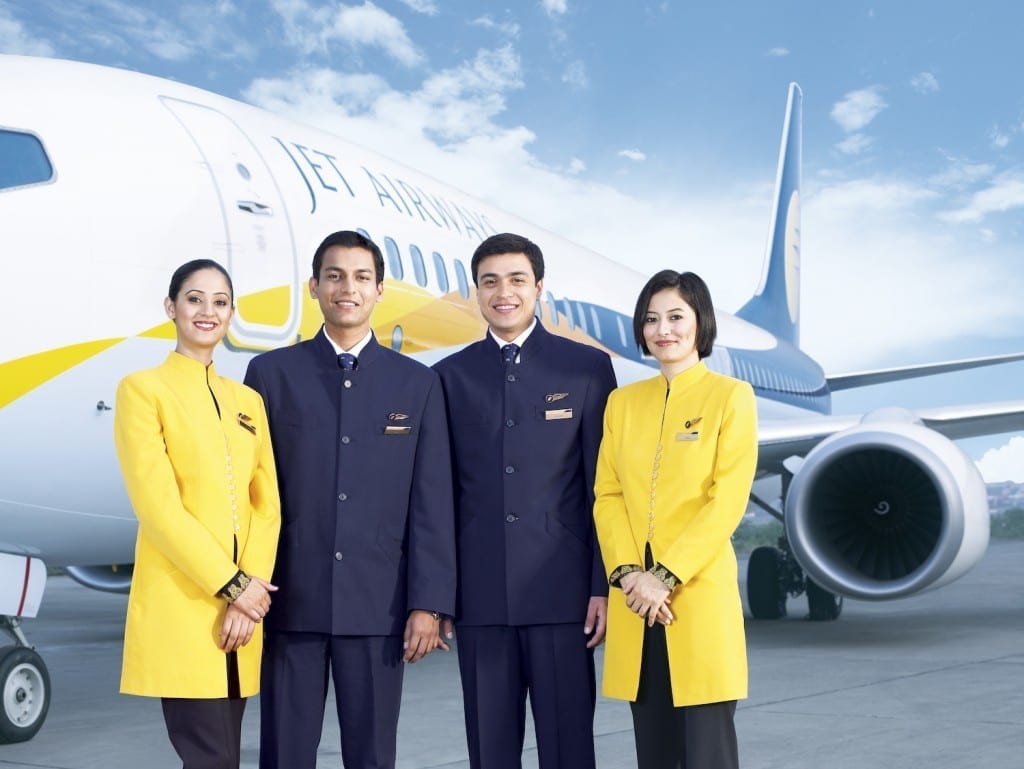
    Leading private carrier Jet Airways will operate a daily service to Singapore from here from December 14 to expand its connectivity in the Asean region, the airline said on Monday.

    “The new flight is introduced to meet the demand for a direct flight to Singapore from business travellers across southern cities — Hyderabad, Mangaluru, Coimbatore and Thiruvananthapuram,” it said.

    Jet will operate Boeing 737-800, departing at 11.10 a.m. and landing in Singapore at 6.10 p.m. The return flight will depart at 7.15 p.m. and arrive in Bengaluru at 9.15 p.m.

    Jet Airways currently operates daily flights from Mumbai, Delhi and Chennai to Singapore.

  • Bridgestone appoints M&C Saatchi Singapore as APAC AOR

    Bridgestone appoints M&C Saatchi Singapore as APAC AOR

    Bridgestone China & Asia Pacific has appointed M&C Saatchi Singapore as its agency of record (AOR) from January 2017 following a closed-door pitch involving four global agencies.

    This win follows the agency’s recent wins as AOR for Shell Retail Singapore and the social media accounts of NETS and Bank of Singapore.

    M&C Saatchi Singapore will partner with Bridgestone China and Asia Pacific to drive digital transformation of customer experience and related operational processes.

    The agency’s remit includes developing a through-the-line brand campaign, with a focus on a thorough revamp of the current website and social media strategy. Malaysia will be the first focus market for the agency.

    In a statement, Chris Yang, GM, Bridgestone China and Asia Pacific, said the agency impressed with “their understanding of consumer insights and how it translates into solutions for our brand and business across all touch points.”

    “Consumer experience has always been at the heart of what we do at Bridgestone,” he added.

    Tanuj Philip, CEO of M&C Saatchi Singapore, said the agency has been focused on building a specialist digital and social unit within the agency, and that the win is “a testament to the expertise and experience of the team”.

    “We look forward to partnering with Bridgestone to reinvent customer experience in the category,” he added.