Tag: Singapore

  • Moiselle International losses mount

    Moiselle International losses mount

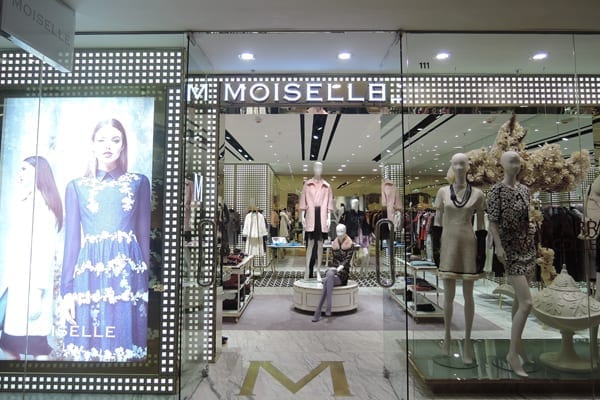
    Fashion group Moiselle International has strengthened its margins but still posted a loss in the last half year.

    While its loss of about HK$35 million (US$4.5 million) was about 10 per cent more than its loss of about HK$32 million for the same period last year, Moiselle International had a healthier gross profit margin of 79 per cent, up from 76 per cent.

    Revenue declined 18 per cent to $132 million, its unaudited interim results to the end of September show.

    Moiselle says it was hit hard by the harsh operating environment as it derived about 55 per cent of its revenue from Hong Kong and 18 per cent from China. Its retail sales in Hong Kong were affected by the fall in the number of mainland tourists as well as exorbitant rents. In China, the economic slowdown dampened the consumer sentiment.

    The remaining 27 per cent of the revenue was made up by sales in Macau, Singapore and Taiwan.

    To cope with the difficult market, the group rationalised its retail network, introduced stringent cost-control measures, continued cost-effective sales and marketing initiatives such as adopting an online-to-offline business model, introduced exclusive services for high-end customers with a VIP club, and introduced products of a wider price range to broaden its customer base and cater for young Hong Kong customers.

    Meanwhile, the group stepped up its multi-brand strategy by launching fashionable loungewear under a new brand, promoted in the group’s two fashion shows in Hong Kong and Beijing.

    Hong Kong sales fell 18 per cent year-on-year to about $72.3 million. The group continued to negotiate for lower rents for shop spaces, opened shops at prime locations with reasonable rents and closed down underperforming outlets.

    Online initiatives

    Sales in China fell by 31 per cent to about $23.4 million. The group closed some shops and relocated others. It also stepped up its initiatives in eCommerce, such as opening an online store under the Moiselle brand at Tmall this month.

    To reinforce its online marketing efforts, the group worked with key opinion leaders on social media such as WeChat and Weibo.

    China’s measures to advocate frugality spilled over into Macau’s retail market. The group continued to run five shops at the Venetian Macao Resort Hotel and opened a store at the Parisian Macao Hotel. It had two concept stores and four other outlets in the city which generated a combined revenue of about $17.97 million, or about 14 per cent of the group’s revenue.

    Taiwan’s 20 retail stores generated about $13.7 million, about 10 per cent of the group’s total revenue. It opened three more outlets and counters during the half-year.

    Operations in Singapore

    In Singapore, sales fell 22 per cent to about $4.14 million. The group has retained seven stores there.

    At the end of September, the group had 84 stores and counters in China (first- and
    second-tier cities), Hong Kong, Macau, Singapore and Taiwan, down from 90 at the end of March.
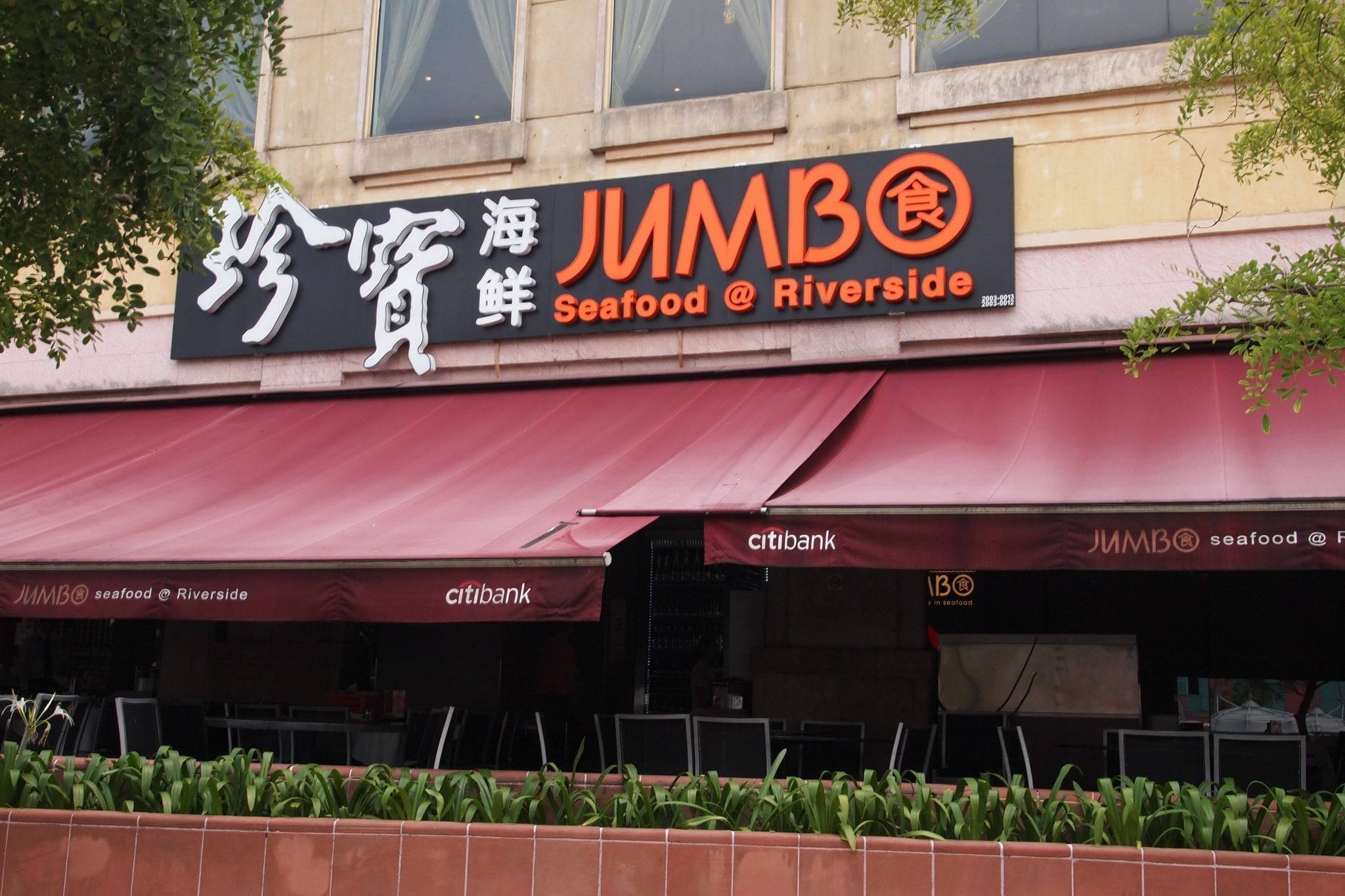
  • Jumbo Seafood grows profit 17.9pc

    Jumbo Seafood grows profit 17.9pc

    Restaurant group Jumbo Seafood has reported a full-year net profit of S$15.7 million (US$11 million) – up 17.9 per cent from the previous year.

    Overall group revenue grew 11.4 per cent to S$136.8 million, attributed mainly to revenue contributions from its new seafood outlets in Shanghai as well as an overall increase in revenue from its other restaurants.

    Jumbo Seafood executive chairperson/CEO Ang Kiam Meng says the group managed to increase yields despite the ongoing challenges of the industry.

    “We look forward to further improving our financial performance by streamlining our operations to raise productivity and efficiency while lowering operating costs.”

    In October, Jumbo opened its fifth Ng Ah Sio Bak Kut Teh (pork ribs soup) outlet in Singapore.

    Jumbo is a multi-concept dining and F&B group with a network spanning Singapore, China and Japan. It also provides catering services, and in Singapore sells packaged sauces and spice mixes.

  • Singtel launches Hooq OTT movie and TV services

    Singtel launches Hooq OTT movie and TV services

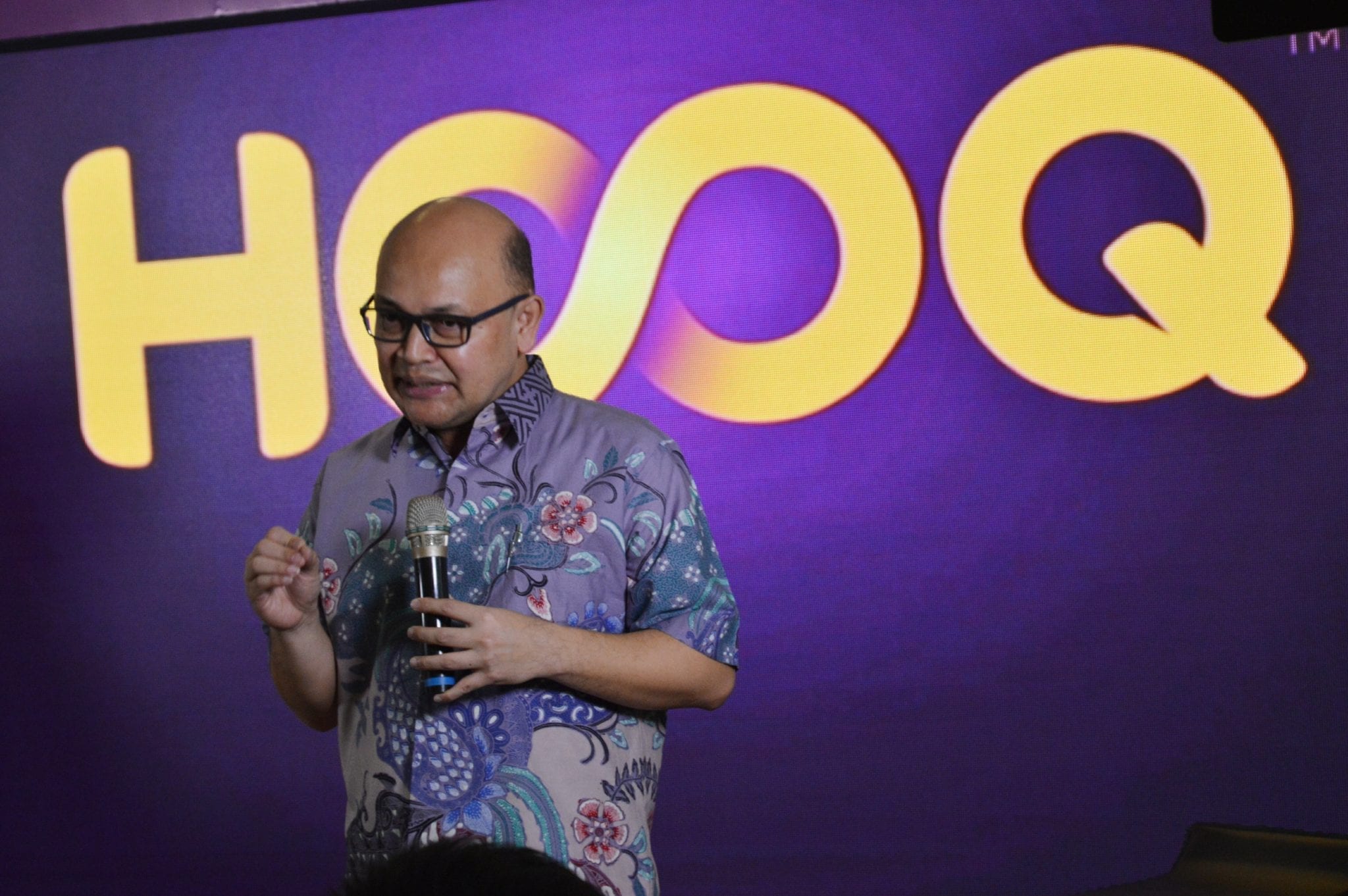
    Singtel has launched over-the-top (OTT) movie and TV service Hooq to its customers in Singapore, 22 months after the company announced the joint venture with Sony and Warner Bros.

    Hooq has been available for some time as a rival to Netflix via Singtel associates in the Philippines, Thailand, India and Indonesia, but it is now being launched in Singapore to Singtel’s prepaid, postpaid and broadband customers as part of bundled service packages.

    Hooq CEO Peter Bithos said that the service would provide an “ad-free freemium video-on-demand service with the largest catalogue of Hollywood, Asian and kids’ content”. The service has over 20,000 titles in its catalogue, available in Singapore for S$8.98 (US $6.29) a month, “the price of a movie ticket”, said Bithos.

    This is about twice the rate that Hooq charges customers of Globe Telecom in the Philippines, Telkomsel in Indonesia, AIS in Thailand or Airtel in India, where prices range from the local equivalent of $2.99 a month to $3.63.

    Hooq announced in March 2016, the first anniversary of its service launch in the Philippines, that it then reached 100,000 customers. No further figures are available. The five countries where the service is available now have a combined population of 1.6 billion, though the service can only be bought via packages through Airtel, AIS, Globe, Singtel and Telkomsel.

    Goh Seow Eng, Singtel’s managing director of home, consumer, said: “Singtel is always keen to expand our content offerings to enhance our customers’ entertainment experience. They will be pleased with Hooq’s vast selection of Hollywood hits, as well as ethnic movies and TV dramas. As an OTT video service, Hooq is a good complement to our pay TV product, as it allows us to offer an even wider breadth of content over multiple screens – mobile devices, computers and televisions.”

    Hooq does not offer live streaming TV services. At launch, Hooq said that it planned to offer movies such as Spider-Man and Harry Potter and TV series such as Friends and Gossip Girl, as well as Indian, Chinese, Thai, Filipino, Indonesian, Korean and Japanese movies and TV series.

    Singtel is a significant shareholder in Airtel, AIS, Globe and Telkomsel. Hooq is not available via Singtel’s Optus subsidiary in Australia, nor via Airtel’s African operations. Singtel and Airtel are increasingly working together on enterprise services.


  • Singapore becomes test bed for Citi Pay ewallet

    Singapore becomes test bed for Citi Pay ewallet

    MarketandResearch pegged the growth of the Singaporean payment cards market at CAGR of 3.3% during the period 2012 -2014, and projects it to grow at a CAGR of 2.7% over the period 2015 – 2020. In Singapore, debit cards dominate the payment card market in terms of number of cards in circulation. In 2014, the debit cards accounted for 53% of the total number of cards in circulation in Singapore.

    This growth however is due for a change as Worldpay predicts credit card usage in the city-state to decline over the next few years falling by over 10% of market share to 69%, as alternative payment methods become more established. One alternative payment platform expected to grab share of the growing e-commerce business opportunity which a joint-report by Temasek and Google predicts to reach US$5.4 billion by 2025.

    Consumers prefer to use credit cards to make payments at POS terminals for retail purchases. The MarketandResearch report “Singapore Cards and Payments Market – Growth and Forecast to 2020” estimate the value of transactions at POS terminals accounted for 95.7% of total credit card transactions in Singapore.

    Entering the already crowded ewallet marketplace is Citi with the official launch of Citi Pay, a digital wallet developed by the bank. It says Singapore is the first country in the world to have Citi customers have access to its new ewallet facilities. Citi customers can use their Android mobile device to tap any Near Field Communication (NFC)-enabled point-of-sale terminal.

    According to the KPMG Report “Singapore Payments Roadmap – Enabling the future of payments 2020 and beyond”, 51% of payment cards used by consumers in Singapore are now contactless. In addition, data supplied by the Infocomm Media Development Authority suggests that the total number of mobile subscriptions for 4G has increased by close to 500% from 2013 – an increase that has facilitated the move to mobile payments by consumers in the country.

    The bank claims onboarding process for Citi Pay is seamless and very easy. Customers will be able to use the same Citibank online user ID and password that they currently use to manage their existing online relationship with the bank to log in to Citi Pay, which will automatically populate their card details.

    Australia and Mexico are expected to have Citi Pay available before end of 2016. Additional markets to follow in 2017.

  • Fast food industry in Singapore braves slump

    Fast food industry in Singapore braves slump

    The food and beverage industry is in a pickle with the slowing economy, but the fast-food industry appears to be staying ahead.

    The latest official figures show that sales at fast food outlets were better than those at restaurants this year until September, except for June.

    Fast food sales in September are estimated to have risen 2.6% over the same period last year.

    But sales at restaurants rose more modestly at 0.9%.

    Still, sales in both the restaurant and fast food categories have slowed down compared with five years ago. The fast-food industry grew just 1% last year, a significant drop from the 10% growth in 2011.

    High rental rates and a manpower crunch have contributed to the sector’s misery, as has a slowing economy. The fast food industry is doing better because of lower prices and promotions. The industry is also a lot more nimble in responding to food trends, said observers.

    “It has speed and convenience, and even the ambience is getting better at the outlets. They keep having new products, which people get on to social media and talk about,” said Singapore Polytechnic senior retail lecturer Sarah Lim.

    Fast food is also more attractive when times are bad, said Associate Professor Prem Shamdasani, from the National University of Singapore Business School.

    Texas Chicken, which opened two new outlets in Singapore in the second half of this year, said it has seen a 6% growth in same-store sales in the first nine months this year, compared with the same period last year.

    Popeyes, also a fried-chicken chain, reported the same amount of growth in sales.

    Besides the introduction of new products, the chains said sales are up because of higher productivity, which leads to lower costs, and more efficiency.

    International chains like McDonald’s and Popeyes as well as local chain BurgerUp have invested in technology such as self-ordering food kiosks that help streamline services and reduce the dependence on staff.

    “We offer burger customisation, so it is essential to have the ordering kiosk for diners to do it without hogging the order counter,” said Charlie Tan, BurgerUp’s director of strategic planning and marketing.

    He said this has led to 20% savings in manpower.

    Burger King is expected to adopt a similar system next year, said a spokesman. Texas Chicken is exploring the option.

    The use of such technology has translated into better sales.

    Dickson Low, chief operating officer of Revenue Valley Group, which runs the Popeyes chain in Singapore, said staff have noticed more customers ordering side dishes and getting bigger portions of food.

    He said this may be because the self-ordering kiosks allow them to view the images of all items on the menu.

    “For restaurants that use self-ordering kiosks, the orders for add-on and top-up items are higher by 15% (than at restaurants) without kiosks.”

    The firm has invested S$150,000 to S$200,000 (RM465,975 to RM621,632) on these kiosks for each of its five outlets.

    Prof Shamdasani said fast-food outlets find it more cost-efficient to invest because of the number of outlets they operate.

    On the other hand, restaurants outside the industry may operate fewer branches and struggle to afford the technology.

    Besides technology, the fast-food industry has also turned to the local palate to attract customers.

    McDonald’s, for example, introduced salted egg burgers in June this year. Texas Chicken introduced flavours such as sambal chicken, as well as herb and garlic chicken.

    “Singapore is the hotbed of innovation and creativity when it comes to flavour profiles. It is a trend leader,” said Amarpal S. Sandhu, Texas Chicken’s general manager for the Asia-Pacific region.

  • Best seats in business class: Singapore Airlines Boeing 777-200ER

    Best seats in business class: Singapore Airlines Boeing 777-200ER

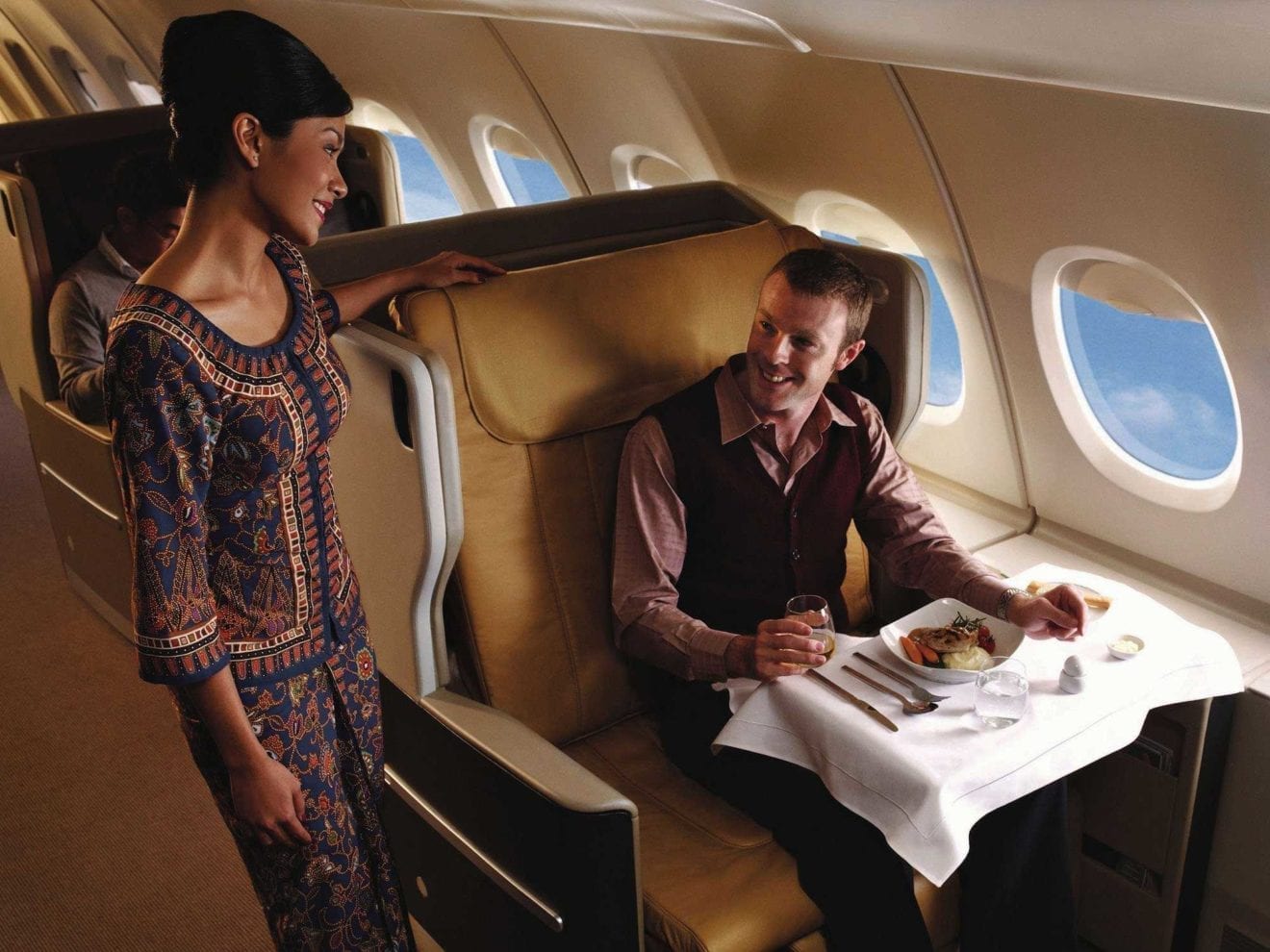
    Business class on Singapore Airlines’ refitted Boeing 777-200ERs proves almost identical to what you’ll get aboard the airline’s flagship Airbus A380s, but with a few tweaks and touches to maximise your space for sleeping and working.

    Now gracing Australian skies on overnight flights from Brisbane to Singapore – and planned also for flights between Sydney and Jakarta – here are our top seating picks in business class, whether you’re aiming to work through the flight, catch some shut-eye or chat with your partner.

    Singapore Airlines refitted Boeing 777-200ER business class: the basics

    Singapore Airlines spreads 26 business class seats across the first seven rows of its refitted Boeing 777-200ERs, configured in a 1-2-1 layout that places the ‘A’ and ‘K’ seats by the windows and the ‘D’ and ‘F’ seats in the centre:

    Even though there’s no first class cabin, business class begins at row 11 and also skips the ‘unlucky’ row 13, with all seats found together within a single ‘zone’ of the aircraft.

    Note that Singapore Airlines’ other, non-refitted Boeing 777-200ERs instead feature a different type of business class seat and use a different layout also, for which this guide does not apply.

    Singapore Airlines refitted Boeing 777-200ER business class: best seats

    For sleeping – 11A, 11K: While every business class seat here transforms into a fully-flat bed, the window seats in the first row provide considerably more space both beside and in front of you, as there’s no narrow ‘foot cubby’ to contend with.

    Instead, you can spread out as you wish, which taller travellers will particularly appreciate:

    If 11A and 11K are already taken or otherwise unavailable, look to 11D or 11F instead – also with extra foot space, but not as roomy:

    Also note that 11A & 11K double as bassinet seats, so if there’s a baby-toting traveller on your flight and you’ve perched yourself here, there’s a chance you may be moved to accommodate them.

    For productivity – other A, K seats: Those bulkhead seats above certainly are spacious, although they lack many of the storage nooks afforded to passengers in the other rows.

    On daytime flights when you’re planning to work, we’re sure you’ll appreciate this extra storage bin – handily located near the USB and power outlets for convenient charging of your devices…

    … as opposed to your only at-seat storage option in those bulkhead seats: a literature pocket that already comes filled with literature:

    For couples – the D + F pairs: When travelling with your significant other, aim for one of the seven centre pairs.

    You’ll need to lean forward slightly to see each other when sitting upright, although with each seat measuring 30 inches wide, one traveller could certainly visit the other’s seat while enjoying a movie – there’s even a second headphone outlet at these seats to make this easy.

    If you’re a solo traveller and can’t snag a window seat, don’t fret – there are two sturdy privacy dividers which can be opened in between, so that even if one passenger retracts theirs, the other can remain in place.

    Avoid 18D, 18F: Found in the very back row of business class, these seats are practically next to the main aircraft door used for boarding economy passengers (18D even more so than 18F), and what’s more, the two business class restrooms are located directly behind.

    That severely limits your privacy both on the ground and in the air with so many passengers passing by these seats, not to mention the extra noise from the lavatories.

    Instead, as there are no restrooms ahead of business class – only rearward, behind these seats – you’ll find greater privacy in a row further forward instead.

  • Singtel appoints Mark Chong group CTO

    Singtel appoints Mark Chong group CTO

    Singtel has made two key appointments to strengthen its management team as the Singapore-based telco continues its multi-year transformation.

    Current CEO International Mark Chong (pictured) will take up the role of group chief technology officer, with Arthur Lang taking over his role, effective April 1, 2017.

    Chong will replace Tay Soo Meng, who is set to retire at the end of the financial year after serving Singtel for almost 50 years. Tay will take on an advisory role, the company said.

    In his new role, Chong will lead technology strategy and innovations across the group. Chong, a Singtel veteran of over 20 years, has held various key leadership positions, most notably EVP Networks in Singapore and COO of AIS in Thailand.

    Lang joins Singtel from CapitaLand Limited, where he was group chief financial officer for more than five years.  He will join the group in January with the task of growing Singtel’s regional associates across India, Indonesia, the Philippines and Thailand.

    Commenting on the appointments, Singtel Group CEO Chua Sock Koong said, “Given our global aspirations and a fast evolving business and technology landscape, we are reinforcing our leadership team as we prime our enterprise for our next phase of growth.”

    Both Chong and Lang, together with Samba Natarajan, CEO Group Digital Life, will join Singtel’s management committee, which oversees strategic direction and execution for the group.

  • 90% of retail space at upcoming Bukit Panjang mall taken up

    90% of retail space at upcoming Bukit Panjang mall taken up

    Retail space is filling up at Bukit Panjang’s upcoming shopping centre called Hillion Mall, announced Sim Lian Group on Friday.

    It said in a press release that 90 percent of the approximately 174,730 sq ft of lettable area has been taken up by about 100 retail as well as food and beverage (F&B) tenants.

    There are five anchor tenants – NTUC FairPrice, PCF Sparkletots Preschool, Amore Fitness and Boutique Spa, Kopitiam and Best Denki.

    The mall along Petir Road, which is slated to open in the first quarter of 2017, is part of Bukit Panjang’s upcoming integrated transport hub. The Land Transport Authority (LTA) had announced that the hub will seamlessly connect the existing Bukit Panjang LRT station and the future Bukit Panjang MRT station with retail, F&B and residential developments at the same site.

    Basement 2 of Hillion Mall will be directly linked to the MRT station via an underpass, said Sim Lian Group.


    Above the mall is the 546-unit Hillion Residences. It is expected to receive its Temporary Occupation Permit (TOP) by September 2018.

    This is Sim Lian Group’s first mixed-use development in Singapore. When complete, the mall will serve more than 220,000 residents and 760,000 commuters, it said.

  • More retailers open doors for Black Friday sales

    More retailers open doors for Black Friday sales

    If the downtown area seemed like it was more crowded at the weekend, it was because the usual end-of-year sale season came earlier this year for some retailers.

    More brick-and-mortar shops jumped on the Black Friday bandwagon this year in a bid to attract more customers.

    Stores like Robinsons, Courts, Topshop, Topman, Harvey Norman and H&M were out in full force to roll out promotions for what is known in the United States as Black Friday – the day after Thanksgiving.

    All three Robinsons stores slashed their prices by up to 80 per cent. The retailer also brought forward its opening time from 10.30am to 7am.

    Furniture, IT and electronics retailer Courts, which has taken part in Black Friday sales since 2013, offered a priority pass for the first time this year – 280 shoppers who pre-registered could skip the queue and get access to exclusive discounts. The chain also offered discounts of up to 80 per cent at all its 14 outlets and online store.

    Meanwhile, Swedish fashion chain H&M launched a Black Friday collection for the first time, with black as the key colour palette – selected items went on sale from $10.

    Retailers said Black Friday sales helped to increase footfall and sales amid a soft retail climate.

    Wing Tai Retail executive director Helen Khoo said the crowd at some of its stores doubled, compared with normal weekends and Fridays, while sales were between two and four times better than usual.

    A Robinsons spokesman said the turnout was “overwhelming”, adding that some shoppers queued for hours before its stores opened at 7am on Friday. Highly sought-after items included home and electrical appliances, tableware, kitchenware and bedding products.

    Courts Singapore country chief executive Stan Kim said mattresses, TVs, action cameras and smart watches were among the popular items. Black Friday, he added, is gaining momentum as there is growing awareness among consumers with the rise of online shopping.

    He said: “Courts’ online store showed a significantly stronger performance against last year, and our offline stores also benefited from the Black Friday campaign, a testament to the fact that shoppers look to both online and offline platforms alike for great deals.”

    Administrative executive Janet Neo, 29, and her 30-year-old husband spent about four hours in Orchard Road on Friday evening.

    The couple dropped by outlets such as Sephora, Fred Perry and Robinsons for clothes, make-up and bedding material, and saved about $500, thanks to the discounts. Ms Neo said: “The discounts were really worth it. If it wasn’t so crowded, I would have bought more things.”

    Black Friday, an annual American tradition, was coined to describe the day retailers turned in profits and went “into the black”.

    It is usually immediately followed by Cyber Monday, where stores offer further deals online. Some retailers in Singapore, including Robinsons, are expected to take part.

  • Sa Sa profits dive

    Sa Sa profits dive

    Sa Sa profits took a hit of 37.3 per cent for the six months to September 30.

    The Hong Kong-listed beauty products retailer’s interim results show turnover easing by 4 per cent to HK$3.628 billion (US$467.7 million) for the period, with retail sales in Hong Kong/Macau decreasing by 3.6 per cent to HK$2.9032 billion.

    Profit fell from $153 million to $96 million with its gross profit margin dropping from 42.9 to 41.2 per cent.

    During the six months, the group rationalised its retail network from 291 to 283 – six fewer Sasa stores and two fewer single-brand stores/counters.

    While sales fell in Hong Kong/Macau, the number of transactions rose by 0.2 per cent for local customers and 4.4 per cent for Mainland Chinese tourists. The value of each transaction, however, fell by 6.3 and 6.6 per cent respectively.

    Retail sales in Hong Kong continued to be weak, mainly because of average transaction values being lower. The company says the underlying reasons were a change in consumer preferences, a strong Hong Kong dollar and a depreciating yuan. Also, the policy change limiting Shenzhen residents’ multiple-entry permits to one visit a week has had a “significant” impact.

    However, Sa Sa reports an uptick toward positive growth in July as the company adapted with faster product launches, shorter product cycles and cheaper trendy products.

    Korean swing

    As an indication of market change, Sa Sa’s Korean product mix grew from 16.7 per cent of total sales to 23.5 per cent, and the parallel-imported product mix increased from 29.1 to 31.7 per cent. Sales for house brands dropped from 41.5 to 38.5 per cent.

    Overall turnover for Mainland China decreased by 4.3 per cent to $135 million, while same-store sales fell 5.1 per cent. The loss for the period amounted to $13.7 million. Profitability was impacted by the relocation of warehouses.

    Turnover for Singapore at $101.3 million was a drop of 11.1 per cent. As well as weaker sales, management issues impacted performance. While turnover was high, this created difficulties in retaining the knowledge base. However, a restructuring process has drawn on the resources of the relatively strong Malaysian management team.

    Malaysia’s turnover was down 19.1 per cent to $163.4 million, though same-store sales rose 11.2 per cent. Retail sales growth exceeded other markets thanks to the group’s strong retail network and effective marketing campaigns.

    Turnover in Taiwan fell by 23.1 per cent to $98.3 million, with same-store sales tumbling 19.5 per cent because of weak consumer sentiment and ongoing restructuring of the management team.

    Logistics problem

    In eCommerce, Sasa.com turnover reached $193 million, a dip of 0.1 per cent. Sales were affected by the appointment of a new logistics provider in April with the aim of increasing scalability. However, changeover difficulties resulted in a decision to return to the original service provider.

    “Significant numbers of orders had to be cancelled, and further costs were incurred by moving inventory back and forth as well as the running of two warehouses in parallel during the period,” says the company.

    Building on the growth of mobile internet use, the company launched a mobile app and started a collaboration with eCommerce platform Kaola in addition to its partnership with JD.com, Suning.com and T-Mall.

    On the mainland, the dynamics of the cosmetics market are changing with internet retailing growing at a rapid pace, says the company. Because of these challenges, it is continuing to strengthen management and recruit staff.

    “We are also seconding experienced staff from Hong Kong to improve the attractiveness of our product offerings and strengthen inventory management.”

  • Hard half-year for Luk Fook Holdings

    Hard half-year for Luk Fook Holdings

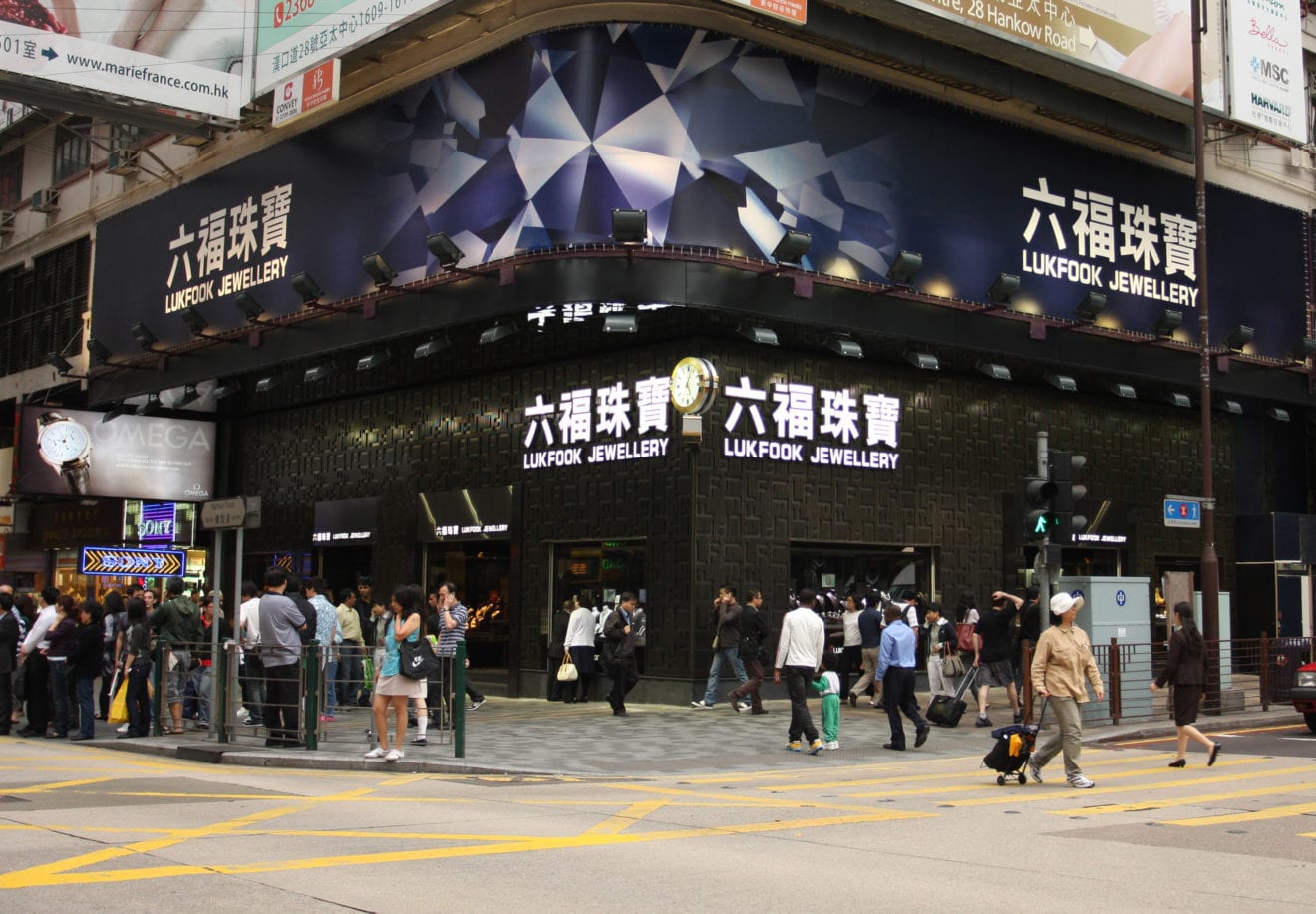
    Revenue plunged by 21.5 per cent for jeweller Luk Fook Holdings (International) to reach HK$5.5 billion (US$709 million) for the six months to September 30.

    Its interim results also show a drop of 31.5 per cent in overall same-store sales for the period.

    However, its overall gross margin improved by 5.3 points to 28 per cent as a result of a relatively high gold price and higher gemset jewellery sales mix. Because of this, the gross profit decreased by only 3 per cent to HK$1.5 billion.

    Mainland China accounted for 54.6 per cent of total profits, an increase of 12.8 points.
    With a lacklustre market, retail revenue in Hong Kong plunged by 33.4 per cent to $2.642 billion, while the wholesale business shot up by 51.1 per cent to $361.6 million because of an increase in scrap gold sales as well as wholesale rough diamonds.

    Luk Fook says a relatively high gold price saw gold sales fall more than expected.

    During the six months, the group added 27 Lukfook shops worldwide, including 24 in China (nine of them licensed shops), a self-run shop in both Macau’s casino district and New York,and  a licensed shop in Seoul. This brought its total to 1455 Lukfook shops (up from 1412 at the same time last year), spanning Australia, Canada, China, Hong Kong, Korea, Macau, Singapore and the US, as well as nine 3D-Gold shops (up from four) on the mainland.

    The group says it has been striving to diversify its product mix, and since 2010 has been trying to expand its mid- to high-end watch business. At the end of September is was the authorised dealer of 34 watch brands including Audemars Piguet, Bulova, Burberry, Bulgari, Emporio Armani, Eterna, Frederique Constant, Longines, Omega, Oris, Rado, Tag Heuer, and Victorinox Swiss Army.

    For the six months, the watch business contributed revenue of HK$104.49 million down from HK$119.39 million for the same period last year, representing 1.9 per cent of the group’s total revenue, a 12.5 per cent decrease.

    Looking ahead, the group aims to continue to develop its eCommerce business and to further strengthen cooperation with eCommerce platforms in China. At the end of September, the group had 15 online sales platforms in China, including JD.com, Suning.com, Tmall.com and VIP.com.

  • Manolo Blahnik Malaysia debuts in KL

    Manolo Blahnik Malaysia debuts in KL

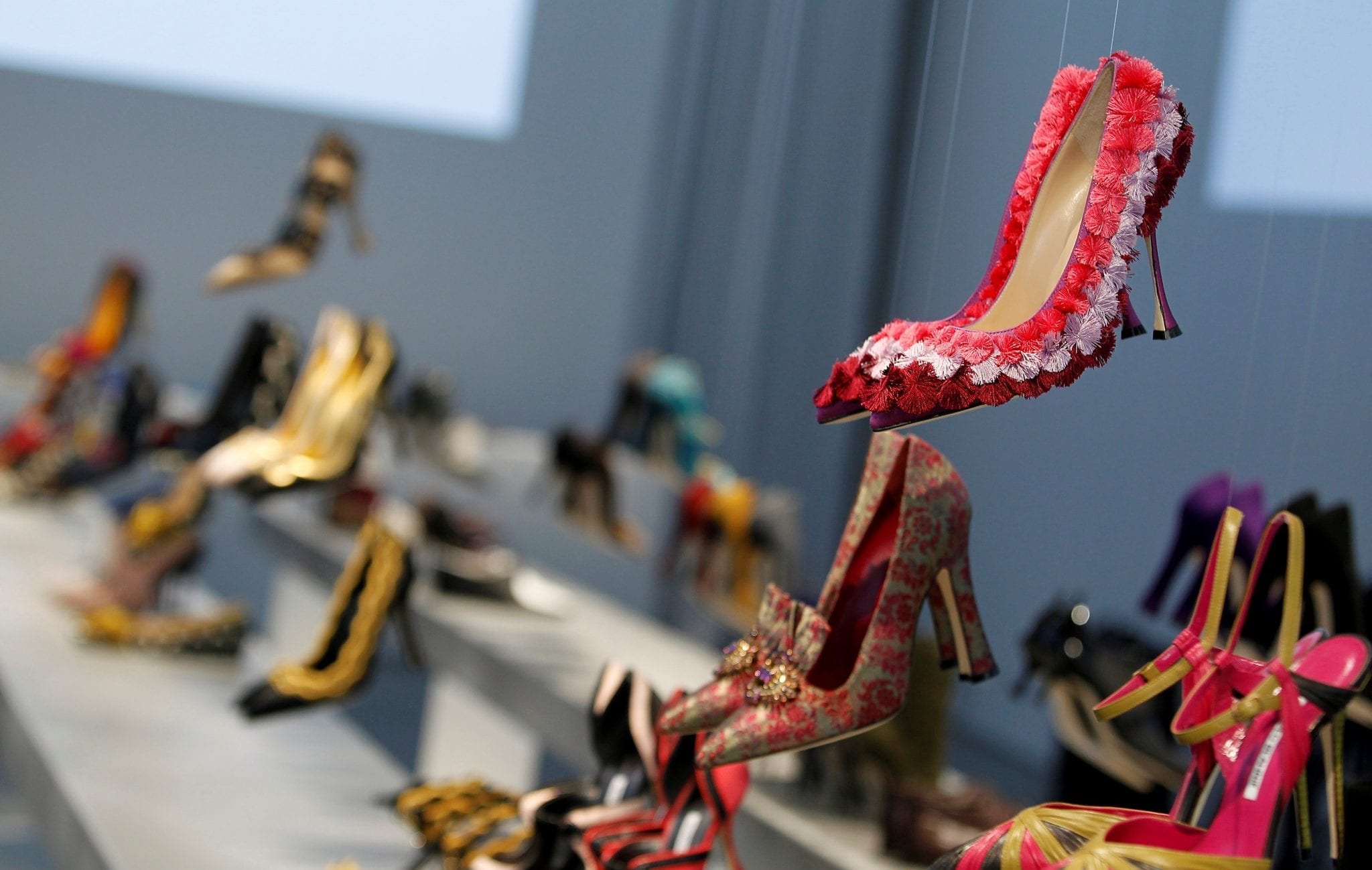
    Women’s shoe retailer Manolo Blahnik Malaysia has launched its first store, in Pavilion KL.

    The 95 sqm store is part of an Asia expansion plan that includes the refurbishment of its Singapore store at Takashimaya, as well as the launch of a flagship store in Tokyo next year. The brand is partnering with retailer Bluebell Group on the projects.

    Founder Manolo Blahnik, who opened his first shop in Chelsea in London in 1973, was born in the Canary Islands to a Spanish mother and Czech father. He studied languages and art in Geneva before moving to Paris in 1965, where he became a set designer.

    On a visit to New York in 1970, he showed his theatre designs to Diana Vreeland, then editor-in-chief of American Vogue, who encouraged him to concentrate on his shoe designs.

    Blahnik learnt the art of making shoes by visiting factories, and by 1971 was in London making shoes.

  • Veeko, Wanko and Colourmix parent finds Singapore tougher than HK

    Veeko, Wanko and Colourmix parent finds Singapore tougher than HK

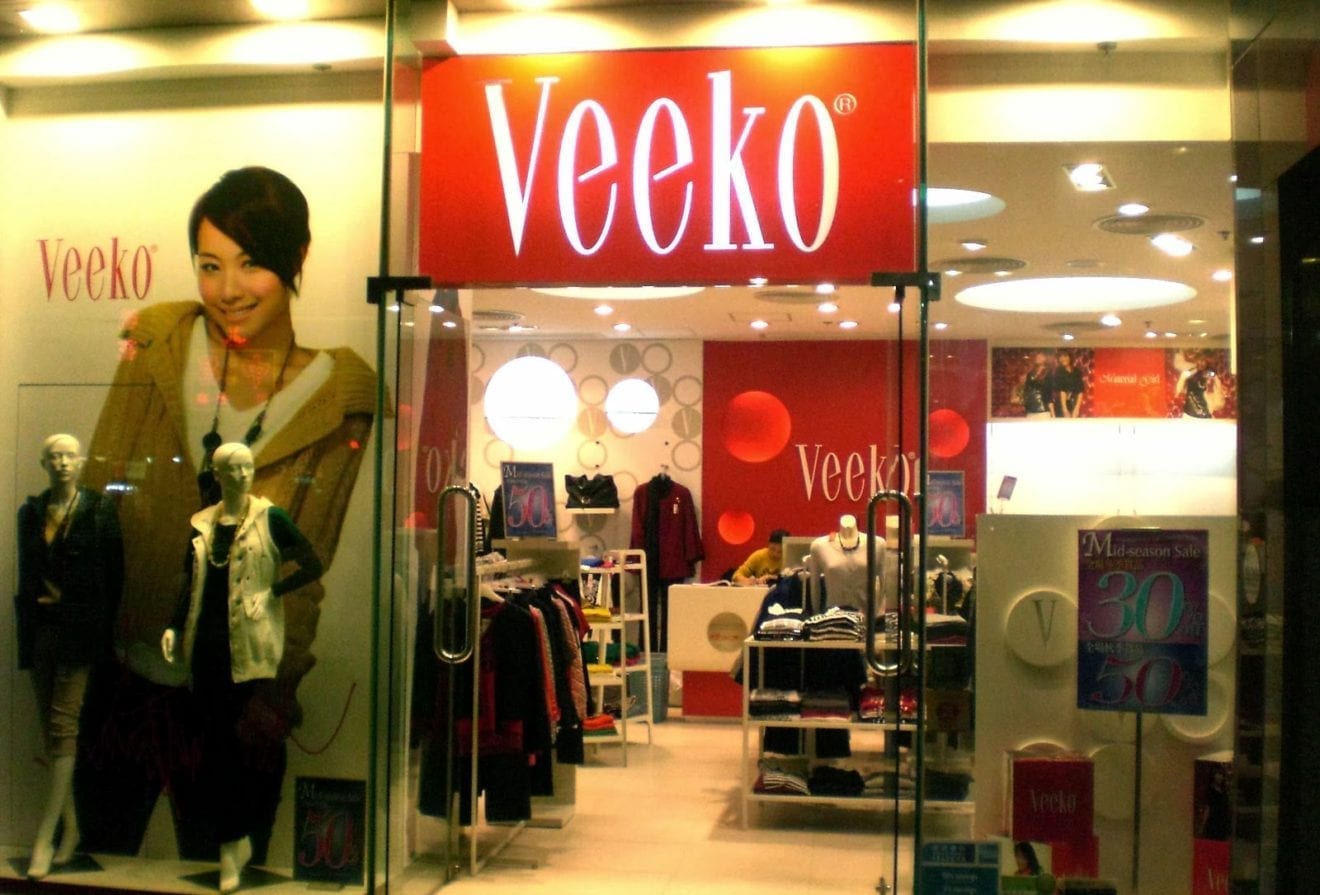
    Hong Kong-headquartered fashion retailer Veeko – the Wanko and Colourmix parent – has found Singapore more challenging than its home market.

    For the six months to September 30, Veeko International Holdings recorded a turnover of

    HK$1.029 billion, down 3.5 per cent year-on-year.

    Its cosmetics business, the Colourmix and Morimor stores, sales were stable, down by just 0.1 per cent at $828 million, accounting for 80.5 per cent of the company’s business, compared with 77.6 per cent last year.

    That highlights the core of the company’s problem – its fashion stores, trading under the Veeko and Wanko brands – which recorded a 16.1 per cent decline in sales to $200.7 million.

    Sales in Singapore, where it closed one store and now has eight, plunged 23 per cent year-on-year.

    Yet in Hong Kong and Macau, where the overall decline in retail sales during the half year was nudging double digits, sales declined by a more modest 7.6 per cent and the gross profit margin rose marginally from 71.8 per cent to 72 per cent. It added three stores during the period, taking the network to 83.

    In Mainland China, fashion sales declined 14.3 per cent and it closed three stores, leaving a net 38.

    Colourmix holds its own

    Beauty is the powerhouse of the Veeko business. The company has 87 Colourmix stores – five more than at the same time last year – of which 82 are in Hong Kong, four in Macau and one in the mainland.  In August 2015, the group launched another cosmetics store brand Morimor, with seven now trading in Hong Kong. This brand is positioned as offering “high-quality trendy skin care and cosmetics products by integrating global premier skincare and beauty concepts, with diversified products covering skin care, fragrance, make-up, hairdressing, body care and cosmeceuticals and health food”.

    Veeko chairman Johnny Cheng Chung Man says the South Korean series of cosmetics and beauty products are very popular among young customers.

    “In addition, the professional beauty consultants offer customised personal services and consultations on skin care so that customers can enjoy the relaxed and pleasant experience of beauty services.”

    The gross profit margin of the cosmetics business for the period was 32.4 per cent, down 3.3 percentage points year-on-year. The cosmetics business for the period recorded a segment profit of HK$1.319 million, representing a significant decrease of 97.7 per cent.

    “As a result of the rapid growth in the cosmetics business experienced in the past consecutive years, a considerably high base has been accumulated. With the continuously weak retail market and overall consumption environment in Hong Kong as well as a drop in the number of visitors to Hong Kong during the period under review, it was necessary for the group to offer several promotional discounts and organise marketing activities to stimulate sales, which led to a reduction in gross profit margin and a significant decrease in segment profit as compared with the same period last year,” said Man.

    Looking forward

    Man says looking forward, the group expects the challenges faced by the retail business to continue.

    “The retail environment in Hong Kong is anticipated to remain severe while a cautious consumption sentiment prevails. The group will continue to enrich its product portfolio of cosmetics products, increase trendy beauty products with exclusive distributorship, conduct staff training on providing quality professional services, and strengthen its internal consolidation.”

    Man said the fashion retail business will continue to focus primarily on the Hong Kong and Macau market. “To cope with the stagnant retail environment as well as to meet constantly changing needs in the market, the group will continue to optimise product designs and improve customers’ shopping experience. As for the overseas markets, the group will continue its cautious control on its overseas stores portfolio. Underperforming stores will be closed down further to focus its business on profitable stores.”

    In Hong Kong, given the slowdown in the retail market and a decline in rental charges for stores located in prime districts, the enhanced bargaining power of the retailers will therefore help reduce the rental pressure for stores with expiring lease terms, he said.

    “As the group will close down certain stores with low profitability and open new stores in prime locations, additional rental saving will be expected in the near future.”

  • Cybercrime rising Asia as cashless payments rise

    Cybercrime rising Asia as cashless payments rise

    Cashless payments are growing rapidly in Asia-Pacific and so is cybercrime, costing the region an estimated $US 81 billion.

    With new combinations of malware customised for local markets, phishing and social engineering attacks as well increasing e-commerce and ATM fraud, businesses are increasingly at risk for payment data theft, according to the PCI Security Standards Council.

    Singapore’s cards and payments market is one of the most competitive and attractive in the Asia-Pacific region. Already, 69 per cent of consumer spending in Singapore is made through electronic payments.

    It’s against this backdrop that global payment and cybersecurity experts met at the PCI Asia-Pacific Community Meeting in Singapore to collaborate on helping businesses prevent, detect and respond to cyberattacks that can lead to payment data breaches and fraud.

    “We simply must work together to advance payment security,” PCI Security Standards Council (PCI SSC) international director Jeremy King told attendees.

    “New technologies are driving adoption of cashless, mobile and digital commerce in Singapore and the Asia-Pacific region, and it’s critical that we ensure consumers remain confident in the security of their financial information with every payment transaction. As payments evolve, businesses must prioritise data protection with robust security standards and practices.”

    The PCI SSC has reinforced its mission to foster secure transactions globally and emphasised that as new cyber threats emerge, and advances in technology change the way payments are conducted, PCI Standards will evolve to protect the next generation of payments. Regional and industry experts speaking at the event included representatives from the PCI Security Standards Council, Interpol, Verizon, Diners Club Singapore, Foregenix, Beijing Information Technology and Pen Test Partners.

    Presentations and discussions addressed a mix of regional and global topics ranging from new threats via the Internet of Things; cybersecurity trends in Asia-Pacific; Point-to-Point Encryption for protecting payment data throughout the entire processing environment; preventing skimming at ATMs and the future of mobile and digital commerce.

    PCI SSC GM Stephen Orfei said the Asia-Pacific region has made tremendous advances in payment security in the past decade.

    “More and more companies in the region are making cybersecurity a top priority.  With the rapid growth in mobile payments, now, more than ever, we must join forces to devalue payment data and make it useless to criminals.  It is very encouraging to see industry and public-private partnerships in Asia-Pacific working together to address the ever expanding cyber threats from around the world.”

    The PCI Security Standards Council is a global forum that is responsible for the development, management, education, and awareness of the PCI Data Security Standard (PCI DSS) and other standards that increase payment data security.

    Key focus areas at the PCI Asia Pacific Community Meeting included:

    • Devaluing data with point-to-point encryption: More and more solution providers in Asia-Pacific are encouraged to adopt the PCI Point-to-Point Encryption (P2PE) Standard to provide solutions that devalue data and simplify security and PCI DSS compliance efforts for businesses.
    • Simplifying security for small merchants: The PCI SSC Small Merchant Task Force urged banks, technology providers and security assessors with small business customers to adopt and disseminate newly published PCI Payment Protection Resources for Small Merchants.
    • Improving security of online and mobile payments with stronger authentication: PCI SSC chief technology officer Troy Leach discussed the newly released device standards (PTS POI v5 and HSM v3) that support online and mobile payment security. PCI SSC is collaborating with EMVCo to support 3-D Secure 2.0 (3DS 2.0), which provides a way for consumers to directly authenticate their card with the card issuer when shopping online.
  • StarHub launches shopping channel

    StarHub launches shopping channel

    Singapore telco StarHub has launched a 24-hour Chinese language shopping channel called Go Shop in a deal with Malaysian pay-TV giant Astro.

    Singapore, 24 November 2016 This festive season, StarHub TV customers can look forward to an exciting round-the-clock shopping destination right at their fingertips. Starting tomorrow, StarHub TV, in partnership with Astro Malaysia, will be launching Go Shop (StarHub TV Channel 110), a 24-hour, Mandarin shopping channel. Go Shop will also be made available on StarHub Go, StarHub’s video streaming service, by early next year.

    Customers in Singapore can now immerse themselves in a shopping experience that is differentiated, hassle-free and convenient, anytime anywhere. Through Go Shop’s fun and informative TV demonstrations, customers can understand the benefits of each product in-depth as well as the value of the offer. The well-researched product demonstrations are specially tailored to cater to the preferences and lifestyles of Singapore’s consumers.

    Targeted at StarHub’s audiences as well as connected online and mobile shoppers in Singapore, Go Shop offerspremium and trusted international brands such as Finn Esker, HappyCall, Kloken and Shogun across various product categories from Living, Beauty, Fashion, Kitchenware and Home Appliances. New product categories such as Digital Electronics, Health and Wellness, Sports and Leisure will be introduced progressively.

    Go Shop is a joint venture between Astro Retail Ventures, a wholly owned subsidiary of Astro Malaysia, and GS Home Shopping, the global leader in TV home shopping. GS Home Shopping has international presence in nine countries such as South Korea, Malaysia, China and Russia. To celebrate its launch in Singapore, Go Shop will be introducing some of its global best-selling items on StarHub TV. These include Age 20s, an award-winning Moisture Compact Foundation from Korea, Hurom Slow Juicer which comes with a low speed rotation to preserve nutrients, and the Roichen Cookware set, made with a safe and natural stone coating.

    To entice consumers, Go Shop will introduce special offers on TV through innovative bundling that cannot be found anywhere else. It aims to offer unbeatable value by combining the main product with other product lines to complement the core offering. For instance, a set of Laneige sleeping masks can be bundled with other items from the same skincare line for a complete, value-for-money deal. Consumers can also look forward to special festive offers from time to time.

    Commenting on the launch, Ms Lee Soo Hui, Head of Content & TV, StarHub, said: “Shopping is a favourite pastime of Singaporeans, whether it is online or at the mall. Go Shop’s extensive catalogue, accompanied with detailed product demonstrations, will enable our viewers to make informed decisions before making that purchase from the comfort of their living rooms. With the upcoming festive season, the timely launch of Go Shop on StarHub TV will enable customers to get a head start on their Christmas shopping!”

    According to Go Shop’s Chief Executive Officer, Grace Lee, “Go Shop is excited to expand our wings to serve customers in Singapore, after seeing our service grow rapidly in Malaysia. We offer a differentiated shopping experience that gives our customers choice, convenience and peace of mind through our entertaining and informative product demonstrations, reputation for providing trusted international brands and products as well as great value from innovative product bundling and free delivery in a matter of days.”

    To make a purchase on Go Shop, customers can order online via www.goshop.com.sg. Payment can be made via selected credit or debit cards. The products will then be delivered to the customer within two to three days with no additional shipping fee. In addition, customers can shop with peace of mind, knowing that sales support does not end at the point of purchase. A group of specially-trained agents called Personal Go Shoppers, will be offering their assistance online or through Go Shop’s hotline around the clock. To start shopping, tune in to Go Shop on StarHub TV channel Ch 110 at 9am tomorrow.