Tag: Singapore

  • McDonald’s sells Singapore, Malaysian franchise to Saudi group

    McDonald’s sells Singapore, Malaysian franchise to Saudi group

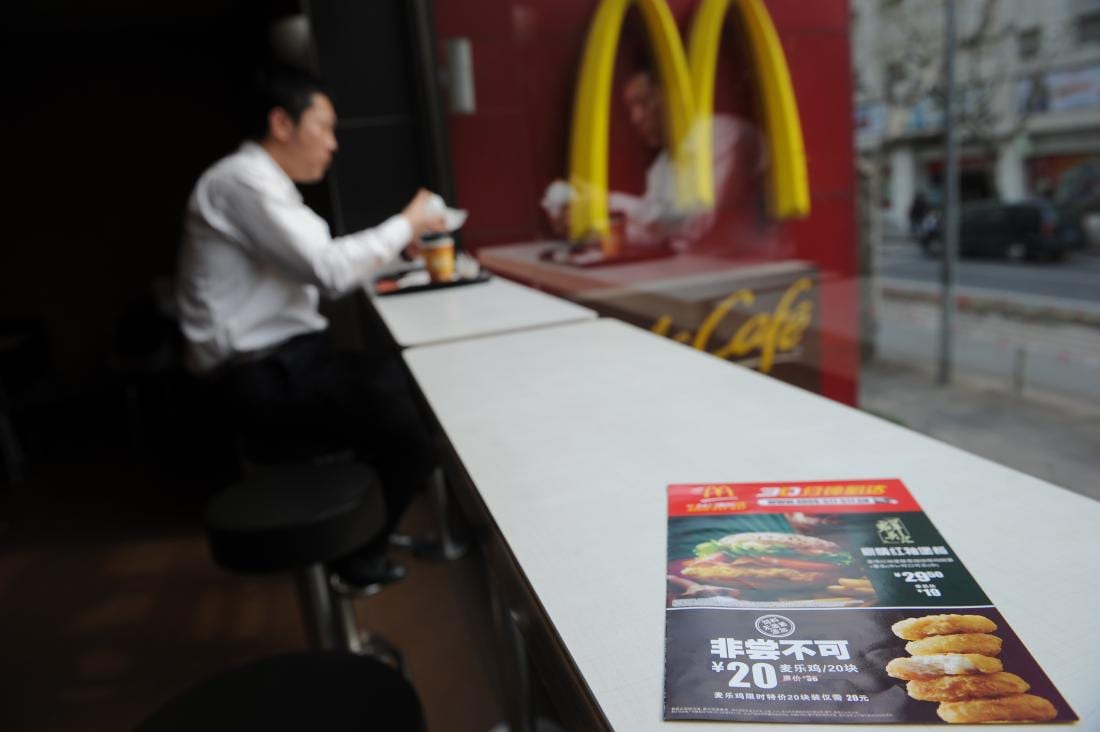
    McDonald’s said on Friday it had sold the franchise rights for its restaurants in Singapore and Malaysia to Saudi Arabia’s Lionhorn Pte Ltd as part of a plan to move away from direct ownership in Asia.

    The fast-food chain said it transferred its ownership interest in 390 restaurants, more than 80 per cent of which were company-owned, on Dec. 1 to Lionhorn.

    Lionhorn is led by Sheik Fahd and Abdulrahman Alireza, who are franchisees for nearly 100 McDonald’s restaurants in the western and southern regions of Saudi Arabia.

    McDonald’s did not disclose the financial terms of the deal.

    Reuters reported in October that McDonald’s was nearing a deal worth up to $400 million to franchise the outlets to Reza group, which also owns and operates McDonald’s outlets in the western and southern regions of Saudi Arabia.

    The Lionhorn deal is in line with McDonald’s plans to bring in partners in Asia as it switches to a less capital-intensive franchise model.

    The company said it has now franchised about 1,300 outlets as a part of its target to become 95 per cent franchised by the end of 2018.

  • AirAsia now flies to Taipei and Singapore from Cebu

    AirAsia now flies to Taipei and Singapore from Cebu

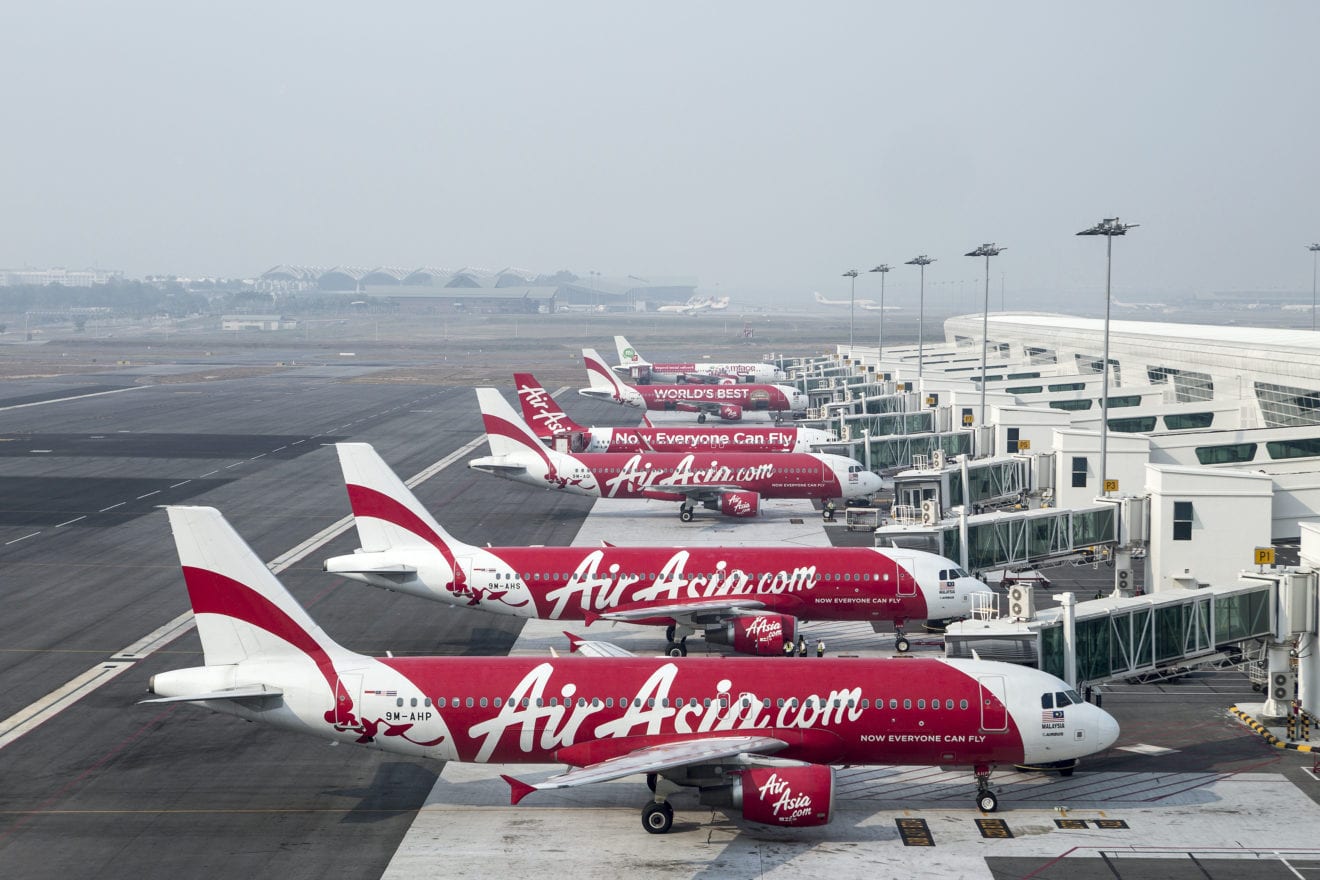
    Cebu skies are painted red with the twin launch of AirAsia flights to Taipei and Singapore from Mactan-Cebu International Airport (MCIA). AirAsia Flight Z2 7124 to Taipei departed at 6:10 a.m. while flight Z2 7236 to Singapore left Cebu at 4:55 p.m. Both flights last Nov. 25 were given a water salute upon departure.

    Philippines AirAsia’s director for flight operations Captain Monreal Gomer said at the send-off ceremonies held at the airport: “AirAsia’s twin launches today herald brighter, bigger and better opportunities for travel, business and tourism. It also means more job opportunities, more income for families, more food on the table and more economic activities.”

    “As a Filipino low cost carrier and member of the AirAsia Group which is the leading and largest low cost carrier in Asia, we feel strongly about supporting the growth and development of cities outside Metro Manila by connecting Cebu to international destinations like Singapore, Taipei, Korea, Malaysia and onto AirAsia’s over 120 destinations across Asean, Asia, India, Australia, New Zealand, the Middle East and Africa via fly-thru service,” Gomer said.

    AirAsia’s Cebu-Singapore flights operate four times weekly while Cebu-Taipei is scheduled three times weekly. Aside from these new routes, the world’s best low-cost airline is also servicing direct flights to Incheon/Seoul in Korea and Kuala Lumpur.

    All guests on board AirAsia’s maiden flights to Taipei and Singapore received an early Christmas gift wrapped in iconic red paper from AirAsia flight crew as soon as they boarded their flights. Sinulog dancers also welcomed arriving and departing guests with send-off ceremonies led by executives from MCIA, the Department of Tourism, Singapore Tourism Board and AirAsia.

  • Singapore banks lose up to 40 per cent of new product sales to competitors

    Singapore banks lose up to 40 per cent of new product sales to competitors

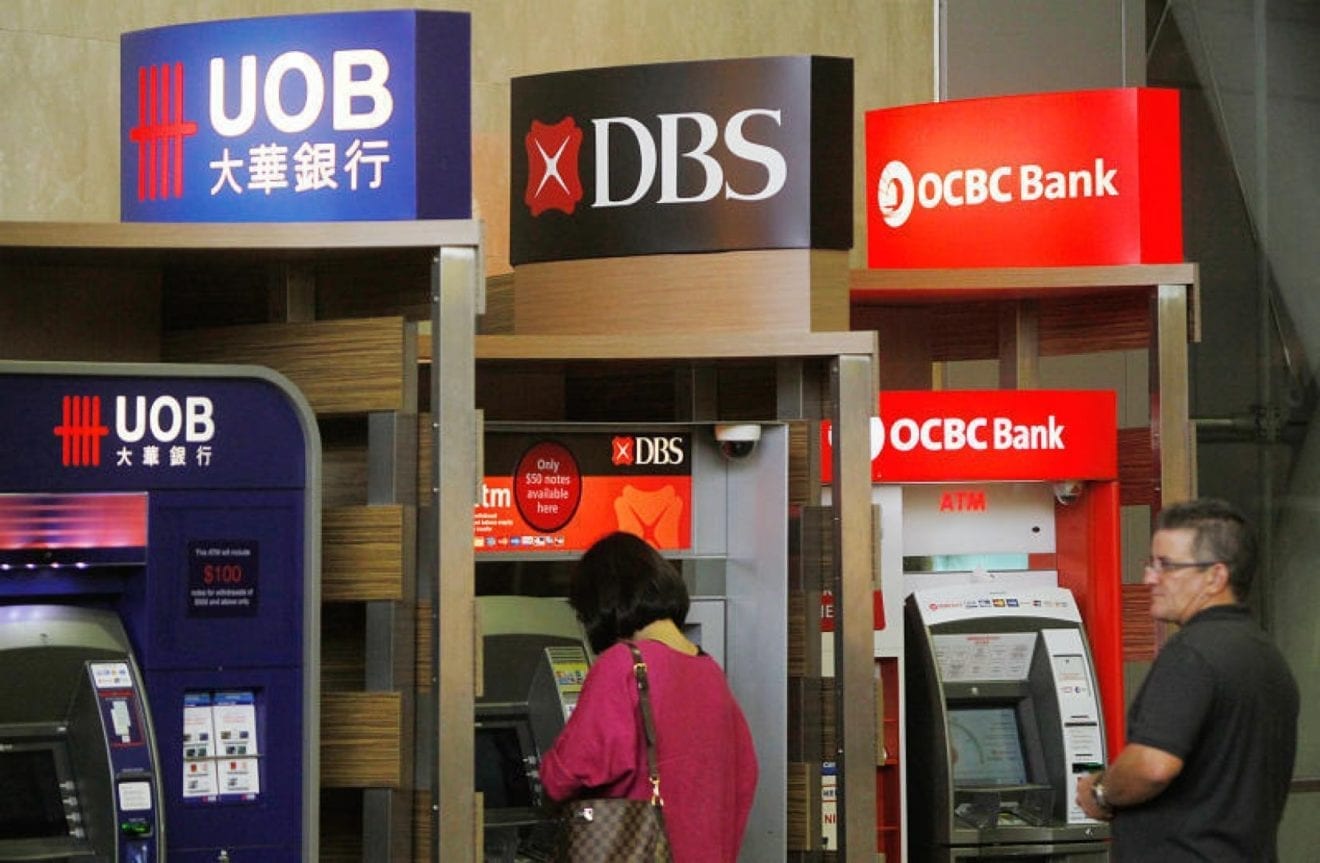
    The latest survey by management consulting firm Bain & Company found that Singapore retail banks lose up to 40 per cent of new product sales to competitors that are better at digital marketing, sales and service.

    In its seventh annual report on consumer banking behaviours, the consultancy said such “hidden defection” of consumers – purchasing a new banking product from a competing bank or financial technology firm – could get worse.

    “There are a lot of customers who frankly consider themselves prisoners in their own banks. They don’t switch their primary bank because it’s too much hassle to do so. But they’re going to go elsewhere for any new needs,” said Ms Chew Seow-Chien, partner and head of Bain’s Financial Services practice in Southeast Asia.

    The survey polled more than 137,000 consumers in 21 countries, including Singapore.

    The Singaporean customers polled indicated that they would buy new banking products from a competitor rather than their primary bank up to 40 percent of the time.

    About 30 per cent of them said they would switch their primary bank if it were easy to do so, the research showed.

    Bain noted that fintechs and technology companies are siphoning off customers seeking high-value products and services, such as credit cards, loans, insurance and investments.

    In its research, the consultancy found that deposits made up about 50 per cent of purchases from primary banks in Singapore over the last 12 months, versus just 22 per cent at competing banks.

    Meanwhile, insurance were the most purchased product at competing banks – 31 per cent of purchases – followed closely by credit cards.

    As younger, more plugged-in generations learn how to bank, their purchases of banking products through digital channels, especially online, will rise – making it important for banks to improve their digital offerings, simplify products lines and streamline user experiences.

    “By now, the digital disruption in banking should come as no surprise, and most banks clearly understand the importance of digital migration,” said Ms Chew.

    “The bigger challenge lies in how to organise the transition and instill the necessary changes, both at the frontline and in the back office, to improve how consumers do their banking.”

  • Singapore’s new tallest building a ‘vertical city’

    Singapore’s new tallest building a ‘vertical city’

    Singapore’s canyon of skyscrapers has a new peak with the opening of the Tanjong Pagar Centre on the fringes of the central business district, sitting atop one of the wealth city state’s busiest train stations.

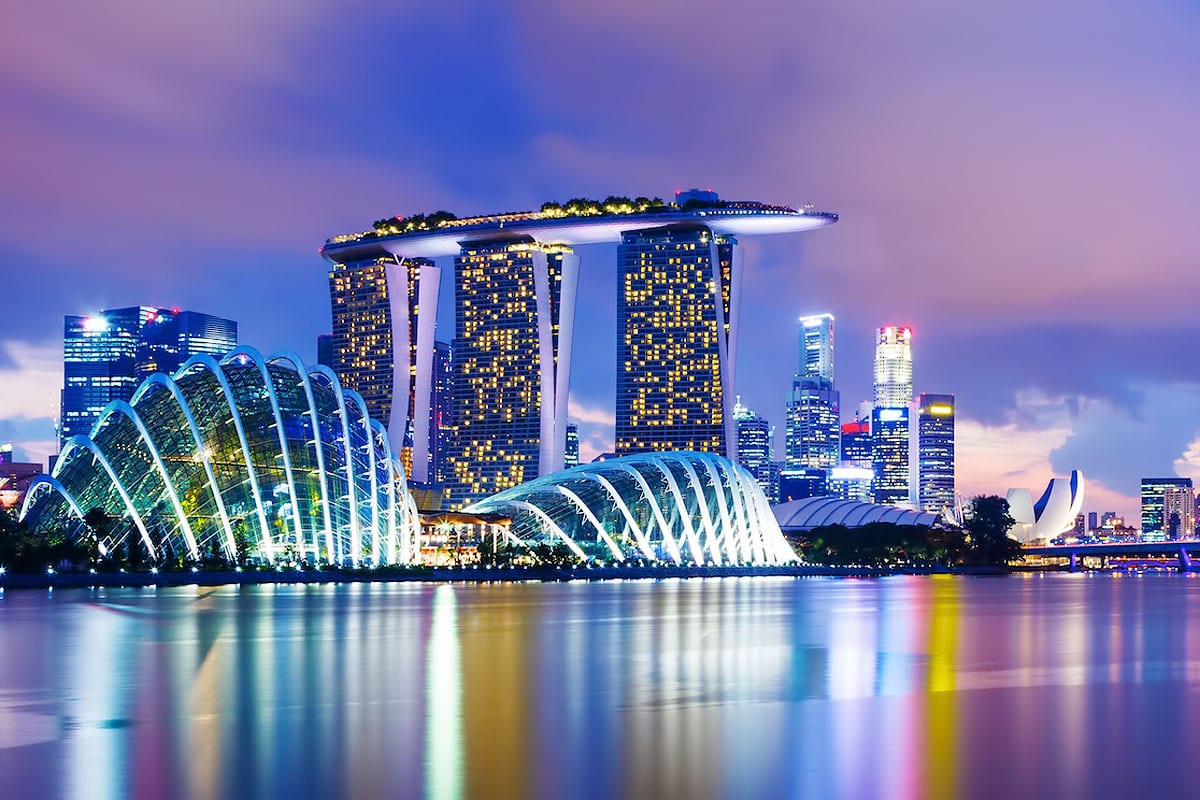
    The complex, dubbed a “vertical city”, marks the revival for an area of the business core of Singapore, about a kilometre away from the three soaring burnt-glass coloured towers at the Marina Bay Financial Centre (MBFC) complex built on land reclaimed from the sea and adjacent to the Marina Bay Sands hotel and casino.

    With office, retail, residence, hotel, fitness, and even an urban park, the new complex will be home to more than 150,000 square feet of green community space. The Tanjong Pagar site at 290 metres high pips its nearest rivals by just 10 metres, with three other building in Singapore at 280 metres high, One Raffles Place, UOB Plaza One and Republic Plaza.

    But it comes at a time that Singapore’s office and retail vacancy rates are rising and online shopping gathers pace with the arrival of a Singapore-based unit of China’s massive e-commerce firm Alibaba and the expected launch of new services by U.S.-based Amazon.

    “The approach of an integrated development solves the congestion problem so that we minimise travels. It also helps people do more things within the same location,” Cheng Hsing Yah, Managing Director of GuocoLand Singapore told CNBC Asia during a tour of the property.

    The towers promise 32-per cent in energy savings compared to similar code-compliant buildings by using glazing and directional shading which reduces the sun’s glare from Singapore’s year-round tropical climate.

    The project – which includes nearly 30 floors of office space–comes to market at a time when Singapore’s office vacancies has hit its highest levels in more than four years and been on its longest stretch of declines since the financial crisis.

    “The market has been challenging in terms of the leasing, because of the economic situation as well as the supply, but we’re quire fortunate to experience a very strong tick up rate of our office as well as our retail and f-and-b (food and beverage)space,” Cheng said.

    Guoco says office space for Tanjong Pagar Centre is already more than 85-per cent leased and the retail space is more than 90-per cent. Still, there are no signs of inventory slowing down.

    Next year, Marina One, adjacent to MBFC, is expected to open, which will bring nearly 2-million square feet of space to market, and Singapore’s government is reportedly selling prime land in the Marina Bay financial district, making it the first such sale in nine years.

    Follow CNBC International on Twitter and Facebook.

  • New technologies to enable greater supply chain efficiencies in Singapore

    New technologies to enable greater supply chain efficiencies in Singapore


    Singapore is set to enjoy greater supply chain efficiencies in near future, thanks to the Urban Logistics technology roadmap for 2020 that was unveiled by the Infocomm Media Development Authority (IMDA) on 28 November 2016.

    The roadmap includes the testing and implementation of new technologies in 12 additional retail malls in Singapore next year.

    The Urban Logistics programme is dedicated to analysing challenges in the logistics sector, identify technologies that can significantly improve Singapore’s supply chain processes, and improve efficiencies.

    2020’s gameplan will address different stages of the urban logistics process, outlining requirements that ensure the Urban Logistics solutions, systems and processes are interoperable, and remain open for interested industry players to adopt and/or adapt.

    This will also help optimise resources, as well as improve turnaround times and process efficiencies.

    Dynamic scheduling

    IMDA’s technology roadmap also includes steps that enable dynamic scheduling to accommodate early or late arrivals as well as complex algorithms to manage increasingly larger volumes of deliveries.

    A unique In-Mall Distribution model of delivery management establishes an in-mall operator to receive goods at the mall unloading bay. This model is designed to improve current delivery/acceptance processes and reduce congestion of delivery vehicles leading to the unloading bay.

    Moreover, this model also enables Singapore’s malls to have extended hours of delivery/acceptance operations, and foster greater automation, professionalism and security of such services.

    “Since the implementation of the In-Mall Distribution solution at Tampines Mall and Bedok Mall in June and September respectively, we have noticed an easing of road congestion around our malls as the queuing time for delivery trucks reduces,” said Teresa Teow, head of Retail Management, Singapore, CapitaLand Mall Asia. “This has resulted in greater efficiency for the different parties along the delivery chain and a better experience for all visitors who drive to our malls, including shoppers.”

  • Grab launches e-money service GrabPay Credits

    Grab launches e-money service GrabPay Credits

    Ride-hailing app operator Grab has expanded into the e-money business in Southeast Asia.

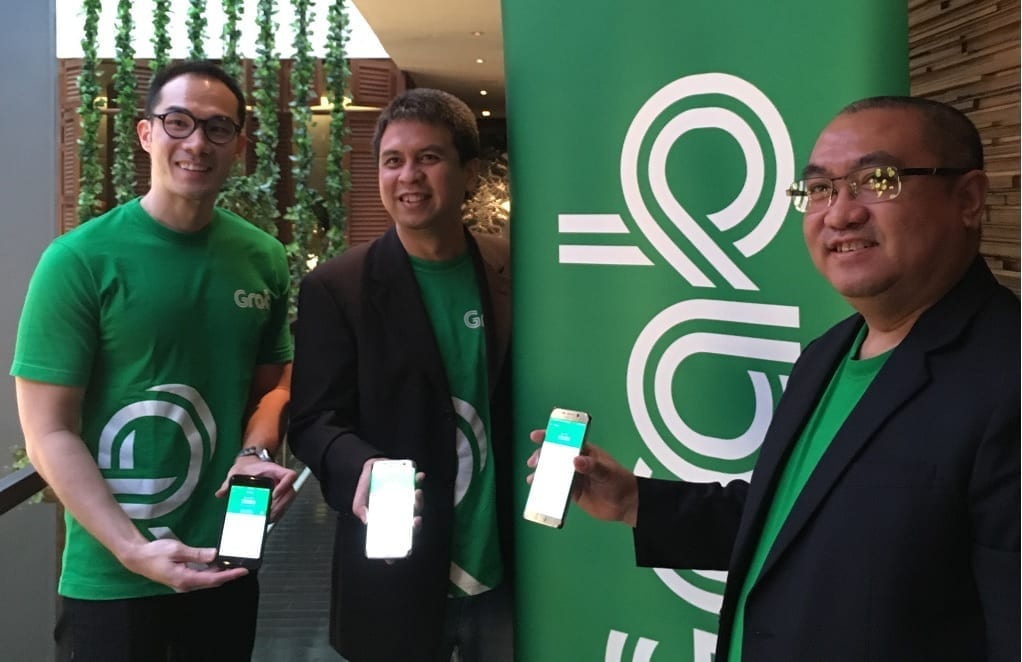
    Singapore-based Grab this week unveiled a cashless mobile payment service called GrabPay Credits, which lets consumers store cash credits on its smartphone app.

    Singapore and Indonesia will be the initial test markets before the concept is rolled out in Malaysia, Thailand, Vietnam and the Philippines where Grabn operates its ride hailing app.

    Users will be able to top up their accounts at convenience stores or using ATMs by partner banks.

    “Working with local banks, payment providers and merchants, Grab is building one of the region’s largest cashless payment solutions for people with limited access to the banking system,” said Tan Hooi Ling, co-founder of the startup.

    GrabPay considers the move into finance as a natural extension of its ride-hailing service, making it easier and safer for customers to pay for rides and eliminating cash.

  • SingPost strengthens collaboration with Alibaba in eCommerce logistics

    SingPost strengthens collaboration with Alibaba in eCommerce logistics

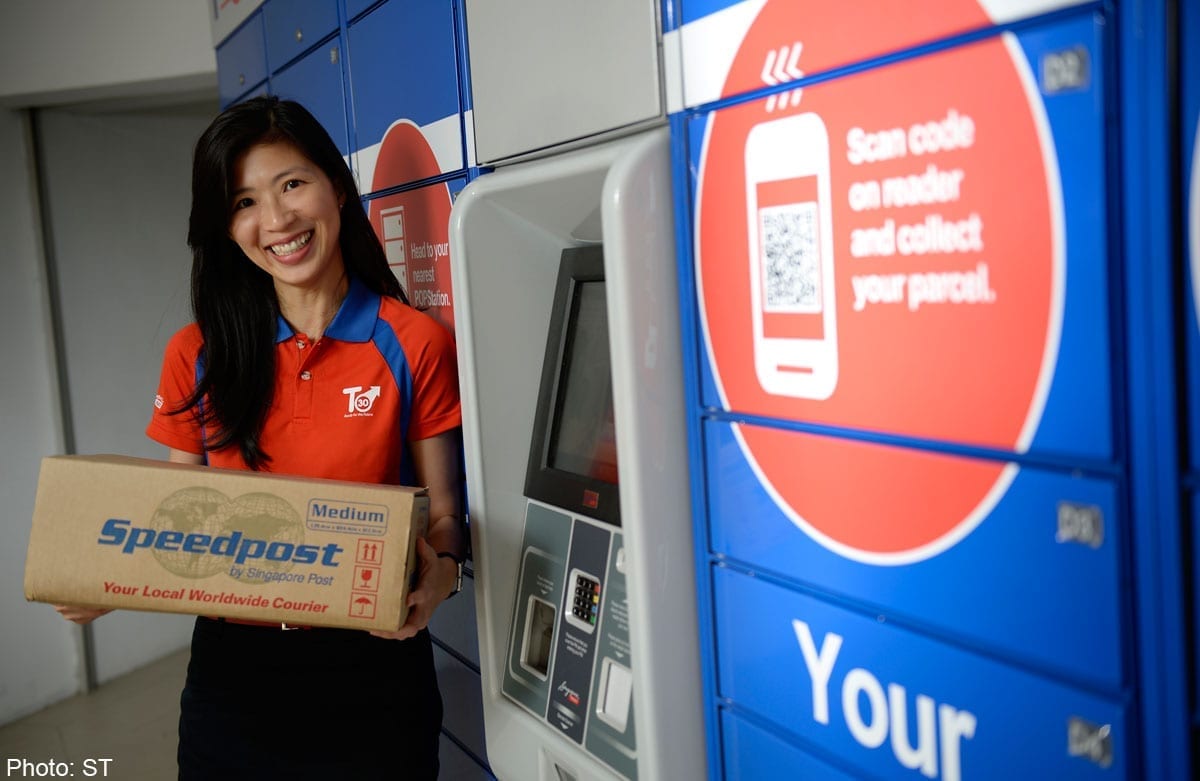
    Singapore Post Limited’s (SingPost) eCommerce logistics collaboration with Alibaba Group Holding Limited (Alibaba) was strengthened as Alibaba’s S$86.2 million investment in SingPost’s logistics subsidiary Quantium Solutions International (QSI) was completed, and regulatory approval for Alibaba’s second investment in SingPost was obtained.

    Joint venture to strengthen eCommerce logistics network

    SingPost completed the joint venture with Alibaba in which Alibaba has invested S$86.2 million for new QSI shares making up 34 per cent of QSI, with SingPost owning the remaining 66 per cent.

    First announced on 8 July 2015, the joint venture is the culmination of deepening business ties between SingPost and Alibaba. Beginning as a customer of SingPost, Alibaba became a SingPost shareholder in 2014, and today, SingPost is a strategic logistics partner for Alibaba.

    QSI, the joint venture between SingPost and Alibaba, will be a common platform to grow and enhance eCommerce logistics capabilities in Southeast Asia and Oceania, to better serve the region’s rapidly growing online retail markets.

    The collaboration will focus on strengthening QSI’s end-to-end eCommerce logistics network, building scale for future profitability. QSI currently operates in 11 markets, providing a full suite of end-to-end eCommerce solutions that includes warehousing, fulfilment, and last mile delivery.

    Mr Simon Israel, Chairman of SingPost said, “The completion of the QSI joint venture underscores the deepening relationship and commitment between both companies to build a leading eCommerce logistics platform together across the region. Both Alibaba and SingPost are confident in the long-term value of collaborating to serve the region’s fast rising eCommerce logistics needs.”

    Mr Daniel Zhang, Chief Executive Officer of Alibaba Group, said, “Our enhanced collaboration with SingPost is another strategic step towards strengthening the fundamental infrastructure for digital commerce that will empower brands and retailers to sell globally through the Alibaba ecosystem. A robust logistics network is vital to helping our merchants successfully serve the vast population across Southeast Asia and Oceania, and realise Alibaba’s vision to ultimately serve two billion consumers worldwide.”

    Update on second share placement

    Approval from the Info-communications Media Development Authority (“IMDA”) has been obtained for Alibaba to increase its interest in SingPost to 14.4 per cent, from 10.2 per cent currently. Alibaba’s further investment of S$187.1 million into SingPost is targeted to be completed by 28 February 2017, in light of the timeline required to obtain the remaining approvals from SingPost’s shareholders at an Extraordinary General Meeting and from the Singapore Exchange for the listing, quotation and trading of new shares on the Main Board of the SGX-ST.

  • Flybe strikes new deal with Singapore Airlines

    Flybe strikes new deal with Singapore Airlines

    Regional carrier Flybe said yesterday it had recruited its 11th code-share partner, allowing “seamless” connections on flights from Aberdeen to more than 100 long-haul destinations with Singapore Airlines.

    From this winter, passengers flying with Flybe from five UK airports – Aberdeen, Manchester, Belfast City, Birmingham and Southampton – and two mainland European gateways can make through bookings for Singapore Airline’s services to south-east Asia, Australasia and the US.

    Tickets for their entire trip can be booked through Singapore Airlines’ website or a travel agent.

    Easier connections from Inverness, Edinburgh, Glasgow, the Isle of Man, Exeter and London City Airport are also possible, thanks to an “interline agreement” – slightly different than a code-share arrangement – between the two carriers.

    Flybe chief revenue officer Vincent Hodder said: “Our new code-share agreement with Singapore Airlines is another exciting development.

    “It further strengthens our ability to connect our regional customers to long-haul destinations … and also serves to boost local economies by encouraging inbound business and leisure travel.”

    Sheldon Hee, general manager, UK and Ireland, Singapore Airlines, said the deal with Flybe “greatly increases our reach throughout the UK”.

    Mr Hee added: “We are proud to keep finding new ways for UK customers to access our flights from ever closer to home.”

    The easier onward connections affect Flybe flights to Manchester from both Aberdeen and Inverness.

  • Viu reaches 4m unique users in 1 year

    Viu reaches 4m unique users in 1 year

    PCCW has announced that its Viu OTT video service has reached 4 million unique users one year after launch.

    Viu is now available in Hong Kong, Singapore, Malaysia, India, Indonesia and the Philippines, offering a range of premium Asian video content.

    Viu’s content library includes Korean content from the top four broadcasters, as well as Japanese, Malaysian, Indonesian, Taiwanese, Hollywood and now Thai content in some markets. The company differentiates with fast local subtitling, and by producing its own entertainment news in collaboration with Korea’s K1 Headlines.

    During the third quarter of 2016, Viu recorded over 218 million views, with users consuming an average of 1.2 hours of content per day or 12 videos per week.

    “As OTT takes root and continues to develop rapidly in Asia, Viu continues to stride forward with the launch of its service in the Philippines, a vibrant market with over 30 million viewers who regularly watch videos online,” PCCW Media Group MD Janice Lee said.

    “We are confident that our Philippine launch will replicate the growth and success we have experienced in the region.”

  • StarHub launches data roaming to 9 APAC markets

    StarHub launches data roaming to 9 APAC markets

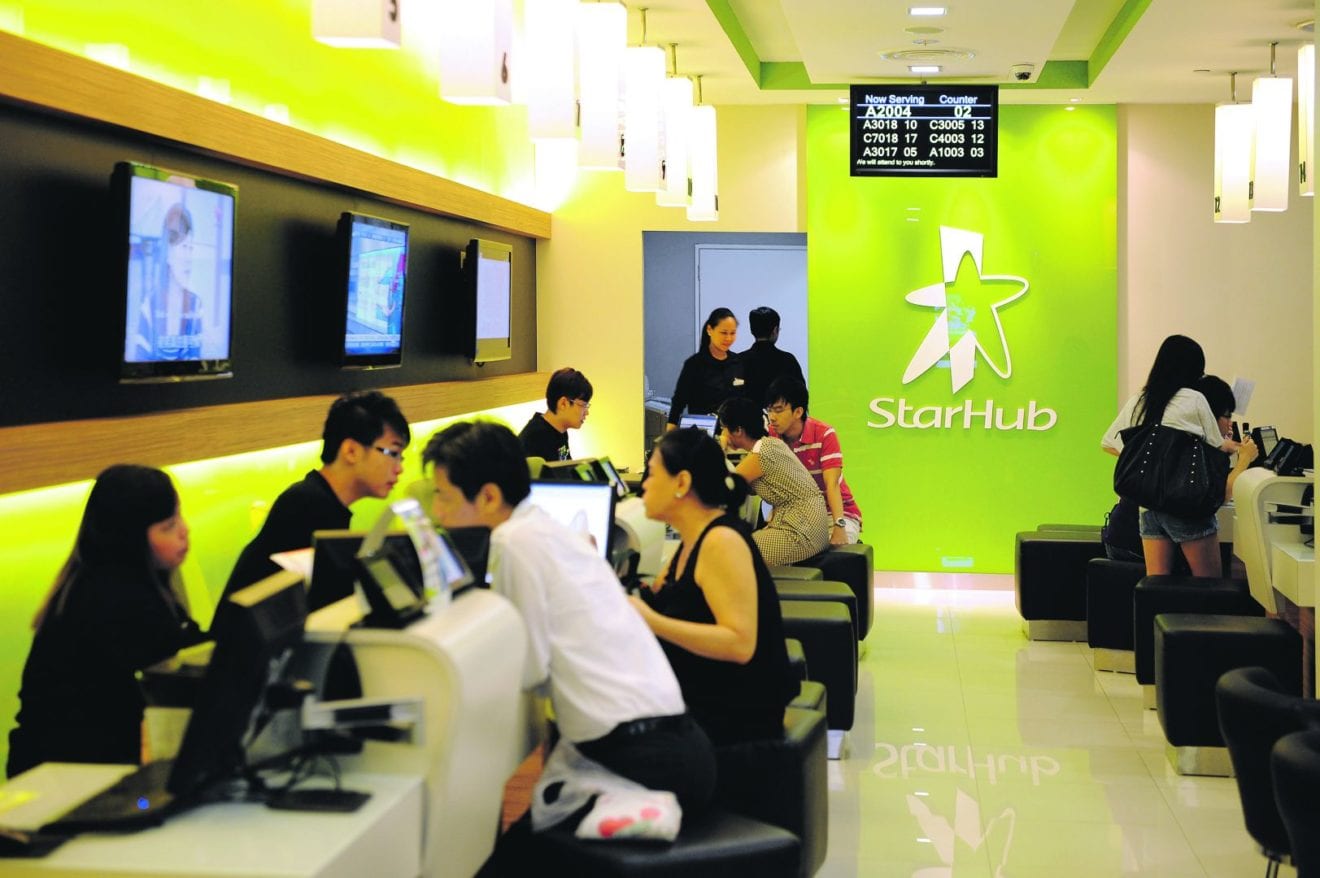
    Singapore’s StarHub has launched a new flat rate multi-destination monthly mobile data roaming plan covering all mobile networks in nine APAC markets.

    The DataTravel plan offers 2GB of data for 30 days when roaming to Australia, Hong Kong, Indonesia, Malaysia, New Zealand, South Korea, Taiwan, Thailand and The Philippines for a flat S$15 ($10.50), or 3GB for S$20.

    While roaming, customers will not need to manually search for specific networks and can instead leave their phones to connect to the strongest available signals.

    “With DataTravel, we are happy to free our customers from the common constraints of overseas data usage, that are cost and accessibility,” StarHub head of product and marketing Wang Li-Na said.

    StarHub will also send SMS notifications before a plan expires and depletes, and customers will be able to top up with additional 2GB or 3GB DataTravel plans. Any unused data will be carried forward for another 30 days when a new plan is activated.

    The operator’s move comes shortly after rival Singtel expanded its ReadyRoam mobile data roaming service to cover multi-destination roaming across 26 countries, including 11 Asian markets.

    In comparison to StarHub, Singtel’s base ReadyRoam service provides 1GB of data for 30 days’ roaming in the 11 Asian markets for S20.

  • Singapore’s cellcos to adopt Mobile Connect

    Singapore’s cellcos to adopt Mobile Connect

    Singapore’s mobile operators M1, Singtel and StarHub have agreed to adopt the GSMA’s Mobile Connect authentication standard for universal secure mobile-based authentication.

    The three operators are building a unified platform to enable integration with online service providers using a common API.

    Once implemented, the functionality will allow Singapore consumers to create a universal trusted digital identity for access to compatible telecoms, banking, e-commerce, entertainment and travel services.

    For online transactions that require greater levels of security, consumers will also be provided with a unique personal code.

    GSMA research indicates that 87% of consumers leave a website when asked to register, and many face difficulties remembering a growing list of usernames and passwords, with 40% using a forgot password feature monthly.

    Implementing the single sign-on functionality therefore also benefits online service providers, which the research suggests stand to improve page views by 67% and likelihood to purchase by 48%.

    The first online services that support the operators’ new authentication function are expected to launch in the second half of next year.

    The GSMA’s Mobile Connect is currently available in 22 countries, including China, Indonesia, Malaysia, Bangladesh and Sri Lanka.

  • Singapore Cruise contract award expected in January

    Singapore Cruise contract award expected in January

    The SCCPL invited interested companies to tender for the development and operation of the duty free and general merchandise concession contract at the Harbourfront and Tanah Merah terminals for a period of five years (with an option to extend for another two years).

    The SCC is investing in the redesign and upgrade of its commercial offer at both terminals, with expansion and reconfiguration of the main retail space in the departures and arrivals areas.

    The SCC also decided to consolidate several separate contracts for the existing duty free concessions (including liquor & tobacco, perfumes & cosmetics, fashion & travel accessories and confectionery), into a single contract, to run for five years with a two-year extension option, commencing 1st April 2017.

    The contract, for which the RFQ deadline was 30 June, will govern 542sq m of retail space, serving over 6.3m ferry passengers and 560,000 cruise passenger annually.

    SCC RECEIVE TWO TOP AWARDS

    As previously reported, the latter incumbent operator, Heinemann opened its third (157sq m) Ocean Duty Free store in Singapore’s HarbourFront Ferry Terminal in January 2015.

    This follows the earlier opening of its first two outlets at the Tanah Merah Ferry Terminal in March 2014.

    “SCCPL does not bind itself to accept any tender nor the highest bid,” the SCC states on its website.

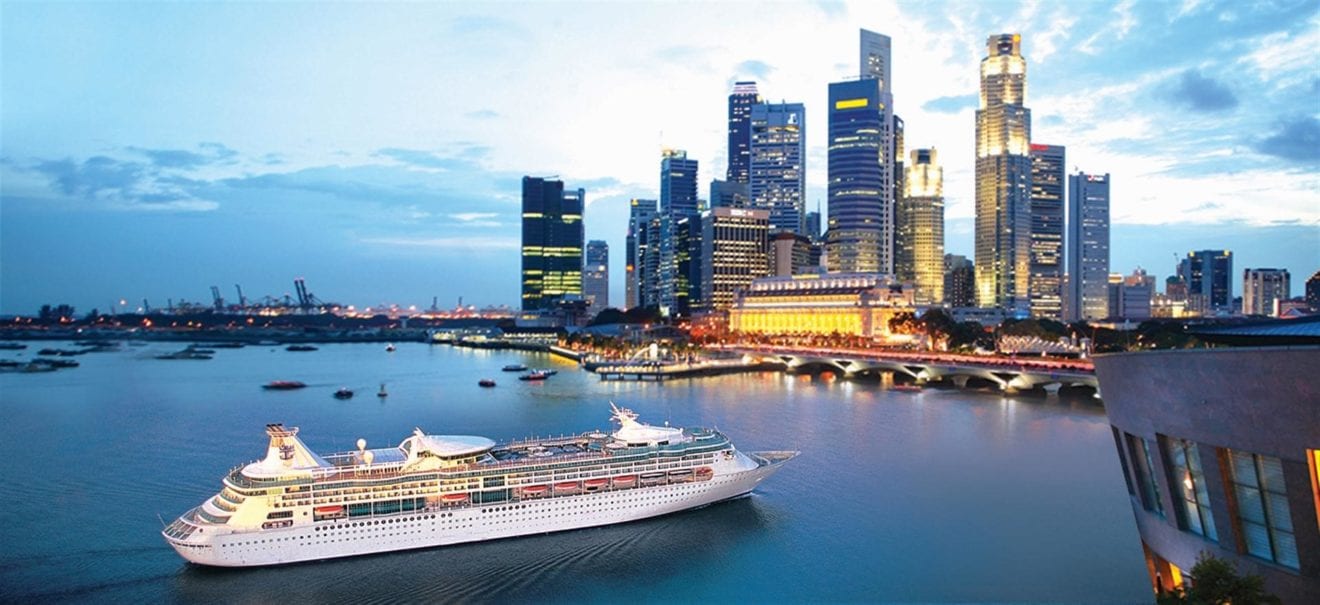
    Singapore received the top cruise destination award at the 10th Seatrade Cruise Awards for the second time in three years in October – following on from September’s separate accolade where it was voted the leading Asian port of call at the Cruise Critic Cruisers’ Choice Destination Awards.

    In March earlier this year, the Singapore Tourism Board (STB) reported that the country witnessed encouraged growth in the cruise and business segments as the Singapore Cruise Centre (SCC) was named the number one cruise port in Asia in 2015.

    Singapore-Cruise-Centre-large

    “SCCPL does not bind itself to accept any tender nor the highest bid,” the SCC states on its website.

    Interestingly, the cruise industry saw a 14% year-on-year increase in cruise passenger throughput last year to more than one million.

    In addition, the country welcomed a total of 385 cruise ships, including international cruise brands such as TUI cruises, and Royal Caribbean, as well as nine maiden calls – new to Singapore and Southeast Asia.

  • Can we fix Singapore’s retail scene?

    Can we fix Singapore’s retail scene?

    Industry players reveal what needs to be done to revive the retail sector and bounce back from the slump

    In January, the oldest department store in Singapore, John Little, will be shuttering for good after being in business for 174 years.

    The Plaza Singapura outlet will be the latest addition to the whopping 5.4 million square feet of vacant space in the malls — the highest in the past decade, according to data for Q3 2016 from the Urban Redevelopment Authority of Singapore (URA).

    This number is set to climb, as many retailers are also right-sizing their operations due to a significant slowdown in retail expenditure, stiff competition from e-commerce and an expensive labour market.

    Within the next three years, it is expected that the retail industry will experience a supply glut of retail space, with an additional four million square feet standing vacant, according to the URA.

    One could say that for a country with a population of 5.6 million, the retail market here is not sizeable enough to support so many malls.

    Although the retail industry has been a key contributor to the tourism dollar in the past few decades, the current slowdown in the economy is expected to continue into 2017, and will hit the retail industry hard.

    With a relatively strong Singapore dollar, Singapore continues to be an expensive city for tourists to shop in. Locals take advantage of the strong dollar to shop overseas, be it online or offline. This has resulted in a double whammy for retailers.

    To add salt to the wound, the high rental rates and labour costs have left retailers with no choice but to downsize or shut down their operations. This is not a phenomenon exclusive to small and medium enterprises: Well-known international brands such as New Look and Celio were casualties early this year.

    With all this doom and gloom, are consumers and tourists still visiting malls and spending?

    From where I stand as the business owner of a seven-year old privately held company, and based on my daily interactions with the customers in my boutique, I would say “yes”.

    Judging from the continuous influx of foreign brands here, such as Victoria’s Secret, Michael Kors and Uniqlo (which opened its flagship at Orchard Central), there is still hope.

    Shopping is a national pastime: The millennials love hanging out at malls as a social activity; tourists enjoy the ease of shopping in a country where they can get everything under one roof, and public transport is safe, reliable and accessible to all.

    Homegrown businesses need to stay creative and nimble, and have to embrace changes and new technologies much more readily than their larger competitors.

    For too long, the retail industry has been stagnant in terms of creativity, originality and authenticity. Key stakeholders — from the Reits, mall operators and business owners to the consumers — all need to play a part for a total revamp of this state of affairs, if we are to make the retail scene vibrant again.

    There are opportunities in crises, and there is no better time to give the industry an overhaul.

    RETAILERS NEED TO BE OPEN TO CHANGE

    Some industry players, such as Naiise founder Dennis Tay, feel retailers need to evolve and enhance their overall retail experience to consumers, covering key aspects such as diverse product offerings, prompt customer service, and the overall concept of the space.

    “While customer convenience is key, retailers should not forget to find ways to be creative and consistently innovate themselves to engage customers and work closely with other brands to keep each retail experience fresh and relevant,” he said.

    That is a thought shared by Metro’s Erwin Oei, who is Head of Business Analytics, Marketing, Customer Relations Management and Merchandising Controller.

    “We continually innovate our product offerings through better service and the incorporation of new technologies,” he said in an interview with TODAY, adding that Metro is taking on “an omni-channel approach” to provide “seamless purchases for customers”.

    The voices clamouring for a unique shopping experience have never been louder. Retailers must lead the change, be willing to walk the talk, and start by creating unique concepts, establish individual styles, connect with the present and future in the retail scene, and move out of their comfort zone.

    Consumers are tired of seeing the same brands in different parts of Orchard Road, or in Singapore in general. The country is compact enough for us to travel for good products and good retail experiences, so retailers must engage makers, collaborate with visionary mall operators, and develop strong partnerships. This, in turn, will lead to interesting brand identities and retail-excellent products delivered with top-notch service.

    Retailers need to attract, retain and train good retail professionals to be subject-matter experts in their respective fields in order to better serve consumers.

    Business owners and retail companies must look into investing in human capital in order to attract talents to be part of their team.

    In addition to the four Ps of retail — price, product, place and promotion — a fifth P, “professional”, is needed ensure the survival of businesses.

    MALLS OPERATORS NEED TO RETHINK THEIR STRATEGY

    Mall operators need to wake up after having it easy all this while — collecting rentals, service charges and A&P fees, and upping the rents with every renewal. Slightly older malls are turning to asset enhancement initiatives as yet another reason to increase the rents.

    If the tenants are doing well, the mall operators will be immediately “rewarded” with turnover rents computed as a percentage of the gross turnover while in contract; and “duly rewarded” with an increase in rentals at the end of the contract term, thereby giving the operators an additional uplift in the rent yields.

    But in this climate, when consumers are more demanding, mall operators need their retailers on their side more than ever. Many consumers have labelled shopping malls across Singapore as boring and cookie-cutter.

    The dynamic landscape of retail has changed drastically with the Internet, e-commerce and disruptive technologies, such that mall operators have to start again from ground zero and go back to the basics of interacting with the tenants, the shoppers, and the community.

    “We believe that mall operators need to be more focused on their offerings to carve an identity for themselves, and prevent over-replication so that malls can become different and interesting again,” said Naiise’s Tay.

    “Malls can also support retailers with more marketing activities, lower rentals and (creating) loyalty programmes to continuously attract shoppers,” he added.

    The question is: Do mall operators really know their valued shoppers? Do they communicate with all the tenants on ways to overcome challenges together?

    Visionary mall operators need to ensure a unique tenant mix and create an individual mall identity, instead of replicating the usual brand names as the anchor tenants.

    The relationship between the mall operators and the tenants must also evolve into a partnership. Big data should be shared with tenants in order to work out specific strategies to continuously attract new consumers and keep existing ones coming back for more.

    SHOPPERS CAN ALSO PLAY A PART

    It is always easy to criticise the state of affairs in the retail industry and complain about poor quality of service and standard boring offerings.

    But it is also time we start looking at ourselves to see what type of consumers we are. Are we supporting originality and authenticity? Are we really concerned about sustainability? Are we funding child labour by buying cheap goods, or counterfeit goods that do not respect intellectual property rights?

    As consumers, we must play our part to buy from responsible retailers, support creativity and promote a certain cause that you and the retailer believe in.

    According to Metro’s Oei, customers can support retailers by providing insights into their purchasing behaviour.

    “(Metro) recently started an electronic feedback system called the “Rateit” programme. This helps to sharpen our decision-making to improve on matters that impact the customers directly and almost instantly,” he added.

    “If customers are able to provide their feedback, our in-house business analytics team will be able to … develop new initiatives to cater to shoppers,” said Oei.

    A business is only able to expand if there is a consistent growing demand for its products and/or services.

    Everyone has a role to play in ensuring that the Singapore retail industry emerges stronger and better, thus adequately serving customers’ needs and wants.

    Get offline for a while. Go out into the stores and give feedback to retailers, who can then convey your insights to the mall operators. We need to show them what needs to be done.

    Let’s get shopping again.

    Andrew Tan is the owner of Atomi, a lifestyle store at Mandarin Gallery, and the managing partner for atomi consulting, where he is working with a property owner in Kobe in Japan to revitalise a shopping mall slated to open in Q4 of 2017.
  • Taiwan’s SheenHo finds partner for Myanmar

    Taiwan’s SheenHo finds partner for Myanmar

    Taiwanese restaurant chain SheenHo has awarded a master franchise to Myanmar company Creation Strength to open outlets in the frontier market.

    About K1.3 billion (US$995,000) will be invested in opening up to 20 branches over five years, starting in Yangon.

    Chefs from Myanmar will be flown to Taiwan to learn how to prepare the restaurant’s cuisine.
    Meanwhile, Singapore Myanmar Investco (SMI) has partnered with Japanese ramen chain Ippudo to open a branch in Myanmar. SMI has also signed an agreement with Singapore’s Crystal Jade Group to open Chinese restaurants in Myanmar.

  • Jamie’s Italian expands to Thailand

    Jamie’s Italian expands to Thailand

    Thailand’s first Jamie’s Italian restaurant has opened at the newly ­renovated Siam Discovery in Bangkok.

    It is being run by Hotel Properties in partnership with the mall operator, Siam Piwat.

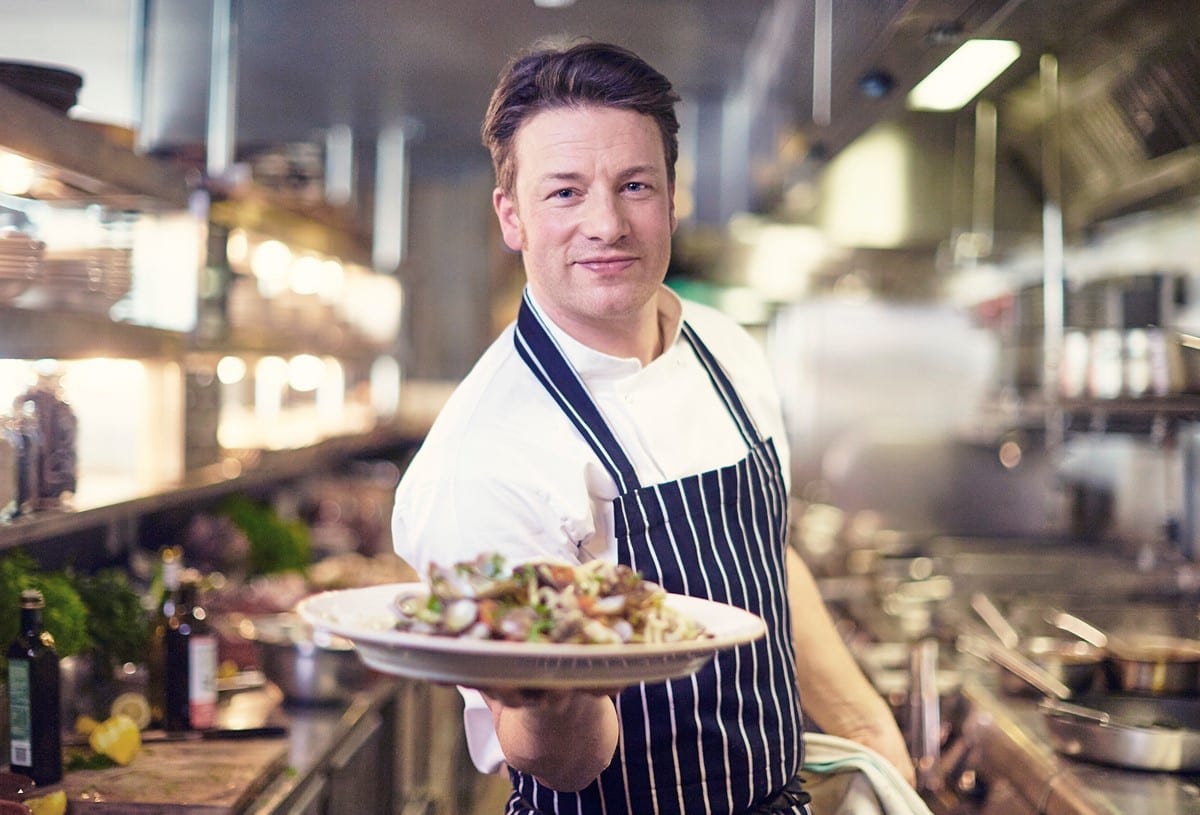
    Jamie’s Italian began as a joint venture between UK celebrity chef Jamie Oliver and his mentor, Italian chef and restaurateur Gennaro Contaldo. The first restaurant opened in Oxford in 2008 and there are now 42 outlets in the UK and more than 25 internationally, including in Australia and Singapore.

    Jamie's Italian Stratfor

    As with all Jamie’s Italian outlets, the Siam Discovery restaurant is committed to sourcing free-range, higher-welfare meat, and sustainable and ethically produced ingredients. All the recipes are Italian classics with a Jamie Oliver twist, including pasta made on site every day.

    The restaurant is working with Thai farmers and suppliers.

    Meat Plank, recommended menu

    Menu highlights at Jamie’s Italian Siam Discovery include antipasti planks, a sharing dish served on wooden boards supported by tins of tomatoes and offering a selection of meats, cheeses, vegetables and pickles.

    The Jamie's Italian Burger, a signature main dish

    Oliver’s cook books and the restaurant’s signature napkins are on sale, as well as gifts.

    Jamie's Italian Spring Summer App Menu Shoot

    Jamie’s Italian Spring Summer App Menu Shoot

    With 184 covers, the restaurant features rustic, reclaimed timber refectory tables, zinc tables and vintage upholstered lounge chairs, with monochromatic and hand­-painted floral tile flooring. The dining area is illuminated with brass spotlights, vintage enamel shades and a textured-glass chandelier.

    Guests can view the open kitchen, watch their antipasti planks being made at the antipasti counter in the main dining room, or relax at Jamie’s Bar.

    Jamie’s Italian Siam Discovery_Interior Design 4

    Jamie’s Italian Siam Discovery_Interior Design 3

    Jamie’s Italian Siam Discovery_Interior Design 1

    Jamie’s Italian Siam Discovery_Interior Design 2