Tag: Singapore

  • 3 in 4 Singaporean consumers want more personalized retail rewards

    3 in 4 Singaporean consumers want more personalized retail rewards

    Though many consumers are currently lukewarm about their relationships with brands and retailers, three in four consumers in Singapore will buy more from retailers if they are better rewarded for their loyalty, a study conducted by ICLP finds.

    Out of 750 consumers surveyed, only 3 percent consider themselves to be devoted to their preferred retail brands, expressing willingness and desire to forge enduring relationships with them. They also gave average to low scores in terms of passion (brand enthusiasm), commitment (loyalty), and intimacy (willingness to share information with a retailer).

    These findings come at a time when Singaporeans’ love affair with shopping and retail has been under strain. Even as retail sales show a modest year-on-year growth of 2 percent as of September 2016, there have been a slew of notable closures in the local retail landscape, most recently that of John Little, one of Singapore’s oldest department stores.

    These findings come at a time when Singaporeans’ love affair with shopping and retail has been under strain. Even as retail sales show a modest year-on-year growth of 2 percent as of September 2016, there have been a slew of notable closures in the local retail landscape, most recently that of John Little, one of Singapore’s oldest department stores.

    “What we are seeing from our research is that many Singaporean consumers still relate to brands and retailers at a transactional level, so when times are uncertain, they easily resort to the myriad of choices that are at their disposal, often literally at their fingertips now,” said Bruno Tay, Country Manager of the global loyalty marketing agency ICLP, which conducted the survey as part of an international study across nine markets.

    “It’s not too late to turn things around, though. In fact, retailers now have a chance to truly stand out if they appeal to the heart too — by approaching communication, reliability, consistency, reward and recognition from a human perspective,” he suggested.

    The study asked Singaporean consumers  to rate their retail experience with brands on seven core relationship criteria, namely recognition, rewards, reciprocity, reliability, respect, trust and communication. These were then mapped onto a model based on Sternberg’s Triangular Theory of Love, in partnership with an expert on relationship dynamics Professor Ron Rogge at the University of Rochester in the United States.

    Based on the three dimensions of a relationship — passion, commitment, and intimacy, the consumers’ experiences with brands and retailers are then further classified into six types. In increasing order of desirability, these range from empty, liking, casual, romantic, companionate to devoted.

    Devoted consumers — who currently form the marginal minority in Singapore — are those most willing to share personal information, opinions and desires with their favourite brands, and are least likely to stray to competitors. Notably, 92 percent of customers that fall into this group would recommend a brand they are devoted to. This is a significantly higher proportion than for consumers in the other types of relationships with their retail brands.

    Only 12 percent of customers in a ‘liking’ relationship would recommend a retailer to others, 27 percent in a ‘casual’ relationship, 56 percent in a ‘companionate’ relationship, and 69 percent in a ‘romantic’ relationship.

    “The rarity of devotion among Singaporean consumers underlines a sizeable gap and opportunity for local retailers and brands. Devoted consumers are keen to be advocates, so driving this pinnacle relationship can have tremendous effect on retailers’ business through word of mouth and social media sharing,” Tay said.

    The research findings suggest that Singaporeans do not just want traditional points-based reward programs, but also personalized rewards. Much like in a relationship with friends and loved ones, they would engage more when they receive genuine gestures that surprise and delight them.

    Around 67 percent of Singaporean consumers will buy more if retailers use their data in carefully considered, contextual ways to better understand their individual needs and preferences. This suggests the need for retailers to better leverage data technology and put in place more robust customer relationship management practices.

    Another 61 percent of consumers also place an emphasis on the importance of better communication, indicating that they will buy more if brands communicate with them better, in ways that express reciprocity and shared passion.

    Within the global context of the study, Singaporean consumers appear to parallel quite closely their counterparts in Hong Kong and Australia, where only 1 percent and 3 percent,respectively are in devoted relationships with brands.

    This is in stark contrast with the 21 percent of consumers in India who are devoted to their preferred brands. However, across the nine markets surveyed, including United Kingdom, United States, Brazil, United Arab Emirates, mainland China, Hong Kong, India, Singapore, and Australia, there is broad consensus that a well thought out loyalty programme can help deepen consumers’ connection with brands.

    “Thinking about our own personal relationships, we know that people fall in and out of love and friendships — lured by ‘greener pastures’,” Tay said. “Now we know that the same thinking can be applied to brand relationships that are dynamic and ever changing. Retailers looking to build and maintain devoted customer relationships should seek to truly understand the emotional factors that drive consumer loyalty.


  • Indonesia, Singapore cooperate in tourism

    Indonesia, Singapore cooperate in tourism

    Coordinating Minister for Maritime Affairs Luhut Binsar Panjaitan said Indonesia and Singapore have agreed to cooperate in a number of sectors such as tourism and energy.

    The fields of cooperation include tourism, development of liquefied natural gas (LNG), development of IT Park and sea waste processing into electricity energy.

    “We hope they will all be realized at the end of 2017. In the tourism sector, Singapore agreed to invest in the development of Lake Toba, the Buddhist Borobudur Temple and the Mandalaika,” the coordinating minister said in a written statement in Jakarta on Sunday.

    Indonesia has set itself the target of 20 million foreign tourist arrivals in 2019. The government is making all efforts to achieve the target by building a number of supporting facilities.

    Therefore, in its cooperation with Singapore, Indonesia is planning to build cruise terminals.

    According to the minister, the government is planning to develop the terminals in Tanjung Benoa, Palembang, Medan and Semarang. This is to attract some 300 cruise ships per annum.

    So far, the number of cruisers visiting Indonesia is still small, despite the fact that Indonesia is part of foreign destinations.

    Luhut has the target that in the coming two to three years, at least 150 cruisers will come to Indonesia.

    “On Wednesday, we will hold a meeting to discuss the plan to develop the cruise ship terminals,” he said adding that Singapore also agreed to provide tourist service training assistance.

    Regarding LNG, Luhut added that Singapore agreed to develop power generating plants in isolated islands in Indonesia.

    Singapore is viewed to have the technology for increasing the electrification in Indonesia.

    He also referred to the plan to develop IT parks in the form of data reading centers. On the plan, minister Luhut said he would communicate with the Ministry of Communications and Informatics.

  • Apple Pay for HSBC Cardholders in Singapore

    Apple Pay for HSBC Cardholders in Singapore

    HSBC Singapore is treating its HSBC Visa and MasterCard credit cardholders with Apple Pay, according to a statement sent on Monday. Customers using iPhone SE, iPhone 6 to higher versions, and Apple Watch can use Apple Pay in stores with Visa payWave or MasterCard contactless payment terminals in Singapore and overseas.

    As a kick off treat, HSBC customers will be given $5 off for every Apple Pay transaction with their HSBC credit cards, with a minimum spend of $10 per transaction. This promo will be on until January 15 next year.

    «Our findings show that awareness of contactless mobile payment is high amongst Singapore consumers (89 percent) and over half indicated interest to try this new payment method. We believe the security, privacy and convenience Apple Pay brings will appeal to all our customers, especially those who are also active users of our digital banking services,» Anurag Mathur, HSBC Singapore head of retail banking and wealth management said.

  • Singapore Myanmar Investco hinges growth on Myanmar’s robust tourism

    Singapore Myanmar Investco hinges growth on Myanmar’s robust tourism

    It secured 90% of commercial space in YIA’s new terminal. Singapore Myanmar Investco’s duty free shops, retail outlets and car rental services are seen benefitting from growing tourism in Myanmar, said DBS Vicker Securities.

    The research house notes that the influx of tourists, estimated by the Tourism Ministry to increase from 5m in FY2016 to 7.5m in FY2020 on the back of the improved political and economic stability, will lead to the capacity expansion of YIA from 2.7m to 8m passengers by 2019.

    As such, with 90% of the commercial space secured on a 10-year agreement with merchandise supplied by DFS Venture Singapore at the new terminal at YIA which opened in mid-March, it believes SMI is set to benefit from the rising tourism in Myanmar.

    SMI will also manage three F&B outlets; with franchise agreements signed with Crystal Jade, IPPUDO (Japanese ramen restaurant) and The Coffee Bean & Tea Leaf.

    SMI plans to expand its range of F&B franchise concepts into the domestic market.

  • Worldpay predicts credit-card decline

    Worldpay predicts credit-card decline

    Credit-card use in Singapore is set to fall by 40 per cent in less than five years, according to new research from global payment company Worldpay.

    For its Global Payments Report 2016, Worldpay analysed 30 eCommerce markets including Australia, China, Hong Kong, India, Malaysia, Singapore, South Korea and Taiwan. For Singapore, Worldpay found that although credit cards hold a 60 per cent share of the payments market, this is expected to slide to 36 per cent by 2020.

    This is described as a significant drop by Worldpay Asia Pacific GM for global eCommerce Phil Pomford. “This growing credit-wariness could be symptomatic of a wider political push to help consumers avoid debt.”

    He says the Singapore government’s total debt-servicing ratio (TDSR) rules, implemented in 2013, were designed to ensure monthly debt payments do not exceed 60 per cent of a debtor’s monthly income. “This public focus on the issue of debt helps explain why credit-card use is predicted to fall nearly a quarter in less than five years, while debit-card use is expected to rise.”

    For now, debit cards, cash on delivery and bank transfers each account for 9 per cent of the total payments market in Singapore. But Worldpay’s research indicates that all these non-credit payment options will double or nearly double by 2020.

    Debit-card use is expected to double to become 18 per cent of the total payments market, while cash on delivery and bank transfers will represent 18 and 17 per cent respectively. E-wallet growth is likely to remain relatively flat, growing from 9 to 10 per cent share by 2020.

    Growing topic

    Consumer debt has been a growing topic in Singapore over the past few years, says WorldPay, leading the government to introduce regulations to help borrowers pay down their debts and prevent further debt accumulating.

    Worldpay research indicates the government’s program to increase credit awareness and discourage too much borrowing is still resonating with consumers. They are aware of and concerned about rising household debt, and want easier access to non-credit payment options.

    “Our research strongly suggests Singaporeans will start using a wider range of payment methods in the next five years, possibly influenced by the government’s work to reduce consumer debt and encourage Singaporeans to think more carefully before they shop on credit,” says Pomford.

    “Therefore, online merchants wanting to win the hearts and wallets of shoppers in Singapore must offer a range of traditional and alternative payment methods – from debit cards to cash on delivery and bank transfers – because credit cards alone just aren’t enough.”

    Meanwhile, Singapore’s eCommerce market is set to grow by 11 per cent to US$5.8 billion by 2020.

  • Awards to recognise eCommerce merchants

    As Southeast Asia eCommerce merchants set benchmarks in a booming industry, their efforts are about to be celebrated with the launch of annual awards.

    Based in Kuala Lumpur, online shopping aggregator iPrice Group has launched the iPrice eCommerce Merchant Awards (iEMA) 2016 in partnership with eTail Asia, a service for eCommerce professionals, and Trusted Company, a review platform for eCommerce businesses in emerging markets.

    The first awards ceremony will be held in conjunction with the annual eTail Asia conference at Marina Bay Sands, Singapore, on March 8 next. The inaugural iEMA 2016 will feature country and regional winners in two categories – Most Popular eCommerce Merchant of the Year and Highest-Quality eCommerce Merchant of the Year. Merchants do not have to submit entries as all qualifying merchants are automatically enlisted.

    “Based on studies by Google and Temasek, the Southeast Asian eCommerce market is expected to see exponential growth from US$6 billion to about US$90 billion in 2025,” says iPrice Group CEO David Chmelar.

    “With new players in the eCommerce industry coming up every left, right and centre, it is imperative we highlight excellence in the sector in hopes to further inspire and encourage both existing and upcoming merchants to excel further in Southeast Asia.”

    Consumer choice

    Finalists and winners for the awards will be chosen by consumers via the iEMA 2016 microsite. People can vote only once, with January 31 the deadline.

    Meanwhile, in an effort to also recognise special initiatives by eCommerce merchants that might have escaped attention, a third category has been set up to highlight efforts by businesses that have undertaken projects to support a social or non-profit organisation. This will be judged by a panel of experts from the eCommerce sector with only one overall regional winner being chosen. The judging panel comprises Chmelar, Asia Venture Group CEO/founder Tim Marbach, Worldwide Business Research GM Danny Levy, Trusted Company co-founder/MD Frederick Krass, Google Vietnam head of marketing Anh Nguyen and 500 Startups managing partner Khailee Ng.

    Submissions for this award are being accepted from for both consumers and eCommerce merchants through the iEMA 2016 website.

    Voting is being accepted at the iEMA 2016 microsites for Hong Kong, Indonesia, Malaysia, Philippines, Singapore, Thailand and Vietnam.

    iPrice Group is a Southeast Asian metasearch engine that enables shoppers to find products, compare prices and save. It seamlessly connects them to hundreds of eCommerce merchants in the region.

  • Singapore Slingers seals three-year broadcast deal with StarHub

    Singapore Slingers seals three-year broadcast deal with StarHub

    Slingers and StarHub have entered into a partnership that will see the pay TV operator become the official broadcast partner of the Singapore Slingers for three years starting with the upcoming ASEAN Basketball League (ABL) season.

    All of the Slingers’ matches in the ABL will be shown “live” on StarHub’s free sports channel, Hub Sports Arena (StarHub TV Channel 112/205). Non-StarHub TV customers can also watch the channel by connecting their TV sets to a cable point and turning to 76.25MHz.

    In addition, the games will be accessible on smart devices through StarHub’s online streaming service, StarHub Go.

    “This broadcast agreement with StarHub is poised to give the team a massive boost as our games can now reach a wider audience,” said Michael Johnson, general manager of the Singapore Slingers. “After coming so close to winning the league last season, we believe we are poised to go on another championship run, and our fans will be able to follow us more closely with this partnership.”

    Lee Soo Hui, head of content and TV at StarHub, said that being a homegrown brand, they are proud to back the Slingers.

    “The team is fueled by the support of the fans which is why we are making it as convenient as possible for them to follow the Slingers,” said Lee. “With this partnership, Slingers fans can now catch the team’s ABL matches ‘live’ on multiple platforms across TV, tablets and smartphones, so they can cheer the team on wherever they are.”

    She said StarHub will also be looking to engage fans by running contests where viewers can stand to win premiums and tickets to Slingers matches.

    Now into its seventh season, the six-team ABL welcomes three new teams to the league – Alab Pilipinas (Philippines), Hong Kong Eastern Long Lions (Hong Kong) and Kaohsiung Truth (Taiwan). They will be joined by the defending champions Westports Malaysia Dragons (Malaysia), Singapore Slingers (Singapore) and Saigon Heat (Vietnam).

    Each of the six teams will face each other four times during the three-month elimination round. The top four squads with the best record will then enter the playoffs.

    Meanwhile, StarHub TV in partnership with Astro Malaysia, is launching Go Shop (StarHub TV Channel 110), a 24-hour, Mandarin shopping channel that will also be made available on StarHub Go, StarHub’s video streaming service, by early next year.

    To entice consumers, Go Shop will introduce special offers on TV through innovative bundling that cannot be found anywhere else. It aims to offer value by combining the main product with other product lines to complement the core offering.

  • IMDA investigating Singtel broadband outage

    IMDA investigating Singtel broadband outage

    Singapore’s Infocomm and Media Development Authority (IMDA) is investigating Singtel over a recent nearly 24-hour broadband outage islandwide.

    Singtel announced the outage commenced at around 8:45am on Saturday and services were fully restored at 8:25am on Sunday, although some customers were still reporting connection problems.

    The operator said on social media that its engineers are still tracing the cause of the outage, which was associated with servers being unable to assign IP addresses to customers’ modems. TV, fixed phone and mobile services remained unaffected.

    Engineers have so far ruled out a DDoS attack, indicating that the company did not face a Mirai-linked attack of the kind that left a significant portion of customers of Germany’s Deutsche Telekom without services late last month.

    Singtel announced it will provide affected broadband customers with a 10% discount on their month’s bill, and the company will waive mobile data charges accrued over the weekend for its joint broadband and mobile subscribers.

    In a statement, the IMDA said the regulator takes service outages seriously and will be investigating both the cause of the incident and the service recovery measures taken by Singtel.

  • McDonald’s Singapore franchise rights sold to Lionhorn

    McDonald’s Singapore franchise rights sold to Lionhorn

    McDonald’s Singapore and Malaysia franchise rights have been sold to Saudi Arabian company Lionhorn as part of a broader plan by the US fast food company to move away from direct ownership in Asia.

    It has transferred its ownership interest in 390 restaurants, more than 80 per cent of which were company-owned.
    Lionhorn is led by Sheik Fahd and Abdulrahman Alireza, who are franchisees for nearly 100 McDonald’s restaurants in the western and southern regions of Saudi Arabia.

    McDonald’s has not disclosed the financial terms of the deal. It says it has now franchised about 1300 outlets as a part of its target to become 95 per cent franchised by the end of 2018.

    “This transaction marks another milestone in our company’s ongoing efforts to identify strategic partners who share our values and vision to accelerate our growth and scale across diverse markets, drive innovation and place us closer to our customers and the communities we serve,” says McDonald’s president/CEO Steve Easterbrook.

    Under the developmental licensee (DL) structure, Lionhorn will provide the capital necessary to support and grow the business. It will pay an initial franchise fee and an ongoing royalty to McDonald’s.

    Leading the day-to-day management of the Malaysia and Singapore markets, respectively, will be local partners Azmir Jaafar and Kenneth Chan, both of whom previously held senior leadership positions at McDonald’.

    Jaafar will continue as the Malaysia market’s MD. He was previously chief development officer of McDonald’s China and MD of the company’s Middle East markets.

    Chan joins Lionhorn as MD for Singapore. Before this he was division president for China and Greater Asia as well as CEO of Greater China and MD of Singapore with oversight to Malaysia, Korea and Taiwan.

    McDonald’s has more than 36,000 locations in more than 100 countries. More than 80 per cent of its restaurants worldwide are franchised, with McDonald’s having used the DL ownership structure for more than 30 years.

  • In Singapore, Credit Cards Set to Collapse by Nearly a Quarter

    In Singapore, Credit Cards Set to Collapse by Nearly a Quarter

    Credit card use in Singapore is set to fall 24% in less than five years, according to new research from Worldpay, the leader in global payments.

    For its Global Payments Report 2016, Worldpay analysed 30 eCommerce markets around the world, including Singapore, China, India, Hong Kong, Taiwan, South Korea, Malaysia and Australia in Asia. In Singapore, Worldpay found that although credit cards are the most popular payment method at the moment, taking a 60% share of the payments market, credit cards are set to collapse by 24 percentage points in 2020.

    Phil Pomford, General Manager Asia Pacific, Global eCom at Worldpay, said: “Our projections show that by 2020, credit cards will account for just 36% of the payment market in Singapore, which represents a significant drop in usage. This growing credit-wariness could be symptomatic of a wider political push to help consumers avoid debt. The government’s Total Debt Servicing Ratio (TDSR) rules, implemented in 2013, were designed to ensure that monthly debt payments don’t exceed 60% of the debtor’s monthly income. This public focus on the issue of debt helps explain why credit card use is predicted to fall nearly a quarter in less than five years, while debit card use is expected to rise.”

    At the moment, debit cards, cash on delivery and bank transfers each account for 9% of the total payments market in Singapore. However, according to Worldpay’s research, all of these non-credit payment options will double or nearly double by 2020. Debit card use is expected to rise by 9 percentage points to cover 18% of the total payments market by 2020, while cash on delivery and bank transfers will represent 18% and 17% of the market, respectively. E-wallet growth is likely to remain relatively flat, growing from 9% market share in 2016 to 10% share by 2020.

    Consumer debt has been a growing topic in Singapore over the past few years, leading the government to create new regulations in order to help borrowers pay down their debts and to prevent further debt from accumulating[1]. Three years ago, the government introduced the TDSR rules to prevent any Singaporean from taking out a loan if the resulting monthly payments would equate to 60% or more of his or her salary. Although those regulations were recently loosened to help people with long-standing loans refinance more flexibly, Worldpay’s recent research still indicates that the government’s programme to increase credit awareness and discourage too much borrowing is resonating with consumers. They are aware of and concerned about rising household debt[2] and now want easier access to non-credit payment options.

    Pomford added: “Our research strongly suggests that Singaporeans will start using a wider range of payment methods in the next five years, possibly influenced by the government’s work to reduce consumer debt and encourage Singaporeans to think more carefully before they shop on credit. Therefore, online merchants that want to win the hearts and wallets of shoppers in Singapore must offer a range of traditional and alternative payment methods – from debit cards, to cash on delivery and bank transfers – because credit cards alone just aren’t enough. Companies that sell online can also partner with a knowledgeable payment provider in order to ensure that they continue to offer the right payment experience and keep gaining customers in Singapore’s thriving eCommerce market, which is set to grow by 11% to US$5.8 billion by 2020.”

  • World’s First Japan Rail Cafe Now In Singapore

    World’s First Japan Rail Cafe Now In Singapore

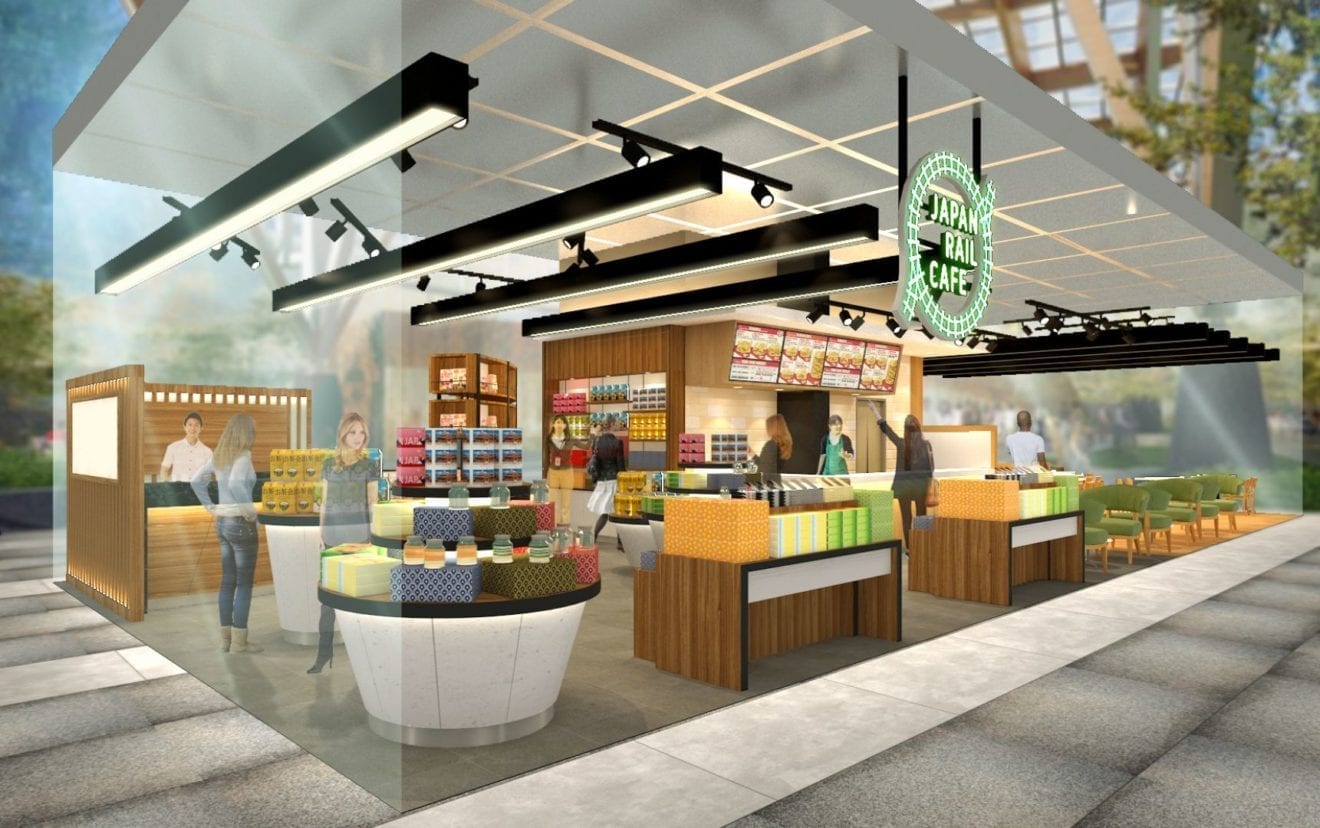
    After encountering a slew of character cafes this year, it was particularly refreshing to discover the travel-themed Japan Rail Cafe. The first of its kind in the world, the cafe is East Japan Railway Company (JR East)’s first overseas venture.

    For the uninitiated, JR East primarily serves the Kanto and Tohoku regions in Japan. Those who’ve been to the Land of the Rising Sun should be pretty familiar with it!

    With its overarching aim to promote Japan travel in Singapore, the cafe is primed to be a one-stop-shop for travelers and hungry cafe hoppers alike.

    The spacious cafe is decked out in warm shades of wood and bright pops of teal. Rail tracks also run all around the cafe, from the walls to the ceilings — a quirky nod to its theme.

    Buy your rail passes here

    Upon entering, a Japan Rail Pass Counter greets you with its huge sign. Here, customers can purchase exchange orders for JR passes before their trips at the instore rail pass ticketing counter operated by JTB Pte Ltd.

    Best of all, the range of rail passes covers not only JR East but all other passes issued by the five other Japan Railway companies, namely JR Kyushu, JR West, JR Shikoku, JR Central and JR Hokkaido. This covers almost all regions in Japan!

    The menu comes in the form of a well-designed newsletter, which currently highlights the Tohoku region of Japan.

    Foodies will be delighted to know that a special menu will be launched each month, where representative dishes of a region will be featured, alongside regular items.kaisen-avocado-don

    Regional delights

    The dishes, though simple, are fuss-free, well-thought out and delicious. In fact, the variety is reminiscent of the quick-service eateries so often found near the rail stations in Japan.

    Their signature Ultimate ABC Burger ($19) is a treat for the palette.

    ABC stands for the key ingredients that make up the burger — avocado, bacon and cheddar cheese, which complements the juicy wagyu beef patty within. The slightly sweet and soft buns make the perfect vessel for these hearty fillings.

    In light of the Tohoku region showcase, diners will also be able to savour the Kaisen Avocado Don.

    The donburi (rice bowl) bursts with the freshness of ingredients like sashimi, ikura (fish roe) and aomori scallops. Topped with mentaiko, sesame and seaweed, the dish is equal parts hearty and healthy.

    watashino-curry-riceIf you’re a fan of Japanese curry, be sure to try the Watashino Curry Rice ($18).
    The satisfying combination of the black pepper-based curry and 10 grain rice is elevated by the fact that you can customise the dish with various mains. Pick from the likes of crispy chicken cutlet, fried oyster and crab cream korokke.

    Retail and workshops

    After you’ve eaten your fill, check out the retail corner at the cafe, lovingly curated by Oishii Japan. Each month, the retail corner will feature various food items from the featured region.

    Plus, there’ll be a range of products from JR East’s retail stores and shopping malls inside JR East train stations — a manifestation of Japan’s new lifestyle phenomenon “Eki Naka”, which means “in-station shopping”.

    And if you’re planning a trip to Japan, the monthly seminars and workshops held at the cafe will be exceptionally useful to attend.

    The cafe looks set to collaborate with partners including Japan National Tourism Organization (JNTO), Japanese local governments and Japanese corporations.

    Looks like the Japan Rail Cafe isn’t just for train otakus!

  • Singapore Airlines: year-round Airbus A380 flights for Melbourne

    Singapore Airlines: year-round Airbus A380 flights for Melbourne

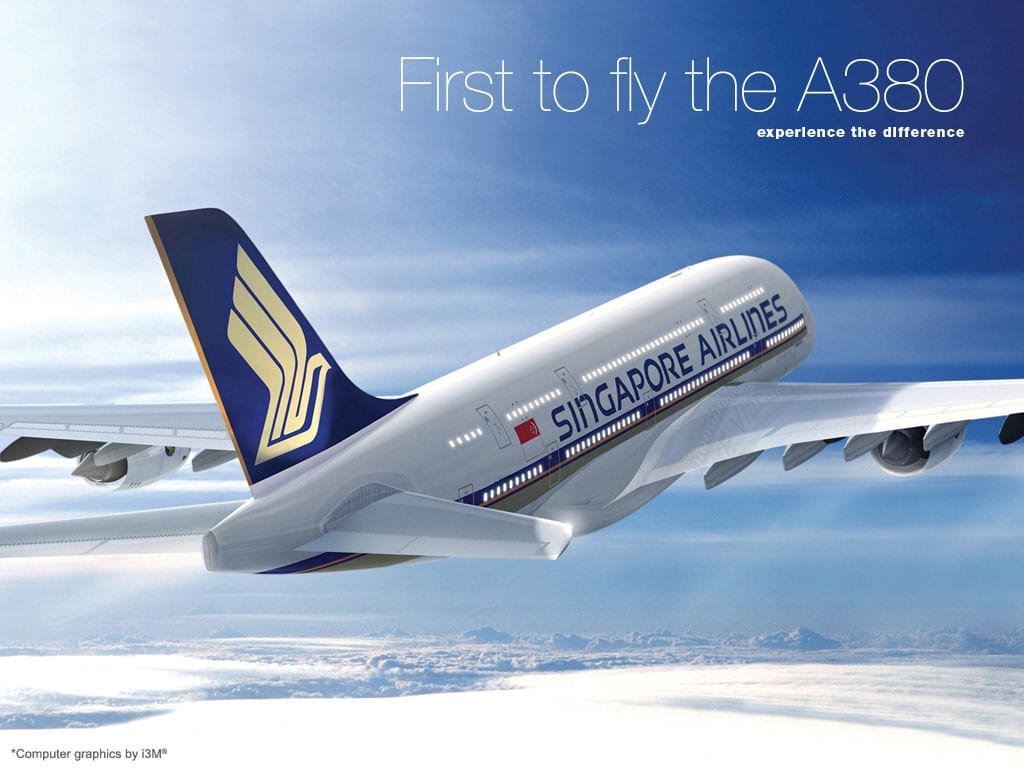
    Singapore Airlines is bringing its flagship Airbus A380 back to Melbourne on a year-round basis, extending the airline’s temporary superjumbo service to the Victorian capital: previously due to end in March 2017 before reverting to a Boeing 777.

    Instead, SQ’s A380s will continue gracing Melbourne’s skies, a Singapore Airlines spokesperson confirmed with the jet now appearing daily on flight SQ217 from Singapore and SQ218 from Melbourne.

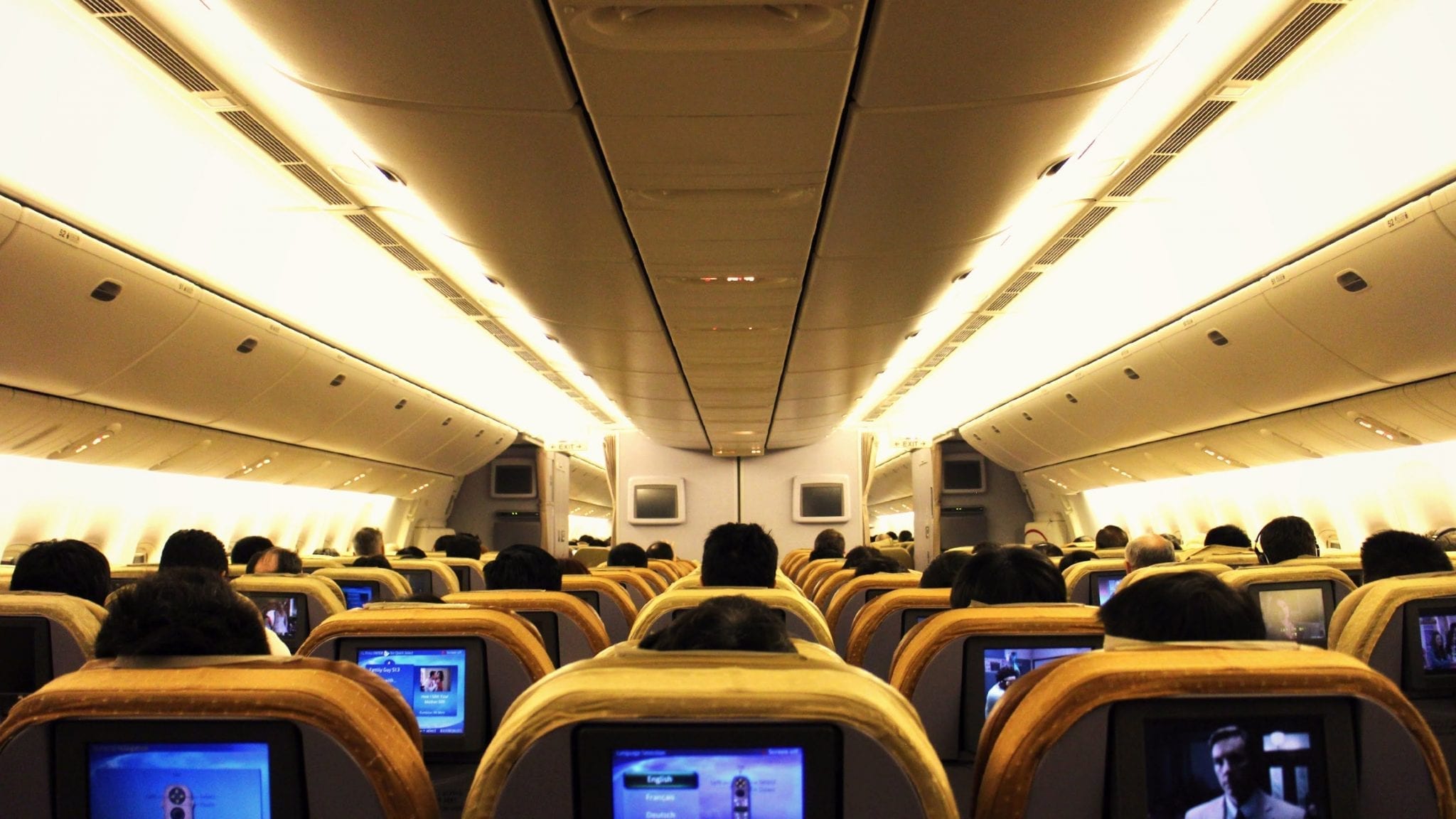
    The world’s largest passenger aircraft offers travellers a choice between Suites Class, business class, premium economy and economy.

    ‘Suites Class’ is Singapore parlance for ‘A380 first class’, with these passengers gaining access to a dedicated Singapore Airlines first class lounge in Melbourne or The Private Room in Singapore before their flight, after which, they’ll fly in style and privacy with all suites featuring closing doors:

    Business class too provides fully-flat beds with direct aisle access courtesy of the 1-2-1 cabin layout, with plenty of space to work and relax during the day as well.

    Premium economy instead comes in a 2-4-2 arrangement, with reclining seats offering 38 inches of total space – known as ‘pitch’ – plus a padded leg rest and swing-down foot rest:

    Melbournians can catch the A380 on flight SQ218 – departing the Coffee Capital at 1:05am daily to reach Singapore at 5:45am – and aboard SQ217 on the return: wheels-up at 10:45am for a 9:10pm touchdown later that evening.

    In recent times, Singapore Airlines has also upgraded selected Brisbane-Singapore flights from Airbus A330s to the Boeing 777-200ER aircraft, complete with A380-style fully-flat beds in place of the less-appealing ‘sloping sleepers’ found on the A330s.

  • HSBC enables Apple Pay for Singapore cardholders

    HSBC enables Apple Pay for Singapore cardholders

    Customers can enjoy $5 off every transaction as a kick off promo. HSBC Singapore is treating its HSBC Visa and MasterCard credit cardholders with Apple Pay.

    Customers using iPhone SE, iPhone 6 to higher versions, and Apple Watch can use Apple Pay in stores with Visa payWave or MasterCard contactless payment terminals in Singapore and overseas.

    As a kick off treat, HSBC customers will be given $5 off for every Apple Pay transaction with their HSBC credit cards, with a minimum spend of $10 per transaction. This promo will be on until January 15 next year.

    Commenting on the launch, HSBC Singapore head of retail banking and wealth management Anurag Mathur said going digital is part of the banks strategy as technology and mobility are changing how our customers do banking.

    “Our findings show that awareness of contactless mobile payment is high amongst Singapore consumers (about 89%) and over half indicated interest to try this new payment method. We believe the security, privacy and convenience Apple Pay brings will appeal to all our customers, especially those who are also active users of our digital banking services,” he said.

  • Singapore Airlines records low passenger numbers on Canberra flights

    Singapore Airlines records low passenger numbers on Canberra flights

    Singapore Airlines struggled to fill its planes in the first week it flew between Canberra and Wellington in New Zealand, data has revealed.

    The International Airline Activity report by the Department of Infrastructure and Regional Development showed, on average, each of the six flights from Wellington to Canberra in September held just 94 passengers.

    The Boeing 777 has 266 seats, meaning there was an average passenger load factor of just 35 per cent.

    The Singapore to Canberra to Wellington rotation runs four times a week, with the first flight touching down in Canberra on September 21.

    According to the report, the carrier’s strongest performing route was a direct service between Canberra and Singapore which was 68 per cent full.

    In September, Singapore Airlines started the first direct international flights to the Australian capital in more than a decade.

    It followed a long-fought campaign by the ACT Government and the Canberra Airport to attract carriers to the city.

    The activity report shows Canberrans were more eager to leave the city than outsiders were to visit the capital.

    A total of 1,421 passengers flew into Canberra on the 12 flights from Singapore and Wellington in September while 1,784 people flew out to those destinations.

    On the 24 Singapore Airlines flights operating in the later part of September, only 13 tonnes of freight left Canberra, with no freight recorded entering the ACT.

    The September figures were released as Qatar Airways announced earlier this week plans to start flights to Doha, becoming the Canberra Airport’s second international carrier.

    Today FlyPelican also announced it would launch regional flights connecting Canberra and Dubbo 10 times a week from next month.

    The October figures for international flights have not yet been released.

  • SPH Reit keen on Seletar Mall

    SPH Reit keen on Seletar Mall

    Shareholders at the SPH Reit annual general meeting yesterday asked if the real estate investment trust sponsored by media group Singapore Press Holdings (SPH) would add Seletar Mall to its portfolio.

    The threat of online shopping was among other queries during the 90-minute meeting.

    In response, chairman Leong Horn Kee said the Reit is always on the lookout for accretive yield.

    He said the Reit, whose portfolio comprises Paragon and The Clementi Mall, is interested in Seletar Mall, which is now owned by SPH, but the question is when SPH wants to sell it and, more importantly, at what price.

    As for the rise of online shopping and e-commerce, 
Dr Leong said that while this trend is getting more prominent, brick-and-mortar stores are still relevant, given that consumers still prefer to feel and look at the actual product before purchase.

    In his opening remarks, 
Dr Leong also said that the retail environment remains challenging amid the economic slowdown in Singapore and the uncertainties of the global environment.

    “Consumers’ sentiment is muted. Retailers are also facing structural impediments such as labour constraints and competition from e-commerce,” said Dr Leong.

    He added that the Reit would continue to seek chances to create value and strengthen long-term sustainability of the properties.

    About 150 shareholders attended the meeting and all resolutions raised were passed.