Tag: Singapore

  • Five must-visit malls in Singapore, the shopper’s paradise

    Five must-visit malls in Singapore, the shopper’s paradise

    There is no doubt that Singapore is a paradise for shopaholics and foodies. And, it doesn’t come as a surprise if the island nation has some of the finest malls. Recently, Forbes rated the best five malls in Singapore based on the shopping experience and food offerings.

    At number five is Paragon Shopping Mall on Orchard Road. This 20-storey shopping center with more than 200 shops is definitely an up-market shoppers’ paradise. With six levels of designer fashion and luxury boutiques, sports and lifestyle shops, restaurants and cafes, Paragon is a one-stop destination for luxury needs.

    After Paragon, the obvious next choice is ION Orchard, located in Singapore’s prominent shopping boulevard, Orchard Road. It offers a dazzling view at night and a unique shopping experience with over 300 retail, F&B and entertainment stores, which will include six of the world’s top luxury brands building their signature flagships stores.

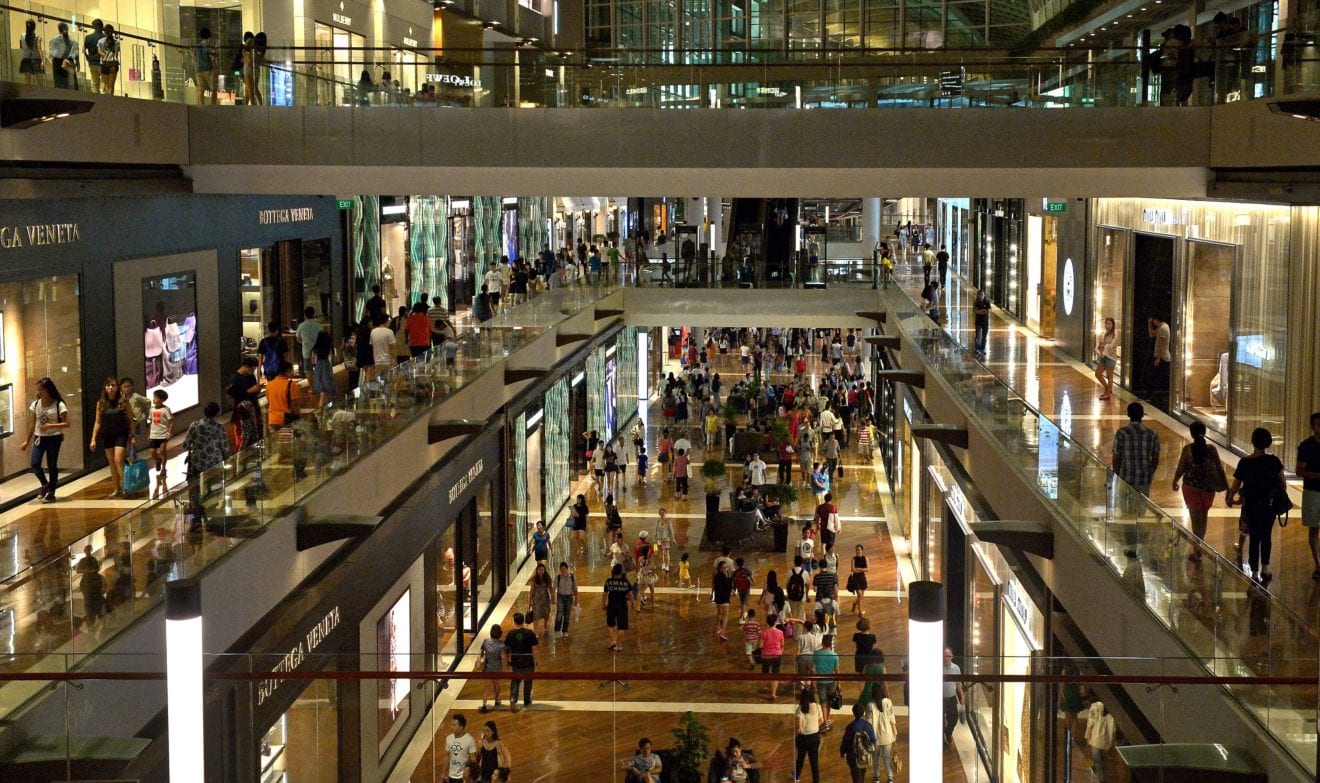
    Next on the line is the most famous The Shoppes at the Marina Bay Sands resort. The Shoppes is a one-of-its-kind mall with a casino, indoor skating rink, rooftop access that gives a breathtaking skyline view of the Bay Sans, and a canal that runs through the mall. It also boasts some of the world’s most renowned brands like Ralph Lauren, Hermès, Chanel and Cartier, but, the highlight is the Louis Vuitton island concept store.

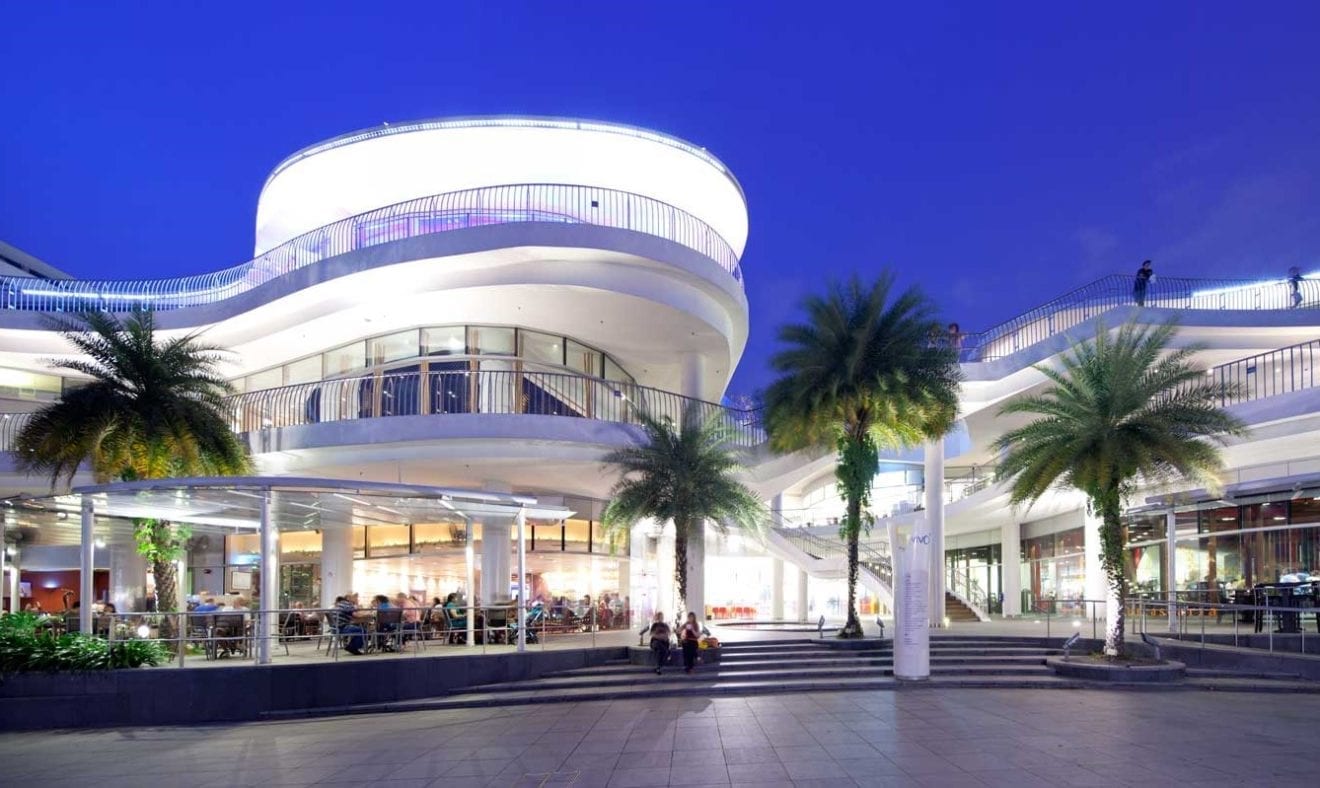
    Then comes Singapore’s largest shopping mall, VivoCity, located near the coastline of Keppel Harbour and Sentosa Island. Operated throughout cable car, its occupiers include American Eagle, Forever 21, H&M, Gap, MUJI, and Uniqlo.

    And finally, at the number spot is the country’s tallest vertical mall, Orchard Central, right in the center of Orchard road. The food court is nothing short of a gastronomical delight with alfresco style dining options at its rooftop or international food ranging from Japanese, Korean, Chinese to Western at the F&B themed floors, it will satisfy every palette.

    Other prominent shopping destinations include Dempsey Road, Holland Road Shopping Centre, Little India, Tiong Bahru and Haji Lane. A true shopper’s paradise with a slew of mall spread across the country, Singapore definitely beats its neighbours in terms of sheer convenience and familiarity.

  • Hopes in the shoulder of JuanFu Hong Kong

    Hopes in the shoulder of JuanFu Hong Kong

    China-based crawfish specialty brand JuanFu has opened its first restaurant in Hong Kong with hopes this will help it launch worldwide.

    Founded in Shanghai last year, the brand already has 11 outlets spanning different provinces and cities in China. Its Hong Kong outlet in Sheung Wan, Buddies Crawfish, imports crawfish directly from breeding bases in Hunan, Jiangsu and Greece.

    Buddies Crawfish Hong Kong chairman Wu Hsiao says he hopes to promote the brand globally and expand to overseas markets through the opening of the Hong Kong store.

    “Hong Kong is an international city with a good mix of people from different cultures and backgrounds all over the world. The large number of mainland and international visitors offers a good clientele, which also makes Hong Kong the best place for us to promote our brand globally.”

    He believes that a Hong Kong base will help the brand easily enter the Chinese markets in Singapore, Taiwan, Australia and the US.

    “At the moment there are limited supplies of crawfish in the Hong Kong market, so we hope to fill this gap by offering stable supplies of crawfish to the market in different ways. Further down the track we also plan to open another crawfish-themed restaurant and a crawfish fast-food store in Hong Kong, as well as distribute fresh and chilled crawfish to restaurants and supermarkets.”

    Hong Kong’s F&B scene is thriving, says Invest Hong Kong associate director-general of investment promotion Dr Jimmy Chiang. “I am happy JuanFu chose Hong Kong to set up its first restaurant outside the mainland. I believe the brand will make use of the city’s business advantages to expand overseas.”

    Headquartered in Beijing, JuanFu is owned by Shanghai Wan Li Network and Technology, which specialises in developing its own brands for agriculture products.

  • Asian Christmas gift-giving trends revealed

    Asian Christmas gift-giving trends revealed

    When it comes to Asian Christmas gift-giving, Koreans are the most generous, according to a Kadence Singapore survey.

    The company spoke to a cross-section of shoppers in Hong Kong, Japan, Korea, Malaysia and Singapore to understand more about their Christmas buying habits.

    Koreans emerged as the most generous, with 88 per cent saying they will give someone a present this year. Of these, 63 per cent are buying a gift for their partner, with 33 per cent buying for a parent.

    kadence-christmas-infographic

    In contrast, Japan is far more conservative, with 75 per cent shopping for Christmas. Of these, 13 per cent are considering buying a present for their parents.

    People in a relationship are far more likely to receive a gift this year, the survey shows. Of the people surveyed, 53 per cent will buy a gift for their partner. This is followed by presents for a parent or another family member (both 25 per cent). However, 21 per cent of the people surveyed do not intend to buy any presents this Christmas.

    A surprising find is that men (80 per cent) are more likely to buy a Christmas gift than women (77 per cent), a trend across all markets. Hong Kong men lead the field at 83 per cent, versus 70 per cent women.

    Men are more focussed on their partner, with 60 per cent buying a gift for their nearest and dearest, while only 46 per cent of women are doing the same. However, women are more willing to share the Christmas spirit, with 24 per cent likely to buy presents for friends and 18 per cent for siblings (for men the figures are 15 and 8 per cent respectively).

    In general, survey respondents have three extended family members in mind when Christmas shopping, beyond parents, siblings and partners. They also have up to five key friends and colleagues they will buy for. Women are likely to buy more presents for their friends and colleagues, with 33 per cent looking to buy five or more presents for colleagues versus about 12 per cent for men.

    When it comes to expenditure, partners are the main consideration. In Singapore, 73 per cent of respondents will spend SG$100 (US$70) or more on their partner. In contrast, 71 per cent will spend less than SG$100 on friends while 69 per cent will spend less than SG$50 on colleagues.

    In Singapore, 48 per cent of men interviewed say they will spend more than SG$200, compared to 28 per cent of women, who are more likely to spread their spending on friends, colleagues and other family members.

  • Mega-Clouds Drive Shift to Mega-Data Centers in Singapore

    Mega-Clouds Drive Shift to Mega-Data Centers in Singapore

    While Singapore has for years been the default data center location for US and European companies wanting to serve clients in Asia, the rise of the mega-clouds is changing market dynamics there as it has done in other major data center markets around the world.

    Companies like Microsoft and Google have built their own data centers in Singapore and leased capacity from data center providers there. Social networks LinkedIn (now owned by Microsoft) and Facebook occupy leased data center space on the island. There’s also demand from Asian mega-clouds, such as Alibaba.

    As they do elsewhere around the world – in places like Northern Virginia, Dallas, Chicago, and Dublin – these companies are generally after big multi-megawatt data center leases, driving more demand for wholesale data center services in Singapore than there has been historically.

    That’s according to recent data on the Singapore data center market from Structure Research, which says the market profile has shifted to “one that is increasingly geared to wholesale deployments.” Most of the 150 or so megawatts of new data center capacity that would be coming online in 2016 and 2017 was being built for wholesale deals, Jabez Tan, research director at Structure, told us in an interview.

    As Tan notes in an article for Data Center Knowledge that also ran this week, the trend toward wholesale can be observed in all major Asia-Pacific markets.

    The Singapore data center market has been growing steadily over the last several years, but the analysts’ data shows its next phase of growth is being driven primarily by wholesale data center demand from cloud giants, pushing providers to build data centers at massive scale. That 150-plus megawatts would be delivered across only eight data centers.

    Structure expects the Singapore market to generate $811 million in revenue in 2016 and grow 9 percent in 2017. The research firm projects the market will reach $1.6 billion in size by 2020, growing at a compound annual rate of 9 percent.

    In addition to being one of Asia’s primary commercial and financial hubs, Singapore is a hub for international connectivity, with landing stations for submarine cables linking it to major Asia-Pacific markets in India, China, Japan, and Australia, as well as the numerous emerging markets in the region, such as Thailand, Vietnam, Indonesia, and Singapore’s next-door neighbor Malaysia. In short, if you want network access to virtually all Asia-Pacific markets from one place, that place is Singapore. The city-state’s robust infrastructure, political stability, and a business-friendly government also help.

    There are 45 data center providers in Singapore as of 2016, with 53 unique operational data centers, according to Structure. Together, their critical power capacity is 240MW. The two top providers in the market are local telco Singtel and the Redwood City, California-based colocation giant Equinix. The two companies have a combined share of 55 percent in the Singapore data center market. Other top providers are Digital Realty Trust, Keppel Data Centers, Global Switch, and NTT Communications.

    Not all demand for data center capacity in Singapore is coming from cloud giants of course. There are plenty of examples of smaller companies, such as system integrators and other IT service providers from China and elsewhere overseas, taking data center space in Singapore to serve clients throughout AsiaPacific.

    Some of the recent examples include Retarus, a Munich-based messaging service provider, which announced a new data center in Singapore last month. The company lists Adidas, Bayer, Sony, and Honda as its clients. Another one is Fpweb.net, a St. Louis, Missouri-based managed cloud and security services firm, which announced a data center in Singapore earlier this month, promising it would reduce latency for its clients in Southeast Asia.

    While data center providers building in Singapore are mostly after the lucrative multi-megawatt cloud deals, they generally don’t pigeonhole themselves into being strictly wholesale or strictly retail providers. A company may prefer wholesale deals but it will sign retail colocation deals as well, Tan said. It goes the other way too. Equinix, for example, a company that specializes in retail colocation inside its network-rich facilities, has done some wholesale deals in Singapore, he said. Equinix usually makes the exception if a major strategic customer wants a wholesale deployment.

    Tan was not confident there would be enough demand for all the new wholesale capacity coming online in the 2016-2017 timeframe. Lots of empty facilities and only so many deals to go around usually means pricing for wholesale data center space will come down. “It’s pretty aggressive in terms of chasing after deals in Singapore,” he said.

  • Nike Singapore turns back on small outlets

    Nike Singapore turns back on small outlets

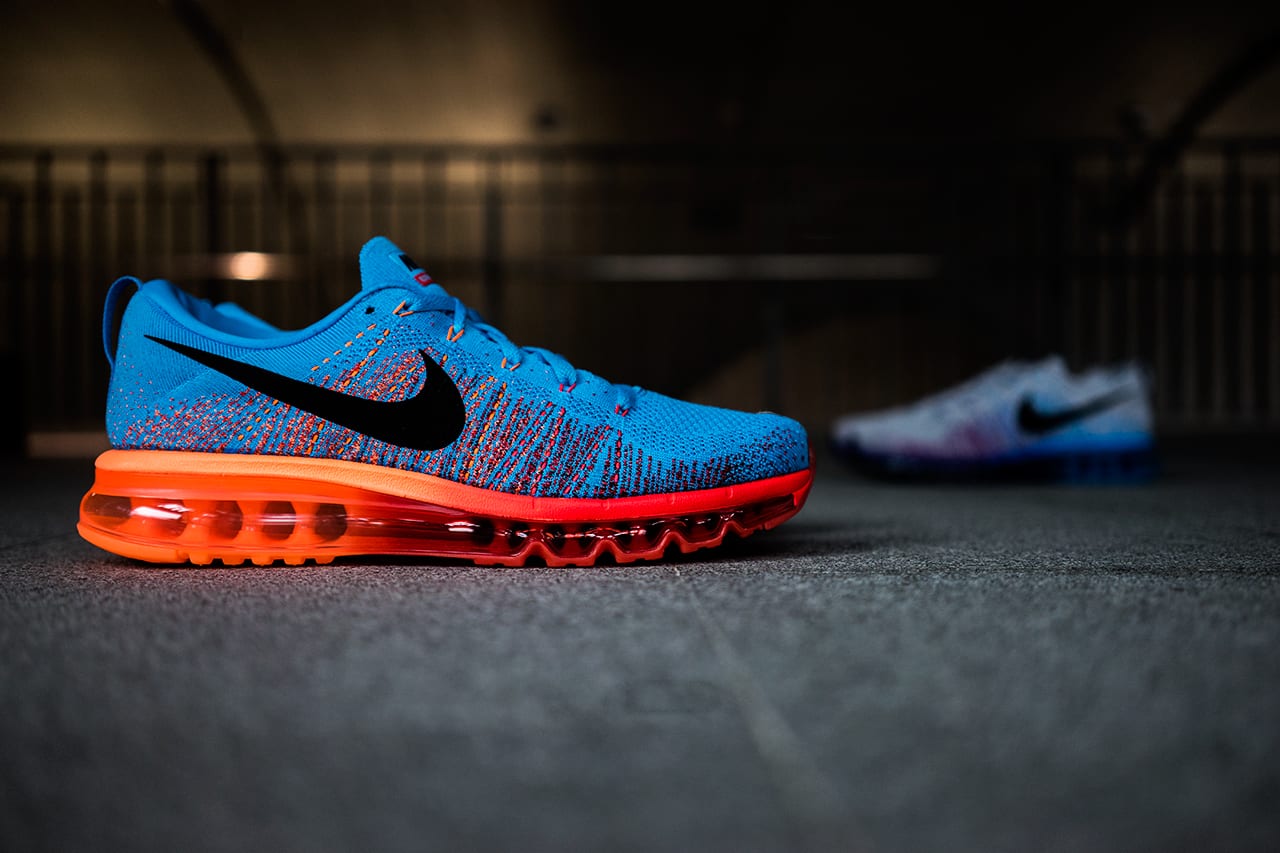
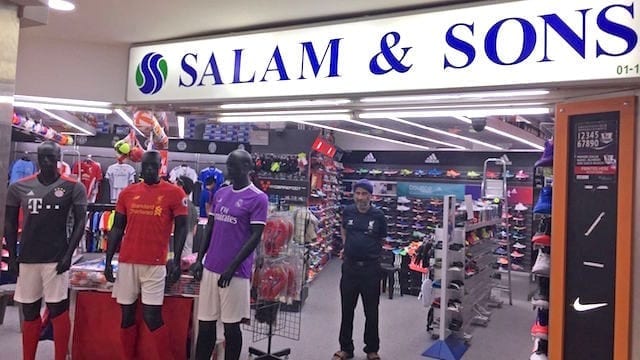
    Sports brand Nike Singapore will stop supplying smaller retailers from next month.

    This is a huge blow for mom-and-pop stores in Peninsula Plaza and Queensway Shopping Centre, which rely on top-selling brands to attract customers, as reported.

    “Its move would force many of us out of business soon,” says Salam & Sons manager Gurbachan Singh, who has run the business for more than 30 years.

    “We did business with Nike for more than 20 years. We followed their rules, never defaulted on payments nor brought in fake or parallel imports. Many of us don’t understand why they are doing this to us,” he says.

    Out of the US, Nike tops the 10 most-valuable apparel brands segment in market research company Millward Brown’s 2016 Brandz Top 100 Most-Valuable Global Brands report.

  • Element Fresh plans Asian franchise roll-out

    Element Fresh plans Asian franchise roll-out

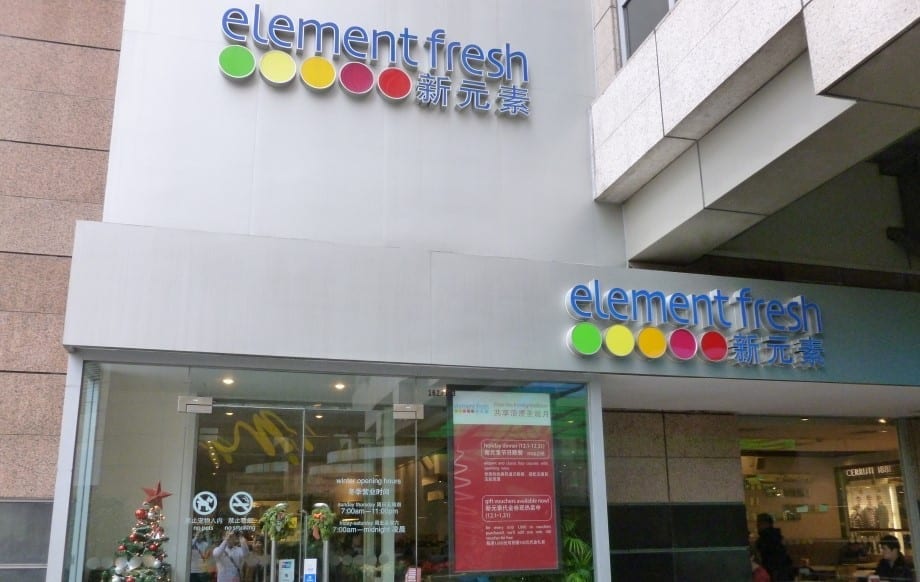
    Chinese international restaurant brand Element Fresh plans to grant development rights to franchisees across Asia, with an initial focus on Hong Kong, Japan, Thailand and Singapore.

    Founded in 2002, the group has nearly 40 restaurants in China, mainly in Beijing and Shanghai.

    It forecasts 80 outlets across China by 2020 while it moves to franchise in key countries across Asia.

    “We seek retail-focussed companies that view our cosmopolitan brand as complementing their existing portfolio and aligned with their business strategy,” says Element Fresh international franchising director Paul Barbone. “Our systems and operations have been fine-tuned and engineered to ease the start-up process through to multi-unit management.”

    Most of the brand’s dishes incorporate superfoods, with the seasonal menu innovation cycle giving diners the chance to try innovative ingredients.

    “We are passionate about fresh food, great taste and quality ingredients, making ‘eating right’ easy for our guests,” says CEO Frank Rasche. “People from dozens of countries come to us every day for our diverse menu and seasonal touches.”

    Recent examples include Salmon & Warm Buckwheat Salad, plus the Spicy BBQ Chicken Cobb salad that includes avocado chunks and chimichurri ranch dressing.

    Element Fresh has also just launched www.elementfresh.org, which details the advantages and benefits for franchise partners while showcasing its latest restaurant prototype.

    Barbone says the website offers information and videos for potential franchise partners. He plans to visit key markets in the coming months to meet with qualified groups, with the goal of having outlets open in select key cities by the second half of next year.

    Founded in Shanghai in 2002, Element Fresh is known for its gourmet salads and made-to-order fruit juices and smoothies, its diverse international menu including American-style breakfasts, and its casual dining ambience and service.

  • Alfred Dunhill opens concept store

    Alfred Dunhill opens concept store

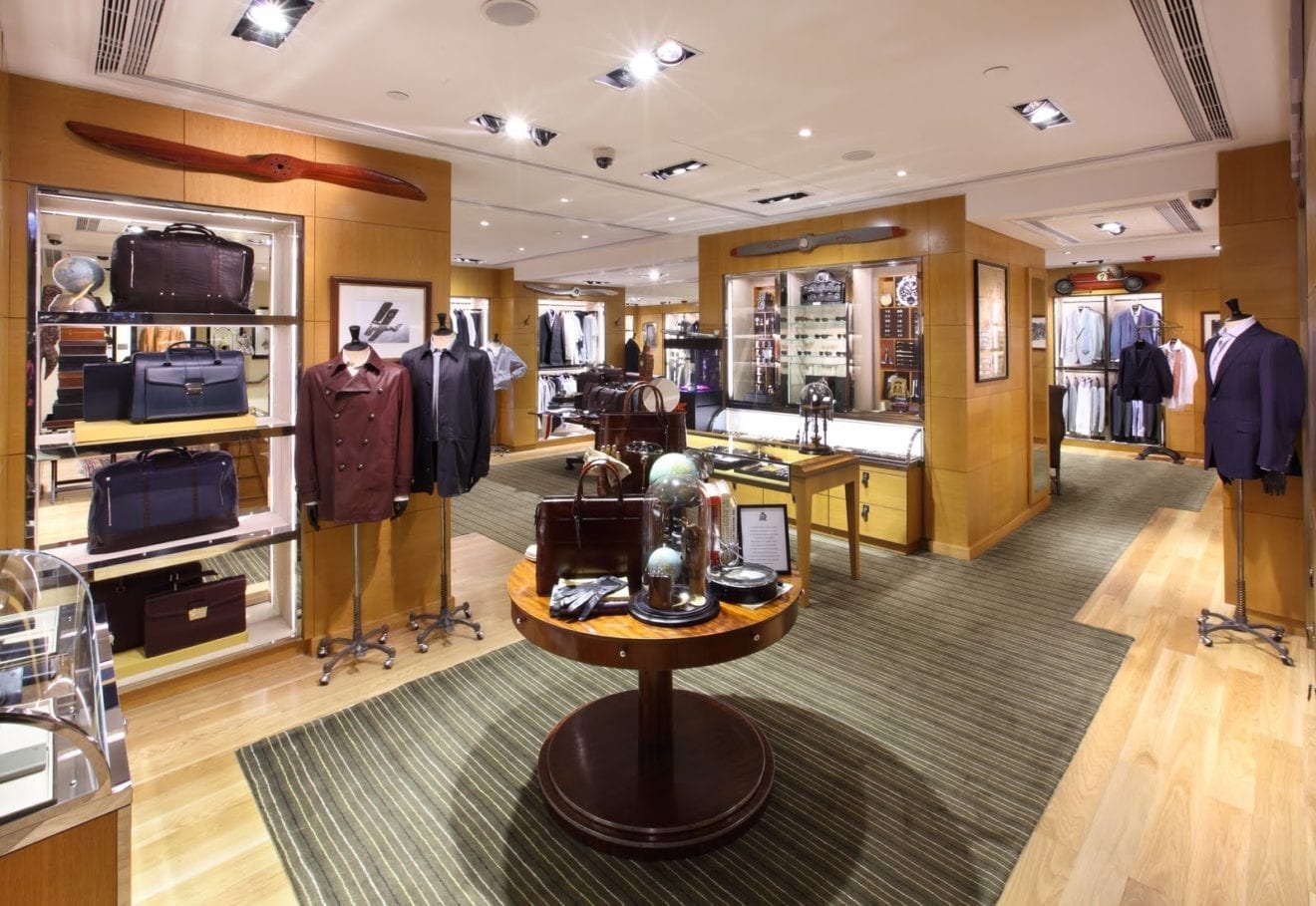
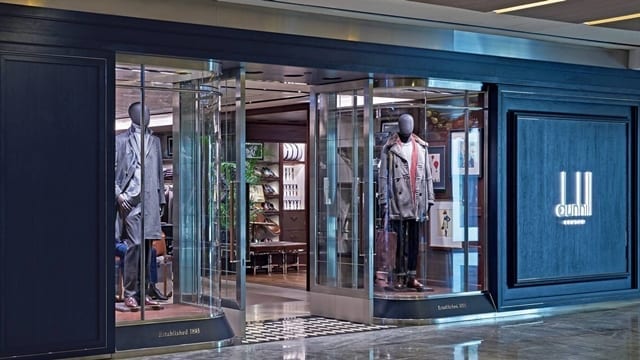
    One year after a “garage” pop-up store in Paragon Singapore, British men’s luxury brand Alfred Dunhill has opened its first-ever concept store.

    Its fourth outlet in Singapore brings to life the brand’s heritage of motoring, saddlery and gentlemanly inventions and adventures, says president Francois Carrere.

    “Inspired by the Alfred Dunhill home Bourdon House, the store’s decor features rich textures, contemporary and vintage furnishings, and traditional English architectural accents,” he writes on LinkedIn.

    Dunhill’s roots in Singapore date back to its first store opening in 1971.

    Specialising in ready-to-wear, custom and bespoke menswear, leather goods, and accessories, the brand was founded by English tobacconist and inventor Alfred Dunhill in 1907.

    Dunhill was just 21 years old when he took over his father’s saddlery business in 1893. With the automobile becoming popular, he transformed the saddlery into an automobile accessories store, offering such non-standard (at the time) accoutrements as horns, lamps and dashboard clocks. Dunhill also made leather overcoats, goggles and other accessories for drivers.

    In 1907, Dunhill opened a tobacco shop, followed in 1910 by his own pipe factory. Tobacco proved so successful the company expanded with shops in Paris and New York. Dunhill was the first company to develop a lighter that could be used with one hand.

    The brand is now owned by Switzerland-based luxury goods holding company Richemont.

  • Why retailers need to consider setting up an online shop

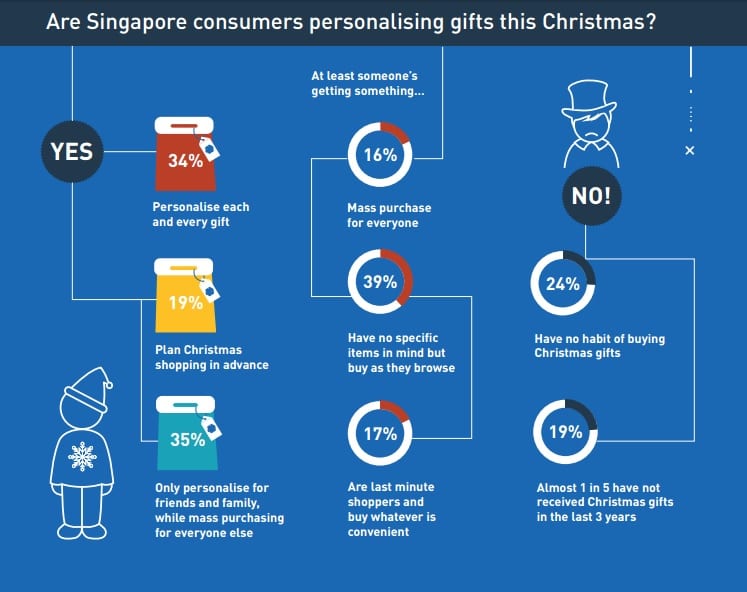
    2 in 3 Singaporeans prefer retailers with e-commerce and mobile app.

    There are only a few days before Christmas and Singaporeans are surely busy shopping around, finding the perfect gift. But what do retailers need to do to keep up with the shopping hype this festive season?

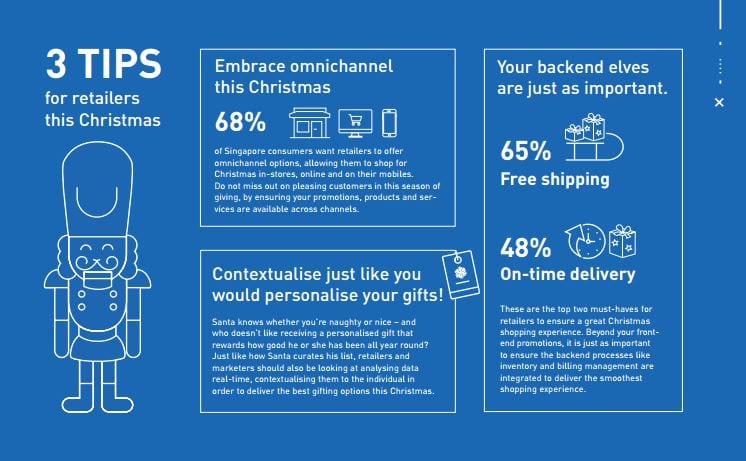
    According to the latest survey by SAP Hybris, Singapore shoppers want cross-channel options more than new-age services like digital wallets and augmented reality store experiences. Over 2 in 3 shoppers (68%) prefer retailers with a physical store coupled with both e-commerce and mobile app while more than half of consumers want retailers which offer self-pickup services as physical stores.

    “With high Internet and mobile penetration rates, it is of little wonder that Christmas online shopping is picking up among Singaporeans. The e-commerce market in Singapore is expected to be worth US$5.4 billion (S$7.46 billion) by 2025, according to a report by Temasek and Google released earlier in May this year, and is expected to make up 6.7% of all retail sales by 2025,” SAP Hybris global vice president of fast growth markets Nicholas Kontopoulos explained.

    More so, 65% of the shoppers stated that retailers can improve their Christmas shopping experience by offering free shipping. Around 48% see on-time delivery as a benefit while 41% noted that gift customization would signal yet another improvement.

    “Singaporeans are amongst the most tech-savvy spenders in Asia, and no strangers to e-commerce. Despite that and reports of Singapore’s continuously challenging retail landscape, the brick and mortar stores are definitely not dead,” Kontopoulos noted.

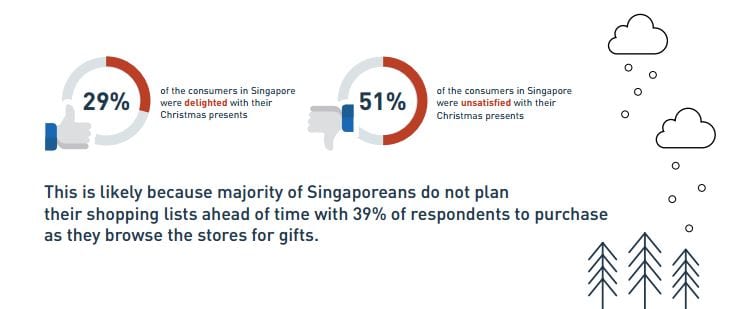
    He furthered, “In fact, the SAP Hybris survey found that 39 per cent of Singaporeans still enjoy browsing through stores. This reinforces what we have been telling retailers for some time: Singapore is a truly multi-channel market, where most consumers are using a combination of devices in their online and offline shopping. The findings also point us to a future where offline and online shopping are no longer two separate business models. Singaporeans are demanding a seamless omnichannel shopping experience.”

  • Singapore IMDA appoints new CEO

    Singapore IMDA appoints new CEO

    Singapore has appointed Tan Kiat How as chief executive of the Infocomm Media Development Authority (IMDA) from January 1, 2017.

    Tan, currently deputy secretary (cyber and technology) at the Ministry of Communications and Information (MCI), succeeds Gabriel Lim, who will continue to serve as second permanent secretary (communications and information), said MCI in a media release.

    Prior to his stint at MCI,  Tan served at the former Infocomm Development Authority of Singapore (IDA), the Ministry of Finance and the Pioneer Generation Office (PGO).

    Tan’s previous contributions include helping to develop the Intelligent Nation 2015 plan and implement the Next Generation Nationwide Broadband Network at the then-IDA. He was also involved in refining the national cybersecurity strategy with the Cyber Security Agency (CSA) in his time at MCI.

    Lim was appointed co-managing director of IDA in May, in preparation for the formation of IMDA on October 1. He oversaw the establishment of the TechSkills Accelerator, a new hub for skills development and job placement, and preparations for Singapore’s fourth mobile network operator.

    Prior to that, Lim was appointed CEO of the former Media Development Authority of Singapore on December 8, 2014.

  • BHG department stores posting solid growth

    BHG department stores posting solid growth

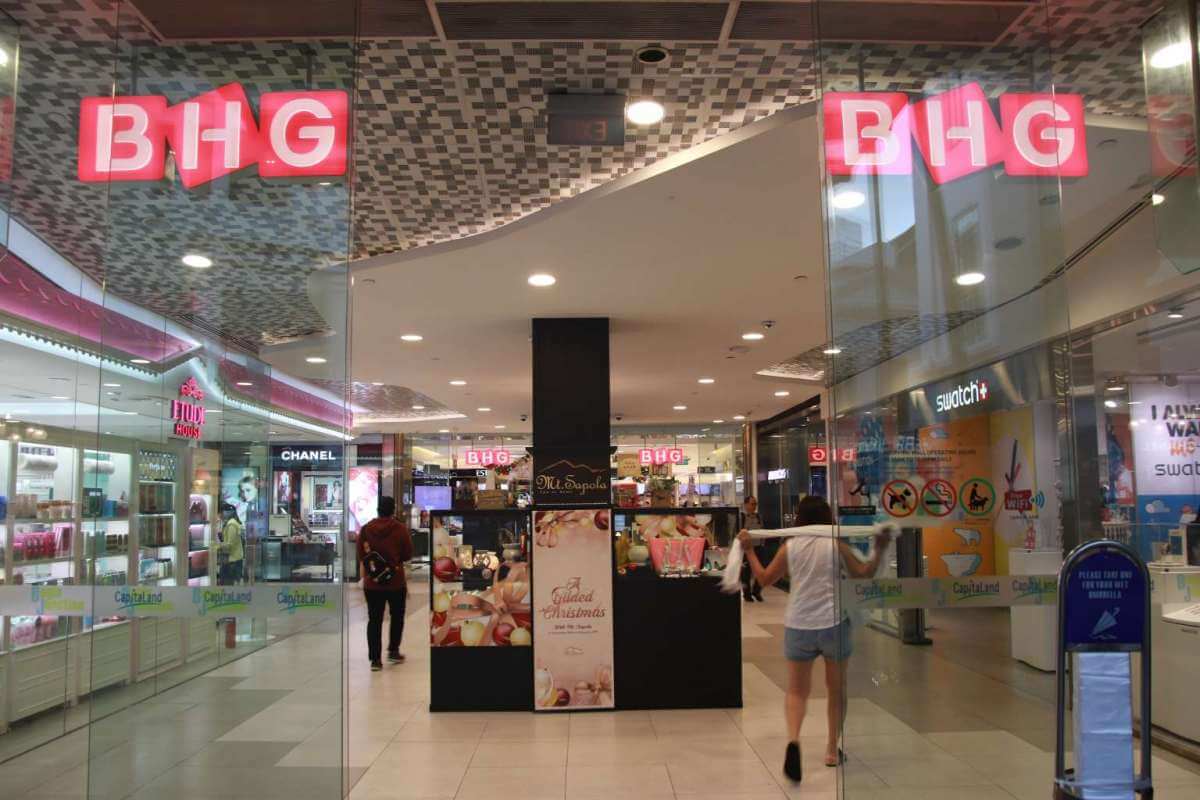
    Singapore’s BHG department store group has opened its seventh outlet as it trumpets sold sales growth across its network.

    Photo: Straitstimes

    Apparently defying the city state’s widely publicised retail downturn, BHG is achieving solid growth through a focus on refreshing its merchandise mix every six months, running regular in-store promotions and other activities designed to stay “fresh and relevant”, MD Katsuharu Inamoto told the Straits Times in an interview.

    “If we maintain the same merchandise for three years, we will die. Shoppers here are concerned about quality and price. They have the eye to judge and they know what’s in trend.”

    He says BHG has maintained a “low single-digit” sales growth since last year.

    In line with its merchandise focus, the retailer has just introduced two new brands to its line-up: Korea’s Ladykin beauty products and US backpack maker Mi-Pac.

    The new Jurong East store which opened at the weekend, comprises 49,000 sqft over three levels. Two of those floors were previously occupied by rival department store John Little, which had traded in Jurong for 20 years, the third by electronics and furniture retailer Harvey Norman.

    Inamoto said his company had been seeking a suitable space in the city’s west for a long time and was quick to take the opportunity provided by John Little’s departure.

    “The mall has a unique tenant mix and lots of families go there.”

    BHG’s history dates back to 1995 when it opened as Seiyu Wing On, a joint venture between Hong Kong’s Wing On and Japan’s Seiyu department store group. Seiyu later bought out its partner and the business was sold to China’s Beijing Hualian Group in 1995 and renamed.

  • More Singapore Airlines flights for Sydney, Melbourne, Brisbane

    More Singapore Airlines flights for Sydney, Melbourne, Brisbane

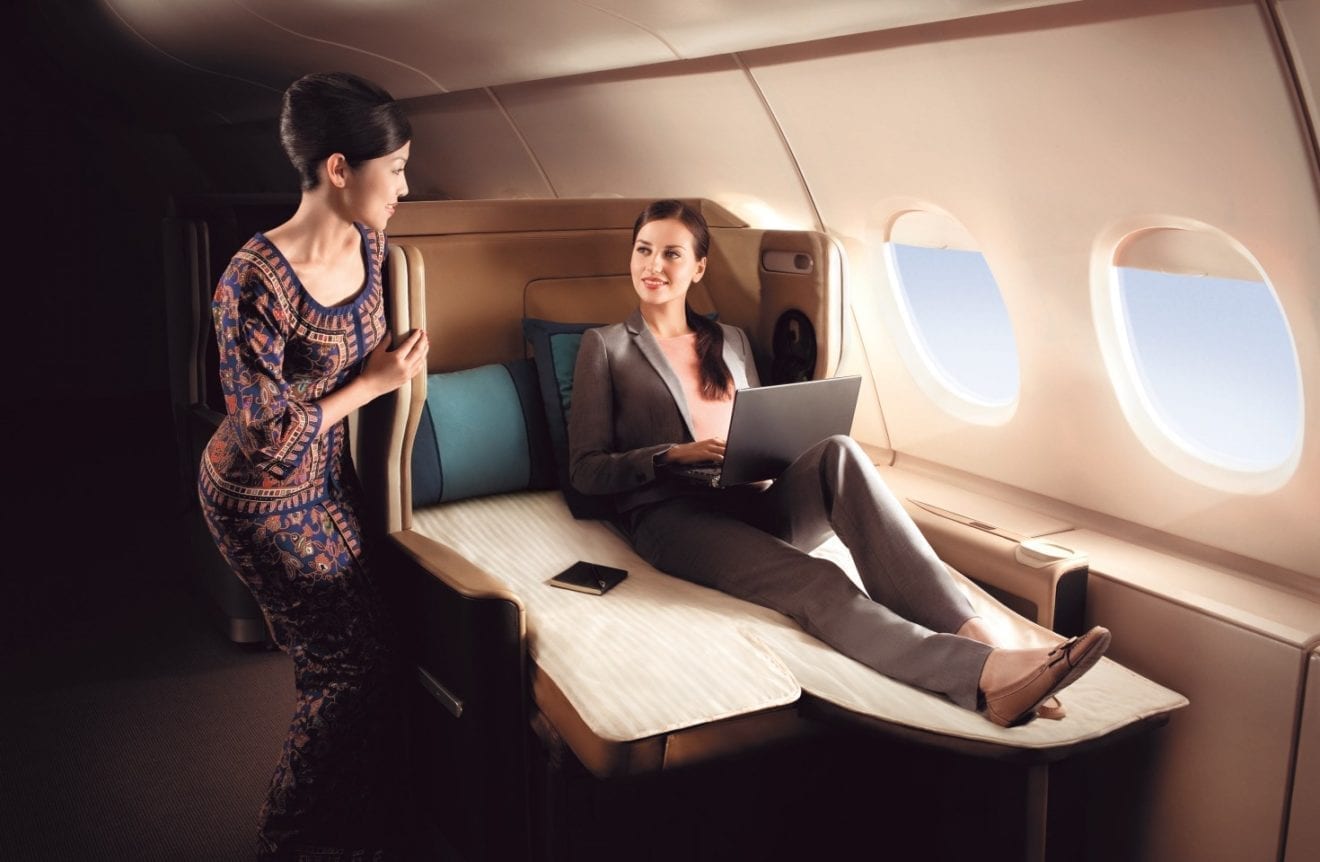
    Singapore Airlines is ramping up flights to Sydney, Melbourne and Brisbane in 2017, a year which marks the airline’s 50th anniversary in Australian skies.

    Melbourne will see a fifth flight appear on the schedule from 17 July 2017, with the new SQ247/248 operating on Monday, Friday and Saturday.

    The SQ247 Airbus A330 service will depart Singapore at 2am and arrive in Melbourne at 11.25am; SQ248 leaves Melbourne at 12.40pm to reach Singapore at 6.30pm.

    In addition, from January Melbourne’s SQ227/228 will step up to a four-class Boeing 777-300ER with the Star Alliance member’s new premium economy class.

    Brisbane will see SQ265/266 tick over to a daily frequency from 22 August 2017, up from the current four flights a week; it’ll stay on a Boeing 777-200ER aircraft with a fully-flat business class bed for the overnight flight between Brisbane and Singapore.

    Sydney is also gaining extra flights. Beginning 4 June 2017, SQ251/252 will be bumped up from three times weekly to five times weekly, while SQ231/222 will continue as a four-class Airbus A380 from 18 June to 30 September 2017.

    2017 will also see Singapore Airlines boost flights to popular cities in Europe and Asia – including Rome, Moscow and Bangkok – with a new via Moscow route to Stockholm.

  • Alibaba Group raising stake in SingPost

    Alibaba Group raising stake in SingPost

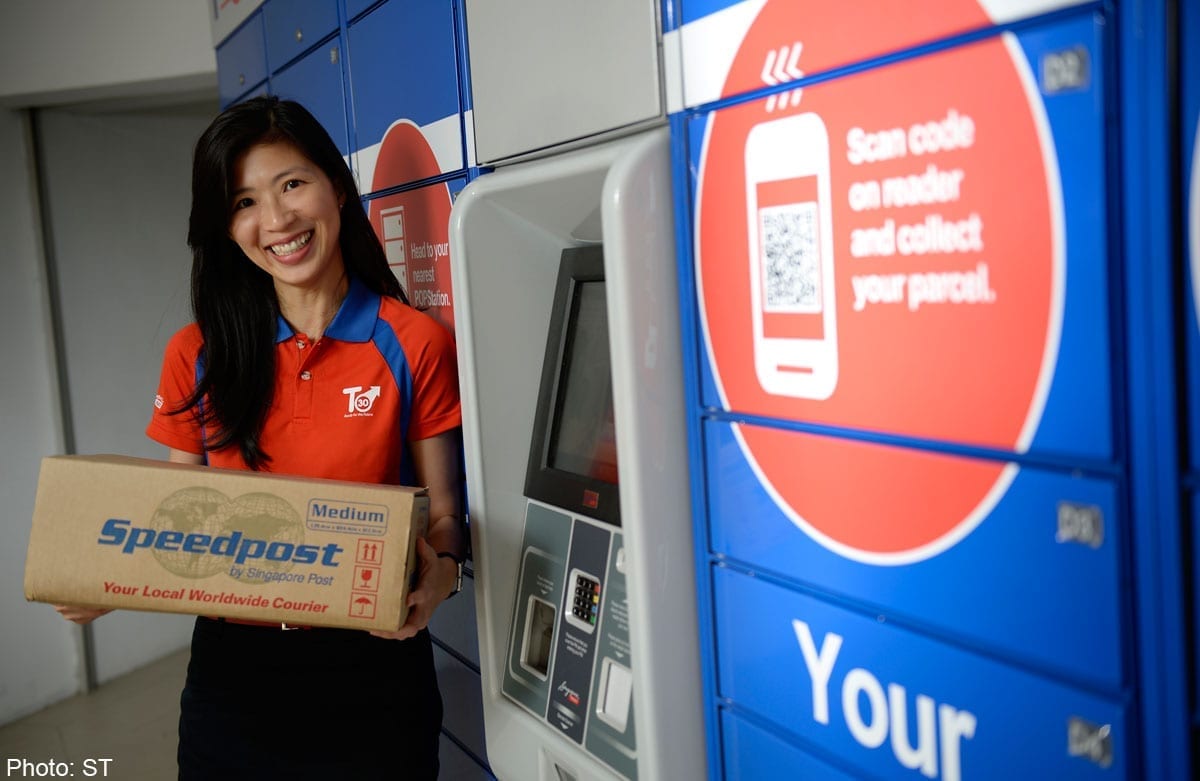
    Chinese eCommerce giant Alibaba Group has been given the go-ahead by Singapore’s stock exchange (SGX) to raise its stake in Singapore Post (SingPost).

    Alibaba Investment, a subsidiary of Alibaba Group Holding, has received in-principle approval from the bourse for the listing and quotation of about 107.6 million new shares in SingPost, says the postal group said in a filing.

    This is subject to compliance with SGX listing requirements, and SingPost shareholder approval.
    Shareholders will be sent a circular with details of the proposed share issuance, and notice of a related extraordinary general meeting.

    The deal aims to be completed by the end of February.

    As Alibaba’s second SingPost investment, it will raise its stake from 10.2 to 14.4 per cent.

  • Lazada’s 12.12 sale nets $40.5 million

    Lazada’s 12.12 sale nets $40.5 million

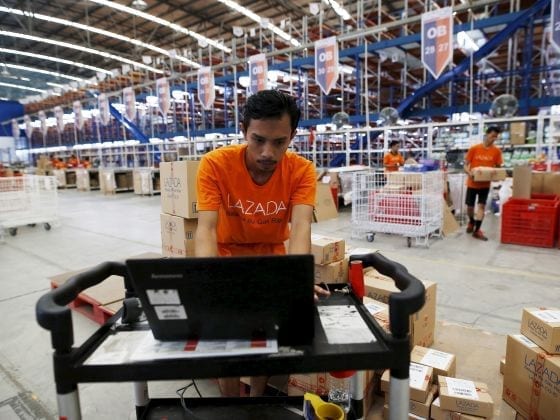
    Lazada Group’s Online Revolution, also known as 12.12, has again proven to be the biggest online shopping event in Southeast Asia, ringing up US$40.5 million in sales.

    About 60 per cent of the gross merchandise value (GMV) of the December 12 event came from mobile, with shoppers spending an average of 12 minutes on Lazada apps browsing deals from international and local brands and sellers.

    With the theme “Brands for All”, the 12.12 event featured more than 500,000 offers and flash sales from more than 1000 brands and 55,000 sellers. Best-sellers included shower gels and mascaras, tote bags and bracelets, vacuum cleaners and tableware, and virtual-reality headsets and speakers.

    Lazada Group CEO Maximilian Bittner says the sale has become highly anticipated among more consumers in Southeast Asia, who are no longer just from large cities, but also from small cities and rural areas.

    “This year, the difference was consumers clearly shopping for everyday products such diapers and groceries, as well as higher-value items from trusted brands.”

    Lazada has a presence in Indonesia, Malaysia, the Philippines, Singapore, Thailand and Vietnam.

  • Singapore retail sales almost back on track

    Singapore retail sales almost back on track

    Real Singapore retail sales rose in October month-on-month – but slipped year-on-year.

    retail-october

    According to official Statistics Singapore data released Thursday, seasonally adjusted retail sales rose 1.5 per cent (excluding motor vehicles) on September’s figures. But while the headline figure showed a 2.2 per cent increase on October 2015, after removing motor vehicles, the real result was a drop of 0.3 per cent.

    Month-on-month, the performing categories were watches & jewellery, medical goods & toiletries, by department stores, food & beverages, apparel, footwear, supermarkets and recreational goods which increased between 0.3 per cent and 7.1 per cent. But sales of furniture & household equipment, and through mini-marts & convenience stores, optical goods and books decreased between 0.1 per cent and 4.6 per cent.

    Compared to October 2015, retail sales of recreational goods, watches & jewellery, food & beverages, by department stores, supermarkets and medical goods & toiletries rose between 0.3 per cent and 5.6 per cent.

    In contrast, retail sales of computer & telecommunications equipment, apparel & footwear, furniture & household equipment and optical goods & books decreased between 1.8 per cent and 8.1 per cent..

    Food & beverage sales

    fb-octoberIn the food and beverage sector, (for consumption outside home), sales of fast food outlets, restaurants and other eating places, such as cafes, decreased by between 3.5 per cent and 5.6 per cent in October 2016 over September. Turnover of food caterers, other eating places and fast food outlets increased between 2.6 per cent and 5.8 per cent year-on-year, while restaurant sales declined 4.9 per cent.

  • Uncertainty continues over opening date of Apple’s first store in Singapore

    Uncertainty continues over opening date of Apple’s first store in Singapore

    Apple fans who have been looking forward to the tech giant’s first brick-and-mortar store in Singapore may have to wait a while longer, with the completion date of construction work at its expected location along Orchard Road apparently pushed back.

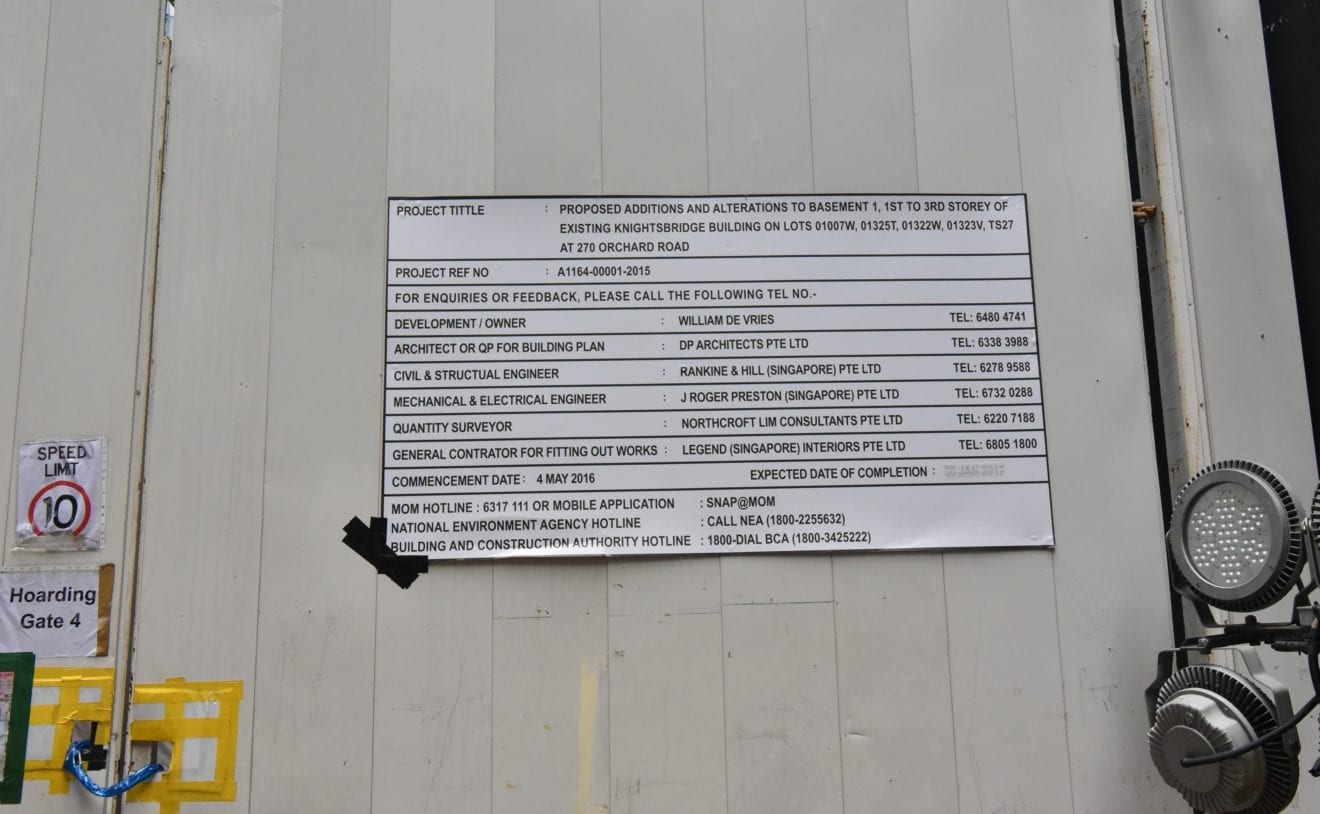
    According to an information board put up outside the construction site at Knightsbridge mall, the latest expected completion date of Jan 30, 2017 – already a three-month postponement from the previous date of Oct 31, 2016 – was covered up, with no new date provided.

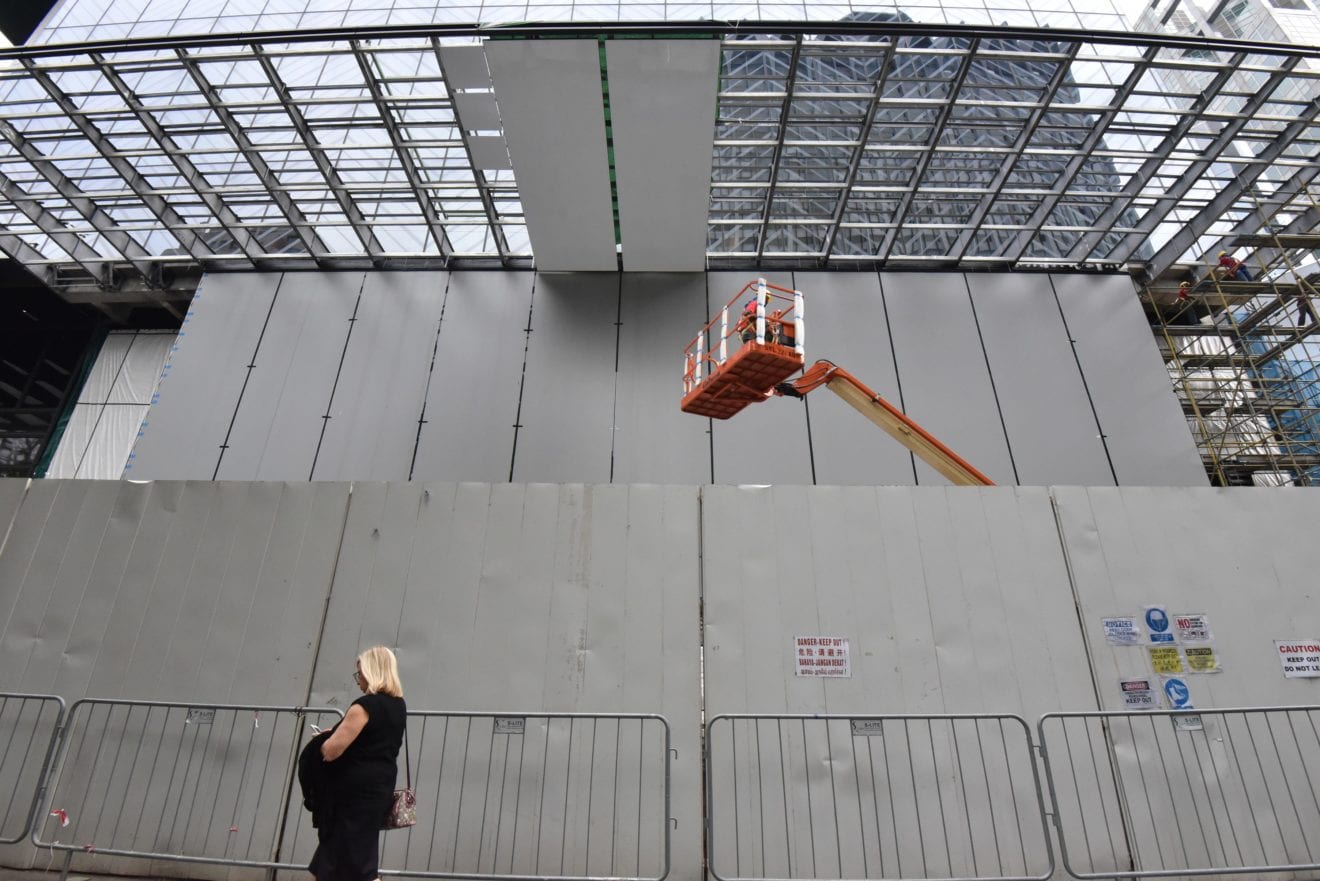
    The information board with details on the expected completion date seen outside the construction site at Knightsbridge mall on Dec 9, 2016.

    A check with workers and security guards at the site noted that the ongoing construction work is unlikely to wrap up by next month. One construction worker said that delays were unavoidable after the site was issued with a three-week stop-work order in late October.

    In response, a spokesperson from the Ministry of Manpower (MOM) confirmed that it did issue a full stop-work order to the work site’s contractor on Oct 24, citing “unsafe conditions relating to work at height, traffic management, scaffolding, electrical installation and lifting operations that were observed during an inspection at the worksite”. A separate check on MOM’s website showed that the stop-work order was issued against Legend (Singapore) Interiors Pte Ltd.

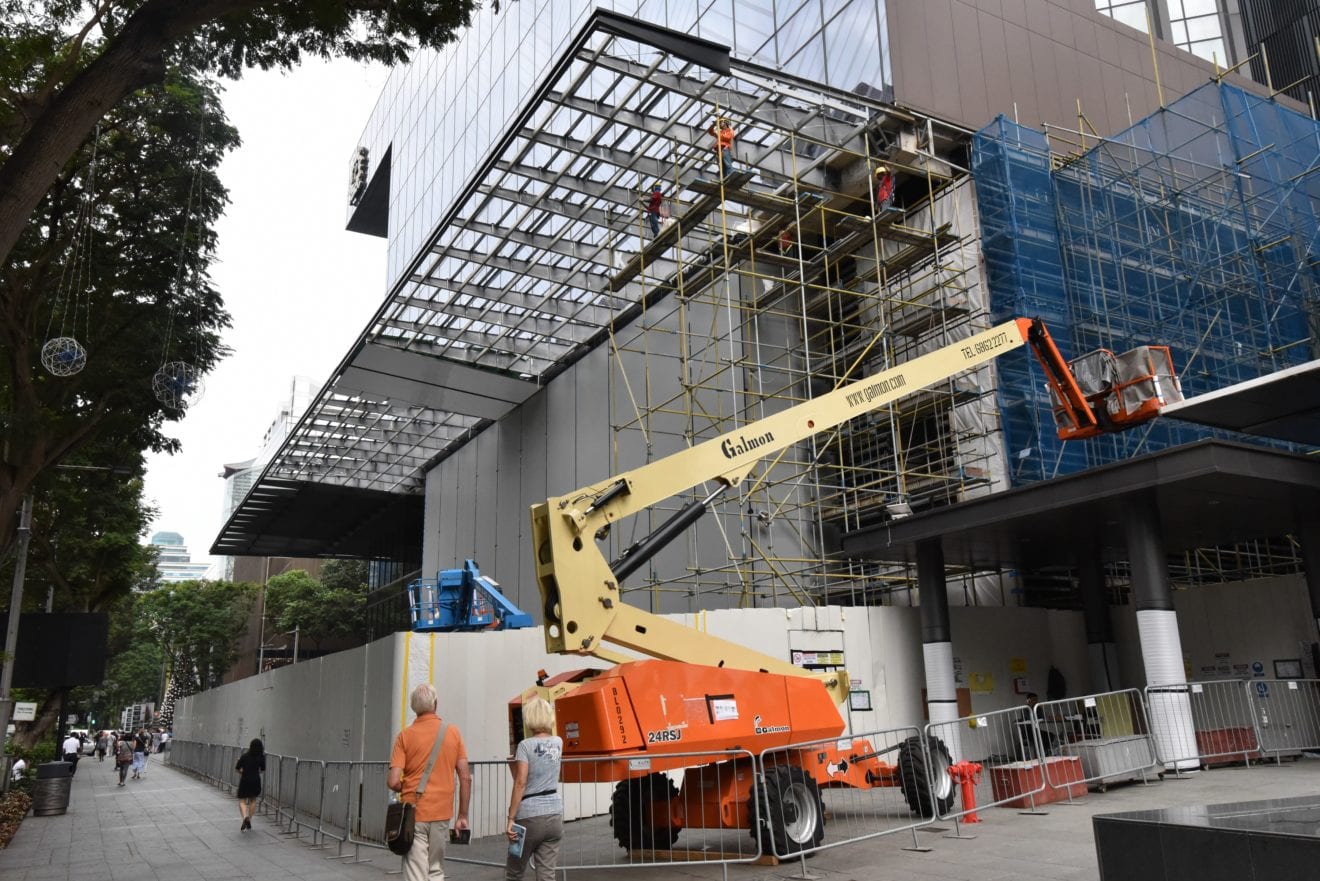
    MOM said the order has since been lifted, and when this reporter visited the site on Dec 9 and Dec 13, workers could be seen working on the sides of a three-storey-high facade covered up by grey-coloured boards.

    Apple declined to comment. It also declined to reveal an official opening date for the store or provide an update for the number of employees it is hiring locally.

    Its senior vice president of retail and online stores, Angela Ahrendts, confirmed last November that the tech giant had begun hiring staff for its retail store in Singapore.

    The store, which is expected to take up four levels at Knightsbridge mall, will be Apple’s first physical retail presence in Singapore, as well as Southeast Asia. Apart from an online store, Apple currently sells its products via authorised premium resellers such as EpiCentre and Nubox in Singapore.

    Speculation about the Singapore’s first Apple store emerged in October last year, when fitness club Pure Fitness informed its members that it would be shuttering its four-storey gym facility at Knightsbridge mall to make way for a “future Apple store”.

    So far, there have been few details about the retail outlet apart from a statement released last November noting that the Apple Store will be powered by solar energy from developer Sunseap Group.

    As for the exterior, a previous post by local blog My Apple Singapore wrote that wooden crates bearing the logo of German glassmaker Seele were placed outside the construction site in July. Given that Seele has been providing Apple with the glass panels for its overseas stores, the upcoming store in Singapore could be fitted with a similar glass facade, according to the blog, which began tracking developments at the construction site since last November.

    Ongoing construction work seen at the site of Apple’s first retail store in Singapore at Knightsbridge mall on Dec 9, 2016

    Construction work for the store commenced in May this year, according to the information board, and was initially expected to be completed by Oct 31.

    SUCH DELAYS “NOT UNCOMMON”

    However, industry observers said that such delays are not uncommon given the work required to fit out a huge space and Apple’s emphasis on customer experience in its flagship stores.

    “For a huge flagship store occupying 30,000 sqft of prime space along Orchard Road, some degree of fit-out delay is not uncommon given the complexity of the design and layout,” said Cushman & Wakefield’s research director Christine Li.

    “Plus, we are talking about the world’s most valuable brand – a brand that pays a lot of attention to detail and strives to be perfect. So, I think they want to make sure they don’t rush into things and that everything is in order,” she added.

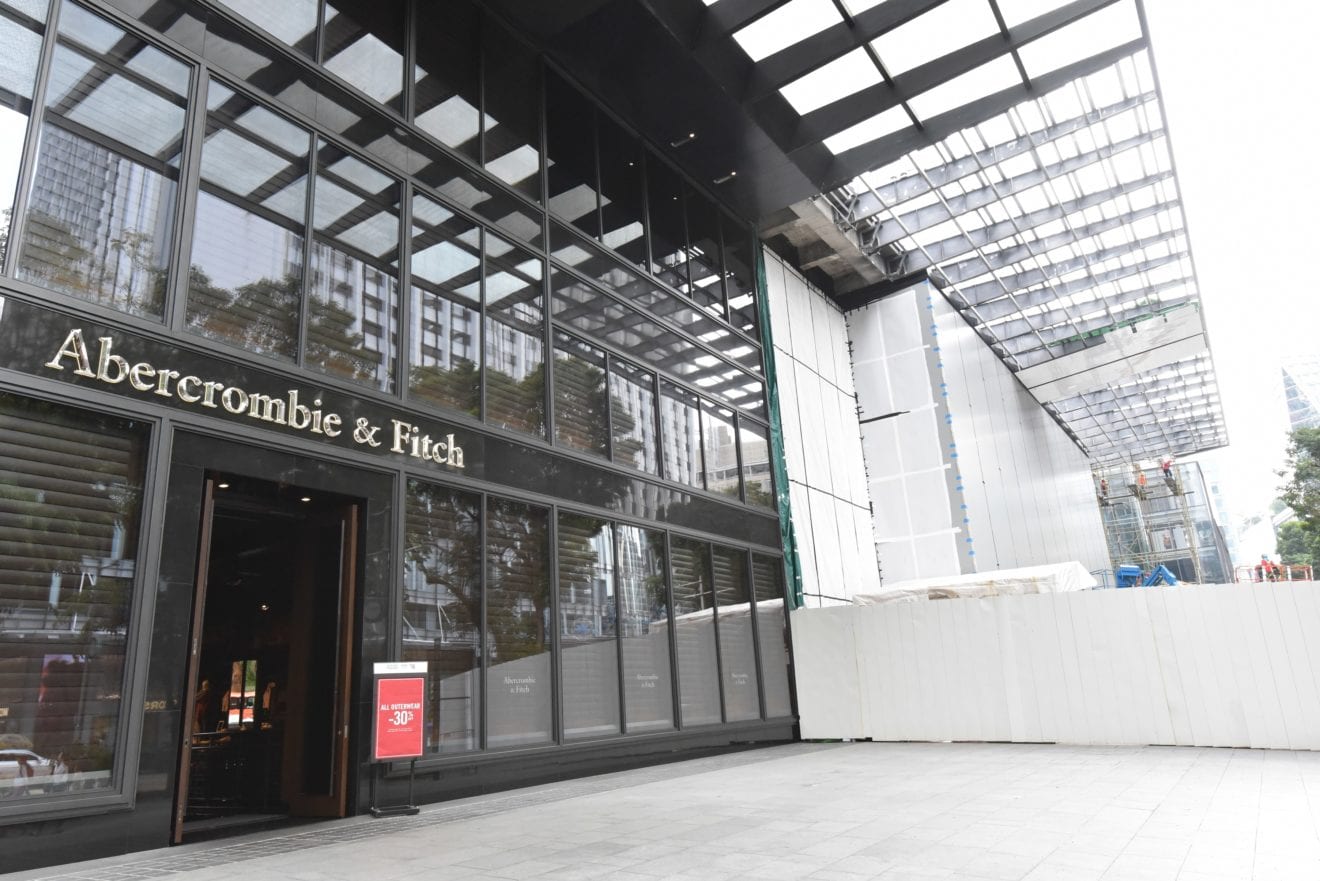
    Industry observers say retailers who are staying put at Knightsbridge mall, such as Abercrombie & Fitch, may get a boost from the extra shoppers that the Apple Store will bring in. 

    While it remains unclear when the Apple Store will officially open its doors, Ms Li said that it will be a boost for Singapore’s prime shopping belt, as well as neighbouring stores such as casual wear chain Abercrombie & Fitch, when it does.

    “It will be good news given that so far we’ve been hearing so much negative news such as store closures at Orchard Road. Crowds attracted to the Apple Store will also benefit surrounding stores,” she explained.

    Ms Li cited the example of Japanese retail brand Uniqlo, which launched a sprawling flagship store at Orchard Central in September. “Definitely, we saw more shoppers at the new flagship store that helped auxiliary stores like the F&B outlets nearby as there will usually be some spillover effect from the high traffic.”