Tag: Singapore

  • McDonald’s Malaysia bans non-halal foods

    McDonald’s Malaysia bans non-halal foods

    McDonald’s Malaysia has decided to ban customers taking products that are not halal-certified into its restaurants.

    The fast-food restaurant chain says the measure is necessary to safeguard its own halal status, reports the Malay Mail.

    “This is in line with fulfilling requirements of our halal certification,” company official say.

    The new policy came to notice after an announcement was made in one of its restaurants that birthday cakes taken onto the premises must have halal certification or logo.

    McDonald’s Singapore and Malaysia franchise rights were sold last month to Saudi Arabian company Lionhorn as part of a broader plan by the US company to move away from direct ownership in Asia.

  • S4M sets new target in travel retail

    S4M sets new target in travel retail

    Mobile advertising tech company S4M has launched a service to target more than 30 million airport travellers each week.

    Using enriched geo-localised user behavioural and contextual data, the company wants to help brands boost their presence in 30 global airports.

    “Airports are more than just transit areas – they present a huge opportunity for brands to engage with consumers,” says S4M VP of APAC sales Gavin Buxton.

    “The smartphone is an extension of the individual, so it is a must-have touchpoint when creating fully integrated brand experiences. Advertisers should be combining the omnipresence of the mobile medium with real-time geolocation at airports to deliver seamless customer journeys.”

    S4M’s “geofencing” technology helps advertisers analyse and understand mobile user profiles at airports. The company combines anonymous mobile device identifiers with GPS co-ordinates, device language settings and online periods. This mix provides advertisers with more insights into consumer behaviours and offers a new opportunity to engage with travellers at airports.

    “Consumers break away from their daily behaviours when travelling, and the only constant is their smartphones,” says S4M CEO Christophe Collet. “Our goal is to reach people in transit, whether tourists or business travellers, when they are away from their everyday routines. Brands that can deliver tailored messages to their customers, even when they are hundreds of kilometres from home, are truly transforming mobile advertising into a valuable service”.

    About 1 million people a day travel through the Skytrax-rated top five airports in Asia: Singapore Changi, Incheon, Tokyo Haneda, Hong Kong and Beijing.

    More than two-thirds of air travellers are from middle- to high-income groups, according to figures from the World Bank.

    Demographics such as luxury-brand shoppers, digital high-tech users, high-end car buyers and business travellers can be reached in a duty-free setting via mobile. Luxury brands such as L’Oreal have already used S4M’s technology for cross-country campaigns.

    S4M (Success for Mobile) is an innovative advertising technology company that transforms mobile ads into personalised content for individual users. Founded in 2011 by mobile marketing pioneers, it now services more than 350 advertisers internationally. S4M has its headquarters in Paris with more than 95 employees and five offices covering Asia Pacific, Europe, Latin America and the US.

  • Yoyo Cao plans pop-up for Tang Plaza

    Yoyo Cao plans pop-up for Tang Plaza

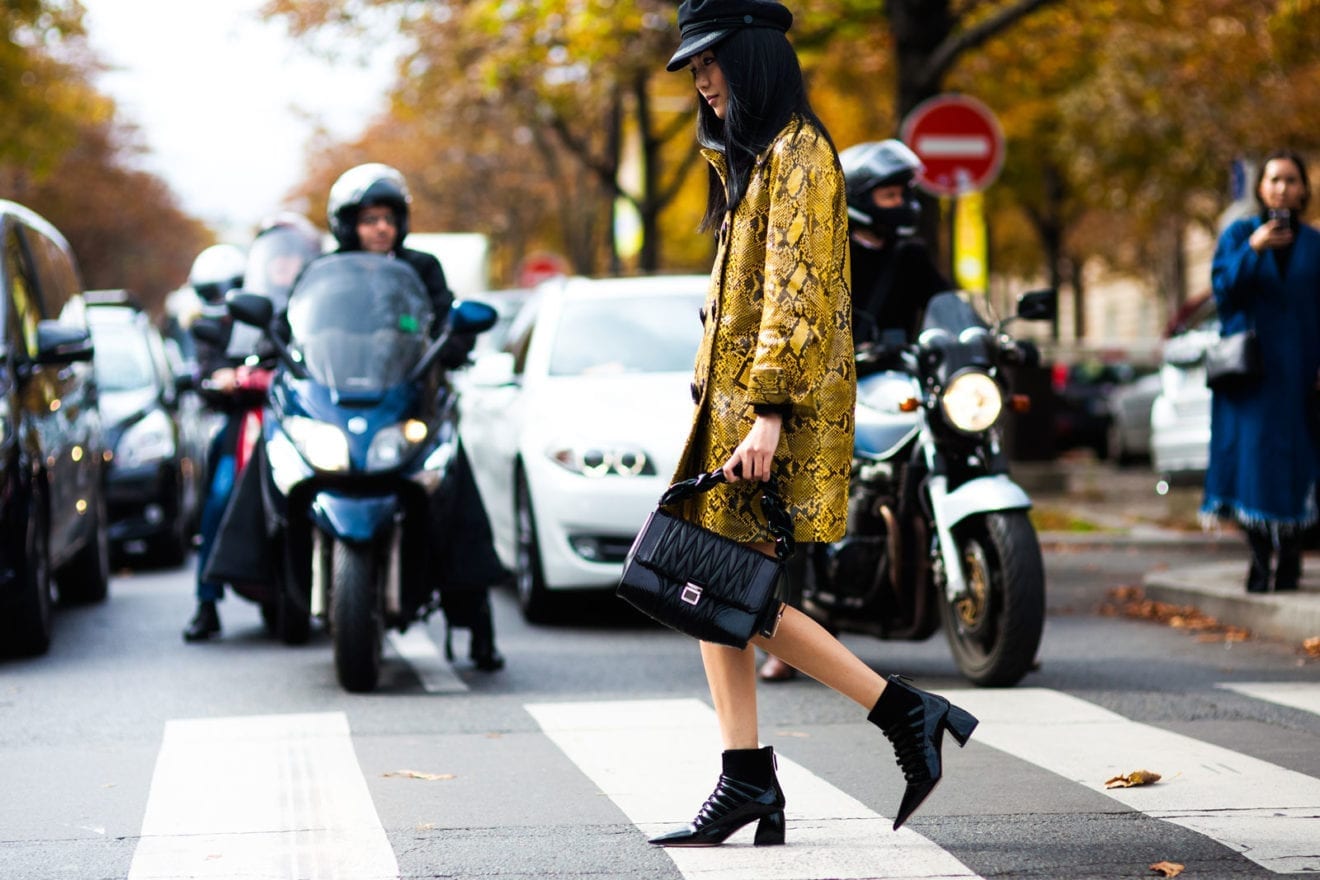
    Womenswear label Exhibit, established by Singapore designer/street-style star Yoyo Cao, plans to open a month-long pop-up store.

    At Tang Plaza from February 2, it features items from the brand’s latest collection, including exclusive pieces from S/S ’17.

    Cao’s signature boyish style includes tops with oversized sleeves and bell-bottom trousers.

    Buyers will receive Nars beauty products with every purchase.

  • Deja vu? Malls reuse Xmas decor for CNY

    Deja vu? Malls reuse Xmas decor for CNY

    If Chinese New Year decorations at shopping malls are looking somewhat familiar, it is likely because they have been up since Christmas.

    Malls have transformed their Christmas ornaments and themes into Chinese New Year trimmings.

    By doing so, the malls say they have saved money, reduced waste and managed to turn over the decorations in a shorter time.

    Orchardgateway’s fantasy underwater world decor was planned to cover both festivals, as the dates were almost “back to back”. This year, Chinese New Year falls on Jan 28, just a month after Christmas.

    “We maintained the fantasy underwater world setting but added koi fish to bring out the Chinese New Year flavour and mood,” said its spokesman.

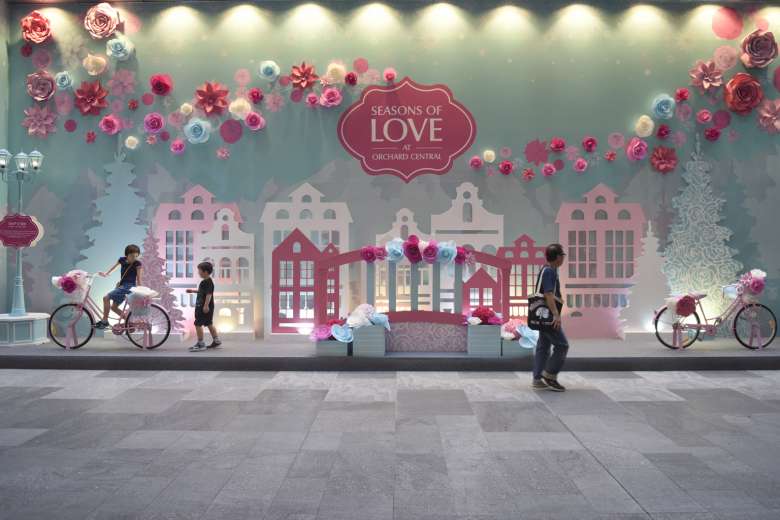
    Orchard Central said it saved up to 60 per cent in cost from repurposing its Christmas ornaments for the upcoming Chinese New Year, instead of replacing them with a new set-up. It has even combined its Chinese New Year decorations with Valentine’s Day decorations, with a turquoise and pink theme. 313@Somerset (above) has also changed its decorations. 

    She added that koi fish, which were added to a seascape of corals, symbolise good fortune, prosperity, longevity and success. The mall managed to save 30 to 40 per cent in cost and wastage as a result.

    Orchard Central, which is owned by Far East Organization, said it saved up to 60 per cent in cost by repurposing Christmas ornaments, instead of putting up a new set-up.

    In fact, the mall has combined its Chinese New Year decorations with Valentine’s Day decorations with a turquoise and pink theme, featuring cages and artificial flowers.

    More than half of the materials from the decor can be recycled. Far East’s other malls, such as Clarke Quay Central and Square 2, are also repurposing decorations.

    Over at CapitaLand Malls’ Bugis Junction, the Christmas tree is now a giant spiral bamboo plant.

    “What used to be whimsical waxed moustaches – not unlike the kind Santa typically sports – have now been turned into the upturned branches of the bamboo arrangement, signifying good luck for the coming Year of the Rooster,” said CapitaLand Mall Asia’s head of retail management in Singapore, Ms Teresa Teow.

    Farther west, the Star Vista converted its larger-than-life Christmas bauble centrepiece into a tangerine, signifying prosperity and fortune.

    The mall has donated some of its Christmas decorations to the Singapore General Hospital, which will sell them to raise funds for the hospital’s Needy Patients Fund.

    Ms Valerie Toh, 29, an office manager, said she did not notice the similarities in the decorations.

    “Given the not-so-good economy, I think people will appreciate the malls cutting down on wastage rather than spending needlessly,” she said.

  • Aape popping up with New Year offers

    Aape popping up with New Year offers

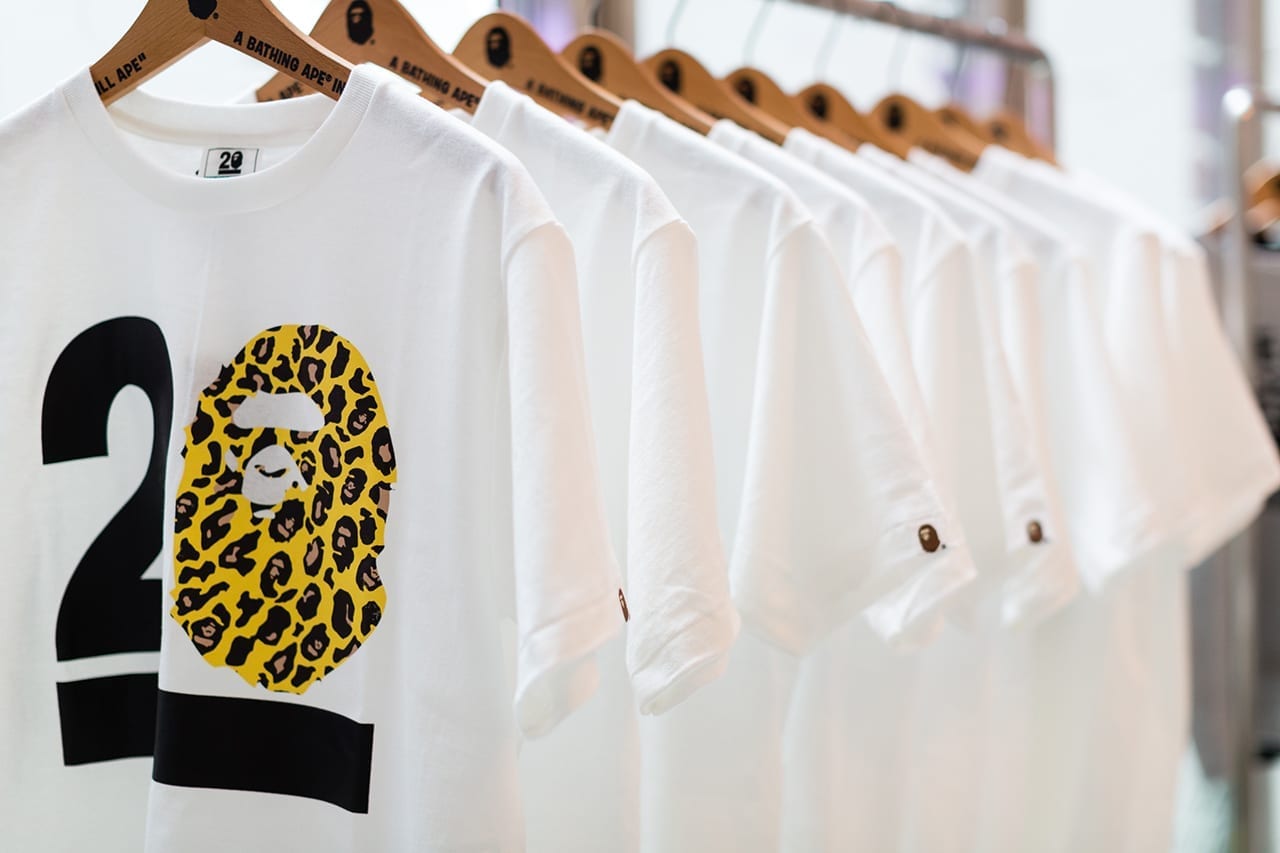
    Aape by A Bathing Ape, a diffusion label under the Japanese streetwear brand, is launching its Chinese New Year collection at a week-long pop-up store at Ion Orchard in Singapore.

    Running from January 14 to 22, the store will offer exclusive merchandise and a limited-edition womenswear range with such items as t-shirts and hoodies.

    The line focuses on relaxed, casual separates with a youthful, sporty vibe, says Female magazine. The women’s range features a camouflage print in pink and red, plus a black, gold and white version.

  • Singapore eyes increased investments, more flights to Manila

    The government of Singapore has expressed interest in further increasing its investments in the Philippines, as well as adding more flights to Manila in anticipation of increased demand in air travel between the two countries.

    In a recent meeting with Finance Secretary Carlos Dominguez III, Singaporean Ambassador to Manila Kok Li Peng said Singapore’s private sector would like to explore new growth opportunities in the Philippines, particularly in the retail, transportation, infrastructure and tourism sectors.

    Ambassador Kok said Singaporean businessmen were planning to schedule the next meeting of the Philippines-Singapore Business Council (PSBC) in Davao City and, if possible, meet with President Rodrigo Duterte to discuss new business and investment activities in the Philippines.

    “We’re trying to get a mixed meeting of the PSBC here. They want to bring the members to Davao to meet with the President,” Kok said, to which Dominguez responded that a possible date for such a dialogue could be in February.

    Singapore’s investments in the Philippines–valued at P16.8 billion in 2015–are mostly in real estate activities, electricity, gas, steam and air conditioning supply, and manufacturing.

    Singapore was the Philippines’ fourth largest trading partner in 2015. The country’s total exports reached $3.8 billion in 2015, mainly comprising electronic products, petroleum products, and electronic equipment and parts.

    The Philippines, in turn, imported a total of $5 billion worth of goods from Singapore in 2015, mostly mineral fuels, lubricants, food and live animals, and industrial machinery and equipment.

    Kok also said that Singapore was looking at the Philippines in exploring more markets for its airline industry.

    “More competition is good for the consumer,” Kok said in explaining Singapore’s plan for its airline companies—Singapore Airlines, SilkAir and Tiger Airways—to add more flights to the Philippines.

    In response, Dominguez, a former chairman of the Philippine Airlines, agreed that opening the Philippines’ air travel industry to competition and even partnerships with other airlines would benefit the economy and boost the growth of the tourism sector.

    Dominguez said the Duterte administration was “engaging more with ASEAN and countries around Asia” as a way to “move forward” and achieve a balance in strengthening the Philippines’ diplomatic ties with other nations across the globe.

    In Beijing last October, Dominguez and Socioeconomic Planning Secretary Ernesto Pernia, who were part of President Duterte’s delegation on his state visit to China, jointly announced that while the Philippines would maintain its good relations with Western economies, it pushed for “stronger integration” with its neighbors in the region.

    The move, they said, would open for the Philippines countless opportunities for trade and investment in a market of 1.8 billion people across the region, especially now that other ASEAN economies had also committed to greater integration and China had pledged to open its capital markets.

    ASEAN groups the Philippines, Malaysia, Singapore, Brunei, Thailand, Indonesia, Laos, Cambodia, Myanmar and Vietnam.

    Both Dominguez and Kok agreed that technology and innovation are indispensable to sustaining growth under the current knowledge-based global economy.

    “We’re now [living under] a knowledge-based economy. We think innovation is the way to go in the future,”Kok said.

    Dominguez said the rapid growth of online-based businesses and investments was among the reasons the Duterte administration considered it a priority to improve “interconnectivity and internet speeds” in the country.

    “The structure of the industry in the Philippines right now is really holding us back. And it’s becoming quite obvious that the system now we have, where we basically have two service providers, is not really working,” Dominguez told Kok.

    In the meeting, Kok also informed Dominguez of Singapore’s request to review and update the terms of its 40-year old double taxation agreement with the Philippines.

    Dominguez assured Kok that he would discuss Singapore’s concerns regarding the double taxation agreement with the Bureau of Internal Revenue.

  • Fatburger China plans big Beijing presence

    Fatburger China plans big Beijing presence

    Under a franchise deal, California chain Fatburger is about to establish a presence in Beijing.

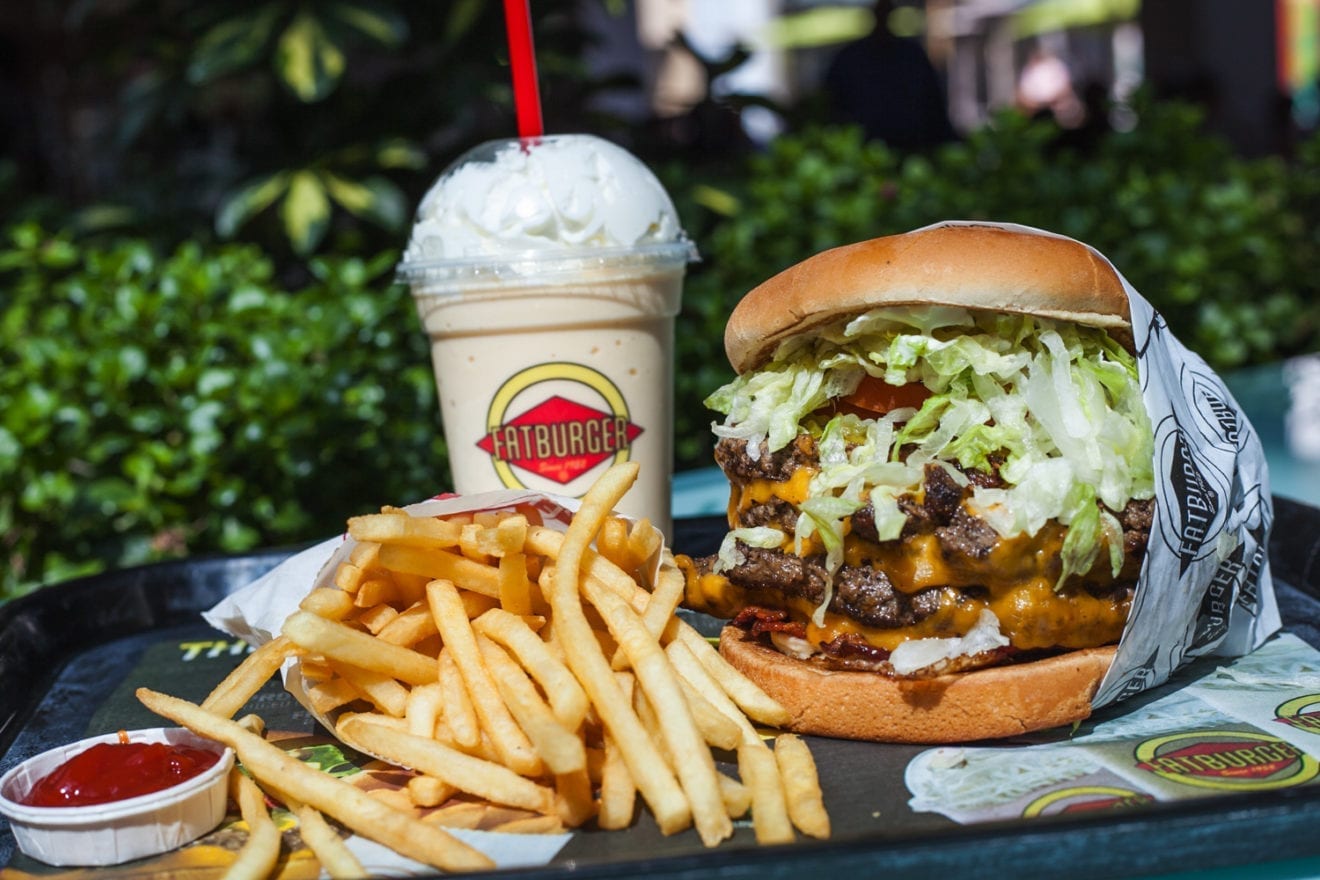
    Known for its made-to-order burgers, shakes and fries, the brand has signed a franchise development contract with Beijing Haisiyamei Restaurant Management, which has committed to build more than 15 Fatburger China restaurants in Beijing.

    This follows the launch of the burger brand in Shanghai, at Sinan Mansions in Huangpu, about to be followed by outlets at BFC and Shanghai Tower.

    In the capital city, the first Fatburger China outlet will be at the Grand Summit Beijing, to be followed by another at Gemdale Plaza Beijing

    Fatburger is aiming to take its all-American dining experience to new territories worldwide, and has opened in 32 countries. It has just launched in the Philippines and has agreements in place for a further 350-plus locations internationally.

    “Sharing core values with key partners is crucial to the growth of the Fatburger brand throughout the world, and we are certain Beijing Haisiyamei Restaurant Management will successfully introduce our menu to new fans,” says Fatburger CEO Andy Wiederhorn.

    Fatburger is a fast-casual restaurant serving burgers crafted specifically for each customer. It started its foray in Asia with its parent, Fog Cutter Capital Group, signing a deal with Puji Capital in Shanghai with the aim of expanding across China, Taiwan and Singapore.

  • A selfie to verify your MasterCard? Why Not

    A selfie to verify your MasterCard? Why Not

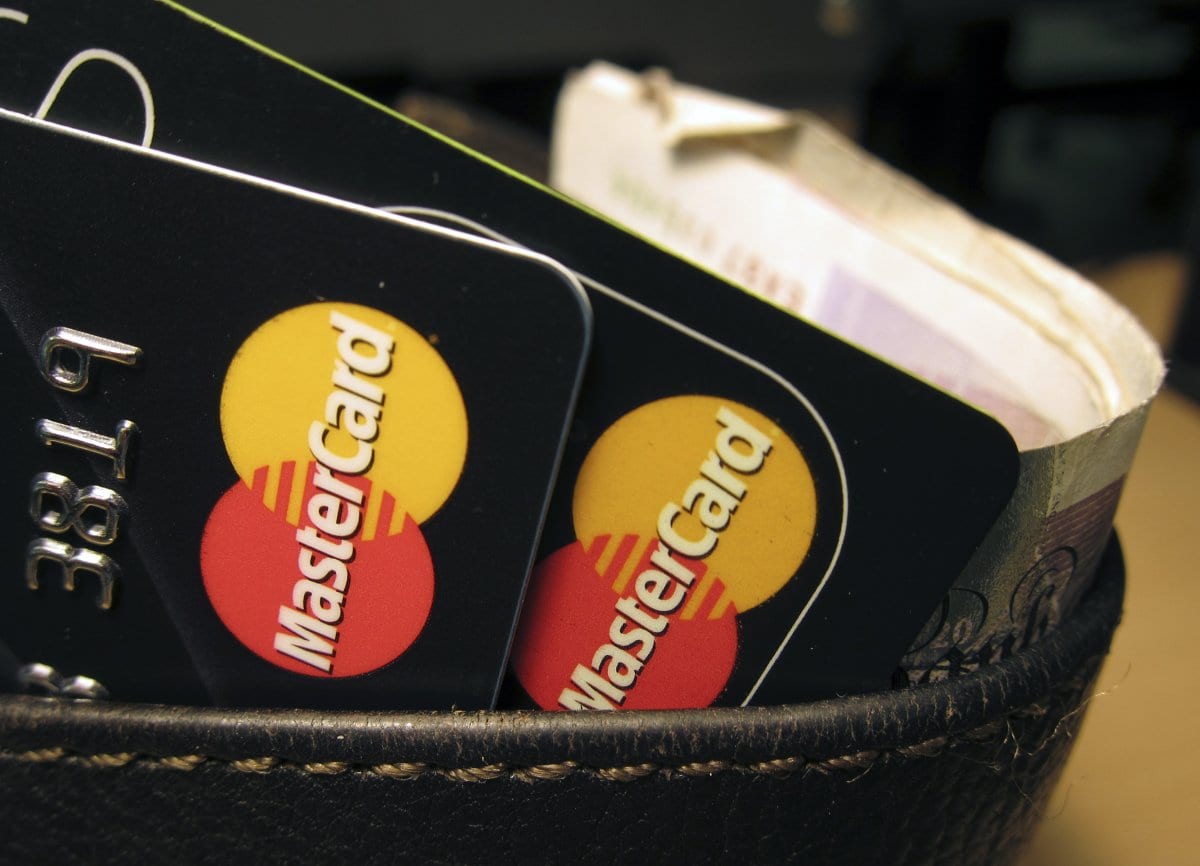
    Moving from social media to commerce, the “selfie” is about to become verification for online transactions for Mastercard users.

    An executive of the credit-card company says the “selfie verification” technology will be introduced in Singapore and other parts of Asia this year.

    Known as Mastercard’s Identity Check, the system will let card holders use facial-recognition technology to match selfies against their photograph on file to ensure the veracity of online transactions.

    “There could be an issue with twins, but  I would need to have a bad twin,” says Mastercard executive VP for identity solutions Bob Reany. “They would have to break into my house, steal my phone and be at my location.”

    With its prototype, Mastercard will convert head shots into encrypted code to be stored on a mobile device. The “selfie” would not need to be a perfect match, and banks would set the threshold for the accuracy of the matching.

    “We’ll advise the bank and say ‘You don’t want to be too open and have only 20 per cent of the things match’. Then, everybody and their dog could use it,” says Reany.

    The technology can either be as a standalone app or be integrated into an existing bank app. It can also work with other payment brands.

    No specific date has been set for the launch in Singapore, where some banks provide not just tokenisation but also use two-factor authentication for transactions.

    Already the technology has been rolled out in 12 markets in Europe.

    More sophistication

    Mastercard data shows that the rate of online payment fraud is more than three times higher than for physical transactions. Against this, banks are approving just 83 per cent of online transactions, compared to the 96 per cent for physical transactions.

    Reany says cybercrime is also gaining in sophistication, with new forms of malware being evolved. He says the fraudsters are smart. “They are getting PhDs and are finding ways to commit fraud. What we have to do is ruin their business model.”

    He says this runs along the enormous potential for growth in the online payment space, with the number of online and mobile transactions expected to double to 40 billion by 2020.

    Tokenisation already cuts the risk of credit-card numbers being stolen from single individuals and the details being sold in larger batches on the dark web. With tokenisation, a card number is replaced by a unique set of numbers not tied to actual account details. Mastercard is now working to fill another gap by tokenising the card details merchants already have on file.

    Reany says banks and payment companies need to combine various tools to create more secure authentication. This should so significantly raise the costs for criminals to exact fraud that the returns are no longer worth it. “If it’s not a scalable attack, we’re winning.”

  • Lina’s Paris seeking partners in SE Asia

    Lina’s Paris seeking partners in SE Asia

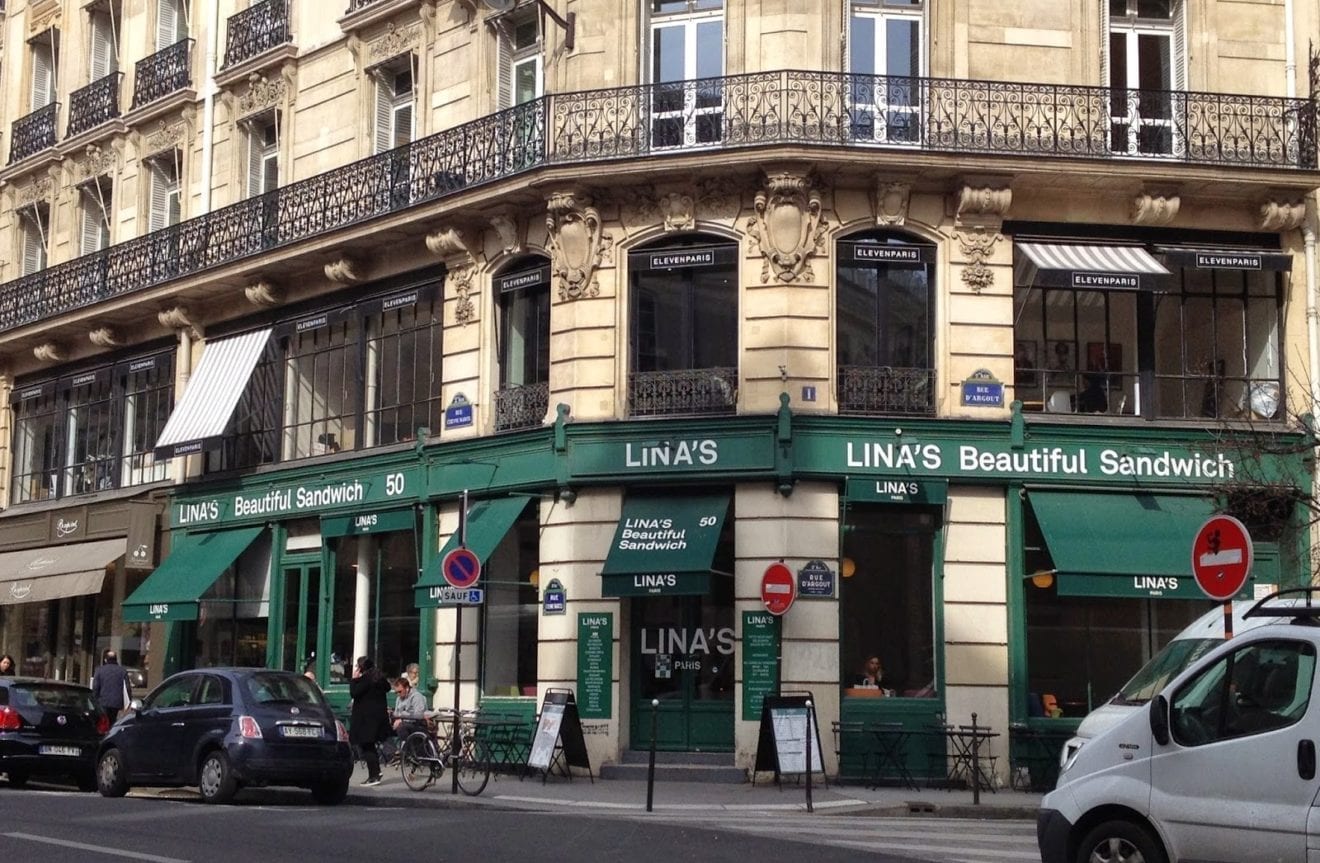
    After launching in Korea, French fast-casual restaurant chain Lina’s Paris is planning to roll out across Southeast Asia.

    Working with a franchisee, it already has 10 restaurants in Korea and has just opened a kiosk in Seoul Art Center with 100 seats.

    linas_sac

    Founded in 1989, Lina’s Paris offers French-style breakfasts, sandwiches, salads, hot dishes, soups, fresh juice, sorbet and pastries. The outlets are designed as comfortable lounges with free WiFi and Parisian decor. In some countries the offer includes organic and gluten-free food.

    Lina’s Paris has nearly 50 restaurants in six countries, and says it is now actively seeking partners in Southeast Asia.

  • Louis Vuitton Singapore 20 years anniversary gift

    Louis Vuitton Singapore 20 years anniversary gift

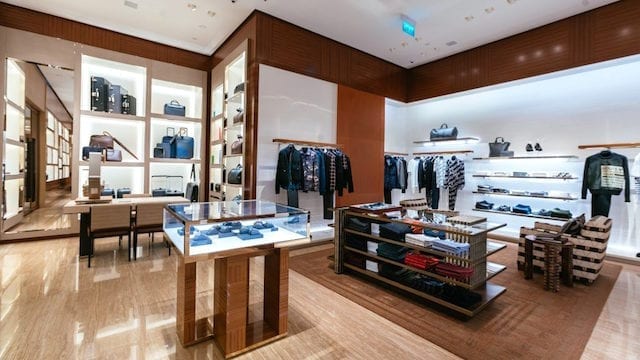
    Louis Vuitton Singapore has given its Orchard Road boutique in Singapore a makeover to celebrate its 20 years at Ngee Ann City.

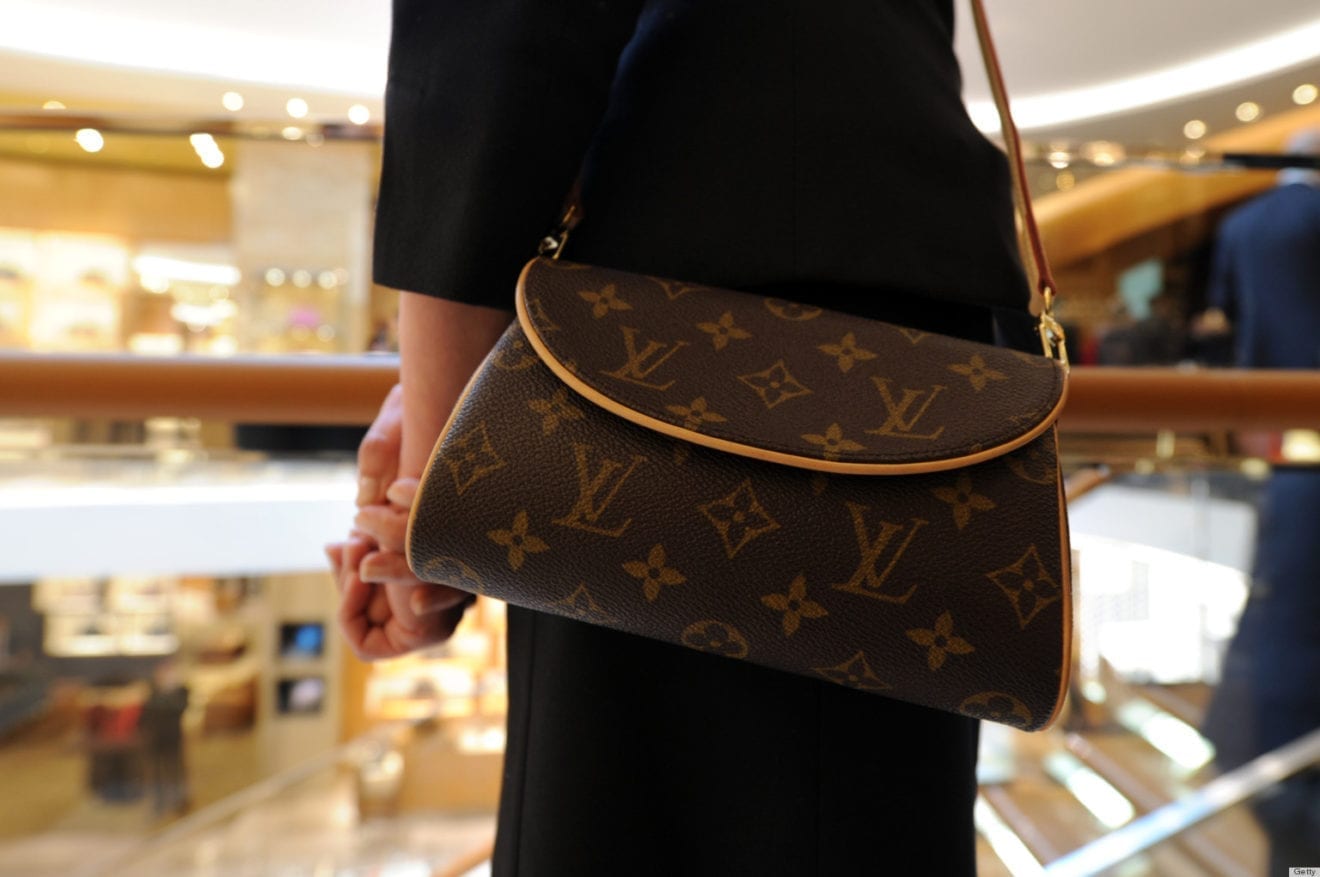
    The maison’s signature monogram flower pattern has been reinterpreted in shiny copper with a fading effect, with the exterior façade featuring stone, glass and metal – materials that signifies authenticity and tradition.

    Inside the luxurious fittings include cerused oak with gold leaf, natural stone floors, plush furniture by Helene de Saint Lager and Paul Evans, and hand-knotted carpets from Nepal.

  • Jumbo Group signs deal for Vietnam

    Jumbo Group signs deal for Vietnam

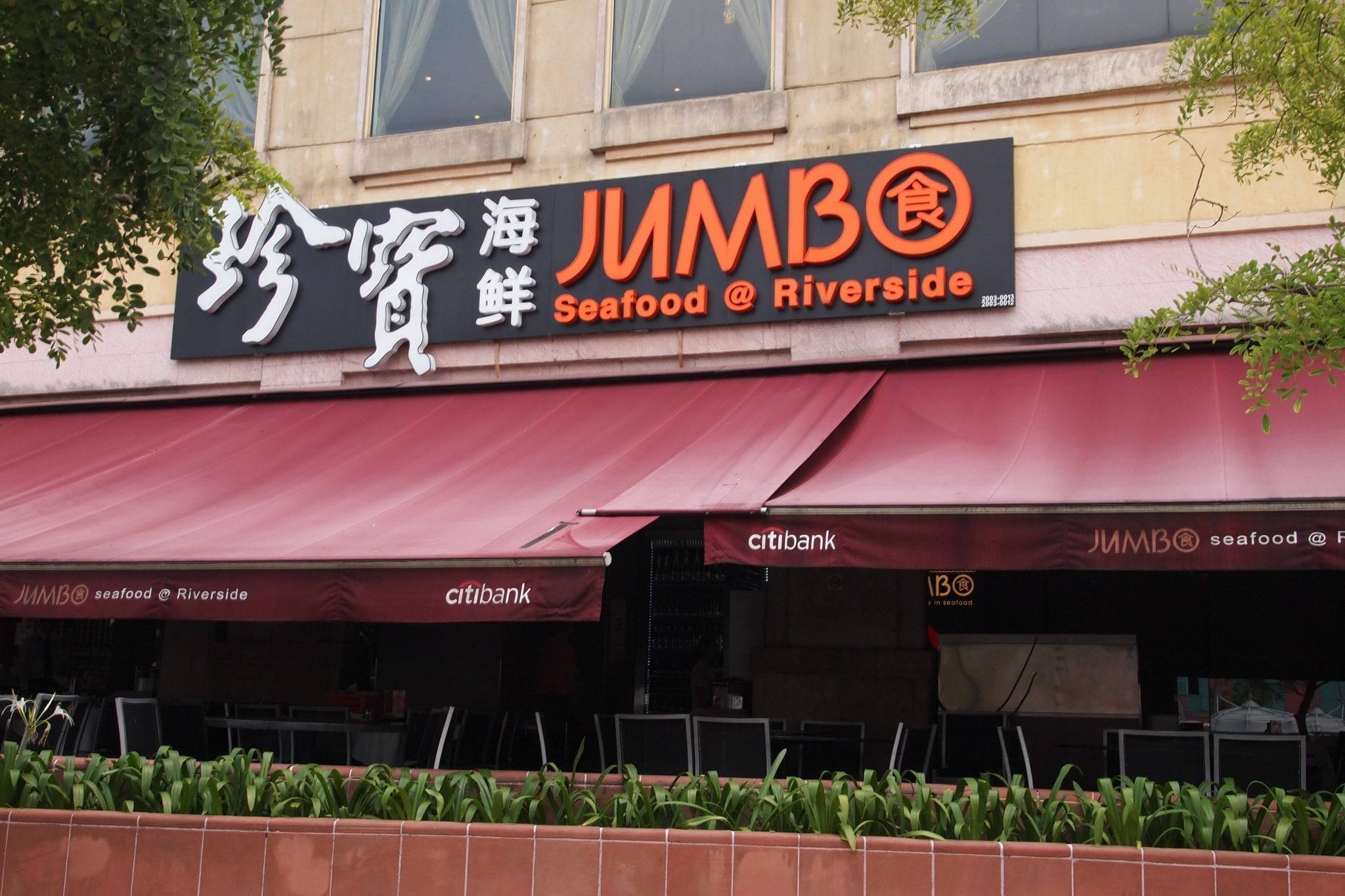
    Singapore seafood restaurant company Jumbo Group has signed a franchise agreement to introduce its brand in Vietnam.

    Known for its chili crab, the F&B chain has granted franchise rights to Vietnam’s Nova Bac Nam 79 Joint Stock Company for it to run Jumbo Seafood restaurants in Ho Chi Minh City and Da Nang.

    Vietnam’s first Jumbo Seafood outlet is expected to open in Ho Chi Minh City in about six months’ time.

    The agreement is for an initial term of 10 years, and it is expected that three Jumbo Seafood outlets will be opened within two years.

    Jumbo Group is a multi-concept dining and F&B group with a network spanning Singapore, China and Japan. It also provides catering services, and in Singapore sells packaged sauces and spice mixes. It has three outlets in Shanghai, with three more planned, and in November reported a full-year profit increase of 17.9 per cent.

  • Asian pax growth of 3.2% at Changi lifts November traffic

    Asian pax growth of 3.2% at Changi lifts November traffic

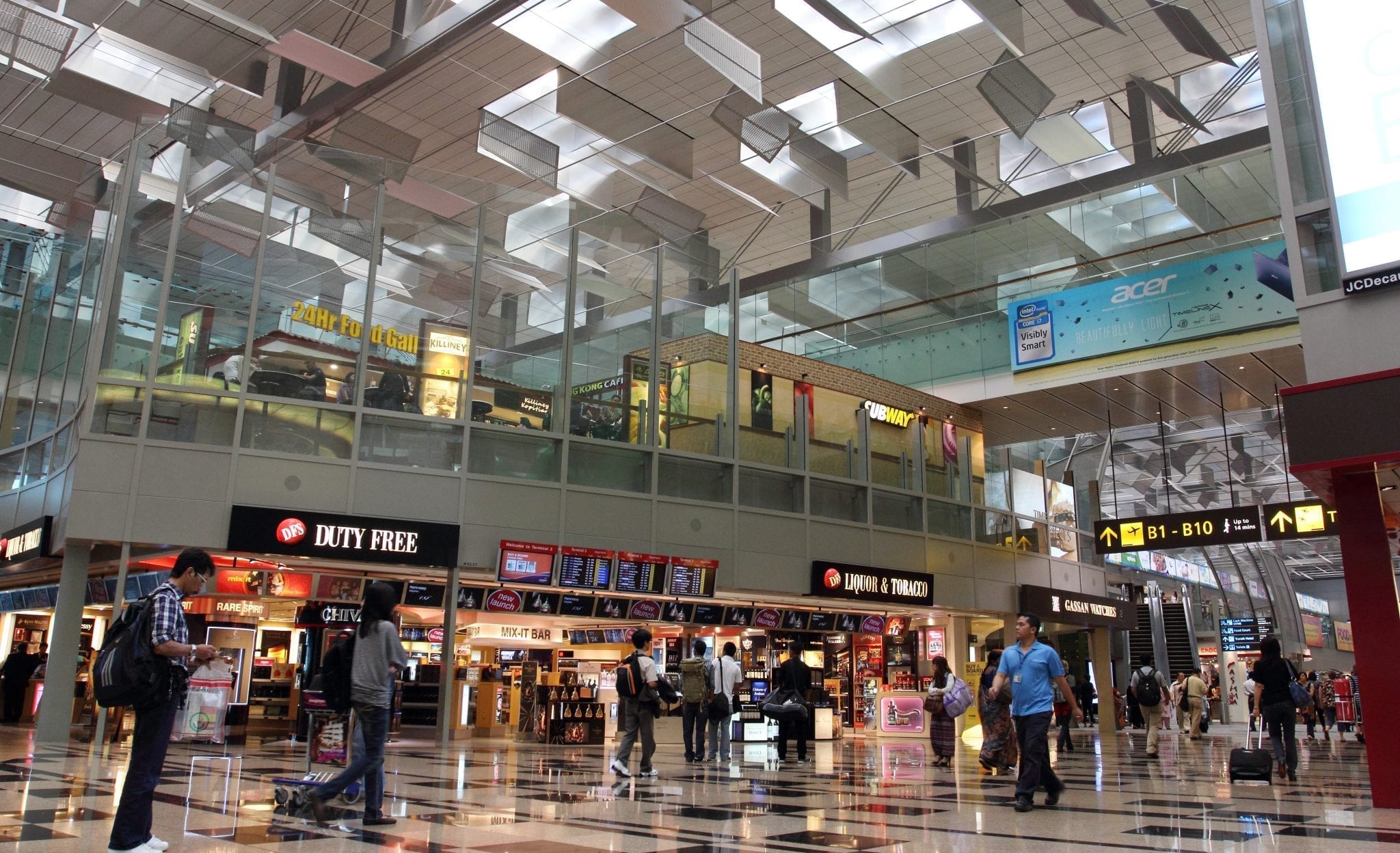
    Singapore Changi Airport has reported 4.78m passenger movements for November 2016, representing a +3.2% rise on November 2015, while total passenger traffic handled during the first 11 months of 2016 increased by +5.7% to 53m.

    During the same two periods, cargo shipments grew by +6.1% to 1.79m tonnes and aircraft movements rose by +4.1% to 328,520 landings and take offs, while in the first 11 months cargo grew +7.9% to 173,170 tons and take offs and landings by +3.4% to 29,710.

    The Civil Aviation Authority of Singapore stated: “Passenger traffic for the month of November was supported by growth in air travel to and from South-east Asia, North-east Asia and South Asia.

    STRONG GROWTH TREND TO SOUTHEAST ASIAN CITIES

    “Among Changi’s top 10 country markets, China (+13.7%), Vietnam (+9.9%) and India (+9.8%) led the gainers. As for Changi’s top 10 cities, strong traffic growth was observed between Singapore and Southeast Asian cities, such as Kuala Lumpur, Denpasar, and Ho Chi Minh City.”

    The CAAS also pointed to new services to India, with Air India Express launching four weekly services to Kolkata on 20 November, and Jet Airways starting daily services to Bangalore on 14 December.

    SilkAir also has launched four weekly services to Fuzhou in China, while Xiamen Airlines increased the frequency of its Singapore-Xiamen services from 14 weekly flights to 17 from 18 November. In addition, Myanmar National Airlines also raised its number of flights to Yangon from seven to 12 weekly services from 1 December.
    <
    NEW TERMINAL 3 RETAIL OUTLET ‘DEBUT’

    Meanwhile, between 16 November to 18 December 2016, CAAS added that the sole new store opening in Terminal 3’s Basement 2 over the period was by Etoz, which it describes as a manufacturer and retailer ‘of quality home and bedding products’, which has made its airport store debut at Changi.

    In addition, a ‘Teahouse by Soup Restaurant’ offering a variety of ‘unique’ Nanyang Dim Sum has also opened in the Terminal 1 public area.

    Changi Airport management said that as of 1 December 2016, more than 100 airlines were operating at Changi Airport, flying to around 380 cities in 90 countries and territories worldwide.

  • Singapore Airlines rolling out more planes with premium economy cabins

    Singapore Airlines rolling out more planes with premium economy cabins

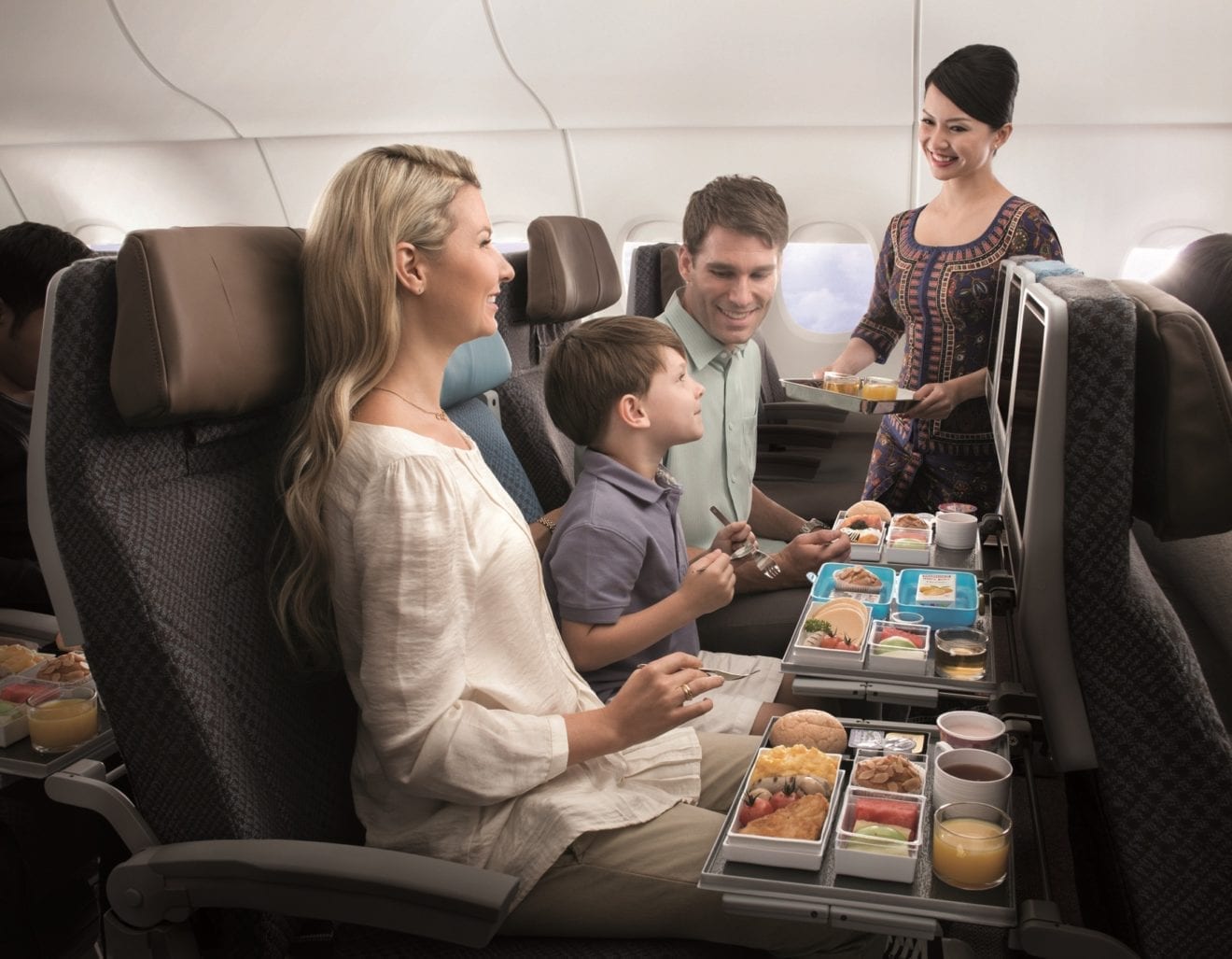
    Singapore Airlines (SIA) is banking on premium economy services to entice travelers to pay more for extra comfort.

    About four in 10 SIA planes now offer the service, slightly more than a year since it rolled out premium economy cabins, which offer perks such as more legroom and better food.

    And the carrier said it will continue to retrofit more aircraft with such cabins to meet travelers’ needs.

    Demand is especially strong on long-haul routes, said SIA spokesman Nicholas Ionides.

    The premium economy cabin includes features such as wider seats with greater recline and more legroom.

    First introduced more than two decades ago, such cabins are now found on more than 50 carriers worldwide, including American, European and Asian airlines.

    Apart from SIA, airlines that have rolled out such cabins in recent years include Hong Kong’s Cathay Pacific, which introduced them in 2012.

    Middle Eastern airlines, which have so far resisted the option, are now considering it as well.

    Premium economy services have caught on as they are popular with travelers who do not mind paying more for extra comfort, especially on long-haul flights.

    Cost-conscious businesses are also turning to them as an option for their executives on work trips, experts said.

    A premium economy ticket can cost up to 1 ½ times more than the economy fare, though this also varies depending on routes and time of travel.

    “The difference between the economy and premium economy fares for last-minute bookings can reduce significantly to just around 20 per cent to 30 per cent in some cases,” said Akshay Kapoor, director (Asia-Pacific) at CWT Solutions Group, which manages travel for corporate clients.

    While most airlines have taken a keen interest in the premium economy product, most tend to roll this out rather cautiously, he said.

    The number of premium economy seats is typically below 10 per cent of the total number of seats on the aircraft, said Kapoor.

    One concern that airlines have is that instead of economy travelers upgrading, business travelers could end up downgrading.

    Brendan Sobie, a Singapore-based analyst at the Centre for Aviation think-tank, said: “The idea is always to get economy class passengers to upgrade rather than to cannibalise business class.

    “However, there is always some cannibalisation – generally not a significant amount but there’s always the risk.”

    At Cathay Pacific and SIA, premium economy passengers are a mix of those who have downgraded from business and those who used to fly economy but are increasingly drawn to premium economy, especially on long-haul flights to North America and Europe, for example.

    However, given the uncertain global economic outlook, experts expect more business travelers to downgrade.

    Kapoor said: “With continued economic uncertainty expected over the next few quarters, we believe that organisations will increasingly be seeking avenues to drive savings in their travel spend without having to cut down on the amount they travel.

    “Taking premium economy over business class could save 60 to 70 per cent of the airfare and allow for more trips to a destination for the same dollar amount.”

    Rayman Som, 51, a human resource director who travels four to five times a year, has flown twice on SIA’s premium economy class on company expense.

    He said he took a short flight to Hong Kong the first time, so it did not make much difference. But he flew to Paris the second time and it proved a different experience.

    “The wider seat, more legroom and greater recline were much welcomed on the longer flight,” he said.

    He added: “Would I pay out of my own pocket for premium economy? For a short flight, no. For longer journeys, it makes sense if the price is right. I think 30 to 40 per cent more is reasonable.”

  • 2 Vietnamese men jailed for smuggling songbirds

    2 Vietnamese men jailed for smuggling songbirds

    Businessman To Quoc Viet, 38, and his half-brother, Thai Anh Quoc, 48, who is jobless, were also jailed for four months each for animal cruelty. The sentences for animal cruelty will run concurrently with the sentences for smuggling. Their sentences were backdated to Dec 15.

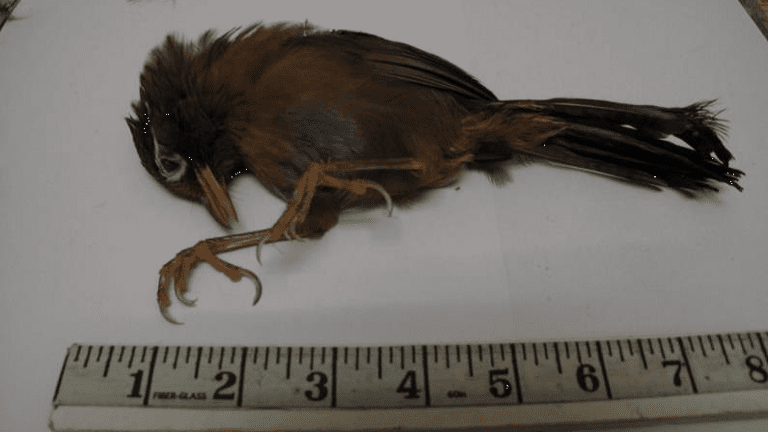
    The men pleaded guilty to importing 12 Chinese hwamei, a protected species under the Convention on International Trade in Endangered Species of Wild Fauna and Flora (Cites), from Ho Chi Minh City, Vietnam, without a permit on Dec 9.

    They also subjected the birds to unnecessary pain or suffering. The birds had been confined for about 12 hours in plastic containers without food or water.

    One died and another had to be euthanised after testing positive for avian influenza strain H3N8.

    Immigration and Checkpoints Authority (ICA) officers found the birds in plastic containers measuring 21cm by 6.5cm by 6.5cm in the men’s luggage at Changi Airport.

    Investigations showed that in Vietnam on Dec 7, To Quoc Viet’s brother “Huy”, a pet-shop owner, instructed him to prepare to go to Singapore, as a potential buyer wanted him to deliver the birds to Singapore. To Quoc Viet was promised a reward of $200.

    The next evening, Huy sent someone to deliver the flight tickets and two pieces of luggage, each containing six live birds in plastic boxes, to the two men. The duo packed their personal belongings into the bags.

    Agri-Food and Veterinary Authority (AVA) prosecutor Yap Teck Chuan said the birds were housed in a cramped manner with hardly any space for them to move.

    In a joint statement, AVA and ICA said the Government has zero tolerance for the use of Singapore as a conduit to smuggle endangered species. Animals that are smuggled into Singapore may introduce exotic diseases into the country.

    Singapore is one of the few countries in the region free from bird flu, and AVA maintains this status through strict import regulations and enforcement. “The ICA and AVA would like to remind travellers not to bring animals, birds and insects into Singapore without a proper permit,” the statement added.

  • Beauty brands add colour to dull retail scene

    Beauty brands add colour to dull retail scene

    Amid a soft retail scene, one segment has been bucking the trend: beauty products. In fact, beauty brands are growing their bricks- and-mortar presence here in and around Orchard Road.

    At least three international brands are expanding beyond department stores and multi-label beauty chain Sephora to establish standalone stores.

    French company Nars Cosmetics will open its first boutique in Ngee Ann City later this month, a spokesman told. The company’s products are currently available at Sephora, Tangs at Tang Plaza and Robinsons Orchard.

    The move follows double-digit year-on-year growth through its current channels, said the spokesman, and the standalone store will facilitate a multi-channel business model, including e-commerce.

    American brand Urban Decay, previously available only at Sephora, launched its first boutique in VivoCity in 2015 – also its first in the region. It now has stores in Bugis Junction and a flagship outlet in Ngee Ann City which opened last month. It said sales were “outperforming the market”.

    Sales of colour cosmetics here are expected to grow annually to reach more than this amount by 2020, up from an estimated $230.5 million for last year, according to Euromonitor International.

    Meanwhile, MAC Cosmetics, which has 12 stores in Singapore, opened its 1,980 sq ft flagship outlet in ION Orchard last month.

    American brand NYX Professional Makeup opened its first two boutiques in October and November in Bugis Junction and Plaza Singapura, with plans to open more.

    Sales of NYX products at Sephora outlets have more than doubled between 2015 and 2016, but standalone stores allow the company to showcase more products, said marketing manager Jerraine Lim.

    Ms Esther Ho, assistant director at Nanyang Polytechnic’s School of Business Management, said that challenging economic times create opportunities for brands as malls compete to fill the spaces vacated by other retailers.

    Vacancies for retail properties rose to 8.4 per cent at the end of the third quarter of last year – the highest level since the first quarter of 2011, according to data from the Urban Redevelopment Authority.

    “Rentals could be sufficiently depressed to attract new tenants such as Nars into the shopping malls,” said Ms Ho.

    Sales of colour cosmetics in Singapore are expected to grow annually to reach more than $278 million by 2020, up from an estimated $230.5 million for 2016, according to market research firm Euromonitor International.

    This comes even as retail sales, excluding motor vehicles, have fallen every month since February last year, with the latest government data estimating a fall of 0.3 per cent in October over the same period in 2015.

    Still, retail experts said cosmetics sales may be getting a boost as consumers trade big-ticket purchases for “small luxury” items such as expensive lipstick.

    Said Singapore Polytechnic senior retail lecturer Sarah Lim: “Shopping is psychological; the more you buy, the better you feel.”

    Cosmetics stores have an advantage as consumers like to try out products on their skin, while social media influencers help to boost sales by building hype, she added.

    Apart from touting a wider selection of products and exclusive collections, the new boutiques have also incorporated experiential elements.

    Nars’ store will feature a virtual try-on function and photo booth, while NYX’s two stores have interactive beauty bars for customers to follow make-up tutorials. Social media content is also integrated in NYX’s and Urban Decay’s stores.

    “Cosmetics stores are doing well in creating an experience for shoppers; other retailers should take note,” said Ms Lim.

    Healthcare worker Erin Baker, who spends up to $300 a month on cosmetics, said she is excited that more brands are opening boutiques here. “I like going into the store and trying on make-up, and boutiques have a nicer atmosphere and more personal and attentive service,” said the 27-year-old.