Tag: Singapore

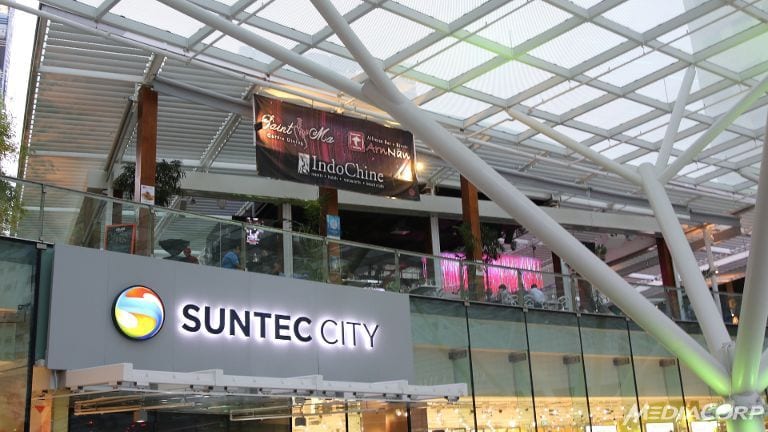
  • Suntec REIT records 5.9% fall in DPU for 4Q 2016 on Park Mall divestment

    Suntec REIT records 5.9% fall in DPU for 4Q 2016 on Park Mall divestment

    Retail and office landlord Suntec REIT has reported a DPU of 2.596 Singapore cents for its 4Q FY2016, 5.6% lower year-on-year than the 2.750 cents recorded in the corresponding period of 2015.

    Correspondingly distributable income of SGD66.1 million (USD46.5 million) for the period came in 4.9% lower compared to 4Q 2015.

    “Notwithstanding the fourth quarter year-on-year dip in distributable income which was mainly due to the divestment of Park Mall, we are pleased to report that for the financial year ended 2016, we have maintained the distributable income and DPU at similar levels as FY 2015”, said Chan Kok Leong, CEO if the REIT’s manager, in reference to Suntec REIT’s full-year DPU of 10 cents for FY 2016.

    The REIT’s committed occupancy for its Singapore office portfolio was at 99.3% while the committed occupancy for its Australian office portfolio was 95.9%.

    Meanwhile for its Singapore retail portfolio, the overall committed occupancy as at 31 December 2016 was 97.7%, and in Australia, 89.0%.

    “Despite the soft retail market, Suntec City Mall continues to benefit from the completed asset enhancement works, excellent connectivity with direct connections to both Promenade and Esplanade MRT Stations, and with ample car parking facilities of over 3,000 lots”, said Chan.

    The REIT’s gearing was at 36.4% as at 31 December 2016 with an all-in financing cost of 2.28% per annum.

    Chan pointed to the development of a new Grade A commercial building at 9 Penang Road as a factor that may bolster earnings in the future.

    “Development works commenced in December 2016 and the building is scheduled to complete by end 2019 when the new office supply is expected to be limited”, he added.

    Units of Suntec REIT are currently listed on the Singapore Exchange at SGD1.685.

  • NTU Singapore launches seventh satellite

    NTU Singapore launches seventh satellite

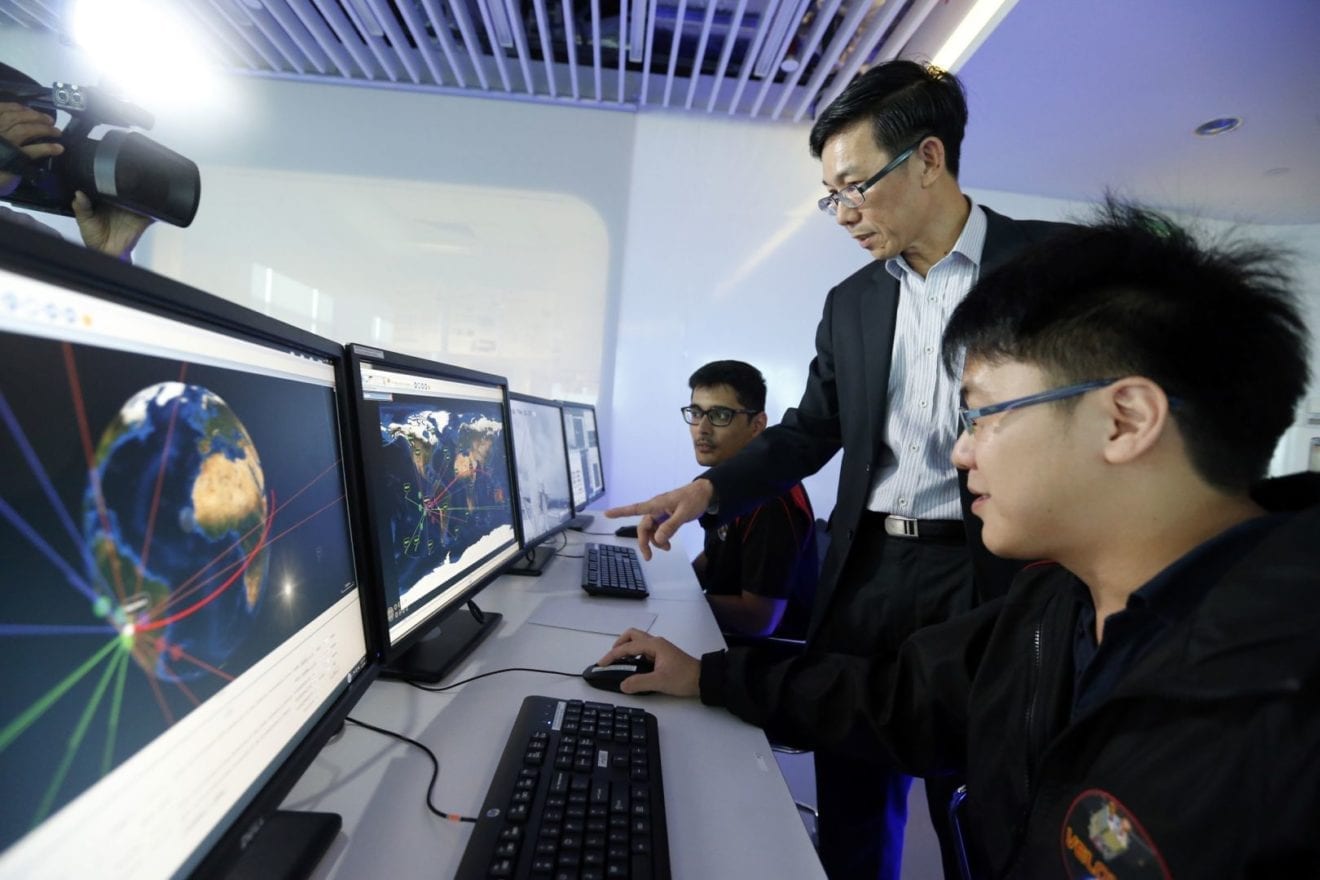
    Nanyang Technological University, Singapore (NTU Singapore) has launched its seventh satellite, the AOBA VELOX-III, into space from the International Space Station (ISS) on 16 January.

    It is the first Singapore satellite to be launched from the ISS, the 110-meter habitable human-made satellite that orbits the Earth. Unlike the conventional way of launching a satellite directly into space from a rocket, the two-kilogram VELOX-III was shot into orbit around the earth using a special launcher by a Japanese astronaut at the ISS.

    The AOBA VELOX-III is a joint project between NTU and Japan’s Kyushu Institute of Technology (Kyutech), one of Japan’s leading universities for satellite research and engineering. It is now orbiting 400 kilometers above Earth and will be conducting several tests, including the made-in-NTU micro-propulsion system, a new wireless communication system developed by Kyutech and experiments to evaluate the durability of commercial off-the-shelf microprocessors in space.

    “The successful deployment of the AOBA VELOX-III is a testament to the strong satellite engineering expertise at NTU. Building up the local satellite talent pool and developing disruptive technologies like the micro-thruster in the AOBA VELOX-III is important for Singapore’s budding space industry,” said Lim Wee Seng, director of the NTU Satellite Research Center.

    He said the NTU will now be developing its second joint satellite with Kyutech, which could lead to small and maneuverable satellites being used as space probes in future.

    Professor Mengu Cho, Director of Kyutech’s Laboratory of Spacecraft Environment Interaction Engineering, said the launch of AOBA VELOX-III is the tangible result of research collaboration between Kyutech and NTU for the past three years. AOBA VELOX-III is an important milestone in the Japan-Singapore inter-university space exploration.

    “We are looking forward to another joint satellite that is under development and scheduled to be launched in 2018. The long-term goal of the Kyutech-NTU joint space program is to do a lunar mission using the technologies demonstrated by these two satellites.”

    Professor Yoon Soon Fatt, Chair of NTU’s School of Electrical and Electronic Engineering, said conducting real satellite missions are key to training local talents for Singapore’s future satellite industry.

    “Satellite technology is a field that requires strong expertise across several disciplines, from power systems and batteries to integrated circuits and wireless communications,” he said.

    “The actual designing, building and operating real satellites in space gives a huge boost to the learning journey of our students and is an unparalleled experience for those seeking careers in the space industry.“

    Lim added that these space experiments by AOBA VELOX-III will enhance the university’s satellite building capabilities, paving the way for the next generation of nanosatellites that are more advanced and reliable.

  • Lalique links with Singapore Airlines for elevated travel retail

    Lalique links with Singapore Airlines for elevated travel retail

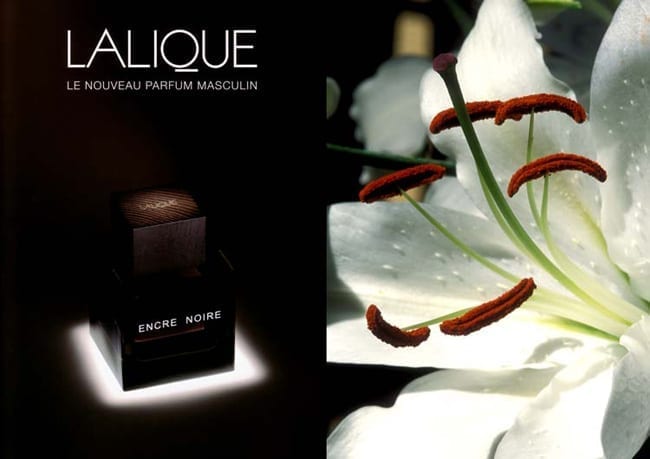
    French lifestyle brand Lalique is bringing its crystal wares to new heights through an alliance with Singapore Airlines.

    Through the partnership, the airline will retail co-branded in-flight products such as toiletries and glassware in its suites and first class cabins. For Lalique, this represents an opportunity to introduce its brand range to a captive audience of affluent travelers.

    In-flight branding
    Singapore Airlines (SIA) and Lalique have signed a memorandum of understanding, which reflects their shared goal of enhancing the on-board experience for suite and first class travelers. Together they will market a co-branded collection that includes loungewear, bedding, toiletries, amenity kits and glassware.

    The amenity kits available to these passengers will feature both lifestyle and crystal gifts. Additionally, travelers will be able to take advantage of special offers for Lalique’s manufacturing site, its five-star hotel Villa René Lalique and its two-Michelin star restaurant in France.

    SIA’s KrisShop Magazine will advertise Lalique items that can be purchased in-flight or via mail order from the consumers’ home.

    This partnership will launch with SIA’s next round of Airbus A380s starting in the second half of 2017. From there, the two companies are considering a long-term working relationship, with the possibility of additional collaborations and an exclusive agreement a possibility in the future.

    “We are very pleased to partner with Lalique to offer our premium customers exquisite luxury in the air,” said Marvin Tan, senior vice president, product and services at Singapore Airlines. “Both Lalique and SIA have a long heritage. Leveraging the strengths of both companies, we look forward to bringing the finest traveling experience to our customers through this co-brand initiative.”

    Department store chain Saks Fifth Avenue is similarly establishing in-transit placement by partnering with United Airlines’ newly redesigned business class experience.

    For the United Polaris front cabin passengers, Saks teamed with the airline to create a custom bedding. This first-of-its-kind collaboration represents an opportunity for Saks to be part of travelers’ flight experience, giving them a tactile interaction with the brand on their journey.

  • How does electronic waste get recycled?

    How does electronic waste get recycled?

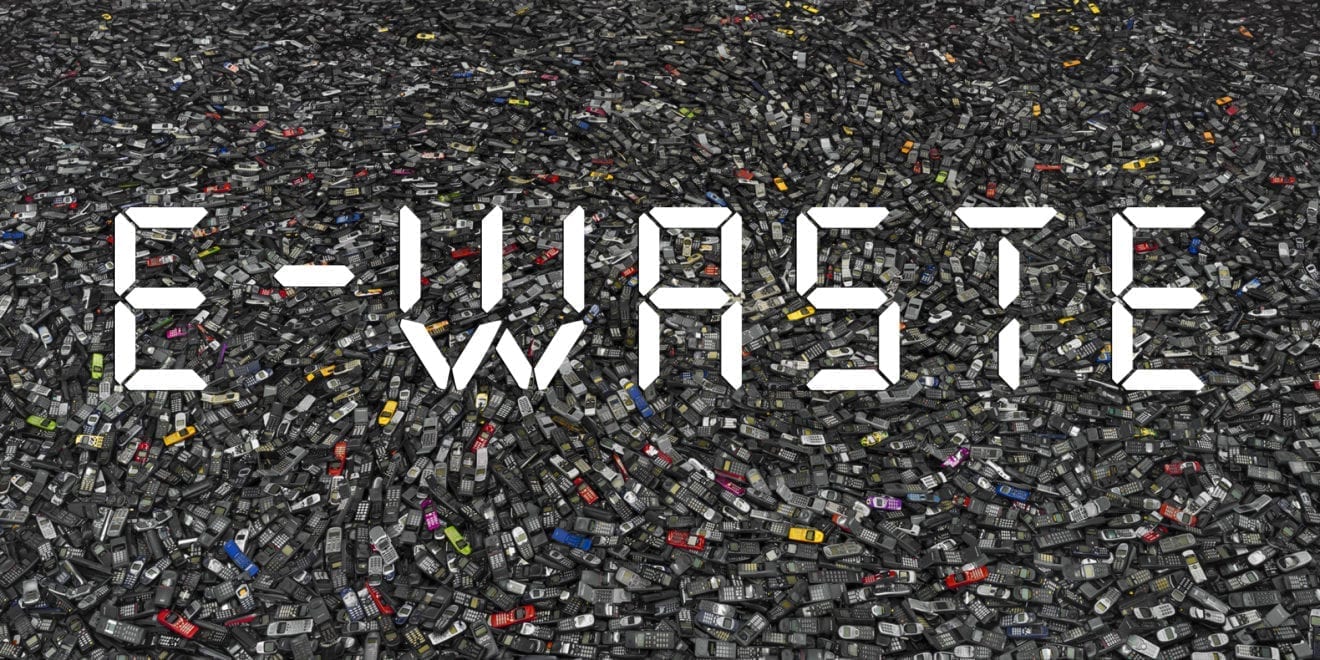
    The life cycle of electronics and electrical equipment (EEE) does not end when they stop working.If recycled properly, the precious metals found in electronic waste can go towards new EEE products.Discarded consumer electronics such as mobile phones, for instance, contain small amounts of precious and rare earth metals such as gold and silver.Scrapped cars and home appliances such as fridges and air conditioners also contain these rare metals, along with base metals of iron and zinc.In Singapore, there are several e-waste recycling initiatives for consumers.

    StarHub, for instance, partners recycling company Tes-Amm and logistics company DHL Delivery to place 328 specialised recycling bins in 277 locations under its Renew programme.Singtel has recycling bins placed at three of its shops for consumers to discard their used gadgets.Under the Project Homecoming initiative led by Canon and Epson, those with ink and toner cartridges can also drop them off at selected National Library Board locations.SORTED

    Once collected, the e-waste is sorted, labelled and dismantled according to their types – wires, LCD screens, hard disks and more.Measures, such as demagnetising hard disks, are taken to ensure data security.The e-waste is then exported to countries equipped to separate the metals through chemical processes.Once extracted, the metals are used in the manufacture of new products.

    Why recycle e-waste?

    When electronic waste is not disposed of properly, both the environment and public health suffer.This is because e-waste is very heterogeneous, National University of Singapore’s Associate Professor Tong Yen Wah explained.Apart from being made up of many types of components and materials, discarded electronics are also assembled in many ways, from simple devices like batteries to complex ones like smartphones.
    “All of these make e-waste very difficult to handle and recycle, and if their disposal is not done properly, these materials can get out and be circulated in the environment,” said the co-director of NUS’ Energy and Environmental Sustainability Solutions for Megacities programme.For instance, toxins from e-waste in landfills can seep into the groundwater that flows into rivers, causing water pollution.
  • Capsules serve up competition in Singapore’s coffee market

    Capsules serve up competition in Singapore’s coffee market

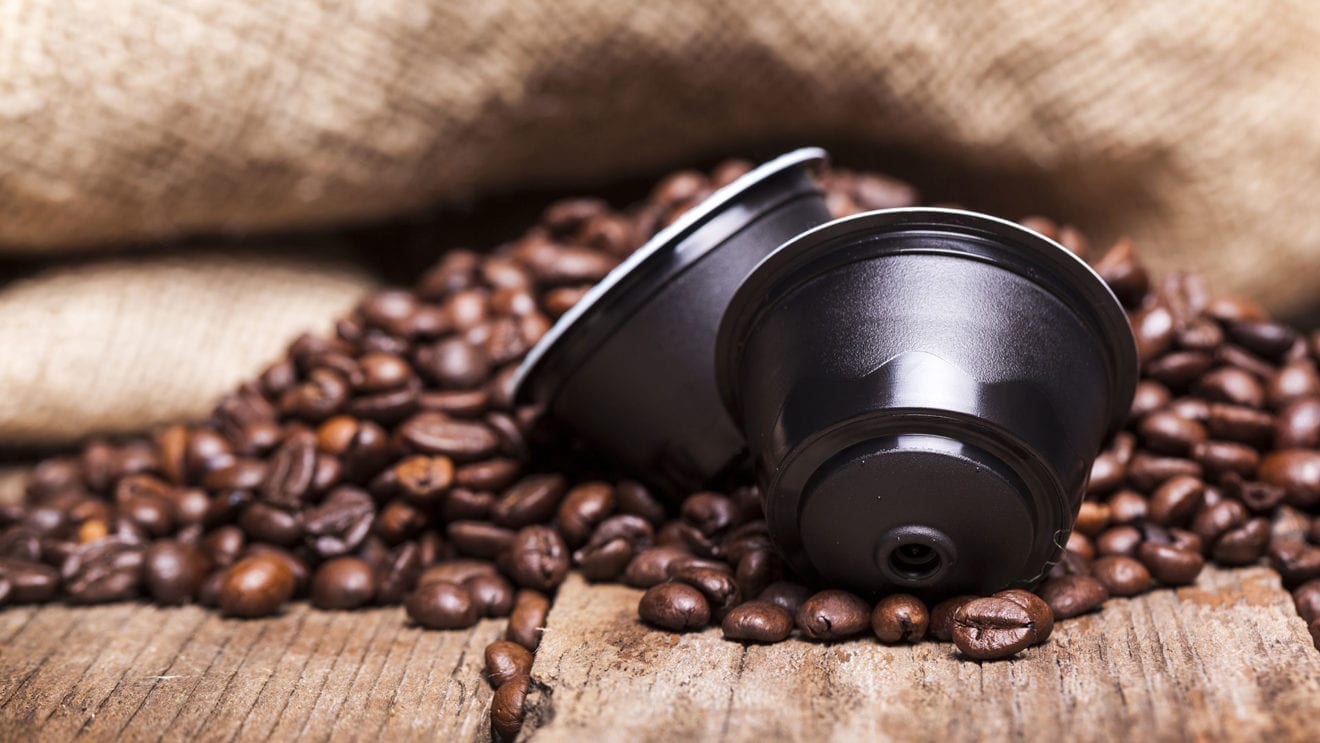
    These days, Ms Crystal Ling’s morning coffee comes in the form of a teal-coloured, bucket-shaped capsule.

    By popping it into a Nespresso machine in her office’s pantry, black coffee covered by a light caramel-coloured froth fills her espresso cup in about 40 seconds.

    “I like dark espresso that’s a bit bitter. There’s a café near my office that has what I want but at S$7 a cup, it’s not something that I should be having every day,” said the 27-year-old marketing executive, who is contemplating getting her own coffee machine.

    “Because these capsules need to be used with the Nespresso machine, I’m thinking of having one at home. My parents say it’s an expensive toy but I think ultimately, it will be cheaper than what I have been spending at cafes previously… The capsules cost less than S$1 each and for that price, it’s not bad.”

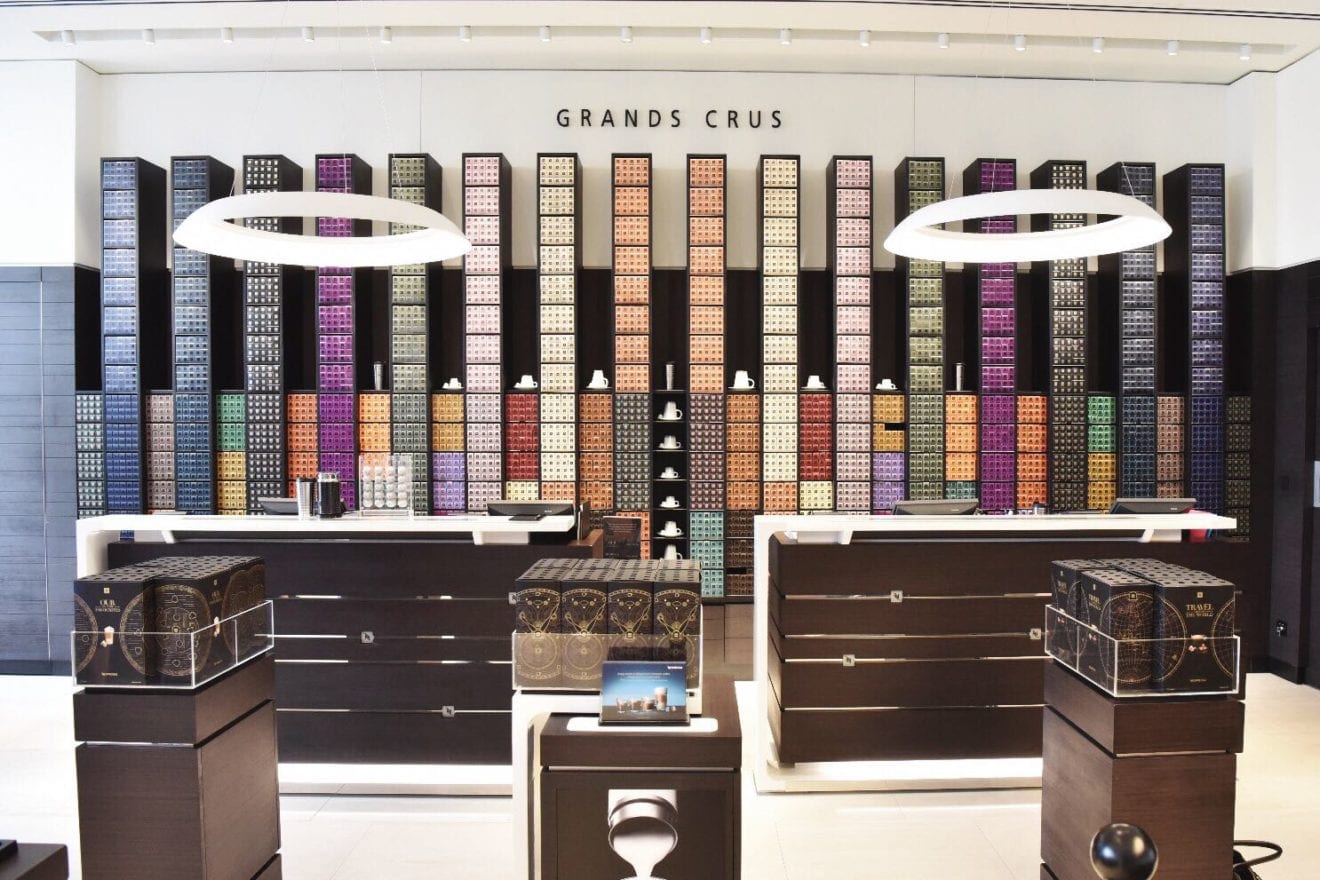
    Banking on novelty, convenience and an array of flavours, coffee capsules and machines, such as those from Nestle’s high-end brand Nespresso, are fast winning over local consumers like Ms Ling. According to research house Euromonitor, single-serve pods – including soft pods made from filter paper and hard pods that are often known as capsules – have been the fastest growing segment in Singapore’s coffee market since 2011, outpacing other segments with average year-on-year growth of nearly 5 per cent in terms of retail value. In comparison, the instant coffee segment grew an average of 2 per cent year-on-year during the same period.

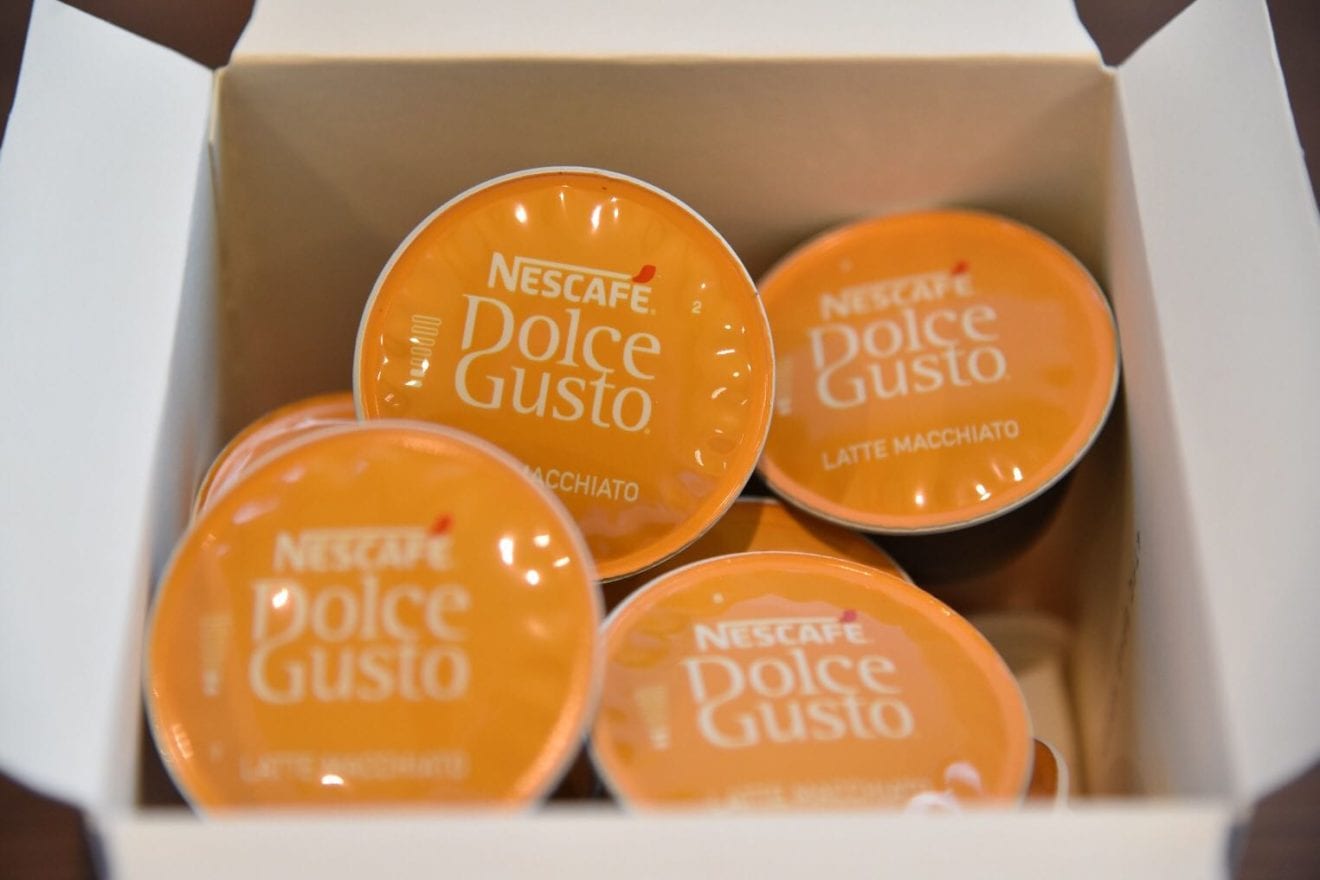
    Within this burgeoning segment, Nespresso, which first entered the local market in 2008, remains the dominant player. Nestle’s younger and cheaper range of single-serve coffee Dolce Gusto follows behind in terms of market share, helped by its lower pricing and wider variety of retail channels, noted Euromonitor’s research analyst Andrea Lianto.
    And even amid an increasingly sluggish economy, industry observers remain upbeat that the coffee-in-a-capsule segment will continue to outperform the broader coffee market in the upcoming years.

    “With higher disposable income, increased need for convenience and growing interest in high-quality coffee, coffee capsules still have room for growth in Singapore,” said Ms Lianto. “(Industry players) need to educate and convince consumers about the convenience and quality of capsules so that consumers are compelled to pay a premium for the product. The sustainability of capsules also depends on players’ efforts to maintain consumers’ excitement in the category, for example through new flavour launches.”

    This optimism is also shared by the market players.

    Nespresso Singapore, for instance, believes that its price adjustment in November means that its capsules have become an “affordable luxury experience” that consumers can have on a daily basis.

    “Even with the slowdown, people will still want to enjoy life and have moments of indulgences… if you look at the new Nespresso capsule prices, you will realise that a cup of Nespresso coffee is now an affordable luxury that you can have every day,” country manager Matthieu Pougin told Channel NewsAsia. “This is what we see in our boutiques as well. Even with the economy slowing down over the past two years, people continued to shop at our boutiques.”

    Over at Nescafe Dolce Gusto, expectations remain for the brand to see more than 5 per cent growth in the coming years. The Nestle range, which stands for “sweet flavour” in Italian, has logged double-digit growth year-on-year since its foray into Singapore six years ago.

    “The Singapore economy is facing some of its toughest challenges now (but) for the coffee capsule segment, there should still be good growth,” said Mr Chow Phee Chat, the brand’s head of business in Singapore. “Currently, the capsule segment remains one of the smallest within the market so we do project that it will still be growing very fast.”
    BREWING COMPETITION

    But for these brands, a slowing economy that could tighten consumers’ purse strings is not just the only potential challenge looming ahead.

    While Nestle’s dual-brand strategy has continued to ensure its dominance in the Singapore capsule market, it is a different picture globally.

    Keen competitors such as US single-serve coffee company Keurig Green Mountain and other upstarts that have begun making less-expensive capsules compatible with Nespresso machines, have been eating into Nestle’s global market share. According to Euromonitor, the Swiss food giant controlled 11.1 per cent of the global coffee capsule market in 2015, down from 13 per cent in 2011.

    In Singapore, a handful of homegrown instant beverage makers like Owl International and Boncafé have rolled out their respective capsule ranges, and there are other brands of Nespresso-compatible pods that can be easily purchased online. While alternative options have emerged, Ms Lianto said the “minimal presence” of these selections means Nestle will likely be unrivalled for now.

    But that does not mean that local capsule coffee lovers have not begun exploring other options.

    Ms Lim Shiyun, who owns a coffee machine from Nespresso, has bought capsules from other brands such as local café chain The Providore. “I’m quite adventurous when it comes to coffee. Since these capsules work with my Nespresso machine, there’s no harm trying out new flavours,” the 29-year-old said.

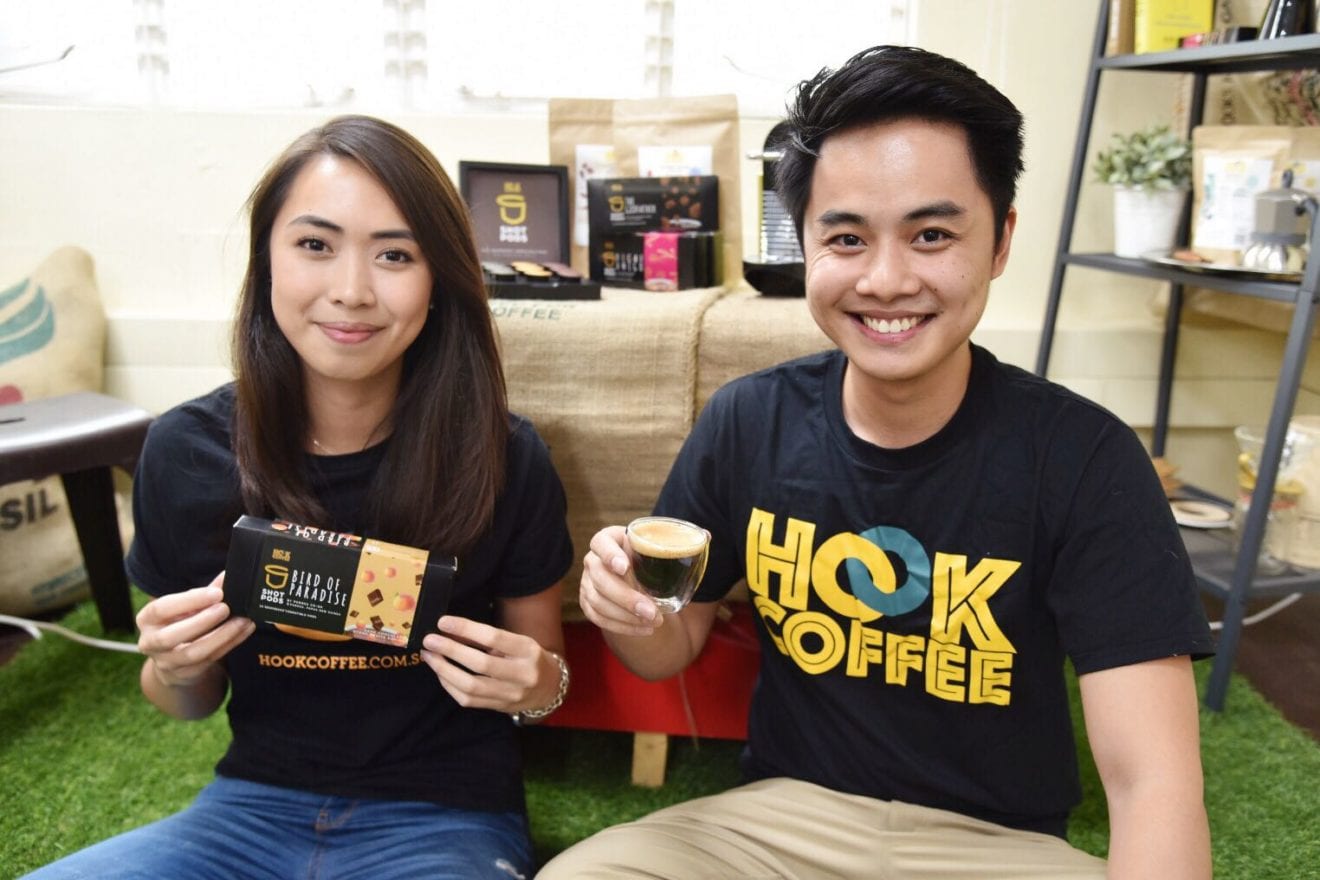
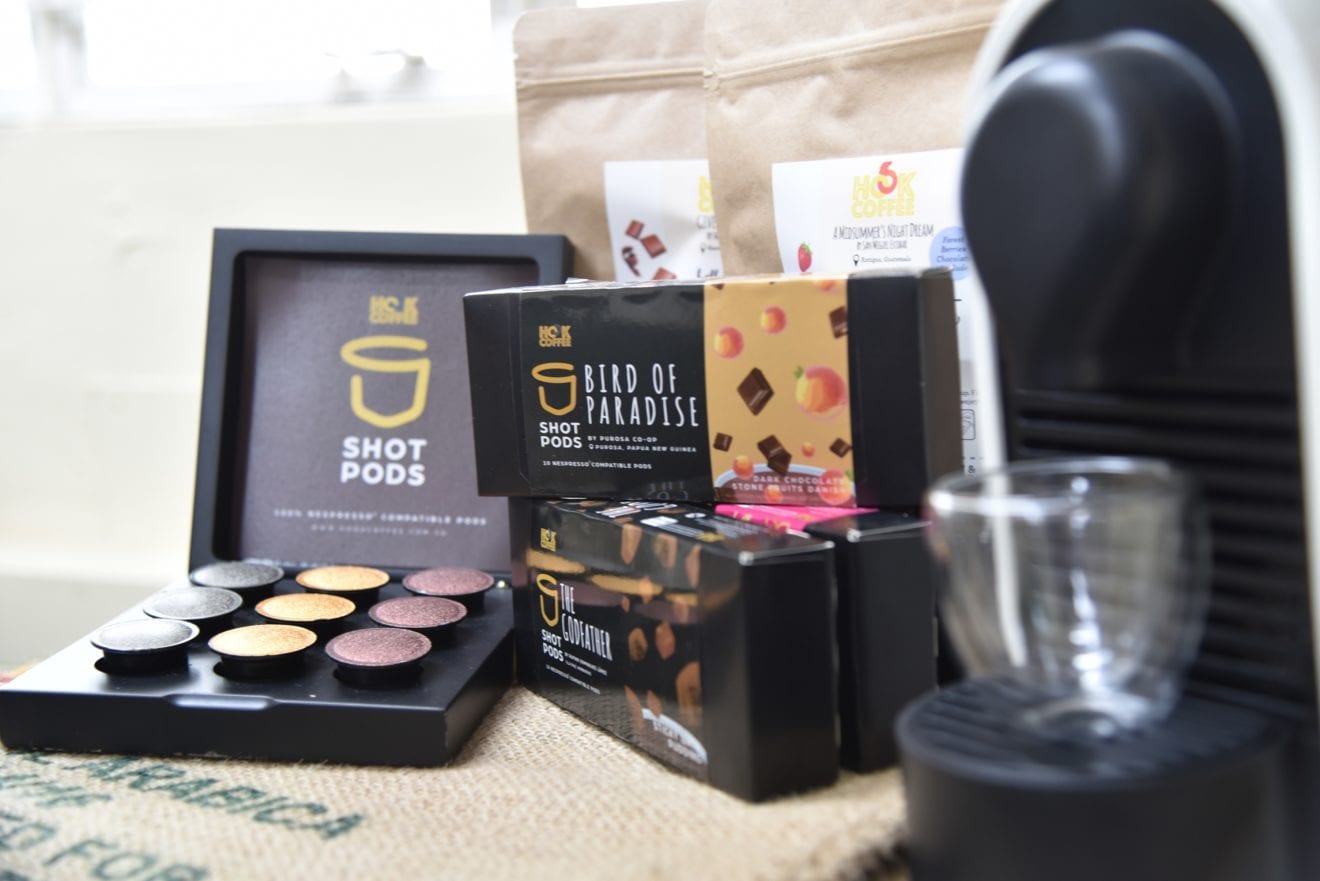
    Singapore-based Hook Coffee, for one, produces Nespresso-compatible capsules with sustainably-grown coffee beans sourced from around the world. Founded in early-2016, the online business also sells specialty coffee in other brewing methods such as French press and drip bags, and offers a coffee subscription service.

    Founders Ernest Ting and Faye Sit told Channel NewsAsia that they introduced capsules to their product line-up last June and since then, sales have been in line with expectations. Given rapid growth in the local capsule market, Mr Ting said the new venture was a no-brainer even if there were significant challenges involved for the young firm.
    For one, the production of capsules involved much more extensive research and development (R&D), compared to other brewing methods.

    “Each pod contains 5.5 grams of coffee and to get the same body and flavour in 30 seconds of extraction time, is very challenging. The roasting technique and the blends have to be precise; even the grinders are different so it’s a very complicated process and a huge amount of R&D investment that goes into making just one pod,” Mr Ting explained.

    That is why the introduction of new capsule flavours have been slower than other brewing options, which usually sees new additions once a month, he added.

    Meanwhile, to prevent wastage, an average of 10,000 capsules are filled during each production cycle. With such a large-sized production, it is crucial for the start-up to get things right before the release of every new flavour, Ms Sit told Channel NewsAsia. “Especially for a small market like Singapore, a large production batch is also tricky so we have to be really careful and do a lot of market research.”

    Despite the difficulties, the two young entrepreneurs still think their five-figure investment into capsules has been worthwhile and remain optimistic on sales, even as competition seems to have been turned up a notch after the market’s biggest player, Nespresso, lowered the prices of its coffee range.

    “Twenty per cent of our total sales right now are capsules. That’s the same as our drip bags and achieved within six months… As more people want convenient options, we think there will be an increase,” said Mr Ting.

    The 25-year-old added: “Interestingly, when Nespresso lowered their prices, we maintained ours but we didn’t see a drop in subscribers. In fact, it increased slowly so we think consumers are coming to us because we offer a more artisanal option.”
    PRICE CUTS, NEW PRODUCTS TO GET A SHOT IN THE ARM

    Still, industry observers said the nearly 30 per cent price reduction follows Nespresso’s recent adjustments in other markets, and will give the high-end brand a shot in the arm when it comes to competing with lower-priced rivals. For instance, Ristretto and Espresso capsules that were S$0.91 each are now S$0.68, cheaper than Dolce Gusto’s Espresso Intenso that retails at S$11.90 for a box of 16.

    Describing Singapore as a “unique market” where “coffee is part of the people’s DNA”, an increasingly discerning taste for coffee among local consumers has spurred Nespresso’s growth over the past eight years, said Mr Pougin. However, he denied that increasing competition was a catalyst for the recent price adjustment, adding that “Nespresso continues to grow in (Singapore) regardless of competition”.

    “We didn’t make the decision to decrease the price because of competition,” Mr Pougin told Channel NewsAsia. “The reason we did that is because we have been here for more than eight years and we now have the ability and want to offer the Nespresso experience to a bigger group of consumers.”

    Meanwhile, Nescafe Dolce Gusto said it has “no plans to relook (at) its pricing”, primarily because the brand’s competitive edge remains in its capsule beverages that go beyond coffee and its diverse retail locations such as supermarkets.

    “We have a place in the market. We offer a variety of beverages not just for coffee enthusiasts… (but) also tea and hot chocolate. We are a coffee system that not only offers good quality coffee, but beverages for the whole family,” said Mr Chow, who added that the brand’s new varieties including healthier options such as its unsweetened Latte Macchiato will continue to “surprise consumers”.

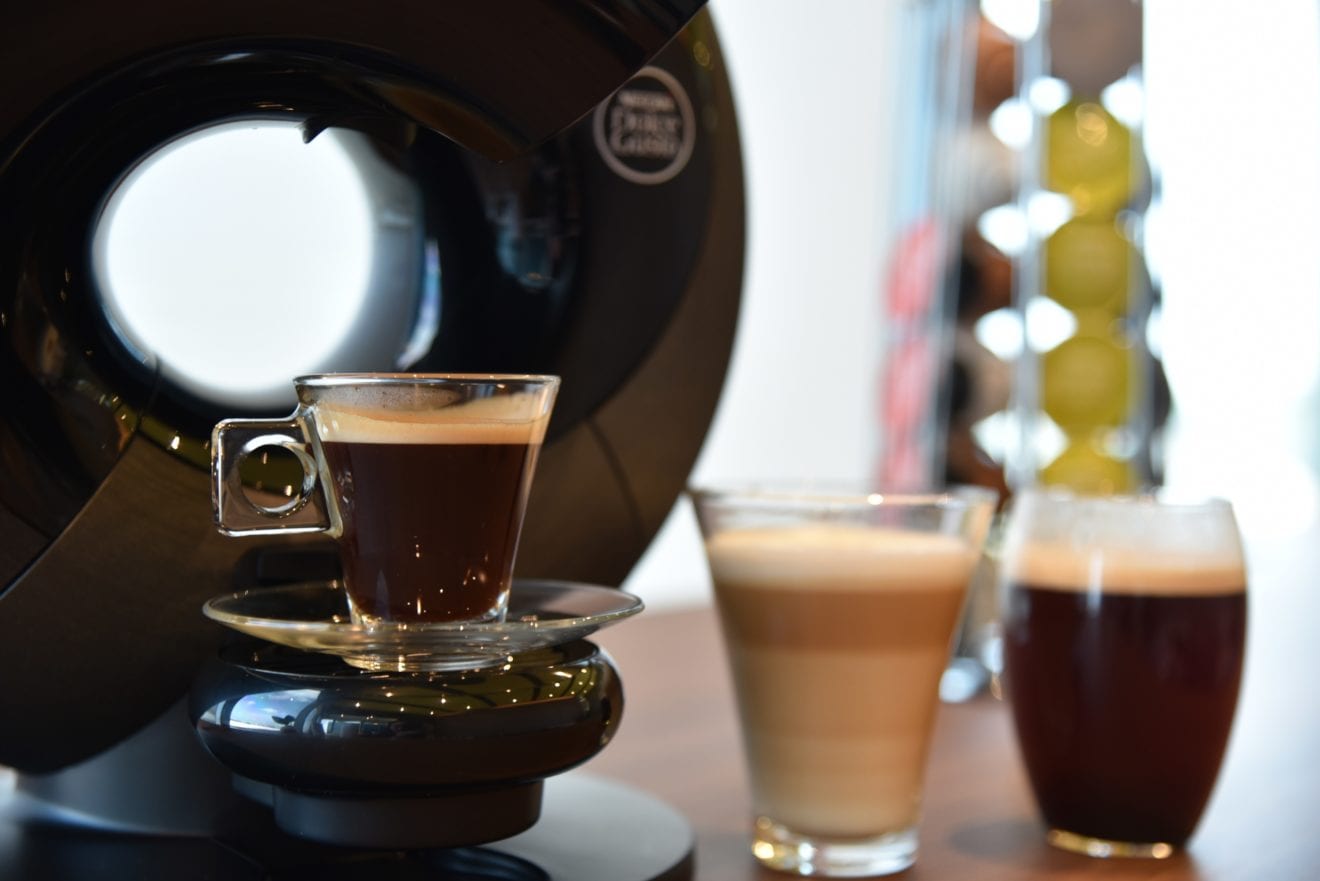
    In the meantime, Dolce Gusto is also betting on new coffee systems to help it keep up with competition. The brand’s latest “Eclipse” machine comes with an unconventional circular design and a touch screen interface.
    DIVERSIFY INTO CAPSULES? MAYBE NOT YET

    Still, there is at least one beverage maker who is opting to sit out of the hype for now.

    Mr Desmond Ng, managing director of local instant coffee brand Gold Kili, told Channel NewsAsia that the rising popularity of coffee capsules has had little impact on sales. The 32-year-old household brand also has no plans to follow in the footsteps of other homegrown beverage makers, given that coffee capsules remain “a non-mainstream option” for now and there are consumers who are not willing to splurge on a coffee machine. “As such, a packet of instant coffee, which is usually four times cheaper than a capsule costing around S$1, remains more attractive to price-sensitive consumers,” Mr Ng added.

    Gold Kili also prides itself on its traditional brew that is achieved by roasting a mixture of Arabica and high-caffeine Robusta coffee beans with sugar or caramel. Even amid the rise of Western-style coffee that uses just Arabica beans, Mr Ng believes that the traditional brew will continue to have its loyal following.

    Eurmonitor’s Ms Lianto agrees: “Instant coffee targets a different segment of consumers through a much lower price point than capsule coffee. On average, one serving of instant coffee costs less than one-third of one serving of capsule coffee.

    “As such, many instant coffee consumers, especially those who are price-sensitive, find themselves reluctant to shift completely to capsule coffee for their regular caffeine fix.”

    However, Gold Kili’s Mr Ng is not ruling out expansion plans to tap on new emerging trends in the local coffee market, such as coming up with specialty coffee bags to attract younger consumers.

    “Capsule machines remain expensive and with capsules far from being the mainstream option for consumers, we won’t be heading in that direction for now,” he told Channel NewsAsia. “But we are considering Western-style coffee bags to cater to the tastes of younger consumers. We think there’s still a gap in this market and there’s a business opportunity for us.”
  • T2 Singapore launches with kaya toast brew

    T2 Singapore launches with kaya toast brew

    For its first outlet in Asia, Australian tea chain T2 Singapore has launched with a new brew that pays homage to local breakfast staple kaya toast.

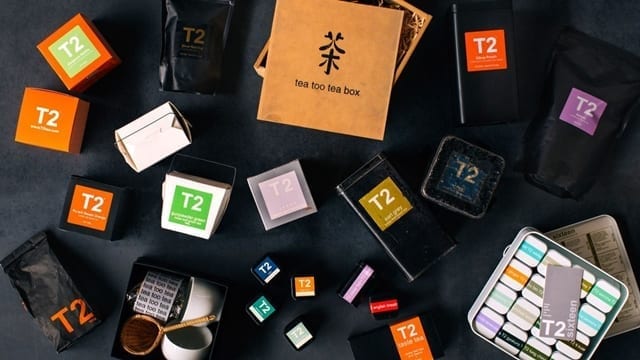
    Its Singapore Breakfast tea is a blend of pu’er (Chinese fermented tea), green tea, coconut flakes and roasted rice. It is among more than 150 types of teas at the new store, in the 313@Somerset mall.

    T2 CEO Nicky Sparshott says Singapore was picked for the company’s Asian debut because of its “strong tea-drinking culture with multicultural influences, from black tea dating back to the colonial period to Asian tea beverages such as teh tarik – Malay for pulled tea – and green tea”.

    Covering 550 sqft (51 sqm), the store offers myriad teas, from black, green and white to rooibos, and herbal and fruit-based tisanes.

    Bestsellers for the company include French Earl Grey, which has bergamot-infused black tea perfumed with rose and sunflower petals and hibiscus; Green Rose, green tea paired with mango, papaya and rose petals; and Fruitalicious tisane, a blend of cranberries, blueberries, dragon fruit and goji berries.

    t2-tea-c

    Singapore has been among T2’s top five markets in online sales over the past two years, and Sparshott hopes the country’s reputation as a tourism hub can expose the tea company to visitors in Asia.

    “Infinite possibilities”

    “Tea has moved from being a beverage for old people to having infinite possibilities … there is an appetite for new invention in teas,” she says.

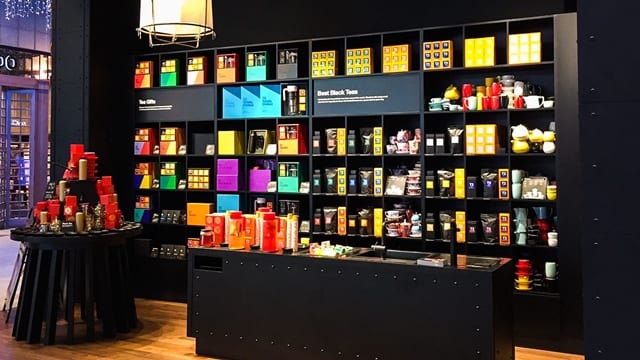
    Like its more than 75 outlets in Australia, New Zealand, the UK and the US, the T2 shop in Singapore has black floor-to-ceiling shelves lined with brightly coloured tea boxes, tea pots, cups and accessories. Taking centre stage is an island brew bar with tea-making apparatus, where six types of hot and iced tea beverages are brewed daily for customers to sample.

    Sparshott says customers can also attend regular tea masterclasses and tea-blending sessions through the tea community group T2 Society, which is free to join.

    She says T2 intends to open another three or four outlets in Singapore in the coming year.

    Started in Melbourne in 1996, T2 was acquired by Unilever in 2013, which owns such tea brands as Lipton.

    Other tea boutiques in Singapore include the TWG Tea chain and The 1872 Clipper Tea Company, which opened a tea retail shop-cum-bar in Ion Orchard last April.

  • Singapore retail rents slipped in final quarter

    Singapore retail rents slipped in final quarter

    Singapore retail rents slipped 1.3 per cent in the last quarter of 2016, compared with the previous quarter.

    According to data from JLL Singapore, included in a pan-industry market review, retail rents were under most pressure in the Marina quarter where most of the new space coming onto the market in the quarter was concentrated.

    Despite positive net absorption of the opening of South Beach (60,000 s ft) and Tanjong Pagar Centre (100,000 sqft), rental corrections in the Marina submarket remained underpinned by the weak performance of retailers, with many of them seeking pre-termination of their leases, reports JLL.

    The average vacancy rate of suburban malls, including Reit-owned and strata-titled shopping centres, has more than doubled from less than 1 per cent in 2013 to 2.4 per cent in the fourth quarter of last year. Year-on-year, average monthly gross rents for prime retail space in suburban malls fell by 7.1 per cent in the quarter.

    Prime retail rents in Orchard Road have fallen 7.5 per cent over the same period.

    The quarter saw marginal year-on-year retail sales decline in October, (excluding motor vehicles), driven by poorer sales in computers and telecommunications equipment and watches and jewellery, “ indicating the persistence of weak consumer sentiment”.  And despite take-ups being dominated by the entry of new F&B operators, the F&B sales index also recorded a similar year-on-year decline.

    “Total retail investment sales value for the fourth quarter rose sharply from a quarter ago, driven by the interest in retail assets in the suburban submarket, likely due to the resilient rental income they provided,” reported JLL. “Jurong Point, one of the biggest suburban shopping centres, was put up for sale at a price of more than SG$2 billion and received considerable interest.

    “However, apart from the marginal compression of yields in the suburban submarket, overall yields remained relatively stable as the rate of capital value correction was in line with rental decline across the Orchard and Marina submarkets.”

  • Singapore’s consumer prices rise for first time in 2 years

    Singapore’s consumer prices rise for first time in 2 years

    After a record two years of negative inflation, consumer prices in Singapore finally rose in December last year, with headline inflation coming in at 0.2 per cent.

    The rise in the consumer price index (CPI) was due to a larger increase in private road transport cost, which rose by 1.7 per cent in December following a 0.2 per cent rise in November. The rise was the result of higher petrol prices and car park fees, said the Monetary Authority of Singapore (MAS) and Ministry of Trade and Industry (MTI) on Monday (Jan 23).

    Services inflation edged up to 1.6 per cent from 1.5 per cent in November, mainly due to a faster pace of increase in holiday expenses, which more than offset the larger contraction in telecommunication services fees.

    Food inflation was 2 per cent, unchanged from the previous month. Accommodation costs fell by 3.8 per cent in December, similar to the previous month, reflecting continued softness in the housing rental market, MAS and MTI said.

    Overall retail goods inflation eased to zero per cent in December from 0.2 per cent in November, largely on account of a fall in the prices of personal care products.

    December’s increase comes after the headline consumer price index stayed flat in November from a year earlier, coming off a deflationary trend for the first time in two years.

    For the whole of 2016, headline inflation came in at -0.5 per cent for the second consecutive year.

    Core inflation, which excludes the cost of accommodation and private road transport, was slightly lower at 1.2 per cent compared to 1.3 per cent in November. The decline was mainly due to a fall in retail goods inflation more than offsetting an increase in services inflation, MAS and MTI said.

    For the whole of 2016, core inflation rose to 0.9 per cent, from 0.5 per cent the year before.

  • Urban Revivo opens first international store

    Urban Revivo opens first international store

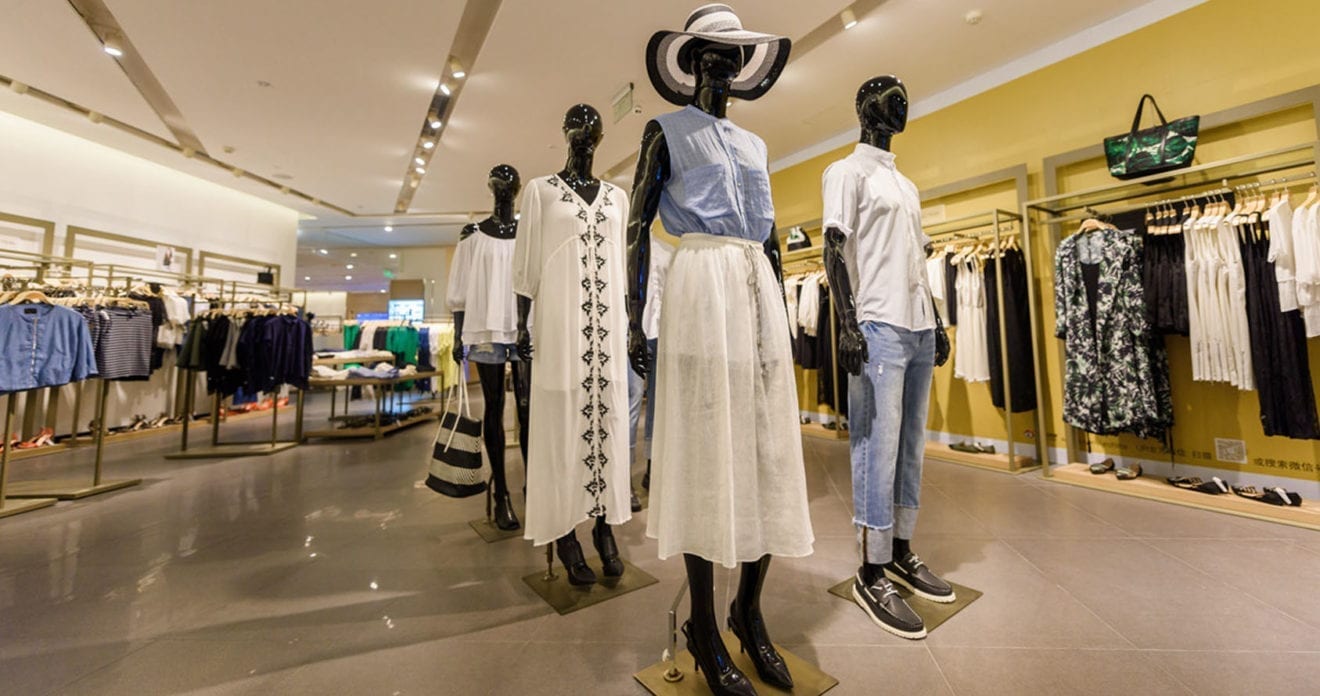
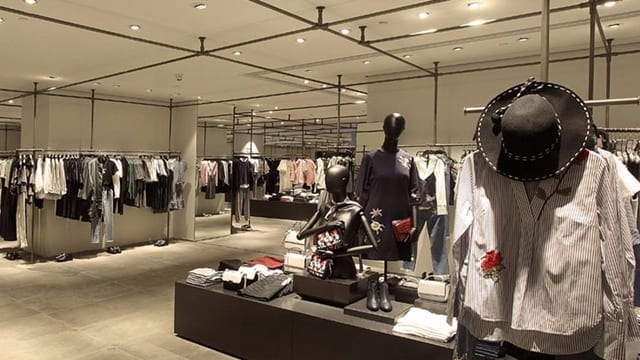
    Chinese fashion brand Urban Revivo has opened its first international store, at Singapore’s Raffles City Shopping Centre.

    Launched in 2006, Urban Revivo specialises in contemporary clothing and accessories for both men and women. It has 150 stores across about 60 cities in China, including Beijing, Chengdu, Guangzhou and Shanghai.

    While the brand refreshes its stores with up to 12,000 new styles every year, all its designs are available in only 12 pieces per store, reports Her World Plus, which features this video tour of the new store:

  • EZ Link launches contactless payment wearables

    EZ Link launches contactless payment wearables

    Singapore’s EZ-Link, the market’s largest issuer of CEPAS-compliant cards, announced the launch of EZ-Link Wearables.

    Launched in collaboration with Watchdata Technologies and Garmin, the ez-link CEPAS purse will be enabled on the Batman v Superman Fitness Tracker X EZ-Link and the Garmin vívosmart HR with EZ-Link smartwatch.

    The devices will support contactless payments on public transit and at more than 30,000 ez-link acceptance points island-wide.

    While offering support for contactless payments, the devices remain smart health and fitness devices that monitor and record daily activities to support a healthy lifestyle.

    “Last year, we integrated a similar contactless chip into the vívosmart HR band in Taiwan which lets users pay for train rides, bus trips and retail purchases via the I-Pass electronic wallet stored within the chip,” Garmin South Asia GM Al Sundoro said.

    “This collaboration with EZ-Link puts Singapore on the road map as the first country in South-east Asia to offer a contactless payment solution where you can pay for public transport rides with a tap of your wearable on your wrist.”

  • Zalora Regional Headquarters Relocating to Tanjong Pagar

    Zalora Regional Headquarters Relocating to Tanjong Pagar

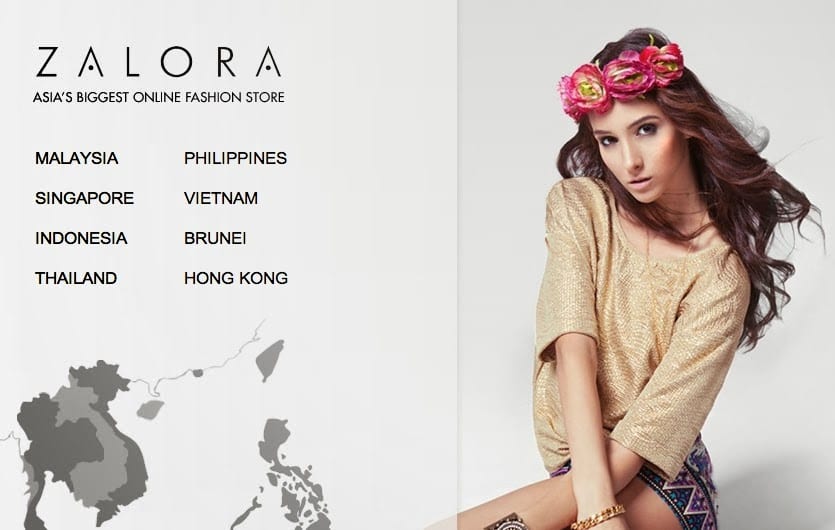
    Online fashion retailer ZALORA is relocating its corporate headquarters in Singapore. The company has signed a three-year lease occupying over 30,000 square feet across two floors in Keppel Towers, located in Tanjong Pagar in the heart of Singapore’s business district.

    Parker Gundersen, ZALORA CEO, commented, “We’re very excited to be relocating to Keppel Towers. It’s a beautiful space that offers a more efficient layout with spectacular views of the city and waterfront. The larger space supports our continued expansion needs and offers a more collaborative environment for the team. Tanjong Pagar is also a very vibrant part of Singapore with great restaurants and amenities. It’s a great next step for ZALORA.”

    Mr Tan Swee Yiow, President (Singapore), Keppel Land, said, “As a provider of premium office space, Keppel Land constantly seeks to partner exciting growth businesses that will drive the future economy. Zalora is one such company and we are very pleased to welcome them to Keppel Towers, and look forward to partnering them in their expansion in Singapore and the region.”

    ZALORA’s new office address is 10 Hoe Chiang Road #18-01 Keppel Towers Singapore 089315.

  • SelluSeller makes multiple-market selling easier

    SelluSeller makes multiple-market selling easier

    eCommerce and logistics company Anchanto has launched a software platform, SelluSeller, to help merchants, brands and distributors sell products on a multitude of marketplaces.

    Revealed at a company event in Singapore, SelluSeller enables users to manage their inventory and simultaneously upload listings to several eCommerce websites including Flipkart, Lazada and Matahari. This saves them having to repeat the process for each individual site.

    SelluSeller also allows merchants to sell crossborder and connect to logistics and warehousing services from Anchanto’s network in Southeast Asia.

    “We wanted to connect brands and sellers to marketplaces,” says Anchanto co-founder/CEO Vaibhav Dabhade. “You can outsource your logistics, including crossborder, and manage your brand’s online presence with one click.”

    Anchanto targets both small sellers with fewer than 1000 sales a month as well as large brands and distributors. For the small sellers it charges a flat fee of US$21 a month, while the larger merchants pay seven cents a order.

    However, sellers who opt to use third-party logistics providers that are already Anchanto clients and part of its warehouse management and fulfillment management network, can use SelluSeller without charge.

    Lazada test

    Anchanto expects to have more than 5000 merchants and brands on SelluSeller in the next four to five months. It has been working with Lazada to develop and test the software. Other partners include luxury-product distribution firm Bluebell Group, lifestyle and apparel distributor JayGee Group, and global market expansion company DKSH. Altogether, the product pilot includes 55 brands and distributors.

    SelluSeller is an evolution of the company’s channel-management services and expands Anchanto’s products, which until now focussed mostly on global fulfillment, crossborder shipping, and warehouse management for clients like Groupon and Levis. The company has also helped businesses from Europe get their products on marketplaces like Flipkart, Lazada and Qoo10.

    Meanwhile, Anchanto acknowledges that regional eCommerce is significantly outpacing domestic eCommerce, despite price variables in terms of shipping, customs and tariffs, plus delays because of “large amounts of red tape”, he told the 2017 Asia eCommerce Dialogue in Singapore.

    He says that for regional players, local partnerships are necessary in each country, as exemplified by multinational companies.

  • M1, Huawei complete 5G mmWave demo

    M1, Huawei complete 5G mmWave demo

    M1 and Huawei have completed a 5G demonstration over 73-GHz E-band spectrum, achieving Singapore’s highest 5G transmission speeds of 35Gbps.

    The demonstration at M1’s main operating center in Jurong has validated the performance of 5G using millimeter wave high frequency bands, the companies announced.

    M1 CTO Denis Seek said 5G will support the massive number of low-latency connections critical to driving the next wave of technological development in areas including virtual and augmented reality, the connected car and autonomous vehicles as well as IoT applications.

    “Singapore’s mobile networks are widely acknowledged as amongst the most advanced worldwide, and M1 is committed to staying at the forefront of 5G technology to ensure our consumers enjoy the best experience and latest smart applications,” he said.

    In Hong Kong, SmarTone and Ericsson recently conducted the city’s first 5G demonstration using millimeter wave spectrum.

  • Singapore’s PM Launches Visit ASEAN@50 Campaign

    Singapore’s PM Launches Visit ASEAN@50 Campaign

    The Prime Minister of Singapore, Mr Lee Hsien Loong, and ASEAN Secretary General, Mr Le Luong Minh, officially launched the VisitASEAN@50 Golden Celebration tourism campaign on 18 January at the opening of the ASEAN Tourism Forum (ATF) in Singapore.

    The campaign promotes the twin objectives of commemorating the 50th anniversary of ASEAN, and embracing the ASEAN region as a single and united tourism destination.

    Ahead of its launch, ASEAN tourism ministers agreed that the objectives of the campaign were to raise tourist arrivals to the region to 121 million by end of 2017, up from 108 million in 2015. Tourism officials also hope to boost tourism receipts to USD83 billion and increase average length of stay to 6-7 days by encouraging tourists to travel to at least two ASEAN countries on each visit.

    Fifty special tour packages – carefully selected by the 10 member countries of ASEAN — are the main draw of the tourism campaign, which is supported by globally recognised companies such as Mastercard and AirAsia.

    The VisitASEAN@50 campaign comes at a time when tourism has been a star performer in Southeast Asia, rising from 42 million international arrivals to the region in 2000 to 108 million in 2015, according to numbers provided by the ASEAN Secretariat.

    The proliferation of low cost airlines, rising living standards in the region and the proximity of mass markets such as China have turned tourism into a powerful workhorse, which now commands about 12.4 % of the ASEAN economy according to the World Travel and Tourism Council.

    In his speech, Prime Minister Lee called for better connectivity within Southeast Asia and urged fellow member countries not to shy away from “less glamorous” tourism development tasks such as building new infrastructure, enhancing training and reducing red tape. Specifically he said he would like to see ASEAN strengthen air links, boost cruise tourism and develop tourism’s human resource skills.

    During the launch on 18 January, a new hybrid orchid named Papilionanda ASEAN Golden Jubilee was unveiled to commemorate 50 years since the launch of the Association of Southeast Asian Nations (ASEAN) in 1967. The orchid was created from several different strands of genus from various ASEAN countries.

    The Visit ASEAN@50 campaign will run until 31 December this year. Details on the 50 special tour packages are available on the campaign’s official website at www.visitASEAN50.com.

  • NEC holds Innovative Solutions Fair in Singapore

    NEC holds Innovative Solutions Fair in Singapore

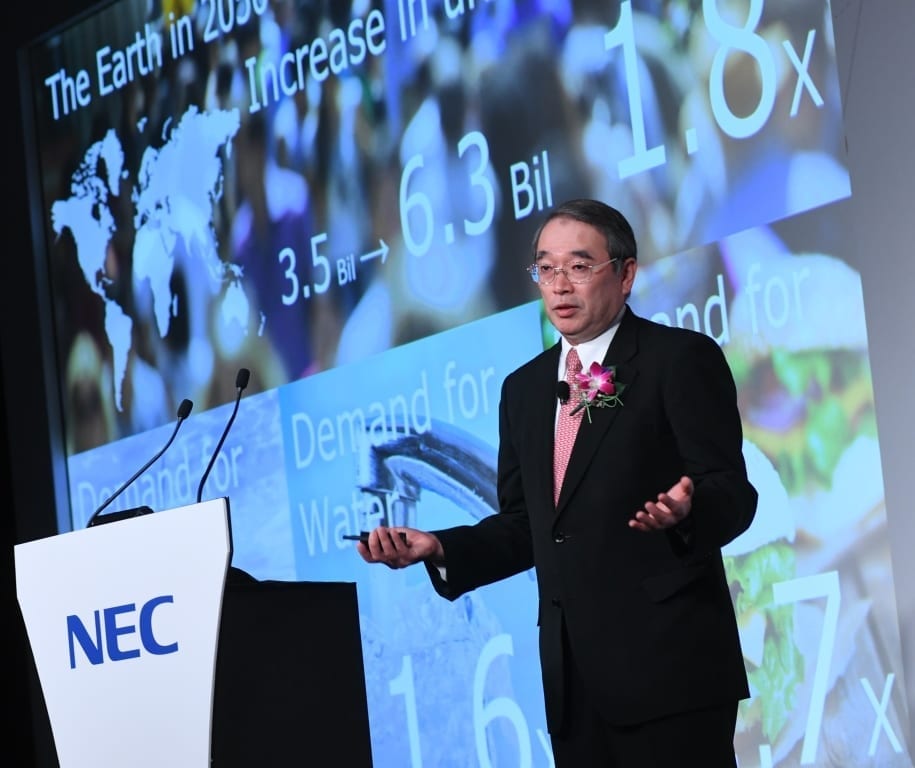
    This year’s theme, ‘Co-creating Cities of Tomorrow’, seeks to showcase NEC’s most innovative and proven suite of “Solutions for Society” and cutting-edge technologies that are being used to transform cities and businesses in the areas of safety, security, efficiency and allowing people to live brighter lives.

    Featuring more than 25 interactive exhibits showcasing NEC’s breakthrough innovative urban and business transformation solutions, the one-day event will feature a keynote speech by Mr. Kiren Kumar, who oversees the Infocomm and Media industry development efforts at the Singapore Economic Development Board (EDB), as well as insights from thought leaders into the latest industry research, and how ICT solutions can help enhance safety and business transformation for cities and society.

    Other highlights include safer and smart cities technologies based on NEC’s portfolio of artificial intelligence technologies, NEC the WISE, such as NEC’s world’s No.1 face recognition and fingerprint technology, cyber security, smart energy, healthcare, transport; business transformation solutions such as enterprise cloud, IoT, smart workplace and collaboration, Software-Defined Networking technology, mixed reality for enterprises and much more.

    Mr. Kiren Kumar, Assistant Managing Director, EDB, said, “NEC is a longstanding partner of Singapore and has worked closely with the government on multiple fronts to test and scale their latest smart city technologies. We are therefore heartened to see that NEC is leveraging Singapore as a platform to showcase their latest technologies and facilitate partnerships between companies and innovators to address opportunities created by digitalisation. This bodes well for Singapore’s efforts to become the Digital Capital of Asia.”

    “NEC Asia Pacific is pleased to hold the NEC Innovative Solutions Fair for the second time in Singapore. Leveraging NEC’s ‘Solutions for Society’ suite of cutting-edge technologies and solutions, we believe in forging strong partnerships with governments and enterprises to co-create impactful, innovative solutions that solve societal challenges and enhance lives. As a result, NEC aims to create a safer, brighter and more sustainable future for society and its communities,” said Lim Kok Quee, Managing Director and Deputy CEO (ASEAN Sub-Region) of NEC Asia Pacific.